Ho Chi Mihn City, Moments of Design
Ho Chi Minh City is one of the most visually dynamic and design-rich cities in Vietnam today.
Rather than seeing the city as a carefully designed environment, Ho Chi Minh-based designer Joshua Breidenbach helps us to look at it through scenes that emerged naturally as people lived their everyday lives — using, adapting and reshaping what was already there.
Joshua Breidenbach is the founder and creative director of Rice, a Ho Chi Minh City-based branding and design studio. Having lived in Southeast Asia for over 20 years, he has worked across design, branding and cultural projects, and is a member of the Alliance Graphique Internationale (AGI), an association of some of the world’s leading graphic designers.
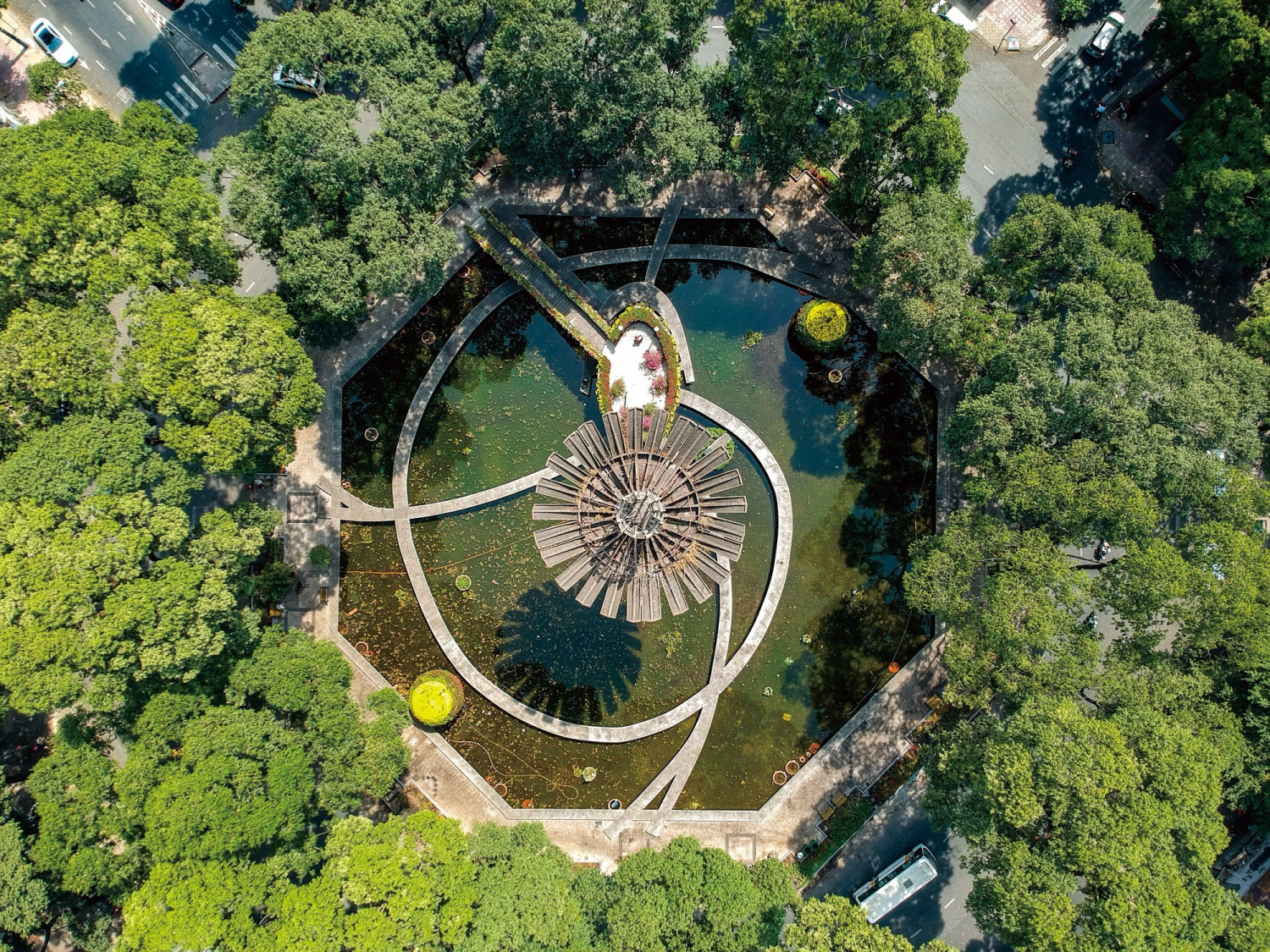
Turtle Lake (Ho Con Rua)
⚑ Vo Thi Sau, District 3, Ho Chi Minh City
The name Ho Con Rua translates to “Turtle Lake,” derived from a turtle sculpture that once stood at the center of the site. In Vietnamese and broader East Asian cultures, the turtle symbolizes longevity, stability and protection. Originally the location of a water tower constructed during the French colonial period, the site was transformed in the 1960s and 70s into a park surrounding a Brutalist concrete structure. Although the turtle sculpture is no longer present, the name remains, and today the space functions as an everyday meeting point woven into the life of the city.
Dogma Collection
⚑ 27A Nguyen Cu, Thao Dien, District 2, Ho Chi Minh City
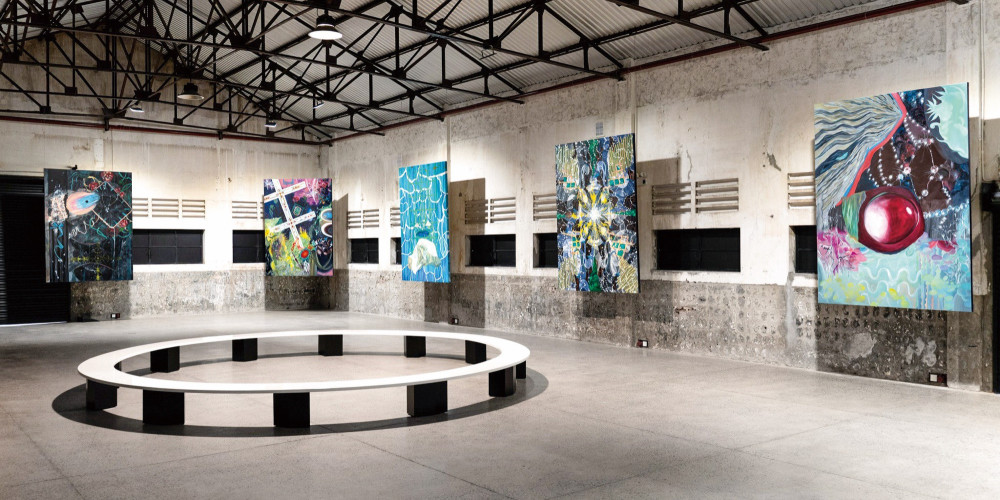
Dogma is an exhibition space rooted in an archive of Vietnamese propaganda posters produced between 1945 and 1985, tracing the visual language of the country’s revolutionary and modern history. It also organises the Dogma Prize, Vietnam’s first private contemporary art prize for artists from Vietnam, Cambodia and Laos. Calm and deliberately composed, the space offers a rare opportunity to slow down and look closely in a fast-moving city.
- TIP Dogma is located on Nguyen Cu Street, a lively road lined with cafés, wine bars and places to eat.
The Café Apartments
⚑ 42 Nguyen Hue Street, District 1, Ho Chi Minh City
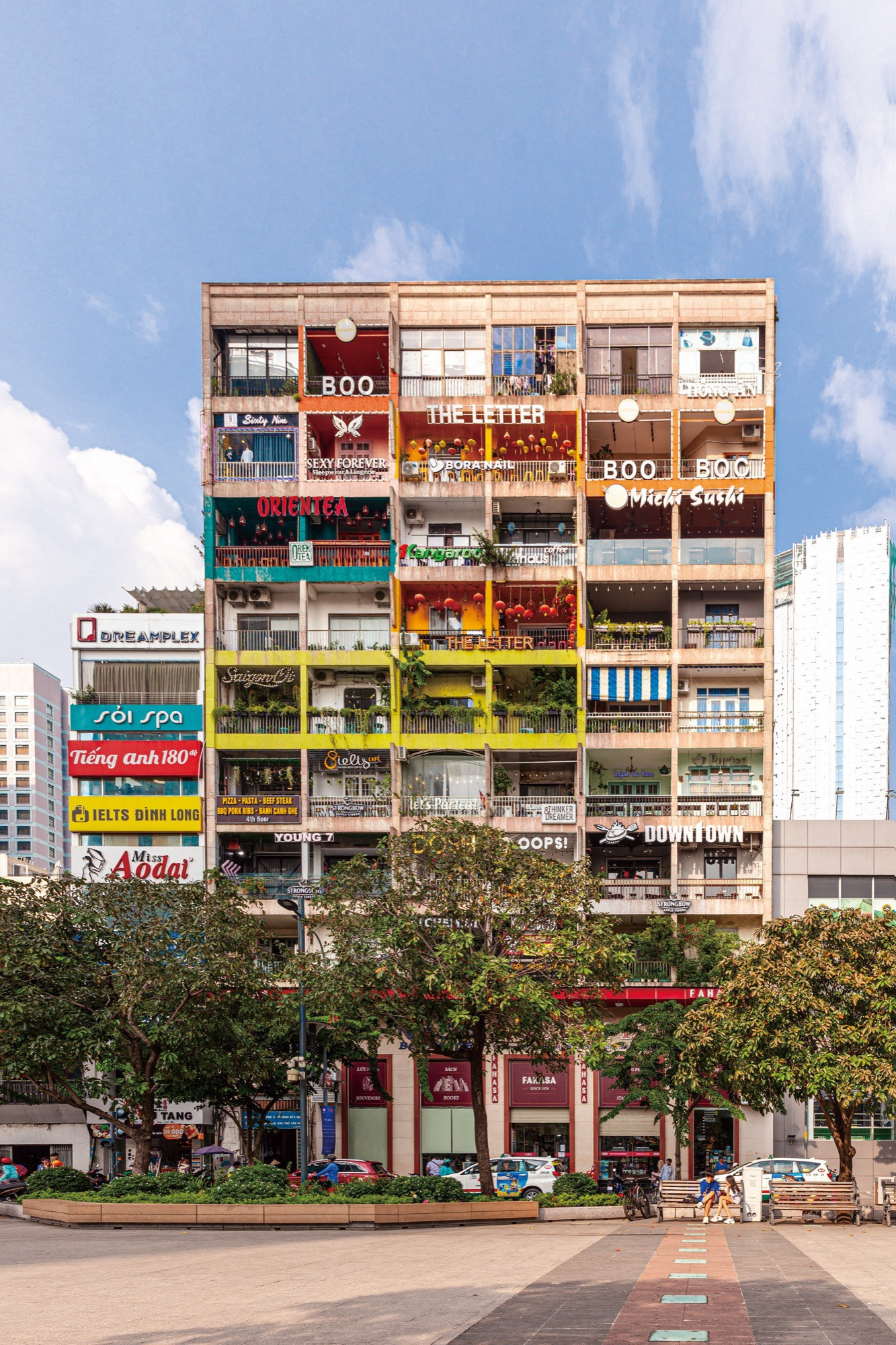
The Café Apartments is a nine-story former residential building located on Nguyen Hue Walking Street, near the square with the Ho Chi Minh statue. Built in the mid-20th century and once home to government staff and military personnel, the building gradually emptied as it aged. In its place, cafés, independent shops and restaurants moved in, transforming the structure into a vertical cluster of creative spaces. Weathered on the outside, the interior reveals a sequence of distinct atmospheres, encouraging visitors to explore everything that this building has to offer.
TDX Ice Factory
⚑ 19/45 Tran Dinh Xu, District 1, Ho Chi Minh City
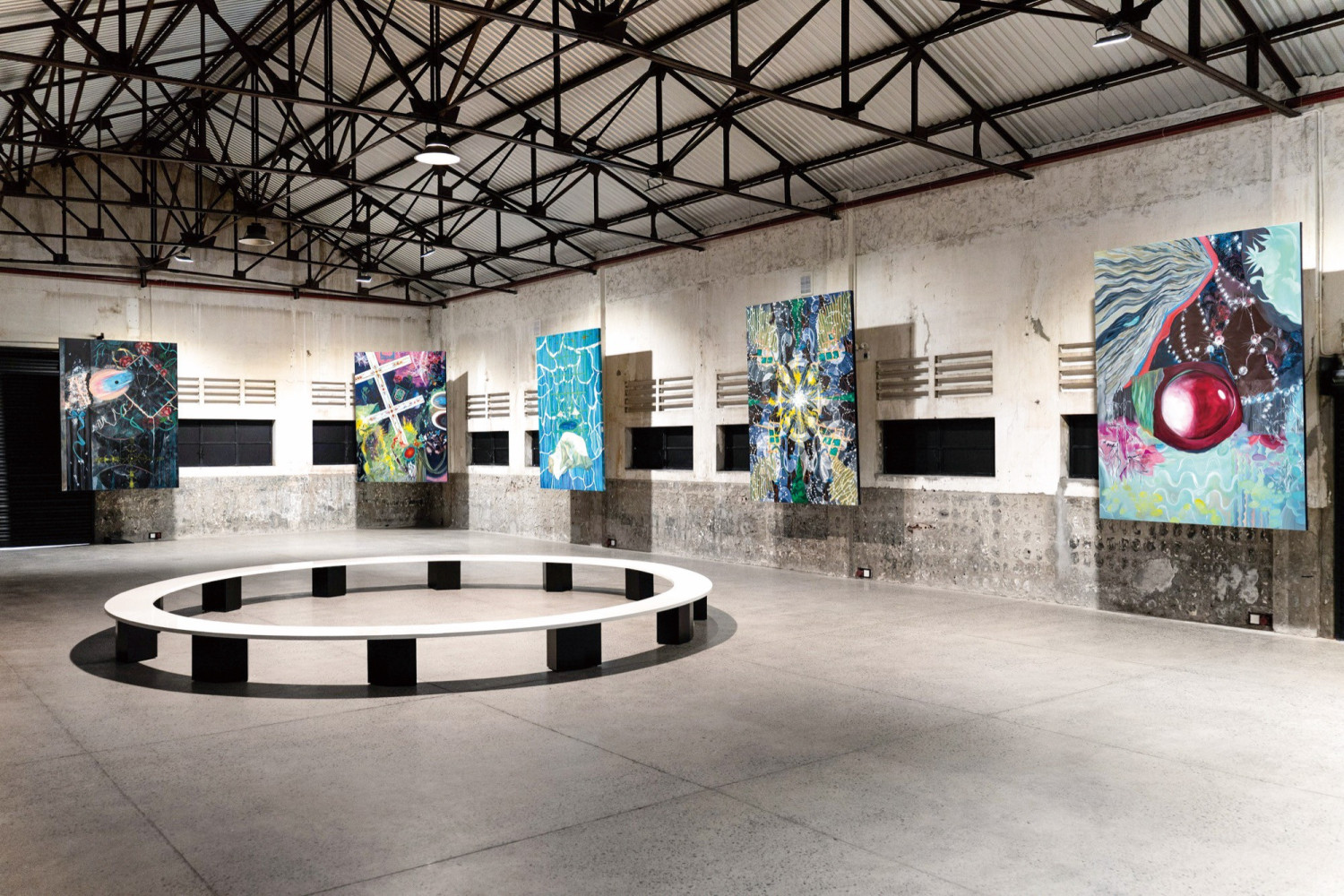
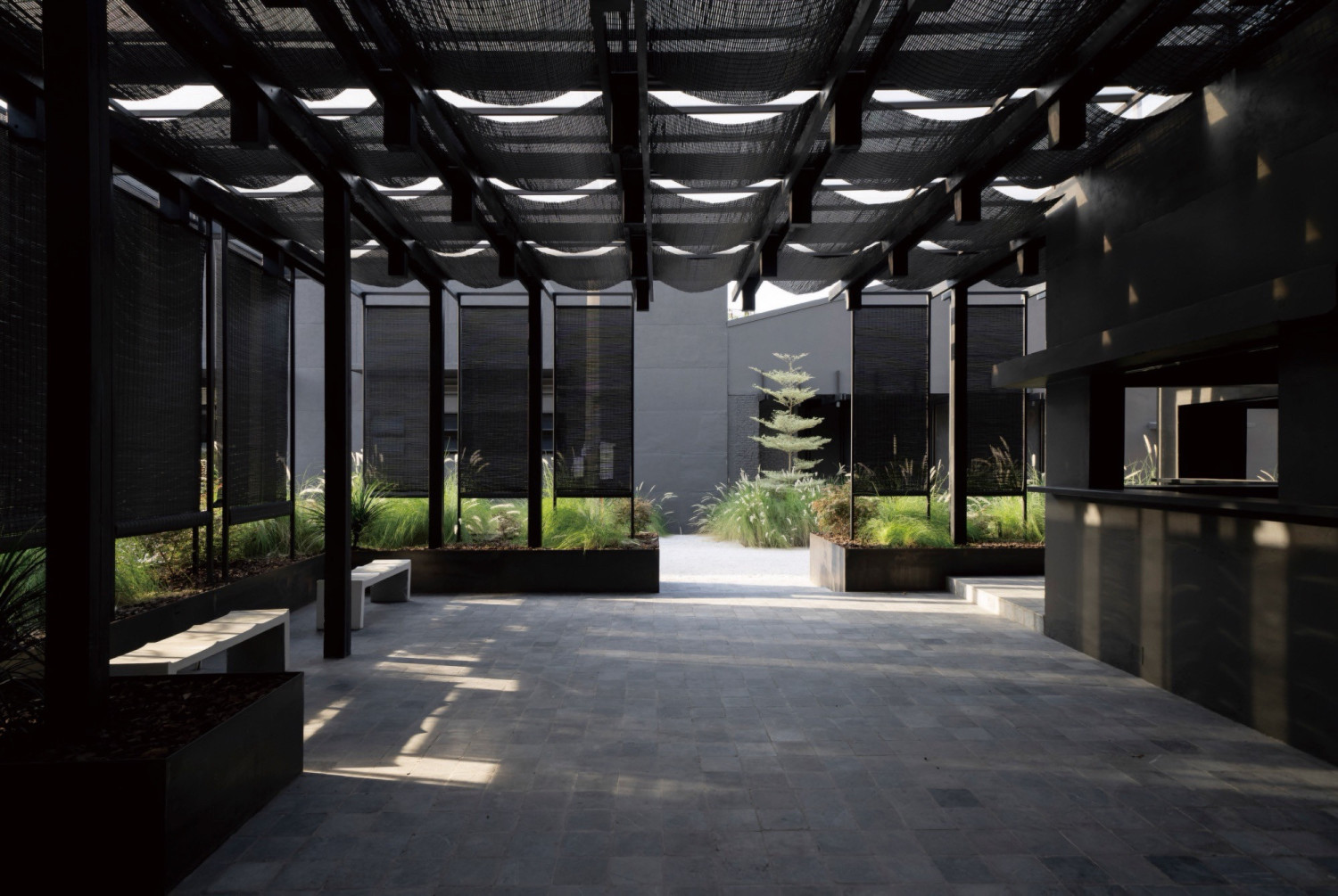
Hidden within a narrow alley, the TDX Ice Factory is a former industrial building given new life while preserving its past. Designed for Vietnamese furniture brand District Eight, the conversion retains the original concrete structure of the ice factory and incorporates salvaged wood and local materials. Today, it operates as a creative compound for exhibitions, events and workshops. In a city defined by constant redevelopment, the Ice Factory proposes a quieter model where craft, memory and contemporary use coexist.
Nghia An Hoi Quan
⚑ 678 Nguyen Trai Street, District 5, Ho Chi Minh City
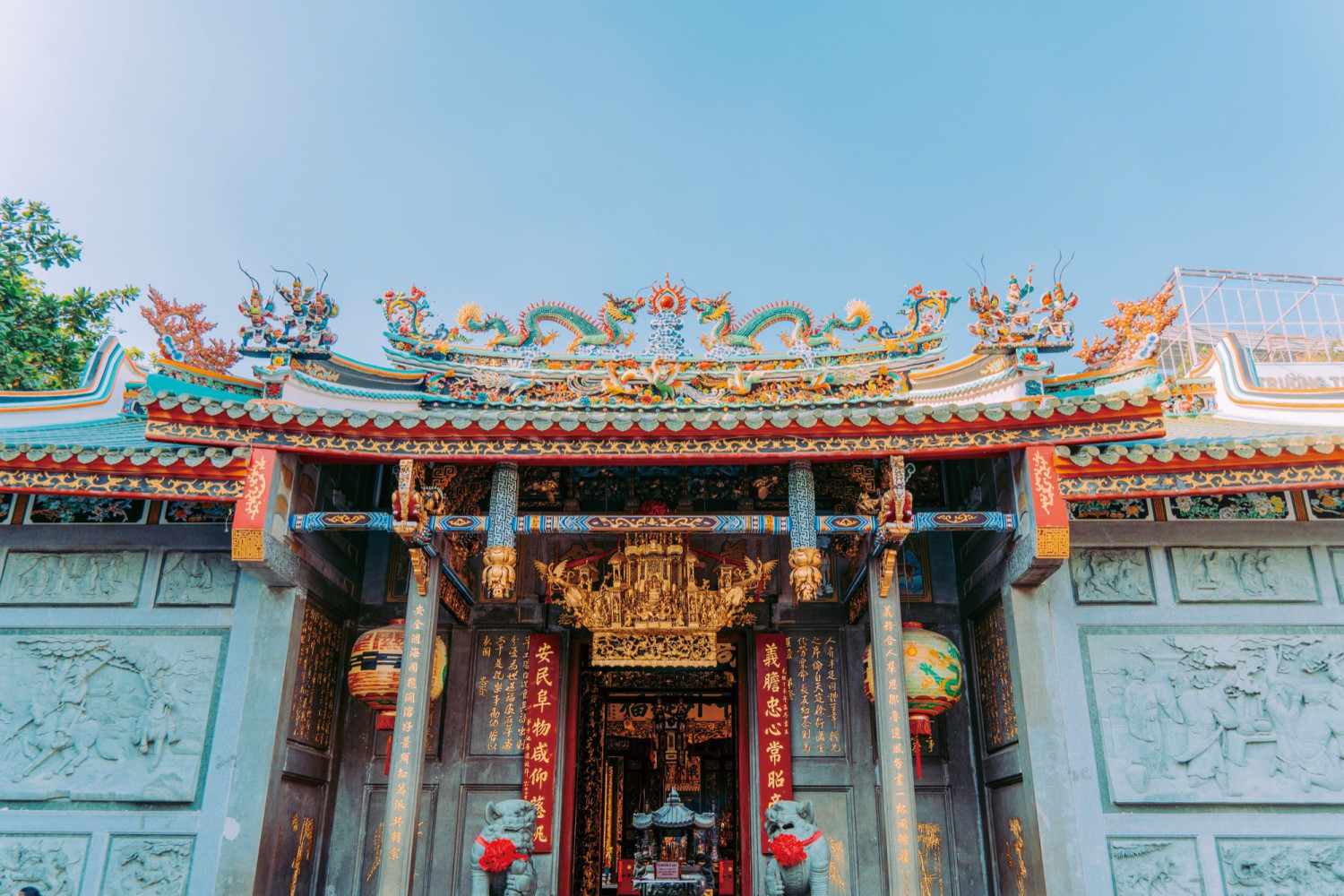
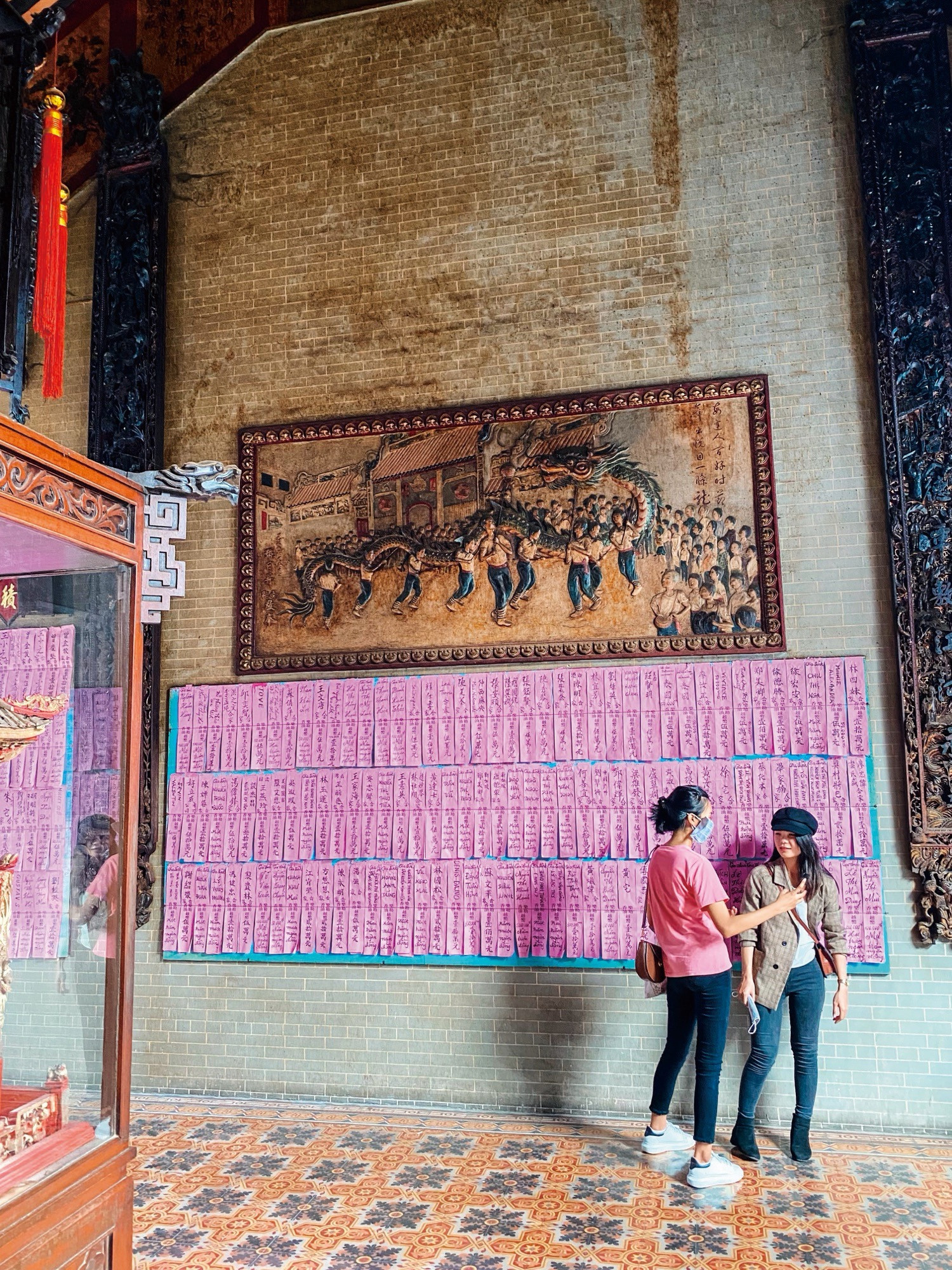
Nghia An Hoi Quan is a Chinese temple located in Cho Lon, Ho Chi Minh City’s Chinatown, founded in the 19th century by the Chaozhou Chinese community from China’s Guangdong Province. Despite its position within a dense commercial district, the interior feels enclosed and self-contained, with little outside noise encroaching on your experience. Layers of light, incense and time have shaped the space through continuous use rather than deliberate styling. What emerges is a refined spatial completeness formed by accumulation, maintenance and ritual over generations.
Tran Nhan Ton Book Street
⚑ Tran Nhan Ton, Phuong 9, District 5, Ho Chi Minh City
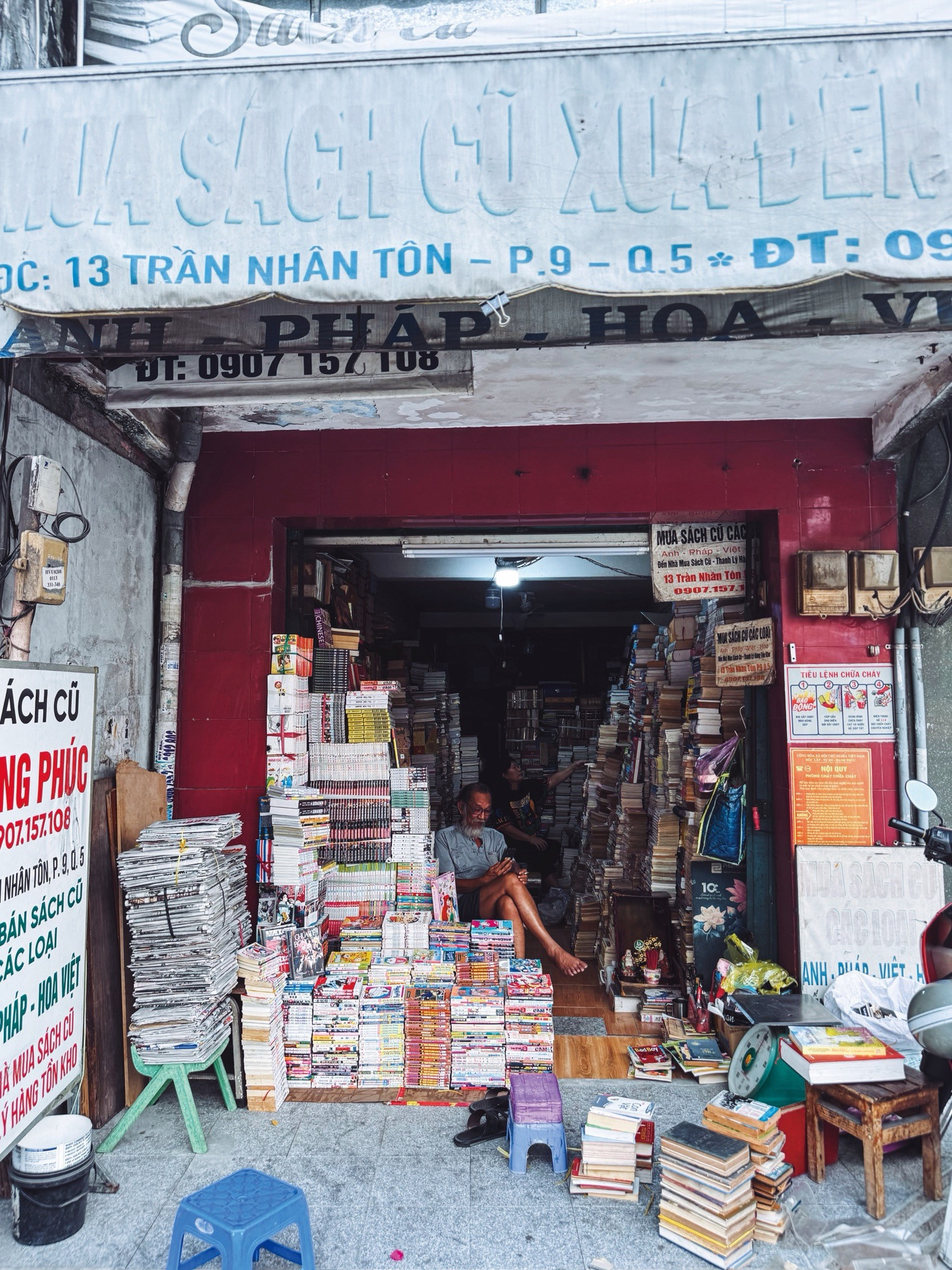
Located in District 5, Tran Nhan Ton “book street” is a hub for second-hand, rare and specialist books, gathered within a compact urban stretch. The shops are carved into concrete buildings, with dense layers of shelves that invite slow browsing. As visitors move from store to store, a gentle rhythm of discovery emerges. More than a retail destination, the street suggests that culture is sustained through everyday acts of preservation and repetition.
- Korean Air operates direct flights between Incheon and Ho Chi Minh City 21 times a week.