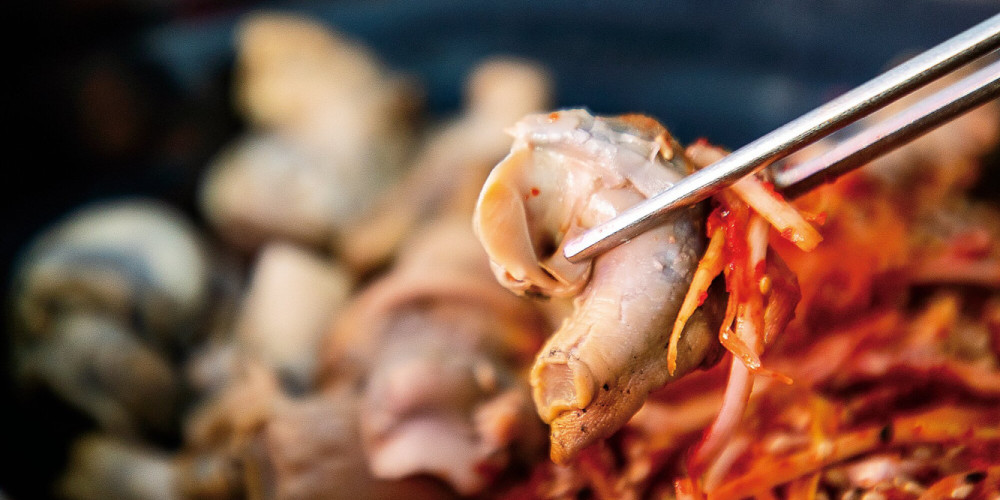
The Untold Story of Korean Whelks, Golbaengi
Once a staple of seaside villages, whelks plucked out of the ocean depths have found their way into urban alleys, taking on new names in new dishes. From fishermen’s tables to the city’s after-work pubs, the whelk — or golbaengi — has become an essential element of Korea’s culinary landscape.
A Name Coined on the East Coast
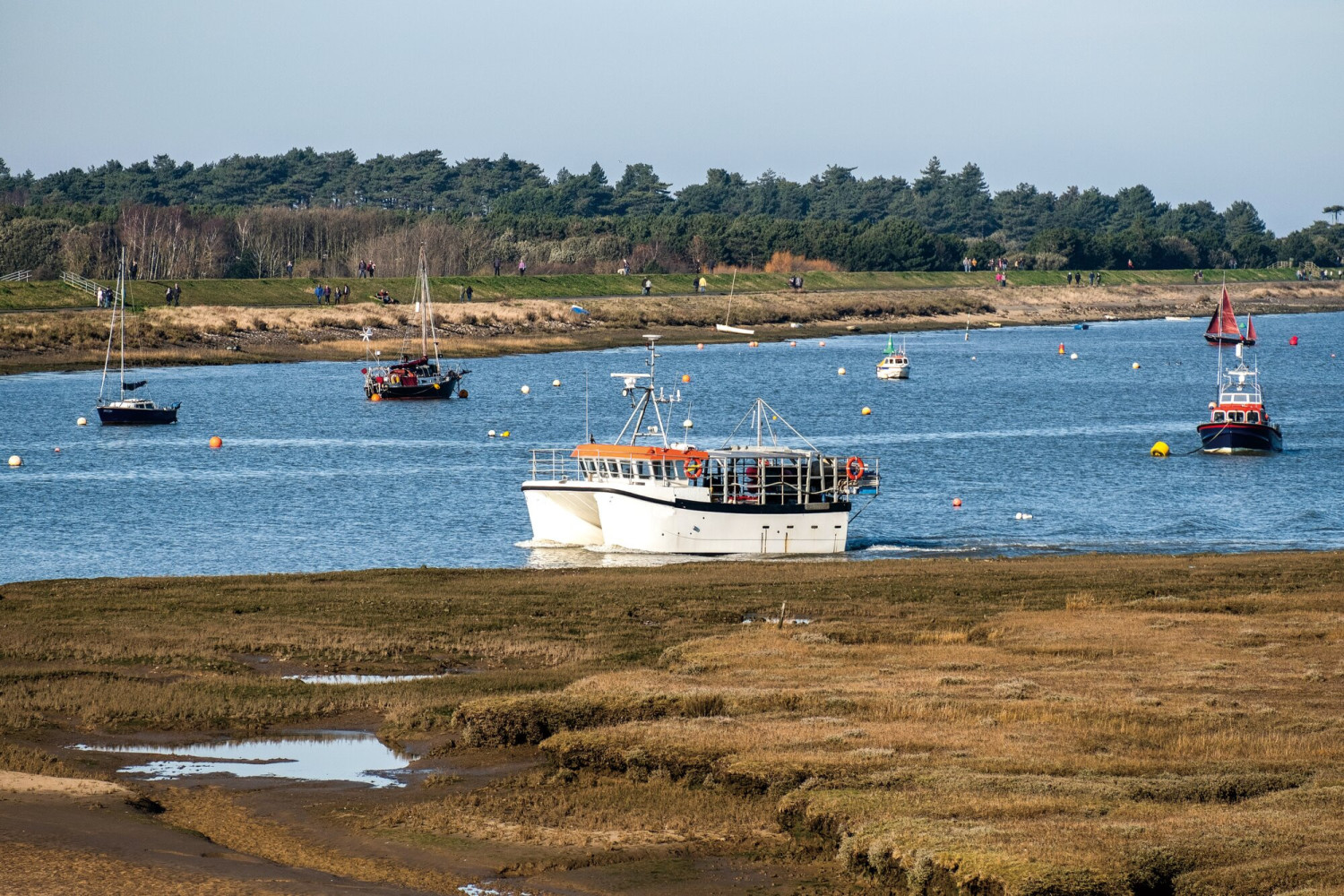
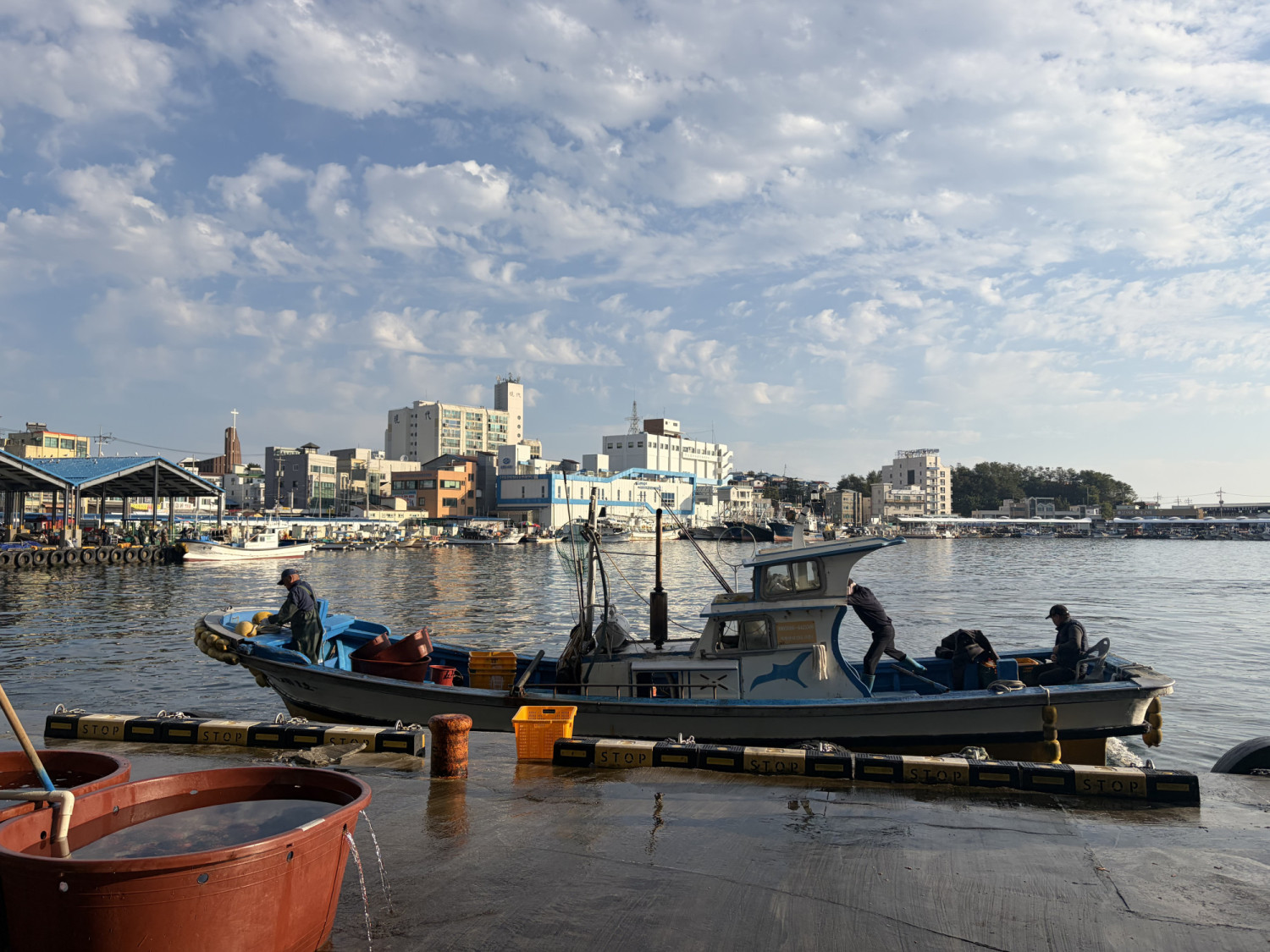
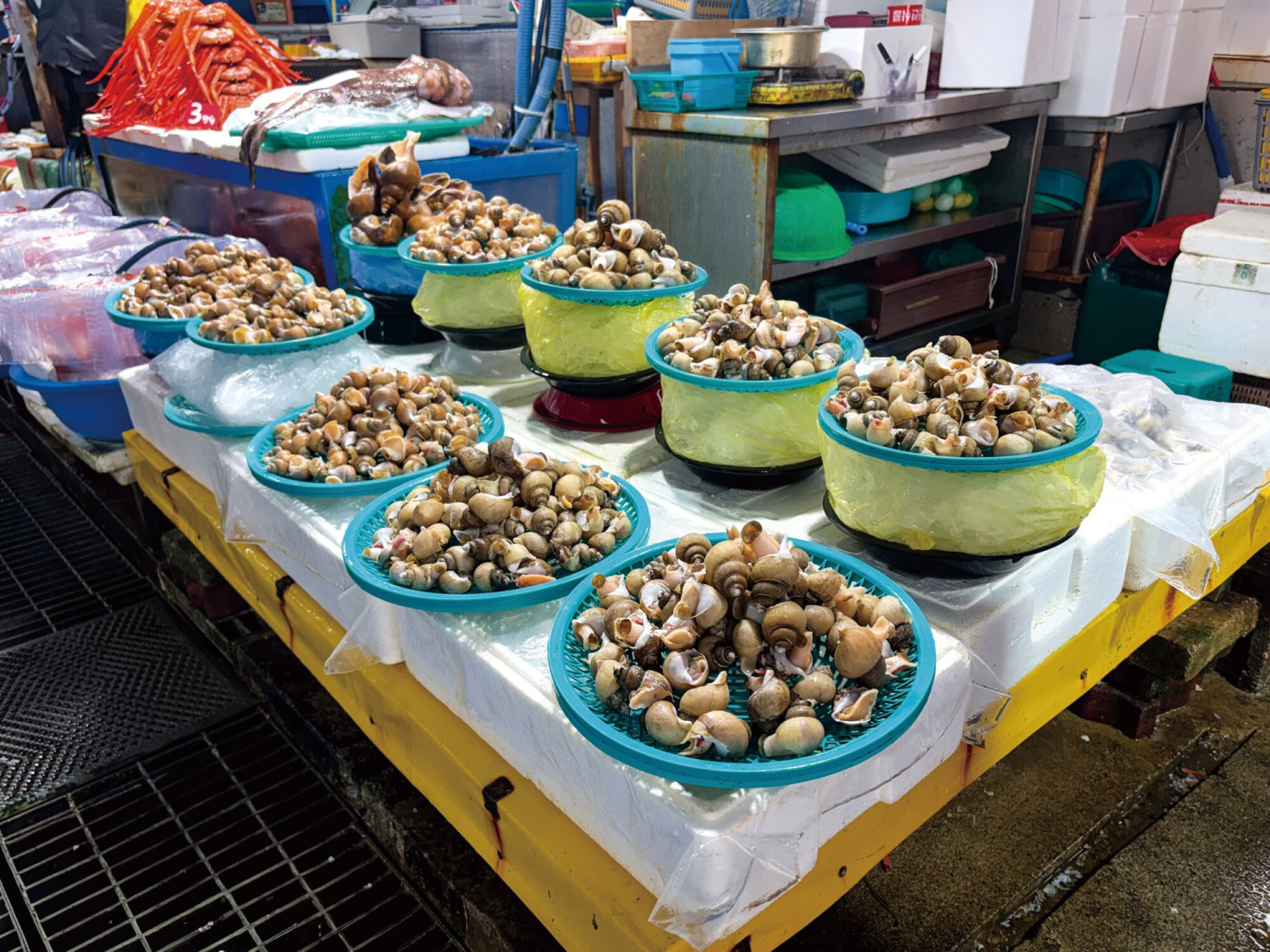
Every so often, I find myself following National Route 7 toward the stunning seascapes on Korea’s east coast. Each season brings its own bounty, some of it unique to these waters: semi-dried herring for making gwamegi, ocean sunfish served up boiled and sliced, the giant Pacific octopus for ancestral rites, as well as the squid and flounder for which the East Sea is famous. But perhaps one of the region’s most prized catches is the whelk, called golbaengi. This is the star ingredient in golbaengi-muchim, a spicy salad and essential anju, or drinking snack, across Korea.
Mornings at Jukbyeon seafood market, on the east coast, are a flurry of motion. Once the cold wind picks up, the auction floor fills with whelks awaiting purchase until there’s barely room to move. A few hand signals pass between auctioneers and brokers, and in a flash the heaps of snails are all sold and set for distribution across the country.
Golbaengi originated as an east coast dialect word for sea snails of various kinds. Once heard mainly in the coastal provinces of Gyeongsang, Gangwon and Hamgyong, it gradually spread nationwide. Reflecting that change, the National Institute of Korean Language recorded golbaengi in the first edition of the Standard Korean Language Dictionary published in 1999, giving it official linguistic recognition.
Whelks From the Deep
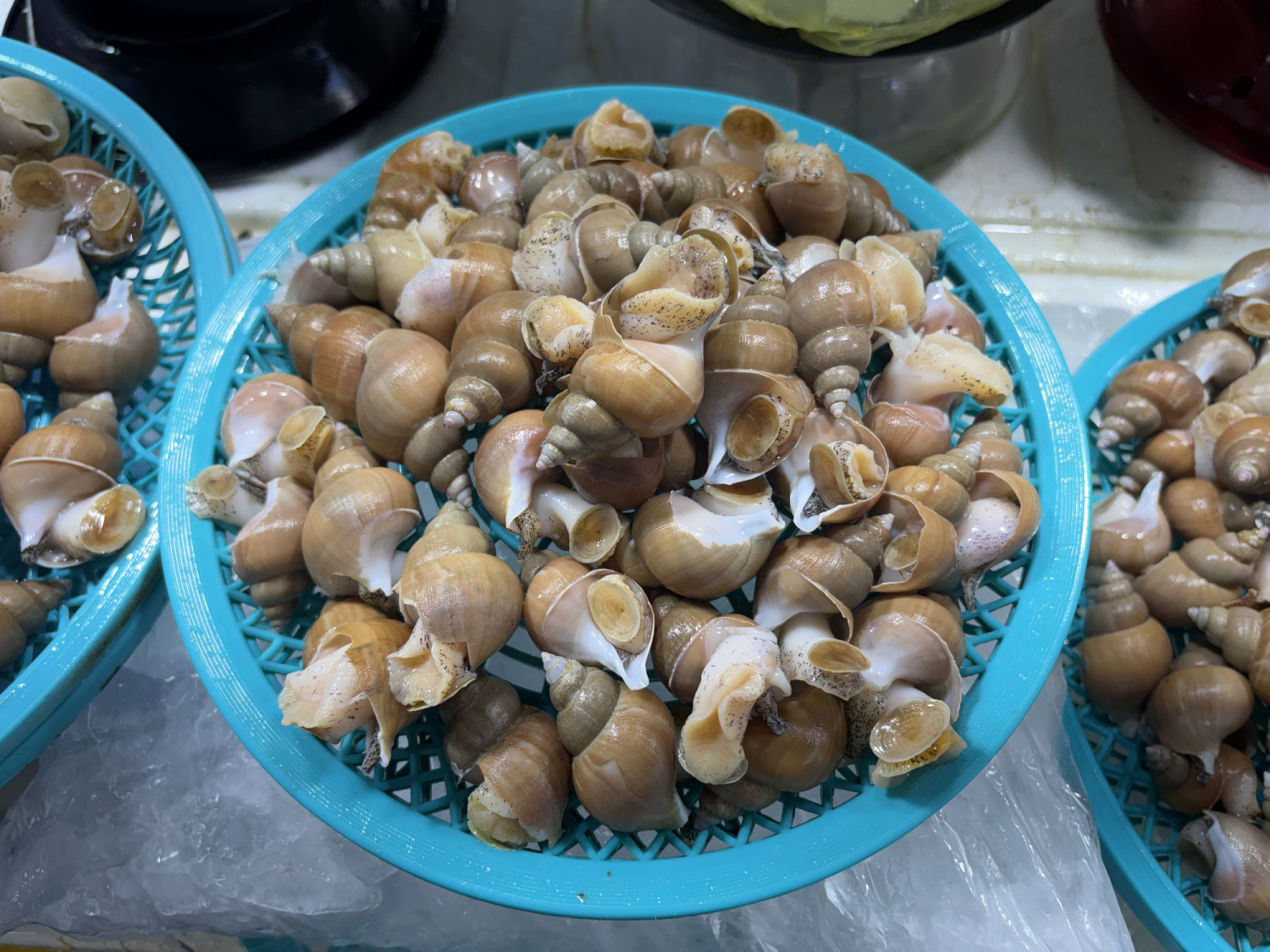

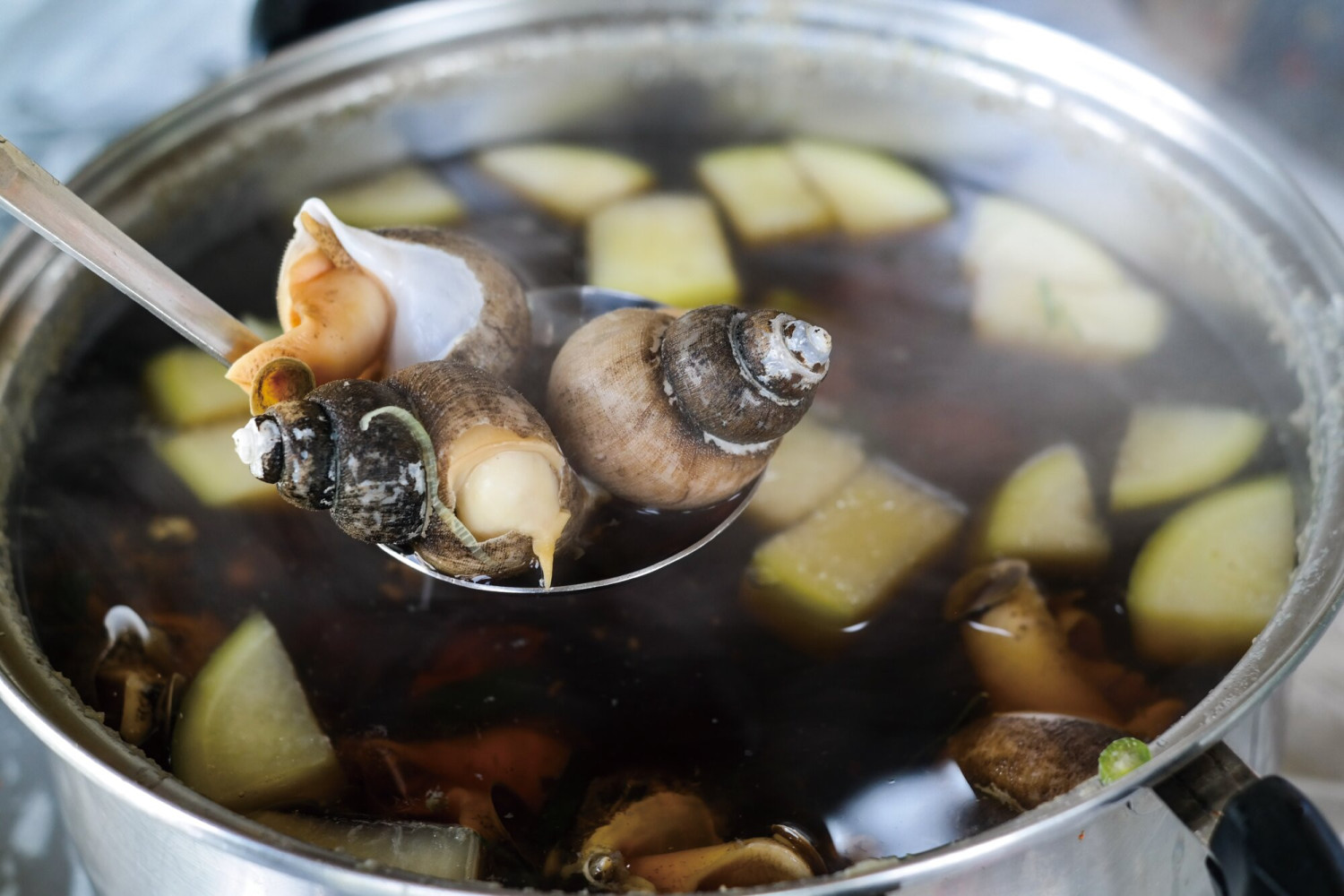
Golbaengi is a broad term for sea snails harvested from the ocean. Strictly speaking, the Korean term denotes the giant triton (Monoplex parthenopeus), but in everyday culinary usage it refers more generally to whelks of the family Buccinidae. Fishermen lower strings of 3,000 to 5,000 traps to anywhere between 70 and 500m below the surface to bring them up.
Because the whelks inhabit such cold, deep waters, they cannot be farmed; all are wild-caught. Their flesh is prized for its springy bite, mild flavor and subtle brininess.
Along the east coast, fishermen and merchants sort them by species, color and size into categories such as white, golden and king golbaengi. The pale-shelled Buccinum striatissimum (white golbaengi) is a common sight at fish markets along the coast, from Gampo in Gyeongju and Pohang northward through Jukbyeon Port in Uljin-gun County and to Sokcho. Together with Buccinum bayani (golden golbaengi), it’s among the most familiar varieties.
Buccinum tsubai, meanwhile, has a dark shell, earning it the name black golbaengi. Rounding out the trio of east coast favorites is Neptunea constricta. About the size of an adult’s fist, it’s known as king golbaengi for its imposing size as well as “trumpet whelk” for its hornlike shell. But other sea snails end up in golbaengi dishes, including the moon snail (Neverita didyma) from Korea’s southwestern coast, the giant triton and the Japanese Babylon (Babylonia japonica), also known as tiger golbaengi.
The Origins of Euljiro Golbaengi
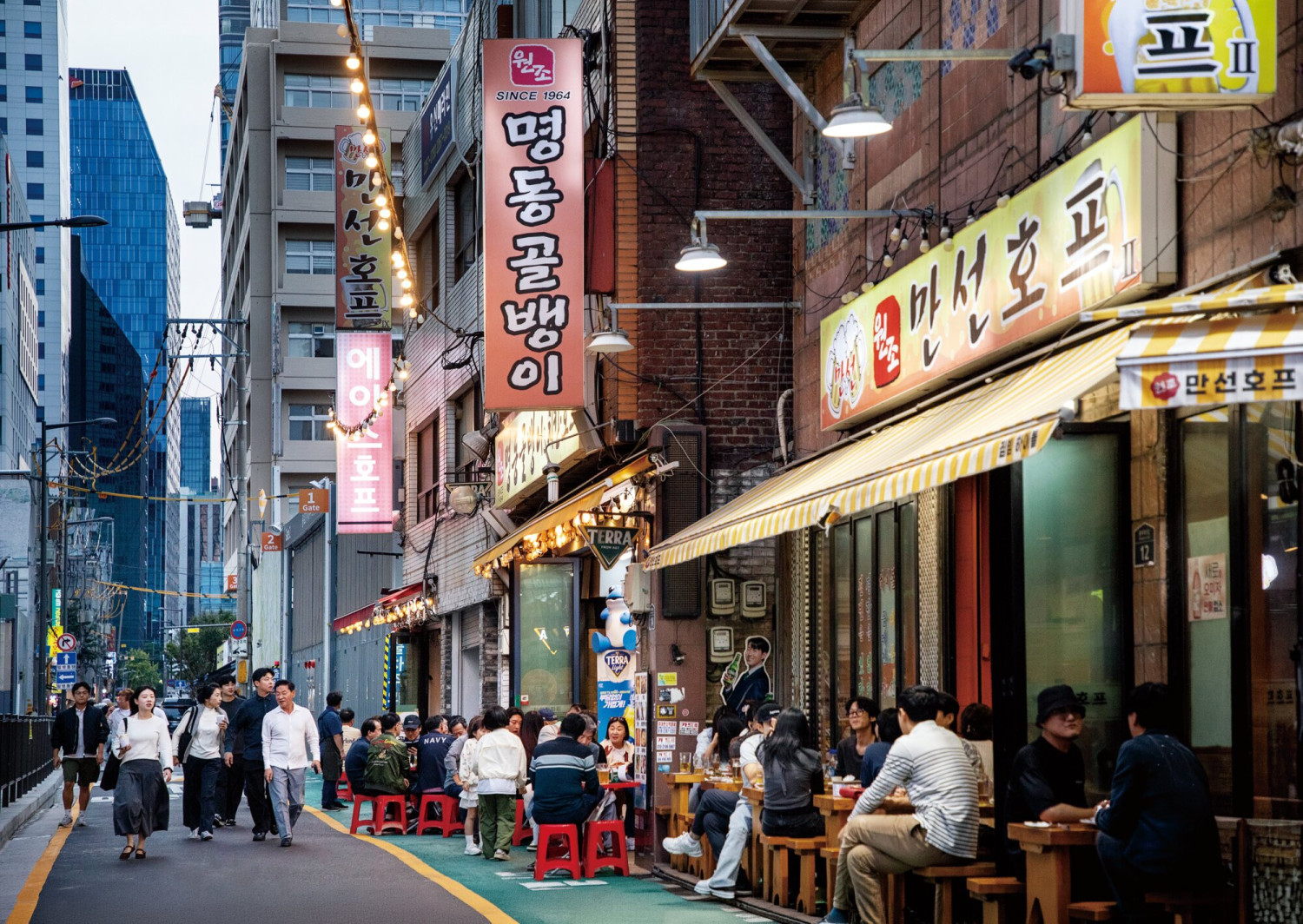
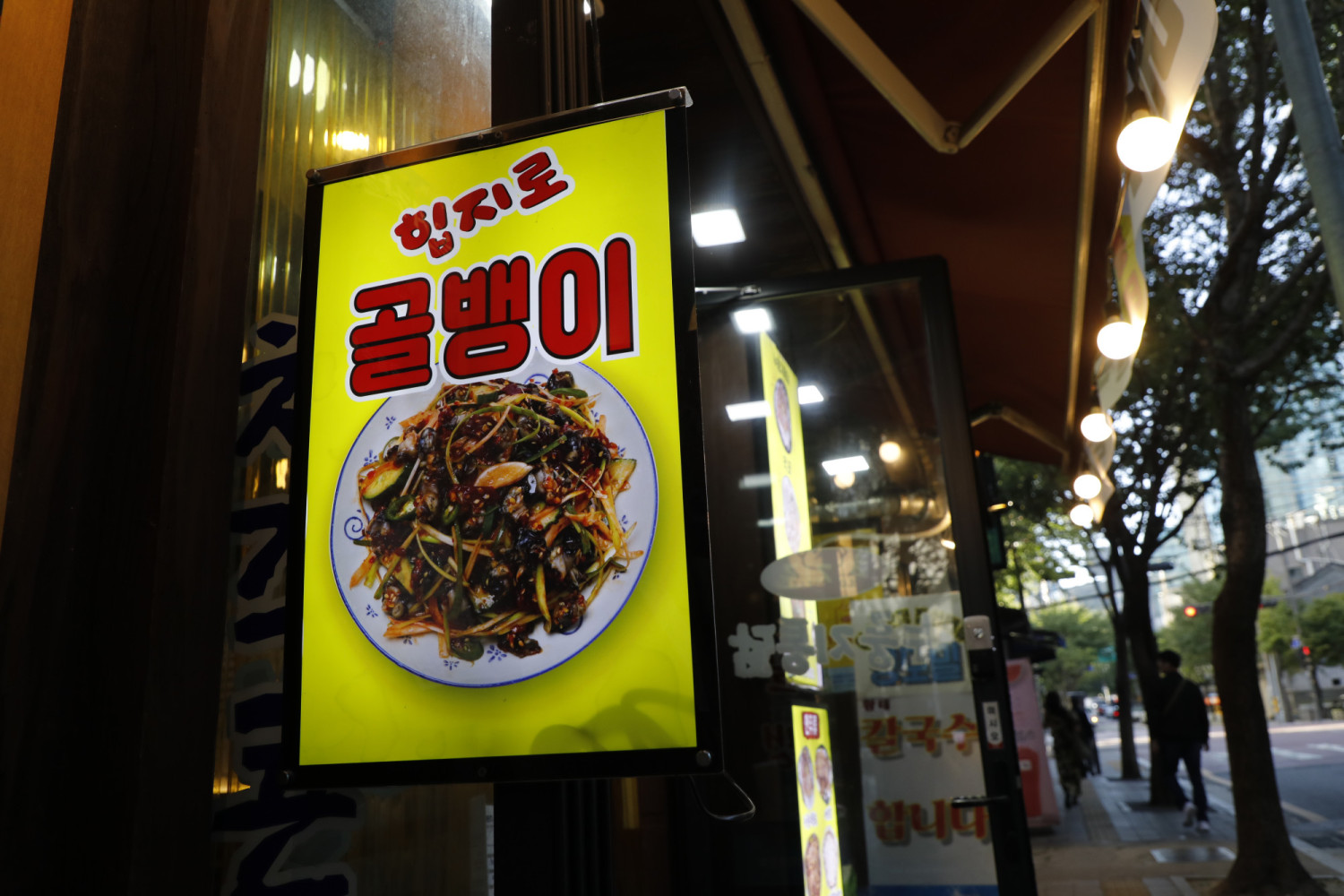
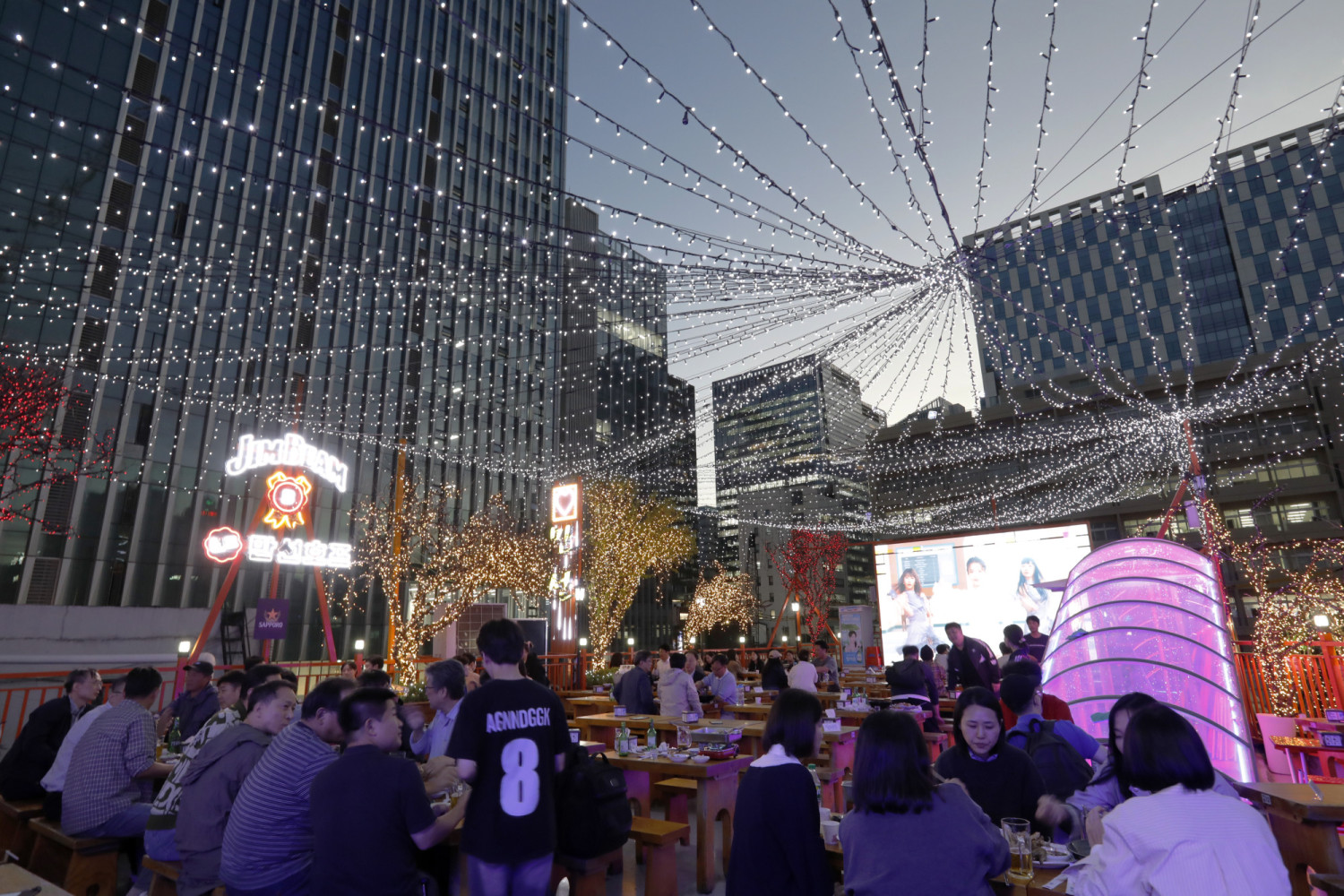
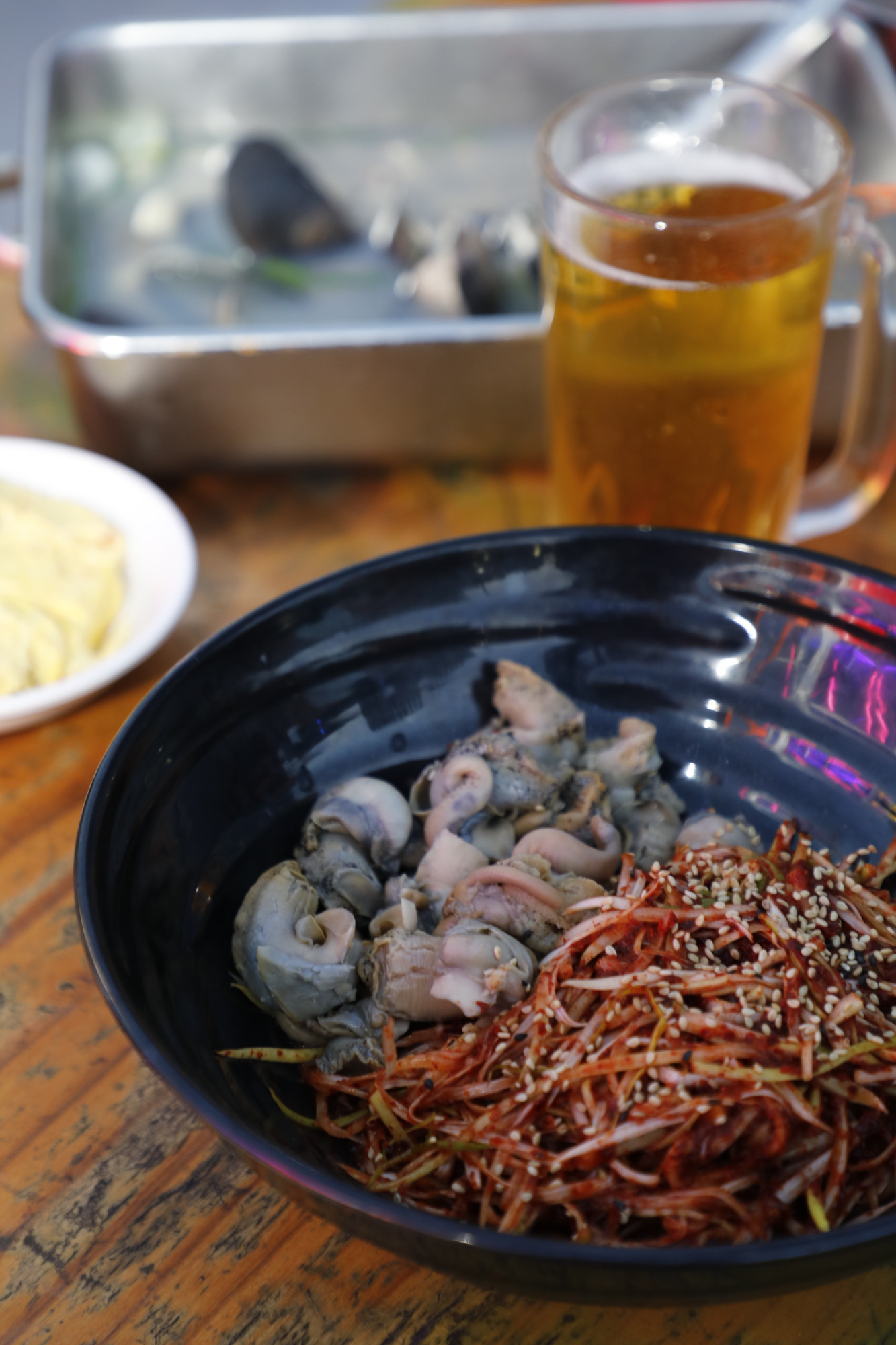
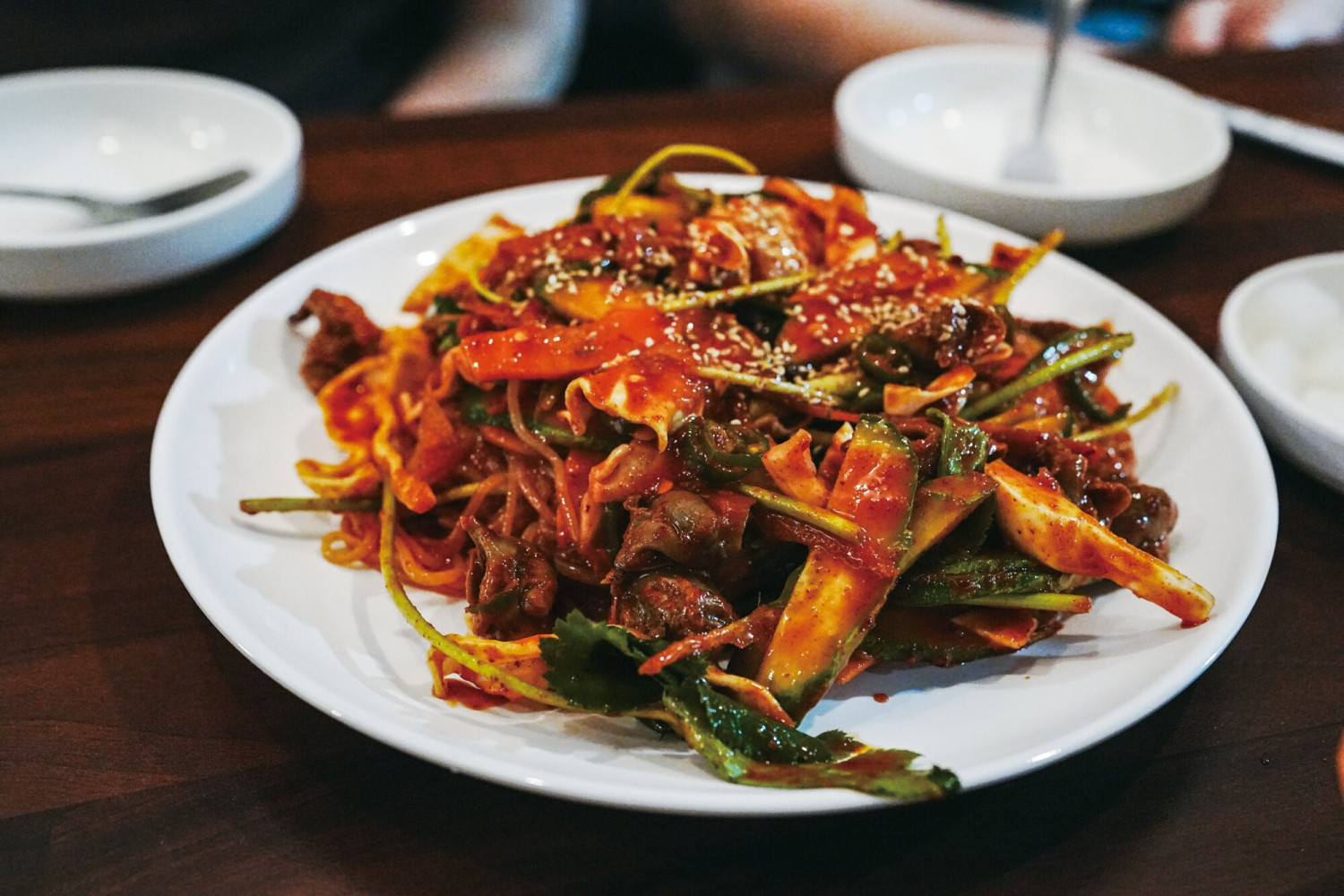
For most Koreans today, the term golbaengi brings to mind steamed whelks from a can or golbaengi-muchim, a popular drinking snack made with canned whelks. From the 1960s through the 1980s, restaurants serving this spicy dish were clustered around Seoul’s Chungmuro and Euljiro neighborhoods. In the back-alley diners and old-time eateries of Euljiro, proprietors would crack open cans of whelks, toss the meat with shredded dried pollack, add a heaping portion of garlic and a mound of sliced scallions, then season it all with red pepper powder. In those days, Euljiro 3-ga was packed with print shops, metal workshops and run-of-the-mill factories and offices.
After clocking out, local workers would blow off steam with a cold beer and a plate of spicy whelks. In time, “Euljiro golbaengi” became a culinary term in its own right.
The history of Euljiro’s golbaengi-muchim is tied to the rise of Korea’s canned-whelk industry in the 1960s, when the product was being processed for export to Japan. As trade resumed following the two countries’ 1965 Treaty on Basic Relations, canned whelks were seasoned with soy sauce and sugar to cater to Japanese tastes. A portion of the cans made their way into the domestic market, including the back alleys of Euljiro.
Restaurateurs there added a twist to the sweet-and savory broth — fiery Korean seasoning and toothsome strands of dried pollack. The result was an addictive combination of sweet, salty, spicy and chewy that became the neighborhood’s signature golbaengi-muchim. Advances in seafood processing and distribution turned golbaengi from a food consumed solely on the east coast into one routinely enjoyed across the country, but nowhere more than Seoul.
Since then, demand has far outstripped the domestic catch. Today, European whelks are imported in bulk from the pristine waters of the North Sea off such countries as the United Kingdom, Ireland and Norway and then canned and distributed throughout Korea. The country now imports between 3,500 and 6,000 metric tons per year, reportedly consuming around 90% of the world’s whelk caught.
Local Color in a Plate of Whelks

© Opening
ⓒ OLHEUM
To be sure, golbaengi-muchim isn’t the only way to prepare whelks, which are served up in various ways around the country. Along the east coast, the most common preparation for the day’s catch is simply to grill them. When a chill wind blows, people huddle around charcoal briquettes as they roast whelks on a wire rack. Amid the sweet aroma of browning whelks, they tease a morsel of flesh from the shell and wash it down with a shot of soju. Glasses are raised and the bottle passed around the table as night deepens on the eastern shore.
Further inland in North Gyeongsang-do Province, whelks are prepared in a simmering stew with sliced scallions and fiery Cheongyang chili peppers. The result is a bracing broth that holds its own against any of Korea’s classic haejangguk (hangover soup). In the cities of Gyeongju and Pohang, boiled whelks are parboiled to impart a subtle sweetness and then dipped in a tangy, sweet gochujang-based sauce.
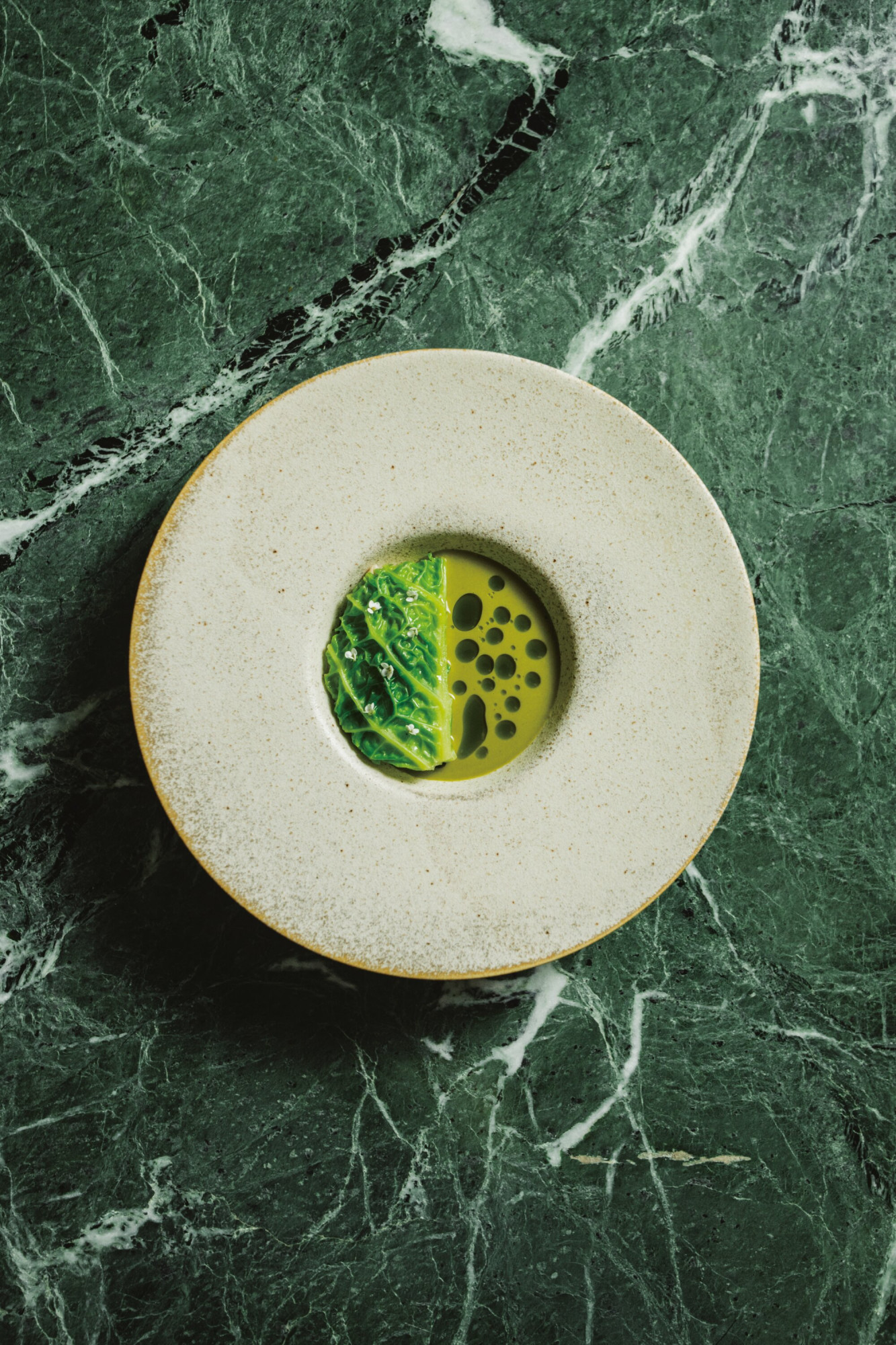
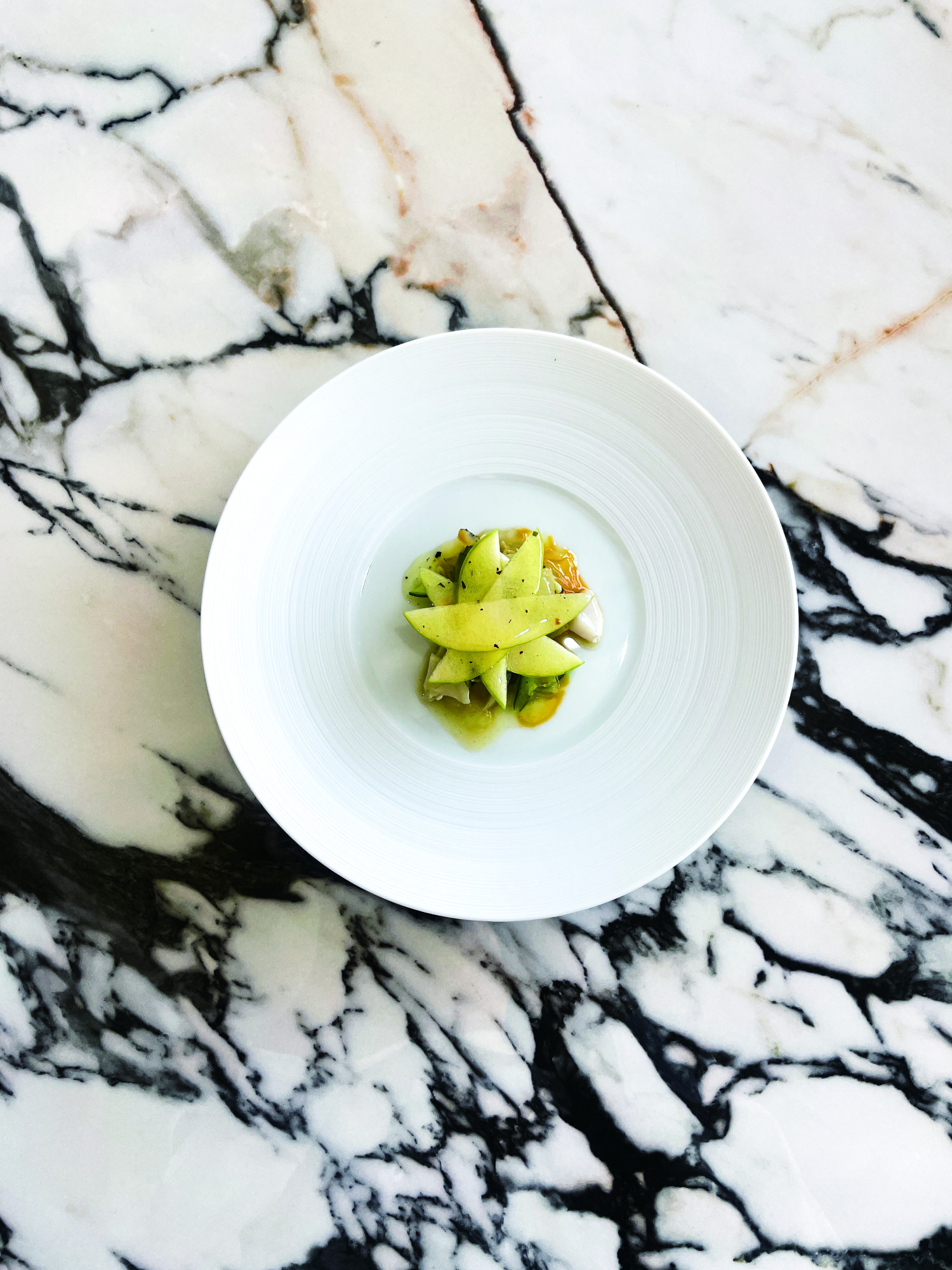
At pocha (tent bars) and pubs in Busan, golbaengi-somyeon has become the go-to drinking dish. Julienned vegetables and whelks are tossed with gochujang sauce, topped with a generous portion of chopped Cheongyang chilis and plated beside coils of milky-white wheat somyeon noodles. These days, whelks are even turning up at fine dining restaurants. The plump Neptunea constricta, in particular, may be sliced sashimi-style and neatly arranged atop its own shell.
From humble watering holes on the east coast to the back alleys of Euljiro, the tin can of golbaengi has come a long way.
For decades, a plate of spicy whelks comforted the weary worker at the end of the day. And tonight, in an Euljiro alley, somebody is surely putting the day’s troubles behind them over a plate of golbaengi.
- Written by Choi Wonjun
- Choi Wonjunis a poet and culinary columnist. He researches Korea’s
regional ingredients and dining customs, bringing its culinary history to
a wider audience through newspaper and magazine columns, television
appearances and lectures. His books on food include Busan Culinary
Exploration Project and A Culinary Journey: Discovering Soul Food.