Land of Giants and Legends, TAEBAEK
Home to a mountain steeped in myth and the sources of both the Han and Nakdonggang Rivers, Taebaek is Korea’s highest city. As the year comes to a close, we travel to this cradle of beginnings.
“From the west I gaze at distant Taebaeksan, its strange rock formations rising through the clouds. People speak of the power of the spirit on the summit, yet surely this is the work of heaven and earth.” This is Taebaeksan Mountain as it appears in Gazing at Taebaeksan, a poem by Joseon-era (1932 – 1910) scholar Kim Siseup. This is not a mountain celebrated for its natural beauty, yet there is something sacred about it. Countless legends, oral traditions and human narratives have their beginnings here.
A Land That Calls Forth Giants
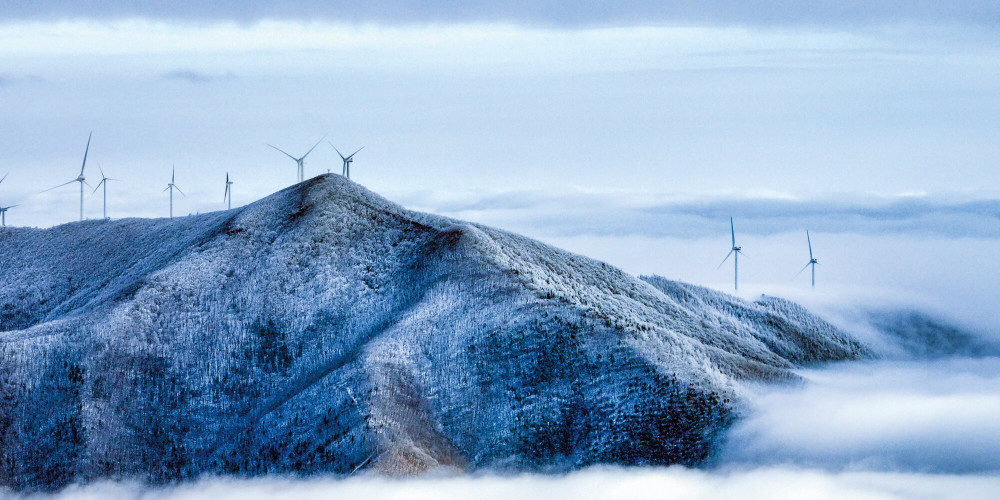
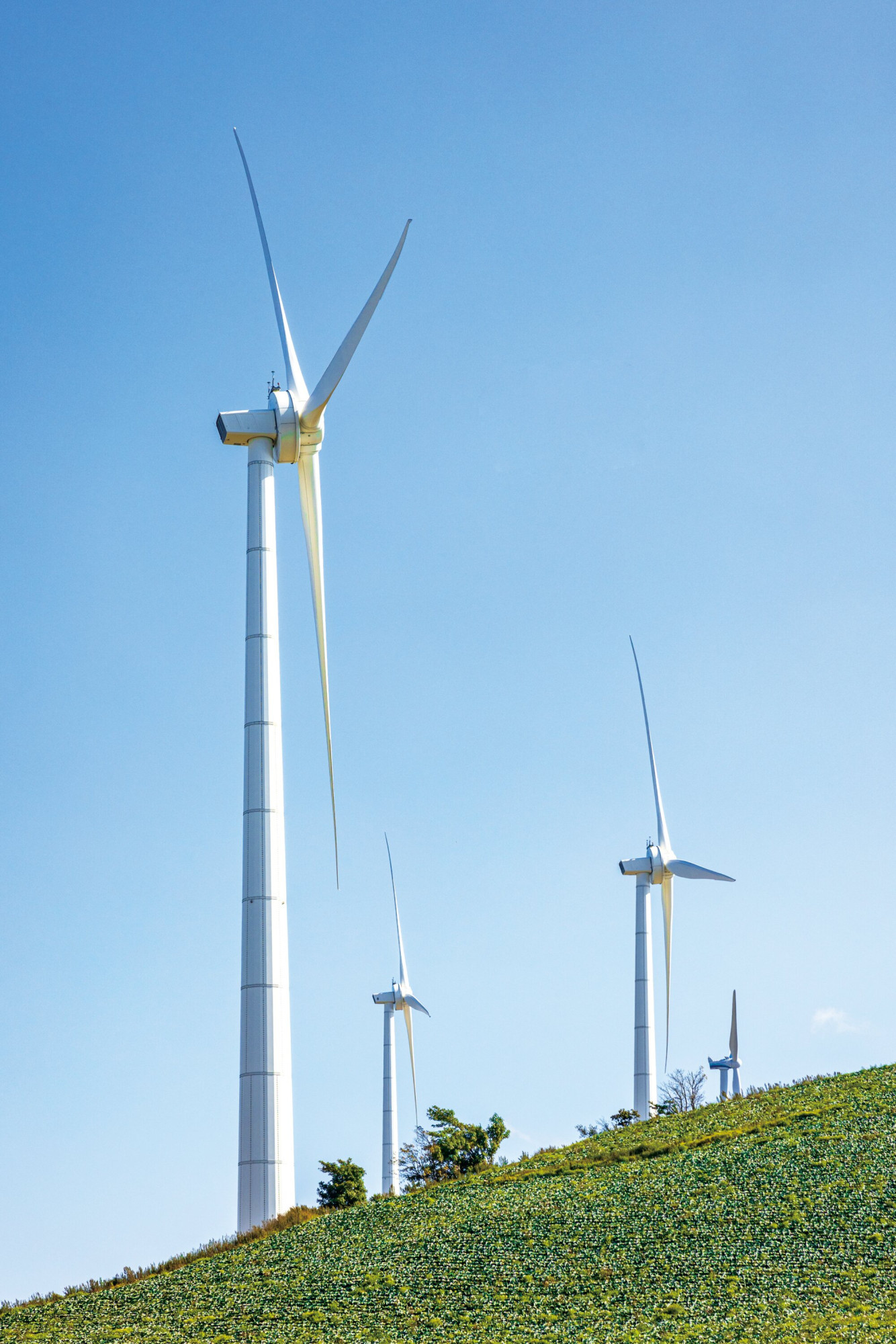
With an elevation of up to 900m, the highland city of Taebaek somehow feels like a land once inhabited by giants. Nowhere gives a clearer sense of their scale than Windy Hill on Maebongsan Mountain, along the Baekdudaegan Mountain Range’s spine. Here, above some 1.32 million square meters of highland cabbage fields, immense wind turbines stand in a row. The sky and earth stretch so far in all directions that only a giant’s strides seem worthy of measuring them. In this overwhelming terrain, the human body feels unusually small.
Descend to the lower slopes of Geumdaebong Peak, where Yongyeon Cave awaits. The cavern of Korea’s highest natural limestone cave was formed over countless years as water gradually dissolved layers of limestone deposited during the Paleozoic era. Its name comes from a legend of a dragon that emerged from a pond and ascended to heaven. If traces of giants linger on the ridges that touch the sky, the cave below embodies the spirit of the ascended dragon.
The Lengends of Taebaek
The stories of this land are most deeply rooted on Taebaeksan Mountain, long regarded as one of Korea’s sacred mountains. The Samguk Sagi (History of the Three Kingdoms) records that “in the 10th month, in winter, King Ilseong of Silla traveled north on a royal tour and performed rites at Taebaeksan Mountain.” The Dongguk Yeoji Seungnam (Augmented Survey of the Geography of Korea), compiled during the reign of King Seongjong (r. 1470 – 1495) of the Joseon Dynasty, also preserves accounts of Cheonjedan Altar and Dangun, the legendary founder of the Korean nation.
High mountains have long been seen as places that connect heaven and the human world. This sense can be most strongly felt at Cheonjedan Altar on the summit. You feel as though you have stepped into the layers of myth and legend that have accumulated on this peak.
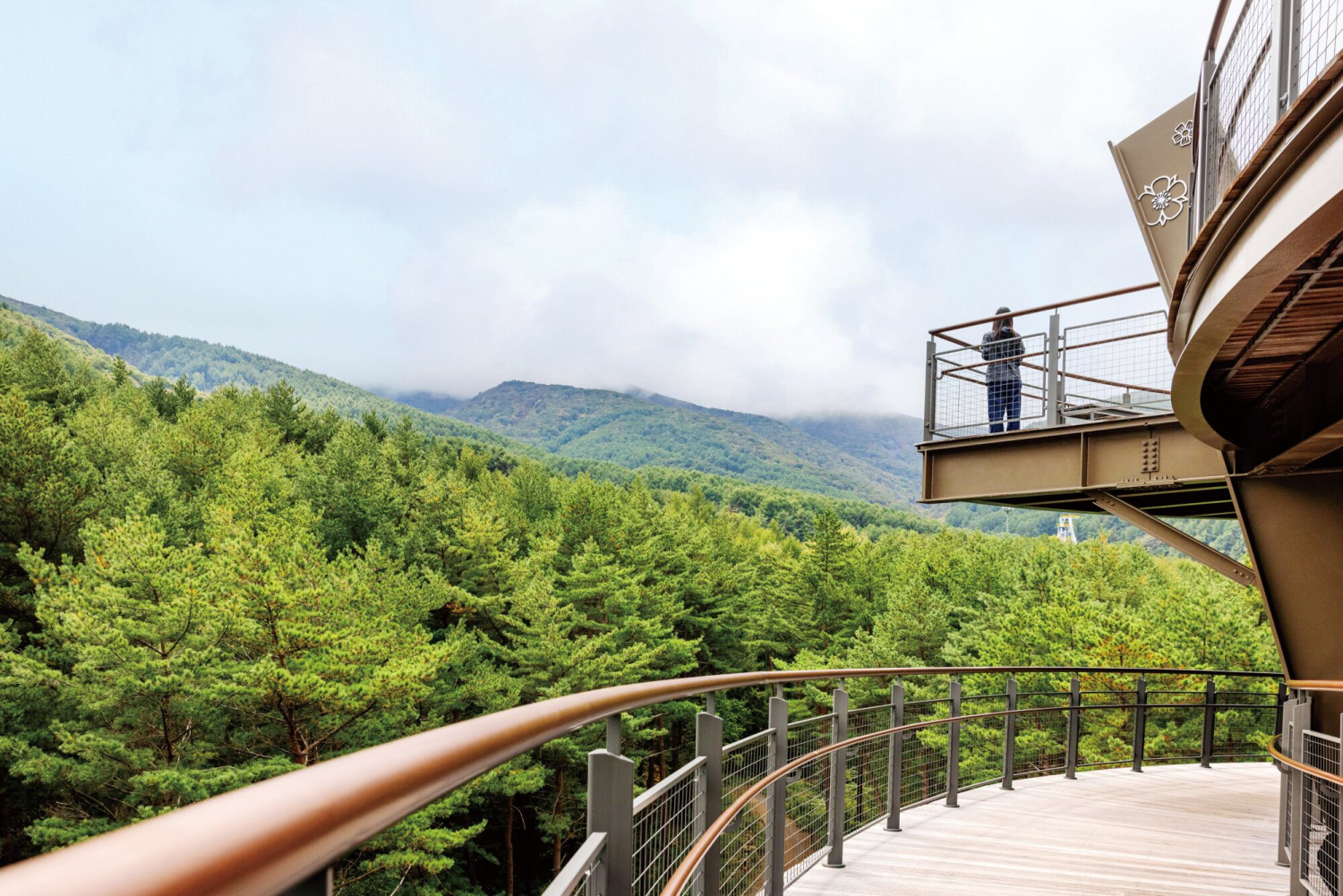
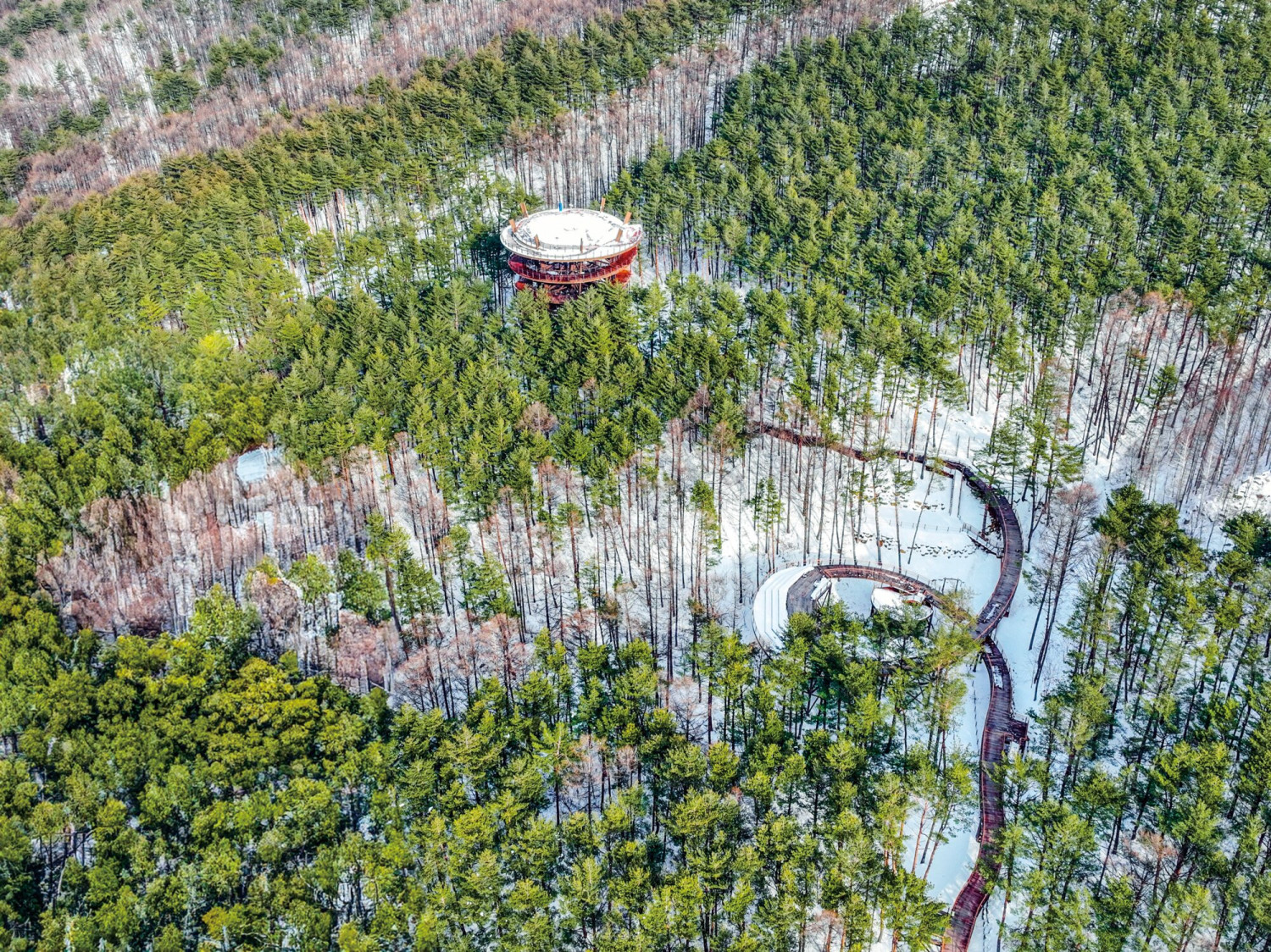
For a sweeping view of this sacred mountain of Korean history, climb Taebaeksan Sky Observatory near Taebaeksan National Park. An easy stroll up the 890m Sky Trail brings you to a 360-degree panorama of Taebaek, a view that leaves you feeling spiritually lighter.
Traces of Korean mythology can be found throughout the city of Taebaek, well beyond Taebaeksan. The stone cairn known as Mago Halmi Tower — visible at Dumundongjae Pass — and Mago Halmi Rock on Baekbyeongsan Mountain both take their names from Mago Halmi, the creator goddess of Korean myth said to have shaped the landscape. Enormous in stature and strength, she is told to have carried earth and stones to create the contours of the world we inhabit. Taebaek also preserves the legend of Jang Gilson, a giant who swallowed earth and formed the landscape with his excrement. Perhaps this land’s awe-inspiring scale is why so many of its legends concern giants.
A City Where Legend and Daily Life Come Together
Where mountains take shape, water finds its beginnings, too. Two of Korea’s four major rivers originate here. The Han River, much visited by travelers in the capital Seoul, begins at Geomnyongso Spring in Taebaek and flows through Gimpo to the Yellow Sea. The Nakdonggang River, the country’s longest at an impressive 510km, begins at Taebaek’s Hwangji Pond and runs to the city of Busan, where it meets the South Sea. The name Hwangji is also the source of an ancient tale.
According to legend, the area was home to a wealthy man named Hwang. When a monk came asking for alms, Hwang threw him cow dung instead of grain. His daugh-ter-in-law saw what had happened and secretly offered the monk rice and an apology. The monk told her that the house would soon fill with water and she should follow him. Whatever happened, though, she must not look back. With her child on her back, she followed the monk until they were nearing the mountain’s summit. Then came a thunderclap, and heaven and earth shook. Startled, she forgot his warning and turned around. The house where she had lived had become a pond, and she and her son turned to stone.
The warning not to look back recurs in myths and legends around the world. The story of Hwangji Pond is no exception. Perhaps the legend is why, even today, Hwangji Pond in the heart of the city feels less like a body of water and more like a sacred ground demanding respect. In times of drought, ritual rain rites were held here, and the color of the pond’s water was read as a sign of whether the year’s harvest would be plentiful or poor.
A short walk from the pond brings you to Hwangji Jayu Market, established in 1971. A steady stream of shoppers visit Taebaek for medicinal herbs grown in the highlands, such as Korean angelica root and cnidium root, along with wild mountain greens, fresh fish caught off the nearby east coast and fruit.



Time Written by the Land, Time Written by the Peolpe
In Taebaek, time does not flow in one direction. At Gumunso are traces of a sea from hundreds of millions of years ago, while Cheoram reveals the age of coal mining.
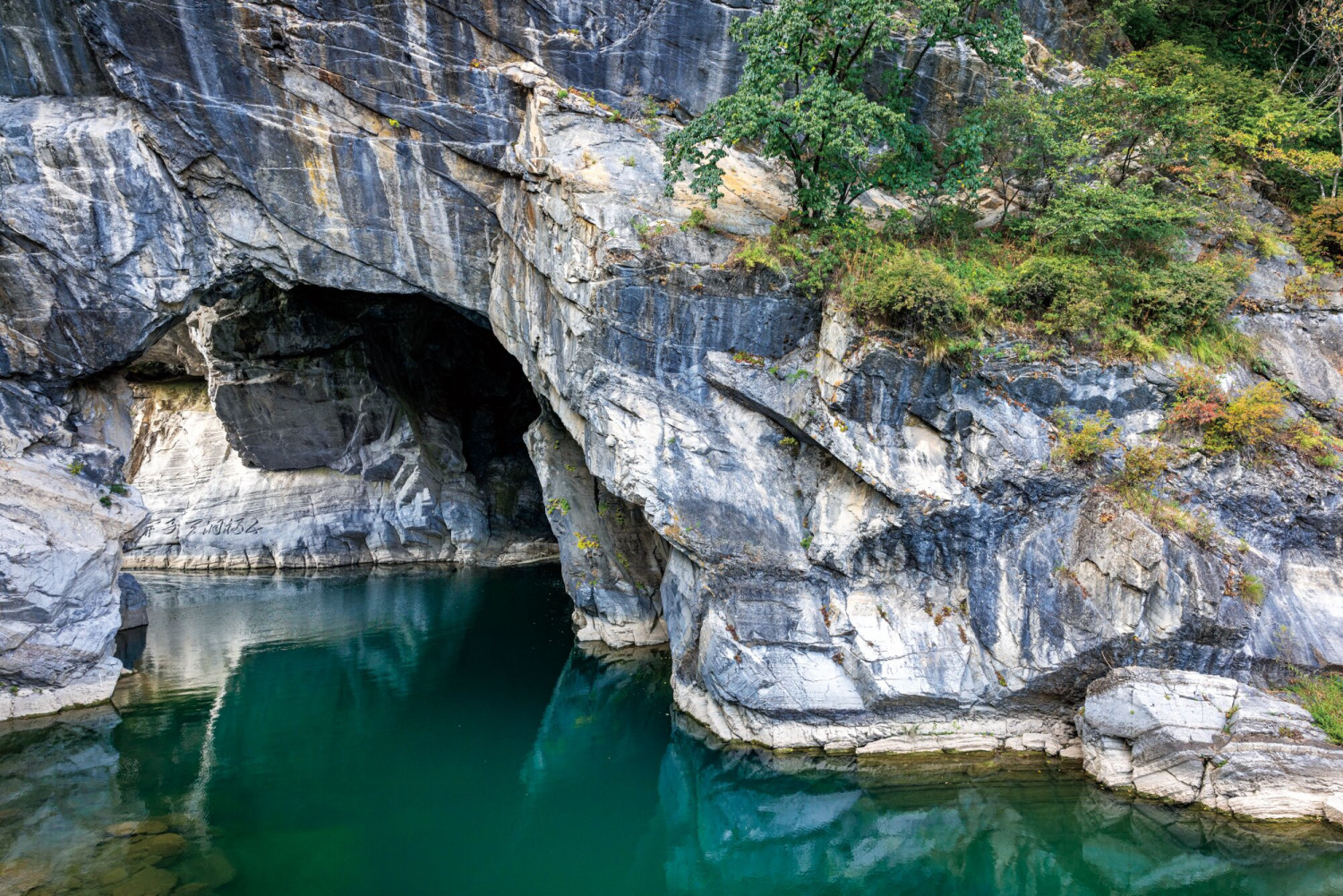
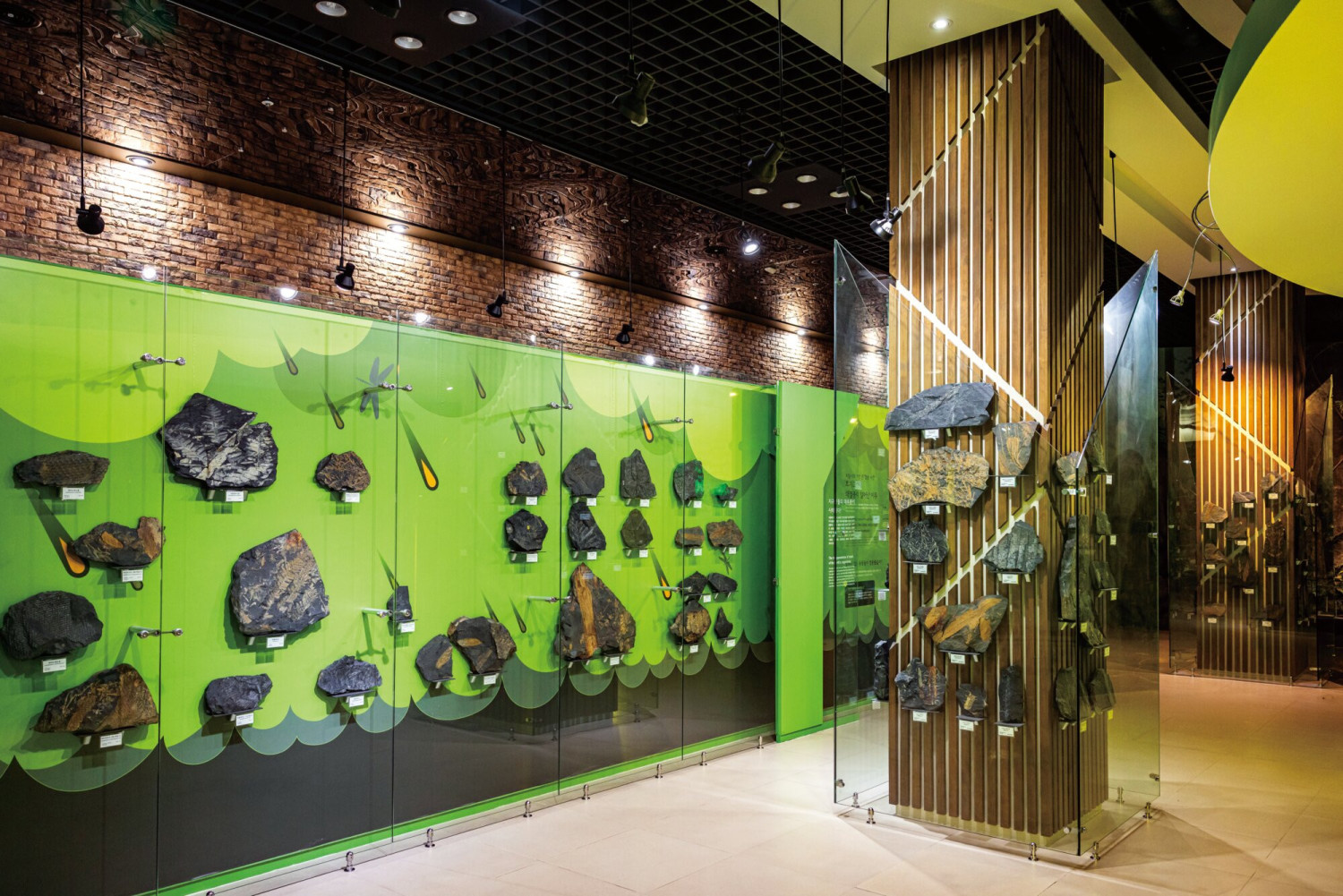
Following Hwangjicheon Stream through the Jangseong-dong neighborhood leads to Gumunso, where the Nakdonggang River pierces through a small mountain. The limestone here dates back more than 400 million years. Joseon-era geographic works such as Daedongyeojido (Map of the Great East) record the site as Cheoncheon, meaning “a stream with a hole.” The area abounds in Paleozoic fossils, with trilobites being the most numerous. This wealth of fossils led to the estab¬lishment of Taebaek Paleozoic Museum, where dioramas condense 4.6 billion years of Earth’s history.
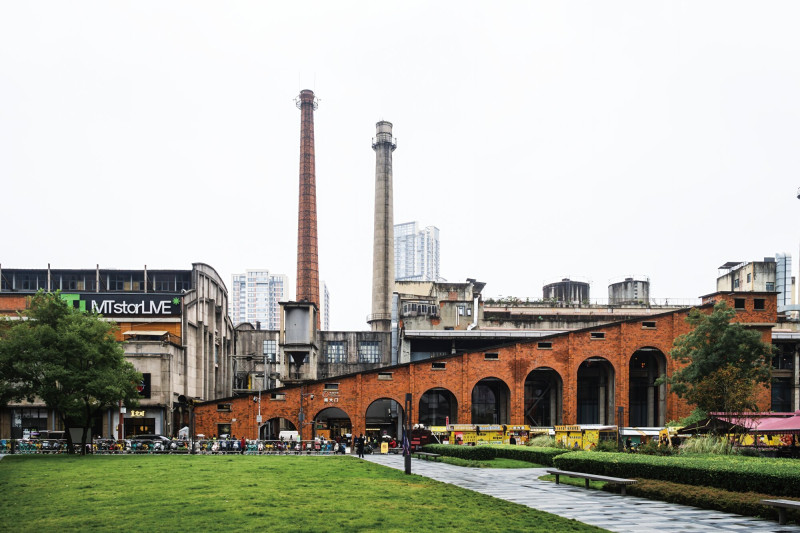
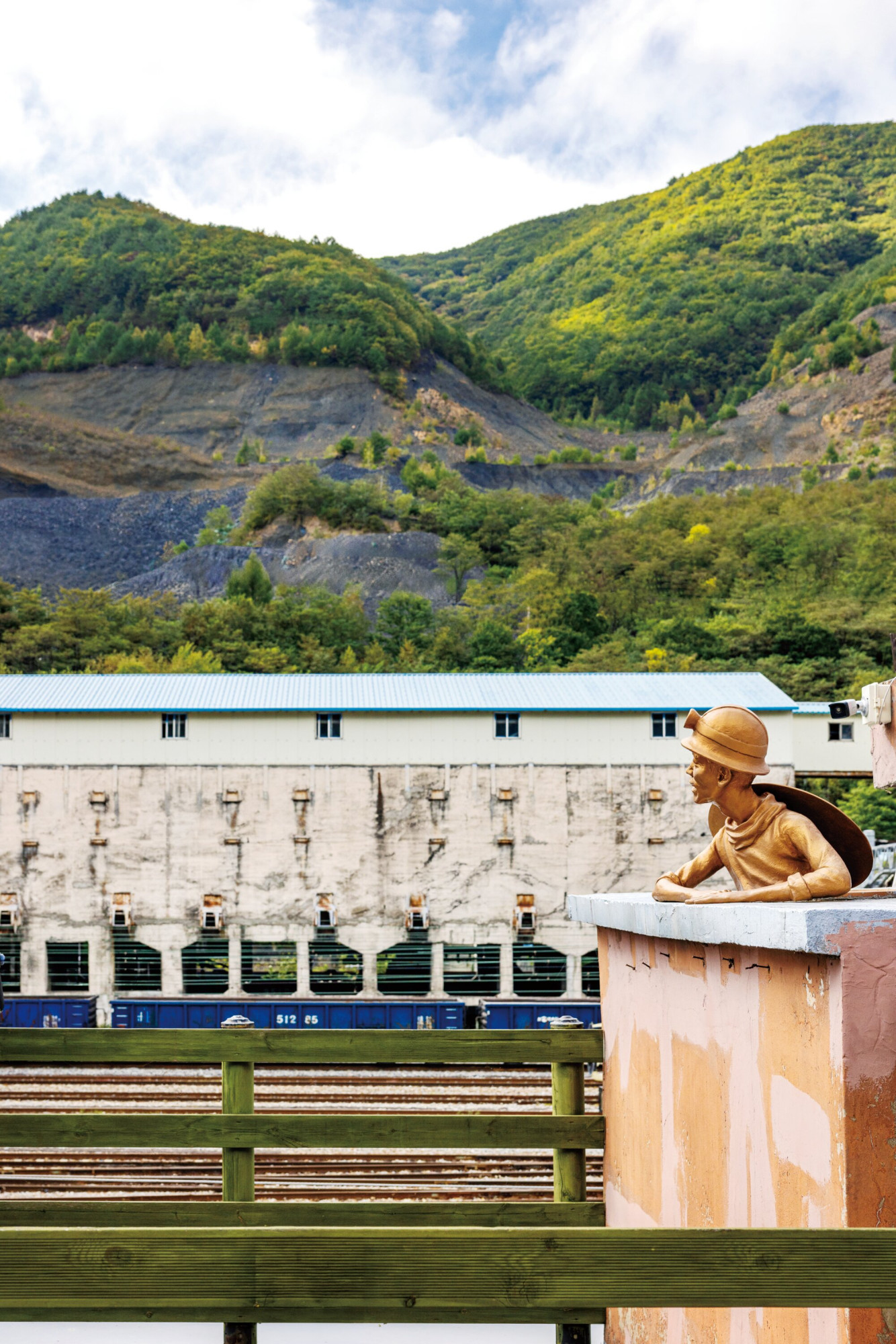
Turn toward the old neighborhood of Cheoram, and you come to Cheoram Coal-Mine Historic Town, a preser¬vation of homes of the old mining community. When the coal industry flourished and people flocked here, houses extended toward the stream on supporting pillars to accommodate residents. These “tiptoe buildings” still stand, recalling the mining town’s heyday. Across the road is the coal preparation plant at Cheoram Station, where a celebrated scene from the film Nowhere to Hide (1999) was shot.
Up the path beside the High1 Taebaek Welfare Center, birch trees now grow on a mountain where coal was once mined. This artificial forest was planted in Jijirigol Valley to restore woodland damaged by coal mining after Hamtae Mine closed in 1993. And, course 6 of Untan Godo 1330, a walking trail linking several former mining areas, passes through it.
Preserved in the poetry of Kim Siseup as a pristine sanctuary, Taebaek stands as Korea’s highest city — a land of mythical giants and countless legends waiting to be discovered.
- Written by. Sin Jeongil
- Photography by. Jang Eunjoo