
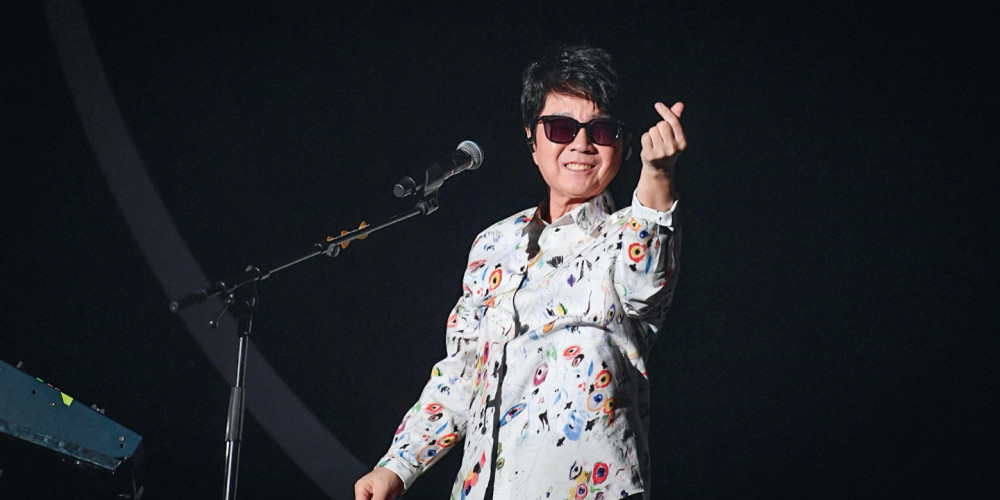
Cho Yongpil, A Nation's Beloved Singer
Bae Soontak, a writer for the daily radio show Baechulsoo’s Music Camp, which has been discussing music for over a decade, shares his insights on pop music.
Ever since the Internet floodgates were opened in the 2000s, one trend has been evident: a torrent of language was released. Wherever you look, the world is overflowing with words. In the rising tide of verbiage, there’s a simple way to drive engagement: overstimulation. Take one look at the flood of fake news — we’re far beyond yellow journalism washing over social media, and you’ll know what I mean. All around us is content doing everything possible to stimulate, titillate or irritate.
The prevalence of superlatives and exclamations can be attributed to the same causes. On social media, the hype machine is working overtime. Apparently, the only way to grab people’s attention is to slap on some exclamation points. Everything, it seems, is AMAZING!
The extreme degree of linguistic inflation is also evident in certain descriptions. As K-reality competition shows took over the airwaves, one expression in particular became almost ubiquitous. Readers will remember how often the word “genius” was thrown around in these programs. But hardly any of the contestants were geniuses in the
true sense of the word. Geniuses, by definition, are a rare breed, so there could hardly be as many as those shows would suggest. That’s a classic example of linguistic infla- tion at work.
The same could be said for the phrase “iconic singer.” Let’s cut to the chase: Koreans deserving of the title “iconic singer” are every bit as rare as genuine geniuses. We’d be hard-pressed to name five in the whole history of Korean music. Honestly, such a vaunted title should be reserved for a singer who is a household name, whose songs are familiar to pretty much every Korean. Given those caveats, there is one singer that nobody would deny is iconic. That’s right: I’m talking about Cho Yongpil.

The Voice That Crossed the Generational Divide
Cho has been an iconic singer since his solo debut. Everybody sang along when Come Back to Busan Harbor first came out, and that tradition still continues at baseball games and karaoke rooms to this day. His national reach is mirrored by his refusal to be limited by genre: there’s barely a style he hasn’t tried. He’s dabbled in disco, pop, classic rock, progressive rock, trot and even folk. It’s fair to say Korean pop music has never seen a utility player on Cho’s level. And the hits just kept on coming. To name my personal favorites, there are Red Dragonfly, The Air, Self Respect, Song of the Wind and Tragic Love. I almost feel guilty that there’s not enough room here to cover all his songs.
That’s not to say Cho’s career has always been smooth sailing. For example, he didn’t have any hits from the late 1990s to the early 2010s. Nevertheless, those years shouldn’t be written off as a slump. Early on, Cho had realized the potential of the concert market; starting in the 1990s, he built his own brand through a series of sold-out concerts. Even now, Cho’s concerts are regarded as some of the country’s finest both in terms of frequency and production level. Then in 2013, Cho was back on top with the release of his 19th album Hello. I still clearly remember how nearly everyone — from little kids to old folks — were humming along to the hit track Bounce. The post-2000 era is generally regarded as a time when musical tastes are sharply divided along generational lines. You’d think it would be nearly impossible to write a cross-generational hit, but that’s exactly what Cho managed to do. Talk about a national icon!

Half a Century in the Limelight
In 2018, Cho celebrated the 50th anniversary of his musical debut. Let’s try a little thought experiment. Will Korea ever see another singer who can pack stadiums 50 years on? Easier said than done, that’s for sure! In 2025, Cho again confirmed his status as a national
icon. Many Koreans were astonished when Cho’s live concert on television ran up incredible ratings. I recall it being a sensation on social media. Setting aside older Koreans who are inevitably familiar with Cho’s repertoire, even younger netizens were amazed by how many songs they recognized. “No wonder he’s considered an iconic singer,”
many gushed.
At Cho’s age, there’s no telling how much longer he’ll be able to keep putting on concerts. So here’s my recommendation: If you haven’t had the pleasure of seeing Cho perform in person, make the time to attend a concert. The sad fact is that time is running out.
Bae Soontak’s Cho Yongpil Playlist
Red Dragonfly (1981)
This is the song that shows how innovative he was for the era. Play the song, and you’ll hear a high-pitched peal just before the chorus. That sound is produced by a synthesizer. Cho somehow sensed that the synthesizer embodied the future of music. We live in a time when you can hardly create music without a synthesizer.
The Leopard of Kilimanjaro (1985)
Lyrics, inspired by Ernest Hemingway’s famous short story The Snows of Kilimanjaro, were a revelation at the time and enormously influential for years to come. Just as in the Hemingway short story that inspired it, The Leopard of Kilimanjaro represents an “ideal life” that is ultimately unobtainable. At the end of his life, the song’s narrator must bow to reality.
Dream (1991)
In 1991, Korea was still in a phase of rapid economic growth. People with big dreams thronged to Seoul and slaved away night and day for their wages. It wasn’t easy, and many people who “arrived at that glitzy city they’d longed for” (as the lyrics go) must have been discouraged by the challenges confronting them. If you had to pick one song that brought them consolation, surely this would be it.
PREVIEW

BABYMONSTER, WE GO UP
Indulge your auditory senses with an album that charts BABYMONSTER’s evolution from rookies into a fully realized group. The production stands out, skillfully modulating the energy between rap and vocals over solid beats grounded in a brass sound. Permeating the tracks is a determination to boost the team’s confidence, perfectly balancing a youthful teen sensibility with a hip street mood.
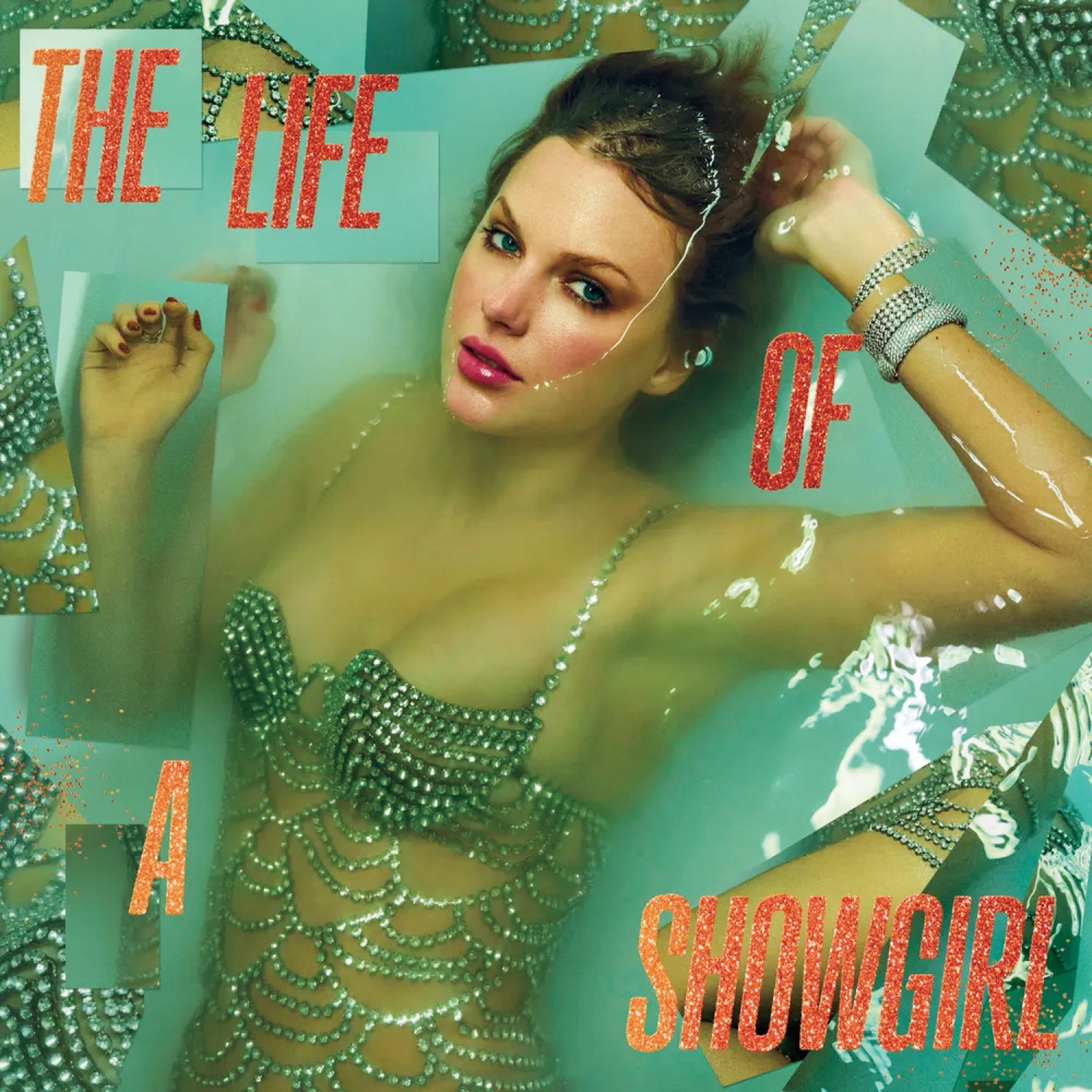
Taylor Swift, The Life of a Showgirl
Drawing on the bright energy absorbed from her tour and romance, Taylor Swift redefines her identity as a show- girl. As retro-tinged pop intersects with soft rock, Swift’s signature narrative lyrics unfold in a lighter, more buoyant tone. This album reveals a balanced perspective on love and fame, maintaining clarity even amid the imagery of the glamorous stage.

Mariah Carey, Here for It All
Mariah Carey presents a modern reinterpretation of the R&B arrangement she helped build over her career. Across tracks that jump between ballads and mid-tempo R&B, multi-layered vocals are steadily stacked atop a warm soul texture. Her signature emotional depth remains unwavering.
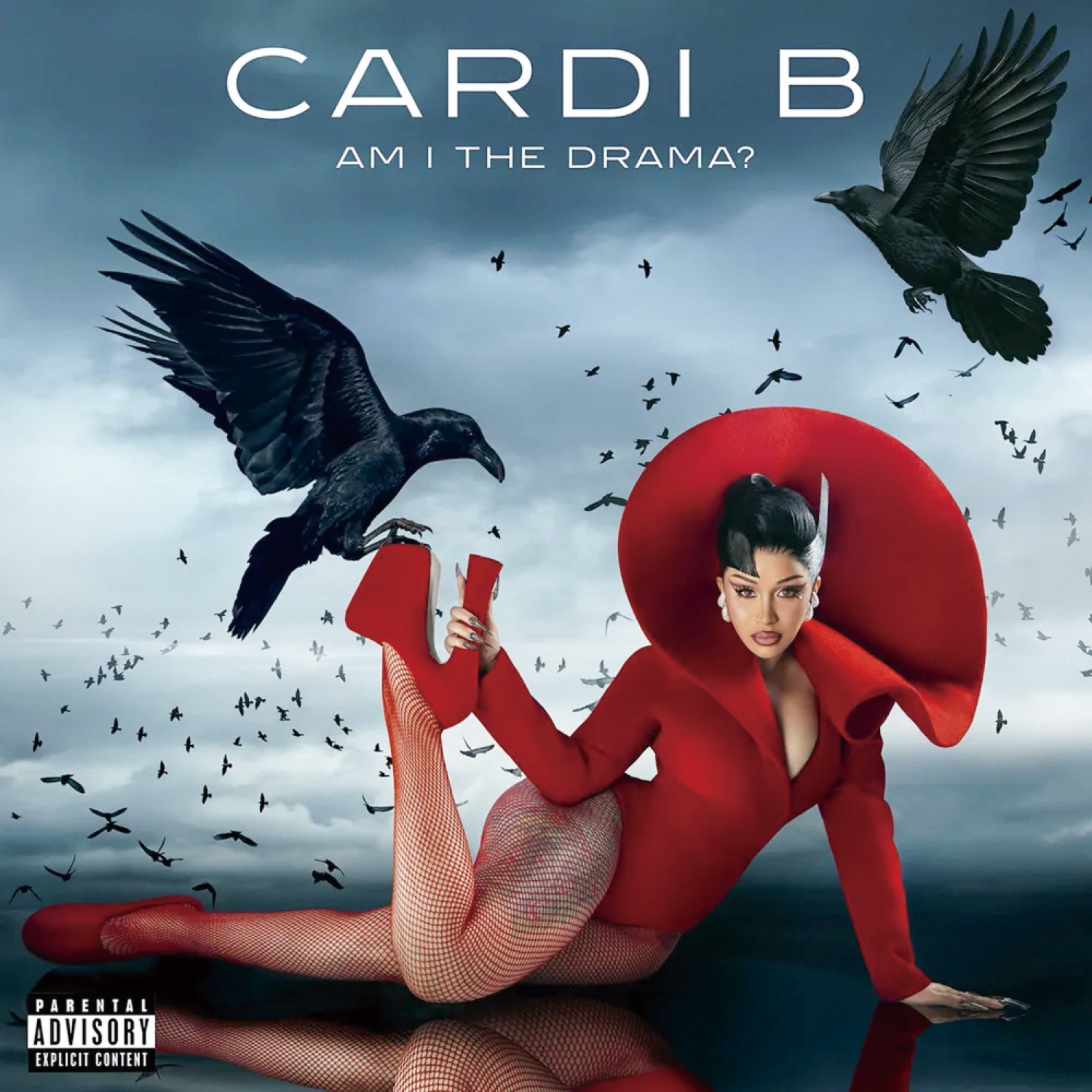
Cardi B, Am I The Drama?
Cardi B takes back control of every narrative surrounding her fame in this album that serves as a declaration. She cleverly absorbs recent hip-hop production trends, melding trap with pop-electronic sounds over intense bass lines and a sharp flow.
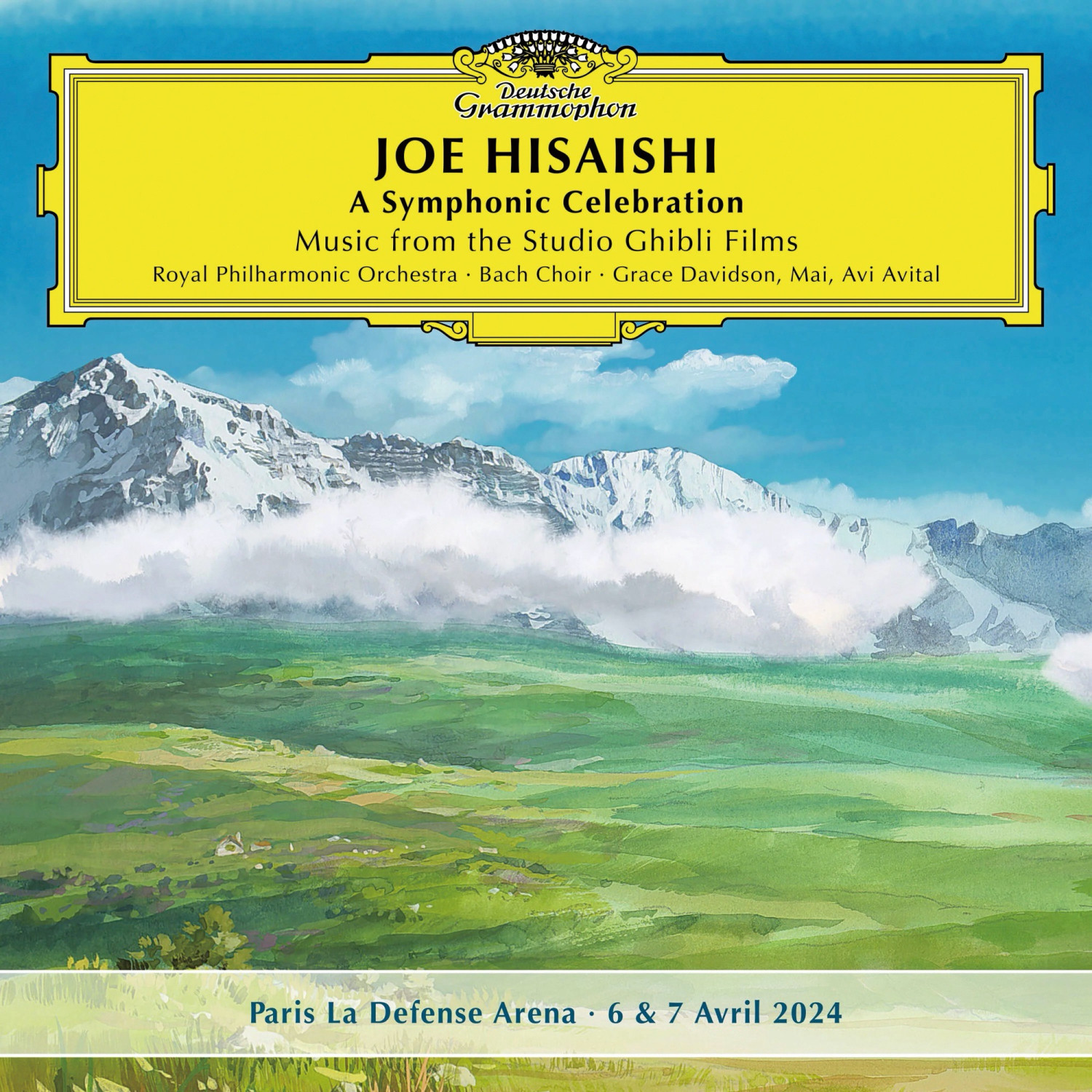
A Symphonic Celebration (Music from the Studio Ghibli Films of Hayao Miyazaki)
Rediscover the core melodies of the Ghibli sound as they are illuminated anew through the power of an orchestra. An album not to be missed by anyone who loves Studio Ghibli.
- Available content may vary depending on your flight.


