
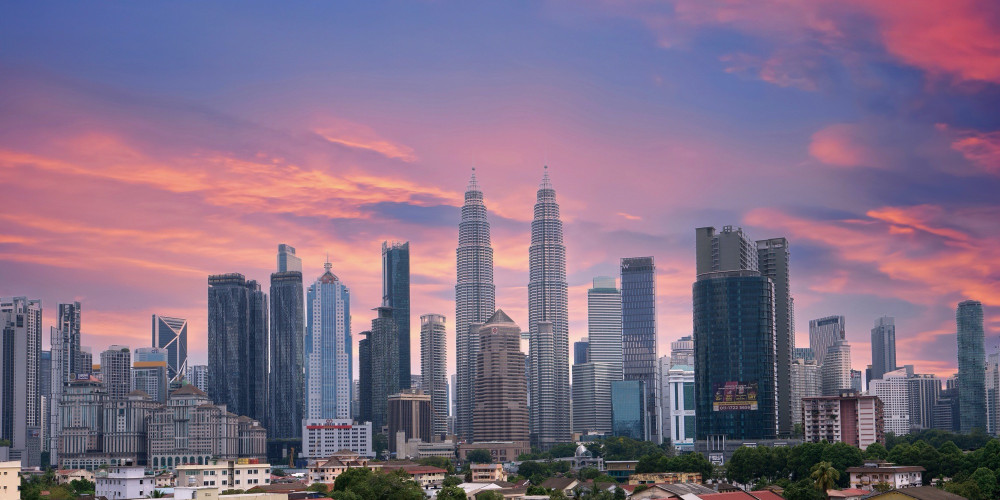
The Land of Opportunity, Kuala Lumpur
Kuala Lumpur stands as Southeast Asia’s rising economic and digital hub, absorbing global capital and technological innovation with remarkable agility. Within a rapidly shifting regional landscape, the city has forged its own path of growth, grounded in its layered history and multicultural fabric.
Kuala Lumpur is a metropolis where time and culture intersect, collide and merge to form a singular, compelling narrative. The city that began as a tin-mining outpost in the 19th century now boasts a layered history — one in which an Islamic mosque, a Hindu temple and a Chinese Buddhist temple stand together on the same street. And now, the city’s magnificent skyline of skyscrapers rise toward a future defined by its ambition to be the economic and digital hub of Southeast Asia. This paradoxical vitality — the preservation of deep tradition alongside the strategic embrace of global investment — has become the very identity of Kuala Lumpur and the source of its new potential.
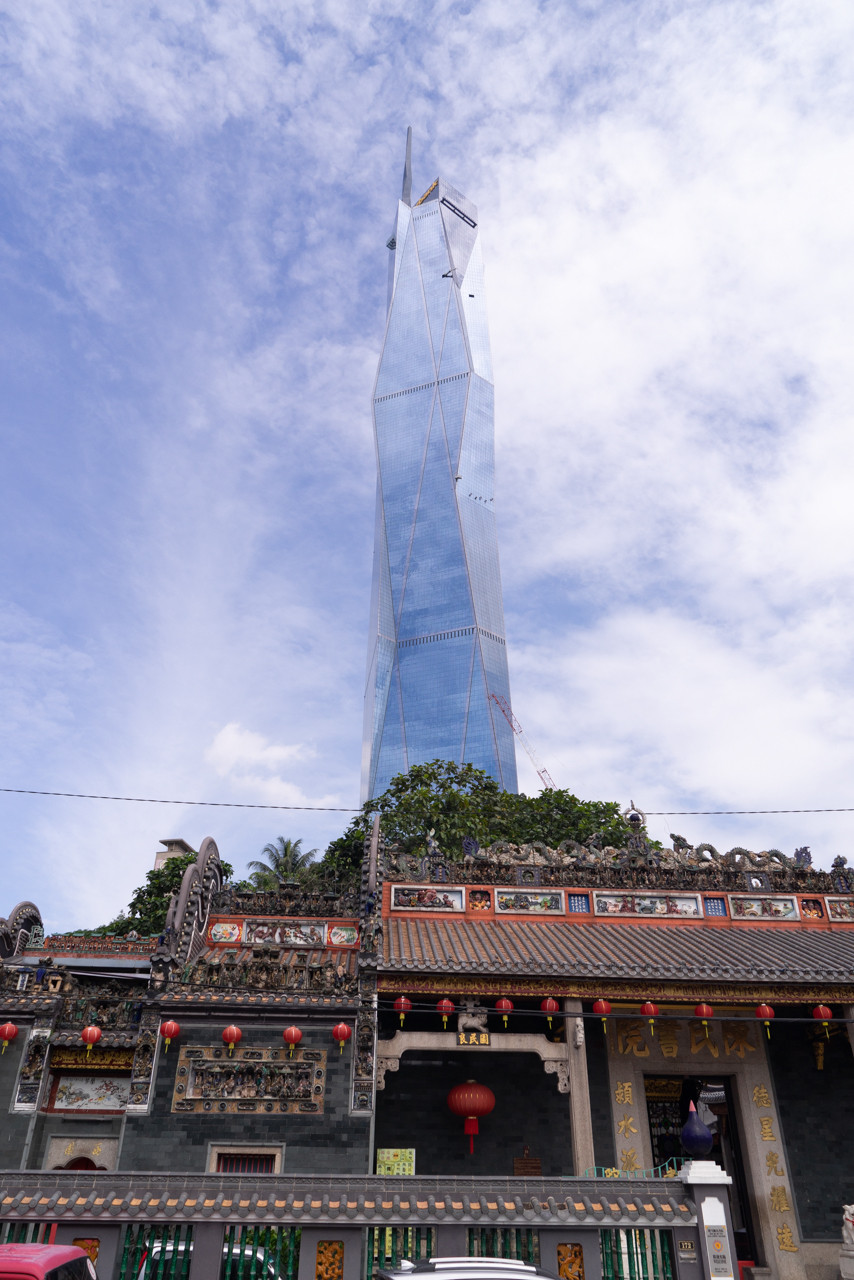
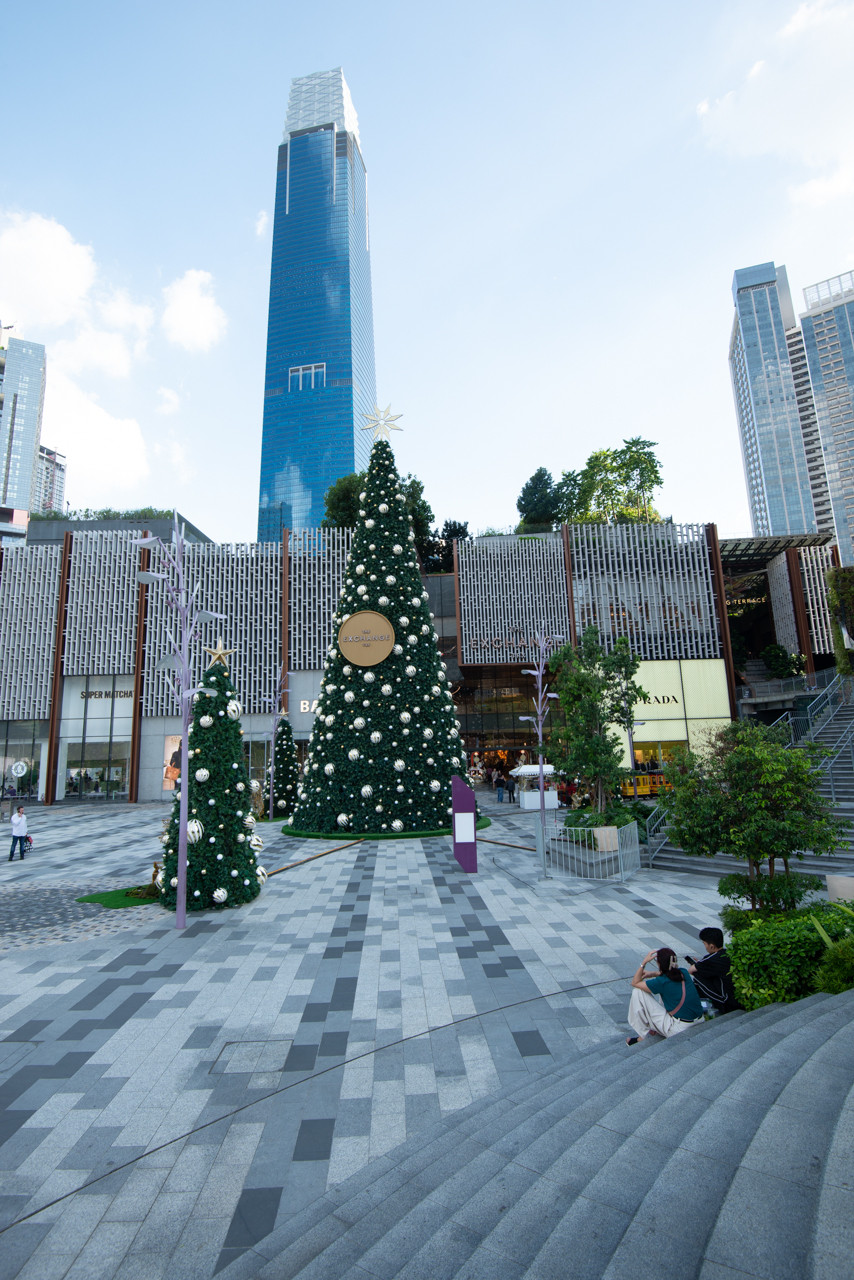
Opportunity Soaring in the Sky
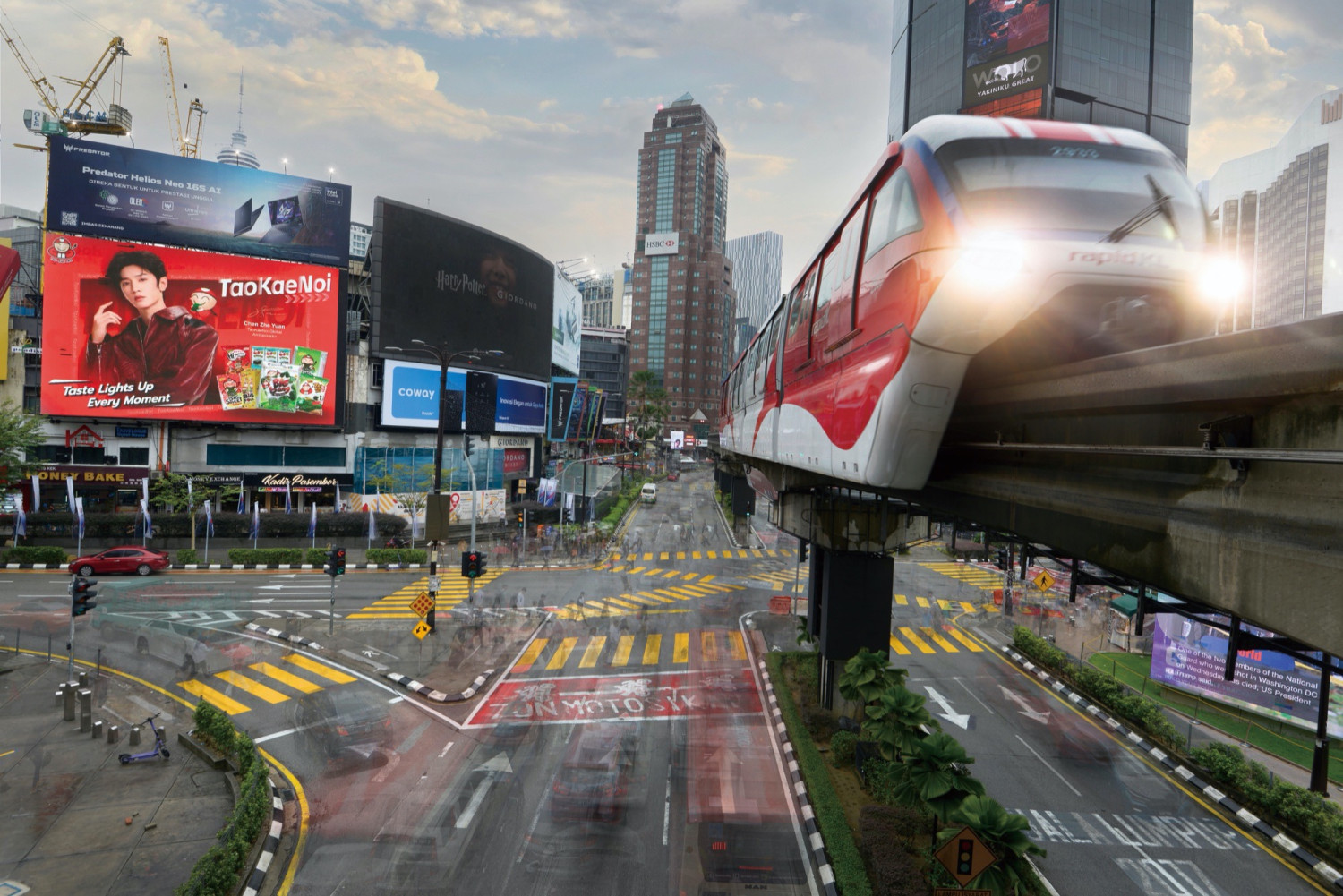
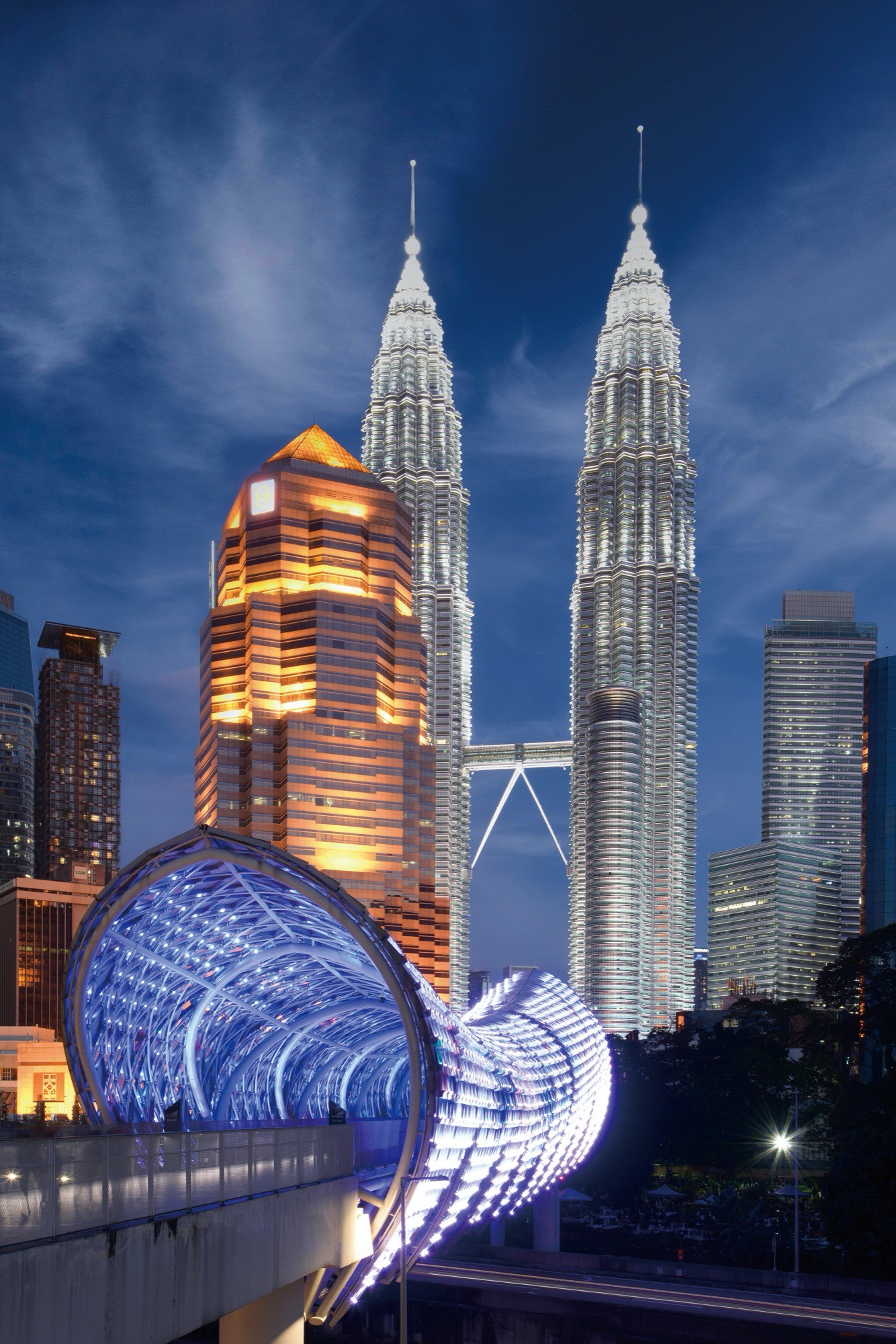
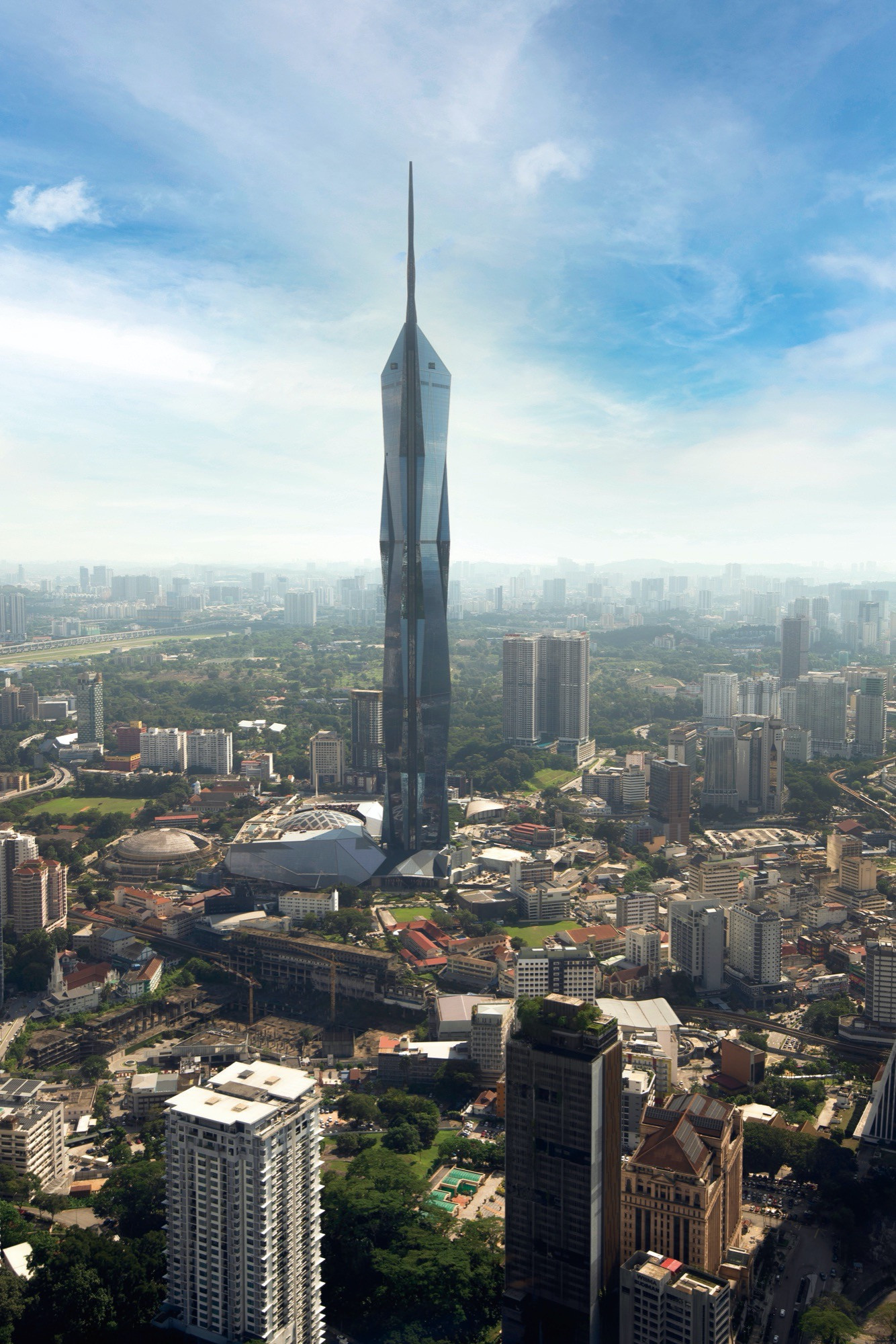
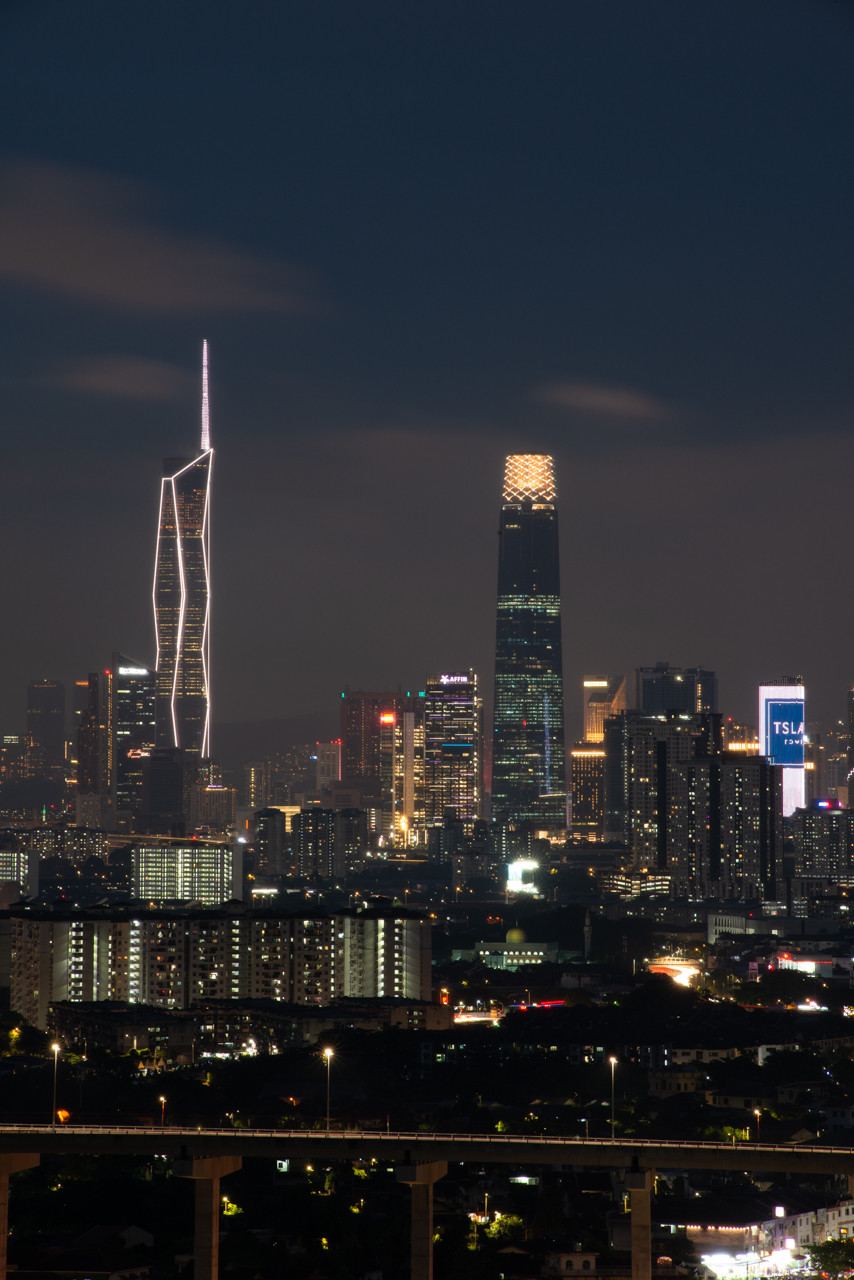
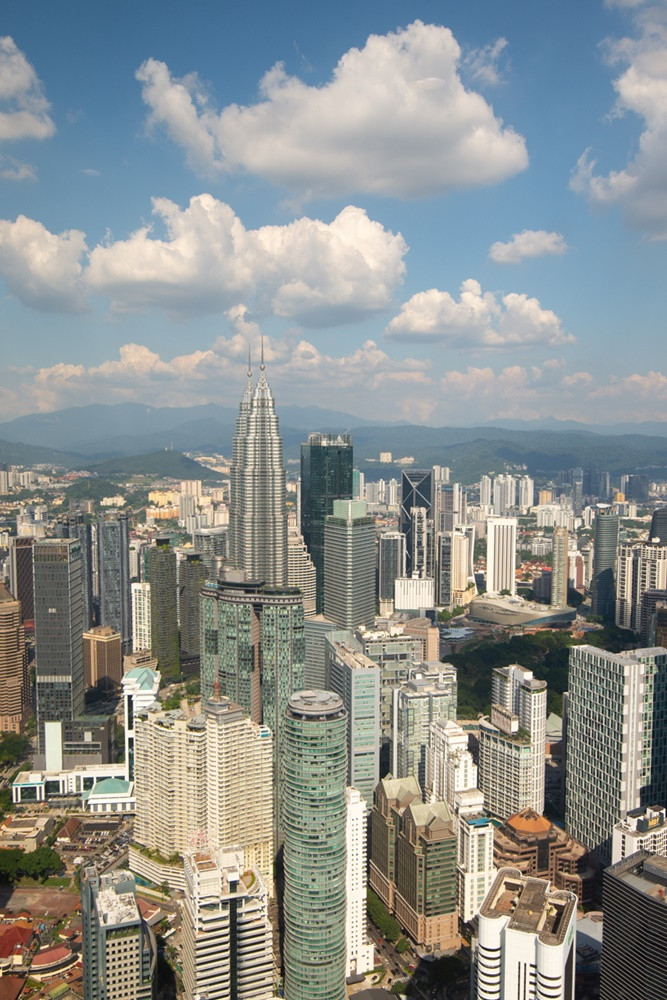
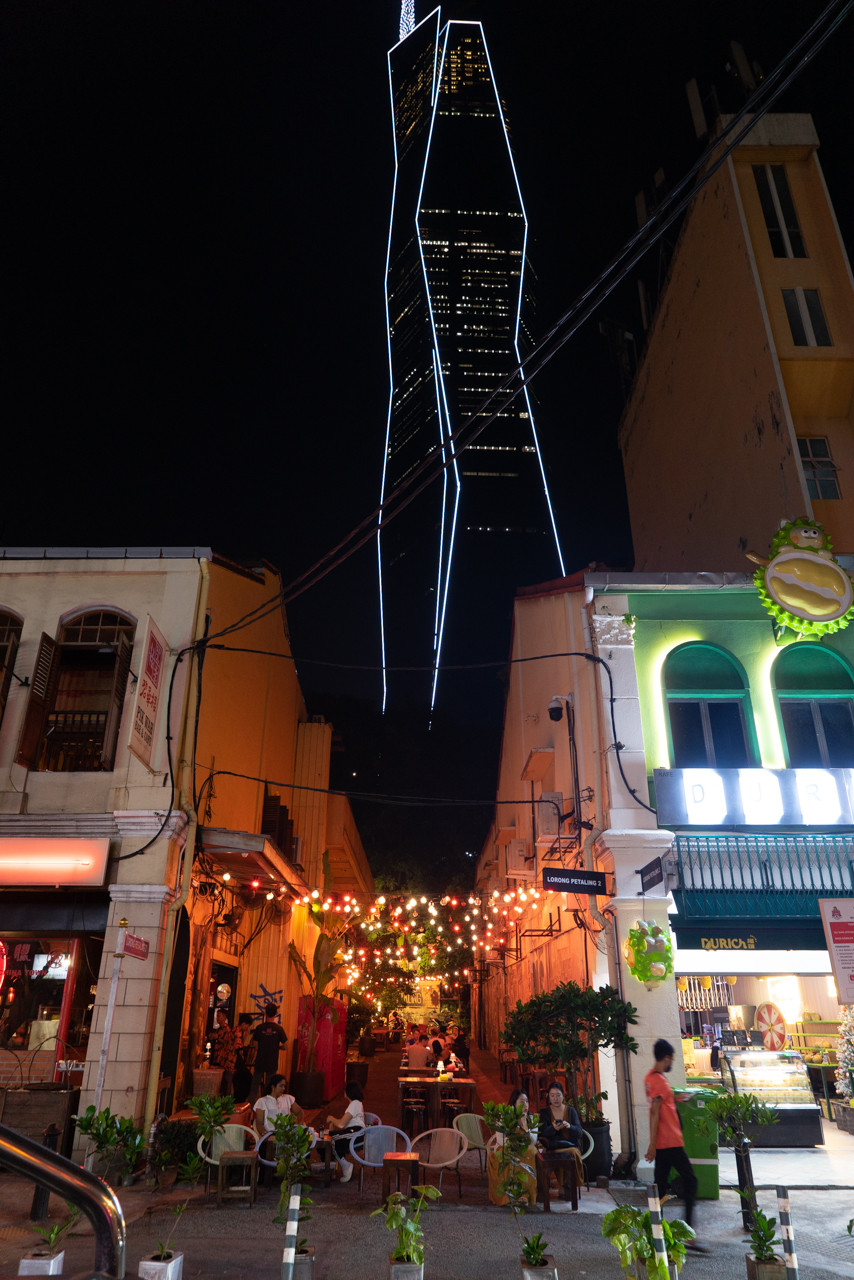
The glittering array of skyscrapers that define Kuala Lumpur’s skyline are not just buildings; they are architectural decla rations, vertical testaments to Malaysia’s national economic growth and its future ambitions. These soaring towers have recast the city’s identity as an “icon of opportunity,” serving as a powerful strategic tool for attracting both global talent and capital. At the very center of this ambition stands the iconic Petronas Twin Towers.
When completed in 1996, these twin structures were the tallest buildings in the world, and they remain powerful symbols of Malaysia’s technological prowess and economic dynamism, firmly establishing the nation as a major Southeast Asian economic player. Today, the city overlooked by the Twin Towers continues to accelerate its digital transformation, making its bid to become the definitive digital hub of the region ever more concrete.
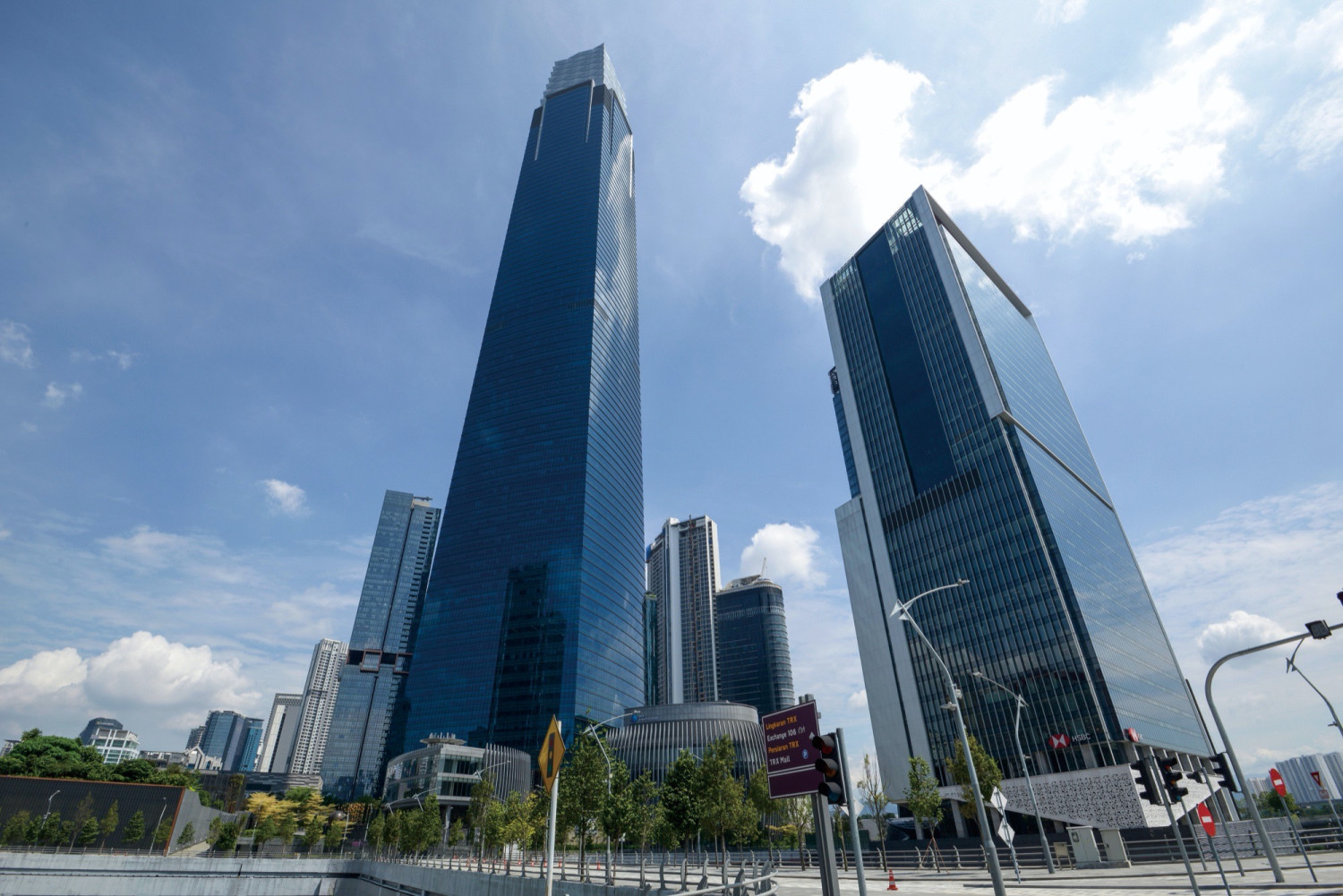
This ambition is most strikingly manifest in the ongoing Tun Razak Exchange (TRX) project. Conceived to compete with established centers like Singapore and Dubai, TRX is Malaysia’s first international financial district, dedicated solely to global finance. This sleek, hyper-modern financial core is a direct, palpable statement of Kuala Lumpur’s direction toward business leadership and economic growth. Emerging as a crucial hub for industry transformation driven by global investment, TRX is the perfect place to see the city’s determination to fundamentally reshape the financial landscape of Southeast Asia.
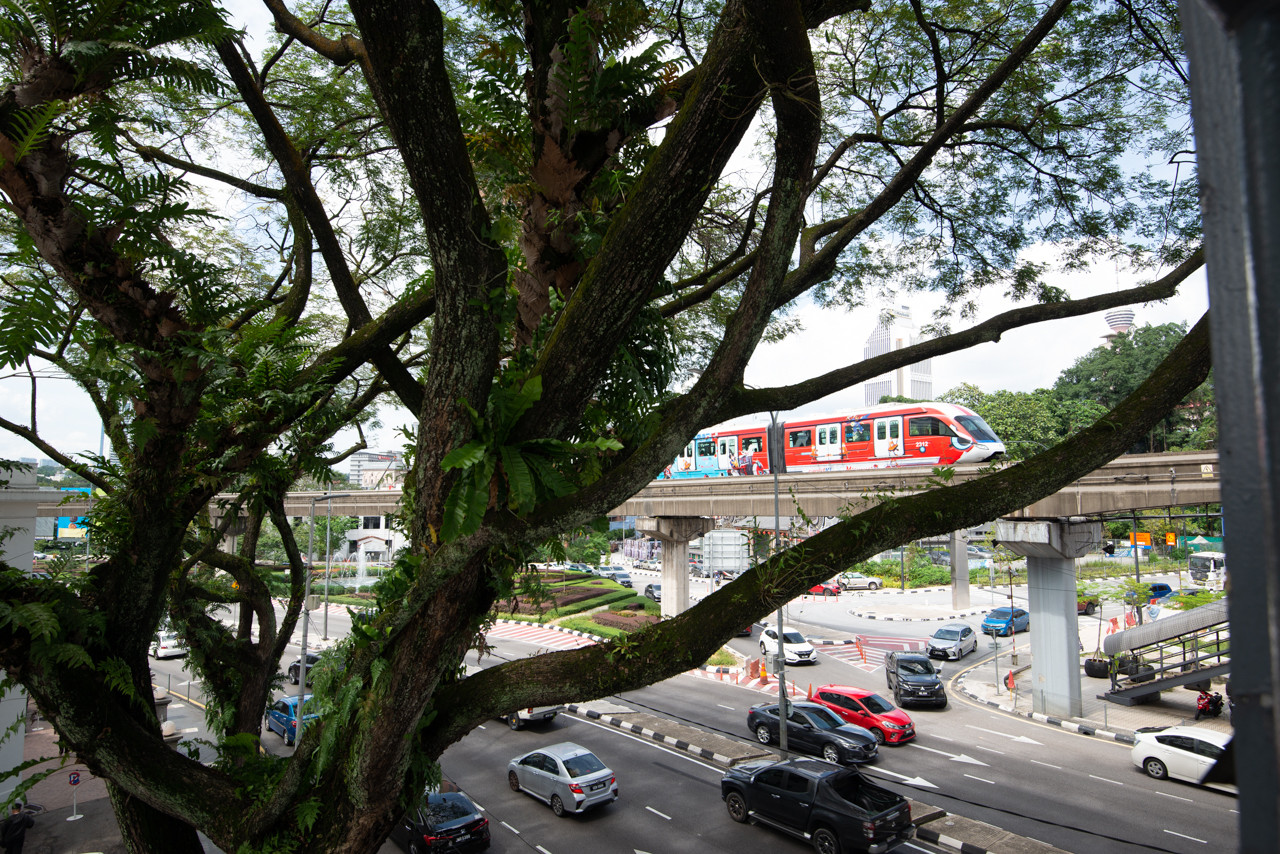
Crucially, this urban ambition is not the isolated goal of a few; it is a monumental dream embraced by the entire city. It is evidenced by the Saloma Link, a pedestrian bridge that connects the traditional neighborhood of Malay village houses to the ultramodern center dominated by the Petronas Twin Towers. In that graceful bond, the city’s historical roots and its future-driven ambitions are not separate; they are interwoven into a single, cohesive narrative. And even in this very moment, that powerful story continues to gain substance, carrying the weight of diverse identities as it builds a lasting legacy of opportunity
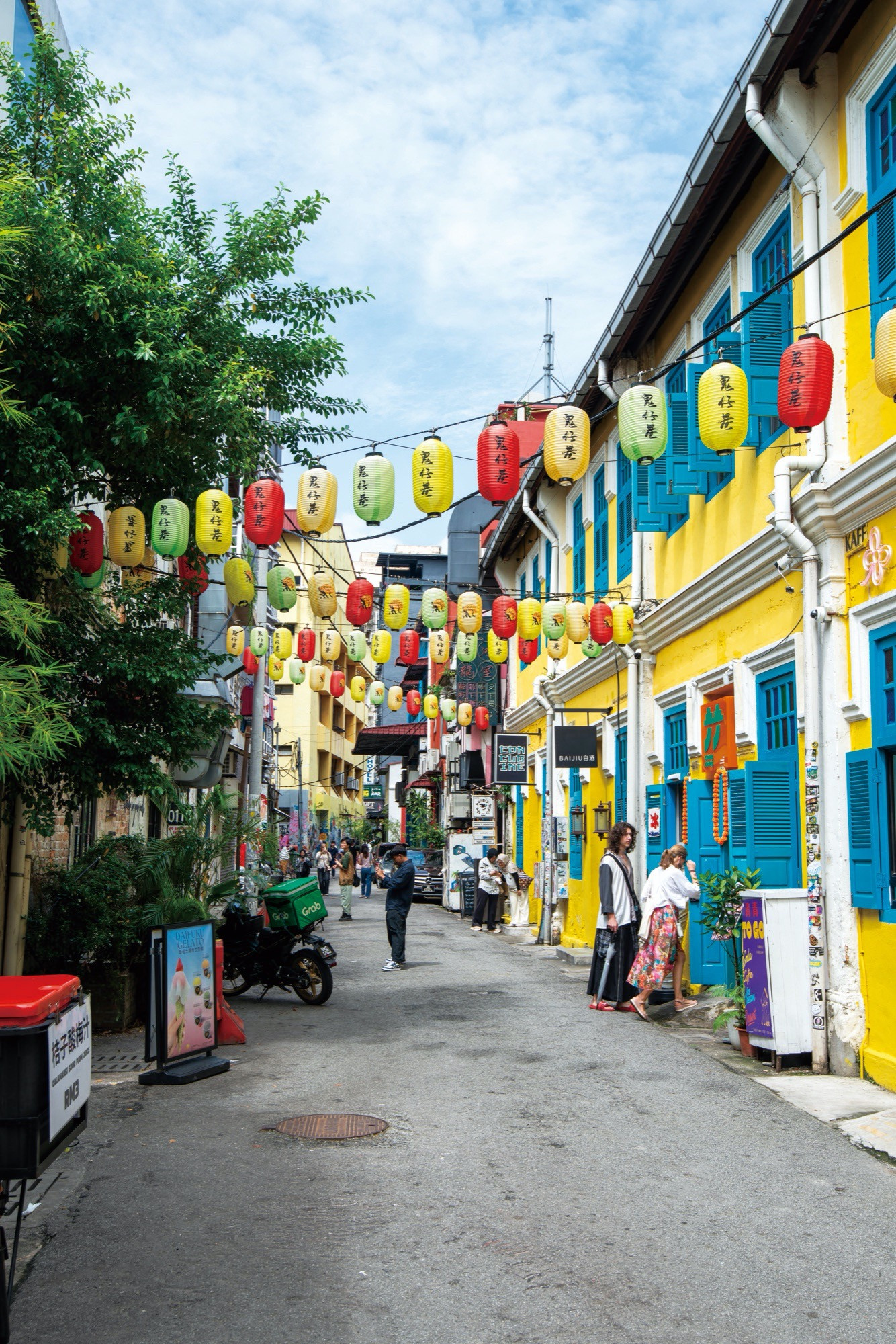
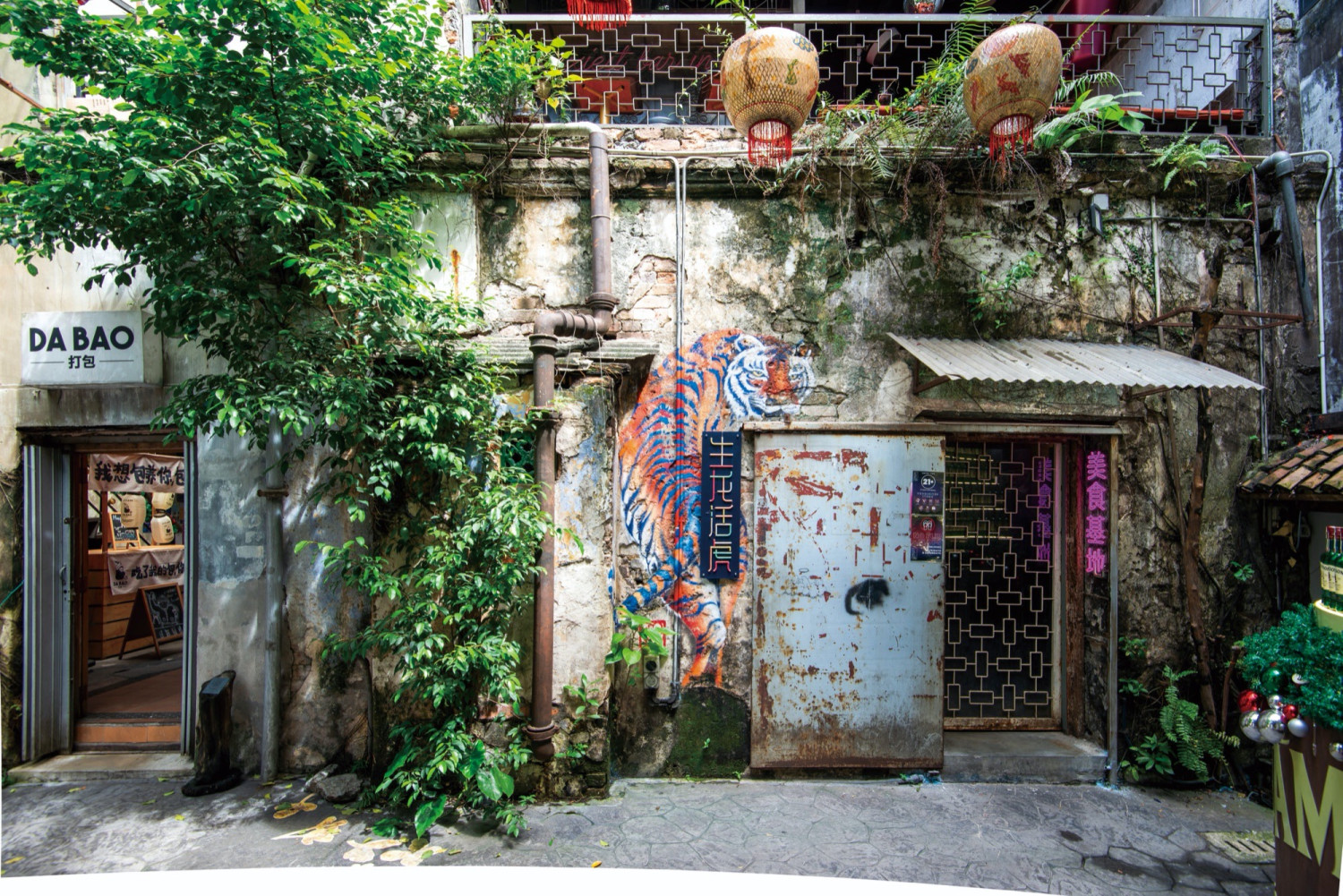
From Coexistence to Fusion
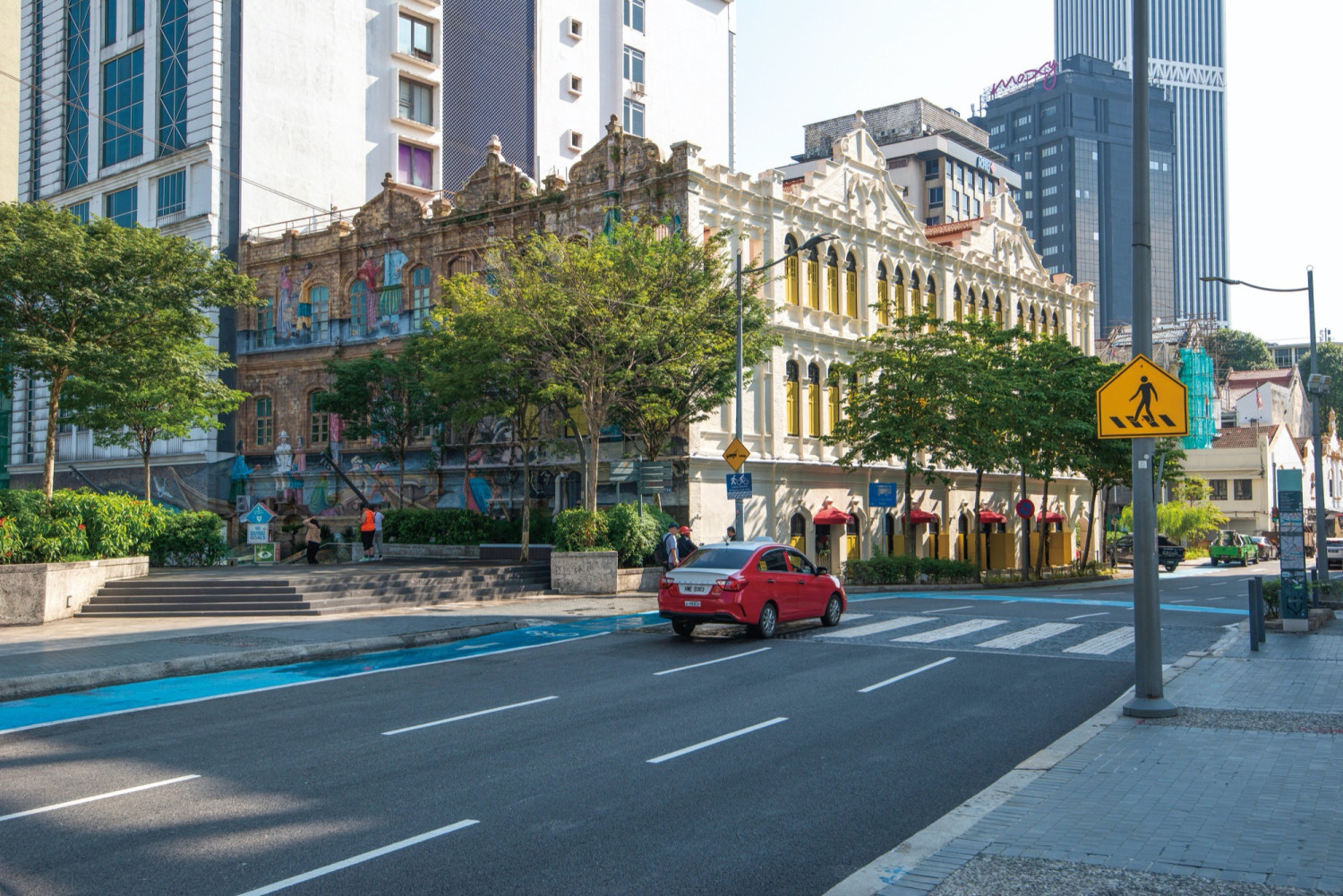
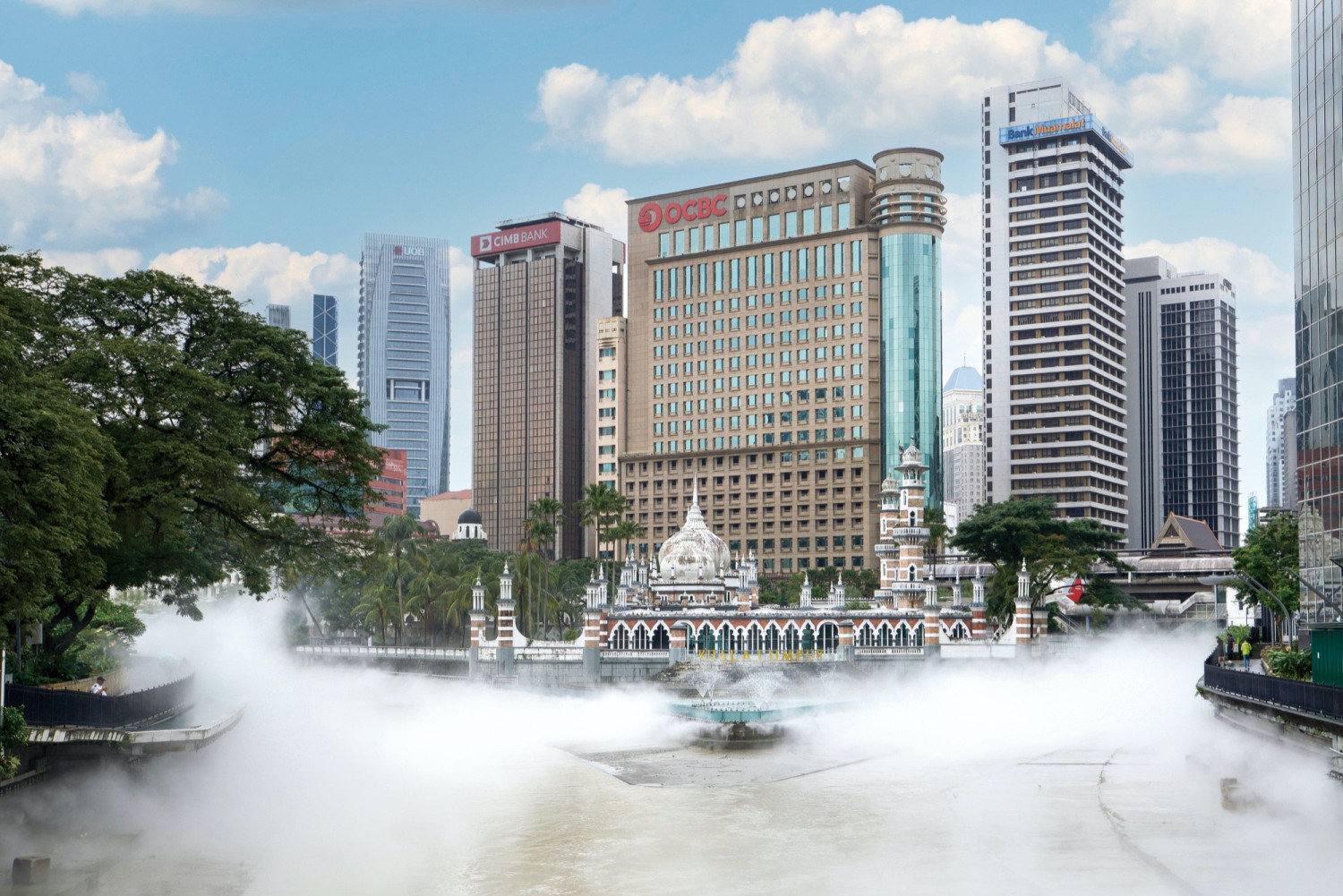
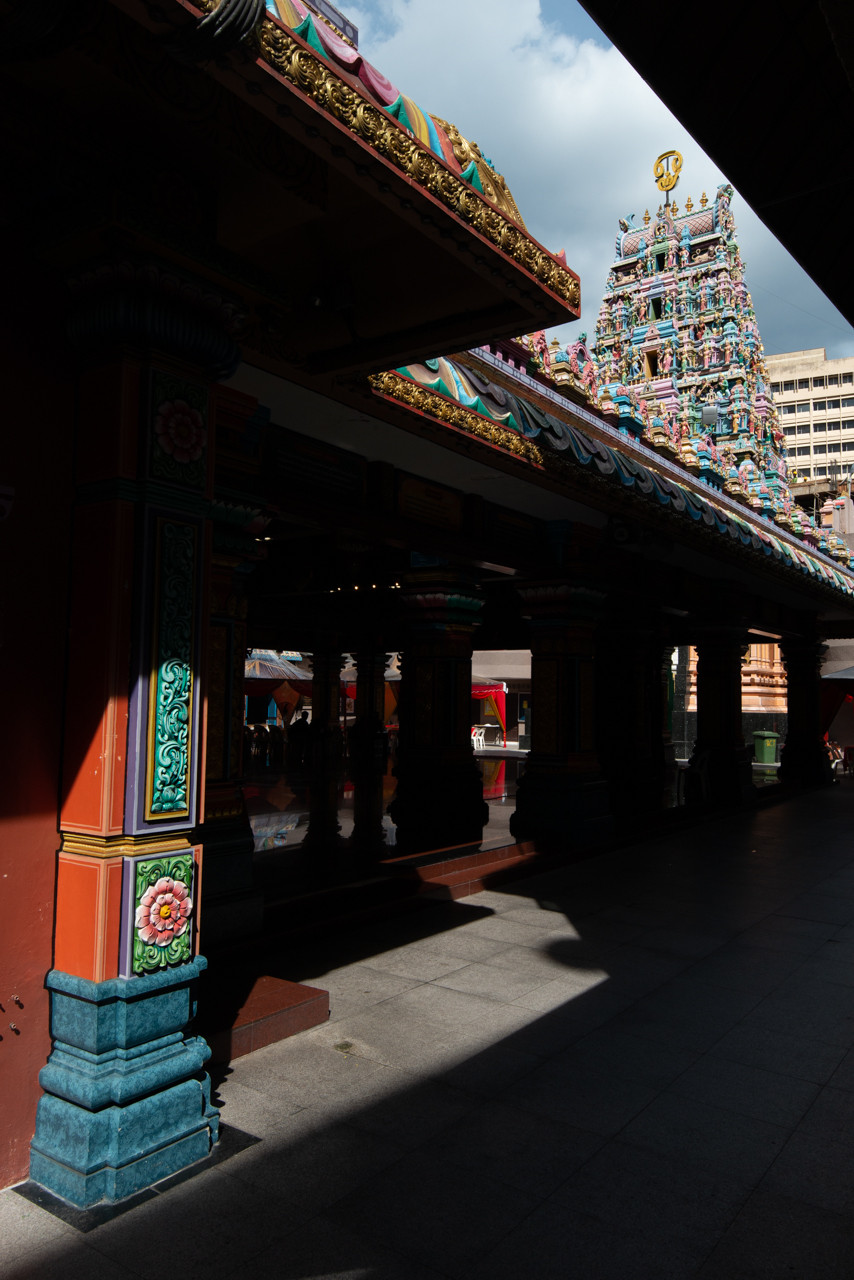
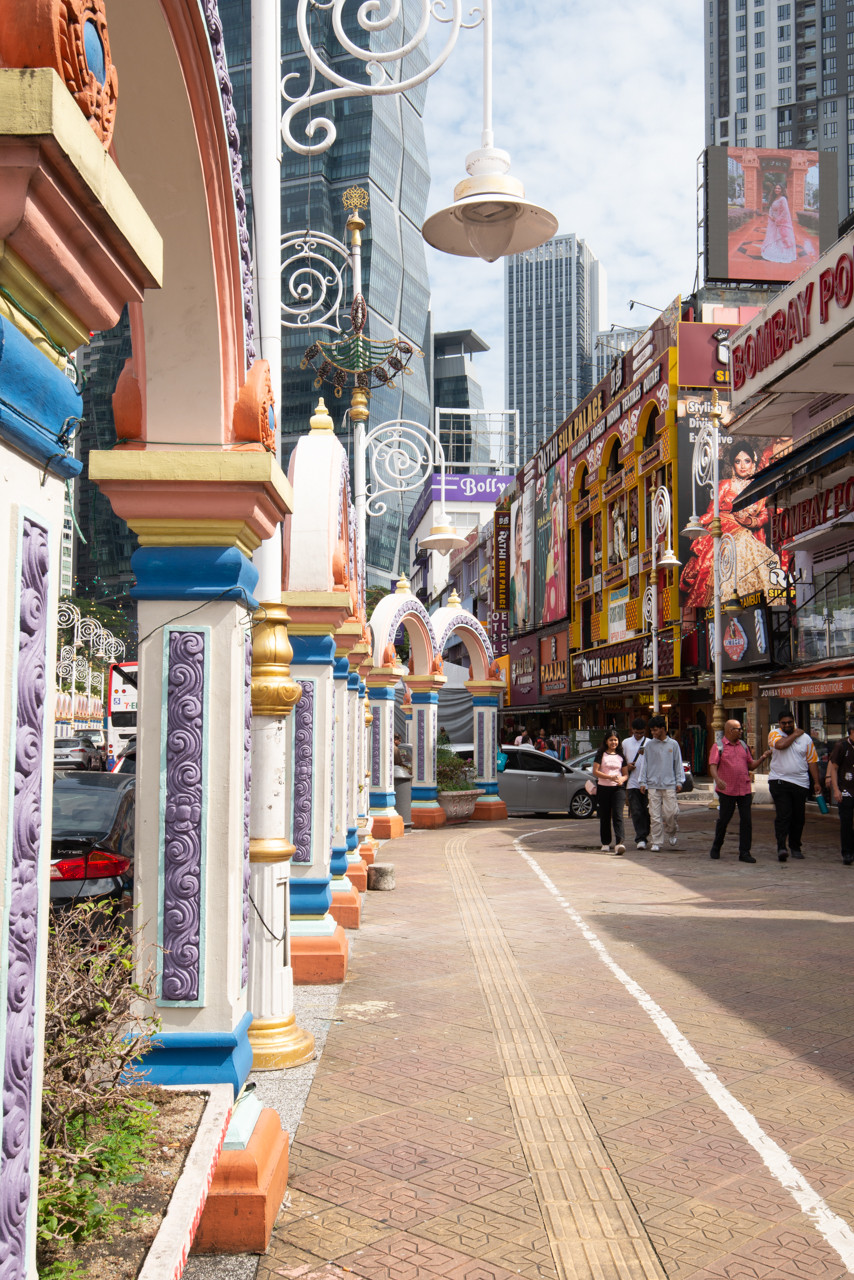
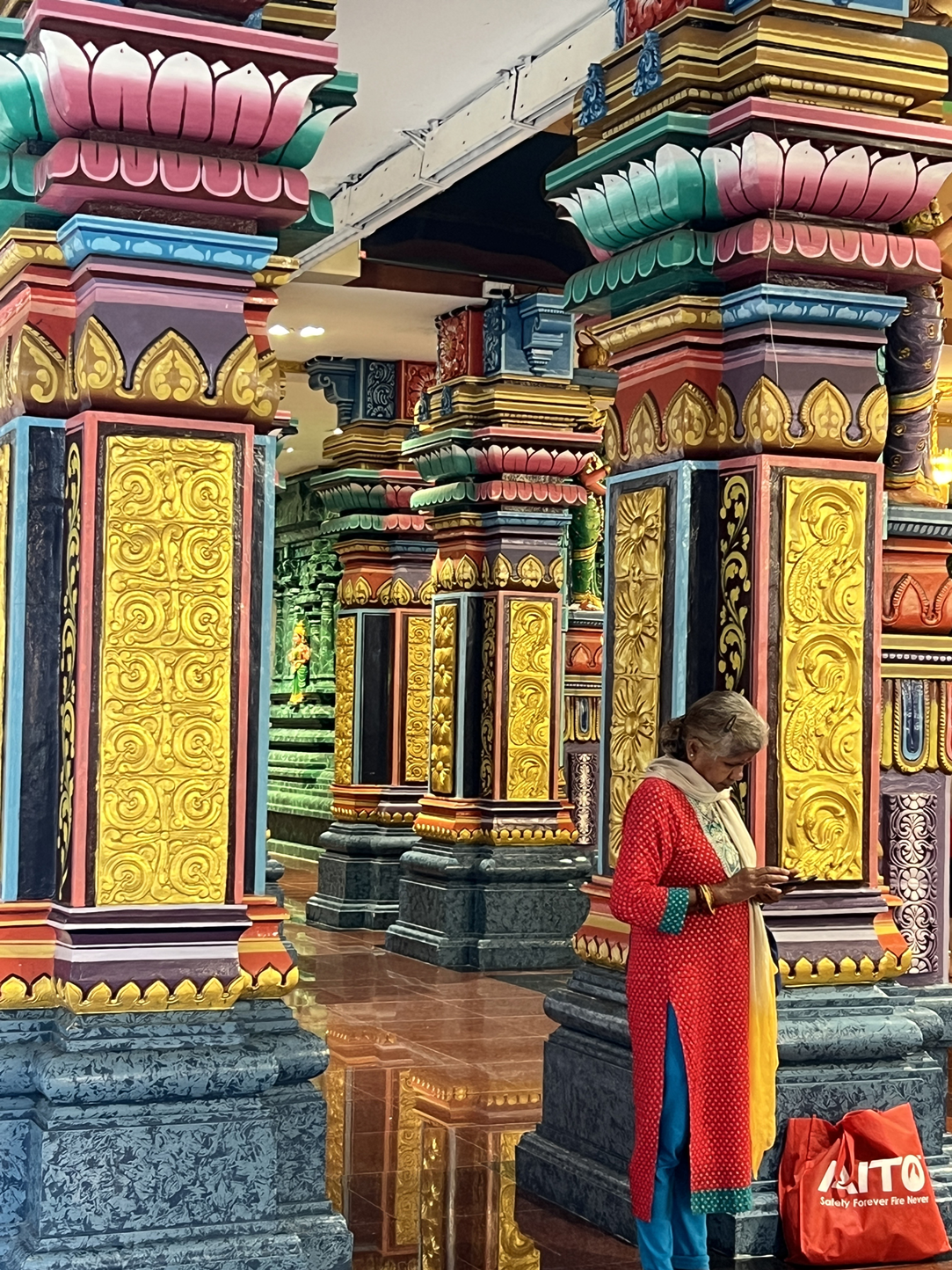
Kuala Lumpur’s penchant for accommodating differences goes far beyond simple side-by-side coexistence. It manifests as a powerful energy of fusion, working to create a truly singular city. This truth is immediately apparent in the city’s historical heart, clustered around the Klang River. Masjid Jamek (Jamek Mosque), completed in 1909 and one of Kuala Lumpur’s oldest, stands as a stunning testament to the city’s founding. Yet, within a mere 10-minute walk, one finds both a Hindu temple and a Chinese Buddhist temple — a vibrant scene that proves how religious diversity has been incorporated not as a conflict, but as a deep, structural element of daily life. This resilience is the perfect symbol of Kuala Lumpur’s unique flexibility, utilizing diversity as an engine for urban growth.
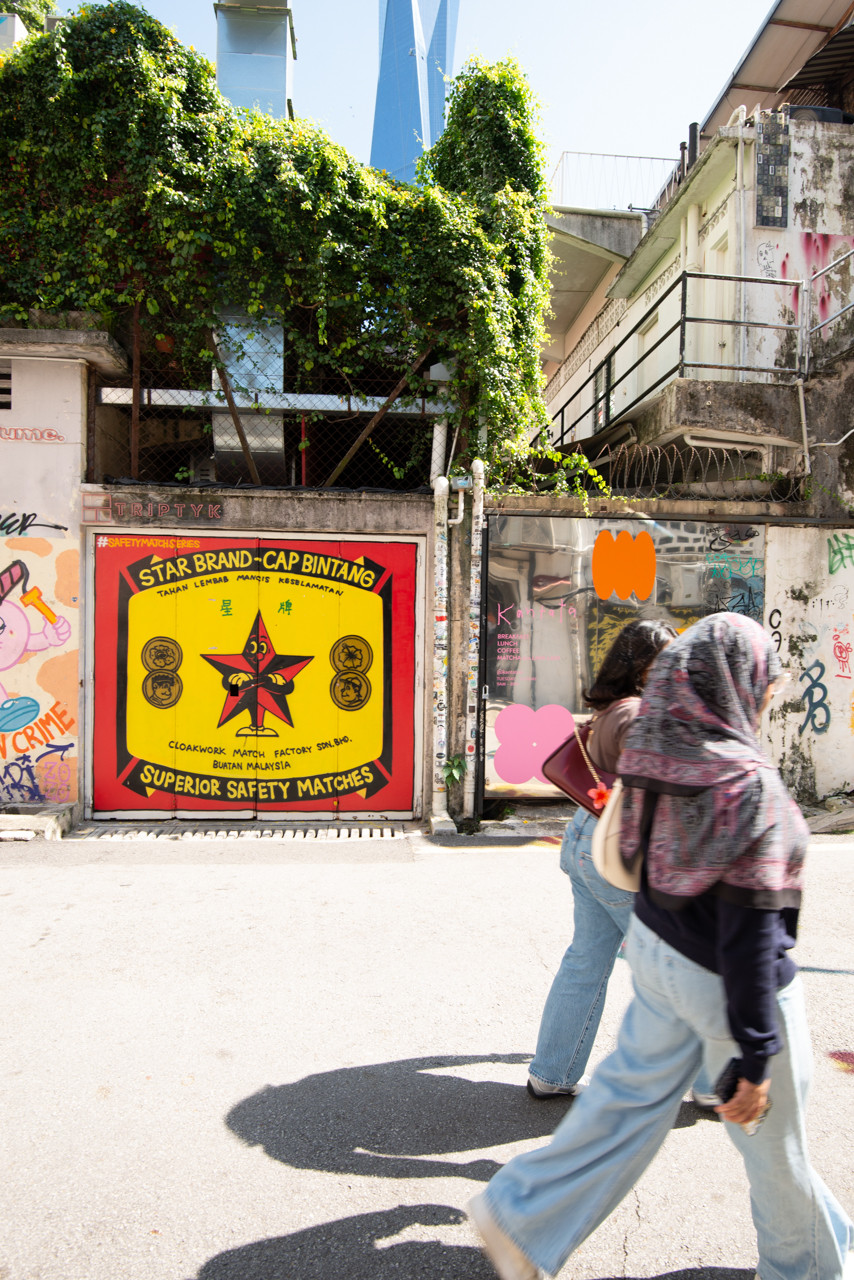
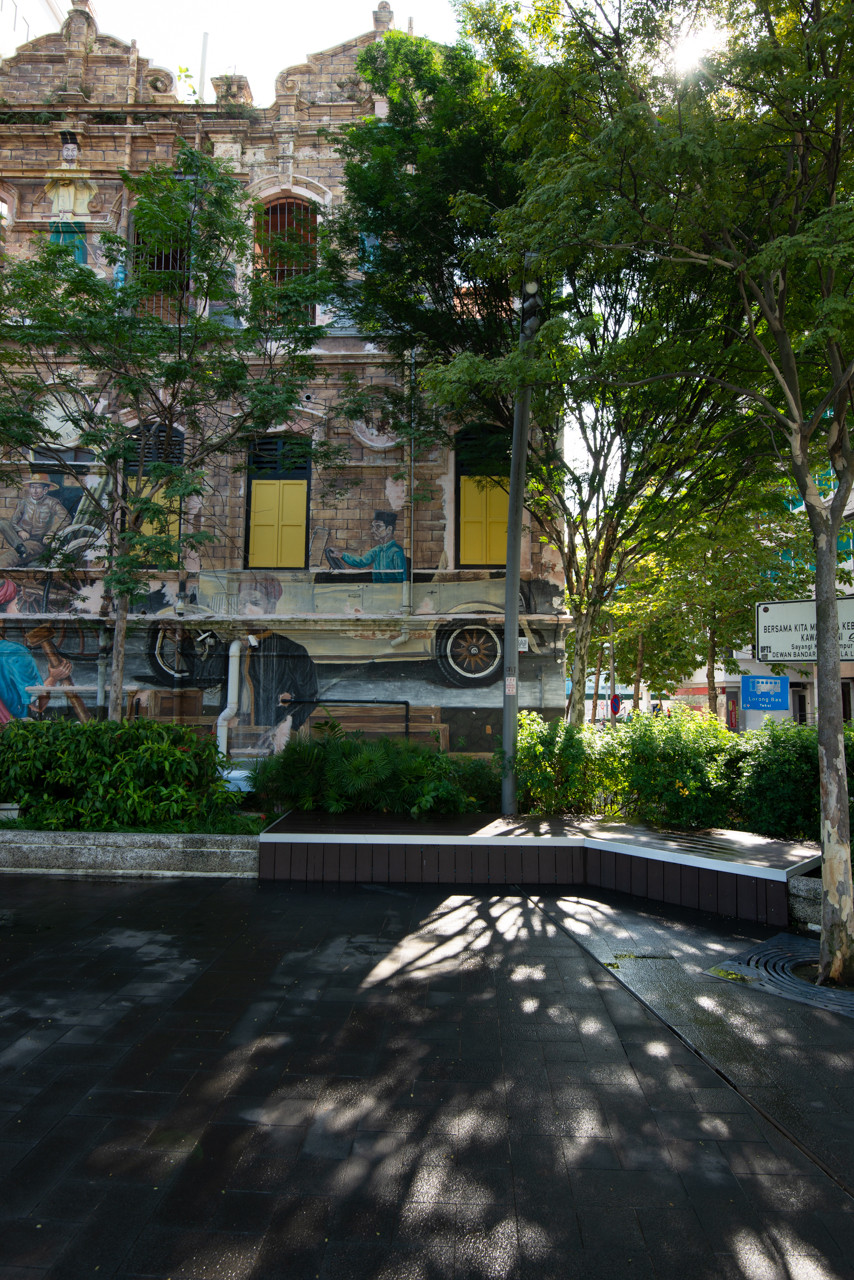
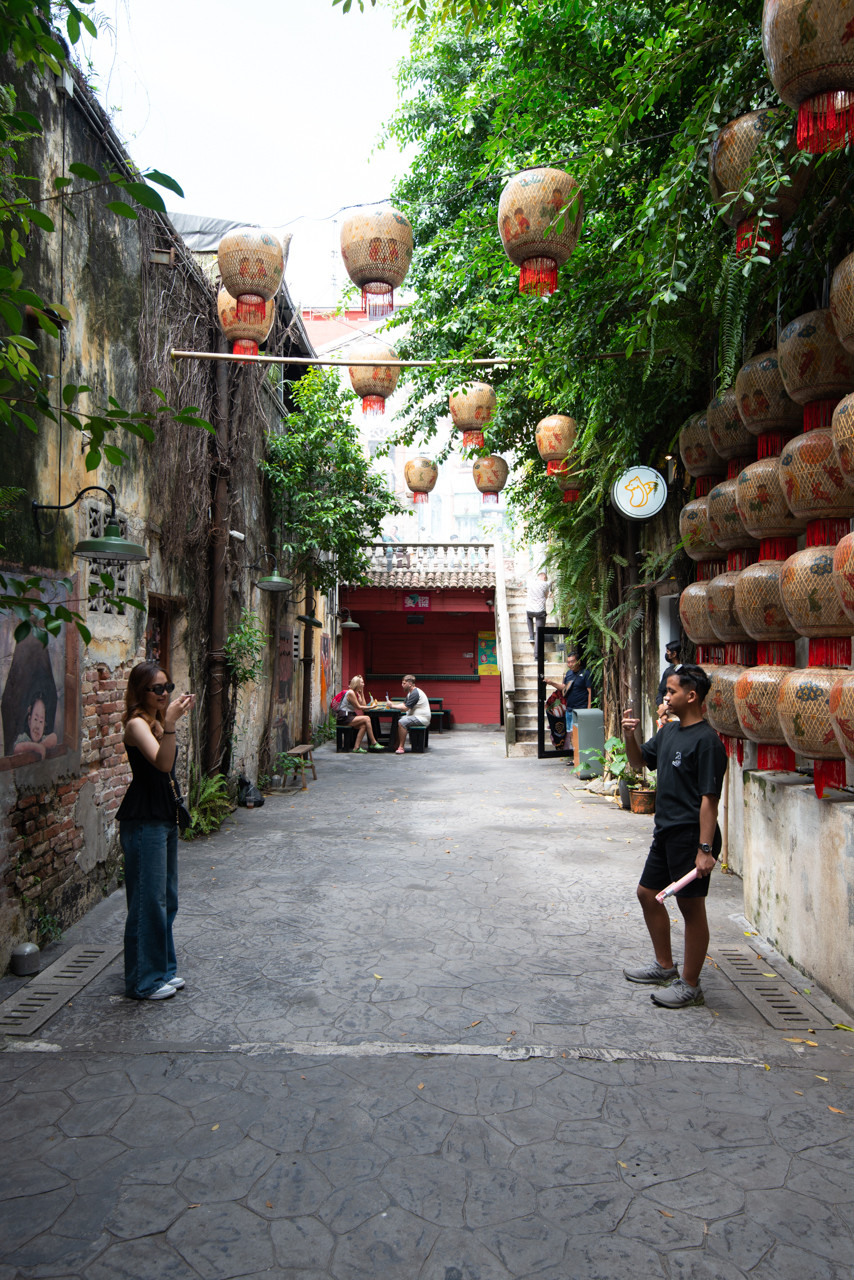
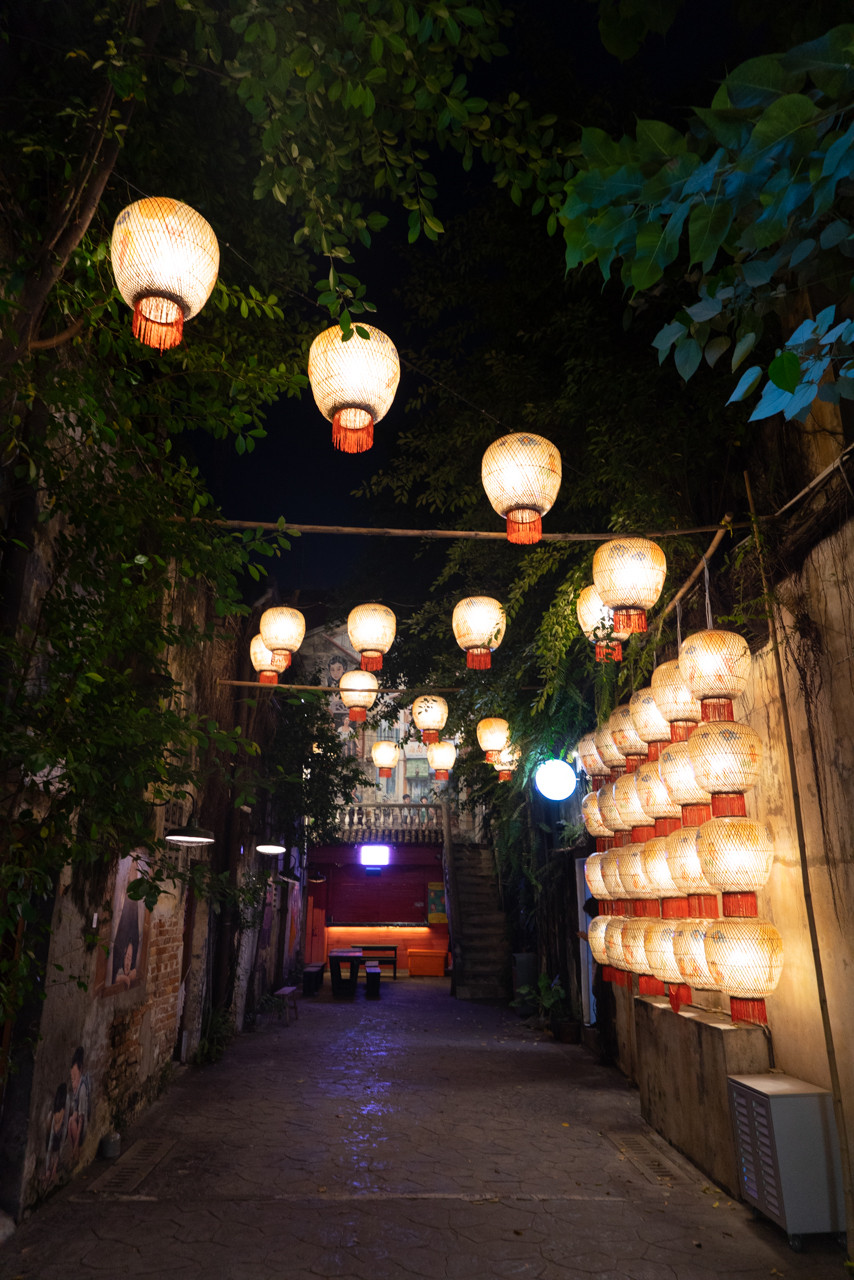
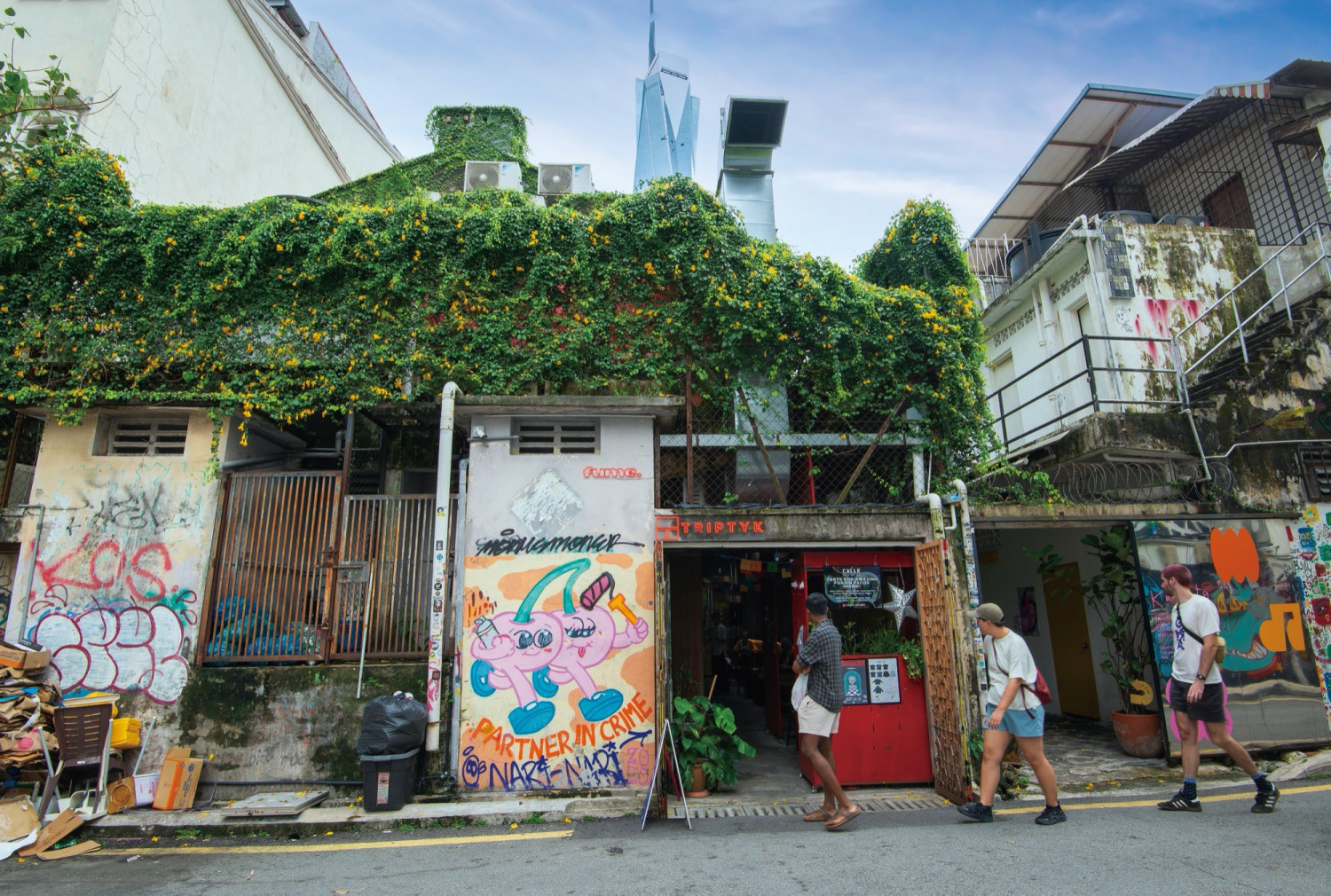
The depth of its cultural interconnectedness reaches its height in the city’s everyday life. The Malay, Chinese and Indian communities each retain their own distinct language and faith, but they seamlessly weave their lives together through the shared, universal commitment to building a good life. This dynamic connection is revealed most dramatically in places like Brickfields, the Indian community hub with its fragrant spices and the sound of temple bells; in the bustling stalls and rapid pace of life among the veteran merchants of Chinatown; and in the lively intersections of Kwai Chai Hong, a creative cultural destination where street art mixes with the raw, hopeful energy of young entrepreneurs.
These are authentic spaces where the sheer diversity of languages, life and the aroma of spices live and breathe. Amid the hurried rhythm of the streets and the heady scent of tropical fruit, you recognize the complex weight of the city’s colonial history. Yet you also witness relentless, tenacious energy and the pulse of daily life crafting a completely new culture.
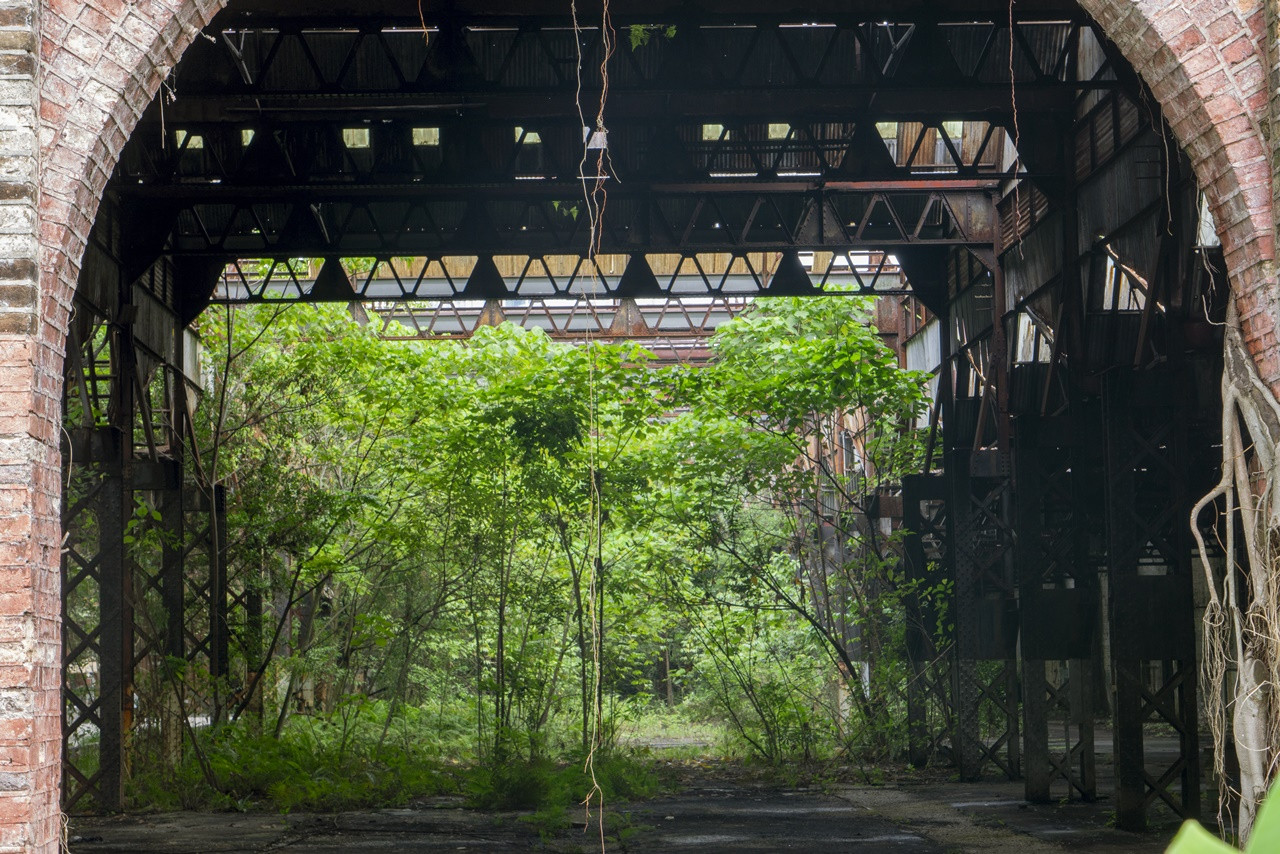
Creative Rebirth of Industrial Heritage
Despite its lightning-fast growth, Kuala Lumpur has built a sustainable identity through an ambitious urban renewal strategy, repurposing its history into creative energy rather than simply tearing it down.
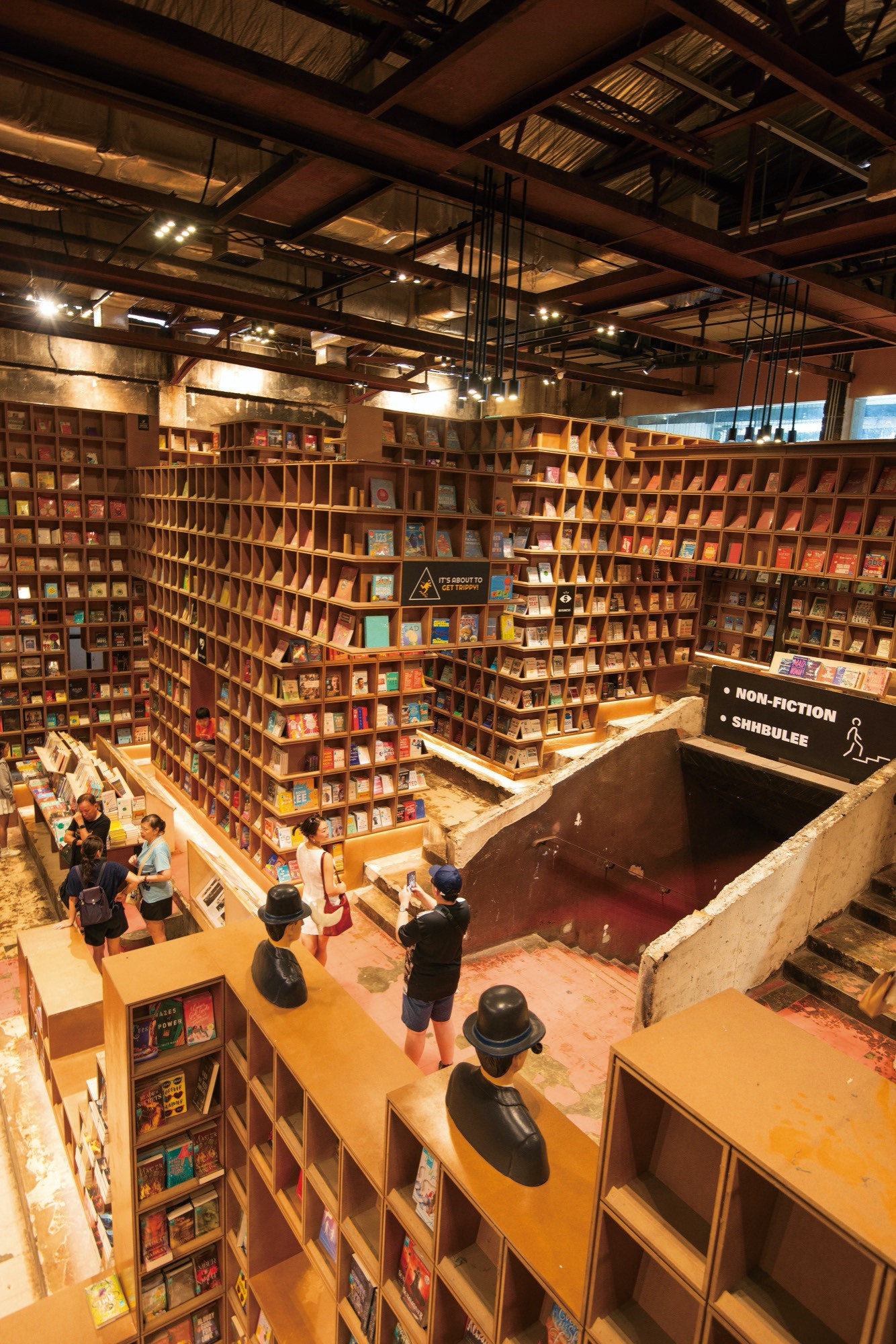
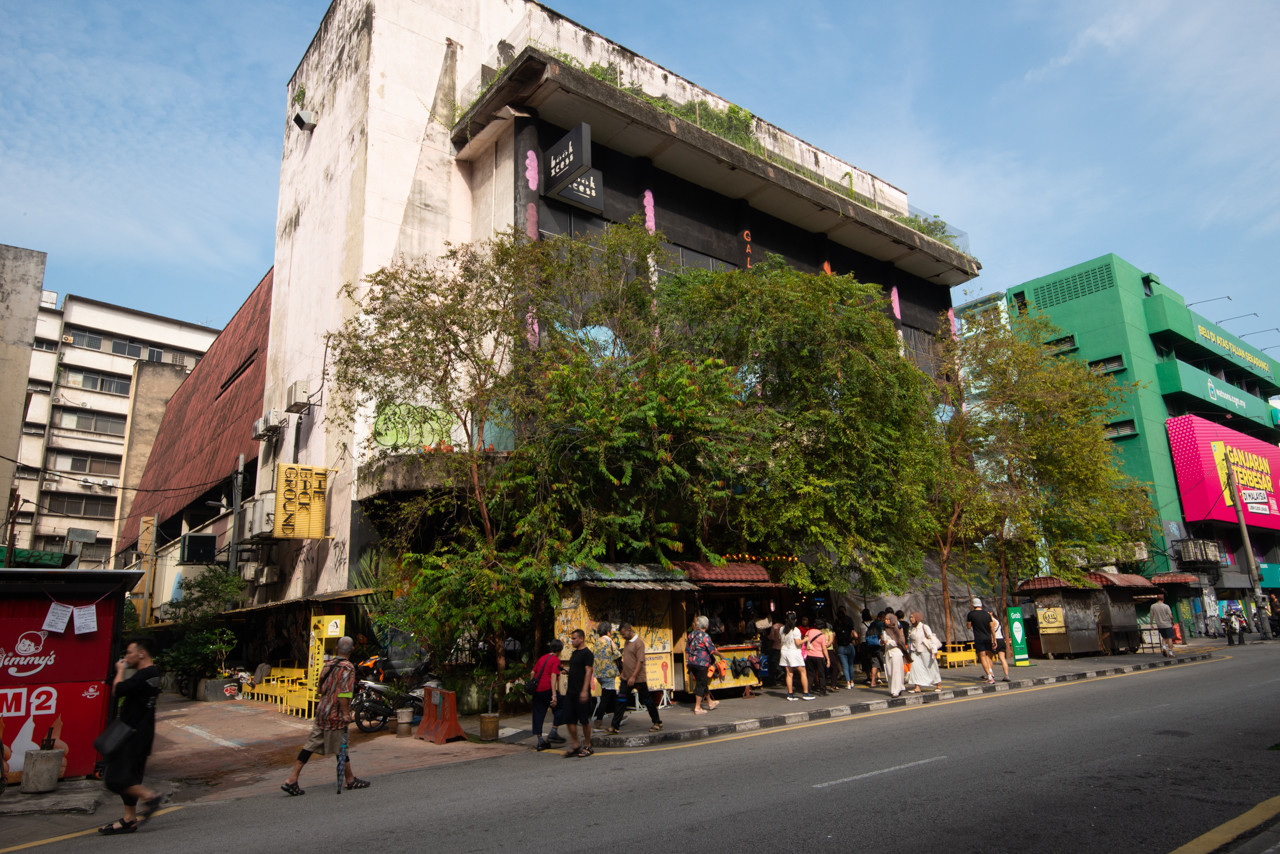
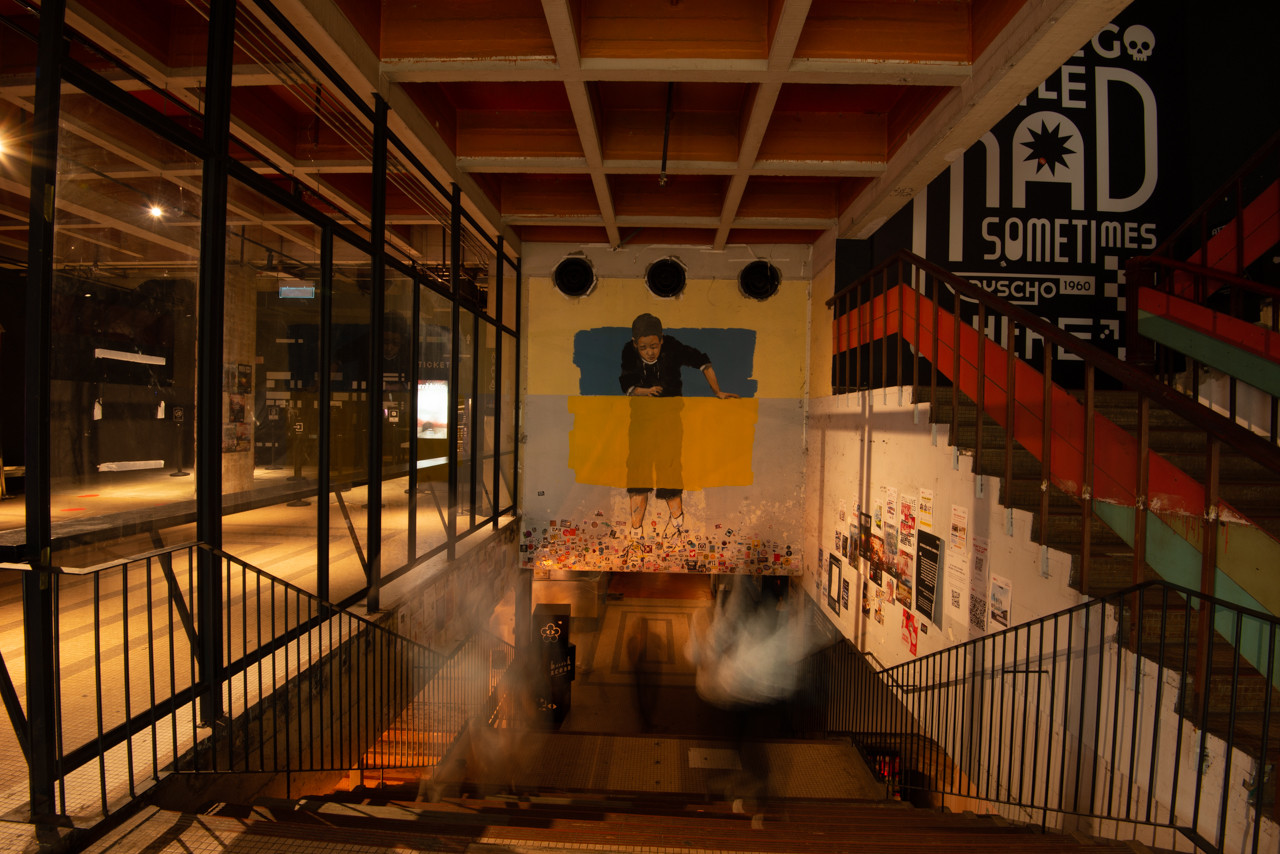
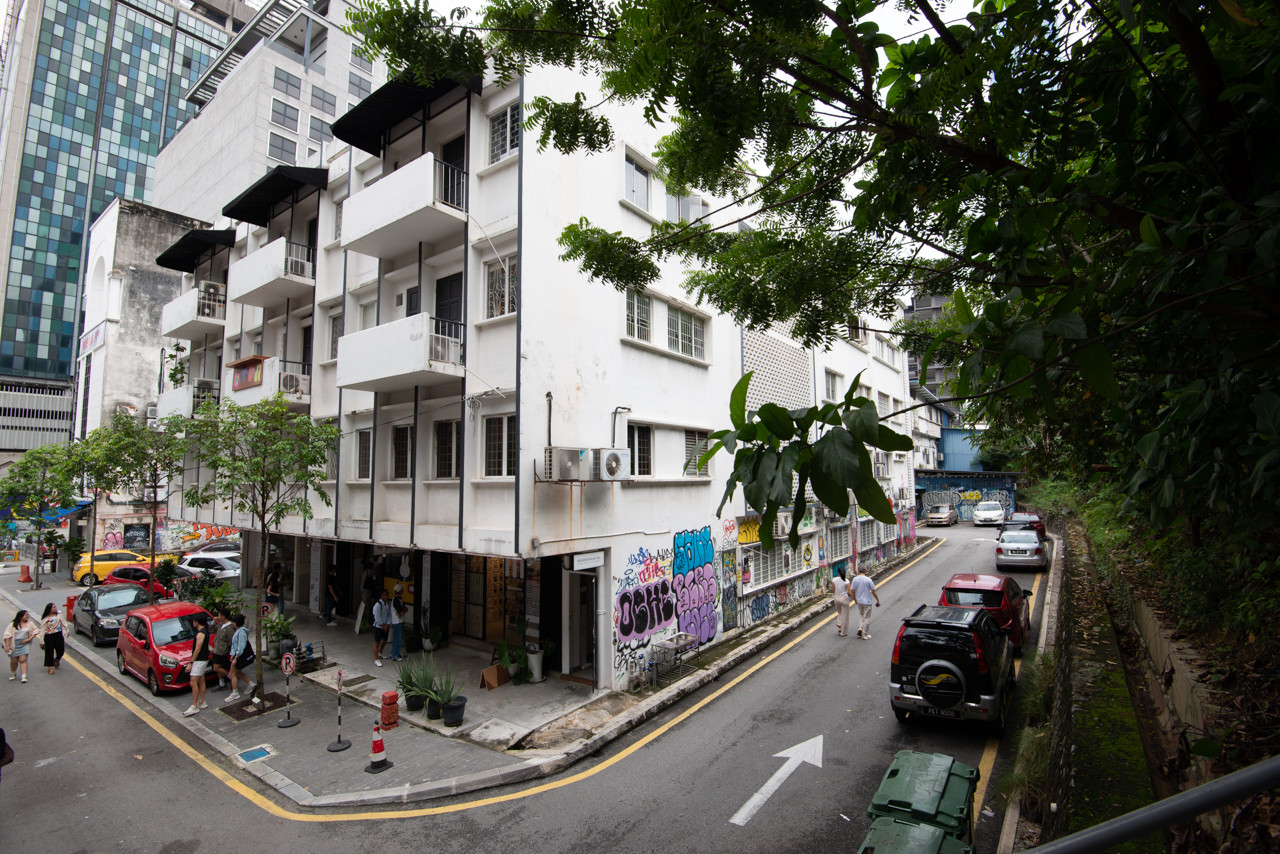
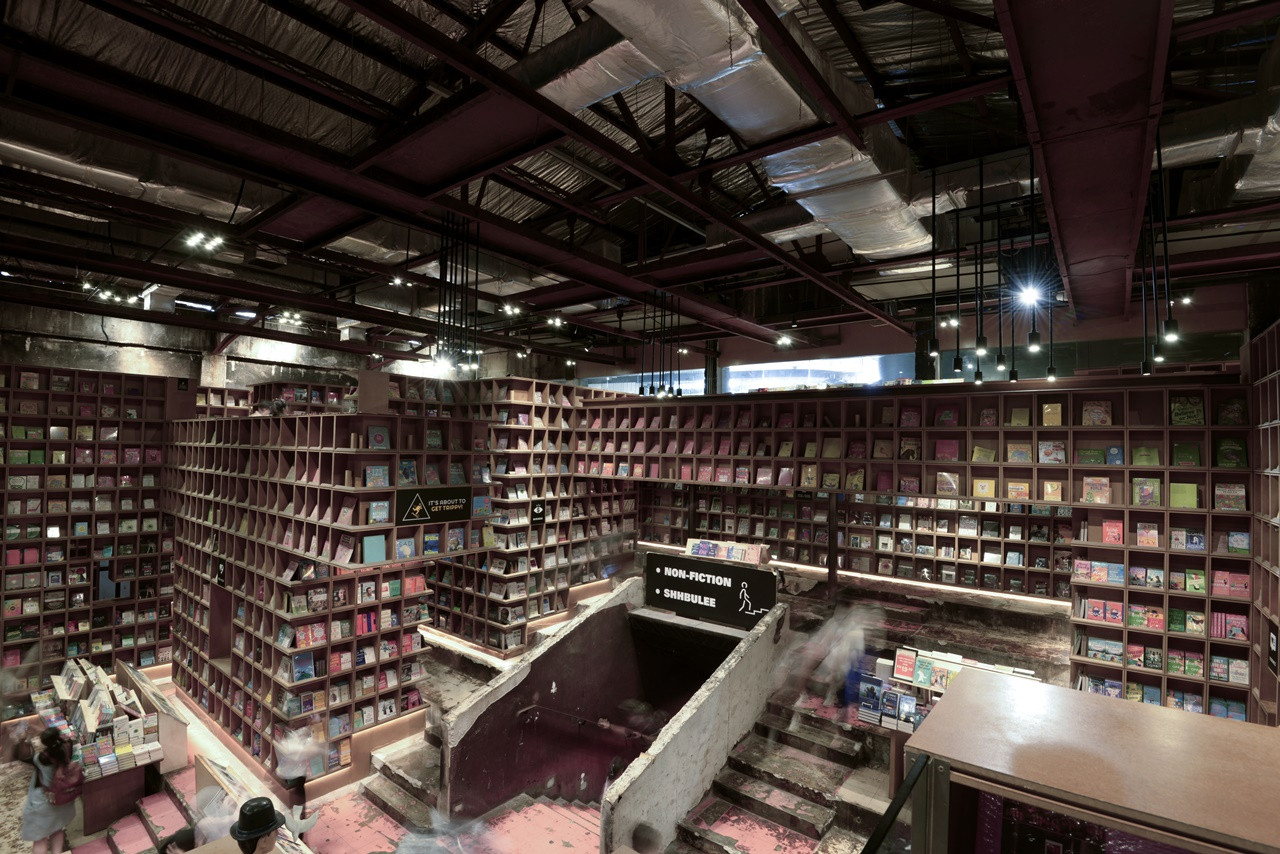
This strategic drive is the vital force transforming Kuala Lumpur into Southeast Asia’s creative hub. REXKL, a vibrant cultural complex born from a deserted cinema, is a perfect example. Its soaring, open interior has become a hub for diverse creative endeavors, housing a bookstore, exhibition spaces, performance halls and workshops, successfully transforming a piece of the past into a vital new urban landmark. The Zhongshan Building, which has evolved from a residential space with a few shophouses into a symbolic cornerstone of the city’s creative ecosystem, is now home to independent publishers, curated retail shops, experimental art galleries and artist studios.
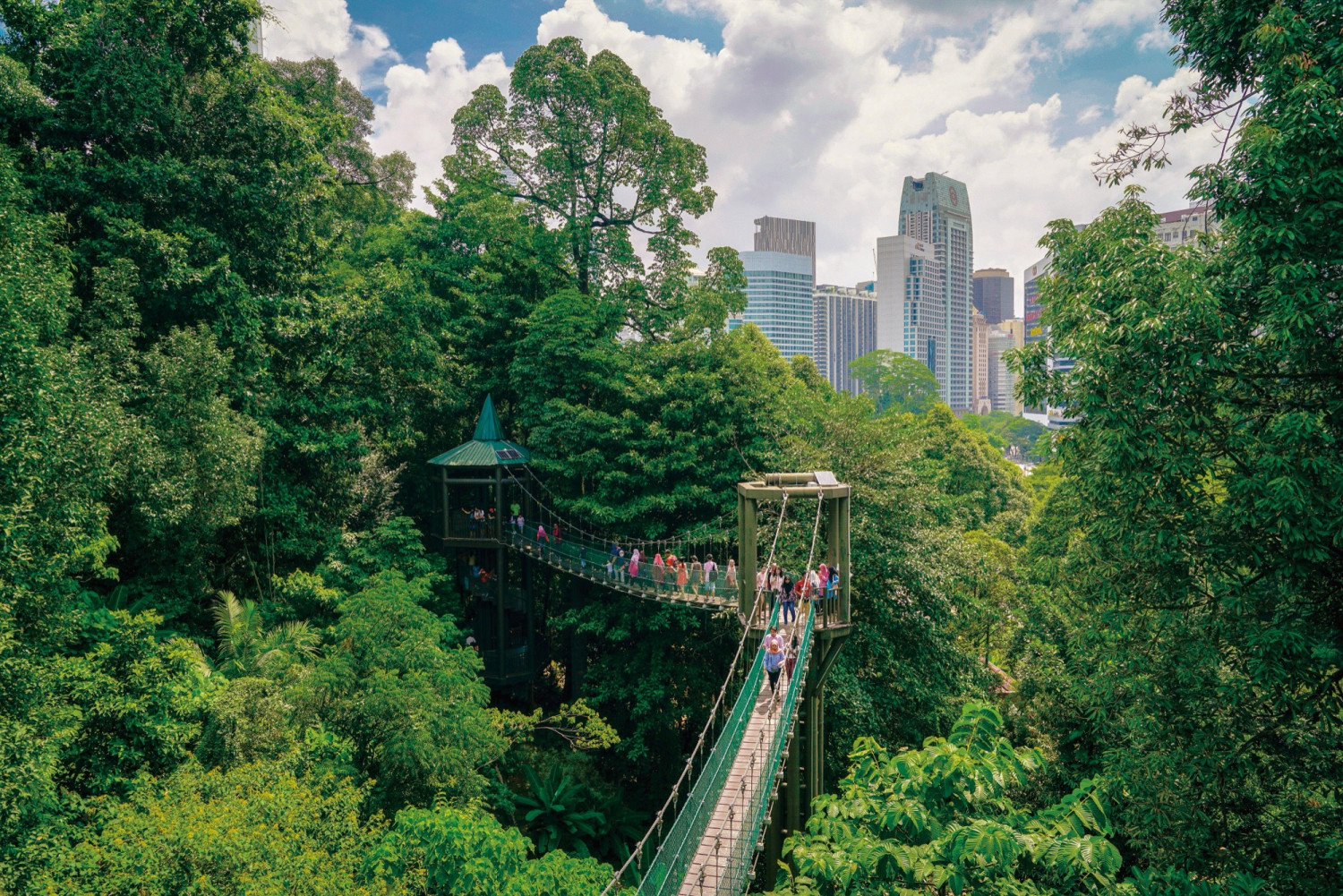
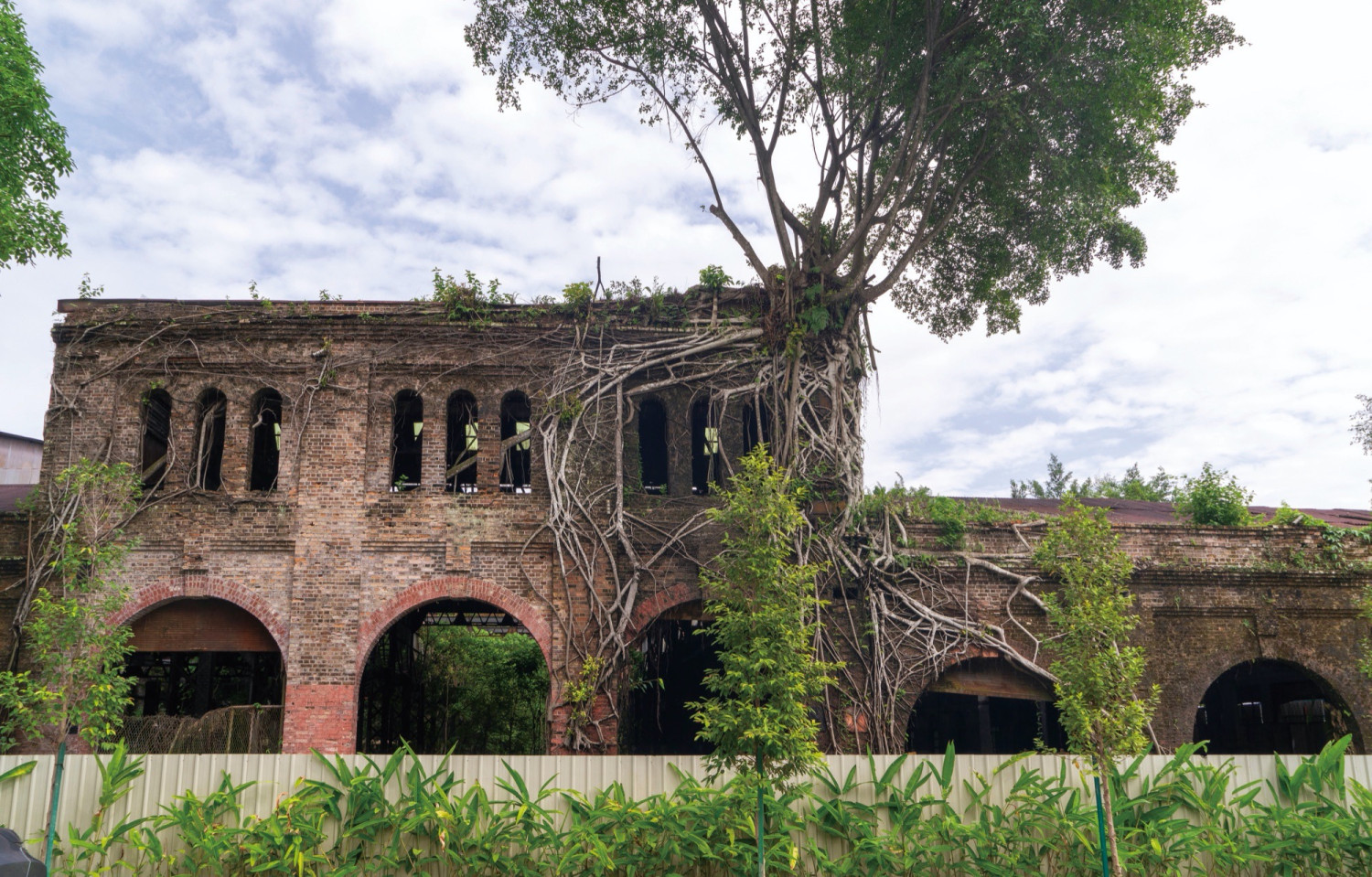
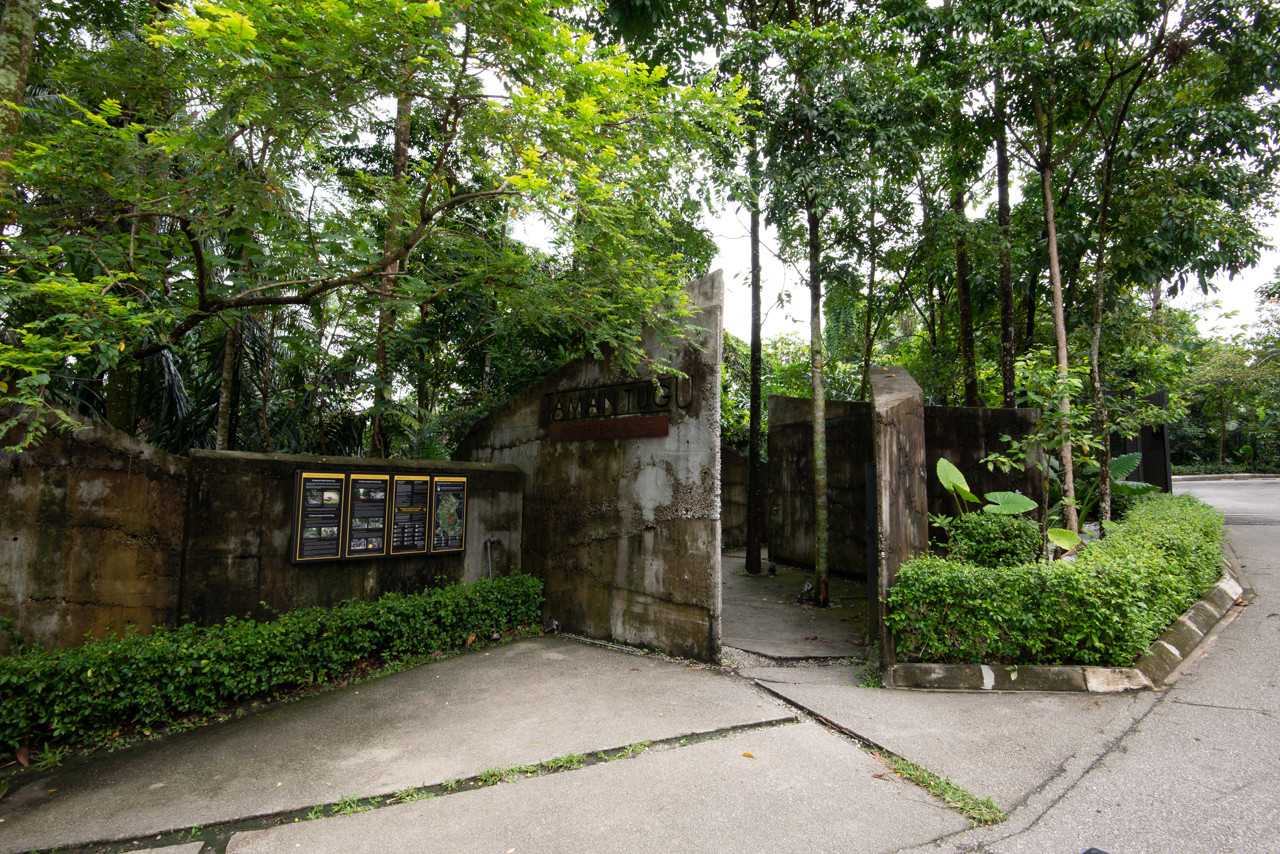
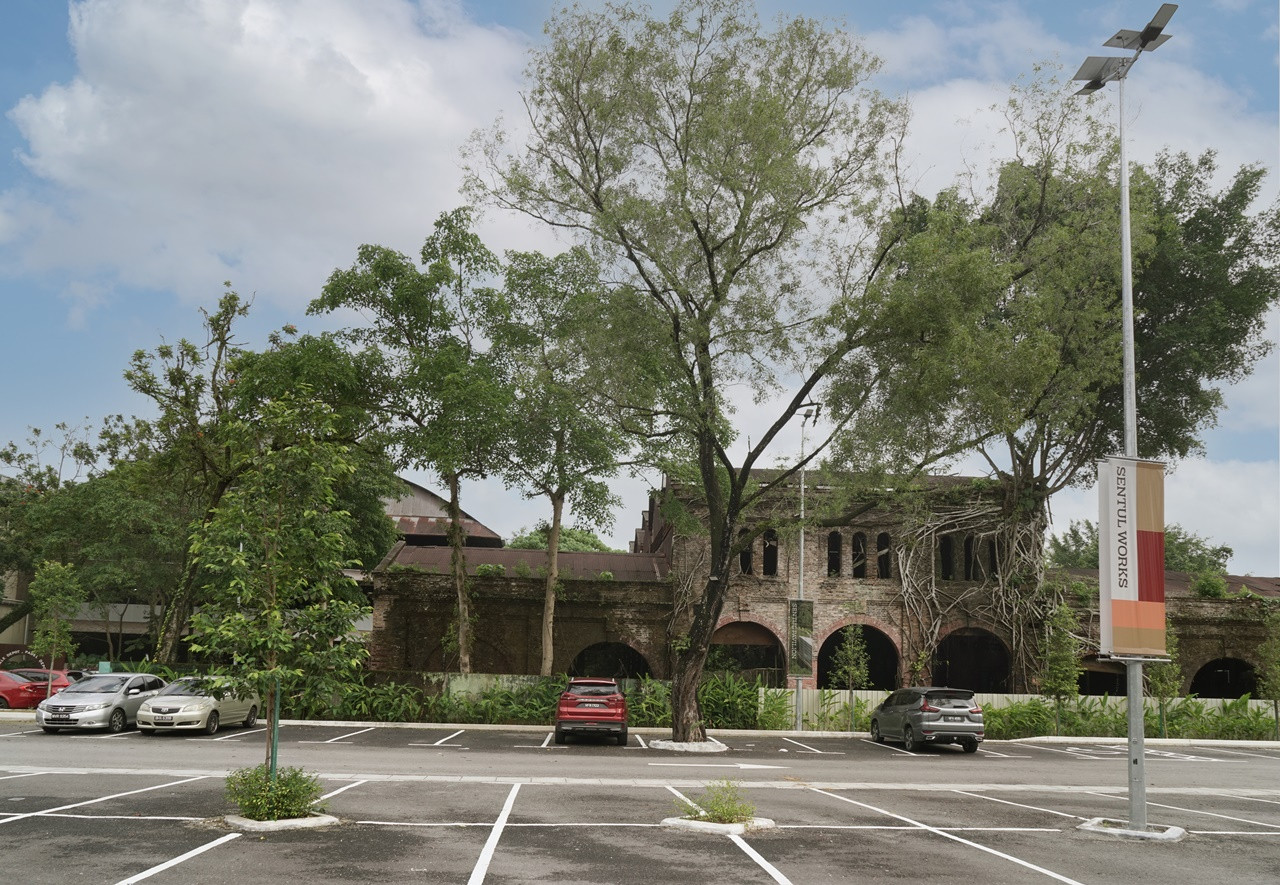
The effort to renew the city extends beyond simply reimagining old buildings; it is deeply tied to environmental values. The conservation of Taman Tugu, a forest reserve located right in the city center, is a testament to Kuala Lumpur’s commitment to “Green Urbanization.” It not only offers an essential space for rest and relaxation for city dwellers but also acts to restore a segment of the tropical jungle ecosystem in the city center. Even the massive Sentul Depot, formerly a railway engineering depot, has been successfully converted into a versatile cultural and event hub, a compelling physical manifestation of the city’s determination to repurpose its industrial heritage into vibrant creative spaces. Sowing seeds of new opportunity atop the memories of the past instead of abandoning it, Kuala Lumpur’s urban regeneration strategy is truly an inspirational model.
24 Hours in Kuala Lumpur
5 Spots to Enhance Your Kuala Lumpur Journey
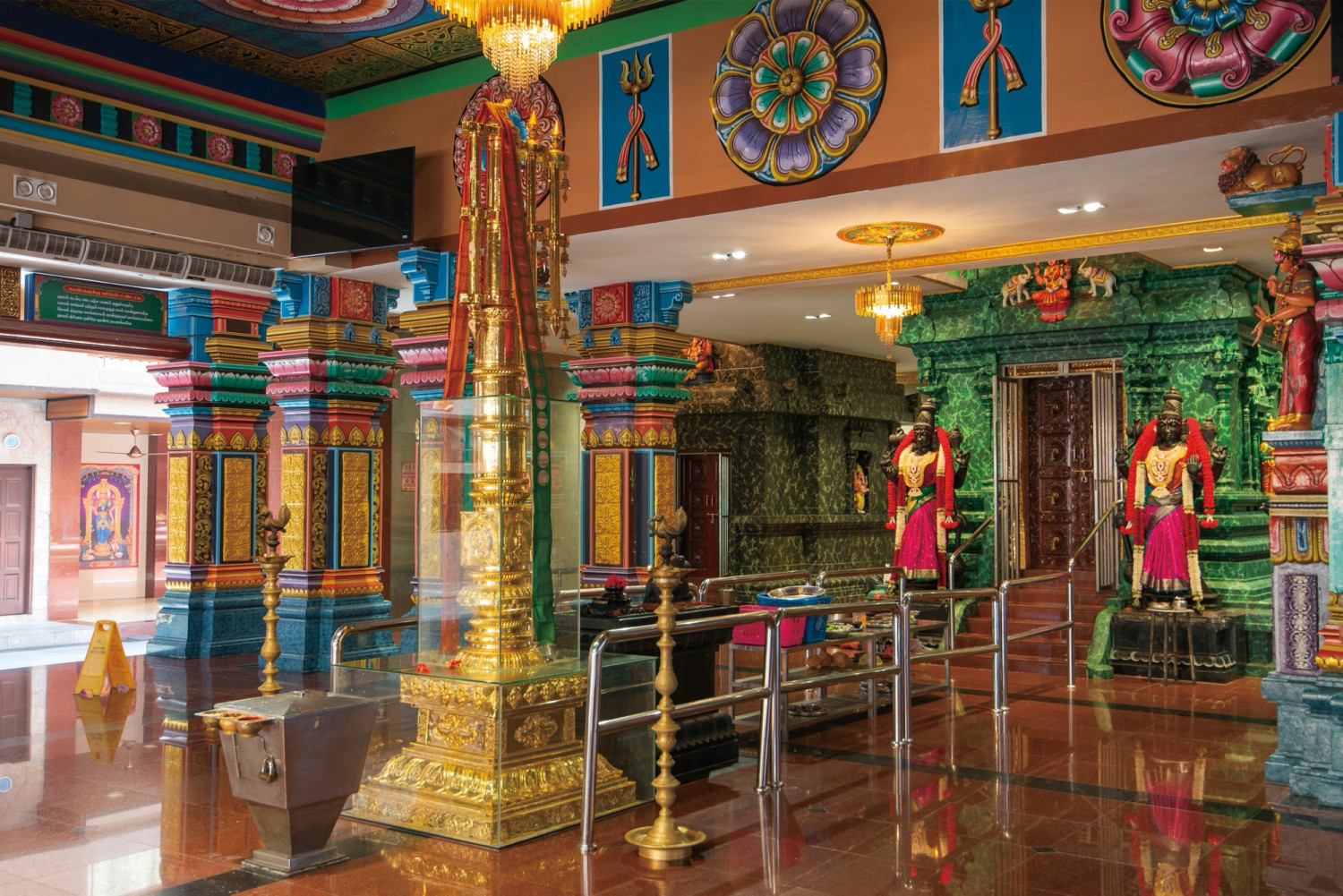
Sri Mahamariamman Temple
This is the oldest Hindu temple in Kuala Lumpur, established in 1873. The five-tiered gopuram (tower gate) at the entrance is breathtaking, adorned with detailed and colorful sculptures of Hindu deities. Its proximity to Chinatown makes it easily accessible, offering a glimpse into Malaysia’s religious diversity. The vivid hues of the temple make it a popular spot for photography.
- ✓ 163, Jalan Tun H S Lee, City Centre, 50000 Kuala Lumpur, Wilayah Persekutuan Kuala Lumpur
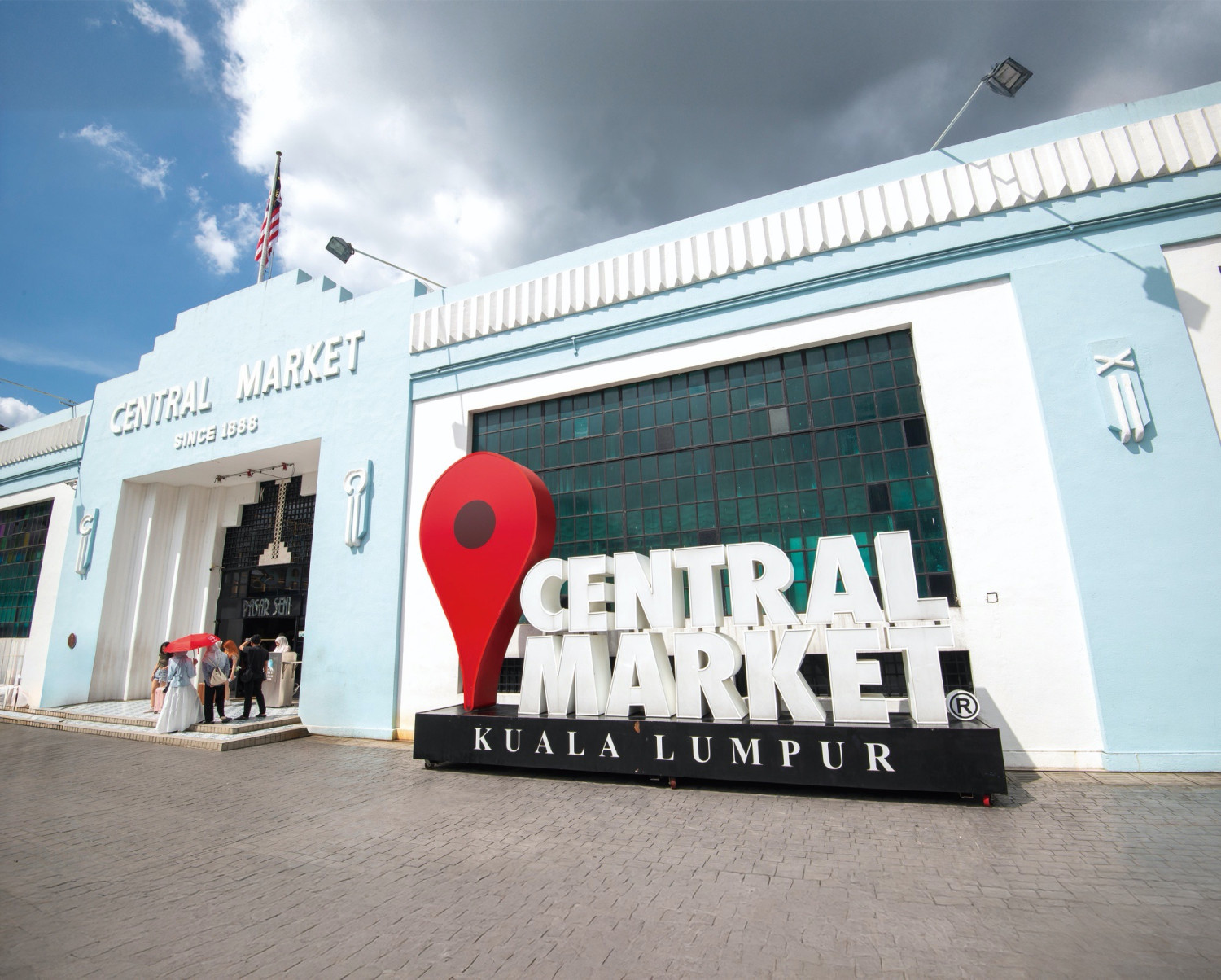
Pasar Seni (Central Market)
This popular indoor arts and crafts market, converted from a former fish market, is where you can browse and buy various local souvenirs, traditional handicrafts and unique accessories in a lively atmosphere. A perfect place to glimpse Kuala Lumpur’s cultural diversity in a cool, indoor setting, it’s convenient to combine it with a visit to nearby Chinatown.
- ✓ 12, Jalan Hang Kasturi, Kuala Lumpur City Centre, 50050 Kuala Lumpur, Federal Territory of Kuala Lumpur
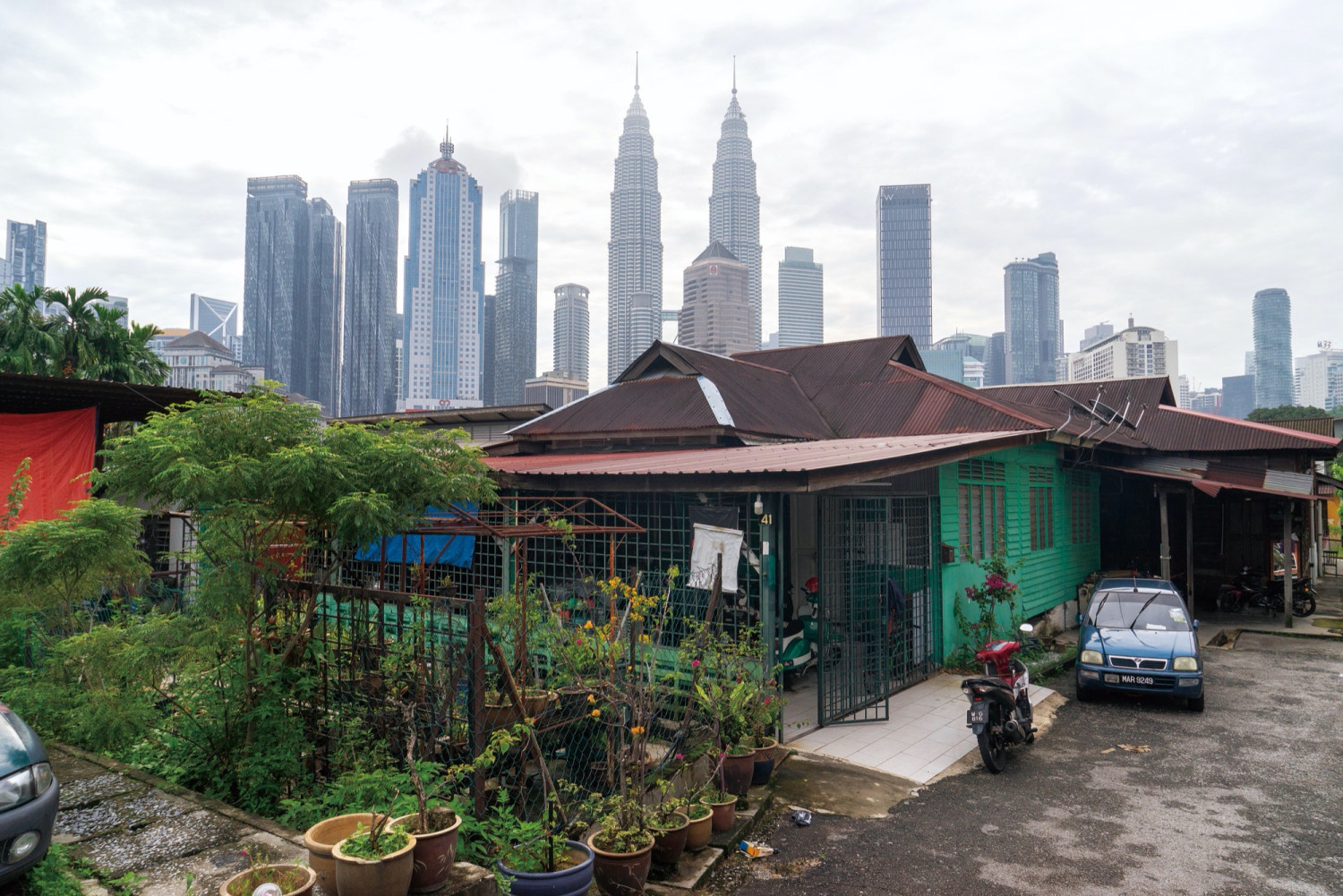
Kampung Baru
This is a traditional Malay village that miraculously remains nestled among the towering high-rises in the heart of Kuala Lumpur. Here, you can experience local life and indigenous Malay culture through its traditional houses and local markets. In the evening, the street food stalls open, making it a haven to taste authentic local Malay cuisine. It is also a hidden gem for viewing the spectacular nightscape of the Petronas Twin Towers.
- ✓ Kampung Baru, Kuala Lumpur
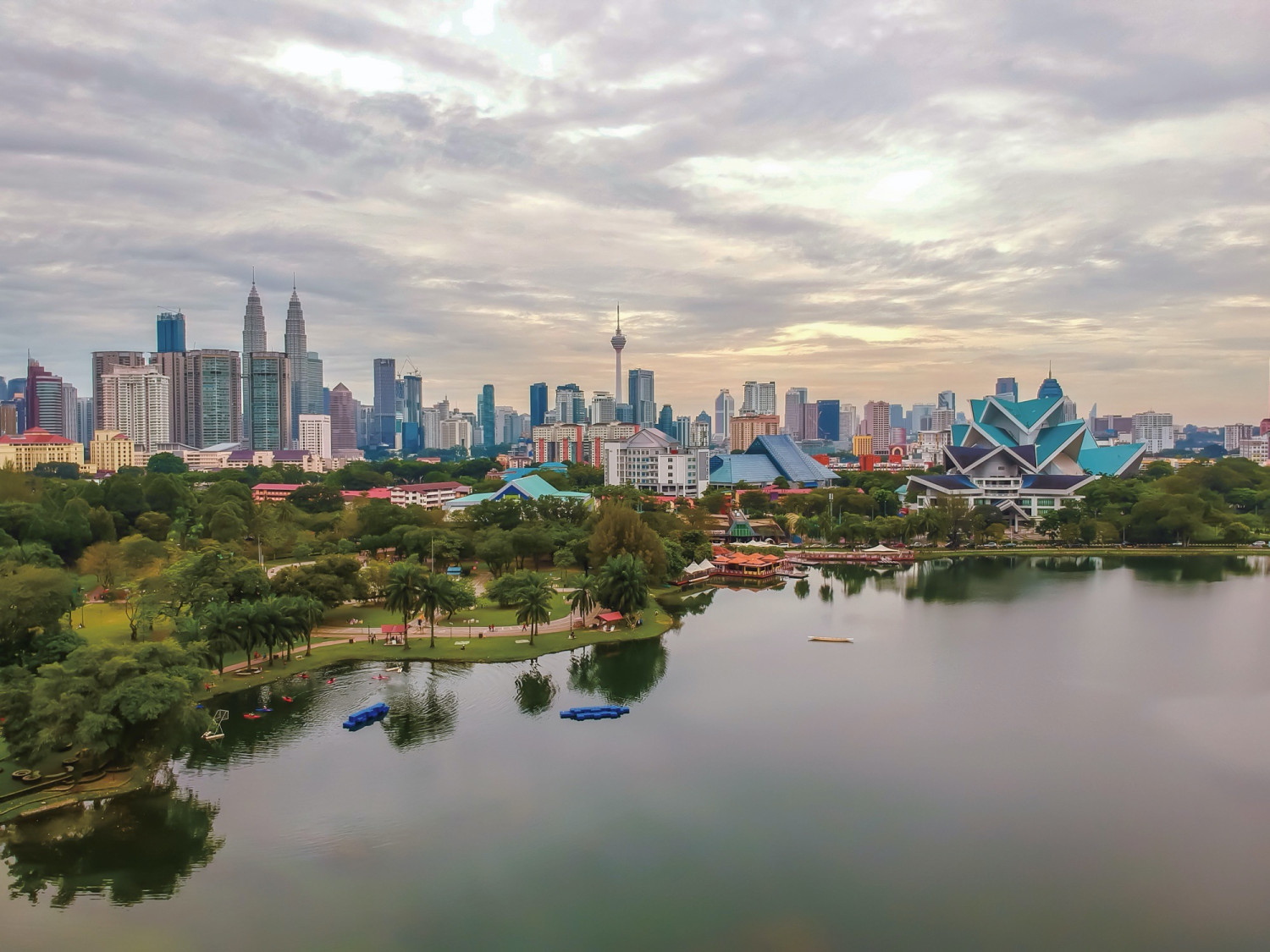
Titiwangsa Lake Gardens
Titiwangsa Lake Gardens is a beautiful lake park transformed from a former tin mining area into a green space for the public. Around the lake are wide jogging tracks, bicycle paths and spacious lawns for leisurely picnics. This is the perfect spot for relaxing in nature and enjoying various outdoor activities.
- 5PG4+MR, 84, Jalan Kuantan, Titiwangsa, 53200 Kuala Lumpur, Wilayah Persekutuan Kuala Lumpur
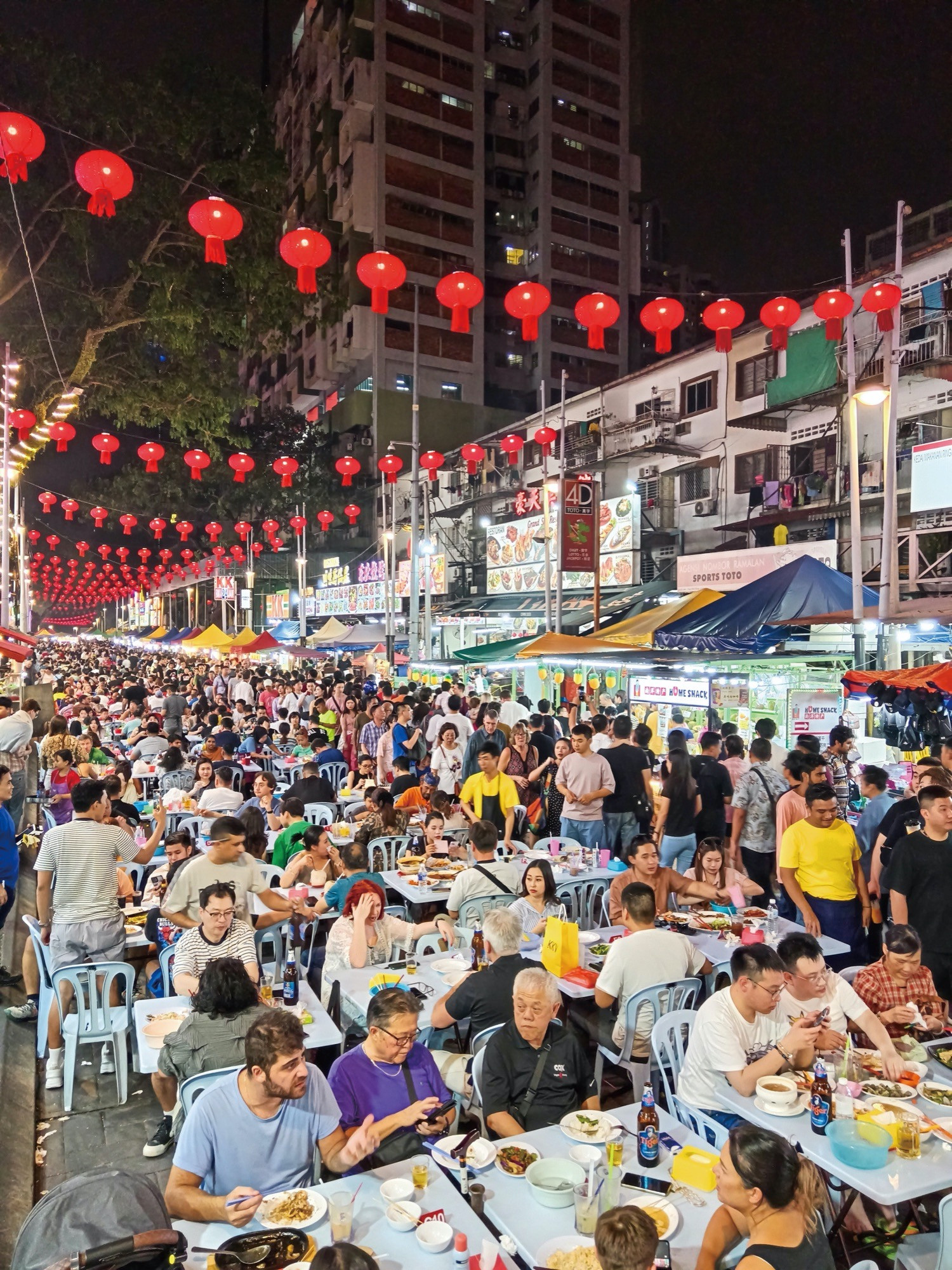
Jalan Alor Food Street
Jalan Alor Food Street transforms into a paradise for food lovers once night falls. Here, you can sample a wide range of Malaysian street foods — from grilled skewers and seafood to tropical fruits. As the night deepens, the street becomes even livelier, offering one of the most immediate glimpses into everyday life in Kuala Lumpur and a great way to experience local culture and cuisine all at once.
- 64, Jln Alor, Bukit Bintang, 50200 Kuala Lumpur, Federal Territory of Kuala Lumpur
- Written by Seo Kyuwon
- Photography by Rhee Jaeyong
- Korean Air operates direct flights between Incheon and Prague 7 times a week.


