
Seeking Paradise Within, Nicolas Party
Nicolas Party is an artist who has built an original painterly world by combining the softness of pastels with bold colors. His pieces guide viewers deep into inner landscapes, like a paradise glimpsed only when its gates briefly open.
Depicting the Landscape of the Heart in Pastels
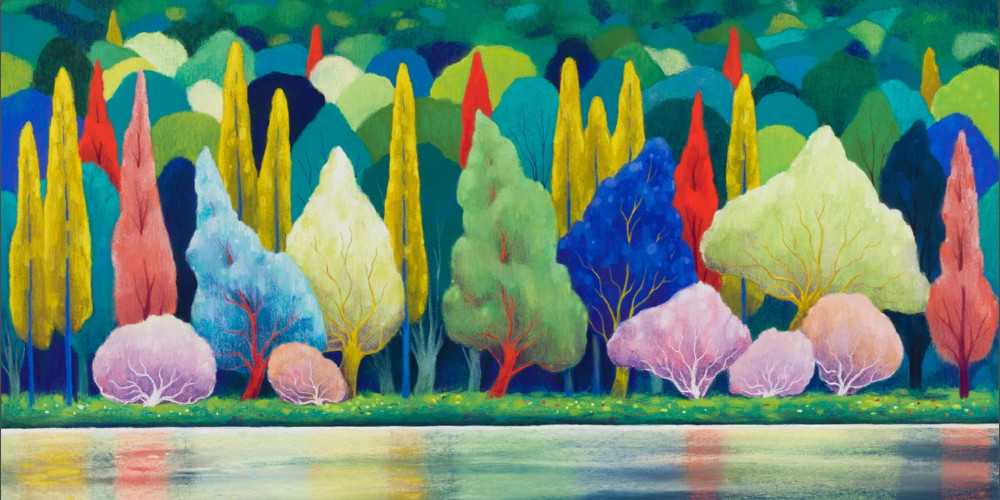
Caves dusted with pastel chalk, and portraits on the boundary between reality and fantasy. These are some of the works of Nicolas Party, one of the fastest-rising figures in contemporary painting. Born in Switzerland and currently based in New York, Party has carved out his own artistic niche by applying vibrant colors and a pared-down visual language to classic forms. His landscapes are imaginary spaces composed of surreal colors and shapes, and his portraits depict symbolic figures stripped of individuality and evoking universal emotions. Party is fond of expanding gallery spaces into painterly worlds that blur the boundaries between painting and installation. As Swiss critic and curator Stefan Banz put it, Party’s works awaken a “longing for paradise,” drawing viewers into a world at once strange and familiar.
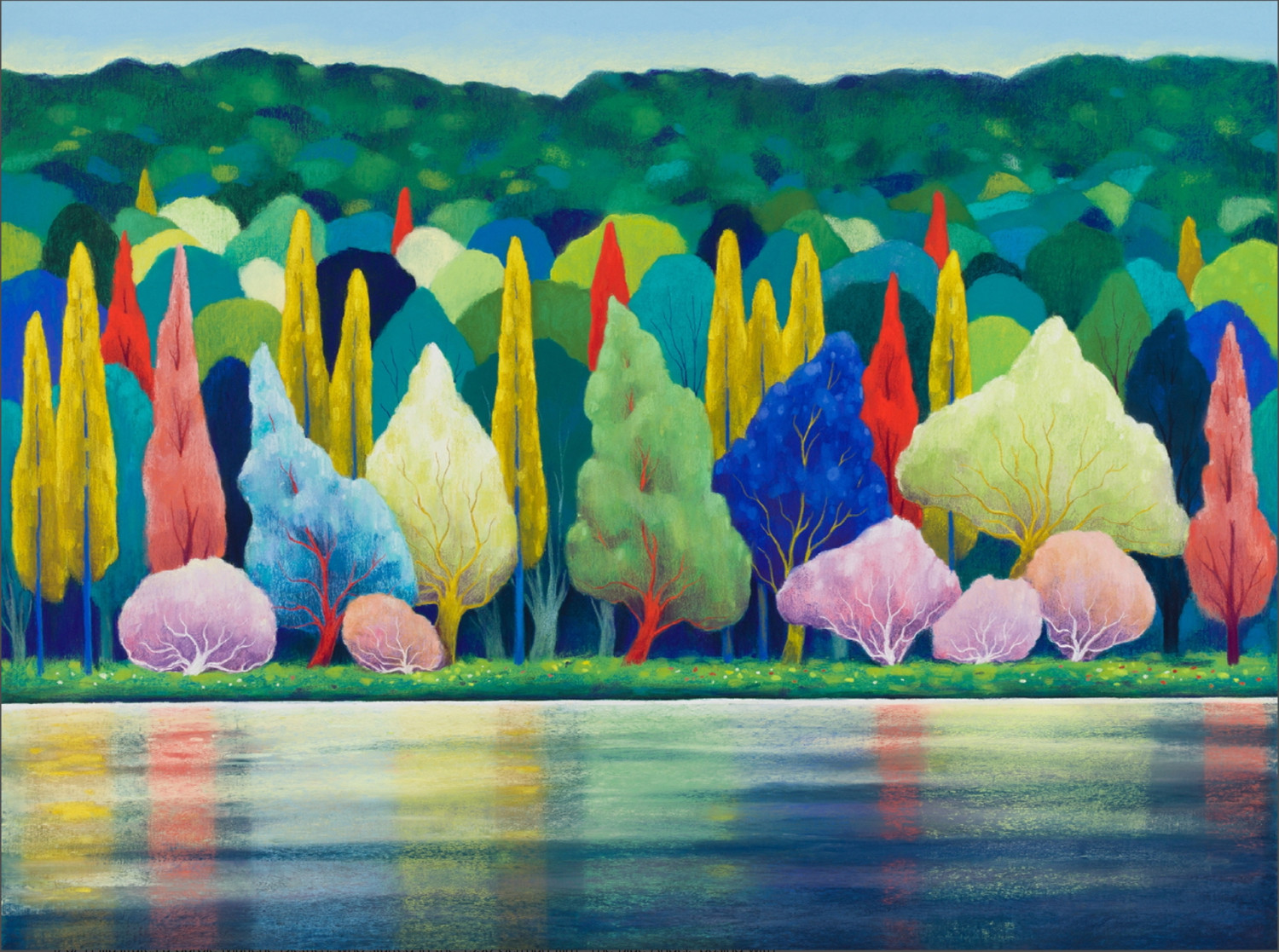
Party’s paradise is not a visible motif, but emotions that dwell in the human heart. His landscapes represent an interior map linking intuition, memory and mythical imagination, evoking a nonexistent place nevertheless known to all. According to Banz, these landscapes acquire a peculiar tension through their meeting with the subtle material of pastels. By turning the often-margin- alized medium of pastels into a link between painting, drawing and sculpture, Party has built a new experiment upon tradition.
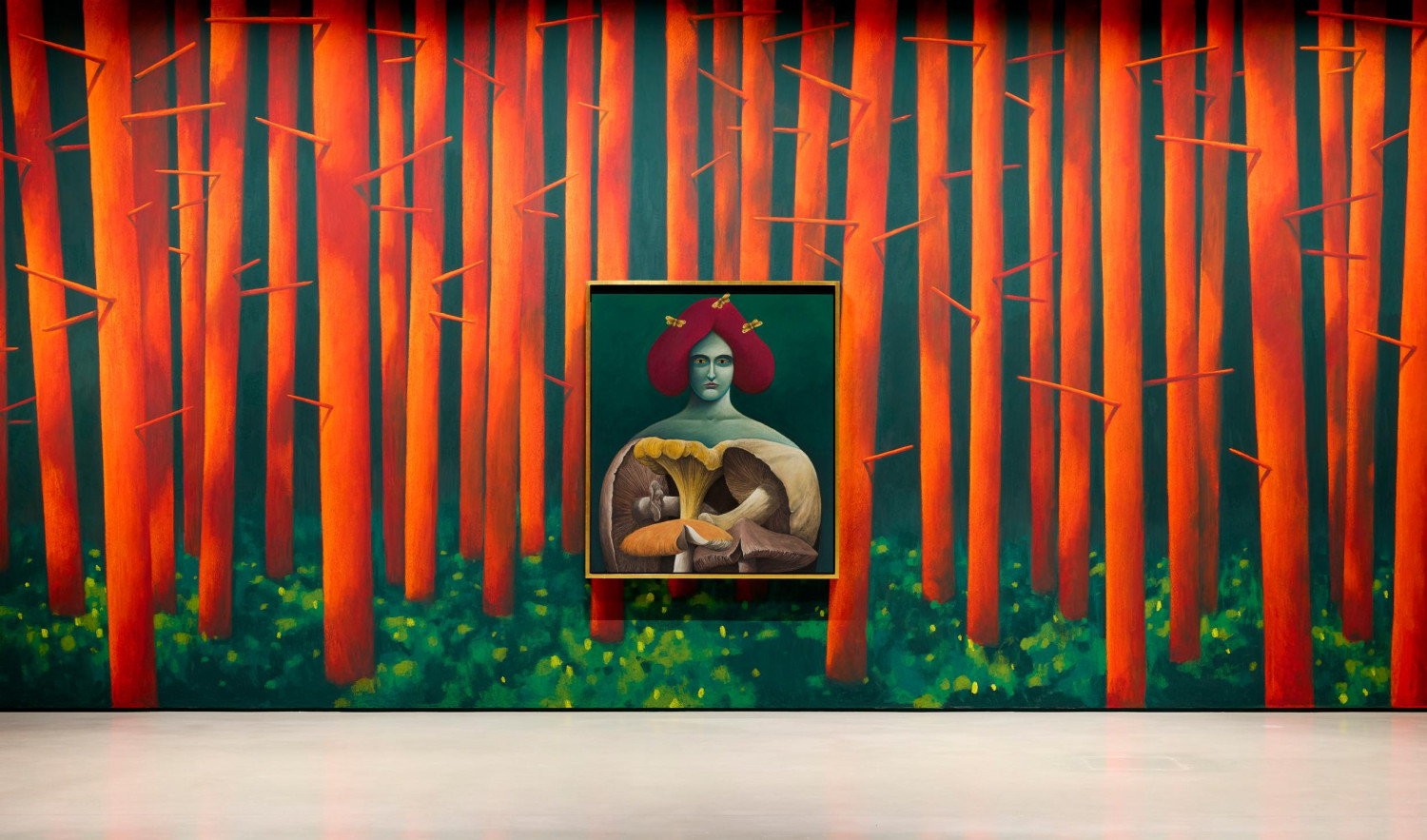
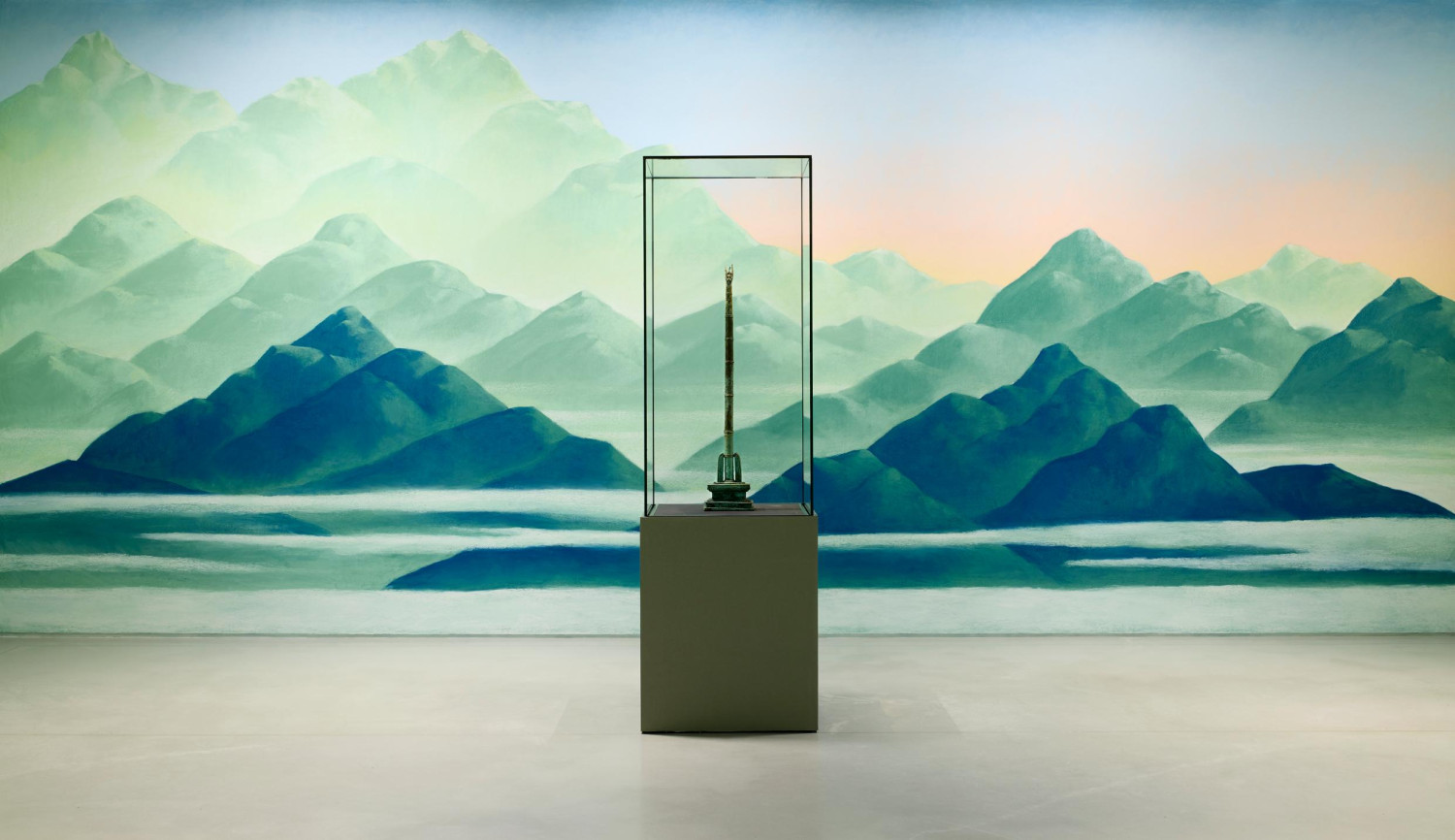
For his first solo exhibition in Korea, Dust, held at the Hoam Museum of Art (August 31, 2024 – January 19, 2025), Party completely reworked the gallery space with five site-specific murals along with both old and new artwork. Landscapes with large swathes of color — caves of forest green and skies of pale violet — initiated a new dialogue with the pieces of Korean art in Hoam’s collection. Party’s artworks are not merely beautiful but deeply moving. Anonymous faces and stylized landscapes arouse universal feelings, while murals that are intended to disappear provoke new reflections on the meaning of beauty. In the end, Party is an artist whose illusory images prove to be the building blocks of a new interior world. Ultimately, Party is an artist who uses fantastical imagery to prompt us to reconsider the landscapes within. His work reminds us of the intrinsic power of images, offering viewers an experience akin to a quietly open door leading toward an imagined paradise.
Party’s work has quickly gained the attention of the market. In 2021, Party’s piece, Landscape, was auctioned off for $3.27 million at Christie’s in New York, and another piece received a winning bid of over $6 million at the auction in Hong Kong in 2022. All this illustrates how Party has become a prominent figure in the international art market.

인터뷰
Your first solo exhibition last year in Korea was a milestone in your career. What message did you most want to convey through that show?
It was truly an incredible experience to realize that exhibition at the Hoam Museum of Art in Korea. One of the most meaningful aspects of the project was the opportunity to incorporate works from the museum’s collection of traditional Korean art.
I was deeply interested, and genuinely excited, to see how the dialogue would unfold between the historical pieces and my own contemporary works. It wasn’t until the show was fully installed that I could really witness the exchange taking place: how these ancient, culturally specific objects began to resonate with contemporary pieces from a very different time and context. The juxtaposition didn’t feel forced, it felt alive.
What inspires your choice of colors, and how does pastel as a medium define your painterly world?
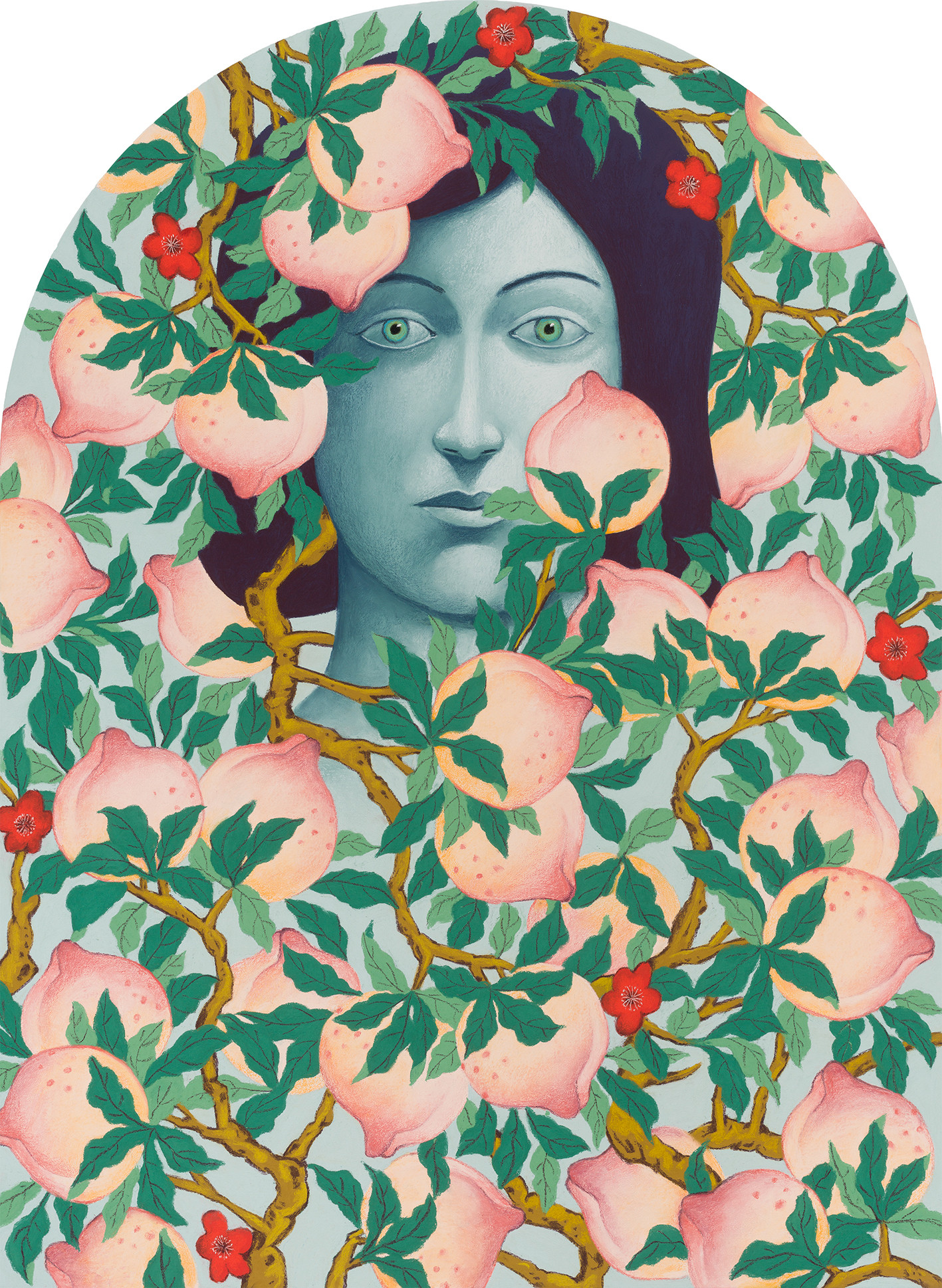
My attraction to bold, bright colors and strong contrasts absolutely has roots in my early graffiti practice. When you’re painting in the streets, especially at night, color isn’t just a stylistic choice, it’s a necessity. The language has to be immediate, legible and vivid enough to stand out in a fast-moving environment. That urgency shaped my sense of visual impact.
But while my early color decisions came from a need to be seen, my current practice has become more internal, more intuitive. I often compare it to cooking. There’s no formula, it’s about the flavors. You add spice or salt not because of a rule, but because you know what feels right. The same goes for color — I work until something resonates, until the mixture has the right intensity, harmony or tension. It’s emotional. It’s bodily. It’s not rational.
That being said, I’m constantly looking at art. My studio is full of books, and I spend a lot of time leafing through them, feeding my eyes. Artists influence me in different ways, but color is always a major thread. Milton Avery has been one of my biggest inspirations over the last few years. His palette feels surprising, even strange at times, but deeply balanced. The way he lets colors breathe next to each other is something I’ve thought about a lot. I’m also drawn to Helen Frankenthaler — her fluid, abstract fields and her sensitivity to how color moves across a surface. There’s a kind of physical softness in her work that I really respond to, even when the palette is sharp or bright.


Your practice has grown beyond painting to include sculpture and murals. What kinds of new dialogues or possibilities emerge as you move between different media?
I’ve always seen myself as a painter. I’m drawn to creating images on a flat surface, but I’ve never been content to stay within a single frame. I’m interested in how painting can extend into space, onto walls, around objects, and into a more embodied encounter. I’ve brought paint into murals, where painting becomes immersive and tied to the viewer’s movement. That impulse to push further also led me into sculpture, applying paint onto three-dimensional objects so that the object becomes a painting or the painting becomes an object. In exhibitions, I like to bring these modes together — murals that envelop the space, paintings that assert their autonomy, and sculptures that anchor or interrupt the flow. Together, they create a rhythm, a choreography for the viewer to move through.
Can you explain why you create your works while residing in the exhibition space?
Being physically present in a space for an extended period allows me to form a real connection with it — not just visually, but emotionally and spatially. For my exhibition in Korea, I stayed for six weeks. I was there almost every day, inside and outside, absorbing the atmosphere, the light, the rhythms of the building and the people around it. That immersion led to a kind of dialogue with the architecture, the culture and the materials. This approach is something I deeply cherish. It allows the work to evolve in response to the site, not just technically but spiritually. I want the viewer to feel that the work didn’t just arrive — it grew from the space itself.
Can you share your thoughts on your figures, which are often anonymous and expressionless?
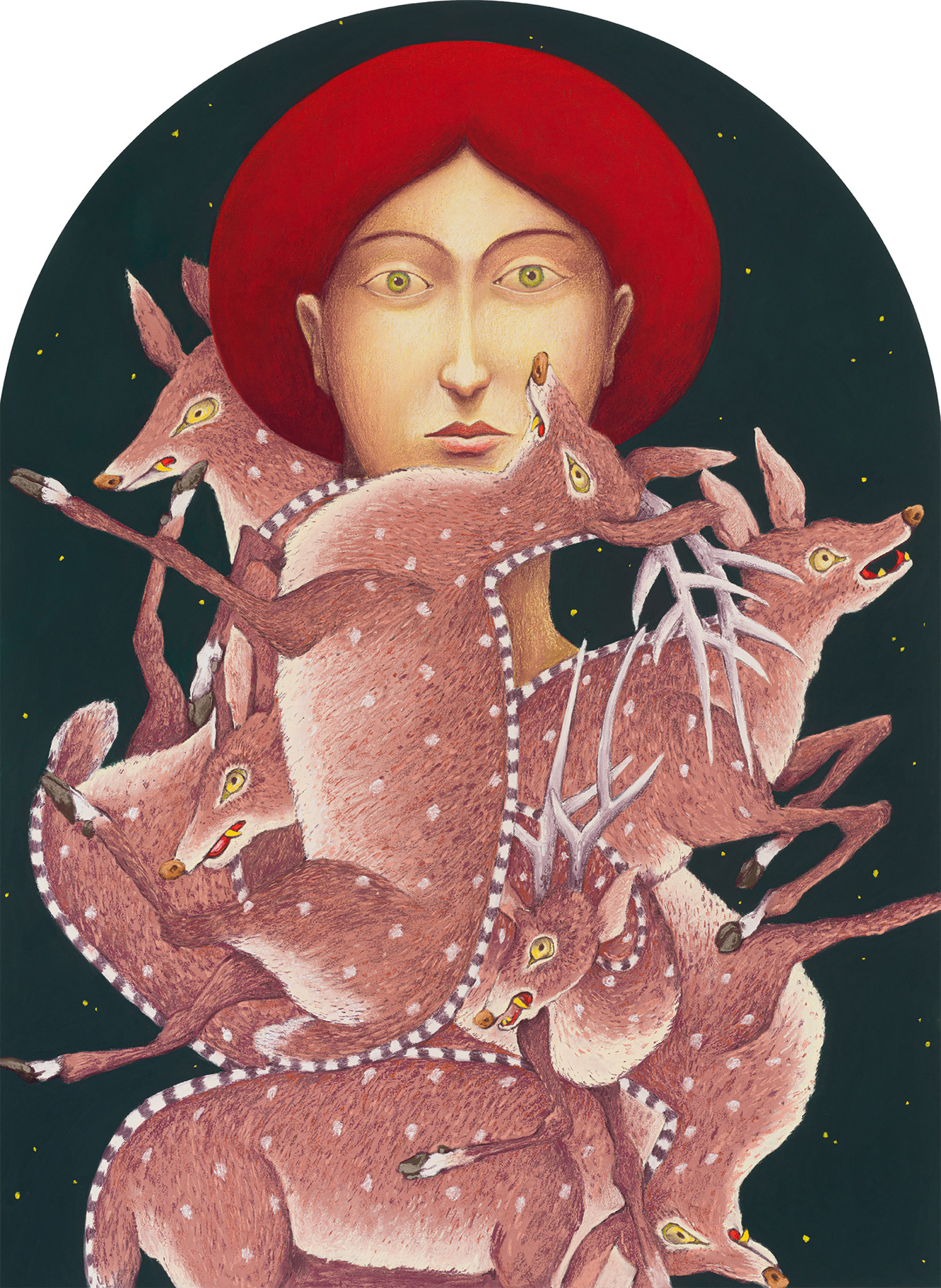
The portraits I paint are often quiet. Their expressions are subdued, almost neutral. Instead, I see these faces as a kind of empty presence — a still reflection of the world’s increasingly manipulated relationship to the human image. We are surrounded by altered faces. We see them in makeup ads, in CGI films, on filtered social media, and in retouched photography. Faces that have been reshaped, erased, smoothed or intensified, sometimes physically by a surgeon, often digitally by software.
To me, art functions as both a mirror and a portal. It reflects the world we live in — its obsessions, distortions, desires — but it also offers a way out. It’s a vessel that can carry us beyond the present moment, and yet say something essential about it. Even the most ancient artworks like carvings, frescoes and icons still transmit ideas that feel startlingly contemporary. So when I paint a face today, it’s about holding the present, but also asking what it means to see, represent and feel across time.

What role does travel play in your life and work?
I’ve been incredibly fortunate to travel the world. These journeys have been deeply nourishing, both personally and artistically. Travel has become a key part of why I love what I do. Each trip becomes a constellation of sensory encounters that shape how I see and how I work. My recent experience in Korea was especially meaningful. I spent six weeks in Seoul for my exhibition, working in the exhibition space and living in the city. These experiences continue to influence my practice.
Where to Experience the Art of Nicolas Party
Centre Pompidou-Metz
Copyists
June 14, 2025 - February 2, 2026
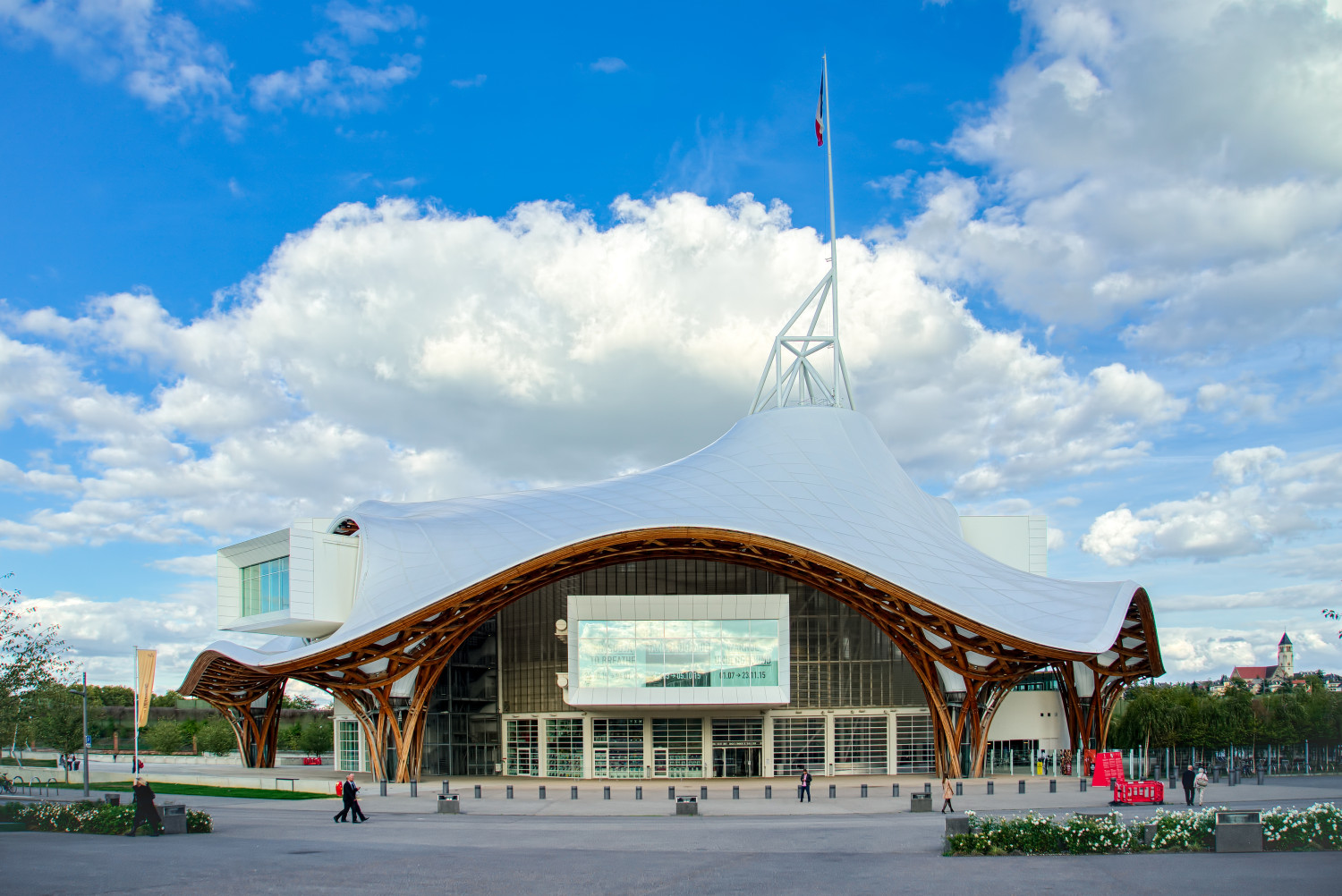
Located in Metz, a city in northeastern France, the Centre Pompidou-Metz is the first regional outpost of the Centre Pompidou, a leading European cultural institution. Renowned for its distinctive architecture and curatorial approach, Centre Pompidou-Metz is recognized for presenting bold and experimental exhibitions.
Copyists, a joint exhibition organized by the Louvre Museum and the Centre Pompidou-Metz, reconsiders the act of “copying” classical works as a point of creative departure. Bringing together 100 contemporary artists, including Nicolas Party, it explores new relationships between originals, reproductions and images.
- centrepompidou-metz.fr/en
- Korean Air operates direct flights between Incheon and Paris 6 times a week.
MICAS
Colour, Form and Composition: Milton Avery and His Enduring Influence on Contemporary Painting
October 25, 2025 - April 4, 2026
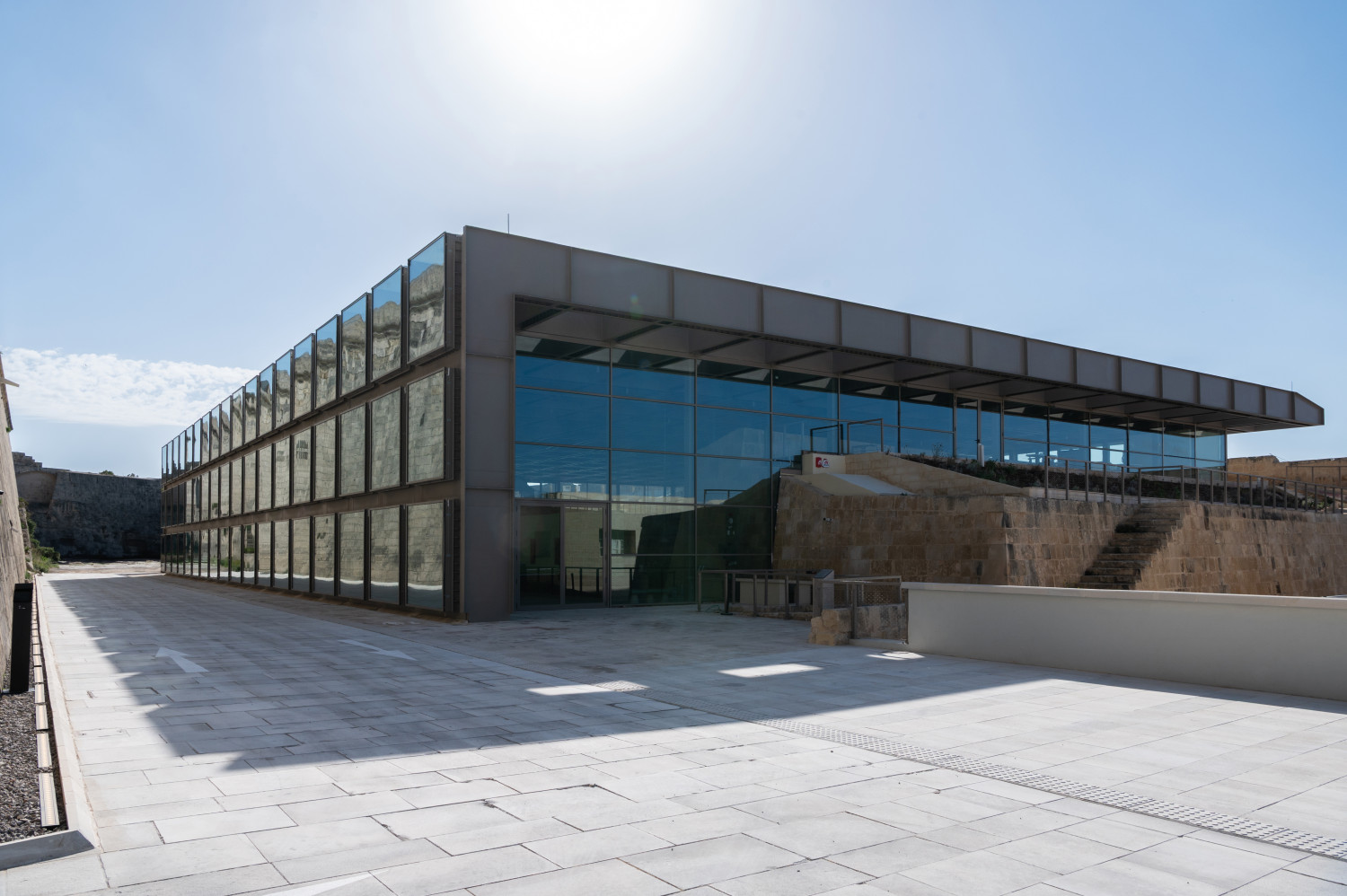
The Malta International Contemporary Art Space (MICAS), which opened in October 2024, is Malta’s first dedicated contemporary art space. By transforming a historic military fortress into a contemporary art space, it balances heritage preservation and museum functionality. The Milton Avery exhibition explores the modern master’s use of color, form and composition
and how it continues to influence contemporary painting. Centered on around 20 of Avery’s paintings and watercolors, the exhibition presents works by contemporary artists such as Nicolas Party, Jonas Wood and Gary Hume.
- micas.art
- Korean Air operates direct flights between Incheon and Rome 3 times a week.
- Written by Choi Jini
- Images Courtesy of the Artist and Leeum Museum of Art


