
A City of Dual Natures, Delhi
Delhi is a city and national territory in northern India. From the story-filled lanes of Old Delhi to the open, tree-lined avenues and gardens of New Delhi, the city’s rhythm subtly shifts. Between density and openness, past and present, visitors to Delhi can encounter a different facet of the metropolis at every turn.
Filling the Heart, Emptying the Mind
LOTUS TEMPLE
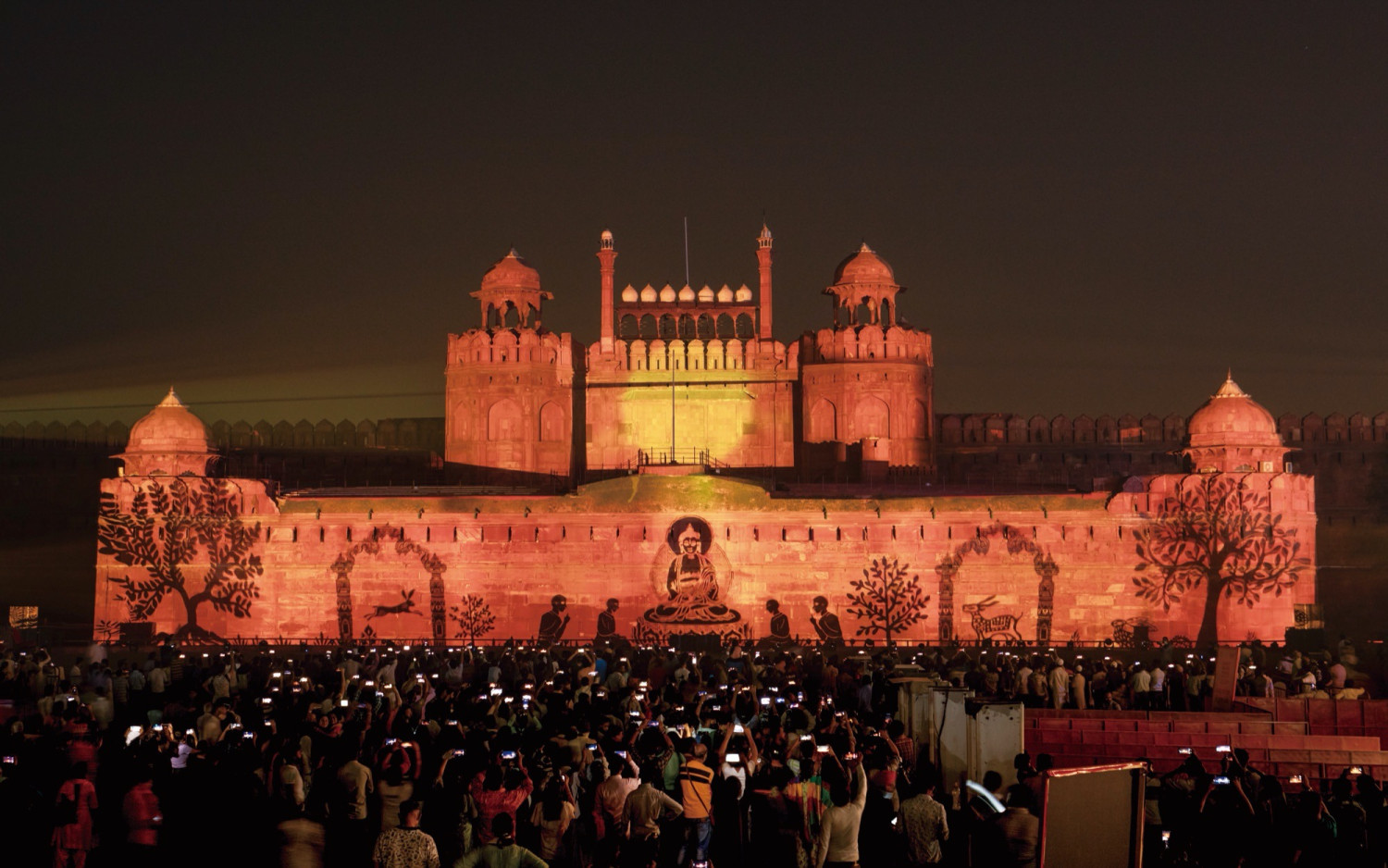
Dominating the skyline of Old Delhi, the Red Fort (Lal Qila) stands in bold red sandstone. Built by Shah Jahan in the 17th century, it served as the seat of Mughal power until 1857, before falling under British control. After independence in 1947, it became the stage for India’s national celebrations. Visitors can wander through shaded arcades where traders once sold goods to the royal household, and the audience halls where emperors held court. There’s also a one-hour sound and light show of the fort’s history held each evening (except Monday).
RED FORT
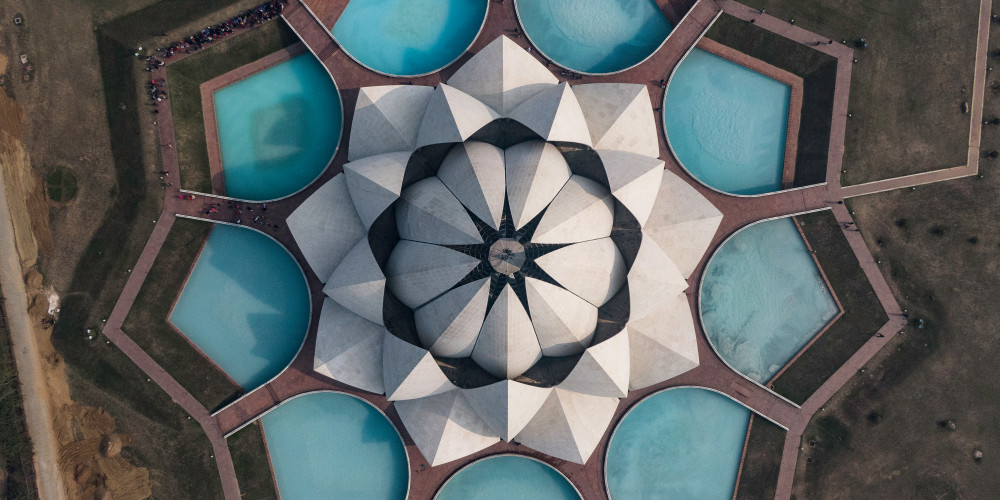
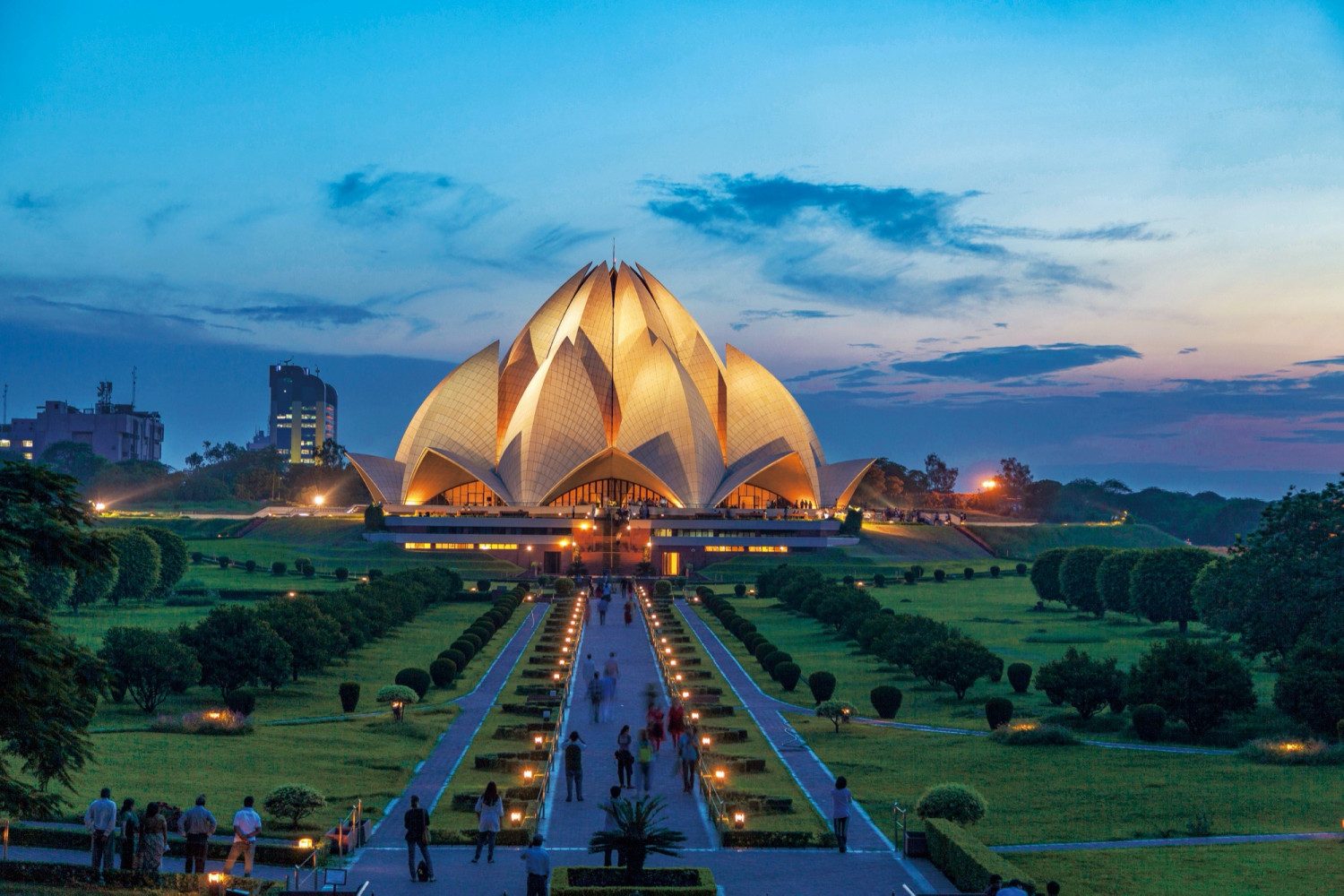
In a city steeped in medieval history, the Baha’i House of Worship, better known as the Lotus Temple, stands as a striking example of modern architecture. Completed in 1986 by architect Fariborz Sahba, it is one of the 14 Baha’i Houses of Worship worldwide and the only one in India. Inspired by the lotus, a symbol of purity and spiritual awakening in Indian culture, the petals are arranged in clusters, evoking the flower in full bloom. Set amid landscaped gardens and nine reflecting pools, it offers a serene refuge from the city’s bustle.
Pulse of the City
HAVELI DHARAMPURA
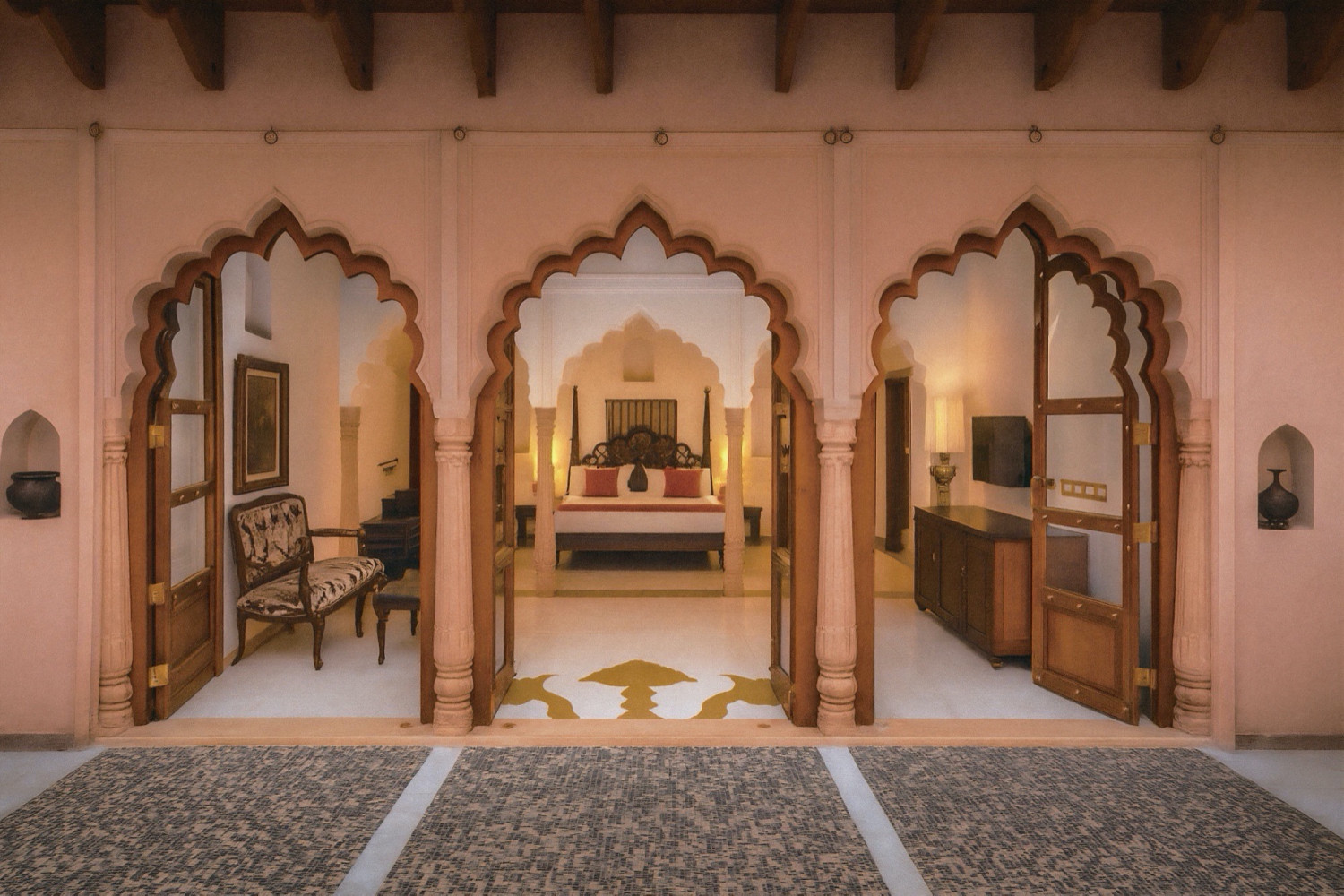
If you want to stay in a haveli or heritage mansion in Delhi, Haveli Dharampura, tucked away in the quiet by-lane of Old Delhi, is a rare find. Once a crumbling 19th-century mansion, it has been carefully restored into a 14-key boutique hotel, earning UNESCO recognition for conservation. The haveli also organizes expert-led Old Delhi heritage walks, giving visitors a chance to explore the surrounding lanes and markets beyond the hotel walls.
CHANDNI CHOWK & JAMA MASJID
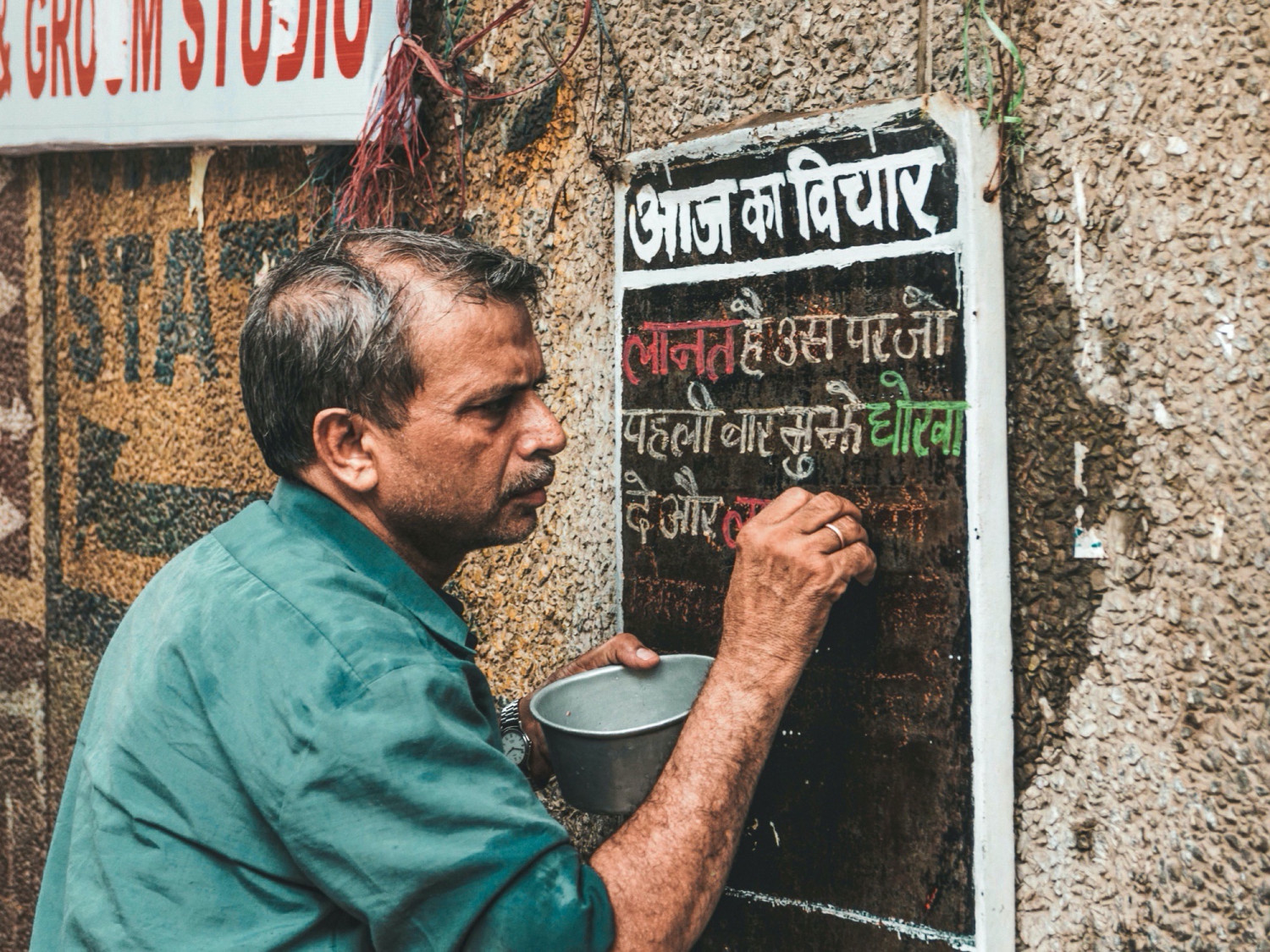
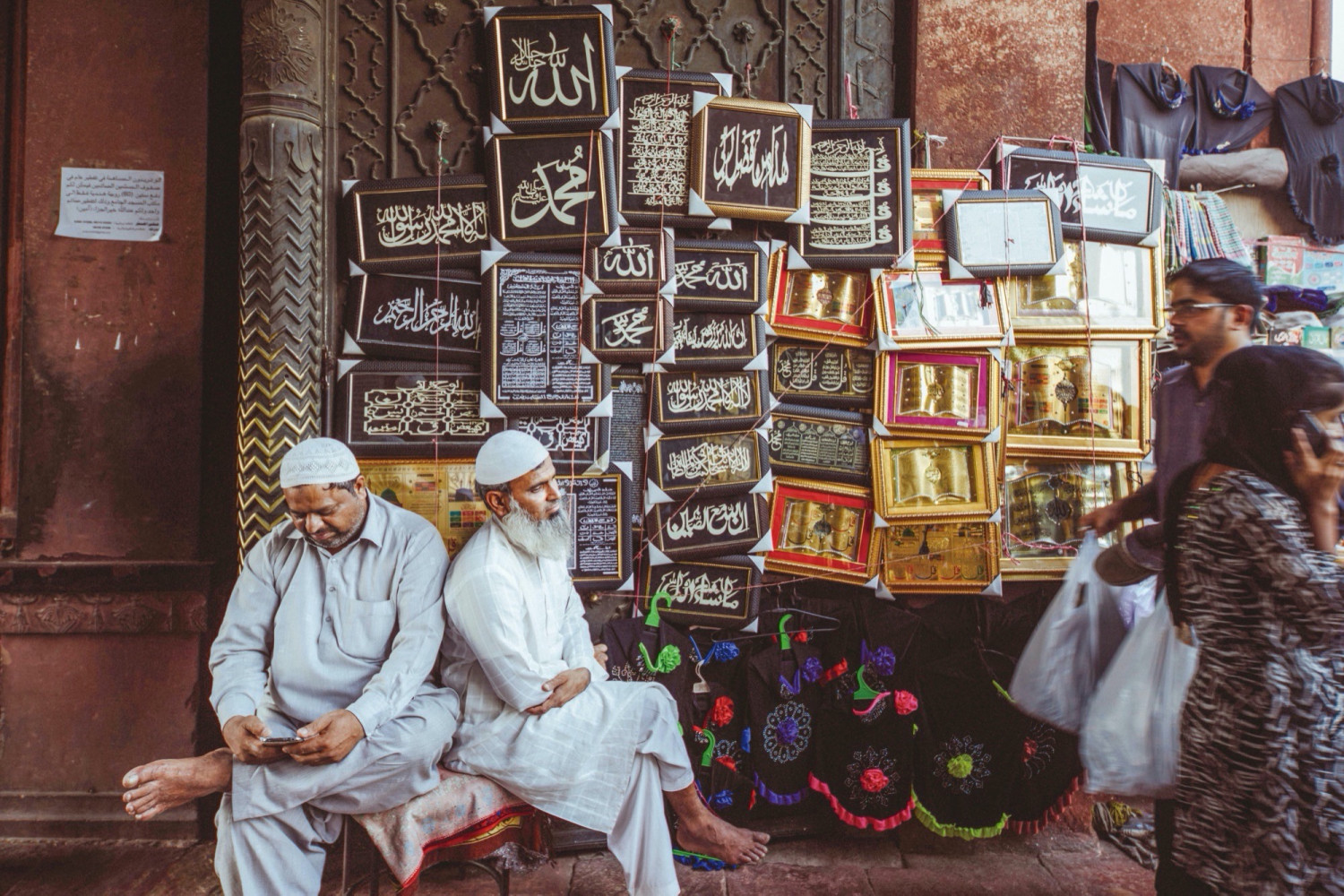
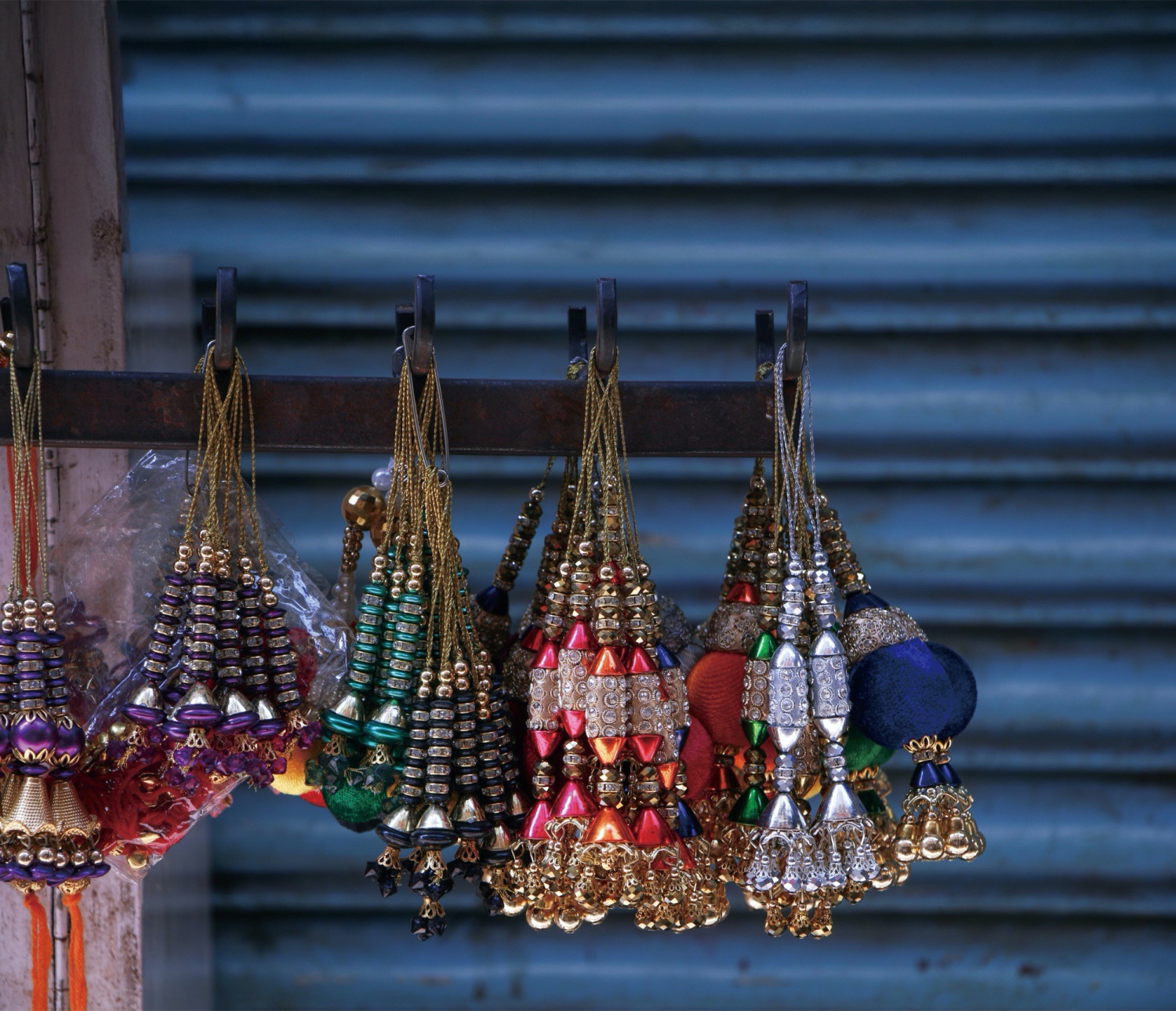
Hundreds of thousands of Delhiites are drawn inexorably to this centuries-old shopping area in the heart of the walled city of Old Delhi to browse its several markets. Khari Baoli, known
as Asia’s largest wholesale spice market, is famous for aromatic spices. Amid the congestion and commerce, temples, mosques and gurudwaras (Sikh shrines) stand almost side by side, a reminder that Chandni Chowk is still Delhi’s truest crossroads of faith, flavor and continuity. Just above these markets rises Jama Masjid, executed flawlessly in red sandstone and marble by Emperor Shah Jahan in the mid-17th century. Wander the vast courtyard, which can hold around 25,000 worshippers, then climb the narrow stairway to the southern minaret for views that include the walled city, Connaught Place and Parliament House in New Delhi.
Pause and Breathe
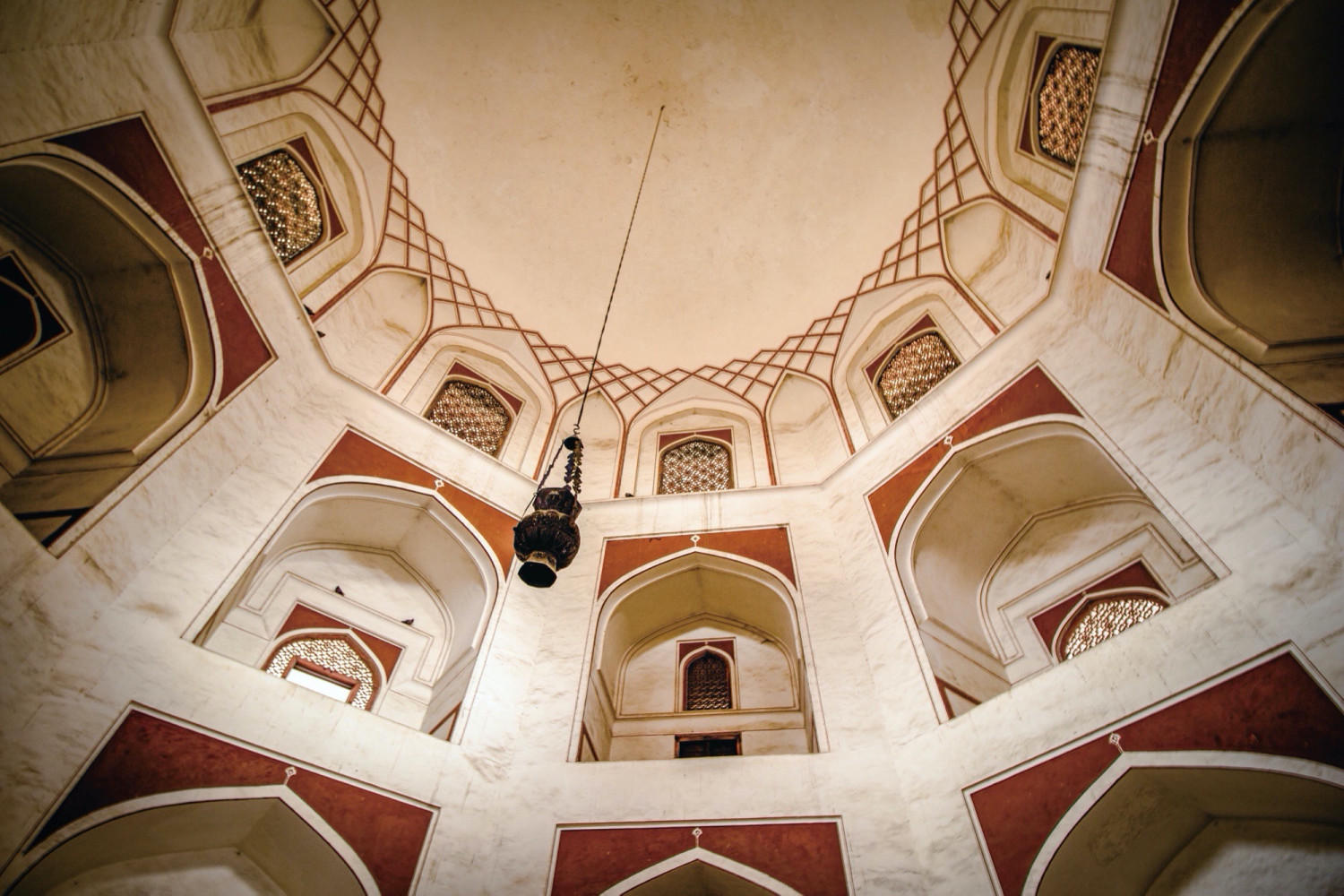
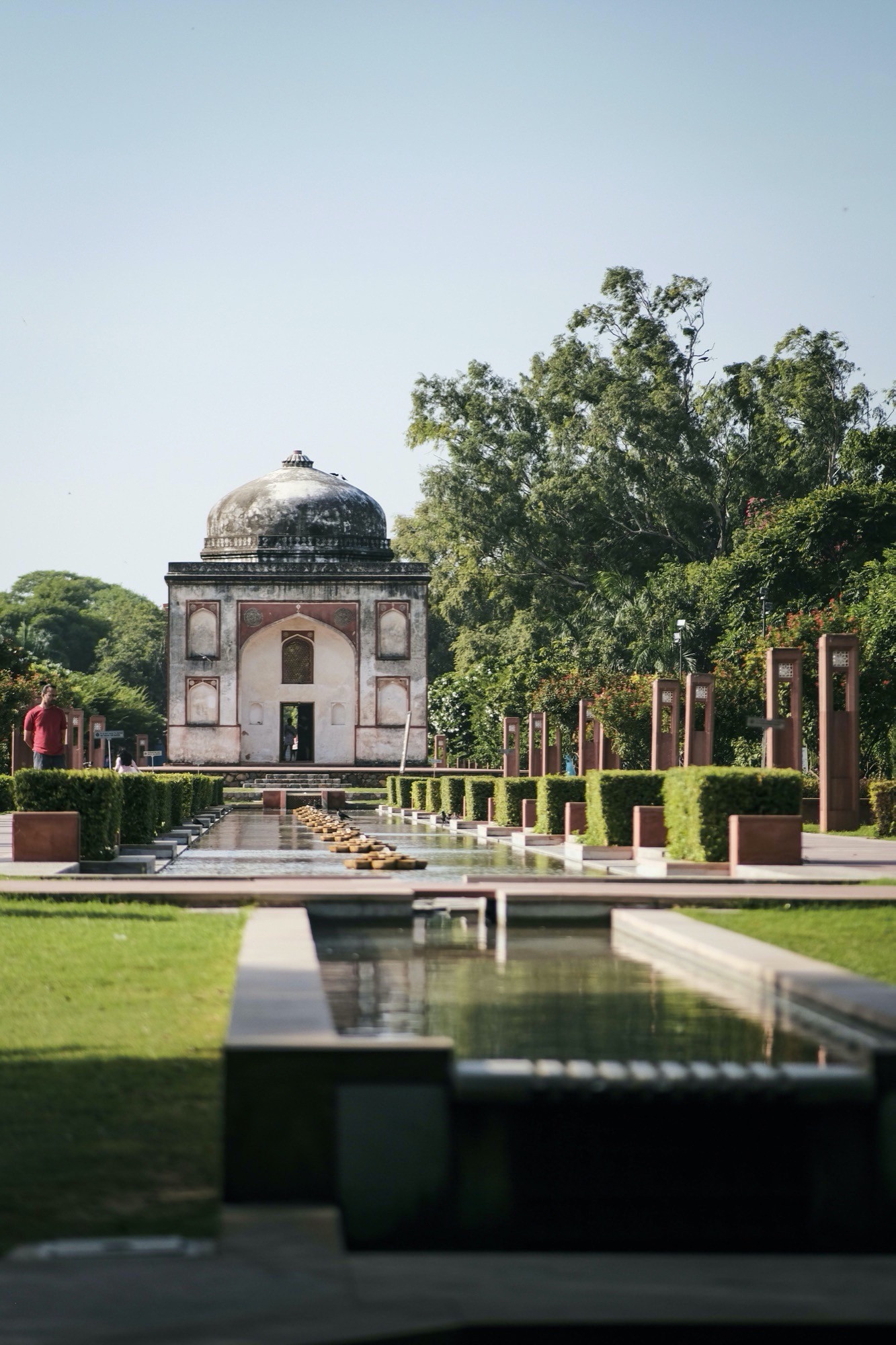
HUMAYUN’S TOMB & SUNDER NURSERY
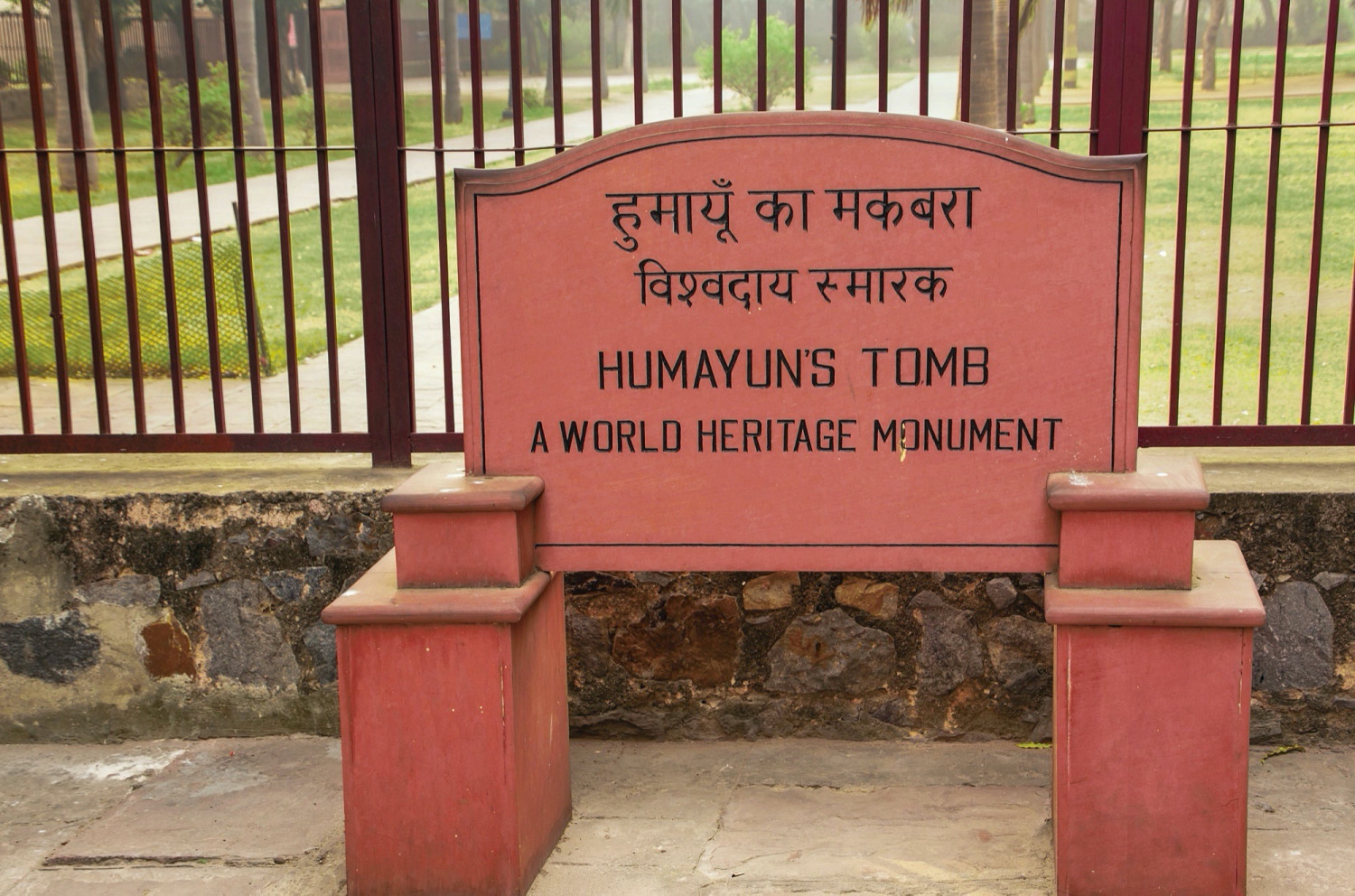
Built in the mid-16th century, the UNESCO-listed Humayun’s Tomb forms a serene enclave of history amid Delhi’s bustling streets. The tomb houses the body of the second Mughal emperor, Humayun, while several other notable nobles are interred in smaller tombs around it. Across the road, Sunder Nursery offers a leafy escape, with meandering paths, flower beds and 16th-century Mughal tombs, some restored and others left in picturesque ruin.
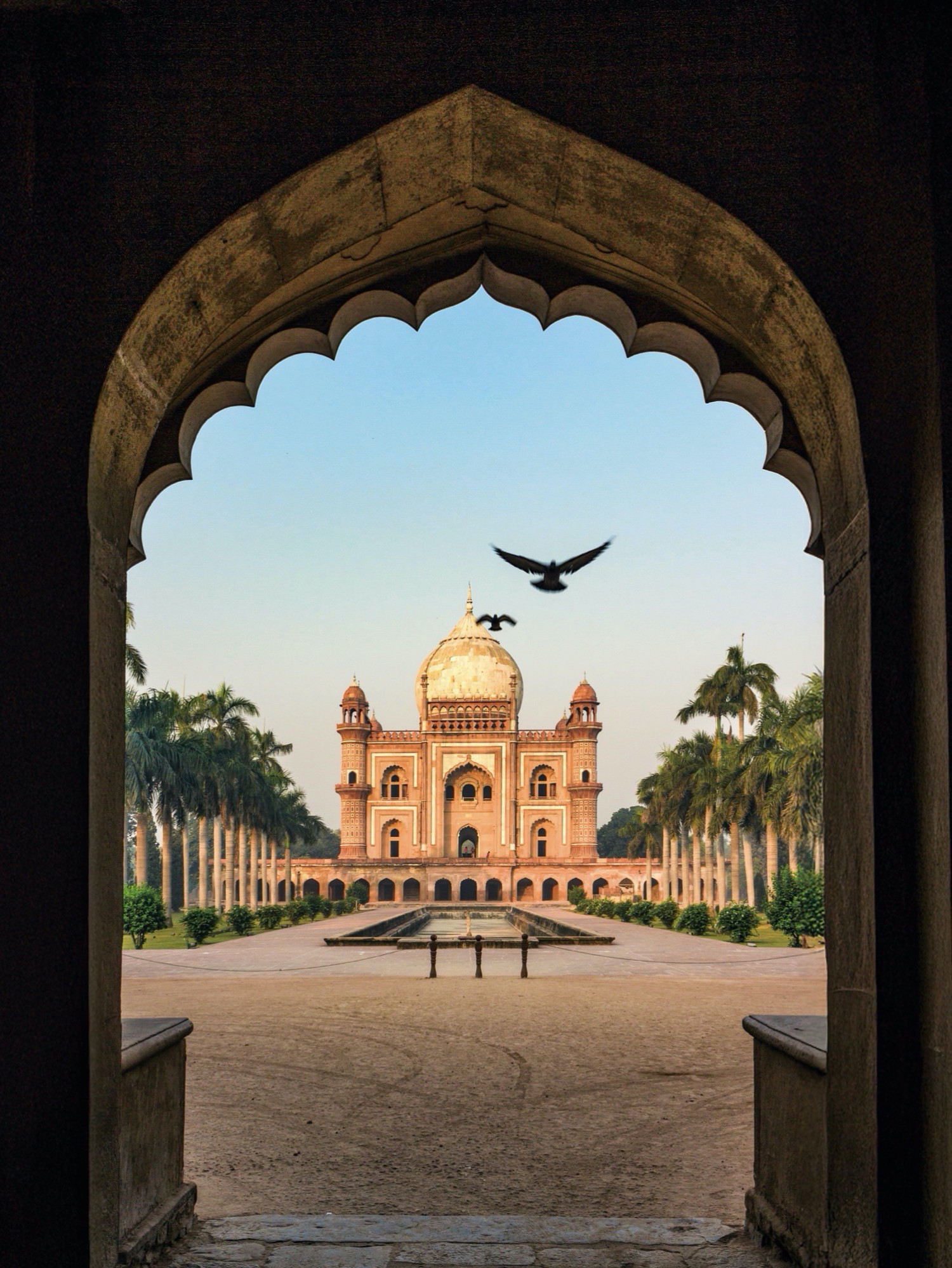
LODHI GARDENS
Spread across over 360,000 square meters in the heart of New Delhi, Lodhi Gardens offers a rare pocket of calm in the hectic city. It is as much a haven for birdwatchers spotting rose-ringed parakeets, Indian peafowls and babblers as it is a gym for the city’s elite, with walking paths and jogging tracks.
- Written by Poonam Binayak
- Poonam Binayak is a journalist and content strategist based in Delhi and Bengaluru, India. She has contributed to international publications including TIME, CNN Travel, The Telegraph, Wanderlust, Time Out, and CNBC Travel, and is a co-author of Fodor’s Essential India, offering in-depth local insight into destinations across the country.
- Korean Air operates direct flights between Incheon and Delhi
5 times a week.


