Sacred Bali
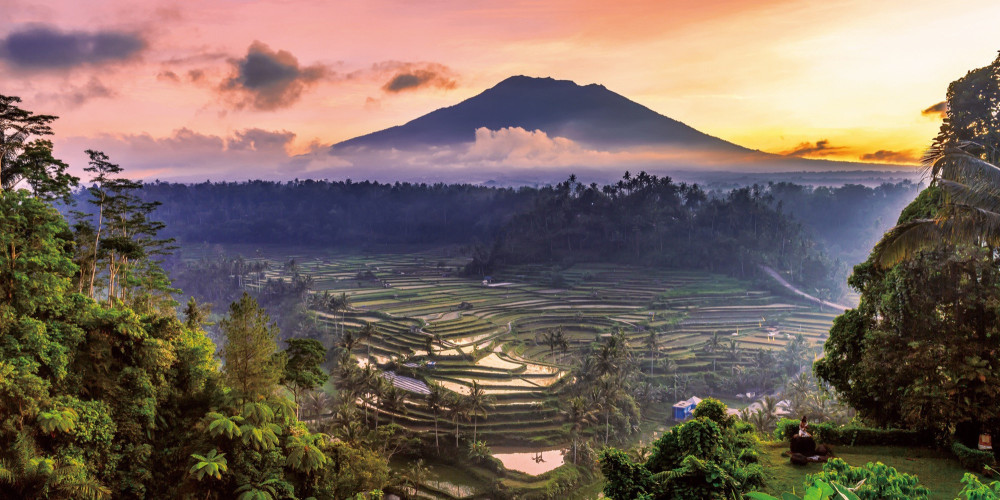
Beyond the image of Bali as a leisure destination lies the time of its communities. A journey guided by the island’s soul-cleansing waters and sacred mountains reveals a place formed by its own order rather than by an external gaze. Moving through the layered passages of time, the island slowly reveals its earliest landscape.
Mount Agung
Sacred Pilgrimage Route of the Balinese
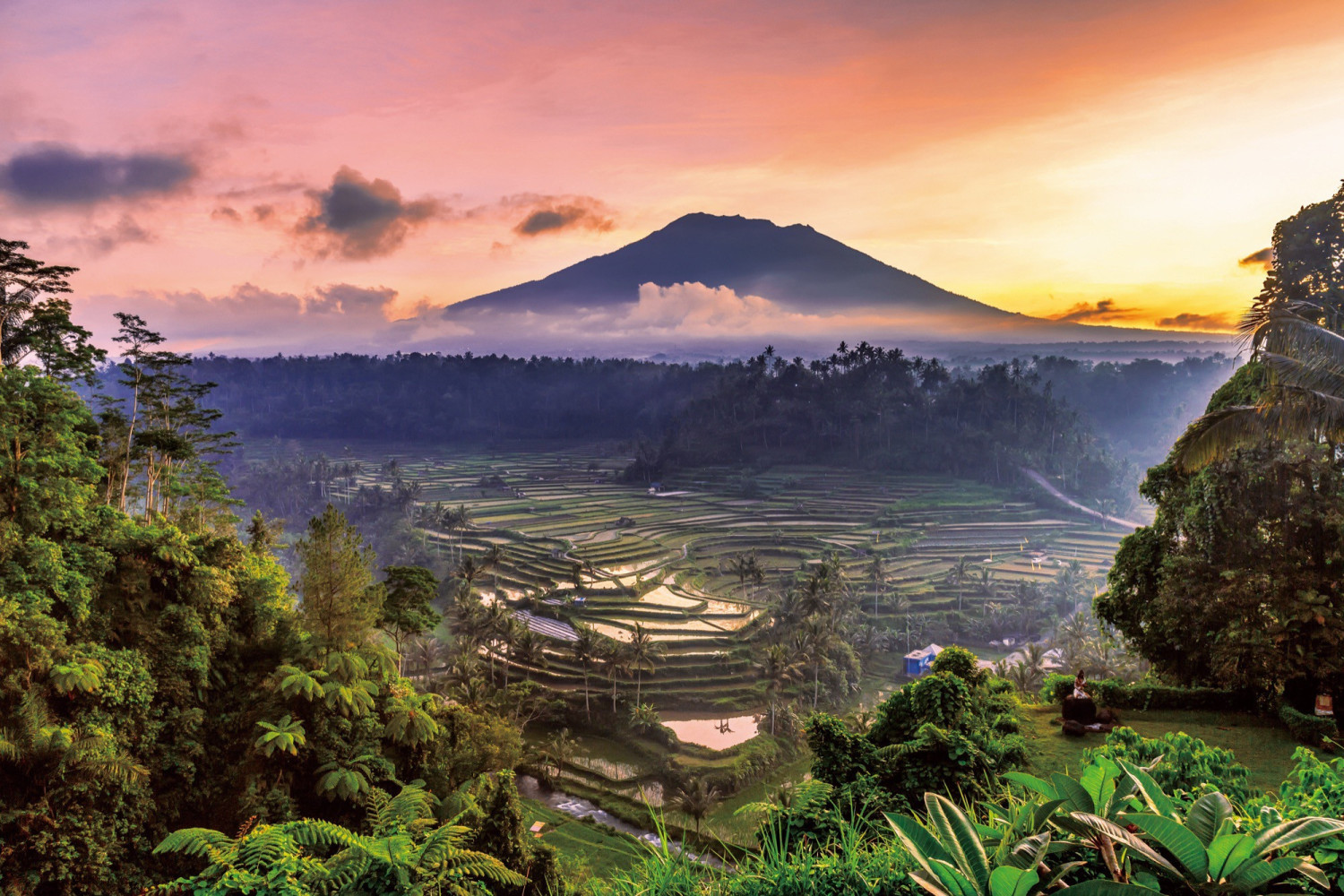
Believed to be the dwelling place of the gods, Mount Agung is regarded as one of the most sacred mountains and the spiritual axis that sustains the island’s overall balance. There are two main routes for those wishing to make this difficult journey. The route through the Pura Pasar Agung temple is the easier of the two, and it is considered spiritually significant. Balinese residents still bring offerings to this temple and local guides can also be seen praying for a safe journey and safe return as they take eager hikers up to the rim of the crater. Given that parts of the route can be unclear and dangerous, this trek should only be attempted with the help of a local guide.
Lempuyang Temple
Gateway to the Sky
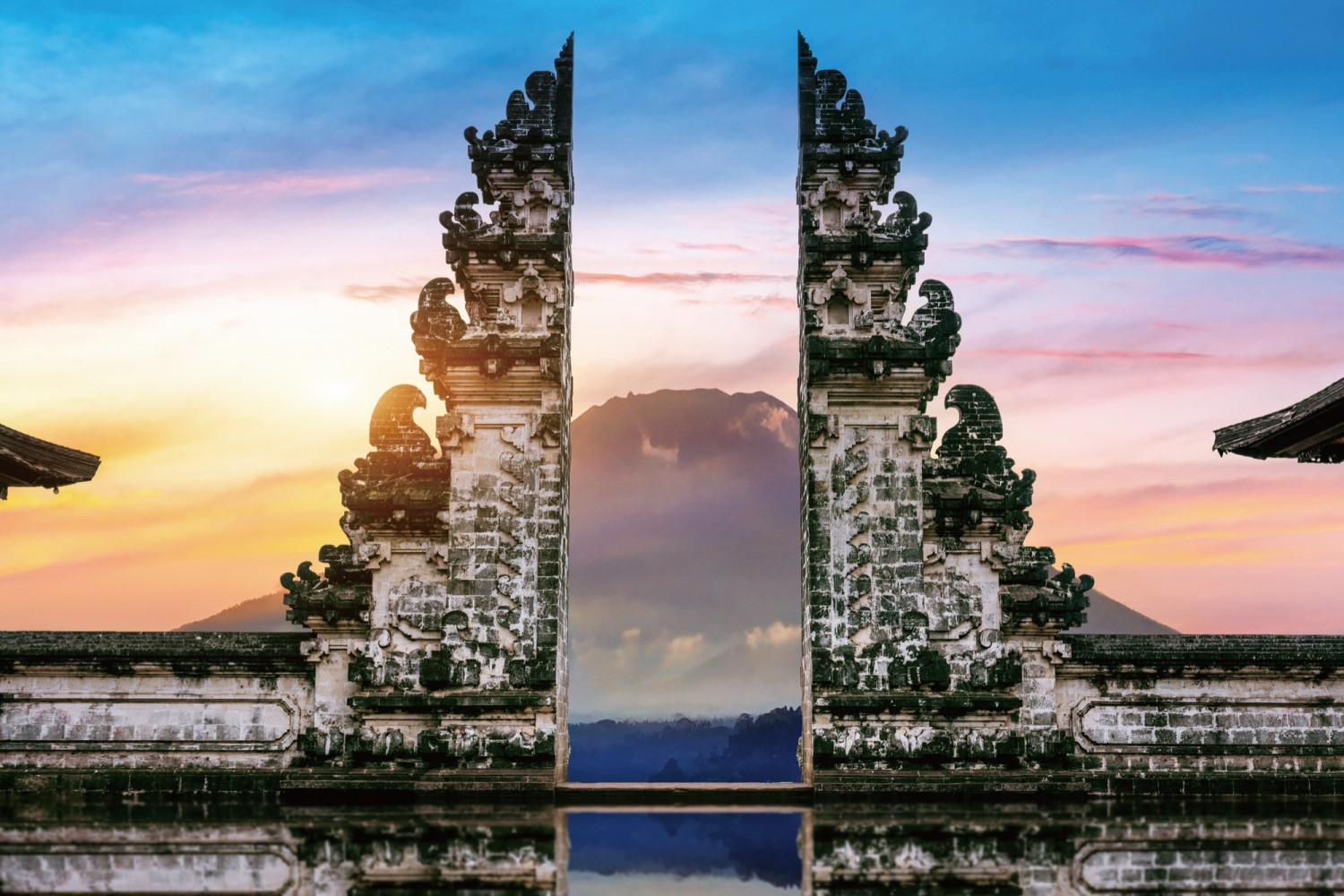
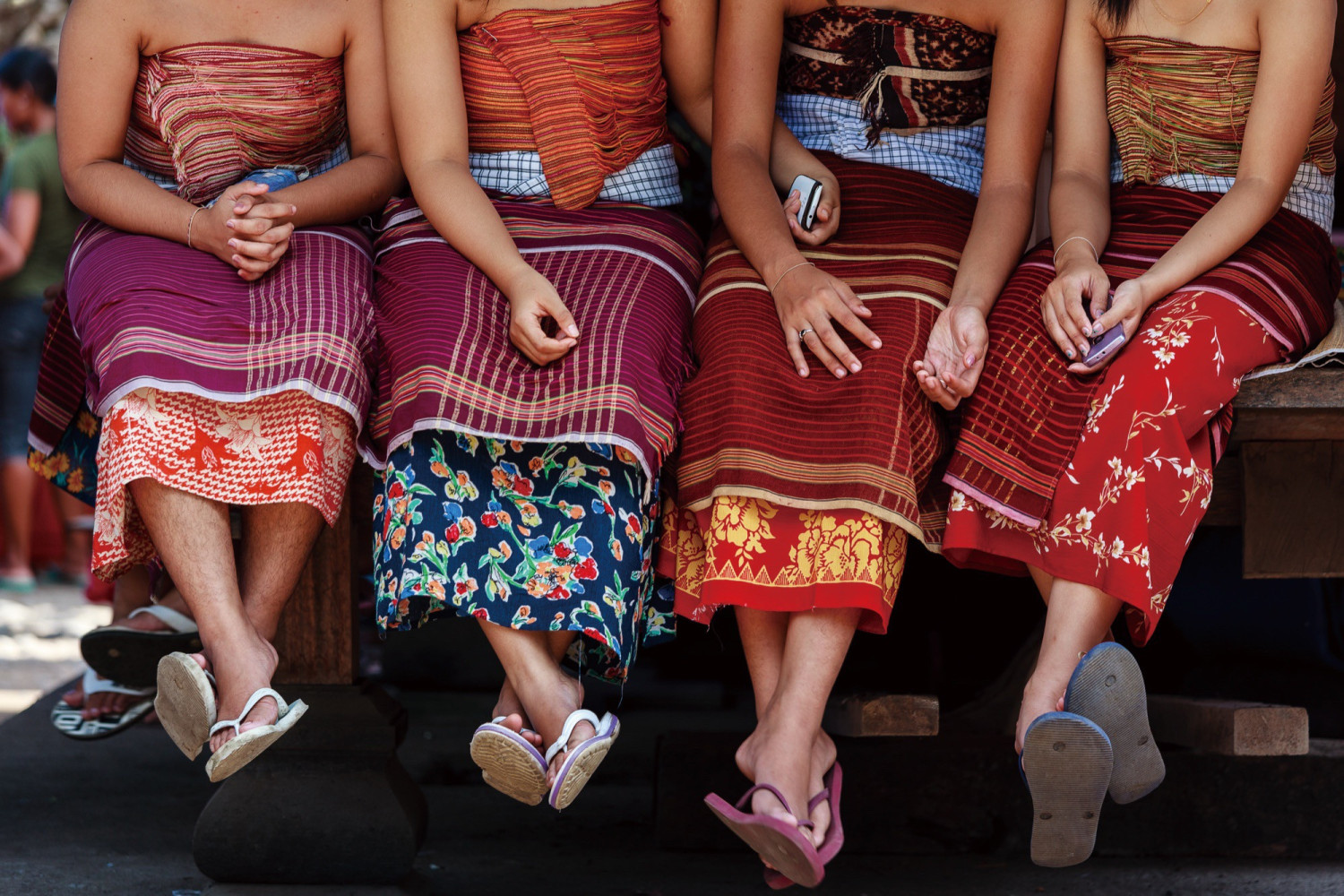
One of Bali’s oldest Hindu temples, Lempuyang is not just one building but a complex of temples known for its symbolic, symmetrical gateway that appears to frame the sky. Also known as the “Gate of Heaven,” the temple complex sits on the slopes of Mount Lempuyang at an elevation of around 600m. Visitors to Lempuyang can enjoy a view of Mount Agung, Bali’s tallest and most sacred volcano and the spiritual center of the island. Visitors are required to wear a sarong when entering the temple and observe appropriate dress etiquette.
Tenganan Village
Community Preserved in Time
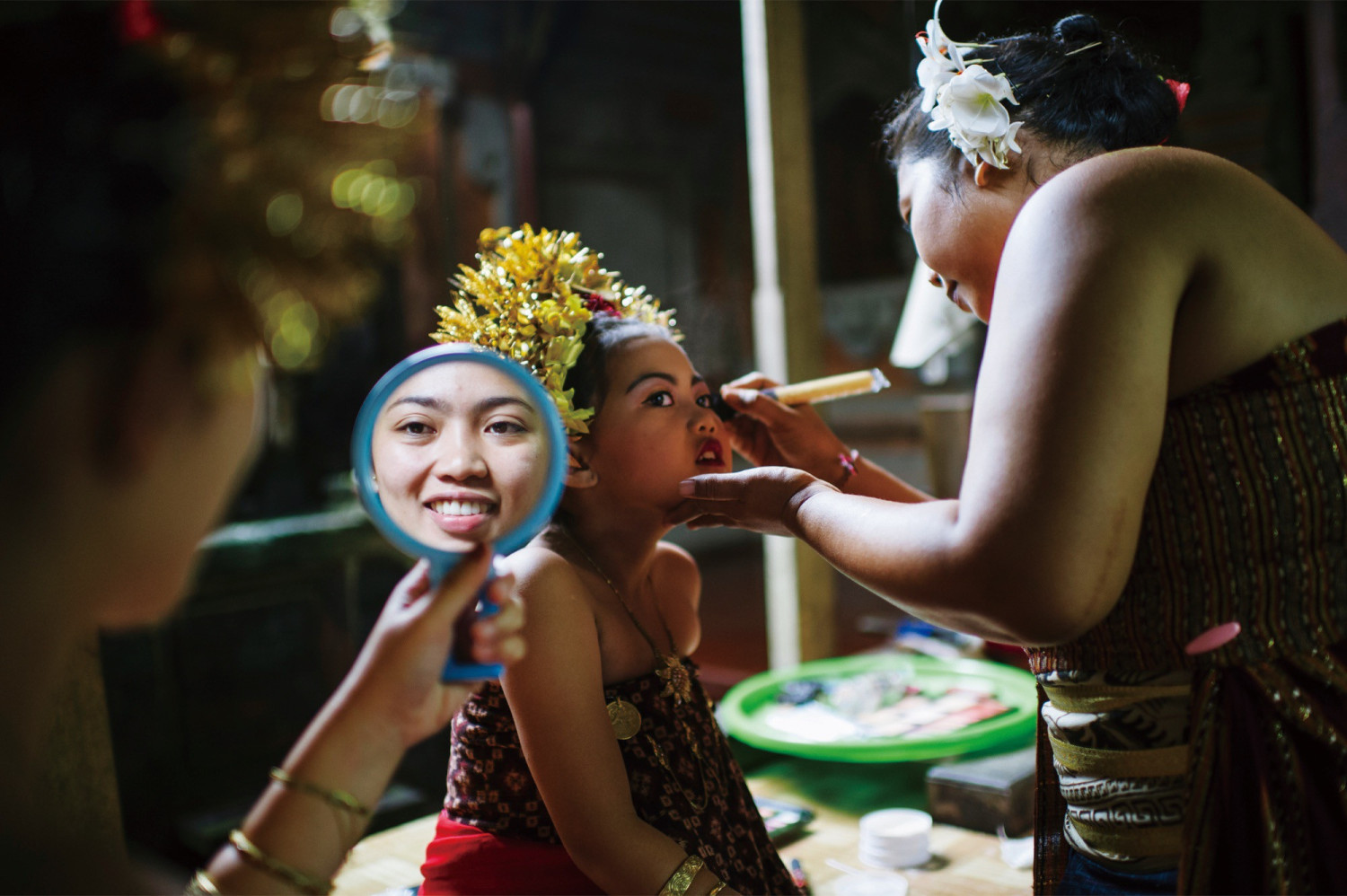
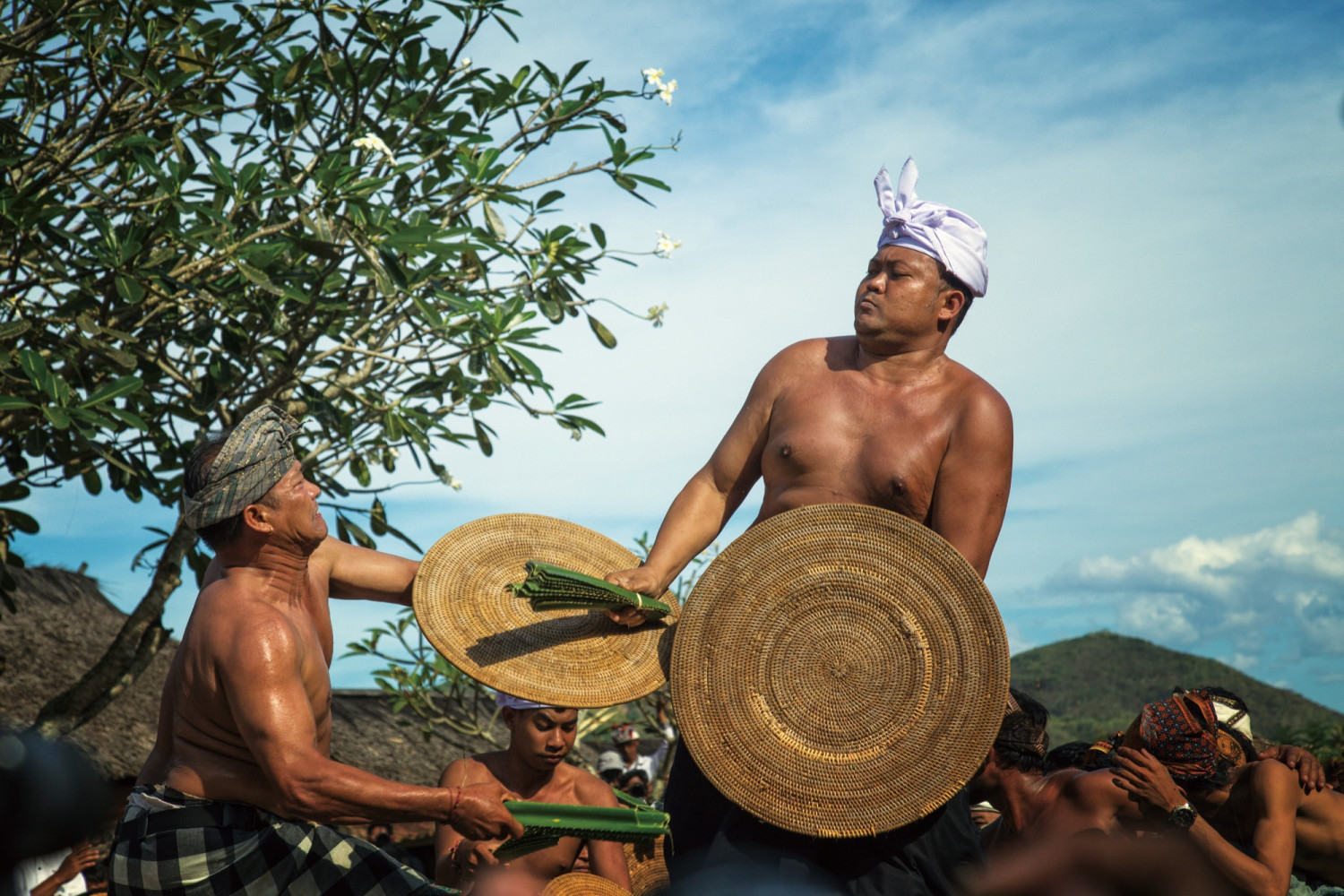
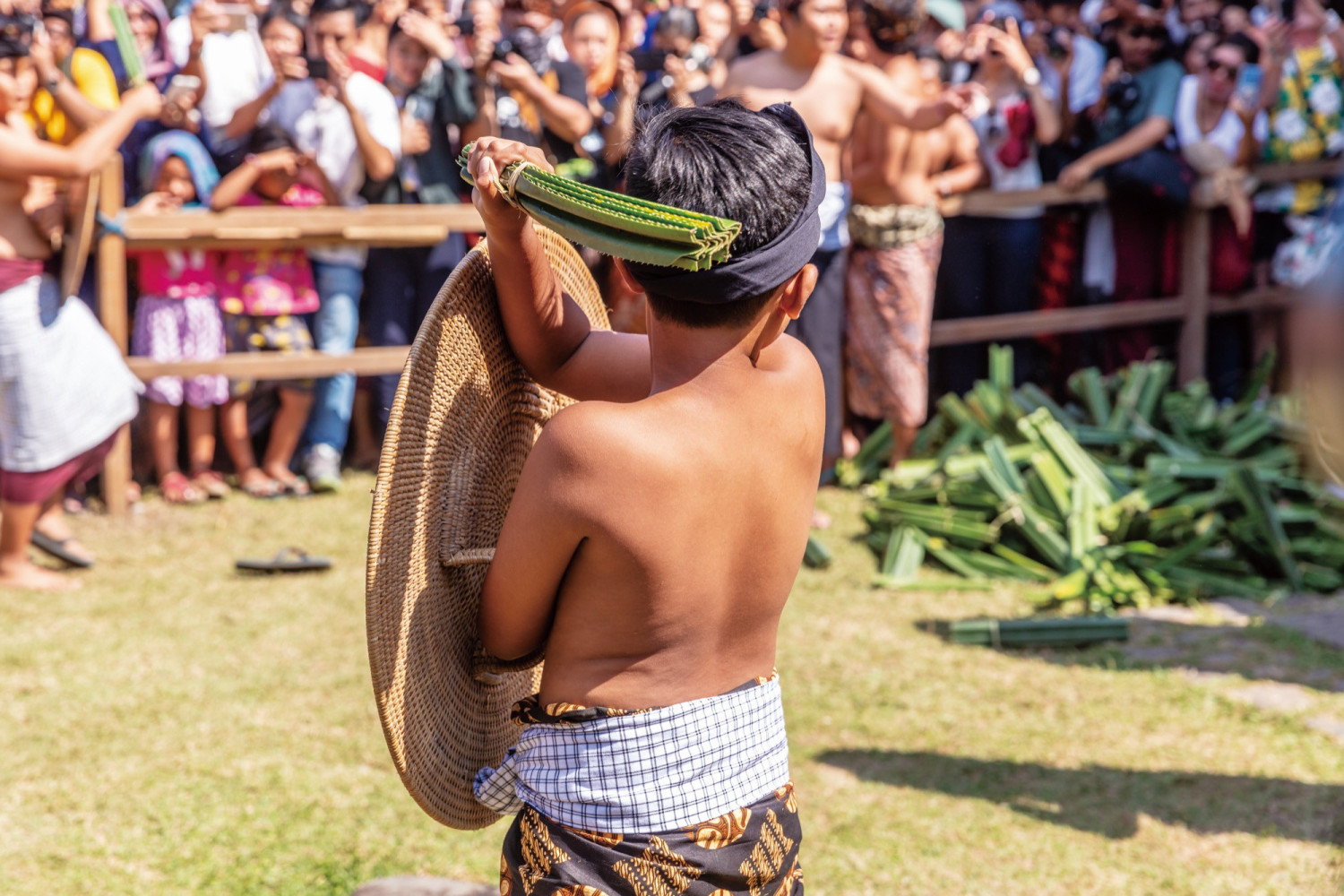
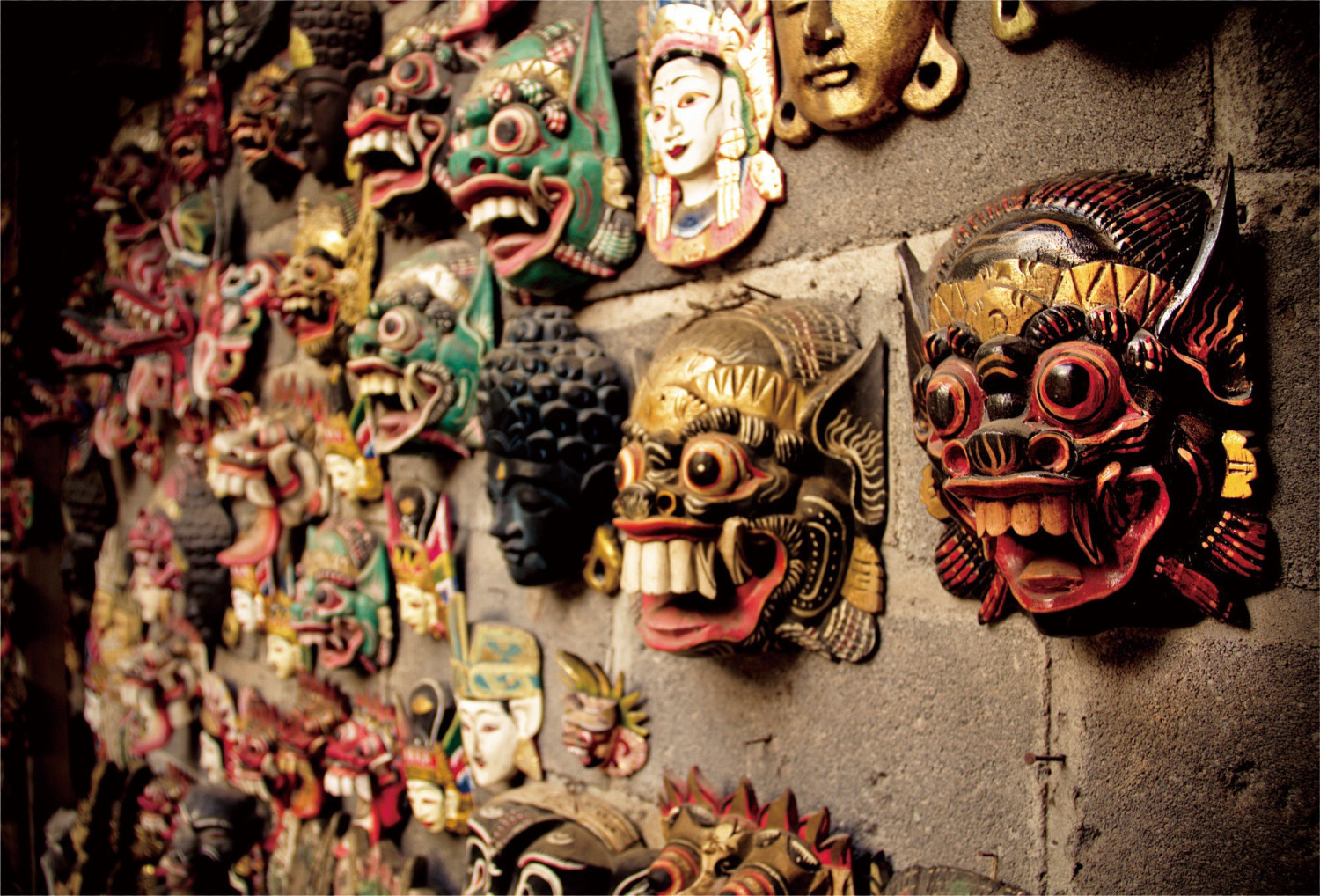
Tenganan is one of the island’s oldest Bali Aga villages, with roots dating back around 1,000 years, long before Hindu influence firmly took root in Bali in the 14th century. The community has long lived in a self-sufficient way, preserving its own systems of governance, ritual and shared resources. Walking through Tenganan feels like stepping into a living museum. Located in East Bali, it’s easily reached by car from Ubud or Candidasa.
TAMAN PECAMPUHAN SALA TEMPLE
Ritual of Purification by Water
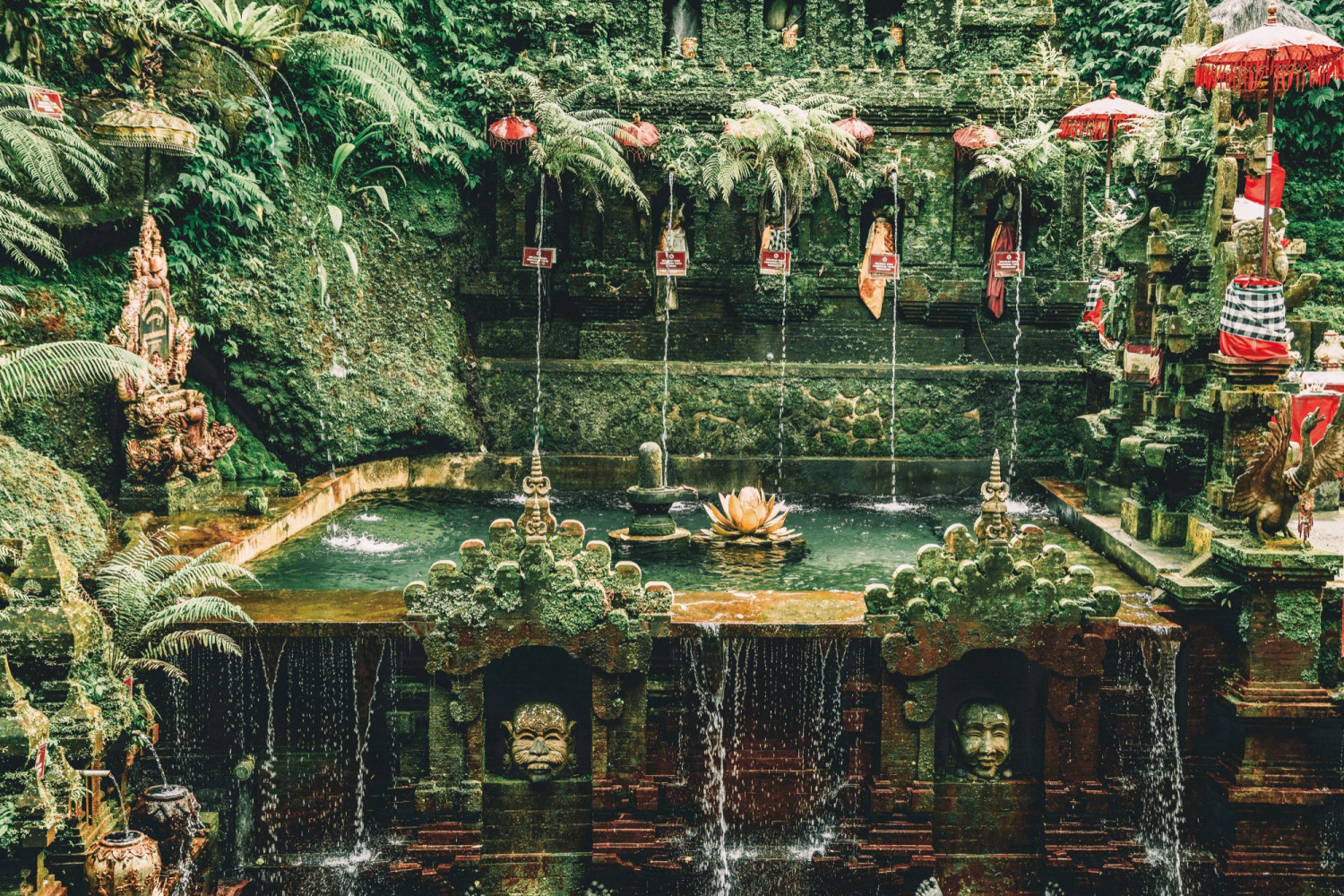
Melukat is a sacred Balinese water purification ceremony practiced to wash away sorrow and negative energy from both body and mind. Near Ubud, Taman Pecampuhan Sala Temple in Bangli is regarded as a significant site for this ritual. Hidden within a canyon where two rivers meet, the purification journey involves descending stone steps, passing through a narrow canyon, and arriving at a waterfall where the water is believed to bless those who enter. Visitors are advised to avoid periods of heavy rain, as water levels can rise quickly.
Pemuteran
Exploring Pemuteran Hills
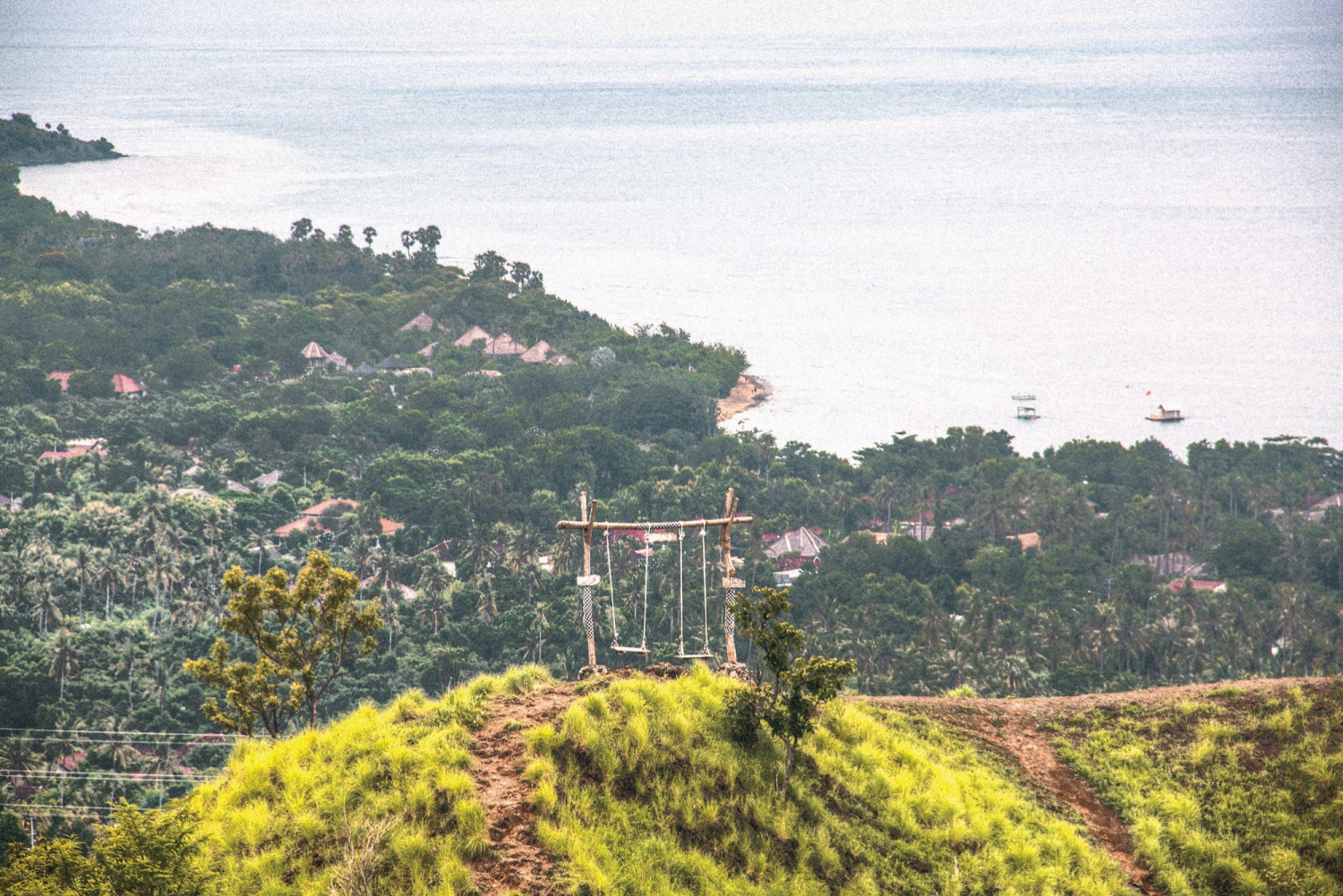
Exploring Pemuteran’s dry hills on horse-back offers a rare perspective on Bali’s northwestern landscape, where dry, savanna-like terrain overlaps with distant ocean views. Riding through the landscape brings the character of the place into clearer focus. Although beach rides are available, the hill routes are particularly recommended, winding past temples and offering a far more immersive, untamed experience. For experienced riders, the Bendera Merah Putih route, leading to the top of one of the hills, is not to be missed.
- Writing and photography by Maria Mutiara
- Maria Mutiara is an Indonesian documentary filmmaker. She explores everyday life and social realities in Indonesia, focusing on independent documentary work that gives voice to marginalized communities and addresses local and environmental issues.
- Korean Air operates direct flights between Incheon and Bali 14 times a week.