World of Colors and Patterns Dancheong
The traditional decorative style known as dancheong gracefully traces the form of pillars and ceilings, capturing humanity’s most earnest desires and the order of nature within its intricate patterns. Despite the passage of time, this distinctive aesthetic rooted in the framework of tradition is being revived and transformed through the language of contemporary design.
Aspirational Hues
© Roh Jaehak
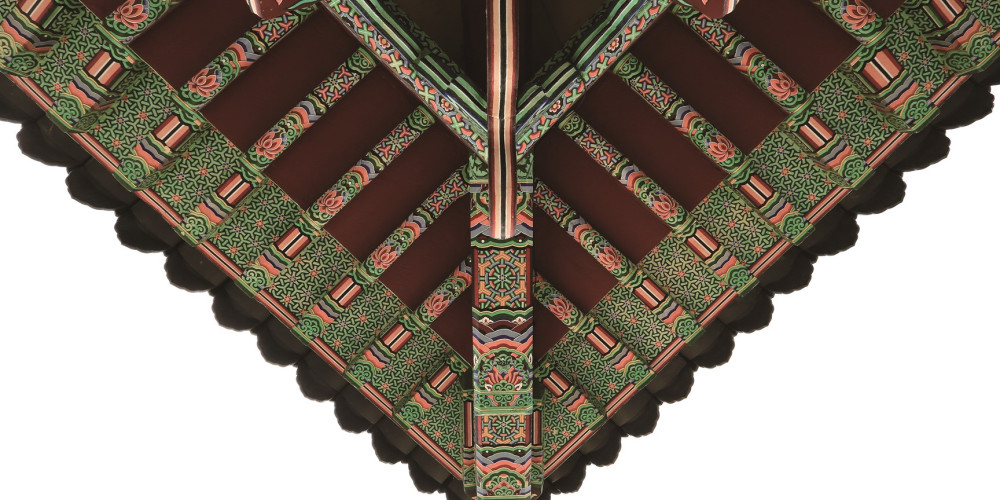
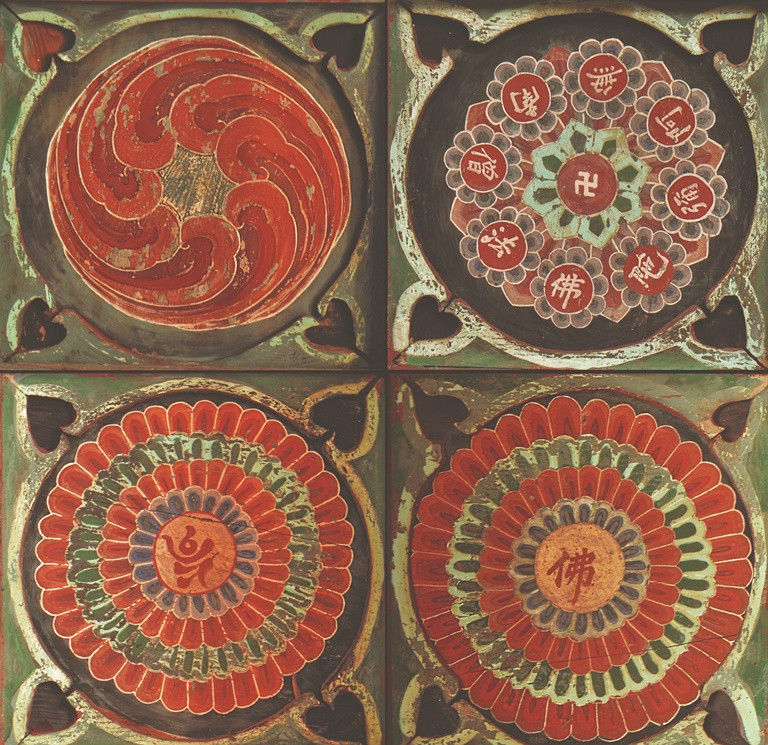
Korea’s traditional wooden structures are inherently vulnerable to moisture and decay. To compensate, a mixture of pigments and an animal glue known as agyo is applied to wooden buildings and objects in a decorative style known as dancheong, serving as a practical shield against the elements. Yet more important than its functional utility is the visual symbolism embedded within. The richness of patterns and coloration varies with the building’s status, communicating hierarchy and authority, while wishes for health, long life and protection from evil are woven into each motif. The color arrangement of dancheong is grounded in the ancient ideals of yin and yang and the five elements, which expresses the order of the universe. The five cardinal colors known as obangsaek (blue, red, yellow, white and black) and the secondary hues derived from their combinations form a distinctively Korean system of color harmony.
Structures were adorned with green hues on the upper sections and red hues below, allowing them to blend harmoniously with the forests around them. Dancheong design is made to fit architectural elements such as pillars and rafters, with patterns endlessly replicated through the cheoncho technique of punching patterns onto paper. Repetition that could easily become monotonous is elevated into vibrant art through motifs drawn from nature such as lotus blossoms and peonies and the flowing lines that connect them. These principles parallel approaches found in contemporary graphic and logo design. With its modern sensibility, dancheong continues to be reinterpreted in the fields of media and design today because of its prescient motif composition and its distinctive color contrasts.
© Shin Kyungsub, Courtesy of EMER-SYS Design Lab
Tradition Rewritten for Today
© ATMOSPHERE STUDIO
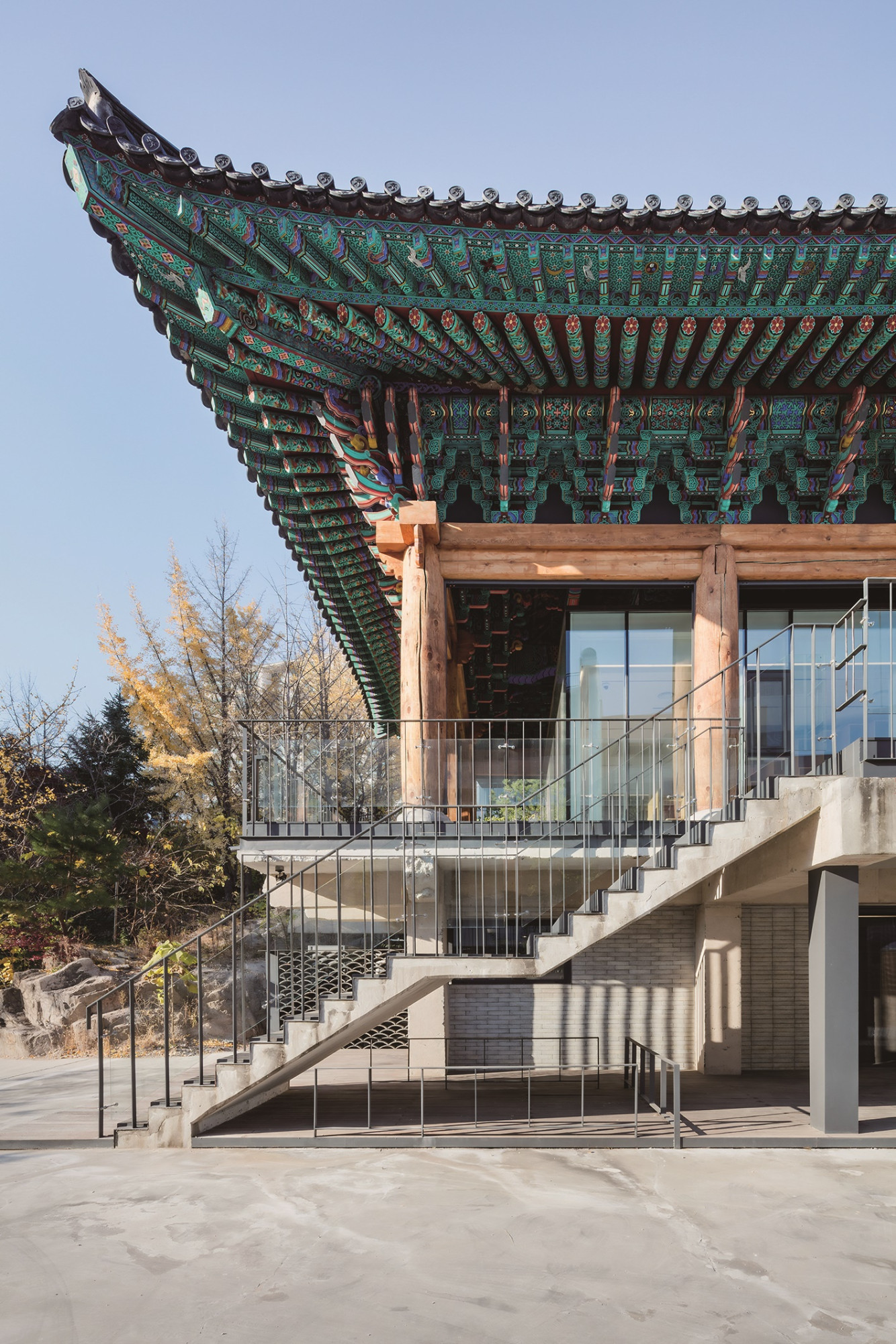
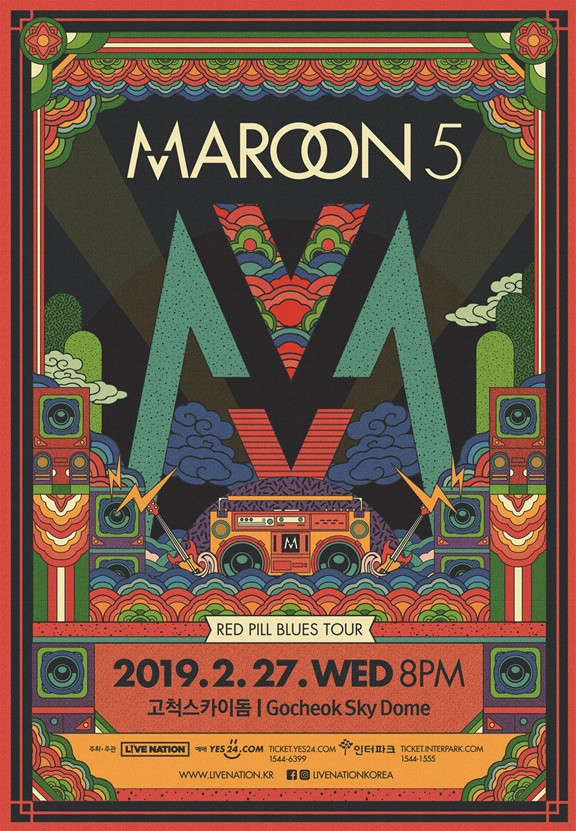
Once a hallmark of tradition, dancheong has now gone beyond the walls of palaces and temples and entered the domains of everyday life, including architecture, fashion, visual media and product design. That transition is evidence that dancheong is not a style tied to a particular era but a cultural practice whose lasting vitality derives from ongoing dialogue with contemporary aesthetics. For example, the Starbucks Gyeongju Daereungwon location is a space that preserves the city’s historical character while embracing a contemporary sensibility. The designers opted not to replicate traditional forms exactly. Instead, they added a bold pink finish to the eaves and only placed motifs on certain elements of the structure in an exercise of restraint. These changes are equally evident in the field of visual design. The obangsaek colors and cool-warm tonal contrasts seen in concert posters and promotional materials of world-famous artists underscore how dancheong’s bold color scheme coincides with the sensuous energy sought by contemporary graphic design.
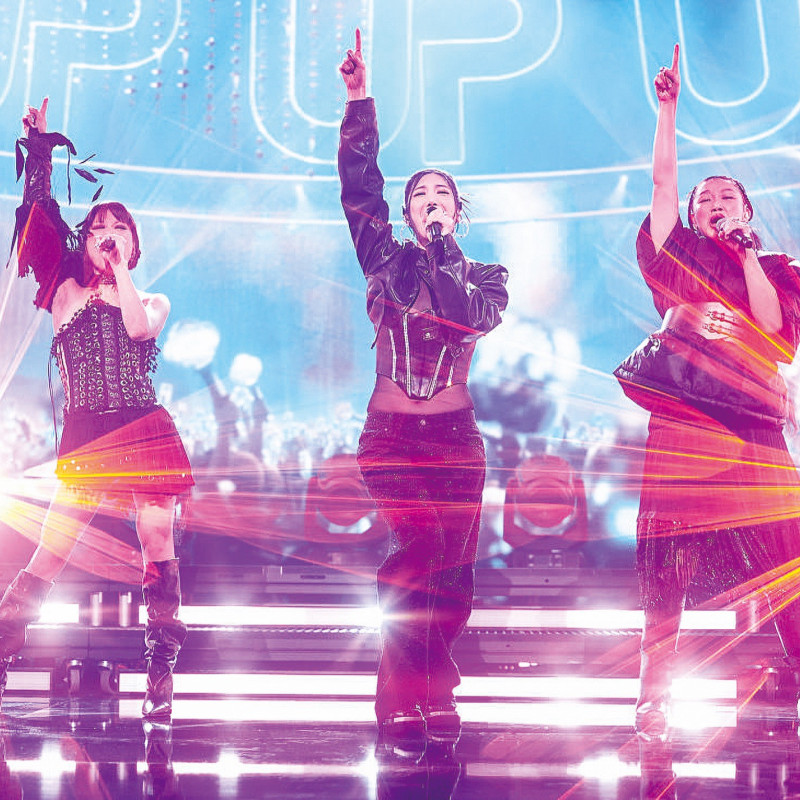
The value of dancheong has also come into the spotlight in the global fashion scene and at major performances around the world. Traditional motifs incorporated into stage costumes at international music festivals have fascinated the public, functioning as powerful visual expressions of Korean identity. Dancheong has also appeared in collaborations with famous luxury brands and as props in fashion shows, confirming its status as a key design element epitomizing East Asian sophistication. As digital devices and everyday objects adorned with the distinctive patterns of dancheong gain popular appeal, the traditional art form has become an aesthetic that is relatable and familiar. This chromatic language, freed from the shackles of the past, is being vividly rewritten on the pages of our daily lives.
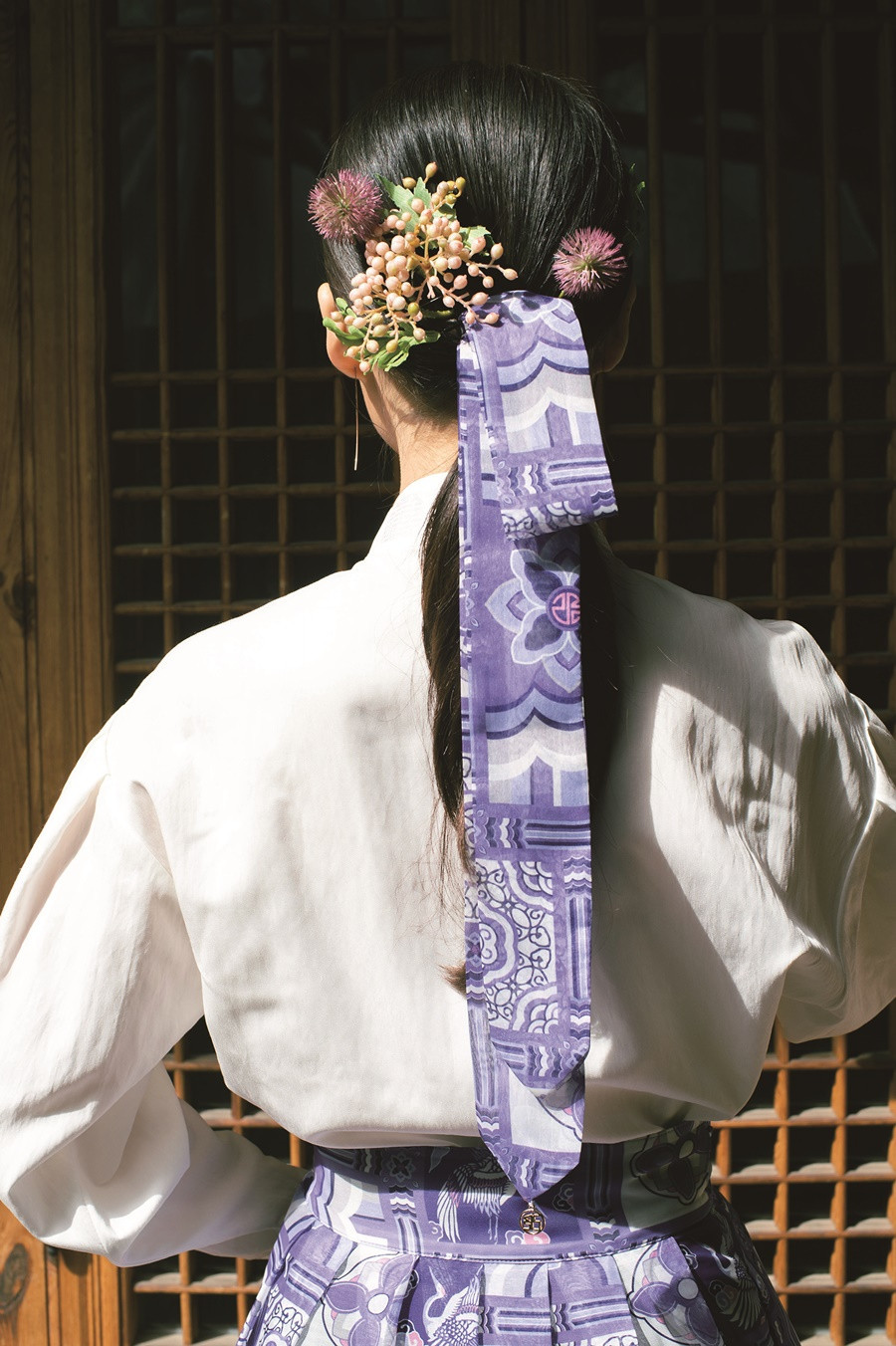
© LEESLE
Chromatic Language That Carries On
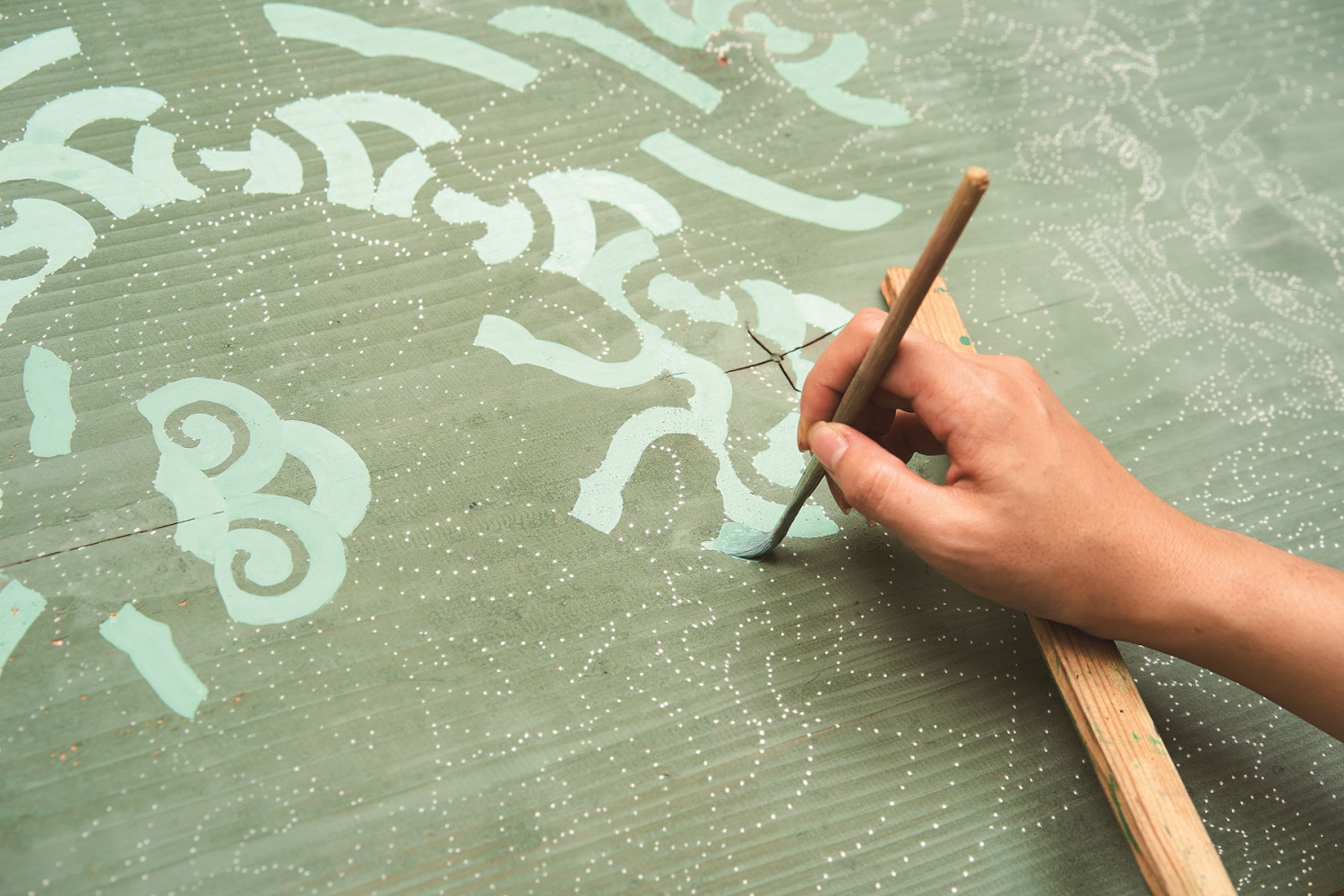
© Korea National University of Cultural Heritage
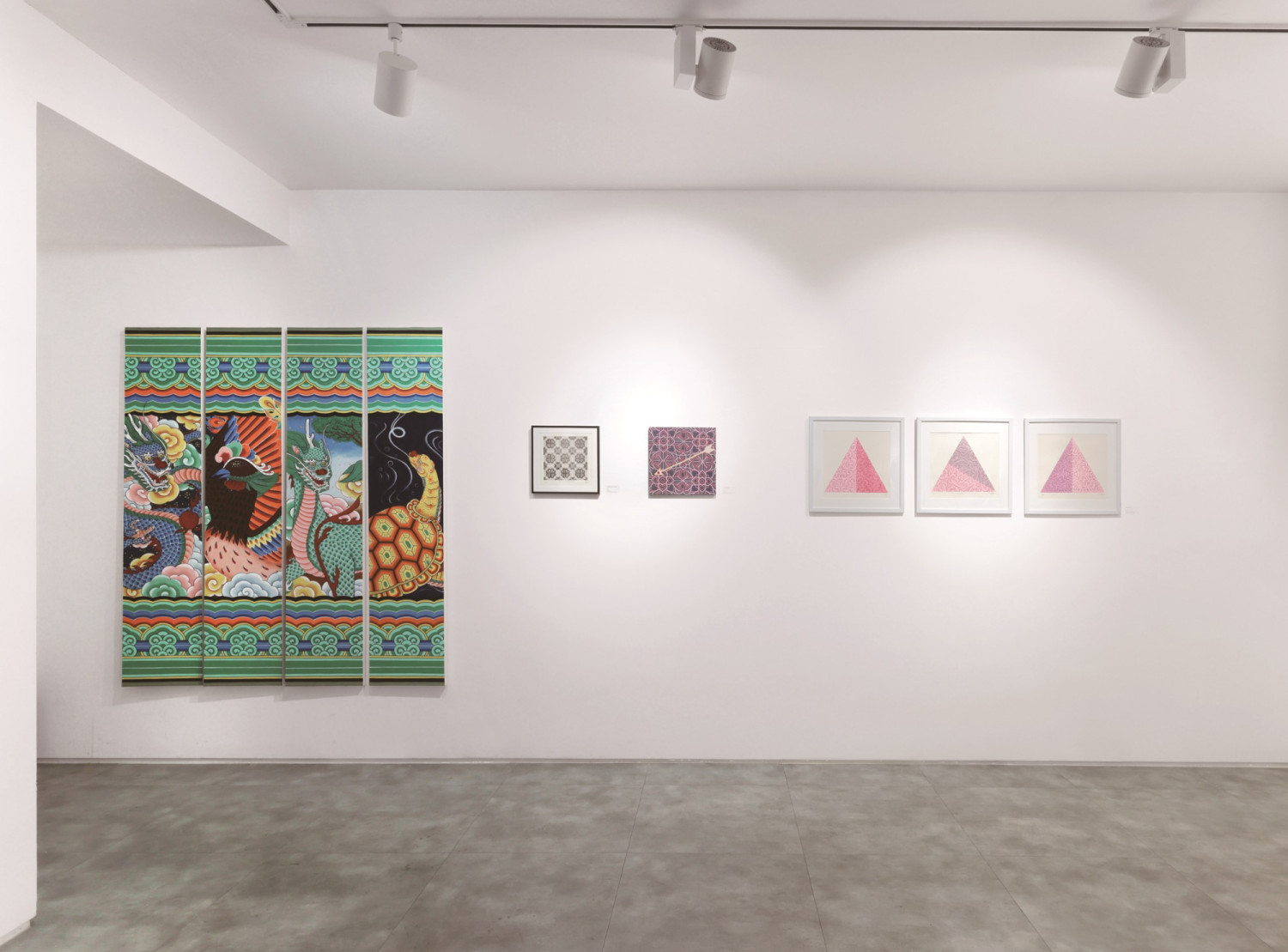
© Moowoosoo Gallery
Rather than simply replicating past motifs, contemporary dancheong is being shaped into a new formal language in the hands of artists. Treating traditional colors and patterns as flexible materials to work with, artists are creating original forms that are attuned to modern aesthetics. That trajectory is particularly evident in the work of master craftsmen: while remaining faithful to traditional pigments and authentic coloration, they translate dancheong’s characteristic repetition and replication into the grammar of contemporary painting. This cultural vitality is sustained not only by individual artistic devotion but also by systematic support at the national level. The Korea Heritage Service works to maintain a stable supply of traditional materials, while continuing the meticulous documentation of patterns doomed to fade with time. The service also supports training programs and exhibitions that keep heritage practitioners engaged, and giving the general public more opportunities to experience the aesthetics of dancheong in their everyday life.
What we now call “tradition” is by no means fixed in its current form. It’s a protean product of history whose gradually accumulating materials, colors and patterns constantly adapted to the changing times and environmental demands. Ultimately, dancheong can be understood as a living code encapsulating the unique, collective sentiments of Koreans through the centuries. It’s only when dancheong is perpetually reinterpreted and rewritten within the context of our everyday lives that it can realize its status as culture in motion.
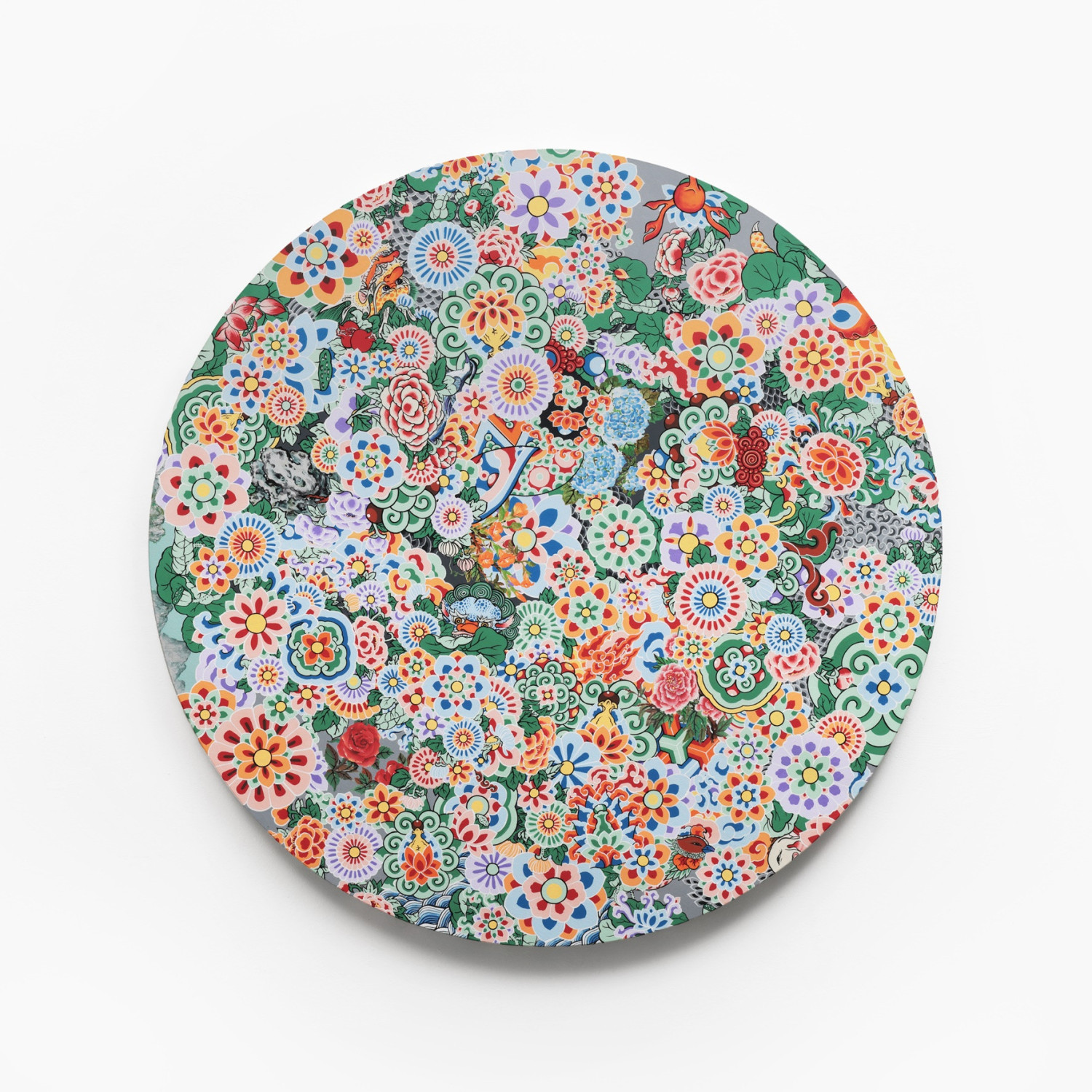
© Moowoosoo Gallery
- Written by Lee Jimin
- Lee Jimin as a certified trainee of the National Intangible Heritage of dancheong, lectures on the subject at the Korea National University of Heritage and Mokpo National University. Lee also researches and practices dancheong as a national heritage maintenance engineer and creates traditional artwork in the dancheong medium.
- Edit by Han Milim