Breathing Deep, Discovering Jeju's Haenyeo Diving Culture
Jeju’s female divers, called haenyeo, embody an ancient tradition and way of life that continues to this day. Tracing the paths of haenyeo past and present, we explore their places of rest and taste their favorite dishes.
Inscribed on UNESCO’s Intangible Cultural Heritage list, Jeju’s iconic haenyeo culture remains inextricably linked to the island’s waters today. The culture has deep roots in eastern Jeju, where it survives in the villages, worksites and farms cradled in Jeju’s stone walls. The haenyeo’s work and communal ties remain a vital part of everyday life on the island.
Culture of the Haenyeo
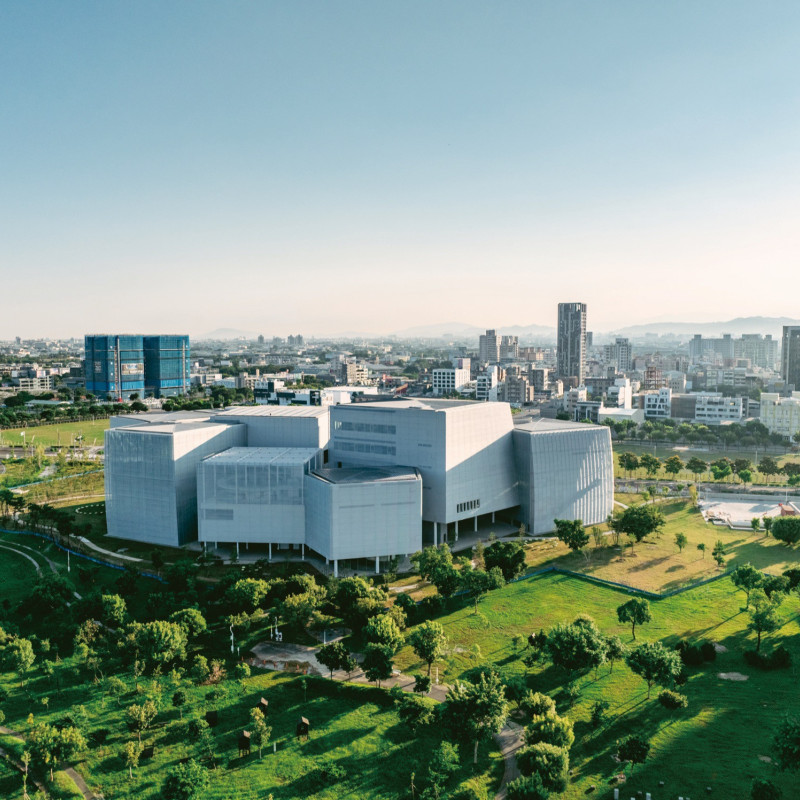
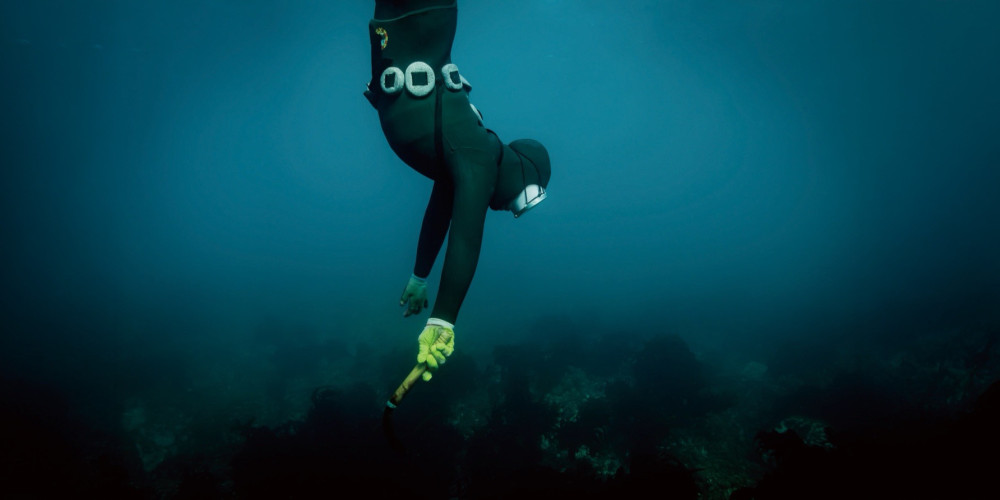
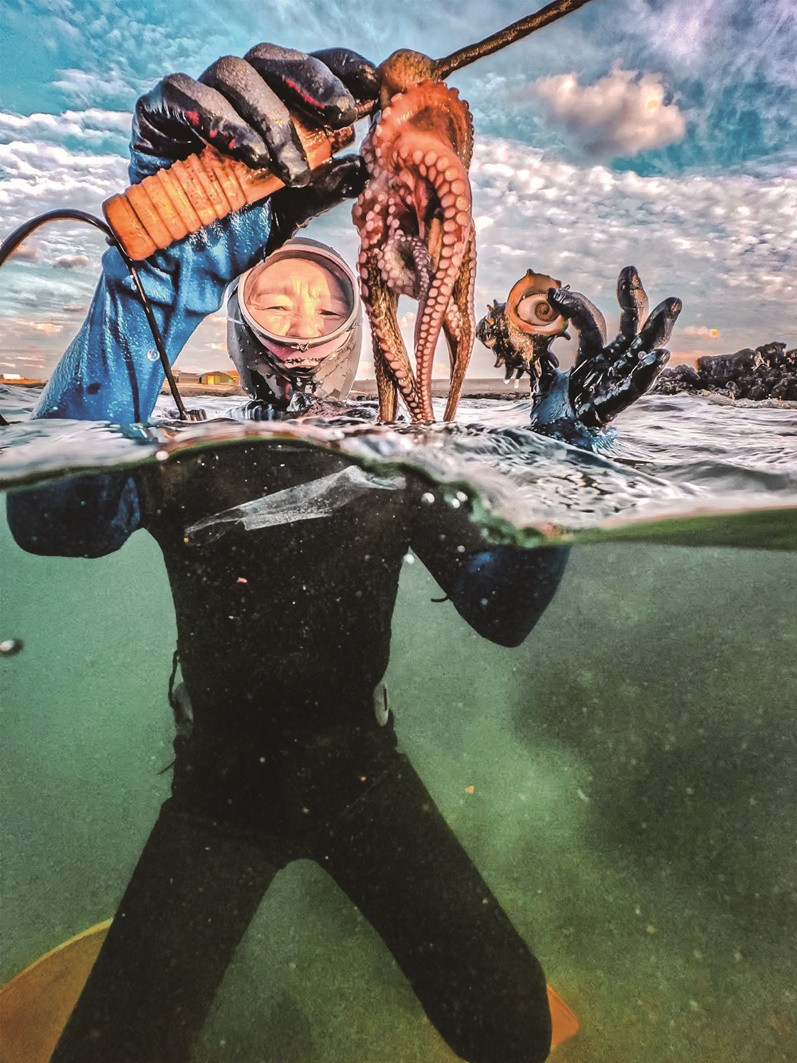
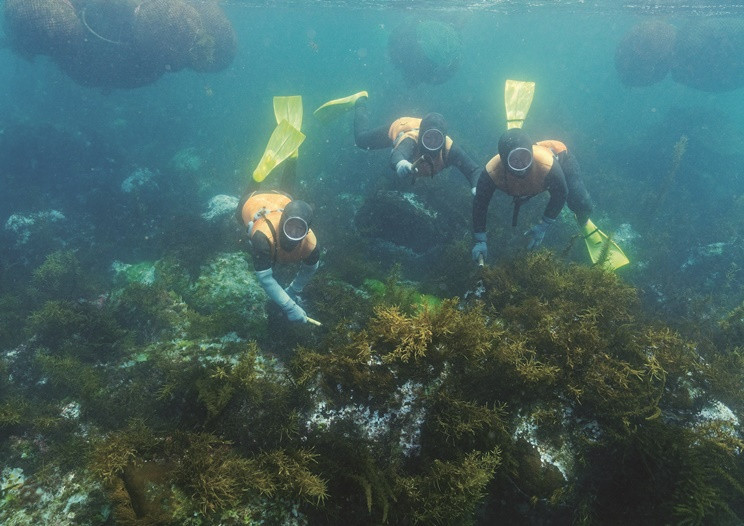
Using just the power of their lungs, haenyeo (lit. “sea women”) can dive to depths of around 10m and remain underwater for as long as a minute before resurfacing. When they come up, they release their breath in a long whistle known as sumbi sori. Beyond their distinctive diving techniques, every aspect of these female divers’ lives is woven into a wider culture, from the skills of individual haenyeo to the communal knowledge passed down from one generation to the next, folk songs like the seoujet-sori, and petitions to the sea goddess for safety and prosperity. Though their numbers are rapidly declining, these women are an iconic part of Jeju’s history and they continue to shape its present. For a deeper dive into the culture, head to the Haenyeo Museum in Sehwa-ri, a village on the northeastern side of the island. Opened in 2006, the museum examines Jeju’s maritime history with a focus on the haenyeo’s daily customs, community norms, shamanistic beliefs and seasonal traditions.
Sumbi-Sori Trail: Everyday Vignettes
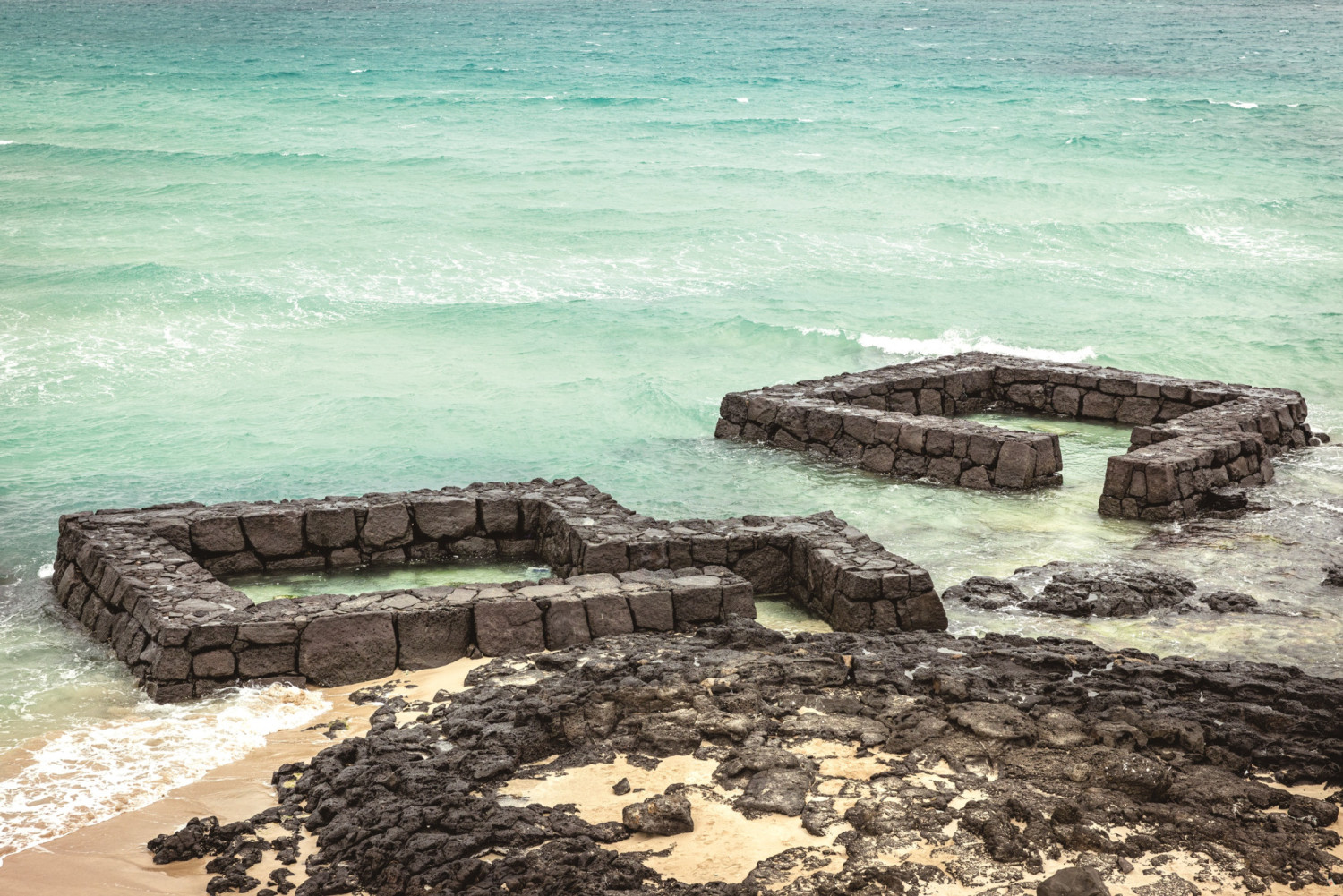
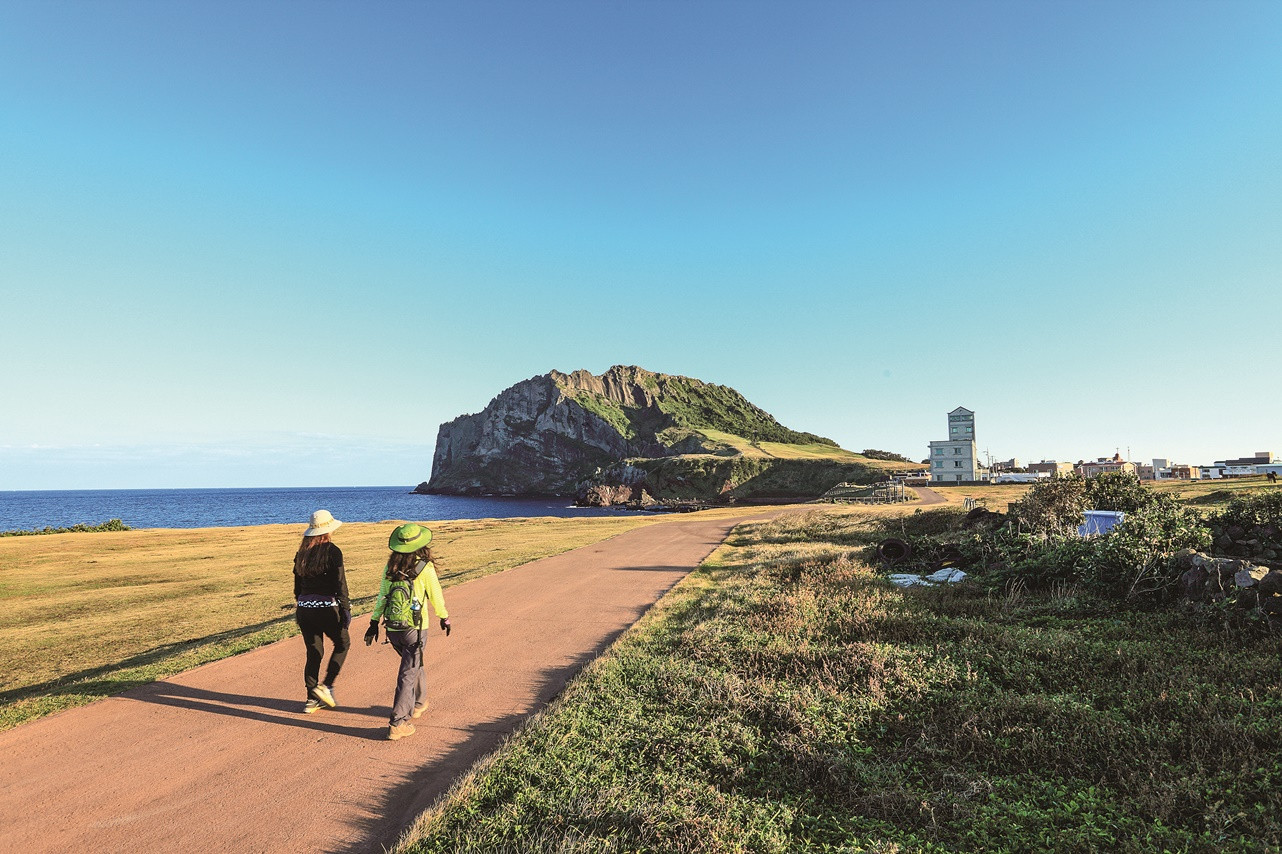
The life of Jeju’s haenyeo unfolds on the well-worn paths between the sea and their farms. The 4.4km Sumbi-Sori Trail, which starts from the Haenyeo Museum and includes spots like the Byeolbangjin Fortress in Hado-ri Village, invites you to travel the paths of these women. As you walk, you’ll come across a natural spring and Gaetgeot Halmangdang, a shrine for haenyeo to offer heartfelt prayers for a safe dive and a big catch. At several spots along the trail, visitors can find bulteoks, a kind of outdoor shelter designed to allow haenyeo to change out of their diving suits and recover from the ocean chill while grilling the seafood they’d just gathered.
Although many of these shelters are no longer in use, they preserve the history of the haenyeo community. At the eastern end of the trail stands Byeolbangjin Fortress, a stronghold built during the Joseon Dynasty (1392 – 1910) to protect Jeju’s eastern coast. The imposing walls run along the coast, built to take advantage of the terrain. These are just a few of the gems showcasing the history and lifestyle of these women to be discovered along the trail — a path walked by generations of haenyeo over the course of their lives. Completing the loop gives visitors a chance not only to follow in the footsteps of the haenyeo but also to encounter the passing years and changing customs of the island.
Be a Haenyeo for a Day
Those who want an up-close-and-personal experience
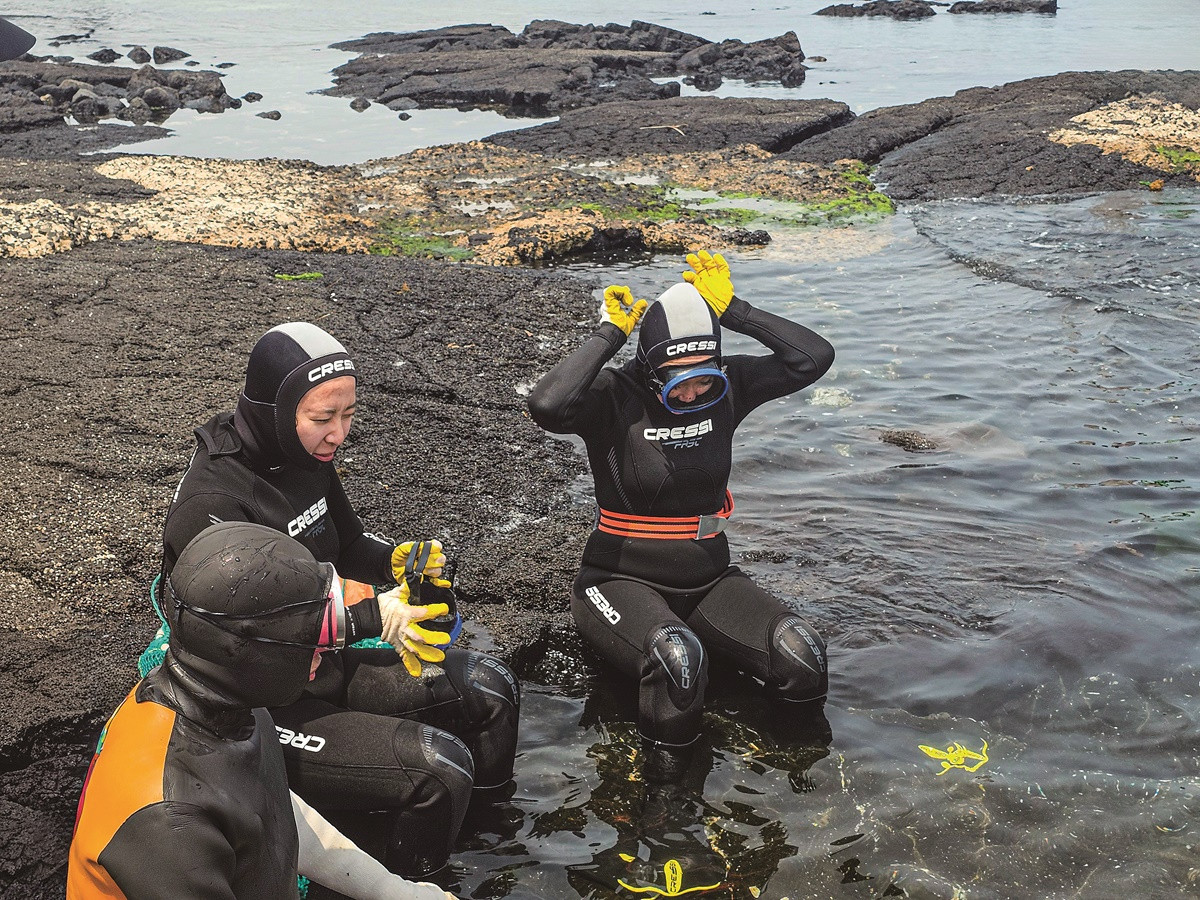
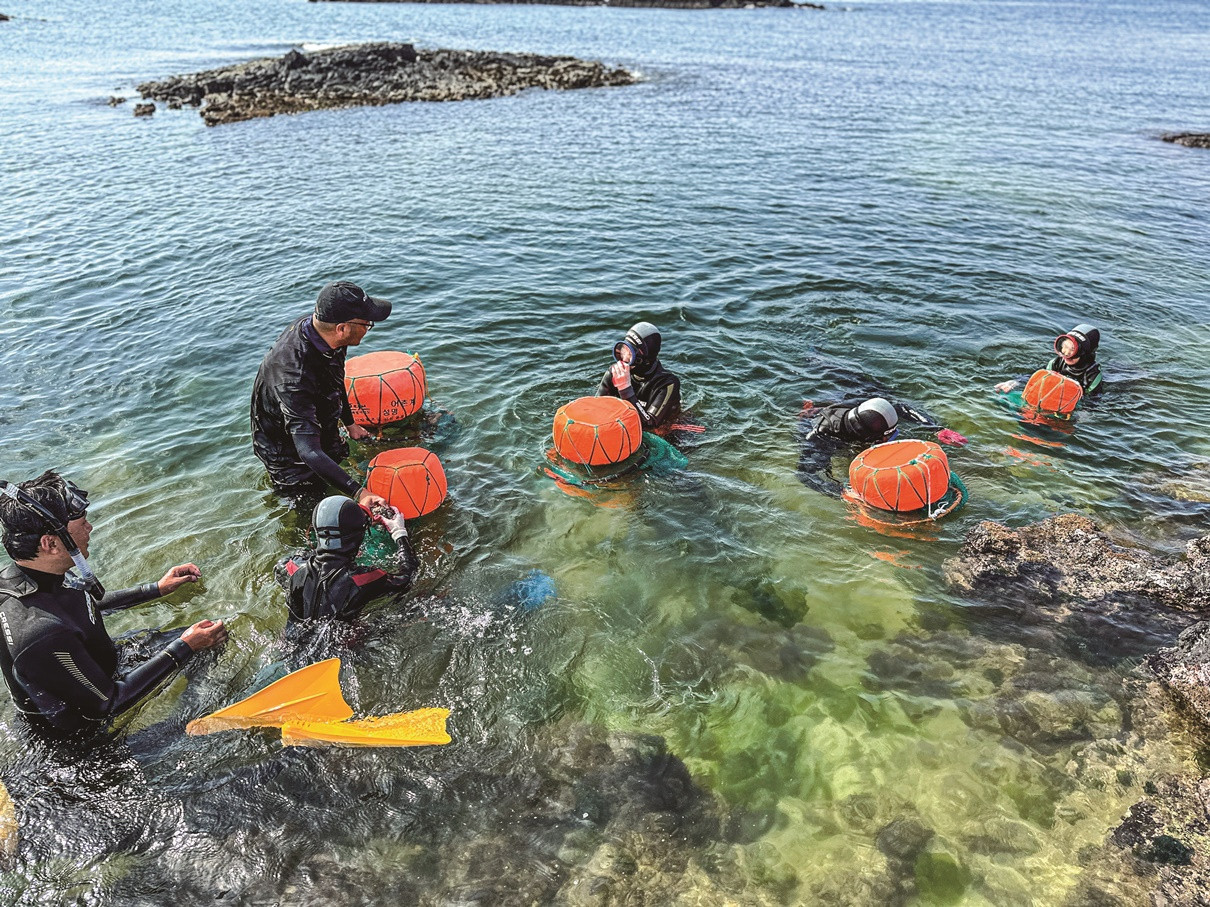
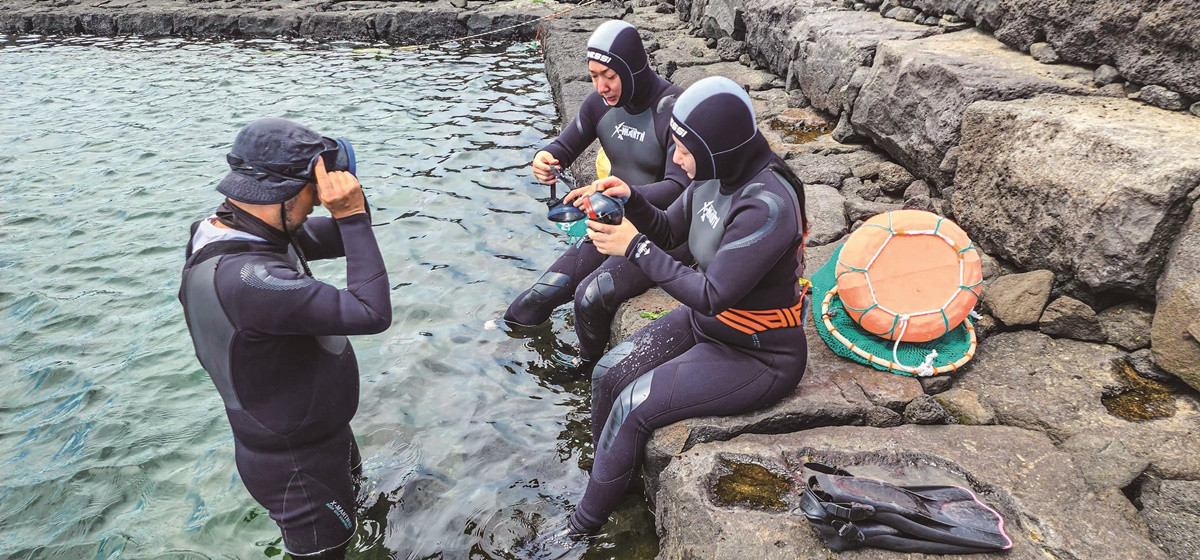
of the haenyeo lifestyle should consider the Gimnyeong haenyeo training program operated by the Jeju Tourism Organization. Led by veteran haenyeo known as samchun, who have spent a lifetime diving in Jeju’s waters, the program teaches the fundamentals of diving, including how to regulate your breath and use the necessary gear. The three-day program, which includes accommodations for two nights, is designed to be accessible for complete novices. You’re gradually eased into the haenyeo routine, learning the bareutjabi technique of gathering conches, clams and crabs by hand and diving down alongside veteran divers to harvest seafood. There are also opportunities to clean and cook the catch, pray for the well-being of your family and the ocean, and go on seaside walks to hear tales about the village of Gimnyeong-ri.
If diving feels too daunting, there are less intense options. The homestay at the Sehwa Haenyeo Village is a program where participants tour the Haenyeo Museum with a diver and prepare a seafood meal together. Another option is a haenyeo experience in the town of Hyeopjae, which focuses on fishing with simple gear. In the end, haenyeo tourism isn’t just about mastering diving techniques. Seeing the ocean through the haenyeo’s eyes and moving to the rhythm of their daily routines brings a natural appreciation of their way of life.
Tables and Tales
Across Jeju are found small eateries bearing names like “Haenyeo Village” or “Haenyeo’s House” that serve seafood harvested by the divers themselves. At the Dongbok Haenyeo Seafood Market, you can enjoy fresh fish with a splendid view of the sea, while at Siheung Haenyeo’s House, you can sample jogaejuk (clam porridge) prepared with shellfish that was gathered by hand. Savoring freshly caught seafood prepared on the spot is one of the joys of traveling to Jeju.
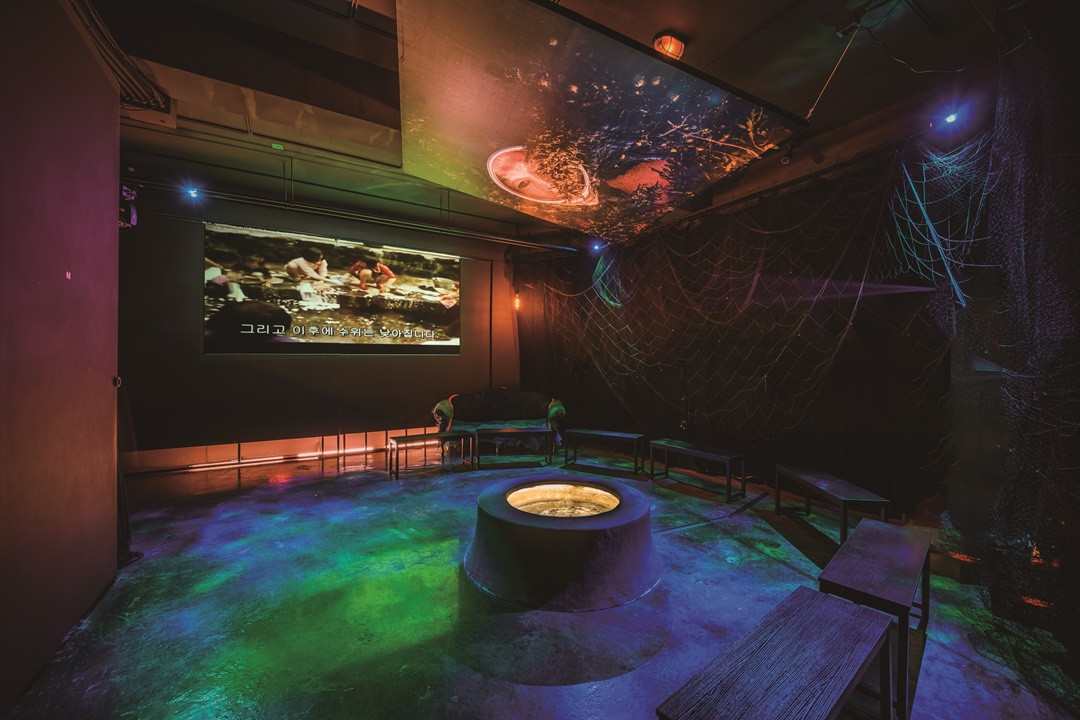
There are also establishments that reinterpret haenyeo culture in contemporary ways. For example, Haenyeo Kitchen incorporates the divers’ lifestyle and cuisine into stage performances and media art. The Bukchon location presents stories in a space reminiscent of a bulteok, while the Jongdal location pairs meals with performances based on the real lives of the haenyeo. This business is transforming the fading memories of haenyeo culture into a vital experience in the present day. Even more meaningful is the fact that every ingredient on the table is sourced locally using environmentally friendly methods of production. On your walk through eastern Jeju, sumbi sori — that sonorous exhalation of these unforgettable divers — is not an echo of the past. It’s a breath that still pervades land and sea, linking the paths we walk and the food we eat.
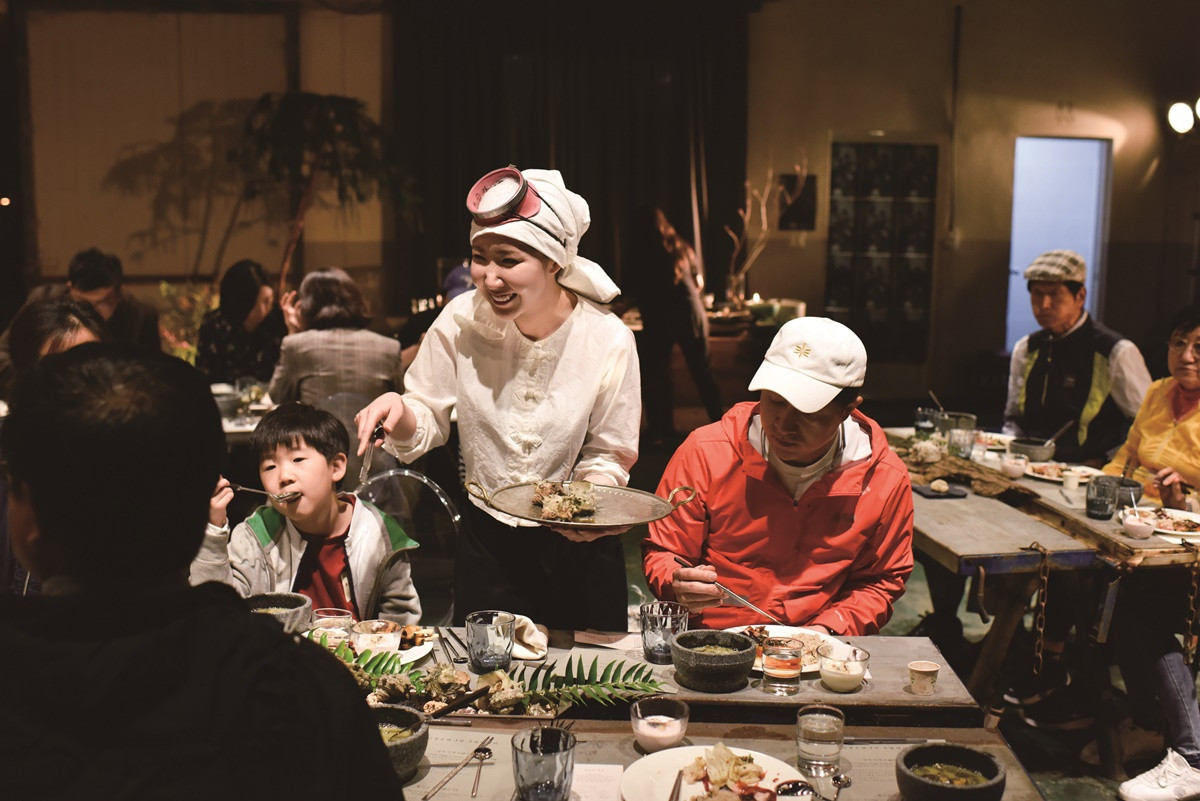
ⓒ Haenyeokitchen
- Written by Nho Soyoung
- Photography by Jang Eunjoo