A Living Mosaic, Vancouver
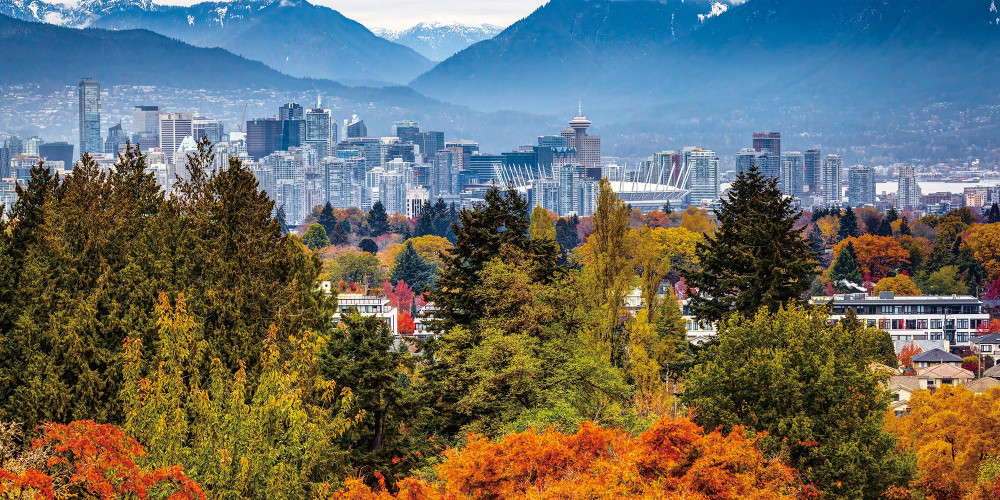
A city that hums with possibility, Vancouver is a place where anyone can craft their own story. Embraced by the great, silent majesty of the Rocky Mountains, that story has a chance to grow deeper and more expansive.
Vancouver is a city in British Columbia, Canada’s westernmost province. Blessed with natural surroundings where the sea meets the mountains, it’s a place where both marine sports and alpine adventures are within easy reach. Here, First Nations people who have lived on this land for thousands of years coexist with immigrants from all over the world. From Europe, Asia, Latin America, the Middle East and Africa, people have made Vancouver their home, creating a richly layered urban landscape where different cultures are embedded in daily life and public space. This spirit of mutual respect and coexistence reflects the core values of contemporary Canadian society — equity, diversity and inclusion.


Shared Ground
Those landing at Vancouver International Airport are greeted, perhaps unexpectedly, by towering totem poles. Within a space of glass and metal, Indigenous art asserts its presence, leaving a vivid first impression. The magnificent totem poles you see at the airport are also found throughout the city, such as at Brockton Point in Stanley Park — an authentic expression of the First Nations people who have called this land home for countless generations. Figures such as the raven, whale and frog are carved into totem poles, telling stories of people living in harmony with nature or age-old mythological tales. Just beyond the totem poles welcoming visitors, near the lighthouse along the shoreline, the flags of the First Nations people who once lived on this land fly high. This place stands as one of the powerful symbols of Canada’s past, its present, and a future rooted in peaceful coexistence. For a deeper understanding of the people who have inhabited this land for thousands of years, a visit to the Museum of Anthropology at the University of British Columbia is a must.
When the transcontinental railway connecting eastern and western Canada was completed in the 19th century, it brought a wave of new arrivals to Vancouver. One of the oldest parts of the city, Gastown, is a beautiful example of this history, with its charming Victorian style red-brick buildings blending seamlessly with the modern city. As you wander its streets, you’ll inevitably come across its most famous landmark: a magnificent, antique steam clock. Every 15 minutes, the clock whistles and shoots steam from its five whistles while it toots from each whistle on the hour.
The final, arduous leg of that nation-uniting railway was built largely by early Chinese immigrants. Their legacy can be felt in Vancouver’s vibrant Chinatown, with its serene classical Chinese garden and bustling, shoulder-to-shoulder restaurants and shops. In 2011, this neighborhood, a cornerstone of Canada’s multicultural history, was designated a National Historic Site.


Borderless City
No matter where you are in the city, a verdant green park is often not more than a five-minute walk away, and the enviable lifestyle of a Vancouverite cannot be defined by a single word. According to locals, English Bay, a popular oceanfront area around the West End neighborhood of downtown Vancouver, is the absolute best place to watch a beautiful sunset. And if you’re craving a quiet escape into nature that’s still close to the city, head to Deep Cove, a hidden gem where mountains, forest and a waterfront village meet in perfect harmony. Within the calm, sheltered waters of the cove, countless yachts lie at anchor. Along the shore, the Deep Cove Kayak Centre offers equipment rentals and lessons for various water sports and kayaking guided tours. Whether you hike through forests brushed with golden autumn light, glide across the tranquil surface in a kayak or paddleboard, or simply wander the village at a gentle pace while poking your head into galleries and quaint little shops, you’ll find yourself savoring a short but unforgettable day in the middle of fall.
For a thrilling encounter amid Vancouver’s dense forests, head to the Capilano Suspension Bridge Park and walk across the steel-cabled bridge that stretches 137m across the deep canyon carved by the Capilano River. Suspended 70m above the river (roughly the height of a 22-story commercial building), the bridge is sturdy enough to hold up 75 full-grown elephants. With the river rushing below and wind brushing past overhead, the experience is one of breathtaking stillness and awe.
The Capilano River holds yet another wonder — one of birth, return and the miracle of life’s cycle. Salmon smolts that once swam out to sea make the epic journey back, traveling thousands of kilometers to the very stream where they were born. For them, the Capilano River is both a place of beginning and the final chapter of their journey. When the Cleveland Dam made upstream migration difficult, the Capilano River Hatchery was established to support their return and safeguard the delicate balance of the ecosystem.


Wordless Landscape
When you’re ready to leave the urban narrative behind, it’s time for a journey to the Rockies. The drive itself is a beautiful transition, as the warm autumn sun gives way to the valley’s red and golden foliage, and then, suddenly, you are surrounded by emerald lakes, snow-capped peaks and vast, primeval glaciers.
Banff, the gateway to the Rockies and Canada’s first national park, offers a brief but breathtakingly beautiful fall. The brilliant yellow of the aspen trees, set against the backdrop of dark green pines and the rugged gray mountains, are like the rough brush strokes of an oil painting. By early October, the first snow has already fallen on the peaks, and to see a snow-dusted mountain and a golden forest in the same frame is to find yourself standing at the beautiful intersection of autumn and winter. With solar activity expected to peak this year, you might just witness the magic of the night sky dancing with color this fall if you’re lucky.
Beneath a clear blue sky, the turquoise waters of Lake Louise rest peacefully in the embrace of the Rocky Mountains. Its magical hue comes from the rock flour containing minerals in glacial-fed alpine lakes. It’s a scene of such natural grandeur that words can’t quite capture, so it’s no surprise that on a daily basis, thousands of visitors come to see what many call the most beautiful lake in the world. The lake is stunning in any season, but especially in early autumn, when the colorful foliage meets the first snow, it offers a moment of quiet, profound beauty. The musician Yuhki Kuramoto was so moved by the lake’s landscape that he composed an eponymous piano piece in its honor.
A worthy rival to Lake Louise is the stunning Moraine Lake. This lake is only accessible when the mountain roads are clear of snow, and as of 2023, access is restricted to shuttle buses or guided tours. When you arrive, a short walk up the Rockpile Trail will reward you with a view so perfect, it looks like a scene from a postcard. It’s a place that feels suspended somewhere between reality and a fairytale, its turquoise waters backed by ten majestic peaks that rise like a natural fortress. This view was once so iconic it was featured on the back of the Canadian twenty-dollar bill, and it is on many people’s list of “sights to see before you die.”
24 Hours in Vancouver
5 Spots to Enhance Your Vancouver Journey

Museum of Anthropology (MOA)
Located on the University of British Columbia campus, this world-class museum aims to bring greater awareness to Indigenous art, housing a sizable collection of Northwest Coast works. An unforgettable highlight of the museum is the Great Hall, a spacious room with glass-panelled walls, filled with magnificent totem poles and carvings.
- ✓ moa.ubc.ca

Granville Island Market Tour
Join a local food expert on a guided tour of Vancouver’s iconic Granville Island Market and sample over 20 types of regional delicacies — ranging from artisanal cheese and smoked salmon to sourdough bread and single-origin coffee. Enjoy priority access to popular vendors without waiting in line, and meet the passionate producers behind the food.
- ✓ foodietours.ca

The Aquabus
The Aquabus is a small water taxi that connects downtown Vancouver with key waterfront destinations such as Granville Island, Yaletown and Science World. Its brightly colored boats loop through eight stops, offering quick and enjoyable rides across the water. The Aquabus is a popular choice among both tourists and locals. Even during short trips, passengers can enjoy up-close views of Vancouver’s beautiful waterfront.
- ✓ theaquabus.com

Vancouver Art Gallery
Situated in the heart of downtown, this gallery showcases a wide range of art, from an extensive collection of works by iconic Canadian painter Emily Carr to contemporary international exhibitions. The classic architecture of the building provides a beautiful backdrop for the lively street art and performances that often fill its plaza.
- ✓ vanartgallery.bc.ca

Steveston Village
Steveston is a charming, historic fishing village at the southernmost tip of Richmond. The Steveston Fisherman’s Wharf is the ideal place to pick up fresh seafood straight from the boats, explore the historic salmon cannery and take a stroll along the waterfront. The village is also famous as a picturesque filming location for movies and TV shows like Once Upon a Time, making it one of the most “on-screen” fishing villages in the region.
- ✓ stevestonharbour.com
- Written by Kim Oksun
Kim Oksun is a writer who has created a wide range of content in the fields of education and the environment. She has contributed columns to The Chosun Ilbo and the official web magazine of the Ministry of Environment of Korea. Currently based in Calgary, Canada, she reports on diverse stories from the field as a correspondent for YTN World.
- Photography by. Han Sungpil
- Korean Air operates direct flights between Incheon and Vancouver 11 times a week.