
Journey of Resonance, Bukhansan
Hiking is emerging as a new way to experience Seoul. Explore Bukhansan Mountain and journey along the paths connecting the mountain to the city to discover another side of Korea’s capital.
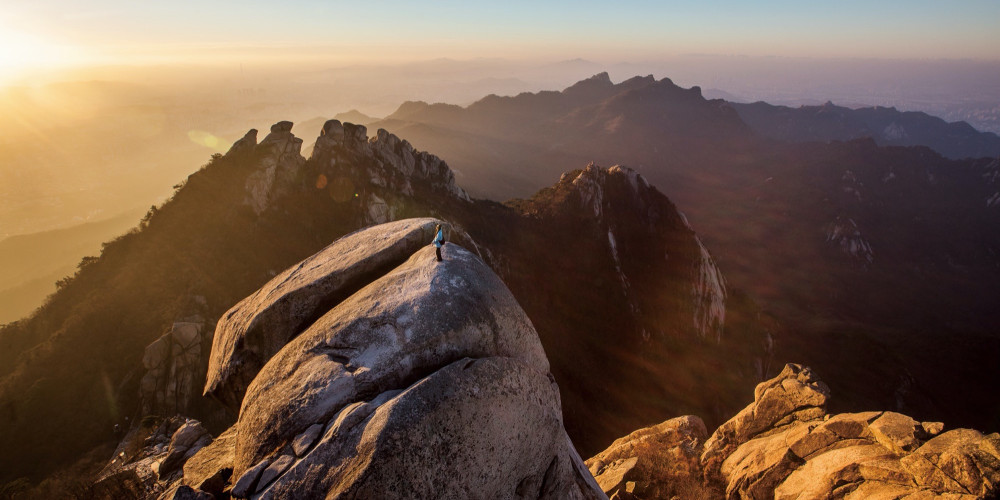
Bukhansan Mountain is a lofty witness to history, a sturdy guardian of the centuries-old capital of Hanyang (today known as Seoul) through uncounted crises since the Joseon Dynasty (1392 – 1910). From the pinnacle of this magnificent work of nature, we can admire the mighty ranite that has endured since time immemorial and the vibrant bustle of human civilization below. A climb up Bukhansan is no less than a quest for the quintessence of Korean beauty.
Layers of Time
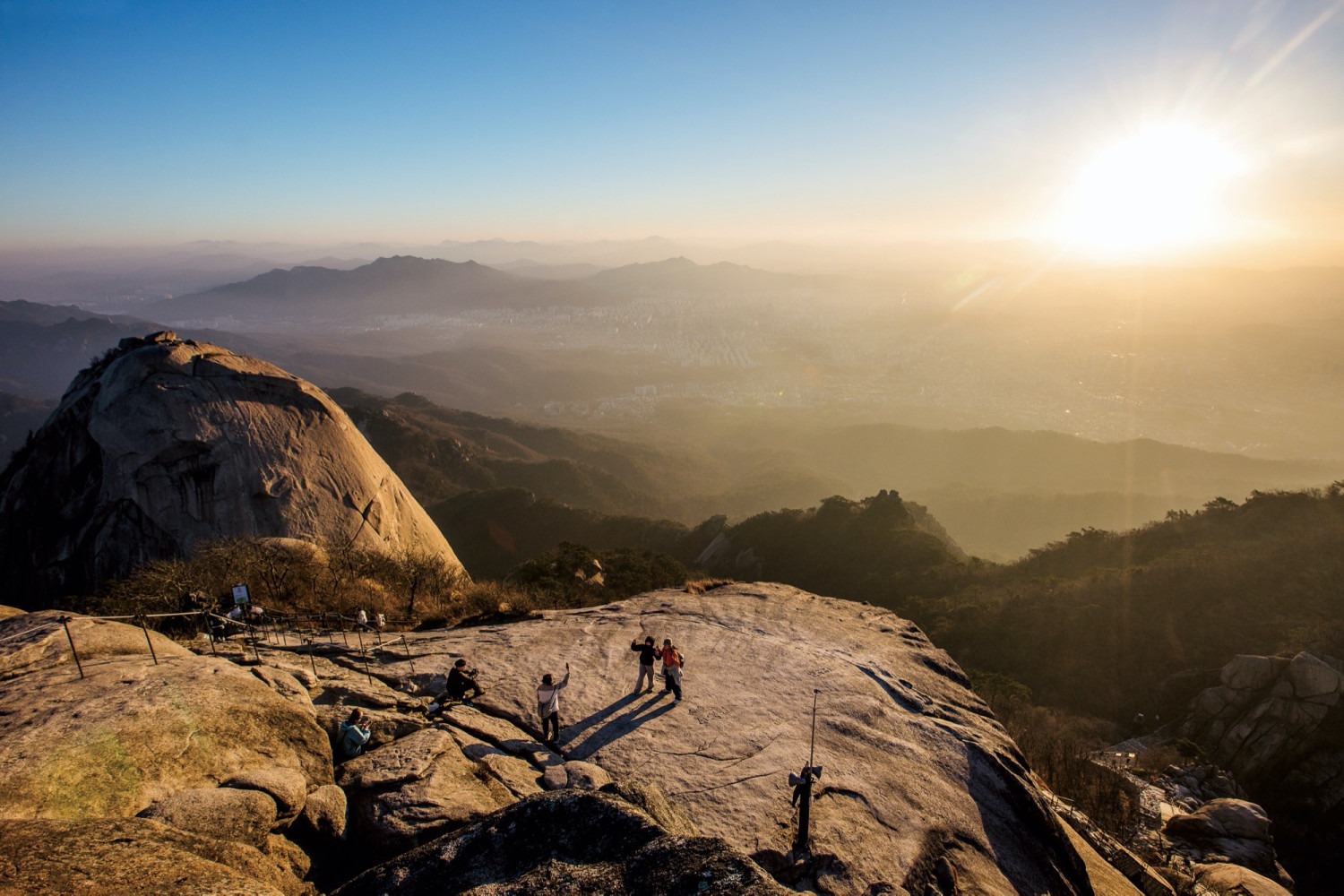
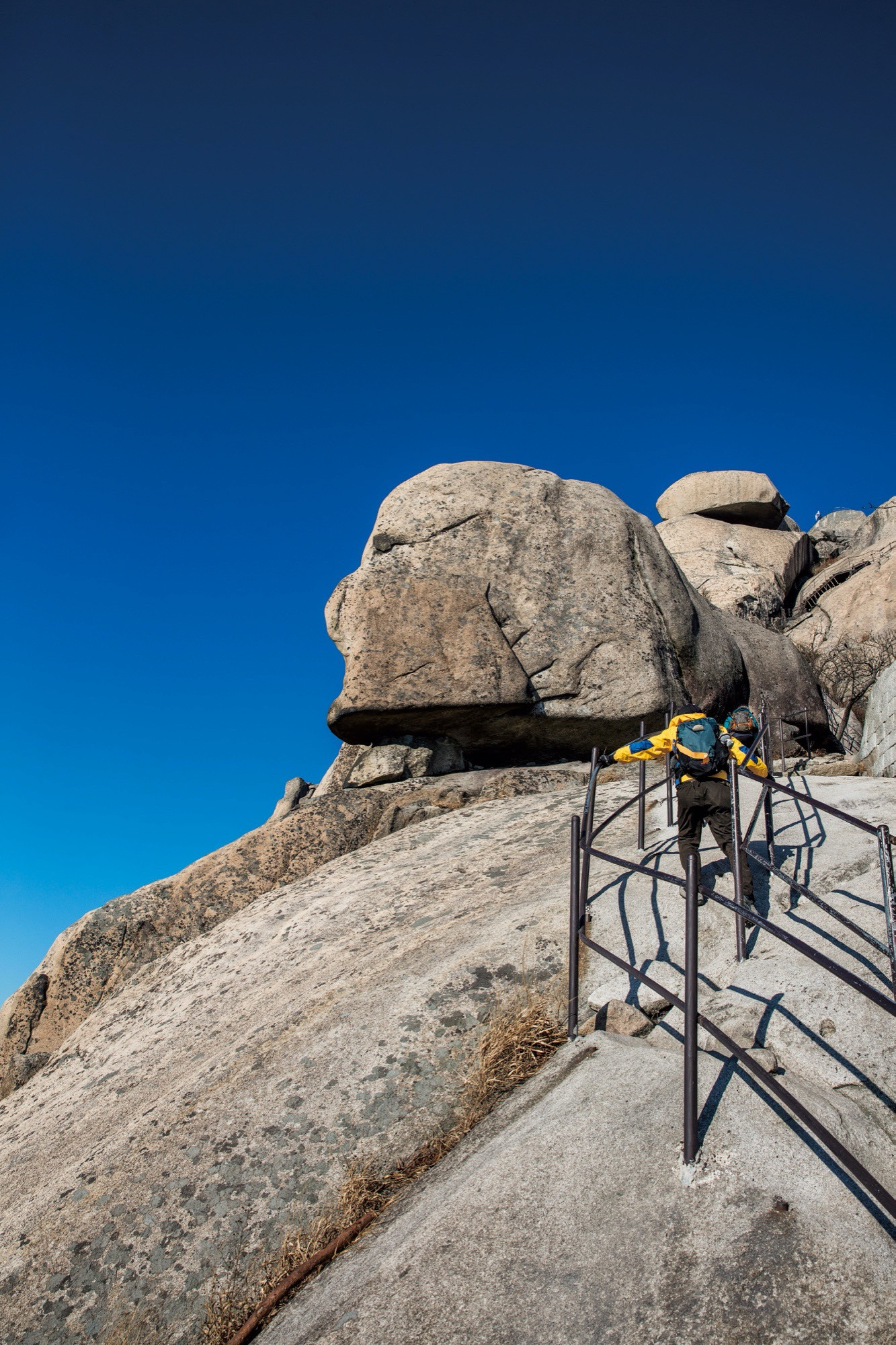
At an elevation of 836m, Baegundae, the highest point in Bukhansan National Park, is made of majestic bluffs of Daebo granite that formed during the Jurassic Period of the Mesozoic Era. This epic peak is shadowed on either side by Insubong and Mangyeongdae peaks. Their hulking granite massif is both a fortress that has stood silent guard over this 6oo-year-old capital and a vessel cradling the soul of the city. The monument found on Bibong Peak commemorating a border inspection by King Jinheung of Silla (57BC–AD935), now in the collection of the National Museum of Korea, suggests that Bukhansan serves as a link between past and present. The vast city of Seoul only achieves its perfect balance when cradled in the primeval embrace of Bukhansan.
Quiet Contemplation
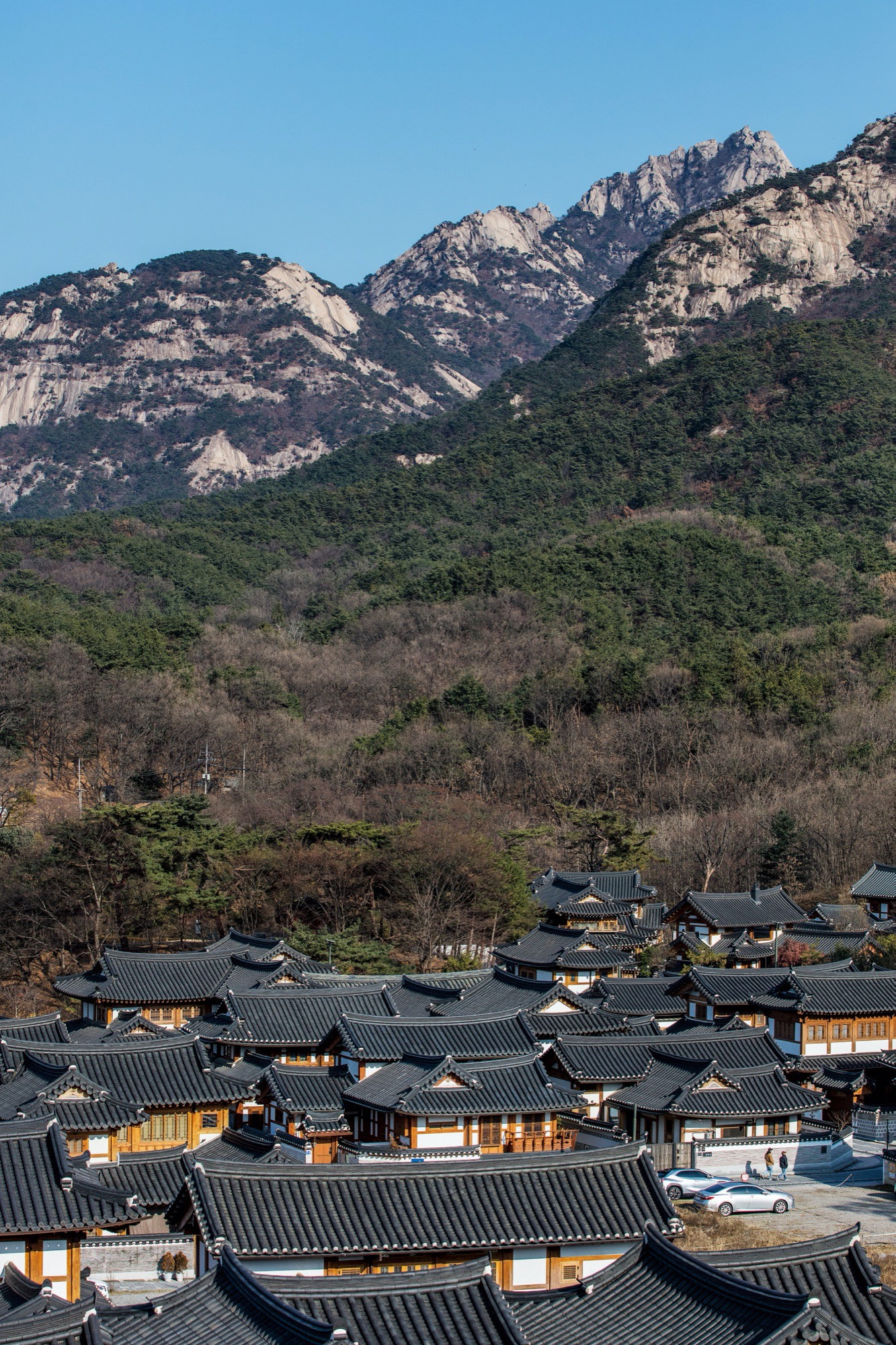
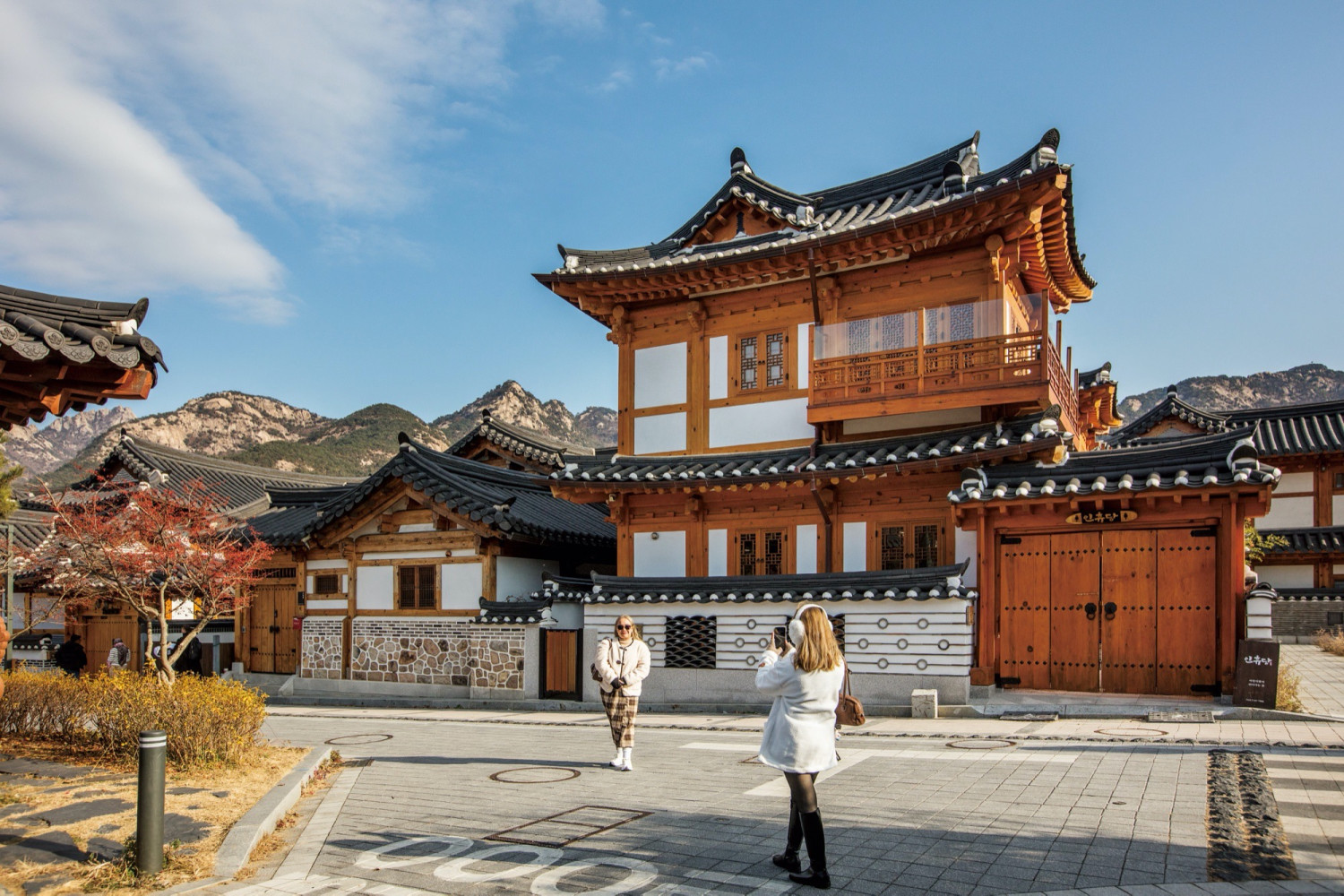
The vital force of Bukhansan reaches the edges of Eunpyeong Hanok Village, which contains a tapestry of elegant spaces that are distinctly Korean. The village puts a contemporary twist on Korea’s traditional hanok architecture, discovering beauty in the boundary between city and mountain. The graceful curve of the tiled roof eaves has a minimalistic charm that achieves a perfect harmony with the natural scenery nearby. The negative space preserved in the pattern of yards and walls produces tranquility, reminding viewers of Korea’s traditional architectural philosophy of the “aesthetic of emptiness.”
Wondang Village Hanok Library, nestled along the Bukhansan Dulle-gil Trail, is an unforgettable place that enables an encounter between wisdom and nature. Located near the neighborhood’s historic, nearly 600-year-old ginkgo tree, this traditional library encourages reading while providing a smorgasbord of culture and art programs inspired by the hanok’s distinctive beauty. This is a place where readers drink deep from centuries’ worth of homespun wisdom amid the natural interplay of light and wind. The beauty of nature glimpsed through windows beneath the old-fashioned rafters and between the wooden columns transport readers into a realm of profound reflection. It’s a chance to slow down and reflect in immaculate style.
The Vitality of Coexistence
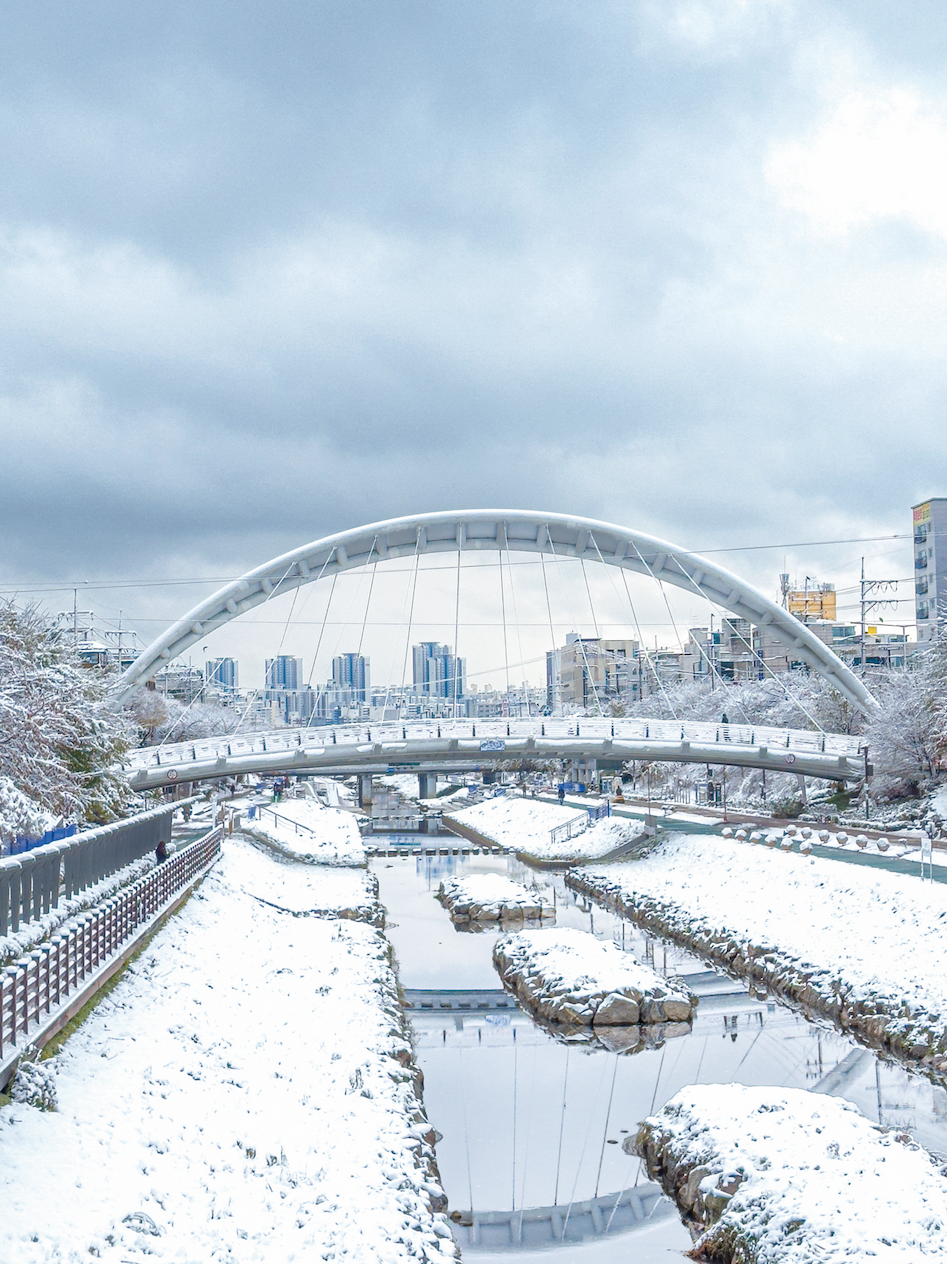
Bulgwangcheon, a stream descending from the mountain and flowing through the Bulgwang-dong neighborhood toward the Hangang River, quickens the pulse of an otherwise unremarkable streetscape. The contemplative mountain brooding above the neighborhood and the lively stream flowing through its midst bring fresh vitality to returning hikers and locals alike. As evening falls, the long shadows of trees along the banks and the warm glow of shop interiors lend the neighborhood its distinctive charm.
Joggers follow the course of the stream, couples linger over drinks, and families walk dogs or rest on benches. The various scenes in this vivid tapestry exemplify the charm of city and nature in harmonious balance. The ambience shaped by such abundance and vitality naturally flows into the nearby café street, home to a wide range of coffee shops. In some cafés, large windows offer pictur esque views of the stream, while others aspire to be cultural salons catering to diverse tastes. Book talks, exhibitions of local artists and occasional pop-up markets further enrich the cultural milieu. The interlacing rhythms of daily life in the city are a serene demon stration of how relaxation is integrated into the urban landscape.
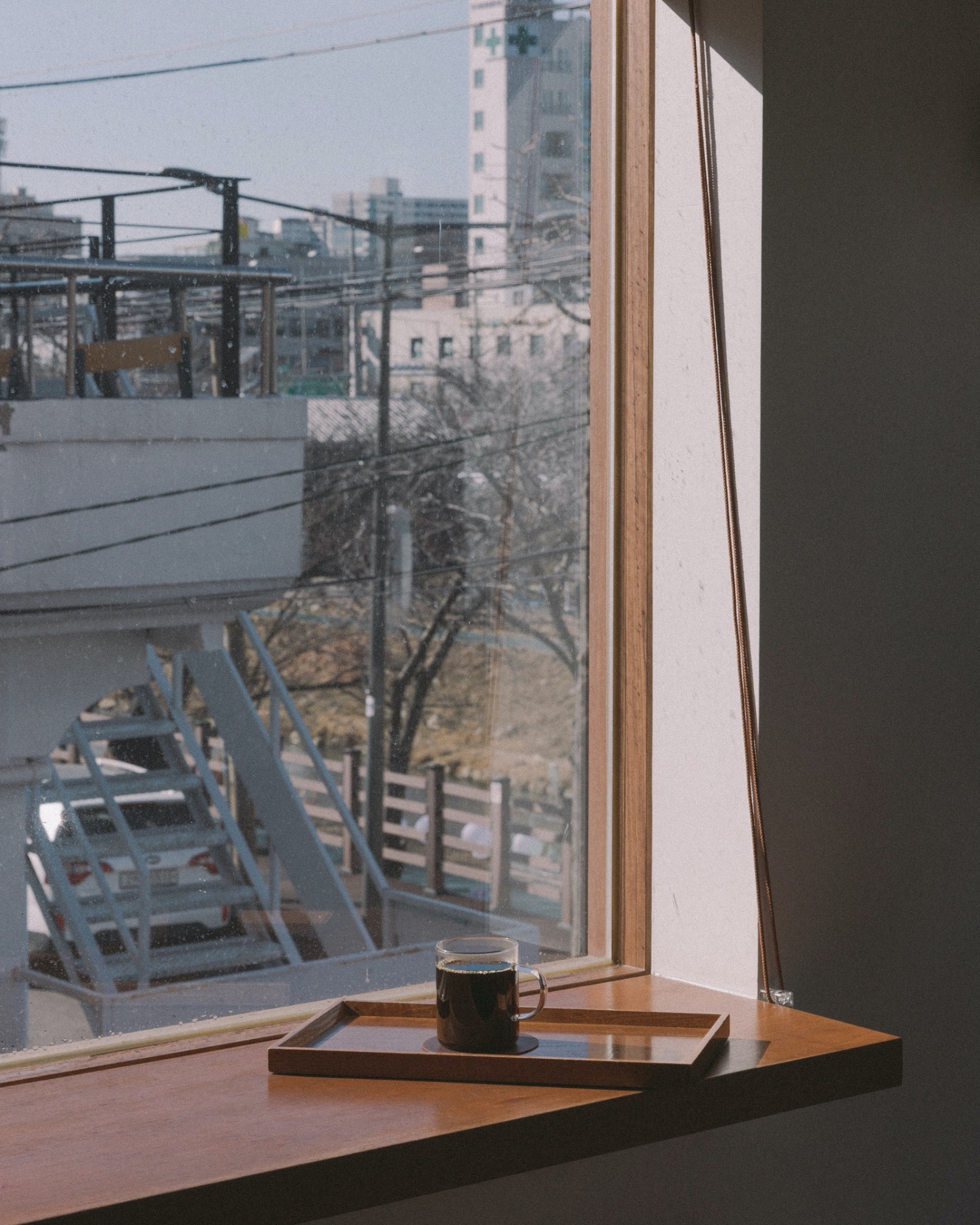
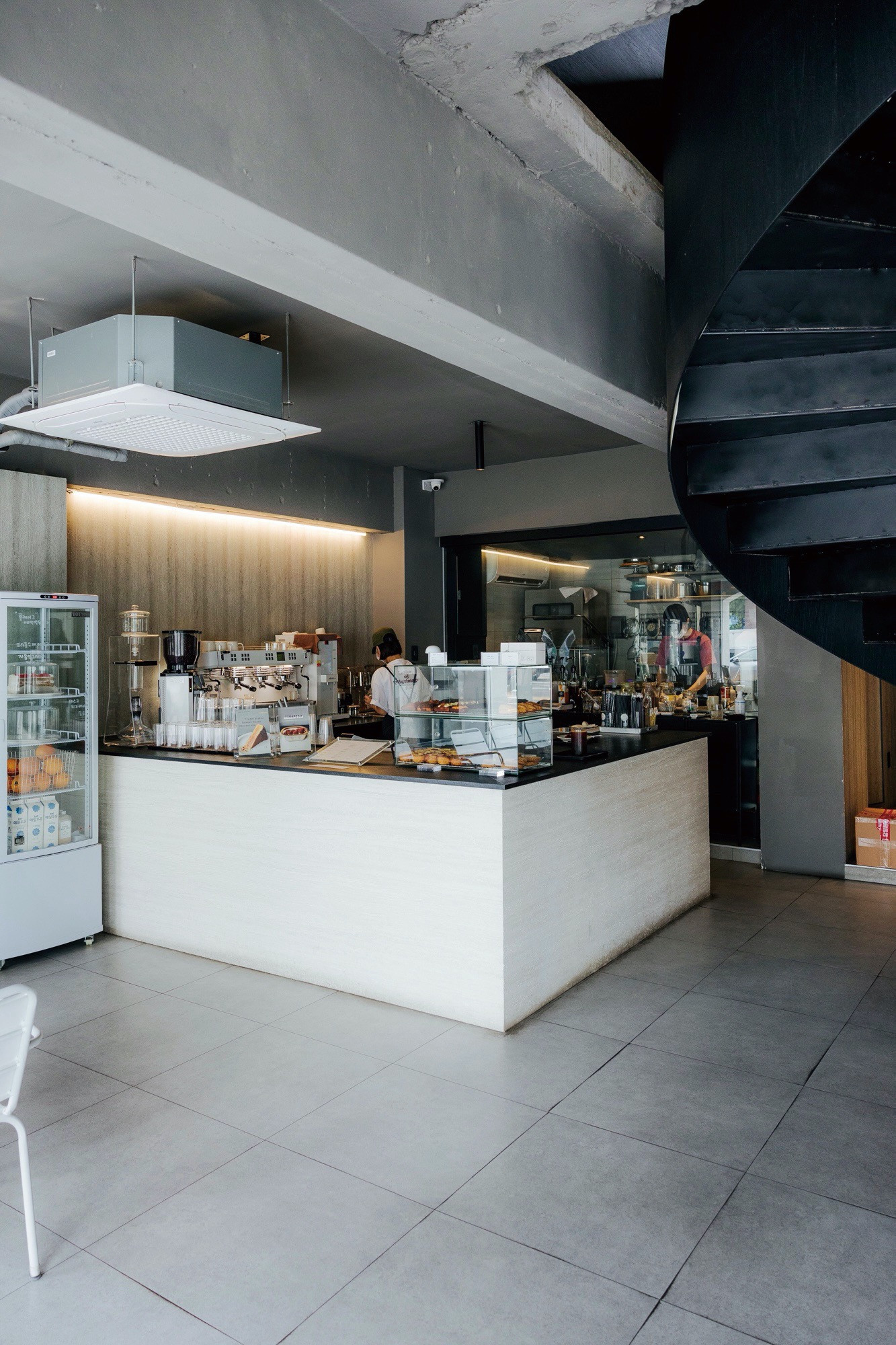
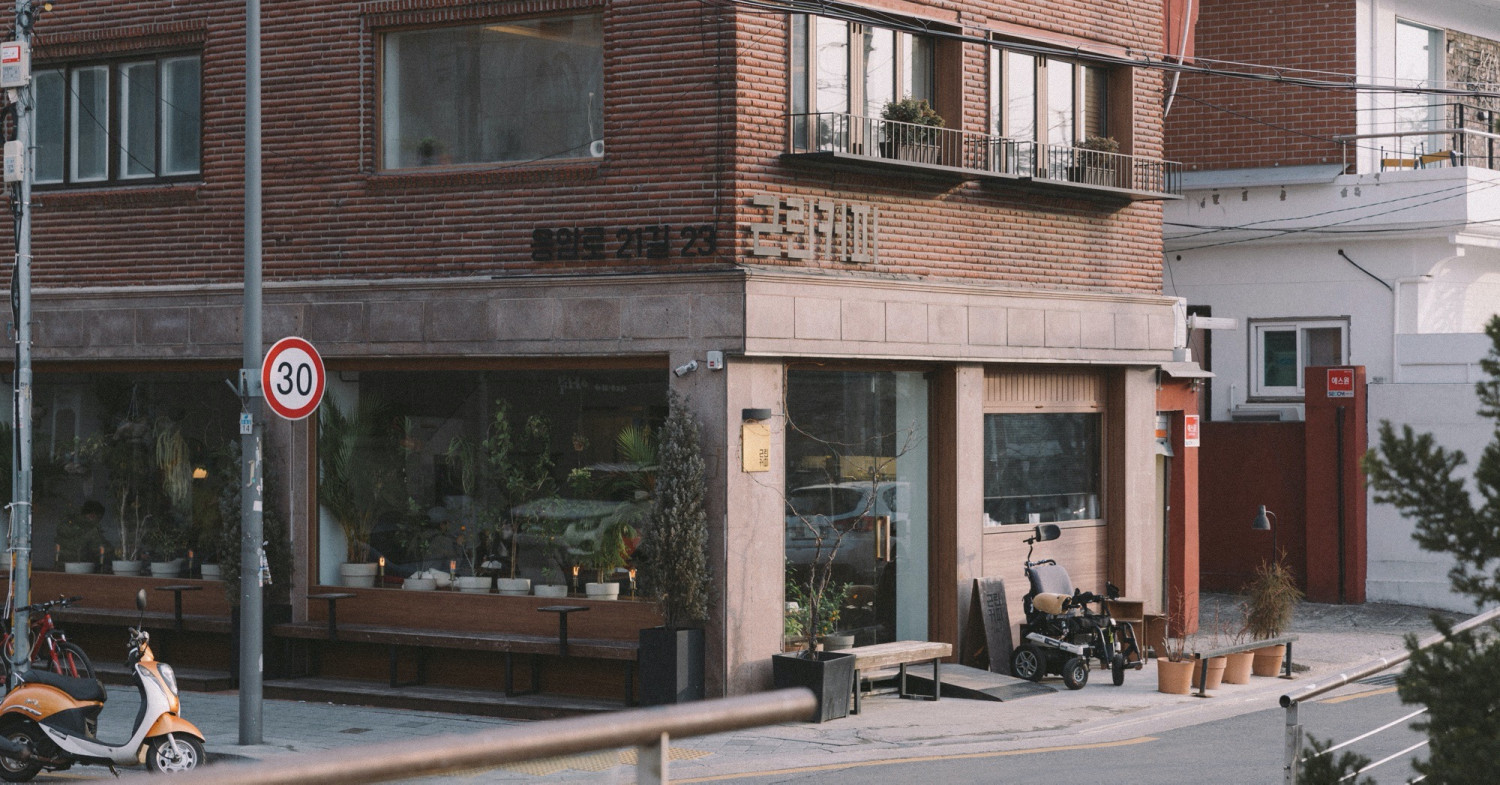
Freerole Café offers a spacious, comfortable setting with a cozy atmosphere, making it a popular spot for holding book clubs, studying and getting work done.
Communion with Nature
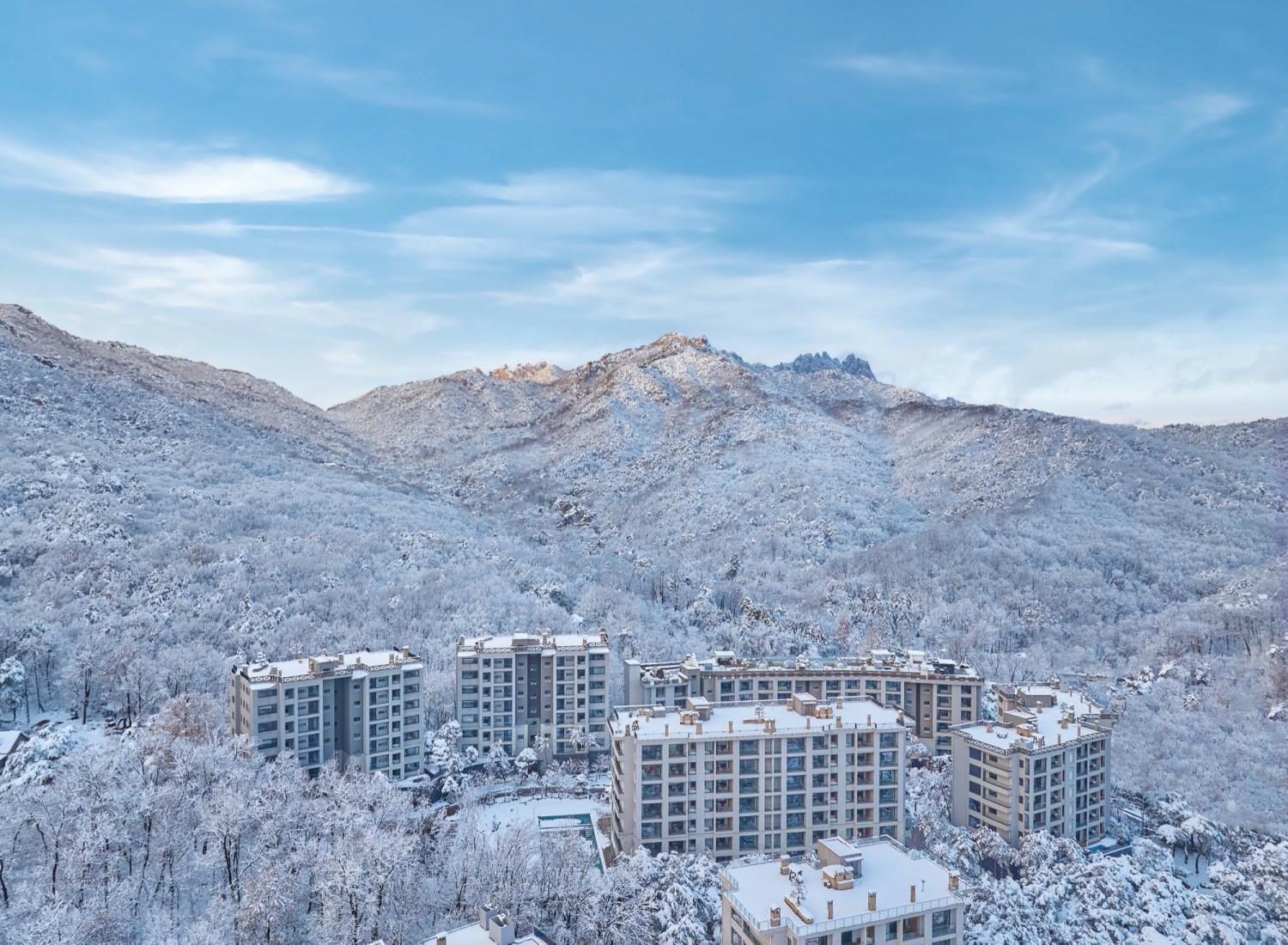
There’s one place on Bukhansan where architectural splendor stands in stunning contrast with an age-old forest: ANTO Resort, where the raw mountain energy takes a refined form. As suggested by its name, which is a combination of the Sino-Korean characters for “comfort” and “earth,” the resort offers its guests complete relax ation in nature, away from the whirl of the outside world. The understated décor and natural lighting bring peace to mind and body, while the rooms look out on the extraor dinary panorama of the mountain’s scenery, changing with each season.
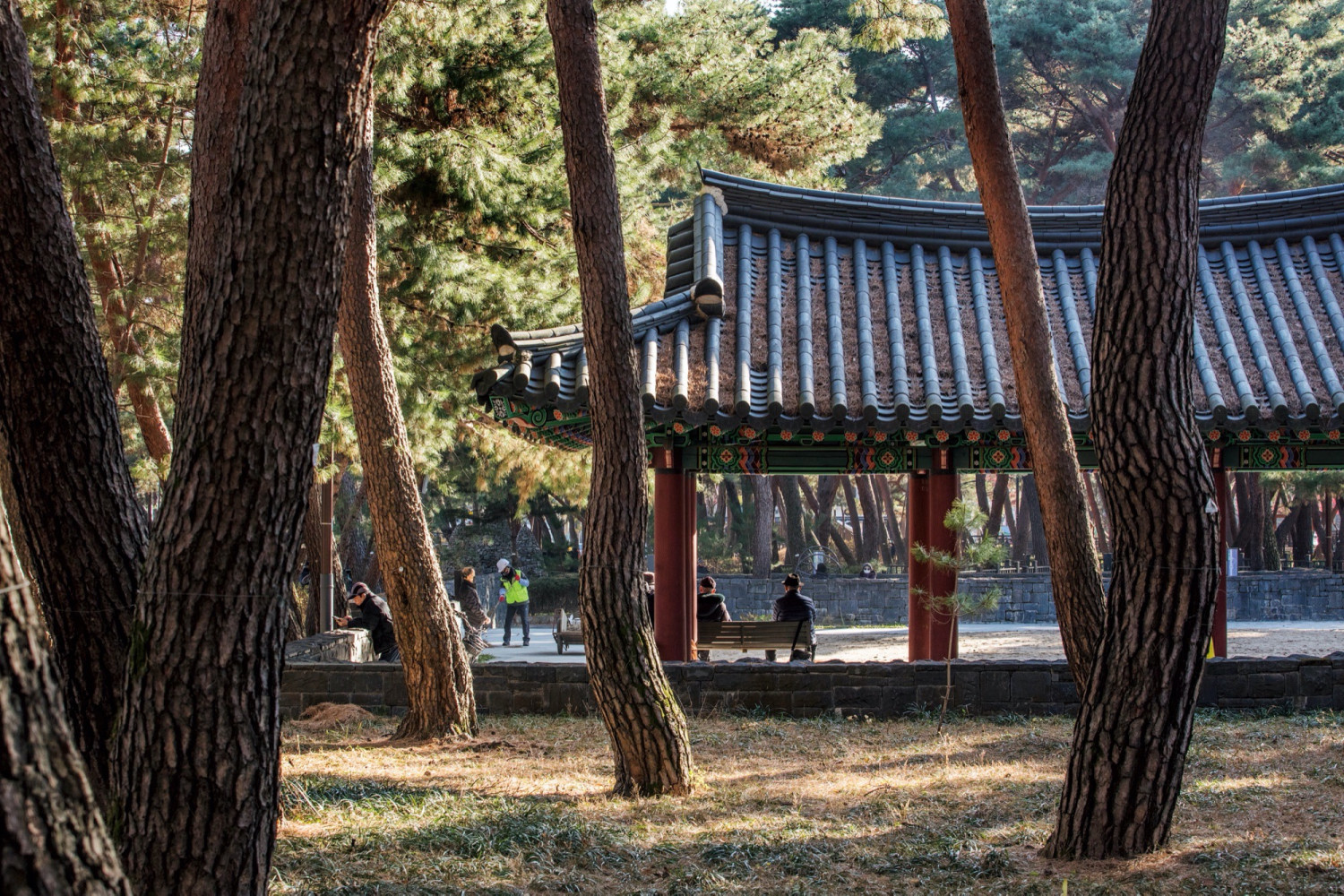
On the mountain’s eastern slope is Solbat Neighborhood Park, centered on an ancient pine grove that speaks to the area’s rich historical heritage. The proud pines spread their branches across the sky, exuding a refreshing scent that fills the lungs. The neighborhood here is named Ui, literally “cow’s ear,” a rustic appellation dating back to Joseon times. Perched on the edge of Bukhansan, the area has long been renowned for its mountain vistas. It was once called “the playground of the literati” because of the Joseon scholars who stayed here for literary and cultural pursuits. While the days of such rarefied recreation have passed, the area even now retains an air of sublimity. Walking among the gentle sunbeams peeping through the branches, visitors can sense the unbending integrity and unshakable virtue symbolized by the pines — perhaps a trace of the scholars of yesteryear who once sought out inspiration from natural cycles.
- Written by Han Milim
- Photography by Shin Kyuchul


