
The Flavor of Korea, Sea Greens
Seaweed has come to occupy a central place in Korean cuisine. Centuries-old wisdom from harvesting edible sea vegetables meets contemporary gastronomy to unlock a world of bold new flavors.
Understanding Korea’s Seaweed Spectrum
The term “seaweed” is commonly used in English, but it doesn’t refer to any specific species, implying that it’s not meant to be eaten. For something to take root as a culinary ingredient, it requires naming and a cultural context. To understand the significance of edible seaweed in Korean culinary culture, we need to first examine haejoryu — the Korea word for algae which includes microscopic algae, large kelp and other marine protists.
In Korea, haejoryu has long been a major part of the people’s lives and dietary practices. Even before refrigeration, it could be easily distributed in the winter, its peak season. And when dried or salted, it could be preserved in the hottest weather, making it a cherished ingredient in Korean cuisine. As a result, Koreans came to enjoy haejoryu year-round. Before gas-powered cars supercharged transportation, peddlers traveled the country selling goods, and seaweed was among their main offerings. Its portability and high price made it an ideal trade item. For that reason, haejoryu even served as an unofficial currency. Koreans have a tradition of gifting cash (known as bujo) as a form of community support at major occasions such as weddings and funerals, and dried seaweeds such as miyeok (edible brown seaweed) were often given in lieu of money at such times.
Significance of Miyeok
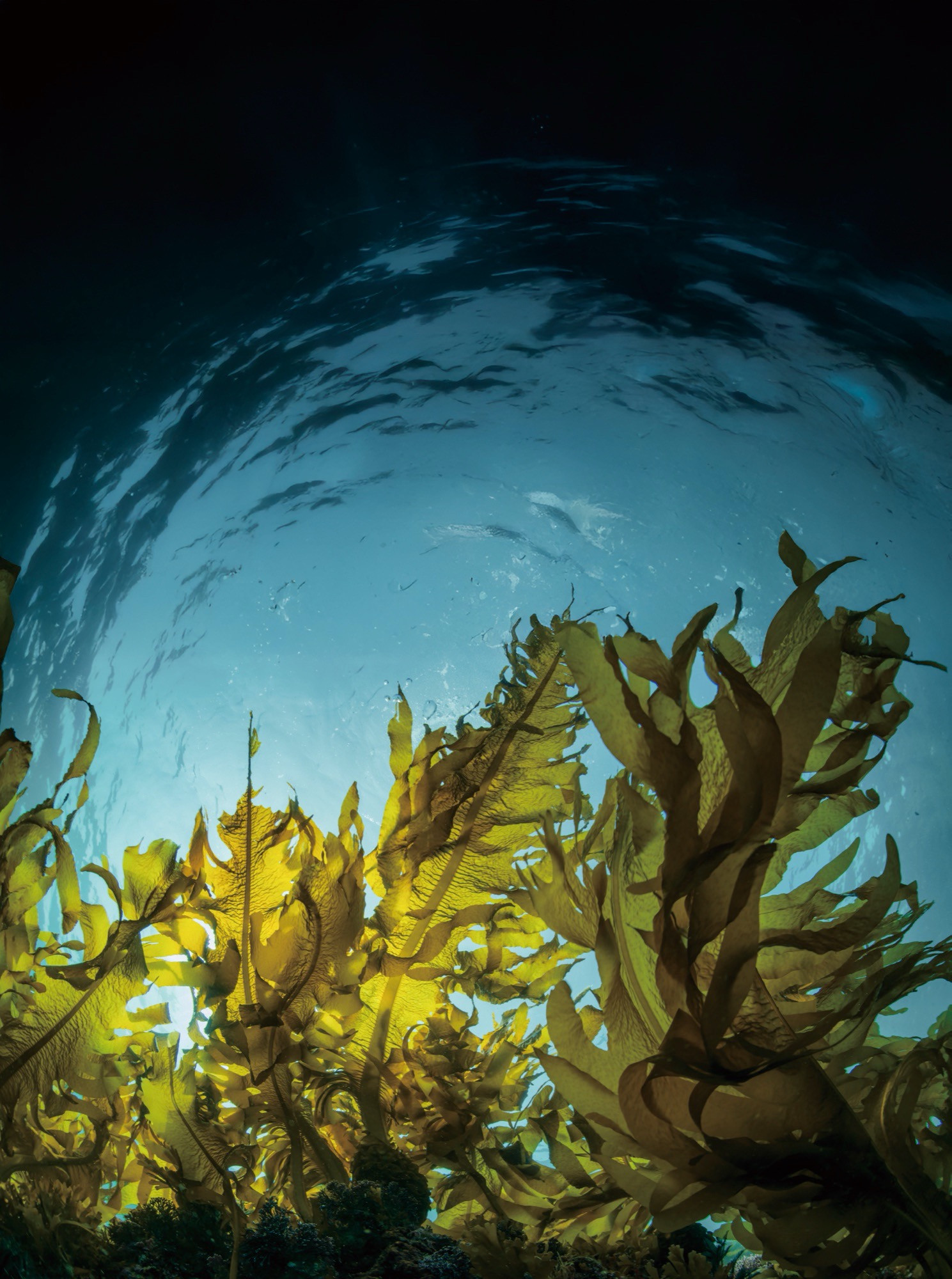
For Koreans, miyeok is an ingredient of immense importance. More than simply a culinary option, it’s intimately connected to the rites of childbirth, postpartum care and breastfeeding. New mothers in Korea traditionally eat a soup called miyeok-guk for weeks after childbirth. There’s even a saying that you should never bargain with a shopkeeper when buying miyeok for a new mother. According to a fascinating old story, people began feeding the brown seaweed to nursing mothers after seeing whales that had just given birth grazing on miyeok growing on underwater rocks. In recent years, many nutritional properties of miyeok have come to light, giving a scientific grounding to the old wives’ tales.
The character of any seaweed is shaped by the waters it grows in, and miyeok is no exception. The seaweed grown in the placid waters around the island of Wando in the south is known for its tenderness, while the seaweed that battles the crashing waves off the east coast develops a more complex, robust flavor. The miyeok from the east coast is described as jjoljjoli (meaning “chewy”) because it grows firm and rubbery to resist the surf. Much of the harvest in the waters off the east coast and near Jeju Island is managed by haenyeo, Korea’s famed female divers, linking miyeok to a cultural heritage that is currently being reappraised. These haenyeo cannot afford to neglect miyeok, which is a reliable source of income when fish or shellfish are scarce. They gather wild seaweed to dry and sell and also tend to the rocks to help seaweed take hold and flourish there.
Clothing of the Sea
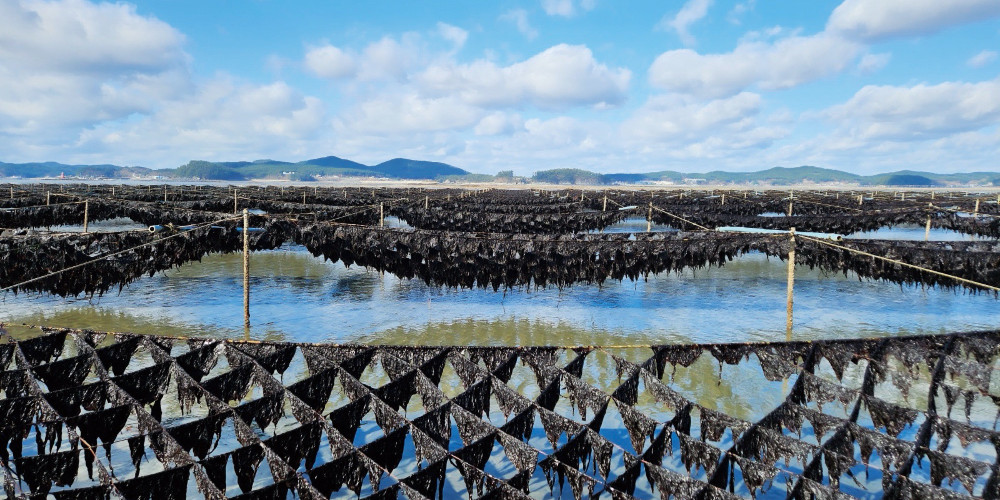
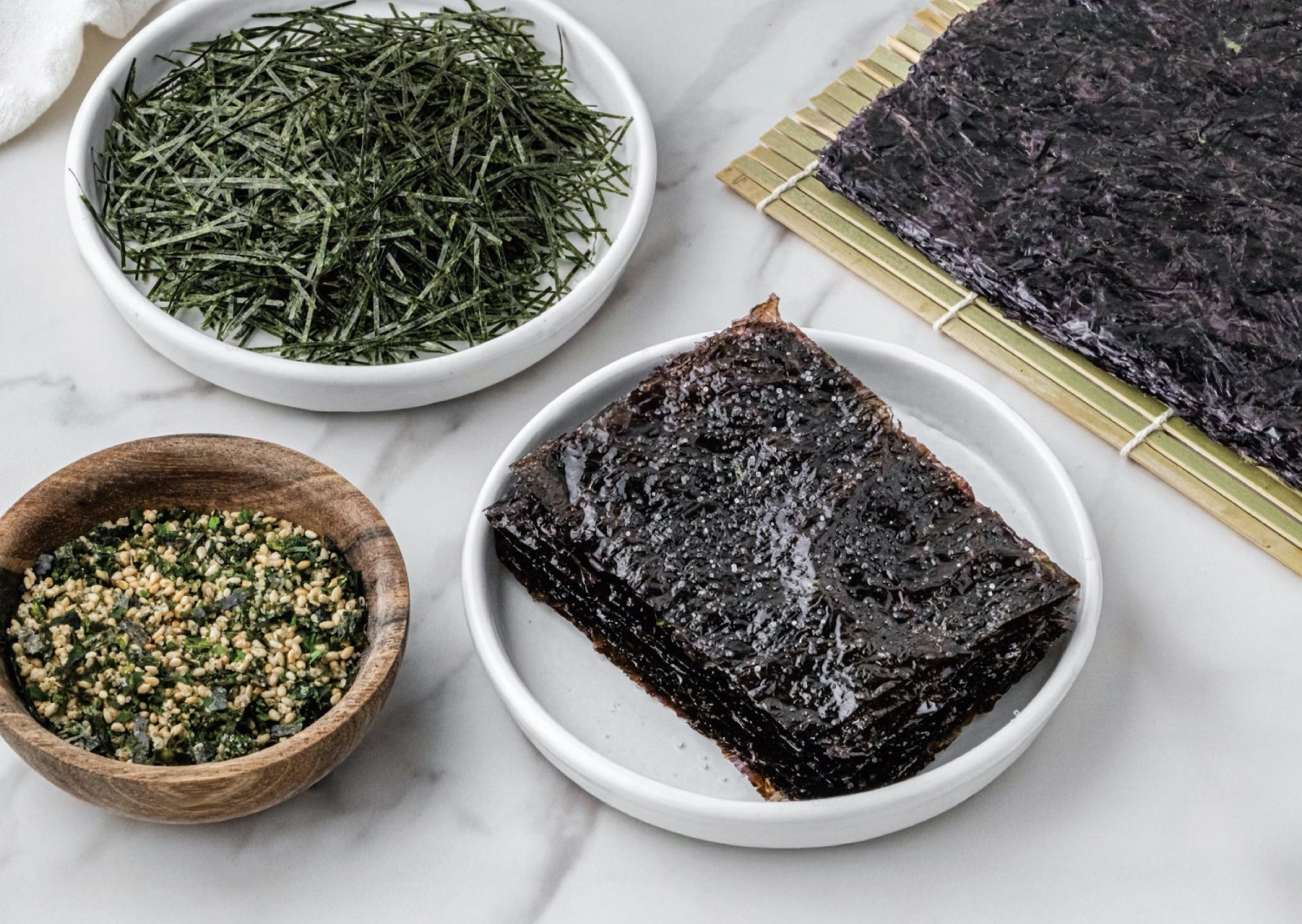
Gim has taken its place as the most refined and exquisite of the various seaweed ingredients used in Korean cuisine. A blanket term for a group of edible seaweeds dried in sheets, gim appears in records from the Joseon Dynasty (1392–1910), when it was poetically called haeui — literally meaning “the clothing of the sea.”
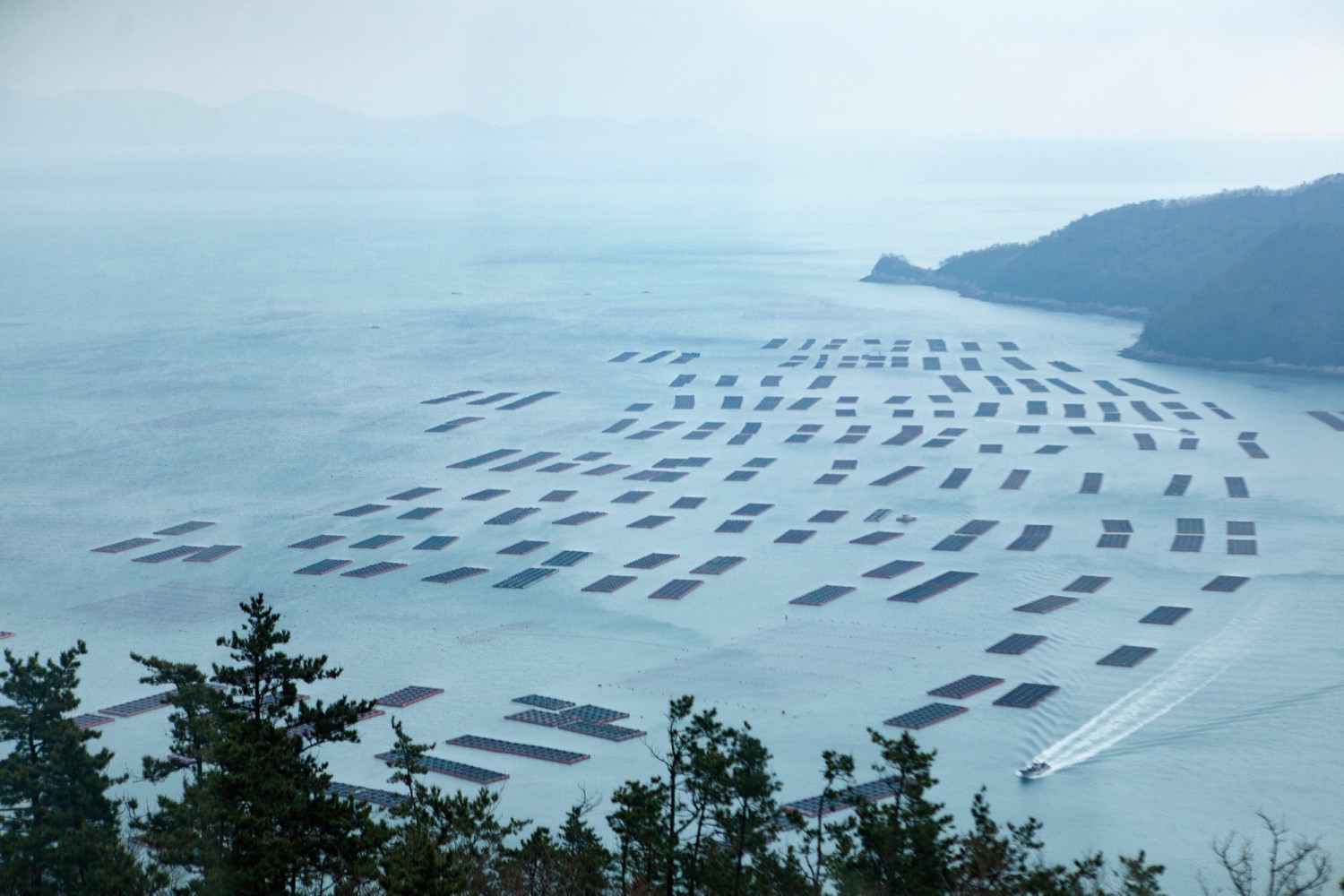
Grown in the sea through photosynthesis, gim is extremely sensitive to oxygen levels, making it challenging to cultivate. Harvested in the biting winds of winter, gim only reaches our tables through arduous physical labor. Until the 1980s, it was collected while still wet, with each sheet pressed and dried by hand before distribution. As such, it was long considered something of a luxury. Nowadays, both production and packaging are largely automated, making it much more affordable. Gim is consumed chiefly in Korea and Japan, though demand has recently been rising in countries like China and the U.S.
Today, rolls of gimbap (rice and veggies wrapped in gim) have become a symbol of globalized Korean food. Perhaps thanks to its colorful cross-section and picnic-friendly convenience, gimbap has caught on worldwide. Its frequent selection as a snack in K-pop idol practice rooms has helped cement its popularity among international fans. More recently, a gimbap-snacking scene in KPop Demon Hunters — the animated film that has become a worldwide sensation — went viral on social media. In the U.S. microwave-meal market, frozen gimbap developed by Trader Joe’s keeps selling out because of insatiable demand, elevating gim and gimbap to prime examples of the accessibility and variety of K-food today.

Korean Ingredient Discovered by Modern Cuisine
© Jeju News
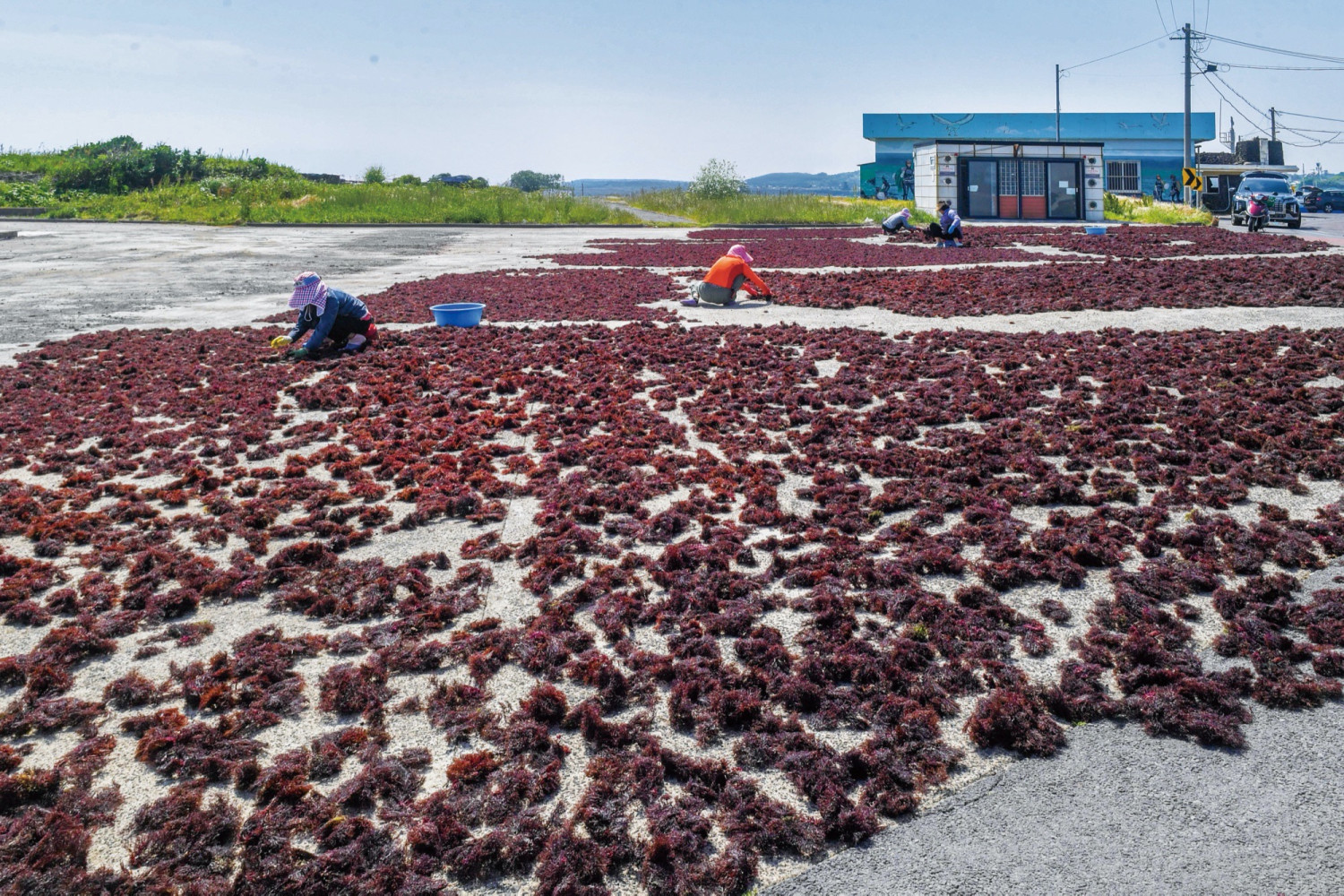
In Korea, certain cold dishes are considered essential summer fare, naengmyeon (cold noodles in a savory broth) being a prominent example. A key ingredient in some of these summer dishes is agar, a jelly made of a species of red algae called umutgasari in Korean that is often eaten on the eastern and southern coasts and on Jeju Island.
Turning umutgasari into something edible involves a long, labor-intensive process. After harvesting, the algae is spread out in the sun to dry, pounded with wooden mallets, dried again, and then boiled. Talk about slow food! The result is agar, generally called umu or hancheon in Korean (but umi on Jeju). Jeju islanders chill agar in well water and season it with chives and vinegar. On a hot summer day, a bowl of agar is said to be a great pick-me-up and appetite booster. Agar is an essential part of chilled soups not only on Jeju, but in many parts of the country.
Agar’s rise in Europe and the United States was driven by a peculiar circumstance — the boom in molecular gastronomy. As molecular techniques in modern cuisine came to prominence in the 1990s, agar, with its distinctive texture, came into use in a variety of new dishes and desserts. Long before the global popularity of miyeok, gim and tot (edible brown seaweed), agar had already made its way into Europe’s finest restaurants.
Seaweed’s Role in Fine Dining
ⓒ JUNGSIK
ⓒ JUNGSIK
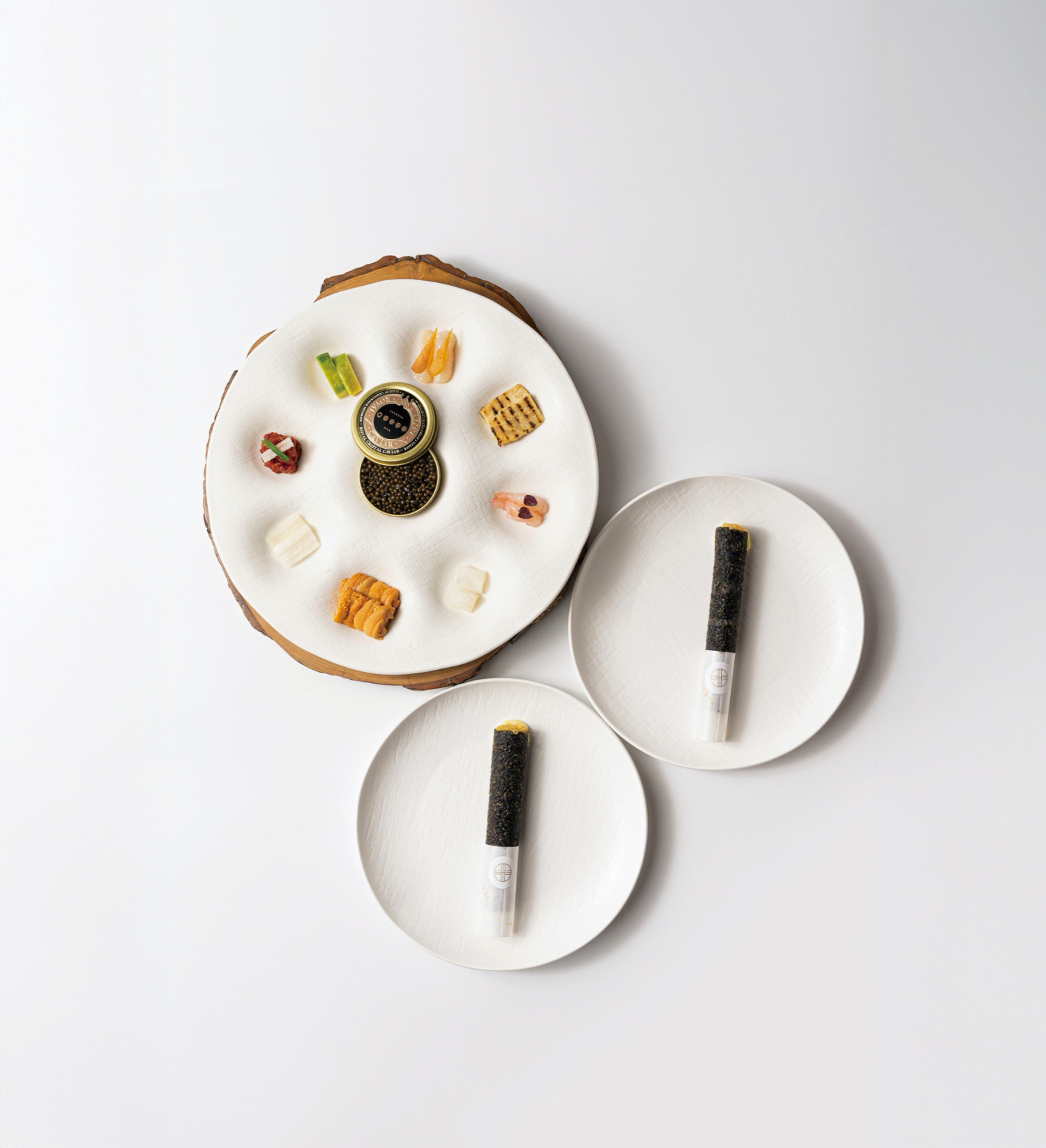
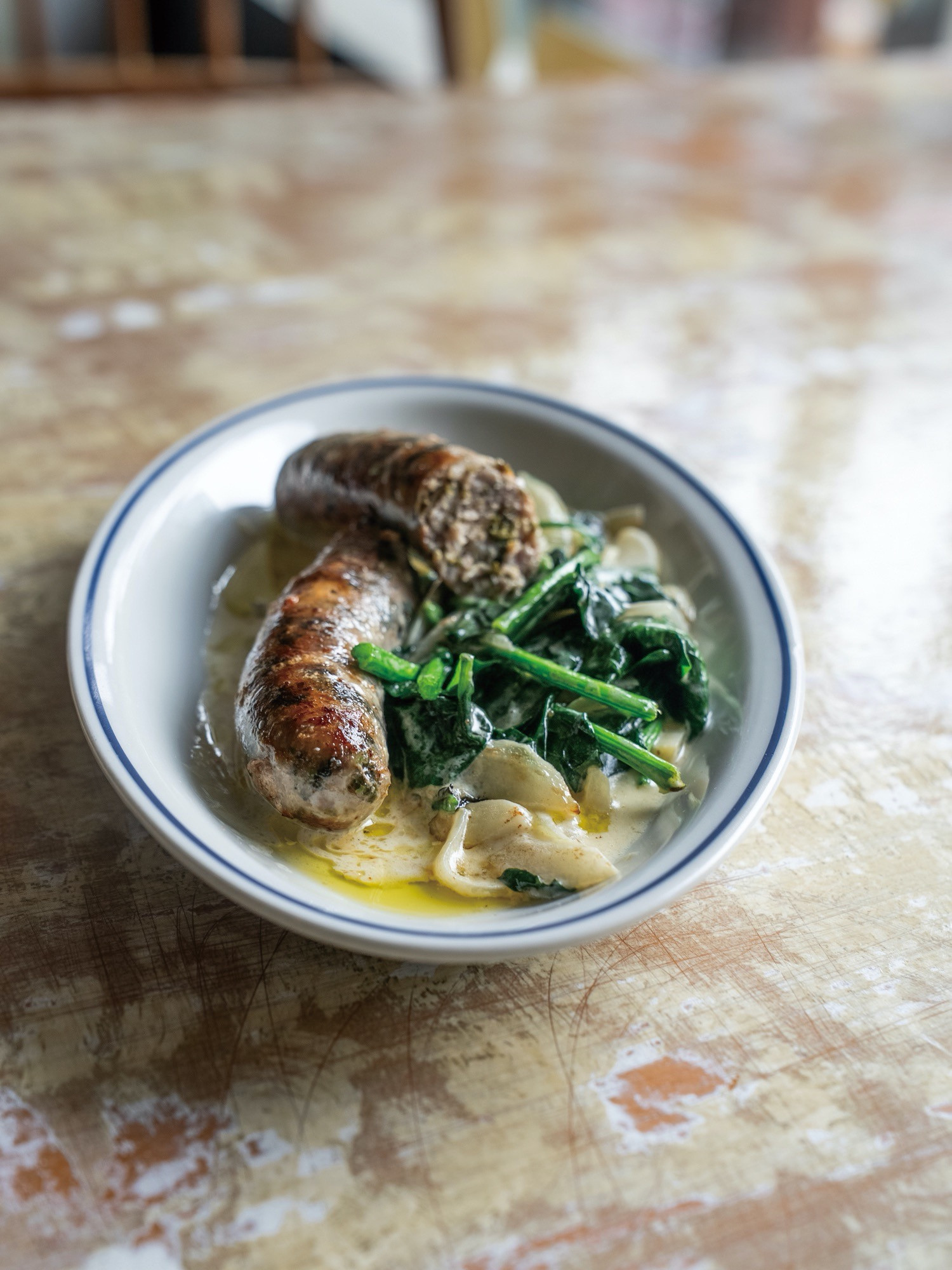
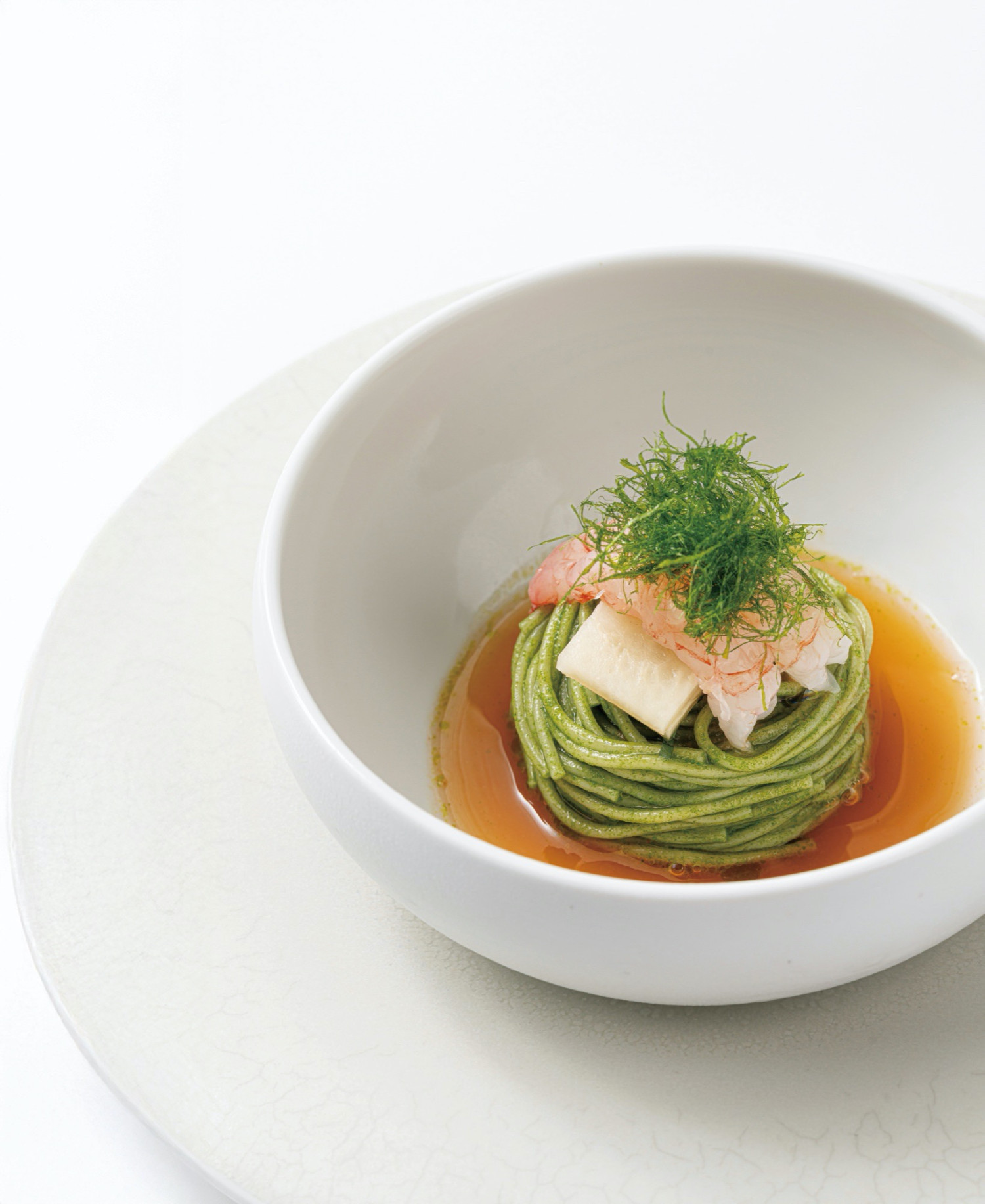
Korean cuisine’s recent rise in popularity has served to spark a new appreciation for seaweed. Gim and miyeok are now handled in kitchens not only in Asia, but also in Europe. Seaweed has graduated from its humble origins to become a component of creative gastronomy. Jungsik Seoul, a Michelin two-star restaurant showcasing “New Korean” cuisine, serves an inventive gimbap: fried gim topped with scallops, caviar, sea urchin roe and yukhoe (Korea’s answer to steak tartare). At western Seoul’s L’Impasse 81, a restaurant specializing in charcuterie that’s recommended by the Michelin Guide, familiar local ingredients like gim and Cheongyang chili peppers are incorporated into their sausages. And chefs at NOR (“Not Only Restaurant”), a groundbreaking restaurant doubling as a media art exhibit, are engineering a multifaceted world of seaweed-based fine dining, including lasagna built on dough sheets of fresh kelp rather than the typical pasta.
- Written by Park Chanil
- Park Chanil is a leading Korean chef who has been a steady presence both in the kitchen and on the printed page. He honed his craft through culinary studies in Italy and hands-on experience in local restaurants. Since returning to Korea, he has continued his culinary research and journalistic writing based on his deep insights into the country’s food culture.


