Lines & Tides, From Brisbane's Banks to Gold Coast's Surfing Edge
In Brisbane, the river is no scenic backdrop. An essential experience and key part of the urban lifestyle, it can be walked alongside, crossed on a ferry, or admired at sunset at the water’s edge. And in Gold Coast, to the south, that experience gets a sensory upgrade, encompassing sky and sea.
Famous for its subtropical climate and abundant sunshine, Brisbane has recently become one of Australia’s most notable cities. It has been under-going a radical makeover ahead of the 2032 Summer Olympics, with the riverside, public spaces and a network of trails all being revamped. But the city’s transformation goes beyond new structures and an updated skyline. Just as any city is more than the sum of its scenery, Brisbane is best experienced through routine walks along the river, ferry rides and waterside socializing.
Brisbane, An Urban Redesign With 2032 in Mind
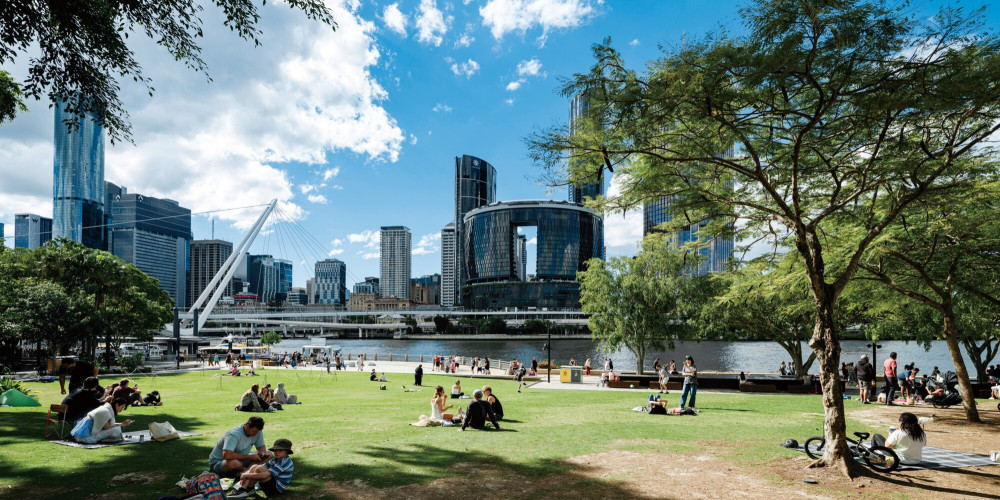
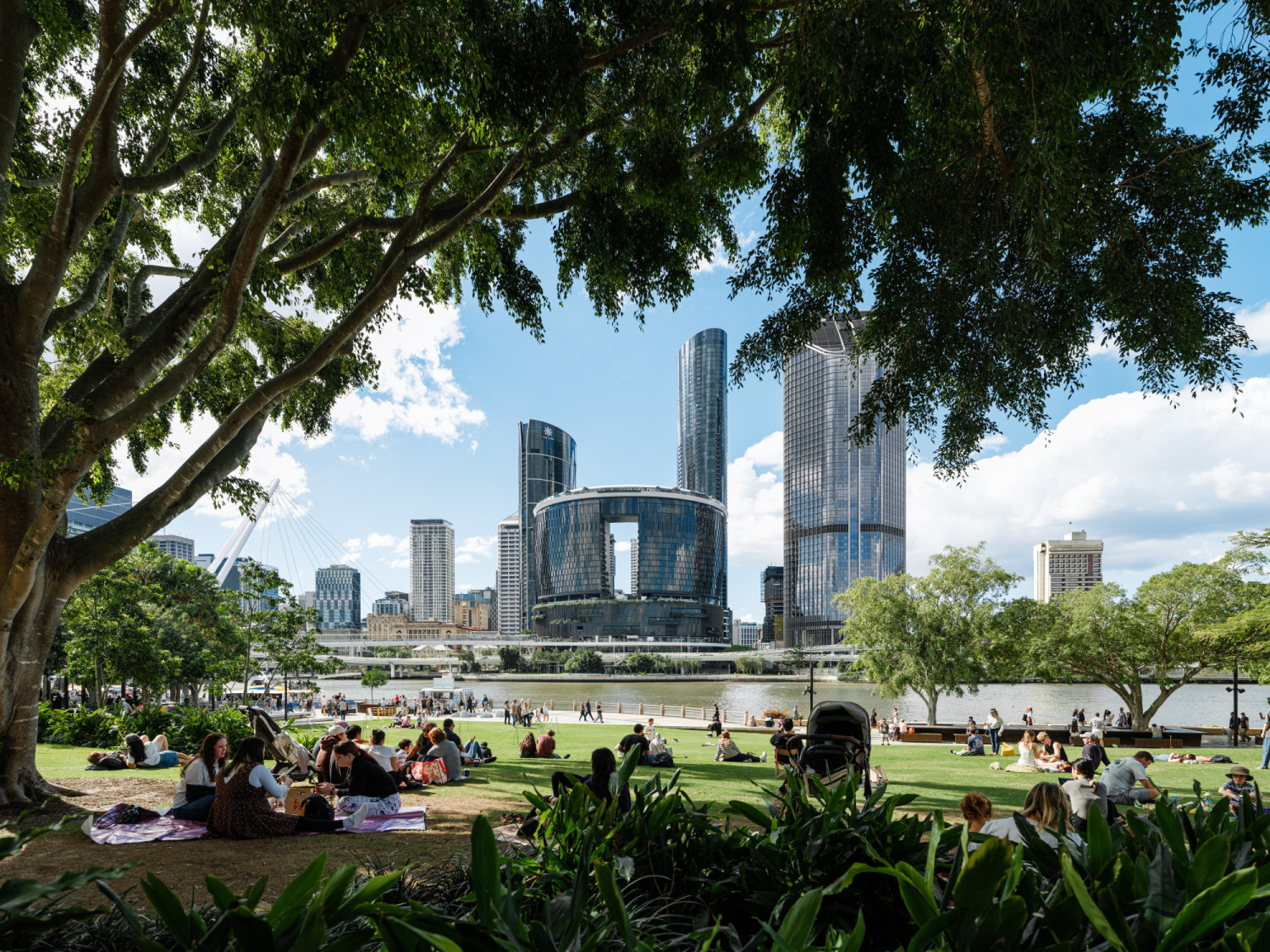
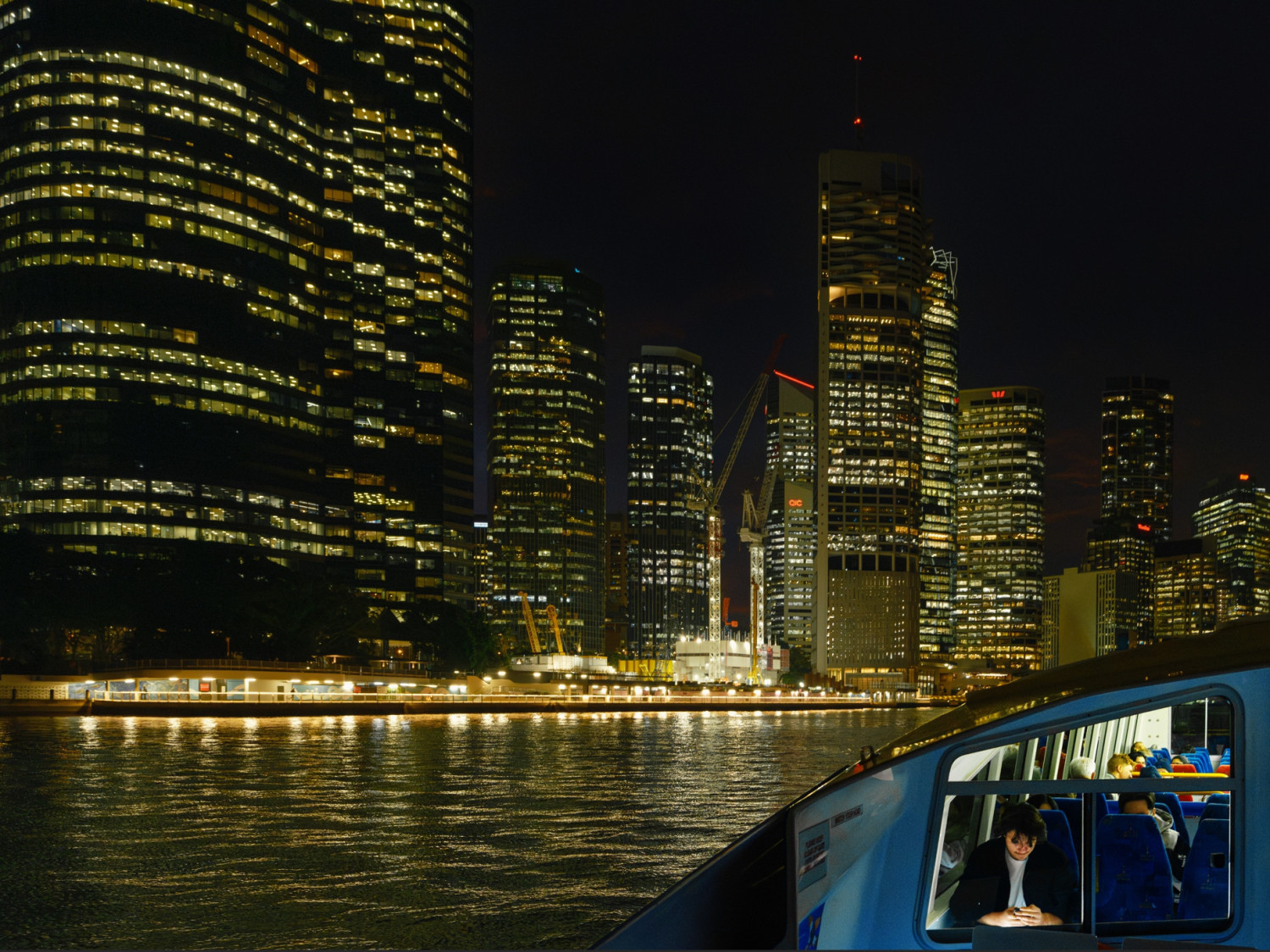
To get a better sense of modern-day Brisbane, look no further than the riverside. More than just scenery, the Brisbane River has evolved into a vital hub where people gather, stroll and connect. The best place to experience this shift is Queen’s Wharf Brisbane, which began a phased opening of its world-class resort development from 2024. Public spaces, hotels, an observation deck and cultural facil¬ities are opening on the waterside, realigning the urban axis.
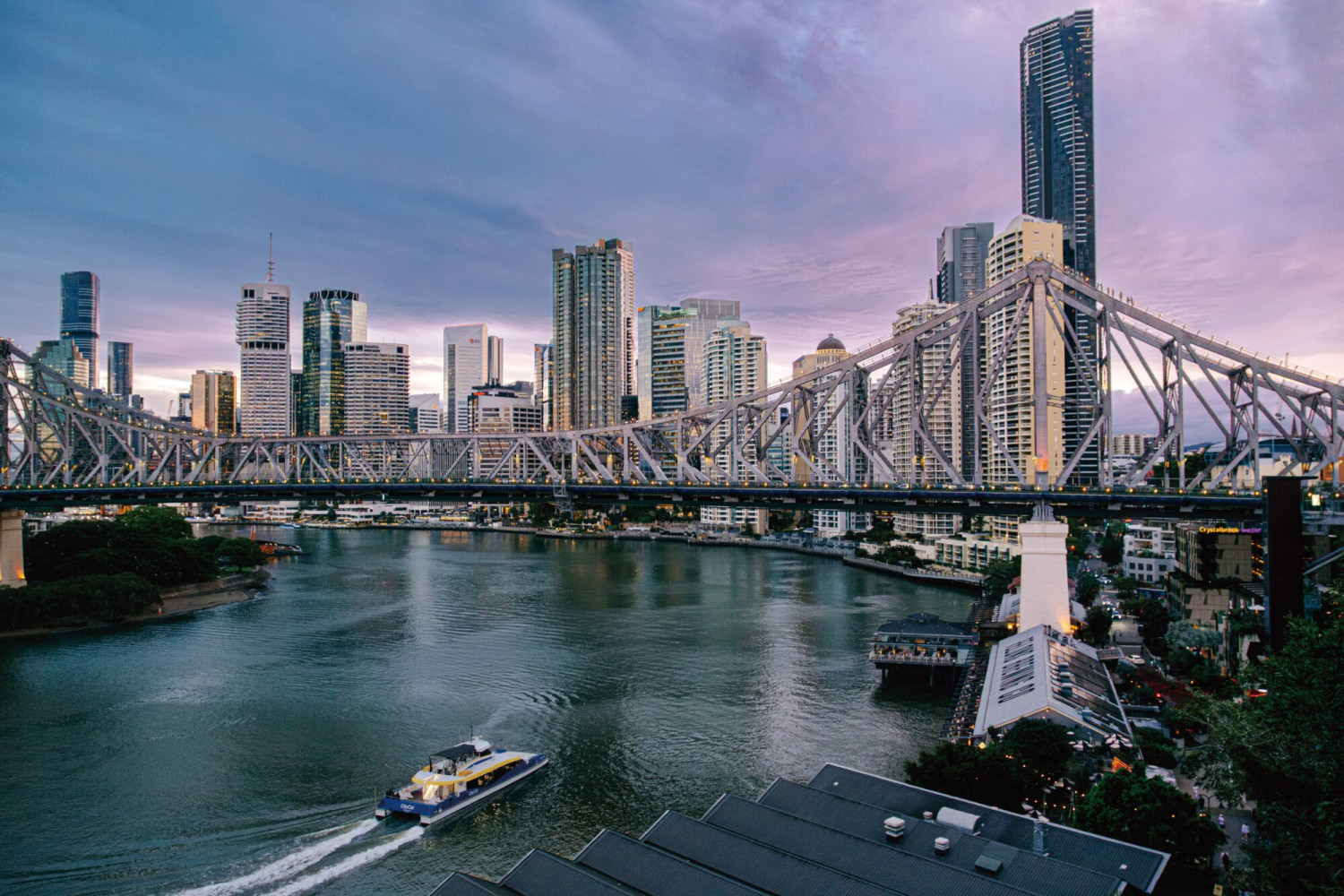
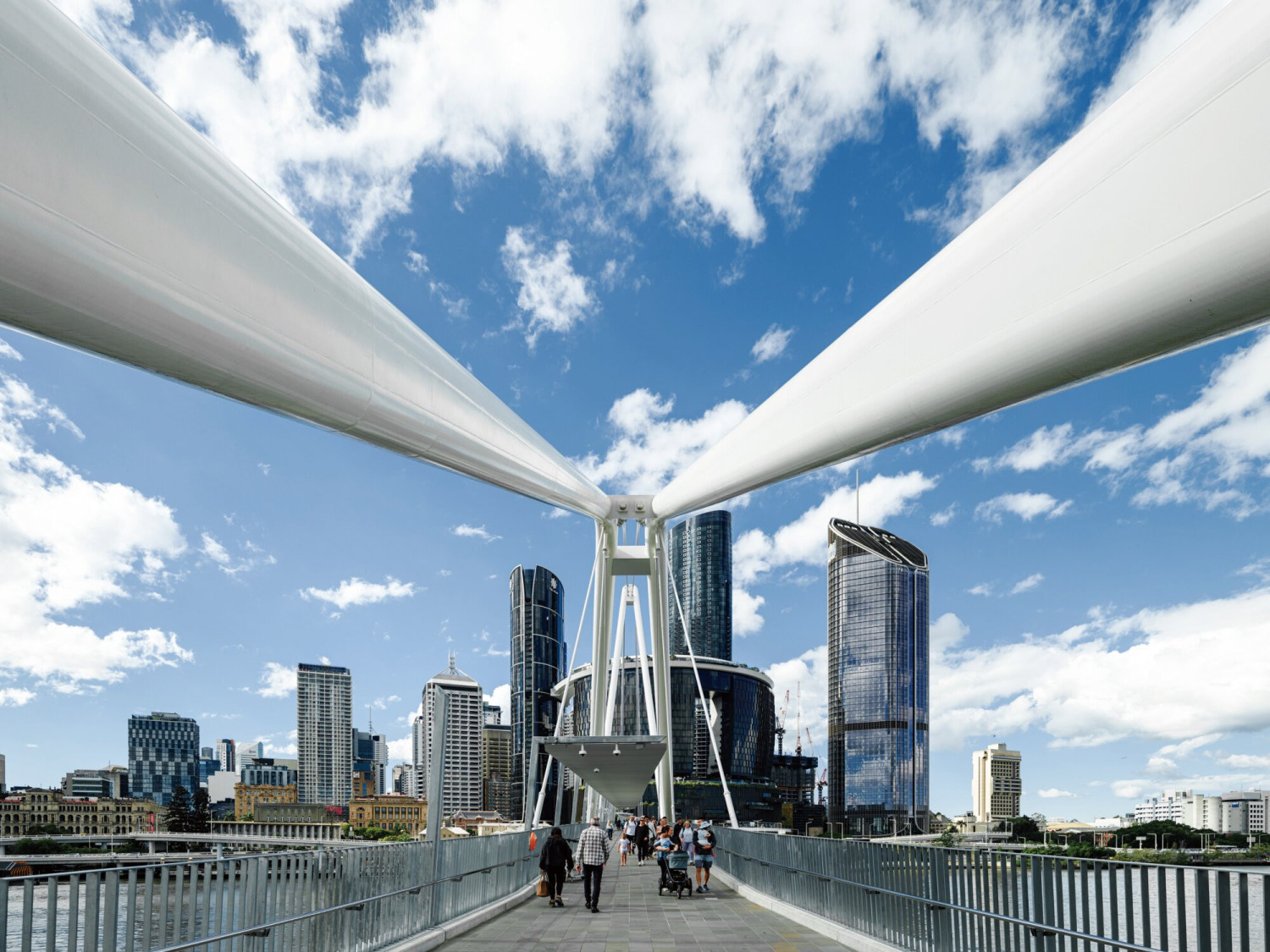
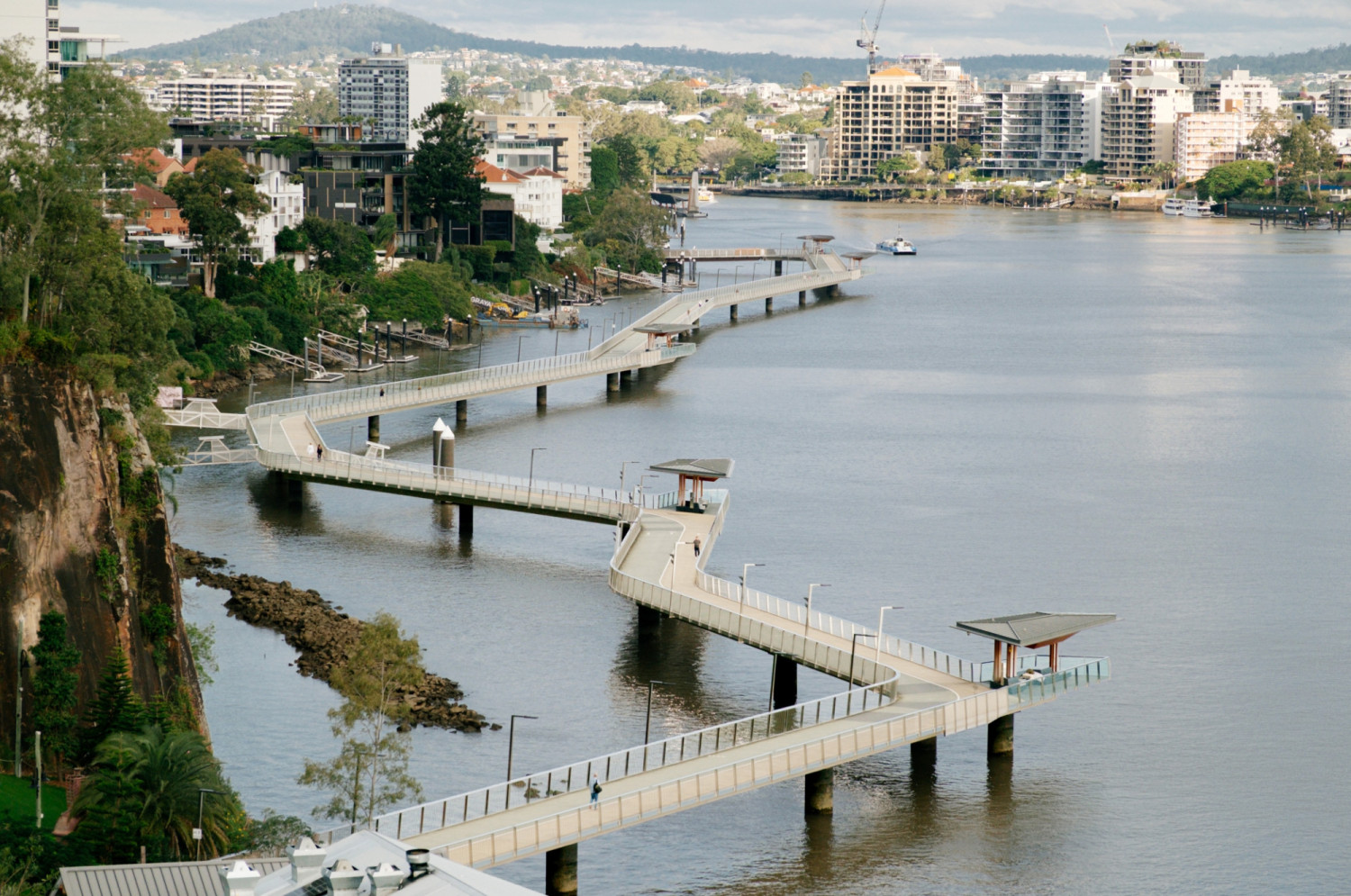
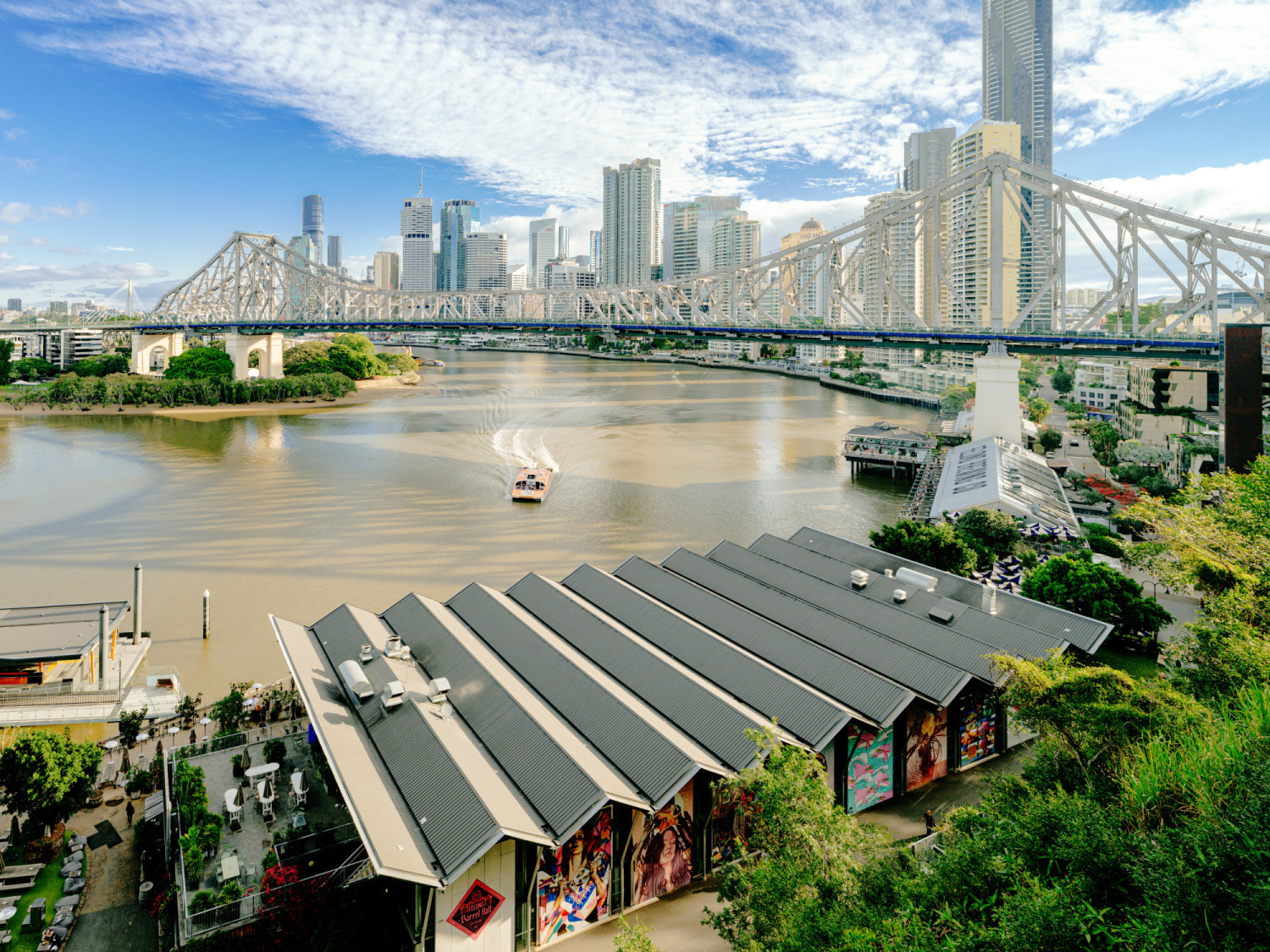
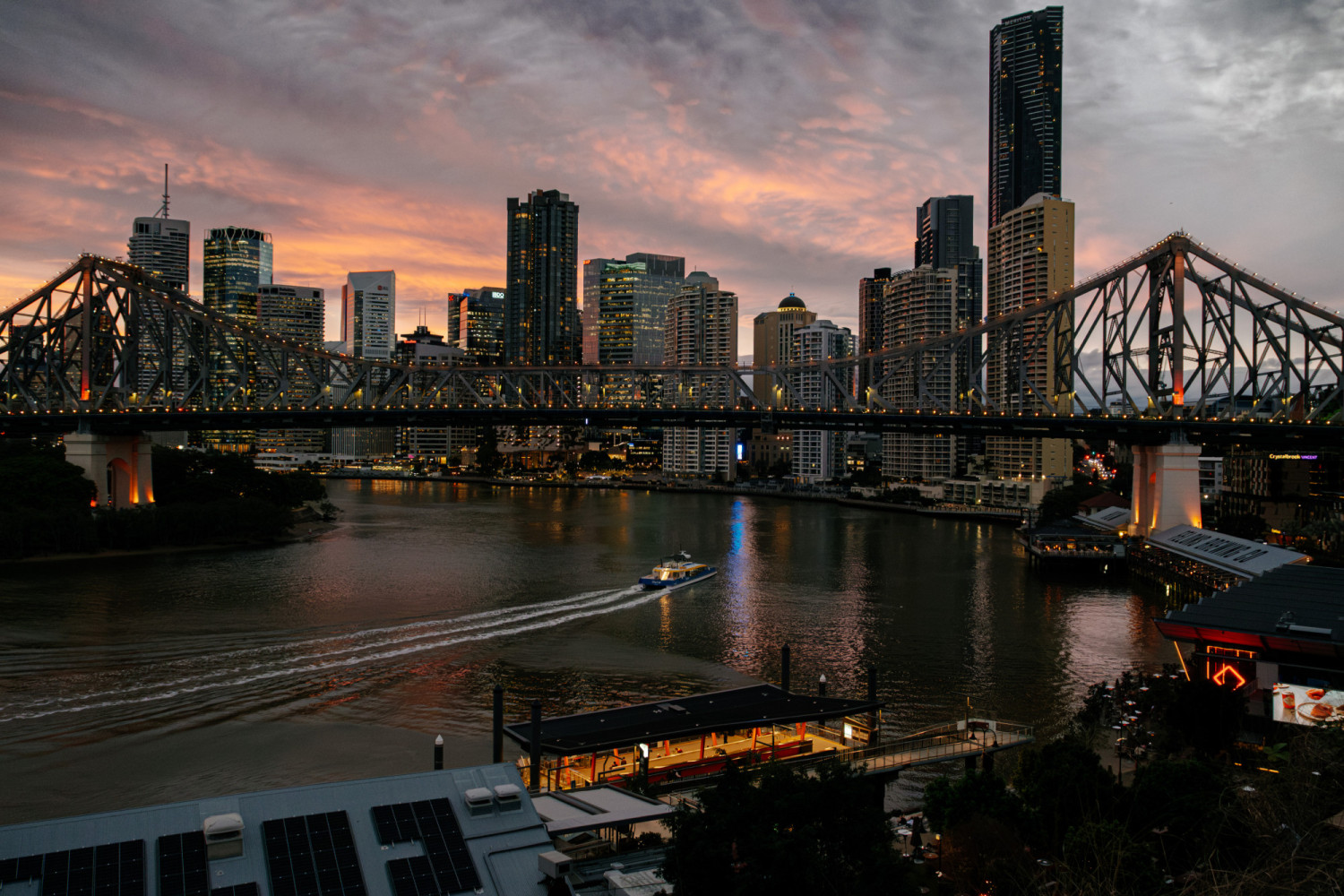
The Neville Bonner Bridge, linking the Brisbane Central Business District (CBD) with South Bank, the culture district to the south, is a prime example of Brisbane’s drive to provide a people-centered urban experience at the riverside. Such changes can be observed throughout the city. The Brisbane Riverwalk is the central node in a waterside network of walking paths and bicycle lanes. The New Farm segment, in particular, is ideal for experiencing Brisbane’s riverside culture with close-up views of the Story Bridge and the city skyline. In addition, the old wharves beneath the Story Bridge have been revitalized as Howard Smith Wharves. One of Brisbane’s trendiest destinations, the multipurpose space features grassy lawns, walking paths, eateries and breweries like Felons Brewing Co. More recently, Howard Smith Wharves has been gearing up for a big change. Ahead of the 2032 Olympics, Brisbane has signed off on a plan for a major expansion of the riverside, including a boutique hotel and the city’s first over-river swimming pool.
In line with Brisbane Vision 2031 and the city’s “Buildings that Breathe” guidance, what Brisbane seeks to achieve is a people-cen¬tered urban environment that supports a riverine lifestyle tailored to the subtropical climate and a culture of outdoor activities.
A Subtropical City and the River That Runs Through It
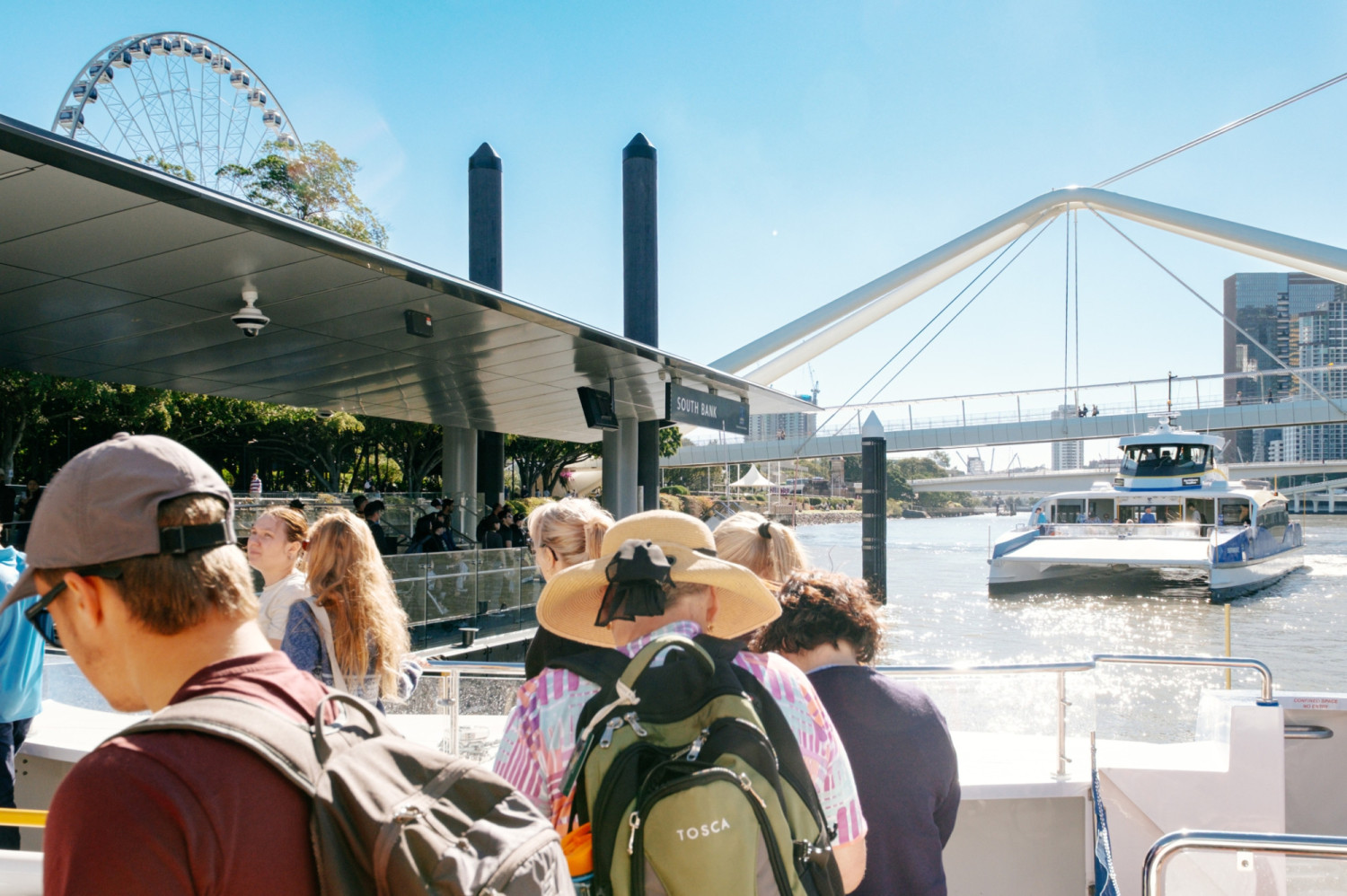
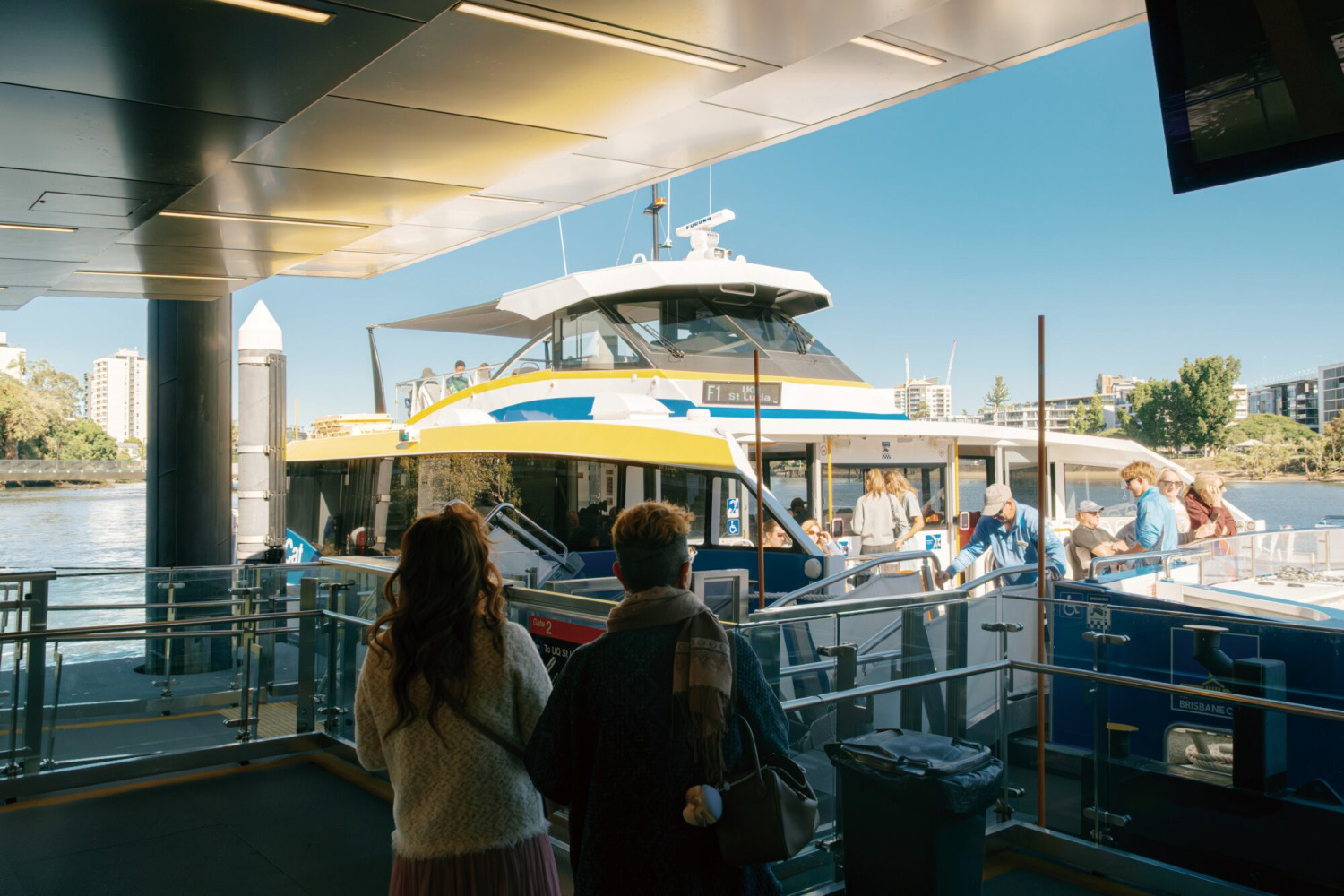
A great way to take in Brisbane’s riverside views is aboard a CityCat ferry, a form of river transit used by locals. But tourists who hop aboard will soon realize that the Brisbane River is not merely a boundary dividing the city but an ideal way to experience it.
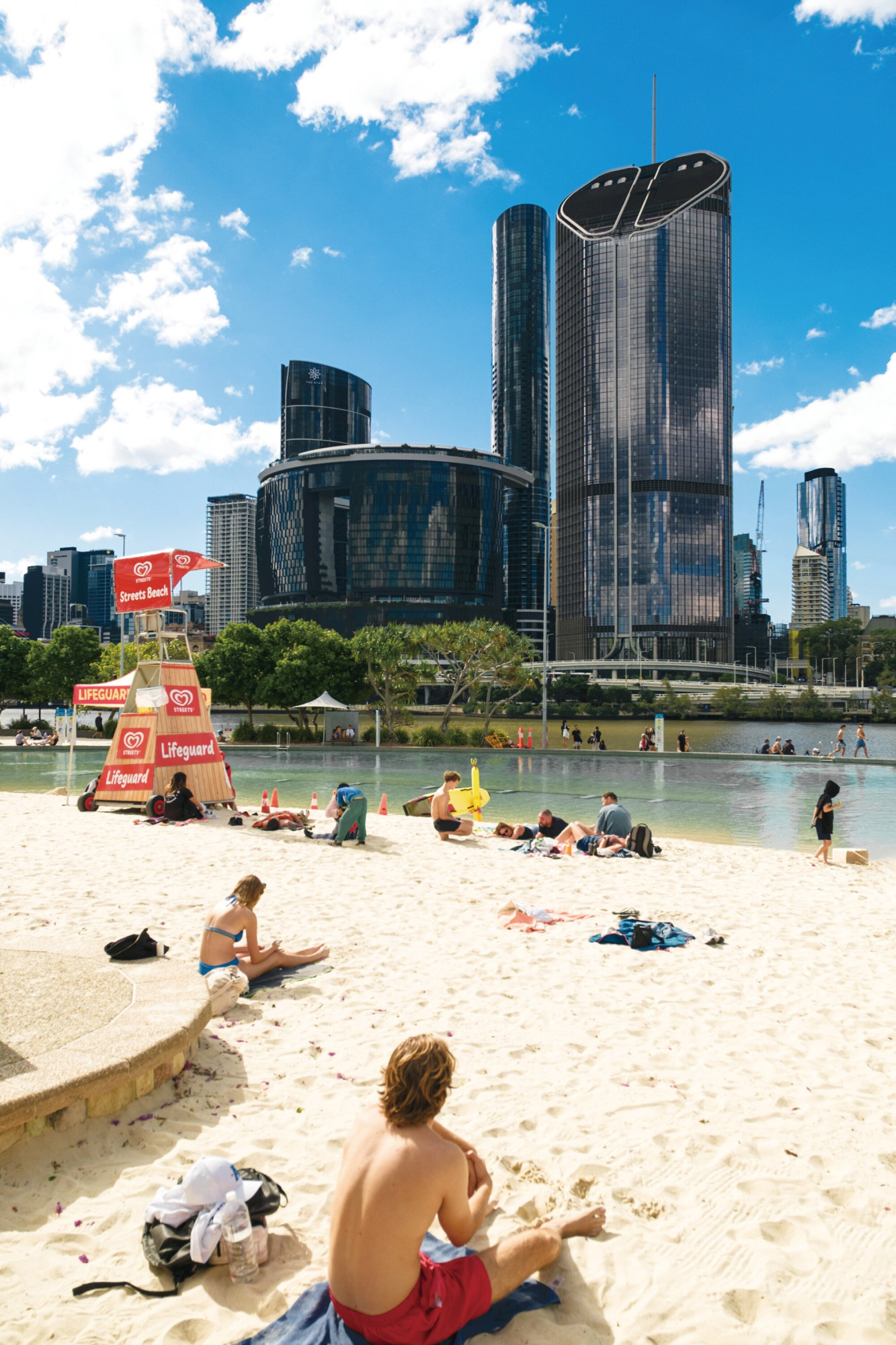
One neighborhood that illustrates how Brisbanites take joy in city life is South Bank. One of the highlights here is Streets Beach, a manmade stretch of sand in the city. This may look like a tourist resort, but for many locals, it’s just part of their daily life. On weekdays and weekends, Brisbane residents can be found spreading out picnic blankets and going for a swim. Cultural hotspots are also clustered in South Bank, including the Queensland Art Gallery and Gallery of Modern Art (known collectively as QAGOMA), the Queensland Performing Arts Centre (QPAC), the State Library of Queensland and the Queensland Museum.
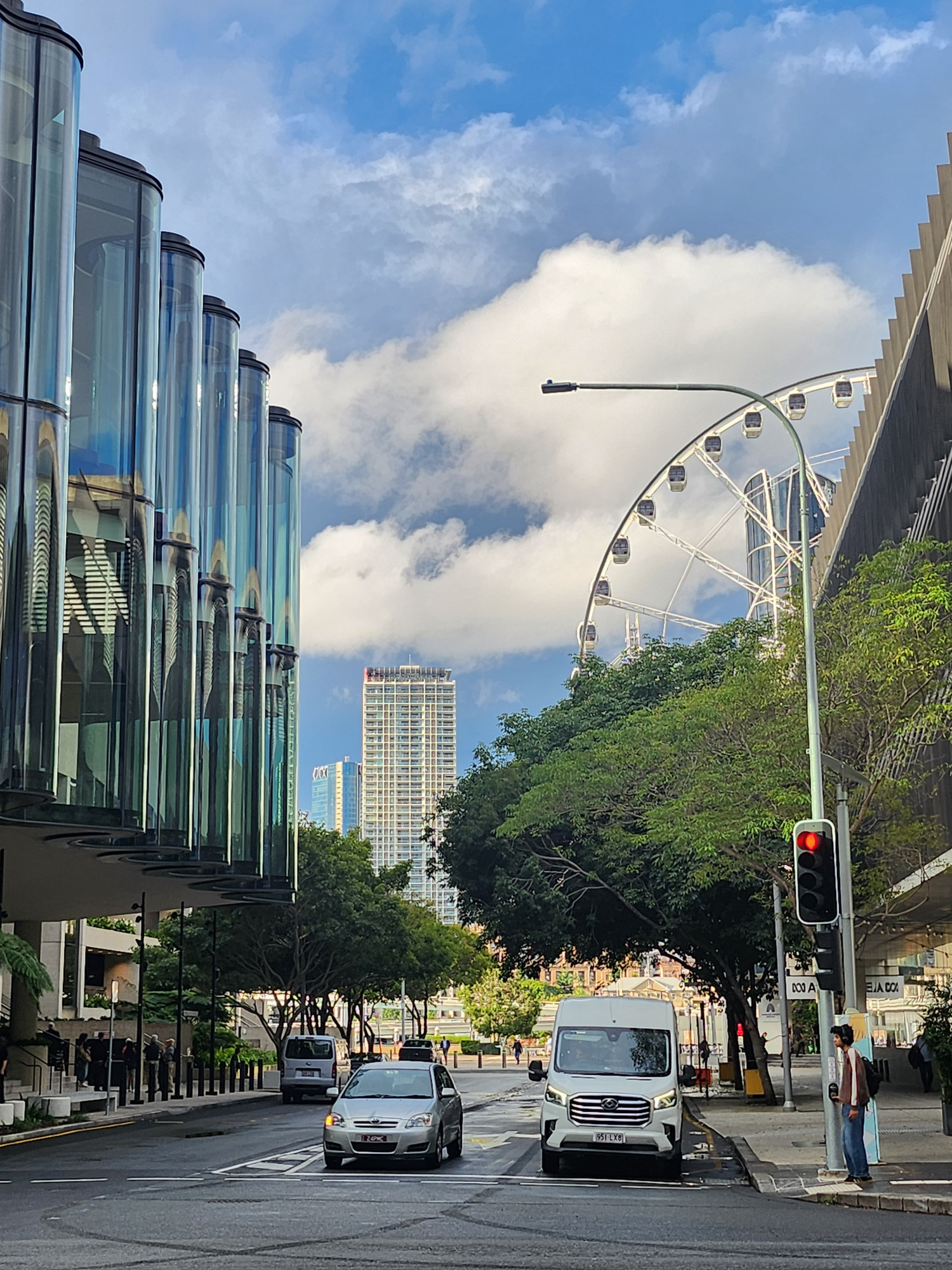
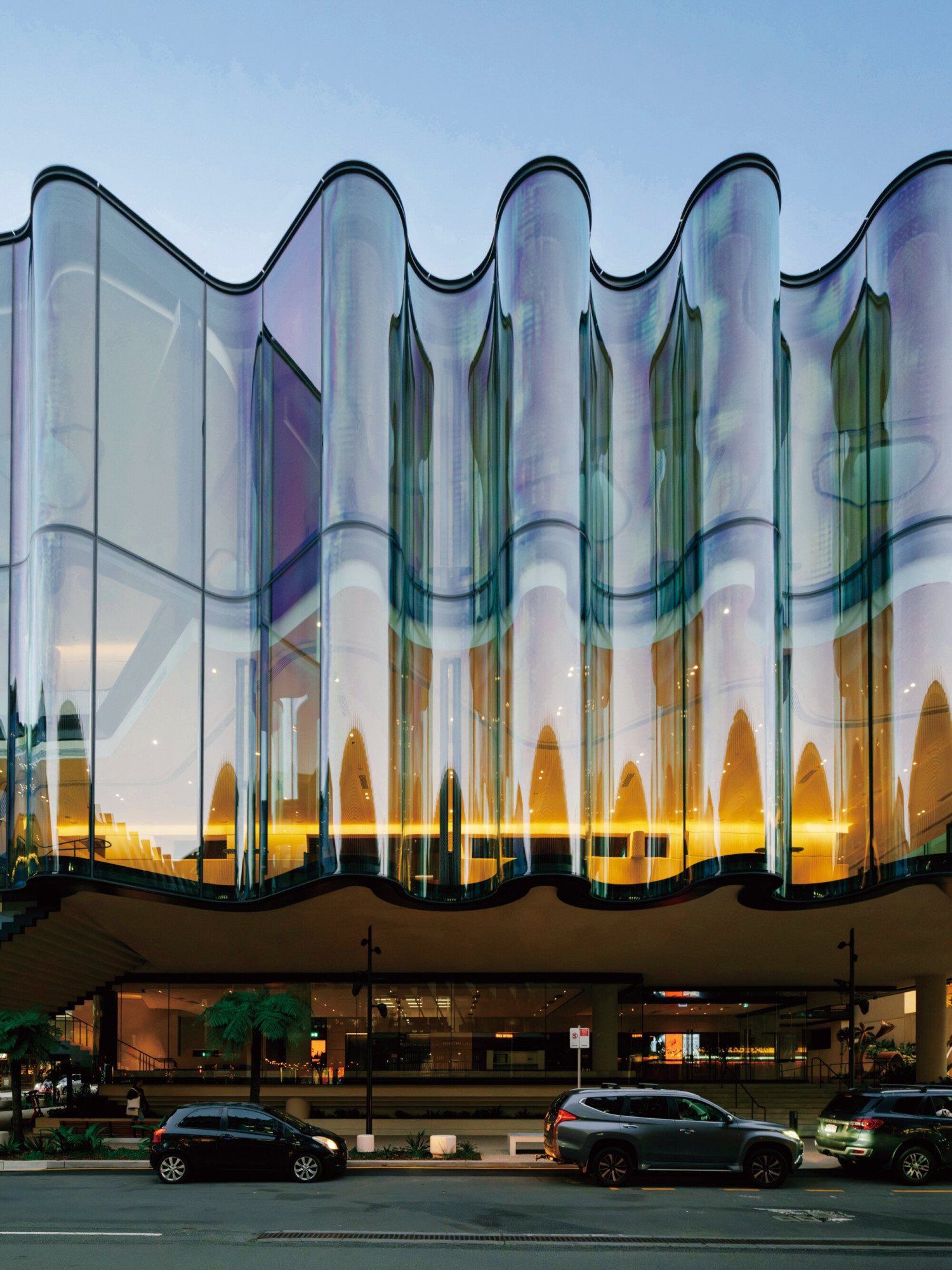
The new Glasshouse Theatre nearby is a prime example of how Brisbane is building up its cultural infrastructure. Designed by Australian studio Blight Rayner Architecture and global architectural studio Snøhetta, the theater officially opened this March as QPAC’s fifth performance venue. The defining feature of the 1,500-seat venue is its rippling glass facade, which was inspired by a poem by Aunty Lilla Watson, an indigenous artist and pillar of the community.
Brisbane’s glow-up can be best appreciated at day’s end from Sky Deck, in Queen’s Wharf, across from Streets Beach. This expansive observation deck atop The Star Brisbane looks down on the network of pedestrian walkways, the rejuvenated riverside and the expanding skyline. Brisbane’s essence lies not in its landmarks but in the river, parks and outdoor spaces where locals love to hang out.
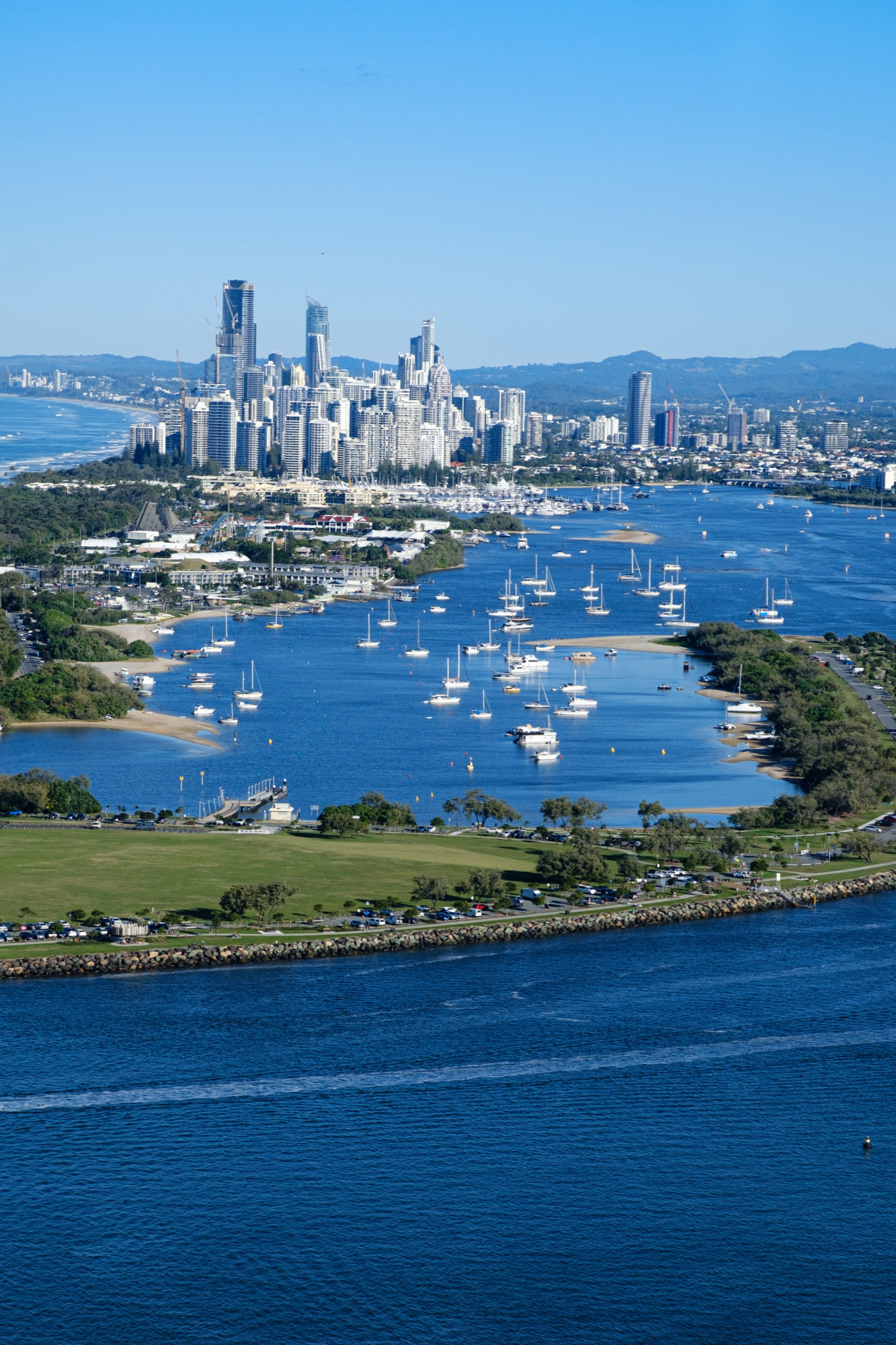
Gold Coast, Where the Horizon Unfolds
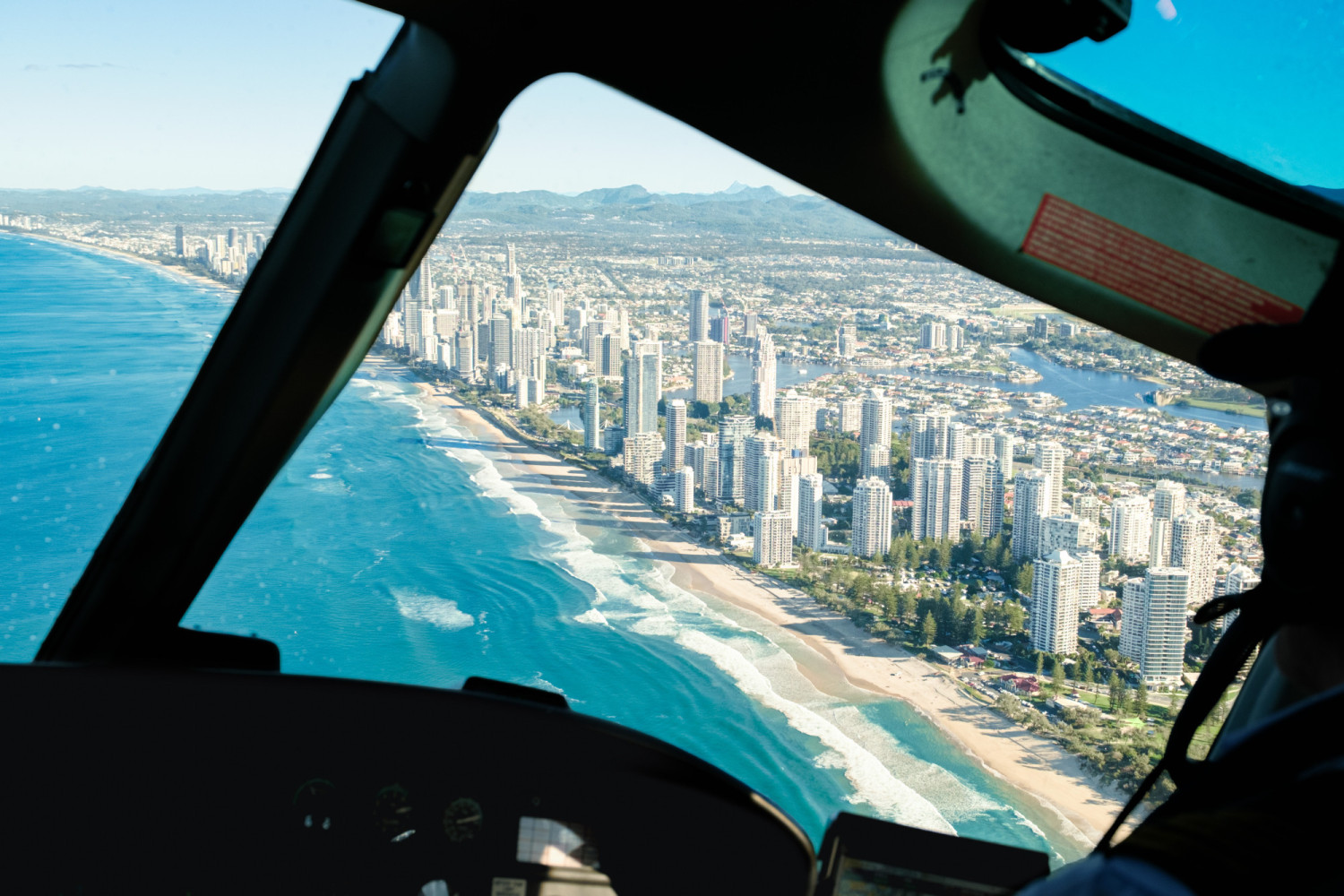
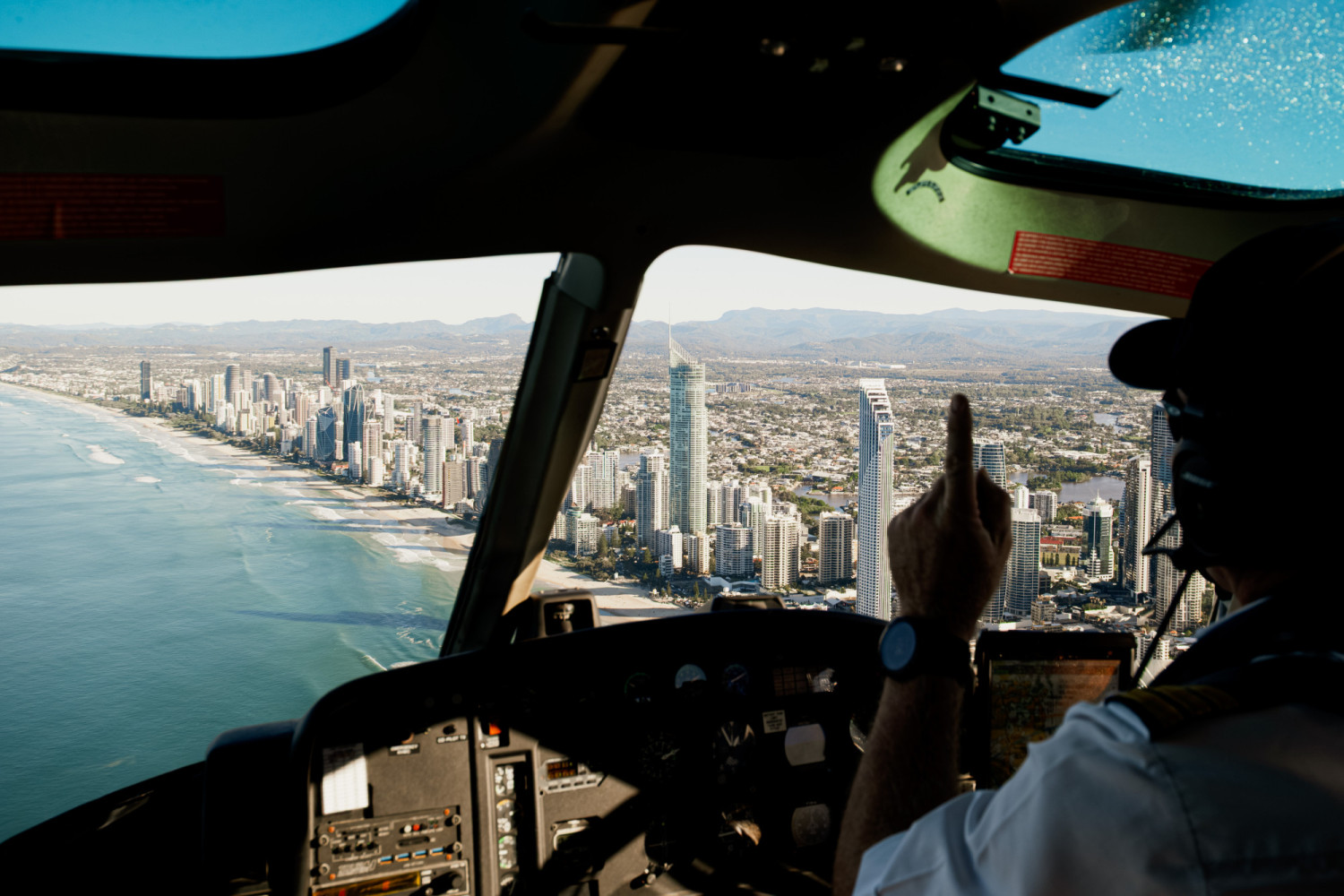
About an hour’s drive south of Brisbane is a place where the town and towers give way to forest, sea and sky stretching as far as the eye can see. Welcome to Gold Coast.
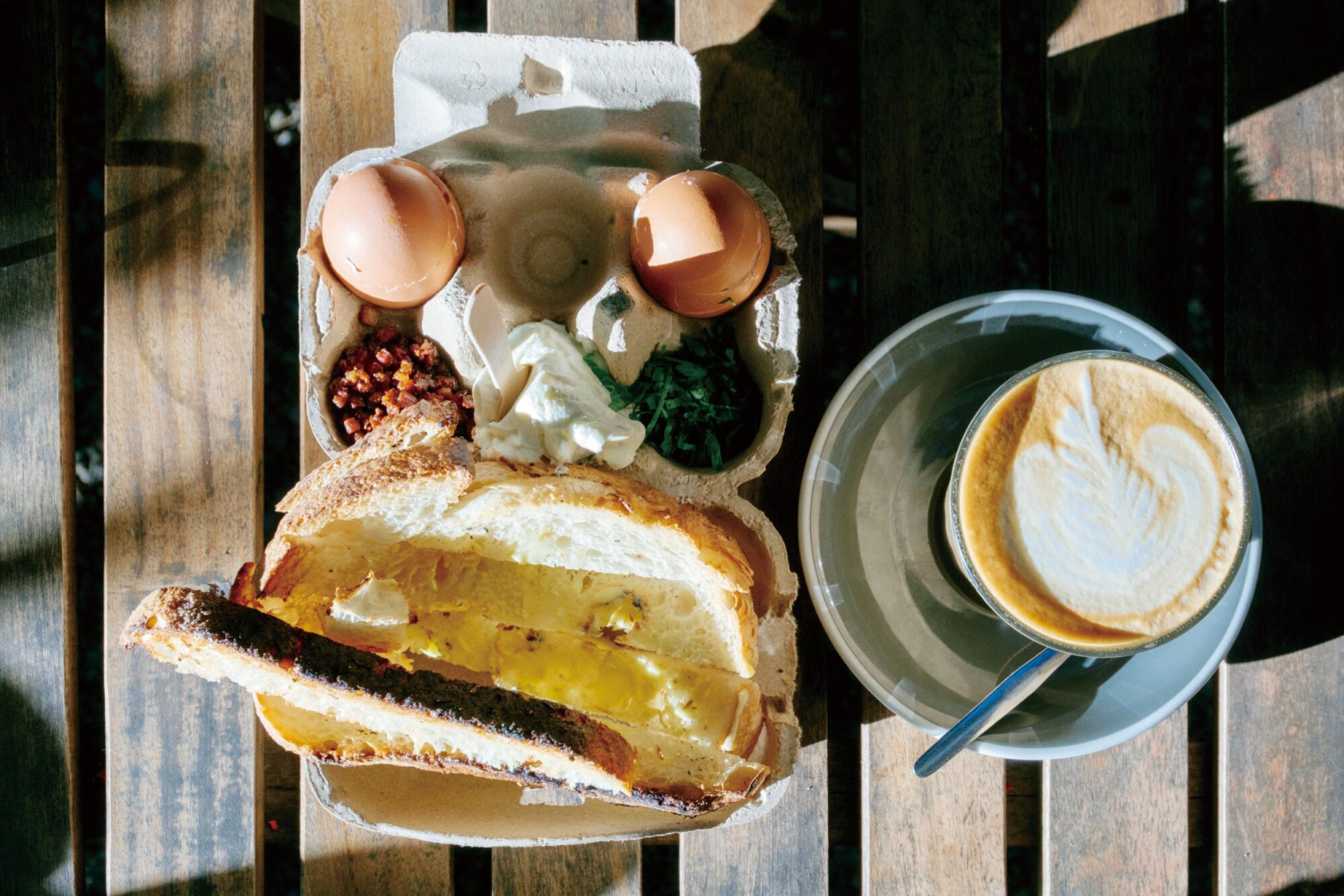
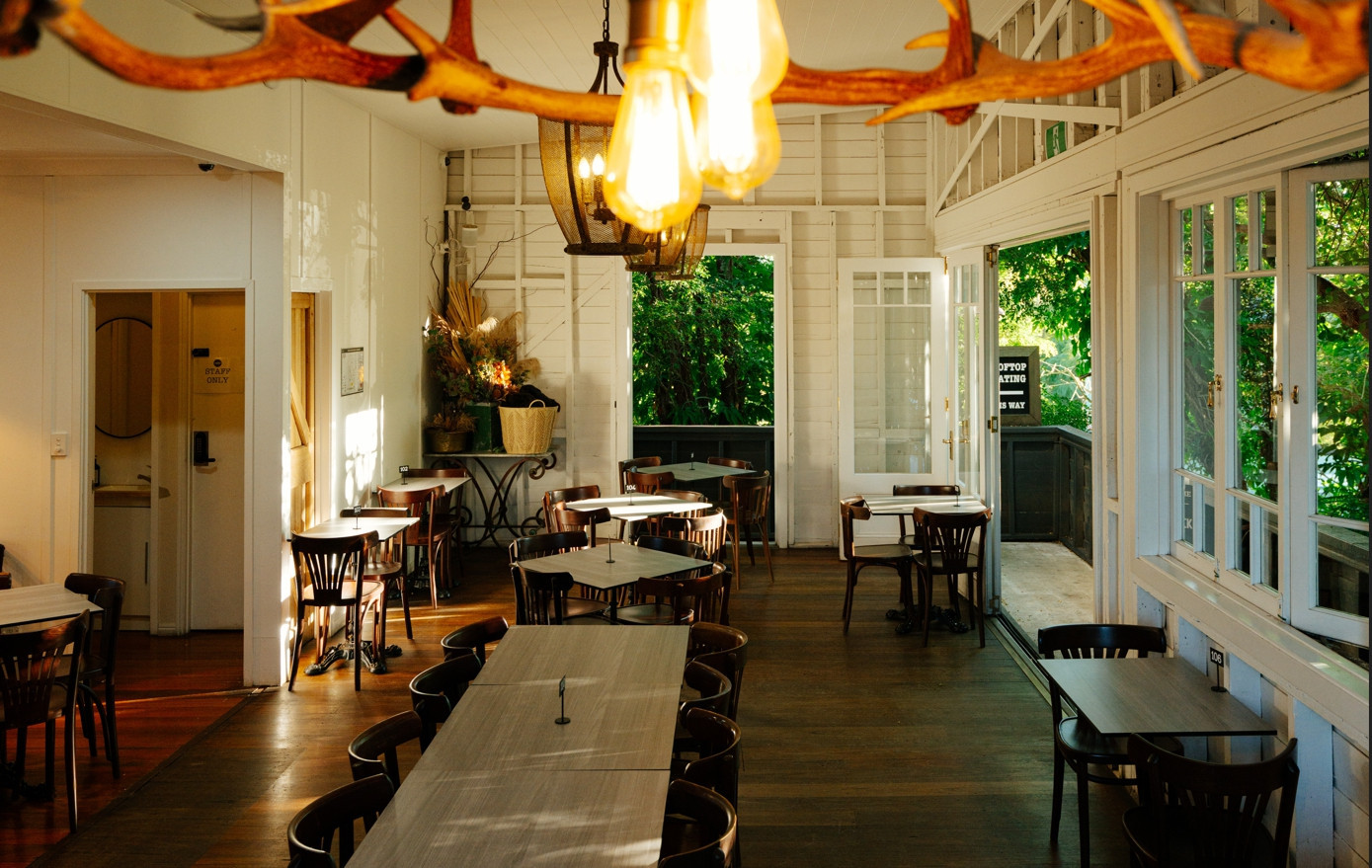
At 6 a.m., Paddock Bakery is an ideal spot to start the day. This brunch café occupies a converted Queenslander — a traditional timber house frequently seen around the cities of Brisbane and Gold Coast. Their wide eaves, gardens and verandas demonstrate how the Queensland lifestyle was adapted to the subtropical climate.
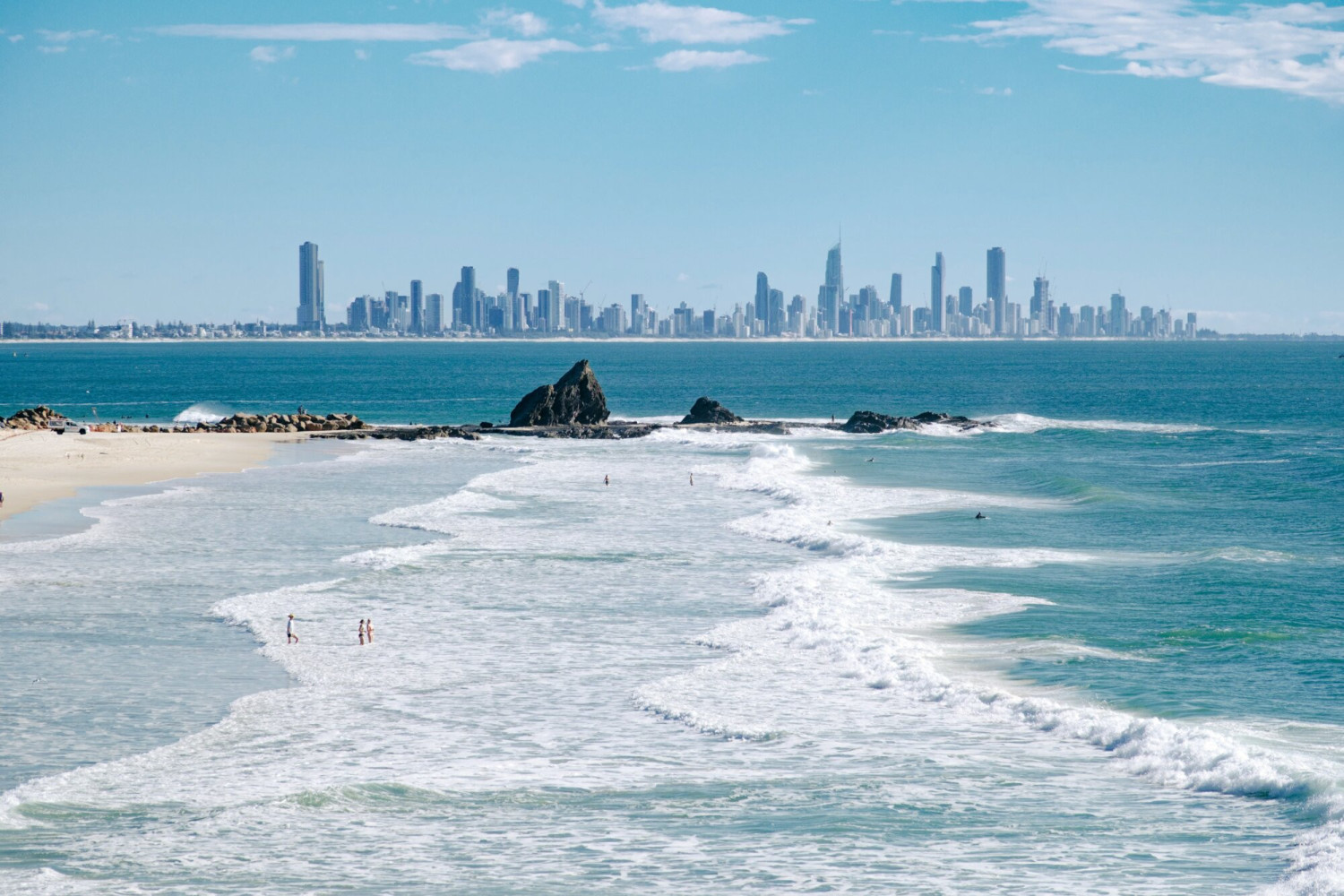
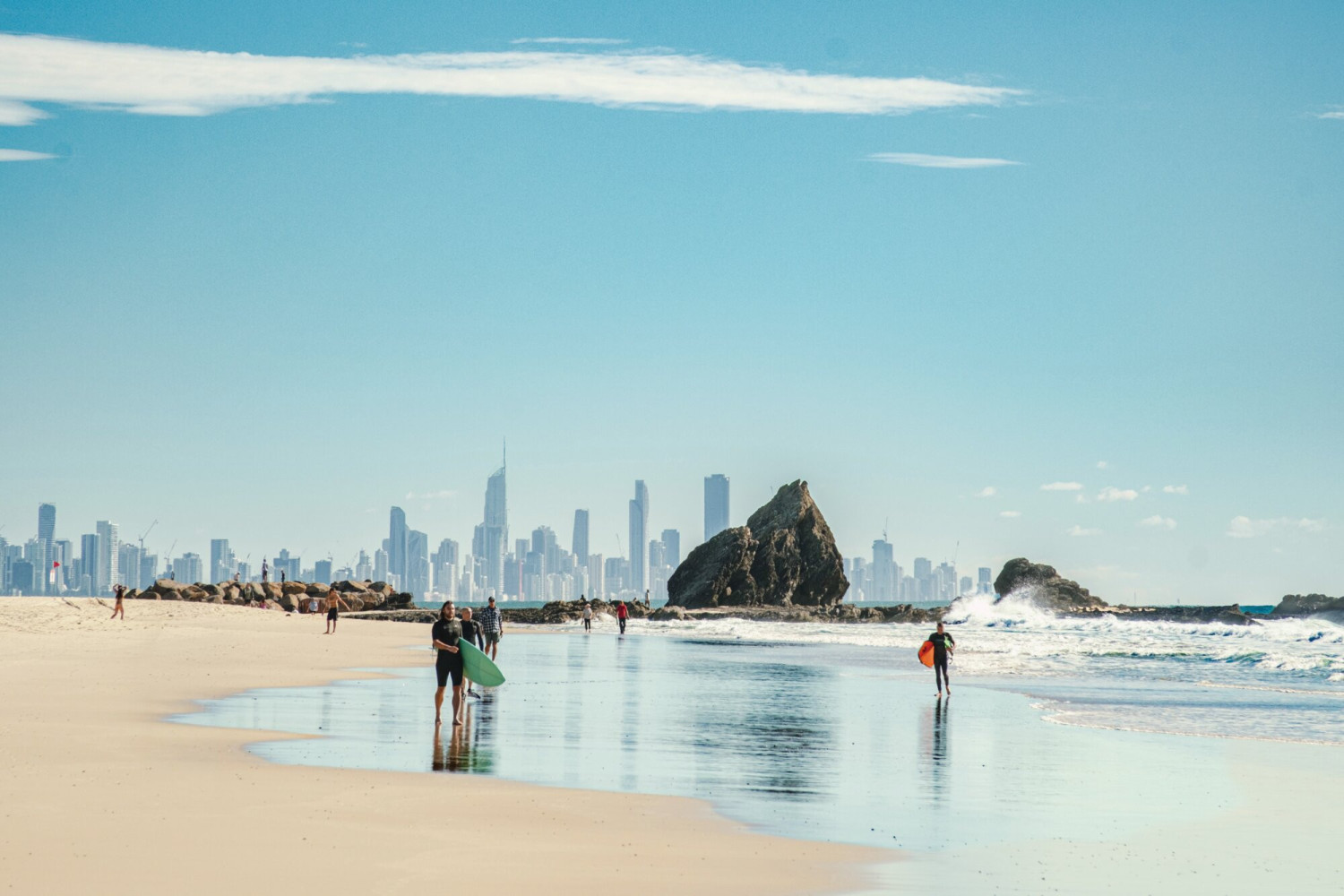
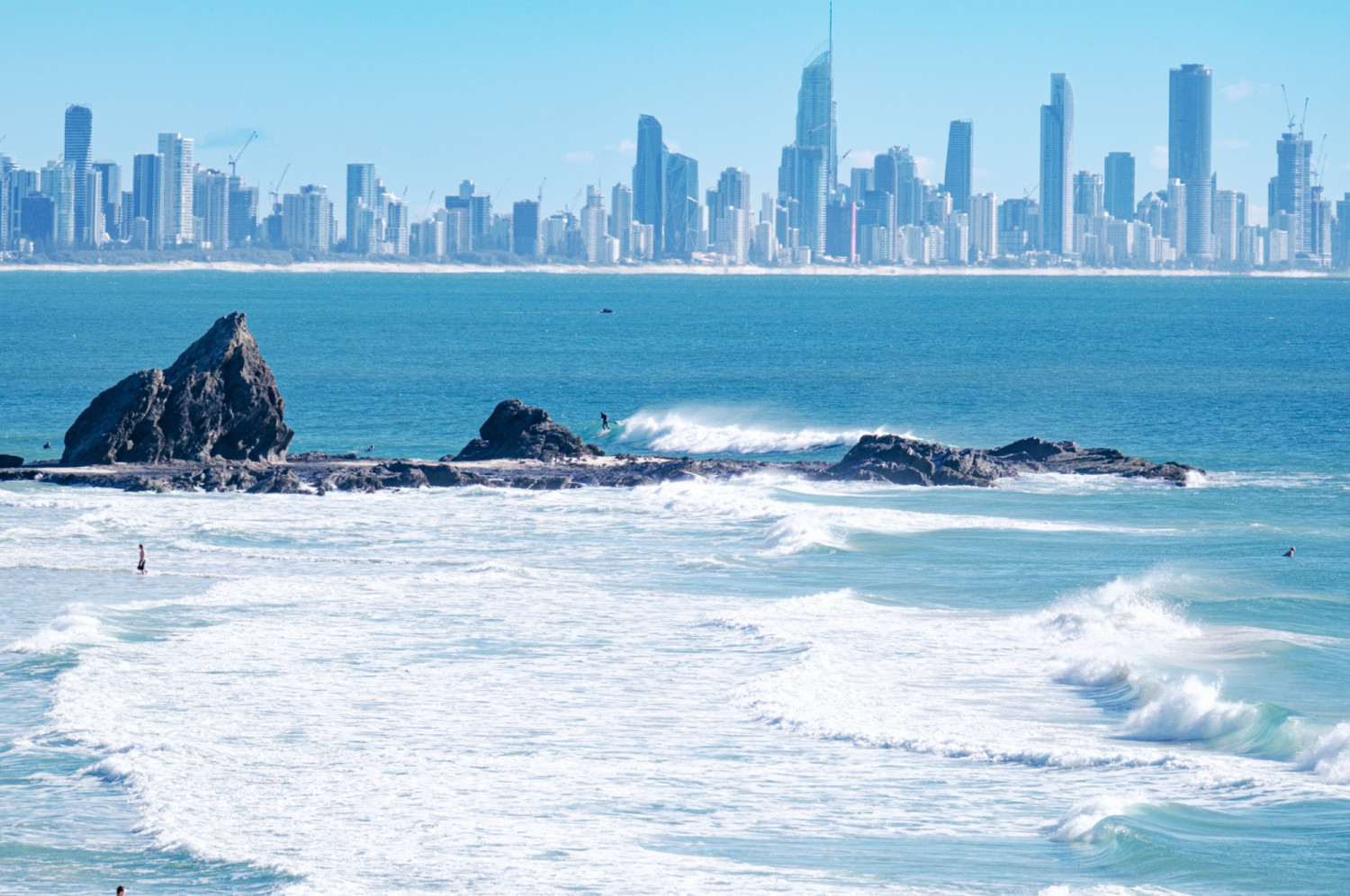
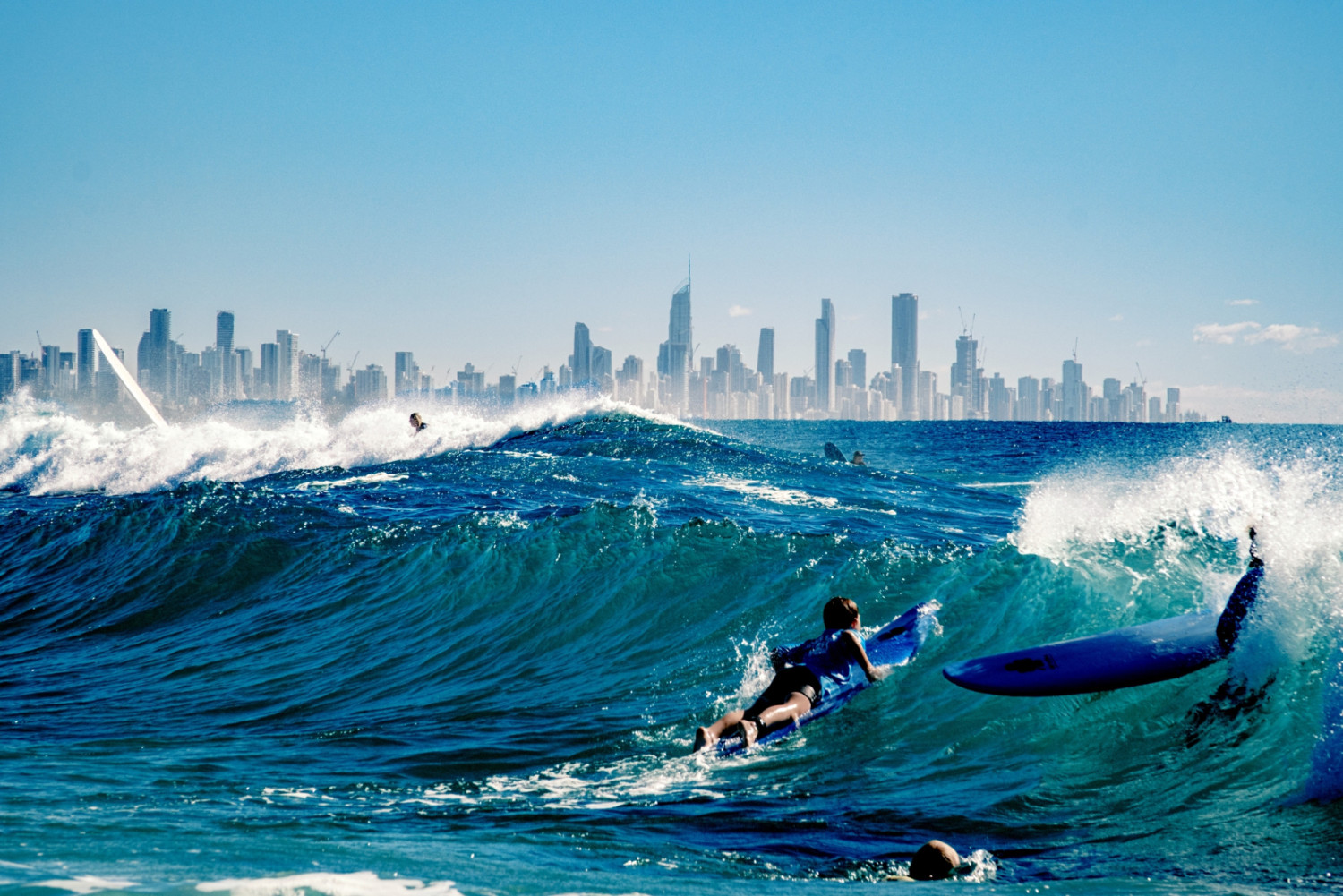
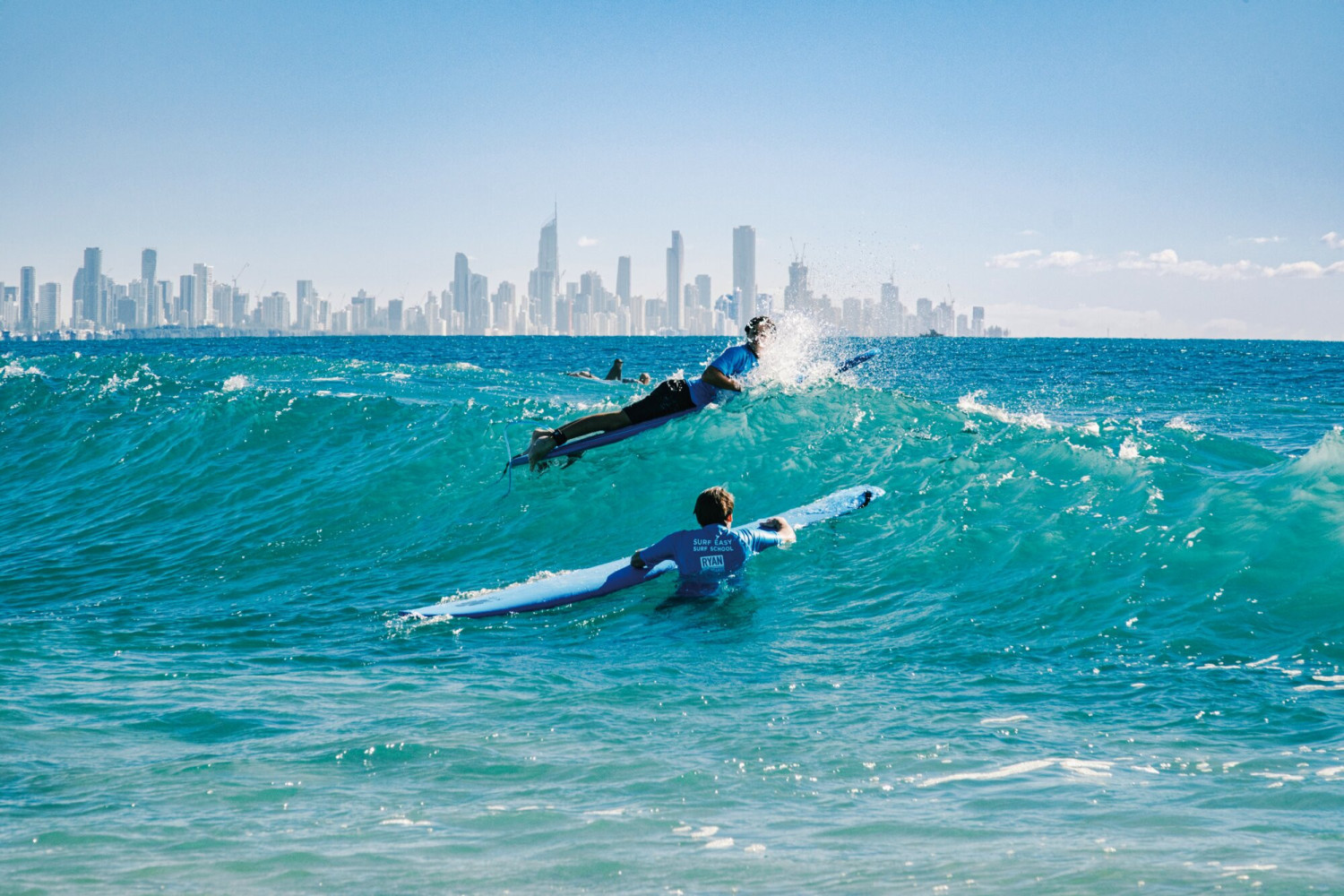
Heading south past Surfers Paradise, a suburb and iconic symbol of Gold Coast, we soon reach a more easy-going area: Currumbin Beach. Centered around the world-re¬nowned surf break of Currumbin Alley, surfers gather on the water from early morning, while walkers and joggers begin their day along the shoreline. The seamless landscape, where the ocean, Currumbin Creek and the rainforest hinterland meet, reveals a side of the greater Gold Coast area shaped less by the glamor of a tourist desti¬nation and more by a daily life lived in close connection with nature.
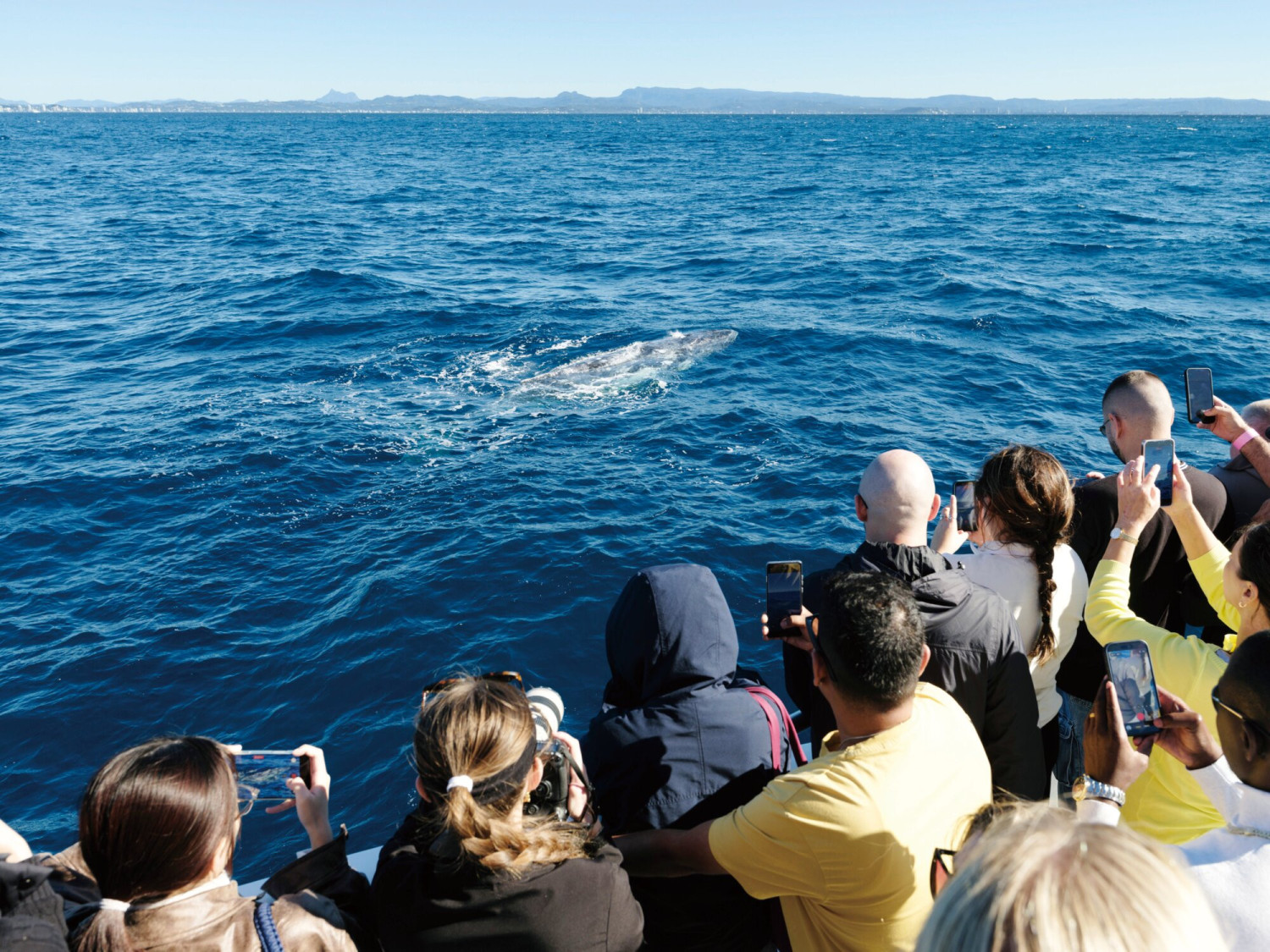
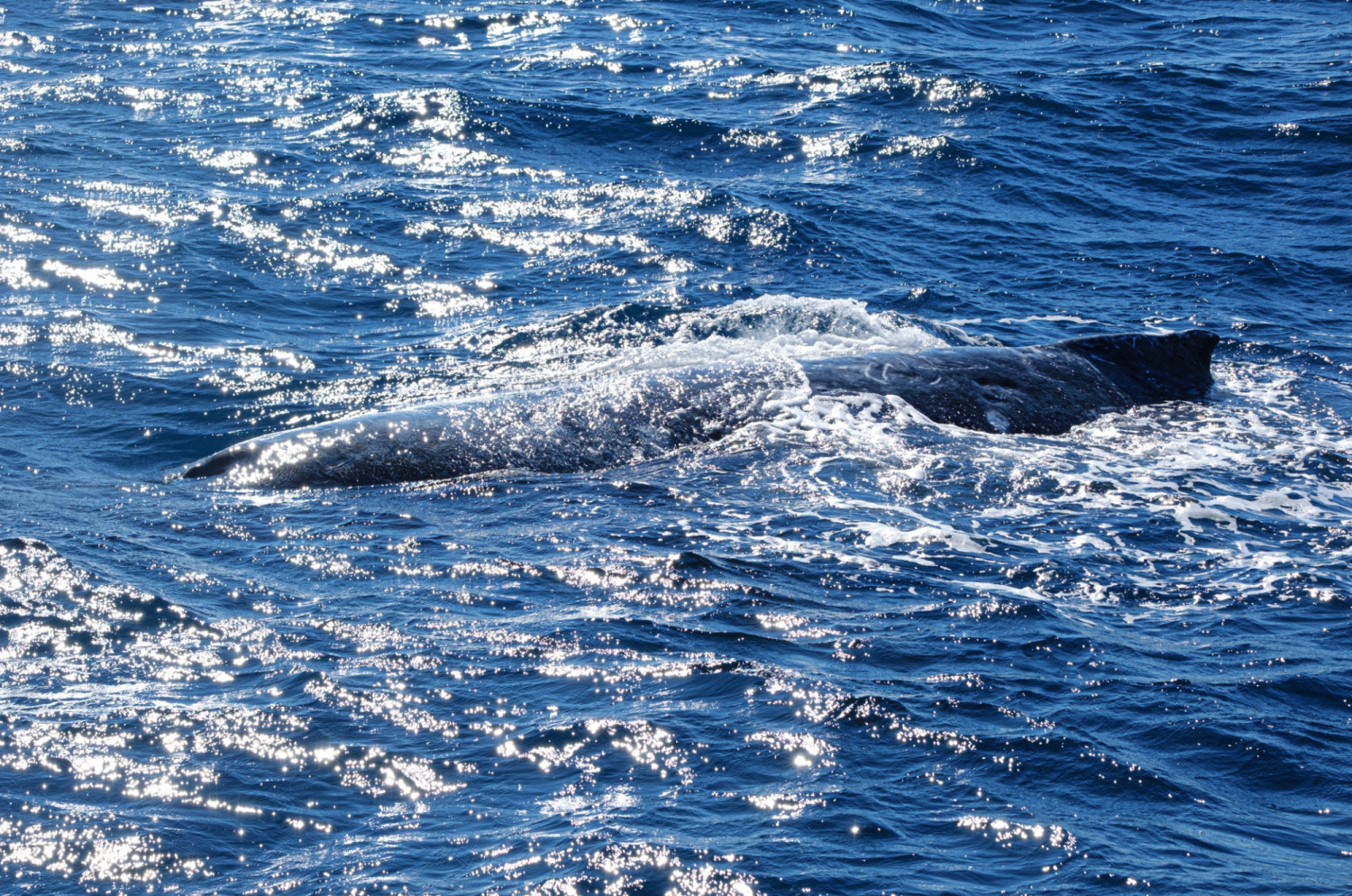
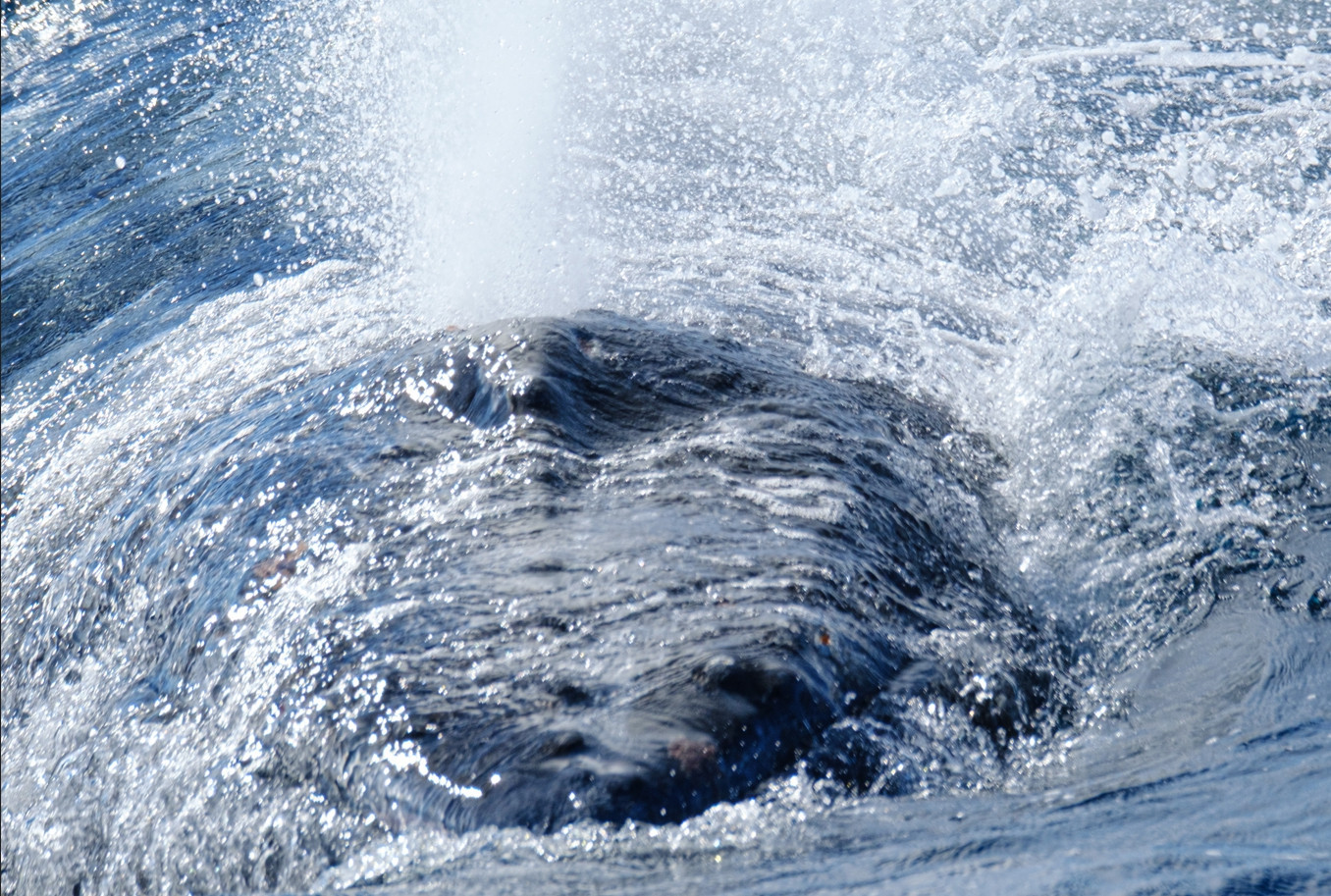
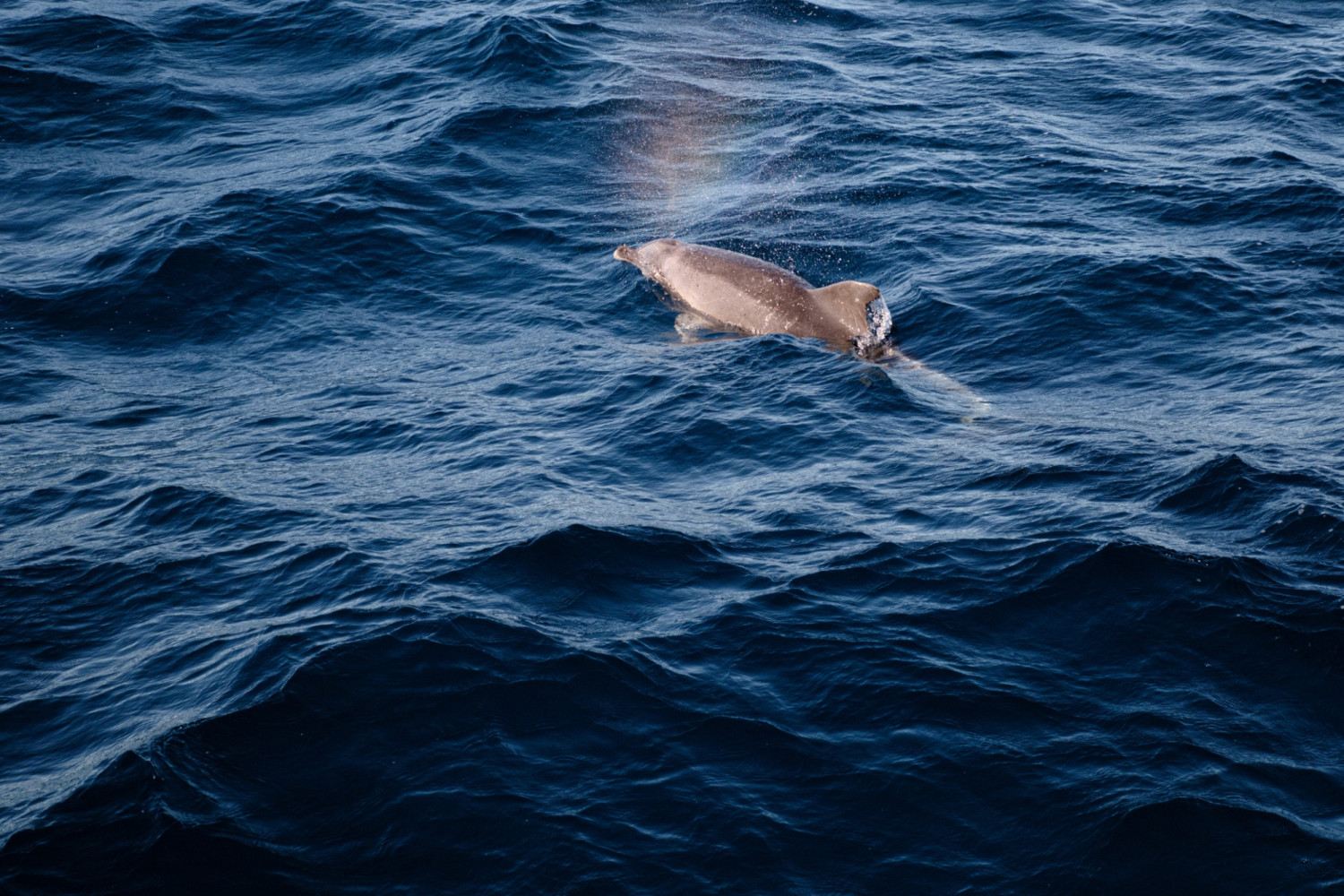
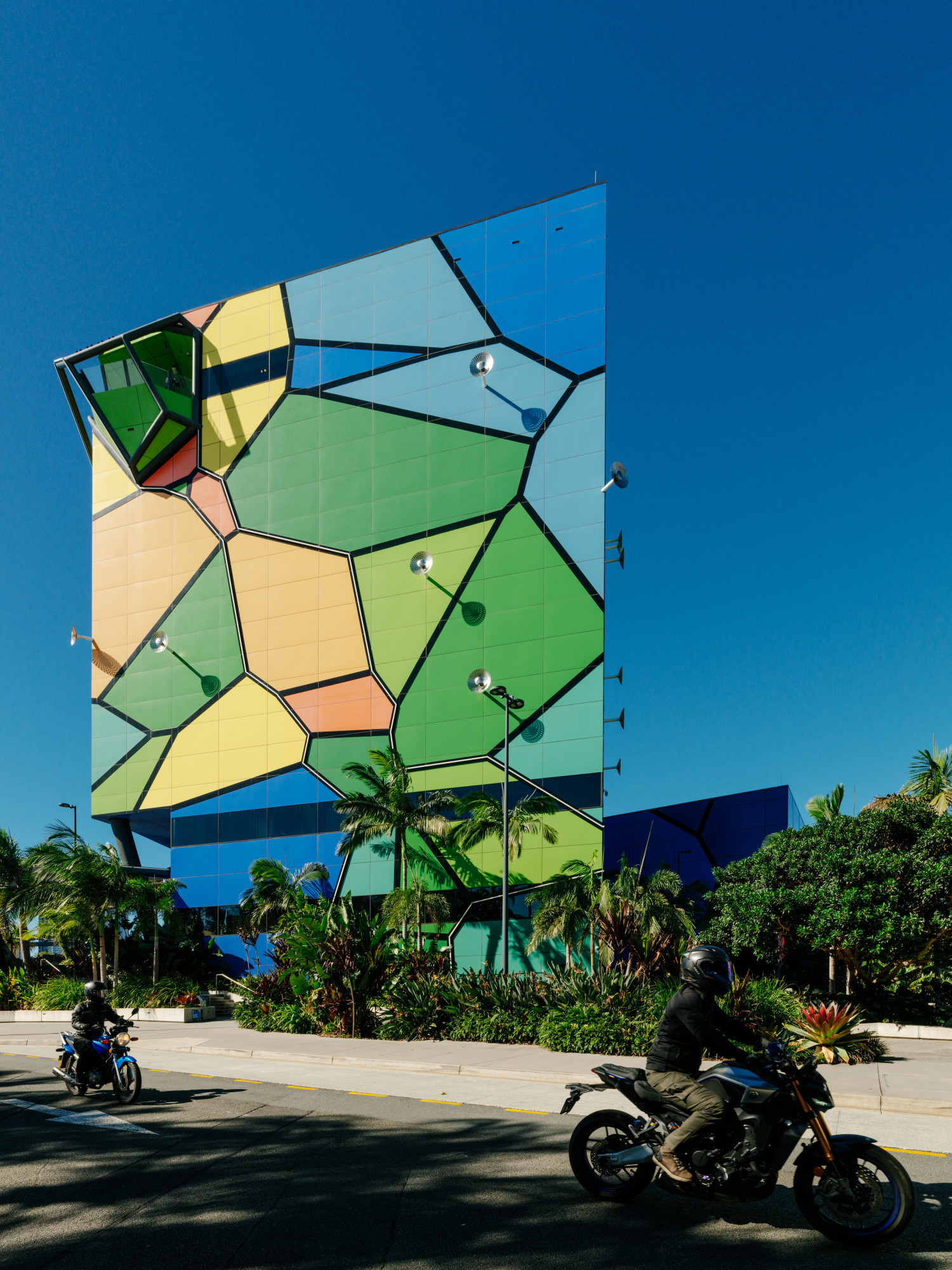
But those aren’t the only ocean experiences available in the area. From late May through November, thousands of humpback whales migrate along the coast, and whale watching tours are offered around Main Beach. The sight of a massive whale breaching the surface brings Gold Coast’s wilder side into relief. In recent years, more cultural spaces have been opening up in the Gold Coast area. Home of the Arts (HOTA) is a cultural precinct combining a concert hall, exhibition space, outdoor performances and a lake, giving Gold Coast a new look. The HOTA Gallery, which opened in 2021, is said to be one of Australia’s biggest public galleries outside a state capital. Such efforts are adding cultural cachet to the appeal of Gold Coast’s beaches.
24 Hours in Brisbane
Places to discover Brisbane today, between a changing city and its enduring landscapes
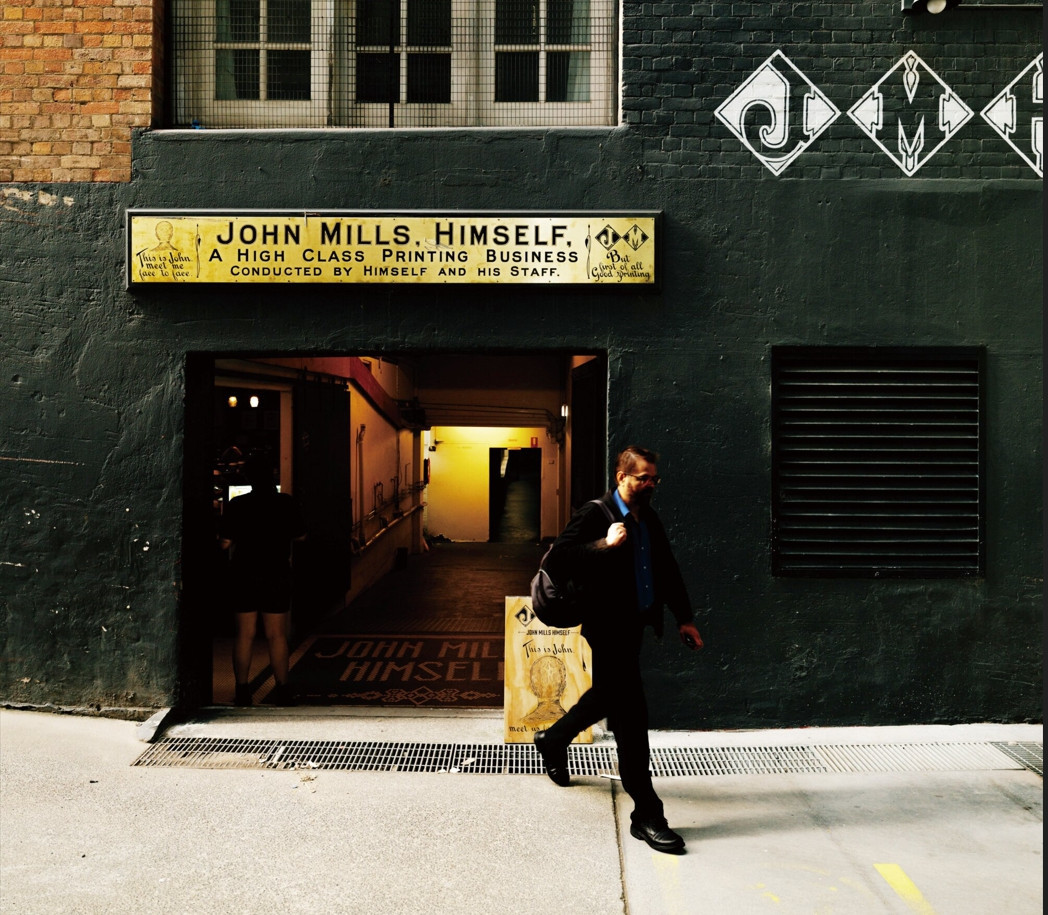
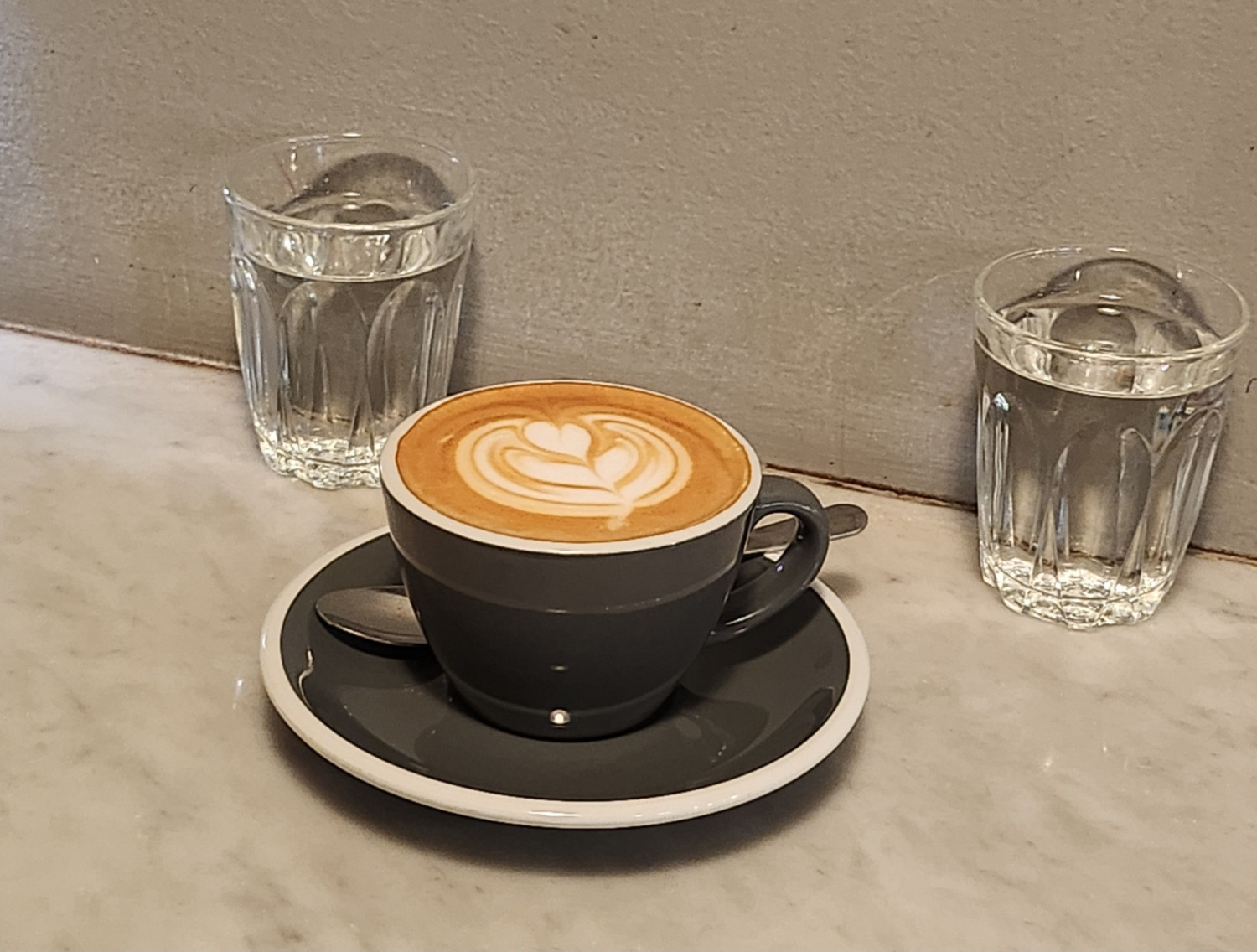
Burnett Lane + John Mills Himself
Known as Brisbane’s oldest laneway, Burnett Lane was once a workaday space mainly used for warehousing and deliveries. Today, it’s lined with cozy bars and cafés and bedecked with street art, highlighting a different side of the city. Tucked away in a nearby laneway is John Mills Himself, a café and bar housed in a former printing workshop built in 1919, pointing to the manifold layers making up Brisbane’s past.
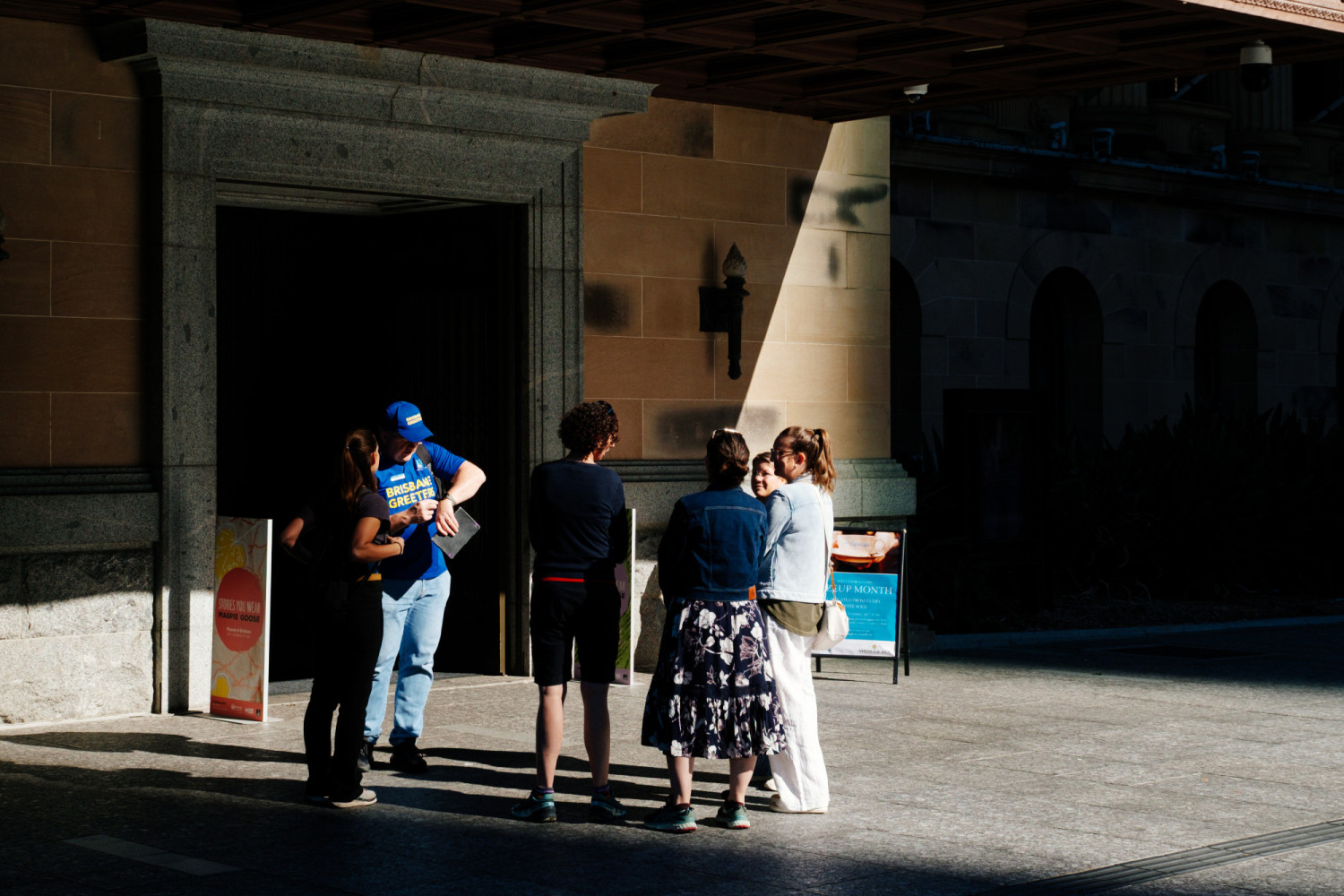
Brisbane Greeters Tour
This free walking tour may be the most authentic way to experience Brisbane. Led by local volunteer “Greeters” who are gung ho about their city, the tours redirect tourists’ attention from landmarks to laneways, everyday life, hidden history and local legends. The tours, which last about two hours, are less about sightseeing than understanding life in Brisbane.
- www.brisbane.qld.gov.au
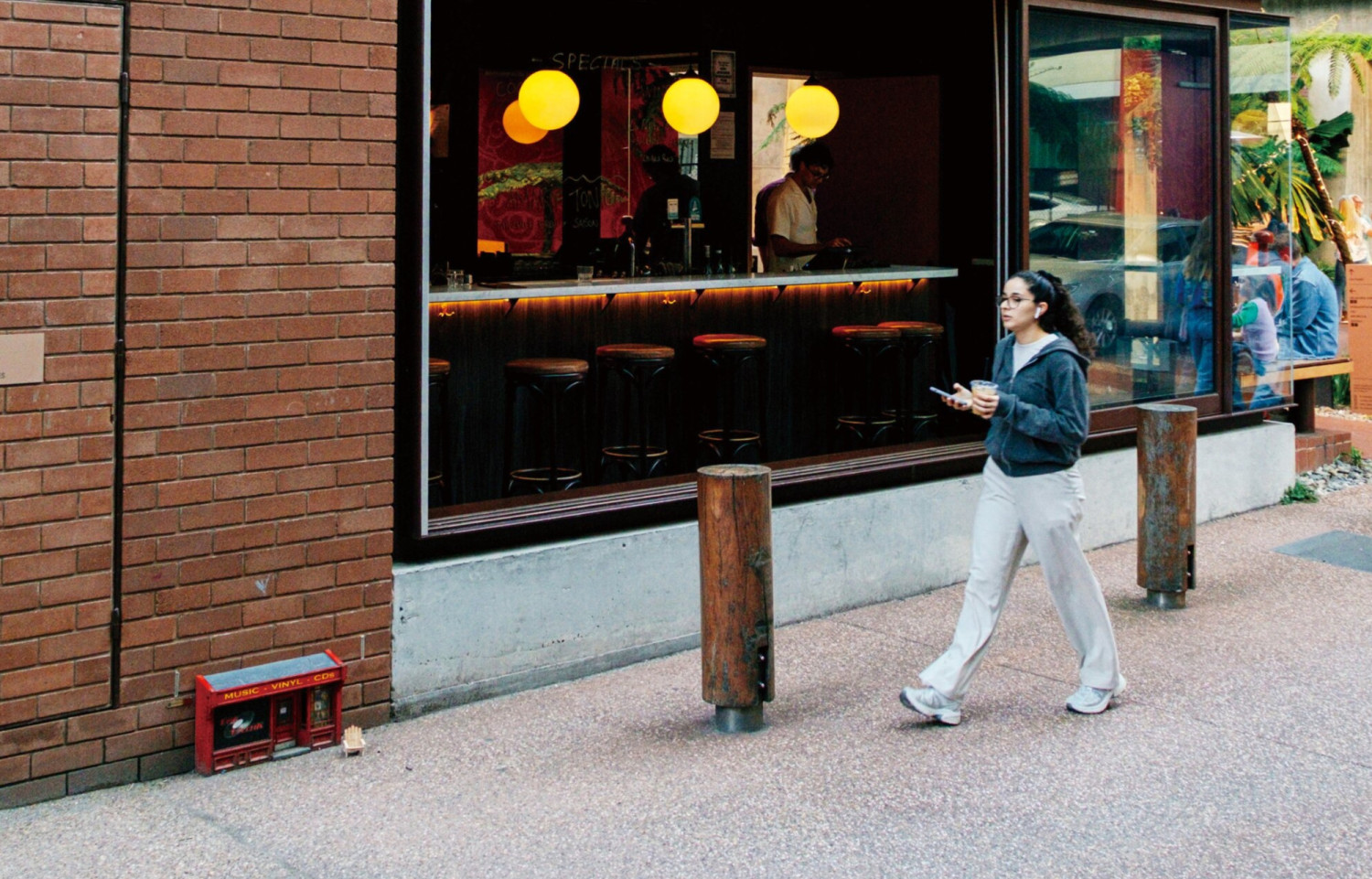
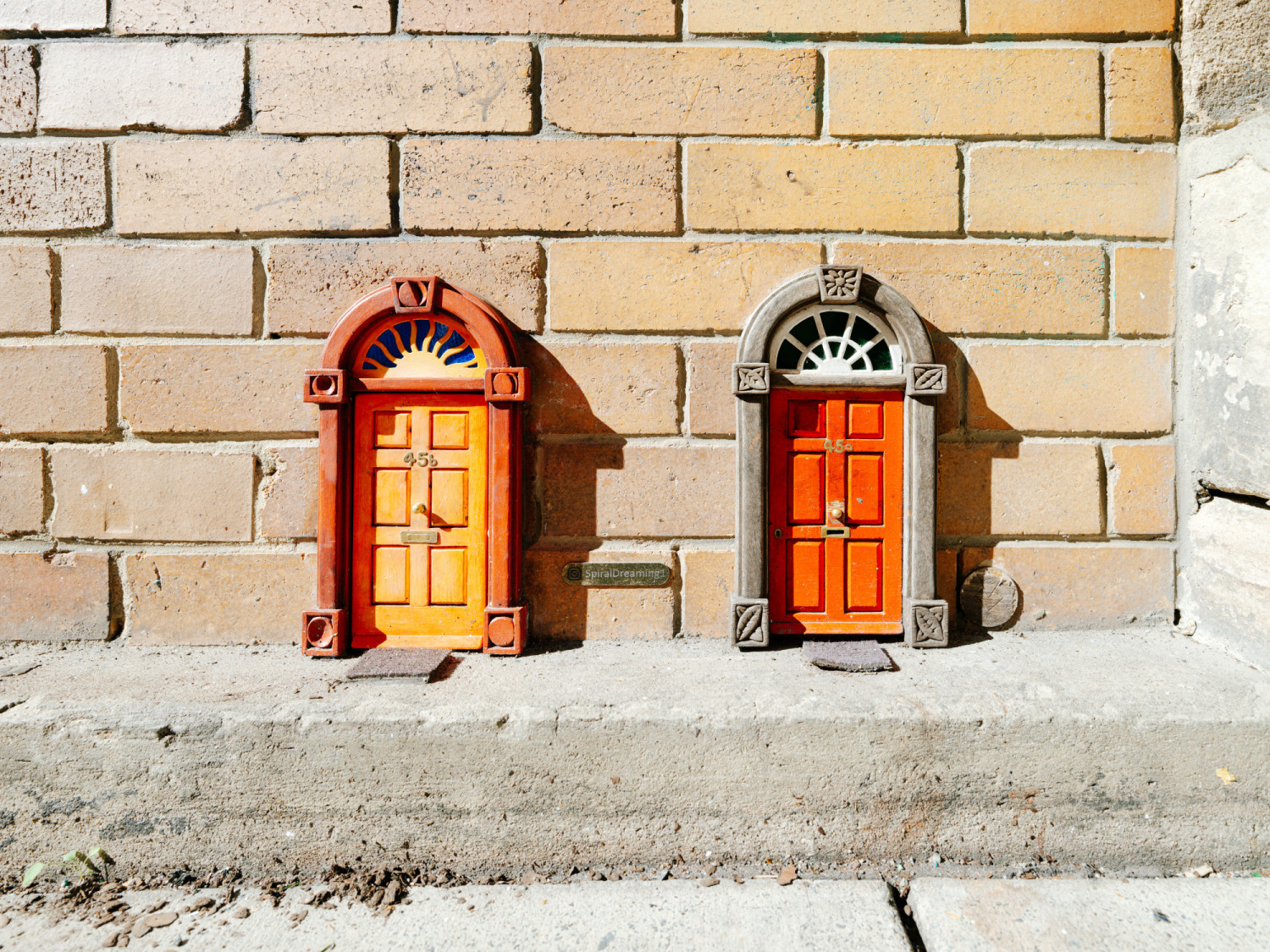
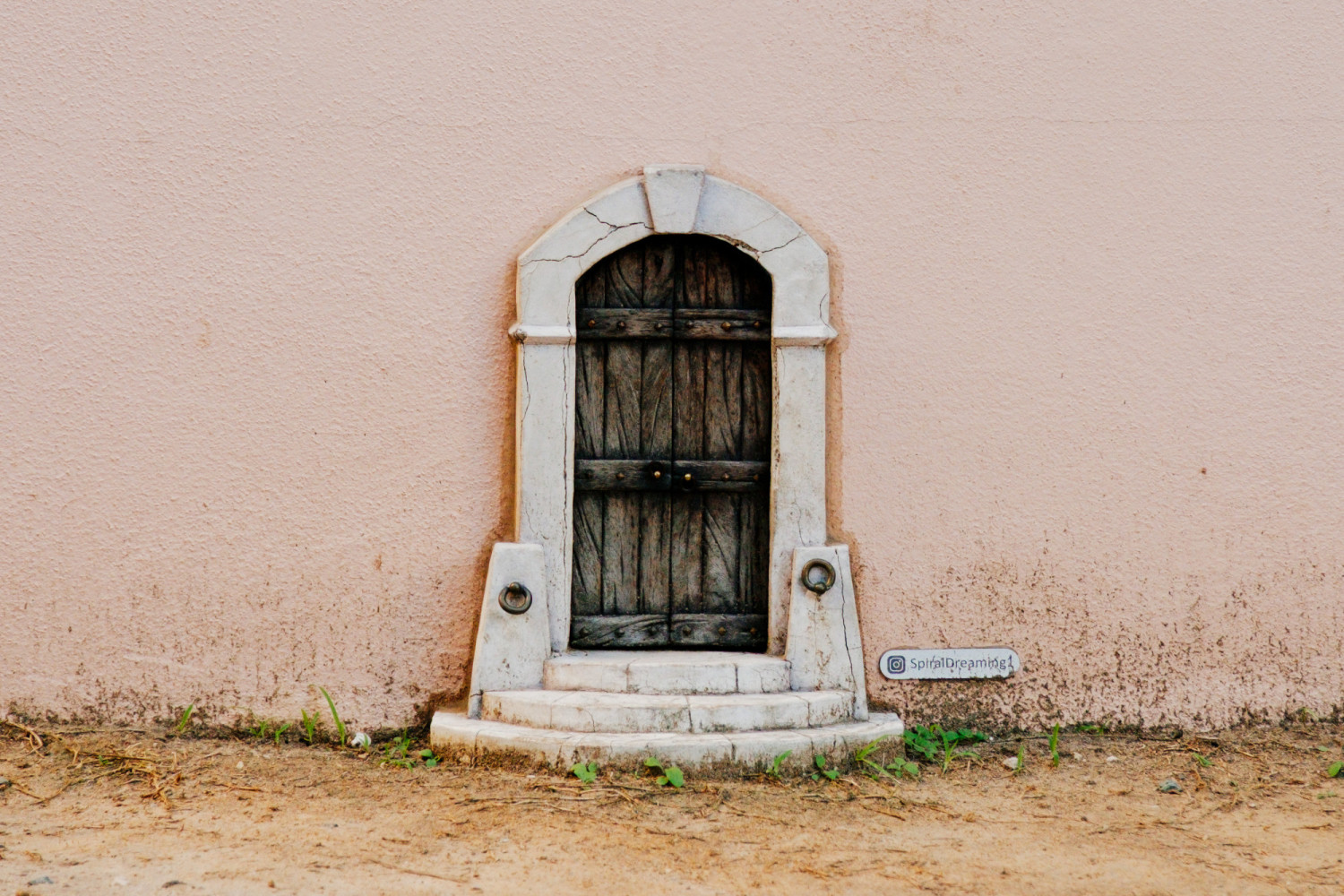
Discover Brisbane’s Tiny Doors
Miniature doors hidden throughout the city are part of a public art project launched by artist Mace Robertson. The delight of stumbling upon these tiny works of art epitomizes Brisbane’s easygoing character. Dozens of fairy doors scattered around the city add to the joy of exploring Brisbane on foot.
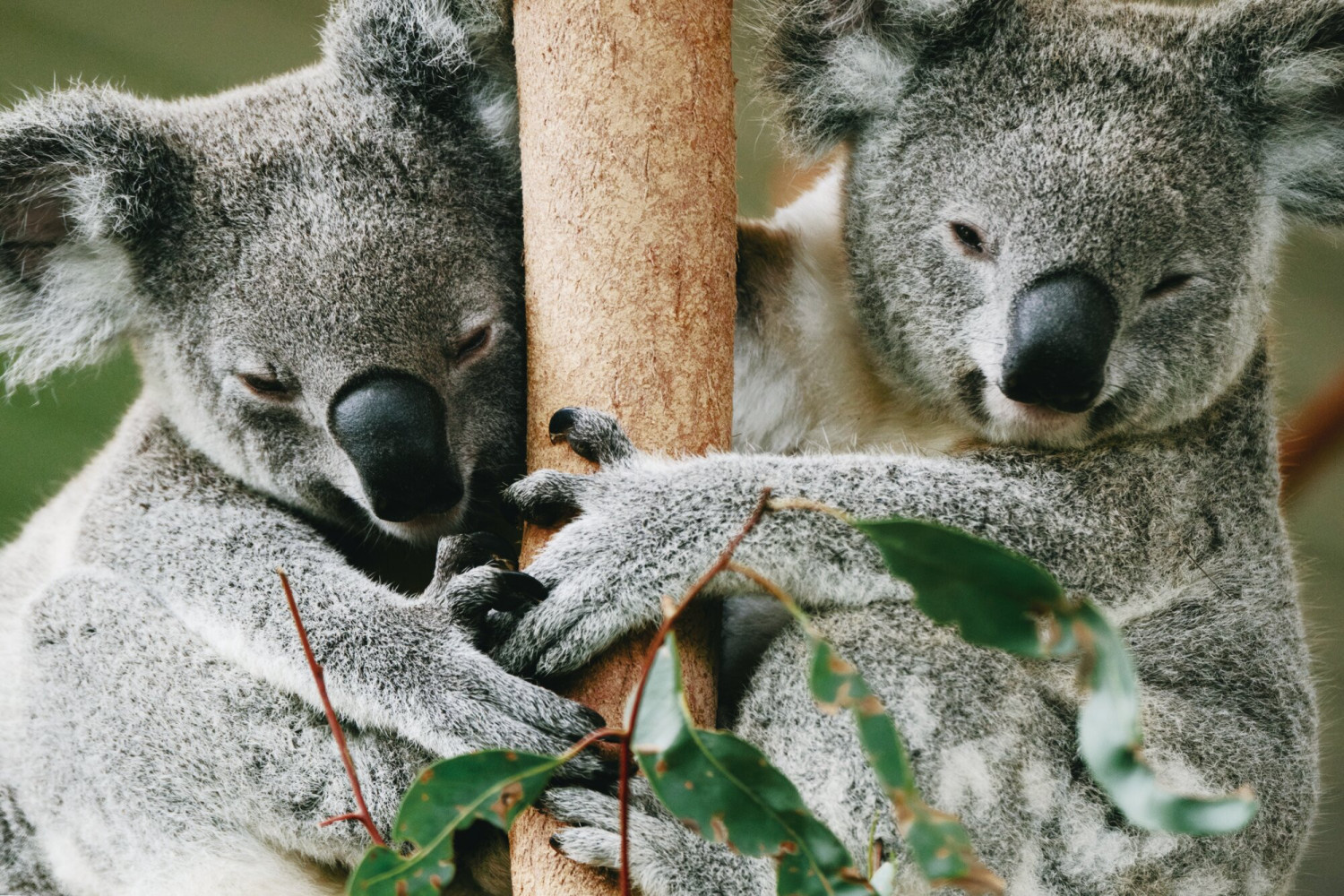
Lone Pine Koala Sanctuary
Opened in 1927, this safe refuge is known as the world’s first koala sanctuary. As one of Brisbane’s best-known nature attractions, it’s home to more than 100 koalas as well as other kinds of native Australian wildlife, including kangaroos and wallabies, which visitors can encounter up close. More than just a zoo, the sanctuary also runs a range of wildlife conservation and outreach programs.
- www.lonepinekoalasanctuary.com
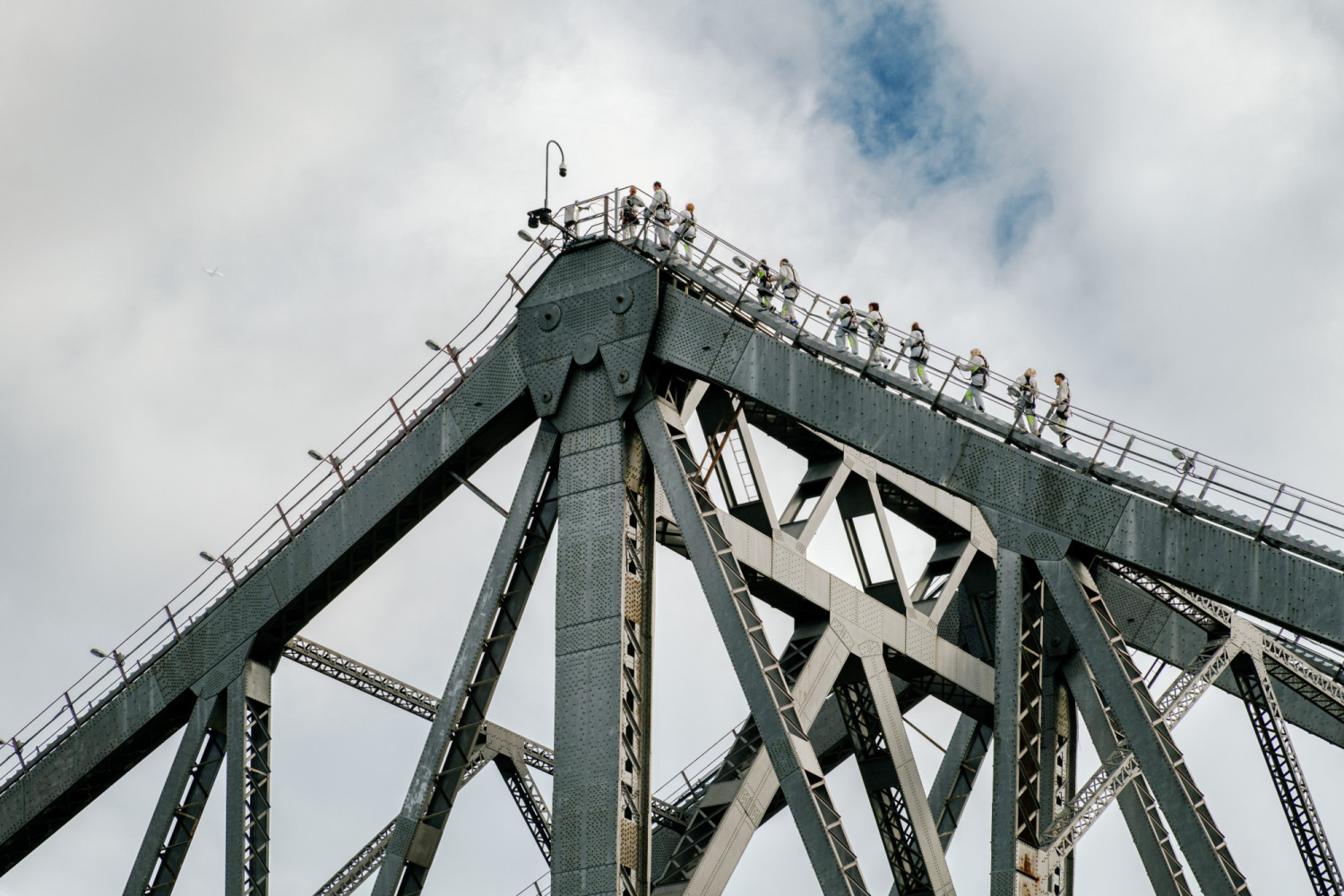
Story Bridge Adventure Climb
This adventure experience takes visitors to the top of Brisbane’s iconic Story Bridge. At the peak of the ascent, some 80m above the Brisbane River, participants are rewarded with sweeping views of the Central Business District, Moreton Bay and the Glass House Mountains.
- www.storybridgeadventureclimb.com.au
- Written by Choi Jini
- Photography by Park Shinwoo
- Korean Air operates direct flights between Incheon and Brisbane 4 times a week.