Art Opens Another Temporal Realm Within, Nam Hwayeon
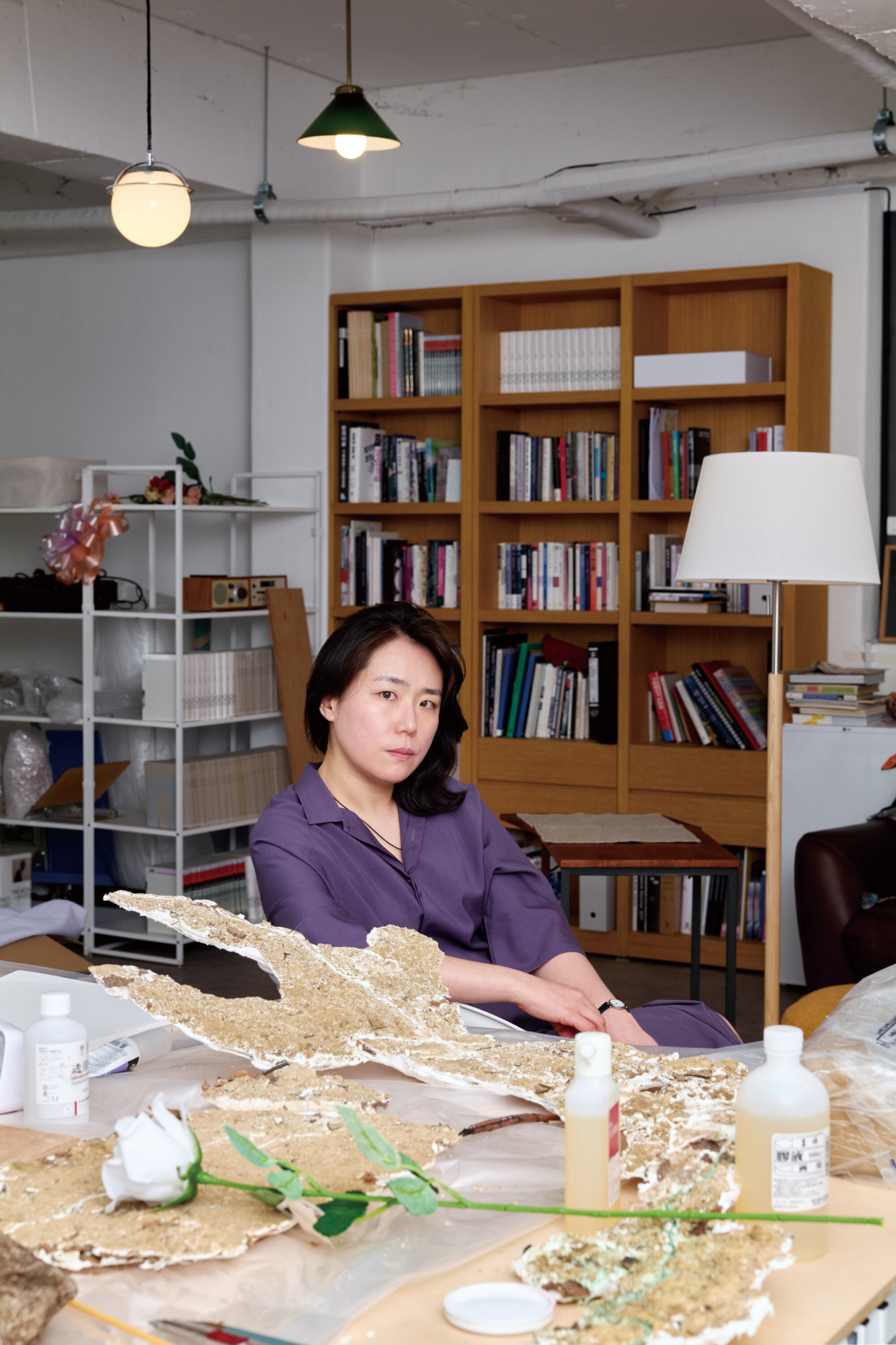
Nam Hwayeon is a leading media artist in Korea’s contemporary art scene. Through a combination of video, performance, research and engagement with archives, she has explored the elusive concepts of time, memory and the movement of the human body. As the first recipient of the newly reimagined Ilwoo Art Award, she has a solo exhibition scheduled to open this August.
Another Time Within Us
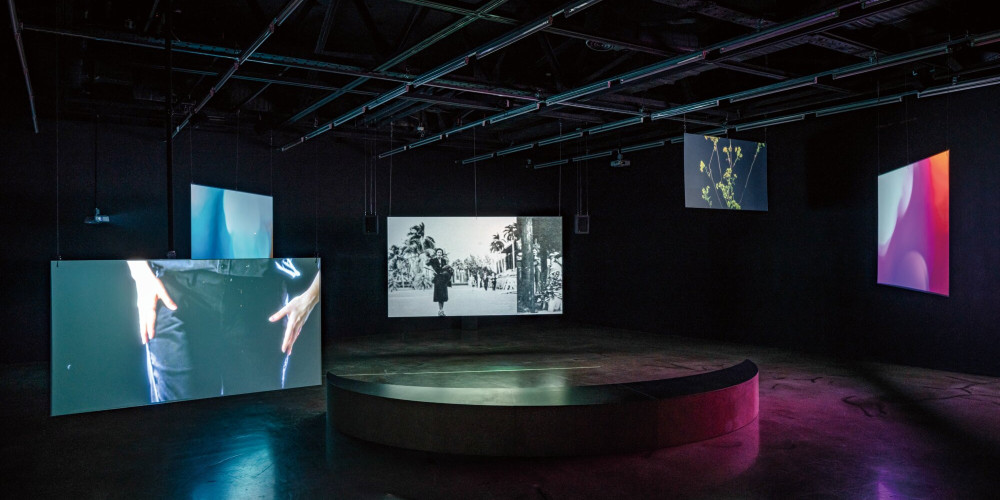
Two timelines flow through Nam’s work. One is the objective time recorded in history and archives; the other is the living, breathing time of sensory experience within our own bodies. She dances beautifully between these two temporal realities, bringing vanished movements and the fading traces of forgotten memories back to life through the visceral sensations of the present. This ongoing exploration first drew attention with her 2008 exhibition at Art Sonje Center. Since then, her work has been featured in major international exhibitions and insti¬tutions, including the main exhibition of the 2015 Venice Biennale, Palais de Tokyo in Paris and the Busan Biennale 2022.
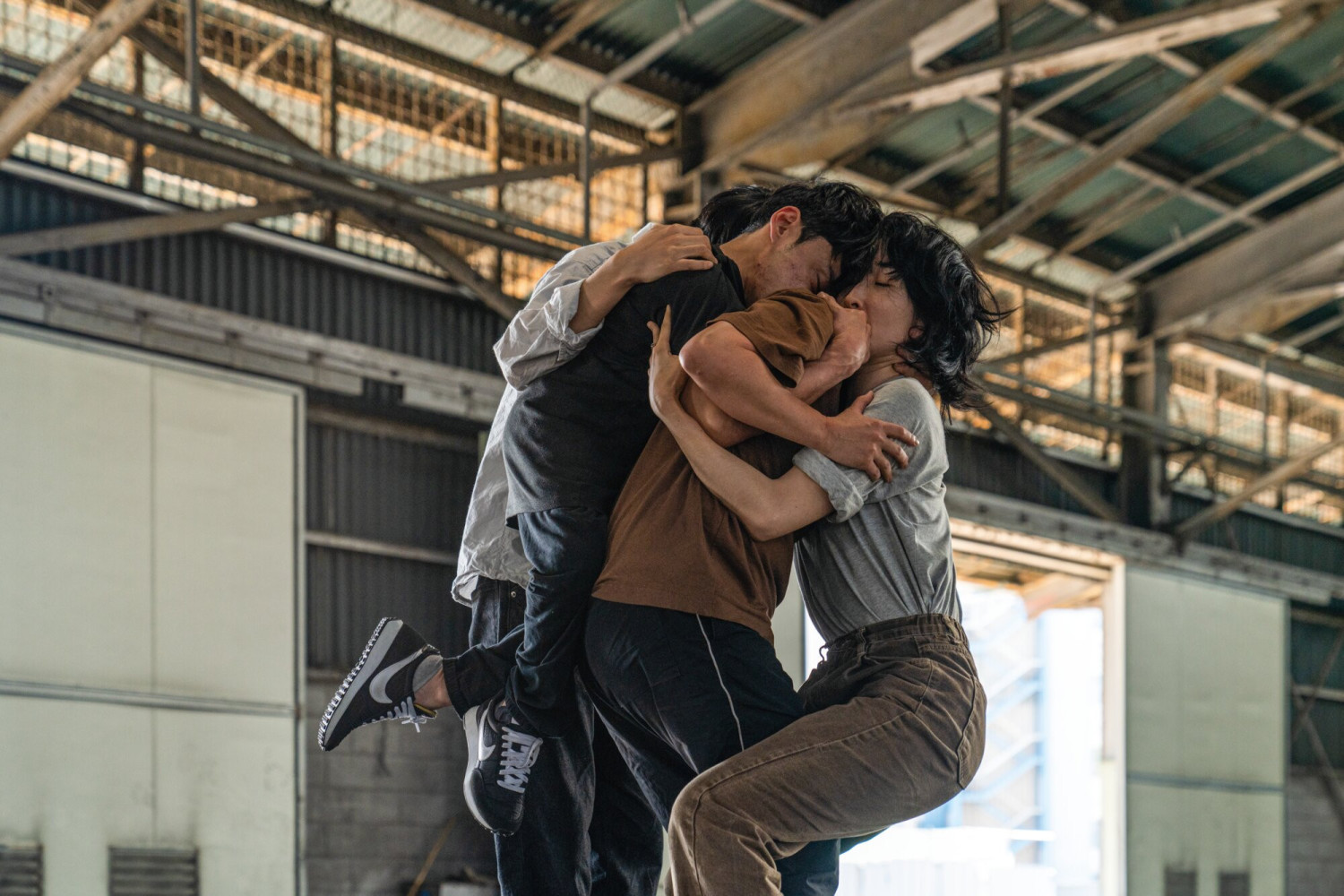
A powerful example of this artistic approach is the Dancer from the Peninsula video installation, a meditation on the life and work of the seminal modern Korean dancer, Choi Seunghee. Here, Nam is inter¬ested less in the facts of history than in the gestures and movements that slipped past the official records and the traces of a time now vanished. To her, the body is never a mere object of representation. It is a conduit that carries the deep marks of history, time, politics and emotion, as well as serving as a site of memory.
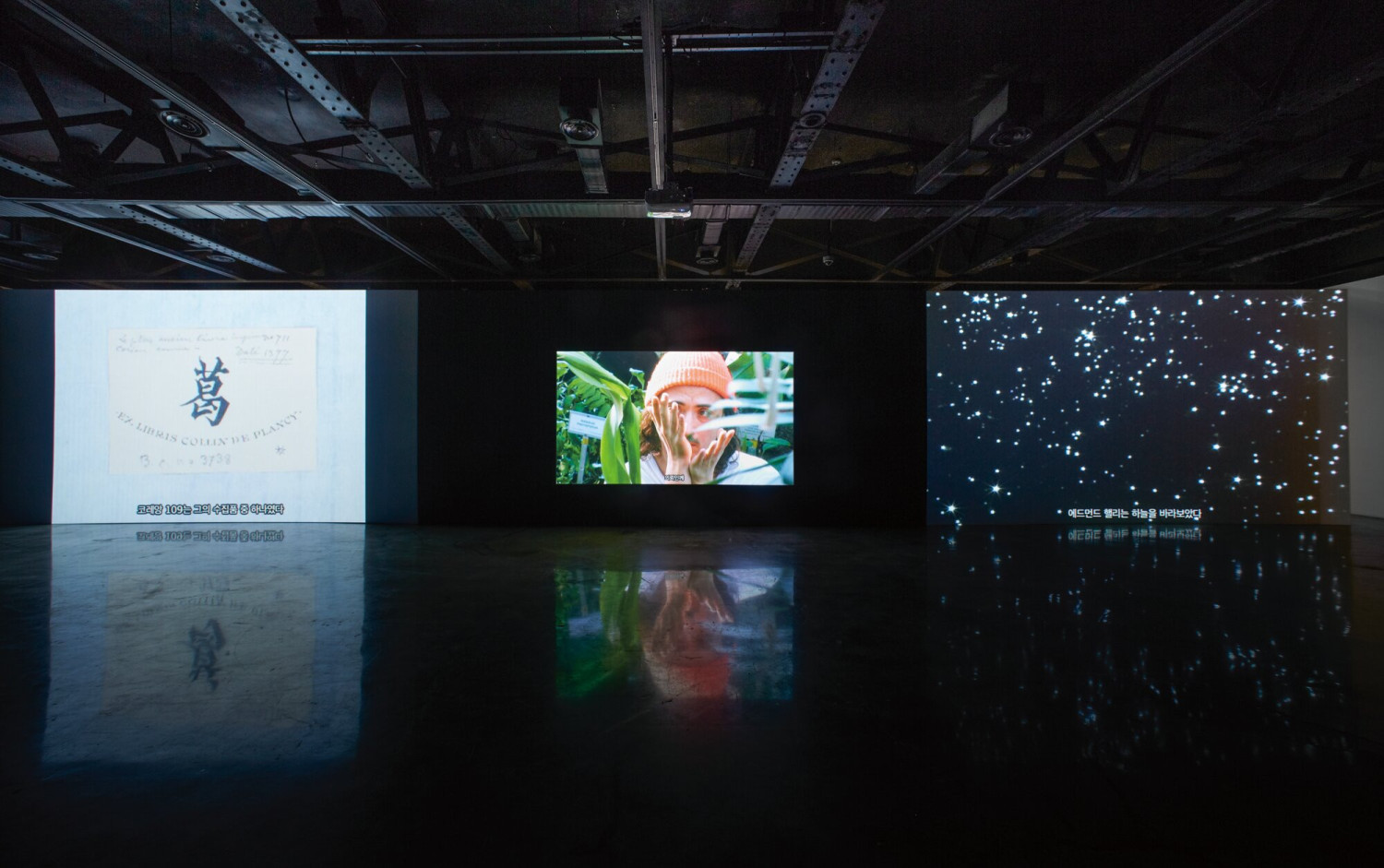
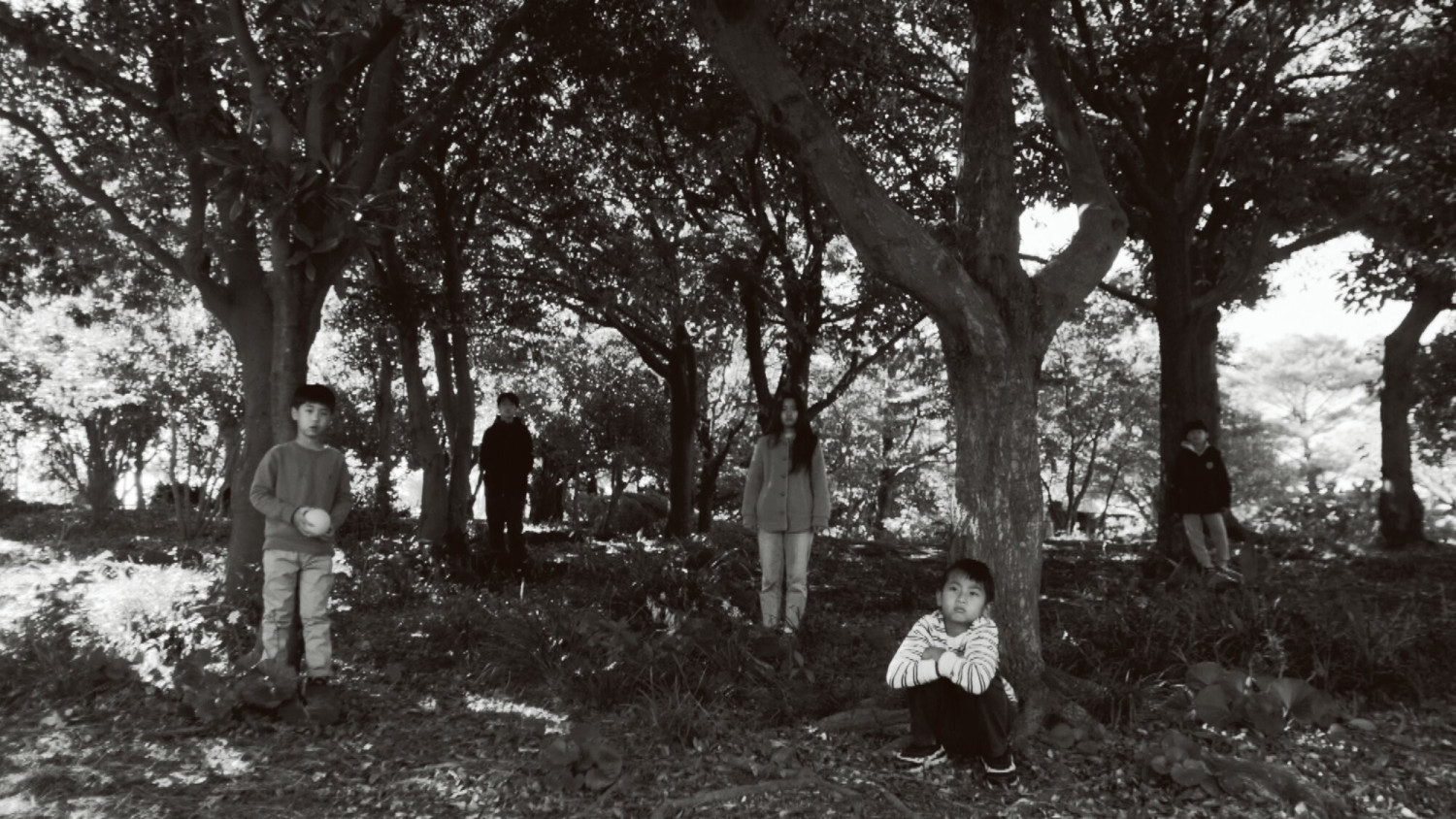
Yet now, after working as an artist for over two decades, her focus has subtly begun to shift. Her gaze has moved from specific figures of the past to the fundamental nature of existence itself. This shift came from the realization that, after spending so long exploring the historical, the archived, and the absent, those very themes were inextricably linked to her own life. This evolution was profoundly evident in her piece You Only Live Twice (2022), exhibited at the Busan Biennale.
Today, Nam directs her quiet gaze toward the physicality of the present, the finitude of human life and those fragile sensations that flutter between living and existing. She says that lately, her focus has shifted: “capturing the sensation of this very moment” and “the pure joy of living in the present” have become paramount. Her art, too, has pivoted from simply reviving the past to asking how we can fully experience our own bodies, our own time and the precise rhythm of the current moment. In the end, she suggests, the most dazzling and brilliant part of life might just be the exact instant we are living right now.
And perhaps this is why Nam’s work is better experienced not through logical explanation, but sensory experience. Rather than trying to decipher a specific narrative in her pieces, we might be better served simply by pausing within them, allowing ourselves to settle into the deliberate rhythms created by her video, sound and performance. In those fleeting moments of breaking away from our accustomed pace of life, we begin to recognize, in a novel way, the texture of time and the sensations of our own bodies — signals we so often ignore. In this way, her art unlocks an alternative sense of time within us, compelling us to pay attention and gaze anew at the world we often overlook.
Interview
20 Years, Yesterday and Beyond
Being recognized as the inaugural recipient of the Ilwoo Art Award must carry profound significance for you. Through your upcoming exhibition, what facet of your artistic practice do you hope to share with us?
This exhibition will take place at Ilwoo Space, located on the ground floor of Korean Air’s Seosomun building in Seoul. The fact that Ilwoo Space is not your typical, white cube gallery was both an intriguing challenge and an inspiring point of contemplation for me. But on a more personal level, it’s a neighborhood I just truly love to walk around in. As I was shaping my ideas for this exhibition, I took countless long walks around Ilwoo Space and its environs, simply observing the flow of people and the surrounding architecture. I noted the orderly lines forming in front of the revolving doors right around closing time, the joyful bustle during the lunch hour rush, the shift in the street’s atmosphere from day to night — those moments left a deep impression on me. Ultimately, I believe this exhibition will weave the physical space and the location together to generate an entirely different rhythm of time for those who step into it.
While your artistic practice begins with research and archival digging, your finished pieces refuse to rest at “representation.” When would you say a work truly begins?
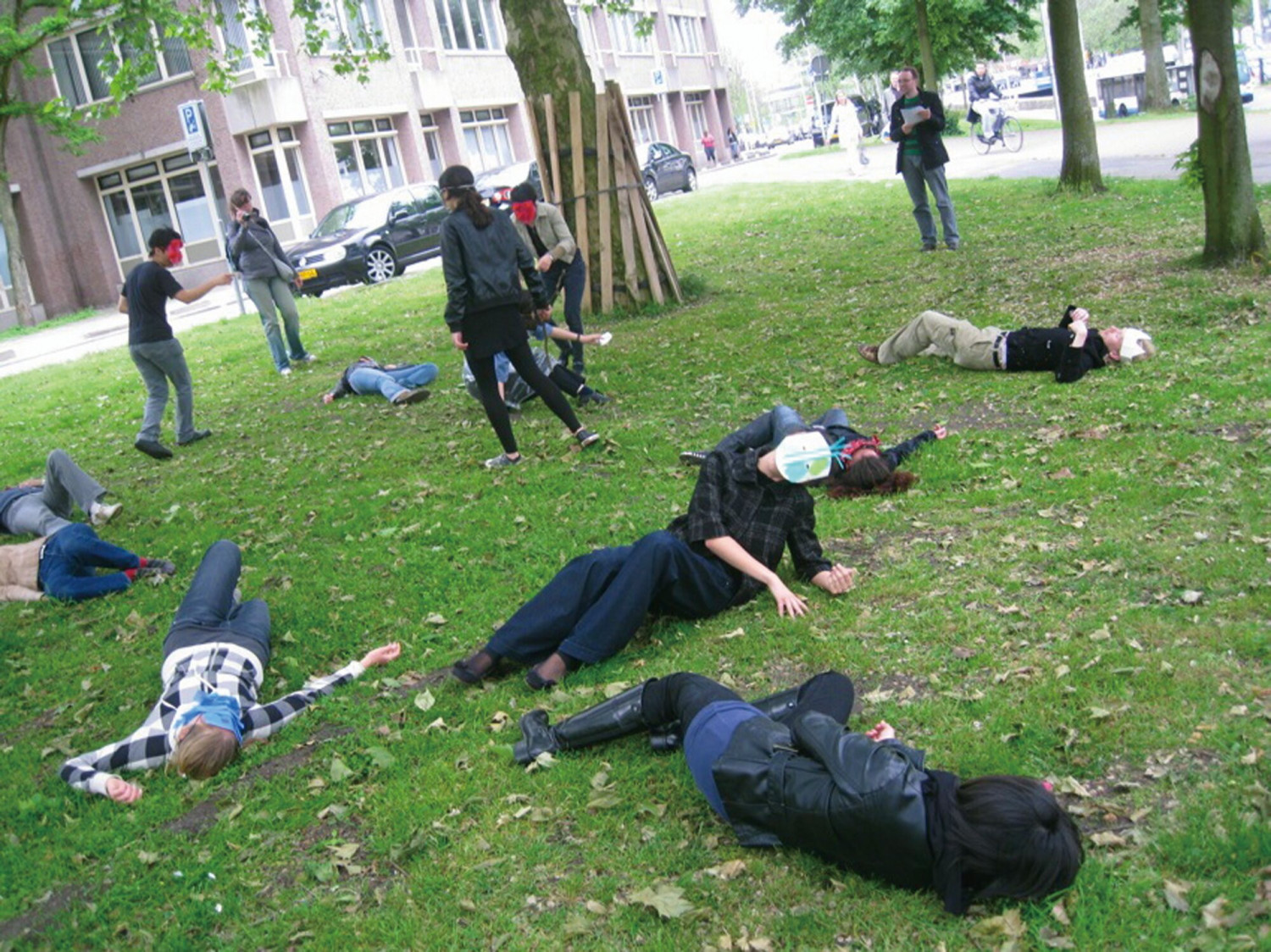
It is genuinely difficult to point to a single moment of inception, but generally, it feels as though the artwork begins to take tangible shape in the process of attempting to overcome some kind of stumbling block. For example, years ago, I reached out to the Bibliothèque nationale de France (the National Library of France) in Paris with a plan to hand-transcribe Jikji (the oldest extant book printed with movable metal type). They denied me access outright. That refusal forced me to come up with a strategic workaround, which eventually led to an entirely new awareness and a different formal approach. There’s undeniably a feeling of dread in those moments but also a strangely potent thrill. Of course, a moment of sudden inspiration can strike.
Between Memory and Movement
Your 2019 project Dancer from the Peninsula is often cited as a definitive example of your research-based practice. Could you tell us what originally sparked your interest in her?
While I was living in Germany, I visited dance archives and began wondering about the original source that gave rise to those static images of bodies in the records — the dance itself.
At the same time, I was listening to an adaptation of an Italian song from the 1930s, A Garden in Italy, sung by Choi Seunghee. I found myself magnetically drawn to that recording: her voice, a disembodied sound, the echoing of a body that was no longer there.
When I started out, I was simply trying to trace the specific dances and fragmented traces of Choi. However, the process pulled me into the turbulent current of Korea’s modern history and eventually, the wider historical flow of Asia itself. The form and style of her dancing responded, very keenly, to the political and social currents of her era and evolved. Beginning with modern dance, her style transitioned to Sinmuyong (New Dance) and she ventured into traditional East Asian dance. After her fateful defection to North Korea, she then began focusing on elaborate dance-dramas.
Additionally, the project made me think about how a pioneering female artist has been represented and “consumed” by the public. In my interactions with private collectors holding some of her records, I began thinking a lot about the fragile boundary between the “public” and the “private” nature of historical resources. Working with a historical figure like Choi highlighted the necessity of evaluating not just the life of the artist but the multi-dimensional artistic legacy left behind. It solidified my conviction that archives need true public accessibility, and that we must engage with archives not merely to “restore” the past but as a condition and engine for creating entirely novel art.
Following the Busan Biennale, it seems your creative focus has shifted. What sparked this transition?
Right around the time of the Busan Biennale, I had finally brought my research-based work on Choi to a close. Perhaps because that chapter had ended, I was finally able to squarely confront more immediate issues: life, the physical body, the reality of death and emotion. And on a personal note, my thoughts regarding my own aging have undoubtedly grown more profound. It is precisely because of these thoughts that I now hold the pure joy of existing in the present, and the fleeting sensations of the living body, in the highest esteem.
Your work is often celebrated for imprinting itself upon the viewer’s memory. What is the specific experience you wish for the viewer to walk away with?
I am resistant to the notion that engaging with art requires first acquiring large amounts of knowledge. My belief is that resonant art makes its way to the heart long before any attempt at intellectual “decoding,” long before the gathering of facts or knowledge. Creating a work of art or preparing an exhibition feels very much like drafting a personal letter. More often than not, this letter isn’t addressed to a collective audience. Instead, I believe that the experience of bearing witness to the hidden meaning contained within might become something profoundly meaningful for a particular person.
The Artist and Everyday Sensibilities
You deliberately turn a long, contemplative gaze on decelerated time and vanishing sensations. Why do you believe this approach is necessary today?
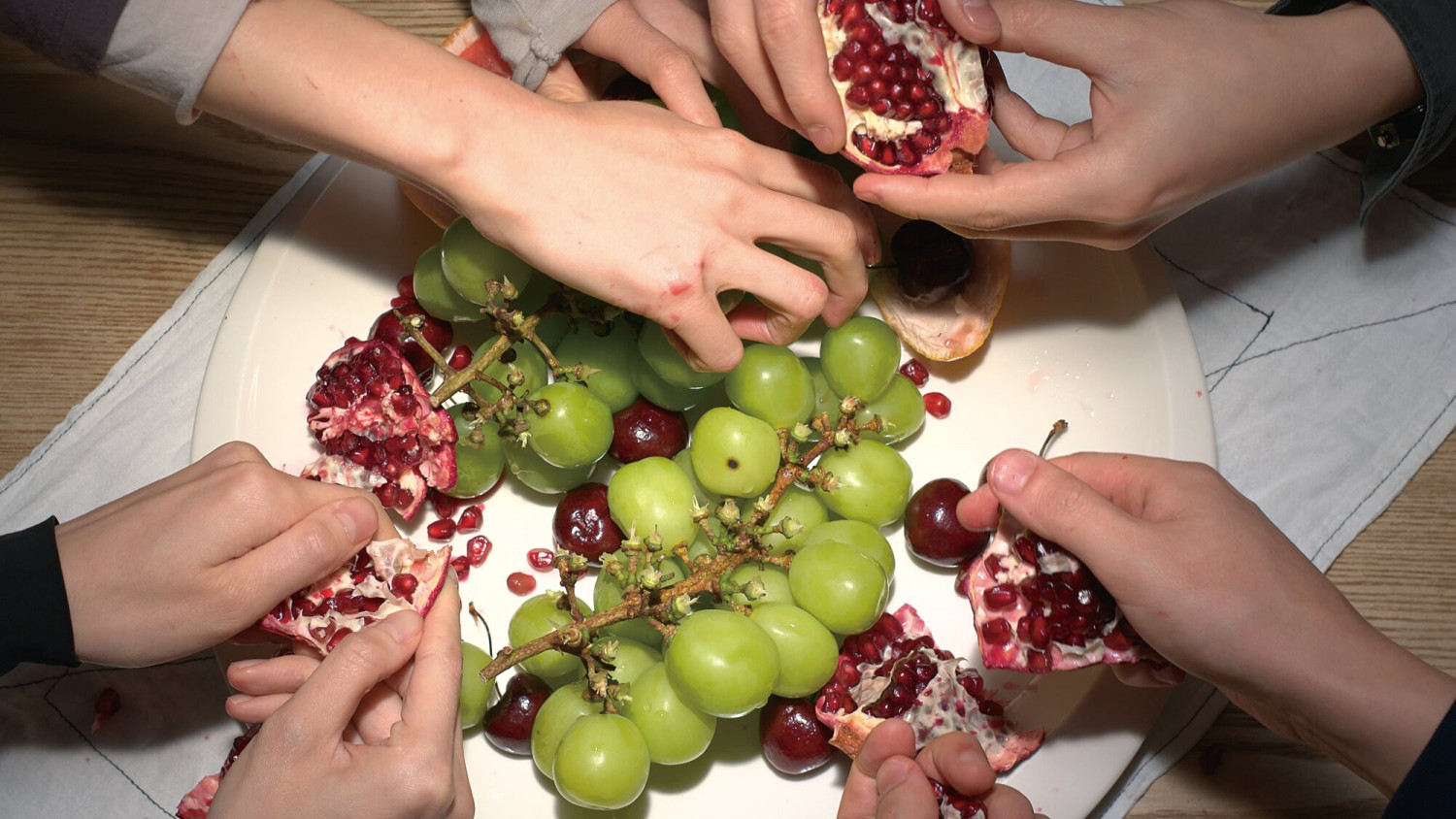
Do we not all feel a need, not just within the practice of art but in our daily lives, to actively forge moments where we deliberately detach from the rigid rhythms of time and escape normative structures? This is especially pressing today, when acceleration has become the norm; the reality is that most of us are simply trying to survive from one temporal pressure to another. And this pressure is packaged with labels like “convenience” and “efficiency.”
For people encountering your art for the first time, what state of mind do you wish to suggest when they walk into this upcoming exhibition?
I hope that my upcoming exhibition becomes a place where visitors can relax. And my hope extends not just to art museum visitors but equally to the staff of Korean Air and the people passing by on the bustling city streets outside. I want them to experience “decelerated time” — to savor the luxurious richness of time that feels disconnected from productivity.
Where to Experience the Art of Nam Hwayeon
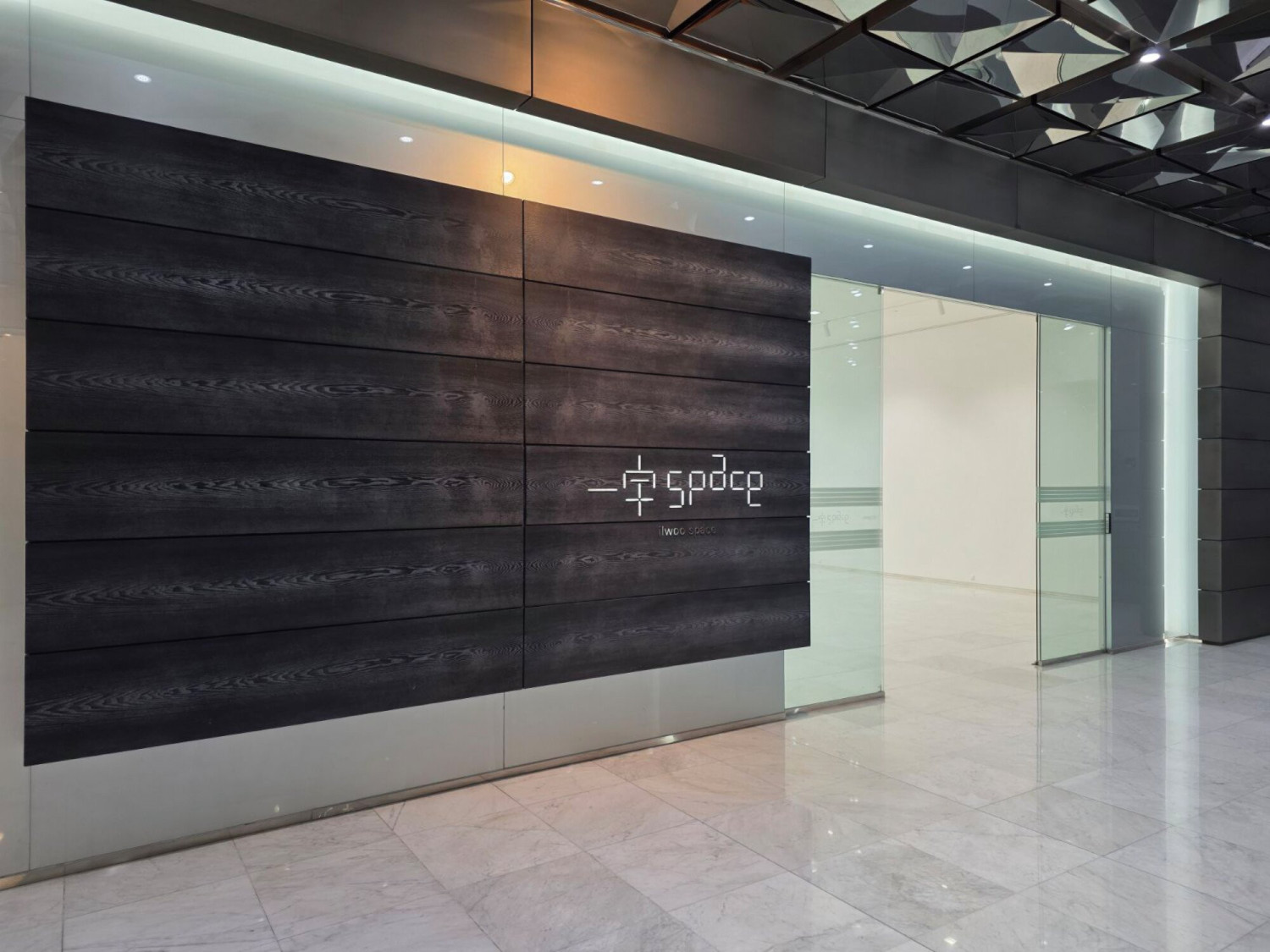
Ilwoo Space
Nap
August 18 – September 30
Established in 2010 through the renovation of Korean Air’s Seosomun building lobby, Ilwoo Space is a dedicated venue for photography and art that has grown into an open platform for contemporary culture. This exhibition presents new works by Nam Hwayeon, the first recipient of the Ilwoo Art Award following its transition from the Ilwoo Photography Award. Responding to the distinct character of Ilwoo Space, Nam explores time, the body, and the sensory experience of the present.
- ilwoo.org
Ilwoo Art Award
Expanding the Boundaries of Art
The Ilwoo Art Award is a vital program supporting contemporary visual arts operated by the Ilwoo Foundation. Established in 2009 as the Ilwoo Photography Award, it was expanded and redefined in 2024 to embrace a broader range of artistic practices — including video, painting, sculpture and installation — that employ photography as a creative tool. This evolution reflects the Foundation’s longstanding commitment to supporting the arts and fostering creative environments, while responding to the realities of today’s artistic landscape. By supporting artists who move fluidly across disciplinary boundaries, the award provides recipients with both production support and the opportunity to present a solo exhibition.
- Written by Choi Jini
- Photography by Chun Eun
- Image courtesy of the artist