A DIALOGUE OF LANDSCAPES NAMHAE
The best way to experience Namhae is to refuse to rush. Rather than ticking off a checklist of famous sights to see, slowly weave through the terraced villages and roads, tracing the land’s contours to discover the island’s true identity. The allure of Namhae lies not in any single location but in the seamless way its vistas unfold before you.
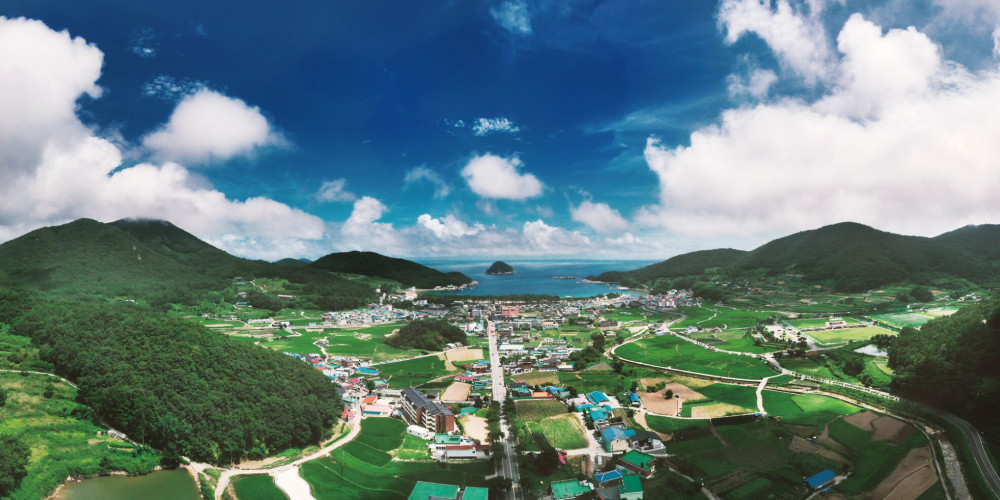
Located just off the central-southern coast of South Korea in Gyeongsangnam-do Province, Namhae is the fifth largest of the nation’s 480 inhabited islands. What makes this place extraordinary is not its size but the endlessly shifting panorama that greets you the moment you reach the island. Here, coastal cliffs, rocky islets, agricultural terraces, fishing hamlets, historic temples and modern cultural spaces coexist in exquisite harmony.
Into the Island
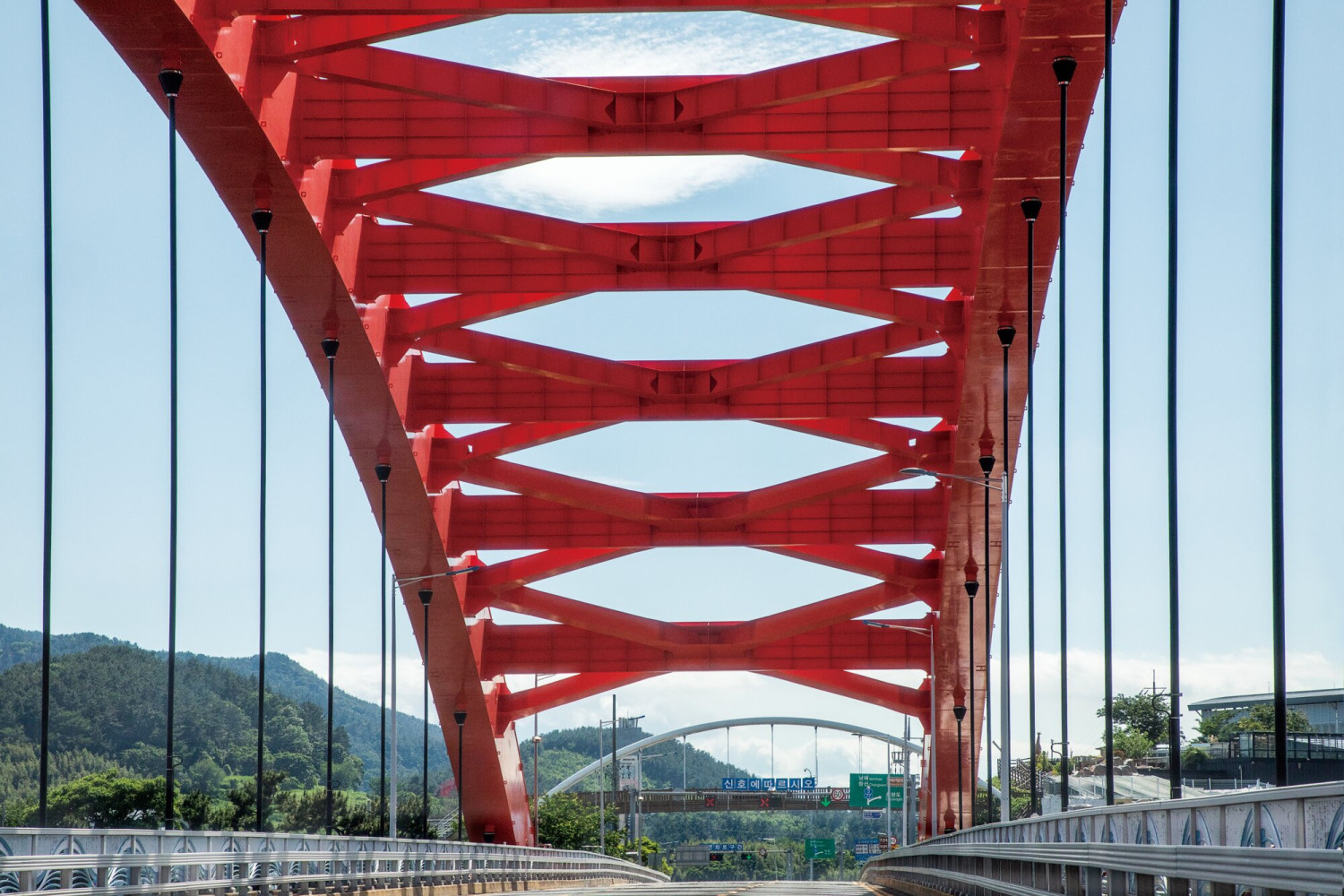
The trip to Namhae begins even before you reach your destination. Leaving the mainland behind and driving across the magnificent Changseon-Samcheonpo Bridge — five connected bridges that span the open water — you naturally begin to understand why Namhae is celebrated as the “gateway to the archipelago” that makes up the larger Namhae-gun County. Venture a little further south, and the Windbreak Forest of Mulgeon-ri awaits, an artificial forest planted by Mulgeon-ri Village residents around 300 years ago to shield their crops from fierce sea winds and tidal surges.
A rich variety of deciduous trees grows abundantly alongside evergreens and lush vines. The forest also creates an environment that attracts schools of fish, showing that this natural landmark is the ultimate testament to how the people of Namhae have long lived in harmony with nature.
ⓒ Courtesy of Namhae County Office
A Panorama of the Archipelago
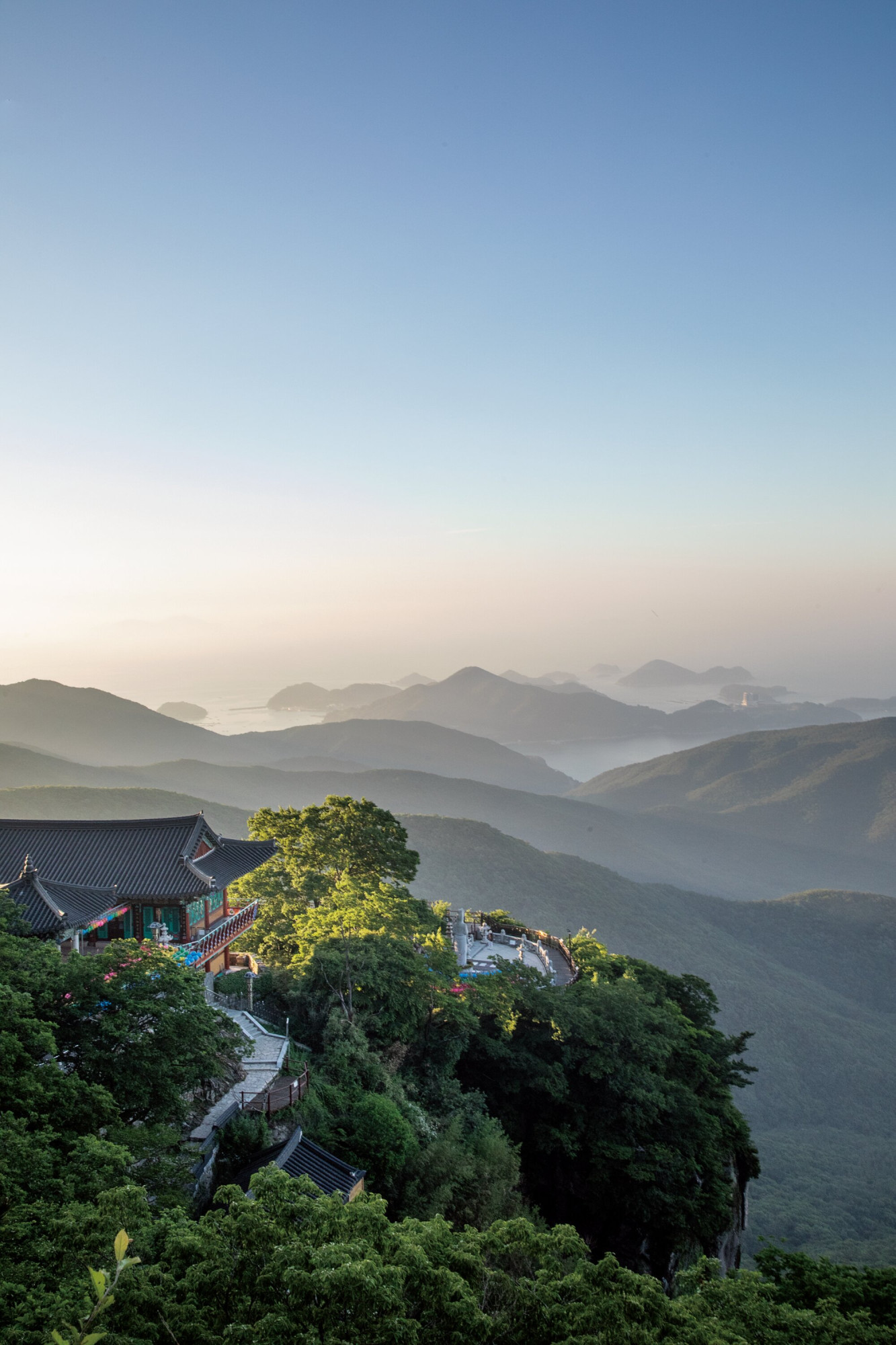
To capture the full splendor of the wider Namhae-gun County archipelago in a single glance, there is no place quite like Boriam Hermitage on Geumsan Mountain. Nestled near the summit of the 705m peak, Boriam is one of Korea’s most revered prayer sanctuaries and provides an unmatched observation point.
The ascent can be demanding, but nearing the peak, your climb is gener ously rewarded. The view of the archipelago from Boriam is unlike any ordinary seascape. Countless islands lie layered one behind the other, creating an extraordinary sense of depth that shifts in color and mood with the passing weather. On a clear day, the sharp contours of each island stand out in vivid relief; on misty days, they appear like delicate ink dots floating upon the water.
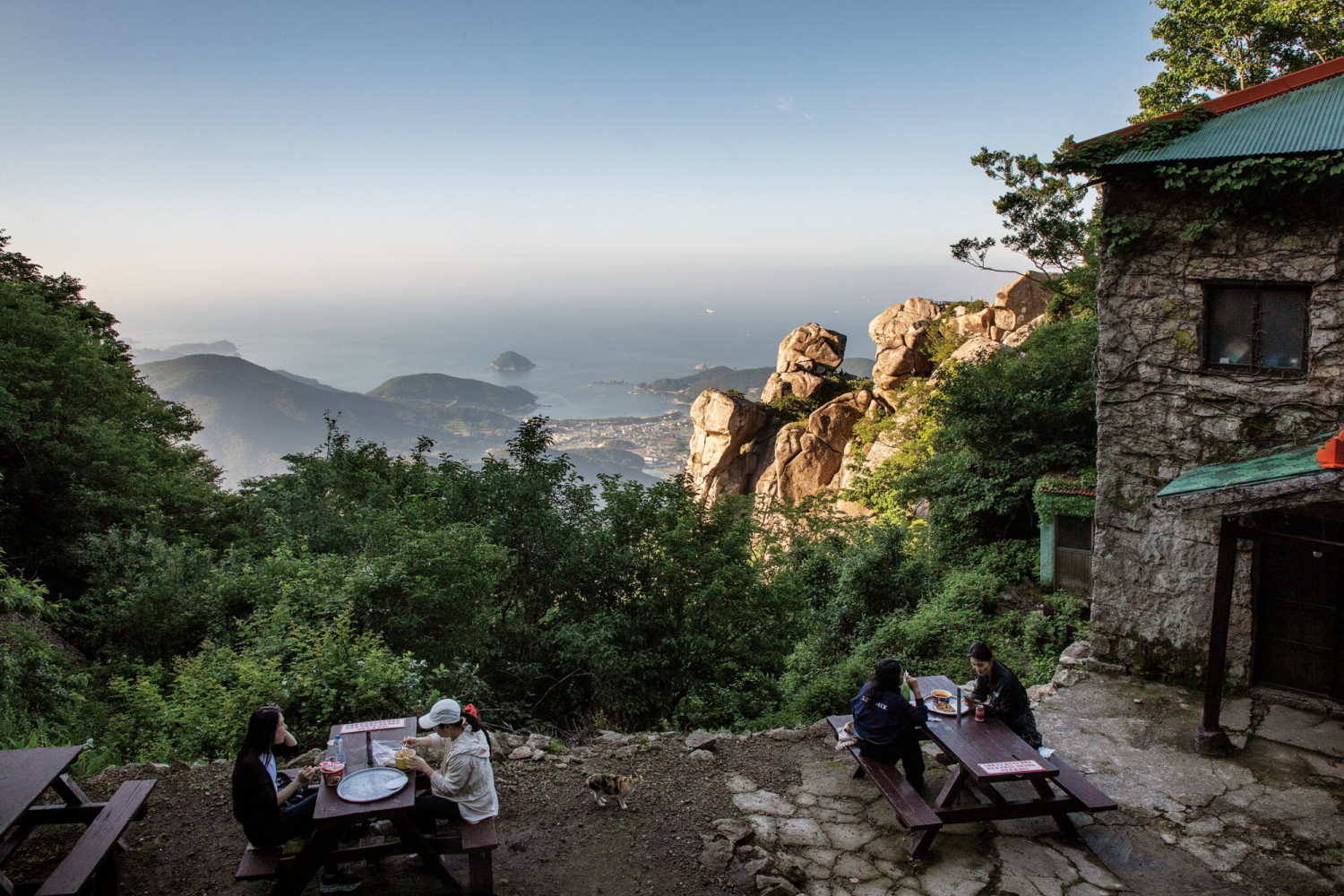
About a 300m walk from the temple is Geumsan Sanjang, a rustic mountain waystation that offers a comfortable vantage point from which to savor this view. Sitting here, looking out over the stone walls at the expanse of sea is pure bliss. It may not be easy to tell, but this modest eatery has a history of over a century, and was originally a hermitage for Buddhist nuns. Geumsan Sanjang serves simple fare like seafood scallion pancakes, dumplings and instant cup noodles, making it the perfect place to pause mid-hike for some sustenance.
If your journey inspires you to view the sea at eye level, descending to visit the Mijohang Maritime Walkway is an excellent choice. Walking along this boardwalk over the water, the very same archipelago you observed from the heights of Geumsan Mountain unfolds once more, but from a completely different vantage point.
Life Carved Into the Land
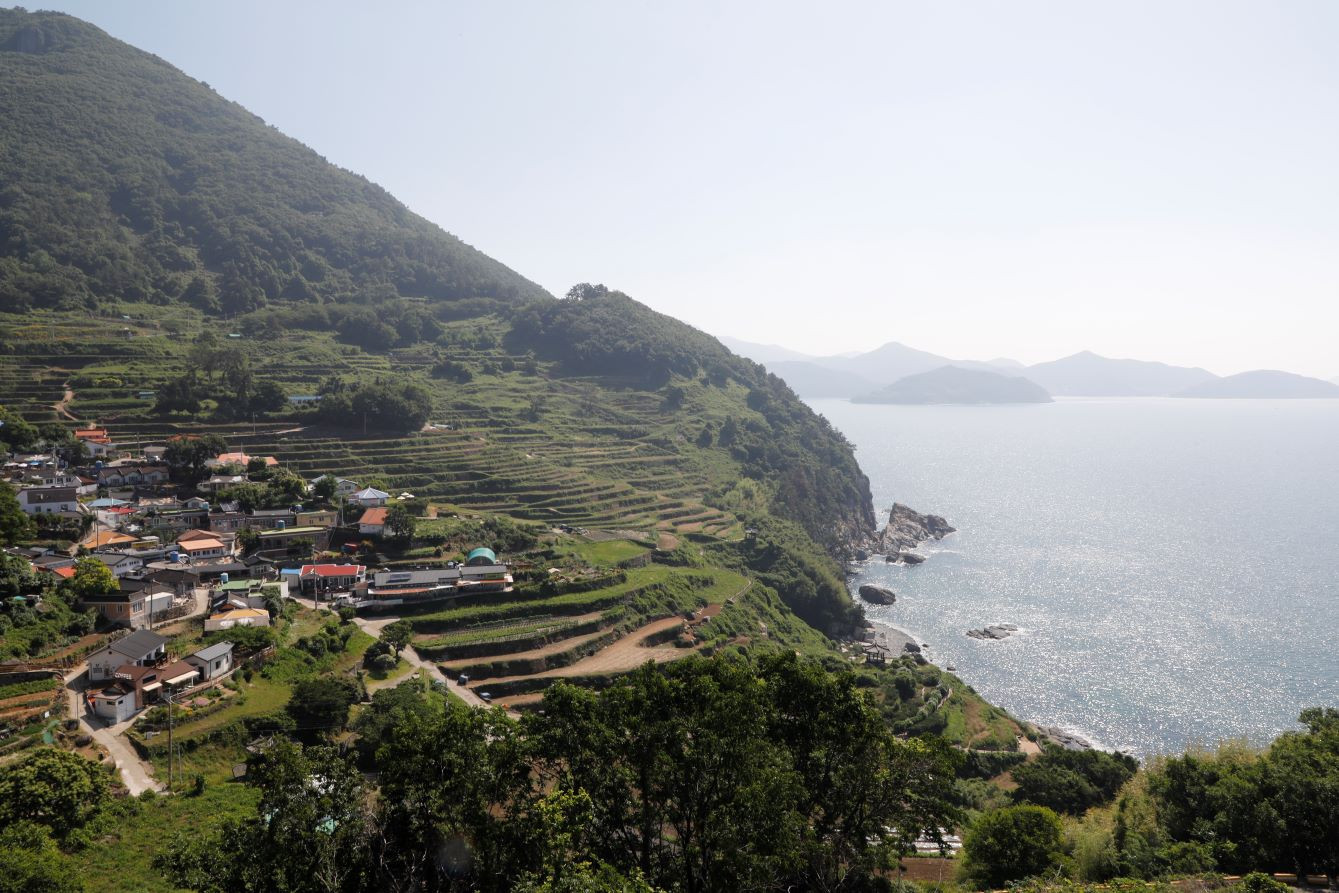
It is no exaggeration to say that the villages of Namhae were not built upon the natural landscape but blend seamlessly into its very contours. Among them, Gacheon Daraengi Village stands as the most iconic symbol of the islanders’ resilience. Faced with steep, unforgiving mountain slopes, the first settlers of the village painstakingly stacked stone retaining walls to secure flat areas of ground, carving out narrow, terraced rice paddies.
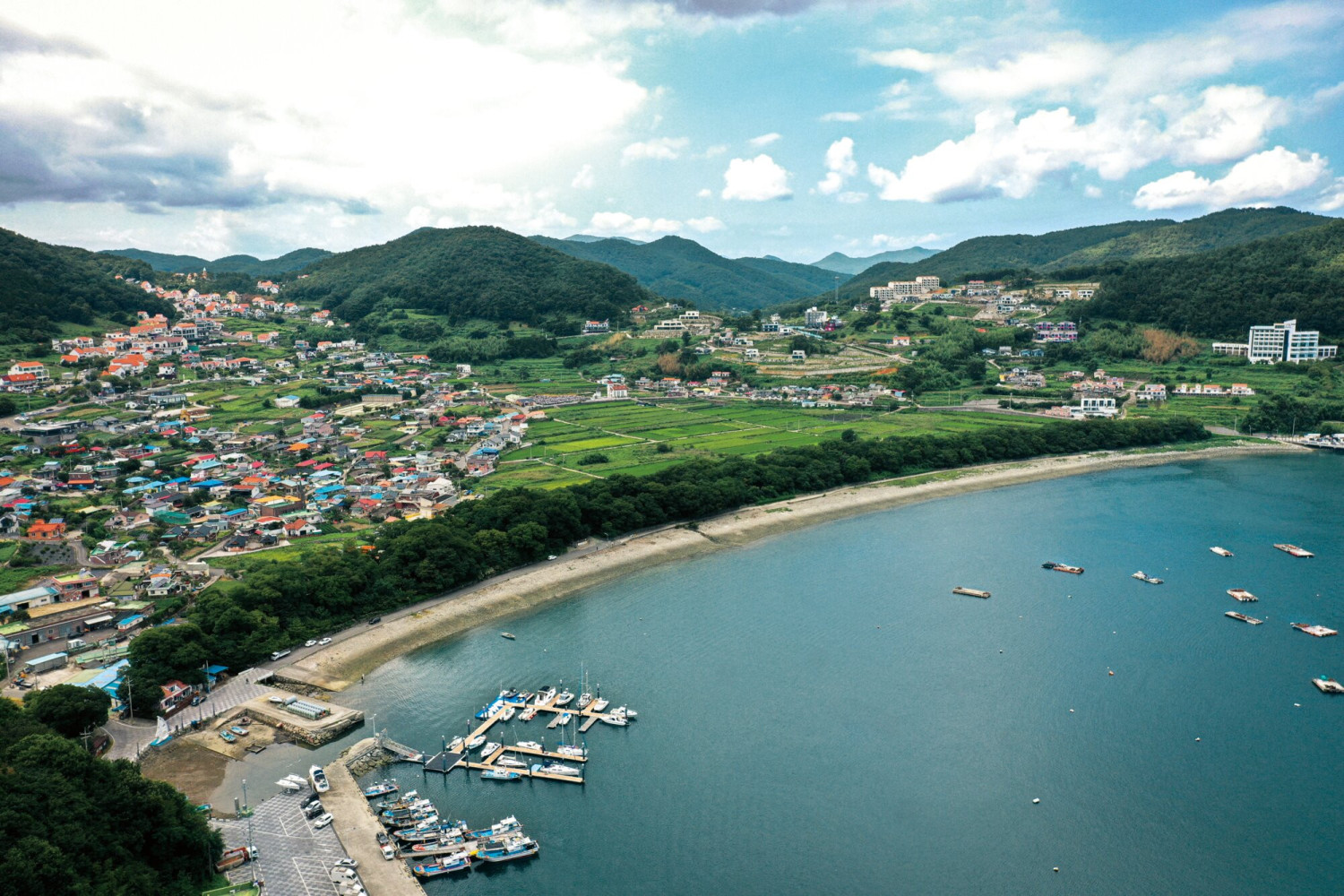
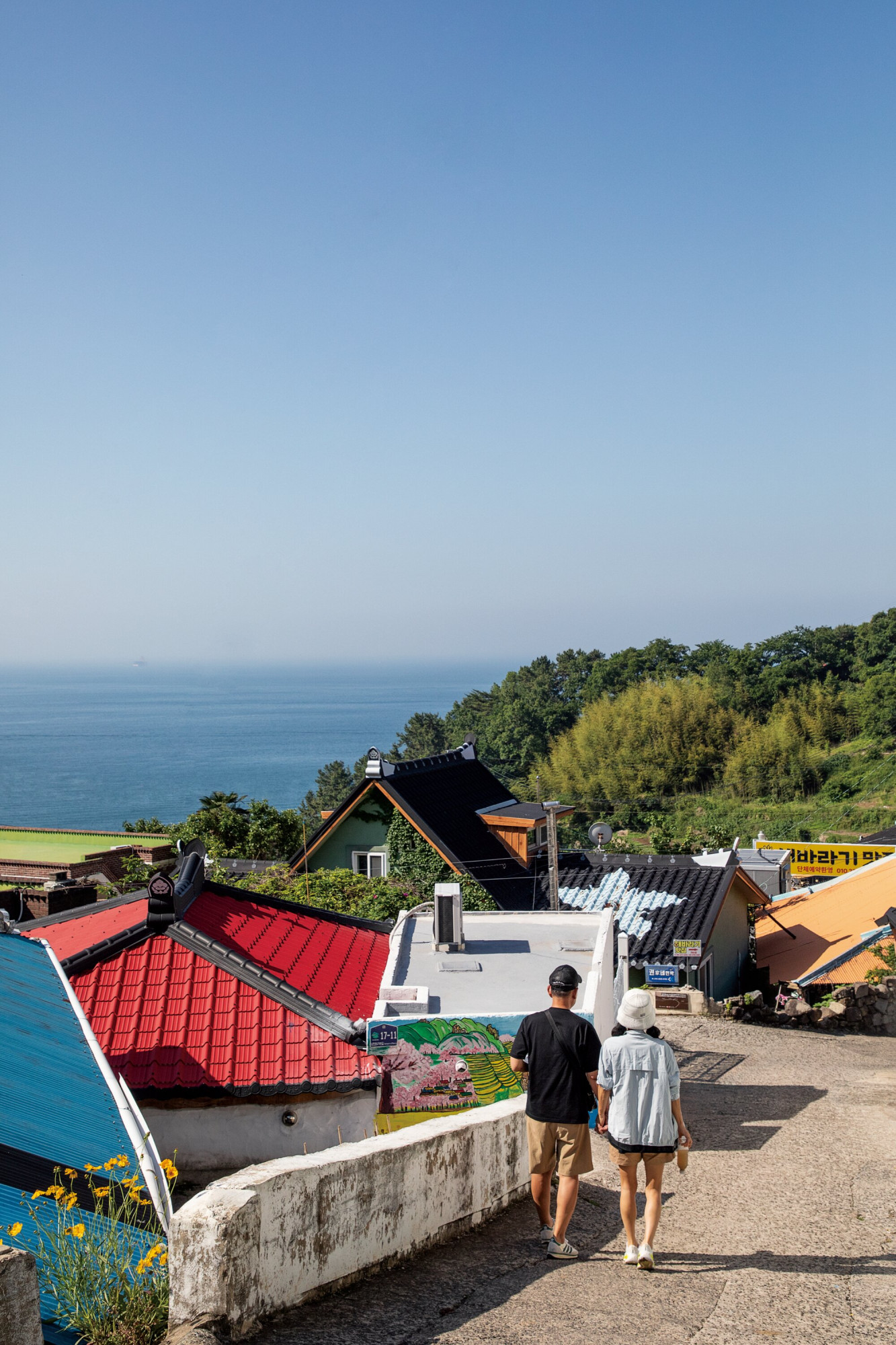
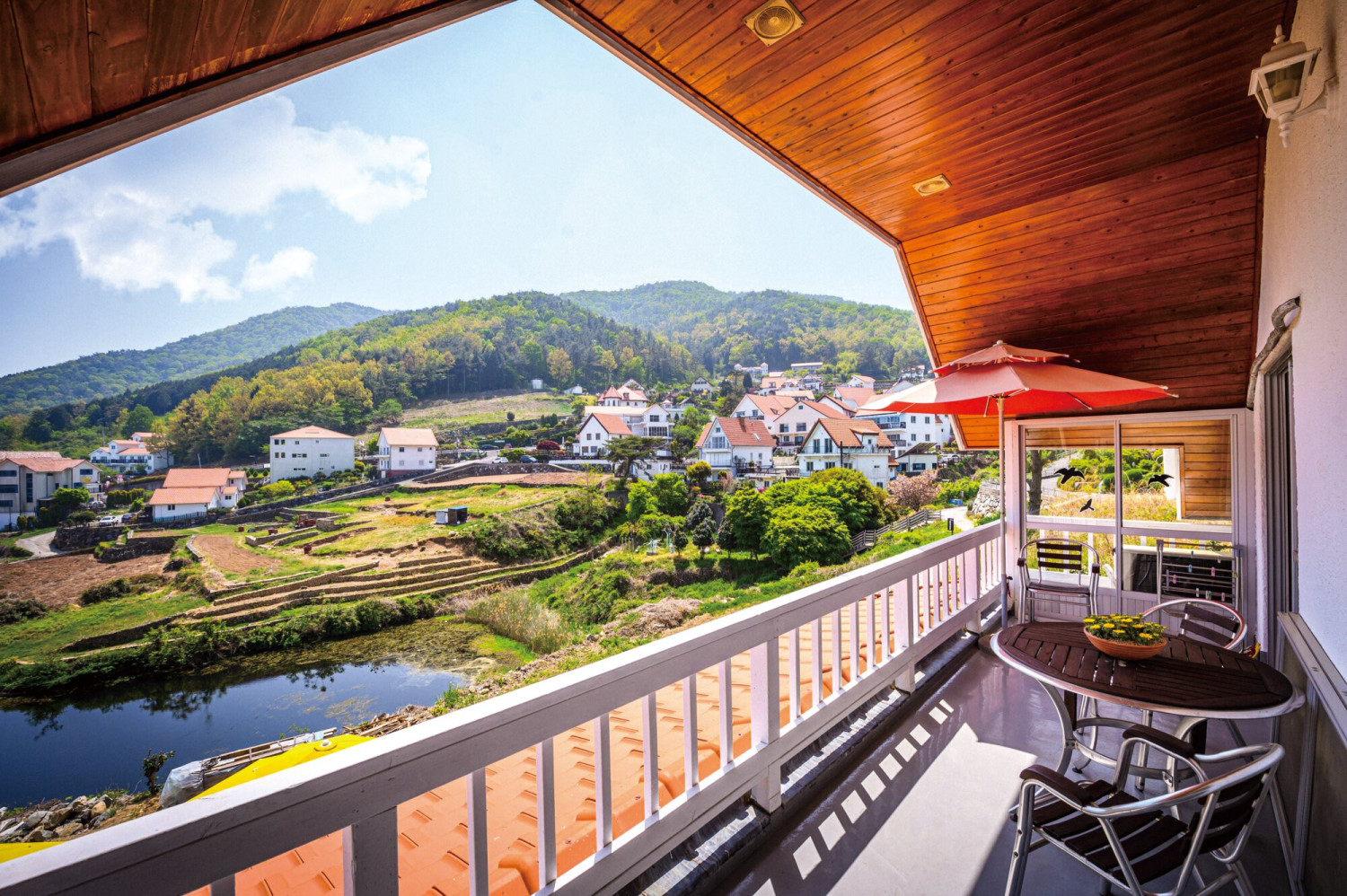
This hard-won cradle of life, set against the backdrop of the sea, has since evolved into a celebrated ecological and cultural destination. While the story of the terraced fields is one of carving out a livelihood out of a rugged landscape, the nearby German Village represents a different kind of history — a place where those who returned from distant shores chose to put down new roots. Built by Korean miners and nurses who migrated to Germany for work in the 1960s and ’70s, this neighborhood possesses an atmosphere entirely distinct from Namhae’s typical agricultural and fishing hamlets.
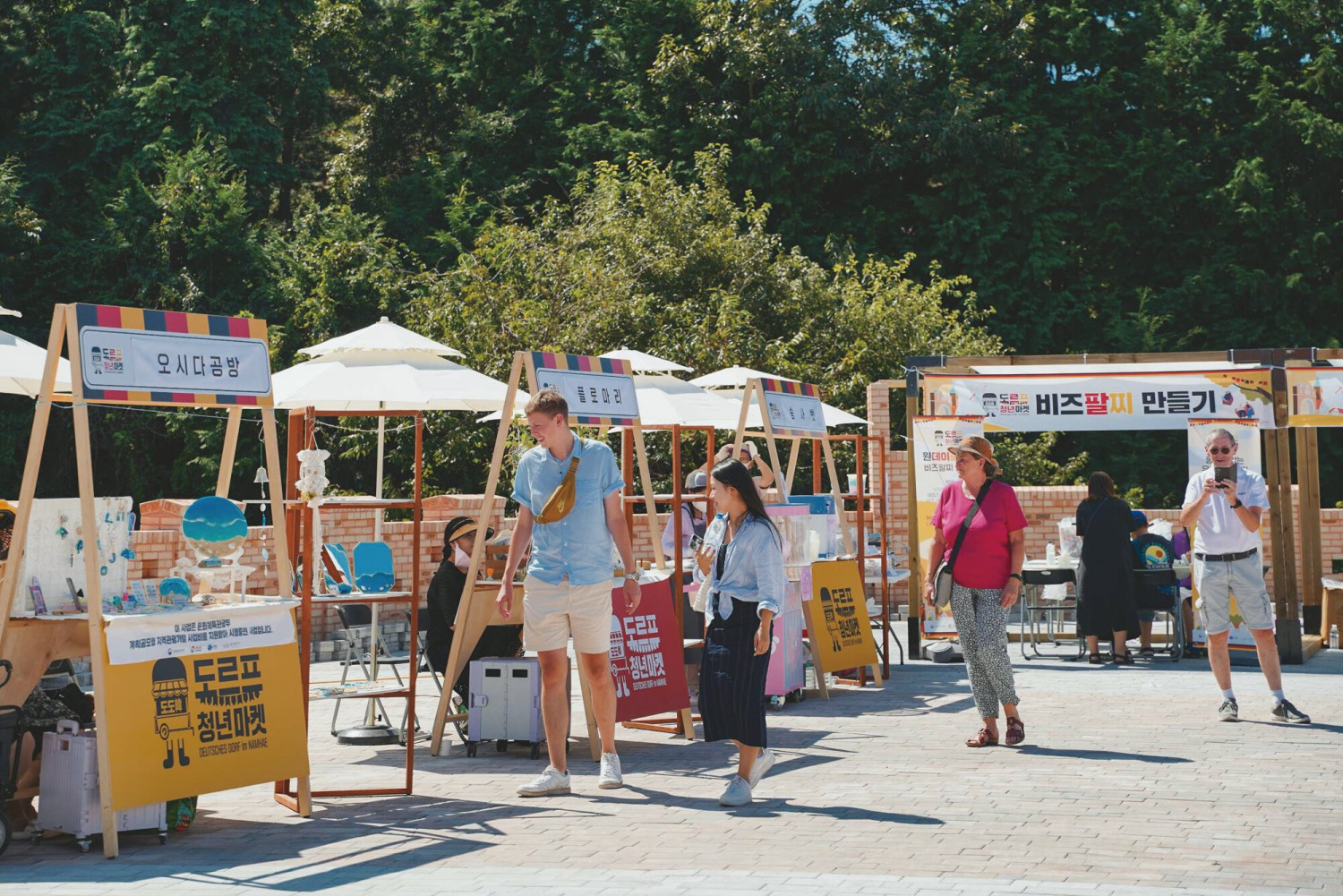
The residents imported building materials from Germany to construct traditional homes, their bright orange roofs contrasting beautifully with the deep blue of the waters around Namhae. From residential spaces filled with memories of homecoming and unique local shops to the lively Oktoberfest event held every autumn, this village continues to draw visitors with the promise of novel discovery and excitement, more than two decades after its development.
ⓒ Namhae Tourism and Culture Foundation
Namhae of Today
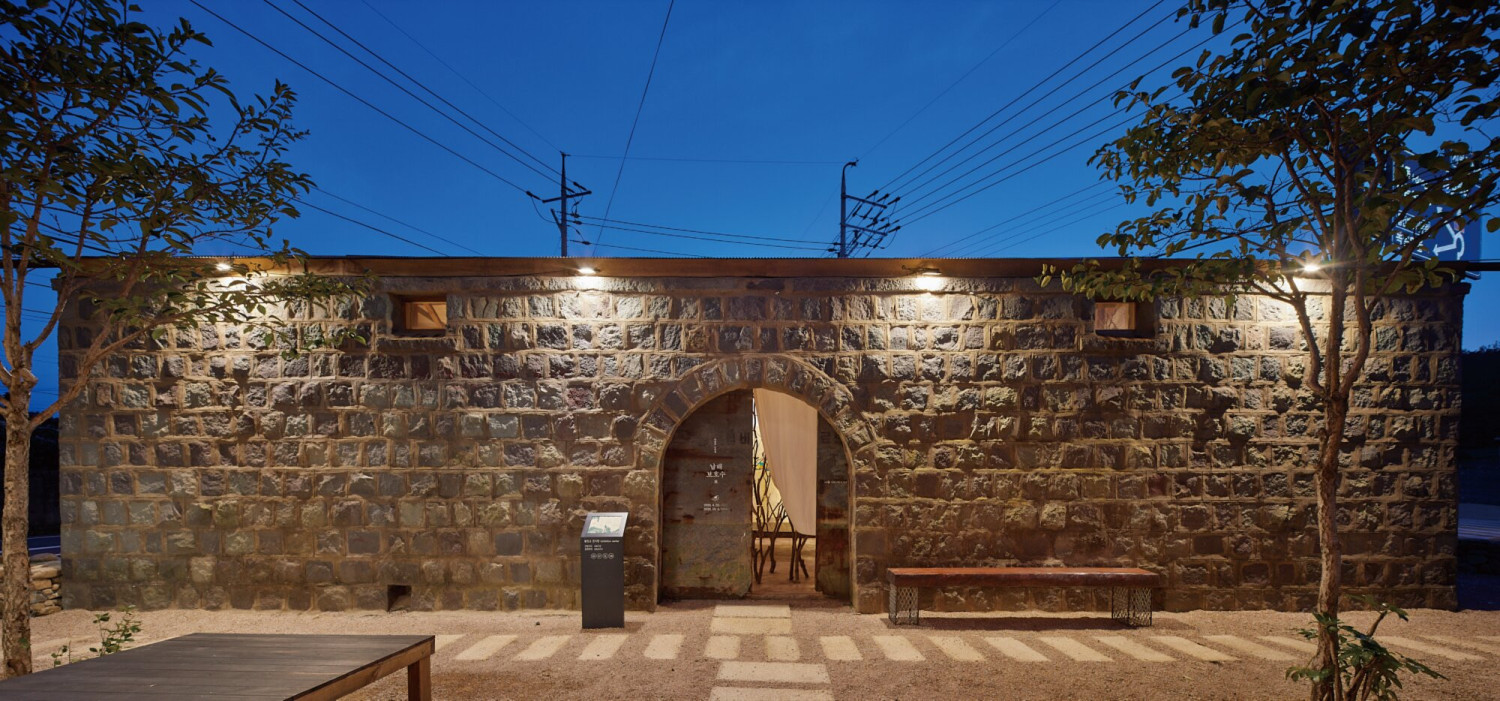
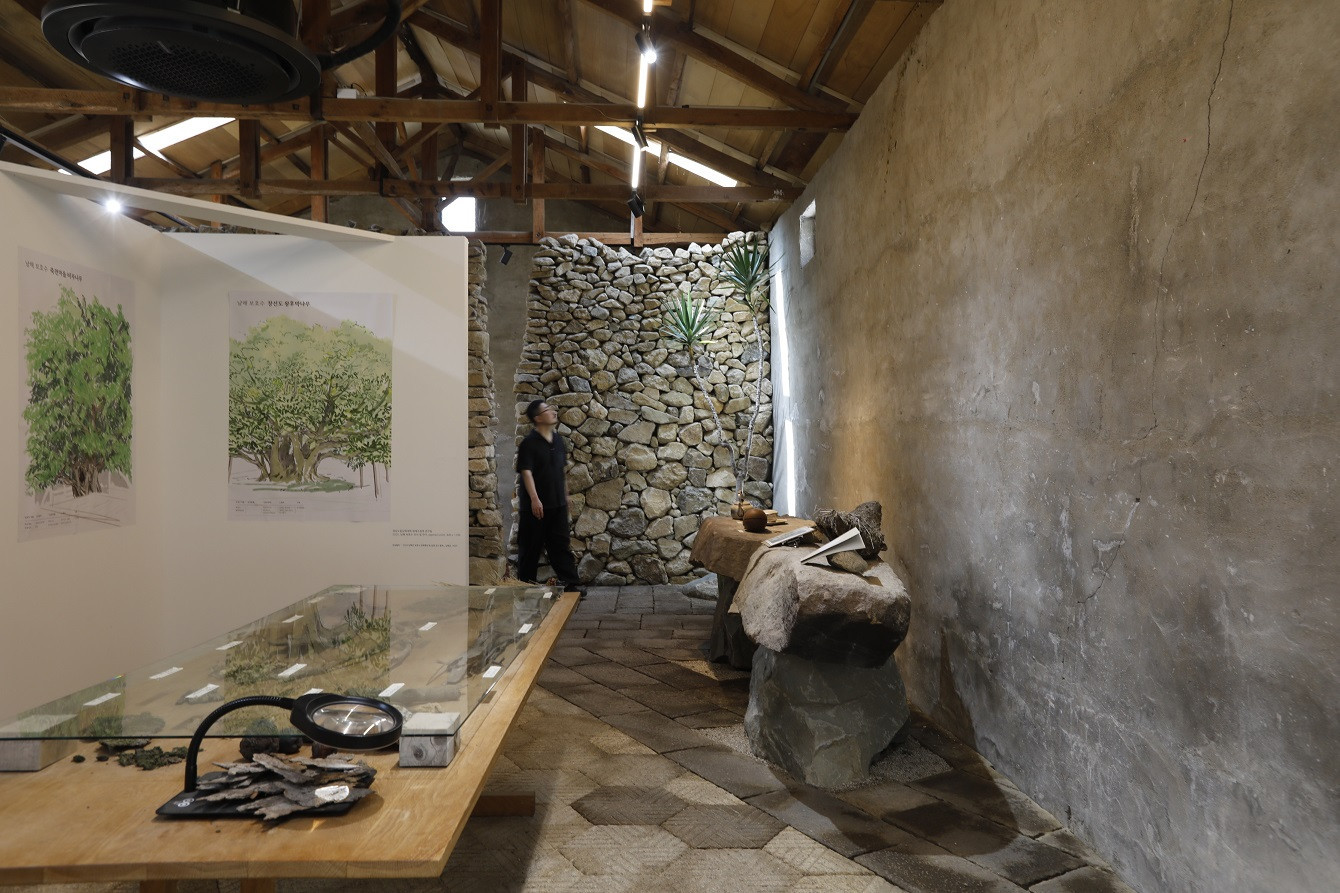
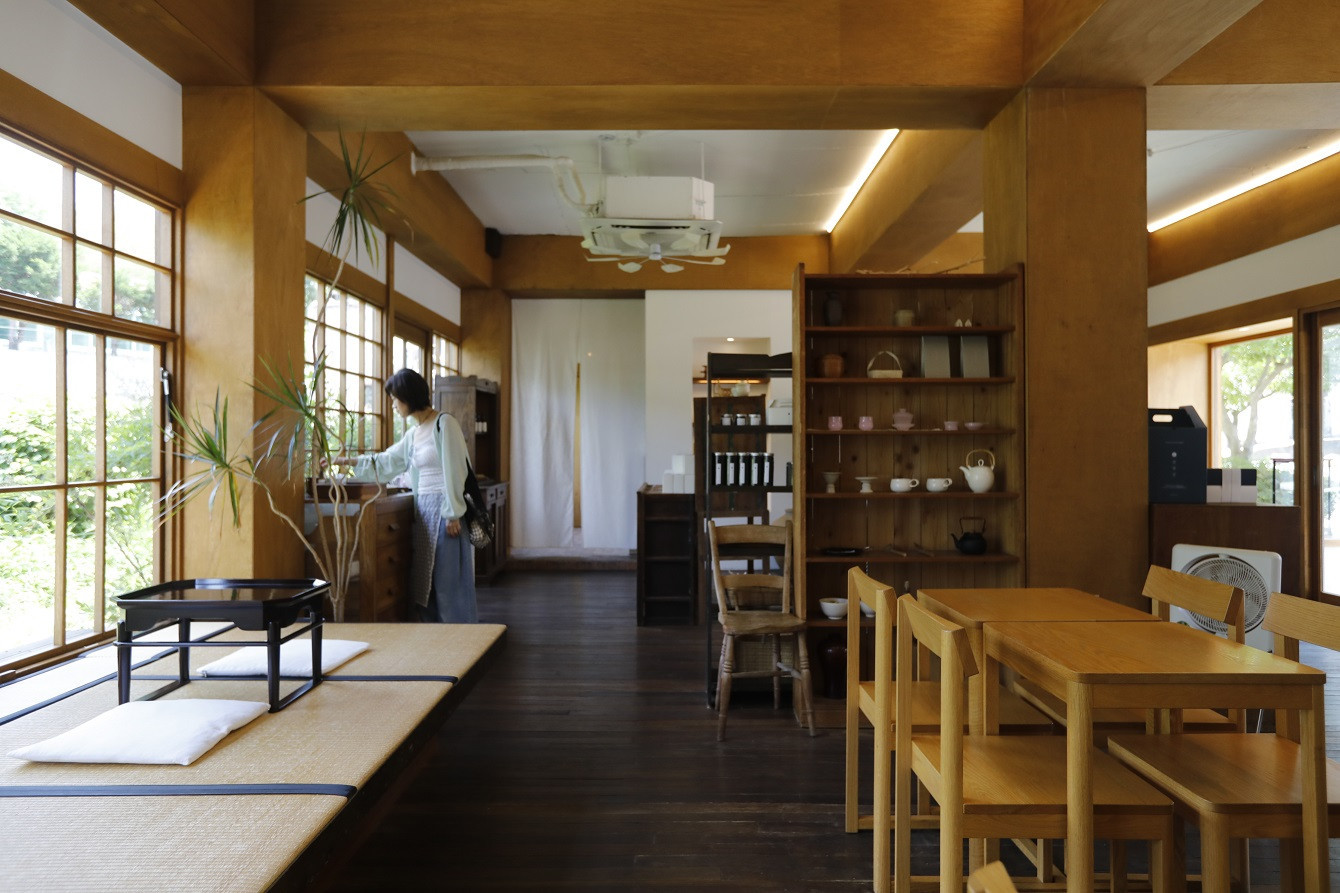
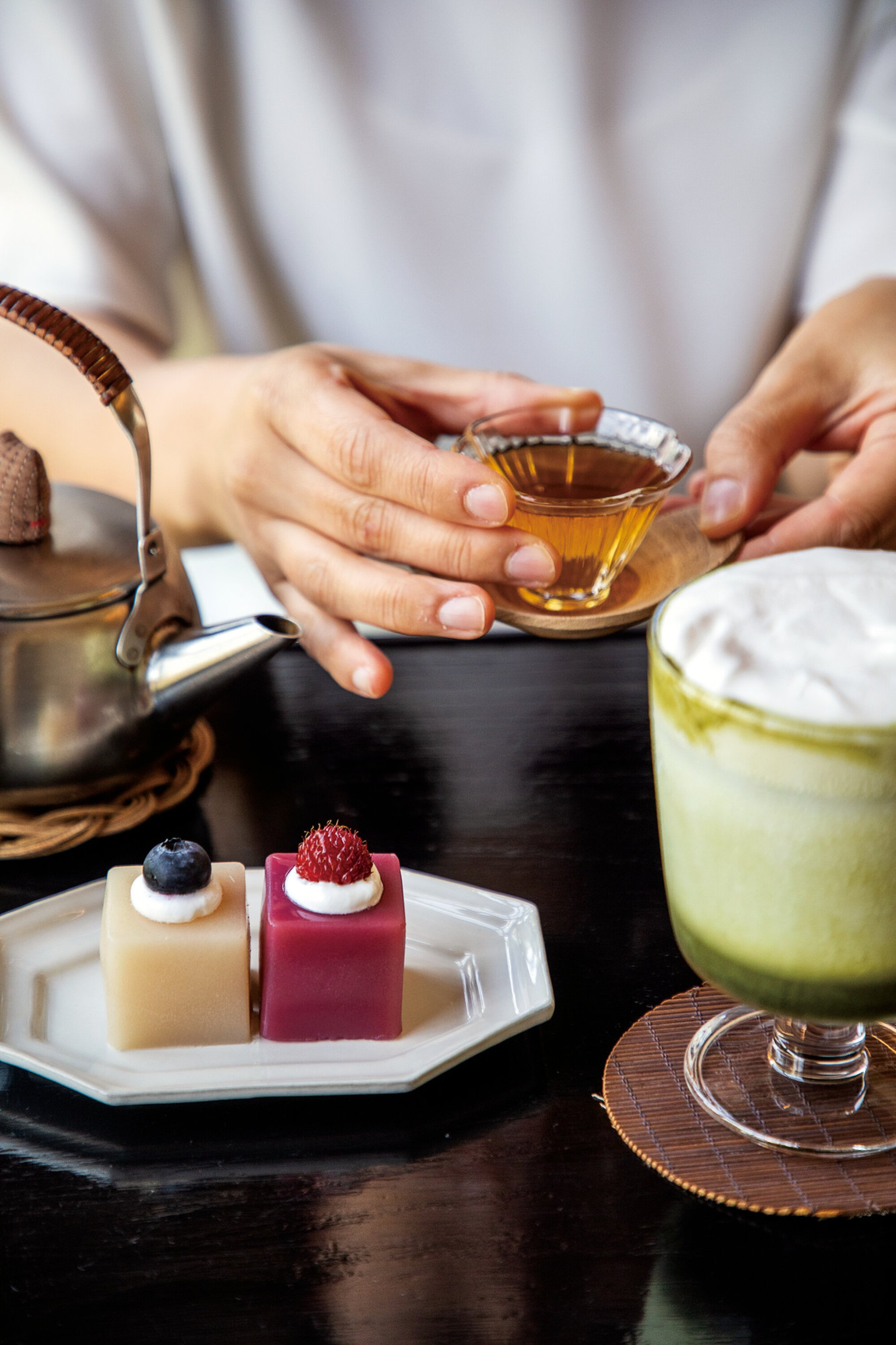
Today, Namhae is layering new narratives onto the landscapes that have been shaped by nature and history. Across the island, creative endeavors are reimagining historic buildings as cultural spaces, incorporating local resources in fresh ways and translating the island’s unique values into a contemporary language. A prime example of this is Dolchanggo. This gallery and café, housed in a former stone warehouse once used to store grain, has been beautifully transformed into a cultural hub where visitors can enjoy drinks crafted from local ingredients and view free art exhibitions.
It regularly hosts exhibitions dedicated to Namhae’s ancient, protected trees, using photography, painting and installation art to illuminate the centuries of history shared by these enduring monuments of nature and the ever-evolving local community. Rather than stopping at being a simple café or gallery, Dolchanggo serves as a living archive, recording the history of Namhae and connecting its heritage with the present.
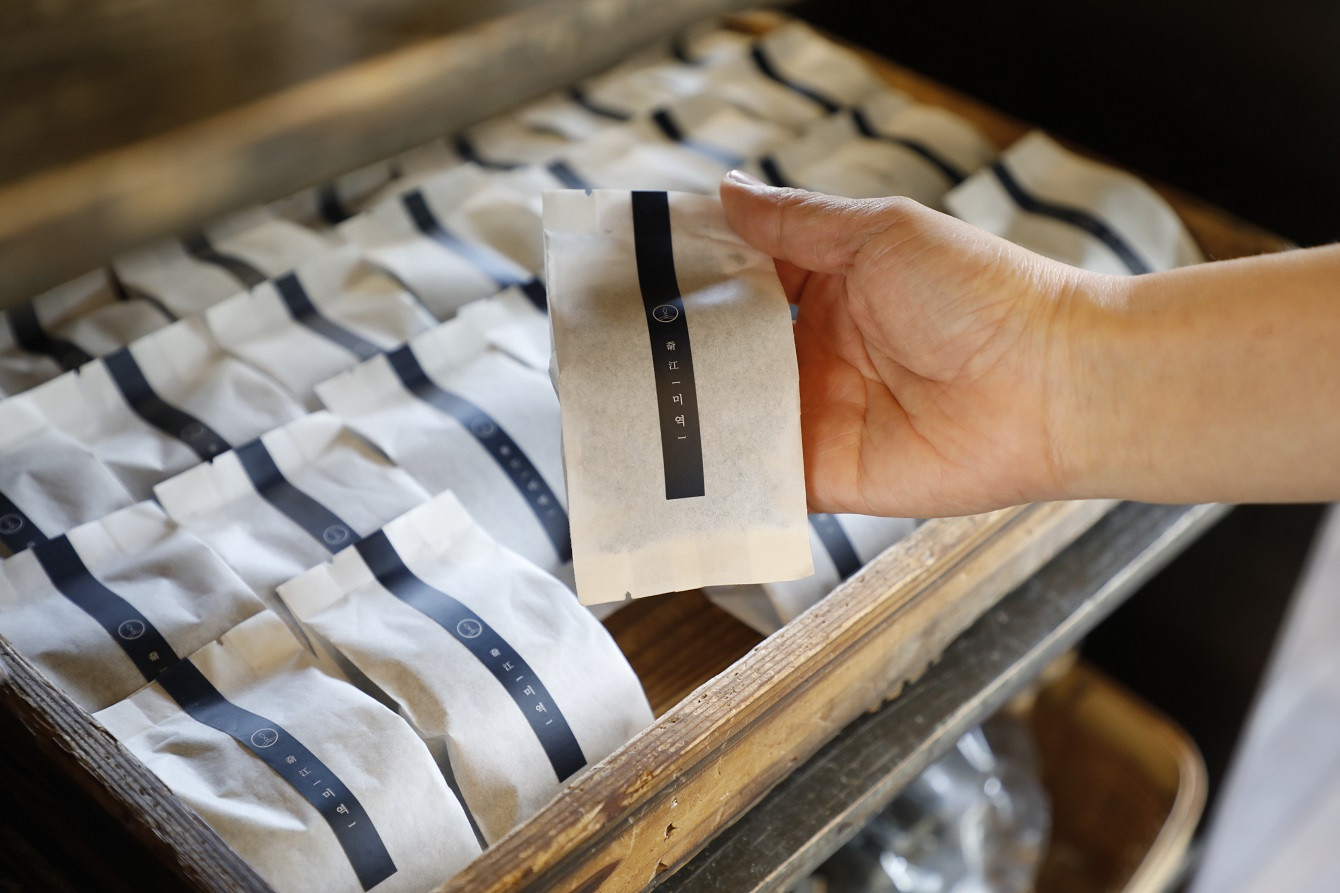
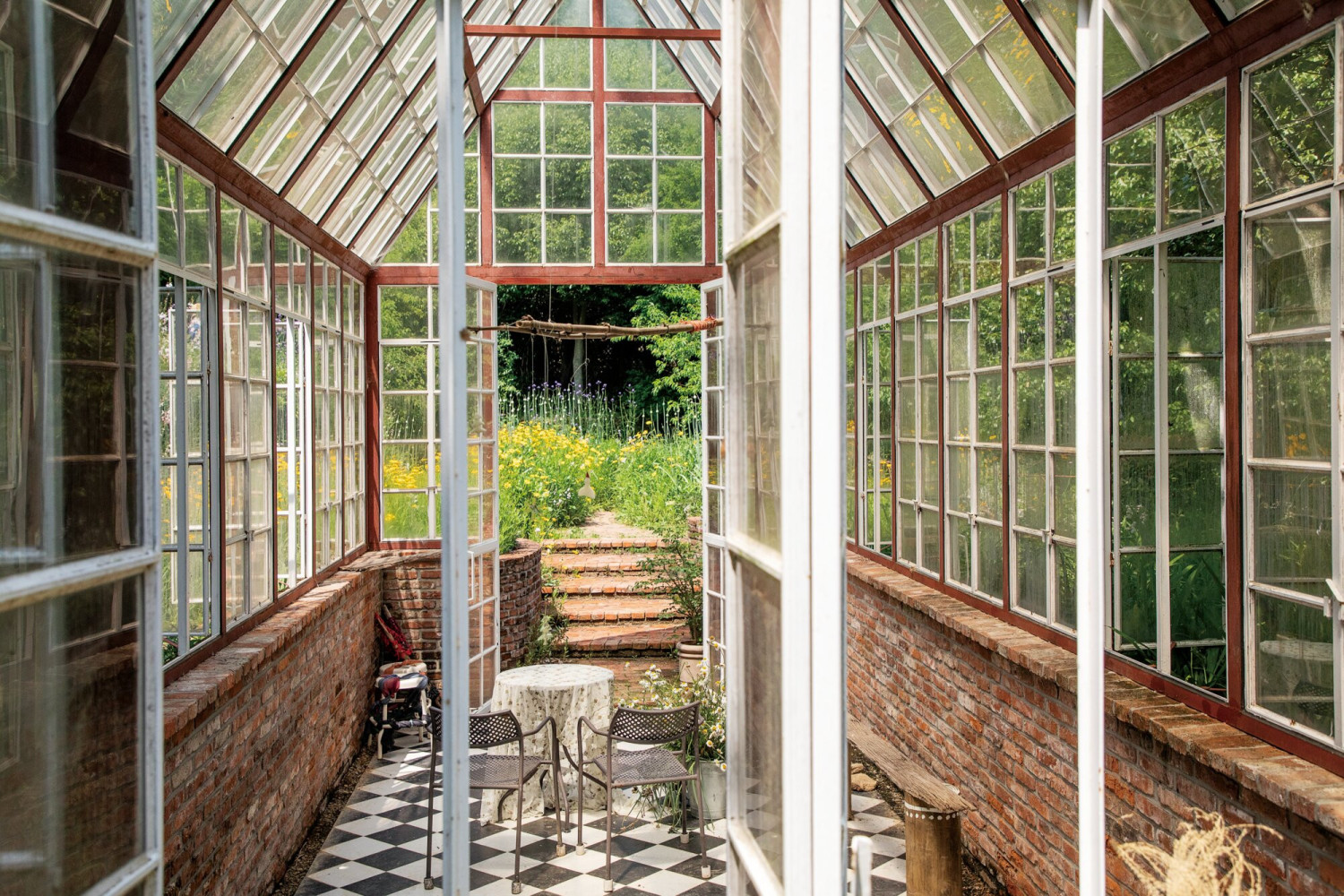
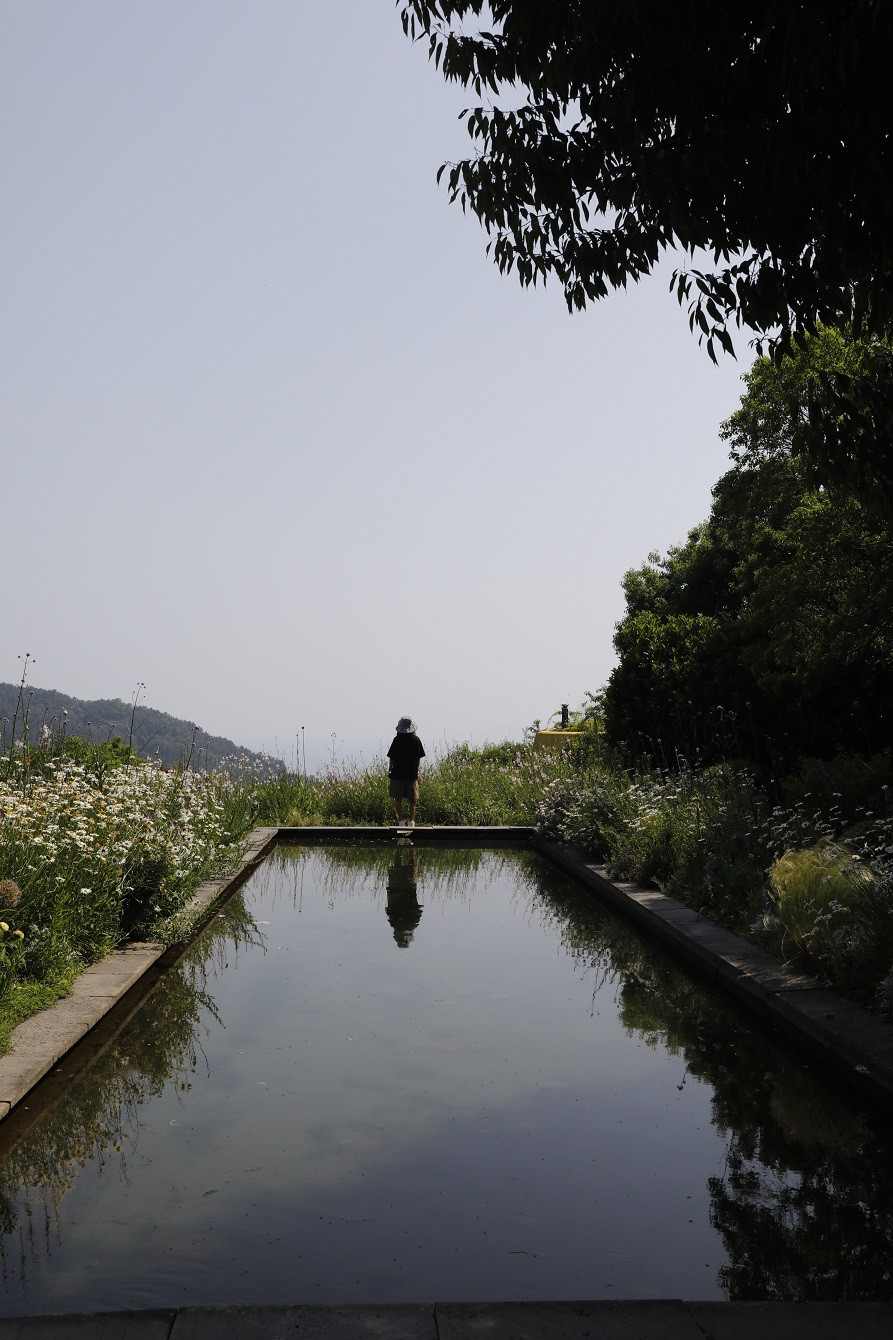
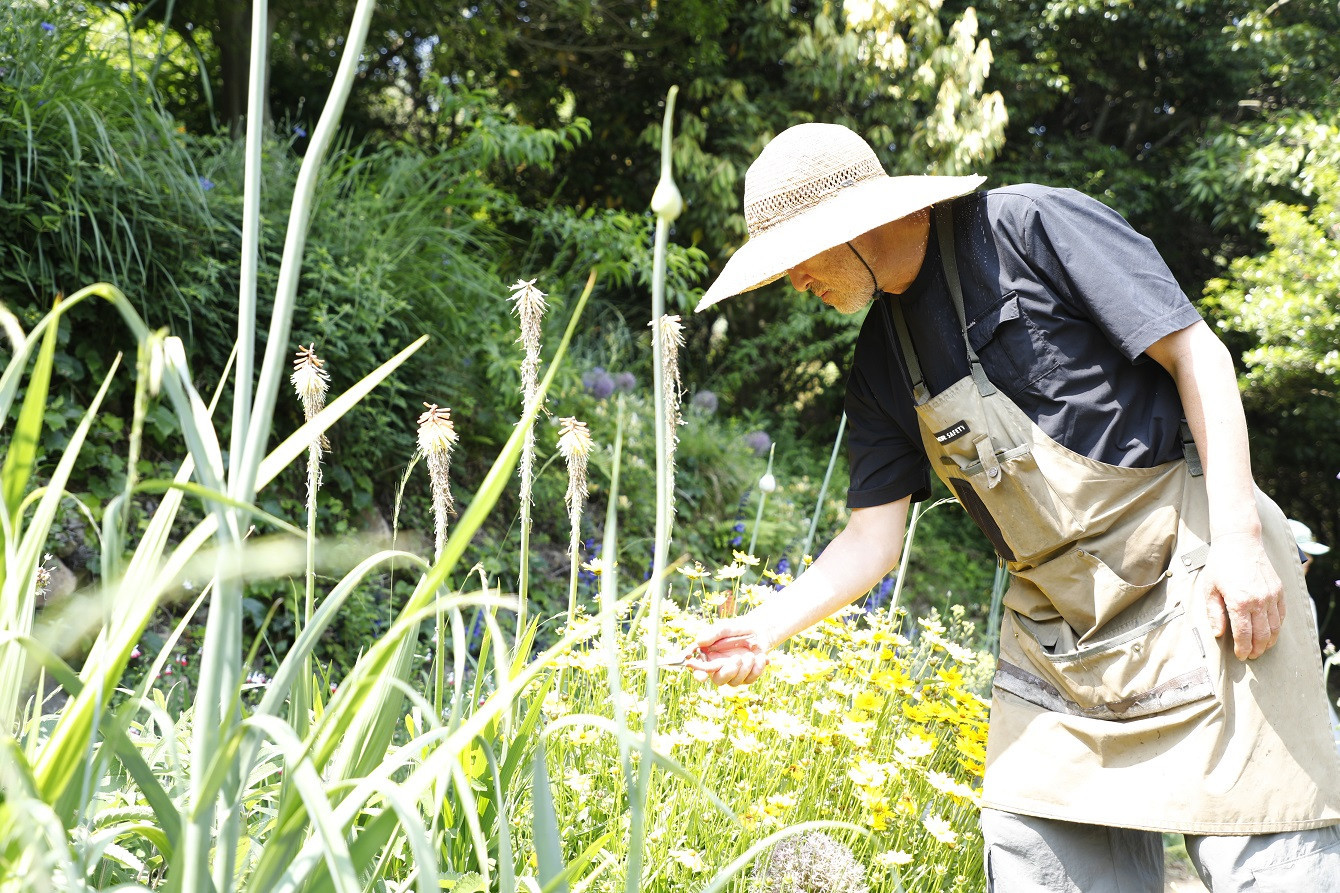
At Angan Market, visitors can find local specialties and food products from regional producers. By promoting local treasures like anchovies caught using traditional bamboo weirs, kelp and yuzu all thoughtfully curated and offered up in contemporary packaging, the market is actively redefining the potential of regional ingredients. Meanwhile, Seomi Garden is a private estate that beautifully encapsulates the essence of modern Namhae. Cared for by just one person, this garden is designed in harmony with the natural stepped terrain, maintaining the island’s unique scenery without disrupting its natural state.
Its small ponds and themed gardens organically unfold before you, each presenting a different face yet harmonizing as one. In this way, Seomi Garden is perhaps the most faithful reflection of Namhae itself. It refuses to be defined by a single, overwhelming monument. What lingers in the mind long after you depart are the quiet scenes you encountered as you wandered through.
- Written by. Han Milim
- Photography by. Jo Jiyoung