The Glow of Culinary Refinement Yugi Brassware
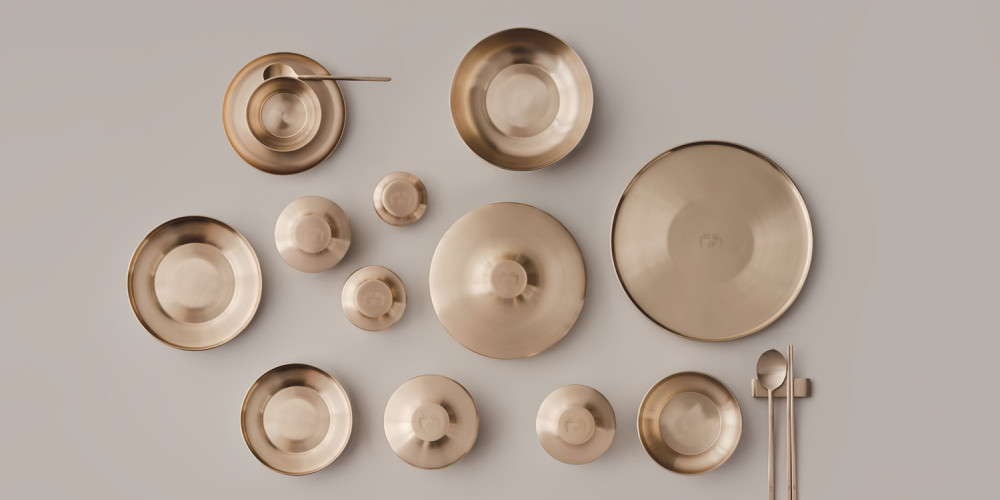
A cold bowl of naengmyeon (cold noodle soup) stays chilled not only because of the icy broth but because of the vessel that holds it. Korean brassware, known as yugi, has graced the nation’s tables for generations, carrying the flavors of each season. This gleaming heritage teaches continuity, embracing lifetimes of appreciation rather than a moment of consumption.
ⓒ Onyang Folk Museum , Seo Heun-kang
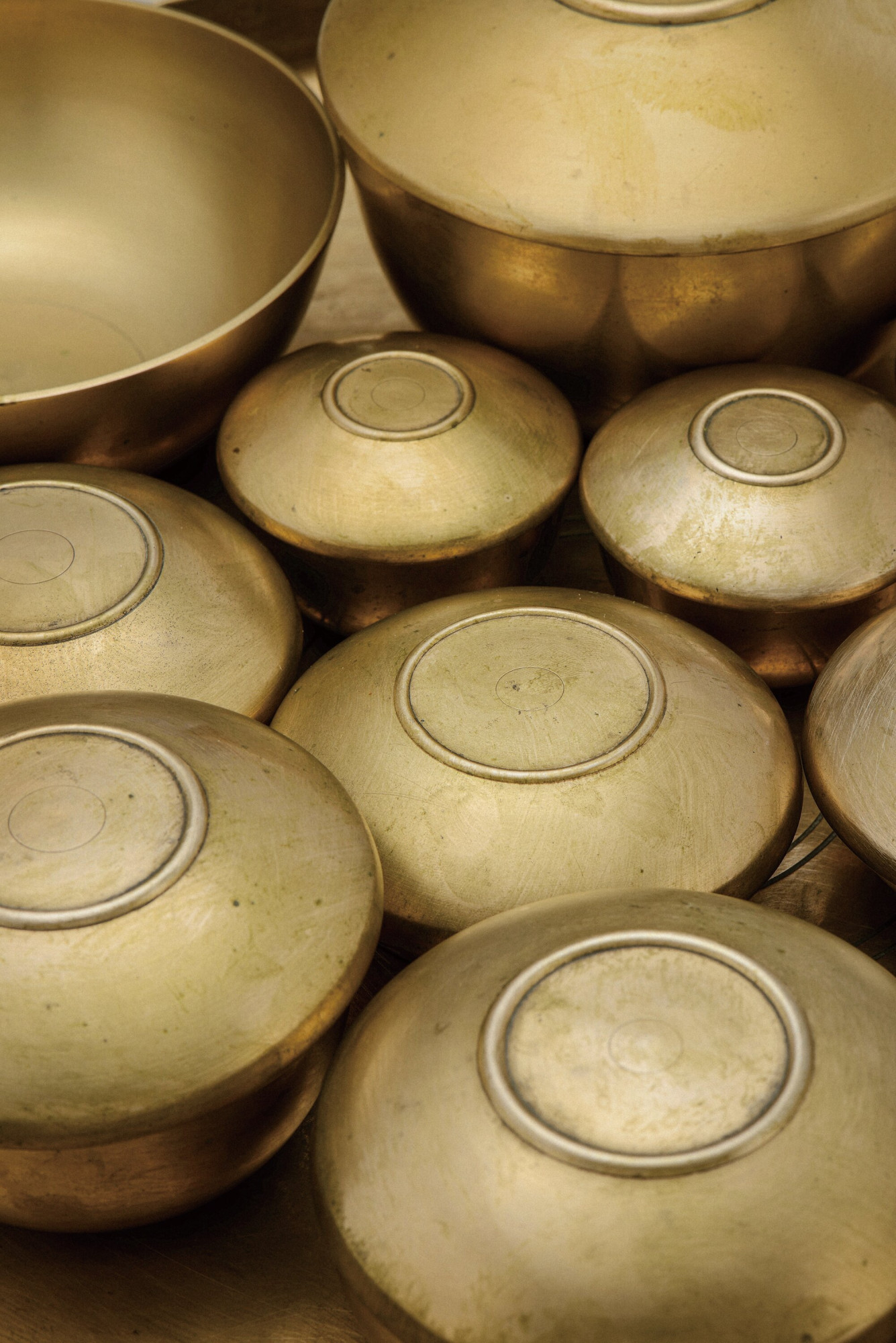
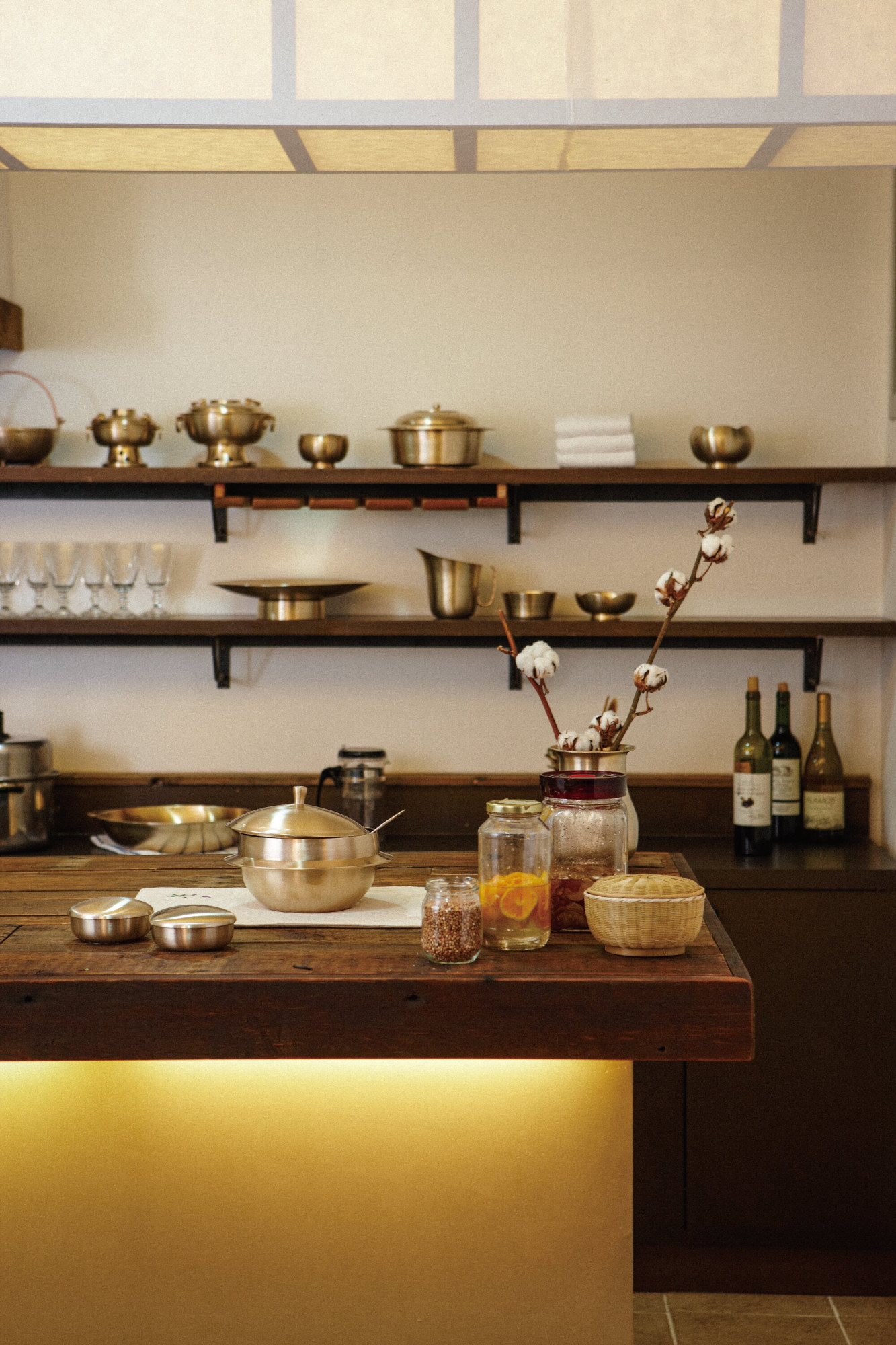
From the rituals of the Joseon Dynasty (1392–1910) royal court to wedding ceremonies welcoming new family members and ancestral rites honoring the departed, traditional Korean brassware, or yugi, is a craft that has lived alongside the Korean people for generations. Its subtle glow softly diffuses rather than shines brilliantly, and its texture is enhanced with every touch, as the patina of age accrues on its surface.
Sometimes it signaled status and authority; at other times, it brought blessings and hospitality to the table. In everyday life, these unassuming dishes served the simple pleasures of dining. Motherly concern for the family and kind-hearted hospitality are salient values in Korean food culture, with every meal receiving its due care. In that culinary tradition, yugi joined people together and preserved a household’s cherished memories and shared experiences.
Careful Craft, Exquisite Applications
ⓒ Daegu Bangjja Yugi Museum
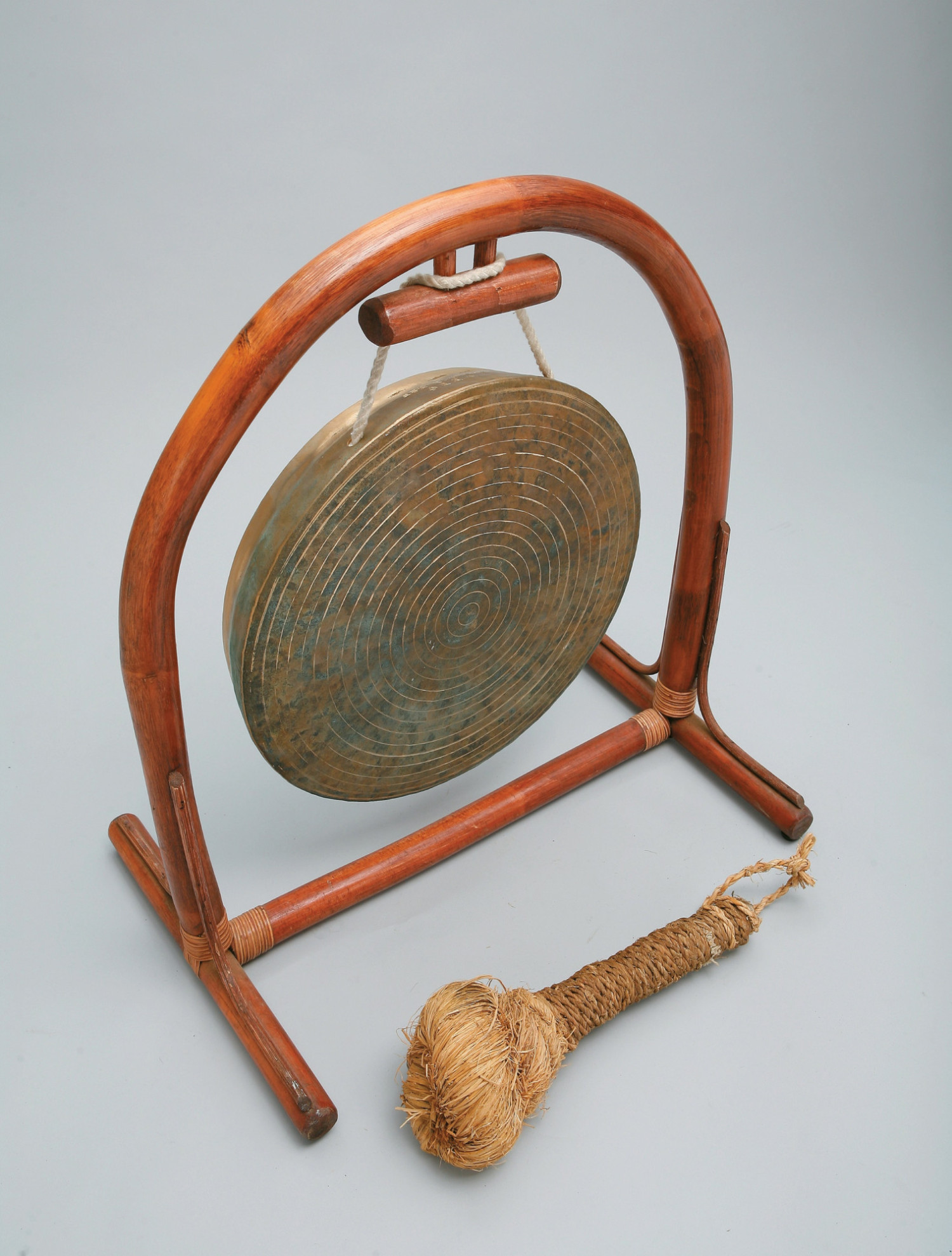
With roots dating back to the Bronze Age, brassware in Korea has evolved into an enduring part of both everyday dining and ancestral rituals. But its cultural importance is not a new development. Brassware became so essential during the Silla Kingdom (57BC–AD935) that the state managed its production through a specialized government office. Then, in the Joseon era (1392–1910), it was widely adopted as tableware and ritual vessels for both the royal court and the common folk. As a result, master brasssmiths and specialized shops started flourishing nationwide. These vessels, handed down through generations as precious family heirlooms, were an indispensable part of momentous occasions such as weddings and ancestral rites.
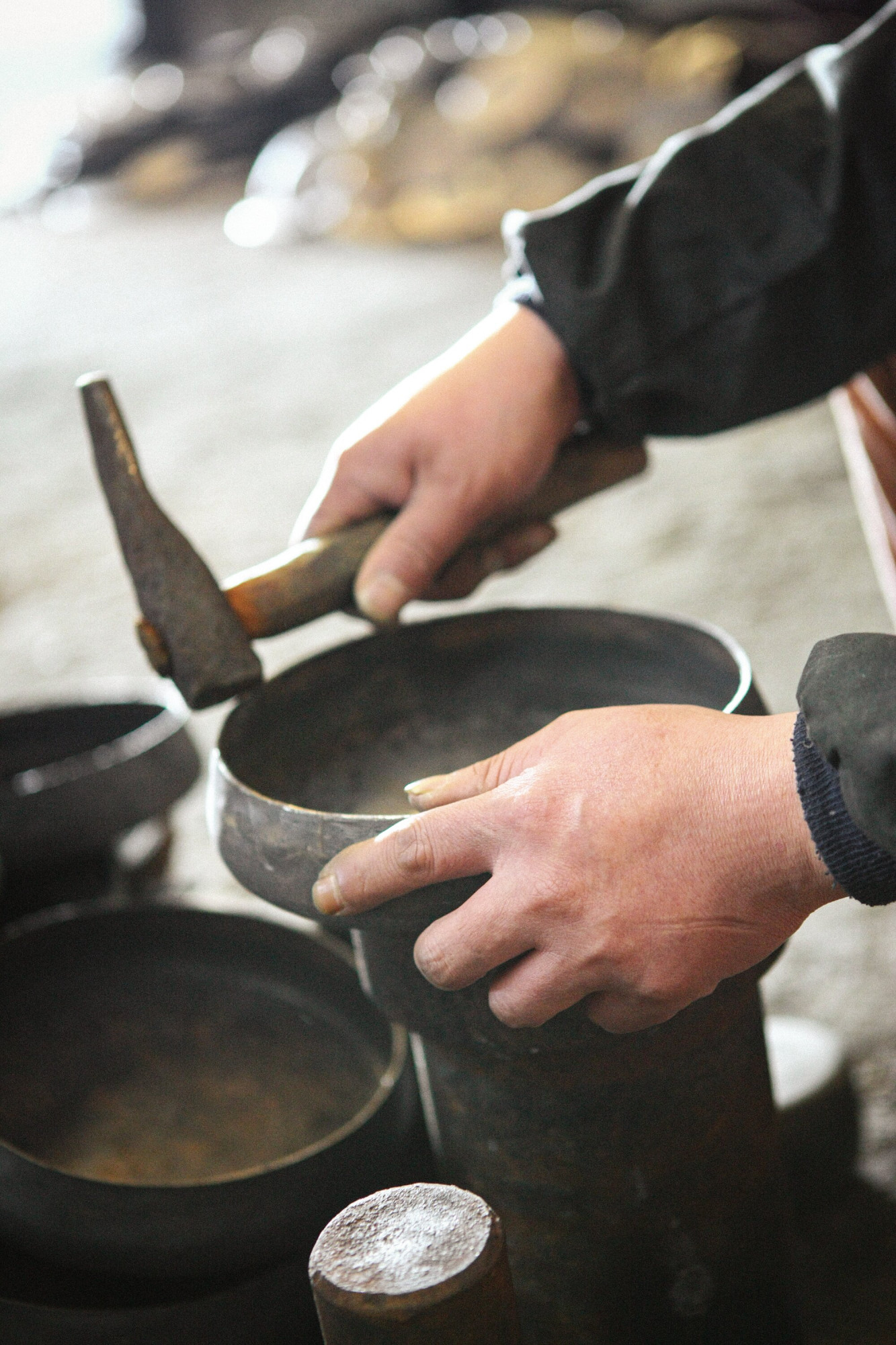
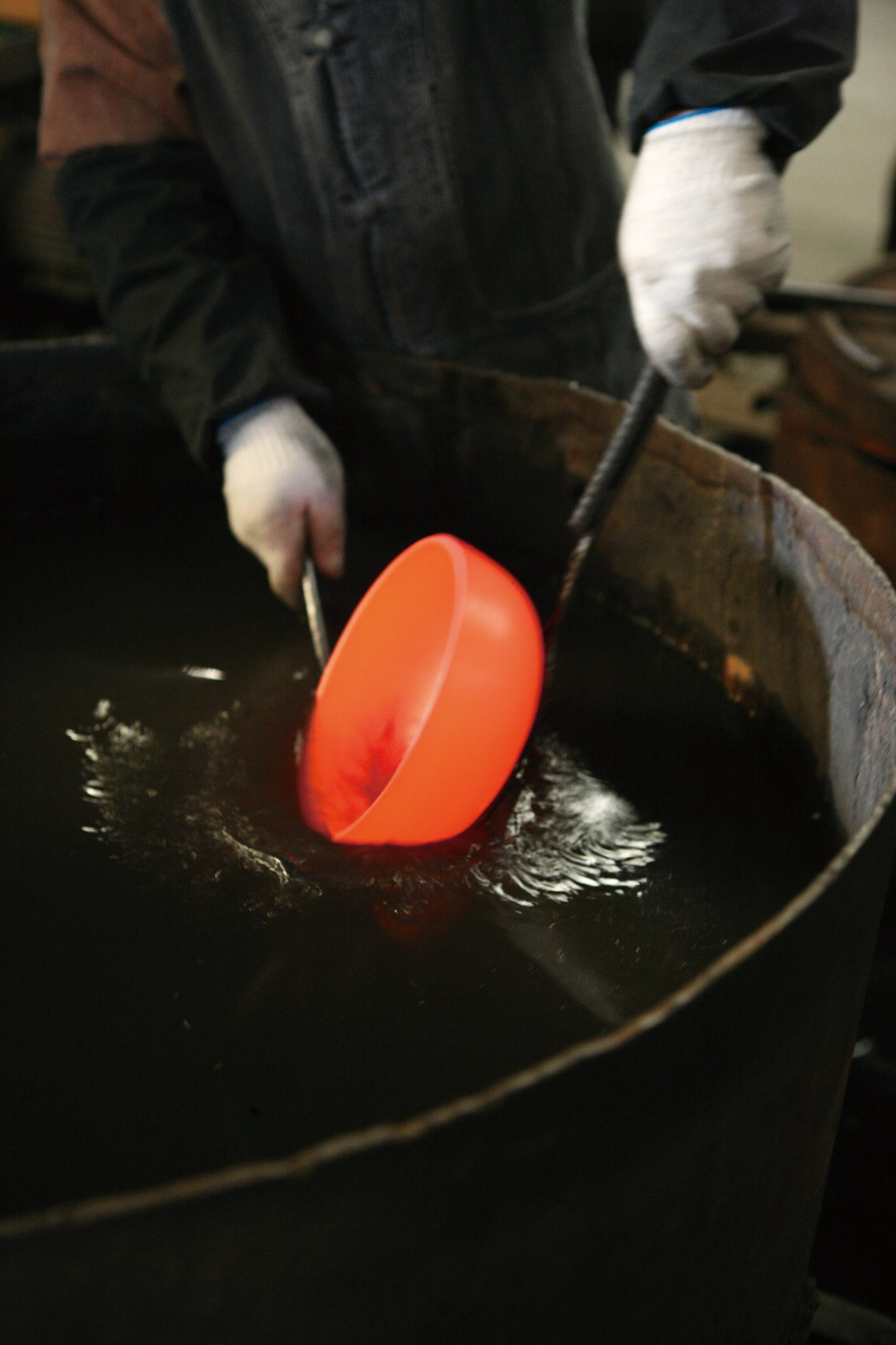
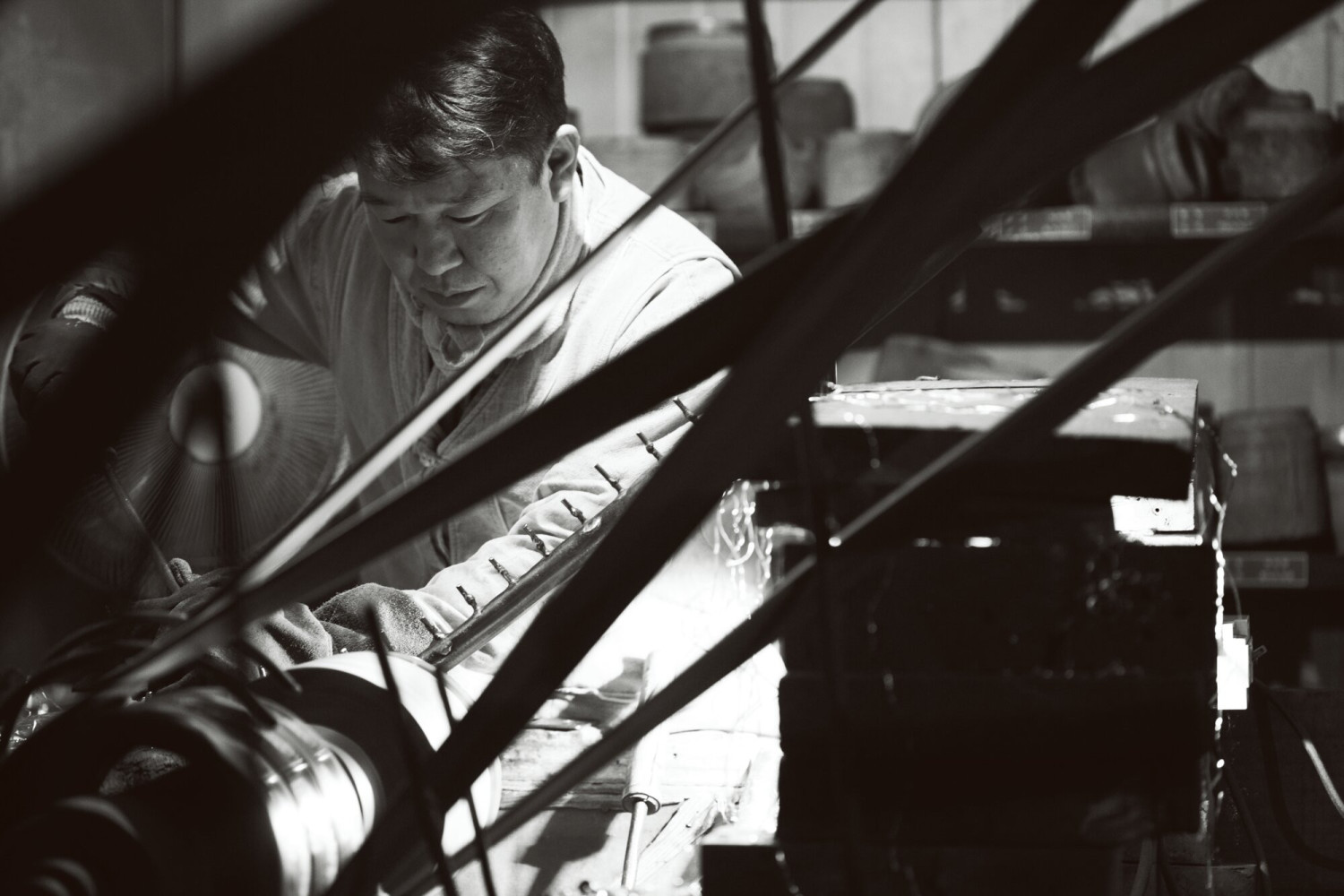
This Korean craft broadly falls into two types: the hand-forged bangjja yugi and cast jumul yugi. Bangjja yugi is crafted by heating a copper-tin alloy, which multiple artisans then repeatedly hammer and stretch into shape. Though this method demands intensive labor and highly-seasoned craftsmanship, it yields a vessel of immense density and durability. Jumul yugi, by contrast, is made by pouring molten metal into a mold. This technique allows for greater freedom of form, making it better suited for producing vessels of different sizes and functions.
After casting, each piece must be hand-turned, refining its shape and sheen, before it can be polished to reach its final form. The results are characterized by a smooth surface and a balanced silhouette. Though produced by different methods, both represent long years of labor and dedication, as well as experience and technique passed down through the generations.
Sensitivity to the Seasons
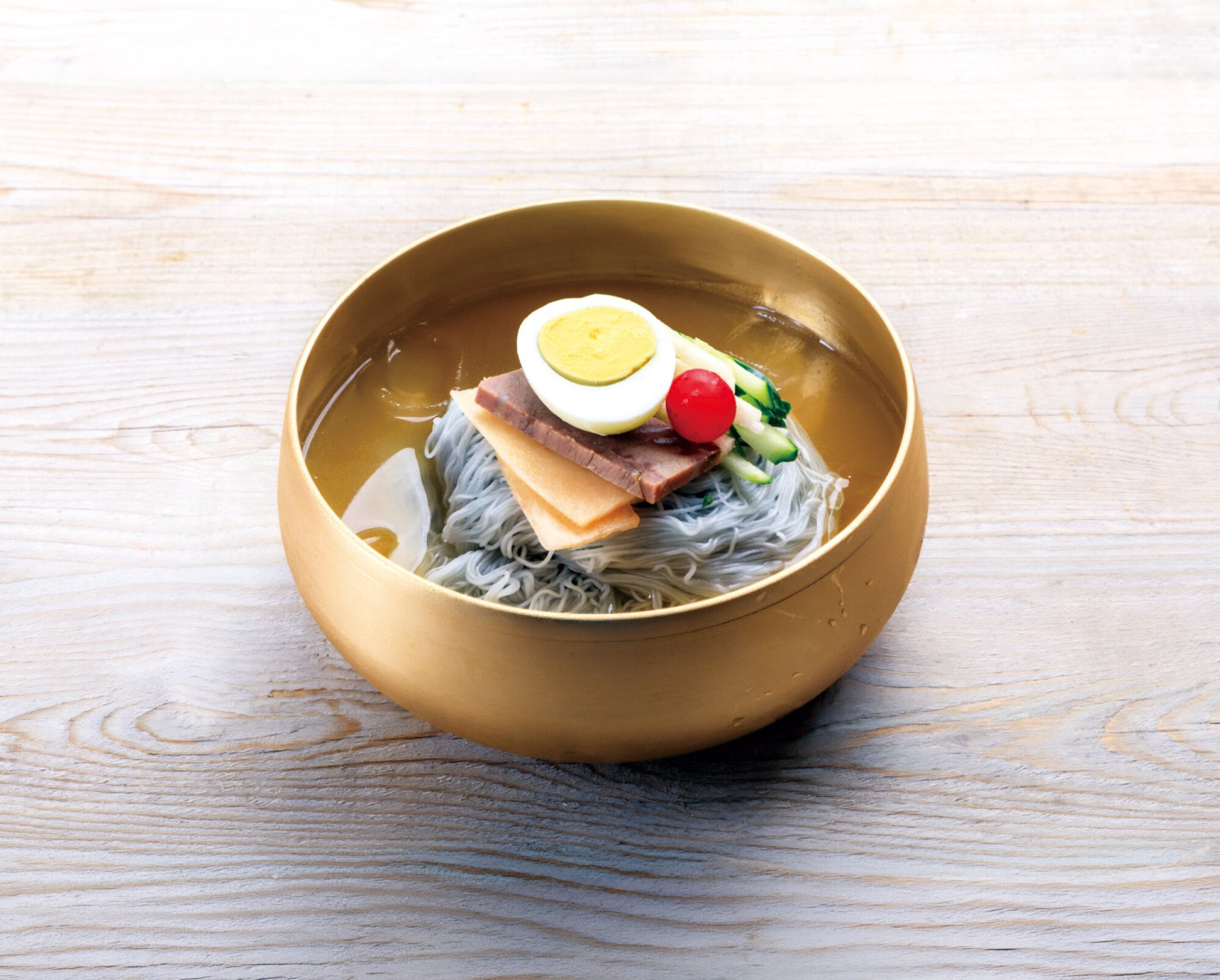
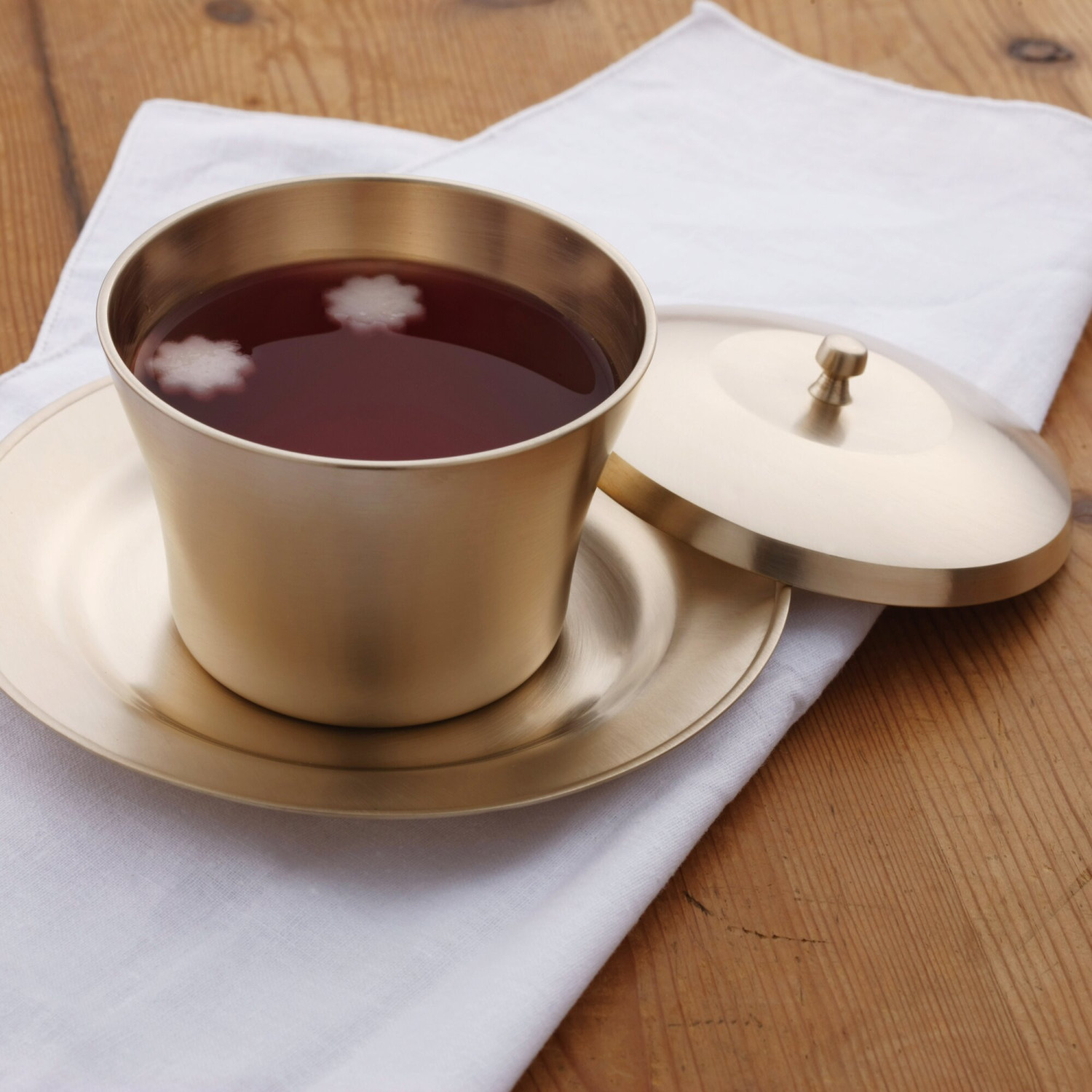
The value of yugi lies in more than its durability. These vessels also reflect the Korean Peninsula’s four distinct seasons and the food culture shaped by that climate. Made from a copper alloy, yugi has long set off seasonal foods whose flavors and temperatures vary throughout the year. Its appeal is especially evident in summer. Thanks to the metal’s high thermal conductivity, yugi maintains food temperatures efficiently. Chilled bowls can keep summertime dishes and drinks — such as naengmyeon, kongguksu (soy milk noodle soup) and sujeonggwa (cinnamon punch) — cooler for longer. Yugi feels cold against the fingertips, refreshing diners amid the heat of midsummer.
These qualities are closely linked to Korea’s summer food culture of the past. Even when ice was harder to come by, people sought relief from the heat with chilled dishes and drinks such as naengmyeon, sujeonggwa and hwachae (fruit punch). That’s also why yugi appeared so frequently in summer spreads prepared for the royal court and aristocratic households. The vessels embodied some hot-weather wisdom: food should be kept cold as long as possible. As such, yugi embodies the Korean culinary practice of experiencing the changing seasons through what’s on the table. In summer, it can convey coolness, and in winter it radiates warmth, making seasonal sensations part of the dining experience.
A dish isn’t defined by its ingredients alone — its plating adds to the flavor and the mood. In Korea, yugi has long been the classic tableware fulfilling that role. Korean brassware continues to maintain its enduring presence in the contemporary dining experience. Its heft and thermal sensitivity are a novel departure from stainless steel or glass, adding an unexpected depth to the dining experience. And when summer awakens cravings for a cold bowl of naengmyeon, this classic tableware reminds diners of its essential seasonal role.
What Tradition Can Tell Us Today
© Seoul Museum of Craft Art
© Seoul Museum of Craft Art
ⓒ Atelier Monceau, Lee Jeongwoo
Courtesy of Korea Craft and Design Foundation
As stainless steel and plastic tableware gained popularity for their convenience, yugi seemed, for a time, to be doomed to obscurity. Yet today, it’s attracting renewed attention. As more people come to value dining as an experience to be savored, interest intraditional tableware has grown alongside it. Contemporary diners are drawn by the craftsmanship behind each piece and the material’s subtle response to the seasons — qualities that remain relevant at the modern table.
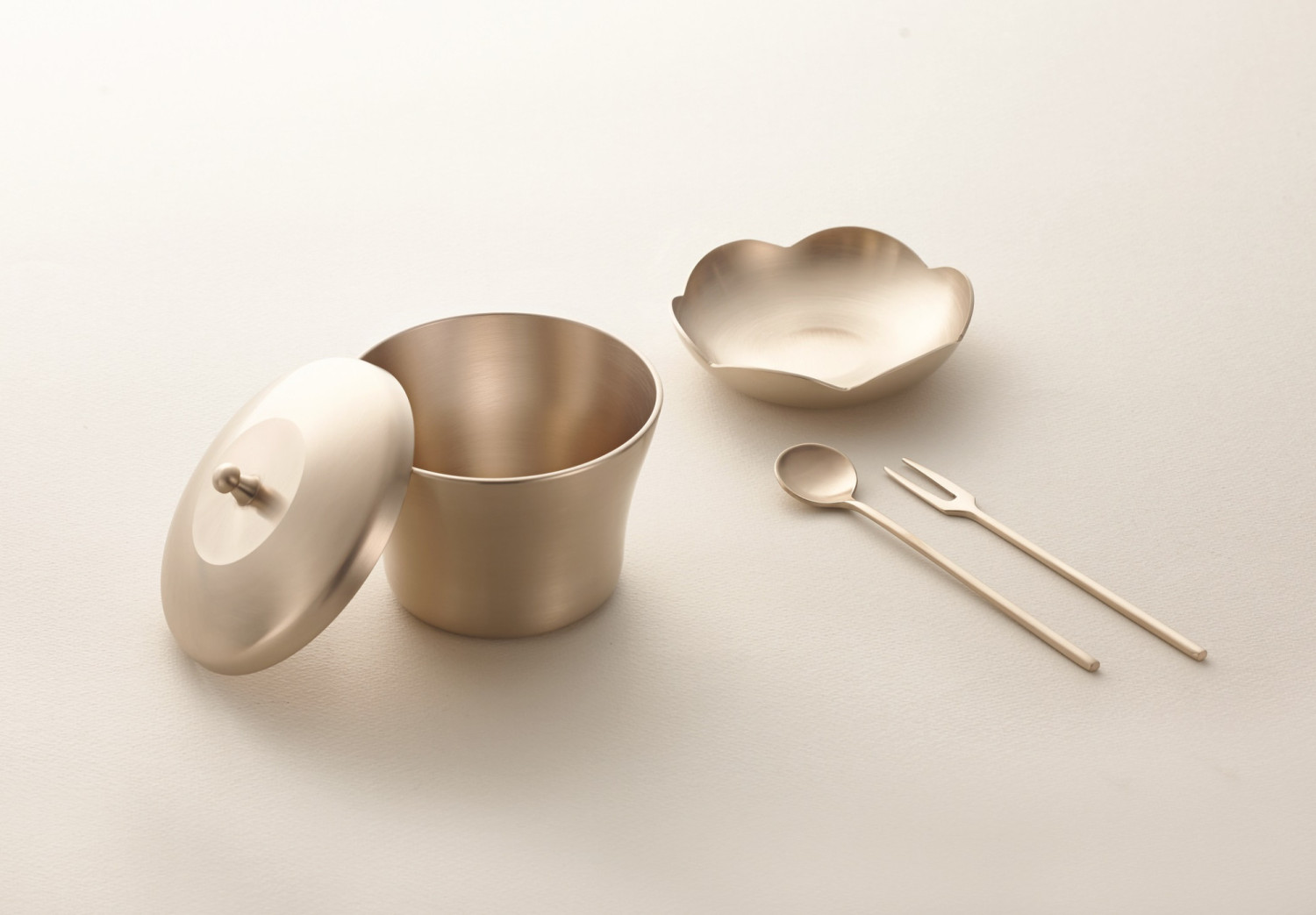
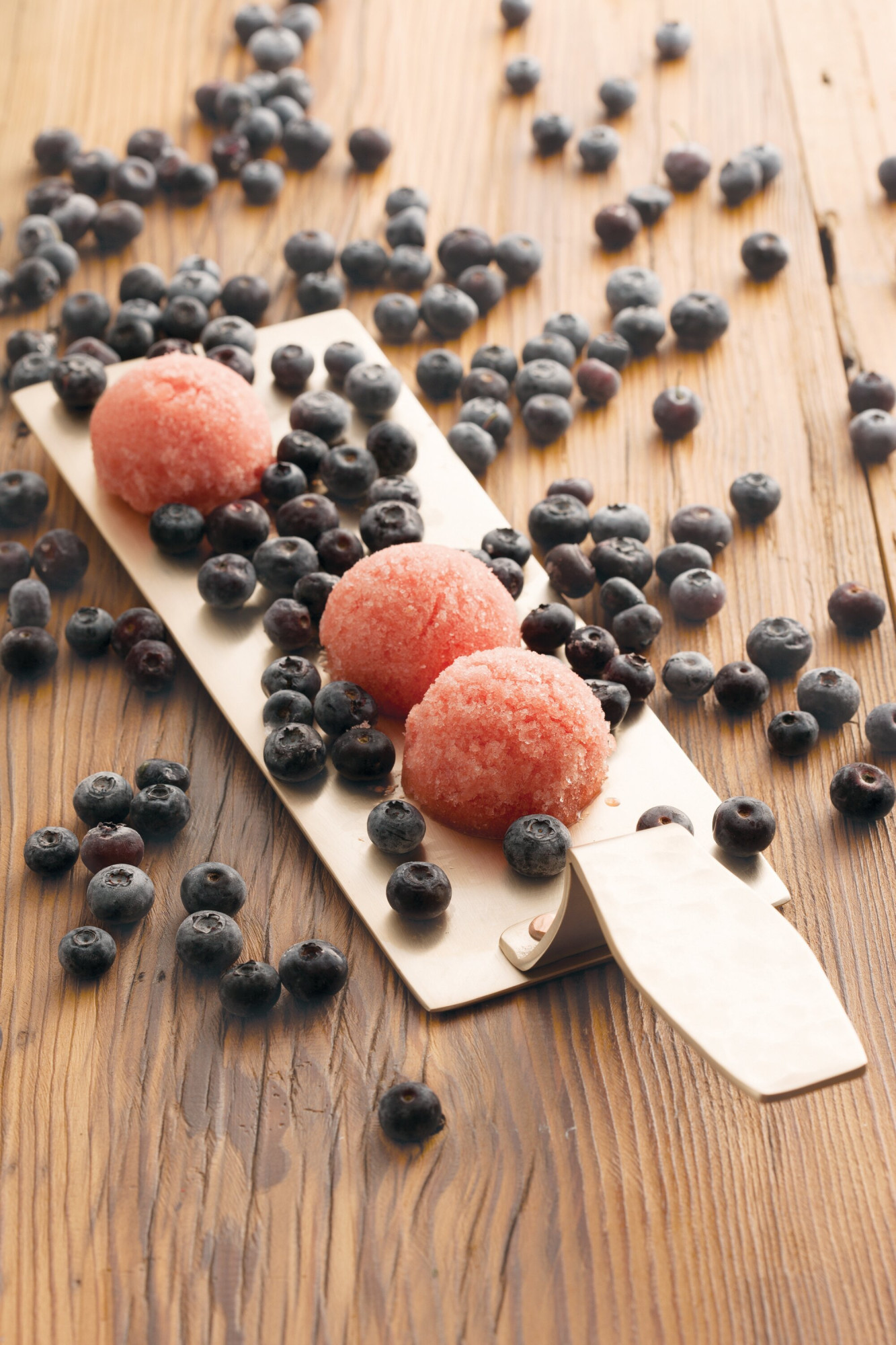
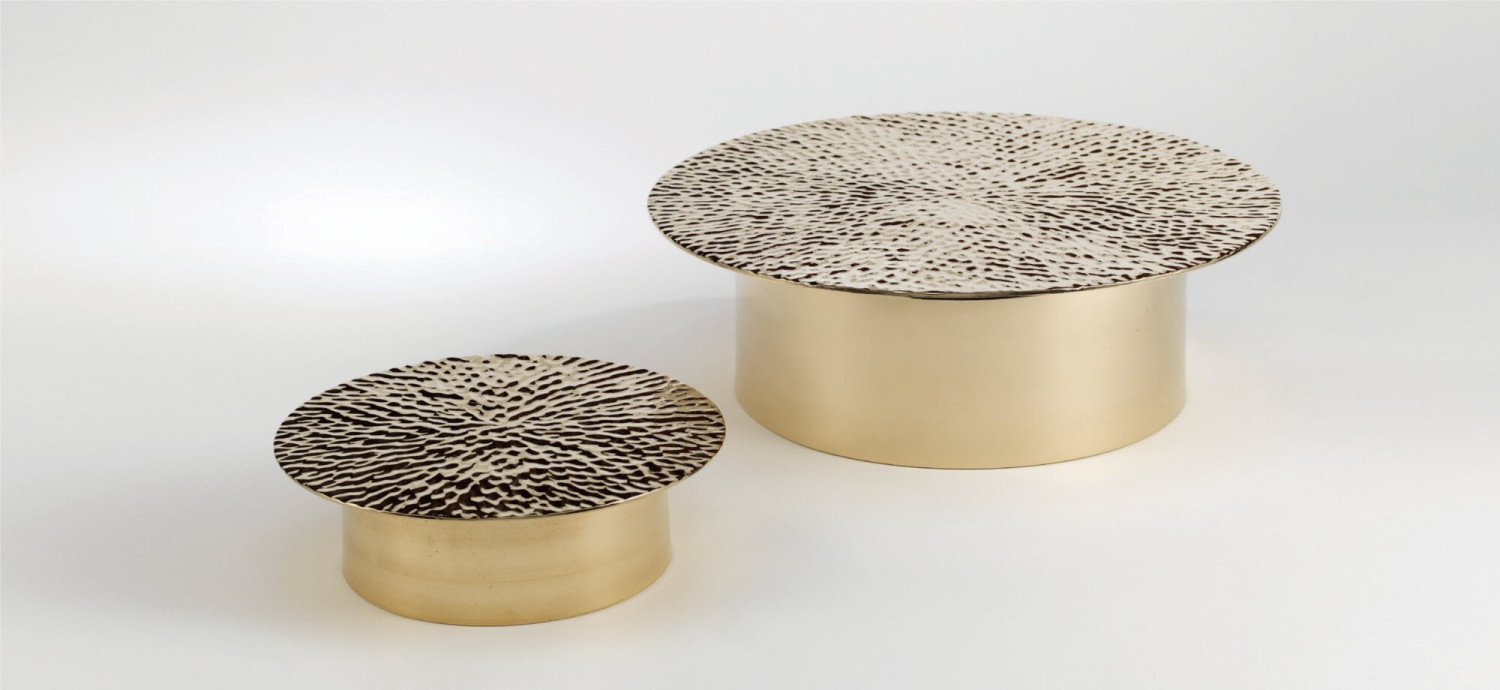
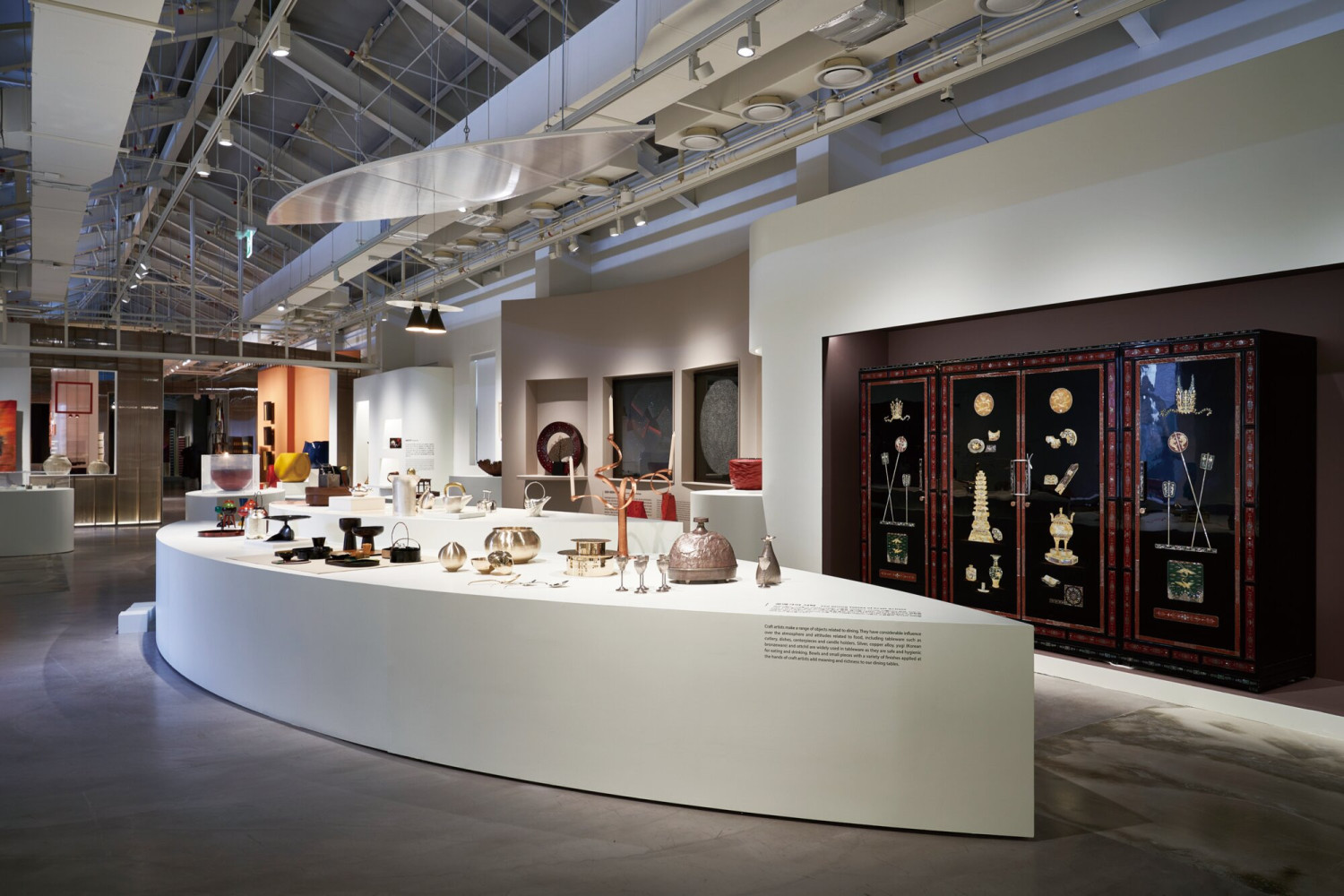
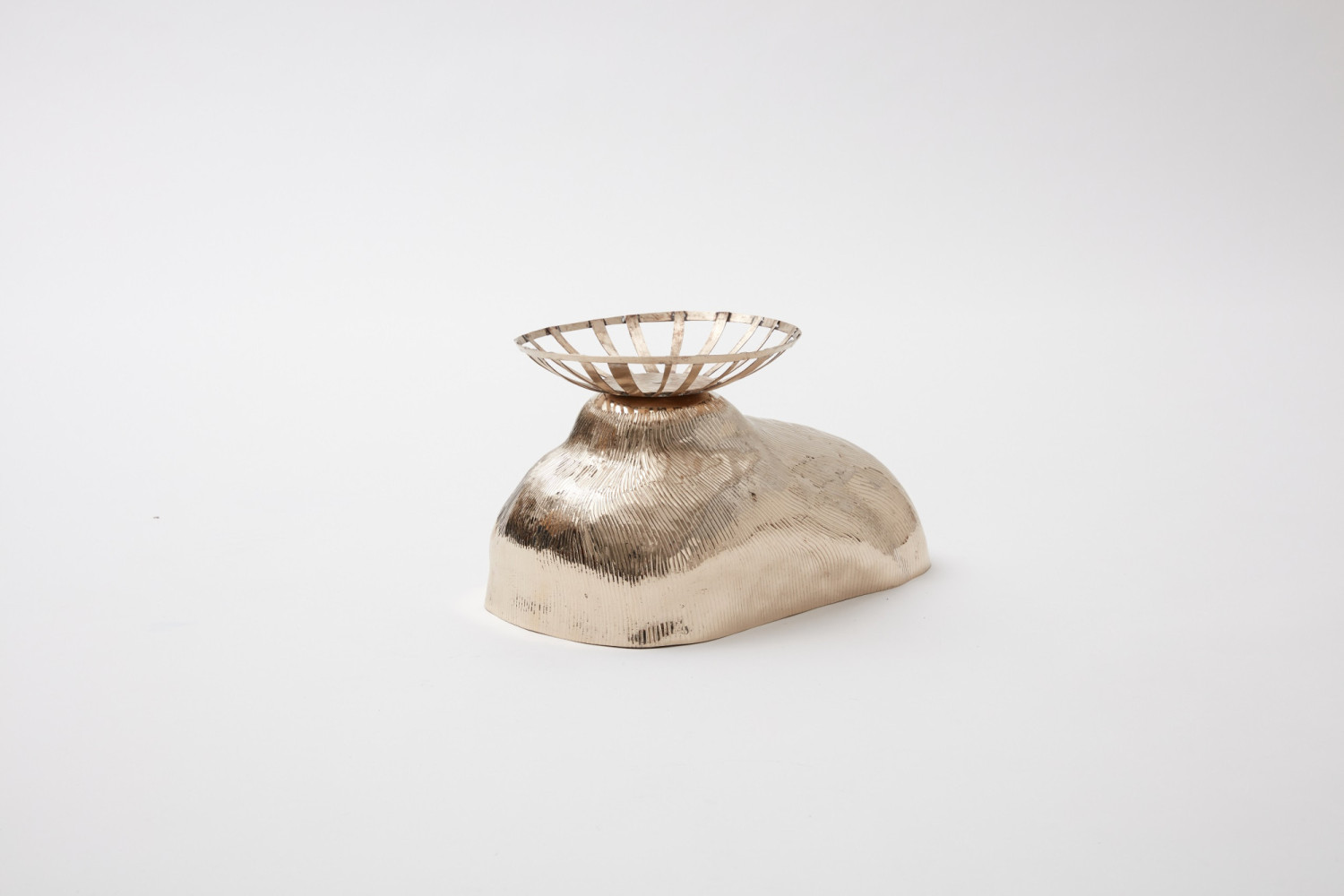
Today, yugi reaches far beyond the realm of Korean cuisine. It can be found not only in Michelin-starred restaurants and hotel dining but also on less glamorous tables in a wide variety of settings. Its modest golden glow accentuates the colors and textures of the food, while its weighty presence transforms a simple meal into an important occasion. In recent years, brands that reinterpret traditional craftsmanship for contemporary lifestyles have taken yugi beyond rice bowls and soup bowls to teacups, dessert plates and cutlery. Another of yugi’s distinctive qualities is its ability to change over time.
Its initial brightness gradually gives way to a deeper and more subdued tone through years of use. Even identical pieces develop their own character, shaped by the hands and habits of their owners. In an age of consumption and replacement, the capacity to grow in value with time feels all the more meaningful. The return of yugi is not a simple replication of the past. Rather, it’s a process of rediscovering age-old traditions in our current lives and finding new ways to sustain them. Tradition is most vital not when it’s confined to a museum but when it’s woven into our daily lives. The golden vessels first shaped under the craftsman’s hammer centuries ago continue their storied legacy on today’s tables, building a bridge between Korea’s cultural heritage and the present day.
- Written by. Chang Inkee
- Chang Inkee is a chief curator at the Onyang Folk Museum. By reviving the wisdom embedded in Korean traditions, she strives to introduce Korean culture to audiences both at home and abroad through exhibitions, educational programs and publications centered on Korean craft and design.
- Edited by. Han Milim
- Images Courtesy of. NOSHI