LACMA's New David Geffen Galleries
Swiss architect Peter Zumthor’s long awaited new galleries for the Los Angeles County Museum of Art (LACMA) reimagines what a museum can be.
A Museum in a Prehistoric Site
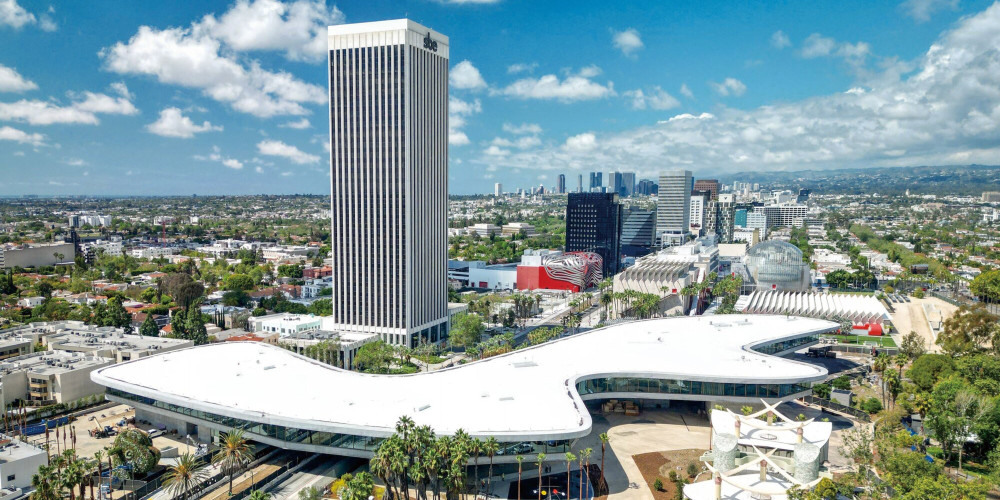
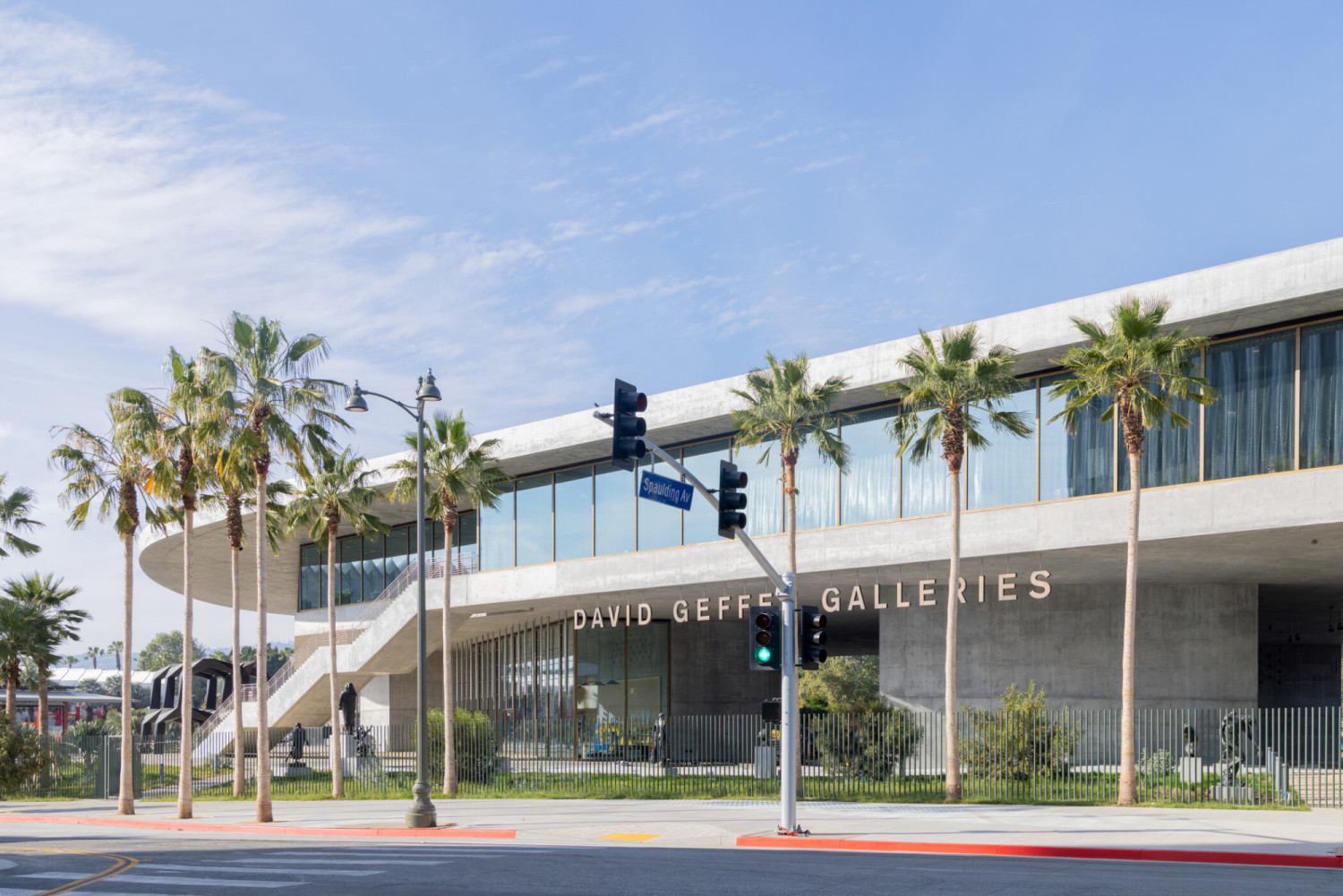
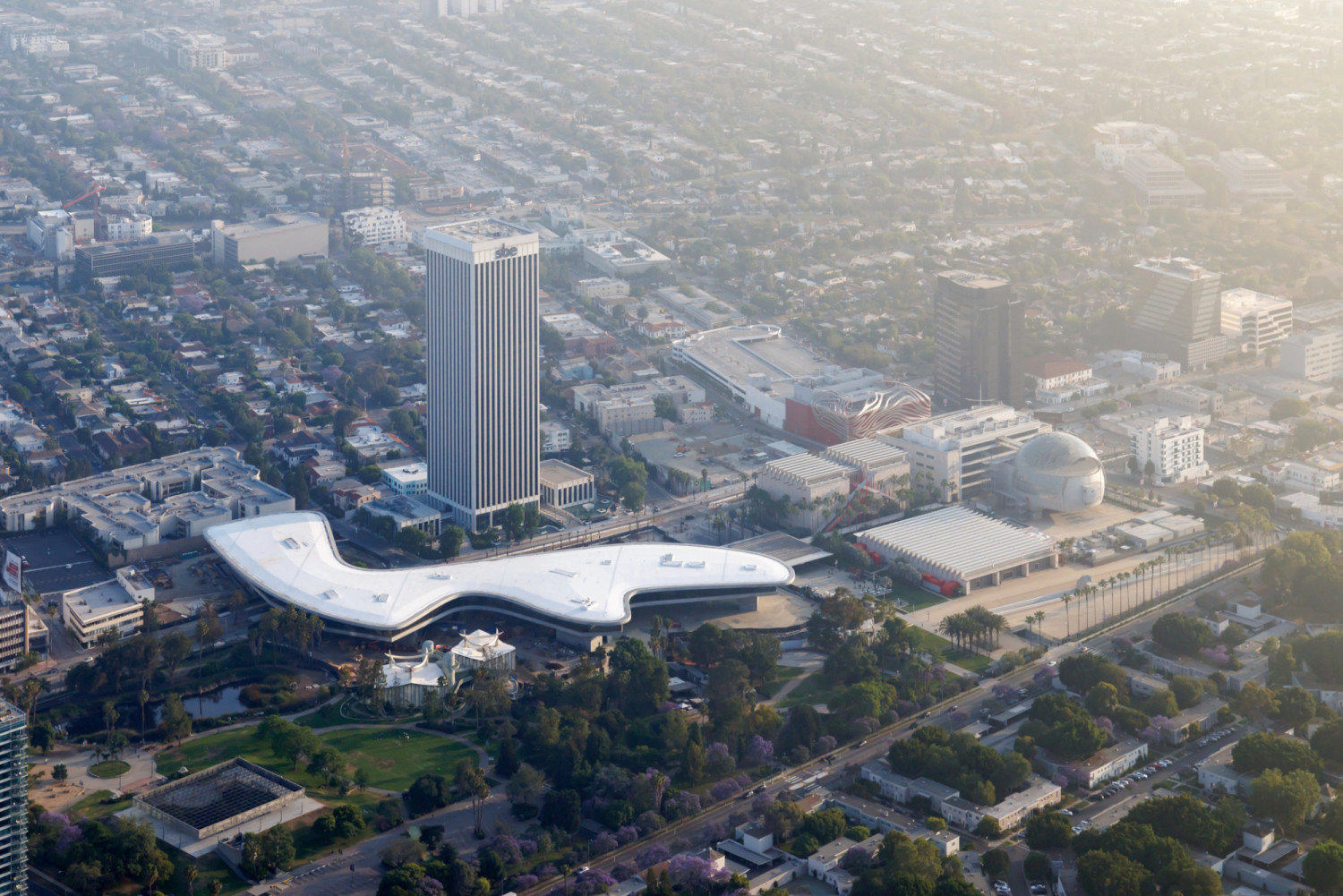
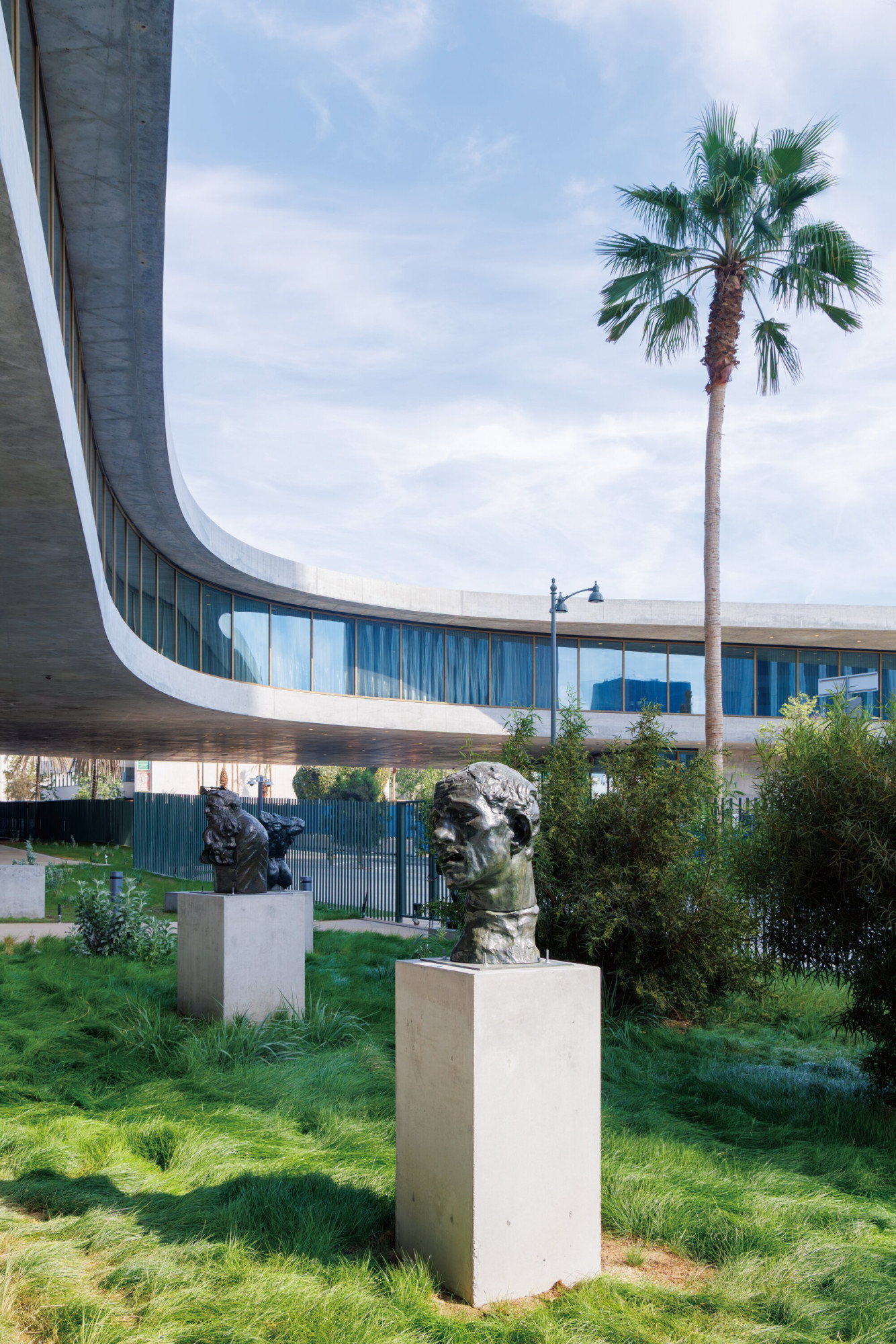
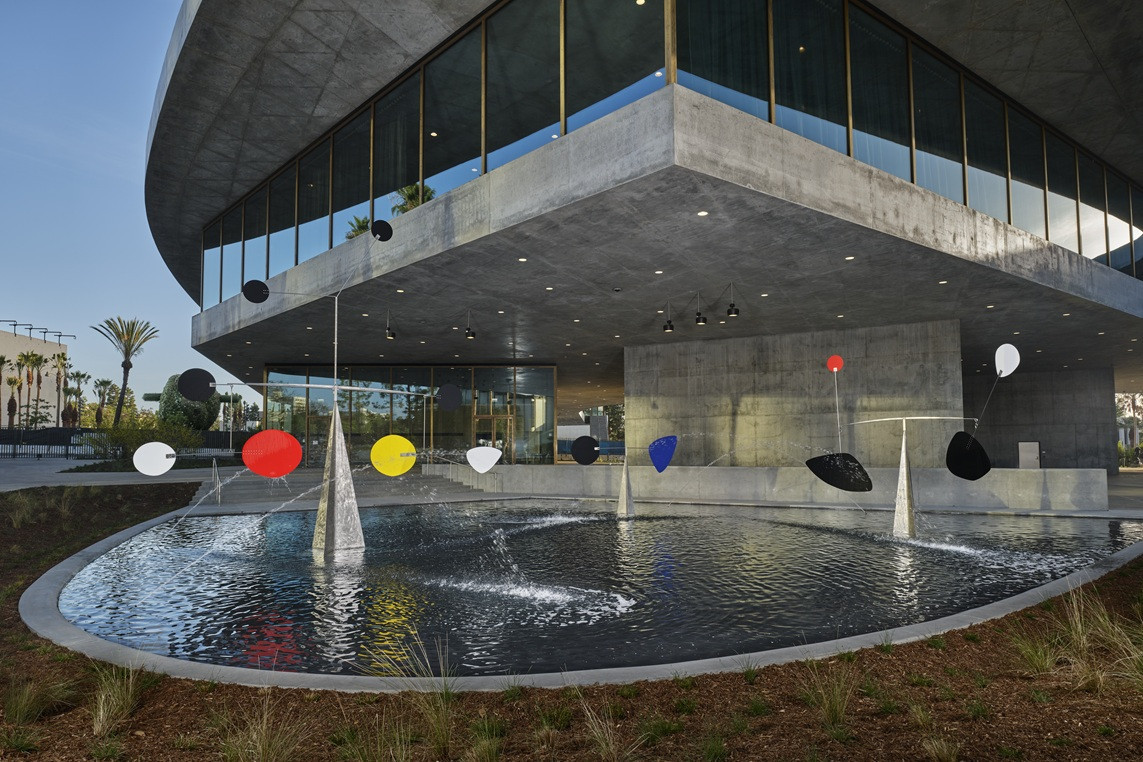
Los Angeles is often described as a city that developed laterally rather than vertically, stitched together by boulevards and freeways rather than towers. The new David Geffen Galleries at Los Angeles County Museum of Art (LACMA) take this horizontality as its genesis. The entire gallery is contained within a single floor — a continuous concrete slab extending nearly 280m across the site, lifted nine meters above the ground and hovering over Wilshire Boulevard. It speaks directly to LACMA director Michael Govan’s vision of visitors wandering through art as one might meander through a park.
The building is designed by the Pritzker Prize–winning Swiss architect Peter Zumthor. Govan was introduced to Zumthor by the late artist Walter De Maria more than 20 years ago, and together they worked to materialize this ambition.
Set within the LACMA campus in the Miracle Mile district, the new building sits alongside the ancient La Brea Tar Pits, a prehistoric landscape of fossils and bubbling asphalt. This setting was what captivated Zumthor during the early stages of the planning. He envisioned the building as an oil-slick form, perhaps imagining black concrete spreading across the ground and slowly flowing toward the pit.
Creating a Home for Each Object
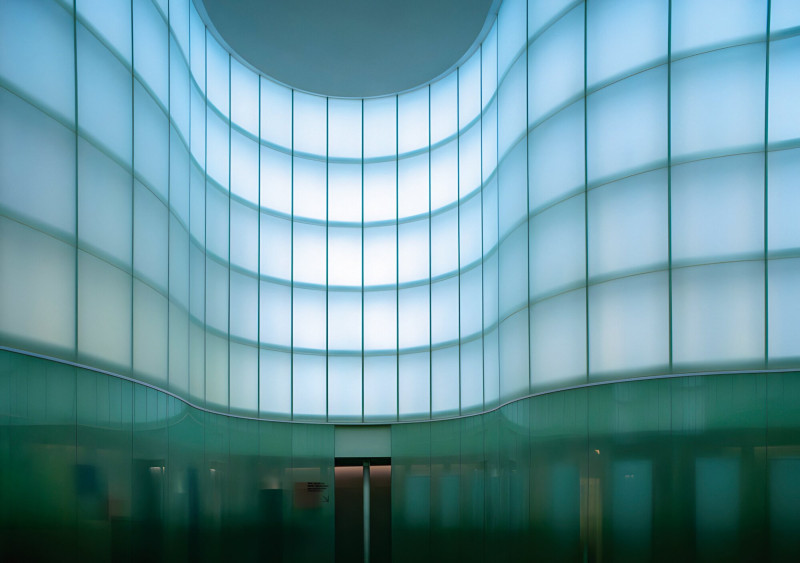
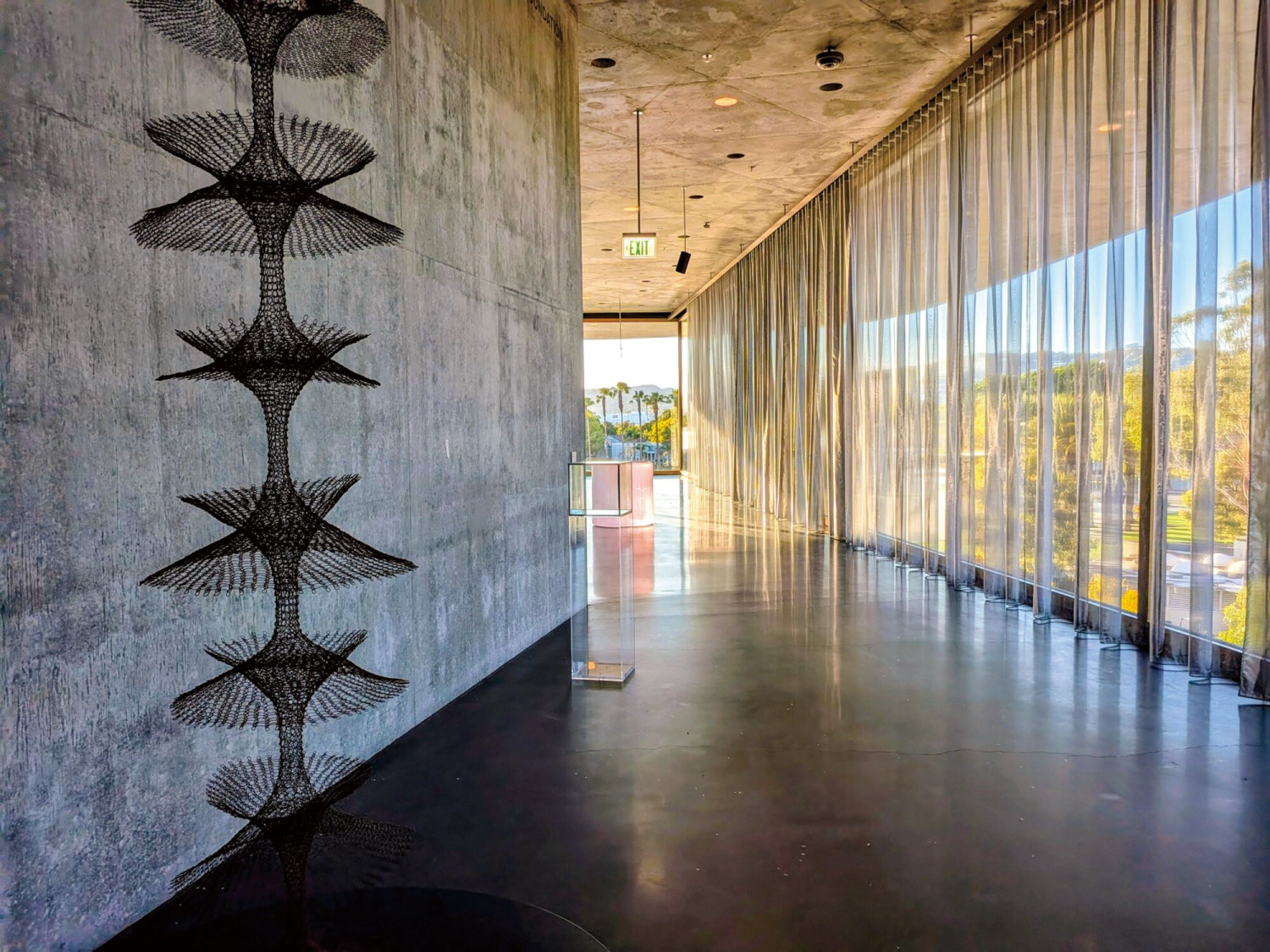
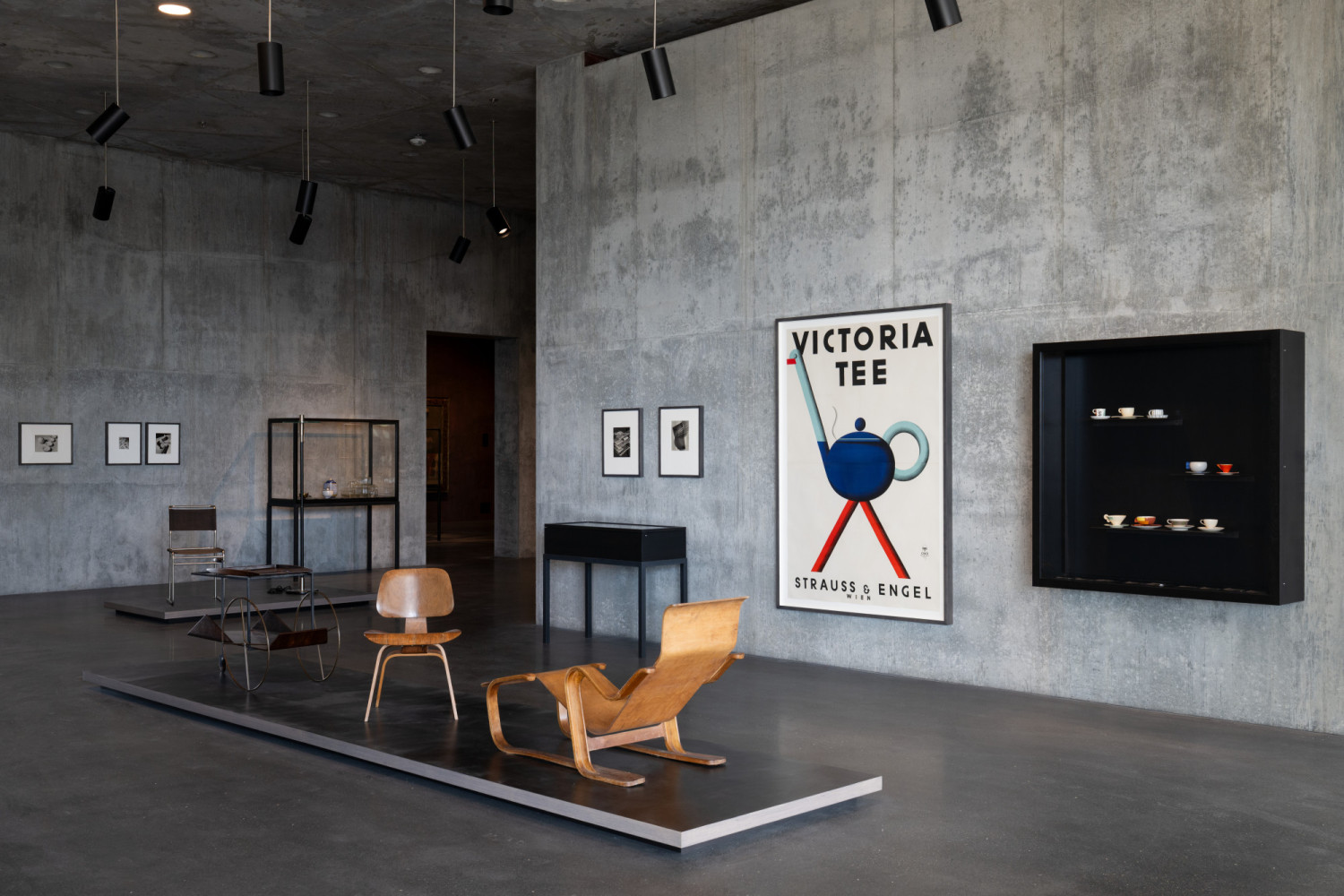
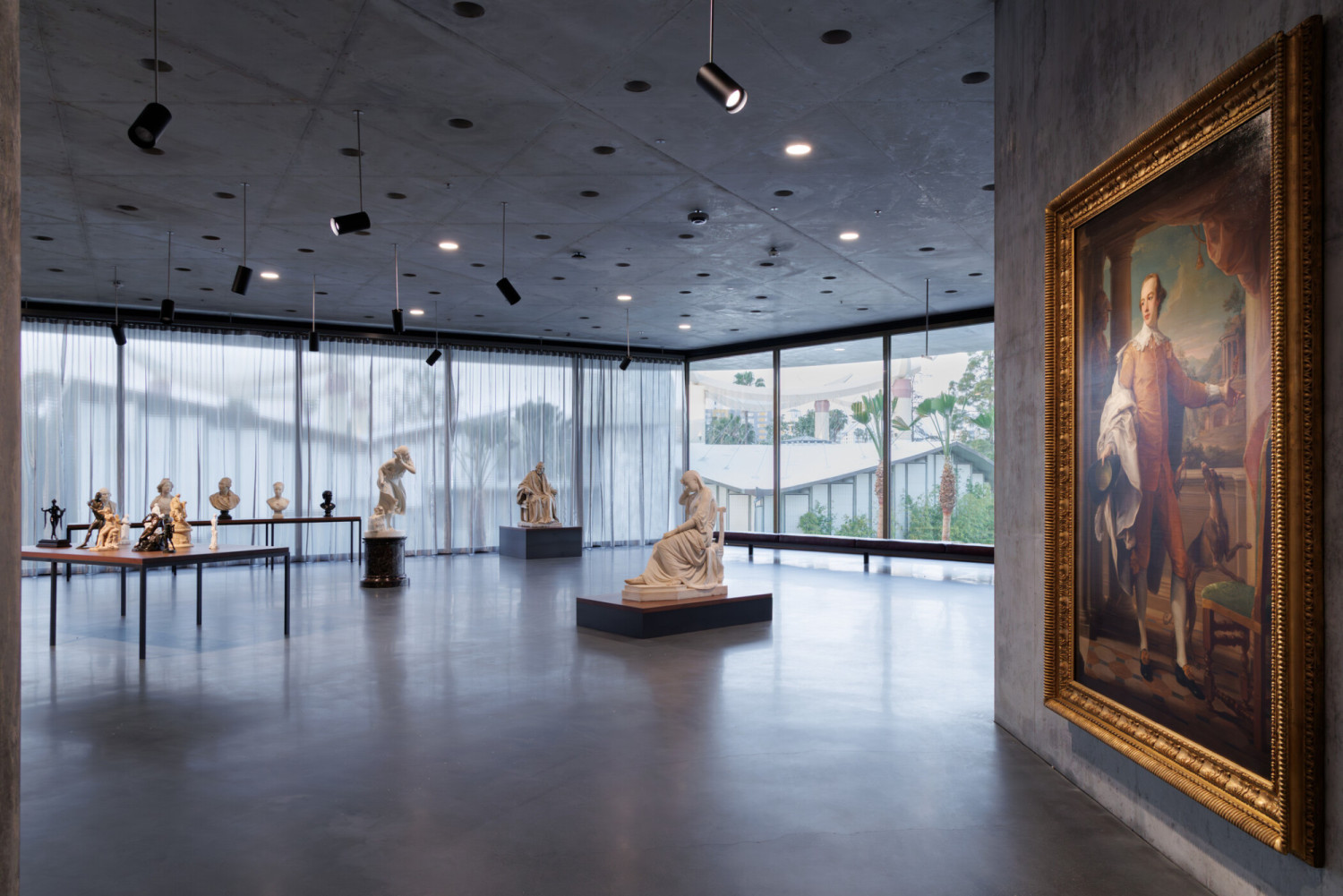
The flowing form continues into the elevated gallery space, which Zumthor designed “from the inside out.” The floor-to-ceiling glass panels allow in “the most noble light.” The intense Californian sunlight is filtered through curtains crafted by Japanese textile designer Reiko Sudo. The sheer, gossamer fabric diffuses the light into a gentle glow within the galleries, while turning the panoramic view outside into a dreamlike blur. Polished dark gray concrete floors flecked with tiny shells catch and reflect light and color.
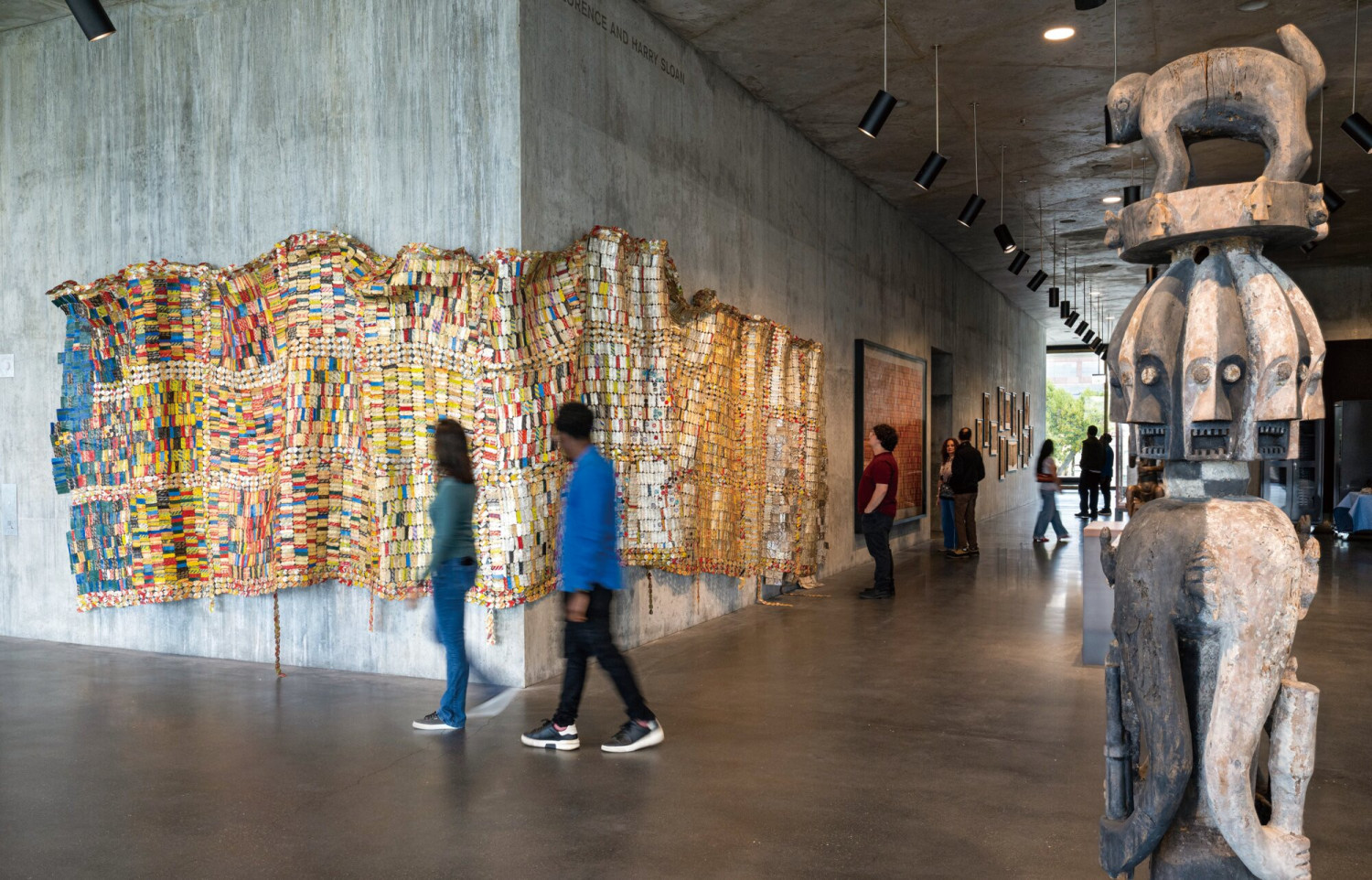
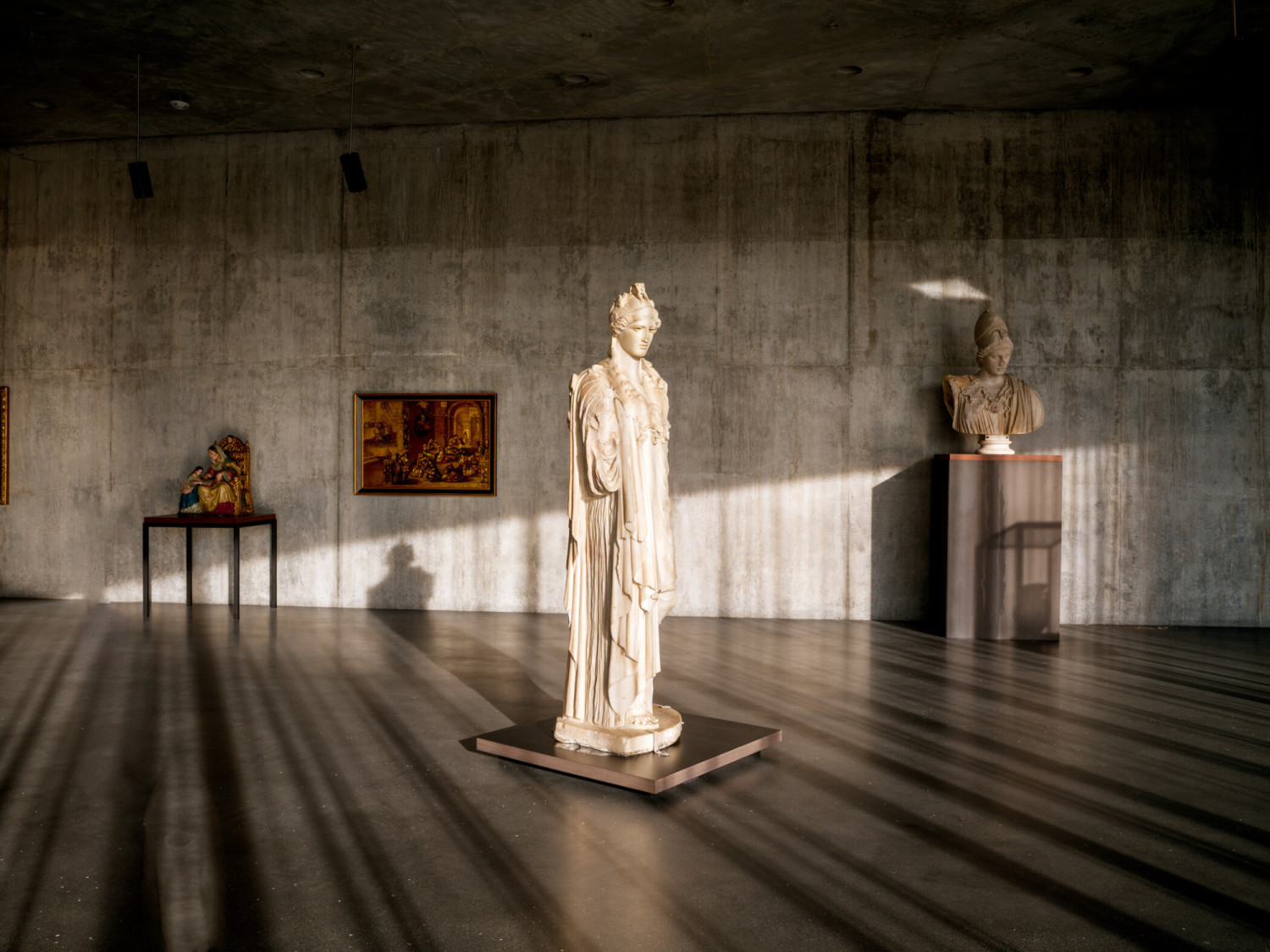
As for the exhibition, traditional frameworks of geography, chronology and medium are reimagined as fluid, multi¬faceted groupings. The collection’s narratives are organized around four major bodies of water — the Pacific, Indian, Mediterranean and Atlantic — which connected cultures through trade and migration long before air travel. Zumthor created a home for each object, and a series of enclosed galleries within the continuous floor provide darker, controlled environments for light sensitive works. Ceilings and most walls are left as cast concrete, while some interior walls are tinted deep terracotta, indigo or “nuanced black” (dark gray) to intensify the atmosphere. Egyptian, Greek and Roman antiquities, Buddhist art, a 1960s car, modern furniture, and works by Hokusai, Matisse, Francis Bacon and Andreas Gursky all share this single plane of circulation.
Several new commissions punctuate these narratives, including Korean artist Do Ho Suh’s life size reconstruction of a section of Gyeongbokgung Palace, made from translucent fabric over a slender metal armature. Visitors move through these works as they might through Los Angeles’s multicultural neighborhoods, drifting between scenes and perspectives.
Hollywood’s Cultural Fabric
At ground level, a restaurant, shop, education spaces and a theatre are housed in seven supporting pavilions. The hovering slab also provides 3.5 acres of shaded public plaza for flexible use. The aim of the museum is to encourage local communities, especially younger audiences, to visit, linger and take part in programs that extend beyond the galleries.
Beyond the park like campus, three additional LACMA buildings come into view: the Pavilion for Japanese Art designed by American architect Bruce Goff, and the Broad Contemporary Art Museum (BCAM) and the Lynda and Stewart Resnick Exhibition Pavilion, both designed by Pritzker Prize–winning Italian architect Renzo Piano. Piano is also the architect of the neigh¬boring Academy Museum of Motion Pictures, underscoring that this is very much a piece of Hollywood’s cultural fabric.
The new LACMA building cost in excess of $724 million to construct, with about 80 percent funded by private donors; the largest single gift, $150 million from music and film mogul David Geffen, is acknowledged in the building’s name. The vast concrete structure has been contentious, particularly in environmental debates, yet its solidity suggests it could endure for centuries, even if the institution itself were one day to close.
Standing here, within sight of the bubbling La Brea Tar Pits, where mammoth fossils dating from roughly 11,000 to 50,000 years ago have been excavated, it’s hard not to feel how fleeting our own moment is in the planet’s history.
Places to Explore Around LACMA
La Brea Tar Pits
Situated next to LACMA in Hancock Park, La Brea Tar Pits is a prehistoric landscape of bubbling asphalt and fossils. The onsite museum, which showcases the history of the Tar Pits and the discovered fossils, is scheduled to close for renovation until 2028, but visitors can still view the tar pits and ongoing excavations from designated areas.
- tarpits.org
Academy Museum of Motion Pictures
The largest institution in the United States devoted to the art and science of filmmaking is housed in the restored 1930s Saban Building alongside a striking glass-and-concrete sphere, both designed by Renzo Piano. The museum features immersive exhibitions, historic film artifacts, and screening theaters.
- academymuseum.org
Petersen Automotive Museum
One of the world’s foremost museums dedicated to automotive history, design and culture, the Petersen Automotive Museum is situated in a dramatic building wrapped in sweeping red steel ribbons. Inside, more than 300 classic, exotic and concept vehicles trace how the automobile has shaped technology, cities and the popular imagination.
- petersen.org
Craft Contemporary
The intimate museum on Wilshire Boulevard is devoted to contemporary art made through craft media and processes. Housed in a building designed in 1930, it presents rotating exhibitions and hands-on workshops in ceramics, textiles and metalwork, inviting visitors to both see and create art.
- craftcontemporary.org
The Original Farmers Market
This historic open air marketplace of food stalls, grocers and eateries has been operating continuously since 1934. With more than 100 vendors gathered beneath a famous clock tower, it remains one of Los Angeles’ most beloved everyday gathering places, adjacent to The Grove shopping complex.
- farmersmarketla.com
- Megumi Yamashita is a London–based journalist and editor covering architecture, design and culture for major publications including Casa BRUTUS. She runs Architabi, a platform for discussing cities and architecture and organizing tours.
- Written by. Megumi Yamashita
- Photography by Iwan Baan
- Image courtesy of the LACMA
- Korean Air operates direct flights between Incheon and Los Angeles 14 times a week.