The Season for Korean Melon CHAMOE
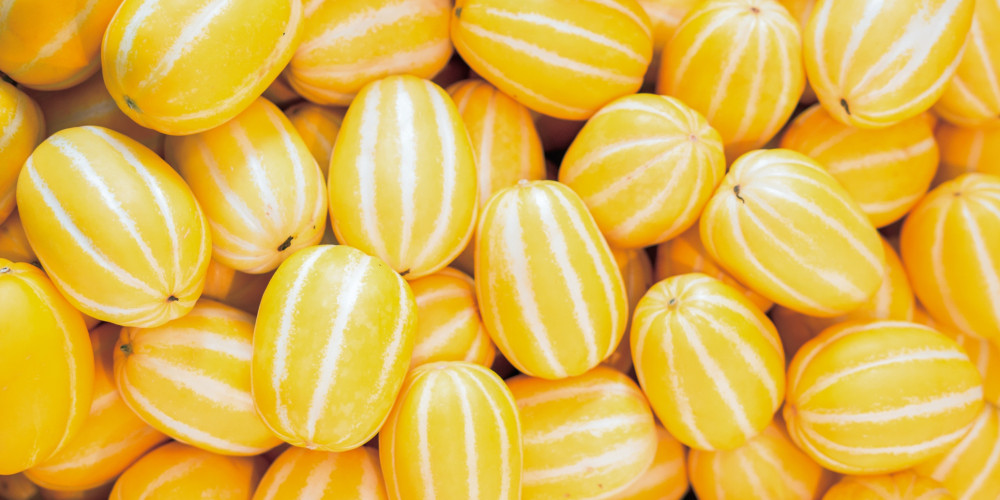
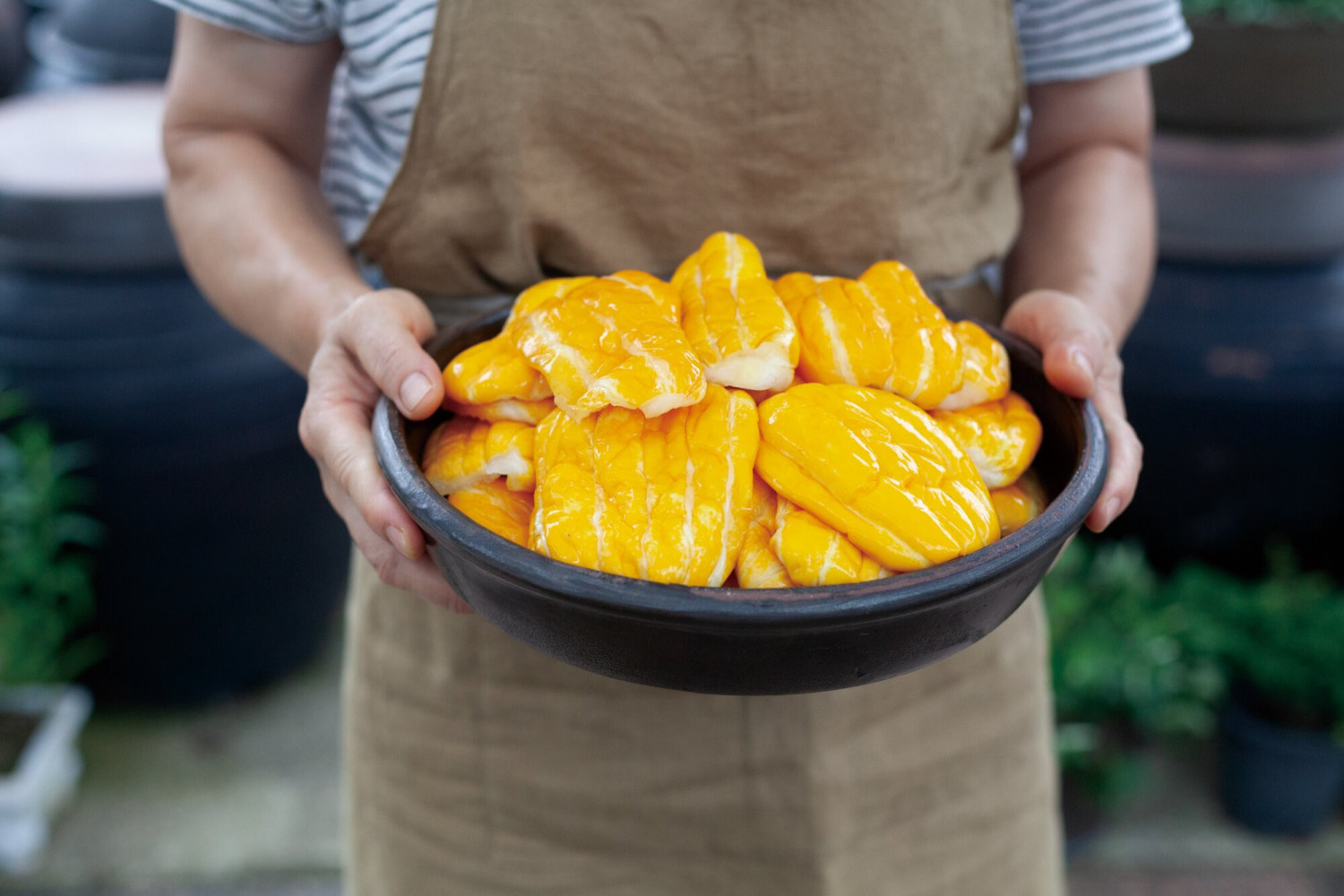
Emerging under the gentle warmth of the May sun and slipping quietly out of sight by August, the arrival of chamoe is a signal that summer has come. This vibrant yellow melon holds within its form the entirety of a Korean summer.
Distinctive Character of Korean Melon
Chamoe usually goes by the name “Korean melon” in English. This moniker sometimes leads to the miscon ception that it is cultivated and enjoyed exclusively in Korea.
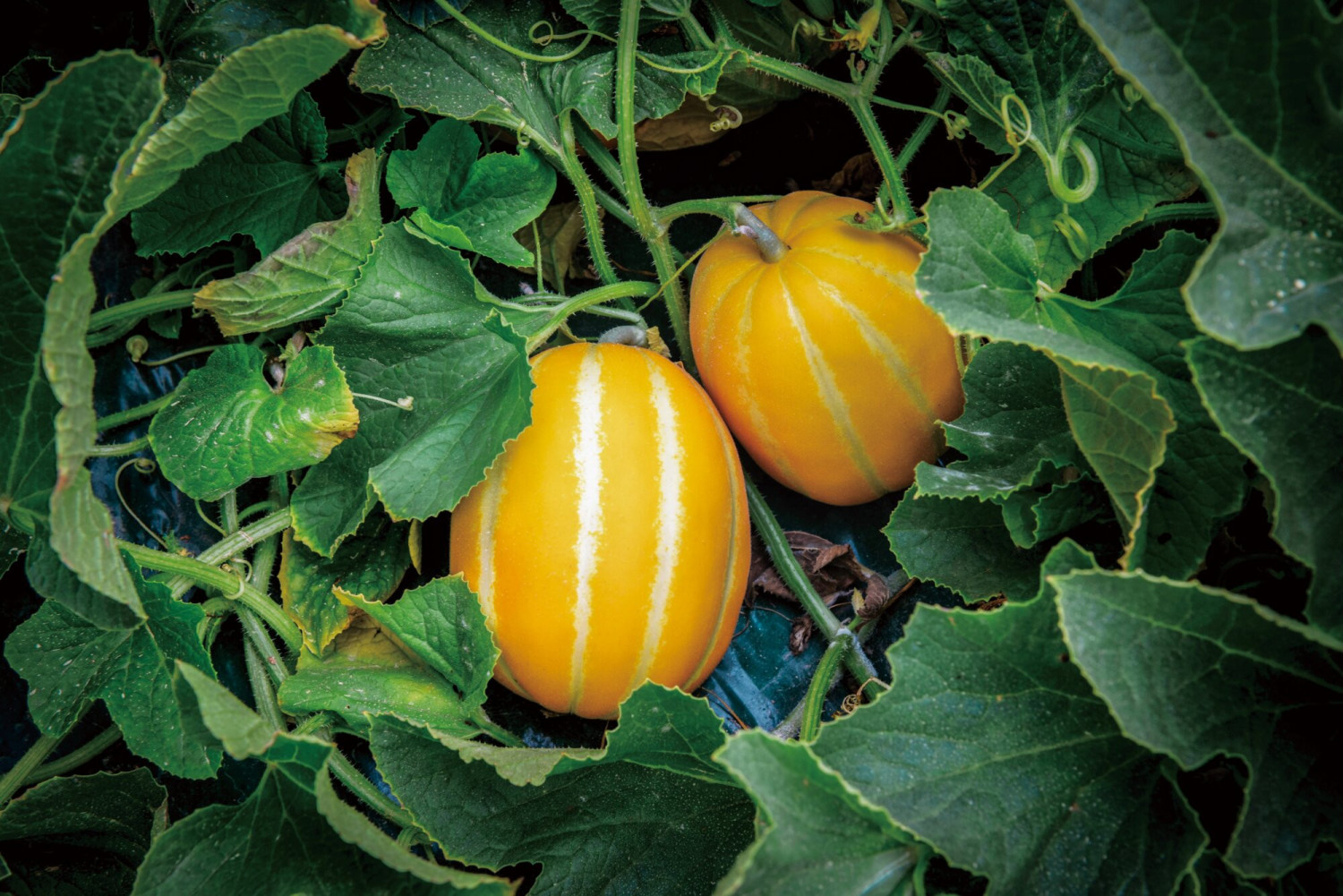
The chamoe we know today — yellow-skinned with crisp white stripes — is widely enjoyed in virtually no other country outside of Korea. But this fruit, also known as “oriental melon,” is an East Asian crop historically planted across China, Japan and Korea.
China produces more melons than any other country on earth, harvesting millions of tons each year under names such as “golden melon” and “sweet melon.” Japan likewise boasts a long history of cultivating the fruit under the name makuwa-uri; however, following the introduction of Western melons in 1925, it was rapidly displaced in the consumer market and now survives as a local heritage crop in select regions. Yet, in Korea, the name of the melon itself denotes the importance of this delectable treat. Written in hanja (Chinese characters used in written Korean), chamoe is a compound of the character cham (眞, meaning “true”) and oe, a syllable derived from the hanja
character gwa (瓜), denoting gourd-family plants. Chamoe even in name, is the true gourd of Korea.
Biologically, the chamoe (Cucumis melo var. makuwa) and the cucumber (Cucumis sativus) are close cousins, both belonging to the Cucumis genus. It is this shared lineage that explains their similar tendril-climbing habits, their separate male and female flowers, and the way their fruits develop. Classifying this fruit as a kind of gourd was a fairly accurate call. Yet from the same root the two diverged in opposite directions of taste. The cucumber evolved into a vegetable, storing very little sugar, while chamoe took its place as a fruit, with its sweetness concentrated within its flesh and seed cavity.
History of Crispness
Even Joseon era (1392–1910) farming manuals took the chamoe seriously. Agricultural treatises such as the Sallim Gyeongje (“Farm Management”), compiled around 1700, and the Imwon Gyeongjeji (19th century) dedicate surprisingly detailed sections to the chamoe, discussing the ideal soil for its cultivation, the timing of its sowing, and the meticulous management of its tendrils. For a single crop to be granted such significant real estate in these scholarly texts indicates a status far grander than that of a mere summer treat.
Until 1957, heirloom varieties bearing local place names thrived across the Korean peninsula. However, the history of the chamoe we enjoy today is surprisingly short. The turning point arrived in 1957 when the euncheon variety, developed in Japan’s Toyama Prefecture, was introduced to Korea. This early-maturing cultivar offered a faster harvest and a significantly sweeter flavor profile than native heirlooms. Yet, it was still distant from the modern fruit. In 1975, Joongang Seeds resolved the variety’s limitations by releasing shin-euncheon. And in 1984, Hungnong Seeds developed geumssaragi euncheon, finally establishing the definitive identity of the modern Korean chamoe.
Korean palates have long favored a clean, crunchy bite that pleasantly snaps between the teeth. Breeding programs followed this unique preference, yielding a fruit of delicate sweetness, a wonderfully crisp bite and a refreshing aroma that has secured chamoe its own indisputable niche.
Seongju: The Giving Ground for Chamoe
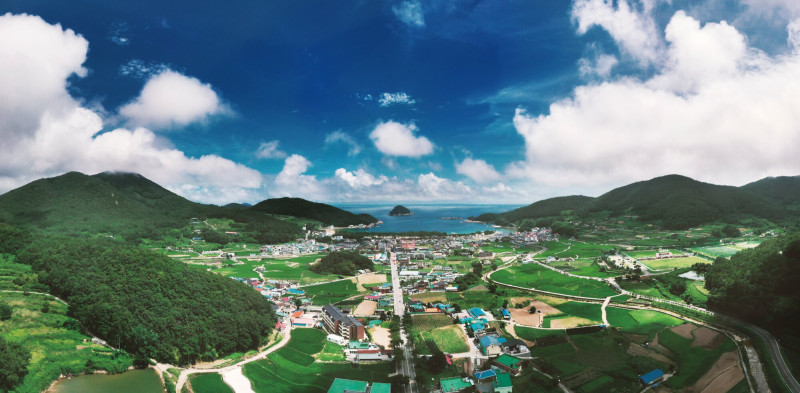
In any discussion of chamoe, Seongju-gun County in Gyeongsangbuk-do Province commands the center stage. An astonishing 75% to 80% of the nation’s chamoe crop is harvested from this single county. The silty loam plains formed along the Nakdong-gang River basin are exceptionally fertile. Mixed with silt, the soil drains well while retaining essential minerals, making it the ideal home for shallow-rooted, moisture-sensitive gourd crops. Generous volumes of irrigation water descending from Gayasan Mountain, abundant sunshine and a dramatic fluctuation between day and night temperatures further serve to concentrate sugars and firm up the fruit’s flesh. The 15 to 17 Brix sweetness of Seongju chamoe results from this blessed landscape.
Yet, this success is not the work of nature alone. It is equally a monument to the expertise accumulated by Seongju’s farmers since the 1940s. Chamoe remains a crop that is difficult to mechanize. Greenhouse cultivation, which begins in December, is a daily cycle of monitoring temperatures and manually adjusting temperature-regulating blankets. Deciding which young fruits to thin out so as not to overburden the vine is also a daily task requiring an eye honed by years of experience.
© Courtesy of Hansalim; Recipe by Lee Yang-ji, Macrobiotic Cooking Expert
© gip2cafe
The Flavor of the Golden Season
© Sunchangtown
© Grandir
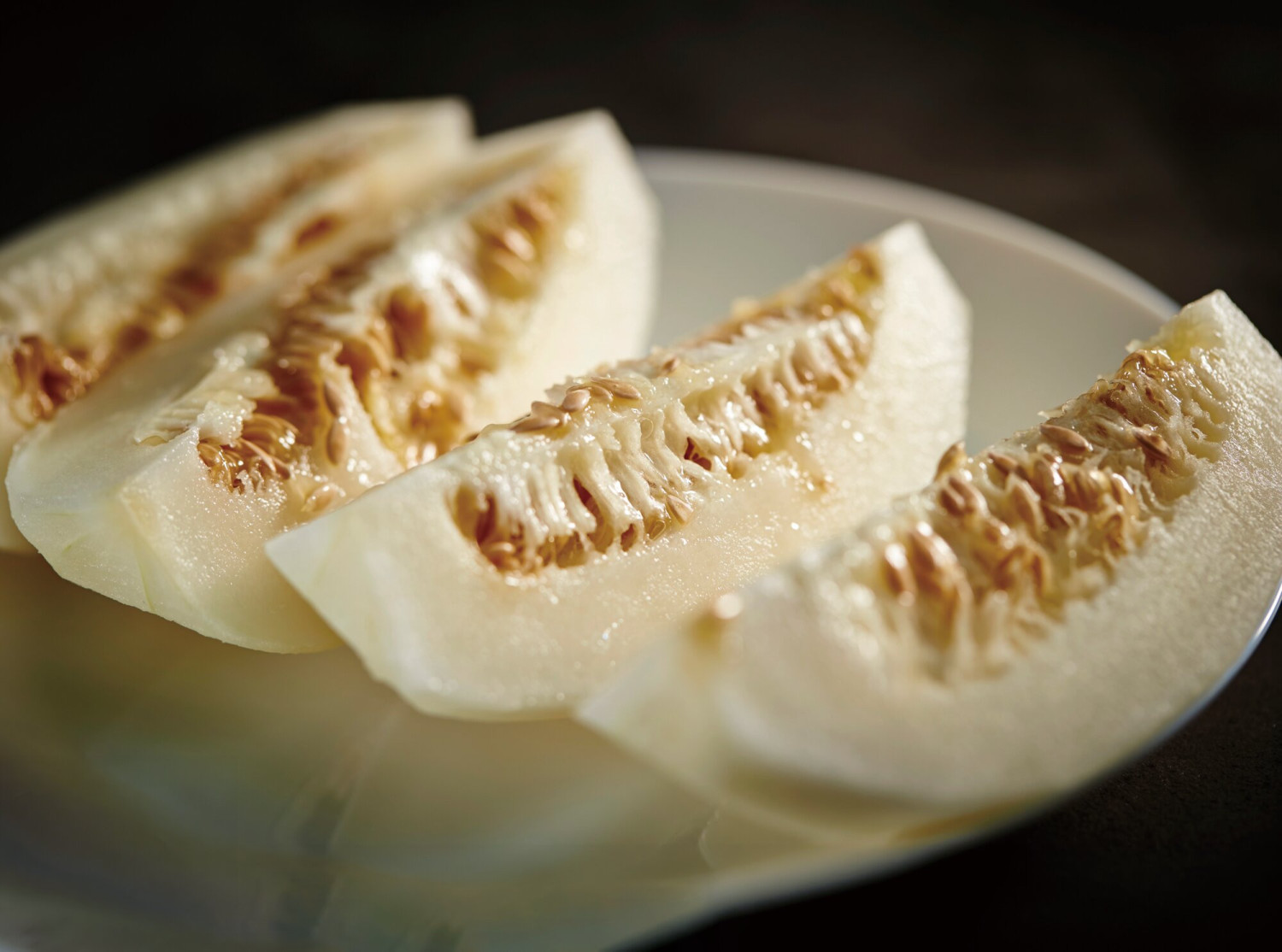
The Korean manner of eating a chamoe presents an unusual scene to Western eyes. In the West, the first step in preparing a melon is to scoop out the seeds and pulp. Many Koreans, however, consider the sweet, seed cavity the prize of the fruit. Consuming the seed cavity reflects a cultural attitude of enjoying the fruit as nature intended.
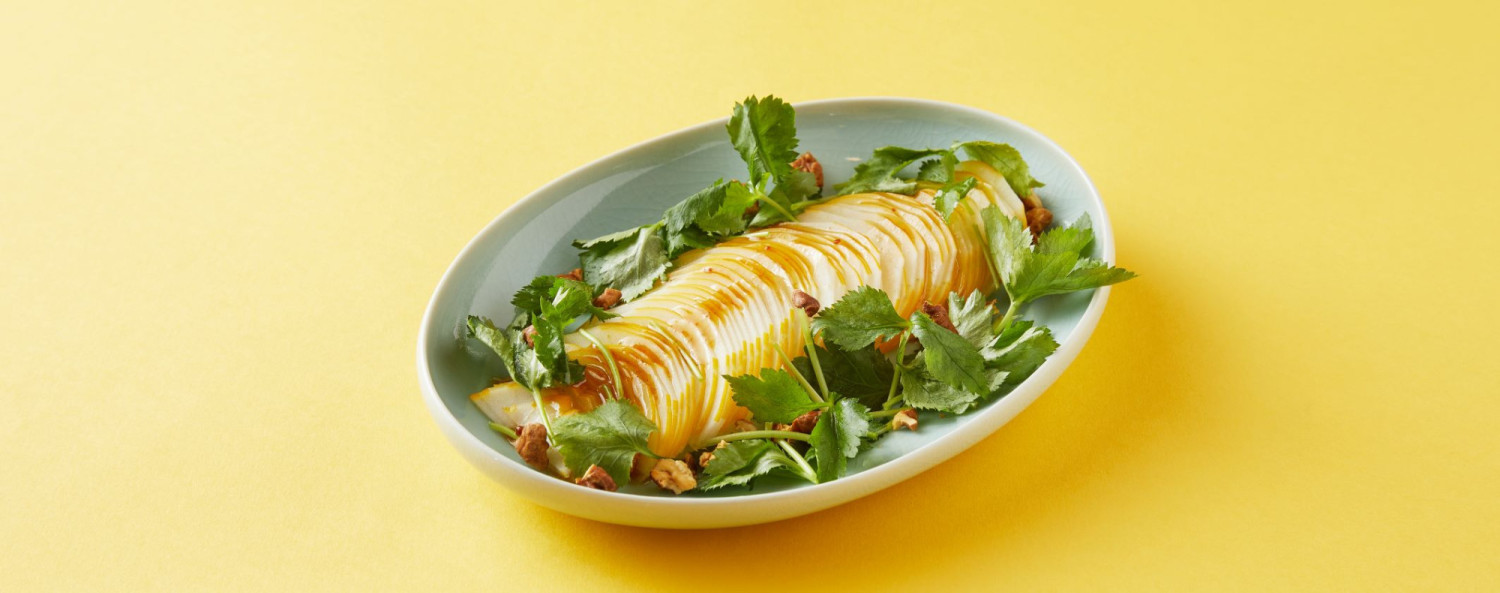
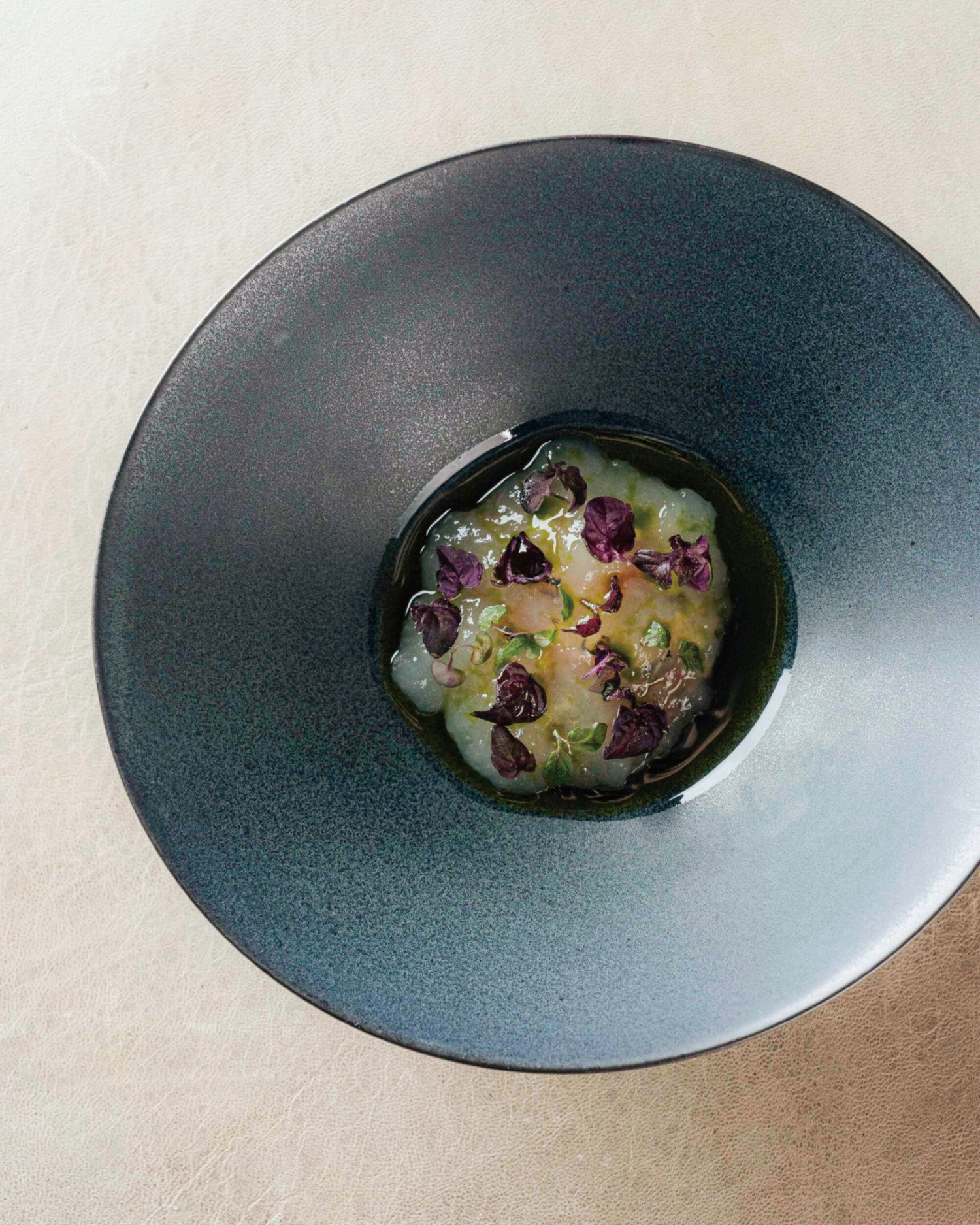
As Korean cuisine continues to captivate the global culinary stage, international chefs have begun to look at chamoe with newfound fascination. Its botanical ambiguity makes it a compelling canvas for fine-dining chefs. Chamoe gazpacho now graces tasting menus, and in a carpaccio-style dish of thinly-sliced melon paired with white fish, the fruit’s crisp texture and clean, refreshing sweetness balance the grounding presence of the fish.
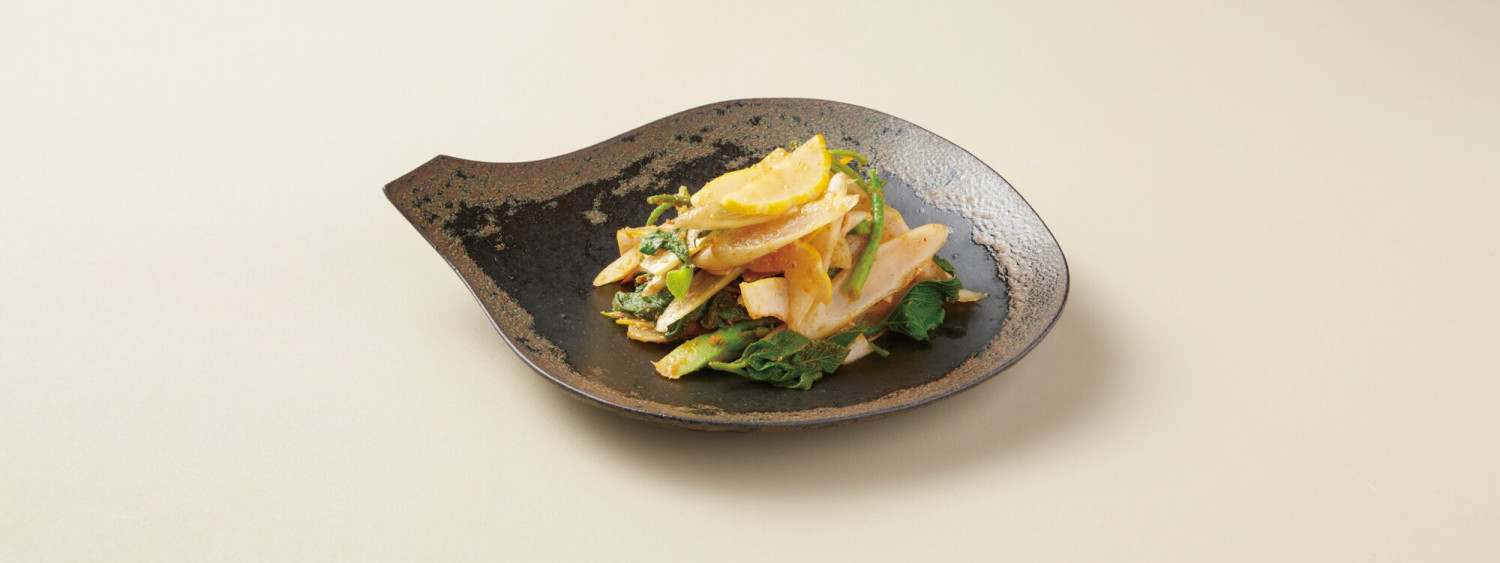
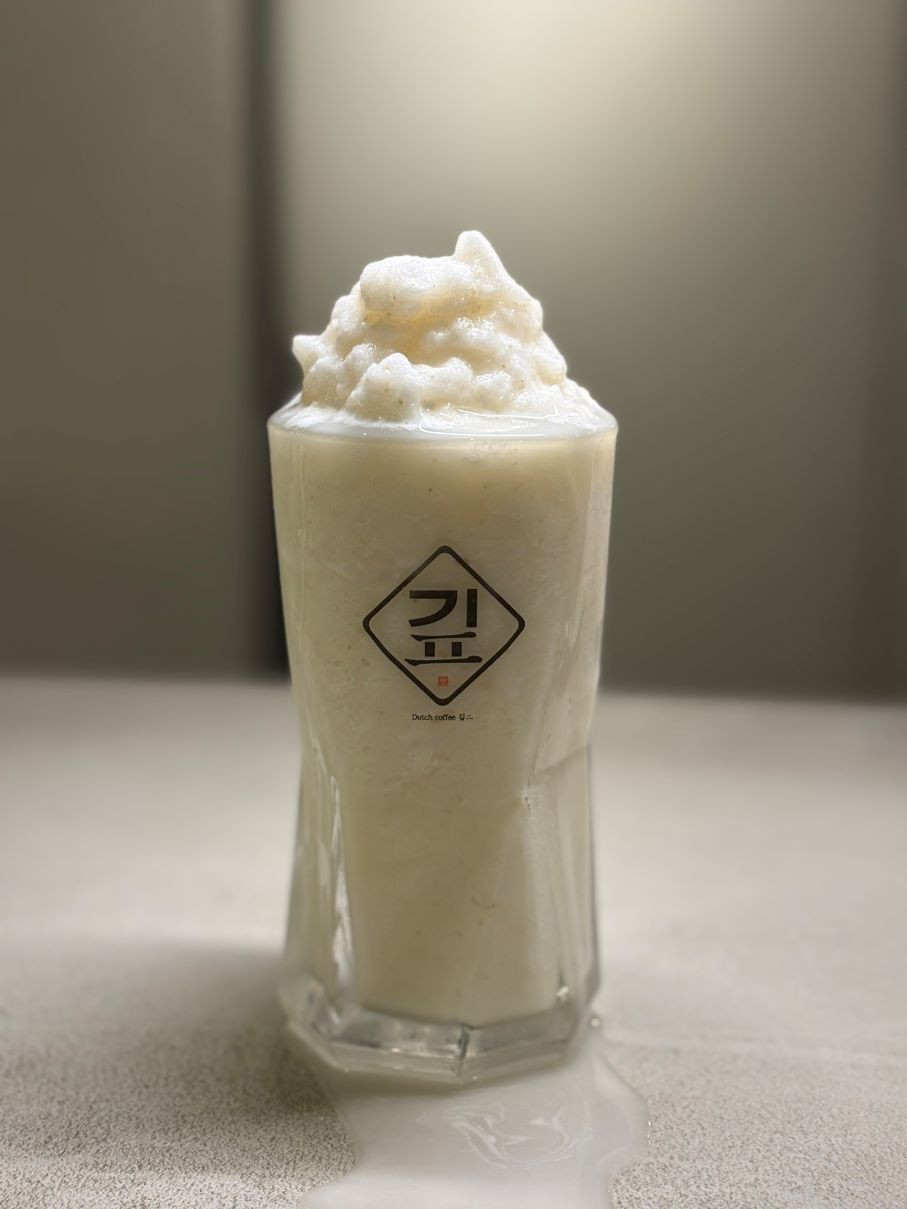
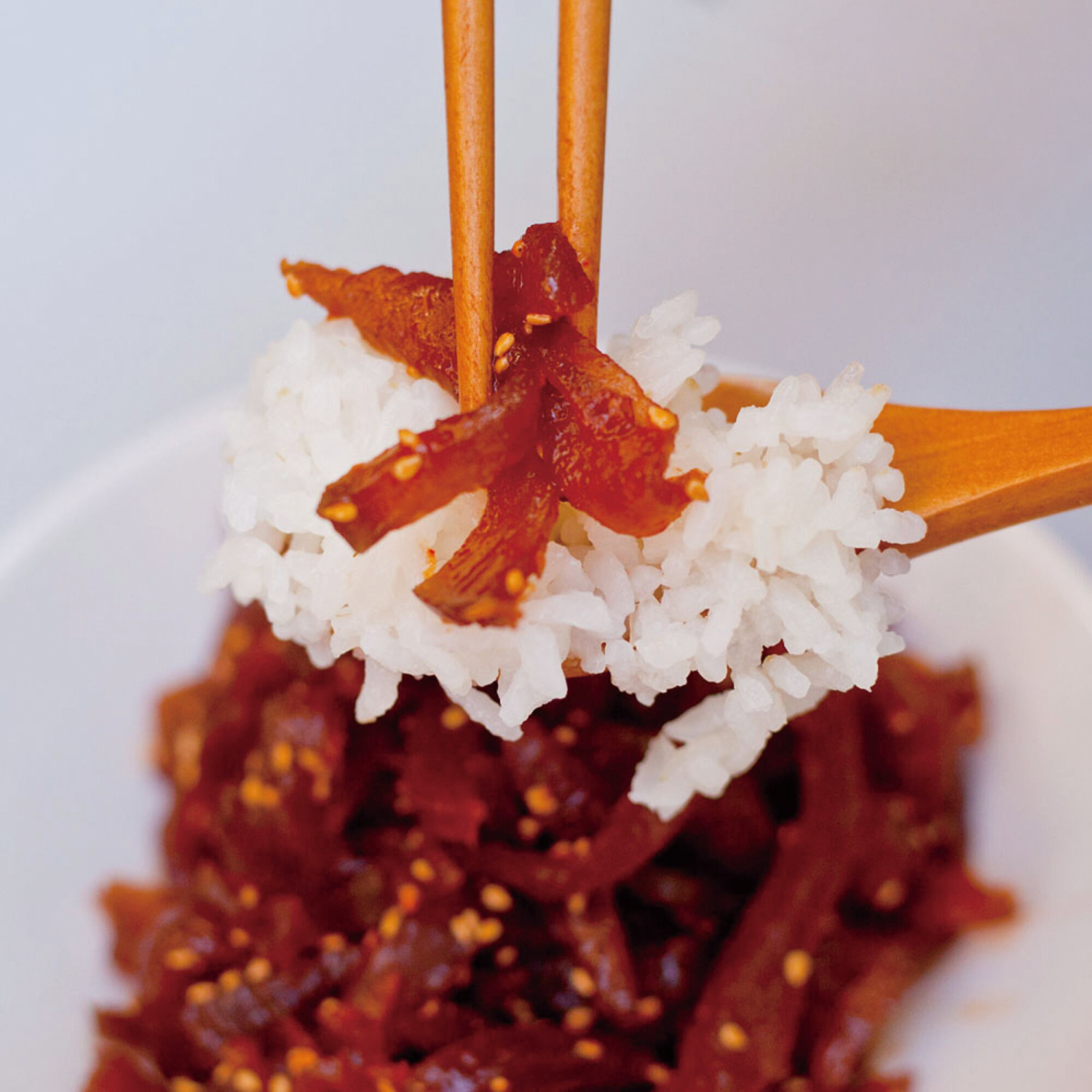
From sorbets that concentrate the honeyed sweetness of the seed cavity to chamoe peel-infused desserts and creative cocktails, chamoe is being reinterpreted across modern dishes and beverages through the hands of chefs and bartenders. Past generations of Koreans also recognized chamoe’s dual identity as both fruit and vegetable, as evidenced by chamoe-jangajji (pickled Korean melon). In the days before refrigeration, unripened summer melons were salted and preserved in deep jars of gochujang (red chili paste) or doenjang (fermented soybean paste).
Possessing a denser cellular structure than cucumbers, the melon retains its crunchy, satisfying chew even after many months of pickling. When the saltiness of the fermented paste meets the sweetness of the melon, it gives rise to an irresistible sweet and savory flavor.
Even those who find little reason to welcome the sweltering heat of summer may find their perspective shifting as they sit down for some refreshing chamoe. The sun-kissed yellow rind with bright white stripes, the satisfying resistance as the knife cuts through, and the delectably sweet aroma that wafts the moment it’s split in half. This golden fruit is the saving grace of the entire season.
- Written by. Jang Junwoo
- Jang Junwoo is a chef and food columnist whose work is distinguished by its exploration of not only food itself but also the history, culture and ways of life of the regions where it is produced. He currently writes the column Jang Jun-woo’s Food Odyssey for the Seoul Shinmun.