
Michael Jackson, Dancing to the Beat of Pefection
Michael Jackson had always dreamed of being the best, as he wrote in a manifesto while touring with his brothers. “I should be a new, incredible actor/singer/dancer that will shock the world,” Jackson wrote, promising to take “the whole world of entertainment … steps further from where the greats left off.” What might easily have been written off as youthful naivety turned out to be an uncanny prediction of what Jackson would go on to accomplish. Never content with the plaudits of the present, he always believed there was untapped potential inside himself and spent his whole life trying to prove it.
A Boy on the Stage
As many readers are aware, Michael Jackson got his start with the Jackson 5, a band composed entirely of the boys in the Jackson family. When the group was formed, Michael was its youngest member. He began working on music from the age of five. Before long, he was made the band’s lead singer. The manager was the boys’ father Joe Jackson, who discovered his children’s talent and cultivated it assiduously. Joe pushed his young children into the entertainment industry and put them through a grueling regime of training and concerts. That helps contextualize the comment Michael made about his childhood when he received the Grammy Legend Award at the 1993 Grammy Awards: “My childhood was completely taken away from me. There was no Christmas, there was no birthdays.”
That’s what life was like for the Jackson 5 members in 1968 when they signed with Motown, the biggest record label of the day. The band released a series of smash hits that brought them tremendous popularity. The Jackson 5’s debut single after signing with Motown was I Want You Back (1969), followed in 1970 by ABC, The Love You Save, and I’ll Be There. In 1970 alone, four consecutive singles reached number one on the Billboard charts. Soon afterward, Michael Jackson released his first solo album, but his star power was still on the rise.
Then Jackson took on the role of the Scarecrow in The Wiz, a musical film that reinterprets The Wonderful Wizard of Oz, the classic children’s book by L. Frank Baum, by famously featuring an all-Black cast. Quincy Jones, who was in charge of the film’s music, went on to play an instrumental role in Jackson’s recordbreaking career. It was Jones who produced Jackson’s fifth studio album Off the Wall, which became an unexpected hit. Two singles from the album reached the top of Billboard; as of today, it has sold over 20 million copies around the world. A key consideration is that the album fit into the disco genre — an association that was a cultural liability at that point in time.

Pop Musical Legend in the Making
In the late 1970s, the disco genre had become the subject of scorn for a certain segment of white fans of rock music. That rancor grew so strong that a promotion called Disco Demolition Night was held during a Major League Baseball game on July 12, 1979. A local radio station and a rock music DJ planned the promotion with the Chicago White Sox in a bid to fill the bleachers. Fans were encouraged to bring along disco records, which were piled up and blown to smithereens between games. The frenzied crowd mobbed the field, shouting “Disco sucks!” and vandalizing the stadium. The promotion represented the antipathy that disco evoked in some Americans at the peak of its popularity.
Off the Wall was released on August 10, less than a month after the infamous Disco Demolition Night, but the haters were nowhere to be seen. There was a simple reason for that: Jackson’s album didn’t have the formulaic production that had fueled much of the disco hate. In the studio, master mixer Quincy Jones layered funk, pop, soul and even Broadway ballads atop a disco base. The album’s diverse instrumentation featuring strings and brass gave it a dynamic yet distinguished feel. Jackson hit another home run with his next album Thriller, which came out in late 1982. By conservative estimates, the historic album has sold more than 67 million copies to date. Its sensational success is thought to have helped the American record market recover from a slump in 1983. Among the album’s chart-topping songs, Billie Jean (1983) — famous as the song Jackson chose for debuting his moonwalk in a live performance — epitomizes Jackson’s perfectionist side. Sound engineer Bruce Swedien mixed the song 91 times,but Jackson, who was credited as both the songwriter and lyricist, ended up choosing the second mix.
That episode always reminds me of characters from The Wizard of Oz. Dorothy, who misses Kansas, learns that the shoes she’s wearing are her ticket home. The Scarecrow, who wants a brain, saves the party through his wisdom. The Tin Man, who lacks a heart, cries with emotion. The Cowardly Lion, who seeks courage, manages to fight off fearsome foes. The characters had been dreaming of “somewhere over the rainbow,” but their dreams had been locked within themselves the whole time. Importantly, that truth can only be realized through experience. Just as Jackson only appreciated the value of the second mix of Billie Jean after 91 attempts, sometimes a little wandering in the wilderness is needed before you reach the promised land. That’s how a legend is made.
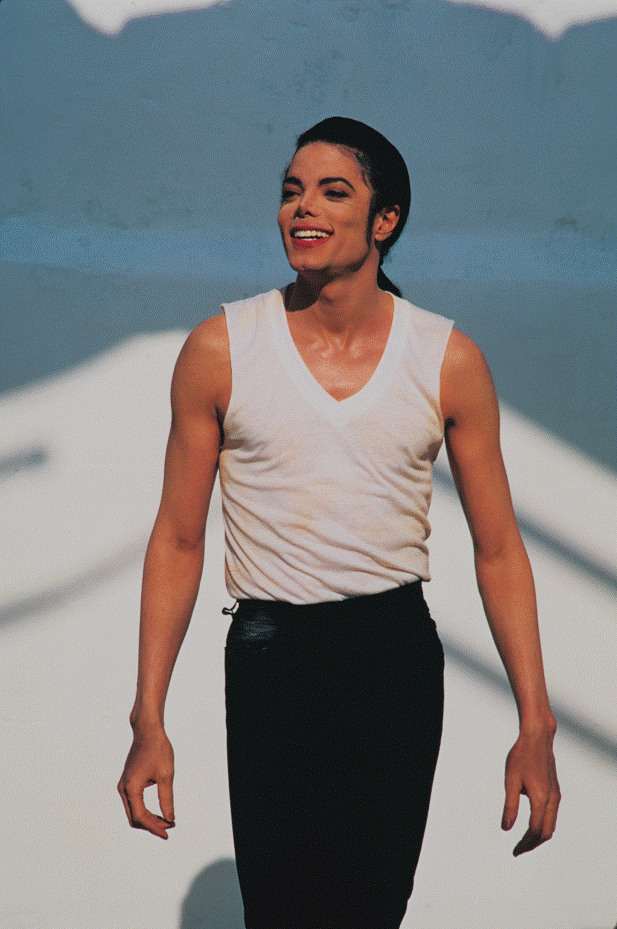
Bae Soontak's Michael Jackson Playlist
Beat It (1983)
In the song, the phrase “beat it” means “get out of here” to avoid violence. Quincy Jones sought to broaden the song’s appeal by blending R&B and disco with rock. Co-writer Michael Jackson later explained his goal behind the song: “I wanted the children to really enjoy it — the school children as well as the college students.” But the song’s appeal proved universal, enchanting listeners of all ages, genders and ethnic backgrounds around the world.
Billie Jean (1983)
This song was inspired by Michael Jackson’s run-ins with obsessive fans, including letters from a woman insisting that he had fathered her child. Notably, the song’s music video was one of the first by a Black artist to go into heavy rotation on cable channel MTV. Despite its impeccable production, the video might never have aired without the enthusiastic support of CBS Records president Walter Yetnikoff, a dominant figure in the record industry at the time.
Bad (1987)
The title track of 1987 album Bad, this song embodied Michael Jackson’s desire for a harder-edged sound than his previous album Thriller. He raised the tempo and pitch on this and other tracks, making them feel faster and more muscular. An edgier image is underlined by the album cover, where Jackson, sporting a black leather jacket studded with silver buckles, stares into the camera. In the song, “bad” doesn’t mean immoral — it’s a selfassured statement that strength and swagger can be achieved without resorting to violence.
PREVIEW
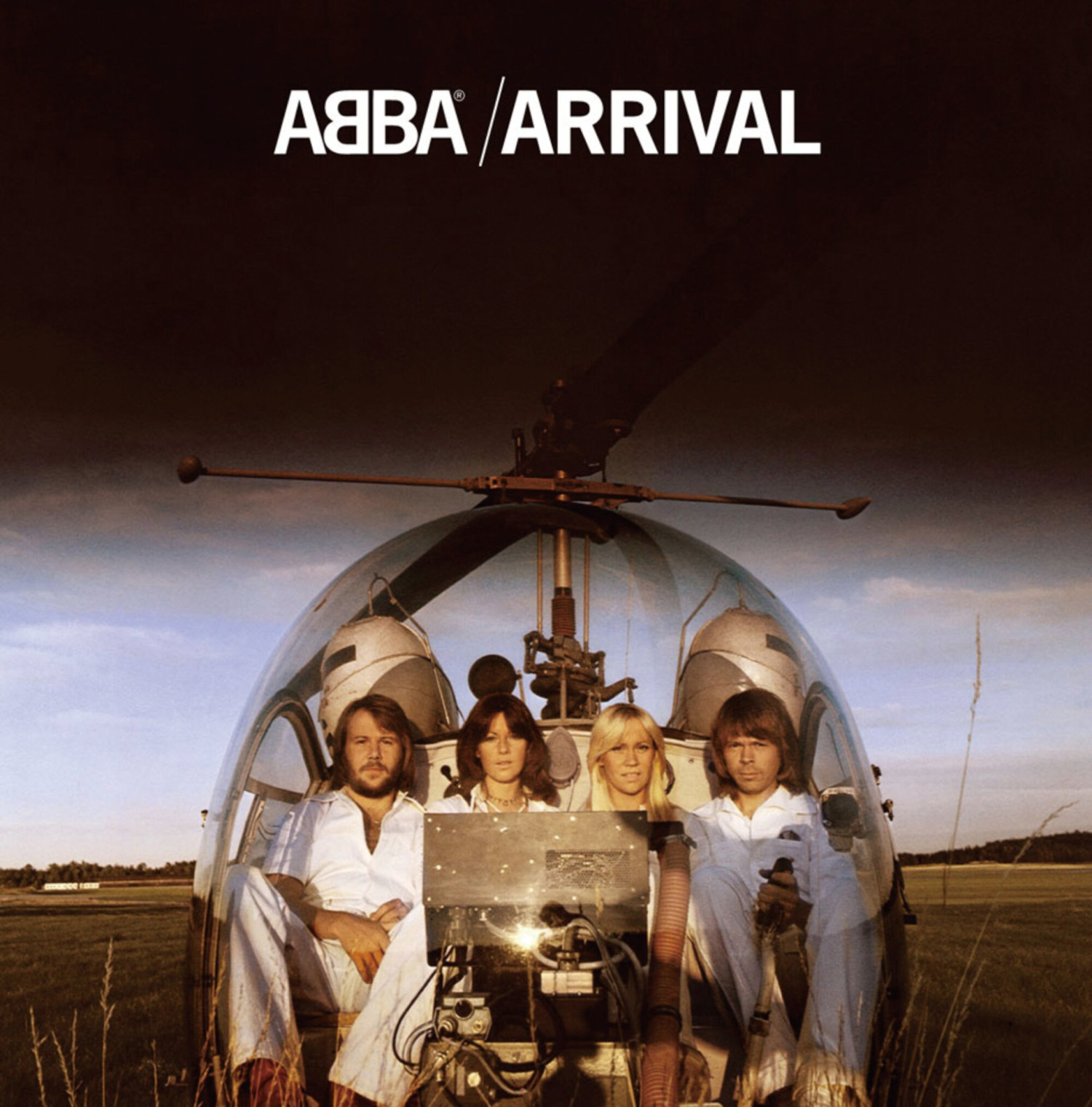
ABBA, Dancing Queen
This signature track by Swedish pop phenomenon ABBA is also remembered for its place on the musical Mamma Mia! soundtrack. With its buoyant disco beat and its infectious hook “You are the Dancing Queen,” the song embodies the
exhilaration of a sunny summer stroll in the city.
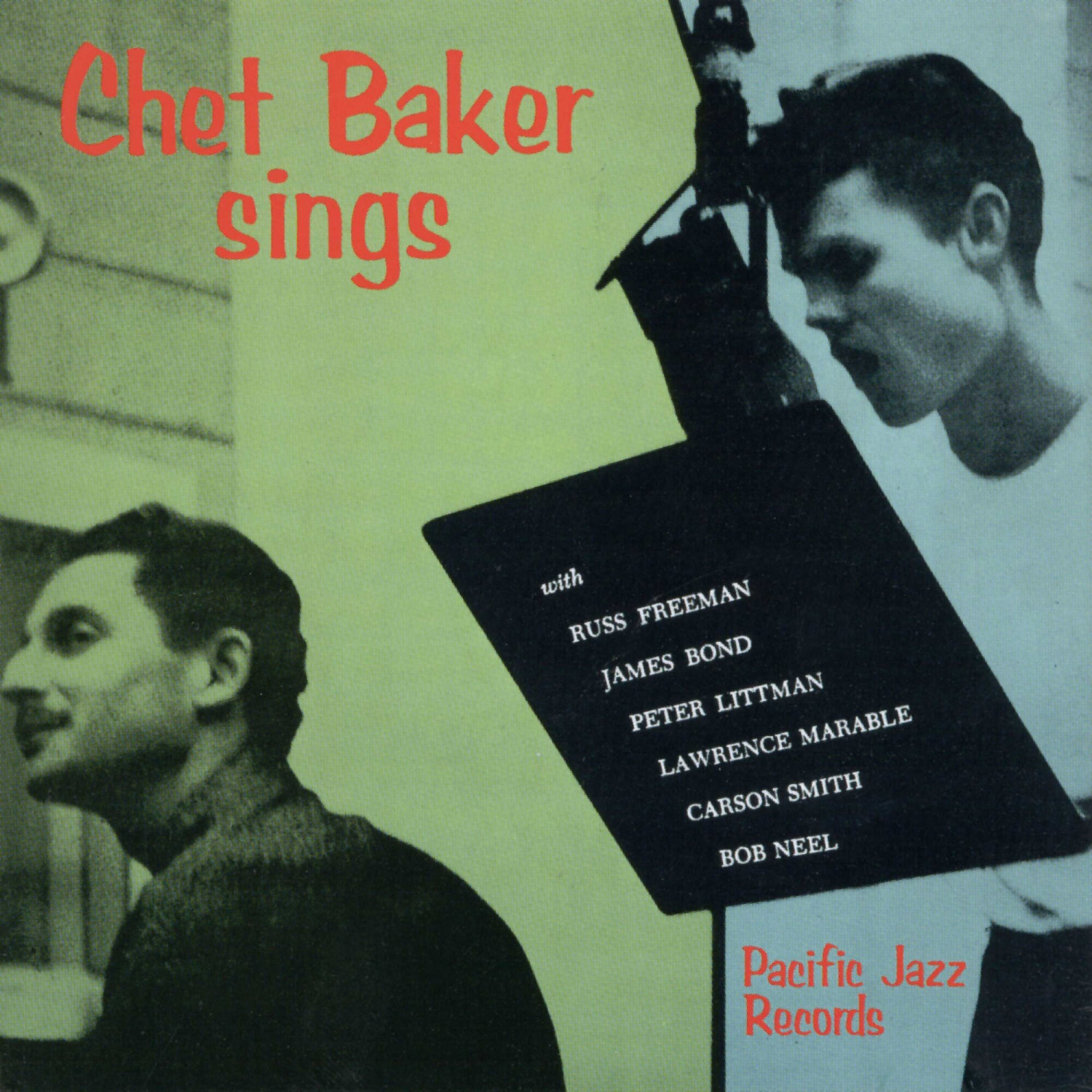
Chet Baker, I Fall in Love Too Easily
This essential slice of cool jazz blends tuneful noodling on the trumpet and piano with Chet Baker’s butter-smooth voice. Baker reflects on a young man’s reckless tendency to rush into love as his poetic crooning sets a romantic mood.
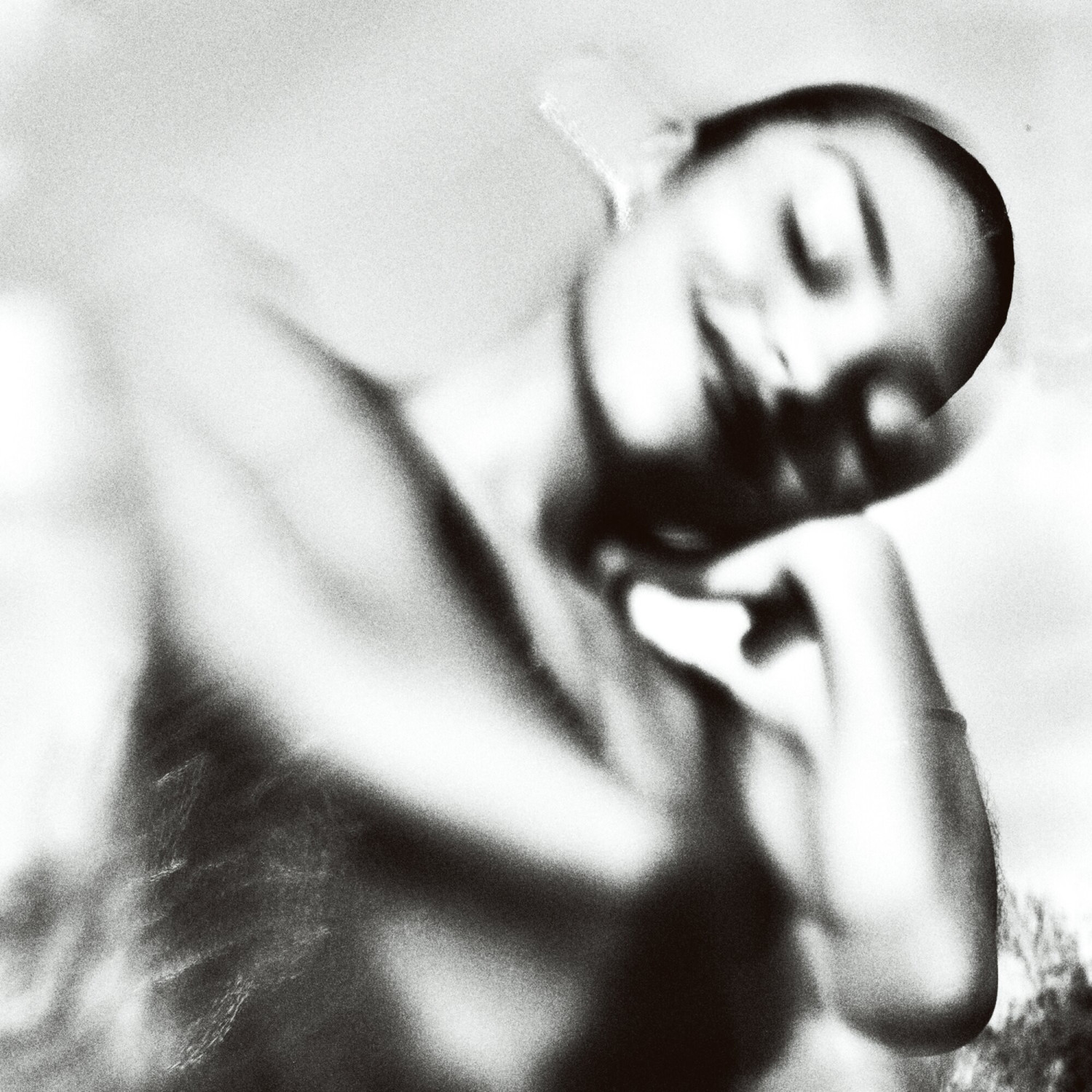

Olivia Dean, Man I Need
This was the breakout global hit for Olivia Dean, crowned Best New Artist at the 68th Grammy Awards. Against a rhythmic soul-pop soundscape, her bright, expressive vocals confidently demand the love she deserves. The song appears on her second studio album The Art of Loving, which showcases her musical range.
BTS, Body to Body
A unique melody that samples the Korean folk song Arirang is laid over a powerful stadium anthem, as BTS sings of the meaning of human connection. The familiar refrain of Arirang ringing out at the junction of gugak (Korean traditional music) and hip-hop is more than an homage; it’s a force joining generations creating a sense of community.

HANRORO, Landing in Love
HANRORO, adored as a “Gen Z rock star,” envisions a love still in the making with an indie rock-coded melody. With more vulnerability than vanity, the singer embraces a future in which she may someday learn to love the one who hurt her. Linked to her novel Grapefruit Apricot Club, the song bridges music and literature.
- Available content may vary depending on your flight.