A Tale of Two Cities
If Amsterdam is the city that helps the Netherlands remember its past, Rotterdam is the city that pulls it into the present. With two unique lenses on the Netherlands, we begin with the glory of the past and move on to the dynamism of the future.
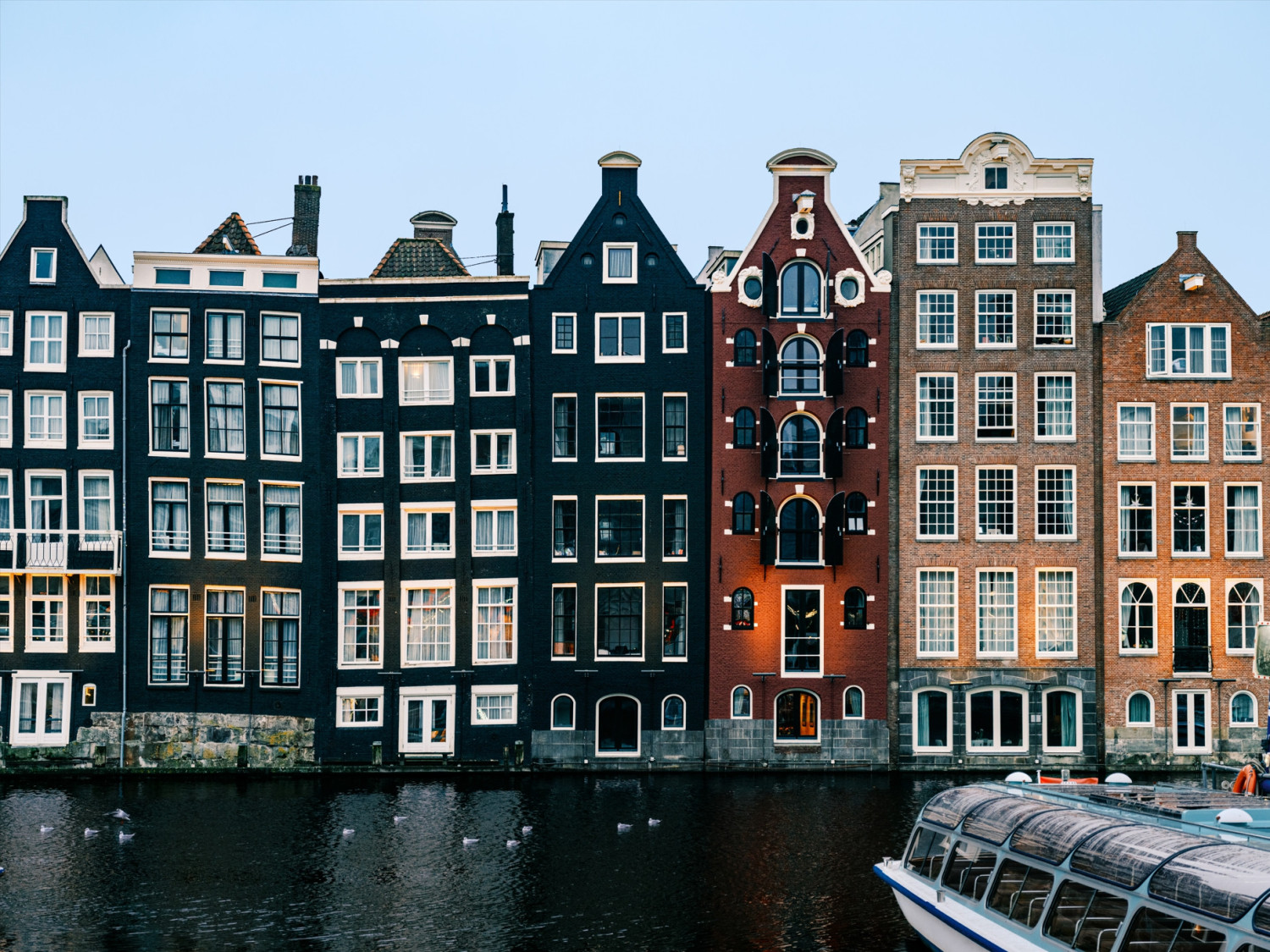
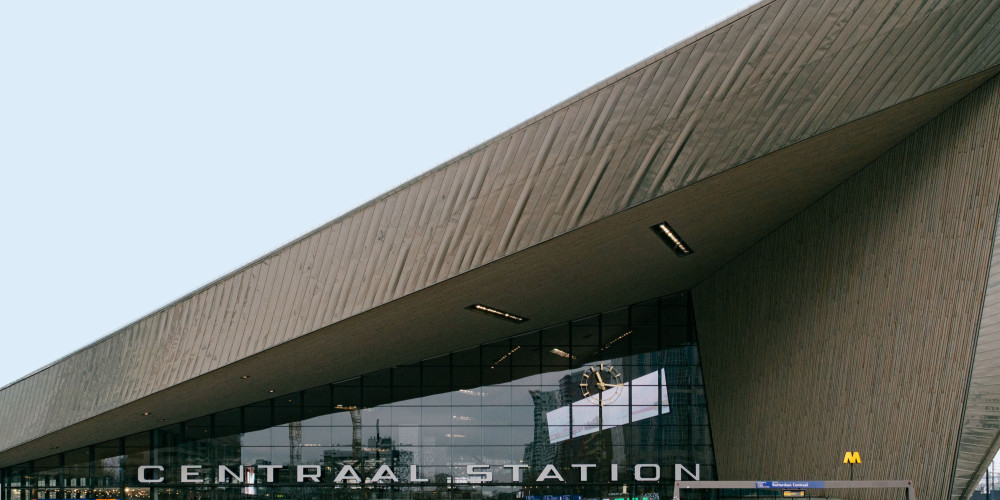
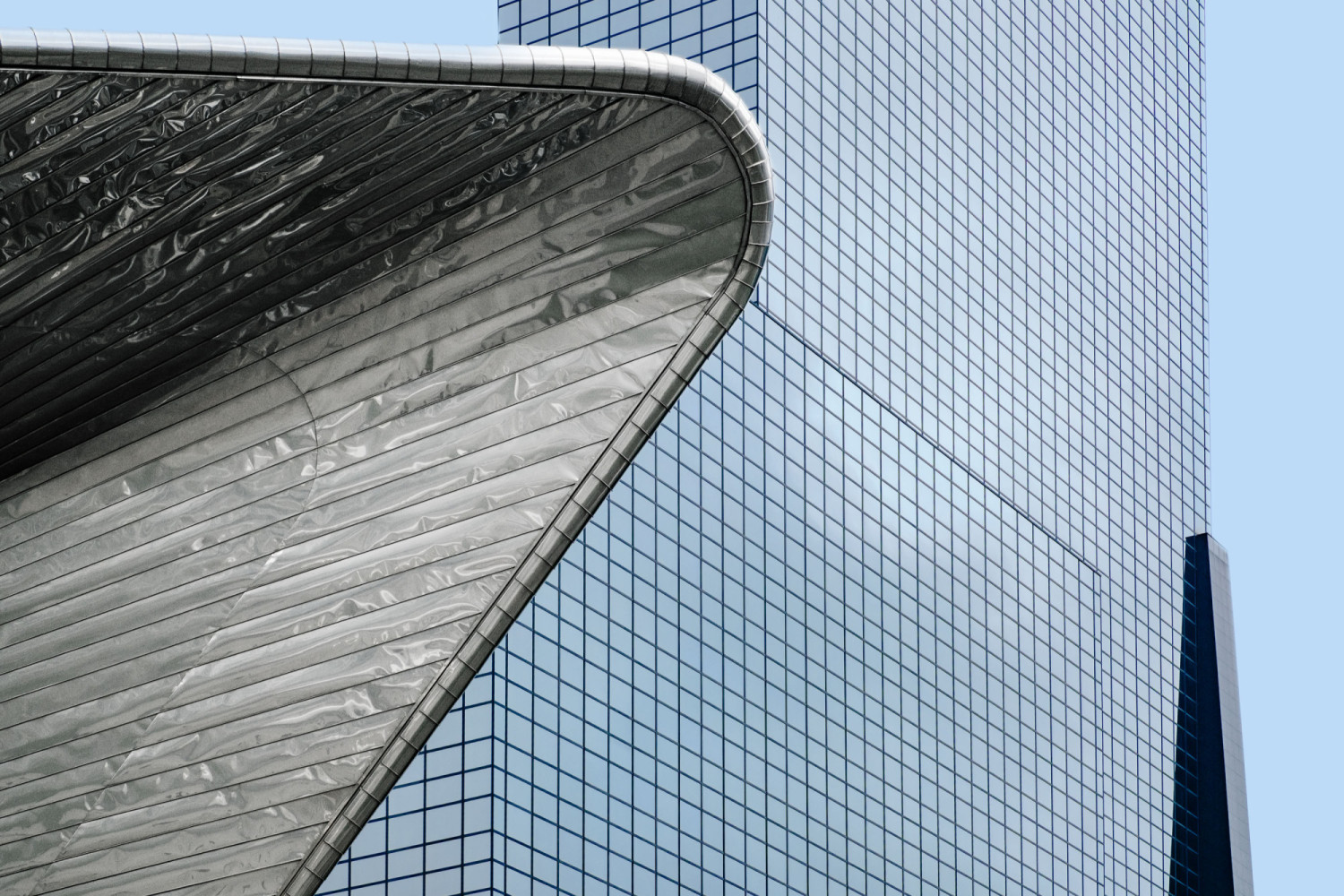
When strolling along the canals near Amsterdam Central Station, your pace naturally slows. Bicycles zip by over narrow stone bridges, while 17th century buildings are reflected on the serene surface of the water. But stand instead on the plaza outside Rotterdam Central Station, and your gaze darts in all directions. The paths leading away from the station’s imposing, angular roof seem to invite travelers to go wherever they wish, while buildings in the distance rise at different angles. These two Dutch cities each offer a different way of engaging with time.
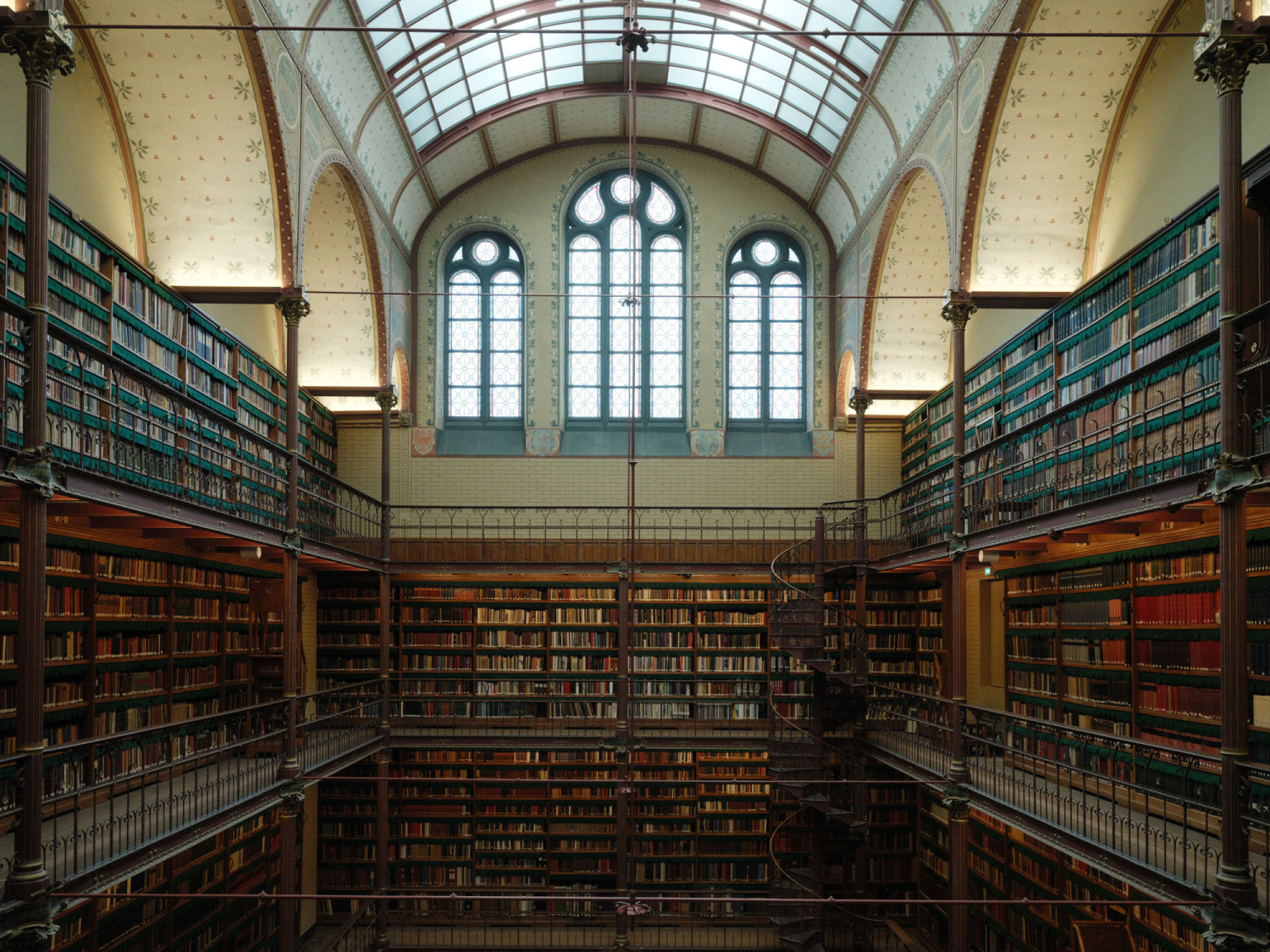
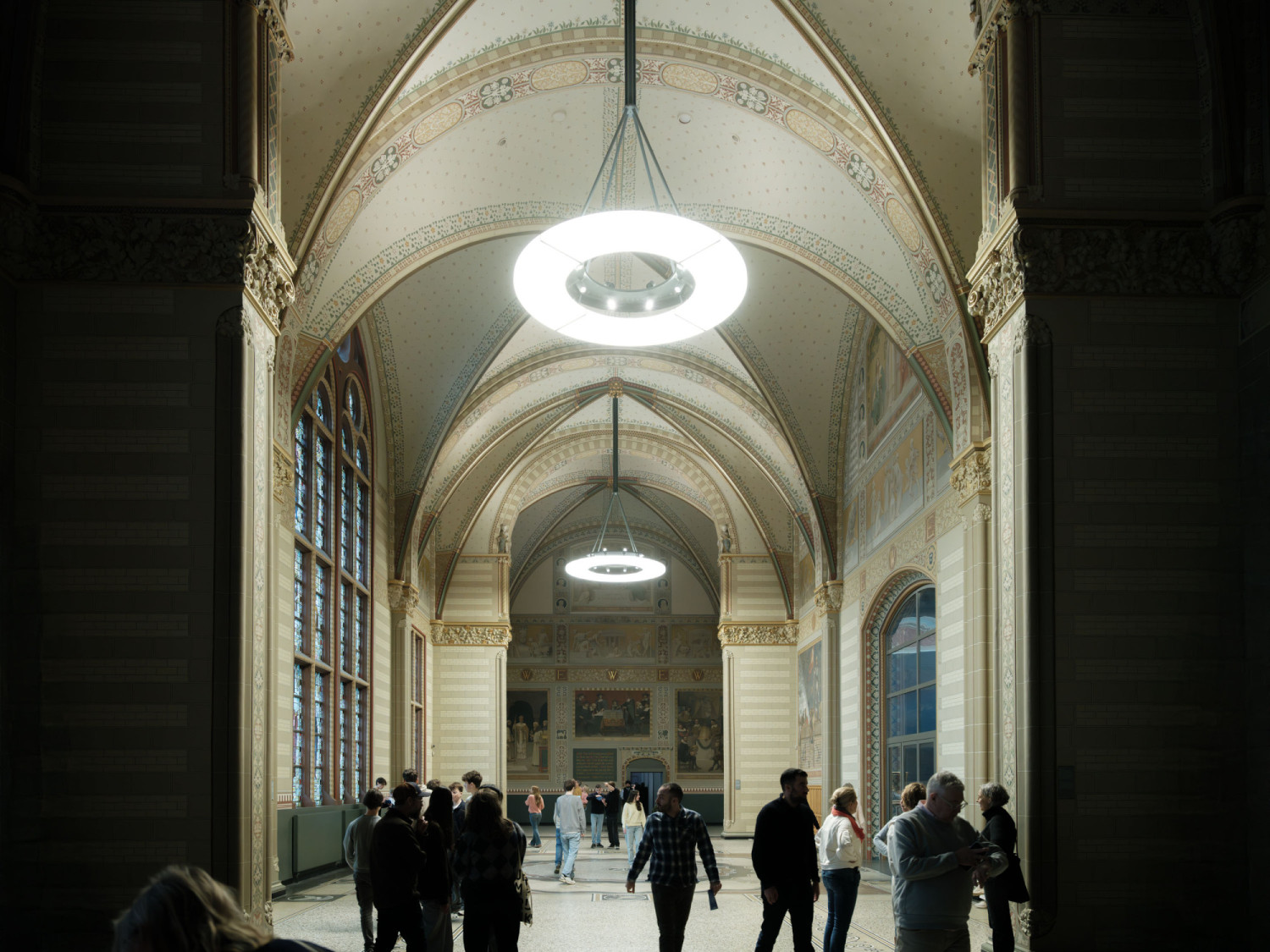
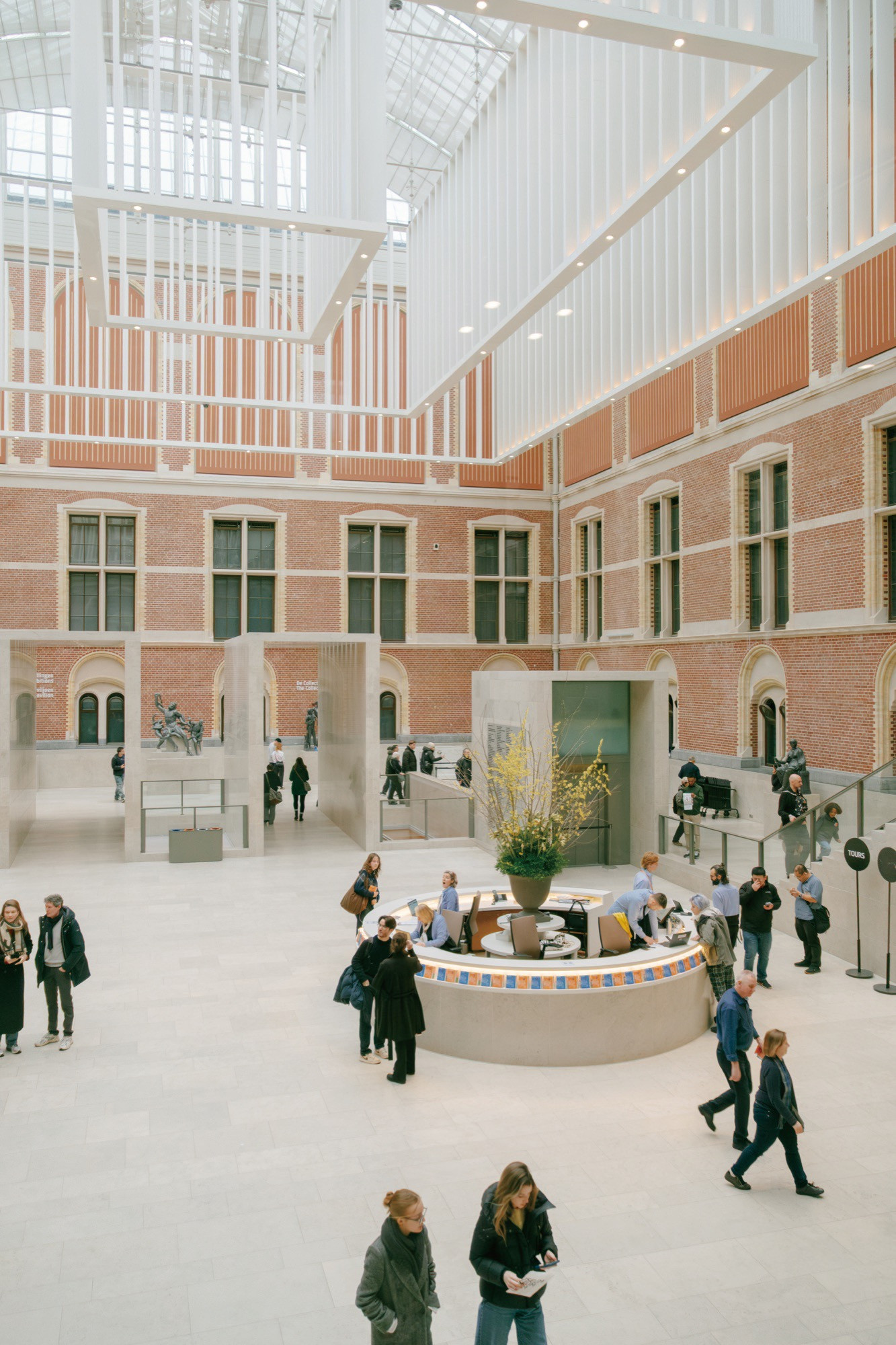
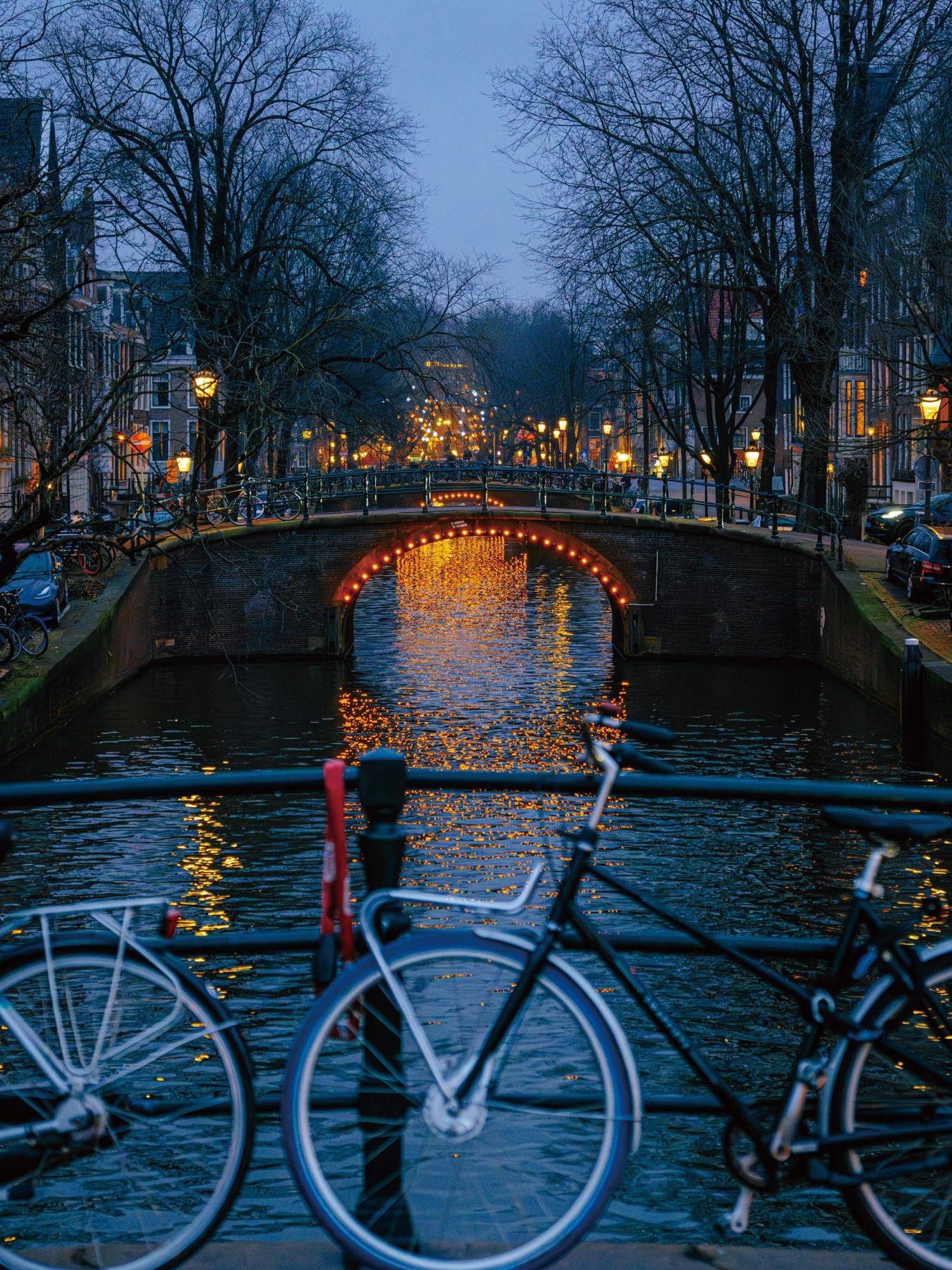
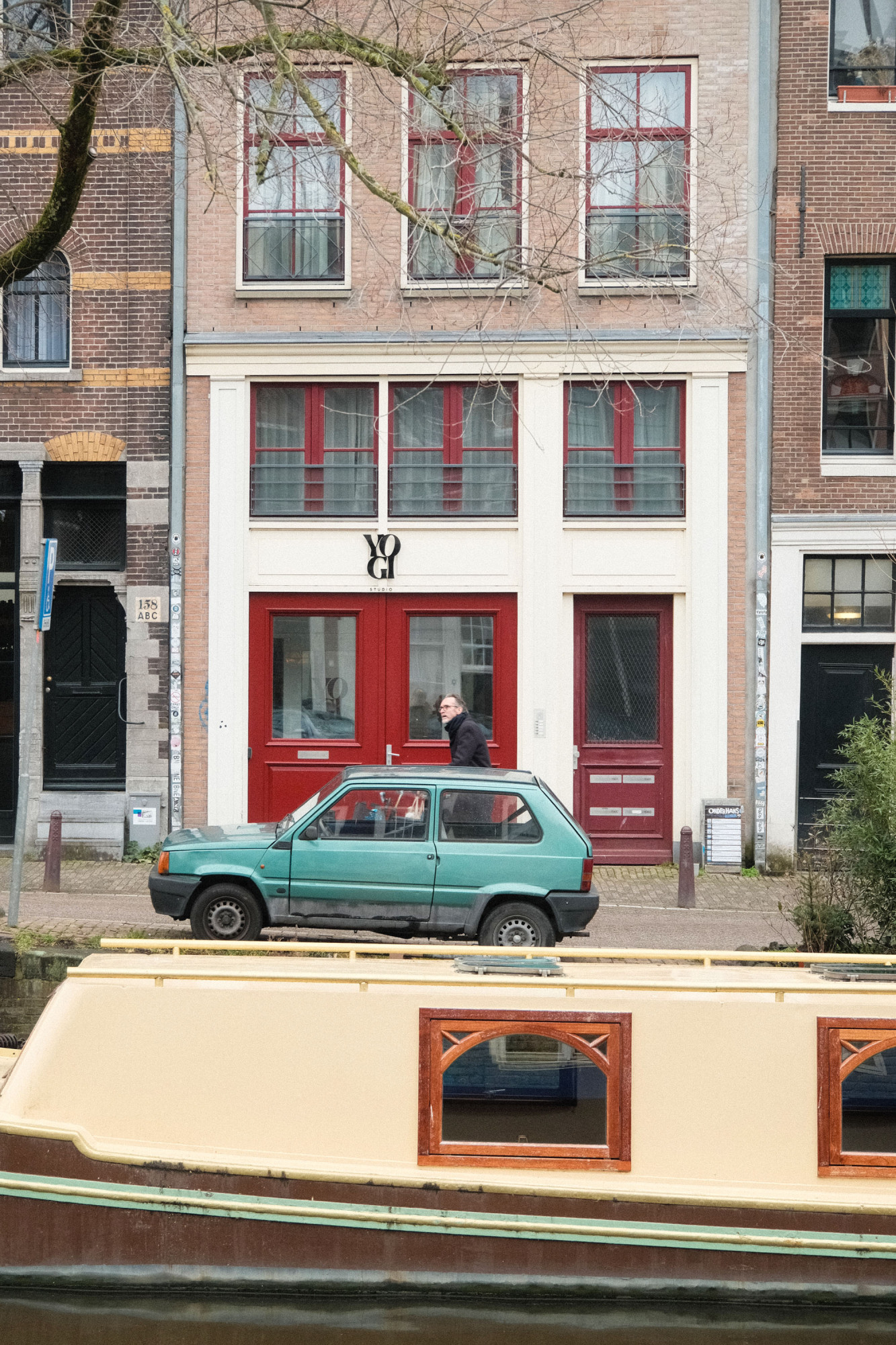
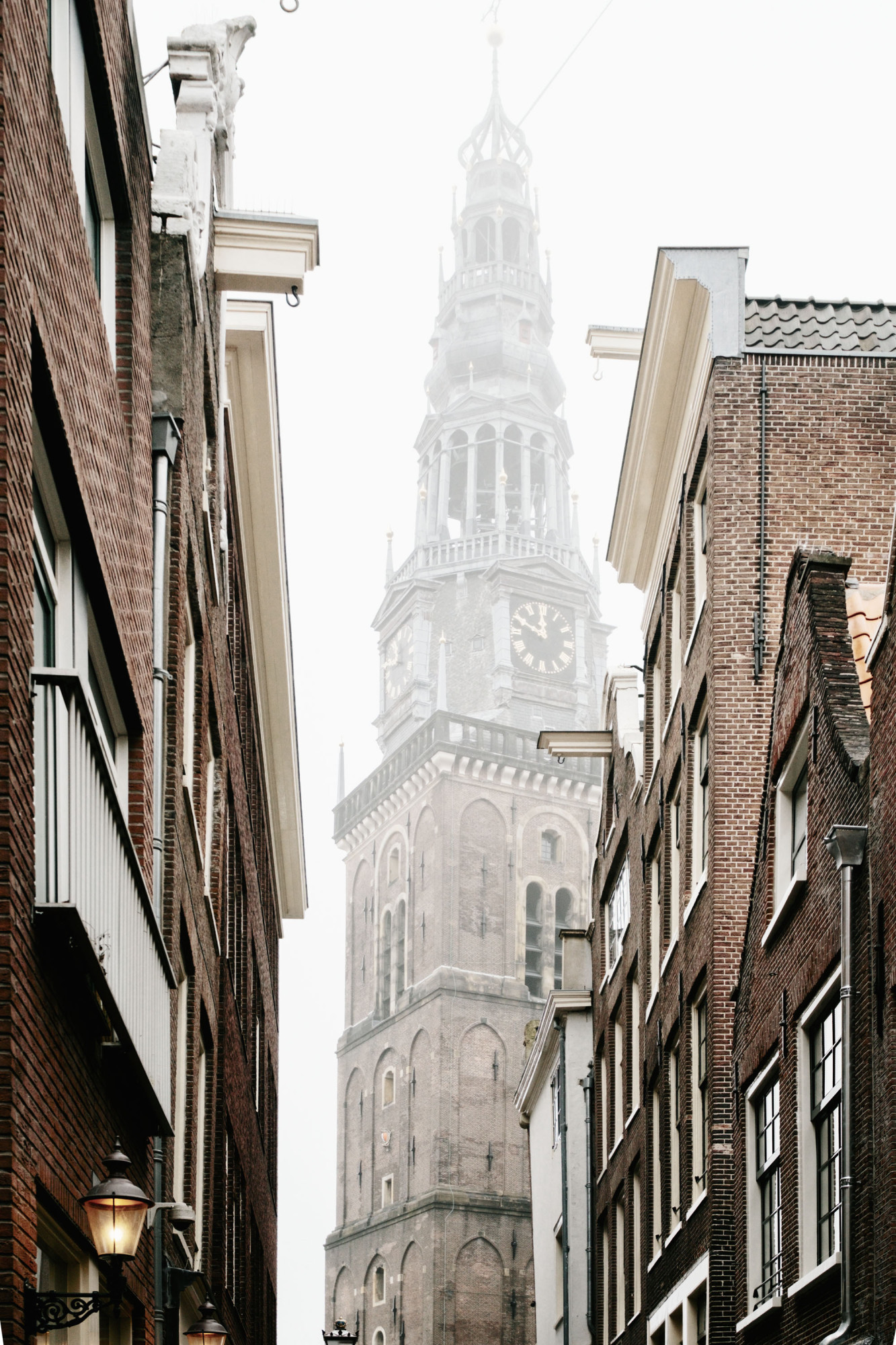
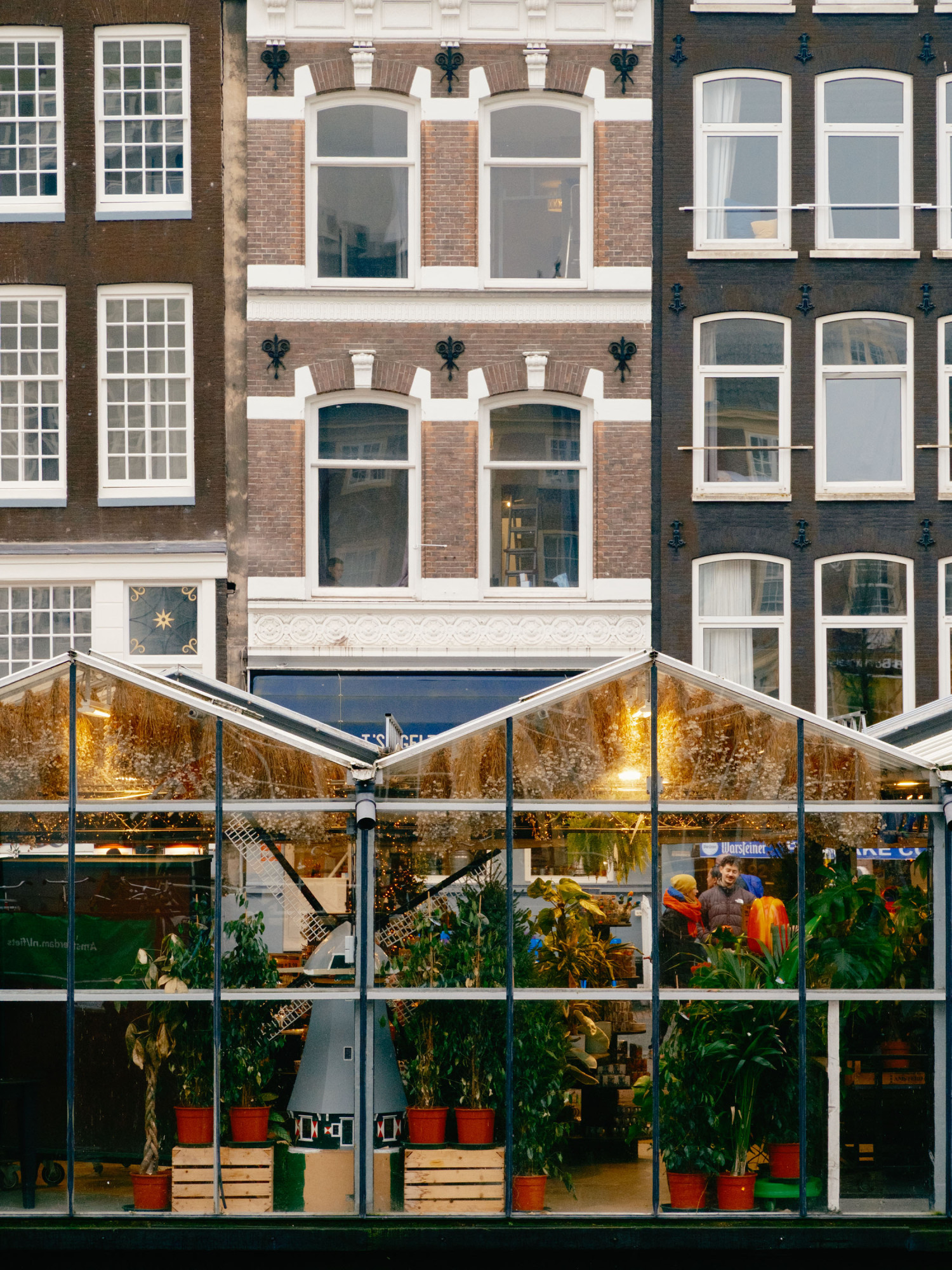
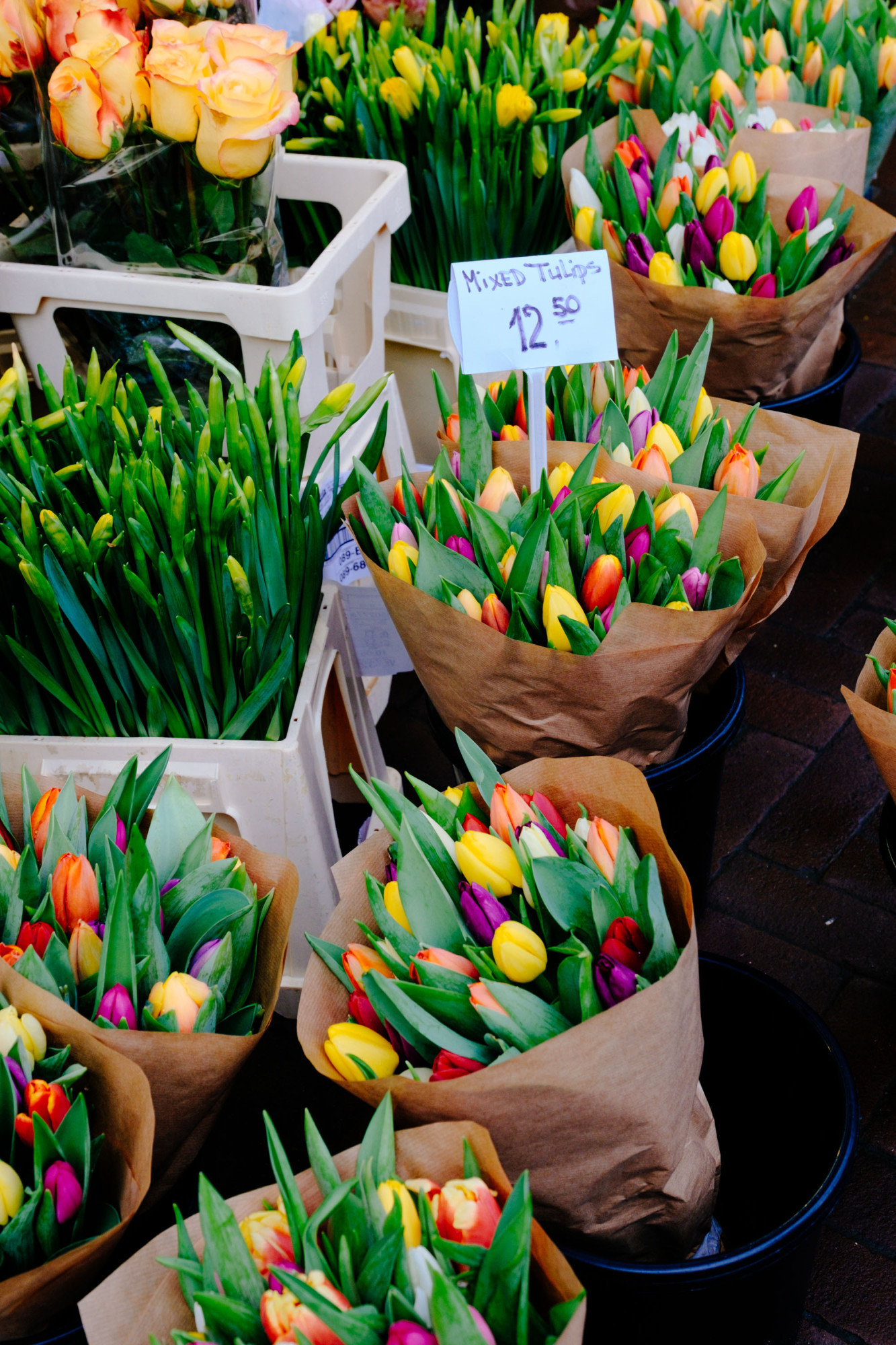
Amsterdam: City of Memory
For many travelers, Amsterdam is their first impression of the Netherlands. Cultural signifiers commonly associated with the country — windmills, tulips and canals — are easy to find here. On a stroll through Amsterdam, you’ll see age-old cobblestone streets blend into the urban aesthetic for which the Netherlands has long been known. Amsterdam’s canals are more than merely part of the scenery: they’re a product of the city’s mentality and visual sensibility. With a history of managing water on land situated below sea level, the Dutch have shaped Amsterdam’s urban landscape to reflect the city’s calculated and collective effort to coexist with the natural world.
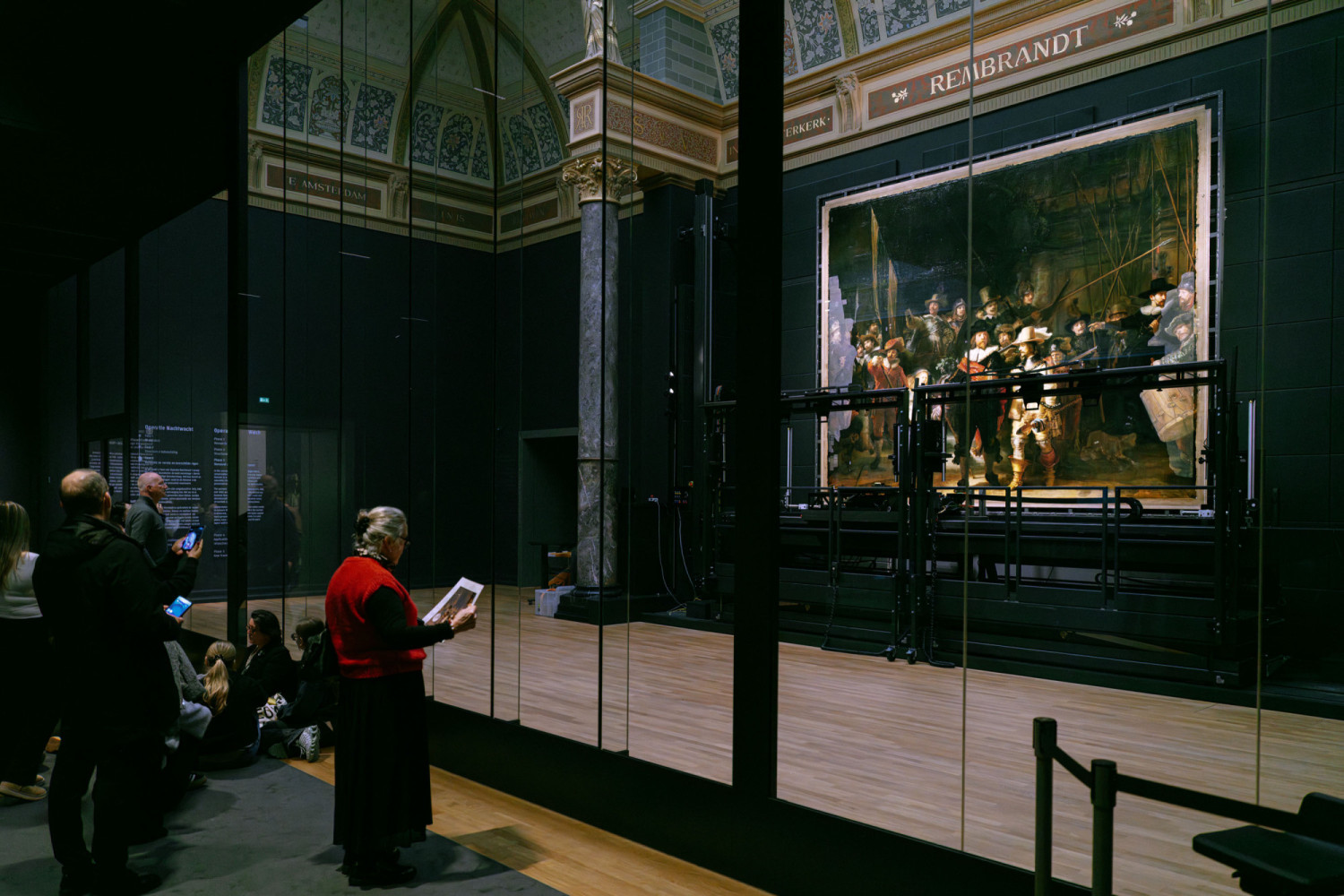
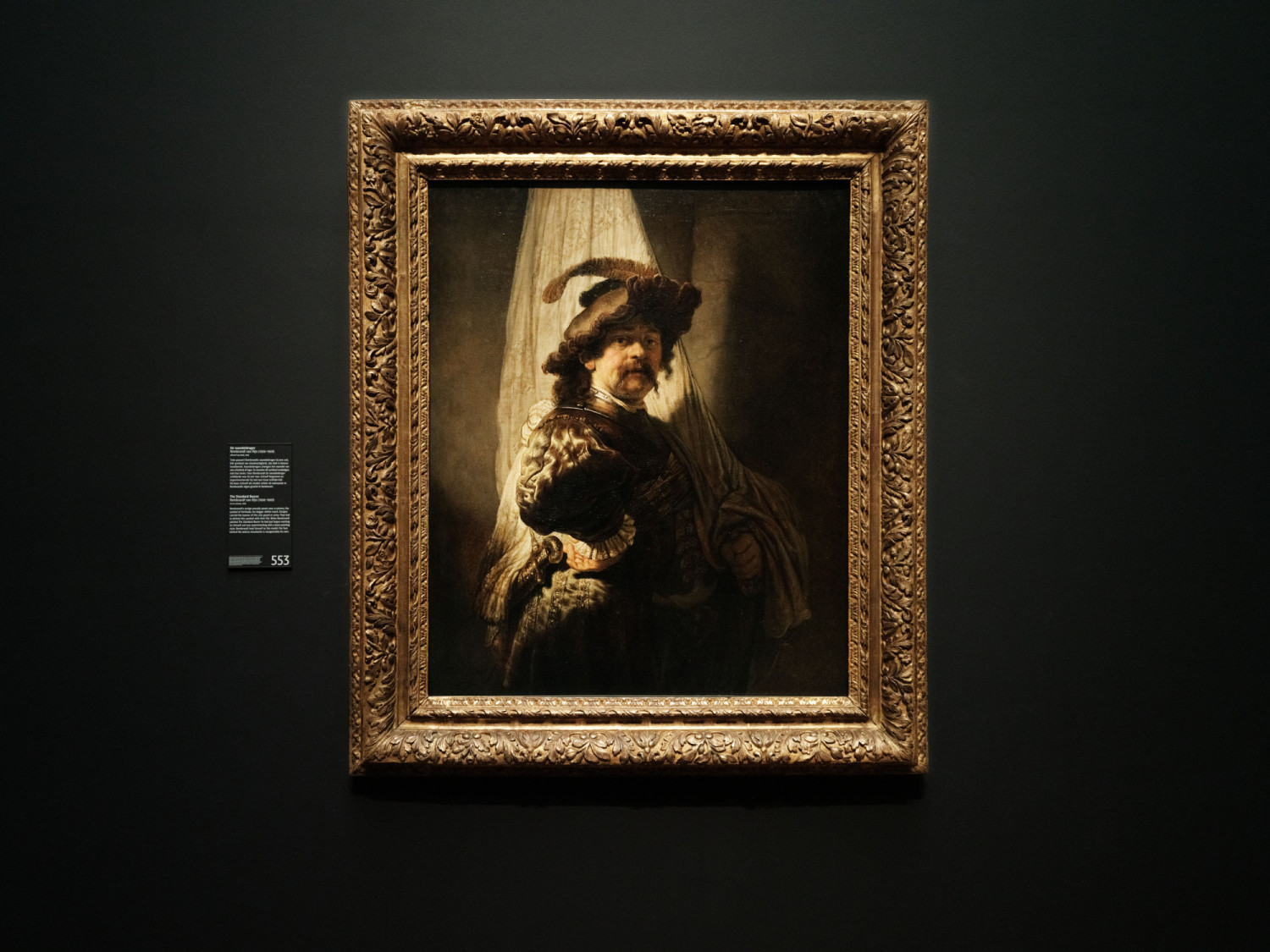
That urban mindset was neatly embodied in the work of leading 17th-century Dutch painter Rembrandt, an icon of the Netherlands’ Golden Age. Against the backdrop of Amsterdam, Rembrandt chronicled a social order in which ordinary citizens were the prime movers of the city. Rembrandt’s technique of chiaroscuro — dramatically contrasting light and shadow to reveal emotion and narrative — hints at the city’s prioritization of civic life over political power and evokes the rich heritage accumulated over the years.
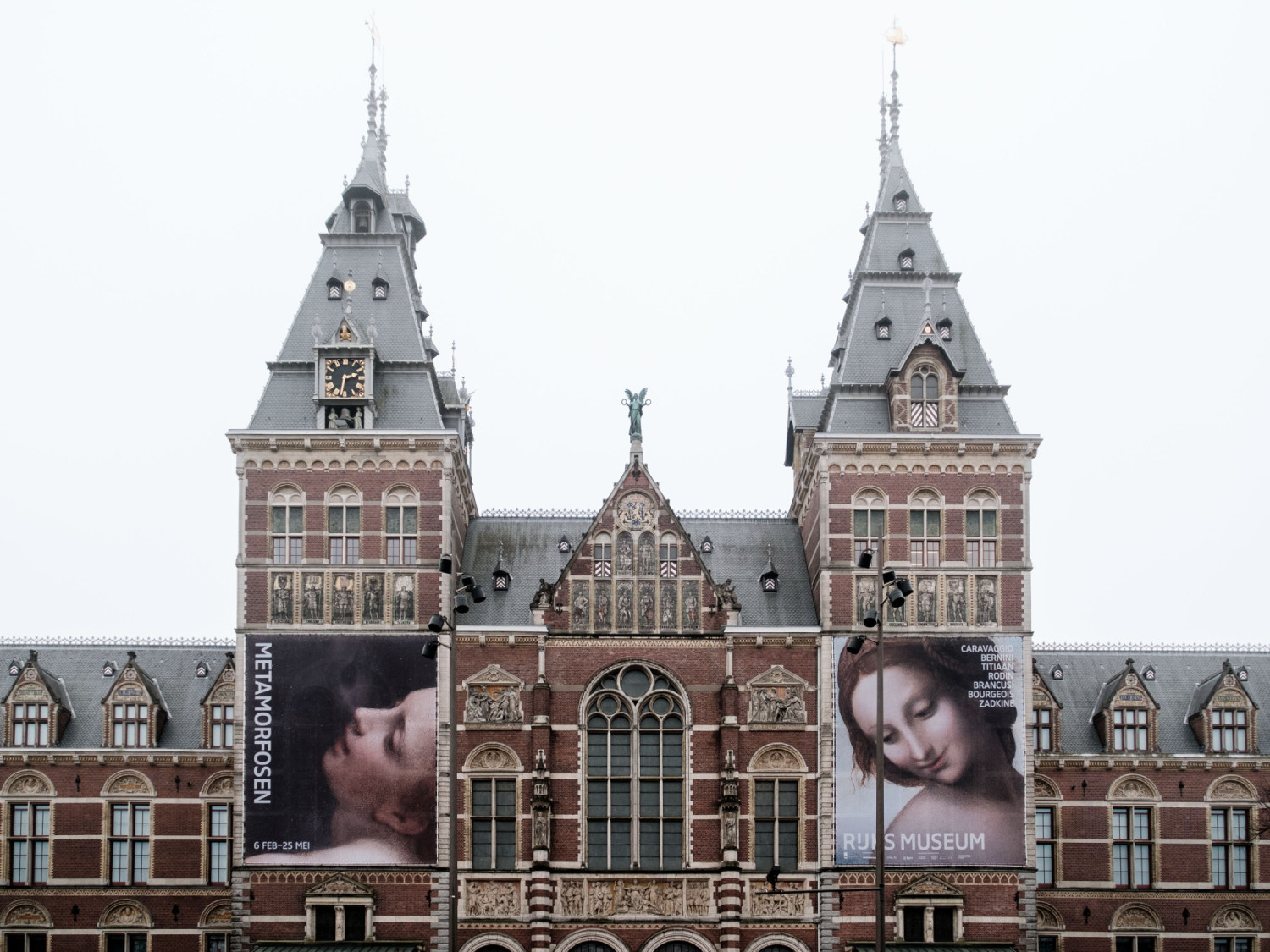
Even today, the canal district remains a backdrop for art. Walking along the waterways in the UNESCO-listed Canal Ring Area, you’ll see striking affinities between the city’s history in the streetside scenery and the artwork displayed in museum galleries. At the Museumplein — home to the Rijksmuseum, the Van Gogh Museum and the Stedelijk Museum — different eras and perspectives occupy a single square, making urban memories an everyday experience. That’s why Amsterdam remains the city that helps the Netherlands remember its past.
Rotterdam: City of Futuristic Experiments
If Amsterdam is a city of carefully curated memories, Rotterdam’s streets and buildings feel more like unanswered questions. After the devastation of World War II, the industrial port city chose not to restore the past but to design the future, opting to layer new scenes over the past and accepting change as an urban constant. Today, Rotterdam is a multicultural city where people of more than 170 nationalities live side by side. Katendrecht, the neighborhood that is home to Fenix, an art museum about migration, was the site of continental Europe’s first Chinatown in the early 20th century, symbolizing the intertwined histories of migration and settlement.
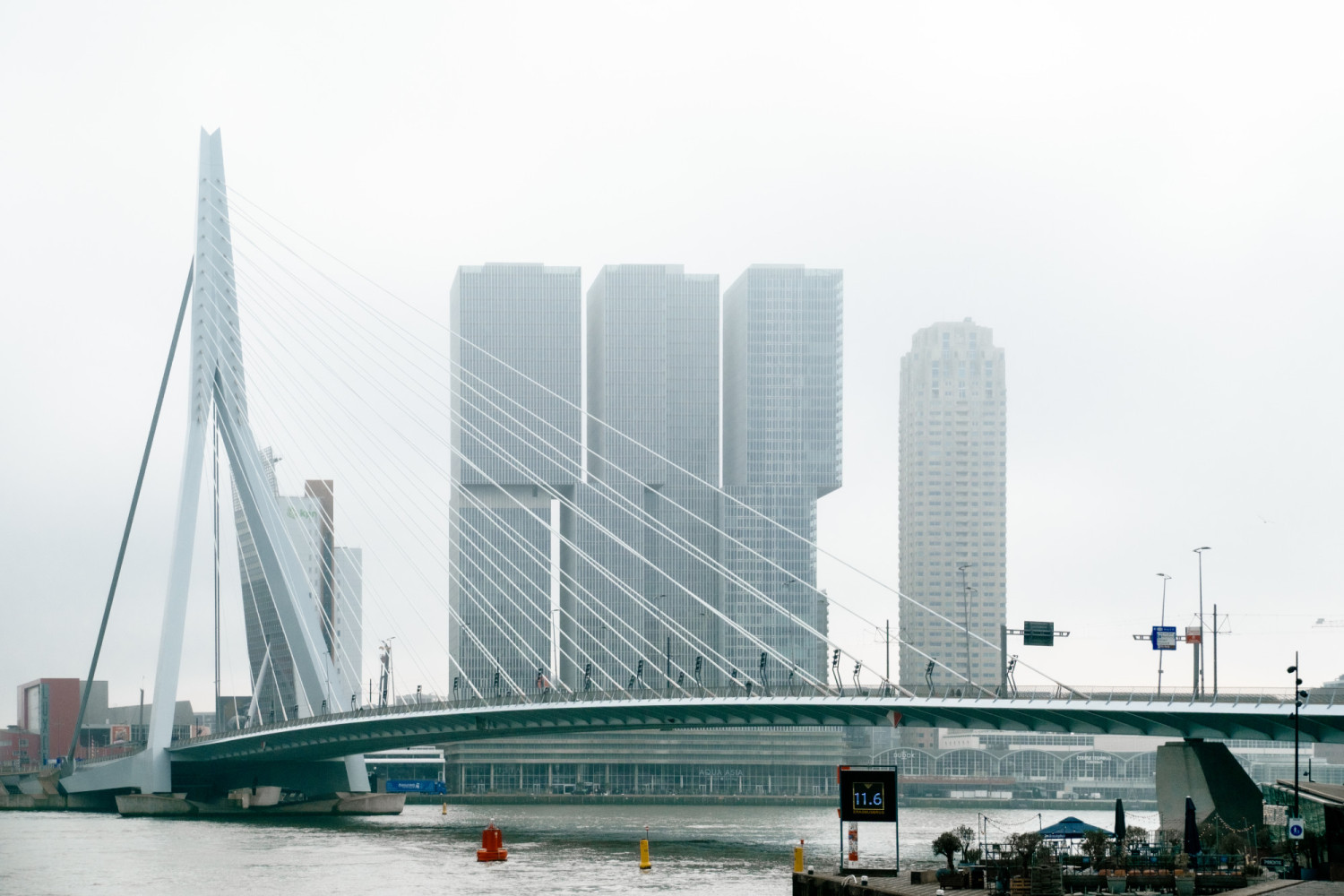
Transposing change into an urban routine is repeatedly seen throughout Rotterdam’s architecture. De Rotterdam, on the banks of the Nieuwe Maas river, is not just a building, but a small city unto itself. By incorporating office space, residential space and a hotel, the complex declines to endorse any single identity, instead embracing a multitude of lifestyles operating in tandem. Art space Kunsthal also rejects any fixed lines of motion. There are no permanent exhibitions here, but a constant rotation of shows.
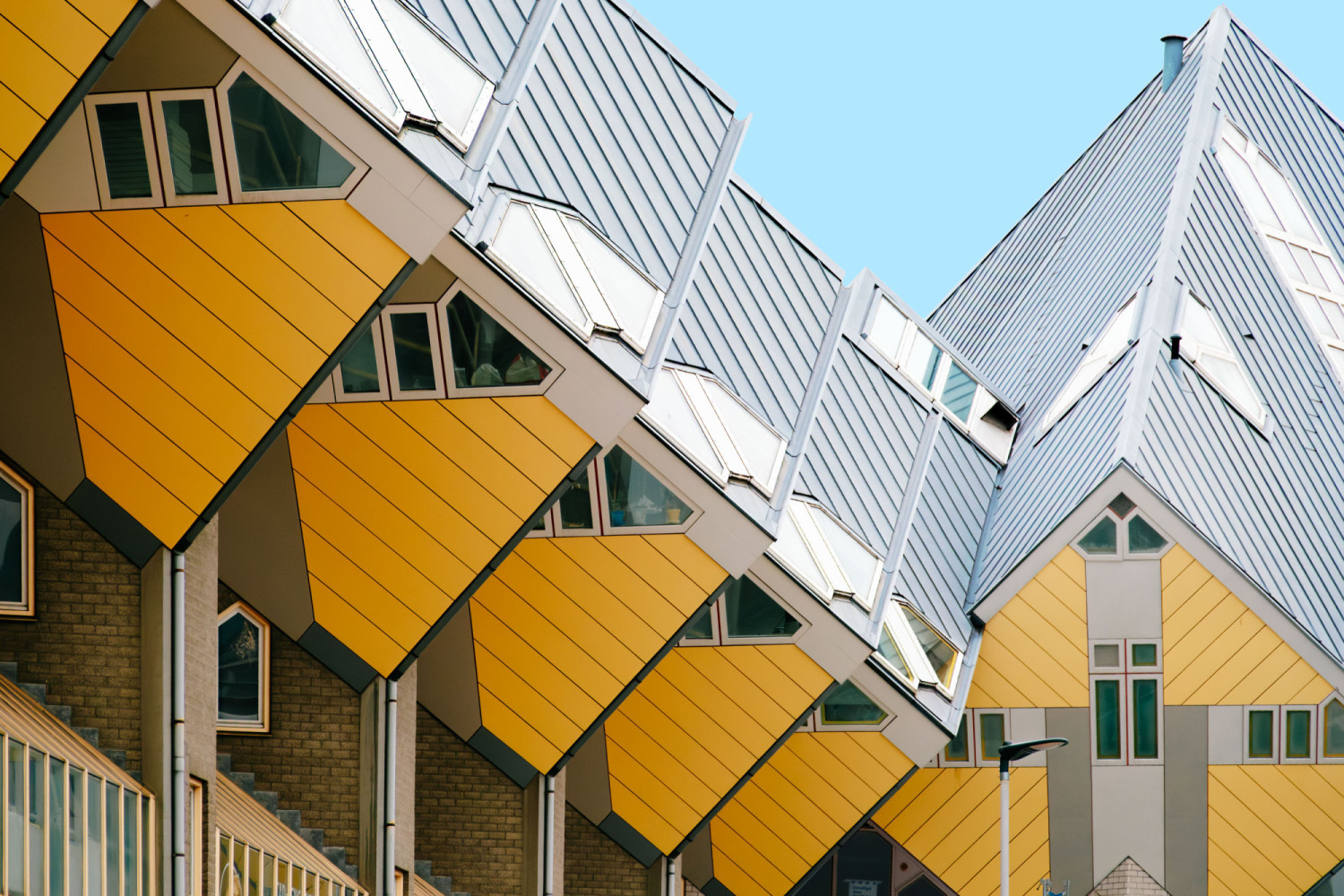
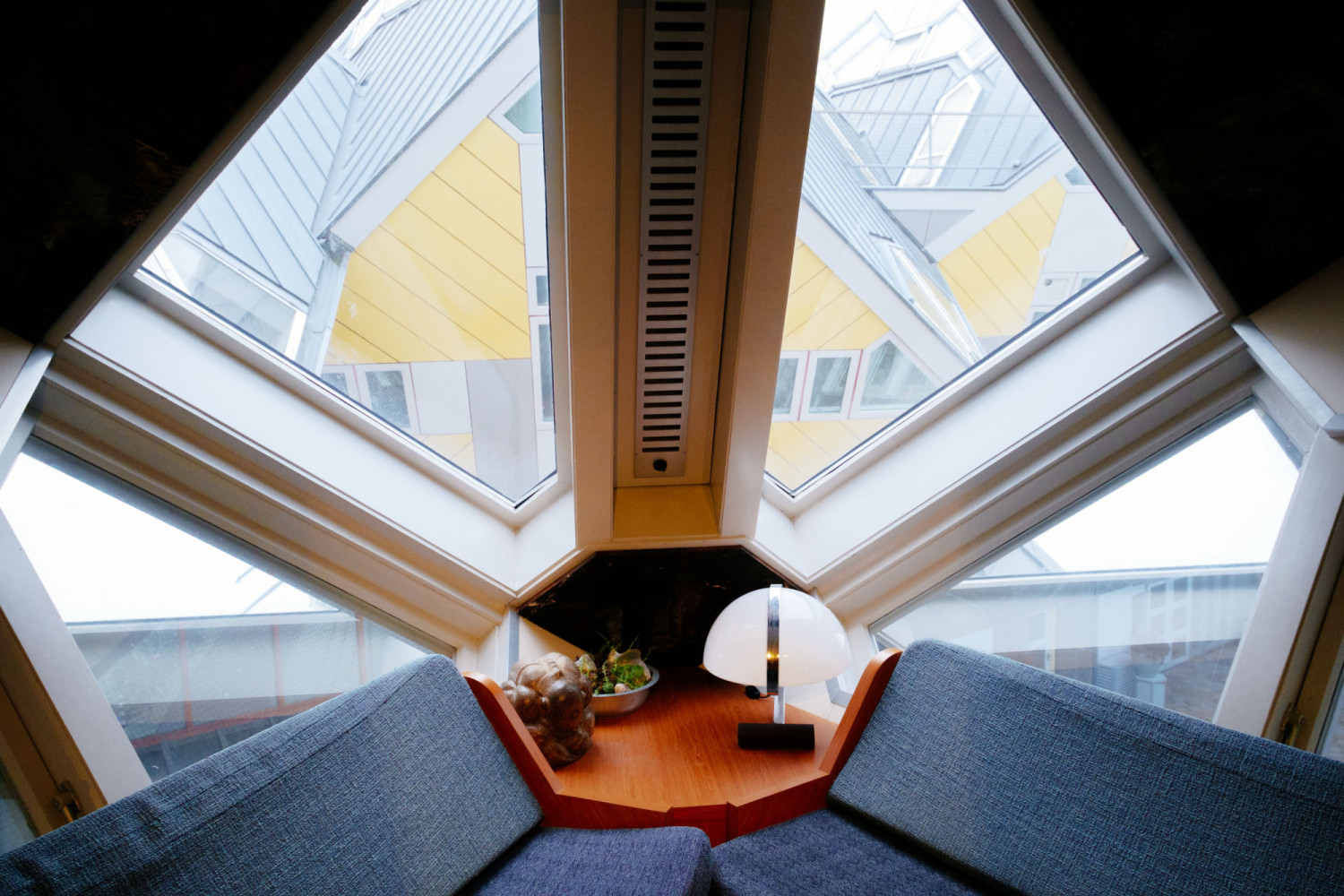
Rotterdam’s cube houses are also a poignant illustration of how the city’s focus on experimentation transcends mere design. Walking among these yellow cubes, which are elevated from the ground and tilted at a 45-degree angle, you may be astonished to learn that people actually live here. Flowerpots soak in the sunlight and lights flicker on at dusk. One of the houses is a public exhibition space offering a view of the interior. The leaning walls necessitate arranging furniture in completely unexpected ways. When people say that Rotterdam is a city that brings experimen¬tation into everyday life, they are likely referring to architectural marvels such as this.
Tour of Tomorrow
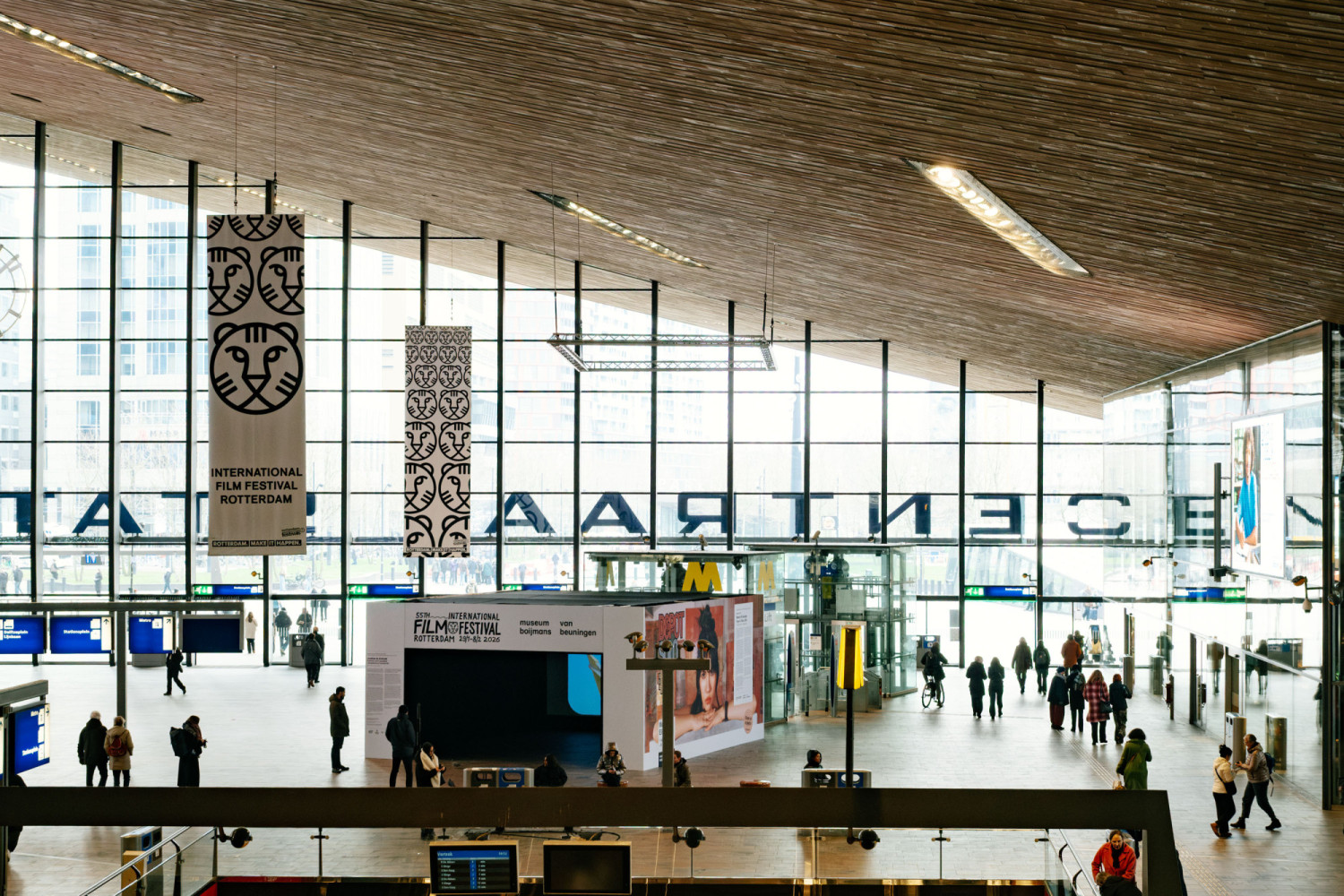
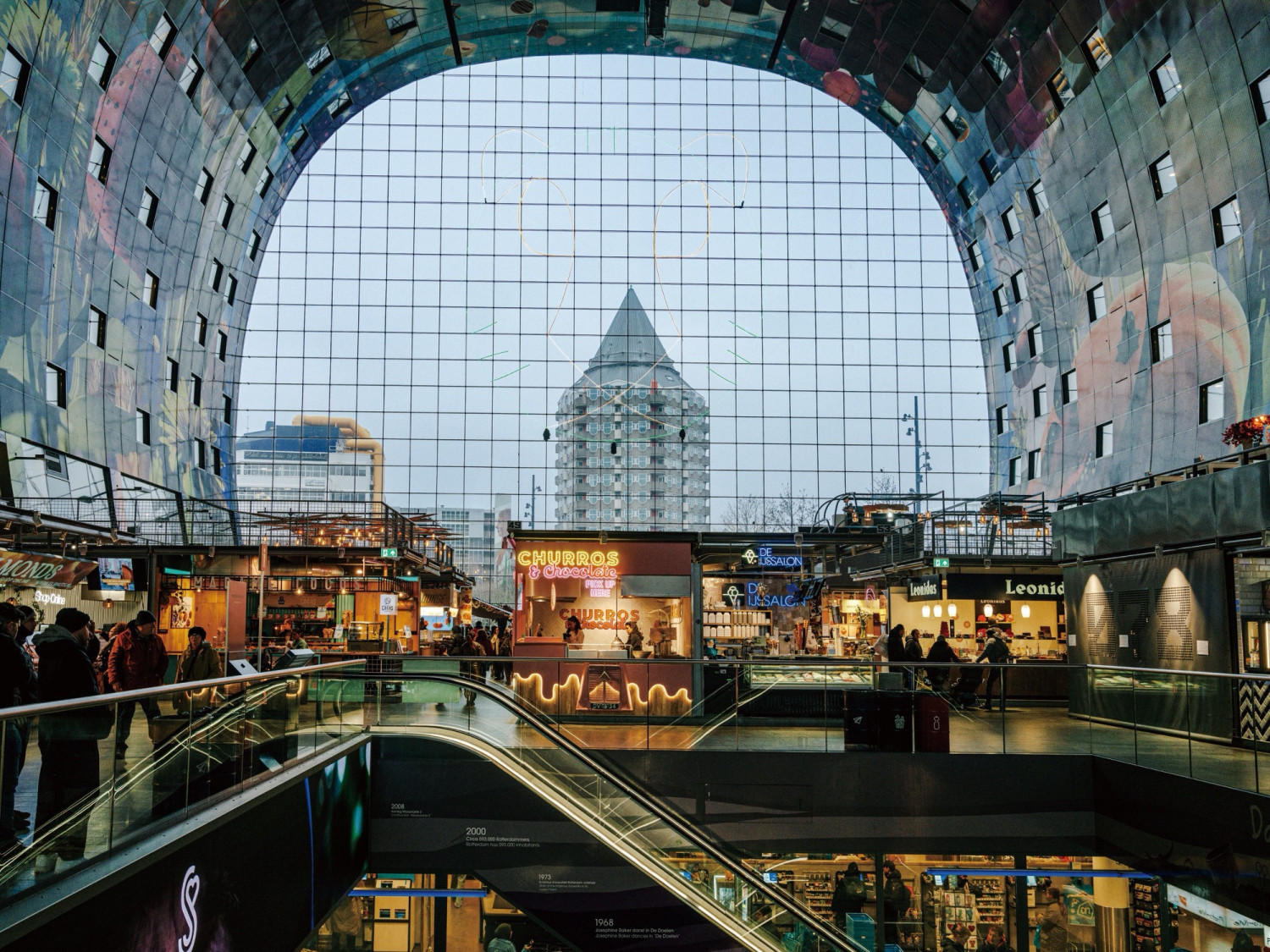
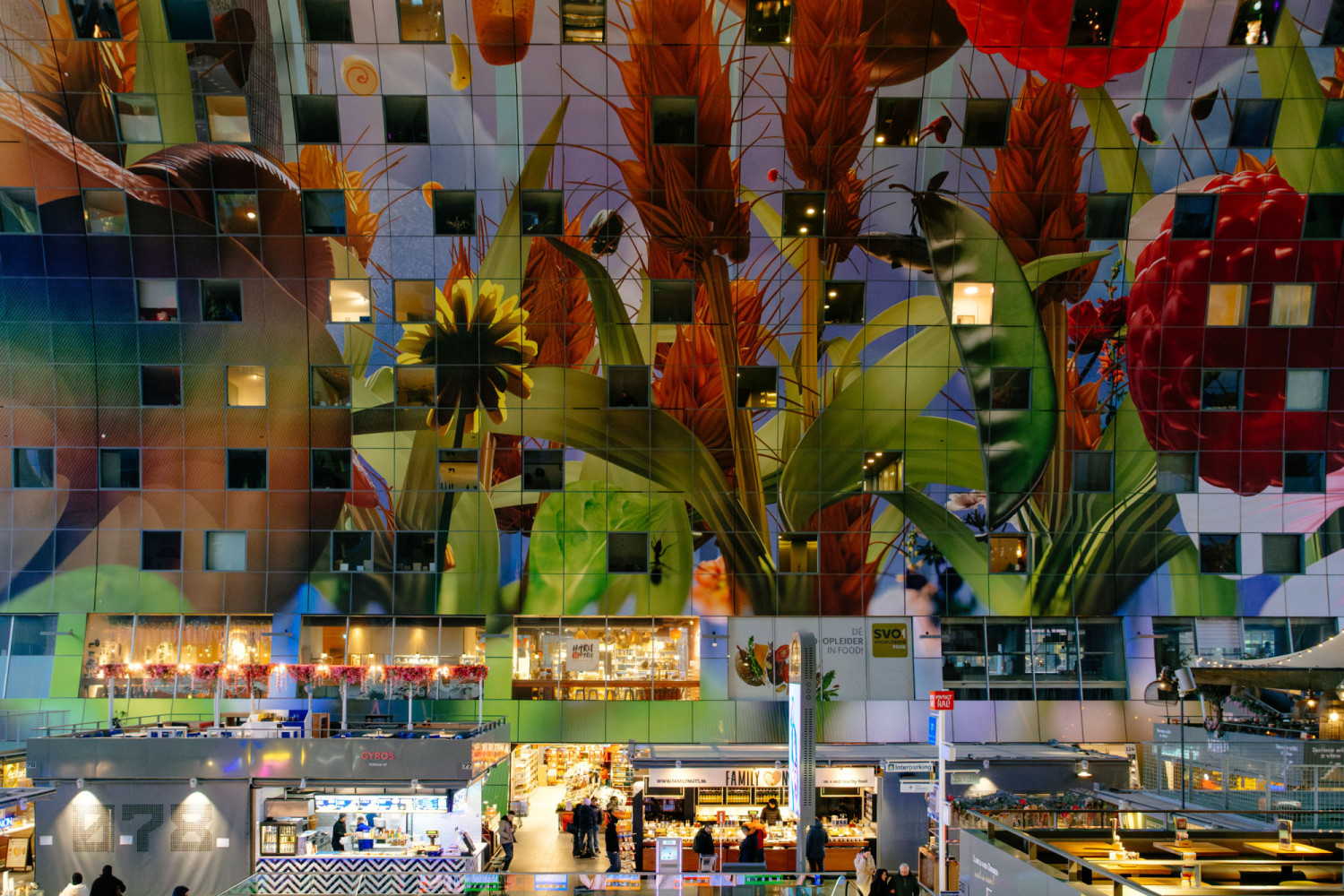
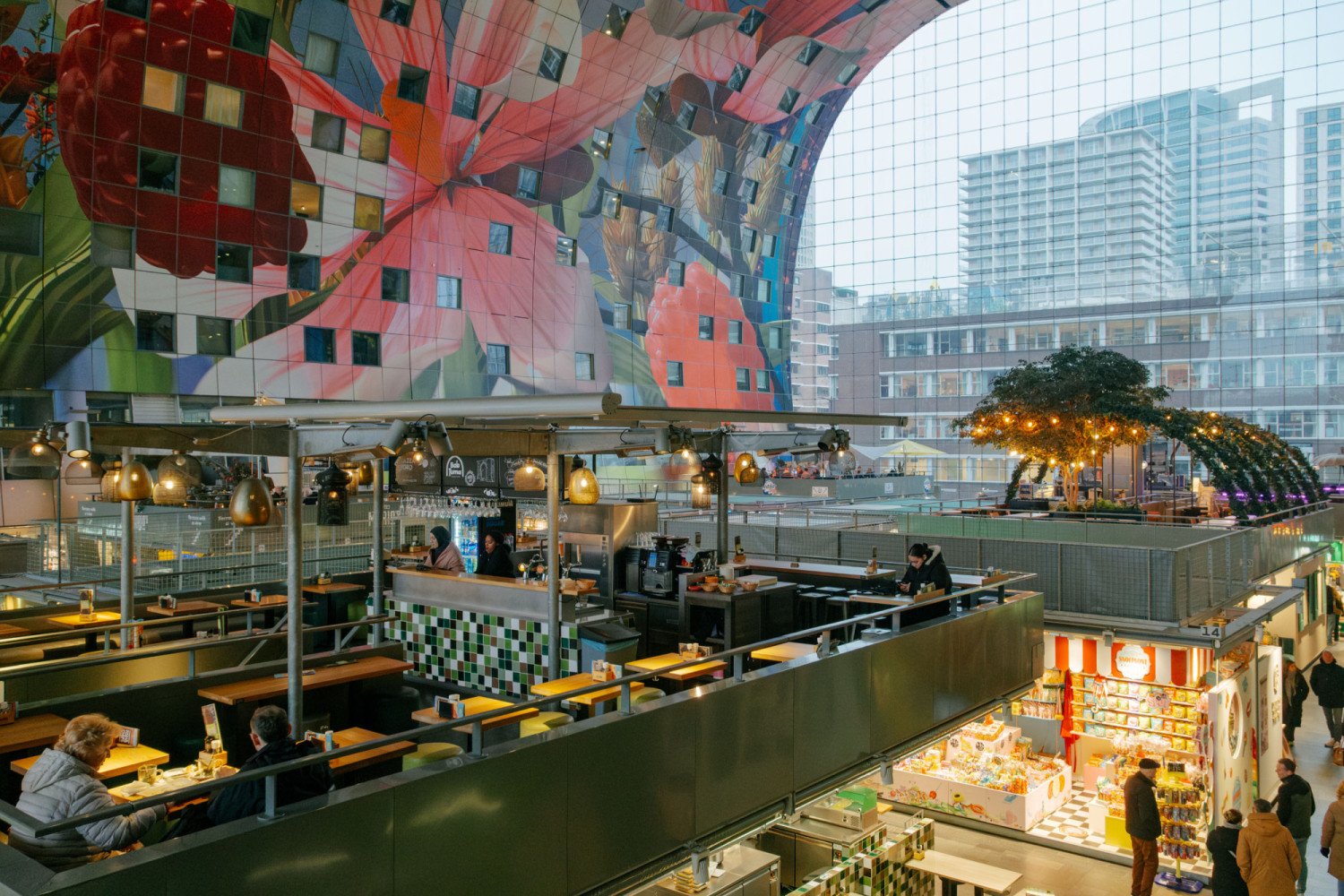
Those who travel to Rotterdam are leaving behind cities that are defined by their fixed landscapes and entering one that is still in the process of taking shape. Start your journey at Rotterdam Central Station, where its asymmetrical roof overhangs a plaza that connects to multiple streets heading in all directions, and head toward the Markthal (Market Hall). Pass under this structure’s massive arch and find a panoply of kiosks selling cheese, fruit, flowers and fish beneath the colorful murals splashed across the ceiling above. When you step out of the building, having a fresh herring sandwich, naturally, the sheer scope of the building comes into view, with its residential spaces above the market. It’s the moment you realize that the simple acts of eating, shopping and sleeping are experiments that keep this city running.
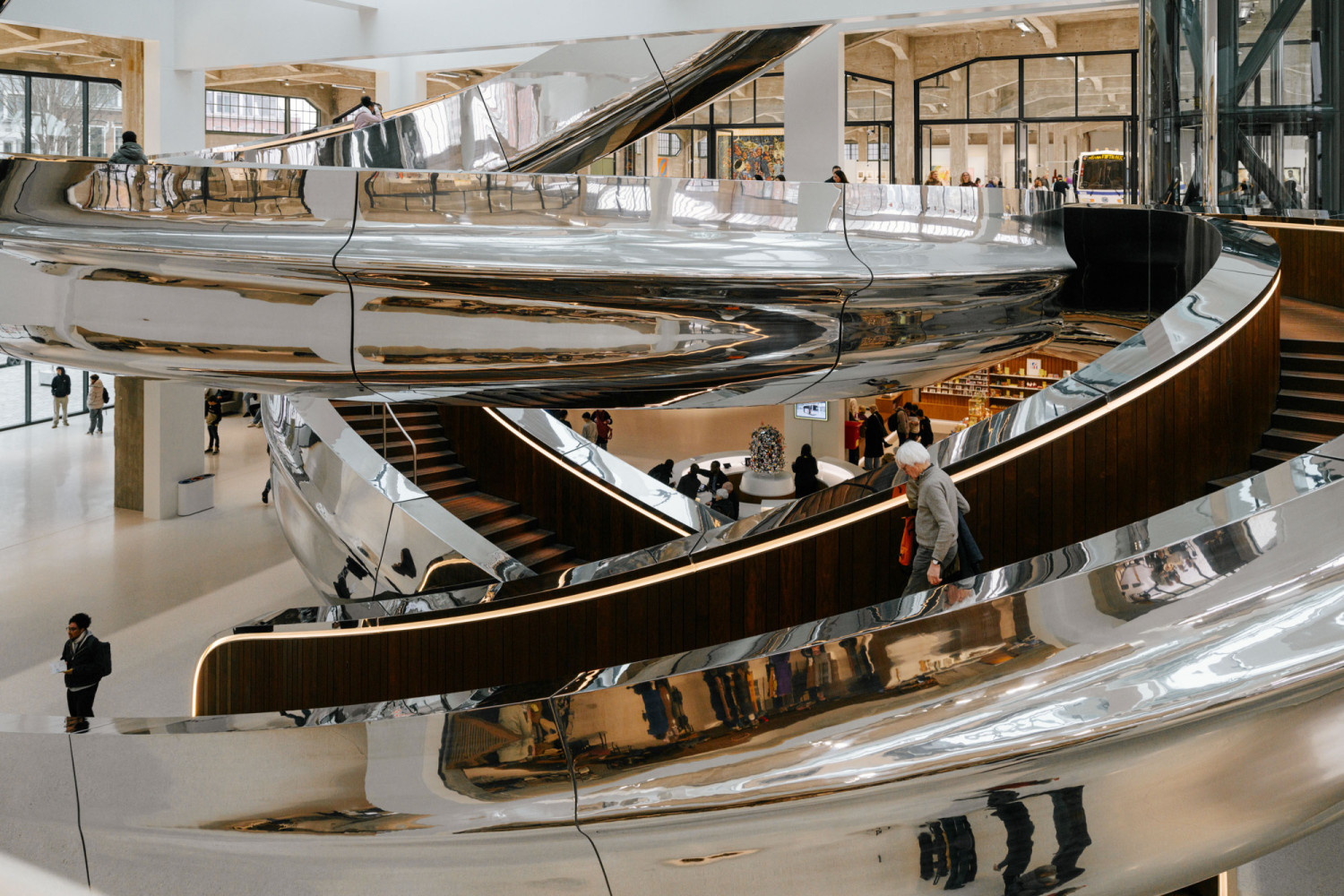
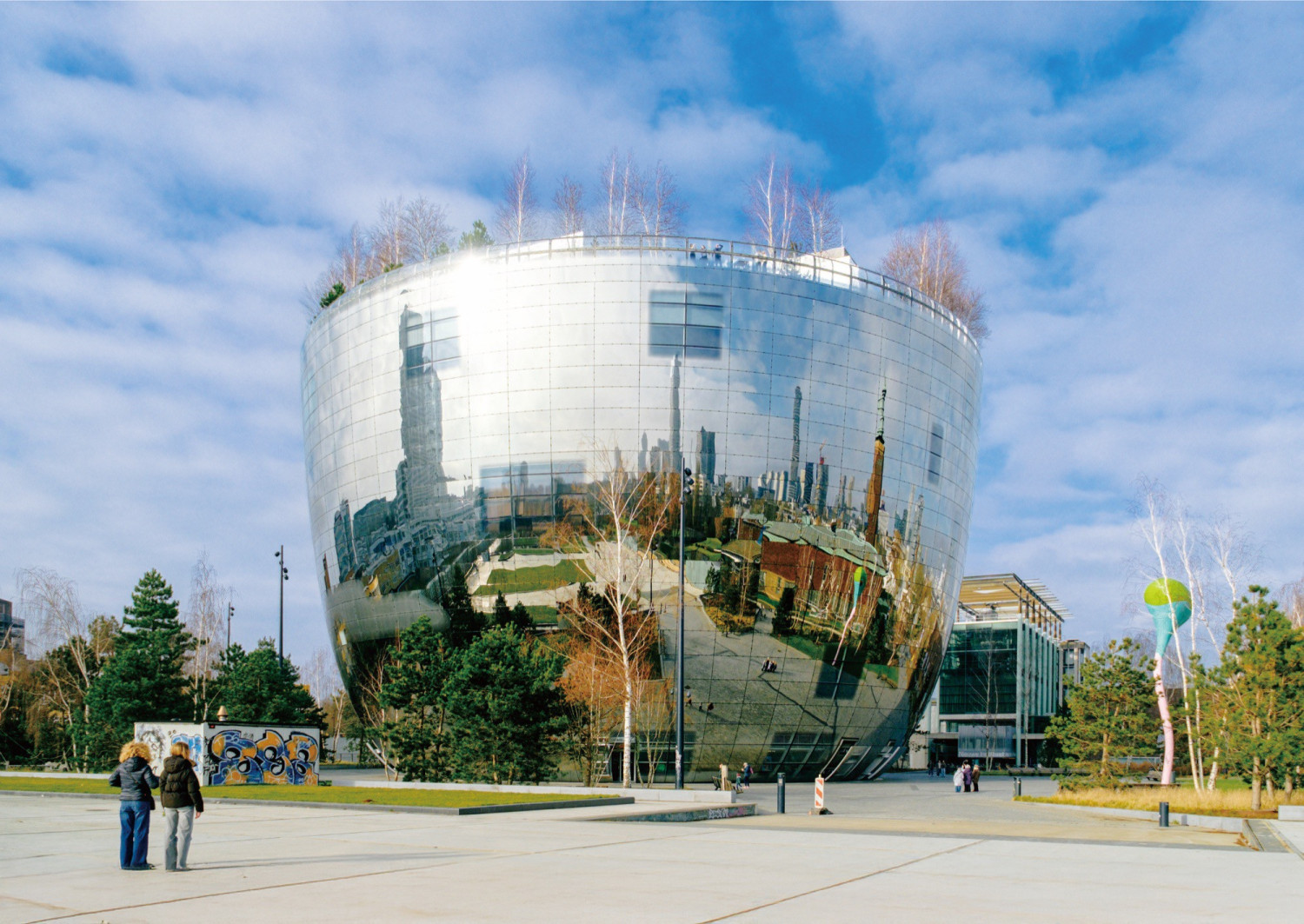
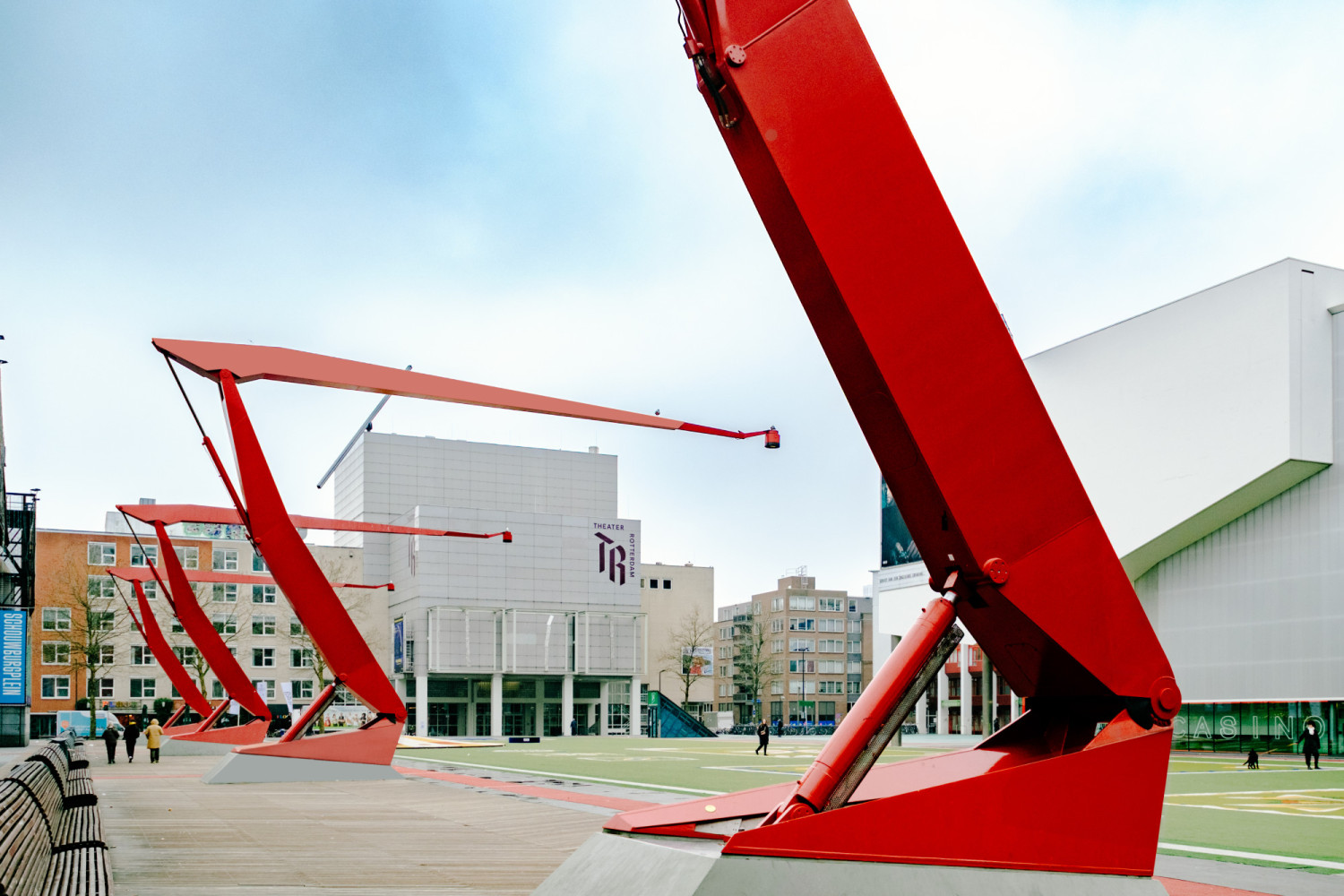
A leisurely 25-minute walk brings you to the Depot of Museum Boijmans Van Beuningen, the world’s first publicly acces¬sible art storage facility. Through the glass windows, visitors can see artwork in storage. Unlike typical museums, where carefully selected works of art hang from the walls, visitors to the Depot can watch the entire process of artworks being moved, categorized and preserved. From the Depot, a 15 minute walk downtown brings you to Schouwburgplein (Theatre Square), an urban stage that’s always being repur¬posed. On weekdays, white-collar workers congregate here for an al fresco lunch; on weekend afternoons, the square is filled with families out to see a performance; in the evenings, youngsters gather to meet their friends. The diverse episodes and perspectives coinciding in Rotterdam demonstrate that this is a city where constant change is a daily occurrence. In a place that prefers lingering questions to settled answers, even visitors are helping to create the Rotterdam of tomorrow.
24 Hours in Rotterdam
Rotterdam, where practicality and experimentation intersect, comes into sharper focus when paired with a visit to Amsterdam.
Maritime Museum & Port Pavilion
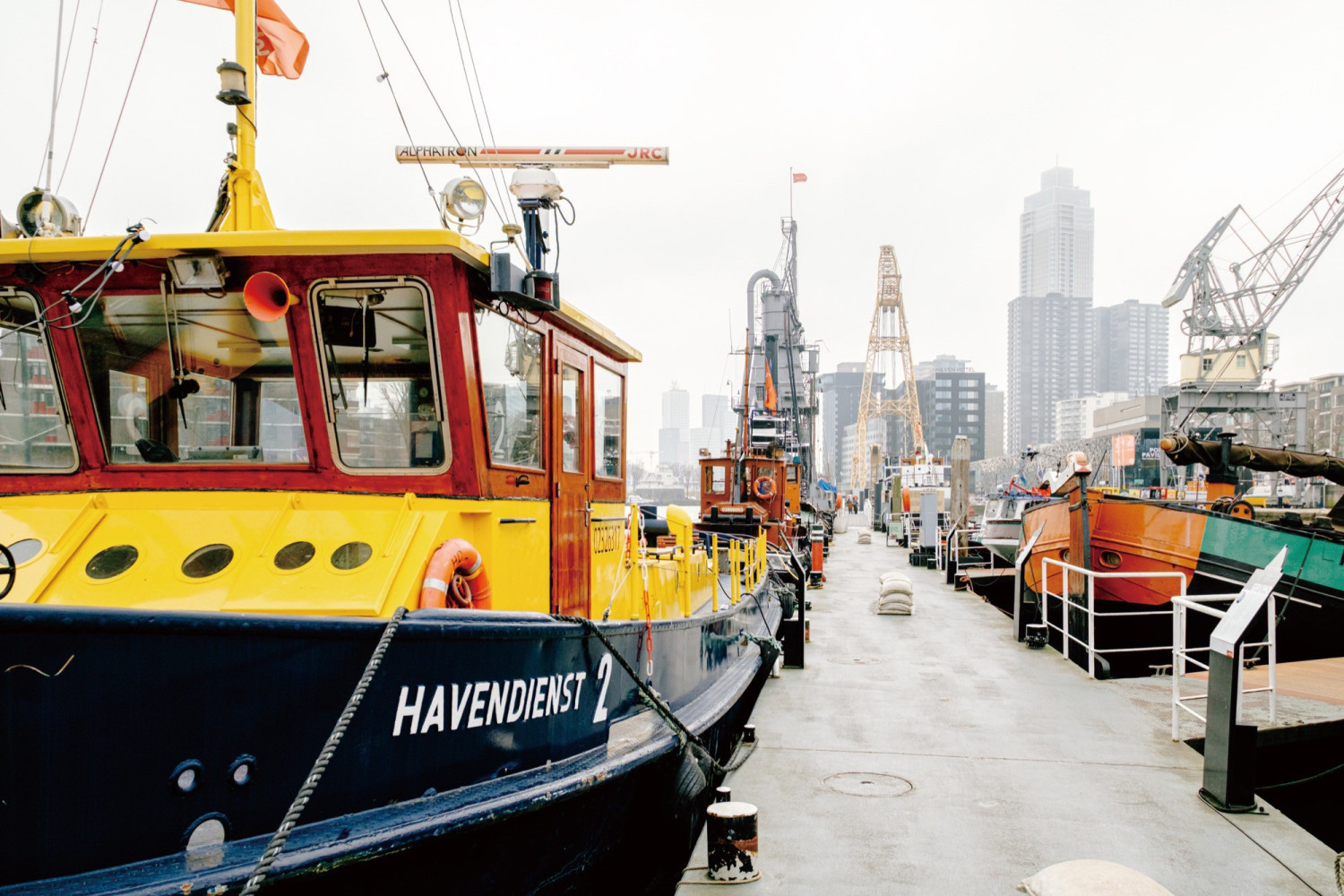
The Maritime Museum is a natural starting point for those wanting to understand Rotterdam’s layered identity as a port city. Visitors can enjoy indoor exhibitions tracing the port’s formation, its technological advances and the evolution of maritime industries. Then step outside to Leuvehaven, the harbor where the museum’s historic vessels are moored, and take in the scenic views. The nearby Port Pavilion presents the Port of Rotterdam of today and its future through a large scale model and interactive displays.
- ✓ maritiemmuseum.nl/en
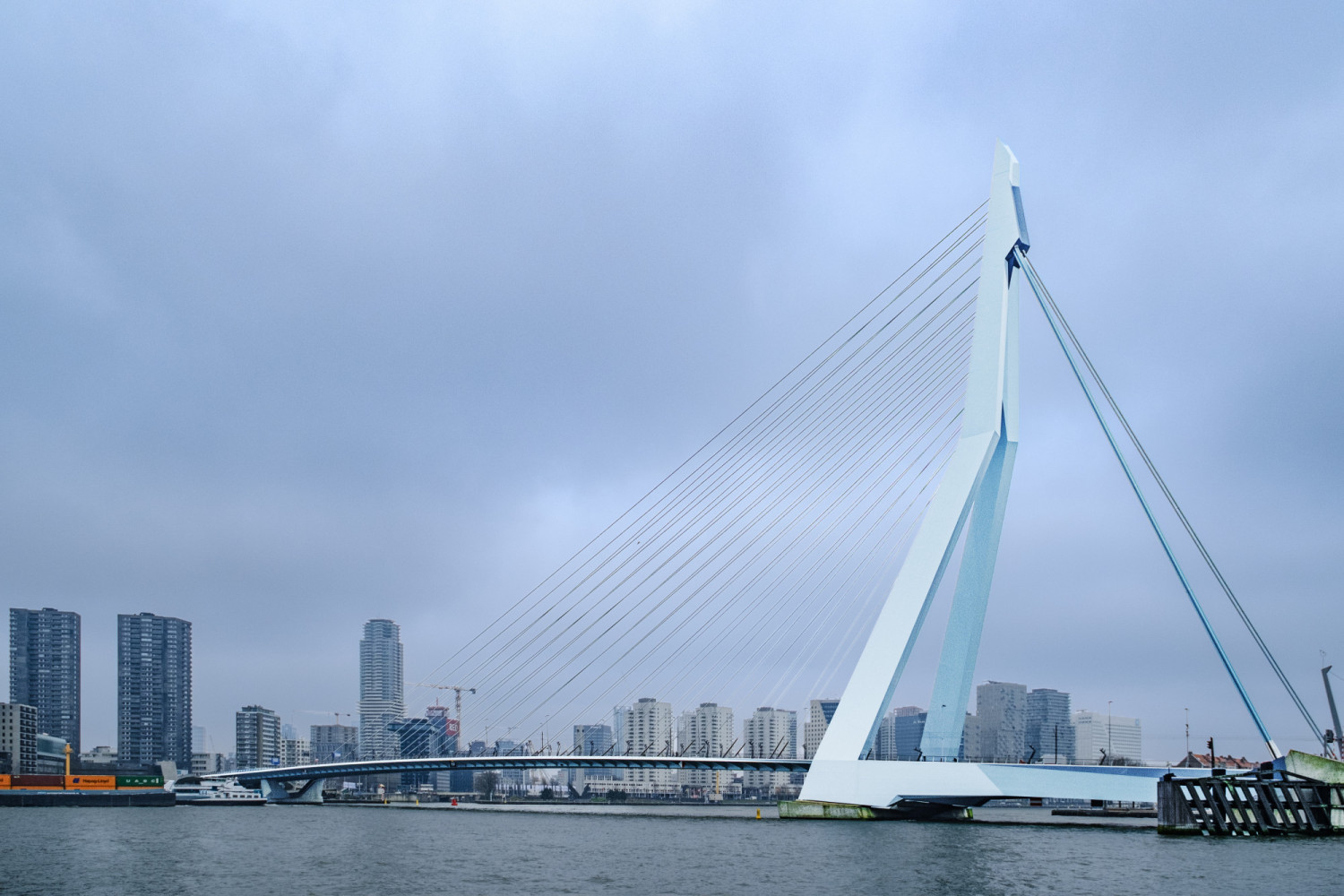
Erasmus Bridge
The Erasmus Bridge (UN Studio, 1996) is a key piece of urban infrastructure linking Rotterdam’s historic northern city center with the southern port redevelopment district. As pedestrians cross the 802m-long structure, they are rewarded with sweeping views of the river, the harbor and the city’s evolving skyline all at once.
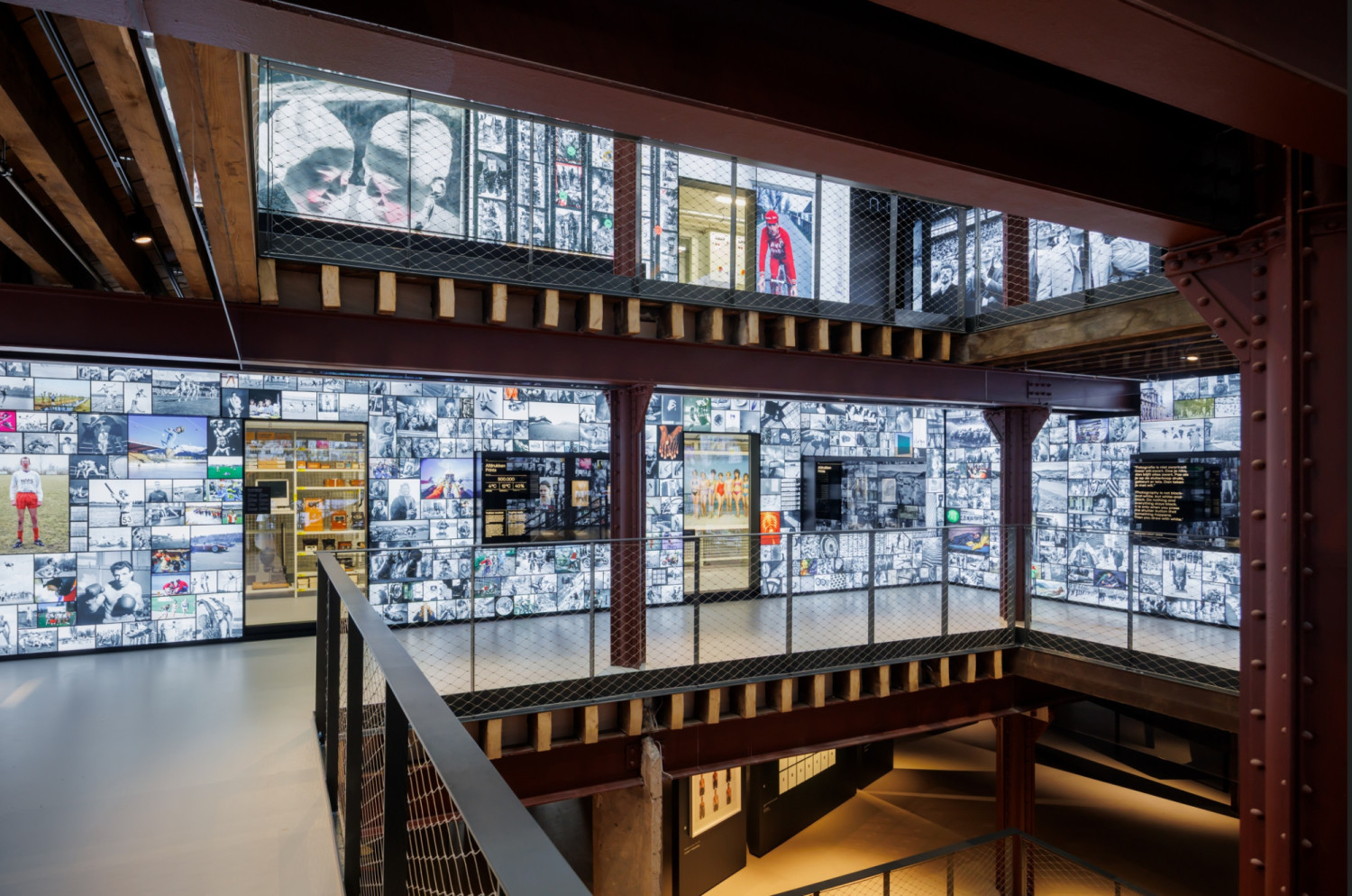
Nederlands Fotomuseum
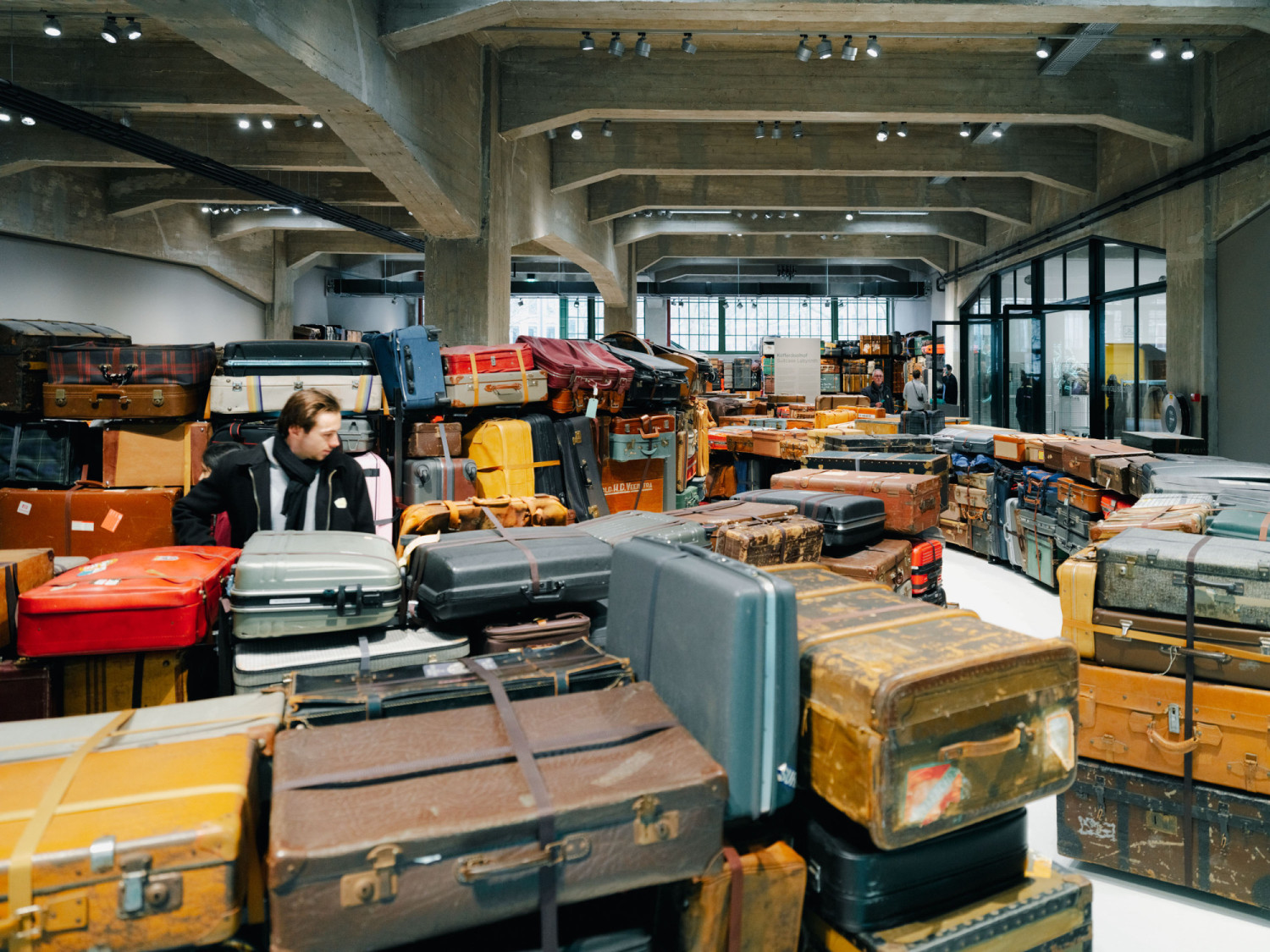
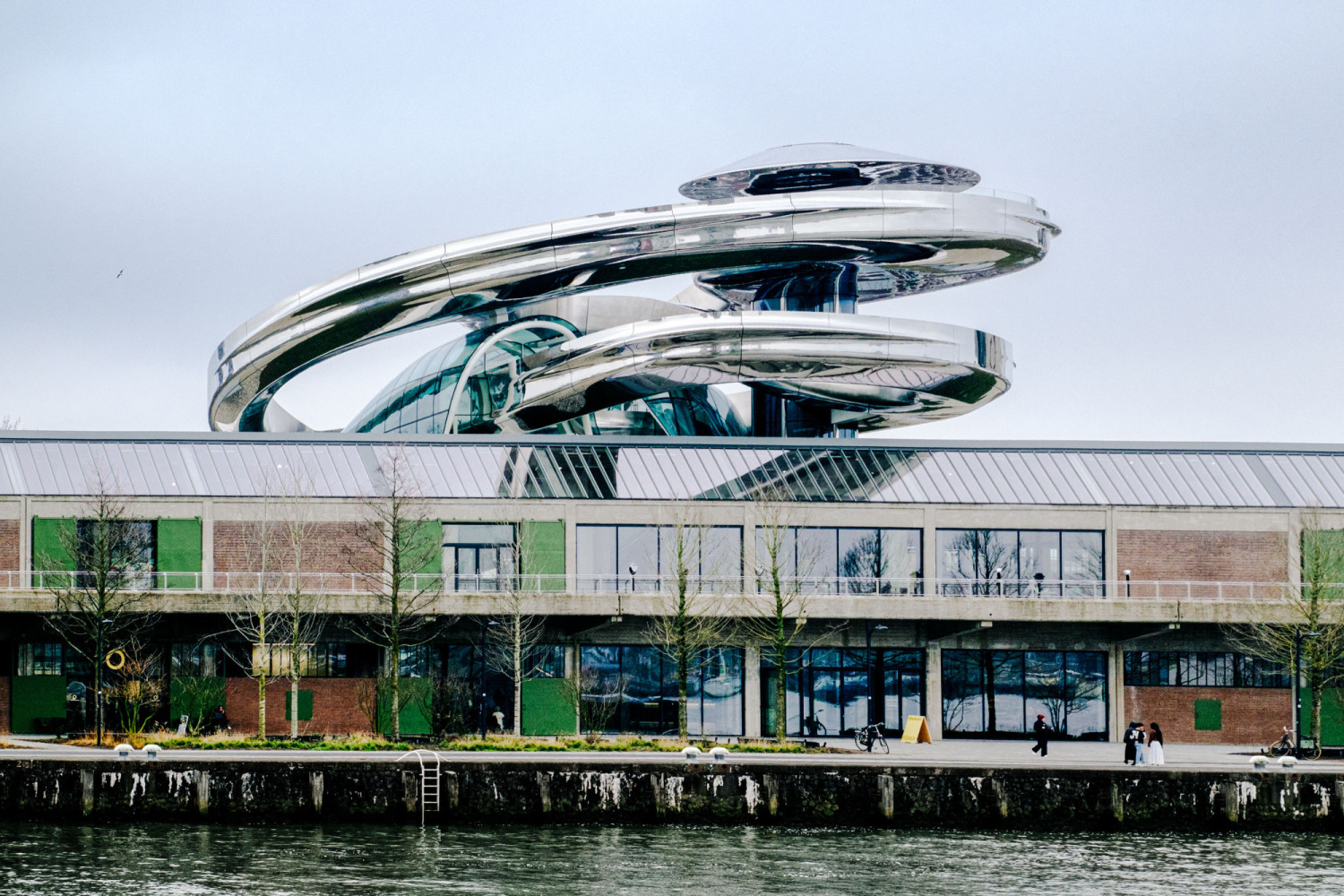
The Netherlands has long viewed photography as both an art form and a medium of record, shaping international photographic discourse through artists, publishing materials and institutions. In this context, the country’s national photography museum reopened on February 7 in the historic Santos warehouse in Rotterdam. Built between 1901–1902 to store coffee imported from Santos, Brazil, the building has been transformed into an exhibition space through restoration and contemporary intervention.
- ✓ nederlandsfotomuseum.nl/en/
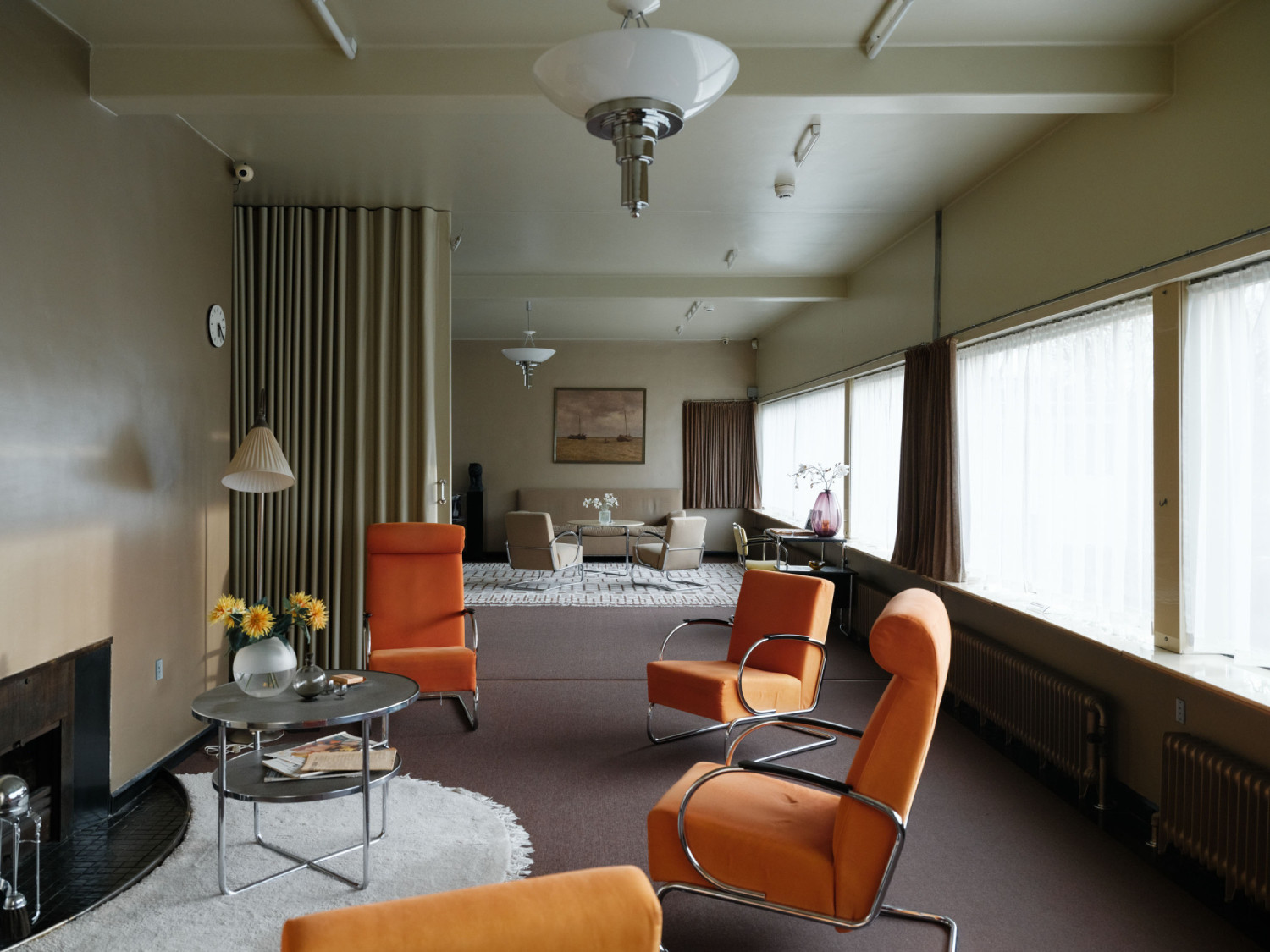
Huis Sonneveld
What is Dutch design? Sonneveld House offers an intuitive take on that question. Completed in 1933, this house, which embodies the ideals of functionalism and the Dutch modernist “new building” (Nieuwe Bouwen) movement , shows how industrial design and architecture can be combined in a single living environment. Its efficient floor plan and custom-made furniture reveal the essence of Dutch functionalist design captured through a slice of life.
- ✓ ieuweinstituut.nl/projects/huis-sonneveld
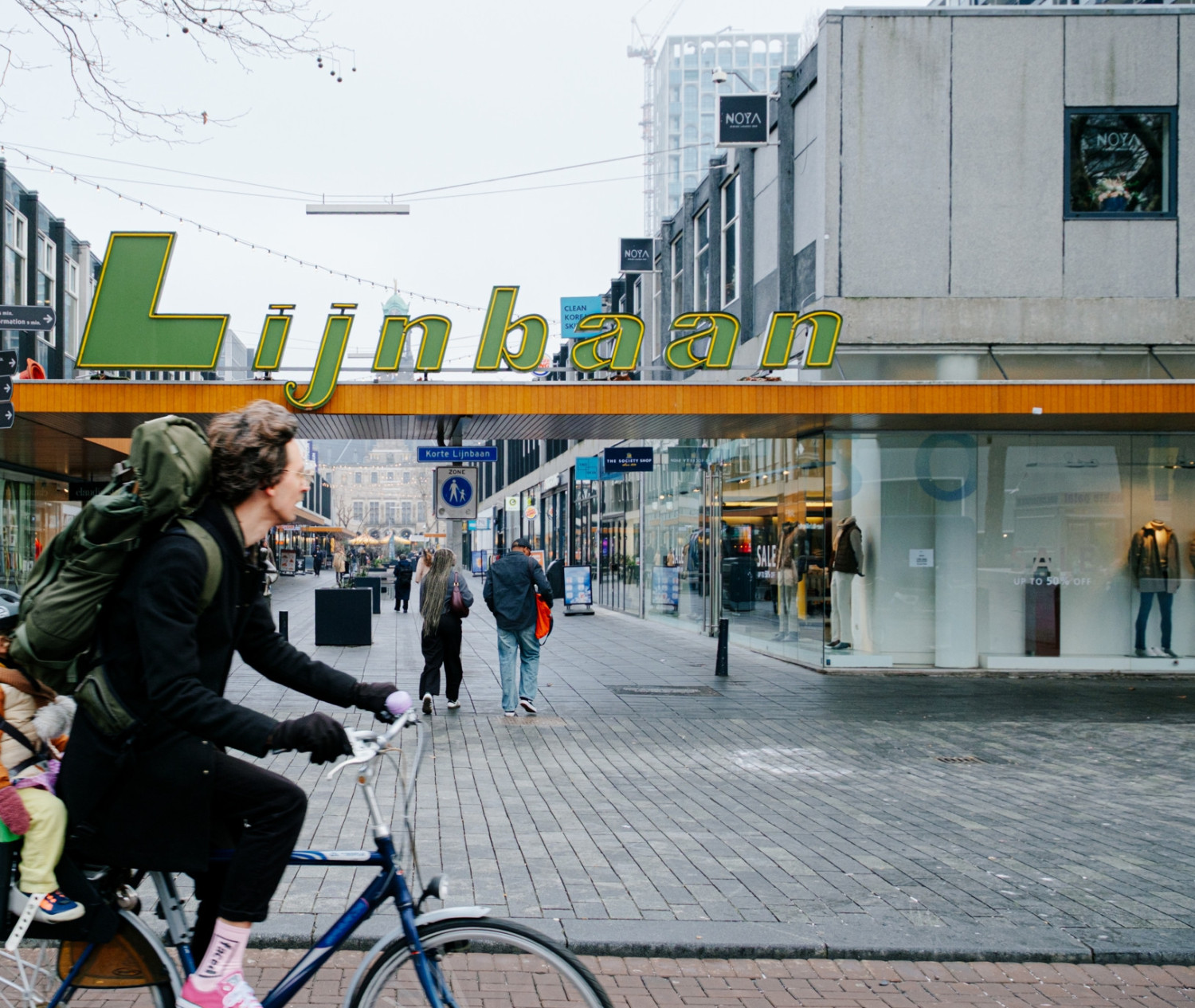
Lijnbaan
Lijnbaan was a landmark postwar experiment in Rotterdam’s urban reconstruction, inaugurated in 1953 as the world’s first purpose-built shopping street designed exclusively for pedestrians. This model became a textbook example of the modern shopping street and went on to influence cities worldwide. Today, Lijnbaan may appear relatively ordinary, yet embedded within it is a lasting question: for whom, ultimately, should a city be designed?
- Written by Choi Jini
- Photography by Park Shinwoo
- Korean Air operates direct flights between Incheon and Amsterdam 4 times a week. From Amsterdam, Rotterdam is about an hour away by train.