Looking to the Future, Hiroshima
In the eight decades since World War II, Hiroshima has slowly rebuilt its landscape. In the process, old buildings have been transformed for new purposes. From a museum overlooking the Seto Inland Sea to a ravine deep in the woods, track down historical sites on a journey to discover the Hiroshima of today.
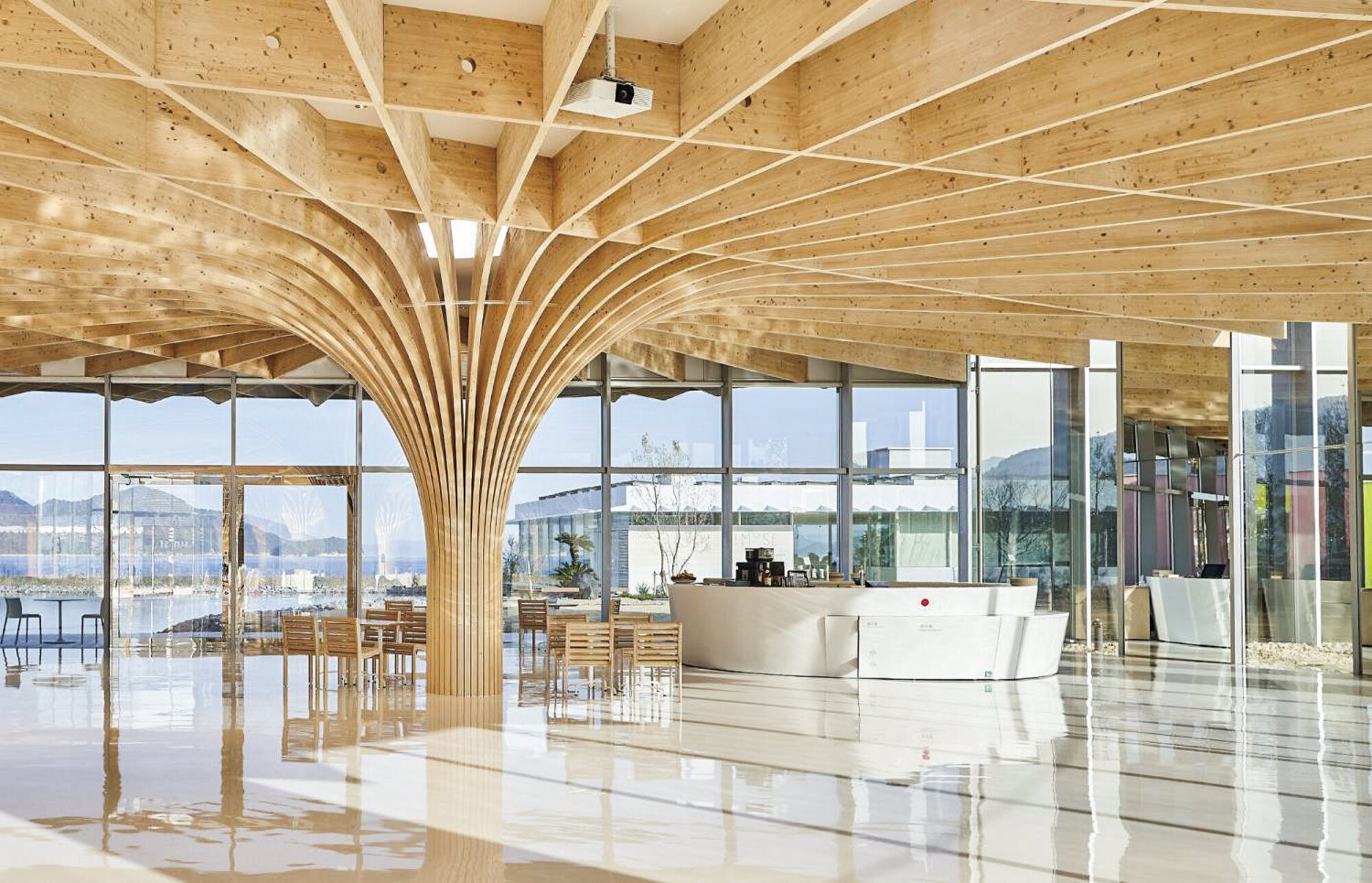
Simose Art Museum
Galleries Floating on the Sea
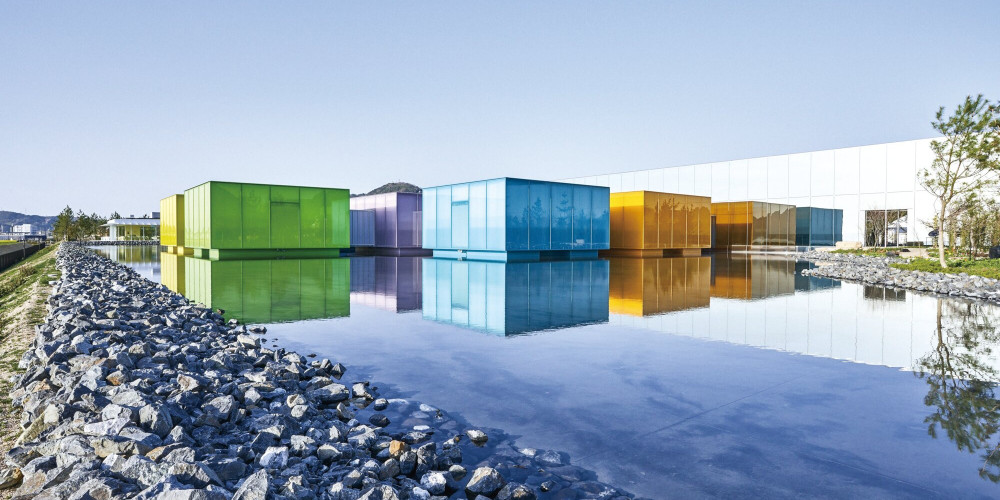
Visitors to the Simose Art Museum are treated to the sight of eight colorful containers, seeming to float on the water. On the tranquil shore of the Seto Inland Sea, the museum’s architecture makes an impression. Architect Shigeru Ban drew inspiration from islands on the inland sea, creating spaces that are like works of art in their own right. The individual galleries rest on floating barges that can be rearranged according to the seasons and the exhibitions being shown.
Thanks to its striking aesthetic, the museum was awarded the Prix Versailles at the UNESCO headquarters in Paris. Inside, the expansive collection features works by Émile Gallé, a leading artist from France’s Art Nouveau movement, alongside Western art, Japanese paintings, crafts and hina dolls. Outside, Émile Gallé’s Garden presents the many plants featured in his work, highlighting the artist’s interest in botany. Meanwhile, the Seaview Terrace offers a panoramic view of the islands of the Seto Inland Sea.
MINAMOA
A New Gate to the City
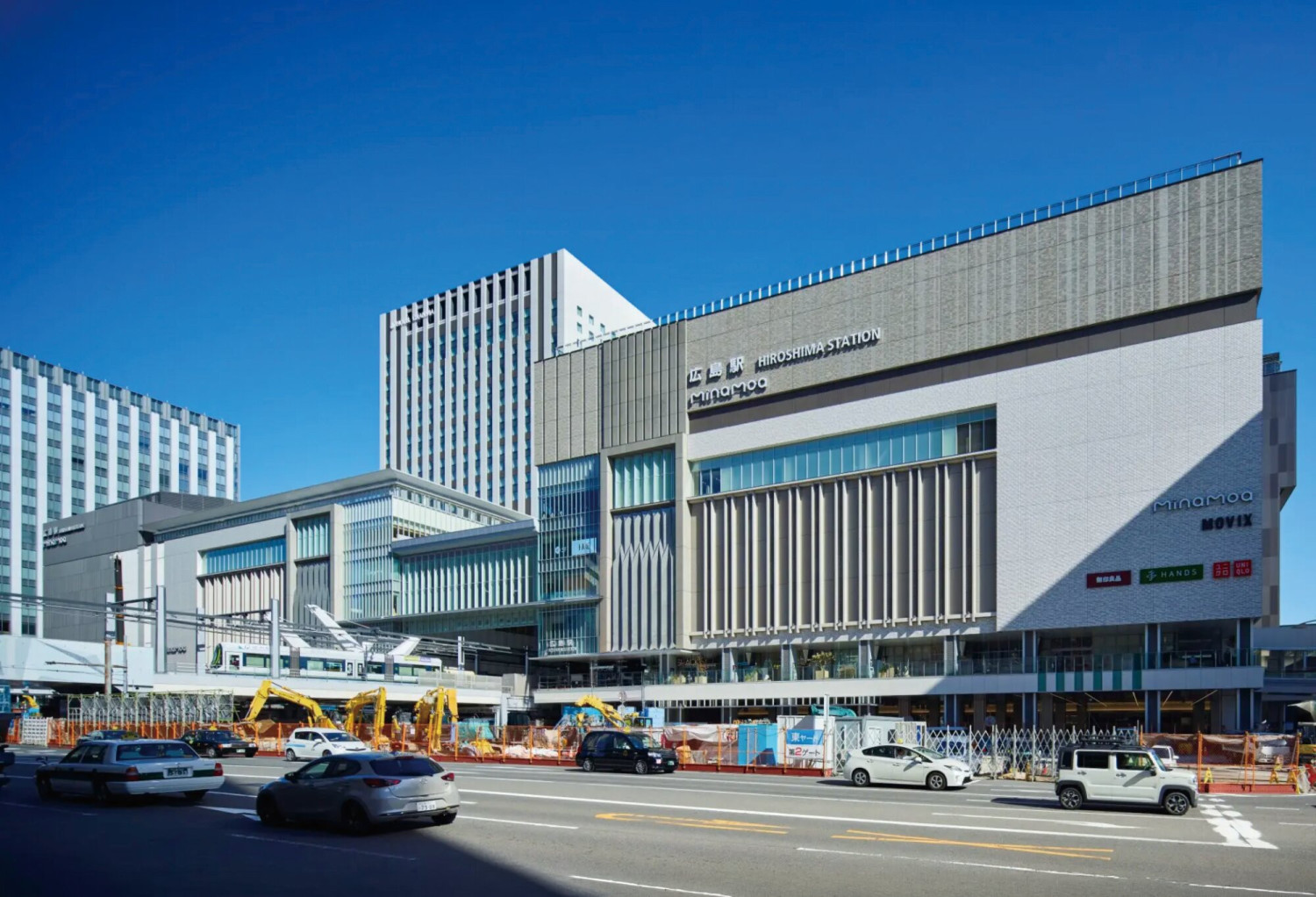
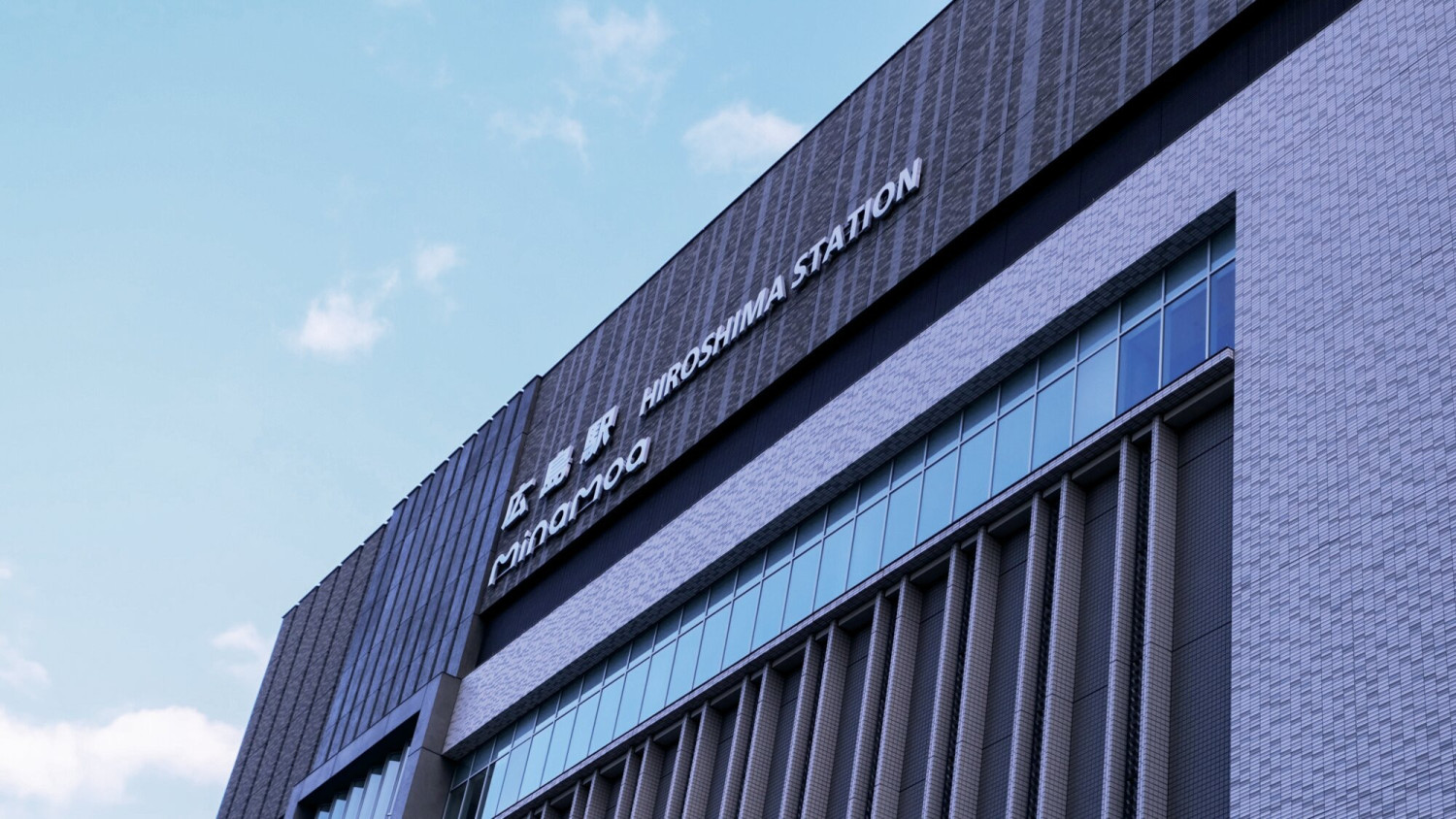
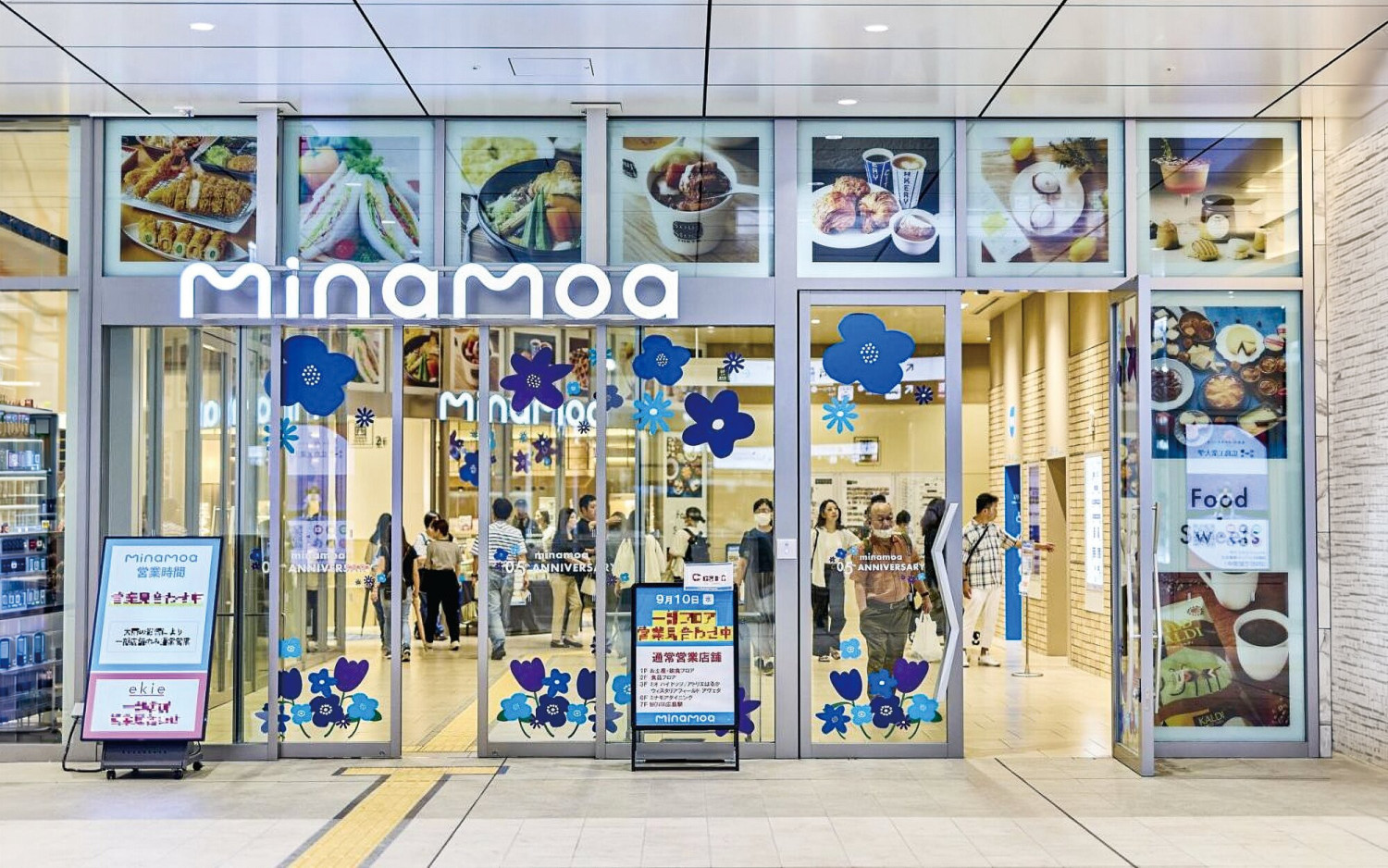
Opened in March 2025, this commercial complex connects directly to JR Hiroshima Station. Home to about 220 businesses — including shops, restaurants and a cinema — Minamoa serves as a new portal to the city. The name comes from the Japanese word minamo (surface of water), referring to Hiroshima’s rivers.
The interior walls feature wave-inspired elements, while origami cranes symbolizing peace grace the exterior. Hiroshima’s famous tramway is accessible from the second floor, allowing passengers to travel across the city. Gangi Terrace, on the third floor, overlooks passing trams, while broad stairs on Wood Deck Plaza, on the seventh floor, present sweeping downtown views.



NAKA INCINERATION PLANT
Turning Trash Disposal into Architecture
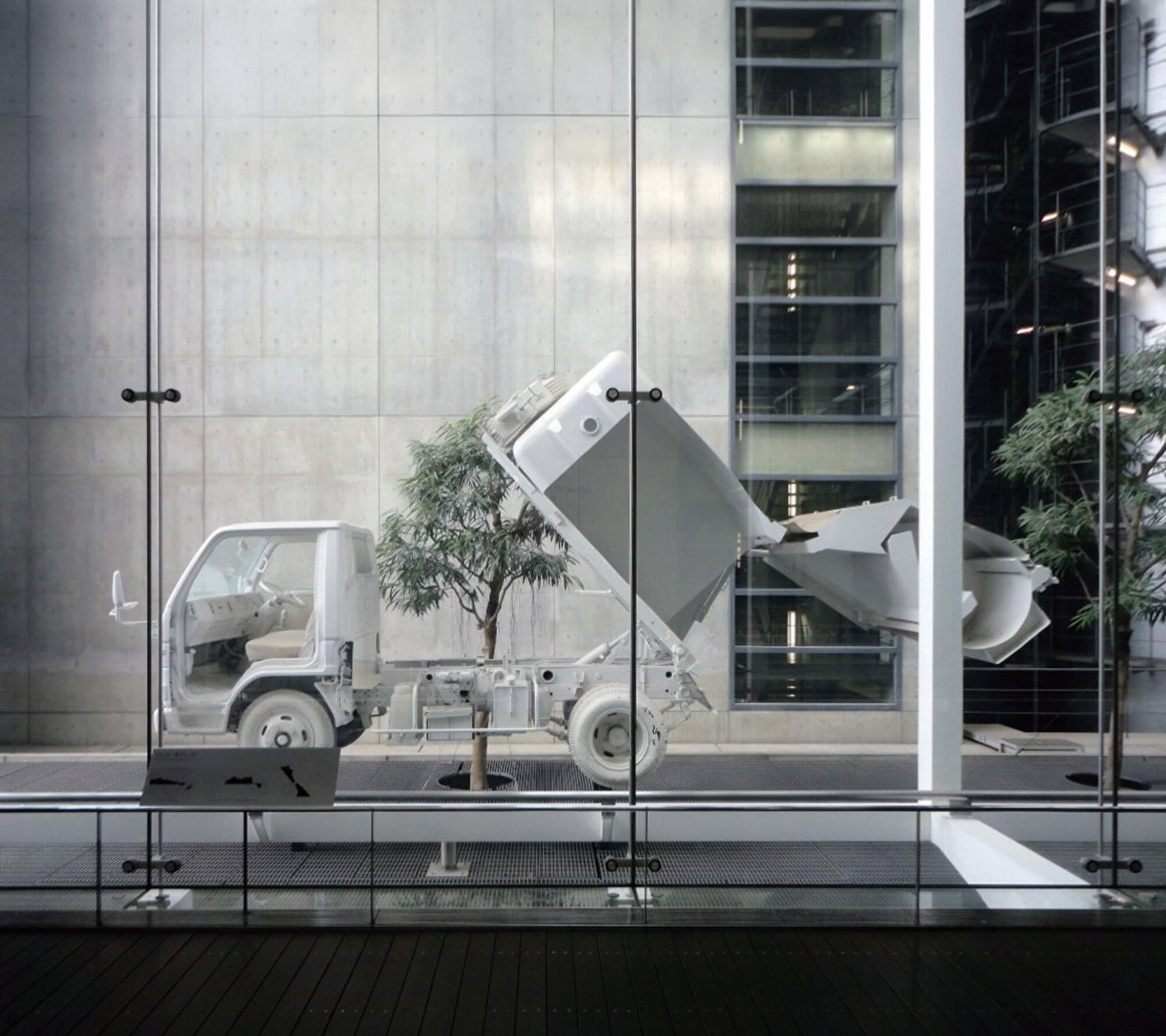
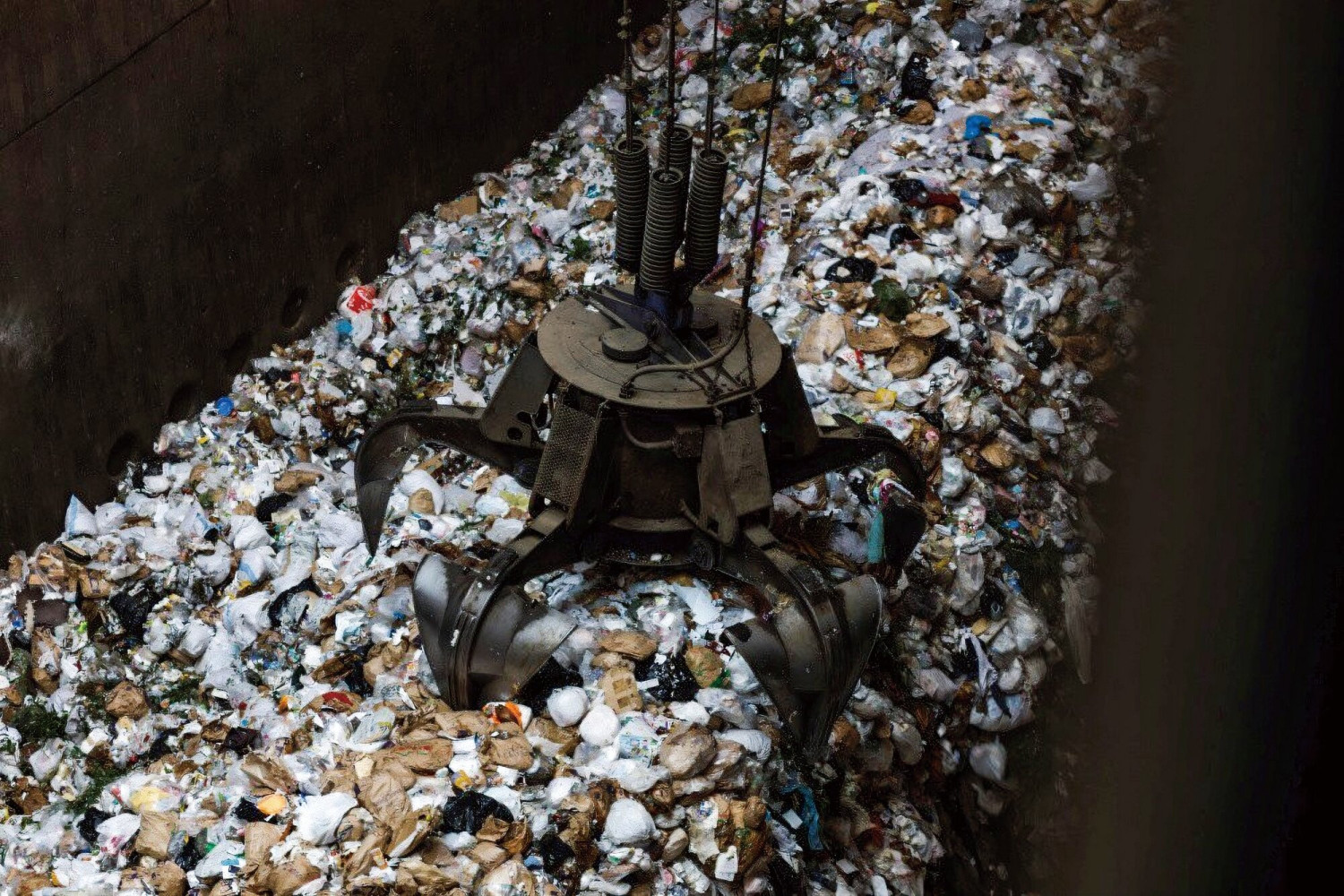
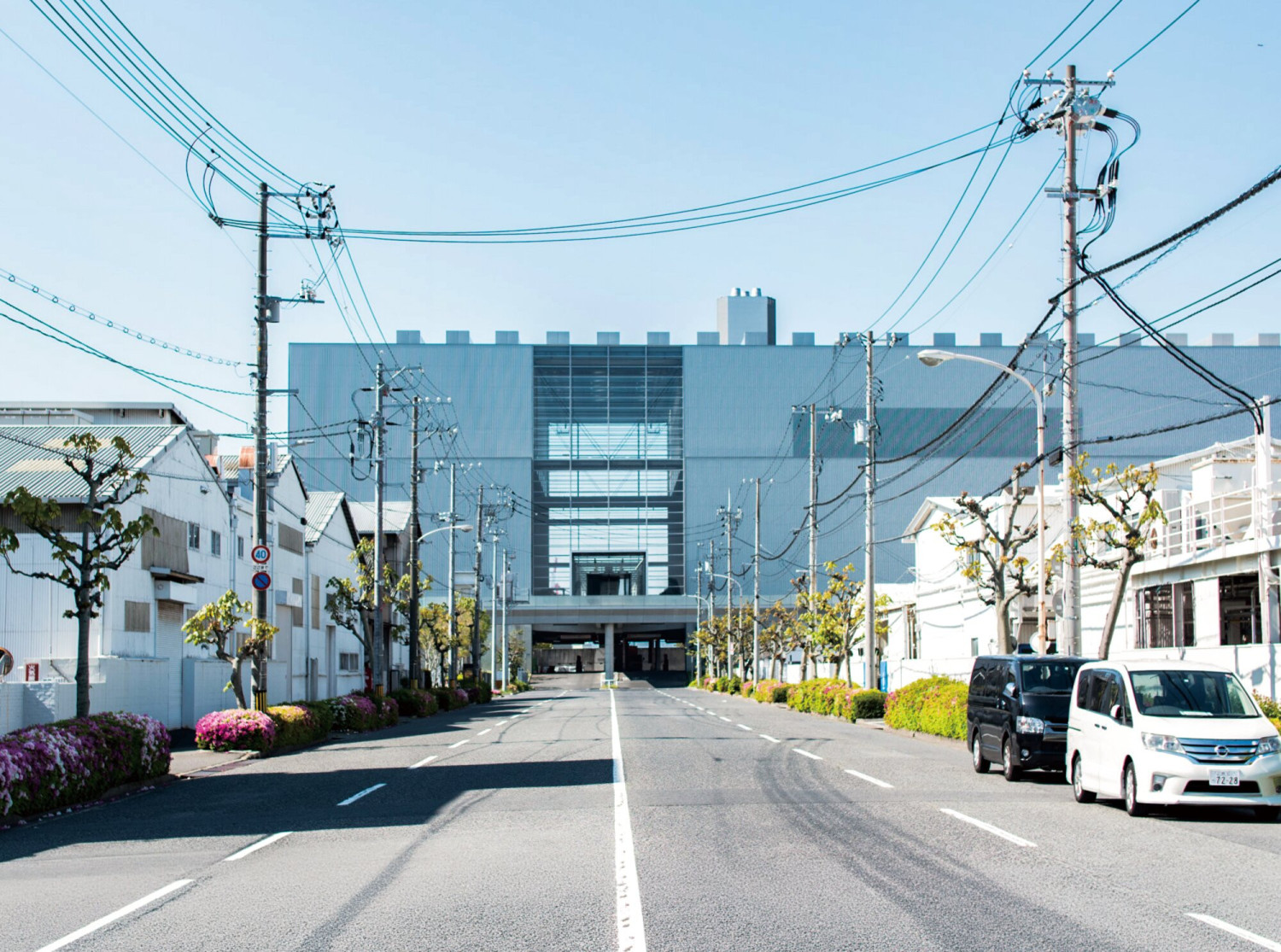
Dubbed “the world’s most beautiful waste disposal facility,” the Naka Incineration Plant is the work of the late architect Yoshio Taniguchi, who also designed the expansion of New York’s Museum of Modern Art and the Gallery of Horyuji Treasures at the Tokyo National Museum. Rather than concealing its trash disposal function, the glass walls expose its interior along a central public pathway. It is also featured in Drive My Car, winner of Best International Feature Film at the 2022 Academy Awards. The building’s center was left open to enable the “axis of peace” running from the Atomic Bomb Dome and Cenotaph for the A-bomb Victims to reach the shore, elevating this waste disposal facility into something else entirely.
SANDANKYO GORGE
Memories Left in the Gorge
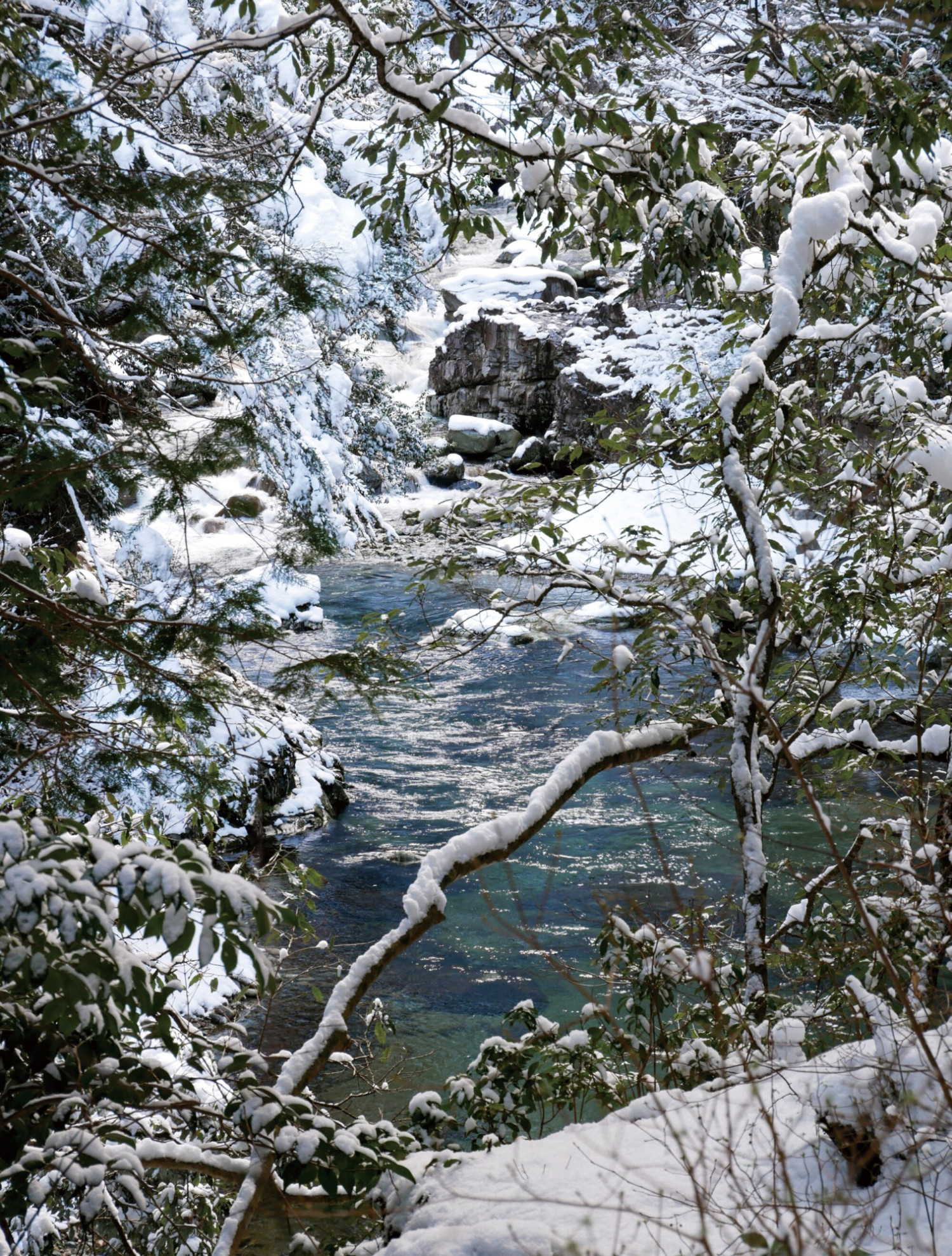
About an hour’s drive from the city center lies a hidden gem of Hiroshima. Stretching roughly 16km, this majestic gorge is designated by the government as one of its Special Places of Scenic Beauty. A trail winds alongside the emerald waters, making the area approachable for day-trippers and novice hikers alike. It was once shunned by woodsmen for its rough terrain, until photographer Kuma Nanpo spotlighted its beauty in 1917. Today, its five celebrated sites are Kurobuchi Pool, Sarutobi Passage, Nidandaki Falls, Sandandaki Falls and Mitsudaki Falls. The storied landmarks here include Okamiishi (Wolf Rock) and charcoal kiln sites, vestiges of tatara ironmaking furnaces.
HIROSHIMA ORIZURU TOWER
A Wind-swept Observatory
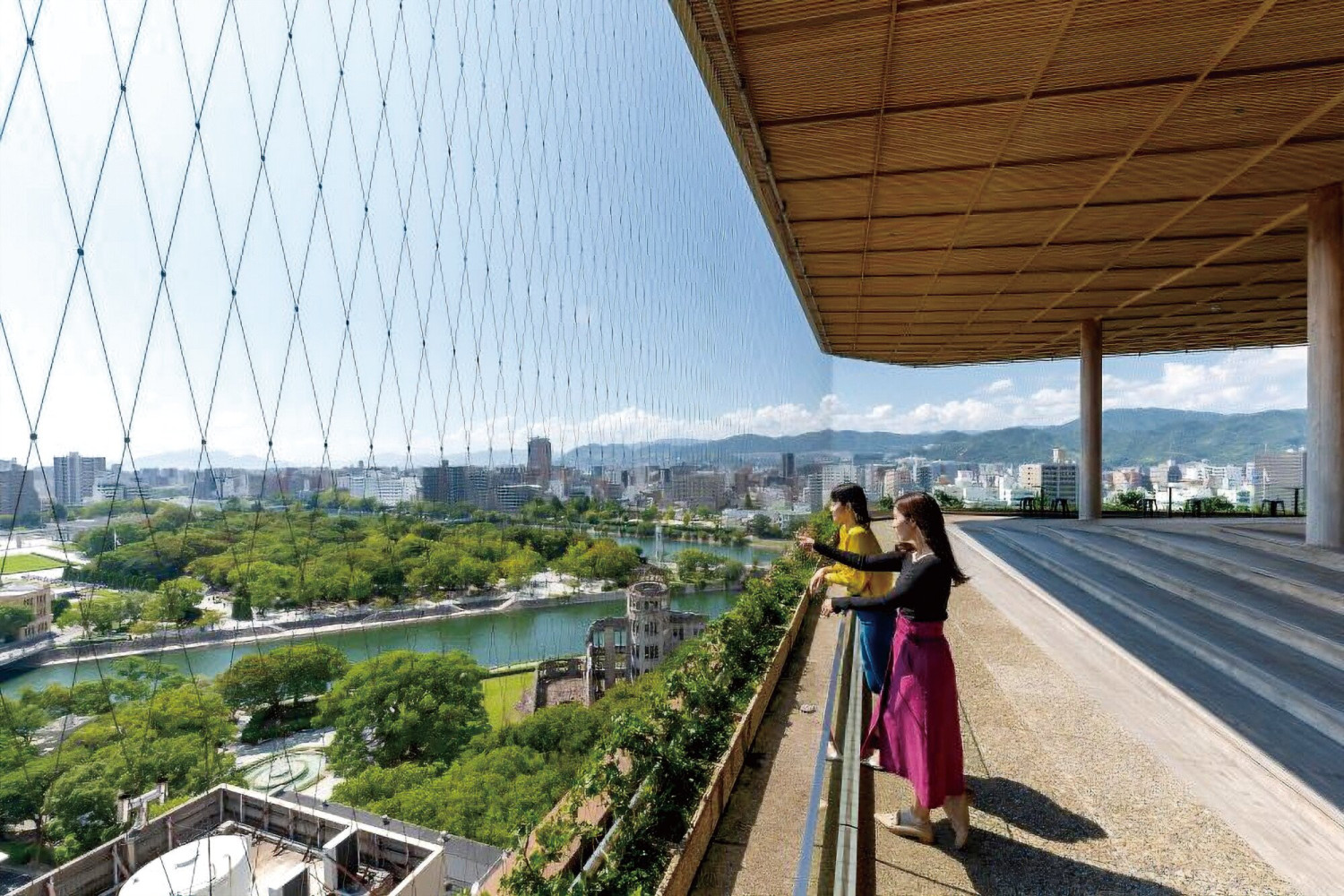
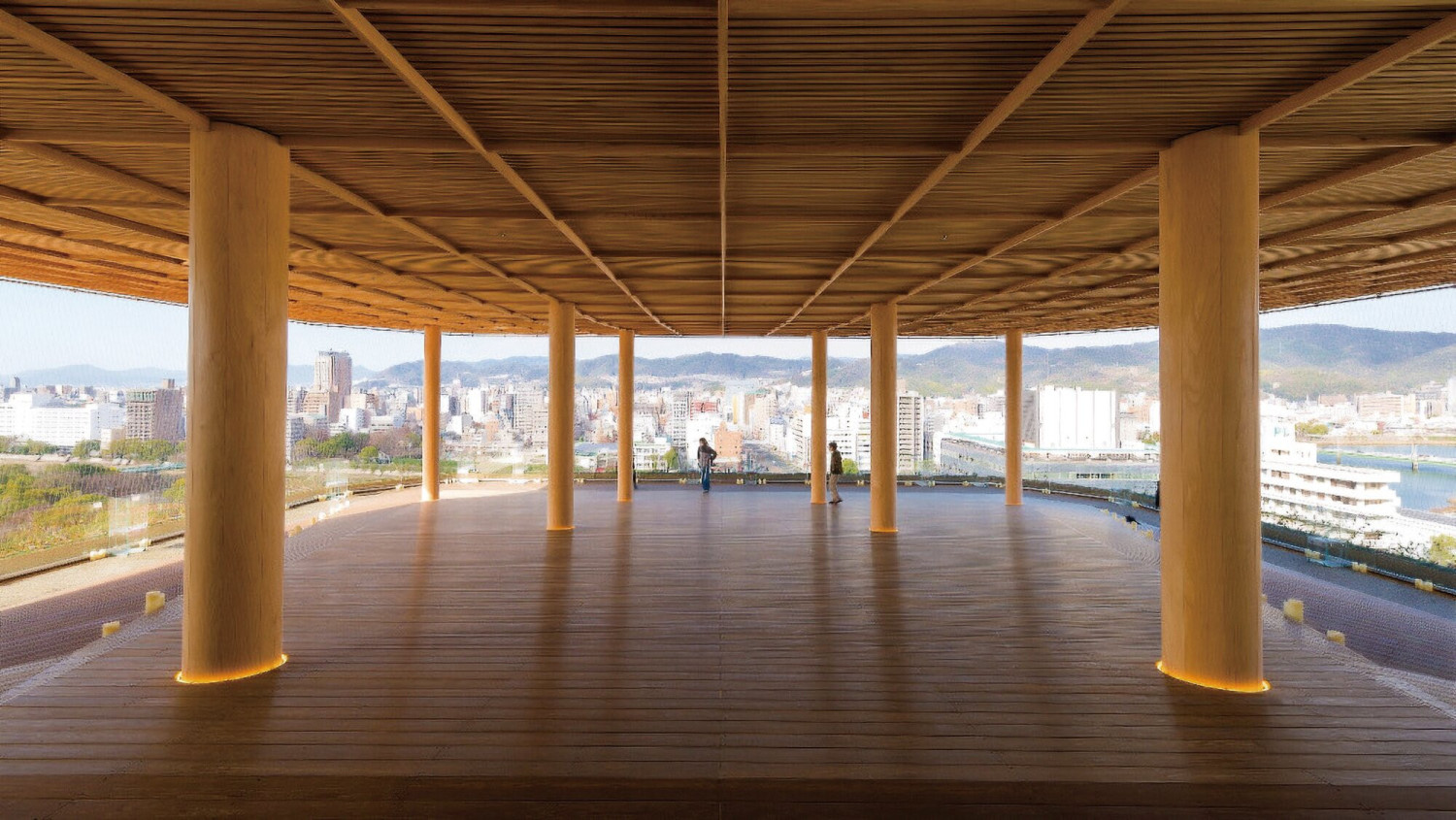
Emerging in 2016 from an overhaul of a 1978 office building, this tower is the work of Hiroshi Sambuichi, an architect involved in various projects around the Seto Inland Sea. The tower’s highlight is Hiroshima Hills, a wooden open-air observation deck surrounded by a wire mesh that lets in the breeze. The Atomic Bomb Dome and Peace Memorial Park are easily visible, and on clear days, the view extends as far as Miyajima Island. On the 12th floor, visitors can drop origami cranes between the glass panels of Orizuru Wall, building a shared monument symbolizing humanity’s desire for peace.
- Written by Ezawa Kaori
- Ezawa Kaori is a freelance writer working across magazines, books and digital media, focusing on travel, food and crafts. Broadly covering local food cultures, regional cuisine, folk art and craftsmanship, she shares the stories of producers and artisans she meets along the way.
- Korean Air will operate direct flights between Incheon and Hiroshima 7 times a week starting December 23.