PAK SERI, Striving for Excellence
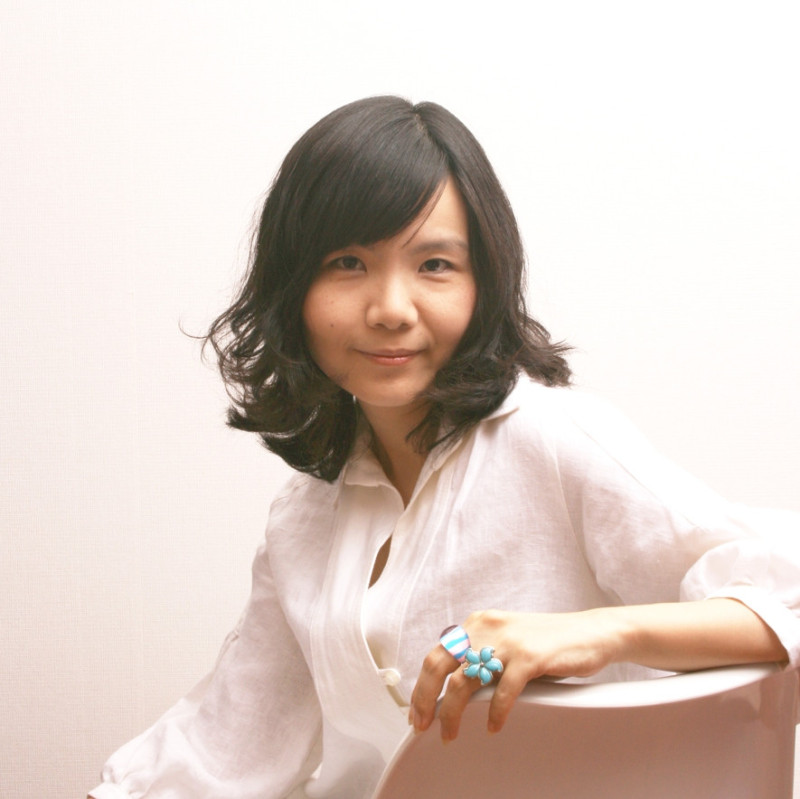
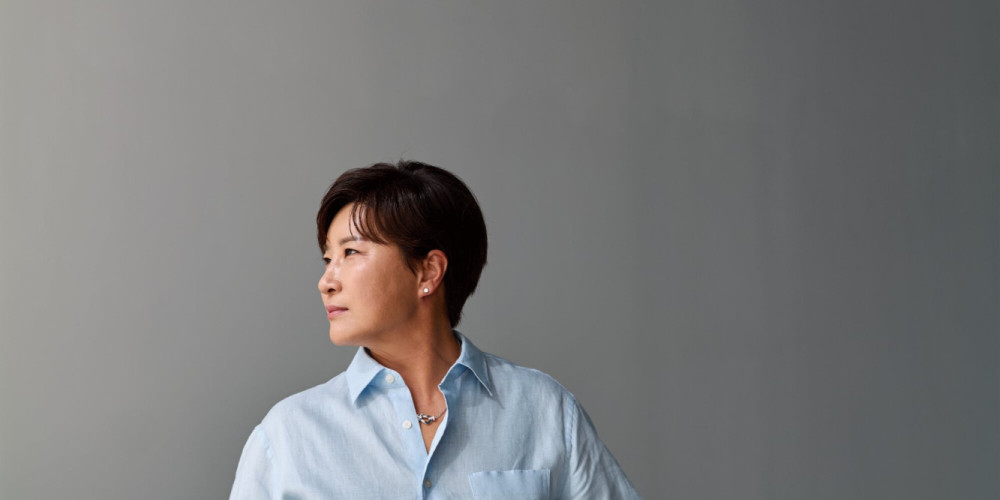
Pioneers have no existing roadmap to guide them to success; they have to forge their own path. And that’s exactly what golfer Pak Seri has done. In 1998, at just 20, she won the U.S. Women’s Open title and later became the first Korean inducted into the World Golf Hall of Fame. She defined an era, inspiring a generation “Seri Kids,” and yet she has never once referred to herself as the best. The moment you believe you have reached the top, she contends, is the moment you stop growing. Now transitioning from athlete to coach, entrepreneur and mentor shaping the next generation of golfers, we met Pak as she continues to evolve.
Q. Looking back on your professional journey, there must have been many forks along the road. What was the one decision that most profoundly transformed your career?
I loved sports as a child. I started in track and field, but my father introduced me to golf. It was an individual sport, so I didn’t find it fun at first. But one day, after watching a tournament in person, I felt the sudden urge to give golf a try. So I began to take it seriously during middle school and achieved results quickly. However, the deep commitment and determination to take this path came later. When my family was facing financial difficulties, I developed a fierce sense of determination. I felt like, “I must succeed and show everyone what I can do.” It wasn’t the easiest of circumstances, but my family’s financial situation became the single greatest motivation for me to completely commit myself to golf.
Q. Your “barefoot shot” at the 1998 U.S. Women’s Open was an iconic moment. What are your memories of that day?
Including the preparation period, it was my second victory in my first year on the U.S. LPGA Tour. And it was a major tournament. Capturing my first title at a competition every golfer dreams of winning, my first thought was that I’d made the right choice. It gave me the firm conviction that believing in myself had brought me to this point. That didn’t mean I thought I possessed some sort of extraordinary talent, though. I just had a strong feeling that this was only the beginning.
My parents always told me that humility is the most important virtue. To become a truly great person, you must never be arrogant and must work harder than anyone else. That advice naturally became a part of who I am. Even now, my core belief is to be someone who does her utmost to reach the top.
Q. As an athlete who secured a major title at the age of 20, it must have been difficult to doubt your own talent.
My parents always told me that humility is the most important virtue. To become a truly great person, you must never be arrogant and must work harder than anyone else. That advice naturally became a part of who I am. Even now, my core belief is to be someone who does her utmost to reach the top. I believe the moment you consider yourself the best is the moment you stop growing. Through golf, I’ve learned not just about the game but also about life.
Q. Back then, virtually no Korean golfers had gone to the majors before. What compelled you to make that leap?
I once played in a tournament in Korea where world-class players came to compete. Watching them up close, I realized for the first time that there is an entire world beyond Korea. From that moment, all I wanted was to compete on a global stage. Of course, at a young age, it wasn’t easy. But my goal was crystal clear, so I wasn’t held back by my circumstances. I took on new challenges with the mindset that I would pursue my goals and have no regrets.
Q. Ever since you made your debut, your name has been associated with the word “first.” How daunting was that for you?
Rather than experiencing pressure, I just felt that there was so much I wanted to try. For me, the feeling of anticipation is always greater than the fear of failure. When making a decision, I don’t move hastily. I visualize my goals, make plans and change them as I go. Because I built things up gradually, I was ultimately able to take on new challenges without hesitation.
Q. I understand that even you experienced a long, deep slump.
It happened seven years into my tour career. After my induction into the Hall of Fame, I played at a tournament in Korea and then returned to the U.S. Tour, but at a certain point, I felt like my shots just weren’t the same. At first, I thought I was just exhausted. But missed cuts followed one after another, and practicing more during my time off from the tour didn’t make things any better. That was when the slump truly took hold.
Q. How long did that slump last?
About a year and a half. I had always loved that first tee shot at a tournament more than anything. I was an athlete who absorbed more energy the larger the gallery was. But that moment I treasured most turned into a source of anxiety. I never thought about giving up, but I reached a point where I wondered, “Am I someone who can no longer win?” I spent days practicing relentlessly but that only led to injuries, to the point where even gripping a club became difficult. Words of comfort from those around me sounded hollow. What was hardest was the battle that was raging within me.
Q. Was there a specific catalyst that brought you out of that dark period?
I happened to go crab fishing, and the water was unusually tranquil that day. Sitting with my fishing rod, a thought struck me: “I’m a flawed person.” Looking back, I realized I had been pouring myself into golf to the point where I couldn’t even remember how I had gotten there. It was a case of burnout. I thought I was managing things well, but in truth, I was being too harsh on myself. For the first time, I learned to pat myself on the back and say, “You’ve done well enough.” It’s okay to be a little better today than yesterday, and then a little better tomorrow. I slowly recovered with that mindset, and I was able to get back on my feet, winning a tournament title.
Q. Deciding to step down on your own terms is just as difficult as choosing to blaze a new trail. You set your own retirement timeline; how did you arrive at that decision?
People often say “you should quit while you’re ahead.” I view that saying a bit differently: you must know how to quit when you feel proud of yourself, not when other people feel proud of you. No one wants to step down when they’re at the top. But I feel like the higher you stand, the more essential it is to have the wisdom to let go without lingering feelings of regret or attachment. This is why I decided to retire and gradually began wrapping up three years in advance, rather than announcing “I’m retiring” suddenly. Those years allowed me to step away from being an athlete obsessed purely with winning and to appreciate the deeper meanings golf holds. It also gave me the space, away from scores, to express my gratitude to fans. The day of my retirement ceremony was bittersweet, but I never thought about delaying it. I considered my 40s and beyond to be a time when I was permitted to live yet another version of my life.
People often say “you should quit while you’re ahead.”
I view that saying a bit differently: you must know how to quit when you feel proud of yourself, not when other people feel proud of you.
Q. After retiring, you found yourself on the unfamiliar stage of television broadcasting.
When I was younger, I was conventional and knew only sports. So when the first offer came, I wondered, “How could I be on TV?” It started in 2016 when women’s golf was declared an official Olympic sport again for the first time in 112 years and I was appointed head coach. I appeared on the show Master in the House as part of promotions. Offers kept pouring in afterwards, but for a while, I couldn’t commit to new media appearances. Then at a certain point, I realized that lots of people remembered me only as an intense, formidable competitor on the golf course. I thought being on TV might give me an opportunity to reveal my authentic self, so I began appearing on observational reality shows like I Live Alone and Omniscient Interfering View. I couldn’t fake a personality I didn’t have, so I just showed myself, unvarnished. I was so grateful that people appreciated that honesty.
Q. So many younger players took up golf after watching you that the term “Seri Kids” was coined. How do you view the environment in which today’s players are growing up?
Every time I hear that younger players began golfing because of me, my heart fills with gratitude. Yet at the same time, I am also worried. While today’s sports data and information are vastly superior, I feel the actual environment where golfers can practice to their heart’s content has become less welcoming. As golf has become more popular and commercialized, everything is now business-focused, and the environment for practice and obtaining support isn’t what it used to be. The fact that Korean golfers are still achieving success under these conditions is amazing but simultaneously bittersweet.
Q. What is the advice you offer most frequently to parents of younger athletes?
I always tell them the same thing: the moment a parent’s greed enters the equation, the child’s dream vanishes. Above all, children must find joy in sports. Only when there is fun does ambition blossom, making kids want to try harder on their own. When I was young, a huge source of strength was the trust and patience my parents had in me when I was making important choices. I hope parents won’t be too anxious about immediate success. Every child’s growth trajectory is different, so trusting and watching over them is the greatest form of encouragement.
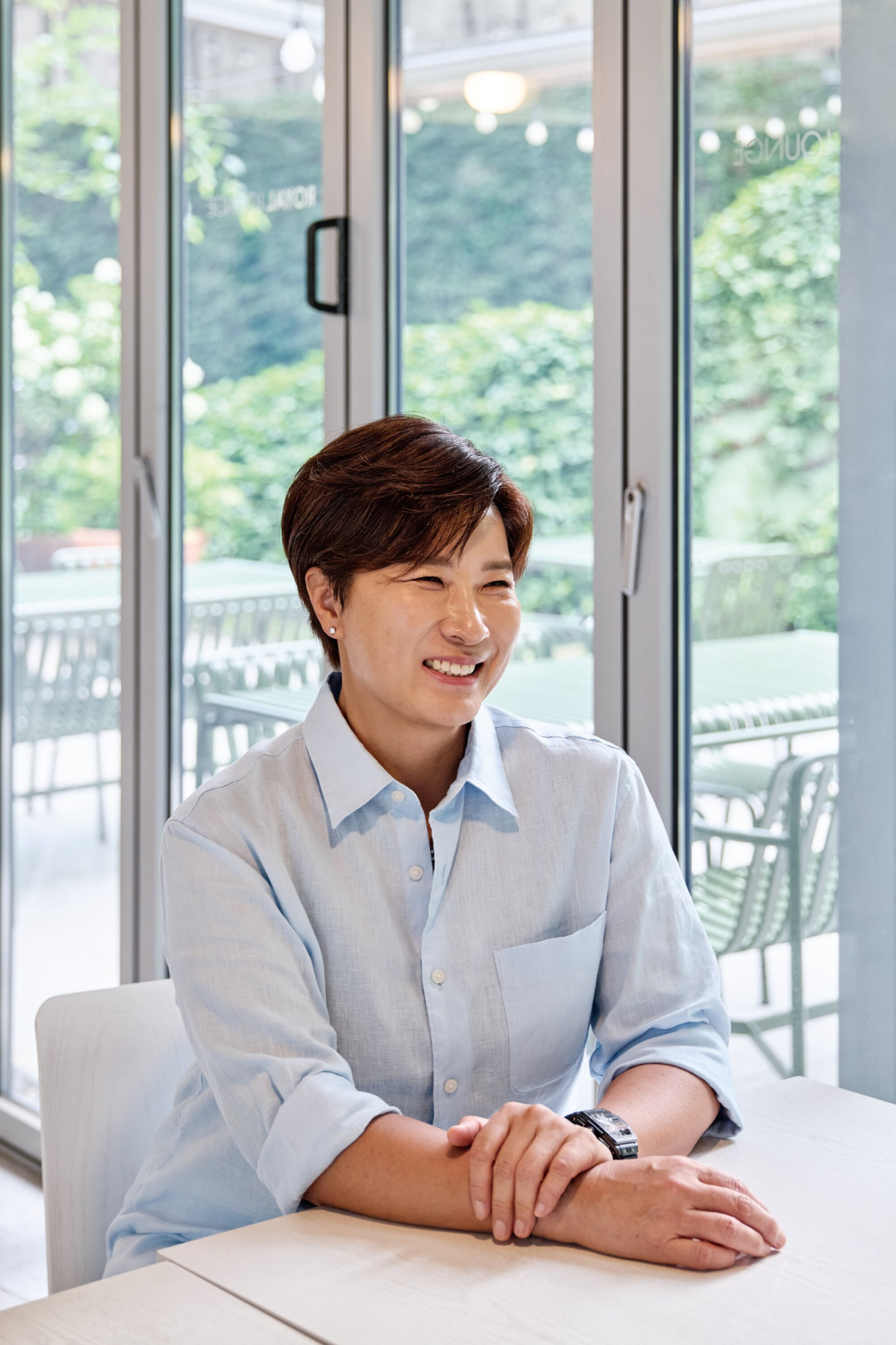
Only when you admire them do you become curious about why they are good, and only then does the desire to learn awaken.
Q. You spent decades in a world of fierce competition. To you, what constitutes “good competition”? Does it carry meaning beyond simply winning?
I believe it is the capacity to feel genuine admiration. The moment you look at a better player and think, “She was just lucky,” you can no longer grow. Only when you admire them do you become curious about why they are good, and only then does the desire to learn awaken. In the end, the person who constantly believes she is lacking is the one who continues to improve, and such a person eventually reaches the highest echelons of a sport. The moment you think you have it all, you stop growing. Many people say humility is difficult, but for me, it’s actually the most comfortable of feelings. Living with that mindset allowed me to compete competitively as well.
Q. Moving forward, what do you want to be associated with your name?
The most important thing is ultivating talent that will lead our nation forward. People call me a “first-generation legend,” but I want that glory to continue through the subsequent generations. Records exist to be broken, so I hope young golfers will continue to surpass mine to set even more astounding ones. Through my foundation, I support junior golfers in the U.S., Korea and across Asia. I look forward to the moment when those players achieve their dreams and we meet again. My broader ambition is to discover talent in many different fields. Of course, I can’t do that alone. My hope is that people who share my dream will work with me to create a cycle of discovering and nurturing extraordinary talent.
- Interview by Han Milim
- Photography by Chun Eun
- Place by ROYAL&CO. HOUSE