Beyond the Glow, Jean-Michel Othoniel
Jean-Michel Othoniel is best known for his shimmering sculptures made of glittering glass beads. But his artistic vision is expanding beyond individual pieces to encompass gardens, public squares and even entire cityscapes. From the entrance of a Paris Metro station to the gardens of the Palace of Versailles, the streets of Avignon and even Busan this year, Othoniel teases out the memories and stories embedded in each place, translating them into new experiences.
The Poetics of Places
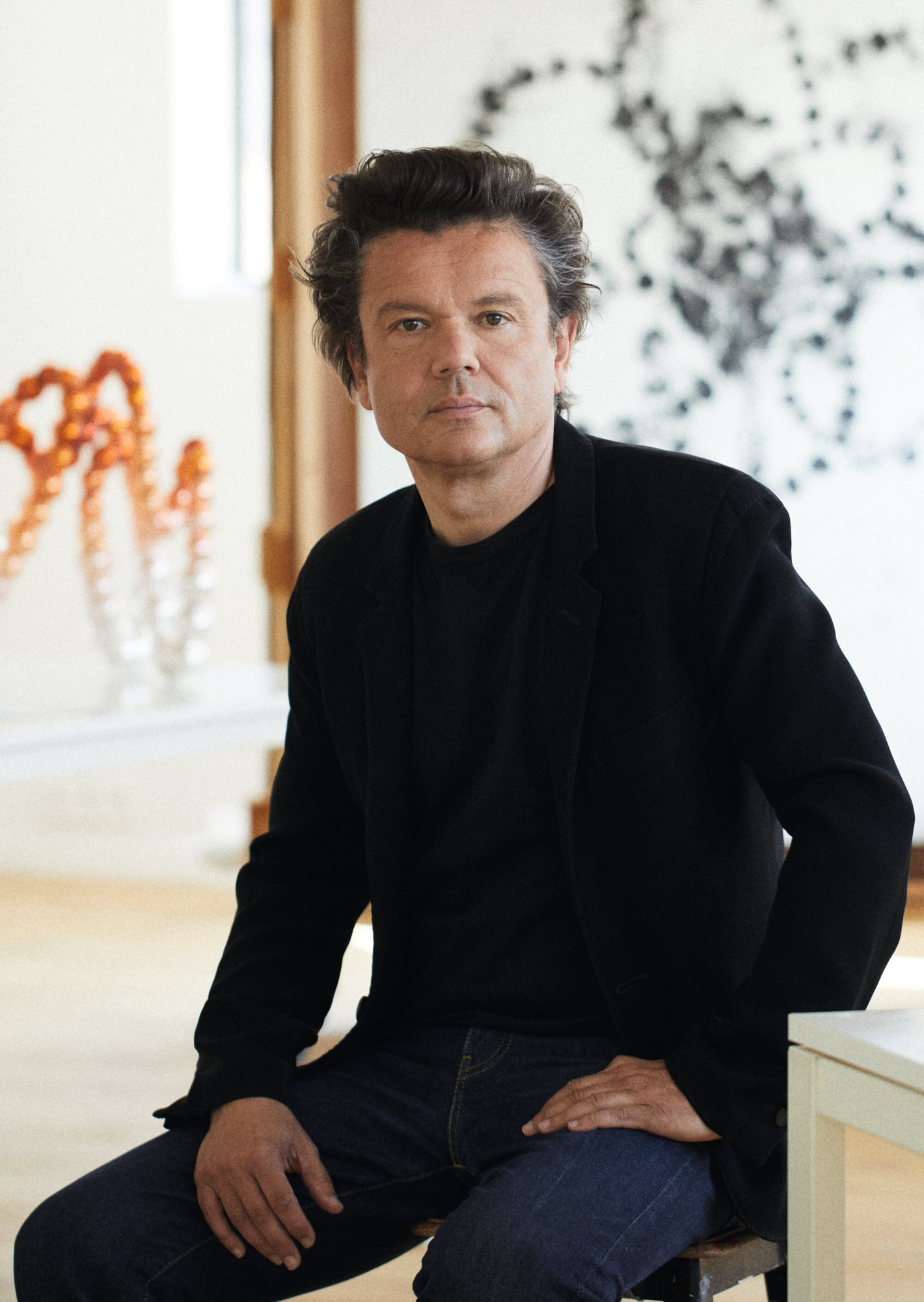
In contemporary art, describing something as “beautiful” may be the most reflexive compliment — and the most complex. For decades, contemporary art has prioritized concepts, critique and social consciousness while holding beauty and ornamentation at arm’s length. But for Jean-Michel Othoniel, the concept of beauty is the most powerful idea guiding his creative process. Rather than considering beauty to be the opposite of critical thought, the artist embraces it as a gateway to the labyrinth of emotions and memories that define the human experience.
Othoniel has become known for his monumental installations composed of countless interconnected glass beads. Combining minimalist forms with exquisite craftsmanship and a multidisciplinary methodology, his work breaks down the boundaries between fine art and craft, as well as between sculpture and architecture. For decades, the artist has explored glass’s contradictory qualities — its beauty and fragility, its permanence and transience — making the material a touchstone for understanding his artistic vision.
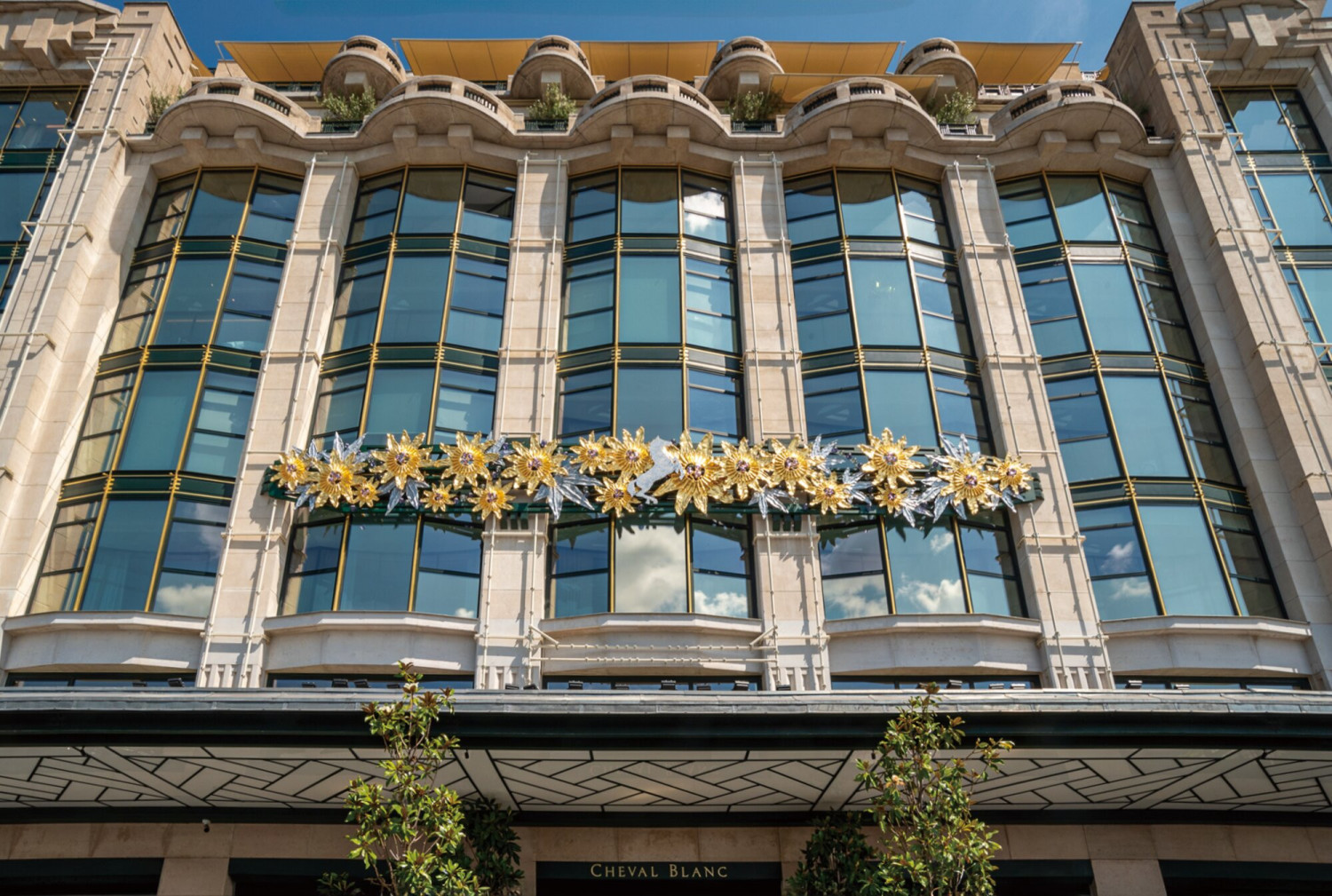
Yet Othoniel’s work extends far beyond the creation of beautiful objects. From the gardens of the Palace of Versailles and the Louvre Museum to a Paris Metro station entrance and ancient urban spaces, his installations engage with the historic legacy of each site. Intriguingly, the smooth surfaces of his glass beads mirror their surroundings, fragmenting and multiplying elements of the world around them and reassembling this world into unfamiliar images. For Othoniel, a place is never just a backdrop for displaying art but an active presence — one that reflects and is reflected by his artwork, creating an entirely new landscape.
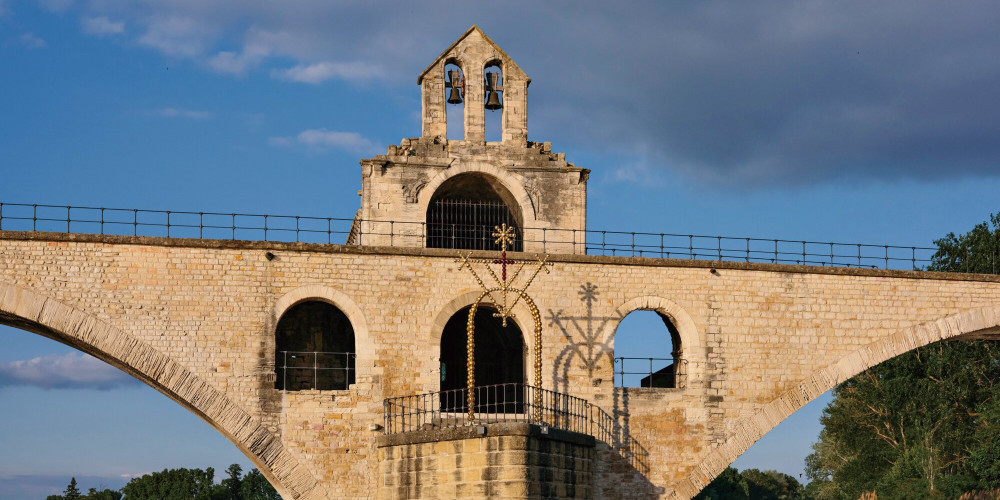
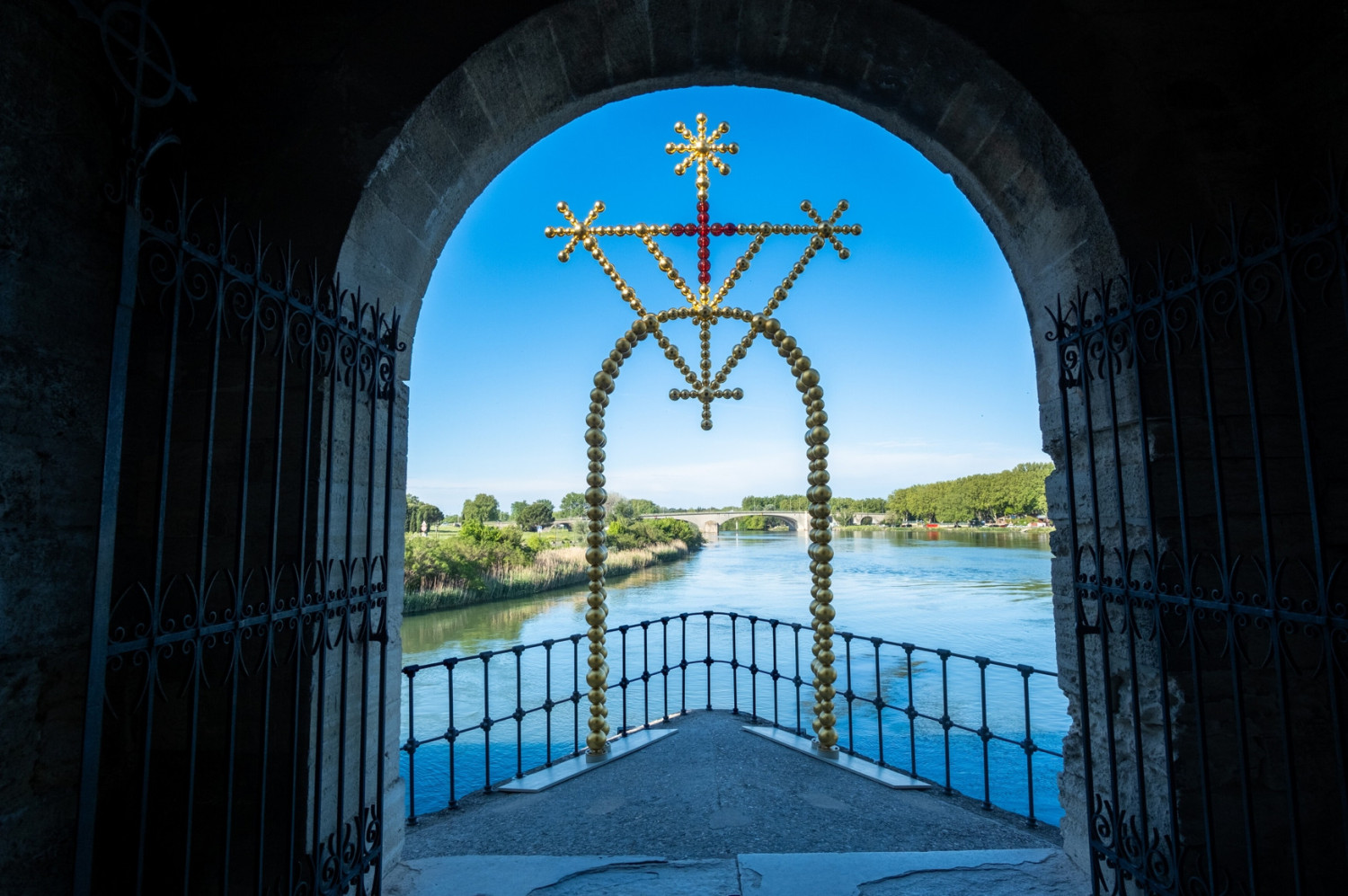
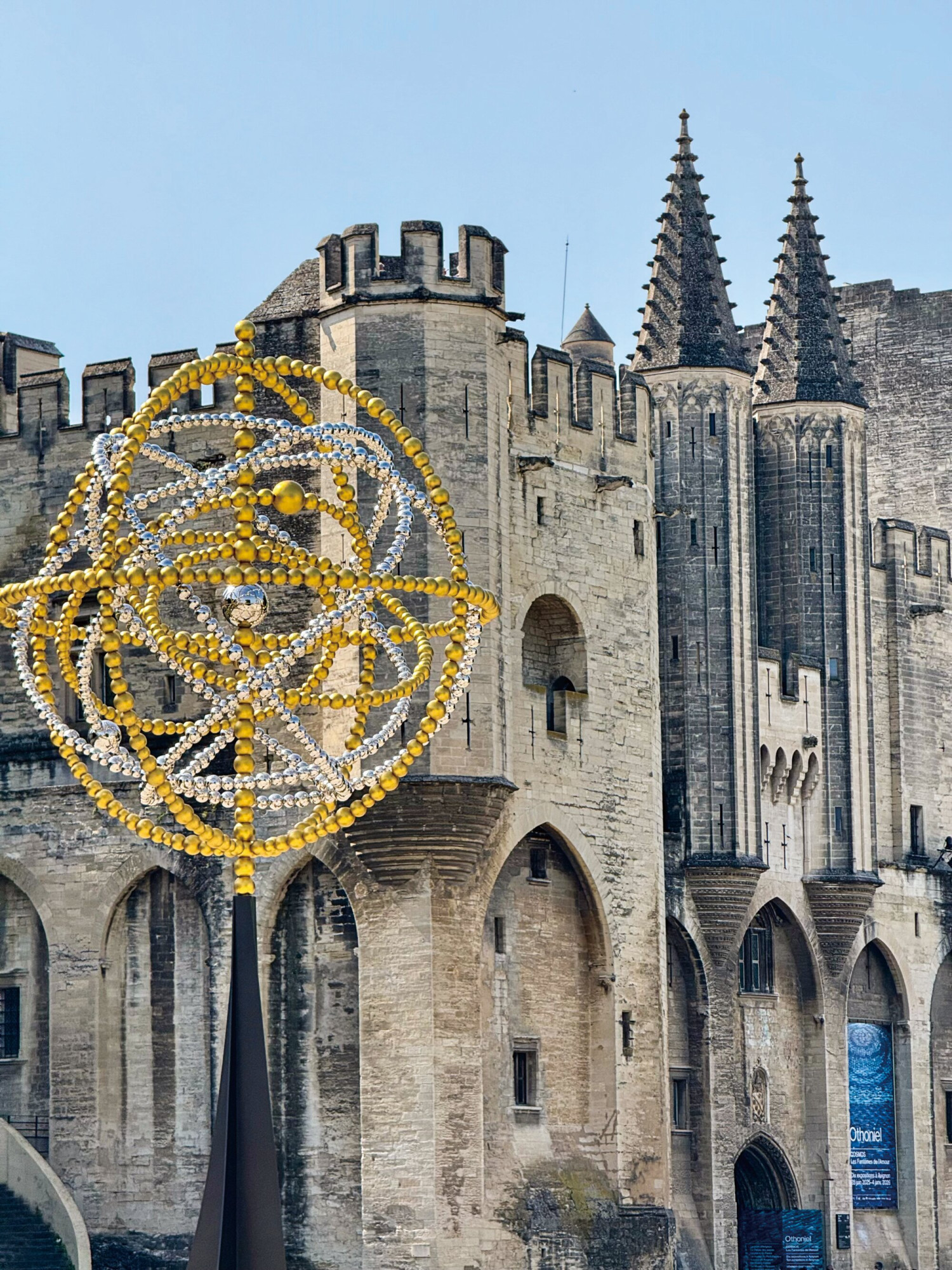
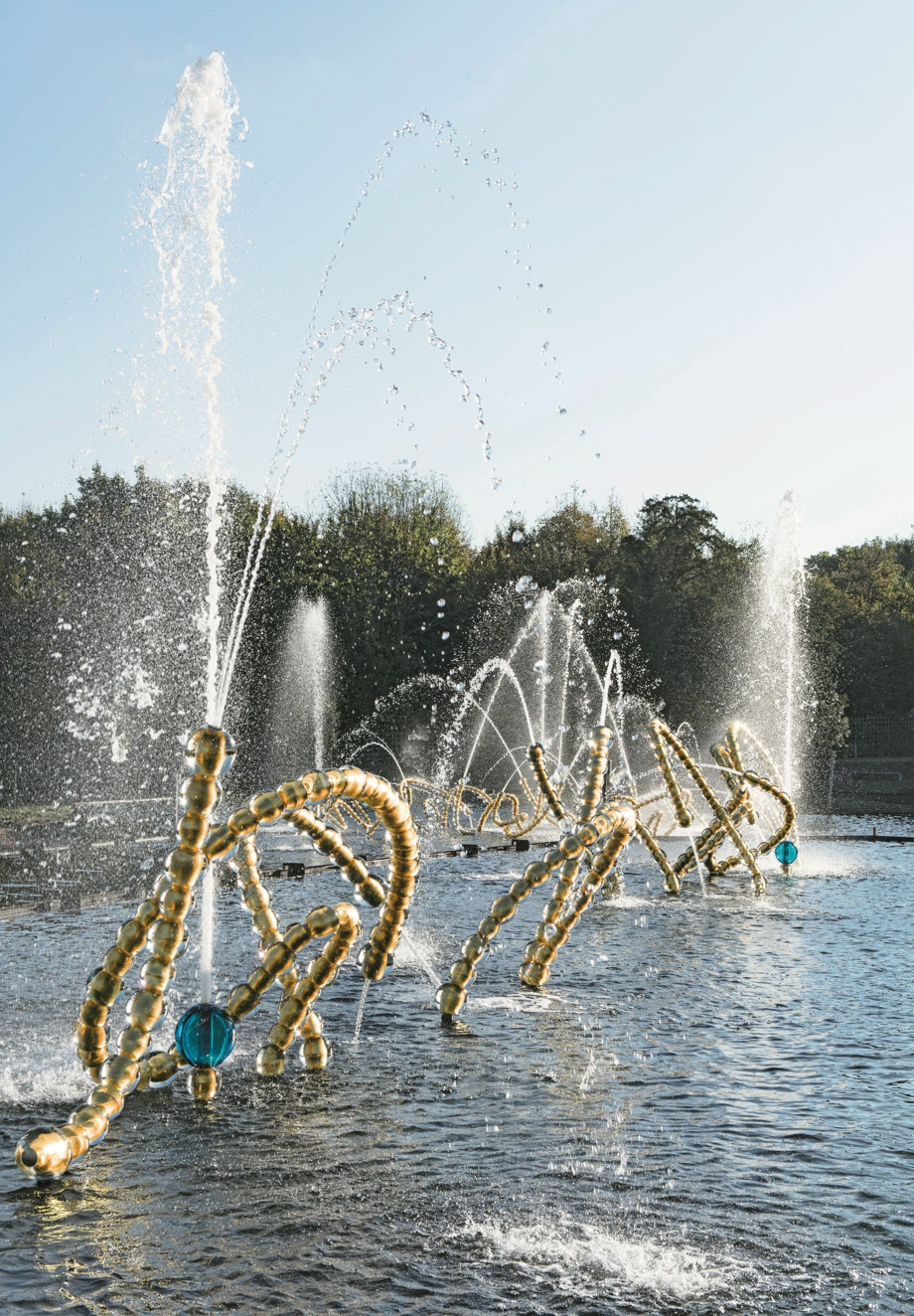
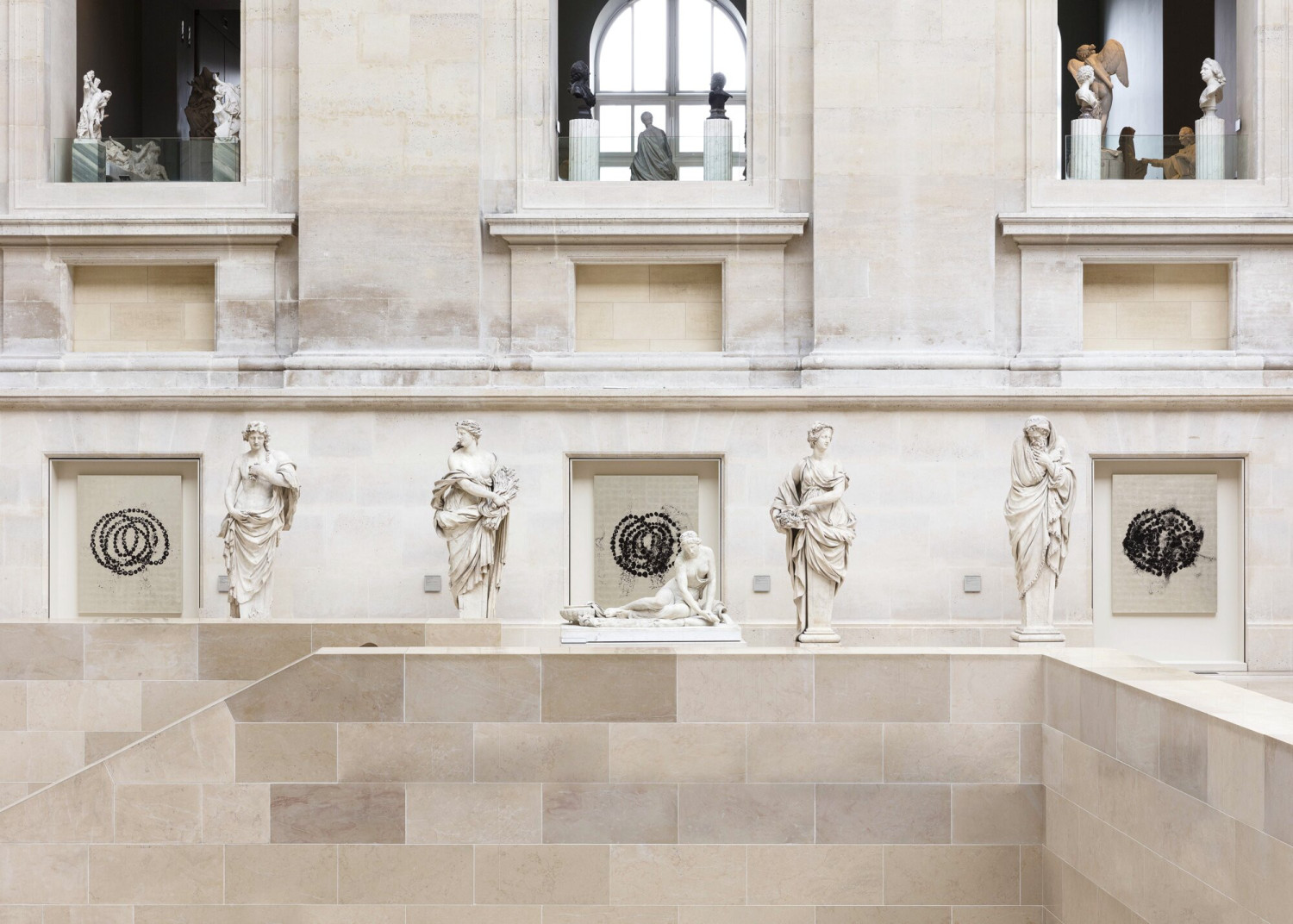
This approach was first witnessed in 2000 with Le Kiosque des Noctambules at the entrance to the Palais Royal–Musée du Louvre station on the Paris Metro. Othoniel further refined it with Les Belles Danses in the gardens of the Palace of Versailles and La Rose du Louvre at the Louvre Museum before expanding its scale in 2025 with OTHONIEL COSMOS or the Ghosts of Love, an exhibition that turned the whole city of Avignon into a canvas. In Korea, Othoniel has regularly exhibited with Kukje Gallery, but it was his 2022 solo show Jean-Michel Othoniel: Treasure Gardens at the Seoul Museum of Art that introduced his work to a broader Korean audience.
After more than three decades of artistic exploration, the next step that Othoniel envisions is not another grand landmark but rather what he calls an “intimate monument.” He is speaking of the liminal spaces between sculpture and architecture that invite visitors not simply to look at the work but to step inside it for a fully immersive experience. Resisting demands for ever bigger spectacles, Othoniel instead takes a fresh look at monumentality through the lens of intimacy. Perhaps what he has been pursuing for 30 years is not beauty per se but how beauty becomes a place — and how that place, in turn, becomes part of our memory.
Interview
A Poem for the City
Today, cities seem increasingly drawn to larger and more spectacular landmarks. Yet your pieces feel more poetic and intimate than monumental. What, for you, makes a great work of art?
Today, public artworks often seem intent on asserting themselves, establishing a relationship of confrontation with the architecture of the city. This approach frequently results in works that rely on monumentality. Yet I do not believe that the greatness of a work lies in its size or in its ability to dominate its surroundings. Rather, it lies in its sense of rightness — in the way it responds to an urban landscape, to the ways people inhabit and use it and to the unique poetics of a place.
For this reason, a work may be discreet or monumental; it makes little difference. What matters is that it creates a tension, a resonance between the place and those who move through it. In public space, the audience is not the one that visits museums or galleries. It is made up of ordinary people: local residents, passersby, children — those who experience the place as part of their everyday lives.
More than ever, I believe that art in general, and public art in particular, is fundamentally an act of listening. One must learn to listen to the vibrations of a place: its history, the ways it is lived in and used, the people who inhabit it. From this attentive listening grows a genuine intimacy with the place, with its daily life and with its community. It is this intimacy that allows people to make the work their own, inspiring a desire to live with it, day after day.
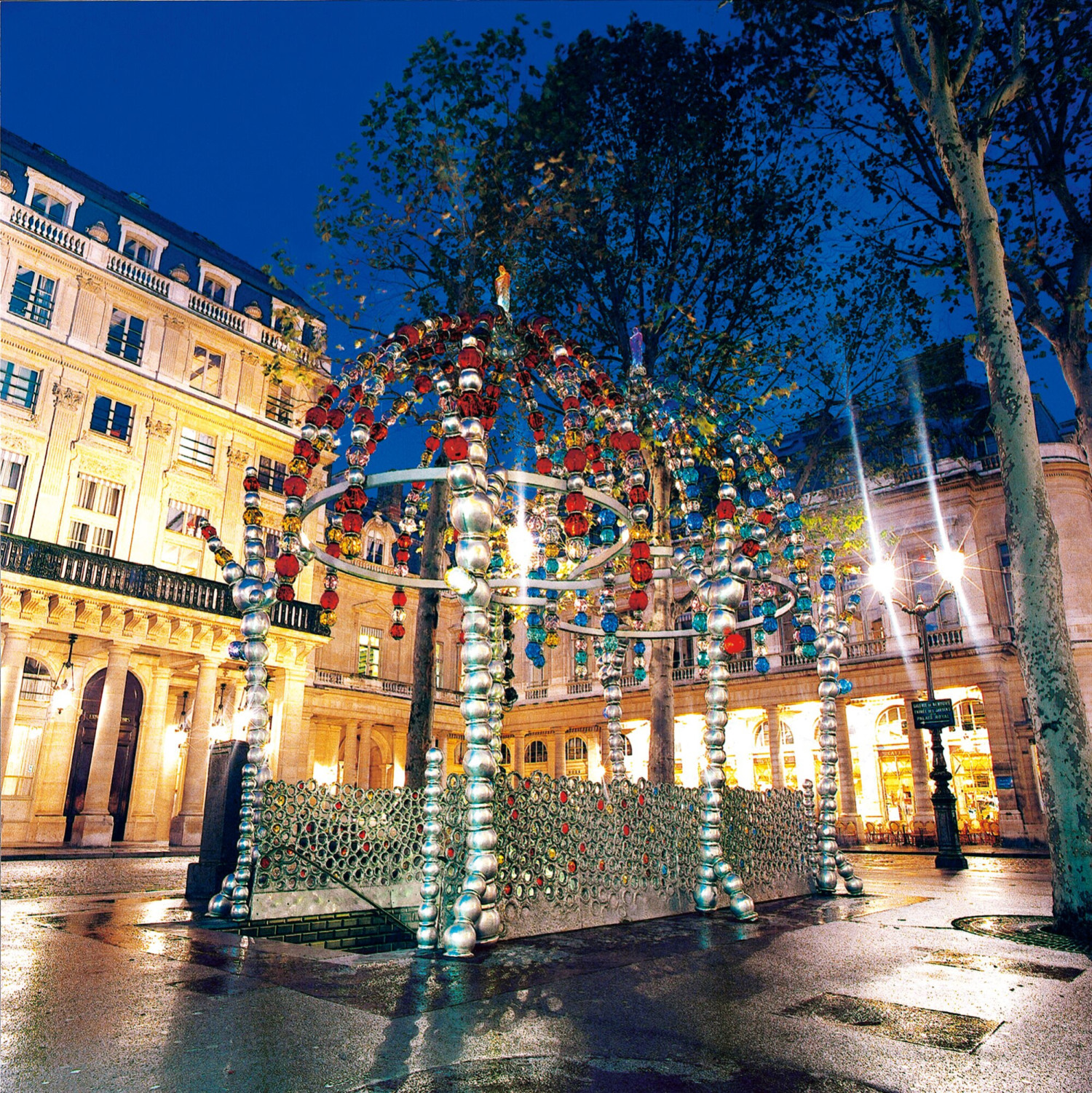
Your interest in place began with Le Kiosque des Noctambules (2000), evolved through Les Belles Danses (2015), and expanded with OTHONIEL COSMOS or the Ghosts of Love (2025), a project that engaged an entire city. Looking back, do you see sculpture primarily as an object or as a means of transforming the way people experience a place?
Sculpture is neither an object nor a form of entertainment. Above all, it is a work of art, carrying with it a sense of mystery and uniqueness. A work of art has a life of its own. It is a source of energy to which we return time and again. It should be revisited at different stages of our lives, as each encounter reveals something new. As our perspective evolves, so does the way we experience the artwork. Sculpture should challenge us, resonate with our personal experience and open new paths for reflection. Perhaps this is one of the essential qualities of a great work of art: its ability to withstand the passage of time by continuing to surprise us, move us and provoke new questions throughout our lives.
The Power of Beauty
Glass appears timeless, yet it is also remarkably fragile. How does this material connect the concepts of time and memory?
I believe that glass is a symbol of both time and memory. It embodies memory because it is a material with a memory of its own, capable of bringing back the marks imprinted upon it at the very beginning of the creative process. When glass is wounded, it retains the trace — a scar that inevitably reappears. There is nothing the glassmaker can do to erase it.
Glass is also a symbol of time — of something that must be cherished and protected. Its apparent fragility calls for our care, so that a work may endure through years and centuries without losing its integrity. Yet glass is also an extraordinarily enduring material. As long as it is not broken, it can survive for millennia. That is why I love working with it: it embodies time and memory, while also reminding us of the fragility that we have a responsibility to preserve.
We live in a time marked by war and conflict, climate crisis, polarization and social division. What is the role of beauty in such a world?
Primordial beauty is a mark of survival. It is the place where our deepest and final emotions reside. It is something we must protect because it awakens wonder. And wonder is stronger than anything — even stronger than war. This year in Venice, I was deeply moved by the Ukrainian Pavilion for this very reason. The question asked of all the artists was: despite war, despite violence, where do you still find hope and beauty? The answers were profoundly moving. Beauty can also bring us to tears — the tears of respect, of admiration and of profound human connection.
Toward the Next Landscape
In August, you will present a major exhibition in Busan. Are there any new works or ideas that you have conceived specifically for the Busan exhibition?
I recently discovered Busan and was immediately captivated by its energy, by its openness to the sea. That feeling inspired me to conceive this exhibition as an odyssey, a journey, a labyrinth.
In The Labyrinth of Love, the exhibition’s title, is almost like a work of fiction. It is also a tribute to the city that has given birth to so many filmmakers. I invite visitors to enter the exhibition, lose themselves within it, wander from one gallery to the next and discover a wealth of new works along the way.
The journey culminates in the final gallery, which features a series I have titled Wall Figure — a collection of self-portraits that seem to gaze back at us, accompanying us on this journey.
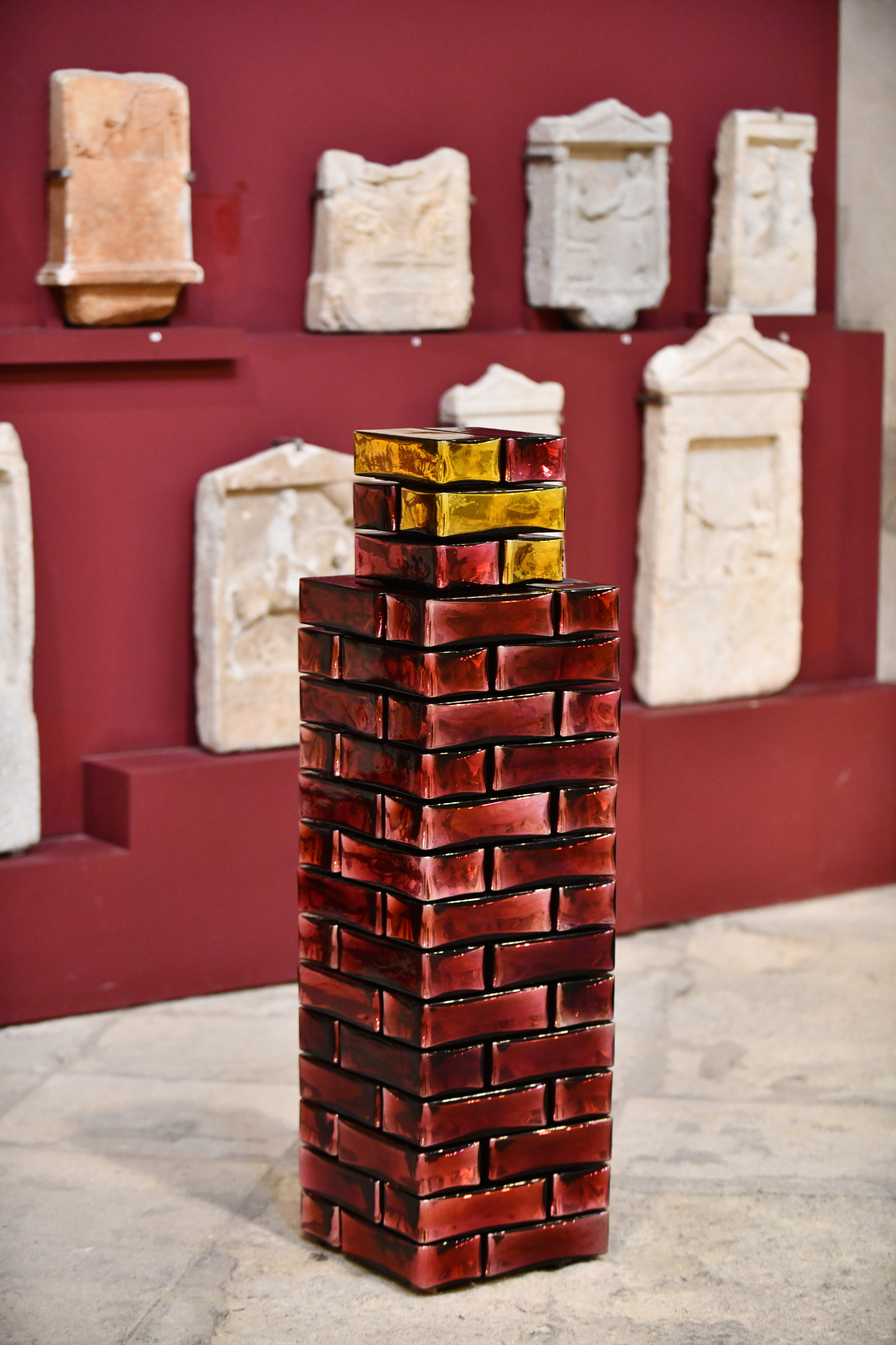
What would you still like to explore in the future? And if you could leave just one work of art in a single place anywhere in the world, where would you choose — and why?
Today, I am increasingly drawn to creating works that become spaces visitors can enter — places where they can experience a complete emotional immersion, surrounded by the artwork, held within it as if inside a matrix. These are the kind of intimate monuments I would like to create from the ground up, somewhere between sculpture and architecture. I believe Asia would be the ideal place for this type of work. The ideas of the sanctuary and the pilgrimage are deeply rooted in many Asian cultures, making it a particularly meaningful context for such projects. As for which country, I do not yet know. I have never enjoyed dreaming in the abstract; I prefer to make my dreams a reality.
Where to Experience the Art of Jean-Michel Othoniel
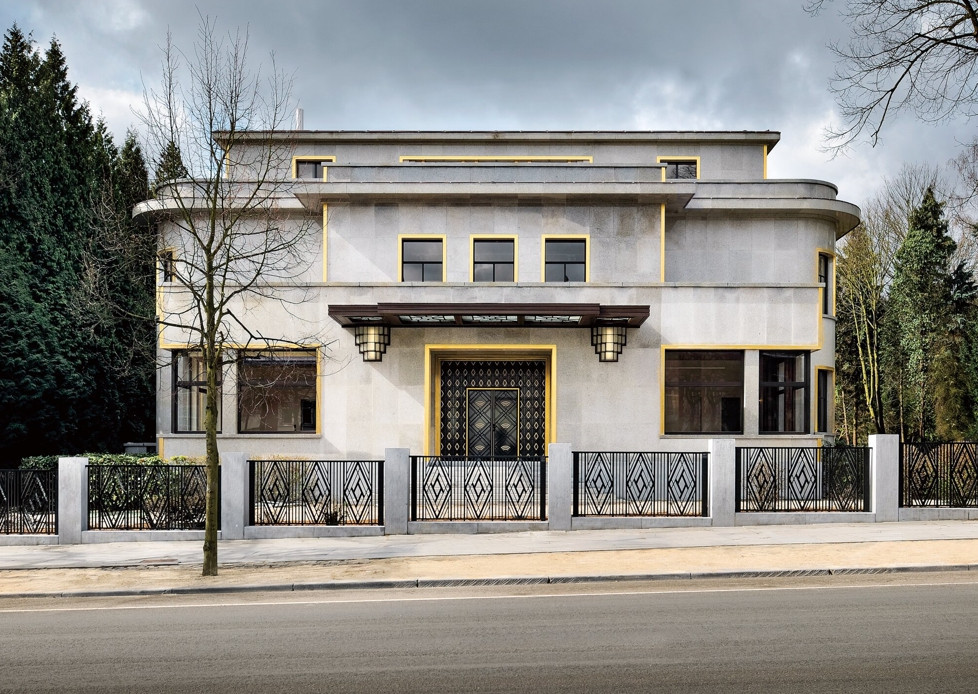
Villa Empain
Jean-Michel Othoniel: Diary of Happiness
April 10 – October 4, 2026
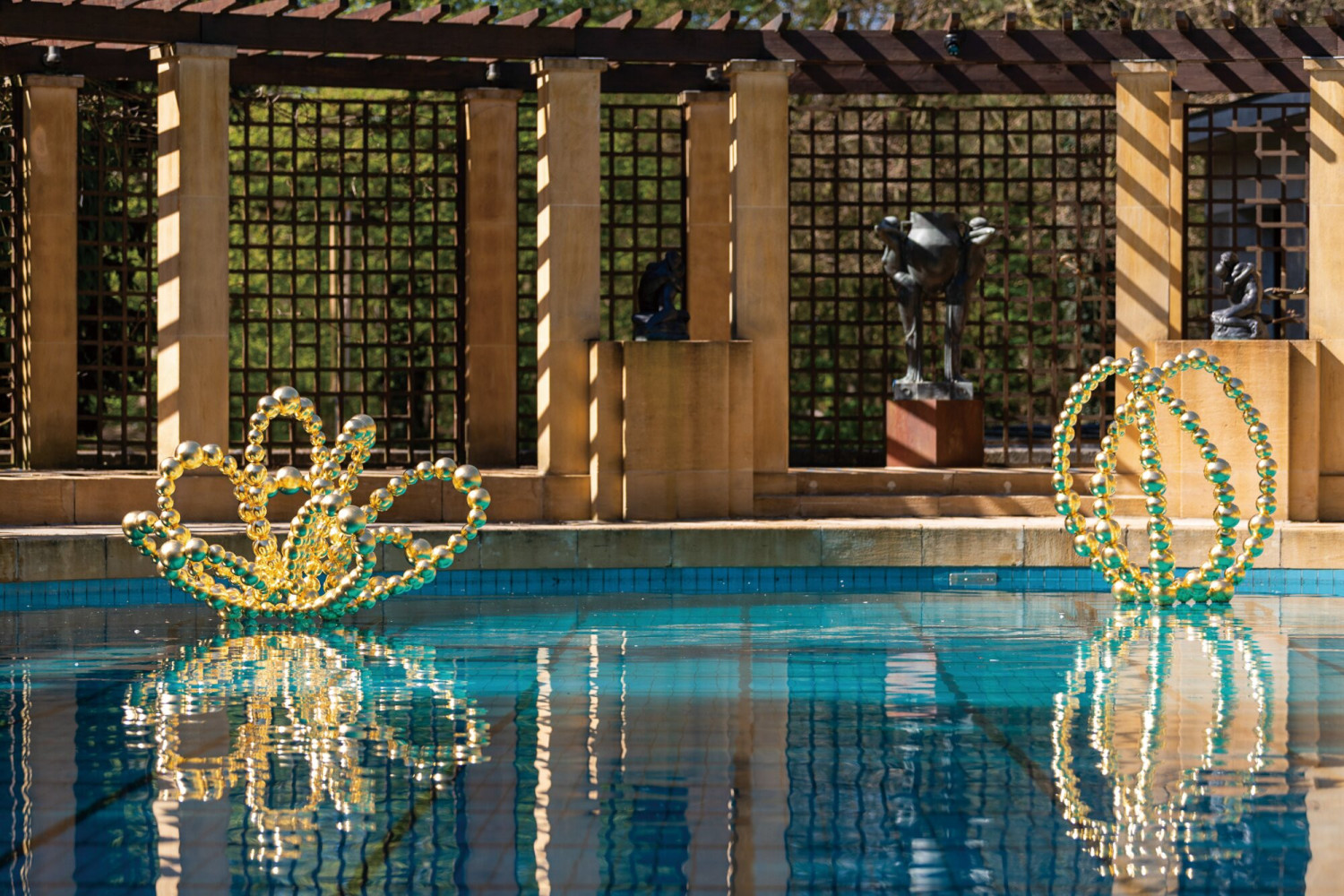
Villa Empain, one of Brussels’ most iconic Art Deco landmarks, is home to the Boghossian Foundation, a cultural institution dedicated to fostering dialogue between Eastern and Western cultures. Diary of Happiness, Jean-Michel Othoniel’s first major solo exhibition in Brussels, traces the artist’s creative journey through more than 100 works of art inspired by three decades of travel around the world. Monumental sculptures and installations unfold throughout the villa and its gardens alongside 100 watercolor pieces on paper, revealing how travel, encounters, place and memory have shaped Othoniel’s artistic vision.
- villaempain.com
- Korean Air operates direct flights between Incheon and Amsterdam 4 times a week. From Amsterdam, Brussels is approximately a two-hour train ride away.
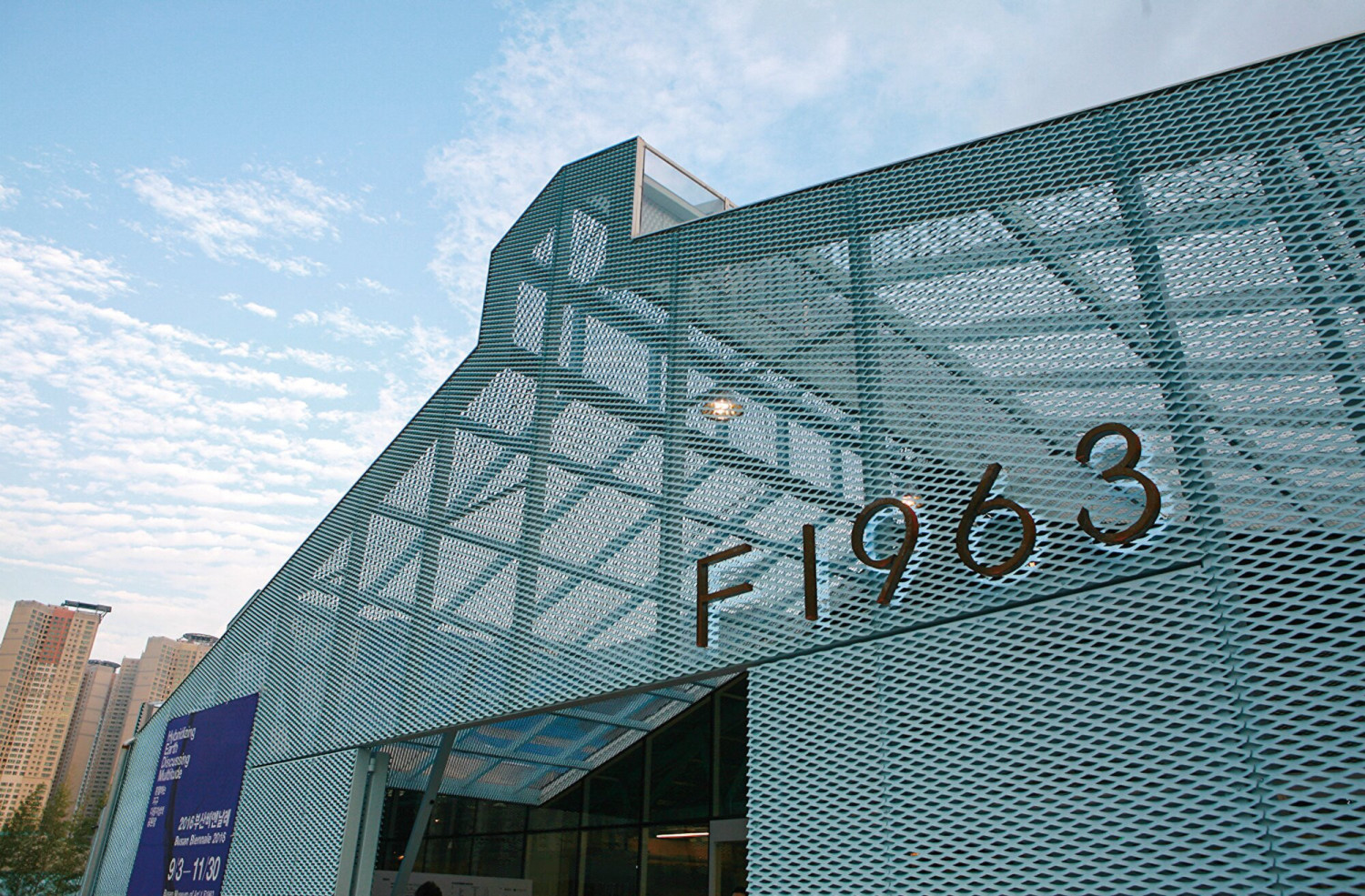
F1963
Othoniel / In the Labyrinth of Love
August 28 – December 31, 2026
Originally established in 1963 as a wire factory for Kiswire, the building has been transformed into F1963, one of Busan’s leading cultural complexes that preserves traces of its industrial past. The venue hosts Jean-Michel Othoniel’s first solo exhibition in Busan, Othoniel / In the Labyrinth of Love, presenting more than 100 major pieces created over the past two years and tracing the expansion of his artistic vision from love to nature and the cosmos. The distinctive character of F1963, a place that embraces the marks of its history, resonates with Othoniel’s exploration of wounds, memory and healing.
- F1963.org
- 글. 최진이
- 사진. 작가 및 국제갤러리 제공