CHANG-DONG, Seoul's Northern Granary
From an ancient granary to a semi-industrial zone and now a living cultural archive, the neighborhood of Chang-dong is transforming into a place that cultivates and preserves the future.
The chang (倉) in Chang-dong translates to “storehouse” or “granary.” Once home to the storage facilities that held royal grains during the Joseon Dynasty (1392 – 1910), this neighborhood has long been a place dedicated to safekeeping resources. Dating back to the Neolithic era, the land that once sheltered grain today holds images, data and precious moments of human life. Here, a chapter of Seoul that has yet to be fully explored lies quietly in reserve, waiting to be uncovered.
Pondering the Future
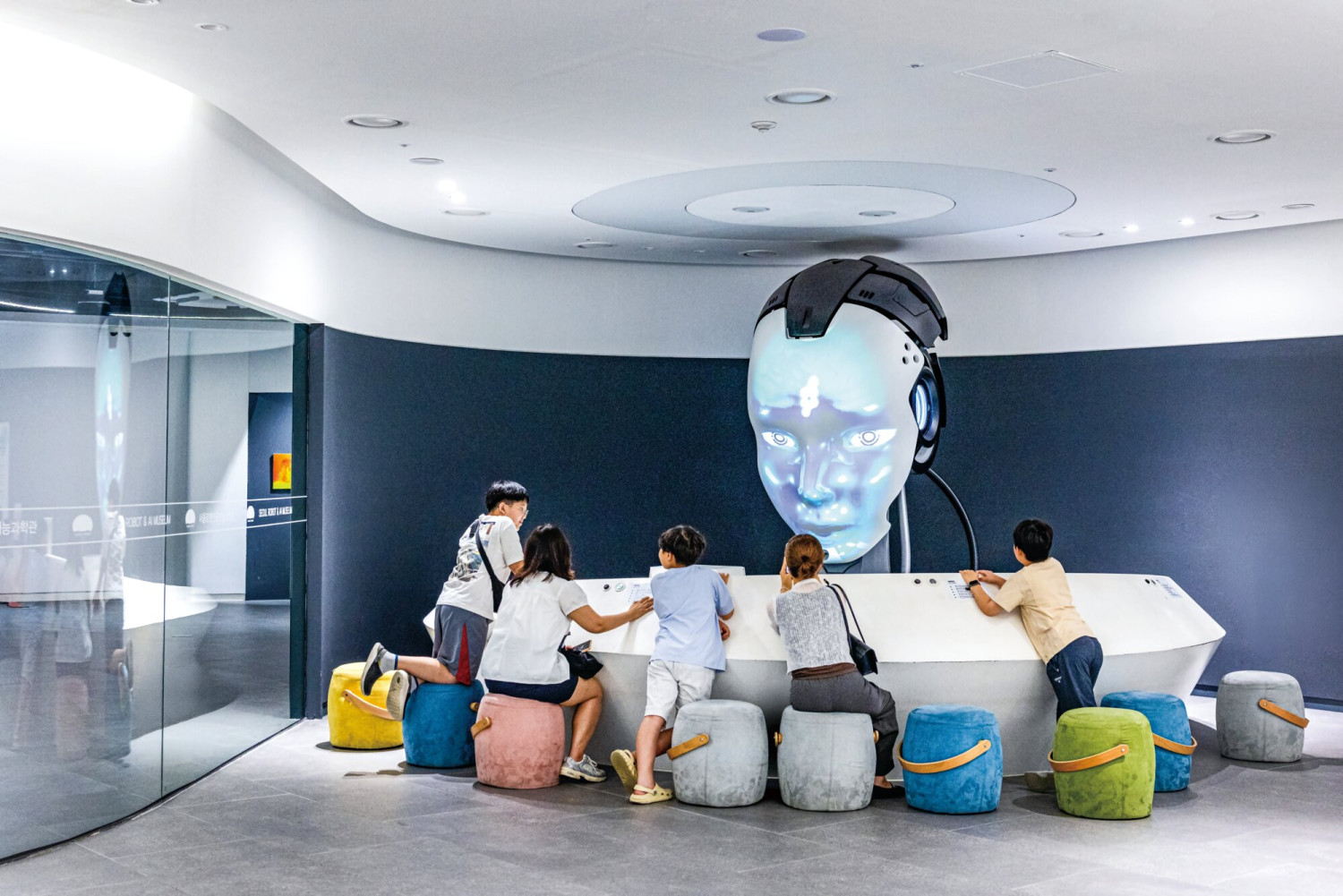
A neighborhood that was once full of places to store grain is now serving as a repository for the future. Set between office buildings and apartment complexes, the dome-shaped Seoul Robot & AI Museum (Seoul RAIM) symbolizes Changdong’s transformation in the modern age. Through a variety of hands-on programs centered on a future in which humans, autonomous technology and artificial intelligence coexist, visitors can engage directly with emerging innovations rarely encountered in daily life. Inside, children can interact with robots, while adults stand mesmerized before cutting-edge inventions — from robotic dogs and ALICE, the humanoid runner-up at a robot soccer championship, to the da Vinci surgical assistants used in actual medical settings and even an automated mechanism that plays singing bowls. Chang-dong is developing into a neighborhood for future technologies
as well as satisfying the curiosity of the people who will
experience that future.
Hub of Creativity
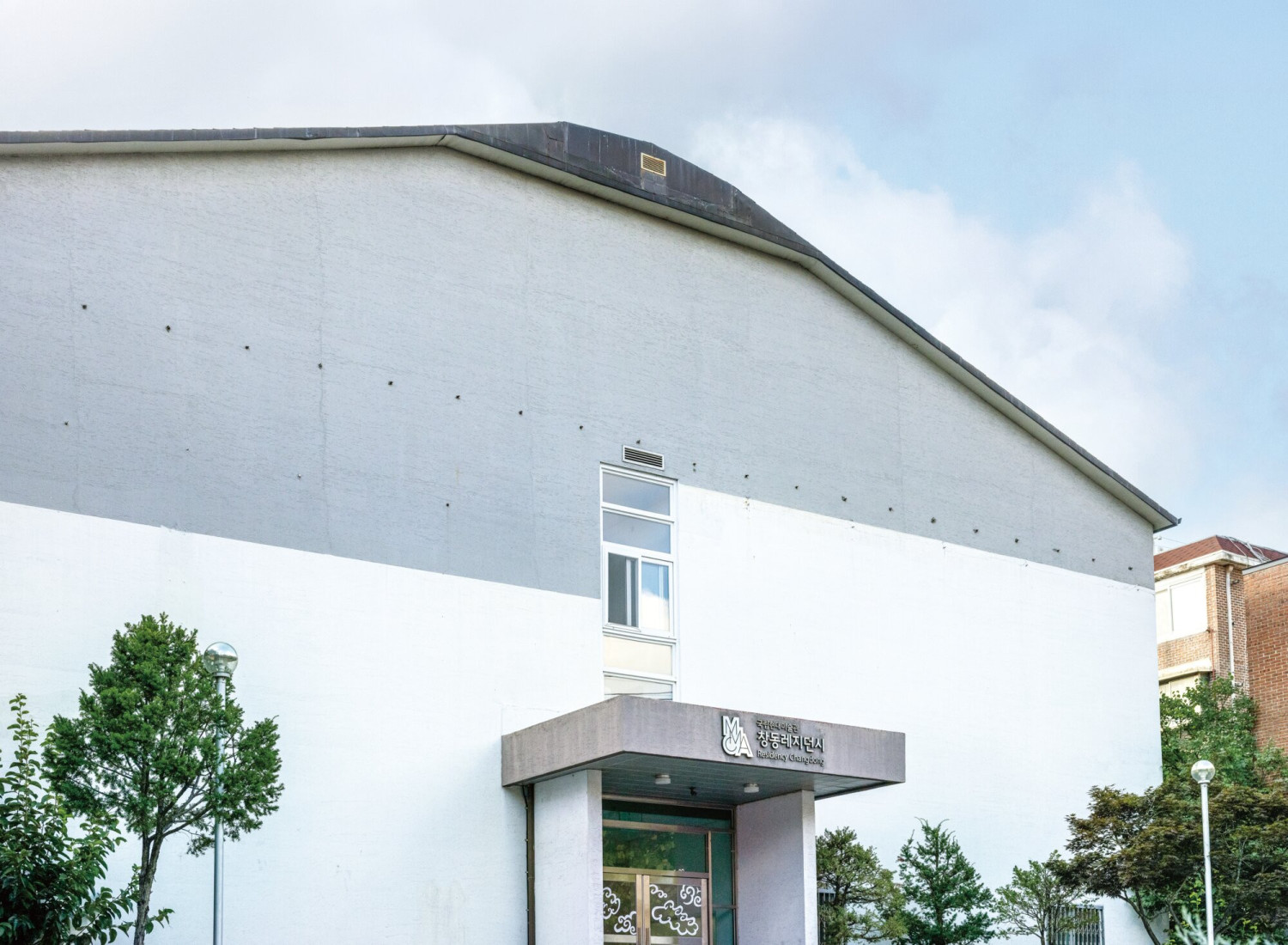
Chang-dong’s curiosity extends naturally into art and creative work, beginning with the MMCA Residency Changdong which opened in 2002. In Korea, urban space revival gained momentum with Palgakjeong Creative Studio, launched alongside the 1995 Gwangju Biennale. Developed on the site of a burned-down Hanaro Mart warehouse, the MMCA Residency Changdong has long served as a vital anchor for Korean contemporary art. Each year, selected Korean and international artists work here, laying the foundation for the development of their art. During Open Studios events, visitors can tour spaces filled with canvases that have yet to dry, installation works in progress and artists’ notes, observing different aspects of the creative process.
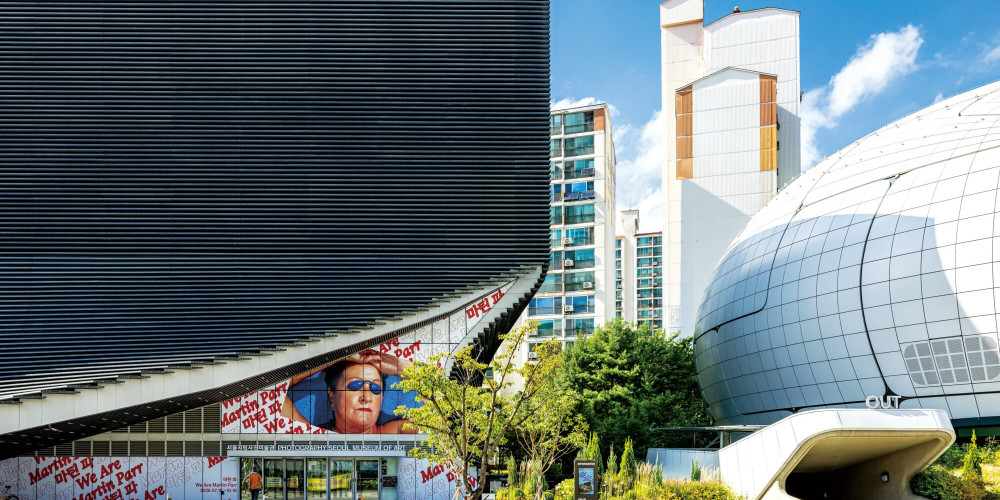
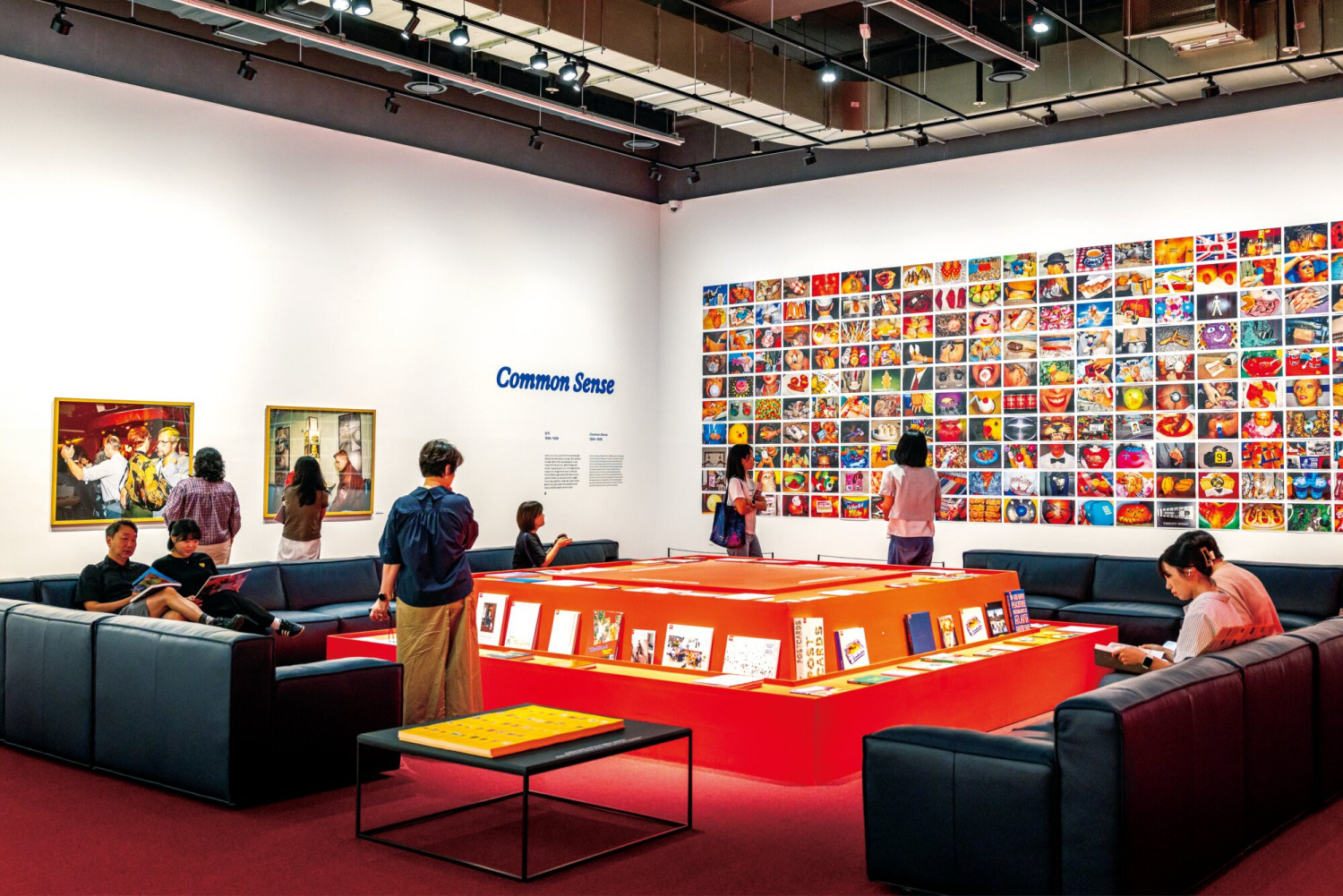
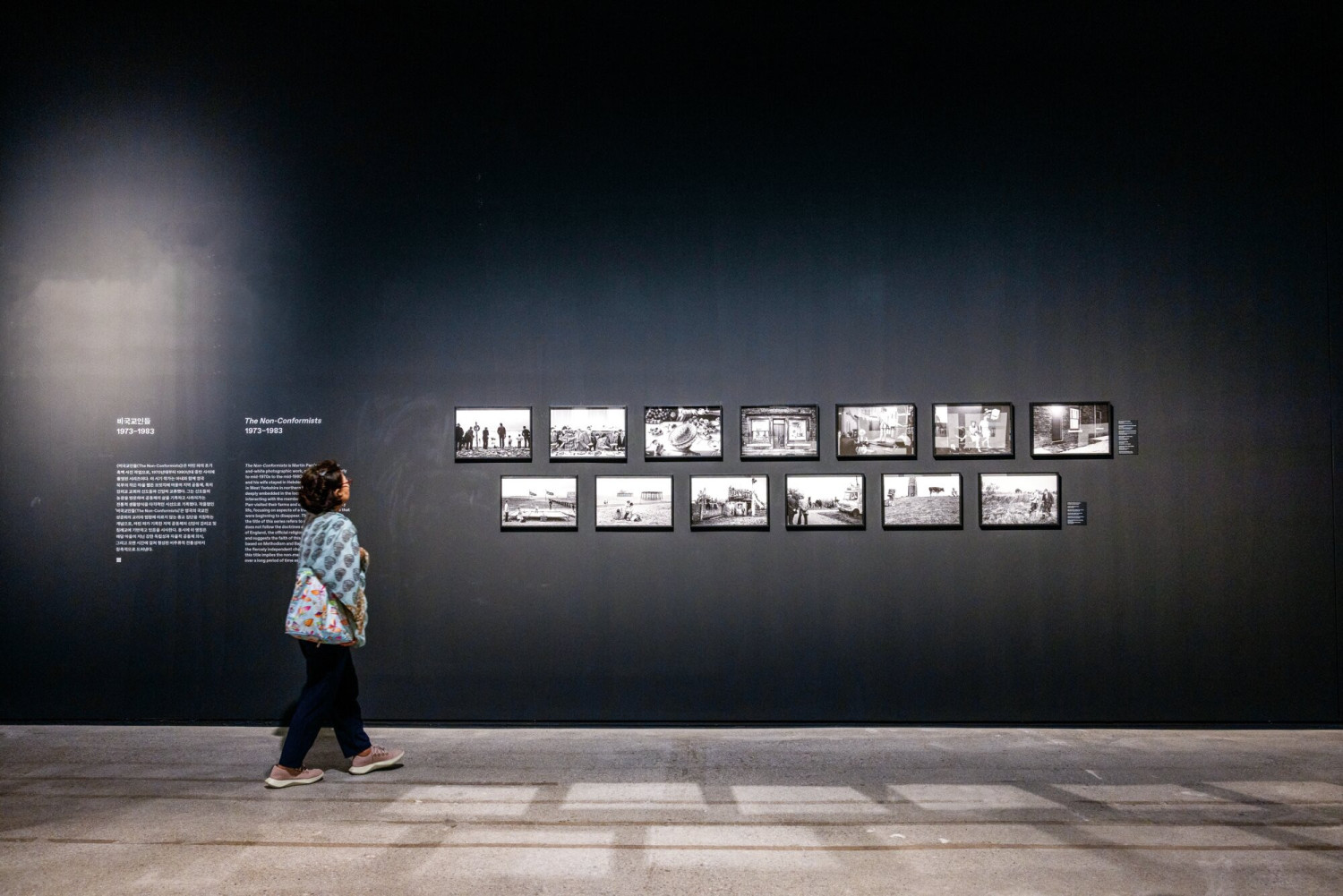
The Photography Seoul Museum of Art (Photo SeMA), Korea’s only public art museum specializing in photography, debuted after a decade of preparation and is another space where the city’s creative energy remains palpable. Opened in 2025 under the Seoul Metropolitan Government’s 2015 “Strategic Framework for Establishing Seoul as a City of Museums and Art Museums,” the museum has transformed an area that was once perceived as both an industrial district and a suburban residential community into a next-generation cultural hub.
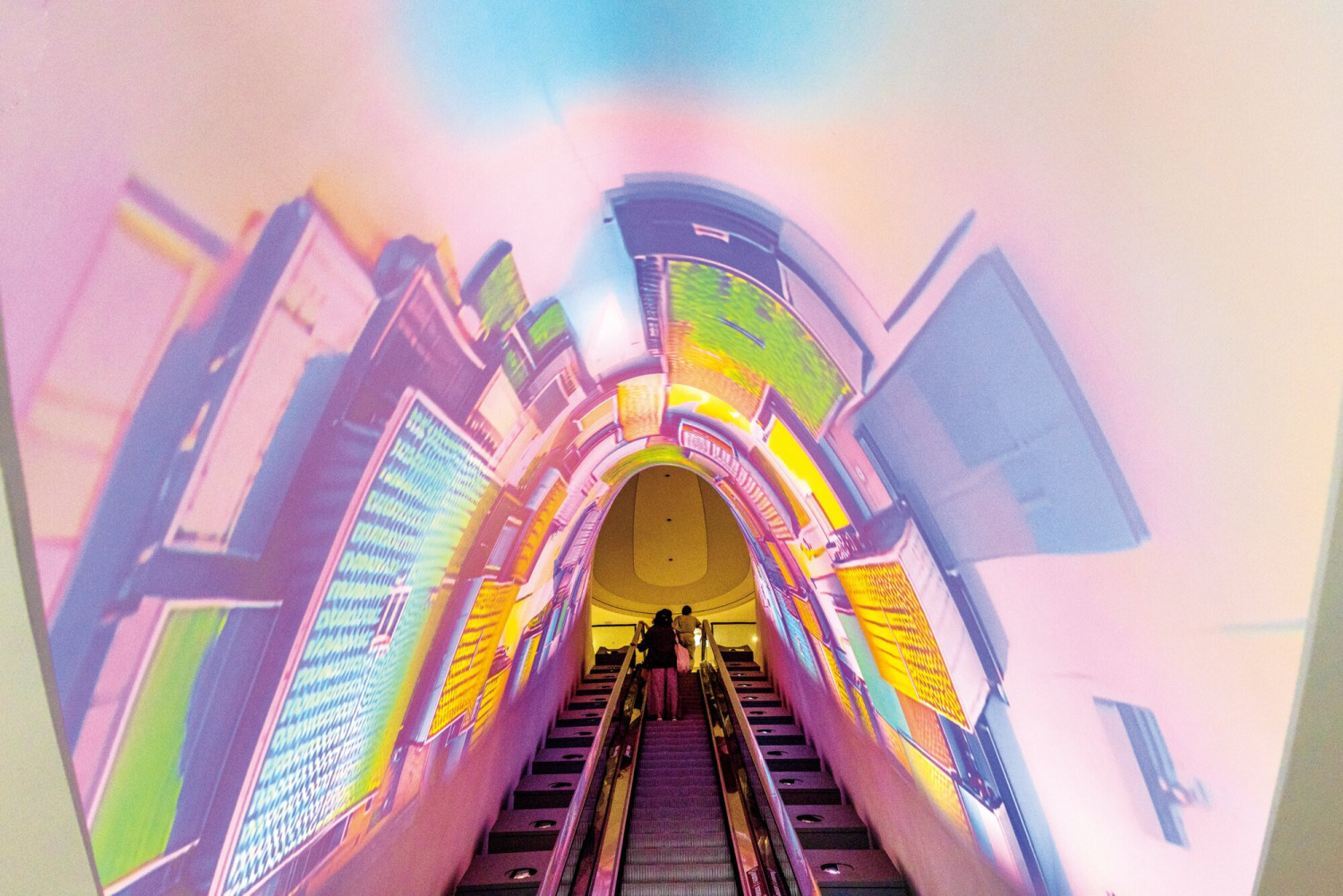
Photo SeMA translates the principles of photography into the language of architecture, its exterior evoking a camera aperture controlling light, while inside, black and white elements harmonize elegantly. The museum features exhibition halls and darkrooms equipped with professional printing gear, offering a diverse range of ways to understand the medium of photography. In the Photo Library, visitors can browse volumes on photography, art and design, alongside photobooks by artists featured in current exhibitions. After walking through the galleries, visitors naturally turn the pages of these books, lingering over the images. The experience flows seamlessly into a new realm of appreciation along the bookshelves.
Recording Tomorrow
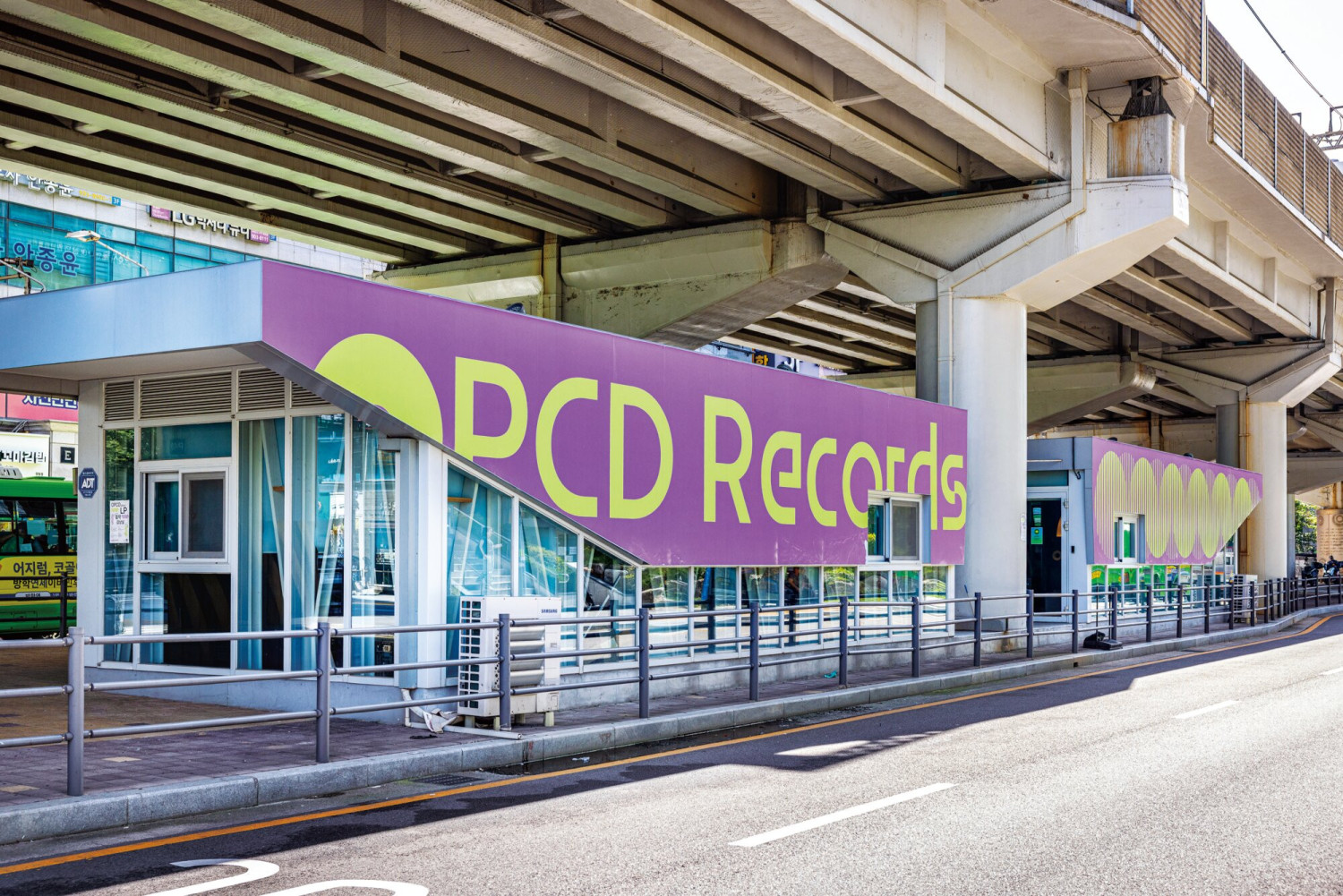
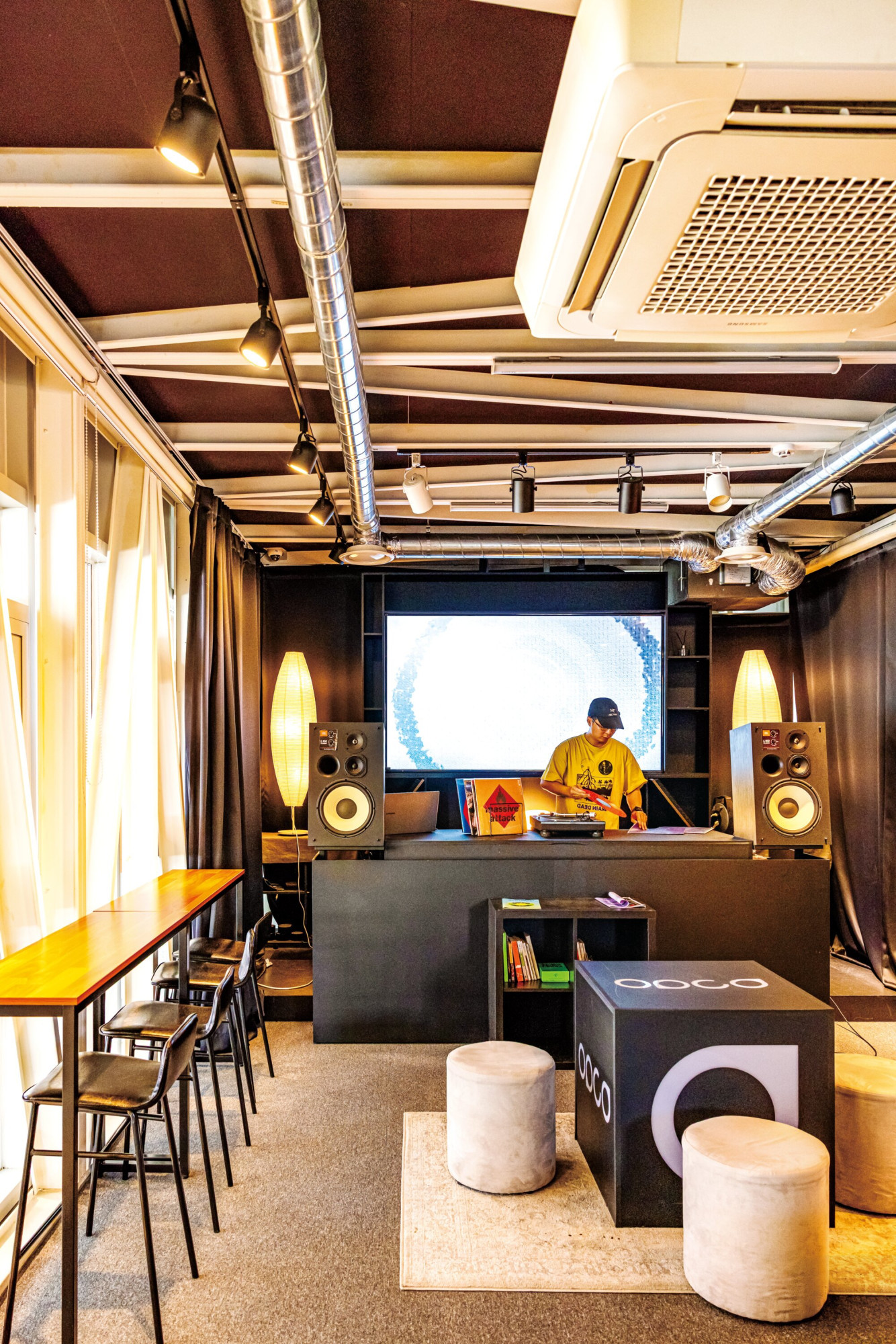
Ahead of the 2027 opening of Seoul Arena, a premier performance venue dedicated to K-pop, Chang-dong is building its foundation as a musical hub where artists can create and connect. At the center of this movement is Open Chang-dong (OPCD), a creative platform operated by Dobong-gu District for emerging young musicians. It features professional facilities designed to support every stage of a musician’s growth, regardless of genre or experience. Among its spaces, OPCD Vinyl, located near Exit 1 of Chang-dong Station, is a music listening room open to all. Stocked with approximately 1,100 LP records, visitors can select an album, place it on a turntable and listen via speakers or headphones. Occasionally, practice sessions are held to celebrate new releases by emerging artists, prompting passersby to pause near the station.
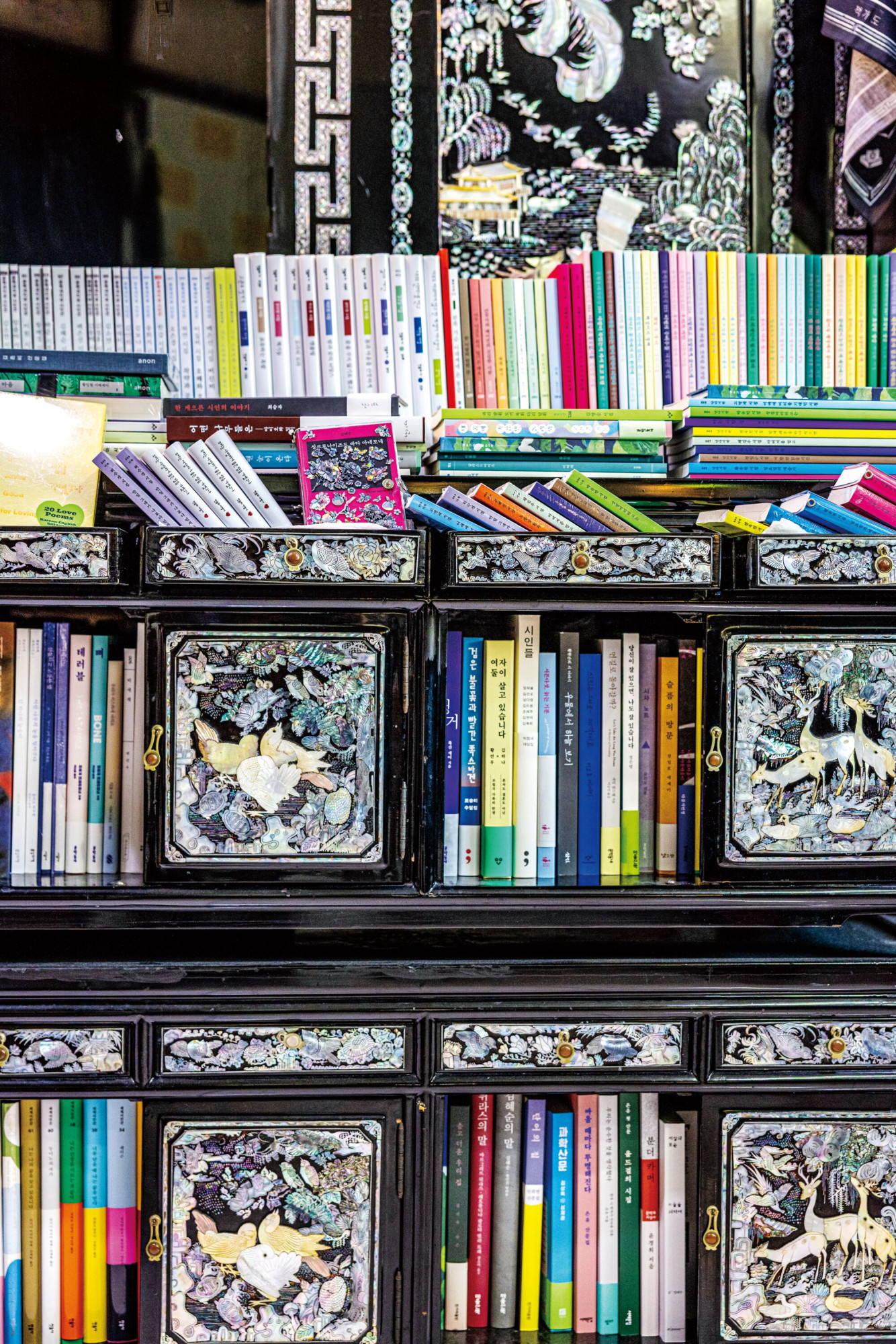
A 15-minute walk from the listening room brings you to Chaekgado, an independent bookstore decorated with vintage mother-of-pearl lacquerware furniture inherited from the owner’s maternal grandmother. Tightly lined with books on photography and art, the shelves also offer independent publications and photography-related items.
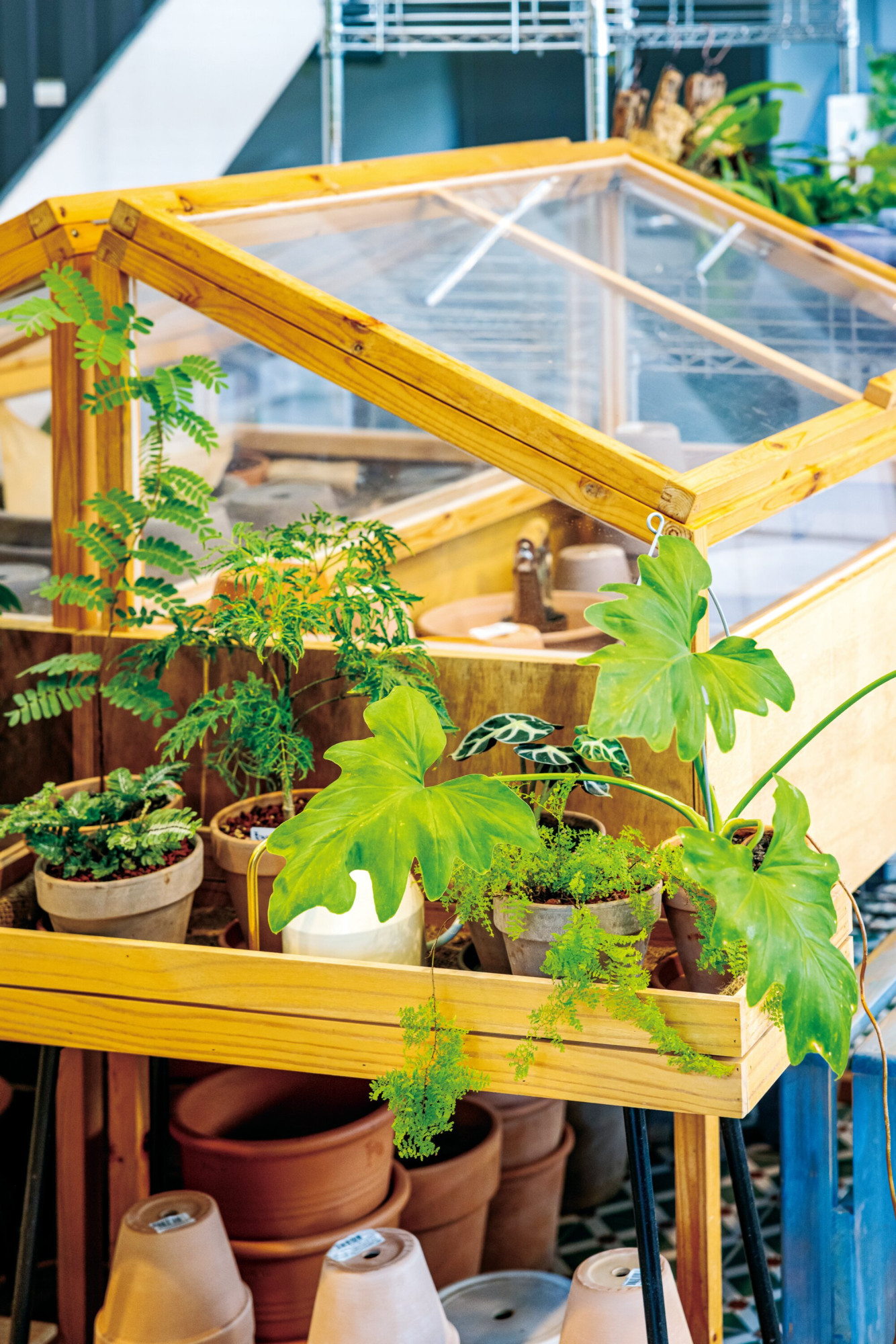
This sensibility born of music and books grows outward to the foot of Choansan Mountain. Adjoining Choansan Neighborhood Park near the station, the Choansan Gardening Center is a multi-use space encompassing a greenhouse, gardener’s workshop, library and pottery studio. Visitors can plant flowers or paint their preferred designs on bisque-fired pottery to complete their own unique creations. Across the way, at the Choansan Wood Culture Experience Center, guests can pick up saws and planes to craft small wooden items like plant stands or storage boxes.
Selecting an LP, turning the pages of a book and planting a seed may seem disparate, yet each act reflects the way Chang-dong has long cultivated culture — a granary storing and sharing its wealth. A new form of personalized culture is now arising in the same place.
Rewriting Time
The passage of time that Chang-dong has borne witness to does not only move forward. Once a quiet rural village, the area became an integral part of the city’s timeline when the Gyeongwon Line linked it to Gyeongseong (now Seoul). Dobong-gu District was once home to pivotal figures of modern Korean history such as Kim Geuntae, Ham Seokheon, Jeon Taeil and Kim Sooyeong. The memory of their legacies and the spirit of an era are preserved nearby through its library, memorials and museums bearing their names.
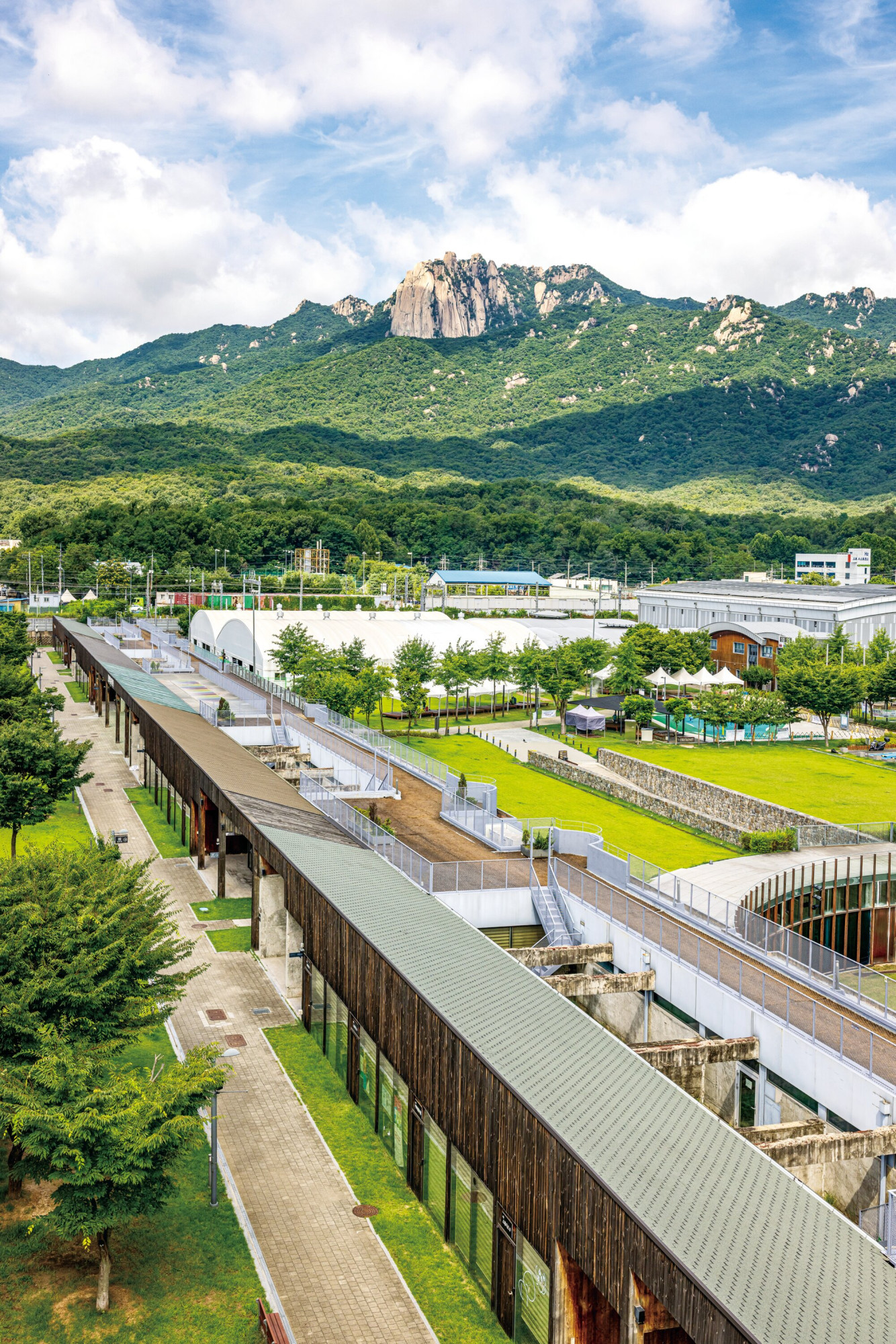
Further north from Chang-dong stands the Peace Culture Bunker, a historic site saved from demolition and reborn as a contemporary cultural space. Built in 1970 as Dobong-gu’s first residential apartment complex, it was a hybrid structure combining three floors of residential space with a ground-floor anti-tank defense facility for military vehicles. Though portions were demolished, the core defense wall was preserved and transformed into studios for resident artists and exhibition spaces. Behind the building’s brown paneled exterior, there are raw concrete pillars, severed staircases and rifle mounts that lead visitors naturally into history. Climbing the observation deck inside the grounds reveals a sweeping view where Dobongsan Mountain meets a large circular public performance venue. Discover a cultural space where art and daily life coexist atop the traces of the past. Through overlaying new meaning without erasing the scars of history, the transformation of the Peace Culture Bunker echoes the Chang-dong of today, where old and new coexist harmoniously.
By gathering stored memories and weaving them into contemporary culture, Chang-dong is evolving into northern Seoul’s storehouse of the future — a place where creation, technology and everyday life advance as one.
- Written by. Bok Jeongyun
- Photography by. Jang Eunjoo