The Sound of an Era: Lee Moonsae
The DJ and Singer Who Touched HeartsThroughout the 1980s
When I look back on the 1980s, I remember an era filled with countless stars, yet only one truly captured my heart: Lee Moonsae. And it wasn’t just his music that tugged at the heartstrings of my generation. He was also quite possibly the country’s greatest radio DJ. That’s no exaggeration — it’s basically a historical fact. Back then, nearly all my friends were devoted listeners of Lee’s Starry Night program. I’d tune in and let his voice lull me to sleep. Before I knew it, the sun would be peeping through the windows. By then another DJ would be on the radio, but I was no longer paying attention. Until Bae Cheolsoo came along, Lee Moonsae was almost synonymous with radio in my mind. I hope readers will indulge me in reminiscing about vacation breaks I used to spend with my older cousin. As soon as school was out, I’d hop on the commuter train from the east Ichon-dong neighborhood, where I lived, to the Cheongnyangni area. I’d spend the whole week with my cousin, whiling away the days at the arcade or on the playground. I still remember returning home, looking forward to eating a bowl of instant noodles cooked up by my aunt while I listened to Lee Moonsae’s music. I played his third, fourth and fifth albums so many times I can still recite every track in order. For me — and for countless other music lovers — his music was an emotional touchstone.
A New Era for Korean Pop Ballads
No account of Lee Moonsae’s career would be complete without his partnership with composer Lee Younghoon, one which flourished from the mid-1980s to the early 1990s. The duo brought a burst of creative energy to Korean popular music. Lee Moonsae’s 1983 debut album and sophomore release had established him as a promising new singer and an accomplished broadcaster, but he finally discovered his true musical home when he joined forces with the melodic genius Lee Younghoon.
Their partnership’s opening act came with I Don’t Know Yet, Lee Moonsae’s third album, released in 1985. The title track’s success was only the beginning. His follow-up album When Love Passes in 1987 served as a foundation for Korean pop ballads, selling over 2.85 million copies — a staggering figure at the time. But Lee’s pinnacle came when he rewrote the paradigm of Korean pop with Standing Under the Shade of a Roadside Tree in 1988, regarded as one of the greatest albums in Korean popular music history. In the span of just three albums, Lee had become a towering figure in the Korean record industry.
The artistic world charted by Lee Moonsae and Lee Younghoon marked a decisive break from earlier Korean pop music. To an industry reliant on over-the-top melodrama and unpolished acoustic guitar, they introduced elegant orchestral arrangements, sophisticated pop stylings and poetic lyrics. The result was the birth of an urban lyricism whose power lay precisely in its restraint. And Lee Moonsae’s understated yet deeply resonant vocals were the brush that lent the perfect colors to the exquisite watercolor painted by Lee Younghoon. I Don’t Know Yet, A Little Girl, Whistle, When Love Passes, Farewell Story, Standing Under the Shade of a Roadside Tree and Gwanghwamun Love Song — simply scanning that list stirs an ache deep inside. Those timeless classics are more than mere hits; they are the soundtrack etched into the hearts of my generation.
In those years, Lee Moonsae was an unrivaled cultural force, reigning over the charts by day and the airwaves by night. In the daylight, songs from his latest album played from seemingly every record store. When night fell, he returned as the adored host of Starry Night, offering solace to millions of teenagers stuck at home doing their evening homework. His warm introductory monologue and the familiar jingle greeted listeners night after night, offering a warm refuge from the harshness of life. Lee Moonsae the disc jockey was every bit as influential as Lee Moonsae the musician.
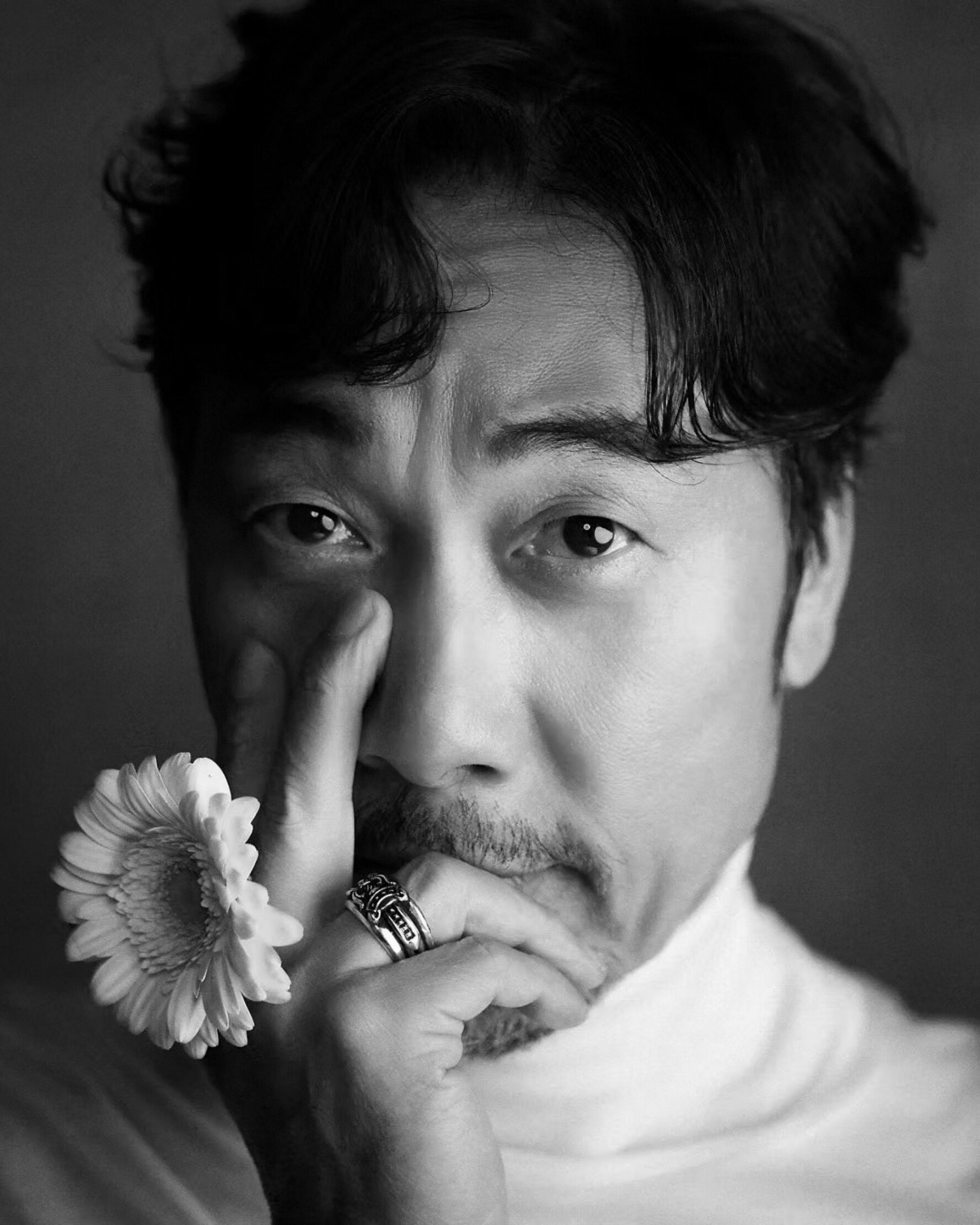
More Than a Memory: Lee Moonsae’s Story Continues
Yet had Lee’s biography remained a glorious relic of the 1980s, he wouldn’t have attained the greatness attributed to him today. In the 2000s, as K-pop musical trends shifted at a dizzying pace, the maestro’s story was still being told. In 2001, he captured the essence of the heartrending ballad with Memories More Than Love, the title track of his 13th album, which proved to be his final collaboration with Lee Younghoon. Then in Lee Moonsae’s 15th album NEW DIRECTION in 2015, he returned with a more laidback vocal style. The phenomenal success of Unpredictable Life, performed for a Korean drama soundtrack in 2006, offered striking proof that Lee remained in step with the times. Over an upbeat rhythm, the line “When will I know everything about this world?” comforted a generation of listeners who had spent their youth with him in the 1980s, while offering younger listeners a striking paean to life. Lee Moonsae has never been content to rest on his laurels. He’s a singer who knows how to touch the hearts of each generation.
Nearly half a century since his broadcasting debut in 1978, Lee Moonsae’s impact on Korean popular music history continues to unfold, his brilliance undimmed. Watching countless younger artists pay tribute with covers of his songs, we realize that Lee Moonsae was never merely a great star — for so many of us, his songs embodied both the experiences we’ve had and the ones yet to come.
Bae Soontak's Lee Moonsae Playlist
A Little Girl (1985)
This quintessential pop ballad features Lee Younghoon’s graceful melody and Lee Moonsae’s crystalline vocals. In a straightforward style with no flourishes, he gently evokes listeners’ memories of young love in its purest form. A masterpiece of its era, distinguished by its perfect balance of sophisticated arrangement and lyrical beauty.
Standing Under the Shade of a Roadside Tree (1988)
This song is the artistic pinnacle of Lee Moonsae’s work in the 1980s and the definitive expression of his signature urban lyricism. Lee’s voice, flowing over the wistful piano chords, paints a captivating soundscape. Few songs better showcase his talent for the restrained expression of sorrow.
Unpredictable Life (2006)
Proof that Lee Moonsae didn’t stop with the glory of the 1980s but continued to resonate with audiences in the new millennium. Set against an upbeat, rhythmic soundscape, its refrain — “When will I know everything about this world?” — offers a message of consolation to all listeners gazing back at their youth and feeling weighed down by life. This classic song bears witness to the enduring relevance of this pop legend.
PREVIEW
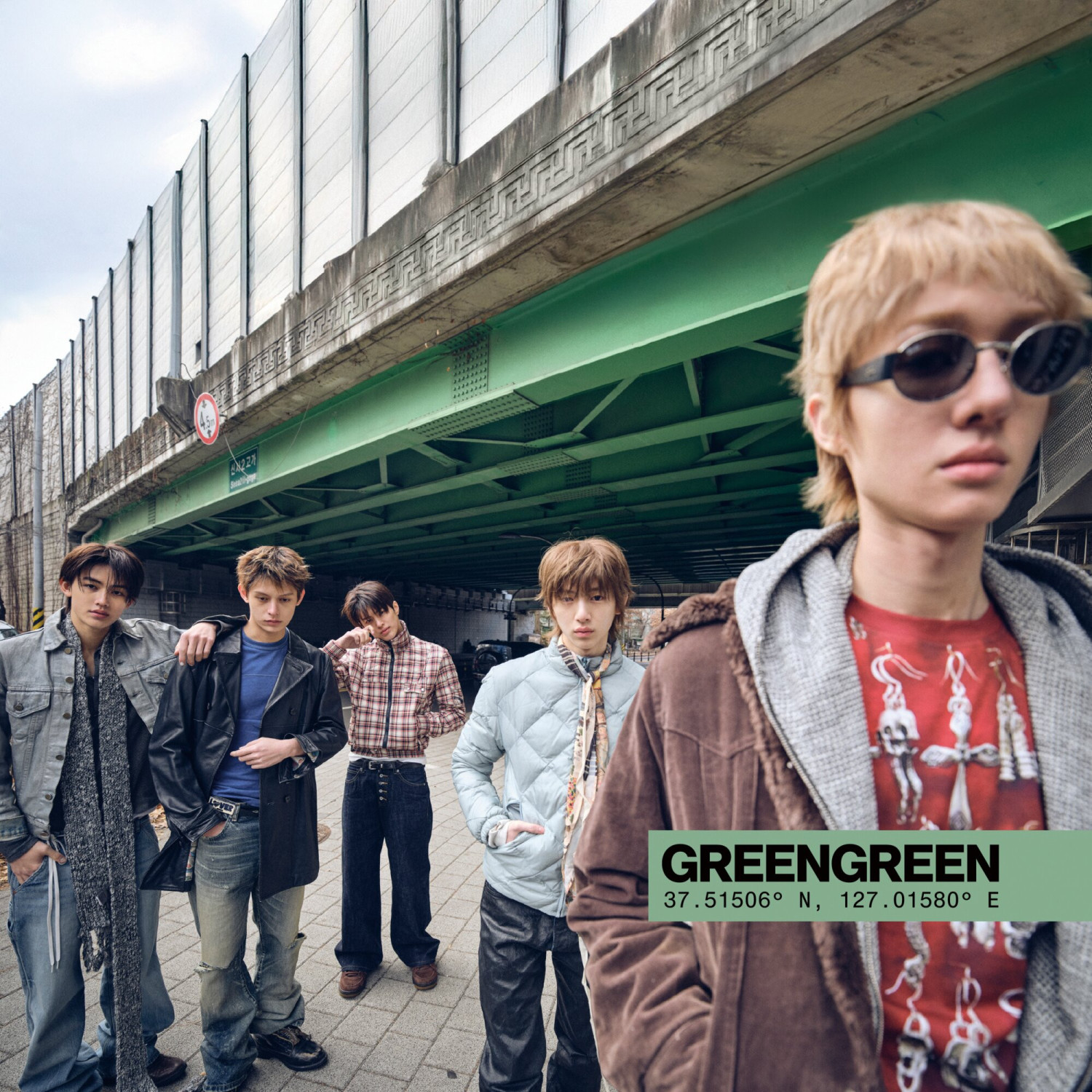

CORTIS, GREENGREEN
CORTIS captures the raw essence of daily life. With green and red, symbolizing traffic signals, the Korean boy band shows its direction and boundaries. All five members contributed to the choreography, lyrics and composition of this self-expressive EP.
Taylor Swift, Red (Taylor’s Version)
Taylor Swift revisits her 2012 breakup album from the beginning to recapture a story that slipped from her grasp. As the second installment of a re-recording project following a 2019 masters dispute, this album goes beyond reclaiming the original tracks by introducing nine previously unreleased songs.

Olivia Rodrigo, You Seem Pretty Sad for a Girl So in Love
Olivia Rodrigo’s third studio album traces love on its wild journey. As a look at a relationship’s lifespan, the album evokes hope and disappointment, insanity and clarity, capturing what Rodrigo calls “the feeling of love from both sides of the coin.”
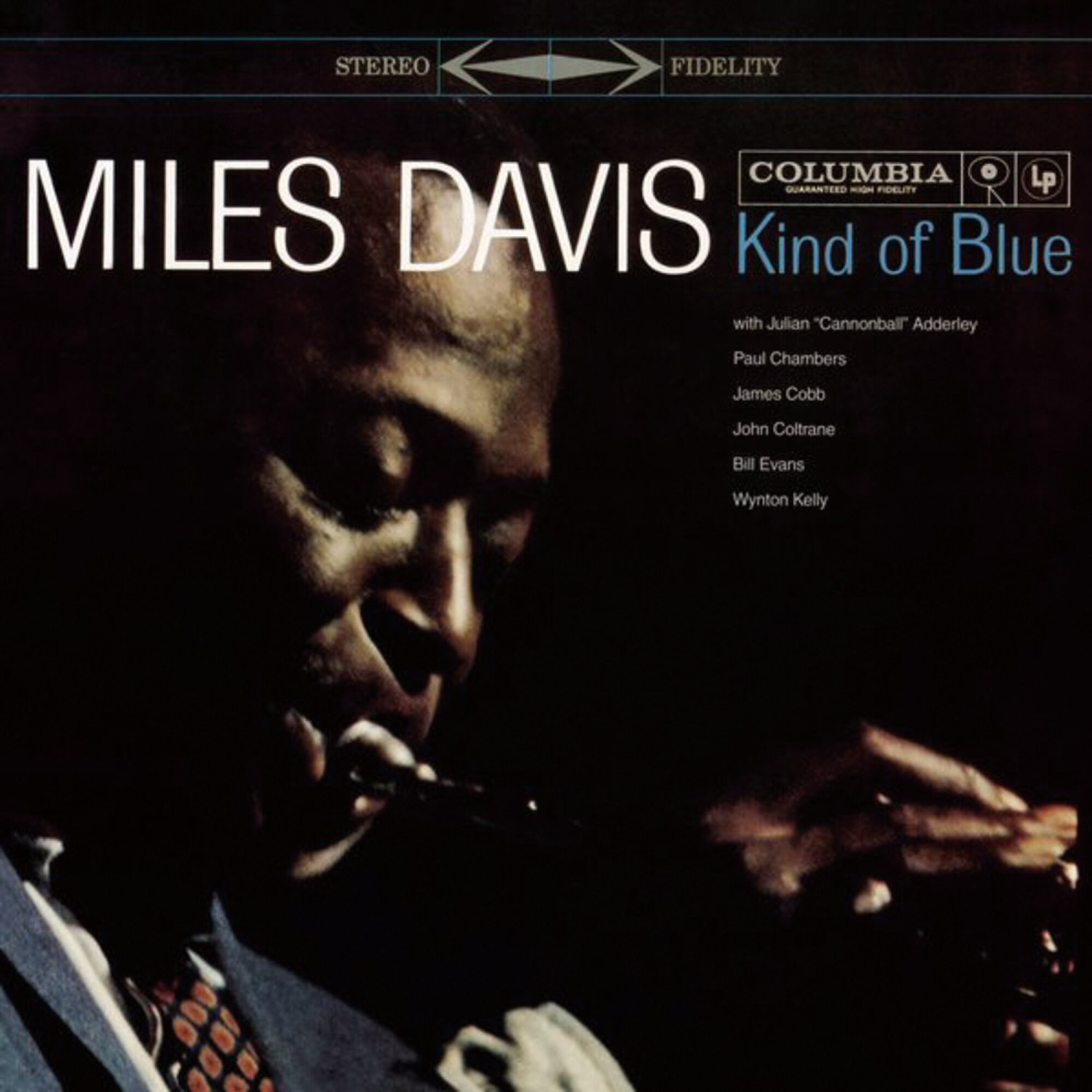
Miles Davis, Kind of Blue (Legacy Edition)
In this expanded edition of Miles Davis’s 1959 album Kind of Blue, one of the most important albums in jazz history, Davis teamed up with legends such as Bill Evans to perfect a new approach toward jazz based on musical modes.

Vienna Philharmonic Orchestra & Carlos Kleiber, Beethoven: Symphonies Nos.5&7
This recording established Carlos Kleiber as one of the all-time great conductors. His renditions of Beethoven’s Fifth and Symphony No. 7 are equally remarkable, both musical benchmarks that remain the gold standard half a century later.
- Available content may vary depending on your flight.