Rediscovering Phnom Penh
Many travelers arrive in Cambodia envisioning ancient Angkor temples. Yet its capital, Phnom Penh, reveals a different side of the country. Once called the “Paris of the East,” this rapidly evolving metropolis preserves French colonial architecture alongside traditional Cambodian heritage. This is the Phnom Penh of today: a city where memories of the past and new ways of living unfold side by side.
Central Market
⚑ E273 & E274, 51 Street
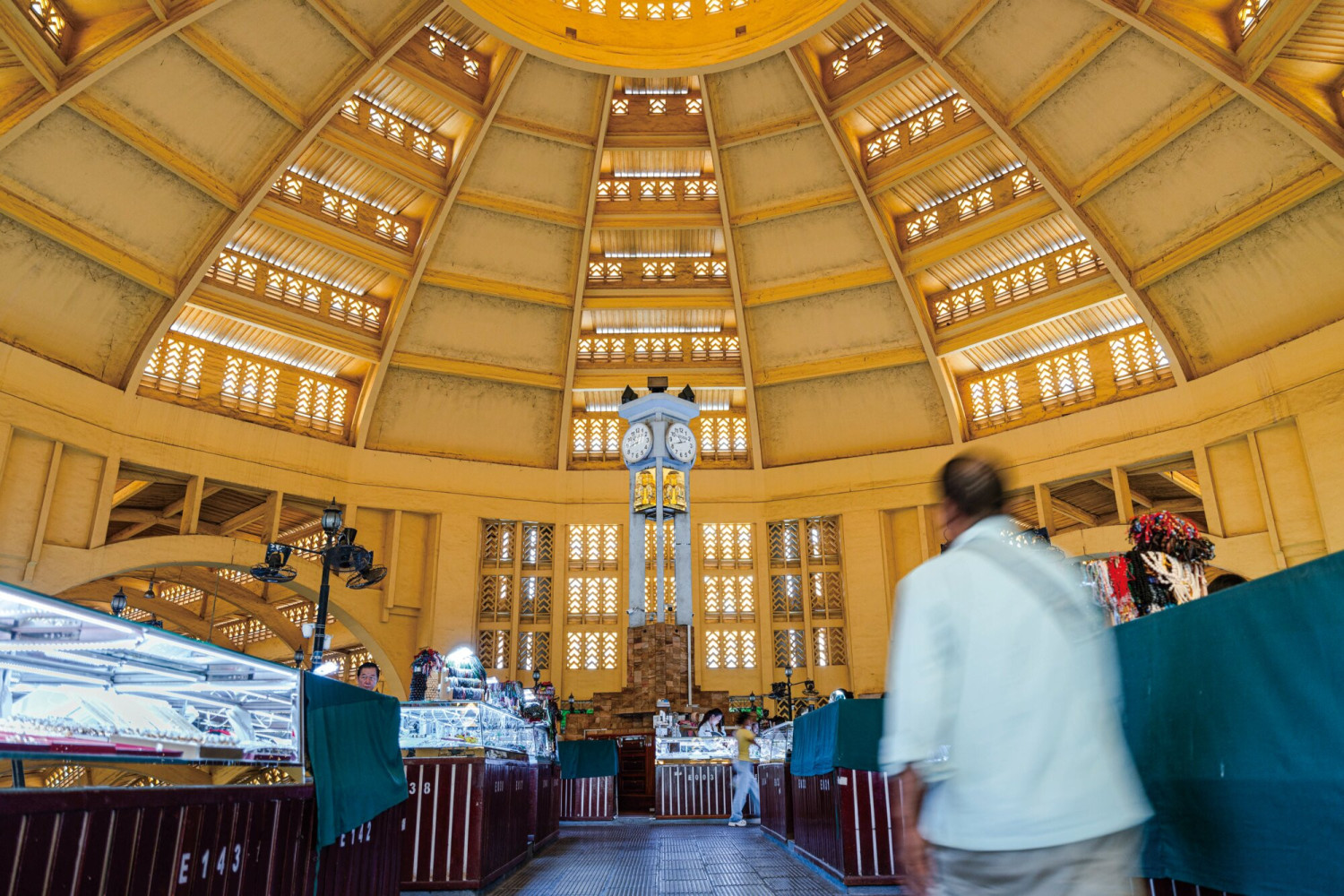
In the heart of the city is Central Market, a beloved landmark and a hub of daily Cambodian life. Known in Khmer as Phsar Thmei (New Market), this iconic 1937 Art Deco structure was built during the French colonial era and is instantly recognizable by its central dome and four sweeping wings. Inside, stalls offer gold and silver jewelry, apparel, electronics, housewares and souvenirs, alongside vibrant stalls brimming with fresh fruit, vegetables, meat, seafood and local street food.
Tip. Markets in Cambodia open and close early to avoid the heat. It’s best to visit in the cooler morning hours, as vendors begin packing up around 4 p.m.
Sosoro Museum — Museum of Economy and Money
⚑ 19 Preah Moha Ksatreiyani Ave (106)
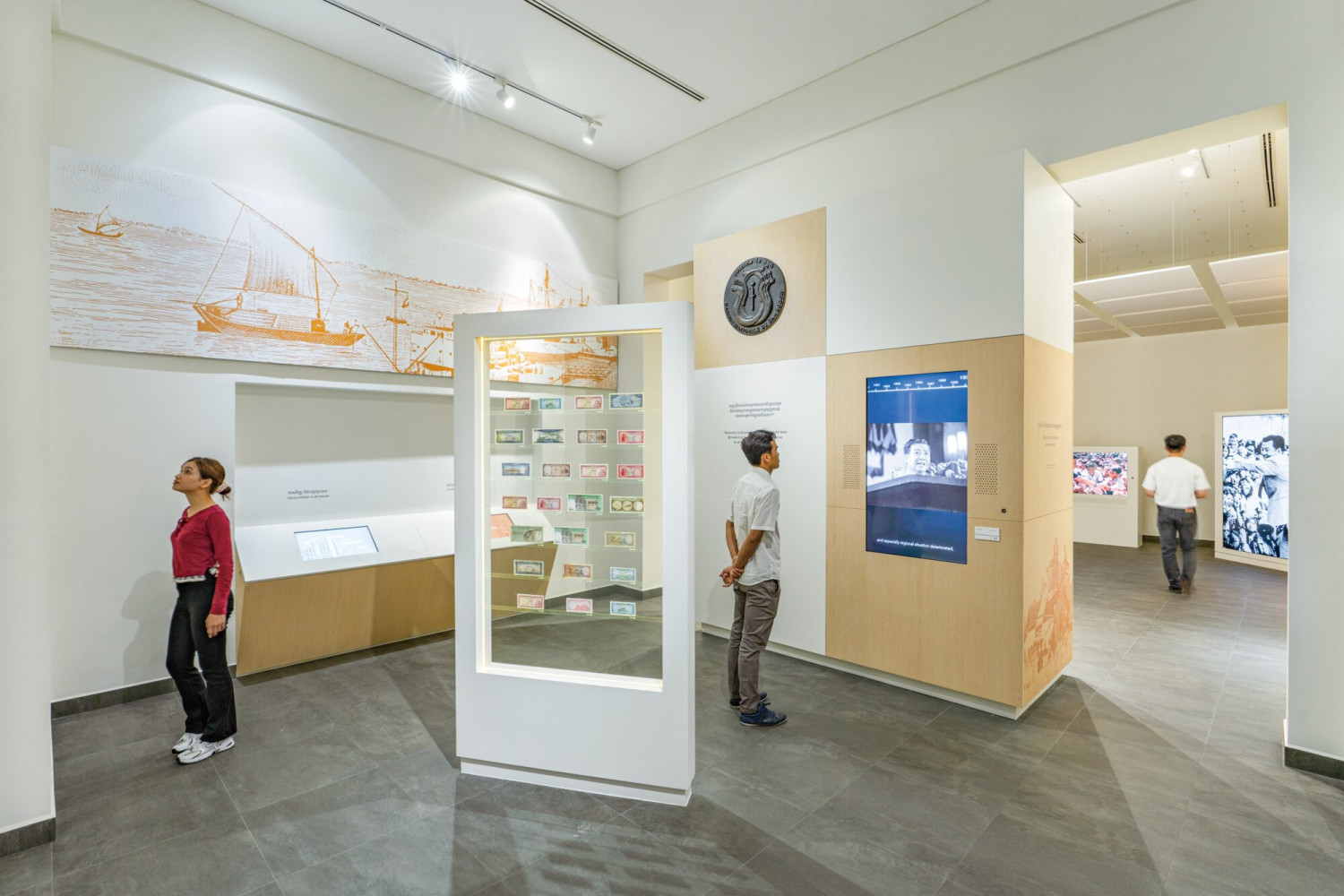
Located near Wat Phnom Daun Penh, the Sosoro Museum offers a look into Cambodia’s culture and history through the lens of currency. Housed in a restored 1908 French protectorate building that opened as a museum in 2019, the venue pairs a stately colonial exterior with modern exhibition spaces. Through interactive displays and multimedia, visitors trace the nation’s economic history — from 7th-century gold coins and Angkorian trade to the abolition of money under the Khmer Rouge, the reintroduction of the riel and modern economic growth. The museum’s cool, climate-controlled interior provides a respite from the heat, making it a popular educational destination for student field trips.
Chatomuk Walk Street
⚑ Riverside Path
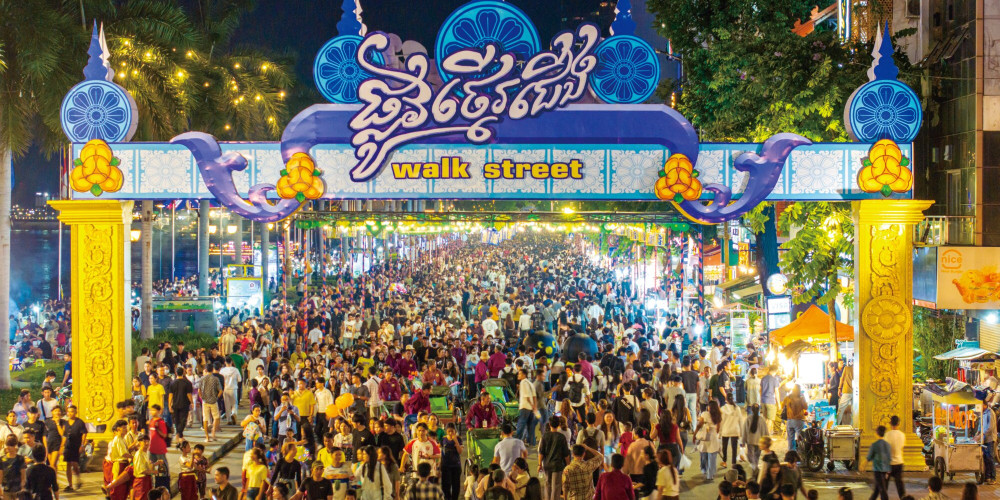
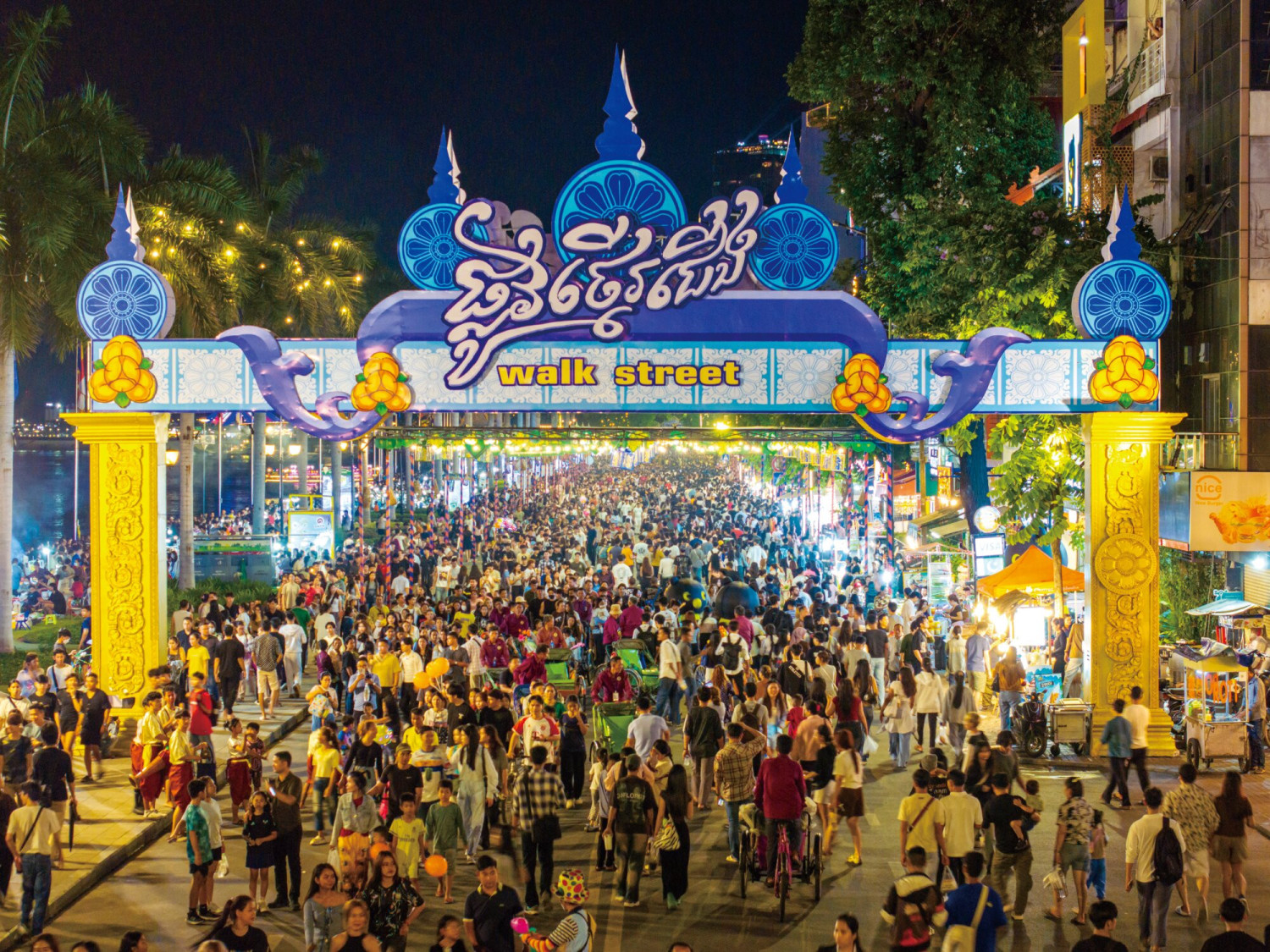
Along the Tonle Sap riverfront, Chaktomuk Walk Street transforms Sisowath Quay from Street 94 to Street 240 into a vehicle-free promenade on weekend evenings. Since opening in 2025, it has grown, drawing tens of thousands of visitors every weekend. Stalls offer an array of Cambodian street food, charcoal-grilled skewers, tropical fruit desserts and draft beer. Reflecting the popularity of Korean culture, visitors can also sample Korean street bites like tteokbokki (spicy rice cakes), fish-shaped pastries and spicy noodles. With K-pop dances, busking sessions and traditional performances scattered along the riverbank, the promenade transforms into a festive weekend celebration.
Tip. The easiest way to reach Walk Street, a pedestrian-only area, is by tuk-tuk or taxi. Get off in front of the National Museum.
Borisoth Gift & Cafe, Sen Sok
⚑ 290 St. M10, Borey Piphop Thmey Sen Sok, Sangkat
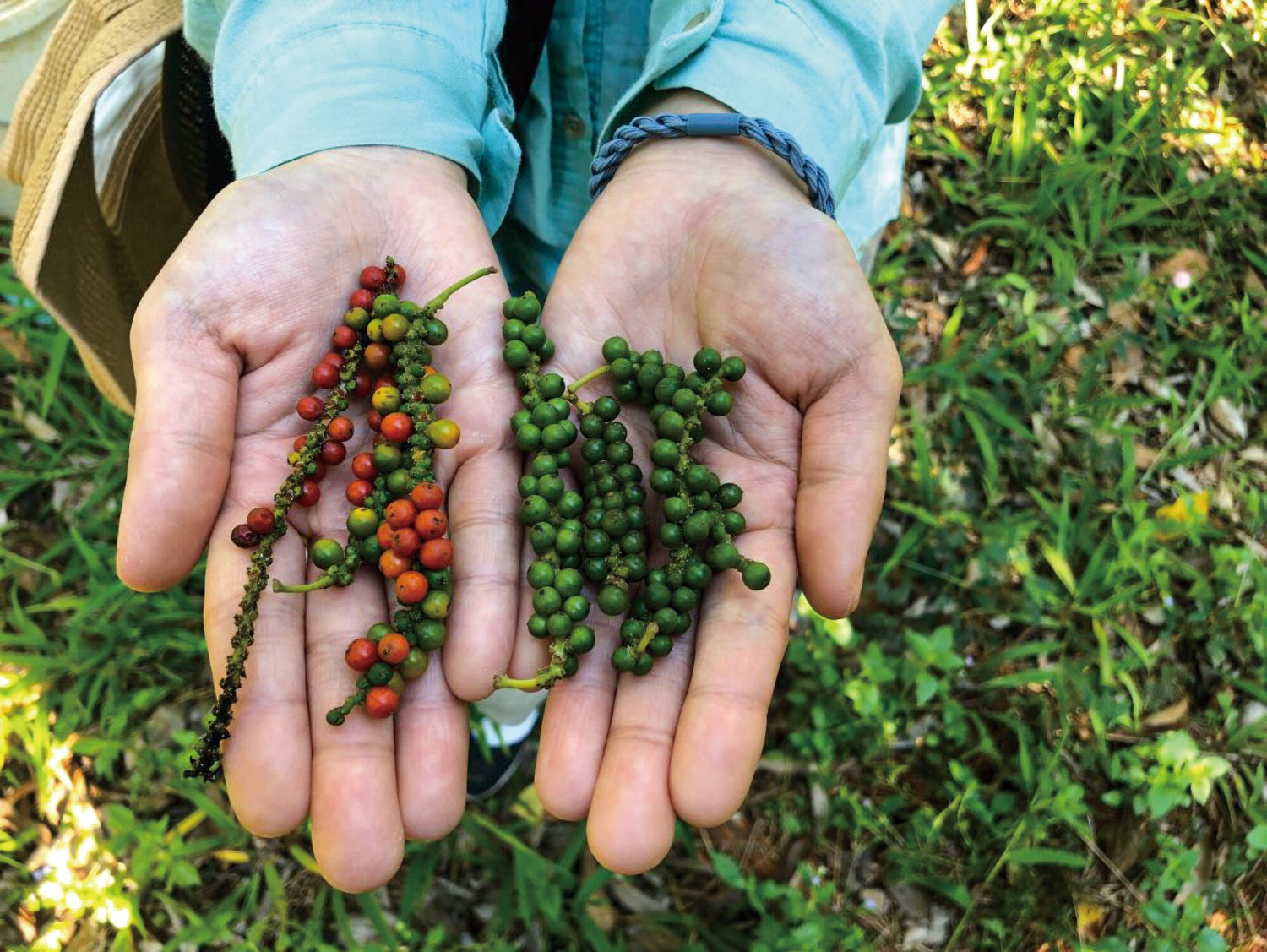
Borisoth Gift & Cafe Sen Sok sells Cambodia’s finest agricultural products and carefully curates souvenirs. Operating with Hesed, a Korean-run social enterprise partnered with local farmers, the shop offers ethically sourced pepper, palm sugar, cashew nuts and dried fruit. Products range from Kampot pepper and palm sugar to dried mangoes, awarded the prestigious three-star rating by the UK’s Guild of Fine Food in their Great Taste Awards. Visiting Borisoth offers a glimpse into the stories of local producers, the untapped potential of Cambodian agriculture and the value of fair, sustainable partnerships between Korean enterprises and local farmers.
Tip. Cambodian pepper, renowned worldwide for its quality, makes an ideal souvenir. Try the salted or pickled pepper with grilled meat for an extra burst of flavor.
Brown Coffee — Vann Molyvann House
⚑ Mao Tse Toung Blvd. (245)
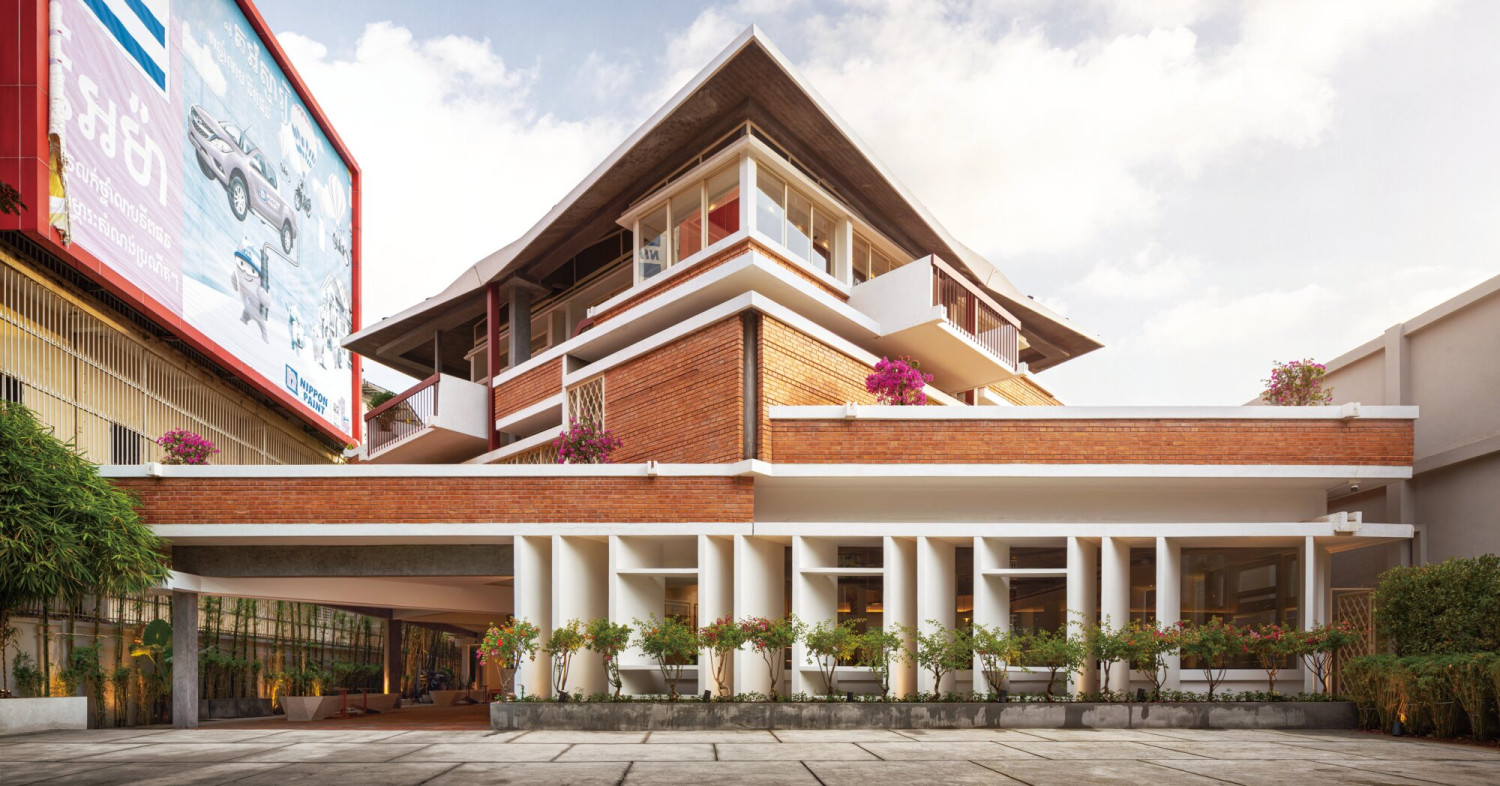
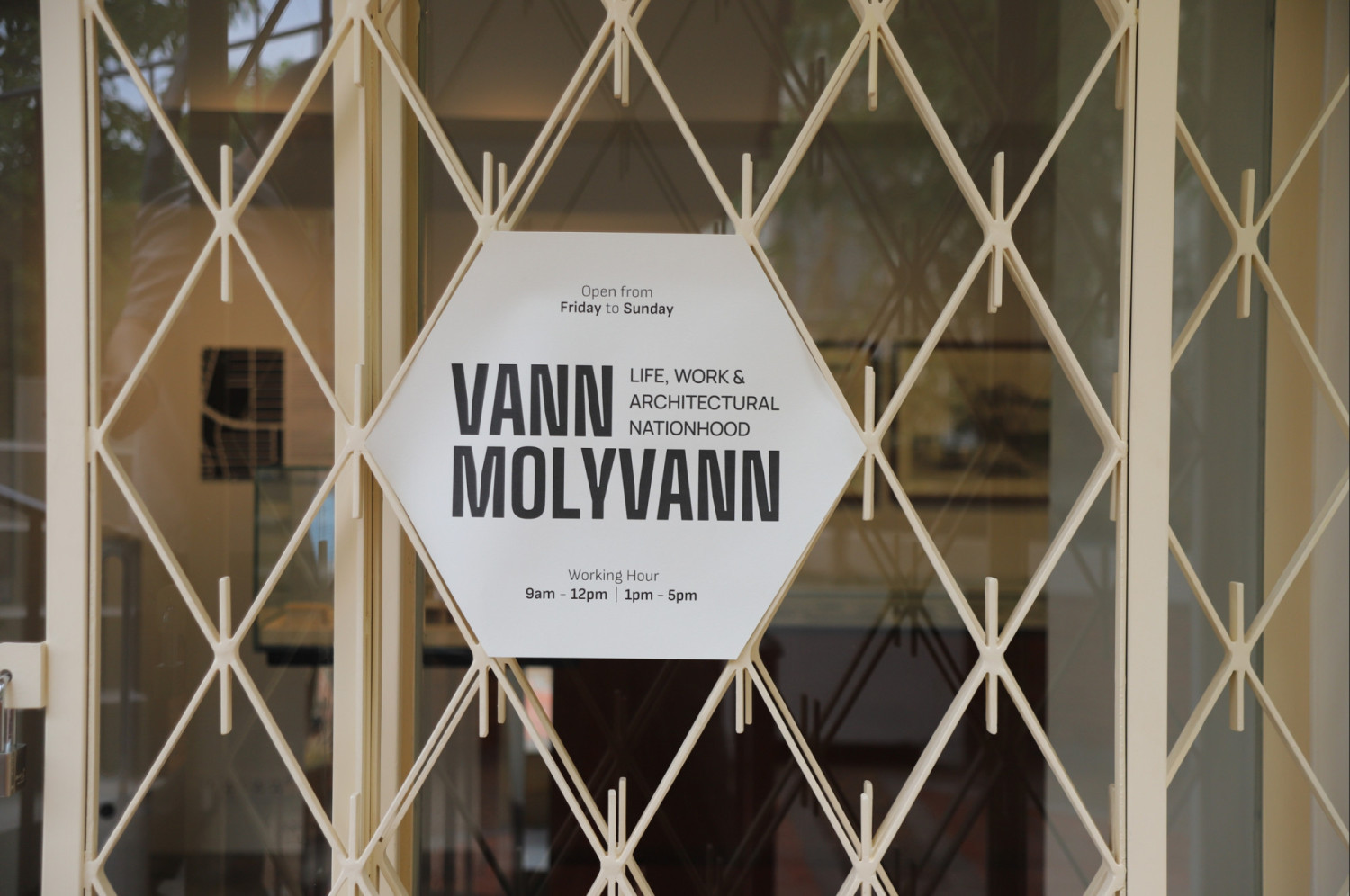
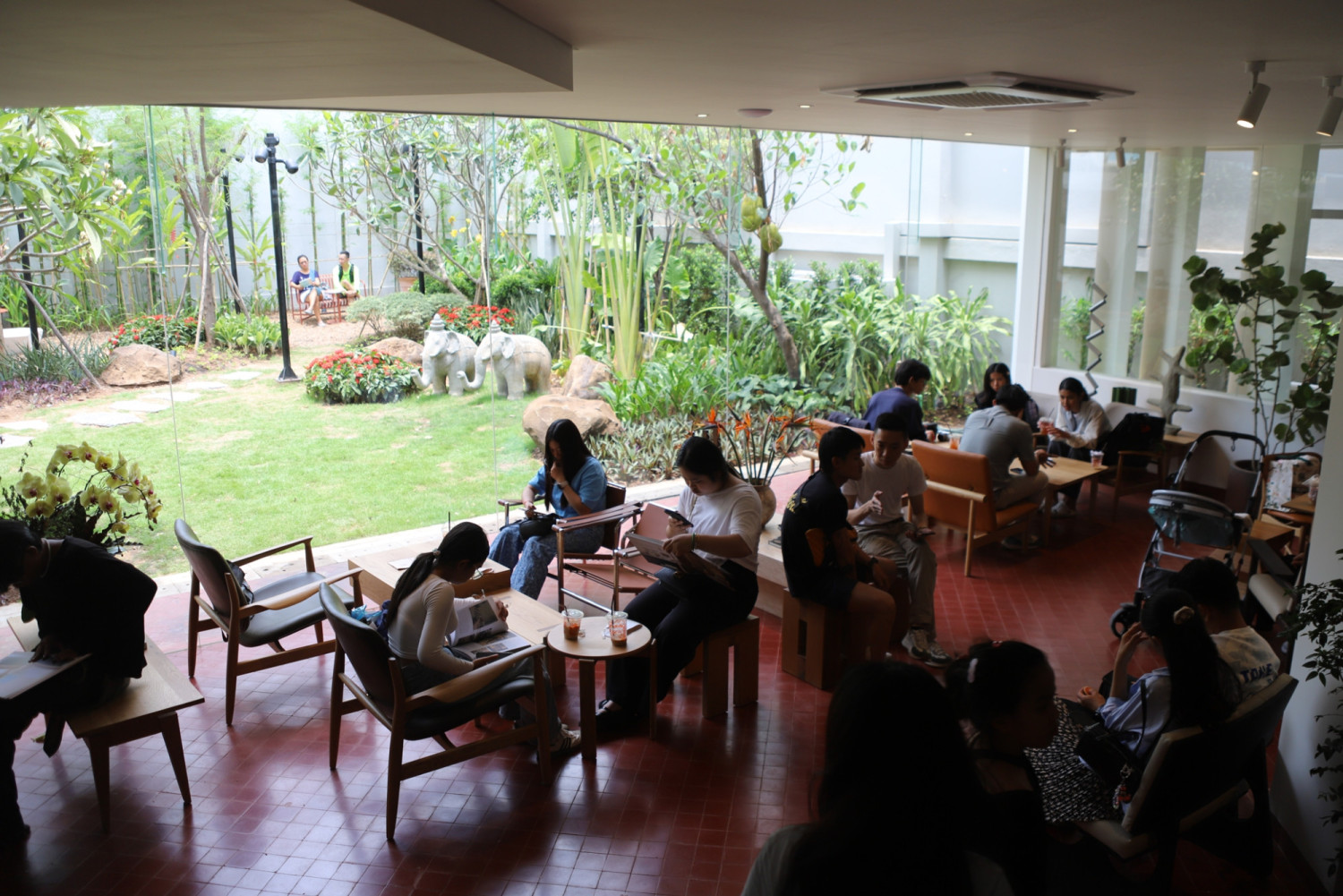
Founded in 2009 by young Cambodian entrepreneurs, Brown Coffee is Cambodia’s local specialty coffee brand, with cafés celebrated for their interiors, quality coffee and unique designs. The Mao Tse Toung Boulevard location, opened in 2025, occupies the historic former home of Vann Molyvann, the “father of modern Cambodian architecture.” The structure showcases his signature New Khmer Architecture that brilliantly fuses modernist principles with traditional Khmer design. The café preserves his innovative use of elevated roofs, natural ventilation and passive daylighting while integrating space for café patrons and cultural exhibitions. Inside, displays detailing Molyvann’s life and seminal works allow guests to immerse themselves in Cambodian architectural history while savoring exceptional coffee.
Tip. Look for the broad, overhanging roof and open structure, key features of New Khmer Architecture designed to provide shade and natural ventilation.
Factory Phnom Penh
⚑ 1159 NR2 (National Road 2)
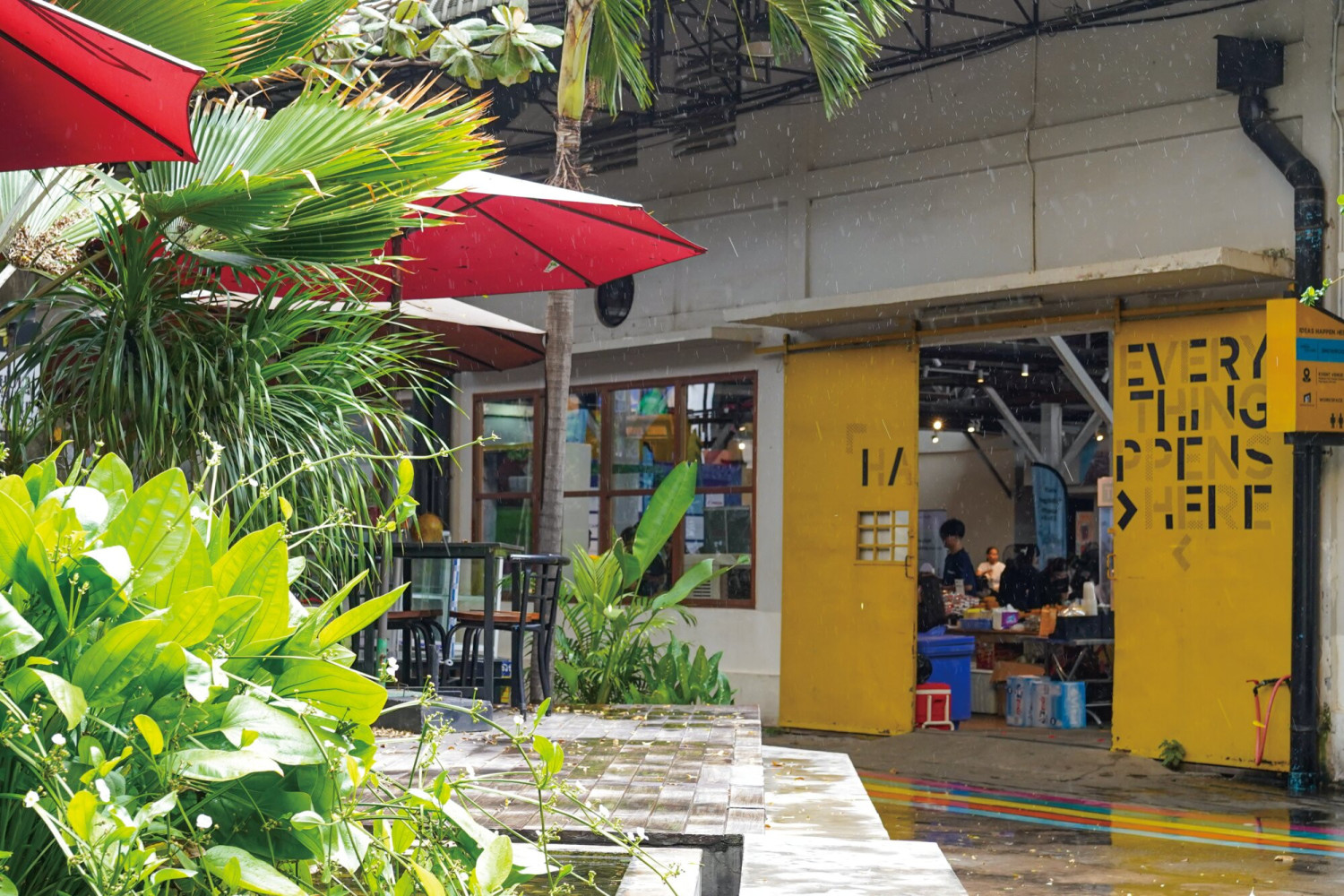
Opened in 2017 inside a repurposed garment factory, Factory Phnom Penh is Cambodia’s largest multiuse cultural complex. Spanning 3.4 hectares, it retains a distinct industrial character with soaring ceilings and exposed steel beams. Hosting year-round start-up events, exhibitions, performances, design markets and community workshops, it serves as a creative hub for young artists and entrepreneurs.
Techo International Airport
⚑ Taprum Village, Boeng Khyang Commune, Kandal Stung District, Kandal Province
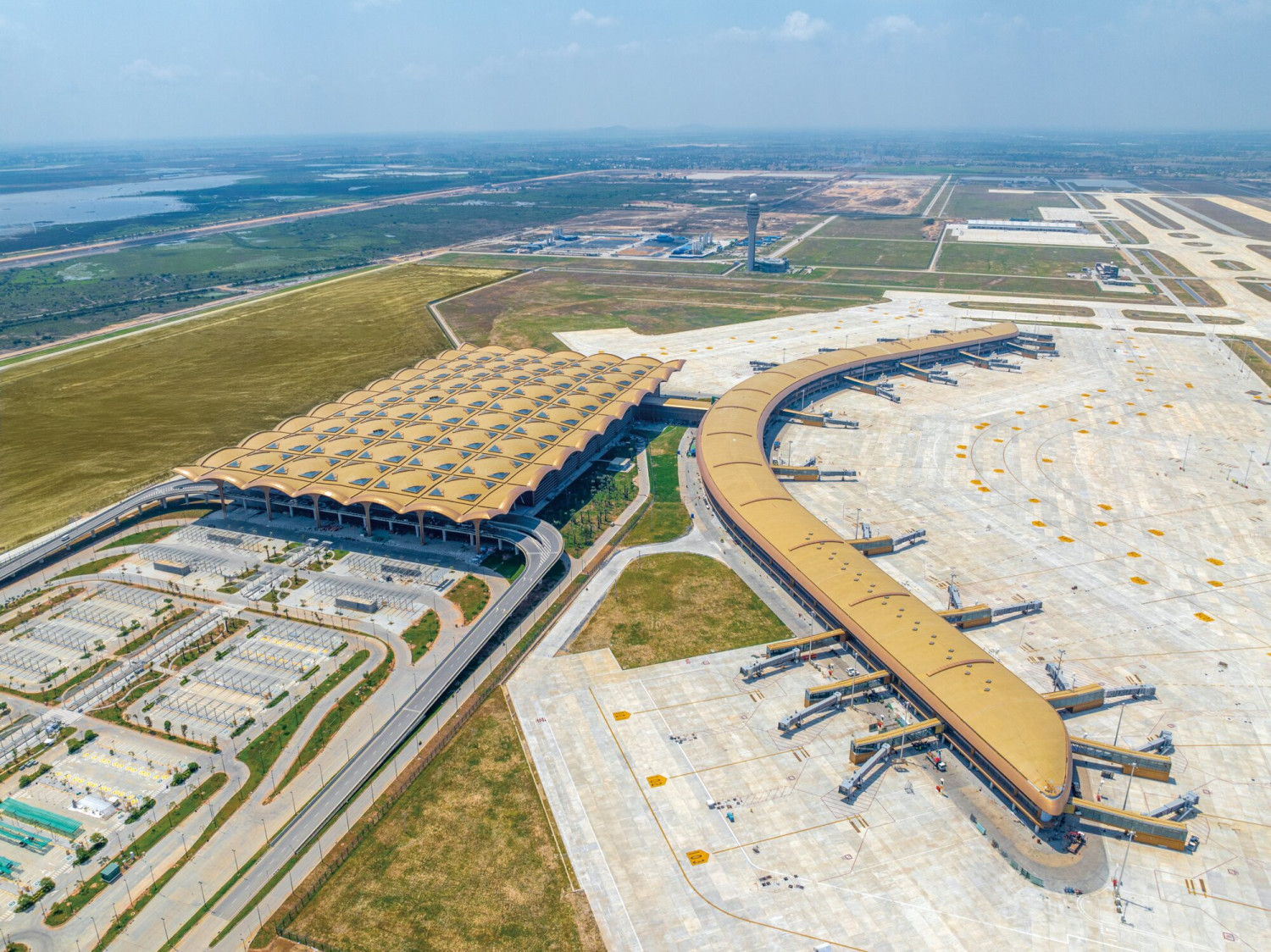
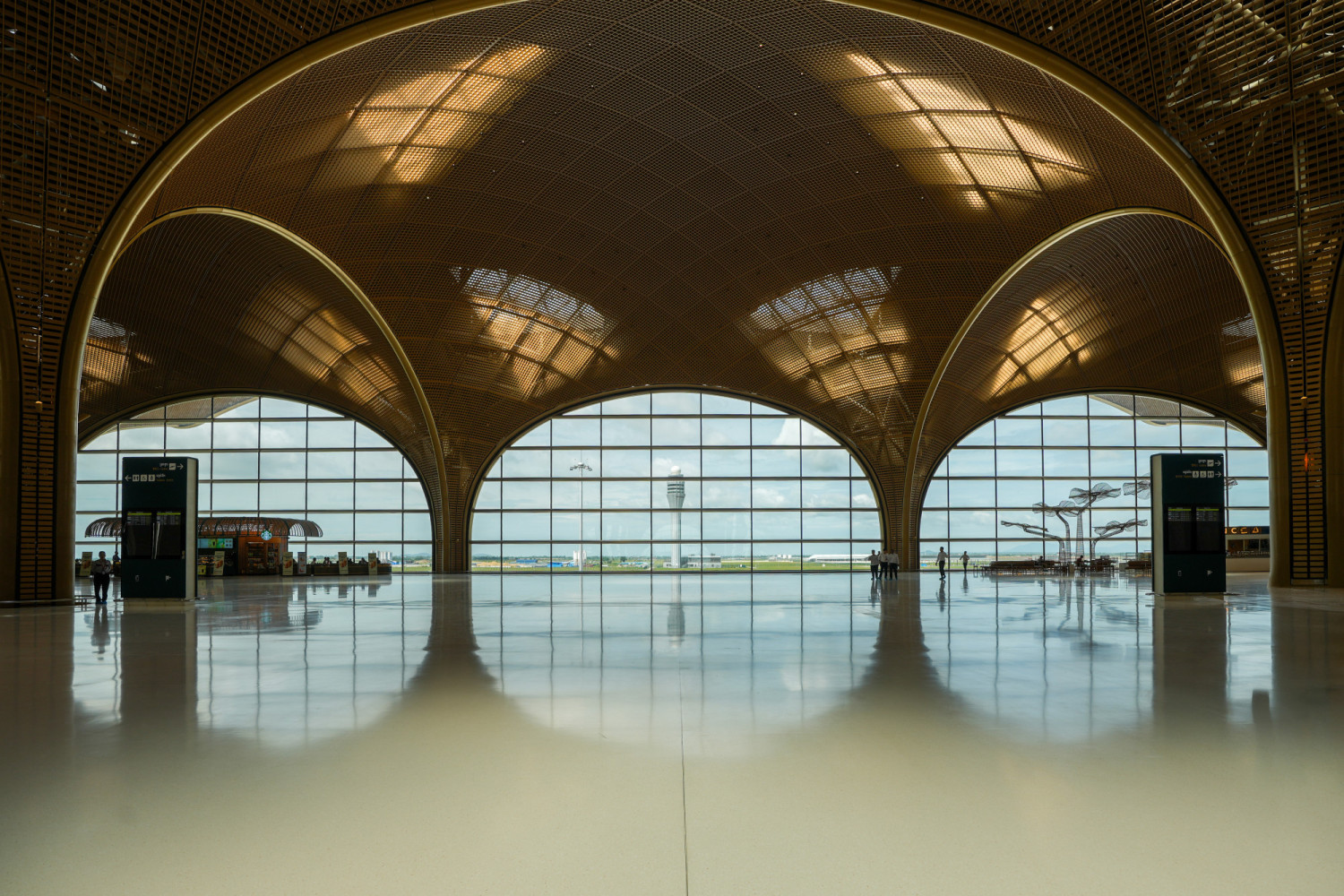
Located roughly 20km south of downtown Phnom Penh is Techo International Airport. It welcomed its first flights in September 2025 and now stands as an impressive new gateway to Cambodia and a masterwork of modern architecture. Designed by the renowned British firm Foster + Partners, the terminal’s sweeping roof and warm, inviting interiors draw architectural inspiration from traditional Cambodian temples, royal palaces and regional bamboo and rattan weaving techniques. Integrating sustainable features such as abundant natural daylight, lush indoor landscaping and solar power, it earned a prestigious spot among the world’s seven “Most Beautiful Airports” in the 2026 Prix Versailles international architecture and design awards.
- Korean Air operates direct flights between Incheon and Phnom Penh 7 times a week.
- Written by Jung Insol. Jung Insol is the publisher and editor-in-chief of News Briefing Cambodia, a prominent Korean-language media outlet based in Phnom Penh. Reporting on politics, economics, culture and lifestyle, she bridges the local Korean community and Cambodian society.