
The KPop Demon Hunters Phenomenon
The letter “K” appended to pretty much any word has become a contemporary zeitgeist: K-pop, K-beauty, K-food. But within the world of pop music, there is one “K” that has become more colossal than any other. That’s right. We’re talking about KPop Demon Hunters.
K-Pop is Not Just a Genre
There is a fundamental misunderstanding about K-pop:
the tendency to see it as a single musical genre. It isn’t. Put simply, there are an infinite multitude of genres blended together in its DNA. There’s pop, of course, and R&B. There are also many K-pop artists and bands that actively incorporate rock beats into their music. And you certainly can’t overlook the powerful influences of electronic music and hip-hop. So K-pop is not a genre. It’s the sum total of music, choreography, fashion and a powerful, fandom-based business model all mixed together. It’s closer to a complex, multi-layered music business.
Of course, it’s true that K-pop has developed a certain
identifiable sonic pattern. Despite its diverse origins, its sound has become so recognizable it can be classified as a distinct category, showing how mainstream it has become. And herein lies a major shift brought about by K-pop. Unlike in the past, when a small group of artists was responsible for the creative process, K-pop music is now assembled, almost like parts on a conveyor belt. The foundational beats are often the work of Northern European composers. Why?
Because they’re the best in the world at it. So K-pop has been primed and ready to become something even bigger.

The Emergence of Yet Another “K”
And so, KPop Demon Hunters appeared — and it conquered the world. It has shattered Netflix streaming records and has been setting new milestones on the Billboard charts. Its theme song, Golden, has transcended its humble soundtrack origins to become one of the biggest hits of 2025. The film’s three main characters are dazzling idols on stage and demon-slaying hunters in real life. Golden serves as a core metaphor that pierces through this dual identity. After securing a Golden Globe for Best Original Song and an Oscar nod, the piece further cemented its legacy with a recent win at the Grammy Awards. In Korea, this success has sparked a certain spectrum of debate. “It’s not really a Korean production,” some say. “Why can’t we make something like this?” Well, let’s be honest. A concept like “a girl group consisting of exorcists and a boy
group of grim reapers” would have almost certainly been
rejected at the pitch stage in Korea. And yet, the show is set in Korea, and the protagonists are Korean.
But it’s also true that the production took place almost entirely overseas. It’s just as much North American as it is South Korean. It was produced by Sony Pictures and distributed by Netflix. And that is precisely the secret to its success. All the scenery in the show is wonderfully familiar to a Korean audience. Seoul’s iconic N Seoul Tower makes an appearance, as do kimbap (Korean rice rolls) and ramyeon (instant noodles). Even the tiger, Derpy, hits all the right notes. If someone in Korea had proposed these very ideas, they likely would have been dismissed as “too cliché.” KPop Demon Hunters is undisputably a major success.
Arguing about whether it’s Korean or not at this point is meaningless. What we need to do is look at the present and plan for the future, knowing that K-pop has the power to influence not just music but also tourism and the culture content industry as a whole.
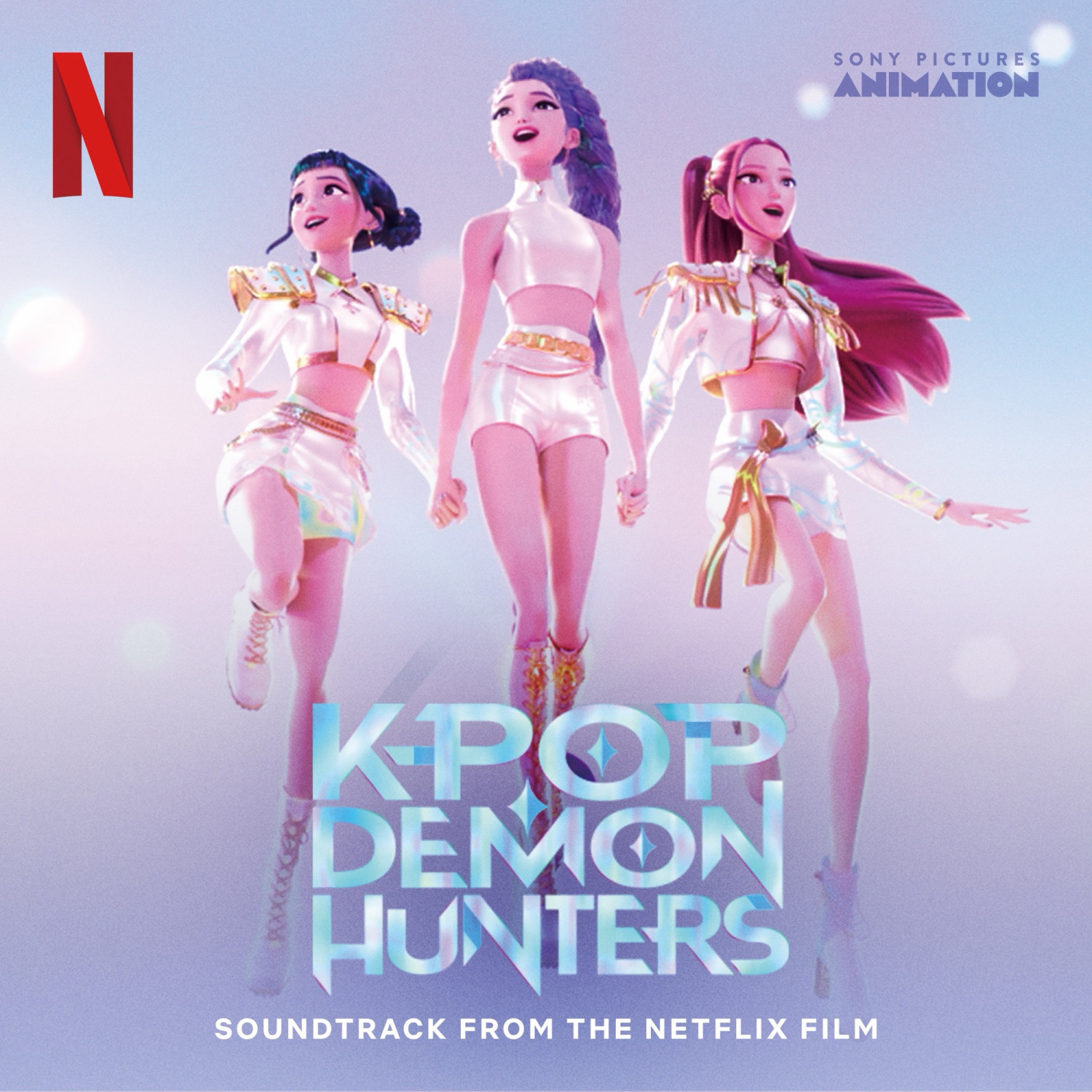
Bae Soontak’s Recommended Hits from the KPop Demon Hunters Soundtrack
Golden
The song’s structure evokes classic K-pop dynamism. The heavy bass loop of the intro builds tension, and the explosive synthesizer in the chorus makes you feel the pure, cathartic victory symbolized by the title. The highlight is the dance break in the latter half of the song. The sampling of traditional Korean instruments here creates a beautiful harmony with the modern beat, reinforcing the group’s identity and maximizing the audience’s auditory gratification. In the end, Golden is a declaration — not of a static, picture-perfect beauty to be admired by others, but of the will to continually craft yourself into a shining light that can cut through the darkness. This song is the final piece that completes the film’s narrative, the very proof of why K-pop has captivated the world.
Your Idol
Unlike the fierce, combative light of Golden, the Saja Boys’ song, Your Idol, embraces K-pop’s “perfectly designed image” through a sound of pure pop extremity. With an addictive synthesizer and a restrained rhythm, it instantly captivates the listener, while lyrics like
“I’m your idol” hint at the enigmatic power dynamic between a star and a fan. A steely, hidden ambition lies beneath its stylish minimalism, elevating the track beyond a simple dance song into a psychological tool. The nearly emotionless vocal processing is another key element enhancing the untouchable charisma of the boy group.
How It’s Done
This song is a depiction of the HUNTR/X members who prove their skills with results, rendered through an unapologetic hiphop beat that depicts their confidence.
This track, which plays alongside a fighting sequence, is the most direct expression of K-pop’s classic “growth narrative.” The raw tone of the bass and the sharp hi-hat sounds give the song a sense of tension, and the relentless rapping gives sonic form to the
groups perfect teamwork. The message of the song could be summed up as, “I’ll show you with my actions, not my words.” The girl group is emphasizing that the skills forged through sweat and tears are their only weapons for survival. And in that, they are a perfect reflection of K-pop itself.
PREVIEW
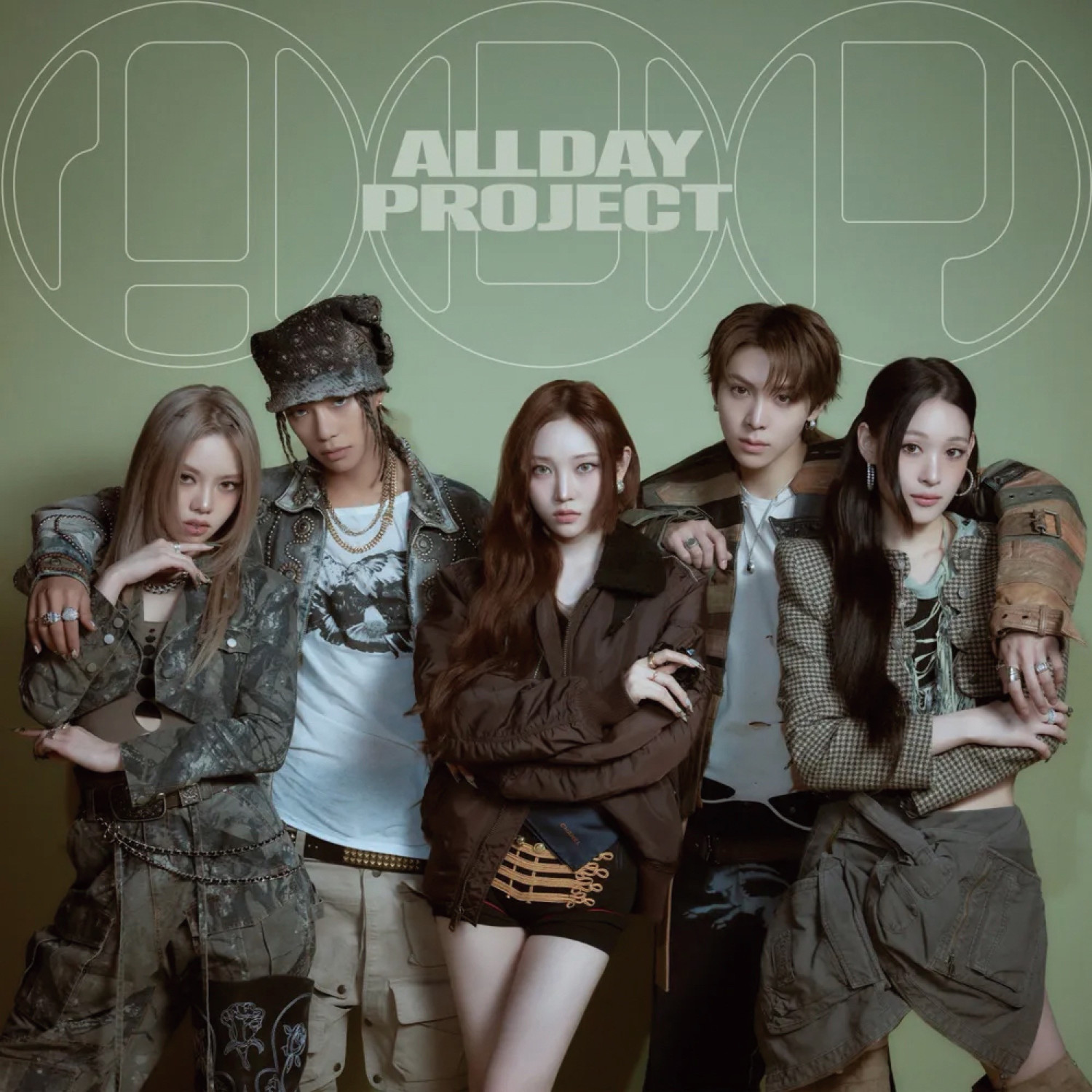
ALLDAY PROJECT, ALLDAY PROJECT
From Jersey club to Afrobeats and hip-hop, this self-titled EP from Allday Project proves the group’s impressive range, with tracks that showcase each member’s unique presence. A five-member co-ed group with a different origin story from a typical K-pop group, their debut album is a smart mix of full group, unit and solo tracks that clearly demonstrates their broad spectrum and potential for future expansion.
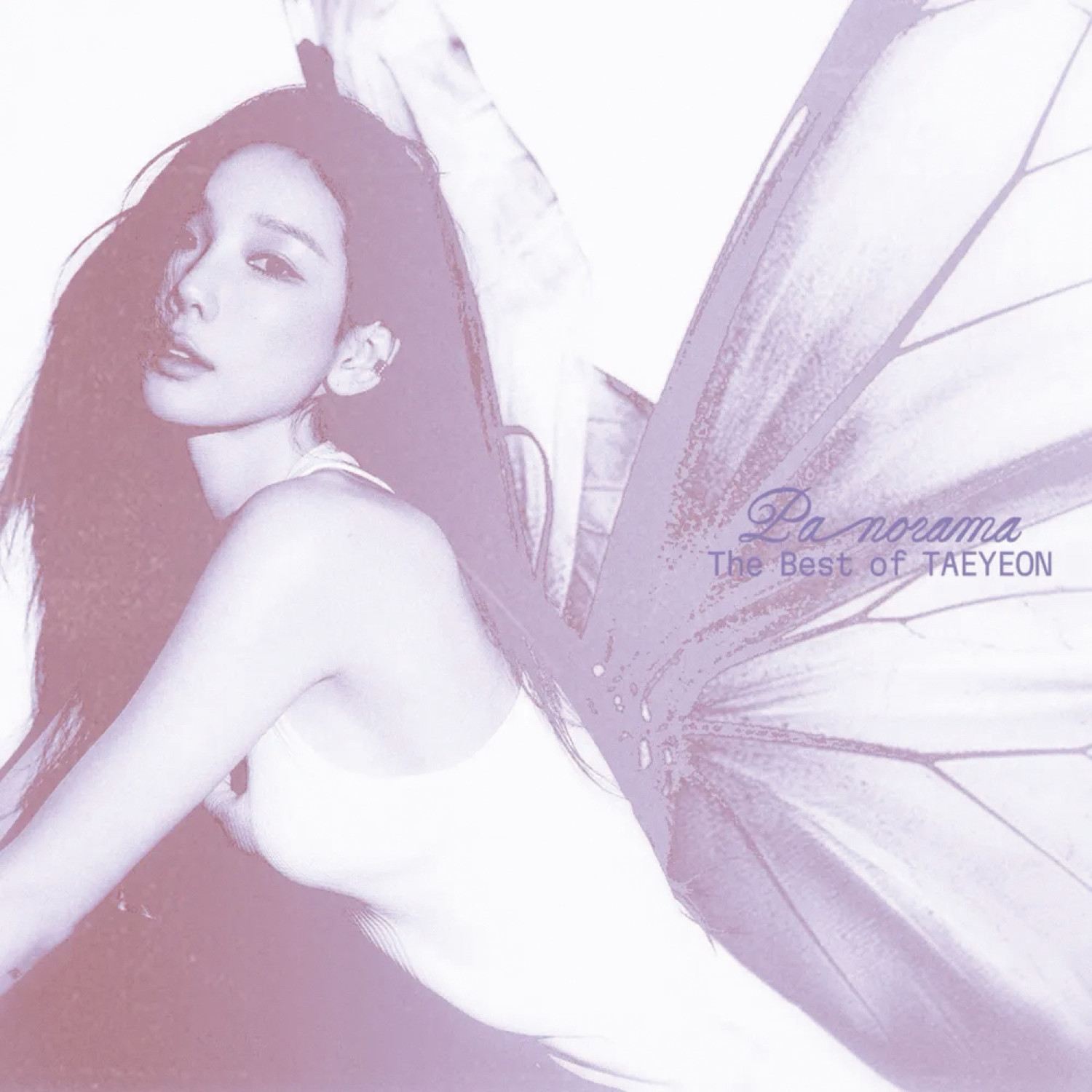
TAEYEON, Panorama: The Best of TAEYEON
This monumental album captures the 10-year solo trajec
tory of Taeyeon since her debut with the song I in 2015. From ballads to pop and R&B, the album showcases her emotional spectrum and a clear arc of growth as an artist. The title track, Hello (Panorama), a beautiful pop-rock song, is both a farewell to the past and a welcome to the days to come, perfectly summarizing who Taeyeon is right now.

Jessie J, Don’t Tease Me with a Good Time
Jessie J’s sixth studio album is a candid look at the emotional highs and lows of the past decade. Having taken over five years to complete through a journey that included an early breast cancer diagnosis and surgery, this album transforms personal pain into
powerful musical energy.
Gen Hoshino, いきど まり/Dead End
True to its title, Dead End captures the cracks and crevices in life without exaggeration, with Gen Hoshino’s characteristically calm vocals set against a restrained arrangement. Composed of only piano and vocals, this minimalist arrangement, in which he layers his own backing vocals to expand the emotion, clearly illustrates his unique musical texture.

Simon Franglen, Avatar: Fire and Ash Soundtrack
The soundtrack to the film Avatar: Fire and Ash, the grand orchestration and intricate thematic variations complete the series’ trademark stunning visuals and immersive narrative. Dream As One, the finale sung by Miley Cyrus, conveys the message that love becomes strongest when we share the same dream.
- Available content may vary depending on your flight.