The Choices in No Other Choice
As one of the defining figures in Korean film journalism, Kim Haery offers her picks for in-flight viewing.
For some time, the working title of Park Chanwook’s film No Other Choice (2025) was The Ax, which was the title of the original Donald E. Westlake novel. When Park finally completed what ended up being a two-decade journey of making the film, he was asked what the official title was. “It’s Eojjeolsugaeopda — with no spaces,” he said. The Korean phrase, which literally means “it can’t be helped,” is typically split into three parts.
Why did Park insist on a title without spaces? My guess is that Park wanted his audience to realize that the phrase “no other choice,” which is used by multiple characters in the movie, is one of those unthinking turns of phrase we use out of habit. “No other choice” is an exclamation of resignation that people make before putting their uncom fortable choices out of mind.
The “No Other Choice” Ideology
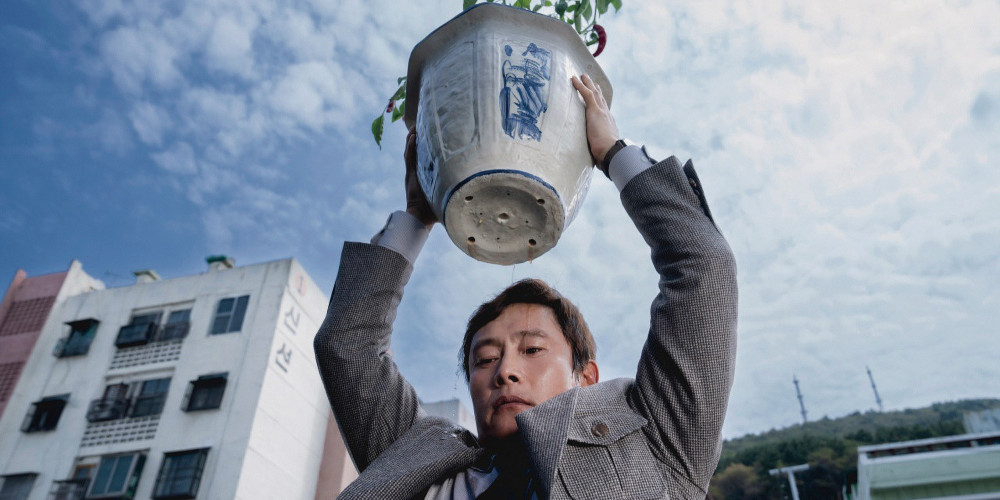
When viewers are intro duced to Mansu (Lee Byunghun), he is a pros perous manager of a paper making company where he has been working for 25 years. He and his wife Miri (Son Yejin) have a son, a daughter and two golden retrievers — the kind of idyllic family you might see in a Hallmark movie. But just when Mansu thinks he’s got it made, his company is bought out and he’s laid off by the new management. The company’s excuse, naturally, is that it has “no other choice.” Mansu’s job search takes longer than expected, and Miri is forced to go back to her old job.
Soon, the family is forced to put their house up for sale. With “no other choice,” Mansu takes out a wanted ad for a “paper company” manufacturing paper, with the intention of murdering his rivals in the job market. Paradoxically, the main point of this film is that Mansu does, in fact, have other choices. While No Other Choice could easily be grouped with Parasite and Squid Game, two other Korean productions focusing on class struggle in a late-capitalist society, Park’s aim is different here. He’s exploring how far an individual will go to avoid dropping out of the middle class (rather than to escape grinding poverty, as in Parasite and Squid Game).
Mansu laments the cold-hearted betrayal of his employer and the investors behind the company. But instead of changing course or teaming up with other workers in his predicament, the path he chooses is to physically eliminate his rivals. In this process, Mansu comes to embody the very qualities of capitalism he so despises: the attitude that the end justifies the means and that efficiency supersedes value.

Structural Violence à la Park Chan-wook
Ultimately, No Other Choice contrasts the momentum of a murder scheme where the pieces are falling into place with the downward spiral of the moral collapse of Mansu and his family. Director Park perfected a formal aesthetics of grace and elegance in The Handmaiden (2016), The Little Drummer Girl (2018) and Decision to Leave (2022); in No Other Choice, he represents Mansu’s dramatic unraveling through the juxtaposition of scenes and ultilayered sound design.
Some prime examples are the slapstick sequence at the home of Beom-mo (Lee Sungmin), Mansu’s first victim, with the 1980s Korean pop hit Red Dragonfly playing in the background, and the scene at the shoe store when the dialogue is constantly interrupted by the door chime. This drama, depicting a series of murders, is in deadly earnest. But if it sometimes evokes a Looney Tunes gag where characters are chasing each other in a wasteland, that’s likely because of the sound effects and music. The only tuneful harmony in the world of the film is the cello music played by nonverbal Ri-one (Choi Soyul), daughter of Mansu and Miri. This young cellist, who represents the vanishing point in the family’s moral vacuum, offers her first complete performance not to her family but to their golden retrievers.
Before going to see a movie by Park, many viewers may feel queasy about the possibility of ultraviolence, but No Other Choice doesn’t distinguish itself with gory scenes. Rather than explicitly depicting bodily injuries, this film identifies the objectification of others as being the essence of violence. That being said, the images of trussed-up bodies and the use of vomit as a murder weapon are somewhat unsettling.

Speaking of the Human Condition
Having achieved his goal, Mansu is hired as the only human worker at an automated paper mill. The viewer is aware that he has only bought himself a little time, but Mansu can’t bring himself to ask his employer what will happen at the next stage of automation. The “no other choice” ideology here is reminiscent of cultural theorist Mark Fisher’s concept of capitalist realism: namely, the mindset that assumes capitalism to be the only method of social organization for which there is no alternative. The by-products of this mindset are the drive to resolve social contradictions not through structural reforms but through individual therapy and the tendency of applying corporate language to state organizations and even the arts.
By submitting to capitalist realism, we lose the ability to imagine a different future. In a polarized environment with little chance of class mobility, the only alternatives left to individuals are cheating the system or rejecting it altogether. In his depiction of cheating the system in No Other Choice, Park is one of many filmmakers in the 21st century to speak of the desperate condition of people at their rope’s end. The film Sirāt, winner of the Jury Prize at the 2025 Cannes Film Festival, uses revelers at a desert rave to describe the journey of those who reject mainstream society. That contrasts with Sinners, a film directed by Ryan Coogler that illustrates the tendency for disadvantaged groups to fight for the scraps as exemplified by the African-American and Irish-American characters in the story.
The concluding scene of No Other Choice shows Mansu on his first day at work at a factory otherwise “manned” by robots. He taps the huge rolls of paper with a rod as he’d done at his previous job, even though his managers have told him that’s unnecessary. He’s suffering, so to speak, from the pain of a phantom limb. The heavy darkness that soon swallows Mansu’s lonesome silhouette is, if anything, merciful.
- Available content may vary depending on your flight.

Masterpieces Like No Other Choice
Sympathy For Mr. Vengeance (2002)
Director Park Chanwook raises questions about the neoliberal system in a story set in Korea in the aftermath of the Asian financial crisis in 1997. A man whose kidney was stolen by organ traffickers kidnaps the daughter of his former company’s president with the intention of releasing her as soon as the ransom is paid, but his actions have unintended consequences. This film shows another side of Song Kangho, an actor whom Park helped bring to prominence.
A Fish Called Wanda (1988)
From a certain vantage point, No Other Choice is a black comedy about bumbling criminals. Films of that sort largely originated with the work of British production company Ealing Studios. A spiritual successor to that tradition is A Fish Called Wanda, in which a gang of robbers try to claim stolen diamonds for themselves while their boss is in the slammer. The film is the absolute pinnacle of British comedies that poke fun at stereotypes of the national culture.
Fargo (1996)
Desperate for cash, car salesman Jerry plots to have his wife kidnapped so he can collect ransom from his moneybags father-in-law. When the witless kidnappers end up fatally shooting several bystanders, police chief Marge Gunderson (Frances McDormand), at a late stage in her pregnancy, launches a slow-moving but dogged investigation. McDormand’s performance, trudging through the most heinous of human behavior without ever succumbing to cynicism, is the highlight of the film.
The Truth Beneath (2016)
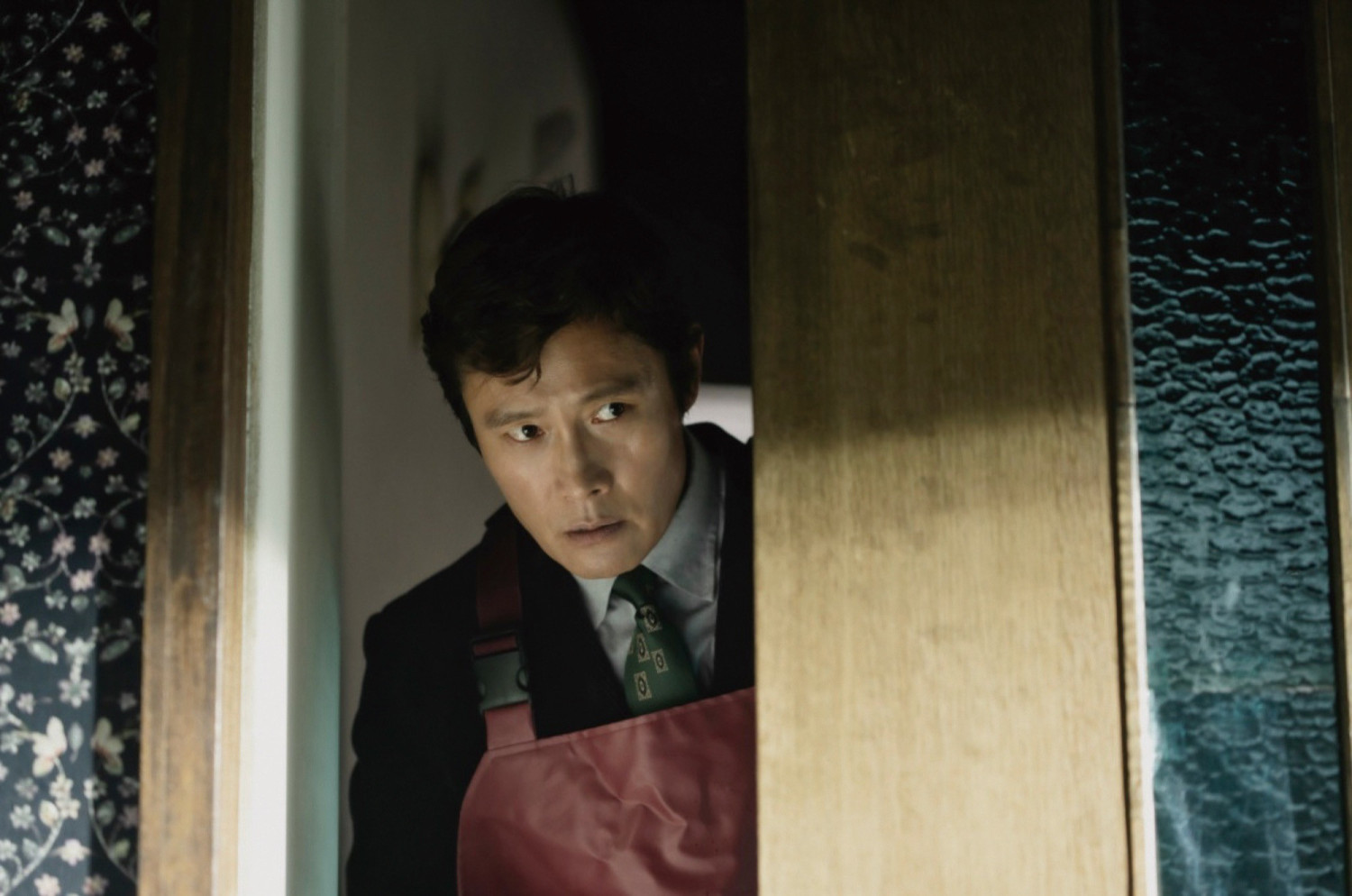
A few days before Korea’s parliamentary elections, the teenage daughter of a political candidate on the make goes missing. Shaken by her husband’s passive response, anxious mother Yeonhong (Son Yejin) sets out to find her daughter. In the process, she uncovers the titular “truth beneath,” while regaining her own sense of purpose. Son Yejin, who stars in this hidden gem of Korean cinema, also played Miri, the spiritual center of the film No Other Choice.
MOVIE PREVIEW
#History and Power

Nuremberg
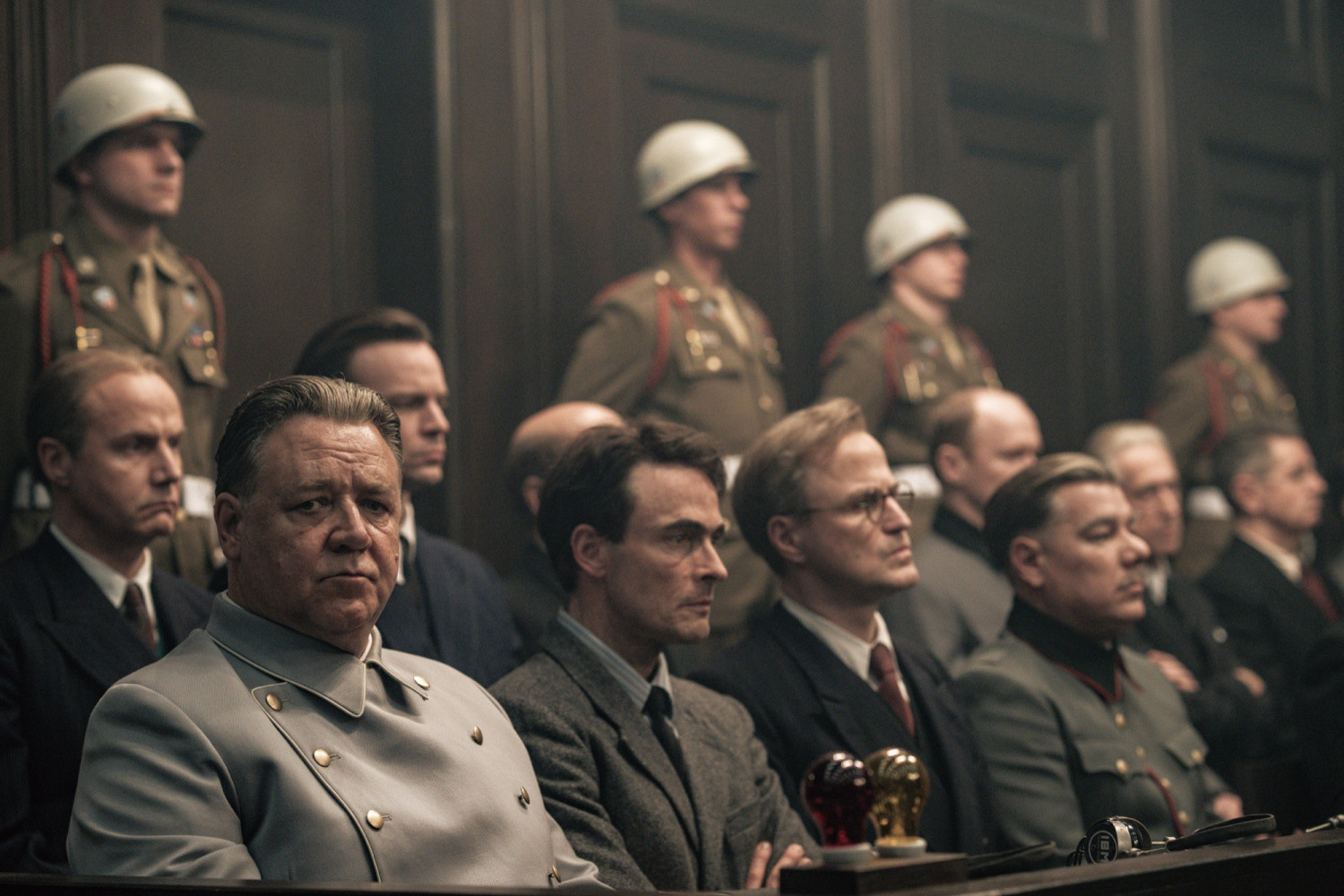
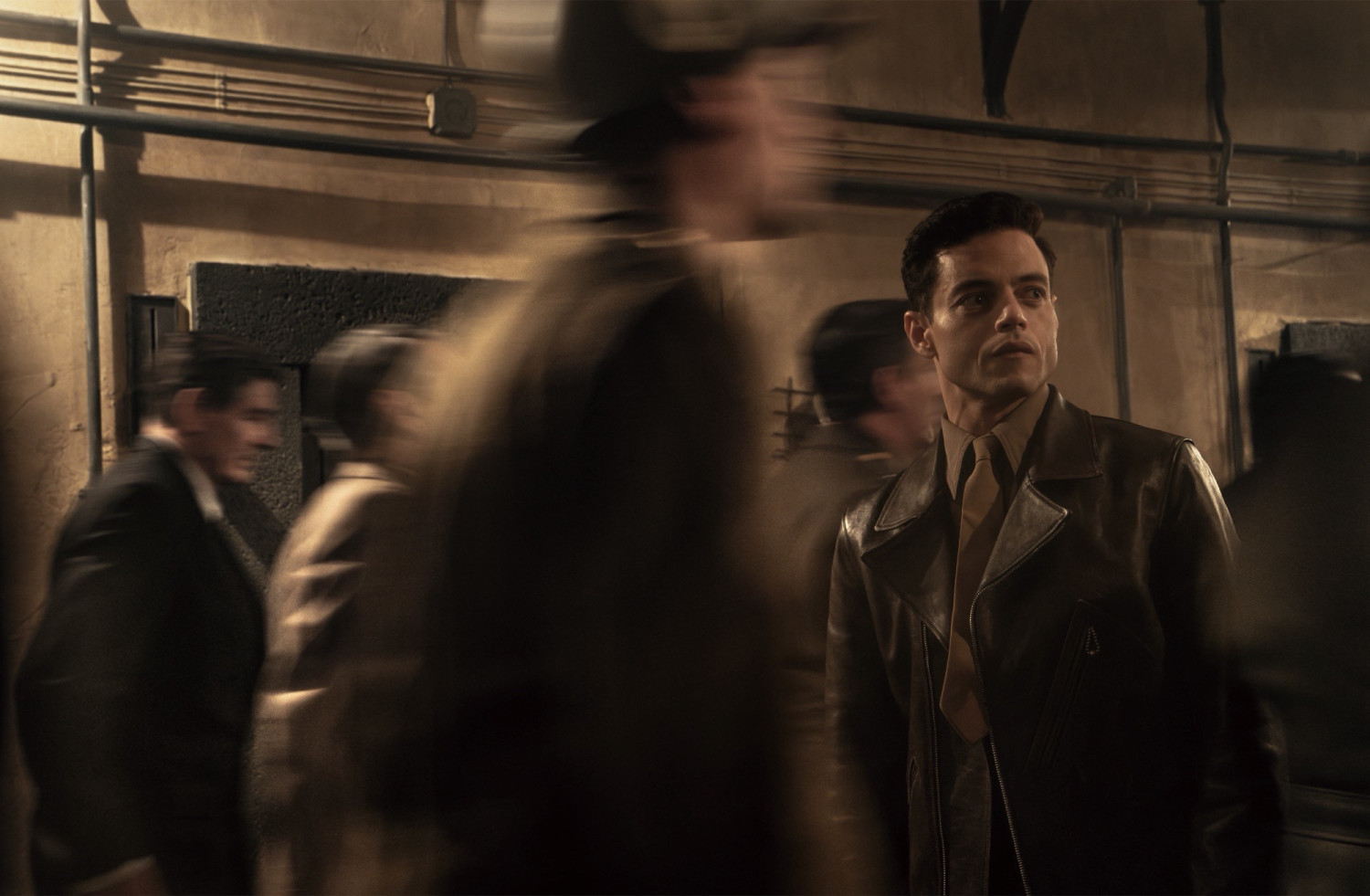
In the aftermath of World War II, the Nuremberg trials begin, convened to hold Nazi German war criminals like Hermann Göring (Russell Crowe) accountable for their actions. Captain Douglas Kelley (Rami Malek), a U.S. Army psychiatrist, is sent to evaluate the mental state of the prisoners before they stand trial. In the course of his duties, he conducts a series of direct interviews with Göring, once Hitler’s righthand man. As a subtle bond and a tense psychological game of wits form between them, Kelley finds himself descending into confusion.
The Man Standing Next
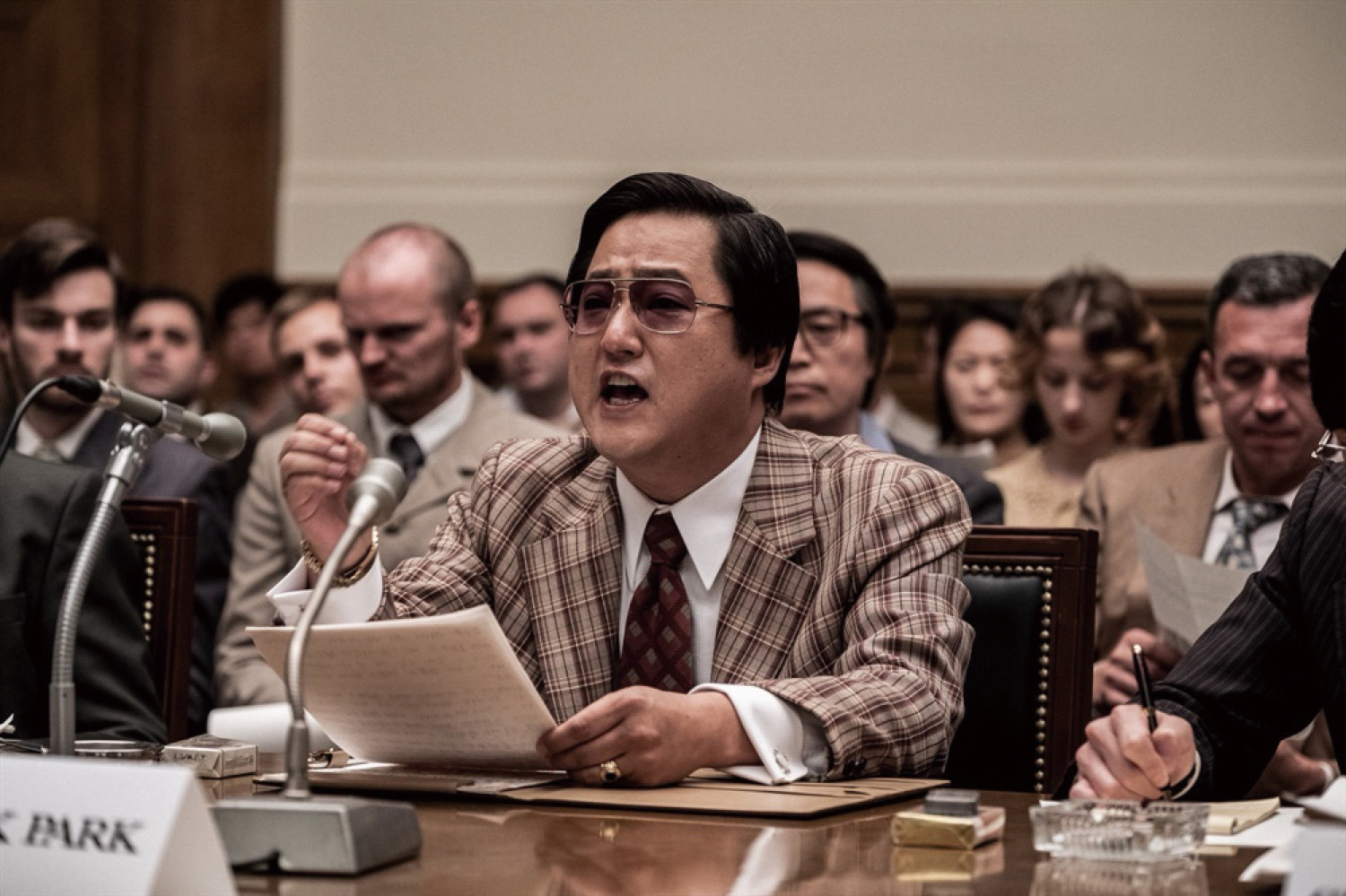
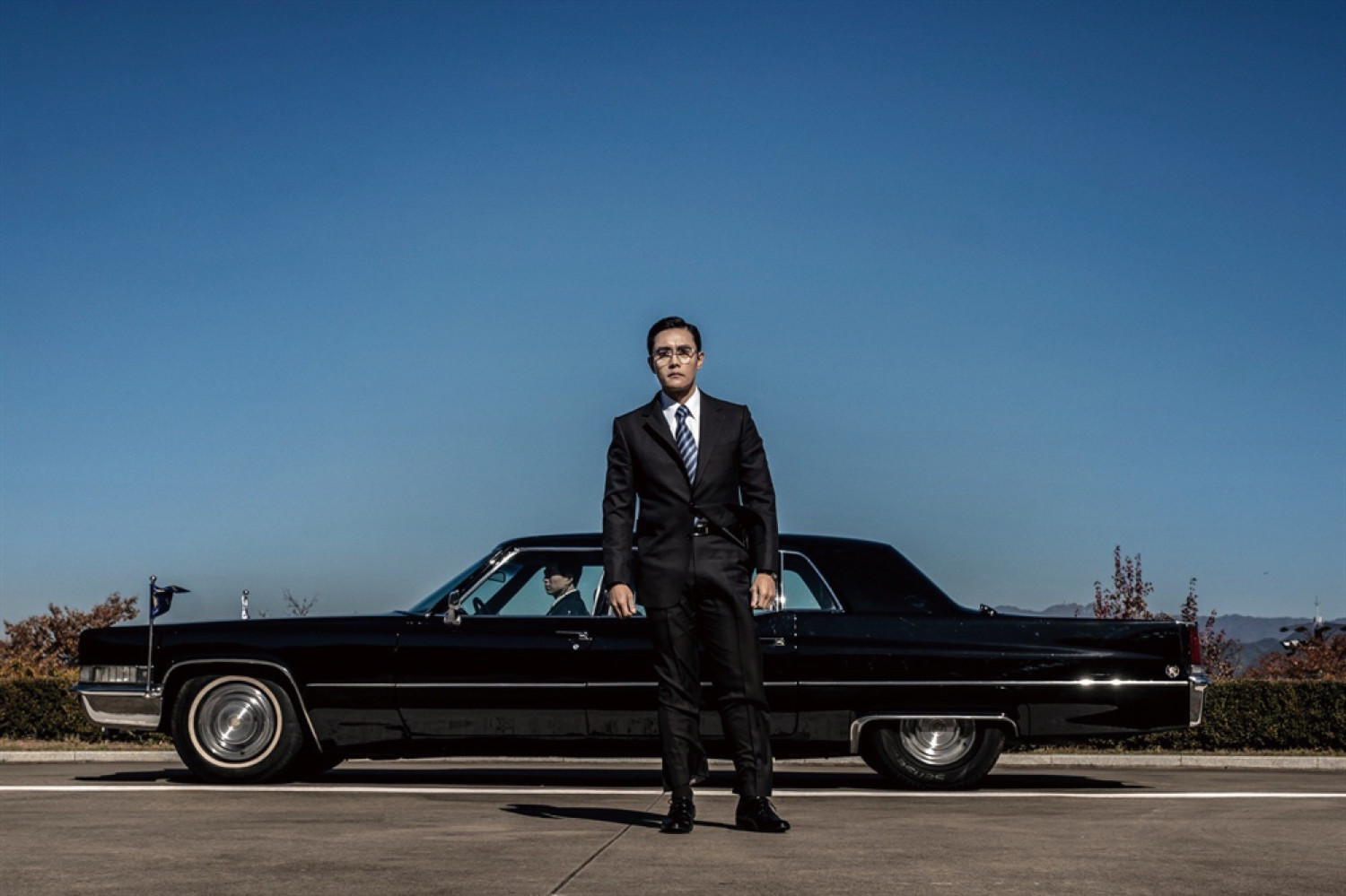
The Korean Central Intelligence Agency (KCIA) is the heart of the power structure that has enabled President Park’s (Lee Sungmin) long-term rule. At its very center is Kim Gyupyeong (Lee Byunghun), the second-in-command who holds the president’s unwavering trust. But when the former KCIA director, Park Yonggak (Kwak Dowon), threatens to expose the regime’s secrets in a memoir, and with the rise of the ambitious head of presidential security, Kwak Sangcheon (Lee Heejoon), Kim’s position is suddenly shaken. As tensions and rivalries within the inner circle reach a fever pitch, a decisive moment that will change the course of history approaches.


1917
In 1917, at the height of World War I, two young British soldiers, Schofield (George MacKay) and Blake (Dean-Charles Chapman), are given an impossible mission on the frontlines. With all lines of communication down, they must race against time to cross deep into enemy territory to deliver a single message from General Erinmore (Colin Firth) to Colonel Mackenzie (Benedict Cumberbatch). The message is urgent: call off a planned attack that is a German trap. If they fail to arrive in time, the lives of 1,600 of their fellow soldiers will be lost.
Just Mercy
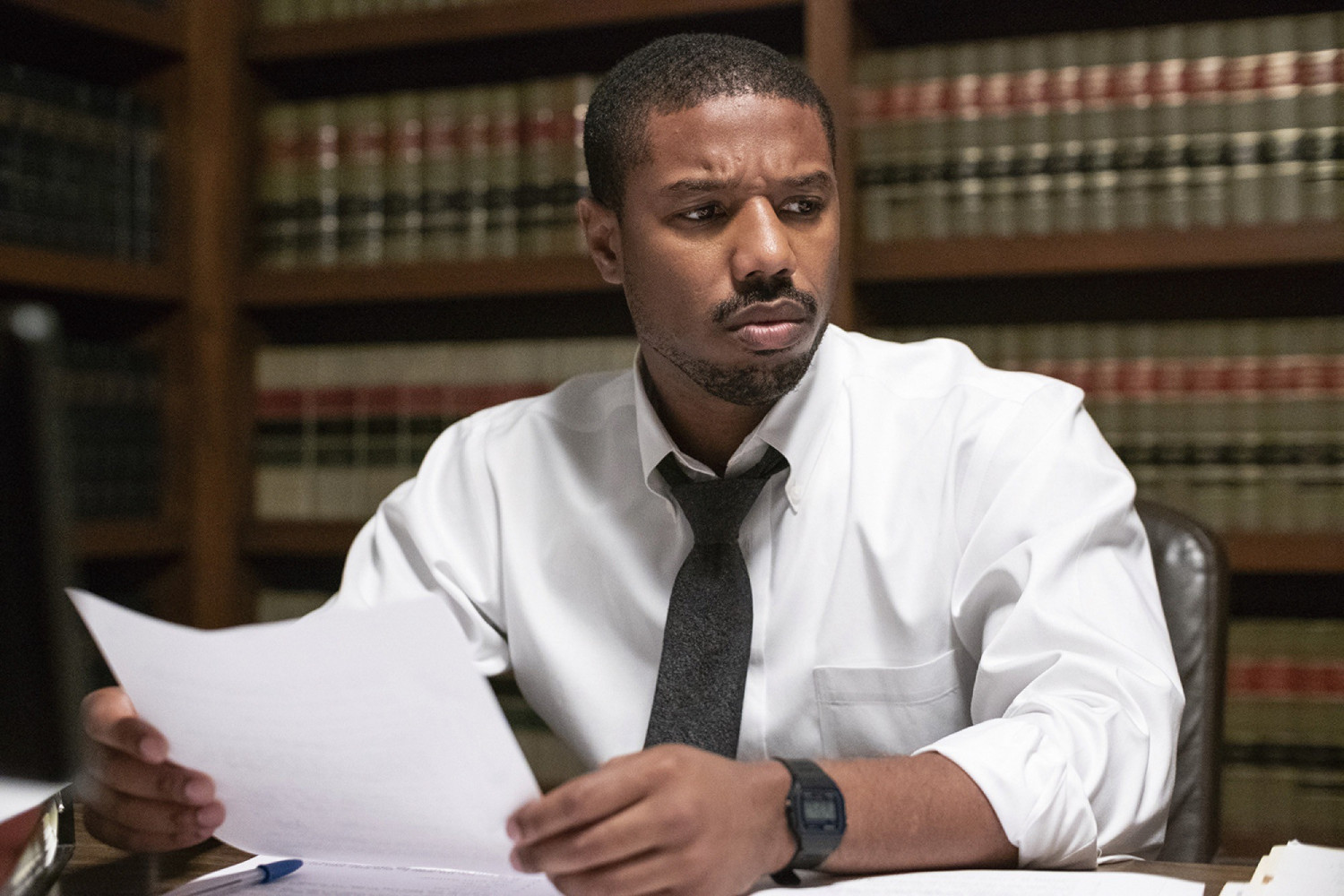
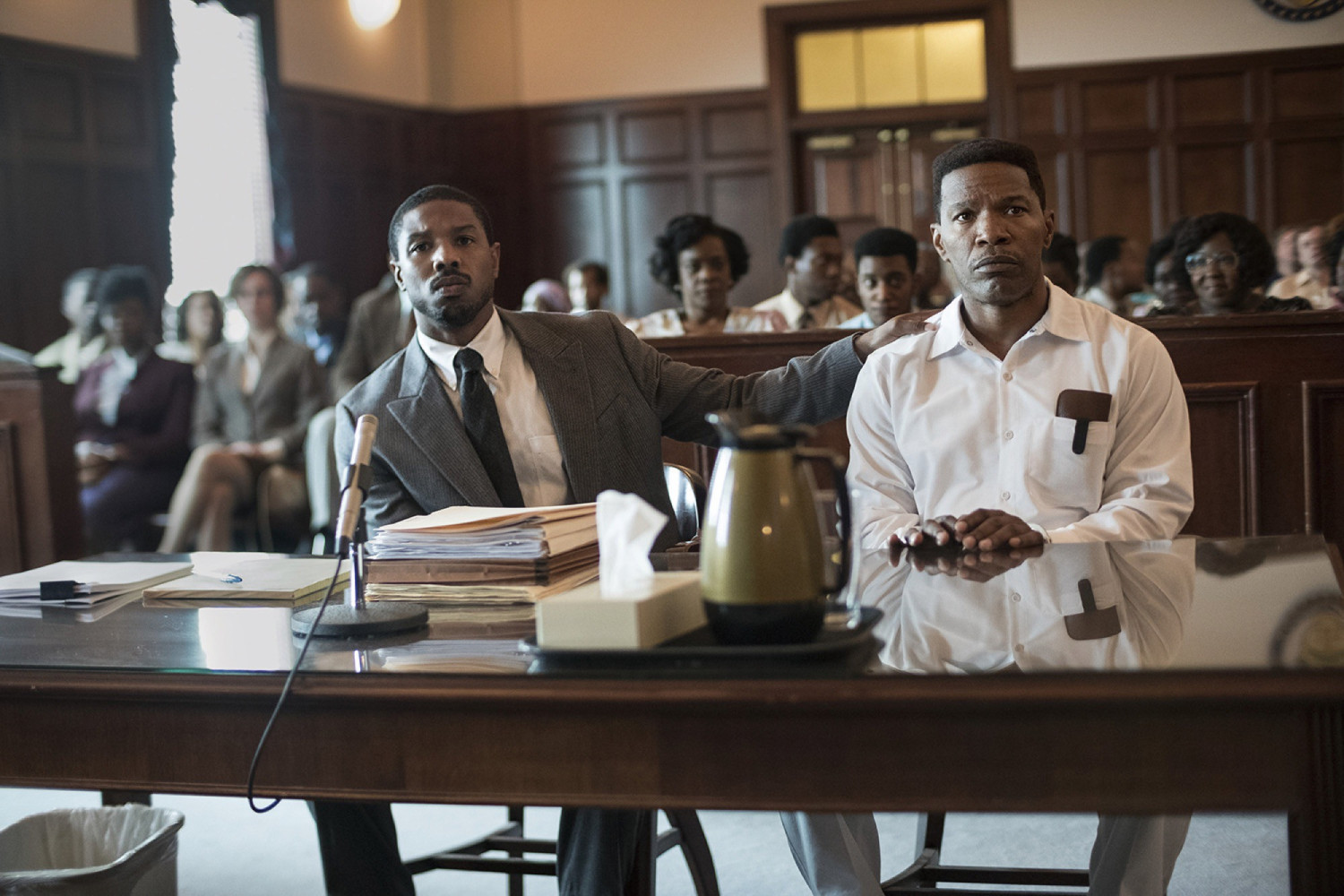
A young, idealistic lawyer, Bryan Stevenson (Michael B. Jordan), takes on the case of Walter McMillian (Jamie Foxx), a man wrongfully sentenced to death in a system rife with racial prejudice. Faced with a reality where clear evidence and testimony are not enough to ensure justice, he tirelessly fights against the iscrimination deeply rooted in the legal system and the local community. This true-life legal drama shows how a firm moral conviction can protect a person’s life and dignity in the face of a long and lonely legal battle.
Conclave
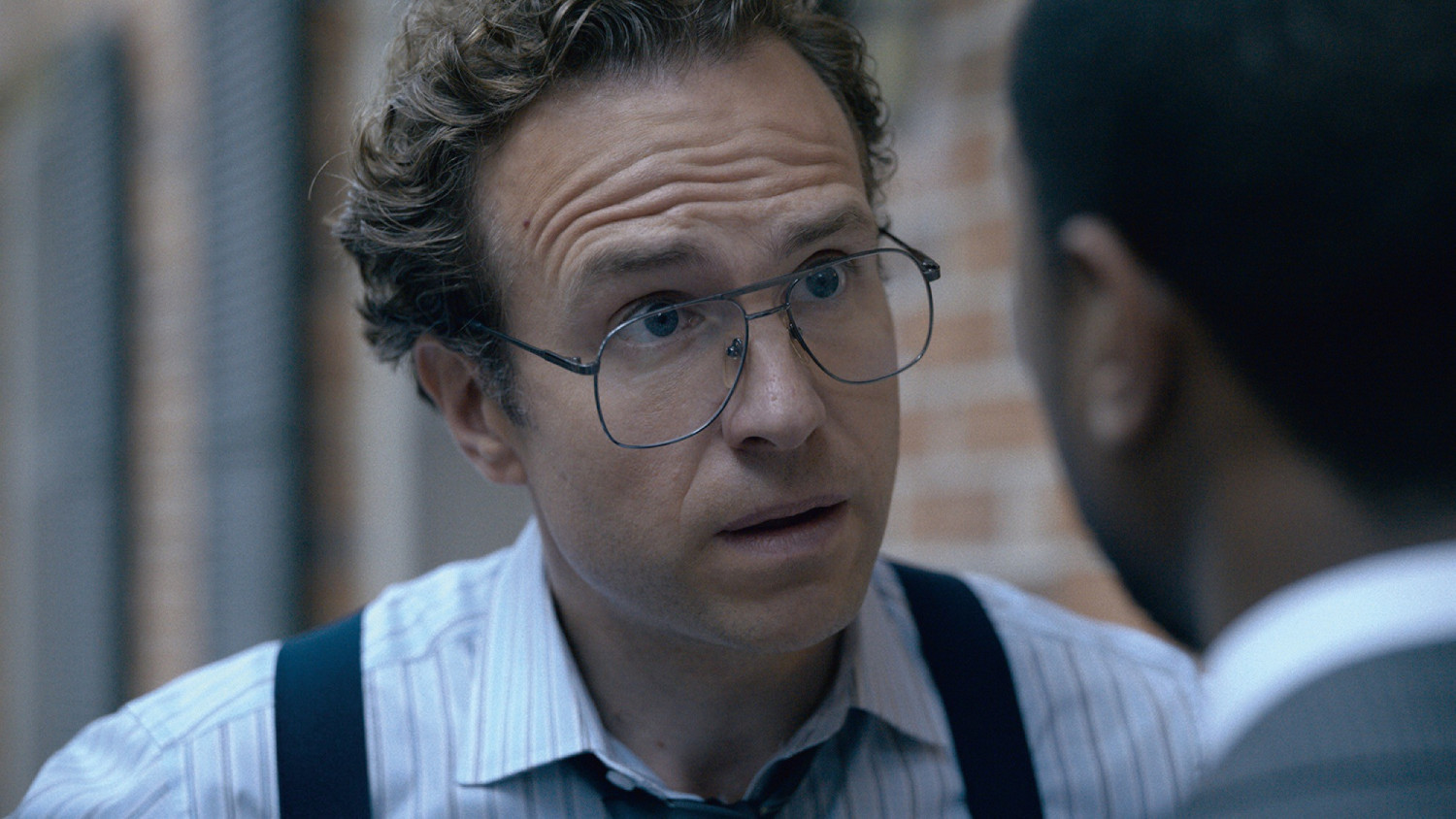
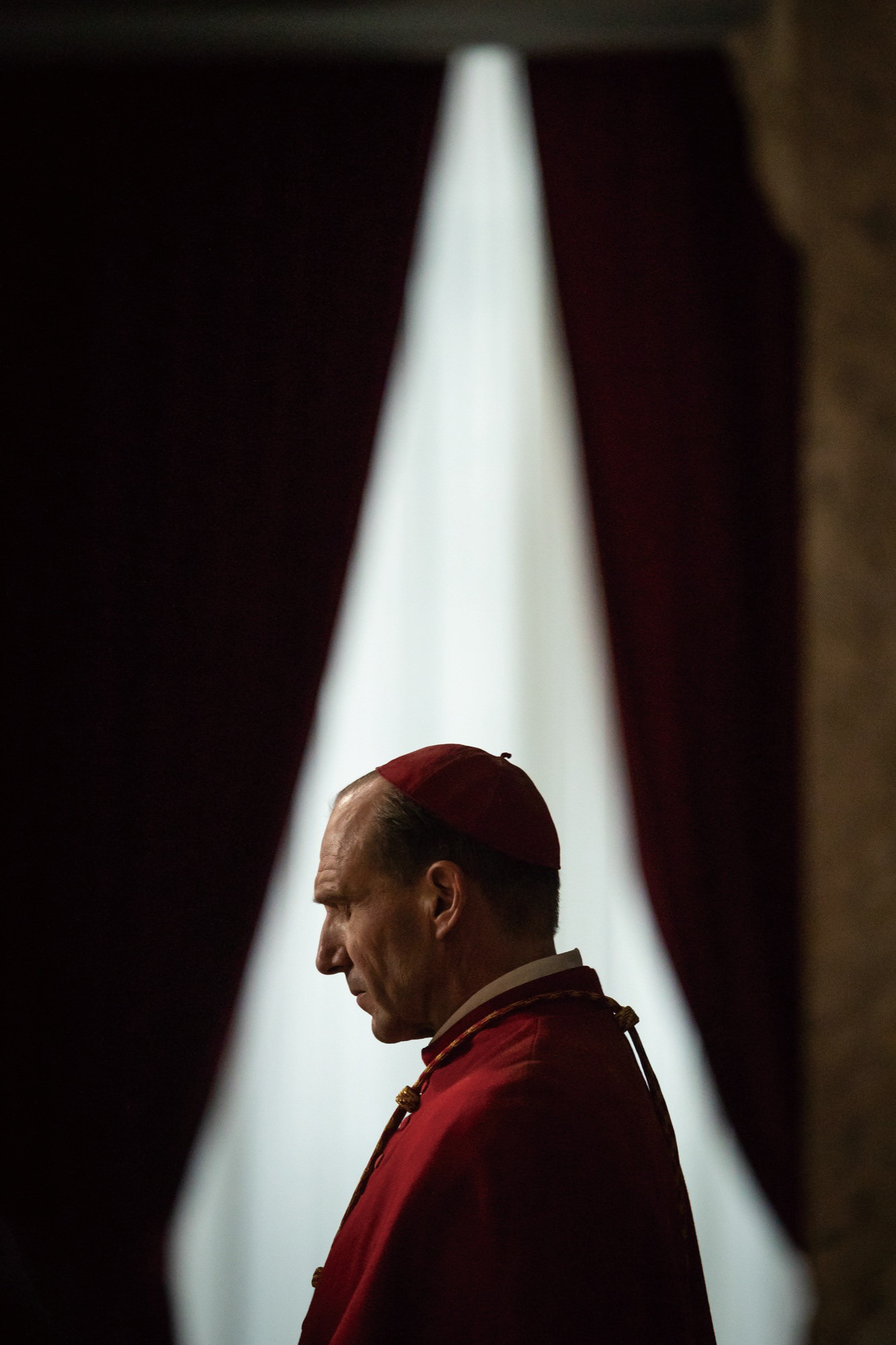
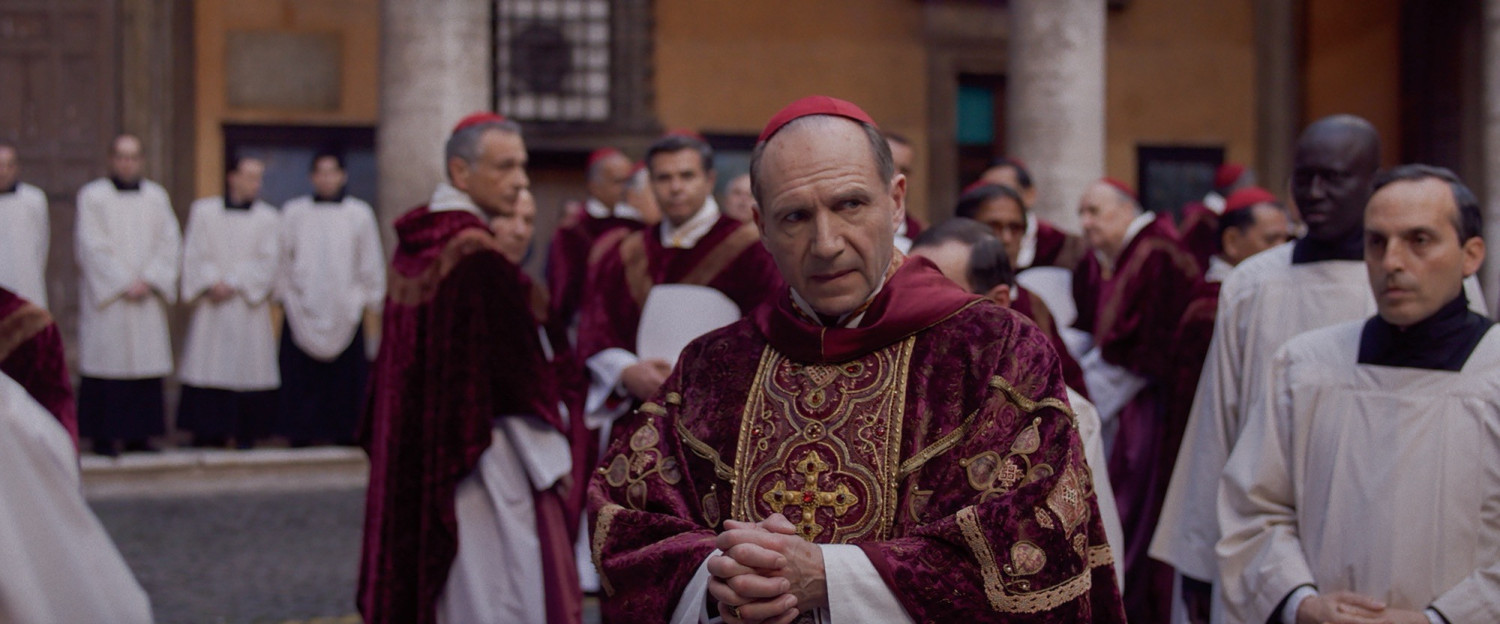
Following the unexpected death of the Pope, the cardinals gather in the Vatican to begin a conclave, the secret election to choose his successor. Cardinal Lawrence (Ralph Fiennes), who is overseeing the election, begins to suspect that the circumstances surrounding the Pope’s death are not as they seem. A subtle, tense web of intrigue begins to form as each of the key players — Cardinal Bellini (Stanley Tucci), Cardinal Adeyemi (Lucian Msamati) and Cardinal Tremblay (John Lithgow) — reveals their own hidden agendas and vested interests.
#The Game of Survival
Hostage: Missing Celebrity
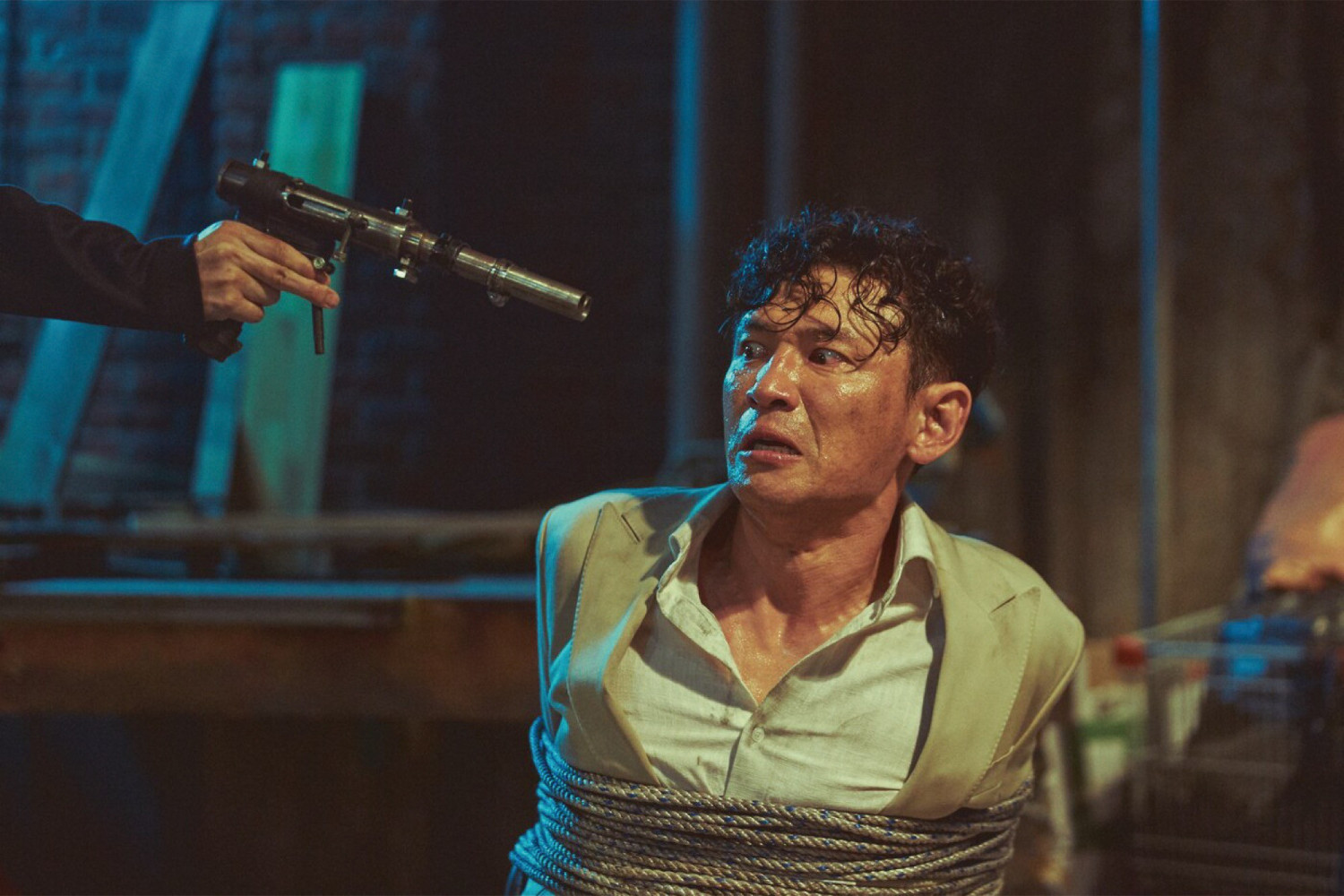
One early morning, just like any other, the famous
Korean actor Hwang Jungmin (playing himself) is kidnapped in the heart of Seoul, without a single witness or a trace of evidence. The gang, led by the ruthless Choi Kiwan (Kim Jaebeom), demands a massive ransom, and in a race against time, Hwang Jungmin must engage in a dangerous psychological battle to survive.
Fabricated City
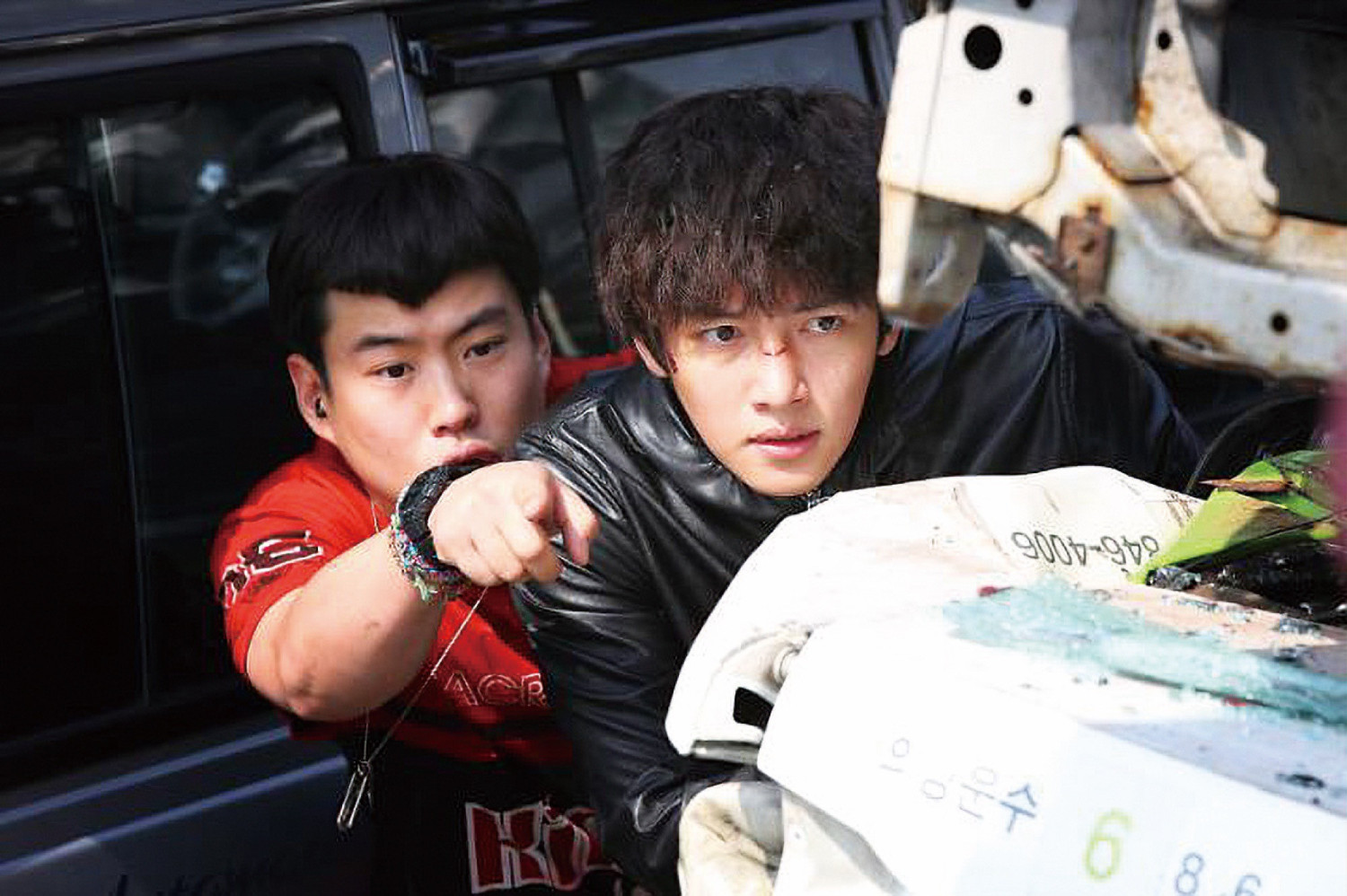
In the world of online gaming, Kwon Yoo (Ji Changwook) is a flawless leader. In real life, he’s an unemployed young man. His whole world is turned upside down after he receives a call at an internet café. Suddenly, he is framed for a brutal murder, and all the circumstantial evidence is perfectly aligned against him. With no one willing to believe he is innocent, his gamer teammate Yeoul (Shim Eunkyung) discovers that the entire crime was meticulously fabricated in just 3 minutes and 16 seconds by an unknown entity.
Five Nights at Freddy’s 2
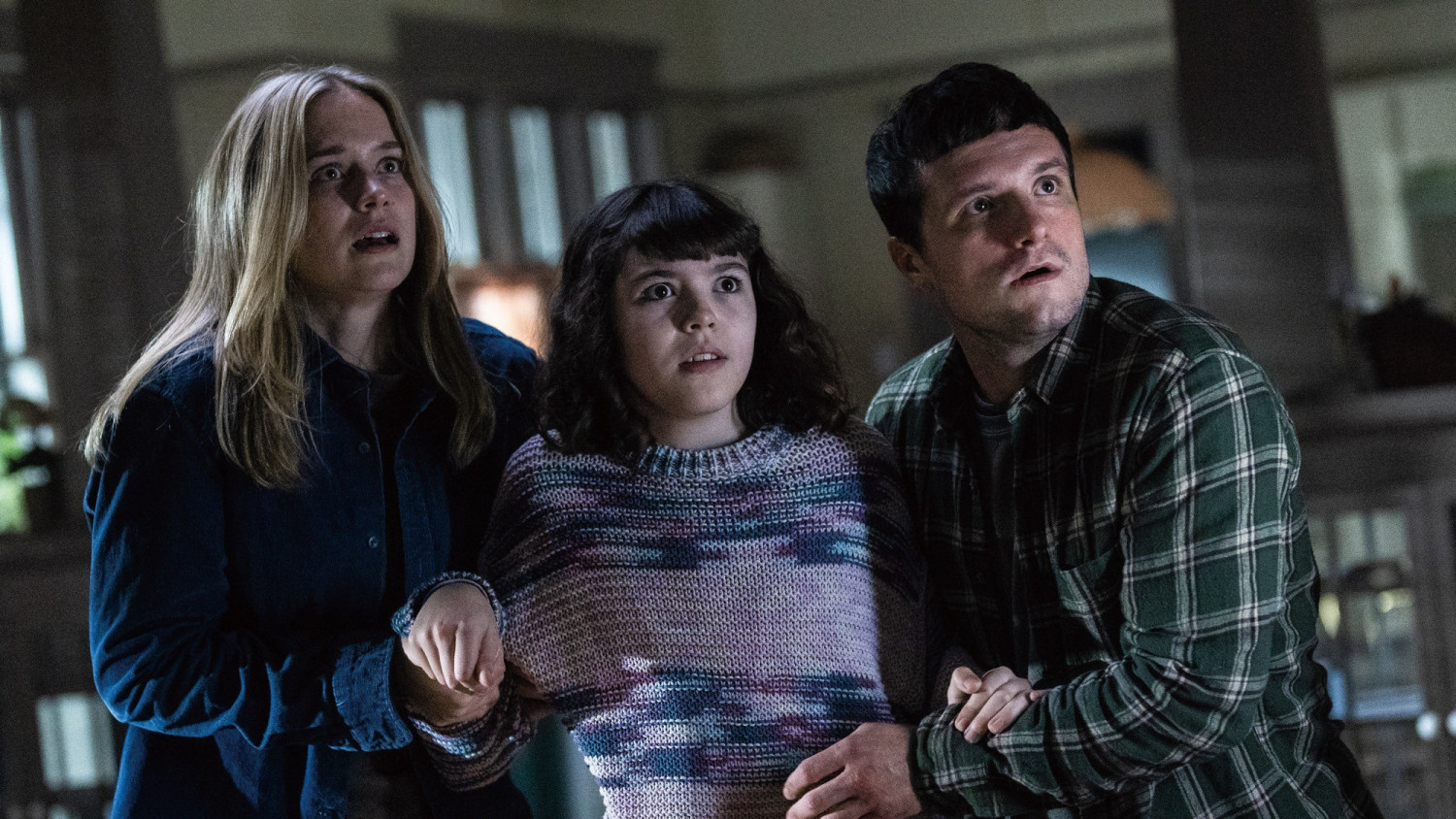
Freddy Fazbear’s Pizza, shuttered for decades and the subject of chilling local legends, reopens its doors, and a new set of even creepier animatronics awakens with it. This time, the horror spills out into the everyday world, with these terrifying creatures bringing their reign of terror to the streets, a local festival and a school. Building on the dark, mechanical vibe of the original game and its 2023 adaptation, this sequel delivers a heart-pounding fear that comes from the realization that the places we believe are safest can suddenly collapse into terror.
#Franchise Blockbusters
Shazam! Fury of the Gods
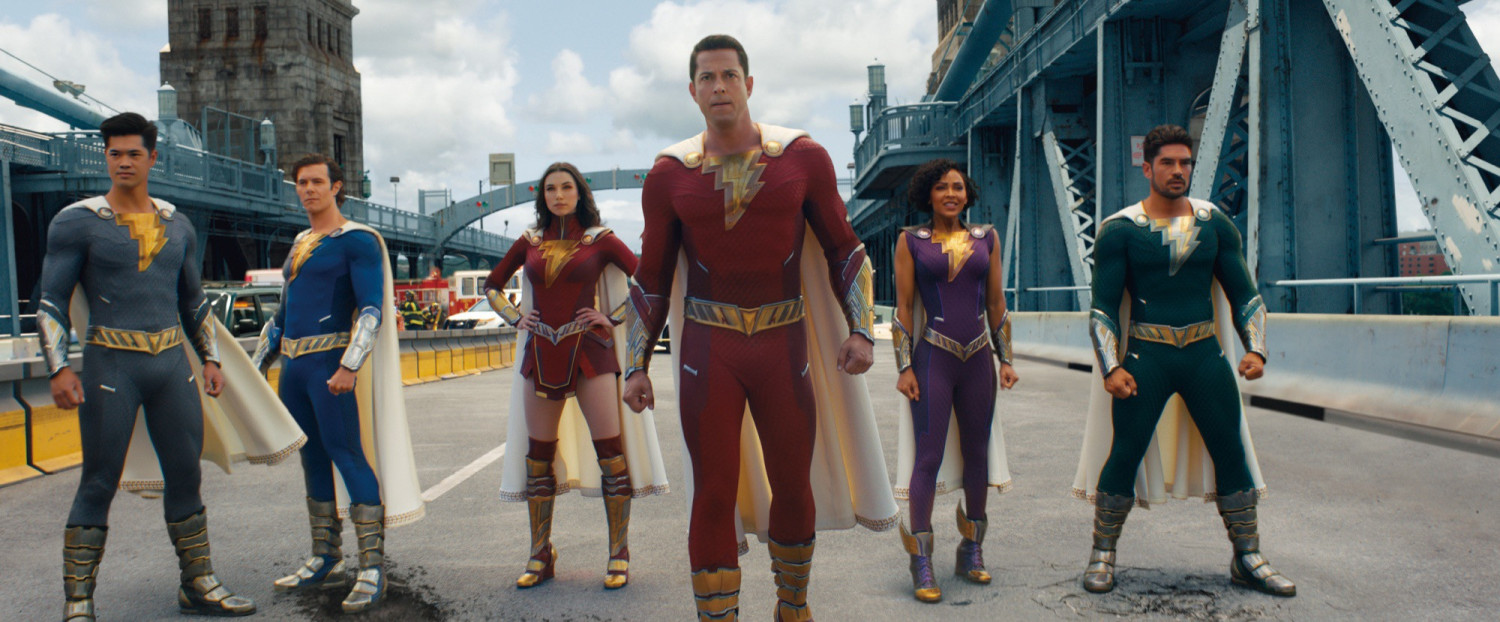
The sequel to DC’s fun-filled action hero series explores themes of growth and responsibility through a normal kid who can become a superhero with a single magic incantation. Billy Batson (Asher Angel) and his friends are enjoying their lives as superheroes, but their world is thrown into turmoil with the arrival of the daughters of Atlas — Hespera (Helen Mirren), Kalypso (Lucy Liu) and Anthea (Rachel Zegler) — who are determined to reclaim the powers stolen from the gods.
Bumblebee
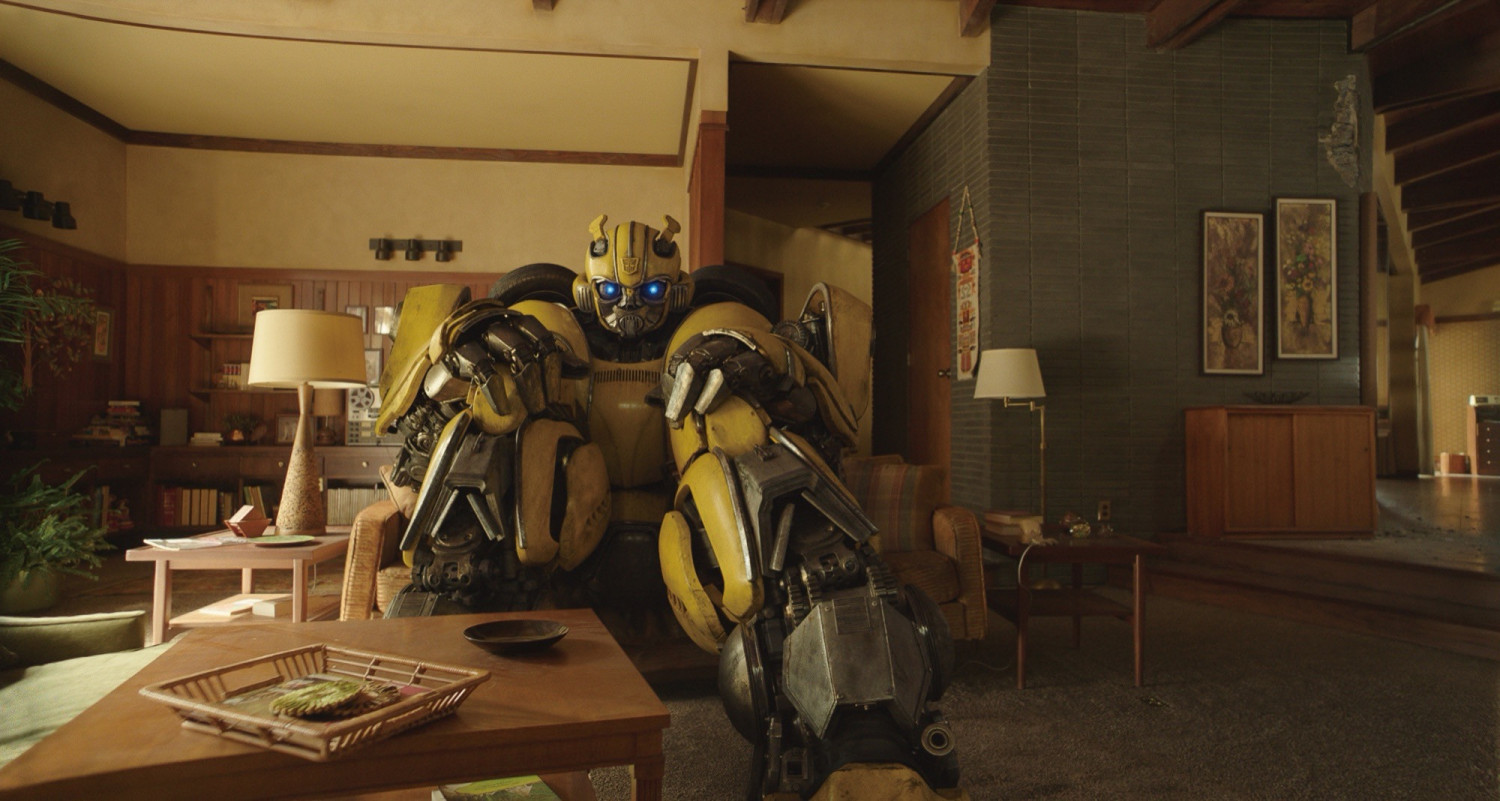
In 1987, a lone Autobot with no memory of who he is after crash-landing on Earth takes refuge in a California junkyard and disguises himself as an old Volkswagen Beetle. He is discovered by Charlie (Hailee Steinfeld), a teenage girl who feels like she doesn’t belong anywhere. As she tries to fix the broken-down car, it suddenly transforms into a giant robot, and she names him Bumblebee. This film offers a warm, emotional look at Bumblebee’s past, telling the story of a war-weary soldier who learns to become a hero in his own right.
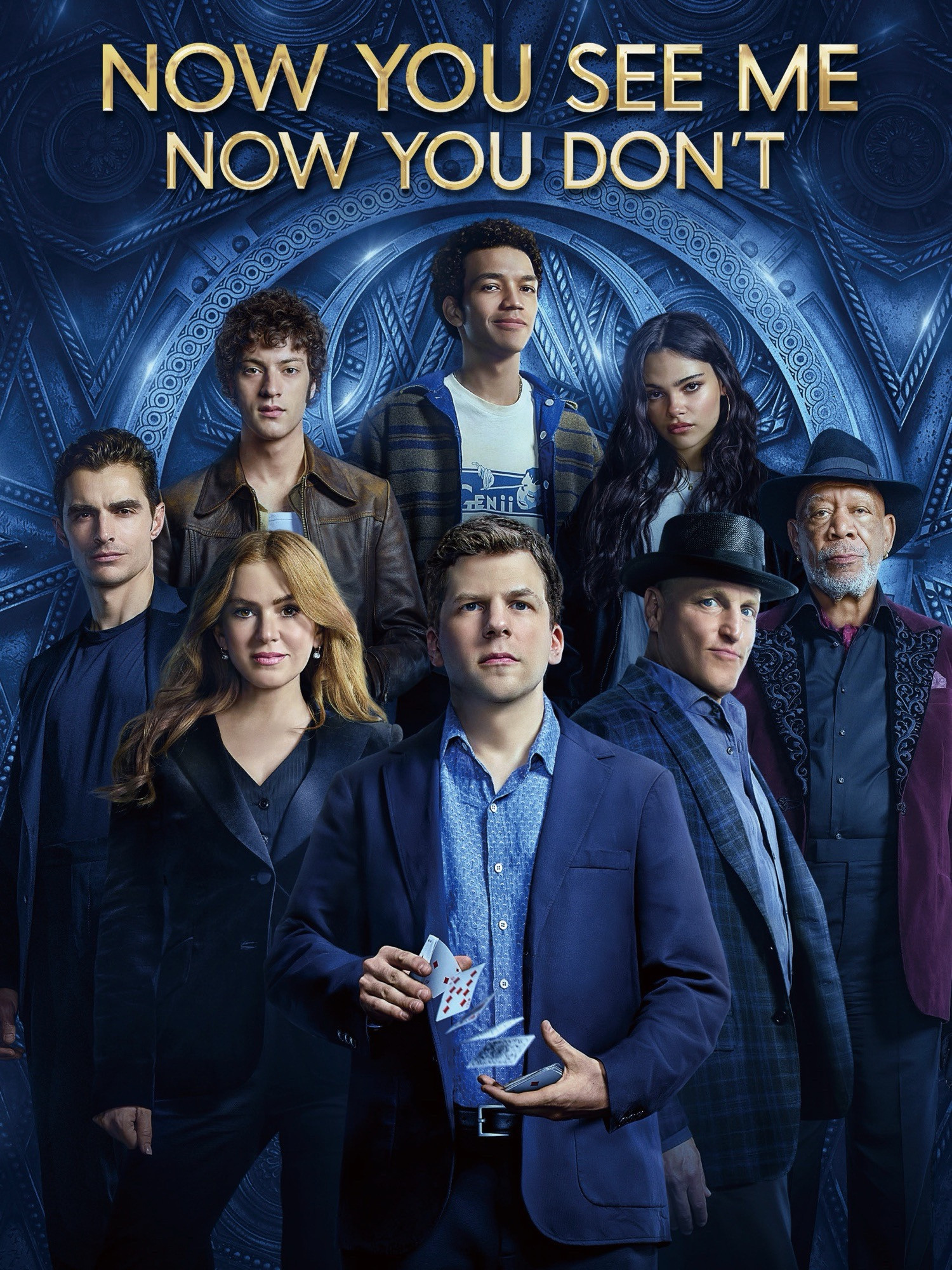
Now You See Me: Now You Don’t
The Four Horsemen — a brilliant team of magicians and master illusionists who expose the crimes of the powerful and pursue justice through a series of spectacular, high-stakes heists — are back. Having retired to their separate lives, a mysterious new card arrives, calling them to one last mission. This time, they’re joined by a new generation of magicians who have been impersonating their style, and the stage is set for their most daring performance yet.
#Back to the Starting Line
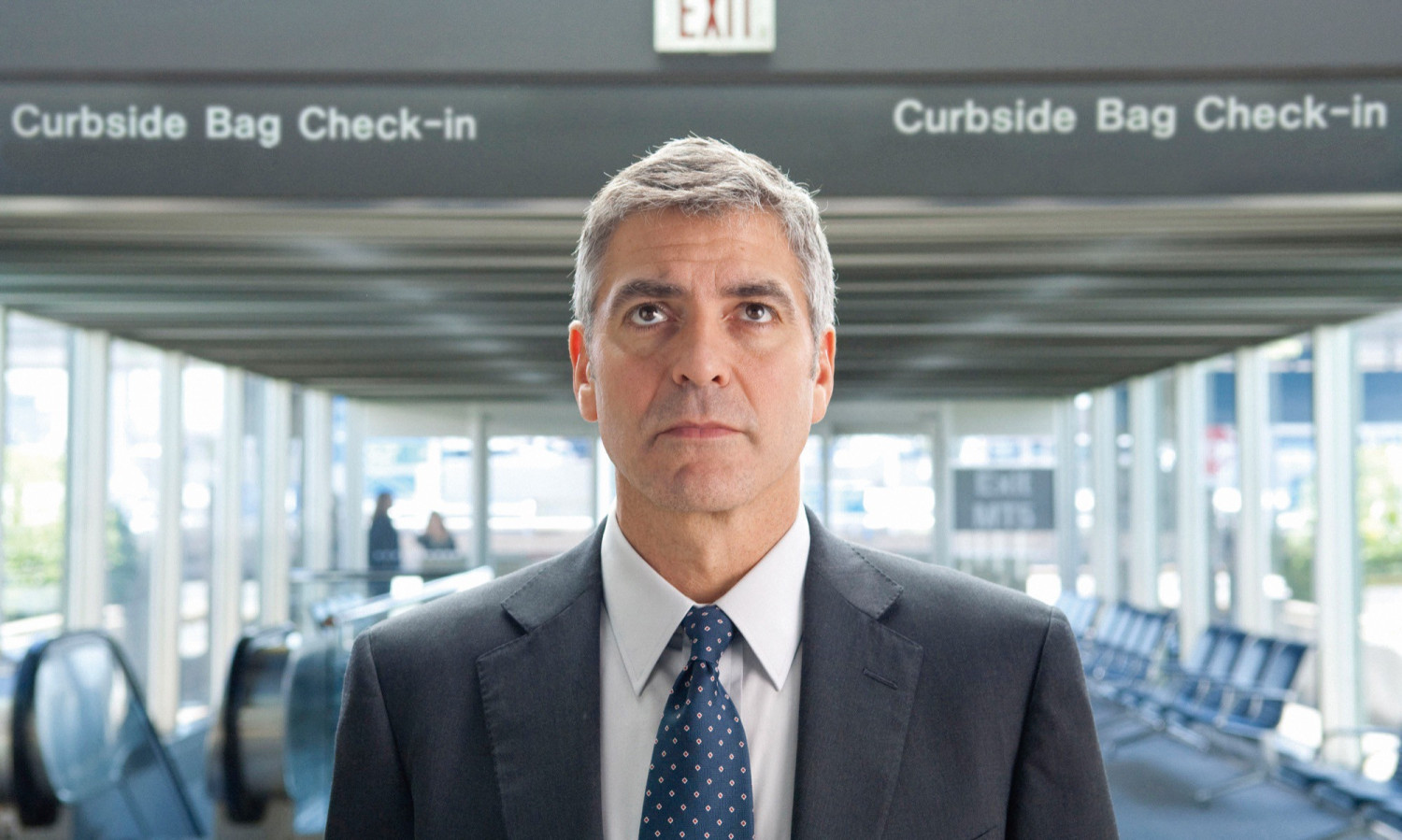

Up in the Air
Ryan Bingham (George Clooney) is a corporate downsizing expert crisscrossing the country to fire people. His is a life of cultivated detachment, of quiet solitude, of planes and hotels, with the goal of reaching 10 million frequent flyer miles. But his world is turned upside down by two people: Natalie (Anna Kendrick), a young colleague who wants to move her job online, and Alex (Vera Farmiga), a fellow traveler who shares his freewheeling view of relationships. For the first time, he begins to question his life, his connections and his purpose.
Beginners
Oliver (Ewan McGregor), a graphic designer who lives in his own quiet world, has always had trouble expressing his emotions. His life takes an unexpected turn when his father, Hal (Christopher Plummer), is diagnosed with a terminal illness and, at the age of 75, comes out as gay. As Oliver witnesses his father’s honest and open journey, he is forced to confront his own fears about love and relationships.
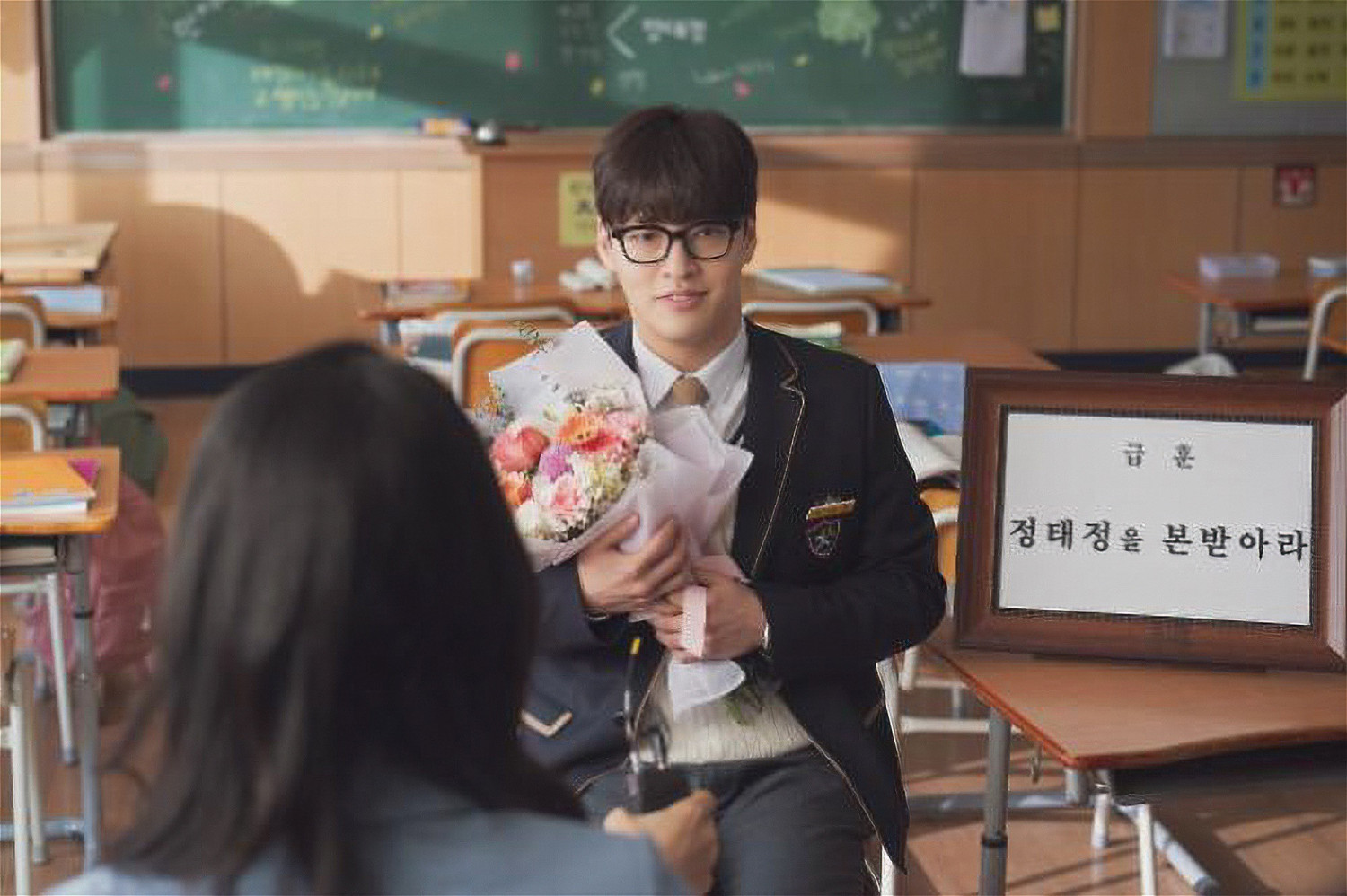
The First Ride
Taejeong (Kang Haneul), Dojin (Kim Youngkwang), Yeonmin (Cha Eunwoo) and Geumbok (Kang Youngseok) are best friends of 24 years who head to Pattaya, Thailand, finally going on an overseas trip they had always dreamed of since high school. But their plans go awry when Taejeong’s younger sister’s friend, Oksim (Han Sunhwa), unexpectedly joins them, leading to a series of unforeseen events.
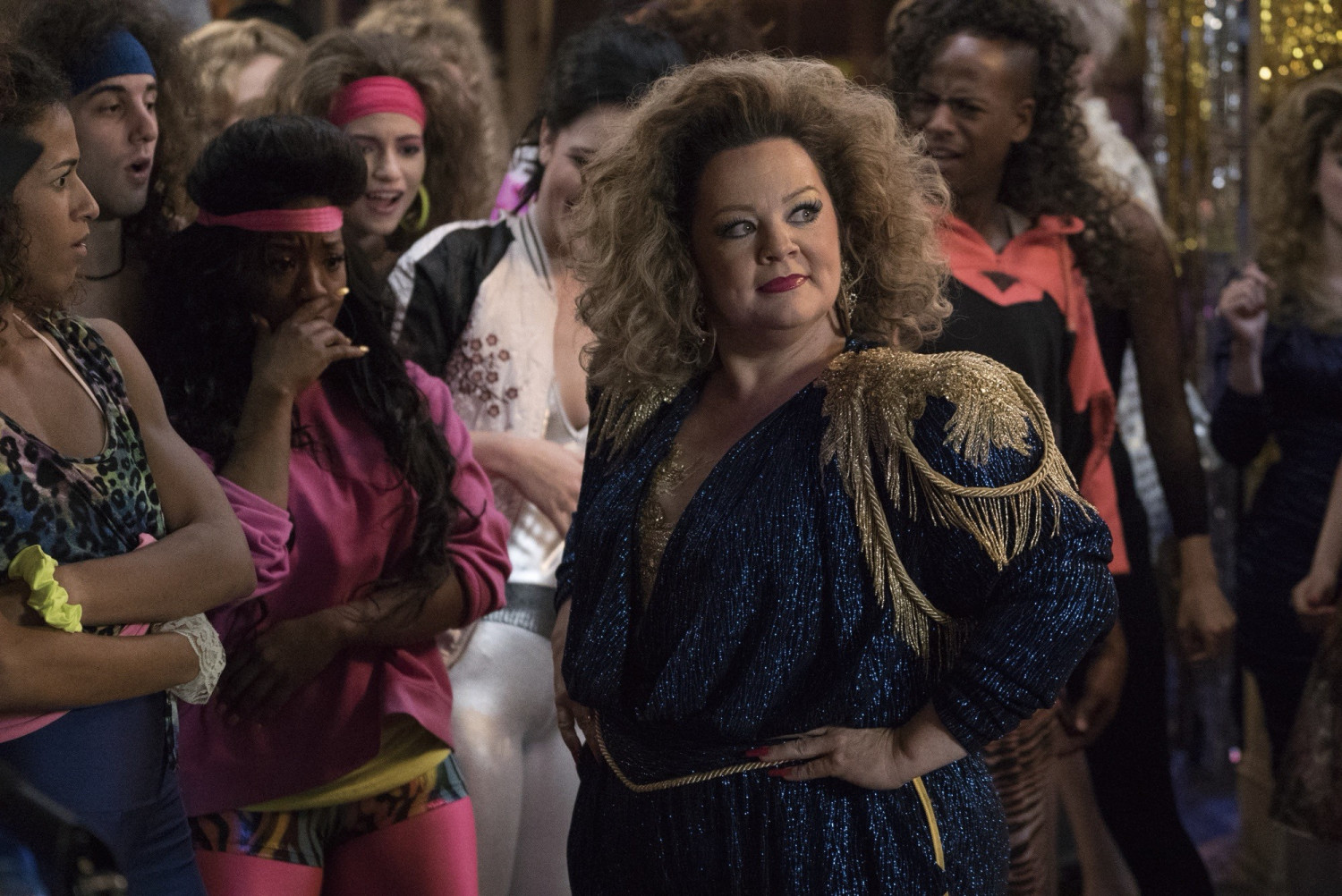
Life of the Party
Deanna (Melissa McCarthy) finds her world thrown off-balance when her husband suddenly asks for a divorce. To restart her life, she decides to finish the college degree she abandoned years ago and enrolls in the same university as her daughter. As she navigates the unfamiliar campus and the world of students half her age, she finds confidence and builds new relationships with her characteristic honesty and infectious energy.
- Available content may vary depending on your flight.