Korean Fine Dining in New York, Pastry Pilgrimage in Korea
Korean Fine Dining in New York, Pastry Pilgrimage in Korea
Korean cuisine has entered a new era. While kimchi and bibimbap remain the headliners, chefs are also infusing traditional dishes with contemporary ideas, producing fresh interpretations that are taking the world by storm. Recently aired television programs capture two aspects of K-food’s transformation from a dining option to a change agent. First is a clutch of chefs who are packing their menus with uniquely Korean ingredients and ideas in New York, a city always in the global spotlight. Second, a growing number of bakers and pastry chefs are pushing the boundaries as dining culture is shifting attention to baked goods and desserts.
Super Dining: Korean Chefs in New York
The K-food Artisans Captivating New York’s Fine Diners
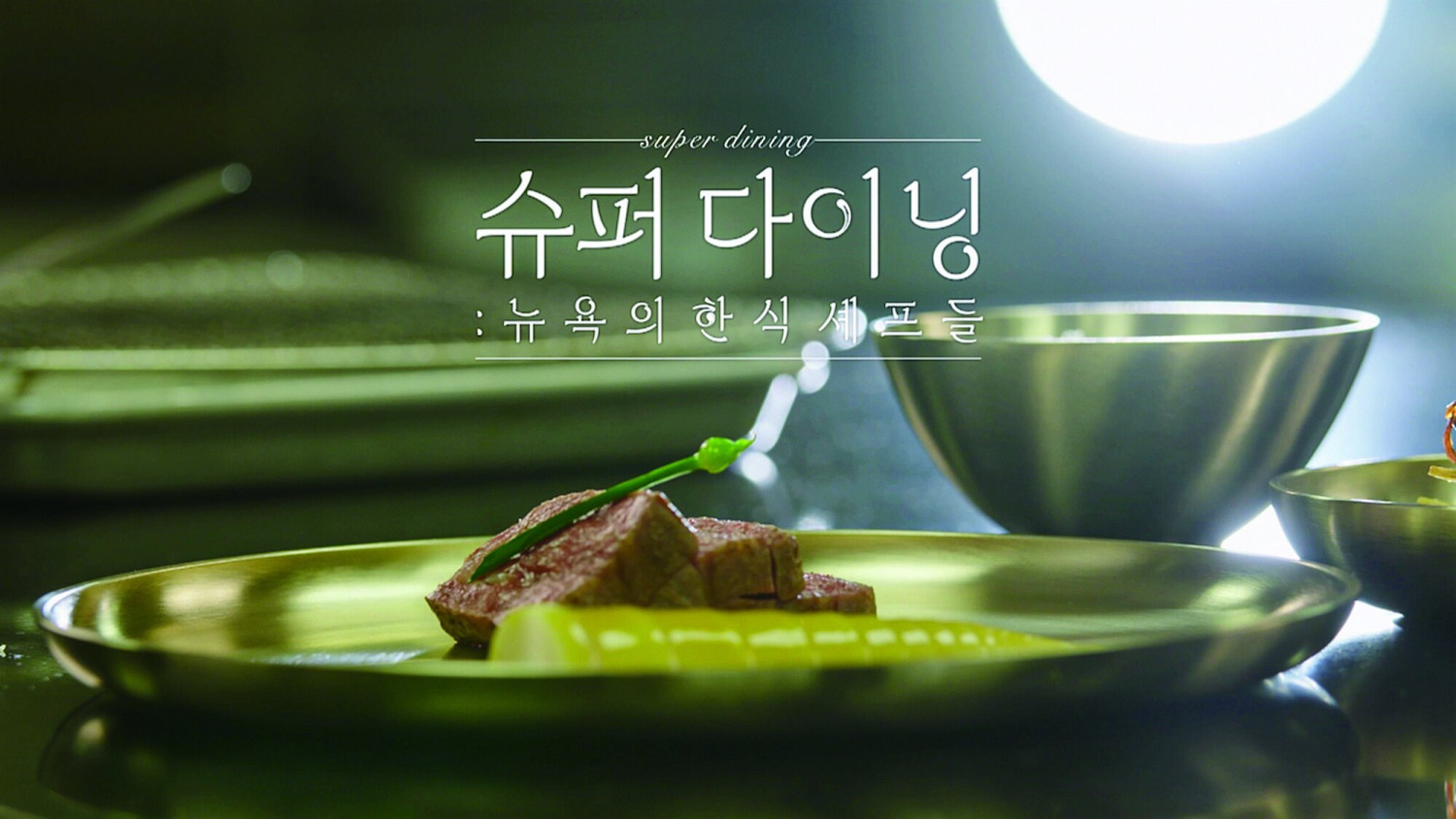
In New York, a global hub of gastronomy, Korean chefshave captivated local diners with fine dining rooted inKorean cuisine — showcasing their culinary principlesand steadfast dedication.
© KBS
The most-feted restaurant in the Michelin Guide’s 2024 ceremony for New York was Jungsik New York — the first Korean restaurant in the United States to be awarded three stars by the prestigious dining guide. But Jungsik New York was not the only Korean fine dining establishment to be recognized: Joo Ok, Jua and Meju also helped create a sensation that year. Fine dining is often associated with French cuisine, but now hansik (as Korean cuisine is known at home) is carving out a space for itself.
That dramatic shift is due to a handful of Korean chefs whose enterprising efforts are detailed in the documentary Super Dining: Korean Chefs in New York. There’s Yim Jungsik (of the eponymous Jungsik New York), who has achieved his dream of establishing a top New York restaurant with Korean cuisine. Then there’s Shin Changho of Joo Ok, who was already running
a Michelin star restaurant in Seoul when he opened the New York location, which earned two Michelin stars after just one year. And Kim Hoyoung, chef-owner of Jua, who specializes in fine dining that reinterprets hometown flavors. While these chefs’ ingredients and dishes have familiar names like kimbap (rice rolls) and perilla oil, the vibrant colors and picturesque designs of their plating are a revelation. Just viewing these variations on timeless Korean dishes is enough to evoke a gasp of delight. Yet, the flavors are unmistakably familiar to Korean palates.
One takeaway from Super Dining is that Korean food’s ability to astound New York’s fine dining crowd derives from these chefs’ tireless pursuit of Korea’s culinary traditions and fundamentals. I’m talking about fermenting their own jang (sauces) or running farms to cultivate hard-to-source Korean vegetables. The documentary invites viewers to reconsider the value of familiar dishes, long taken for granted. For example, traditional Korean cuisine fundamentally prioritizes health, in contrast with Western cuisine’s fixation on flavor. That’s one of the reasons that diners around the world are so fascinated by Korean food. In the end, Super Dining showcases the wonders that await when chefs put a modern spin on cherished traditions.
Cheonha Bakery: Bake Your Dream
A Delicious Dialogue Between Bread and Confectionery

From simple treats to a cultural sensation,baked goods take center stage in thissurvival show with a uniquely Korean flair.
© MBN
While Super Dining illustrates Korean cuisine’s reinterpretation in New York, Cheonha Bakery: Bake Your Dream shifts the focus to how distinctively Korean ingredients are being integrated into the Western staple of bread to create something new. Bread is generally associated with baguettes and sourdough, but the baked goods and confections featured in Cheonha Bakery break the mold. Here are a few: a soybean bread inspired by Jeonju’s famed kongnamul-gukbap (bean sprout soup with rice); a lotus root and thistle bread that takes a page from Korea’s much-admired temple food; a bread that incorporates the flavor profile of ppyeo-haejangguk (pork bone hangover soup). And on the sweeter side of things, how about a smoky cigar-shaped chocolate dessert paired with a glass of whiskey? Safe to say, you’ve never been down this aisle in your local patisserie.
In every episode of Cheonha Bakery, some of Korea’s best-known bakers and pastry chefs are brought together for a mouth-watering competition. Think of this as the onfectionery version of Culinary Class Wars, the cooking competition show that has become an international phenomenon. In an arena-style kitchen, contestants are given mind-boggling missions and epic experiments that push their abilities to the limit. For instance, the third round includes intriguing challenges such as recreating universally beloved Korean treats — such as shrimp crackers and chocolate-covered marshmallow snack cakes — using totally different ingredients. During the local heritage mission, designed to narrow the field down to the top seven, regional delicacies are used as a launchpad for showing off the potential of Korean baked goods.
A viewing of Cheonha Bakery helps explain how the Dubai chewy cookie craze took off in Korea. Those cookies, which are not actually from Dubai, are just one example of the experimental fusions of new ideas and materials that are popping up all around Korea right now. As the “pastry pilgrimage” becomes a new travel trend, this program takes a peek at some of Korea’s hottest new bakeries.
Hansik is pushing beyond the boundaries of “local food” and establishing itself as a global cuisine. That’s one of the chief reasons why foodies are lining up at New York restaurants and making trips to Korea. That didn’t happen overnight, of course — it was the result of efforts to modernize Korea’s unique flavors, the drive to try out new flavors instead of sticking with familiar ones as well as the craftsmanship required to arrive at the perfect flavor. Underlying that success is the so-called “bibim” philosophy of blending diverse flavors to create harmony on the tongue, along with Korean cuisine’s basic emphasis on food being good for the body in addition to tasting good. And the efforts made by K-food artisans are on full display in these two television programs. For those looking to explore the world of Korean cuisine, Super Dining is recommended for visitors to New York and Cheonha Bakery for visitors to Korea. Either way, you’re in for a treat.
TV PREVIEW
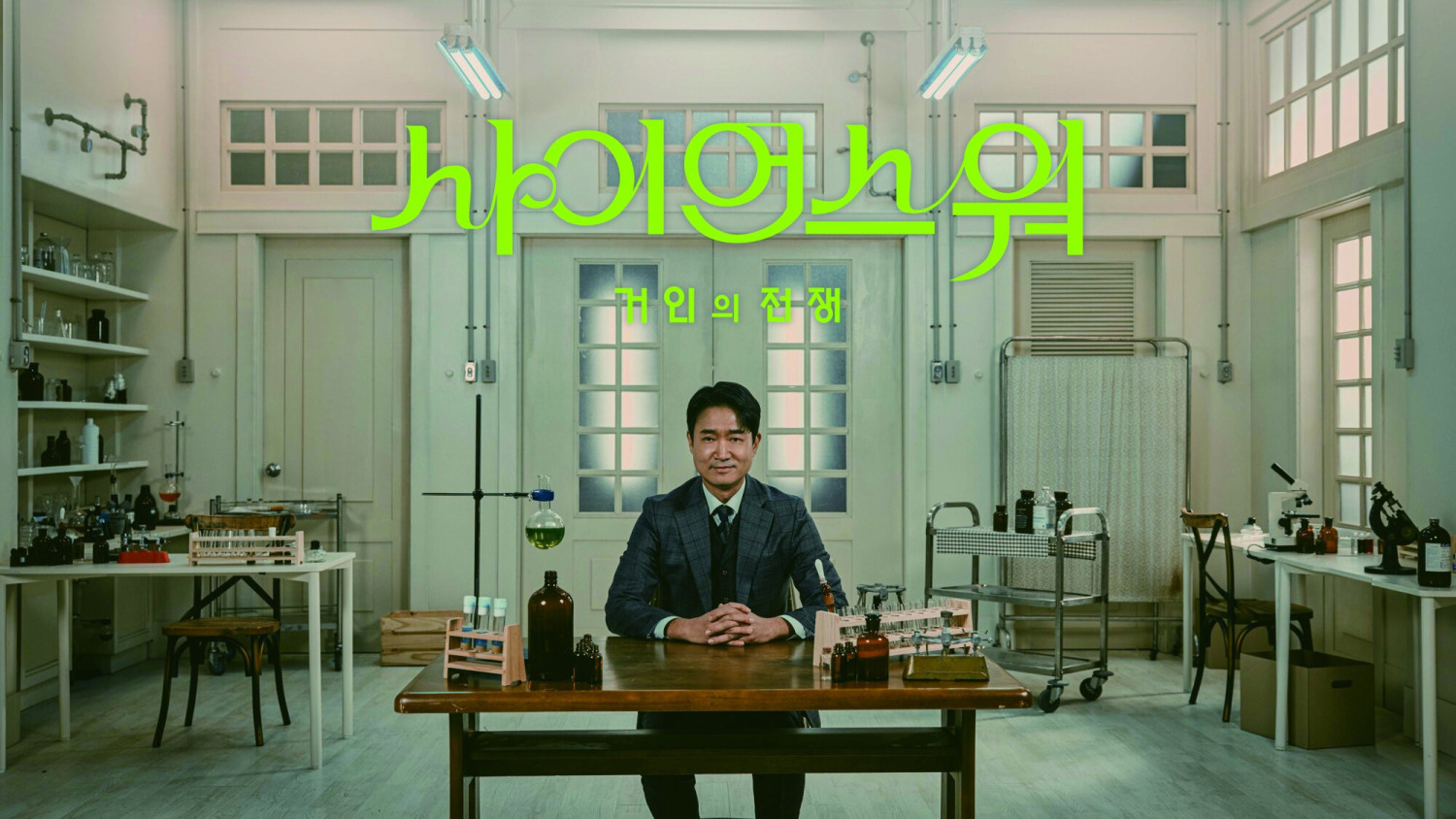
Science War: War of the Giants
The history of science is not without drama. Actor Jo Woojin is our narrator at every scientific watershed and paradigm shift. The program takes a different tack from typical educational programming. It examines how geniuses pushed against the limitations of their time and how their intellectual legacy has shaped our society today.
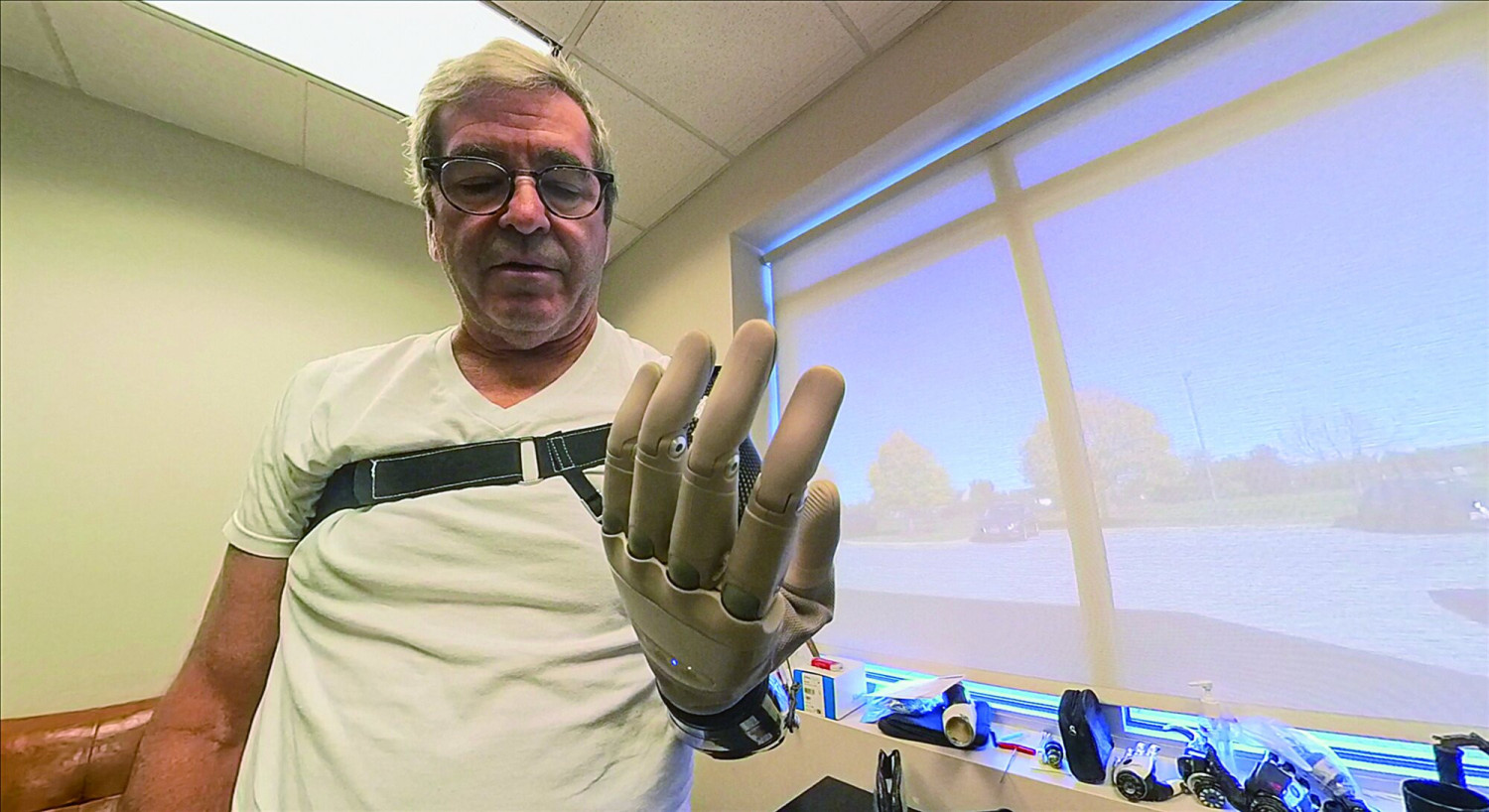
A.I. Revolution (Season 5: 2024)
We’re familiar with artificial intelligence by now, but we do not fully understand what happens behind the scenes. Supercomputers process vast amounts of data to solve problems we have not even heard of yet. This program seeks answers for a civilization in constant flux.

DMV (Season 1: 2025)
Successful sitcoms are often set in a workplace. After all, it’s where many of us spend our days. In this show, the staff at the East Hollywood Department of Motor Vehicles have to handle complex assignments and irate customers. The characters offer a mix of personality types and perspectives on life. You can’t help laughing at the troublemakers, lovebirds and misfits populating this odd office.
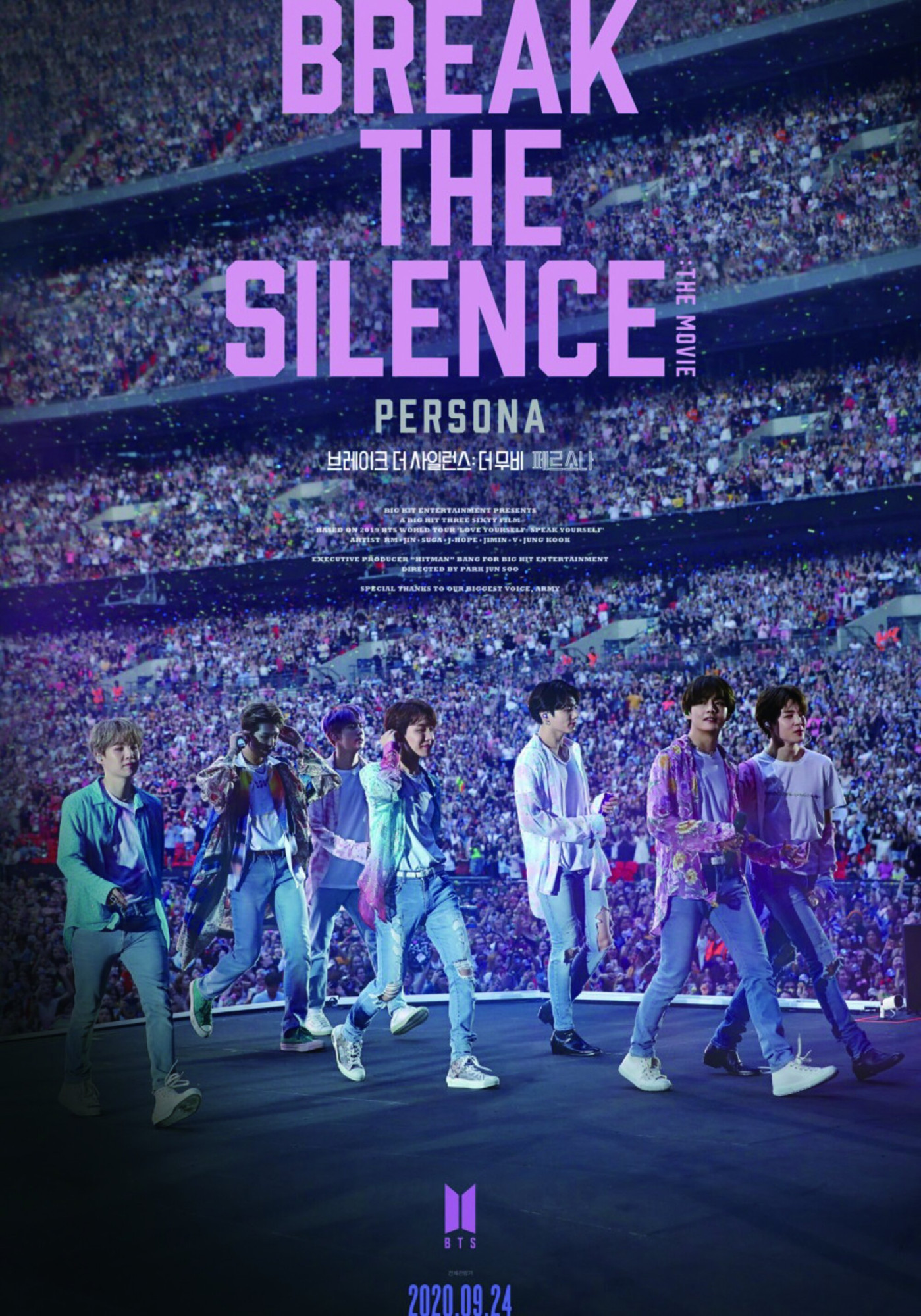
Break the Silence: The Movie
Seven young men who reshaped the course of global music history: BTS. Amid the overwhelming presence of these global artists filling stadiums, this film captures the countless struggles throughout their journey. Through the contrast between roaring cheers on stage and quiet sincerity behind it, the true story of BTS yet to be fully understood comes into view.

Our Time Is Shining
Eight-year-old Woori has a special friendship with 70-year-old Jongdo, who lives downstairs. Jongdo shared every moment with Woori: watching her crawl, stand up and take her first steps. Now Woori is in elementary school, and her family is getting ready to move. Their friendship, growth and farewell highlight the value of community that can transcend the generational divide.
- Available content may vary depending on your flight.