A Seoul Excursion between Seonyudo and Mangwon
From Seonyudo Park, across Yanghwa Bridge, to Mangwon Market, this roughly 2km route offers an intimate way to experience everyday life in Seoul. As you pass the river, neighborhood alleys and the market in sequence, the city’s scenes slowly layer upon one another. Moments of a Seoul spring remain — ordinary yet quietly unforgettable.
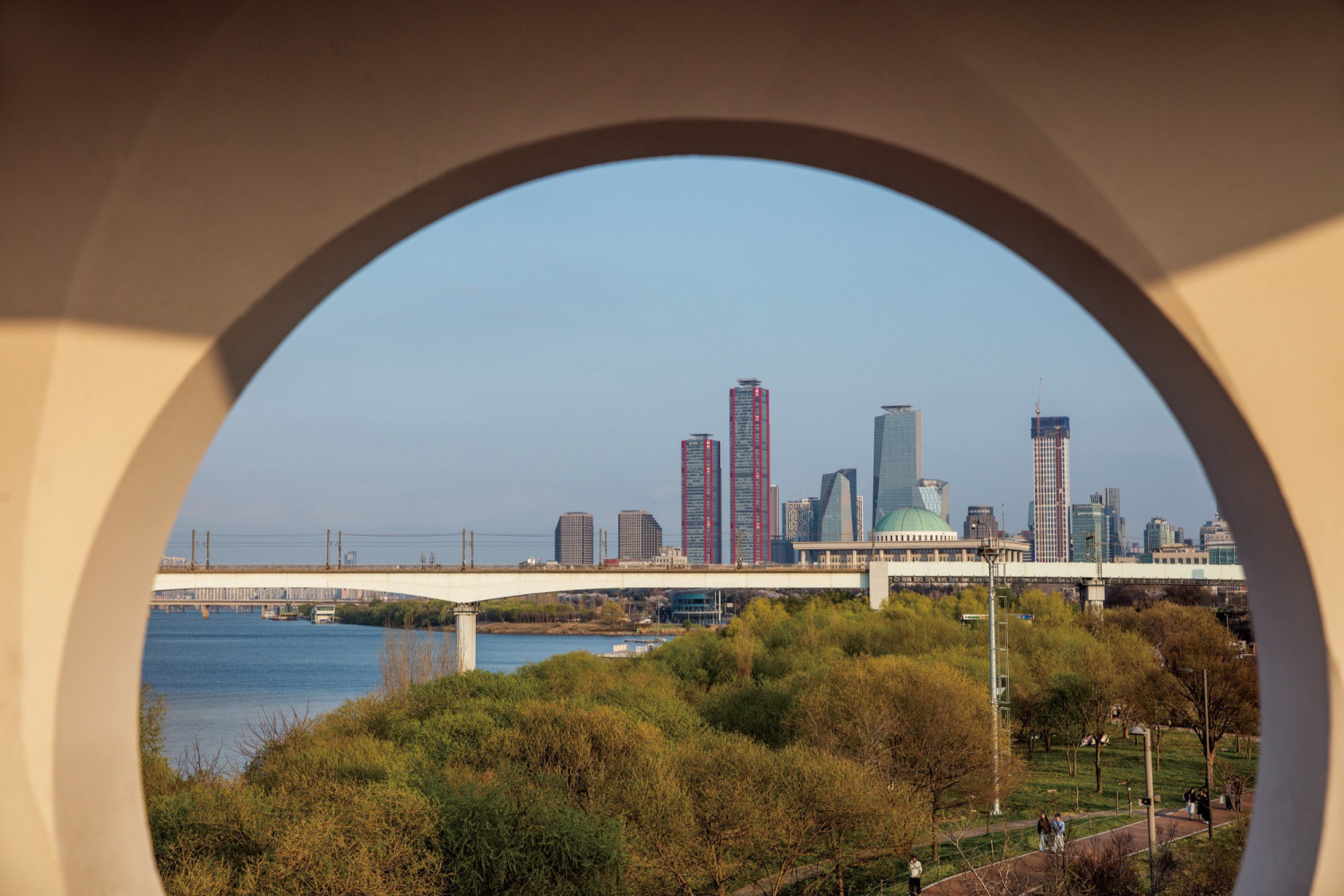
Standing on the bridge that stretches from Seonyudo Park toward the Mangwon-dong neighborhood, the city of Seoul flows quietly beneath. An afternoon spent exploring the city at a slower pace can leave a deeper imprint on your memory than rushing from one famous landmark to the next. This journey across the Hangang River, traversing the route from Seonyudo Park to Mangwon, is an invitation to a sublime departure from the ordinary.
Travelling Through Seoul at Your Speed
The most authentic way to experience a city at your own pace is on foot. Walking reveals a city’s expressions in their most intimate, unvarnished detail. When you slow down, the hidden scenery of quiet alleyways and the tapestry of daily life can come into focus. Yet, on days when the breeze invites you to venture a bit further, hopping onto a bicycle for a spell is a perfect alternative. Ttareungi, Seoul’s beloved public bike-sharing system, a staple of Seoul’s urban transit since 2015, makes this “walk, ride and hop off” approach effortless. Moving faster than a pedestrian but significantly slower than a car, this speed offers an entirely different perspective on the capital. You pedal for a while, pause where your curiosity strikes and meander slowly through narrow, whispering streets. Navigating the city like this leaves you with a profound feeling: you haven’t simply arrived at a destination; you have truly traveled through Seoul.
Seonyudo: An Island Where Time Lingers
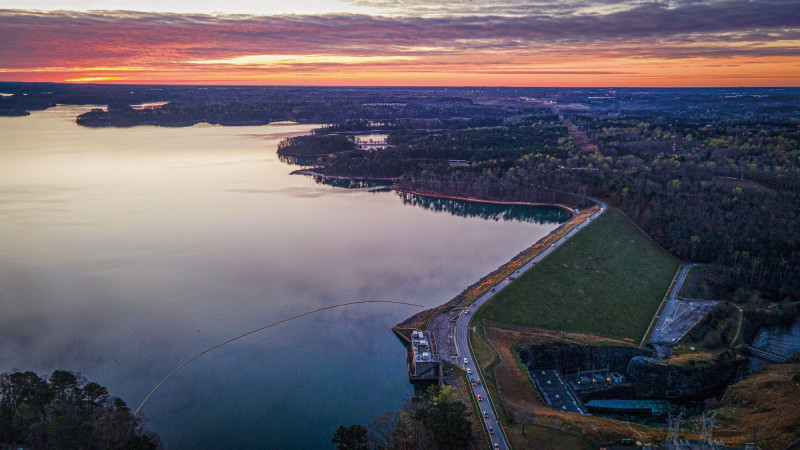
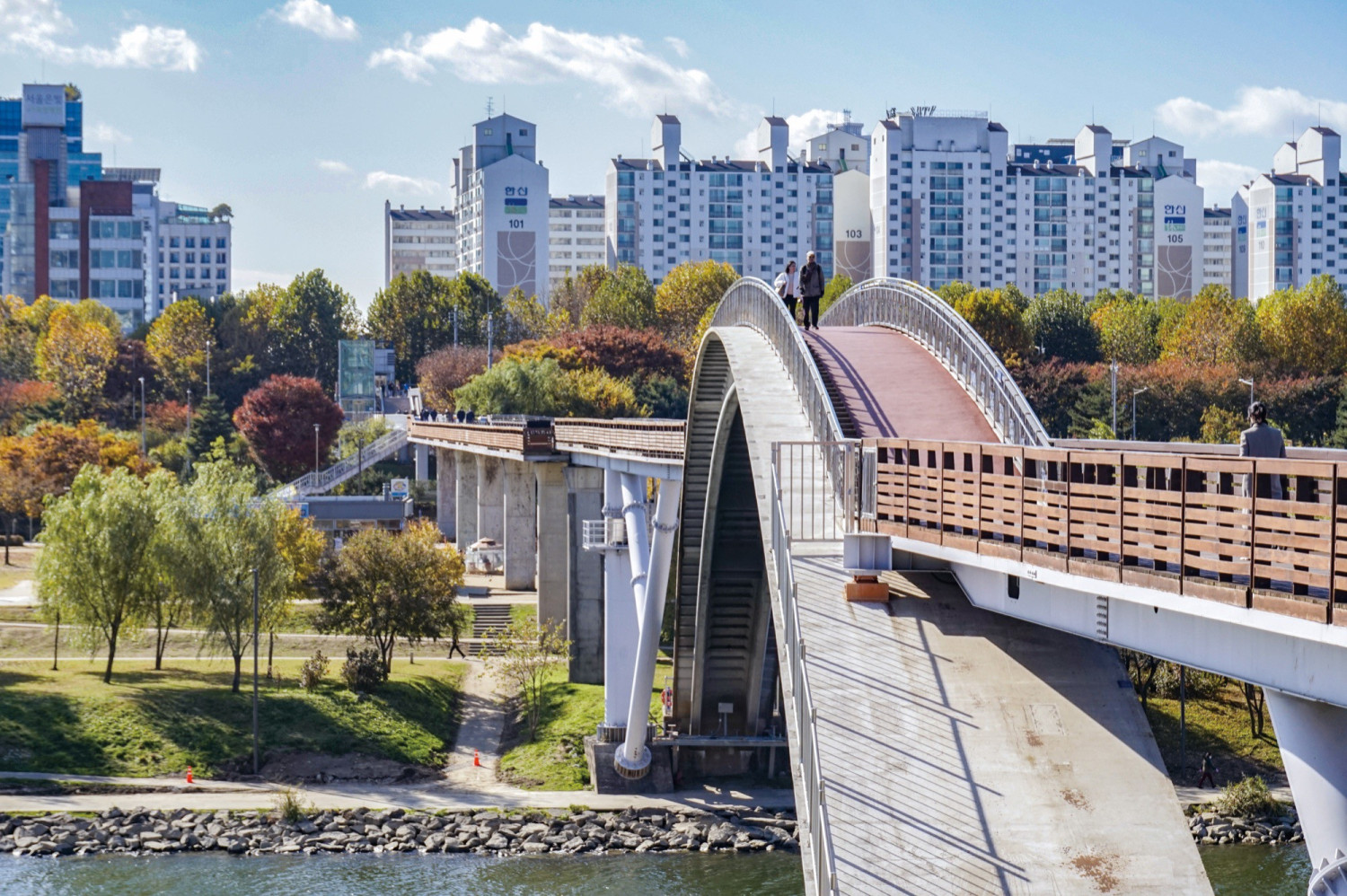
Begin your morning at Seonyudo Park, a name whose evocative meaning loosely translates to “the place where Daoist immortals roam.” Once a scenic, rocky peak known as Seonyubong, it was historically celebrated by poets and artists for its breathtaking vistas. During the Japanese colonial period (1910-1945), aggressive river development projects blasted away the peak, leaving only a flattened island in their wake. After Korea’s liberation, the island took on a heavy industrial role, serving from 1978-2000 as a water purification plant supplying the southwestern reaches of Seoul.
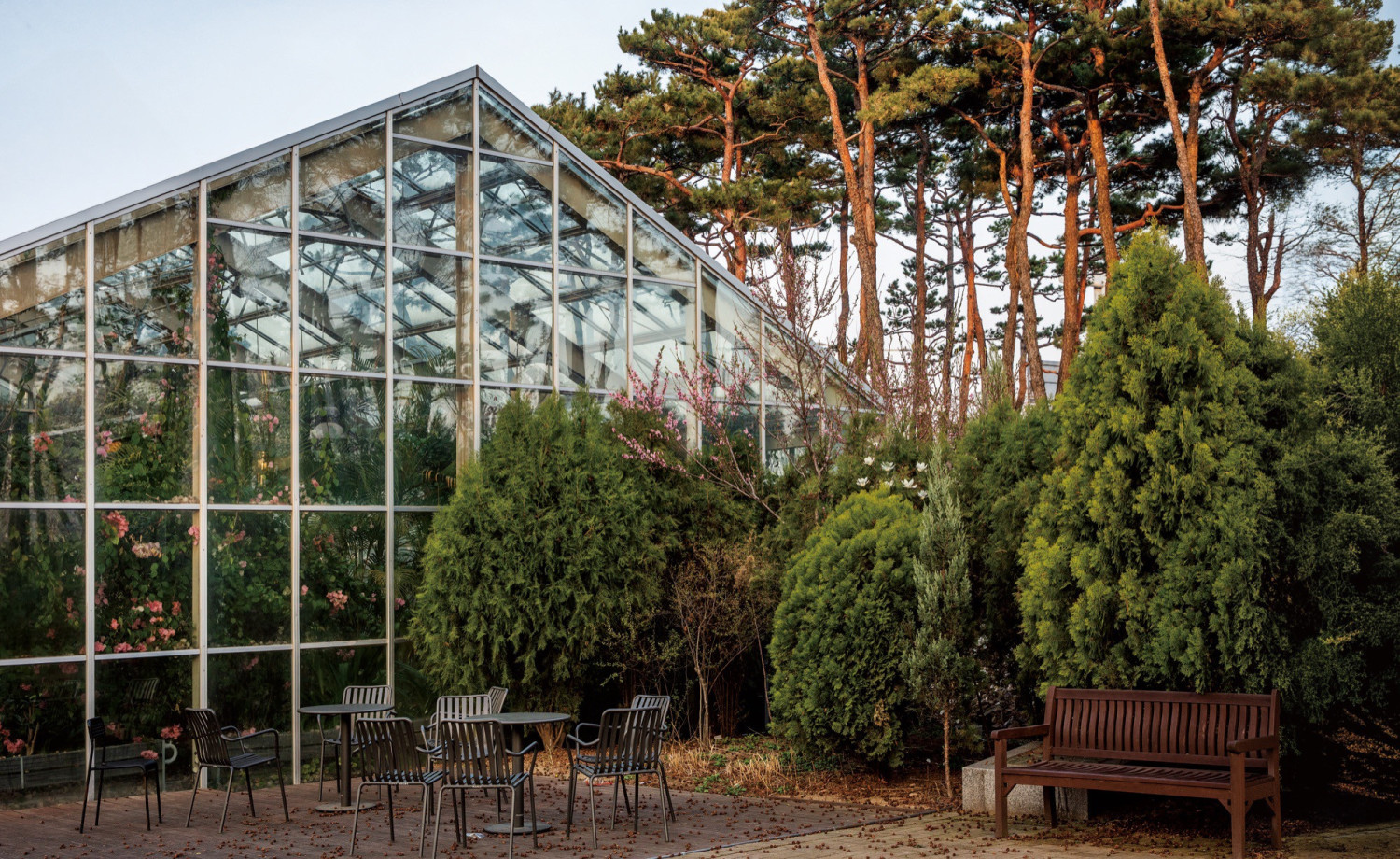
Then, in 2002, the Seonyudo Park we know today was opened. Guided by the visionary hands of renowned Korean architect Joh Sungyong and world-class landscape architect Jung Youngsun, the park is a striking confluence of revitalized ecology and architectural history. Bleak concrete basins that once purified city water have been transfigured into tranquil lotus ponds, and austere concrete structures originally built to gauge water levels have been reclaimed by nature as romantic, vine-covered sanctuaries.
The old water treatment beds are now lush, organic aquatic plant gardens, allowing visitors to witness nature’s resilience and the water purification process in real-time. It stands today as one of the country’s most sublime examples of urban regeneration — preserving the austere echoes of its industrial past while serving as a public haven for the present.
Crossing Bridges, Pausing in Time
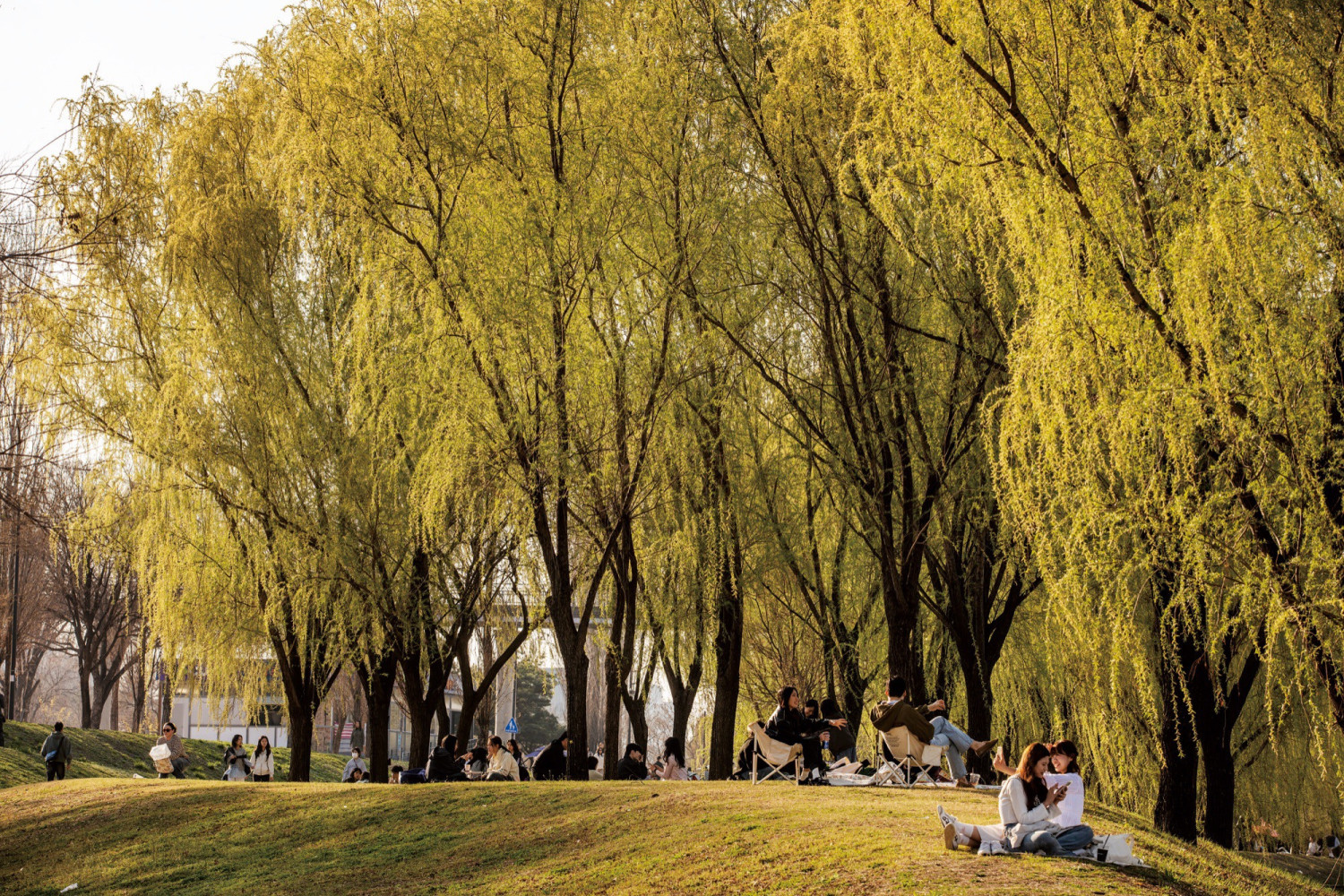
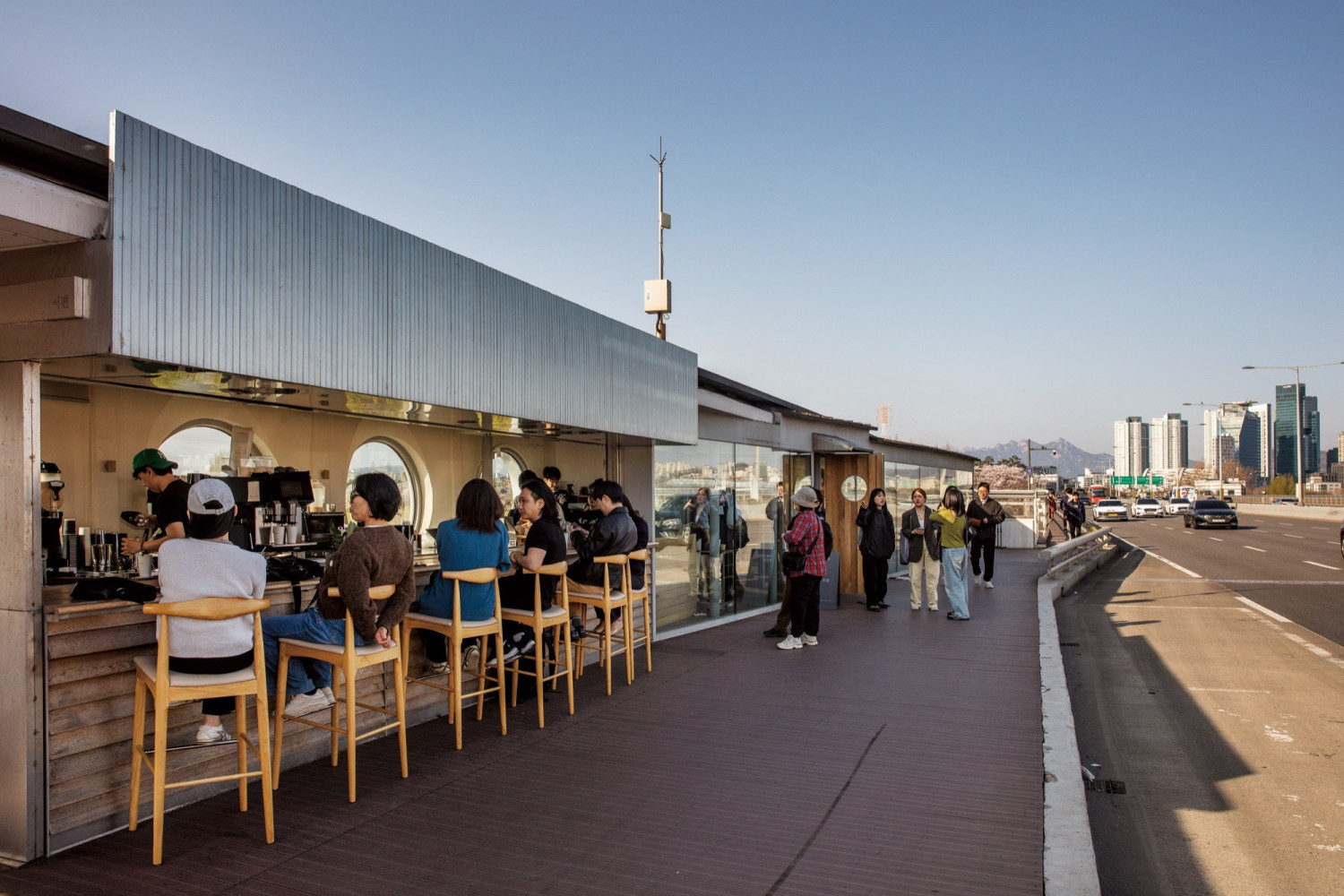
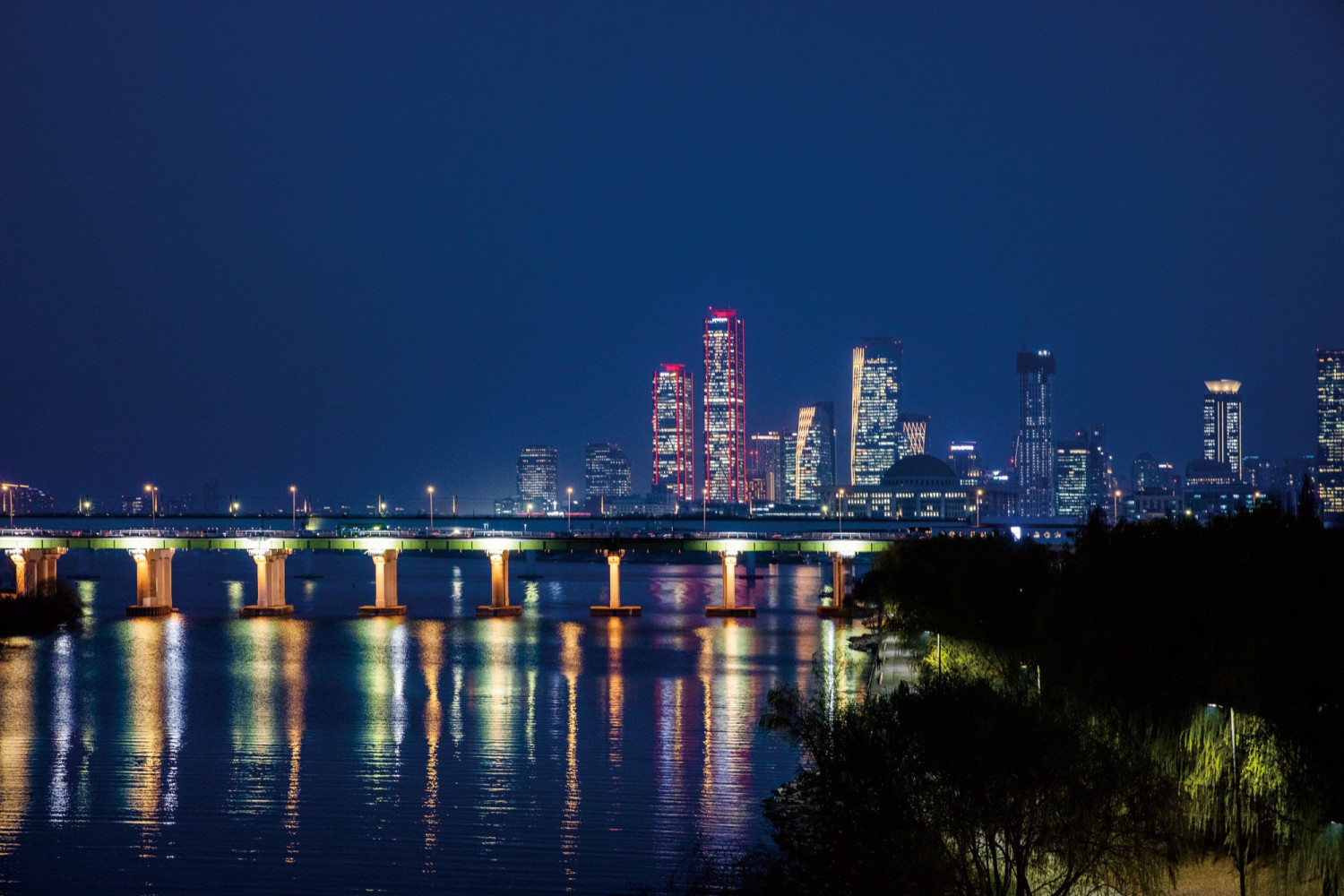
Stepping off the island, make your way onto Yanghwa Bridge as it stretches grandly across the Hangang River. Inheriting its name from the historic Yanghwanaru (Yanghwa Ferry Dock), this vital artery has been a central axis for moving people and goods for centuries. Although it is now a bustling modern bridge for cars and pedestrians, this place was once a humble ferry landing. To cross the mighty Hangang River back then was a much grander endeavor, a true crossing rather than a fleeting commute.
Mangwon, The Dense Textures of Daily Life
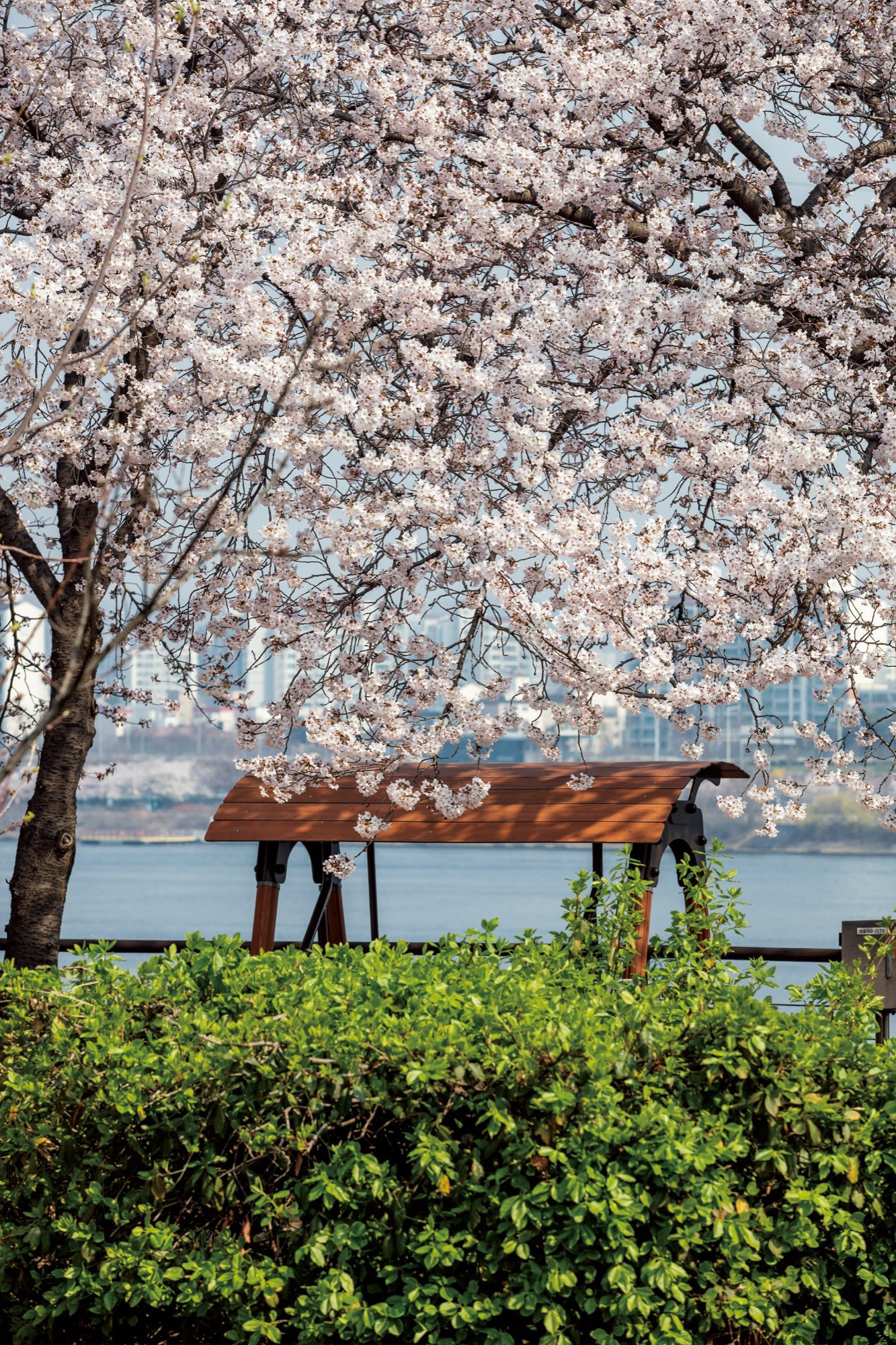
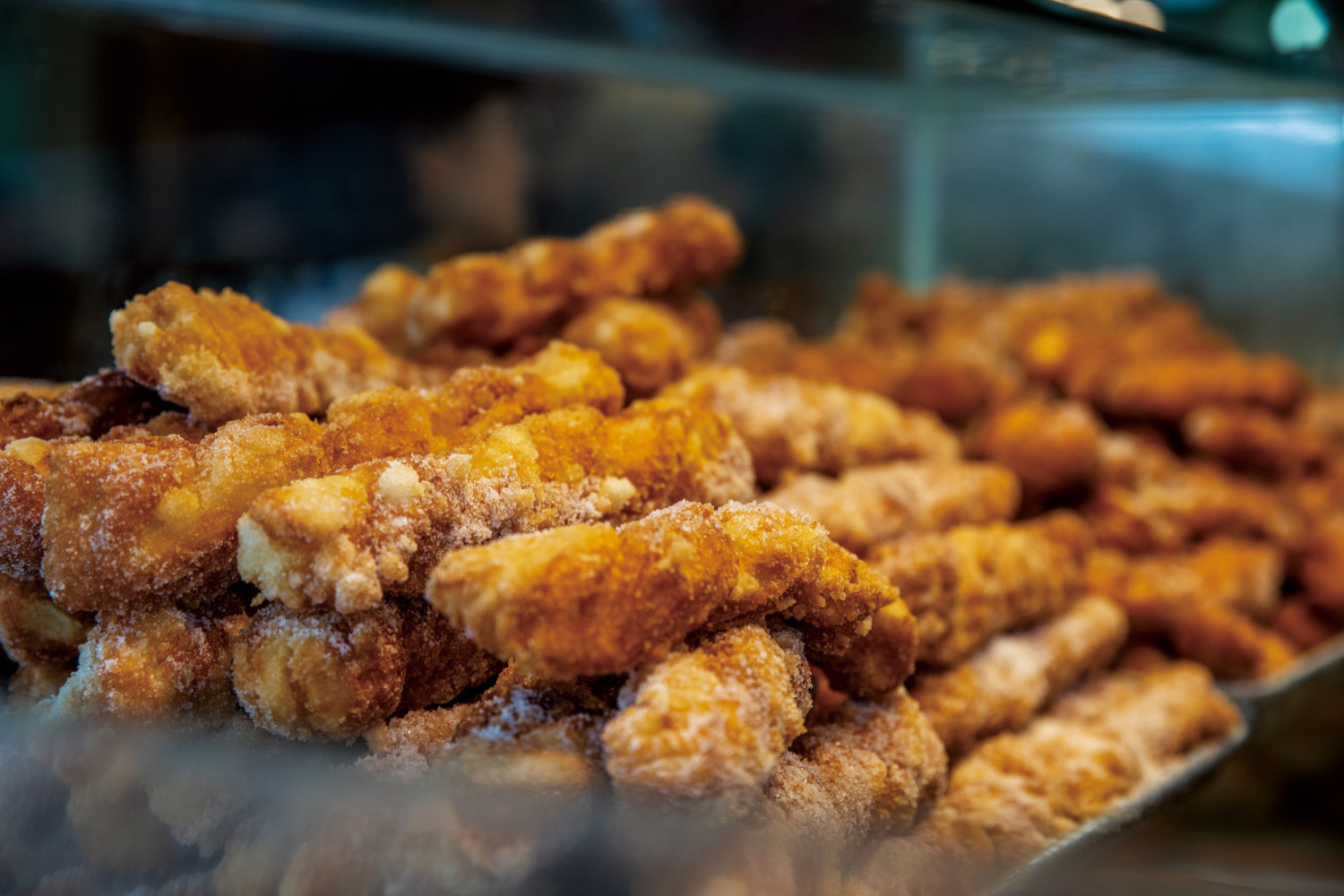
Continuing your cycling journey westward along the northern riverbank leads you to the Mangwon-dong neighborhood. The vibrant, beating heart of this community is Mangwon Market. Here, the authentic rhythm of daily life envelops you immediately — the sight of hands carefully deliberating over colorful banchan (traditional side dishes), the melodic, rising voices haggling over produce and the irresistible aroma of hot street food fill the alleyways, defining the rich, lively density of the neighborhood. If your visit coincides with spring, take a slow stroll along the cherry blossom path following Huiujeong-ro Road. Here, quietly bask in the romance of falling petals woven perfectly into an everyday, lived-in residential area.
The name Mangwon-dong literally translates to “looking far into the distance.” During the Joseon Dynasty (1392 – 1910), a regal pavilion named Mangwon-jeong stood here, offering sweeping, majestic views out over the Hangang River; the village surrounding the pavilion ultimately bequeathed the neighborhood its current, poetic name.
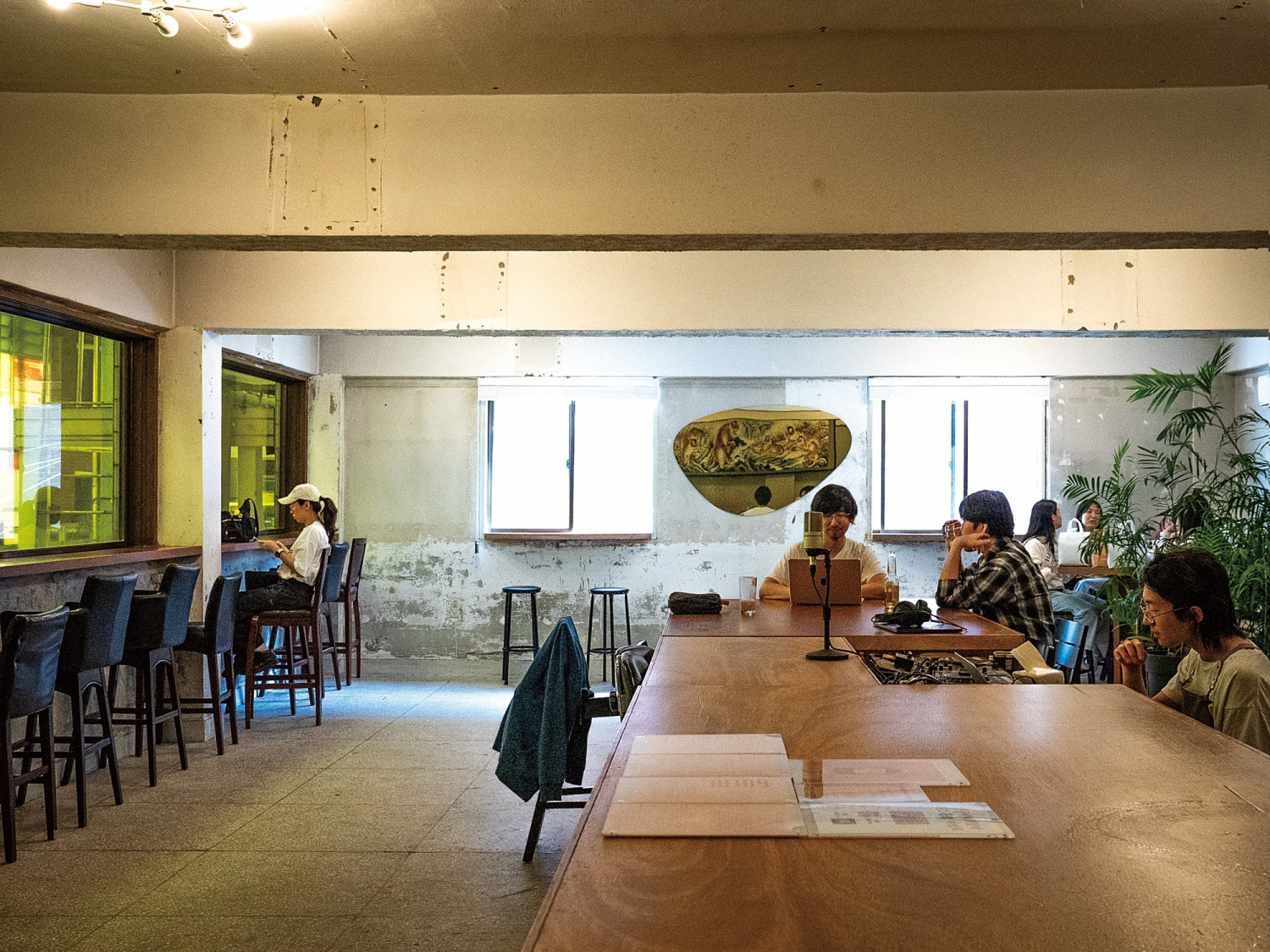
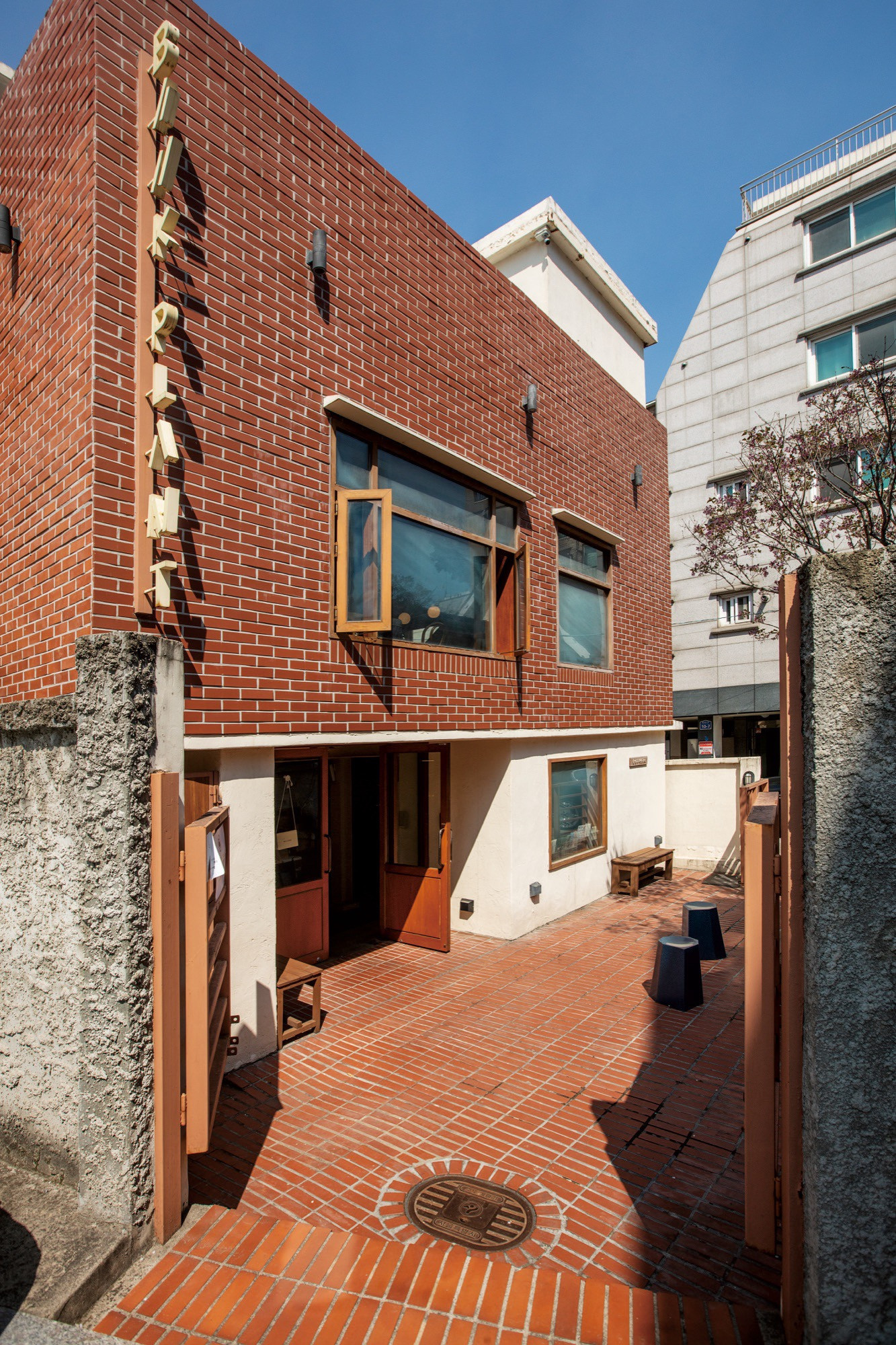
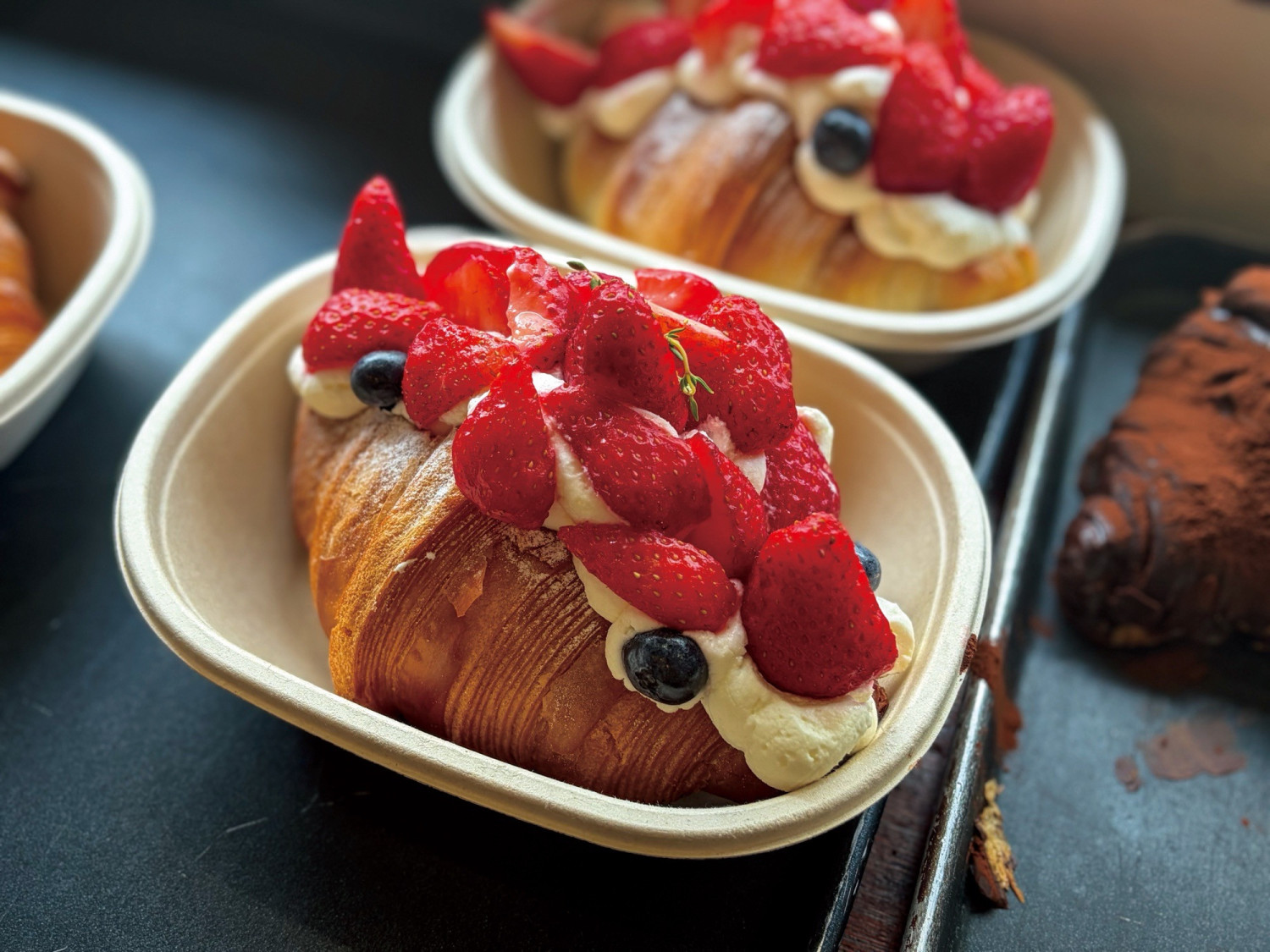
As you slip down Mangnidan-gil, another beloved vein of the neighborhood, the tempo of the day decelerates. Lined with an eclectic procession of cozy cafés and artisanal shops, this street tempts you to match the neighborhood’s pace, making you want to linger without needing any grand attractions. What’s impressive is how this street cultivated its current popularity purely out of a residential, “lived-in” vibe, distinguishing it from Seoul’s highly curated commercial districts.
To prolong this laid-back afternoon, take a slow walk along the streets bridging Hapjeong Station and Mangwon Station. Home to some of Korea’s finest independent publishers, this pocket hides unique bookshops. The titles on their displays are seldom the usual algorithmic bestsellers; instead, they are rare gems unearthed according to the refined tastes and perspectives of their owners. Sinking into an armchair in these cozy spaces, meticulously chosen book in hand, the speed of a day spent traveling around on a bicycle eventually yields to a perfect, resounding calm.
- Written by Nho Soyoung
- Photography by Shin Gyuchul