A Lifetime in Fashion: Nora Noh and the Beginning of Korean Fashion Design
Across the worlds of culture, art and design, there’s been a growing movement to reappraise Korean women who were creators and pioneers during the era when women were first beginning to enter professional fields and the workforce. Not just an exercise in history, it’s a profound reflection on how the professions, industries and ways of life were forged through a long period of immense change.
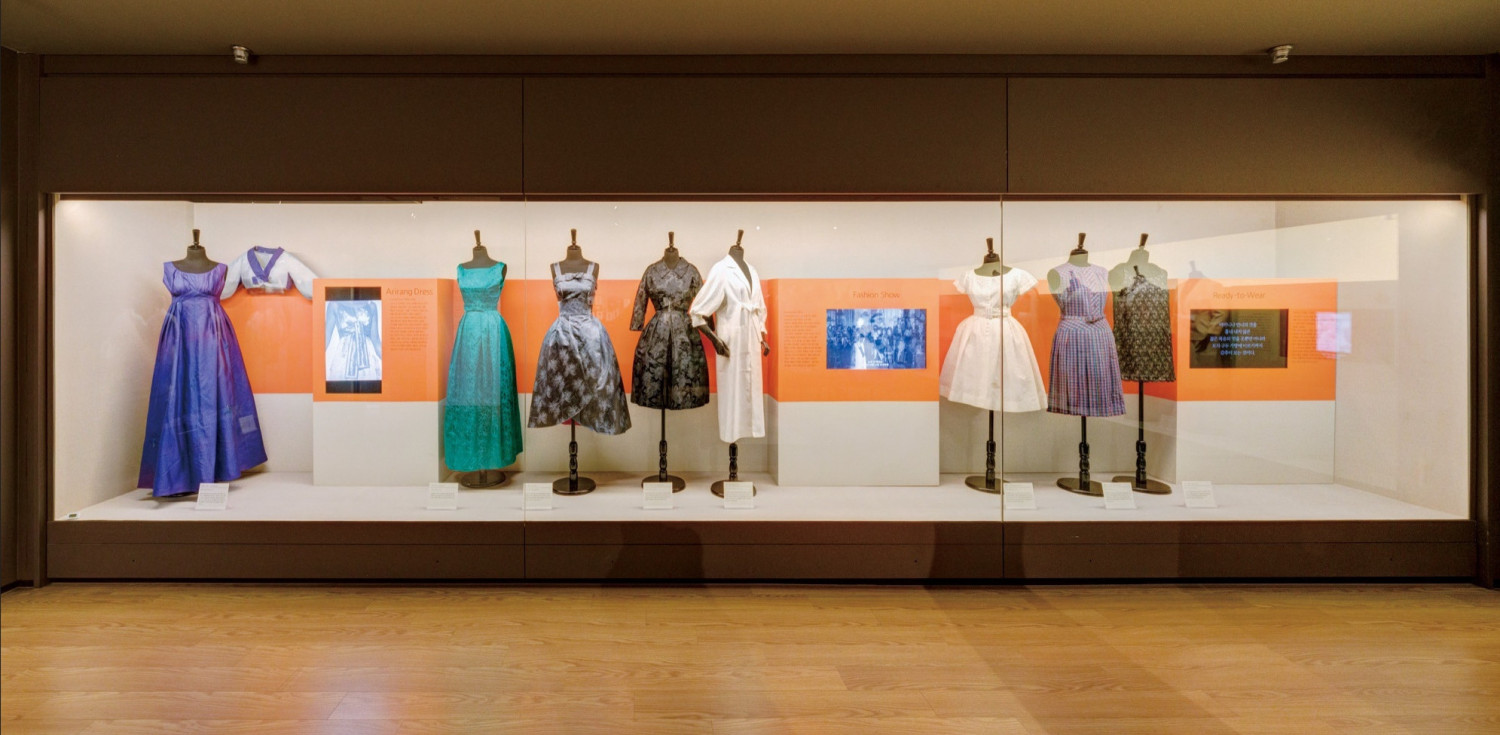
In 1956, South Korea’s first-ever fashion show took place, and the designer at center stage was Nora Noh. The symbolic moment signaled a societal shift from an era dominated by custom-made garments toward a new way of consuming fashion. Ready-to-wear clothing offered women a newfound physical freedom to move and work. Through designs as practical as they were modern — showcasing what a critic beautifully described as “well-controlled elegance” — Noh exerted a profound influence on the formation of Korea’s fashion industry. Now, in 2026, an exhibition celebrating the 99th year of this first-generation icon is underway.
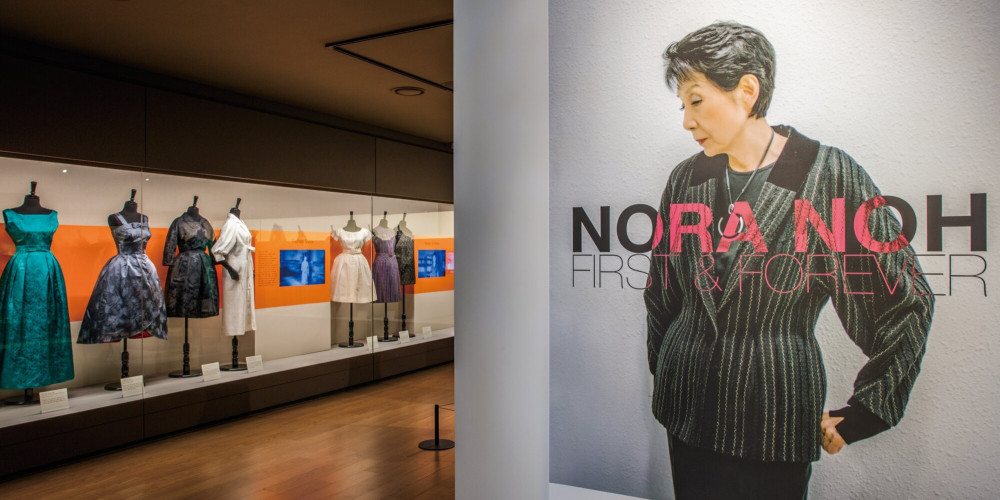
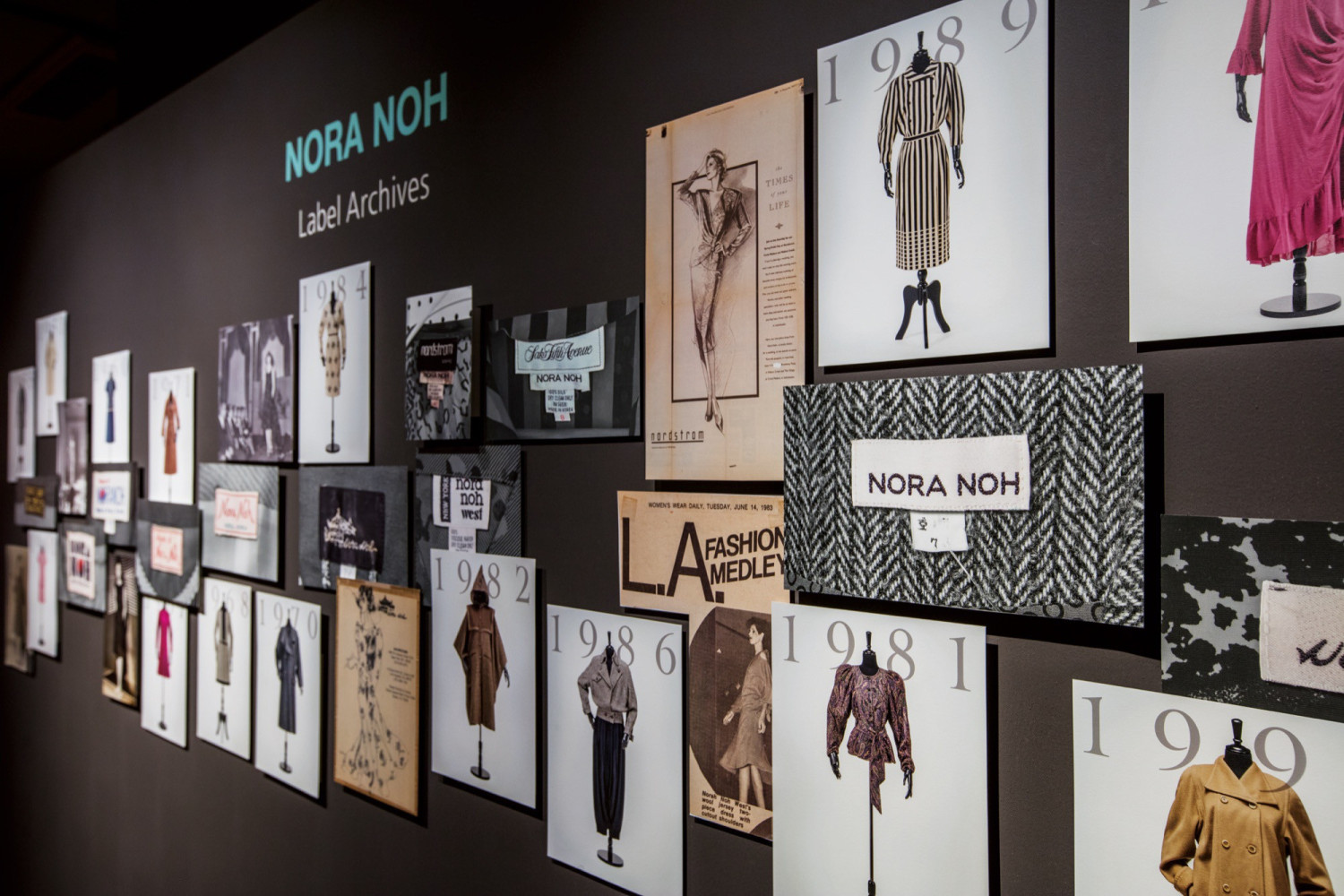
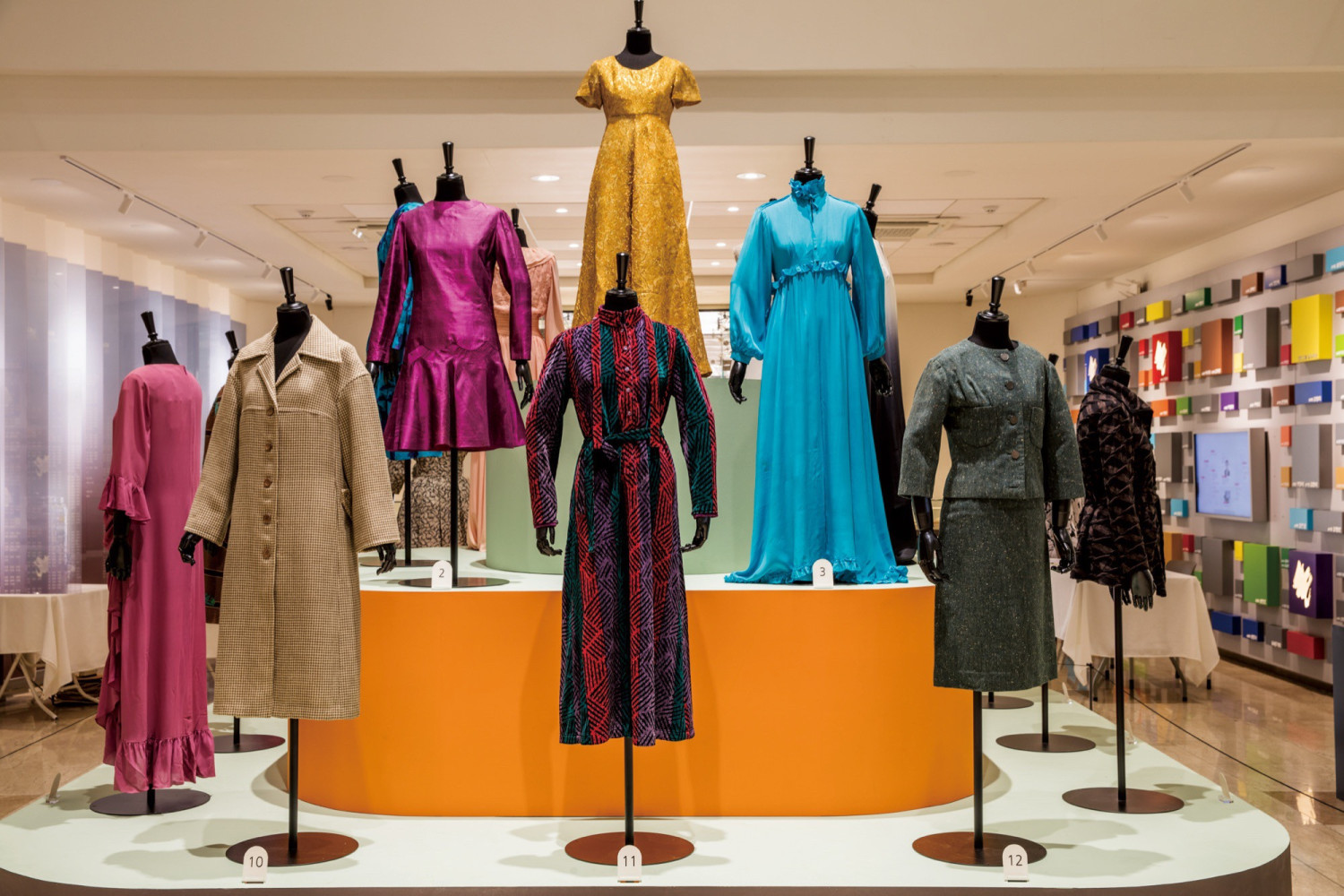
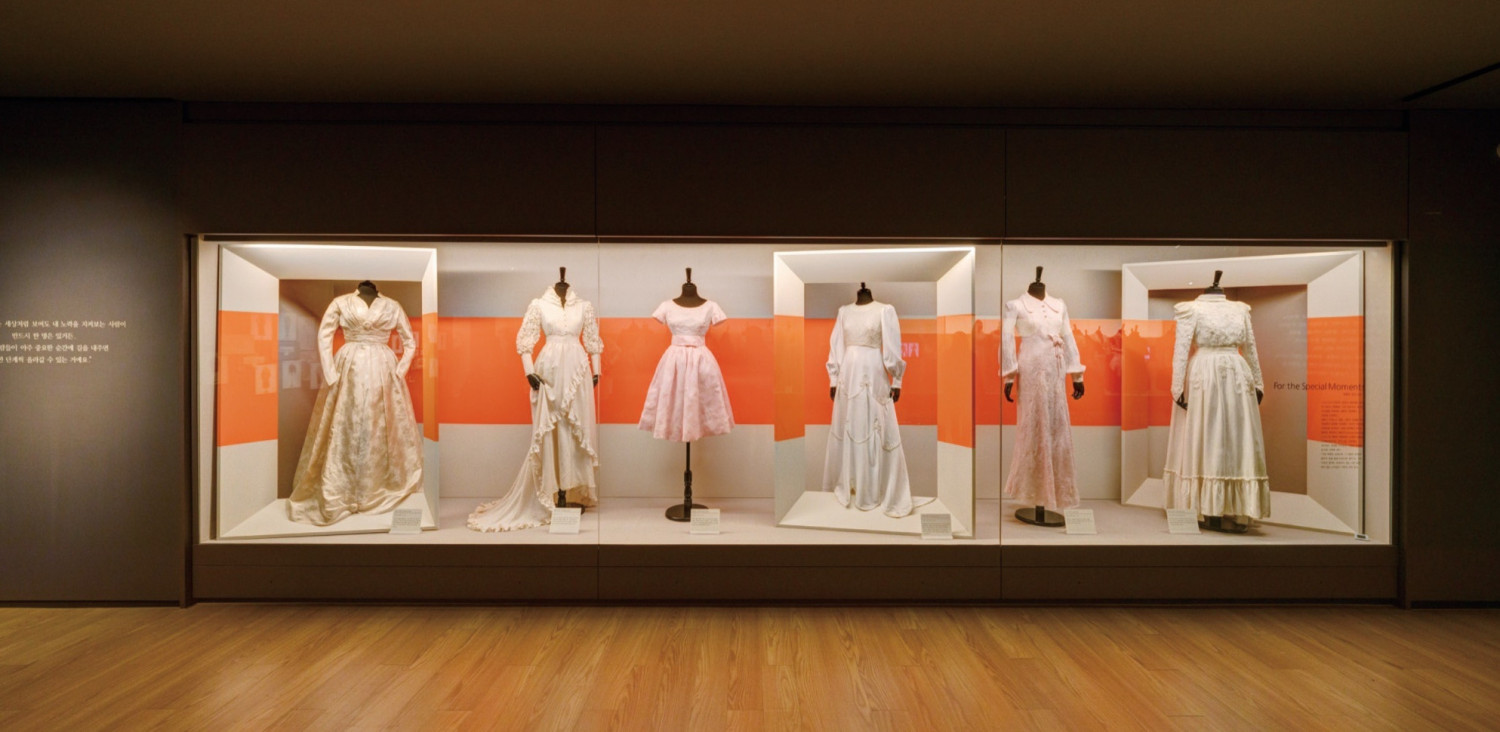
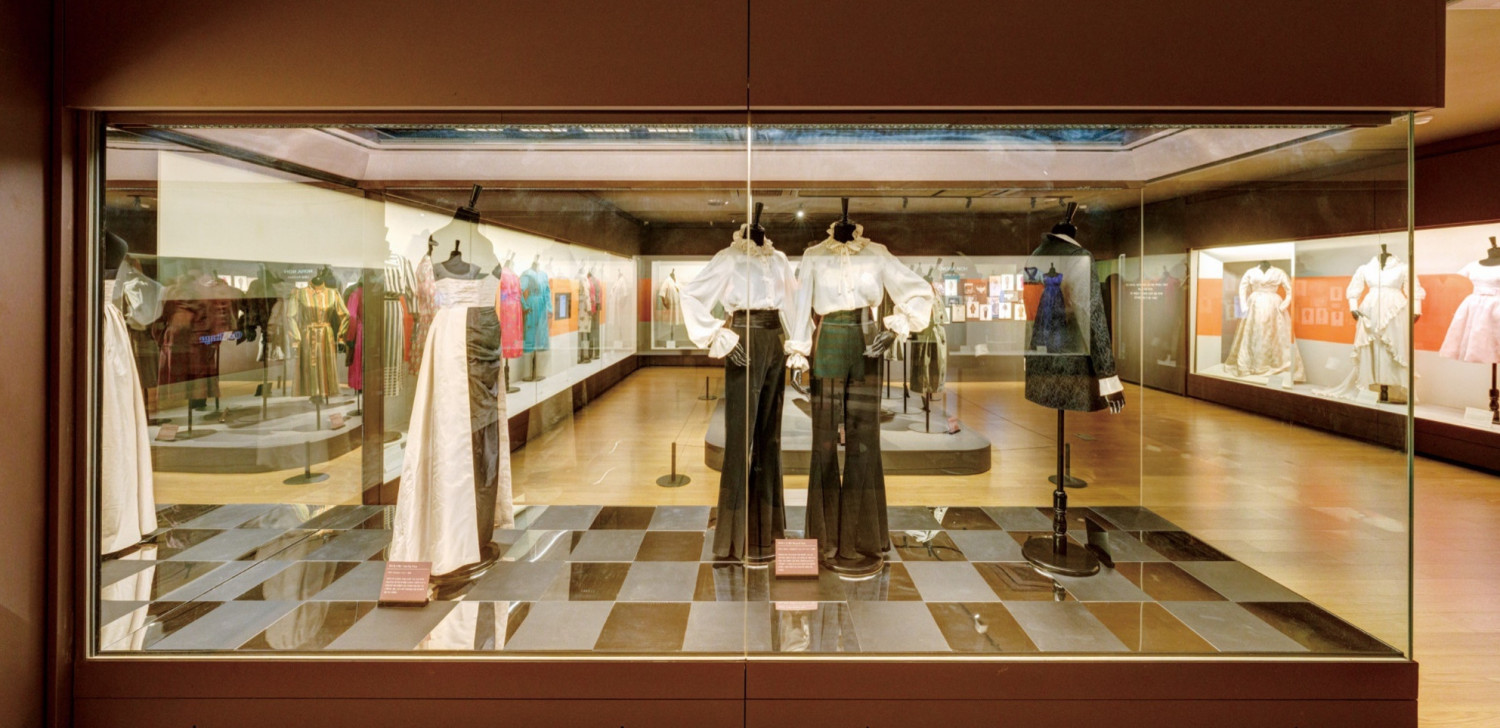
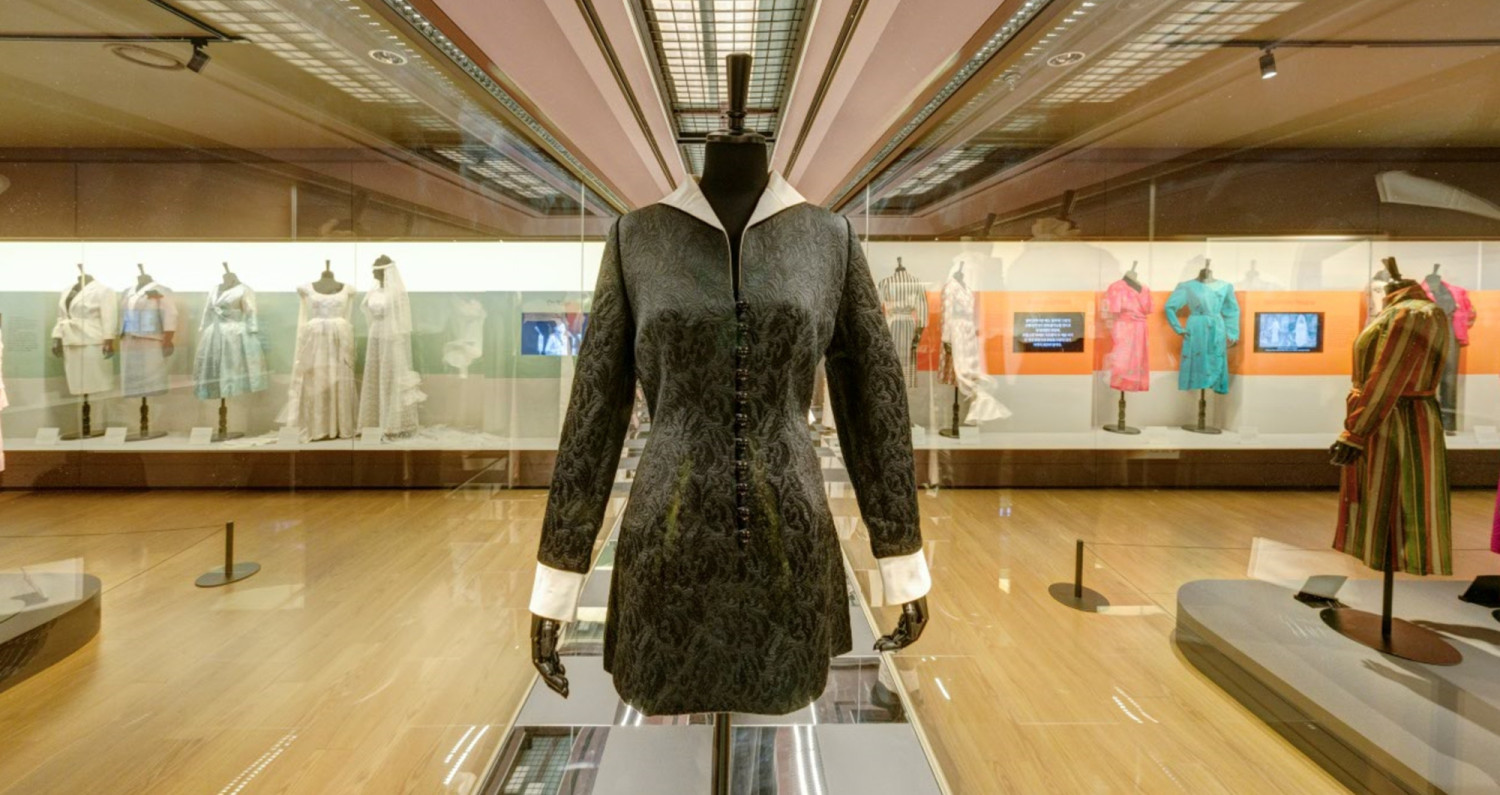
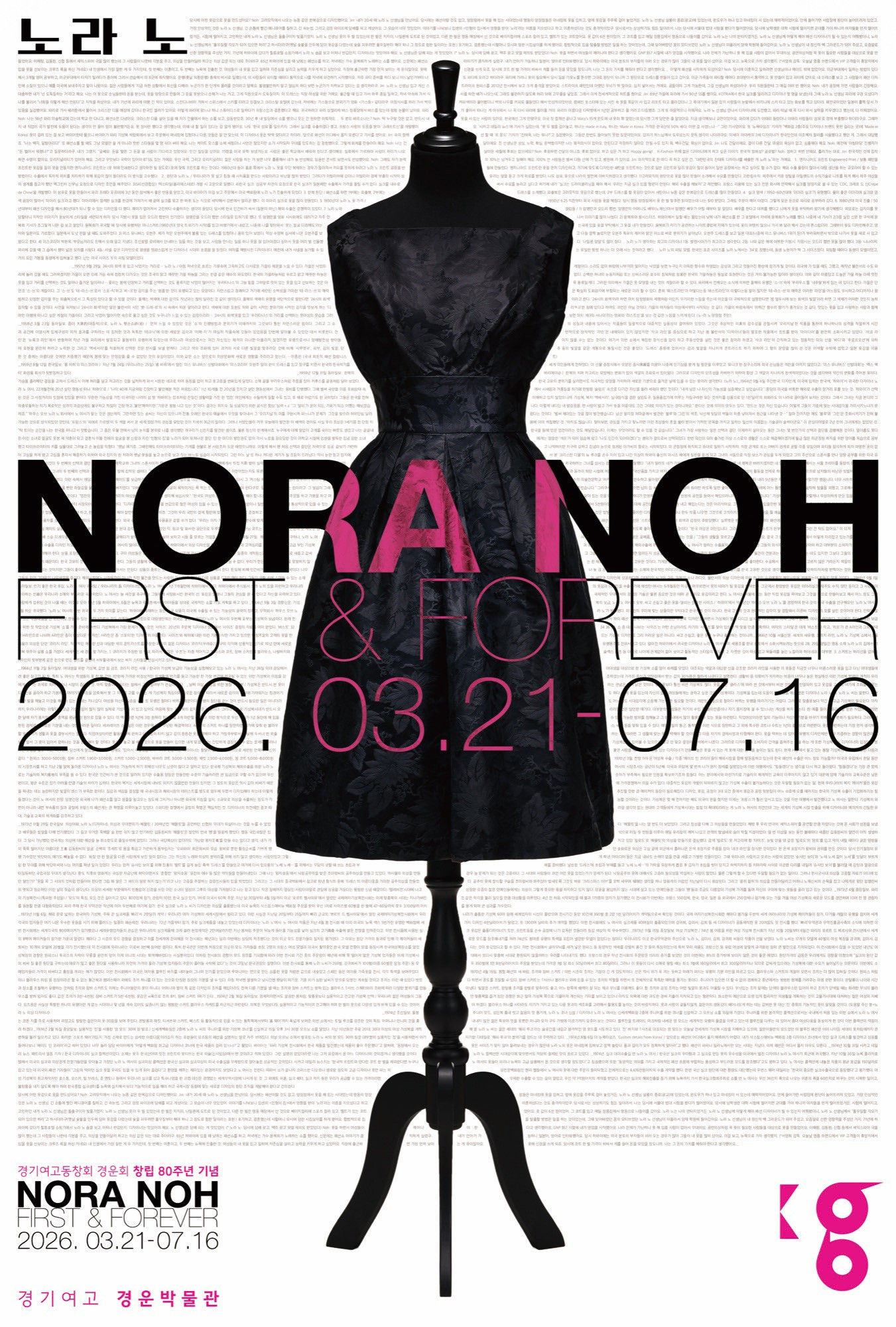
Nora Noh: First & Forever runs from March 21 to July 16 at the Kyungwoon Museum in Kyunggi Girls’ High School’s 100th Anniversary Memorial Hall. This exhibition is as much a retrospective of a single designer’s remarkable life as it is a look at fashion and cultural history, presenting South Korean fashion’s birth and growth alongside the evolving lives and social roles of the nation’s women. Concepts like ready-to-wear clothing, fashion shows, the profession of a fashion designer, and expressing one’s identity through clothing all blossomed into their modern forms through the life and dedication of this one extraordinary woman.
In this interview, we look at Nora Noh, as a designer who paved the way forward and a creator who ceaselessly pursued her craft amid sweeping times of change. As the title First & Forever suggests, the era spanning from her early beginnings to the present is more than just one person’s history. It captures the growth and evolution of Korean fashion and the changing landscape of women’s lives.
A Designer’s LIfe
Q. First & Forever is the title of the exhibition celebrating your 99th year. How would you describe your life based on that title?
“First” signifies when I began as a fashion designer in Korea; “Forever” is the time I spent continuing that work. As it’s no longer mine alone but something the next generations of Korean designers will carry on, I hope the name “Nora Noh” will live on well into the future.
Q. How did you feel seeing the expanse of your career organized into a singular exhibition?
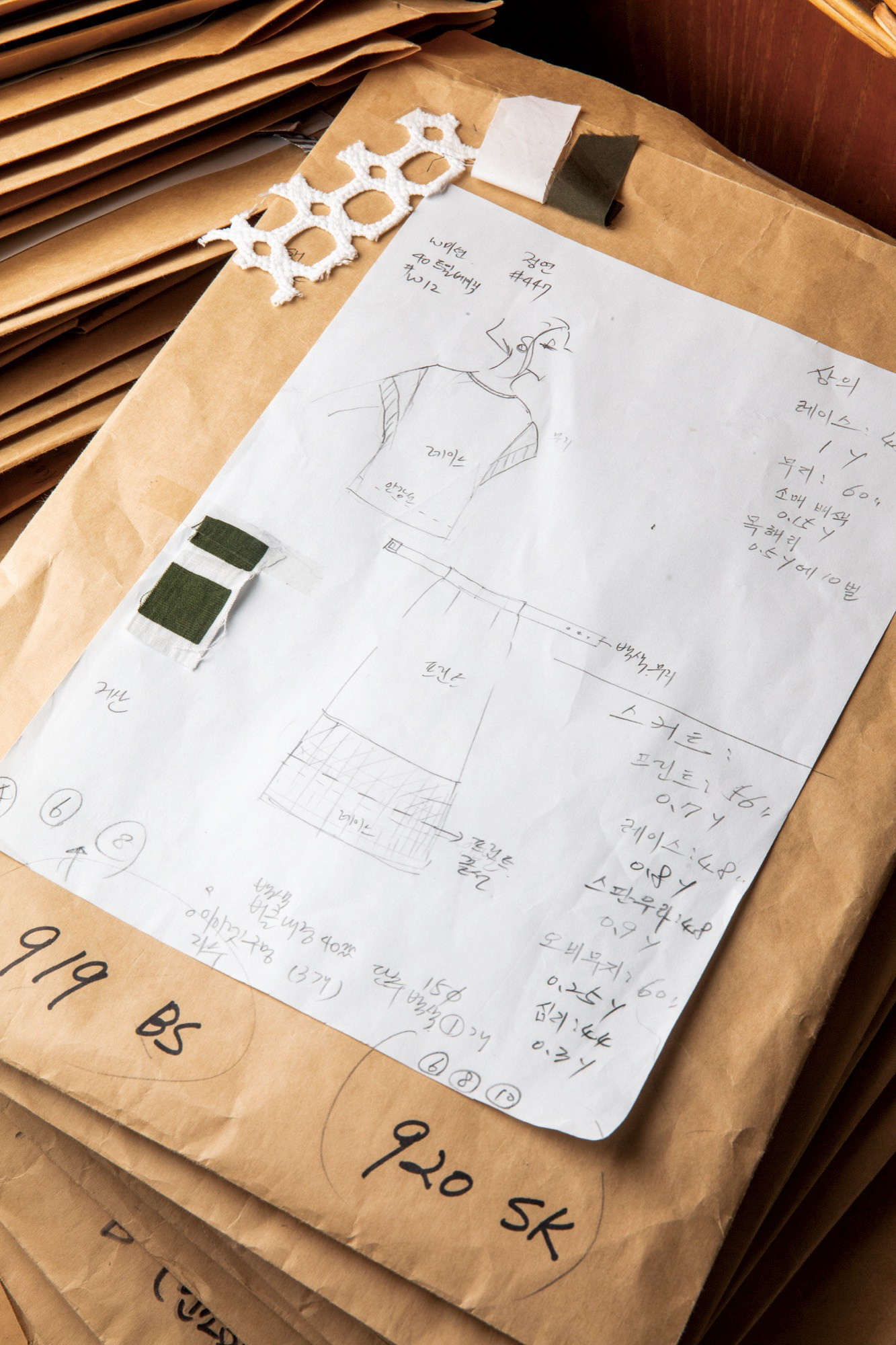
I saw that what I created out of passion became archives exemplifying those eras. I’m now organizing over a thousand pieces donated by former clients. Trends vanish, but they actually become the truest records. So, I believe Korea now needs a dedicated fashion museum to preserve and study garments. I’m deeply gratified that this exhibition turned out so beautifully.
Q. Are you still sketching and designing clothes?
As my physical stamina has lessened, I’ve been devoting my time to organizing my archives. I am also preparing to participate in an exhibition showcasing the history of Korean fashion at the Royal Ontario Museum in Toronto, Canada, scheduled for 2028. Korean fashion being chronicled as a historical narrative and featured in world-class museums is profoundly meaningful for me.
Q. Your famed “Arirang Dress” was designated a National Registered Cultural Heritage in 2014.
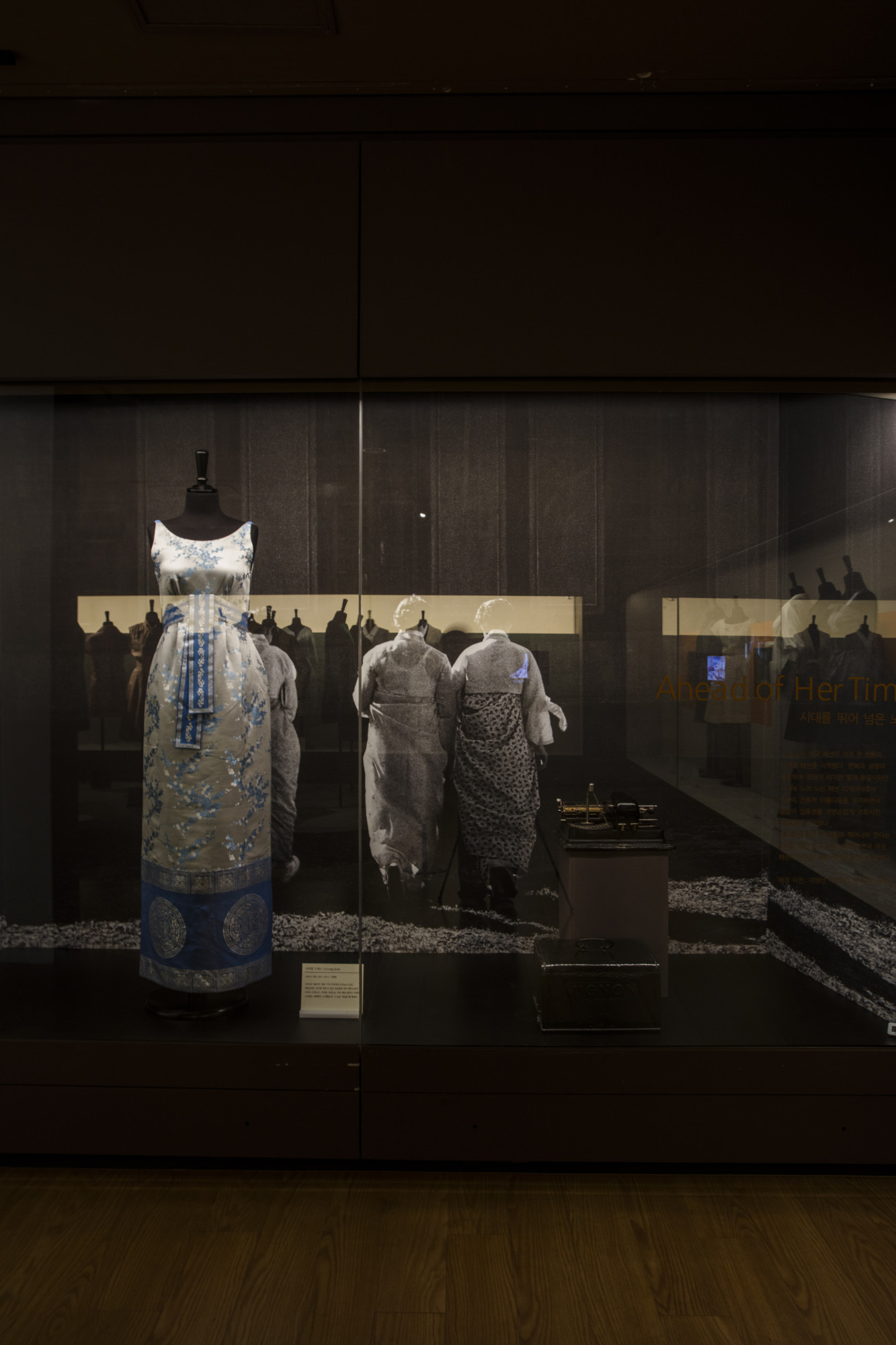
Yes, I designed the dress for the 1959 Miss Universe pageant. The traditional Korean dress known as hanbok lacked the necessary visual impact on the global stage, so I preserved the quintessentially Korean elements, such as its elegant lines and colors, tailoring it as an evening gown. It gained massive attention and remains a representative archetypical dress of Korea, which led to its National Registered Cultural Heritage designation. What’s fascinating is that nearly 70 years later, BTS’s comeback project featured the dress. As the project’s theme is “Arirang,” it is a perfect fit. Thus, a piece of clothing doesn’t belong to just one era; as time passes, it can be reborn.
Pioneering the Era of Ready-to-Wear Clothing for Korean Women
Q. Was there a specific moment or catalyst that led you to embrace ready-to-wear clothing rather than custom-tailoring? What did clothes mean to the women of that era?
When I was studying in America, ready-to-wear fashion was already standard — but not in Korea. Upon my return, the reality was women rarely held professional jobs, so they didn’t need extensive wardrobes and primarily wore a traditional chima jeogori (skirt and jacket). Post liberation, foreign companies arrived and more women entered the workforce. Back then, if you could type and speak basic English, you could secure a job. With that, women needed functional clothing to work in. But navigating a modern office in a chima jeogori was cumbersome and custom-made clothing was too expensive. I realized there was a critical need for convenient and accessible clothing. My catchphrase then was “Clothes you can try on and buy at will.” Korea needed this new fashion paradigm, and that is why I pioneered the ready-to-wear movement in Korea. Through designing clothes, I hoped to help women step forward with confidence. I wanted women to use clothing to elevate their self-esteem so they could unleash their capabilities and live their lives.
Q. Beyond fashion design, you also dedicated yourself to building the foundation of the Korean fashion industry through textile development and expansion into global markets.
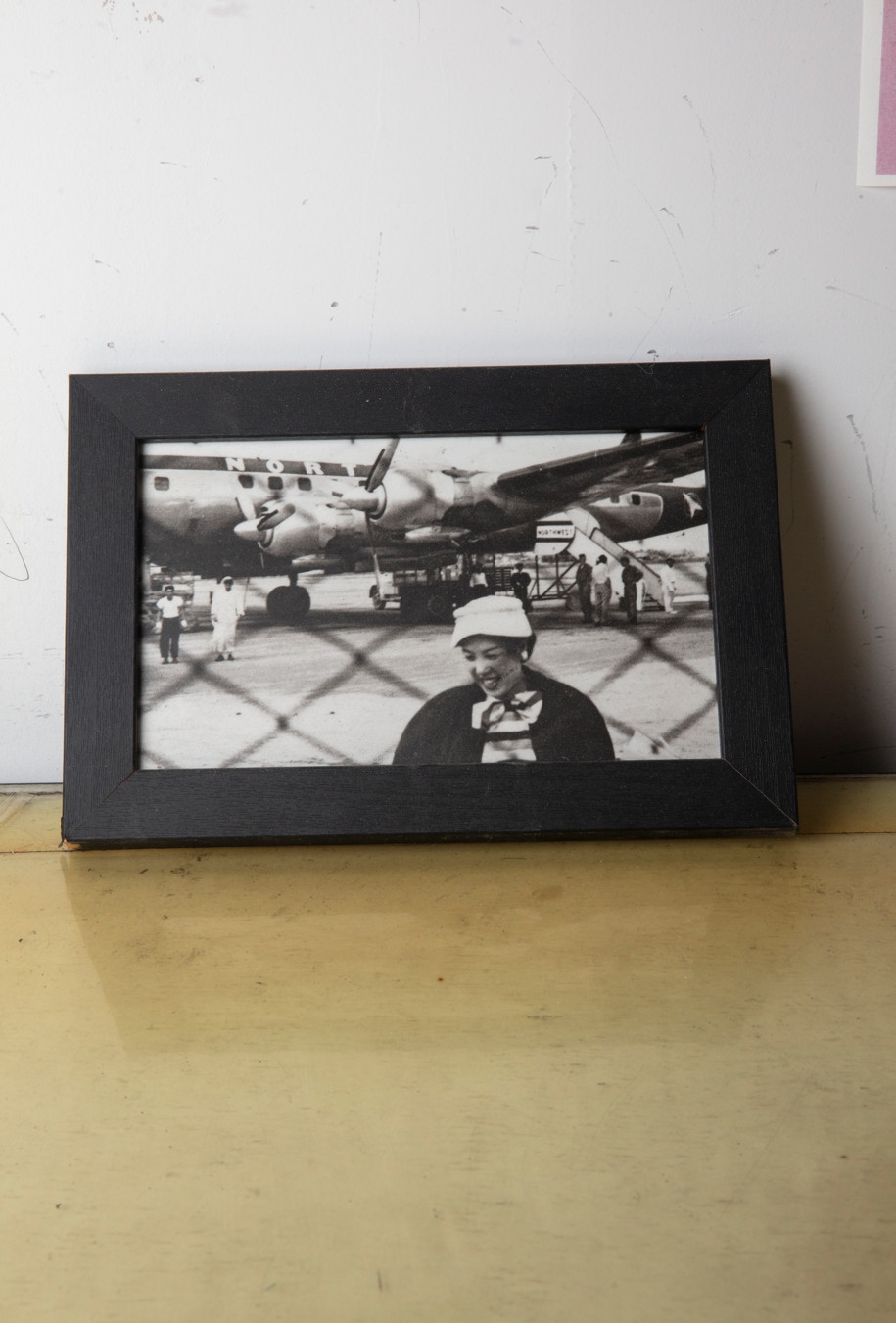
In 1956, returning home after studying in Paris, I stopped over in Italy. I learned that their rise as a fashion superpower was fundamentally underwritten by a robust textile industry. Hearing that, I realized I’d found the work I must do for Korea. Fashion cannot exist merely through the act of designing garments. Ultimately, you need textiles to create clothing, and the entire industry must grow together. So, I took to the road, visiting factories, collaborating on fabric development and introducing Korean textiles and garments to the global market.
Those initial steps ultimately led to collections in New York. At first glance, everyone assumed my creations were from a European designer. But upon reading the press notes detailing that they were a Korean creator’s designs crafted with Korean textiles, Patricia Shelton, a prominent critic for the Chicago Daily News, lauded the collection as “well-controlled elegance.” From that moment on, I moved forward with absolute confidence.
Integrity, Humility and the Role of an Artisan
Q. You walked unexplored paths, embarking on adventures. Making those kinds of choices must have taken extraordinary courage.
To be honest, I never viewed my work as grand. I leapt into the act of doing rather than overthinking. If I succeeded, that was a relief. If I failed, that was it. You end up doing nothing at all when plagued by thoughts like “I must succeed” or “I cannot fail.” Whenever I recognized I would be of service, I rolled up my sleeves and did it. I didn’t allow myself to be paralyzed by anxiety over outcomes. Navigating difficulties with an innate sense of optimism made outcomes more favorable.
It seems many young people today are brimming with aspirations, yet they find themselves frozen by fear of failure. I want to gently urge them: do not let fear govern you. If a desire stirs, take the leap and give it a try.
Q. Your core tenets of “consistency becoming innovation” and “preserving 10% of one’s energy” are profound. What life experiences brought you these convictions?
I wish for people to live with an acute awareness of their stamina and capabilities, navigating life with 10% of reserve energy. Relinquishing excessive ambition is the secret to my longevity. It’s the way I have conducted my life. To sustain a long career, learn to govern your ambition. Human ability and stamina have limits; expend every last drop and, inevitably, you collapse. I have always maintained that we must work while safeguarding 10% of our energy. Doing so is the only way to preserve your health and career long term. When you continue with steady integrity, the accumulated consistency provides the strength necessary for new, more innovative chapters.
Q. What guiding principle about “attitude” would you offer young designers or an audience encountering your work for the first time?
The one essential thought I want to share with young people is the importance of humility. When you dedicate yourself passionately to your work with a genuinely humble heart, those willing to assist you will appear. That is the very ethos by which I navigated each step of my own journey, arriving where I stand today.
Q. What has it meant for you to live as someone who paved the way? And how do you wish to be remembered?
I wish to be remembered as an artisan. To be thought of as a person who steadily and quietly devoted herself to her craft. A designer who worked with the spirit of a true artisan. That is more than enough.
Nora Noh: First & Forever
Venue: Special Exhibition Gallery, 1st Floor, Kyungwoon Museum (Kyunggi Girls’ High School 100th Anniversary Memorial Hall)
Dates: March 21 – July 16
Guided Tour: Mon. – Sat., 2:00 – 3:00 p.m.
(Closed on Sundays and public holidays)
Admission: Free
Inquiries: +82-2-3463-1336
www.kwmuseum.org
- 글. 최진이
- 사진. 신규철