A CITY THAT INSPIRES, LONDON
London has forged a path that stands as a sublime testament to how a city can truly evolve. MorningCalm explores a forward-looking city that navigates seamlessly between function and beauty, tradition and innovation.
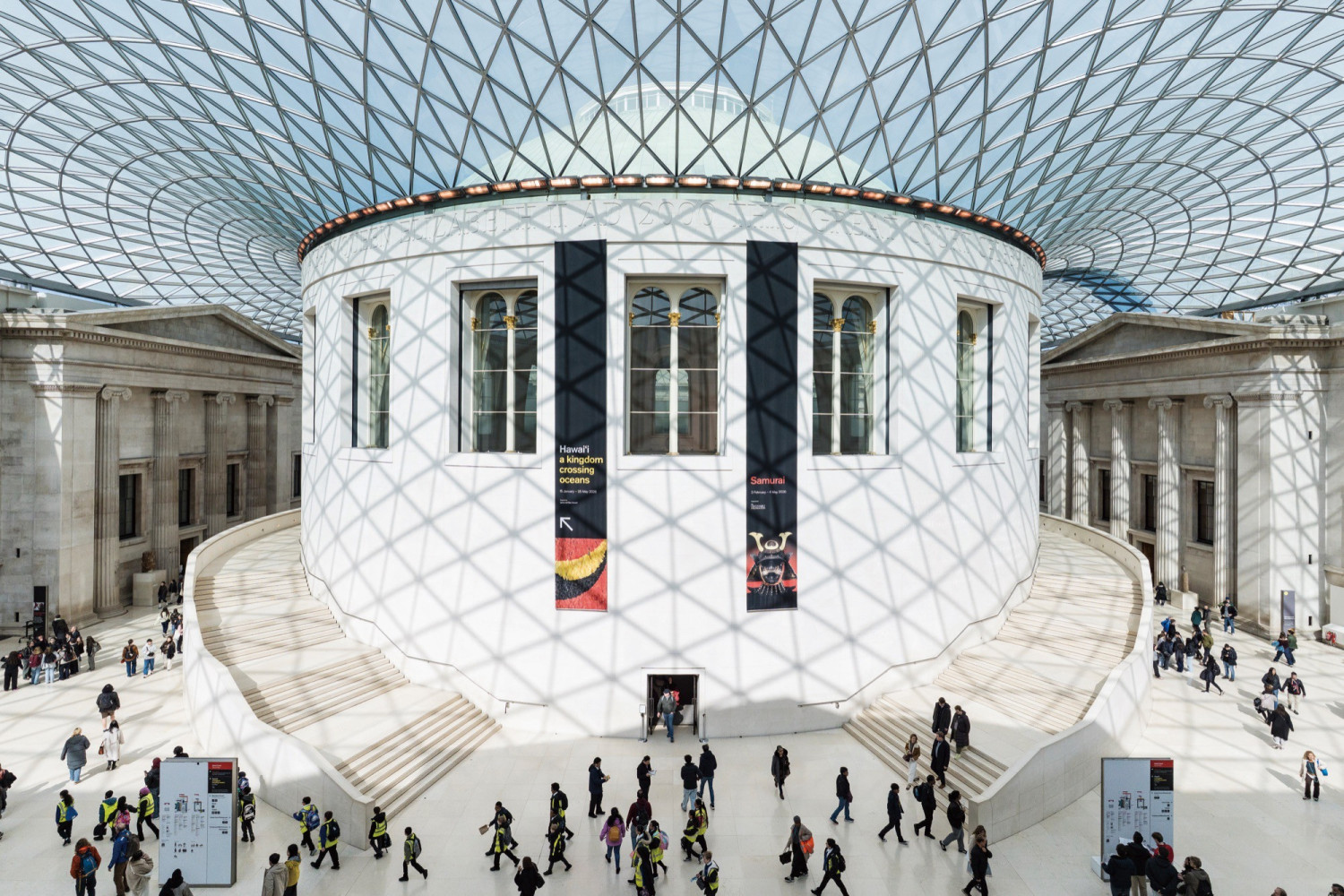
London is a city that has often chosen transformation over preservation. Floodgates become a sculptural monolith, abandoned power stations become galleries that draw millions, and the crowns of skyscrapers serve as open gardens with a lookout over the River Thames. Rewriting its story upon the accumulated layers of the past, London’s spirit of innovation finds new purpose in what already exists, layering the new upon the old to forge a path forward.
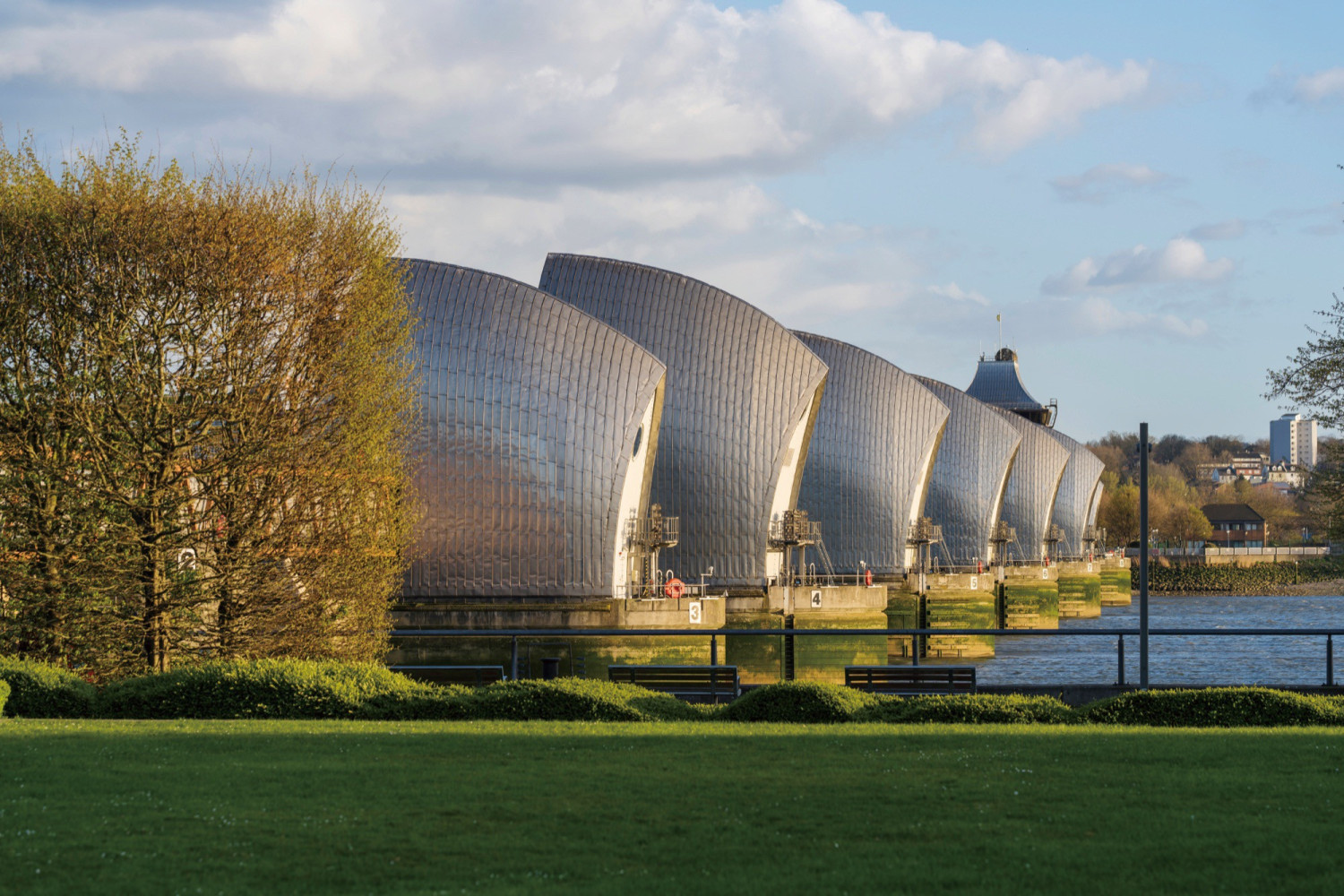
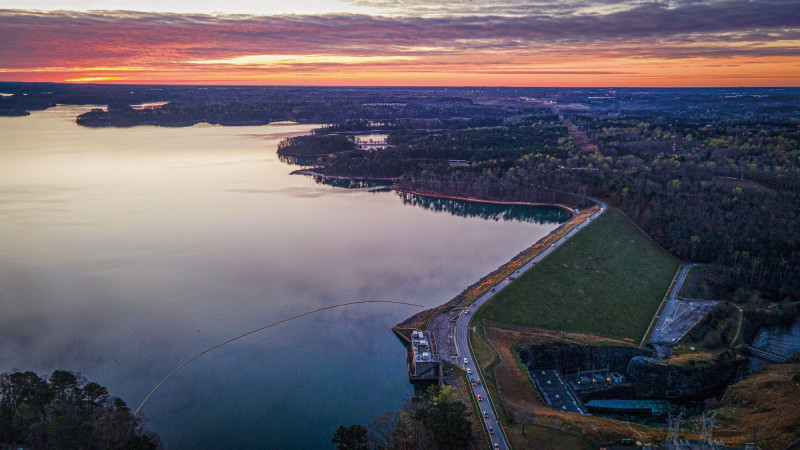
The Thames Barrier, a monumental floodgate protecting London’s future
Ideas That Reshape Cities
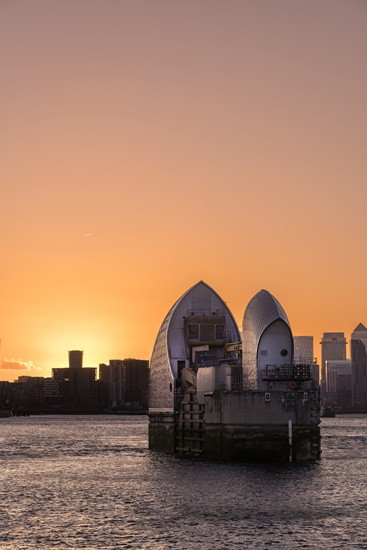
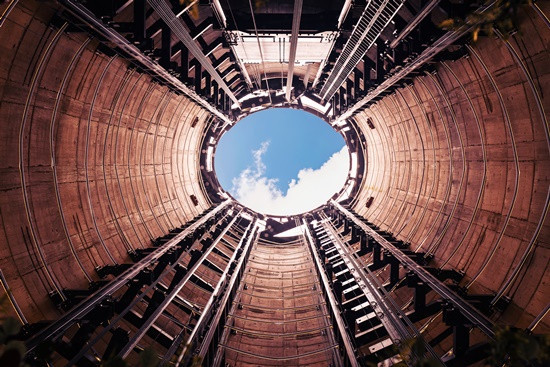
What best symbolizes London’s innovative 20th-century spirit is the Thames Barrier, one of the world’s largest flood defense systems. Completed in 1982 near Woolwich, its construction followed the devastating North Sea flood of 1953 claiming over 300 lives in the UK. After decades of research, experts ultimately built the barrier.
Normally, the structure’s 10 steel gates rest flat on the riverbed, allowing ships to pass. Under threat of a tidal surge, they rotate and rise above the water, forming an impenetrable defense. Yet, even in this infrastructure’s utilitarian design, London has imbued it with symbolic aesthetic value. The shell-like steel structures redefine the landscape as a beautiful, monumental sculpture.
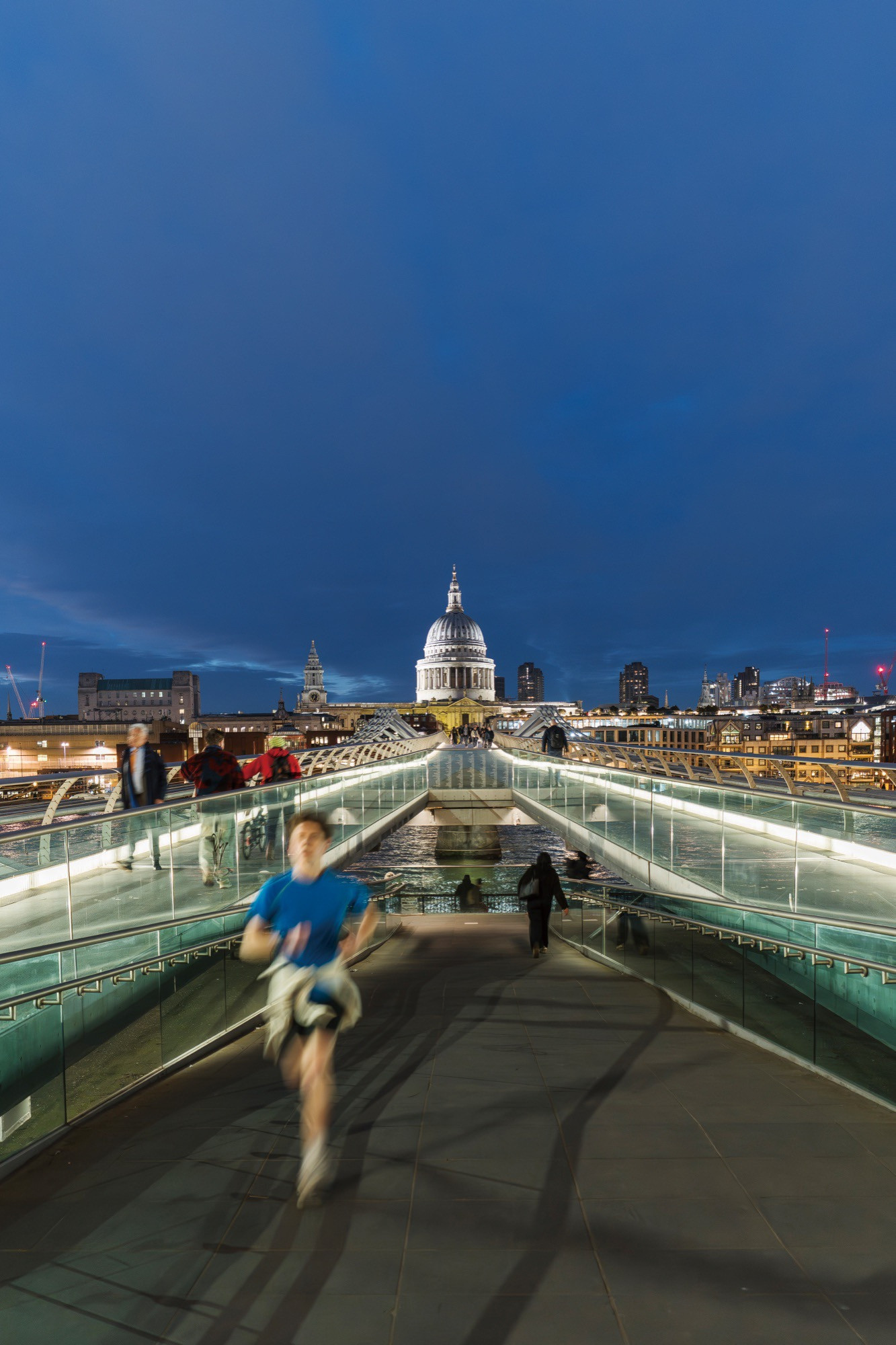
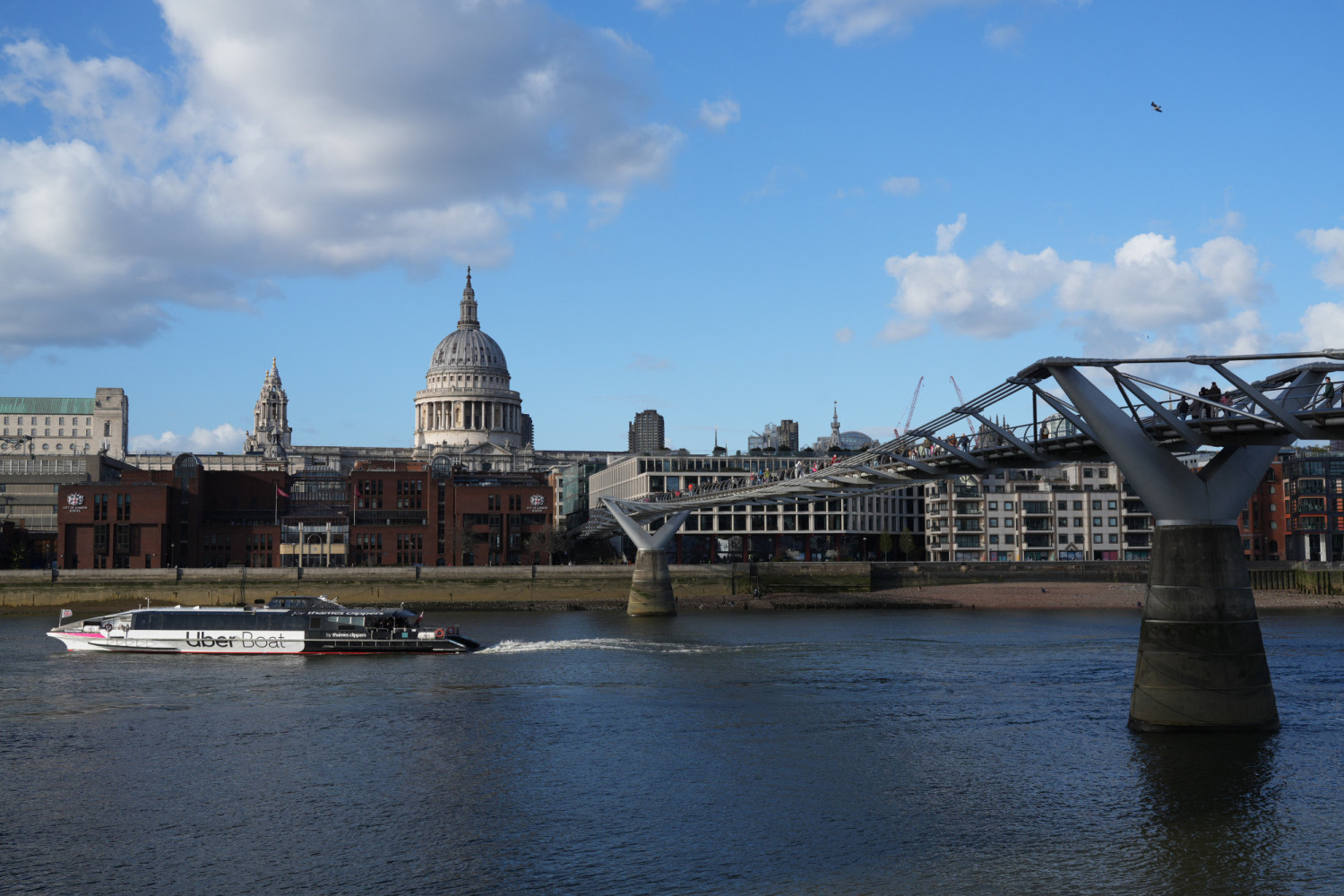
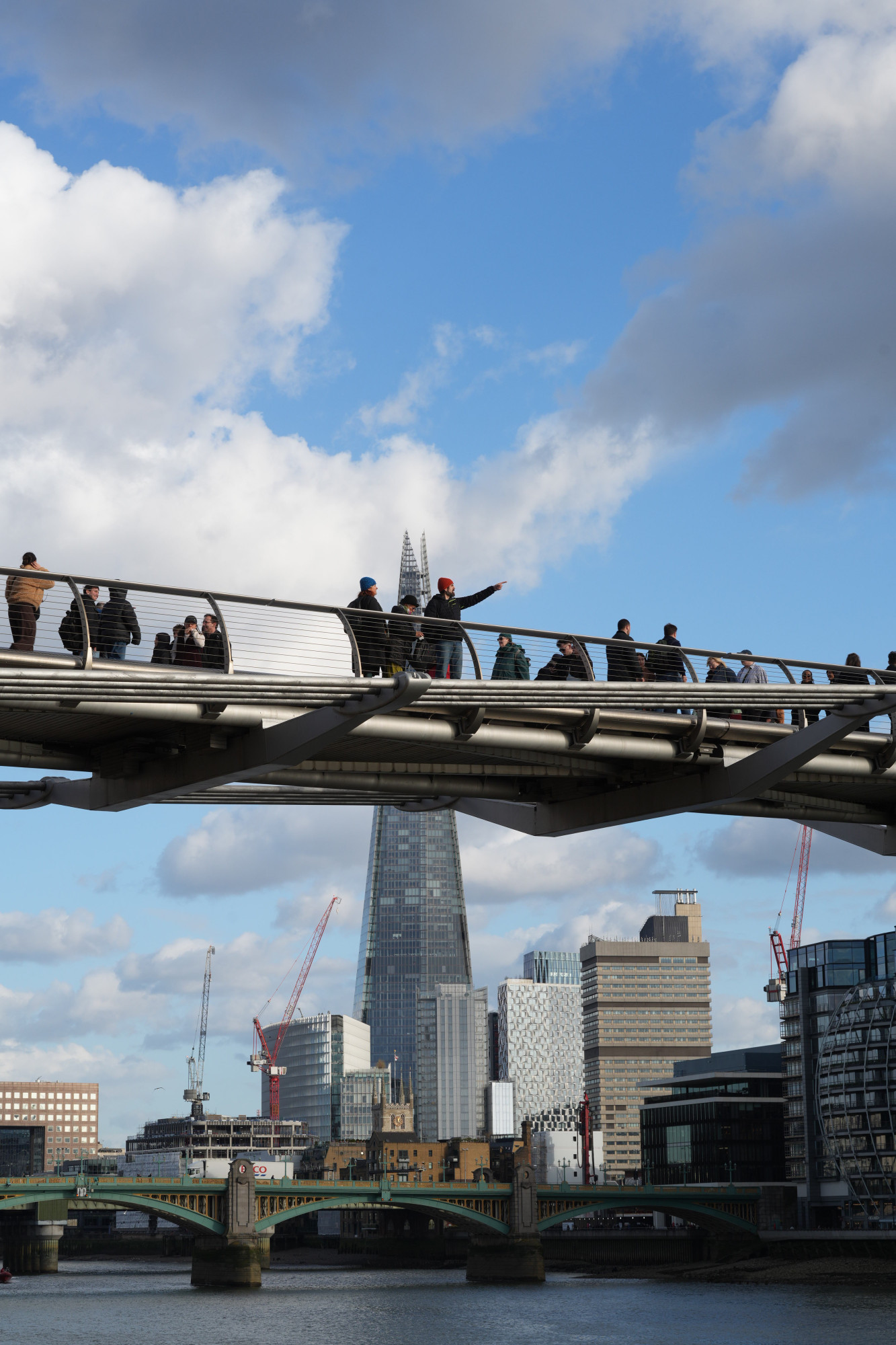
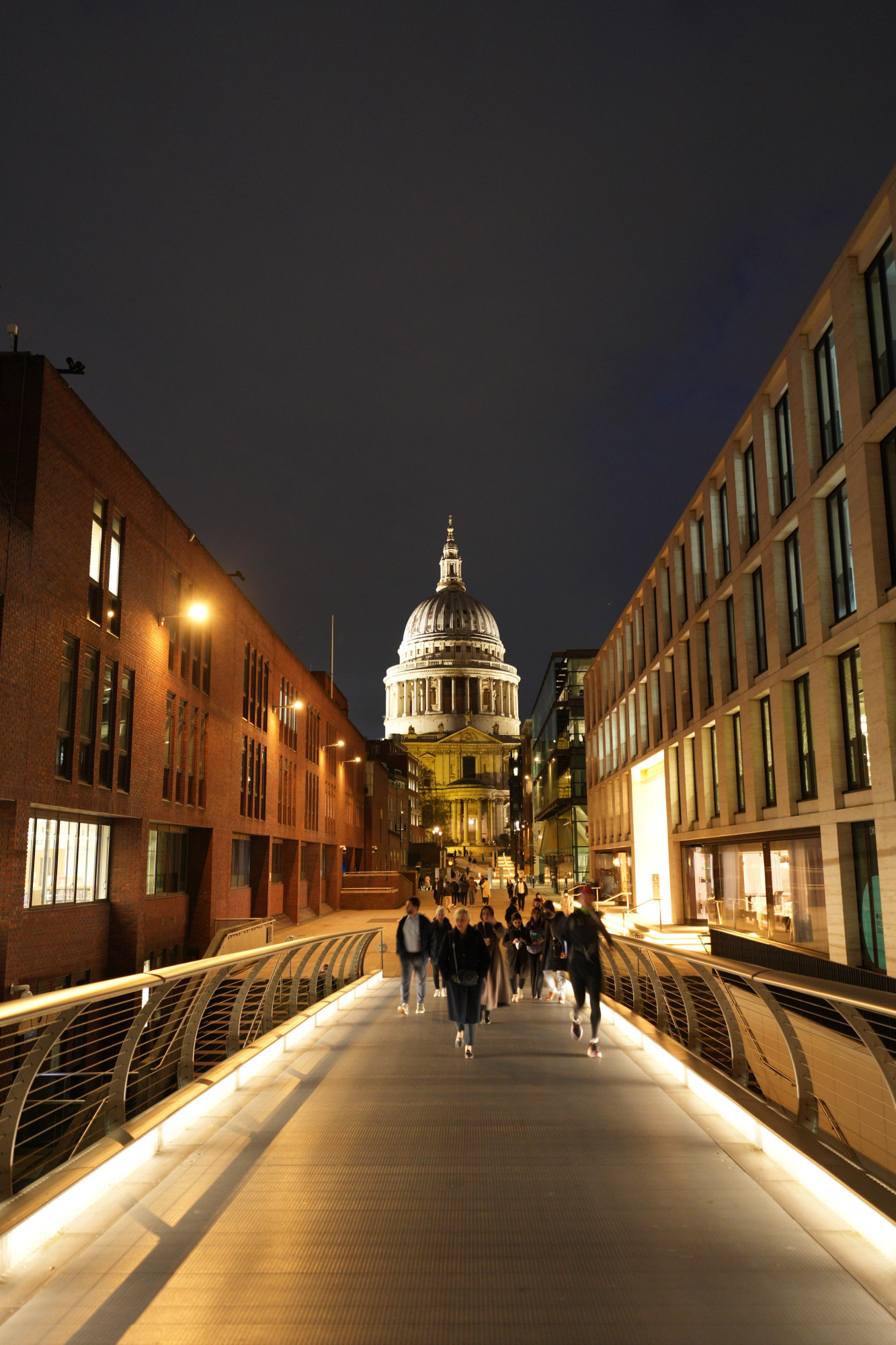
The Thames Barrier is a triumph of civil engineering, structural mechanics, marine science and architectural design. As a pedestrian walkway, the Millennium Bridge connects the affluent City of London on the north bank with Southwark on the south. Completed in 2000 as part of the Millennium Commission, the bridge links St. Paul’s Cathedral and Tate Modern. In doing so, it arches over the socioeconomic divides that separated the two banks, signaling a transformative chapter for London in the 21st century. Blending contemporary engineering with striking architectural aesthetics, the Millennium Bridge can serve as a symbolic step toward bridging the social gap London long struggled to close.
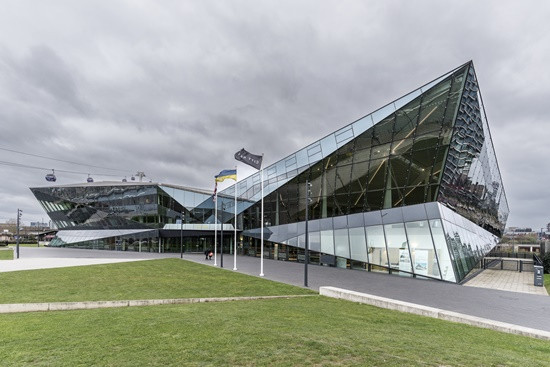
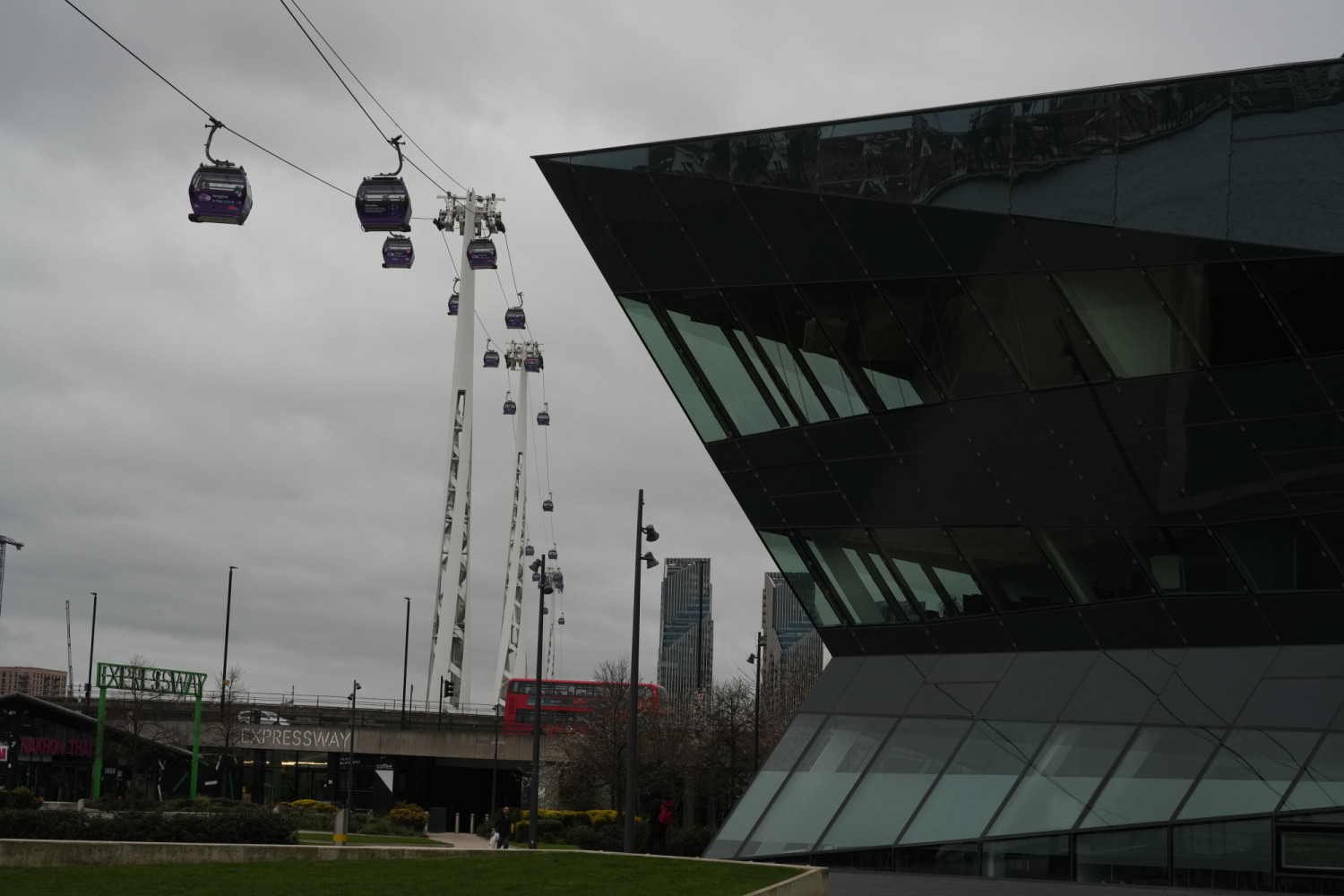
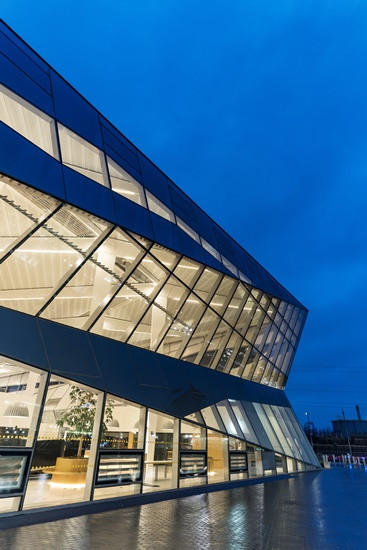
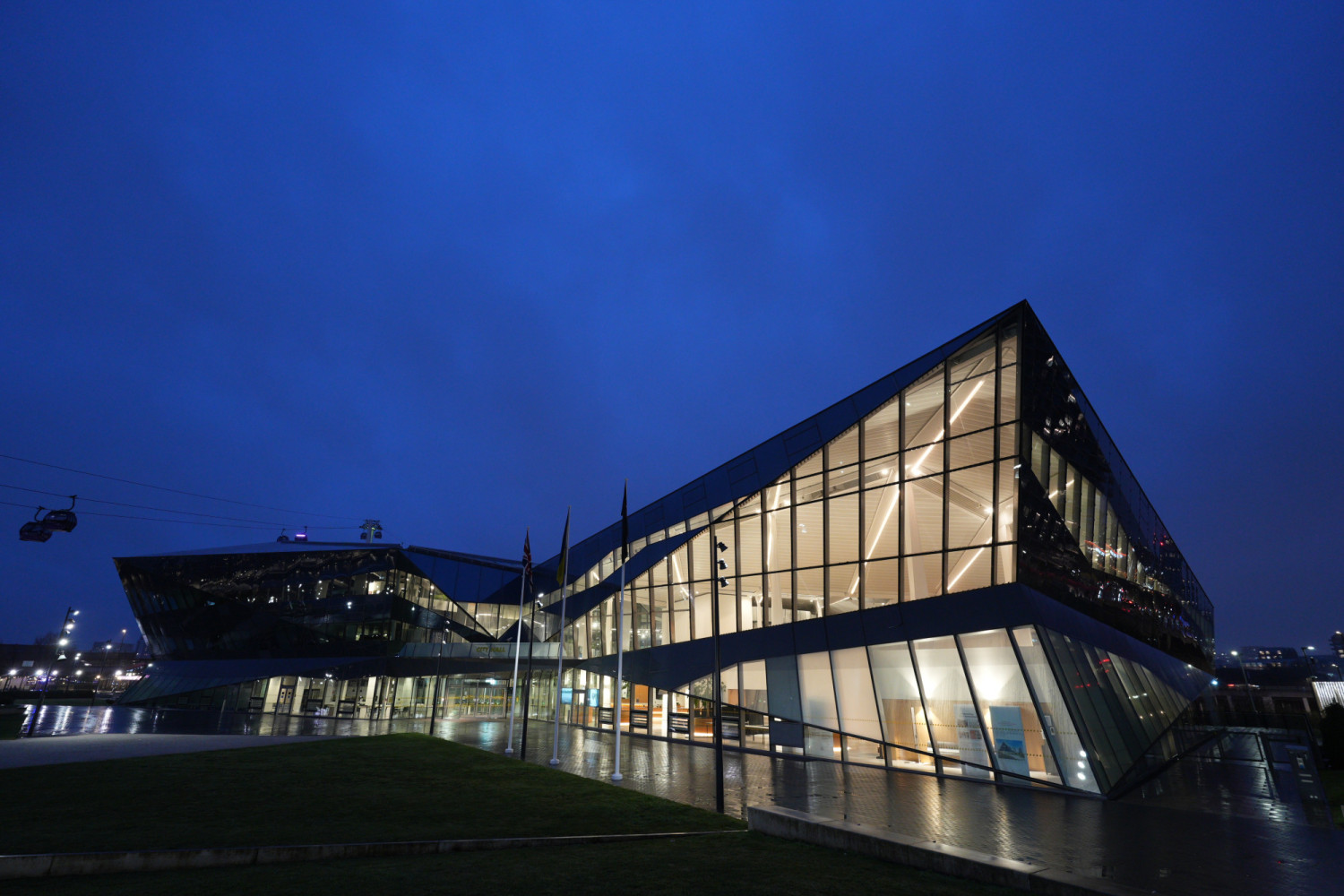
When discussing London’s architecture, its city hall cannot be overlooked. In 2022, the Greater London Authority relocated to the historically underserved borough of Newham. Rather than constructing a new building, the city repurposed an existing exhibition center, The Crystal. This act was a declaration of the defining values of our era: sustainability and adaptive reuse. London city hall’s architectural legacy exemplifies how facilities designed for the people can drive a city’s ongoing innovation.
Rewriting Time
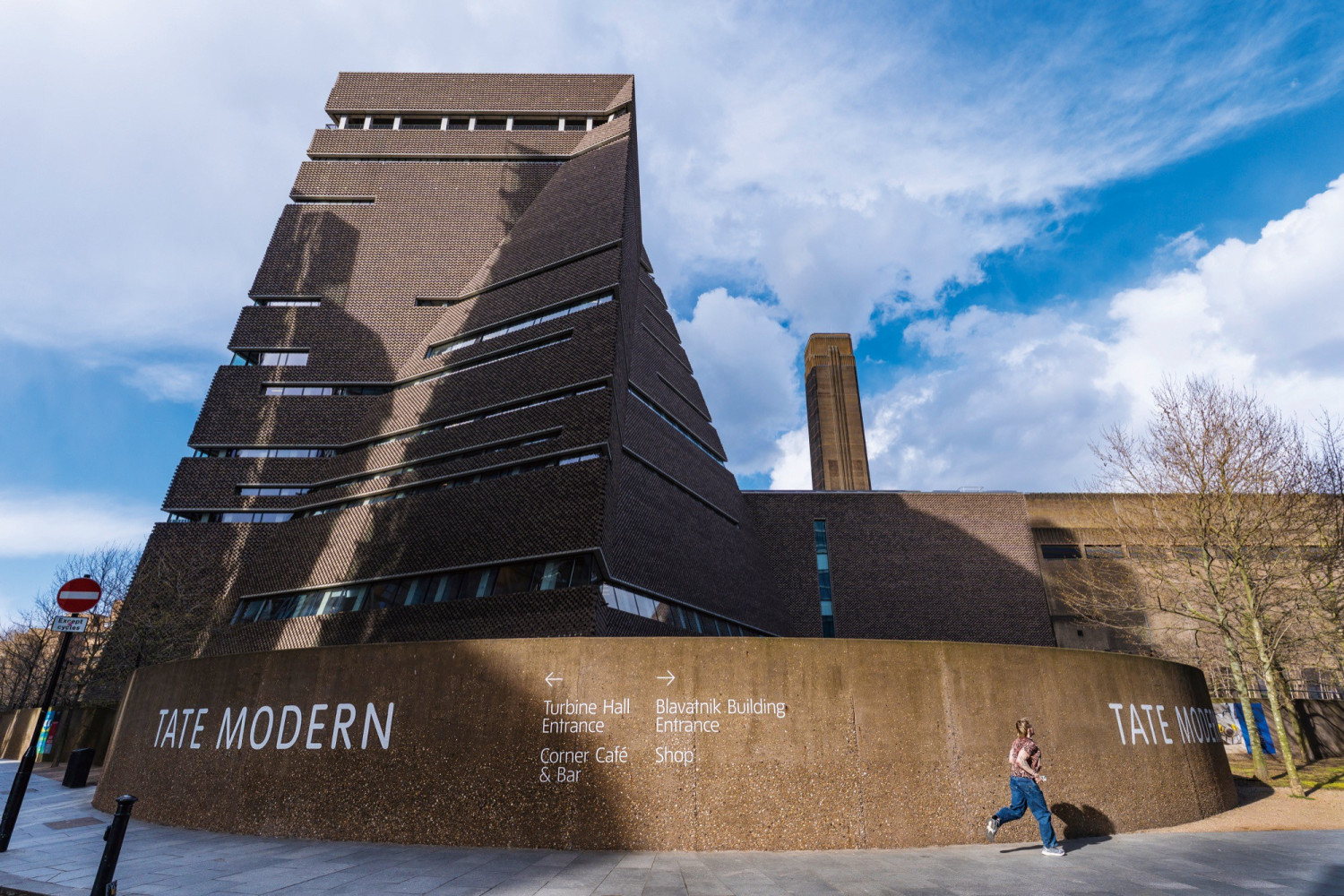
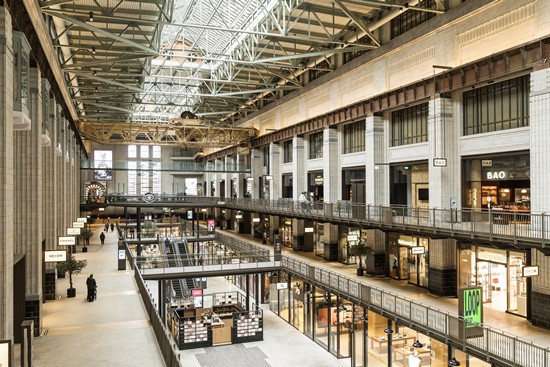
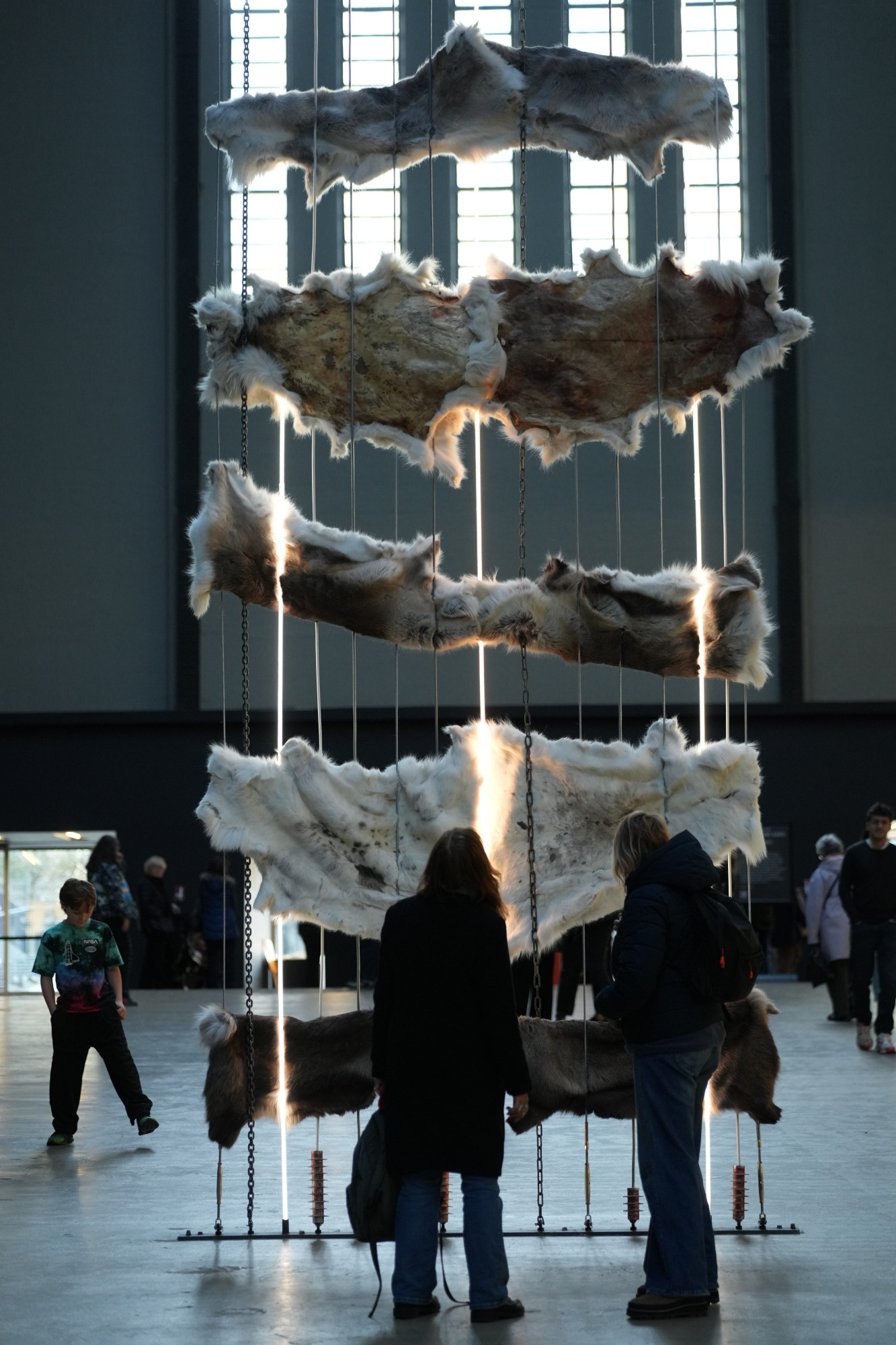
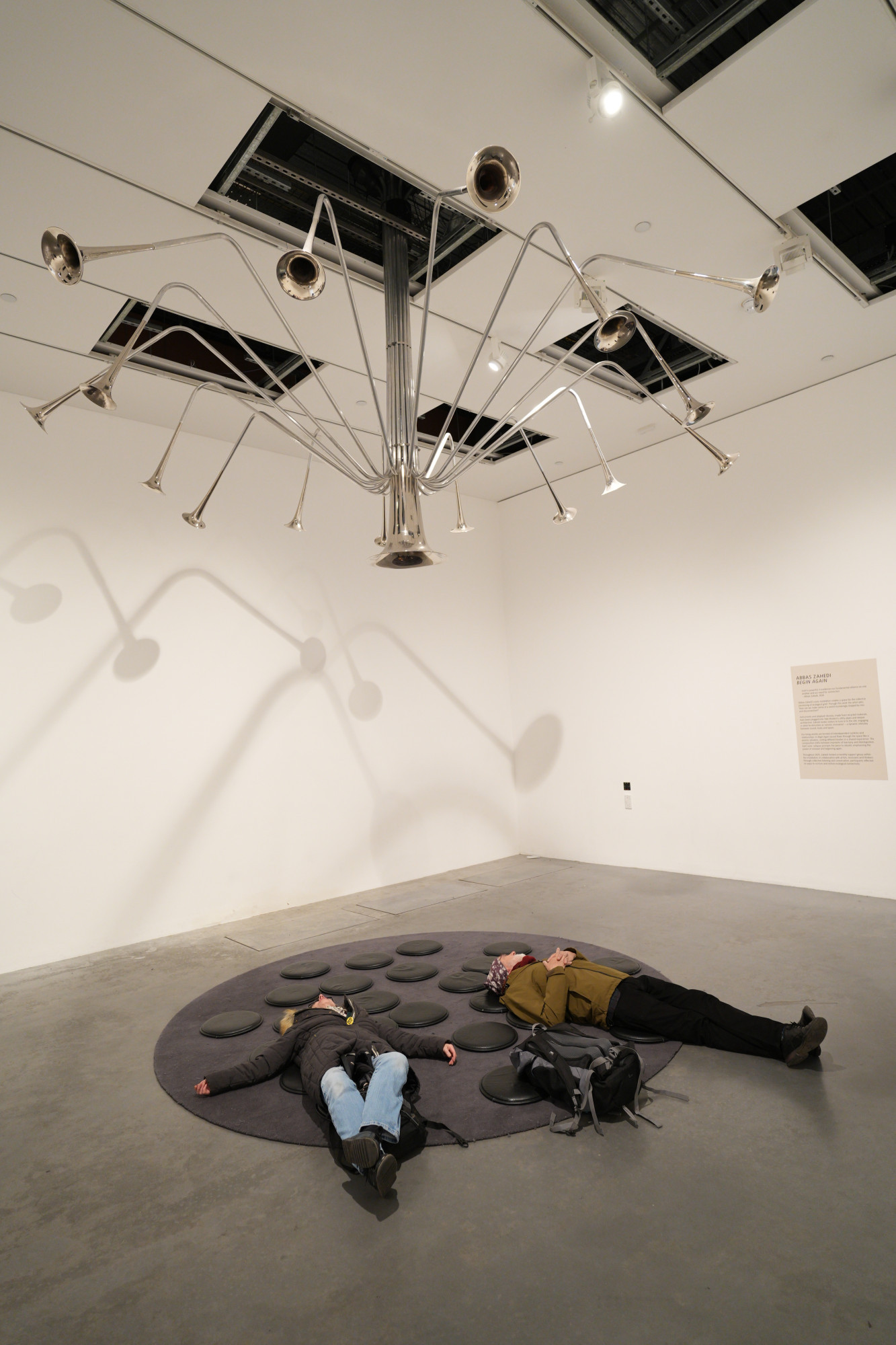
London Tate Modern’s opening in 2000 captivated the world by revealing that the museum of modern and contemporary art was a resurrection of the decommissioned Bankside Power Station. The heart of the structure is the Turbine Hall, functioning as an indoor public square. Visitors strolling along the River Thames can wander in to rest or linger. It is this everyday rhythm of time and people that has made Tate Modern a world-class contemporary art museum.
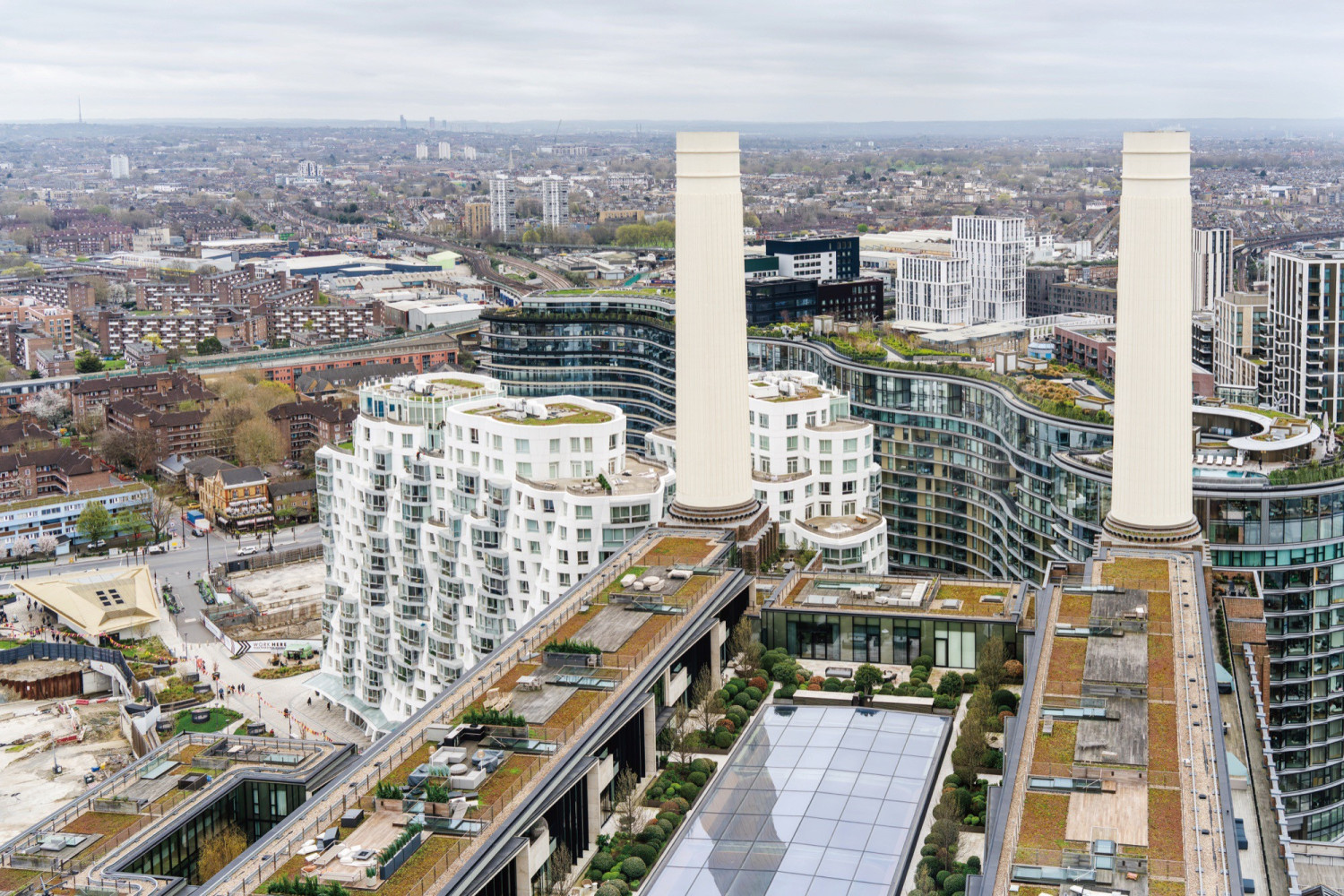
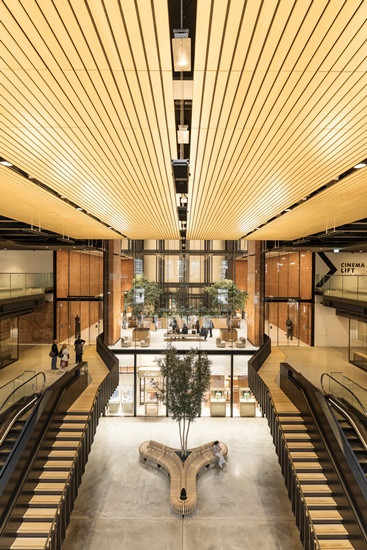
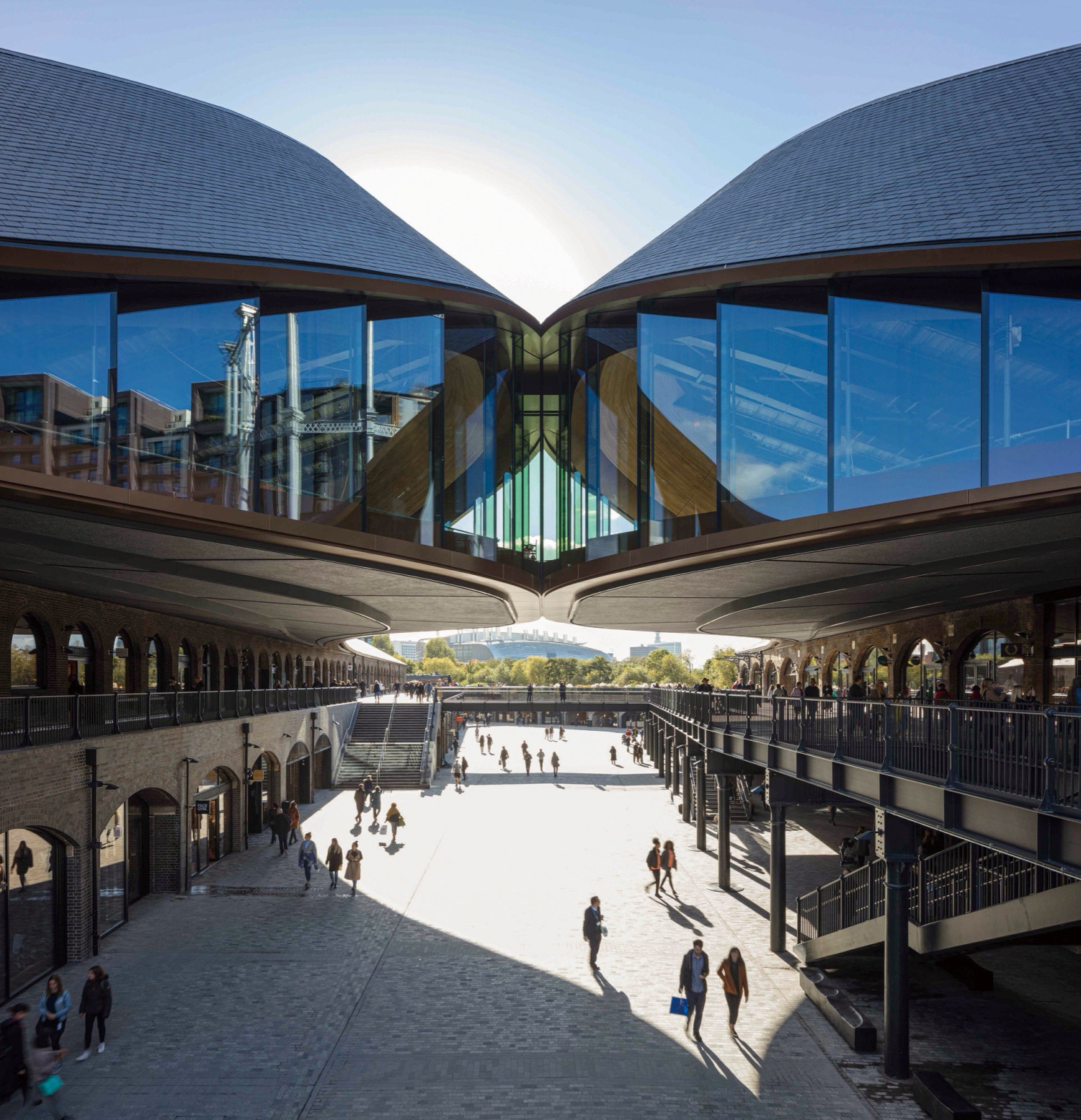
Further downstream on the River Thames sits Battersea Power Station, a colossal structure that sat neglected for much of the late 20th century. Fueled by the success of Tate Modern, the building was reappraised. With a much larger scale than Tate Modern, Battersea had the potential to accommodate a breathtaking array of programs. What followed was London inaugurating Europe’s largest mixed-use regeneration project, focusing on restoring its red brick and black steel shell so characteristic of the industrial age.
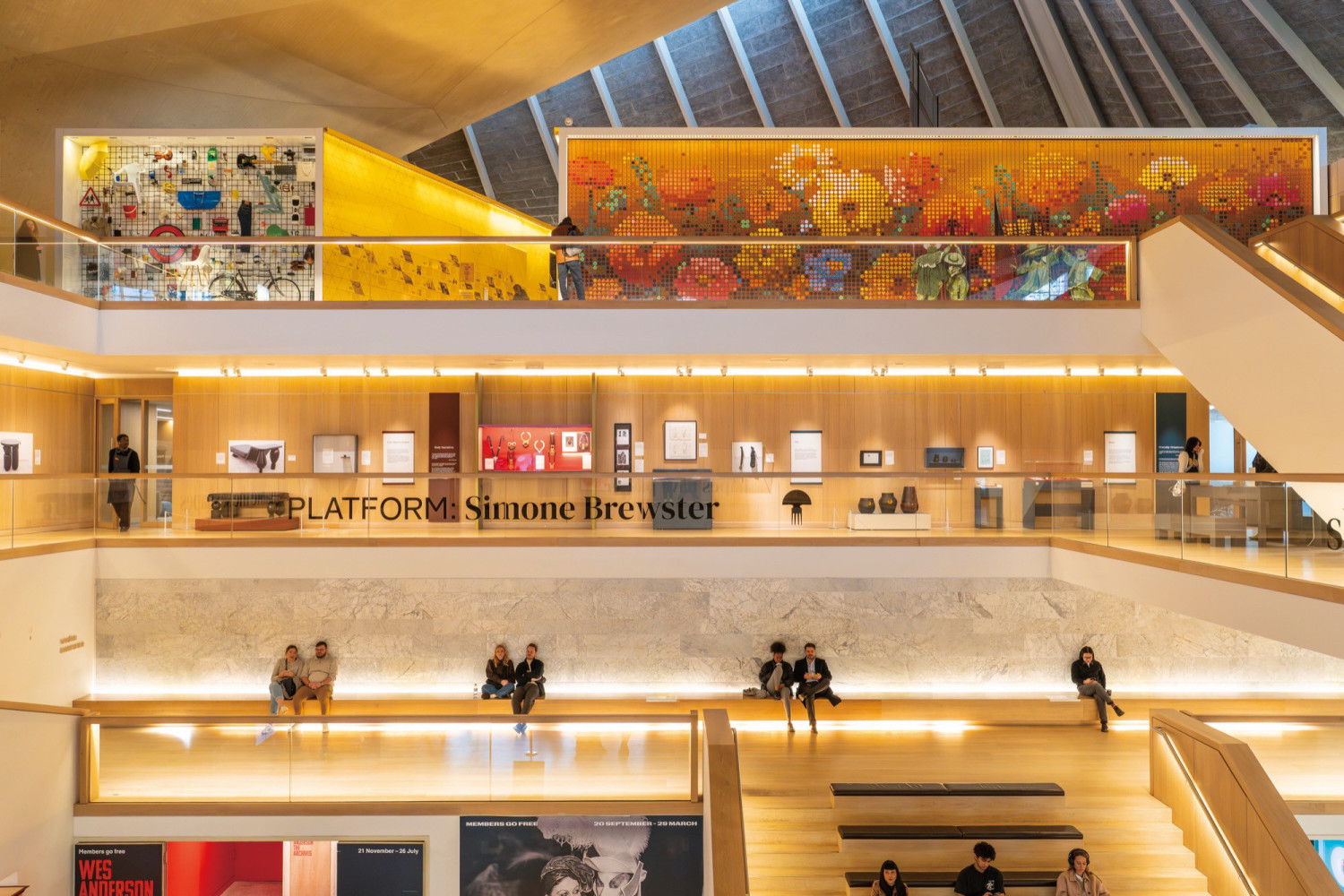
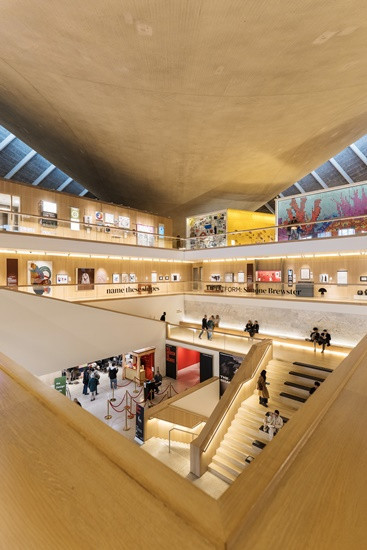
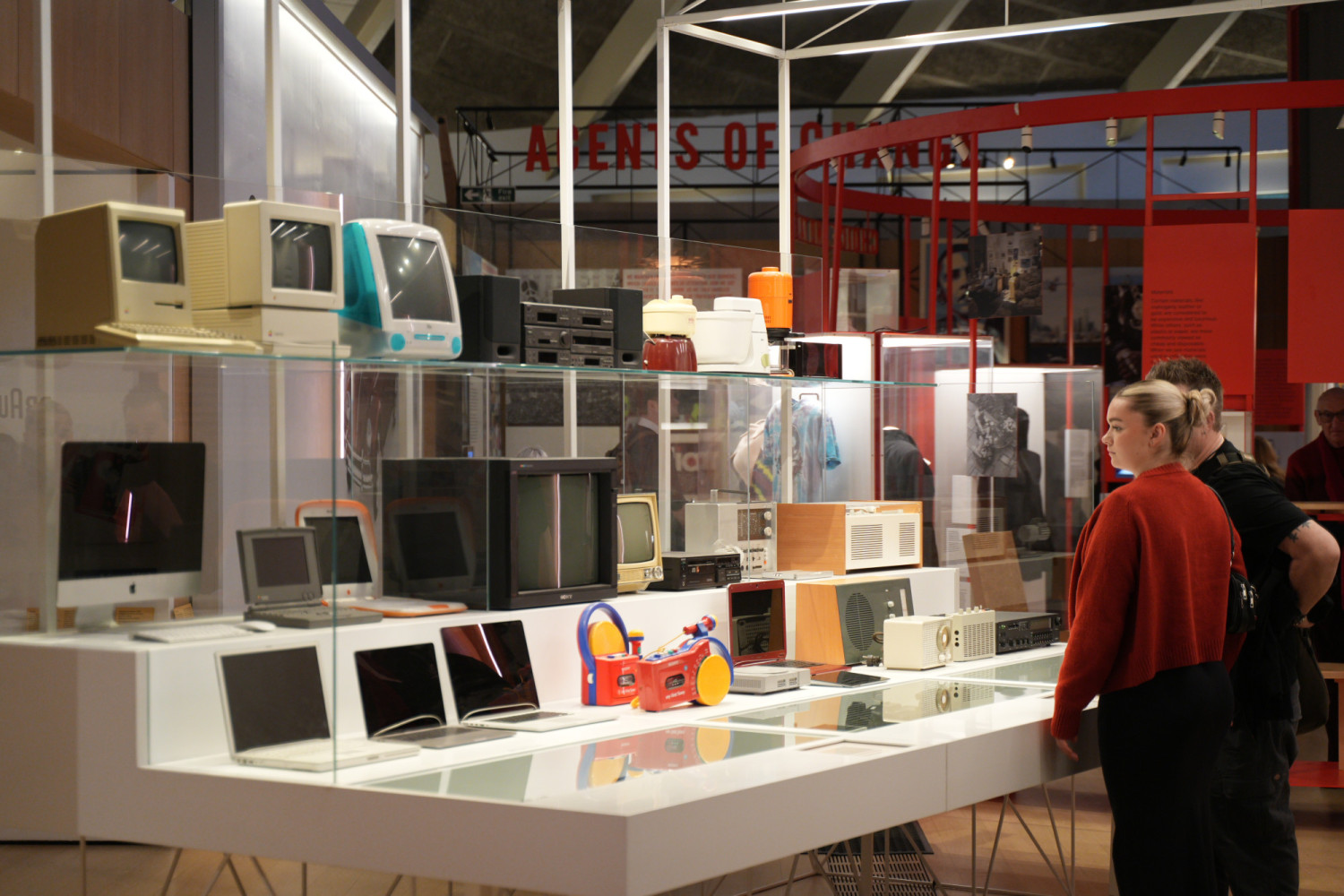
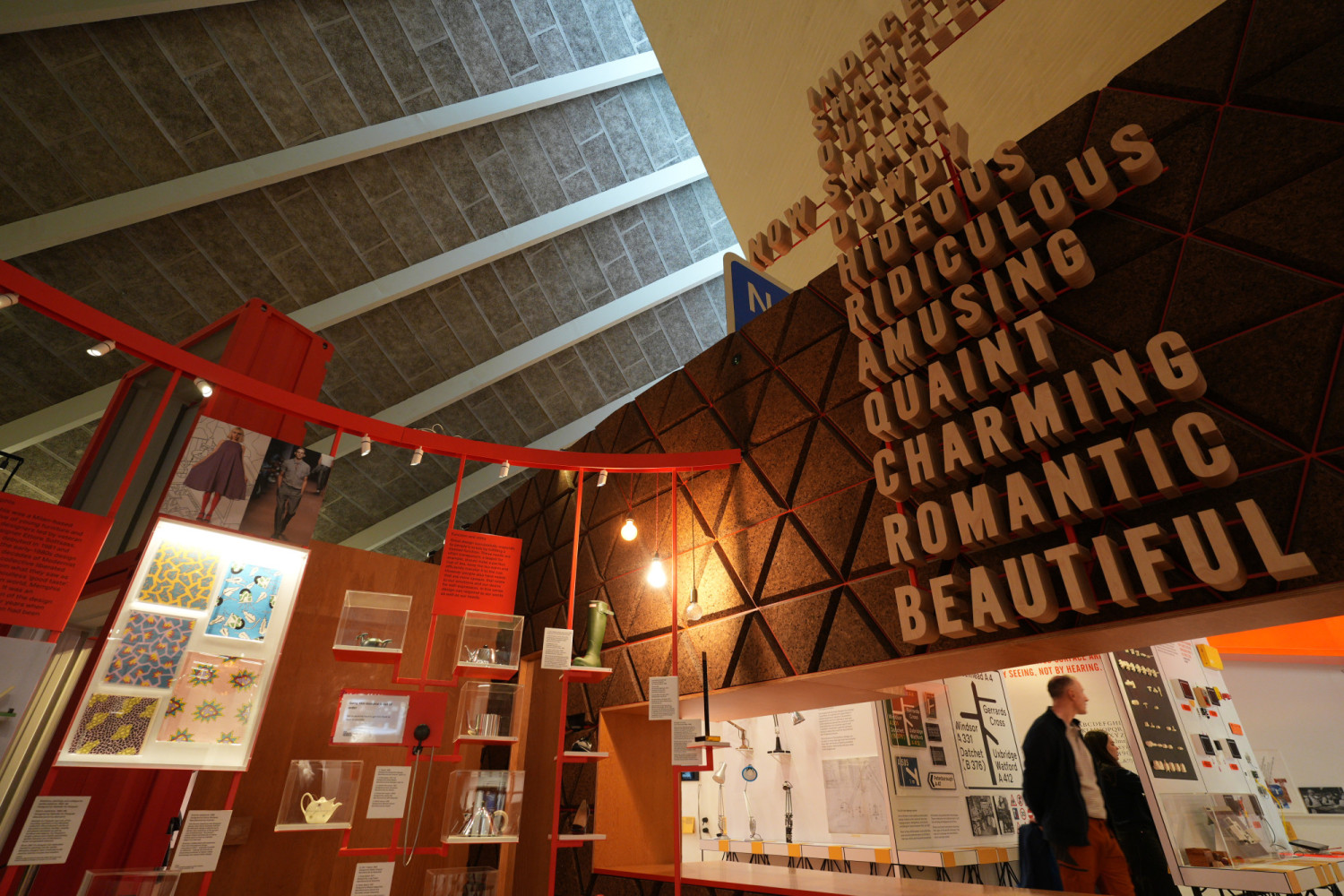
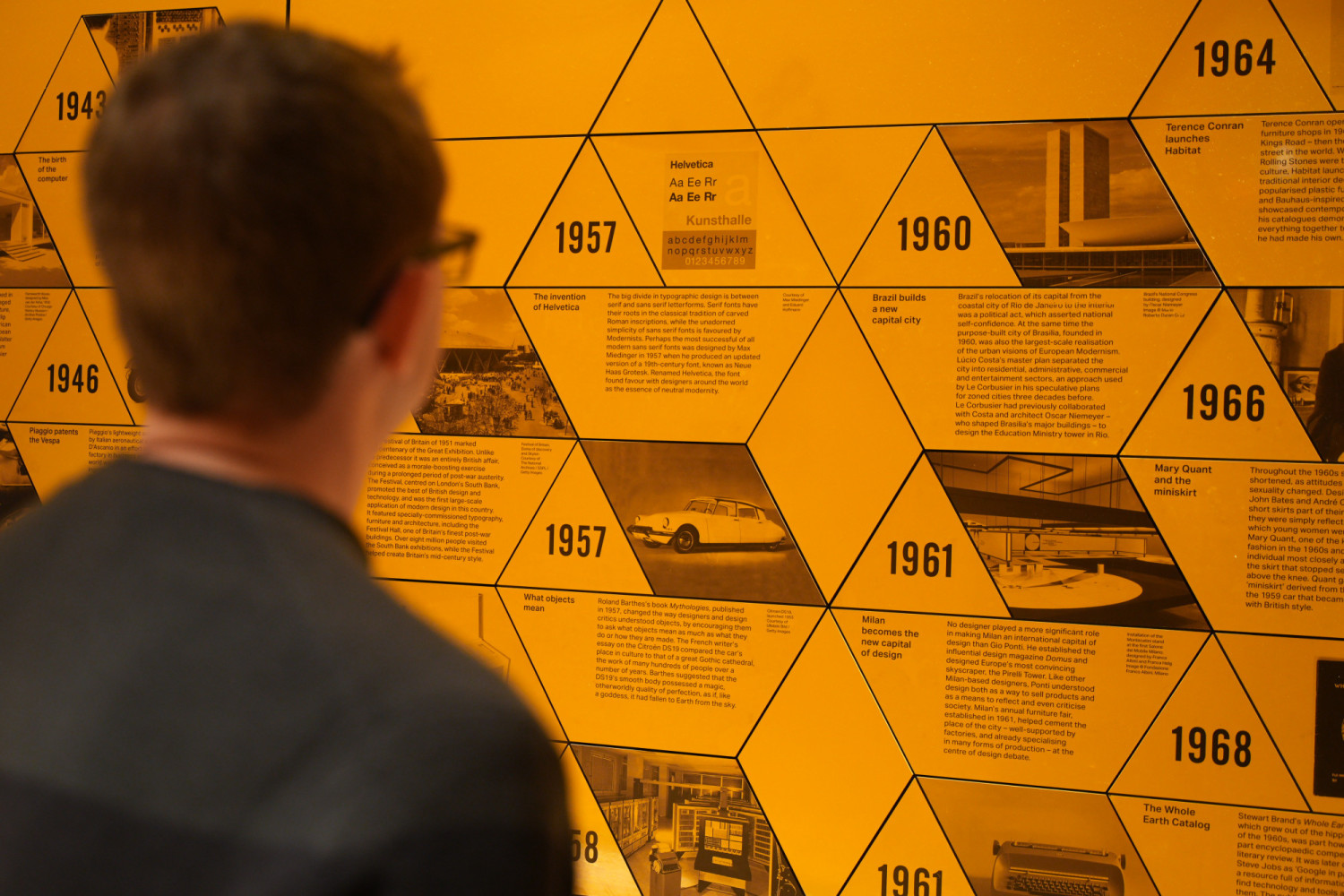
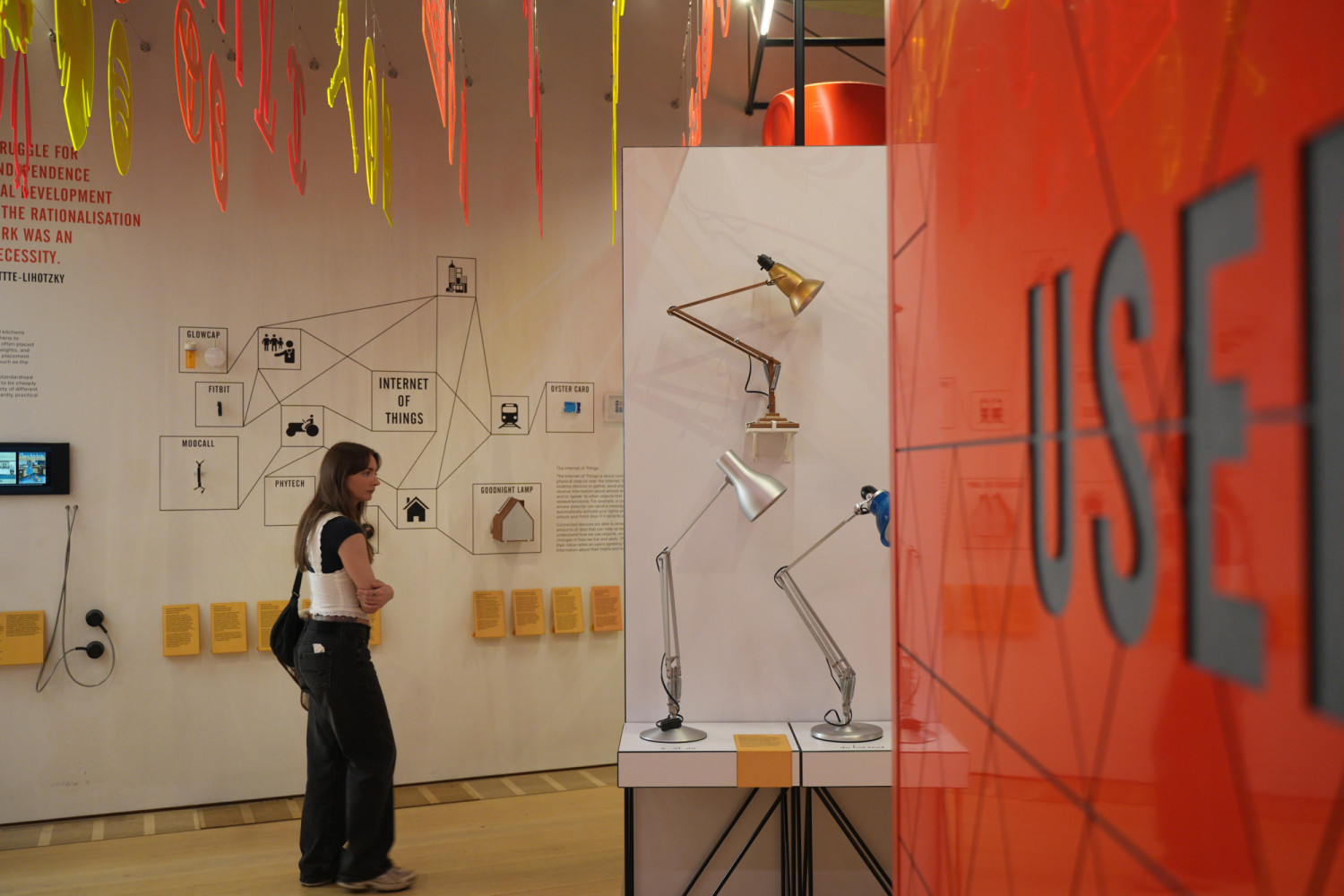
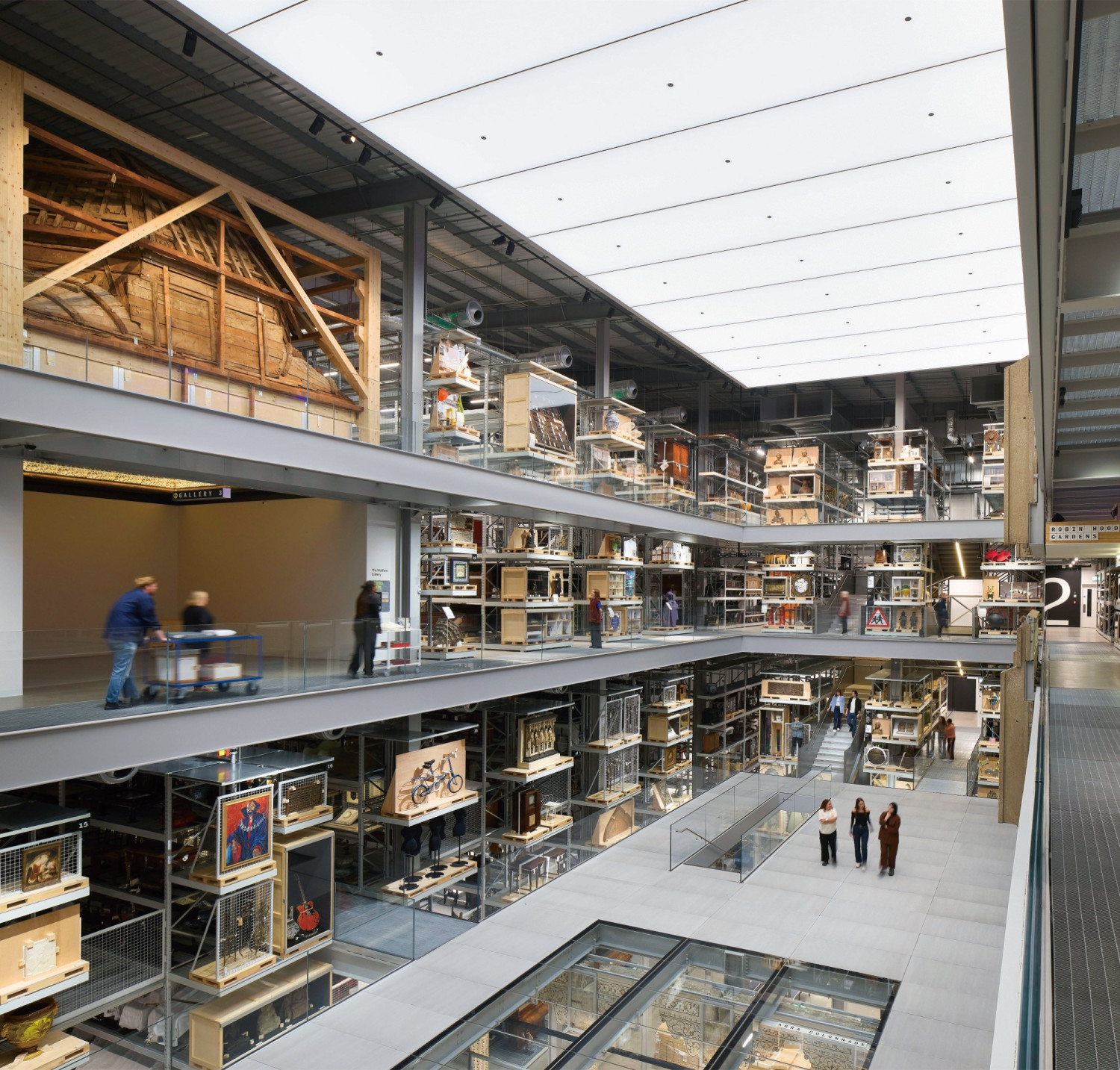
Meanwhile, in 1989, Sir Terence Conran converted a former banana warehouse into the Design Museum, an institution establishing itself as one of London’s foremost cultural destinations. Driven by the need for more exhibition space, the museum relocated in 2016, breathing new life into the former Commonwealth Institute in Kensington.
Built in 1962, the original building’s most striking feature — its sweeping copper roof — was preserved. Inside, a dramatic, large-scale atrium was carved out, creating an exhibition environment of visual and spatial openness. This elegantly restrained layout and fluid pathways encourage visitors to immerse themselves in a lived experience, manifesting in physical form the contemporary perspective that understands design as an ongoing process of relationships.
© Luke Hayes, courtesy of Heatherwick Studio
© Hufton+Crow
Beyond Greenery
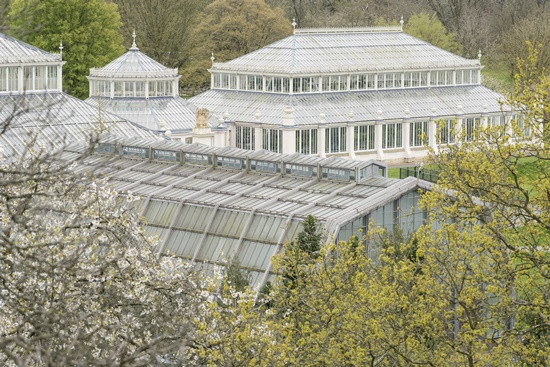
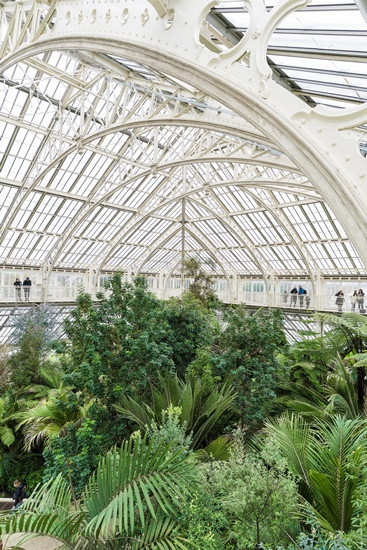
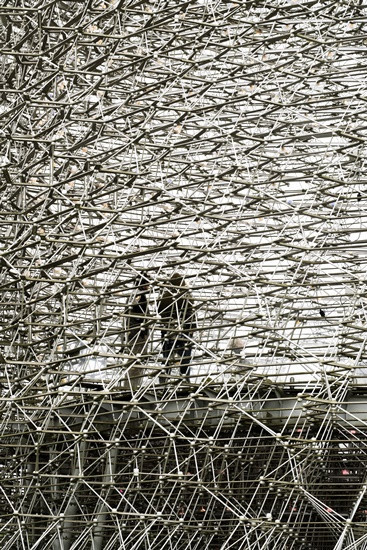
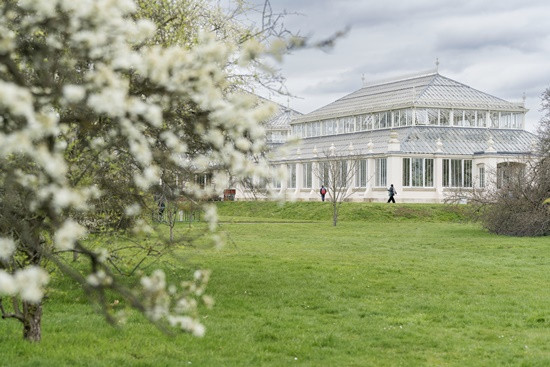
Kew Gardens is a beloved London sanctuary. Originating in the 18th century, it blossomed into a 132-hectare estate with many magnificent glasshouses and themed gardens. Serving as a living library, Kew safeguards 27,000 types of plants(distinct species, subspecies and varieties), with an archive of over 8.5 million specimens. The institution first opened to the public in 1841, providing respite from the industrial city.
In 2003, Kew Gardens was designated a UNESCO World Heritage Site. This affirmed its status as a unique institution — one that transcends the role of a tourist attraction to embrace the critical missions of natural science research and environmental conservation. Today, as the protection of our ecosystems is universally acknowledged as a matter of human survival, the role Kew Gardens plays feels more vital than ever.
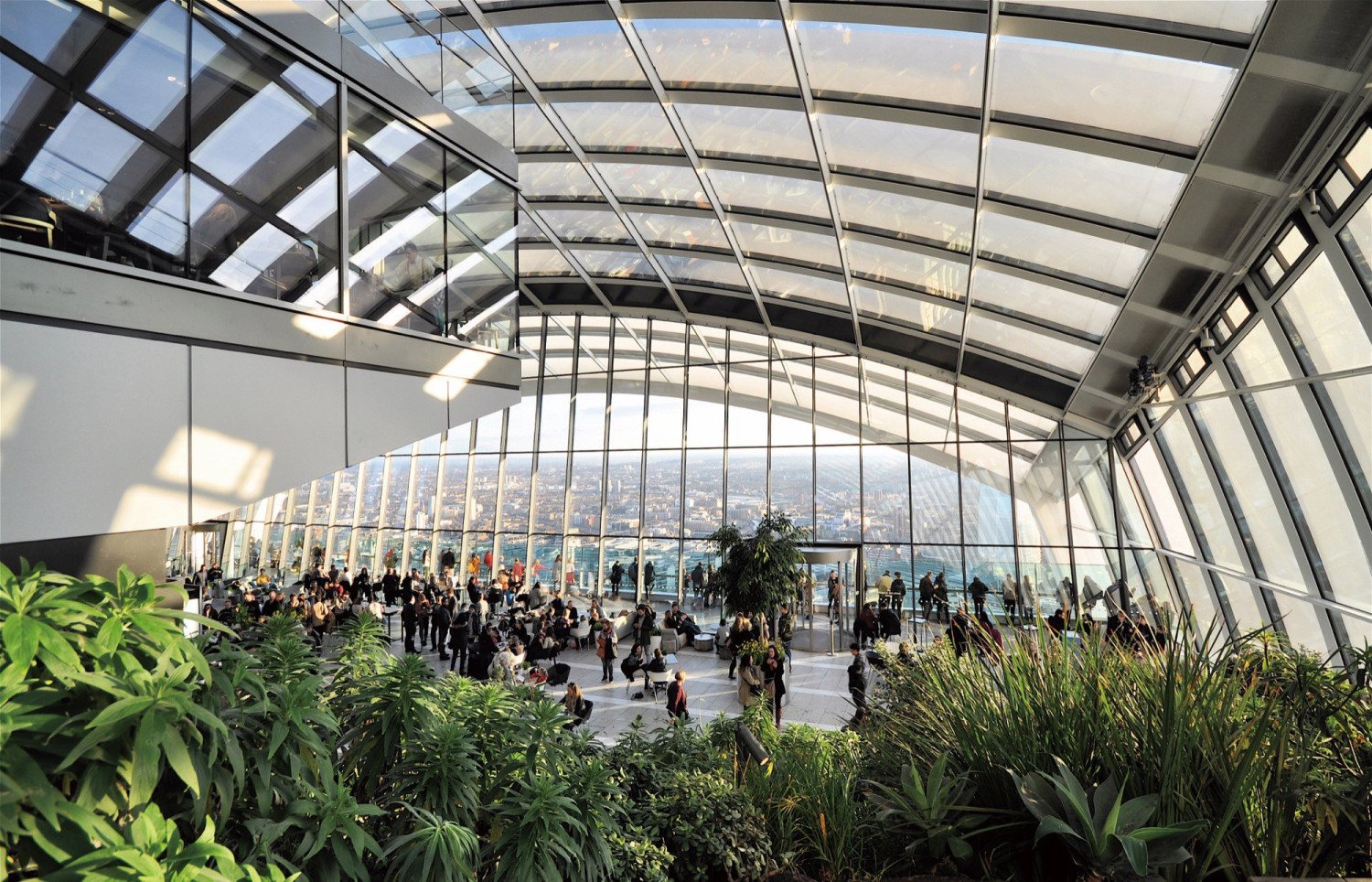
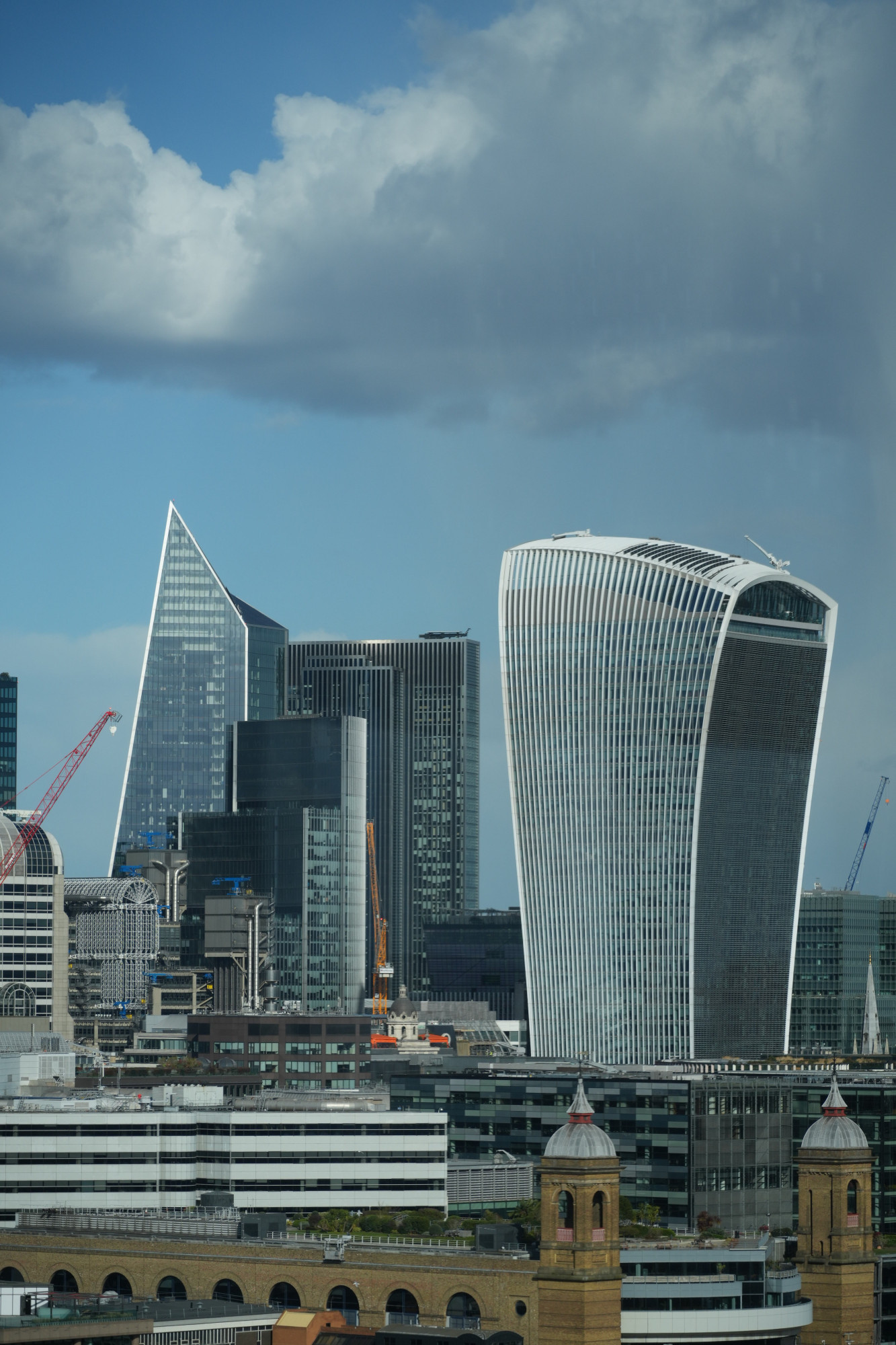
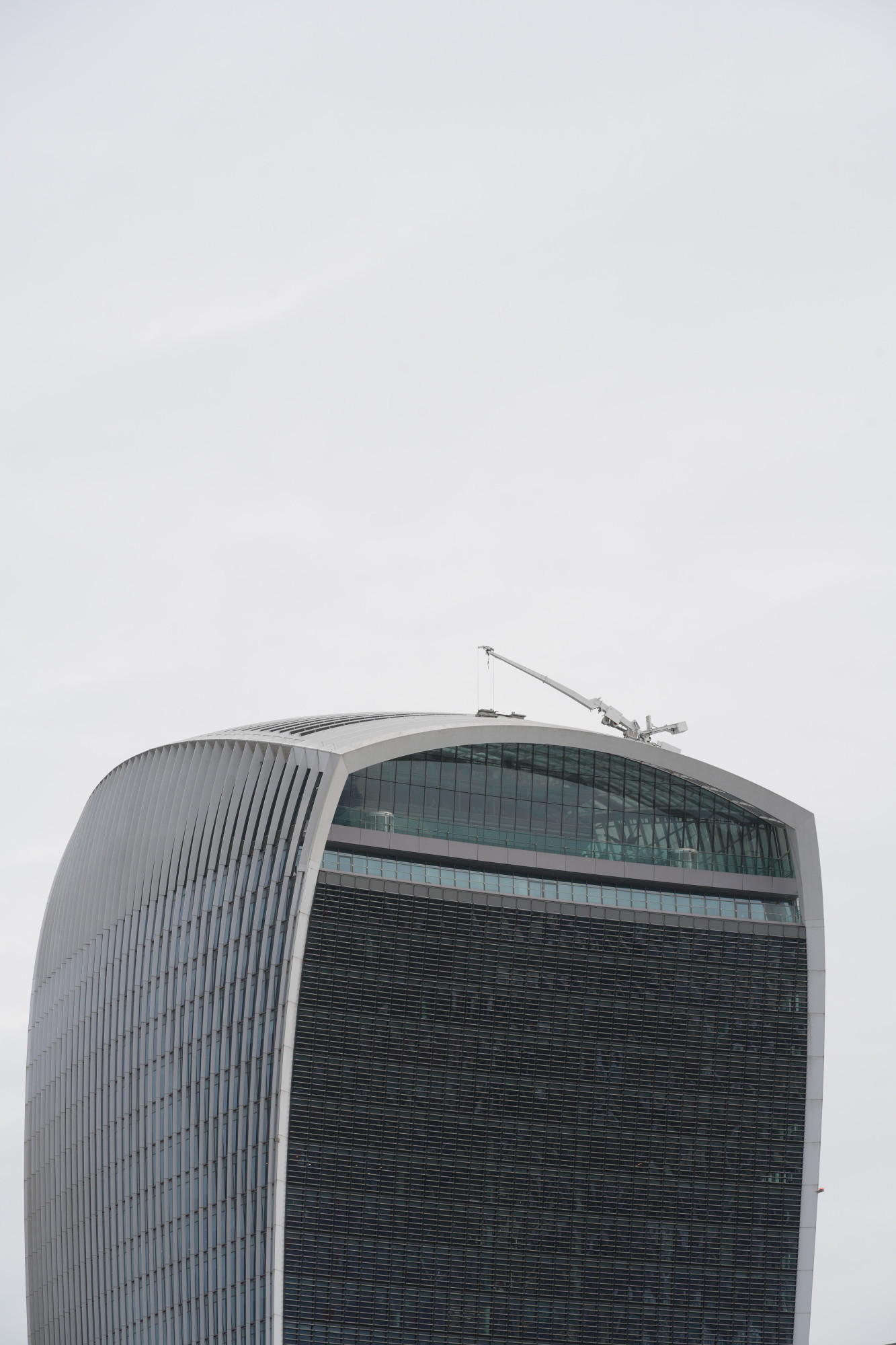
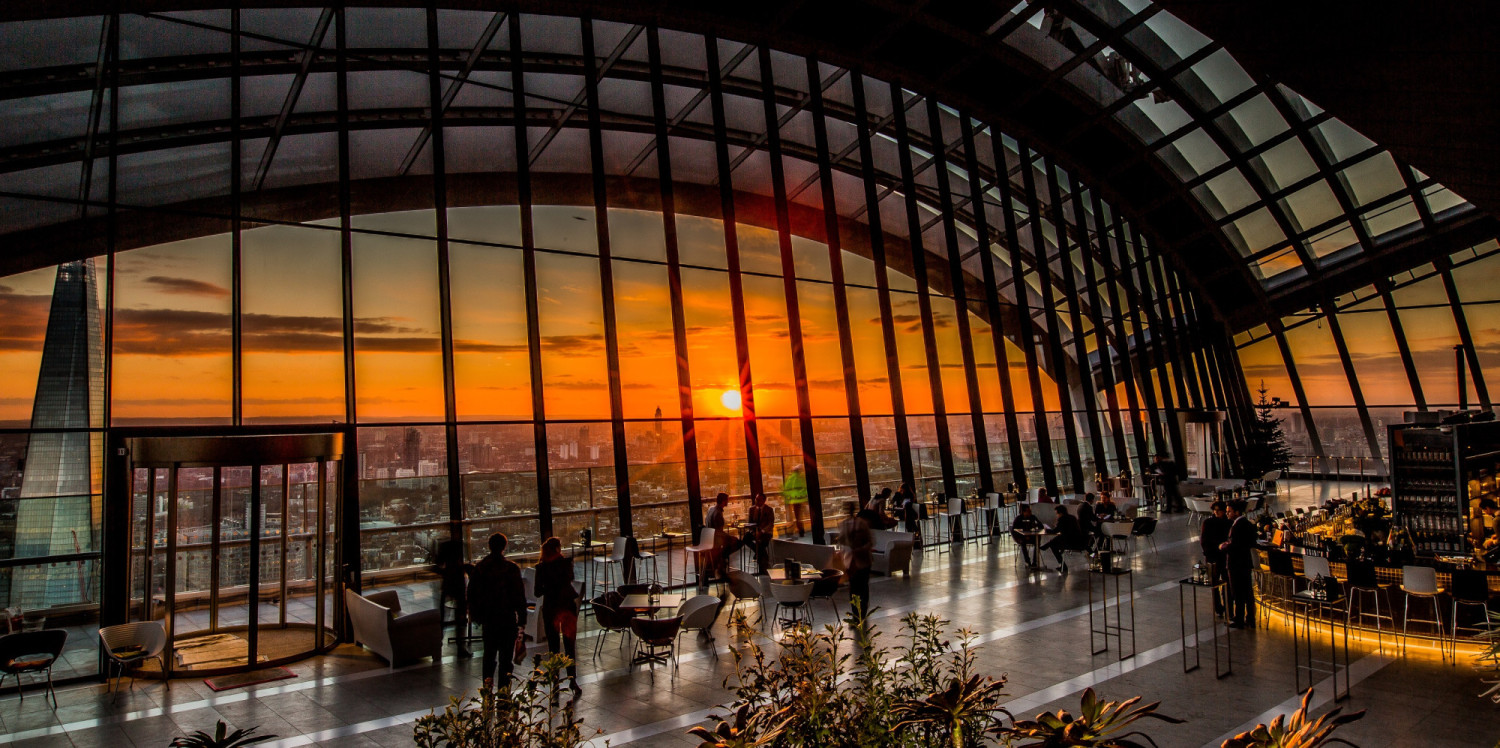
London is a leading global hub for the finance and insurance industries. The tightly packed high-rises defining the City of London district offer little reason for a citizen or tourist to linger. Yet, the completion of the building at 20 Fenchurch Street in 2014 shifted this paradigm. Breaking with the tradition of conventional skyscrapers, it unveiled a free-access Sky Garden. Occupying the top three floors, the Sky Garden evokes the ambiance of a grand yet inviting glasshouse.
The uppermost terrace is verdant with ferns and fig trees, while the middle level showcases cycads and the lower terrace bursts with flowers. Stepping out through the massive glass doors onto the open-air deck, visitors are greeted by a breathtaking panorama of the River Thames. The environmentally conscious public space proposed by the Sky Garden is a resonant reminder that even the most towering skyscrapers can become an integral part of a city’s landscape.
- Kim Jeonghoo is an architect and urban sociologist who explores the essence of cities and architecture across the disciplines of urban studies, sociology and geography. Based in London, he advises on and researches urban, architectural and design policies and projects in both Korea and the UK. He currently teaches and supervises academic research at City, University of London and directs the JHK Urban Research Lab (JURL).
24 Hours in London
Spots where you canfully experience the heritage of London in all its beauty
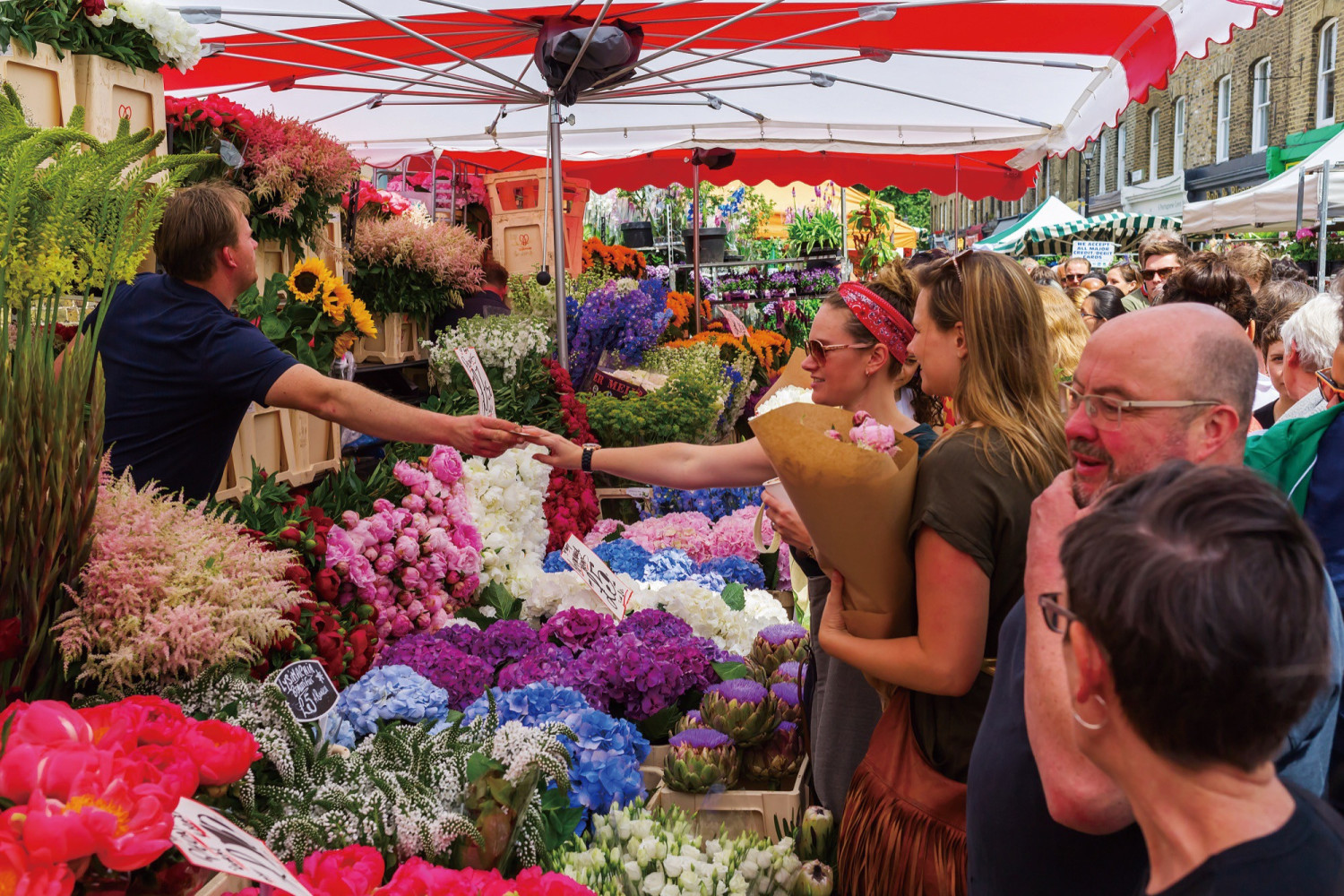
Columbia Road Flower Market
This quintessential London flower market— open only on Sundays — stretches along Columbia Road in East London. It originated in the late 19th century as part of a social improvement project by philanthropist Angela Burdett-Coutts. Today, dozens of stalls and independent shops offer a range of plants and gardening goods. While the market opens early, it is at its liveliest in the late morning. The road is also lined with vintage stores and cafés, making it the ideal place for a casual stroll.
- ✓ Columbia Rd
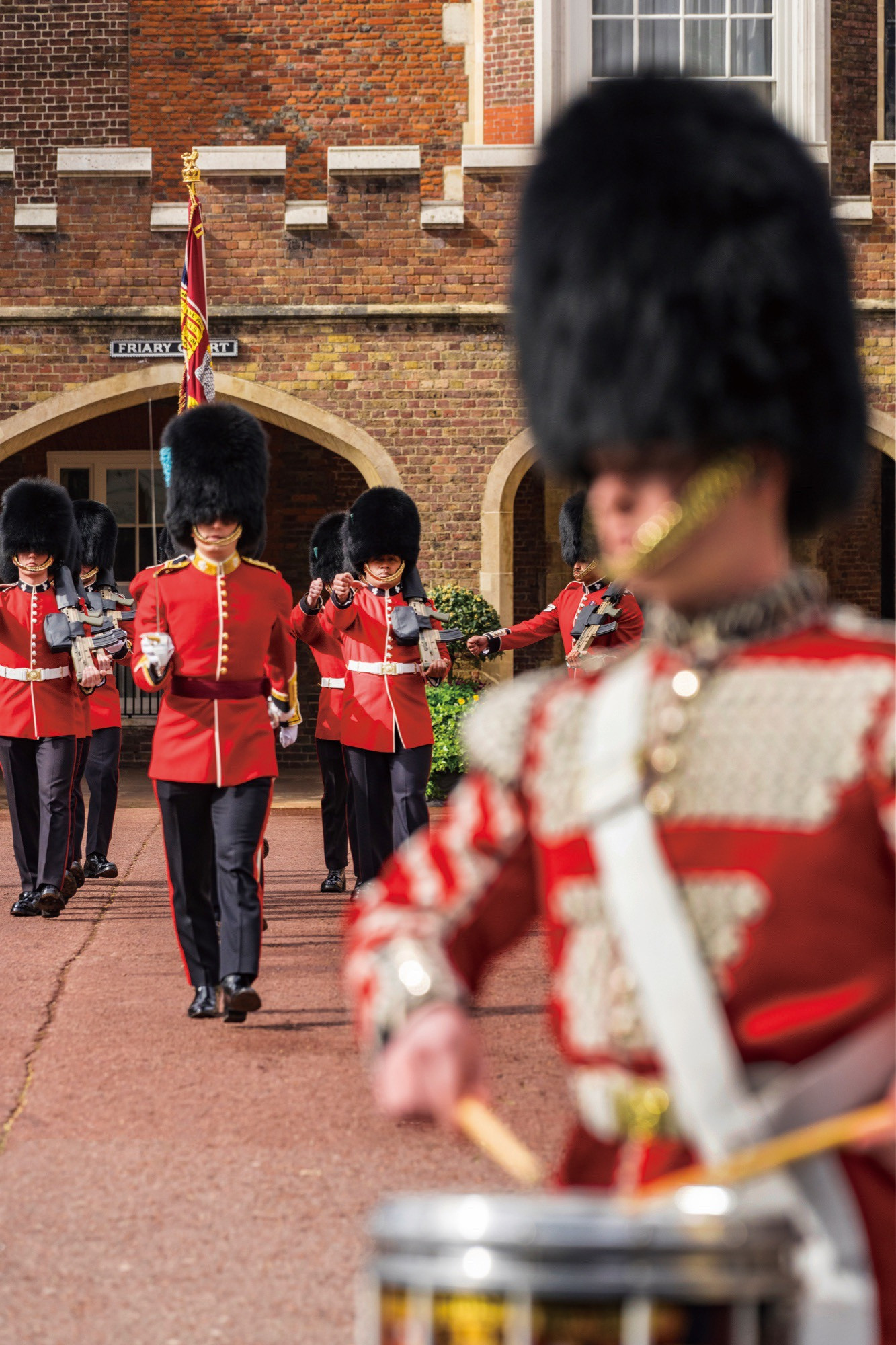
Buckingham Palace
As the official venue for State Visits, Buckingham Palace has served as the monarch’s residence since Queen Victoria’s accession to the throne in 1837. Selected State Rooms are open to the public during summer, and visitors can also catch the Changing of the Guard, a royal ceremony steeped in centuries of tradition where the palace sentries march in grand procession to the accompaniment of a military band.
- ✓ Buckingham Palace
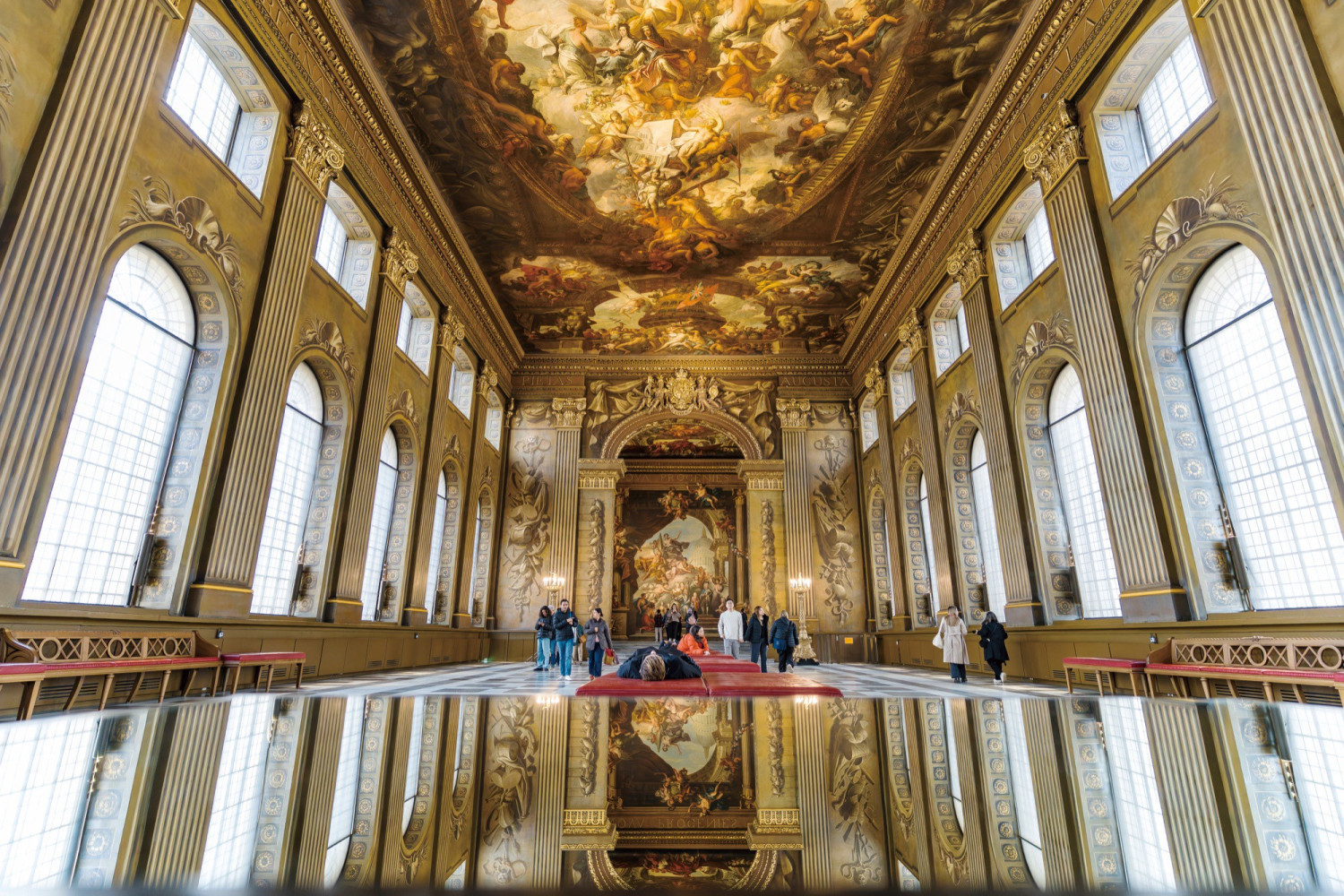
Painted Hall, Old Royal Naval College
Located at the Old Royal Naval College in Greenwich, the Painted Hall is renowned for its magnificent ceiling mural. Begun in 1707, the hall’s Baroque paintings were completed by Sir James Thornhill over a span of 19 years. Originally serving as a dining hall for a naval hospital, it’s now open to the public. The site is part of the UNESCO-listed Maritime Greenwich.
- ✓ College Way
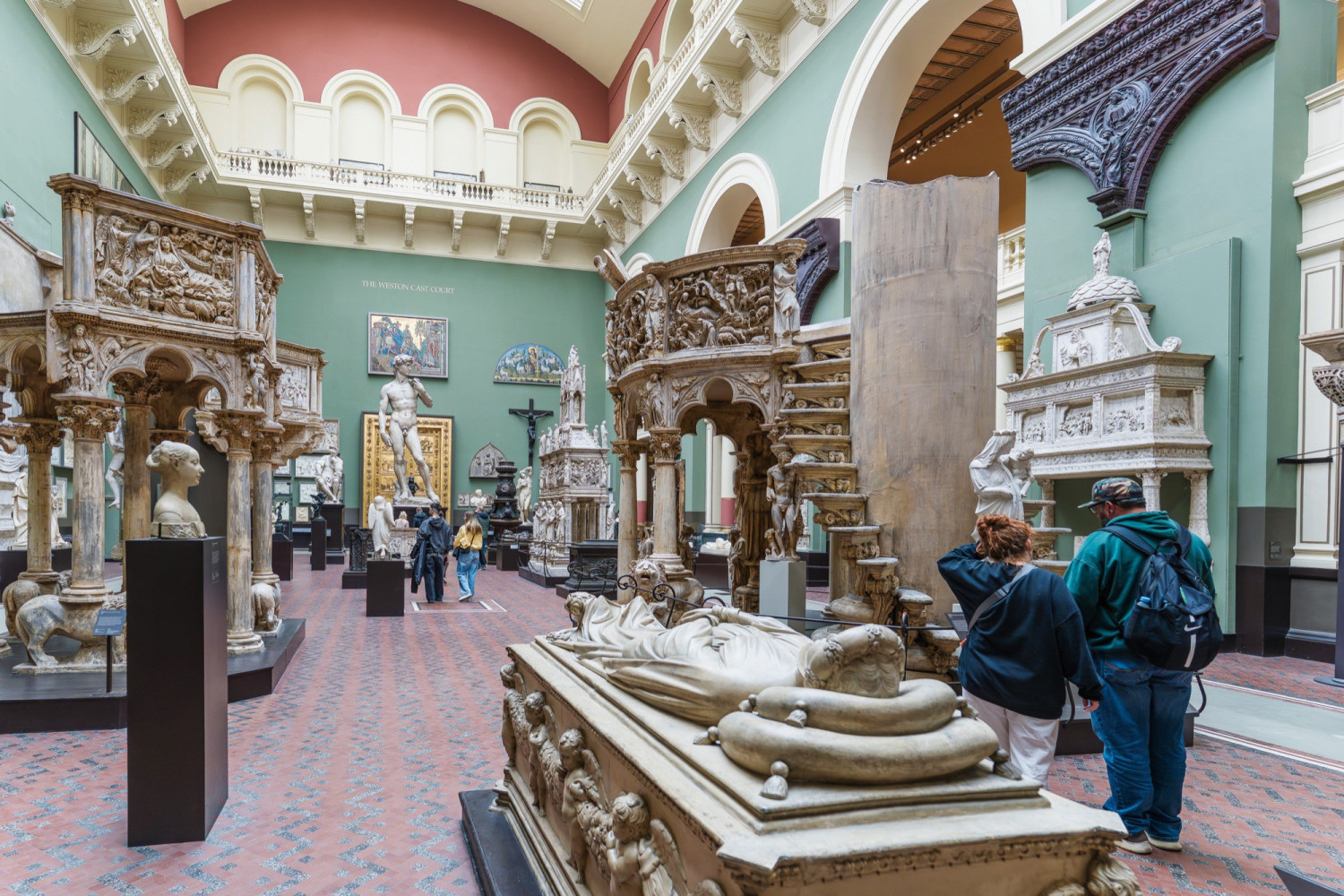
Victoria and Albert Museum
Founded in 1852, this is the world’s largest museum of decorative arts and design named after Queen Victoria and Prince Albert. Located in South Kensington, it sits at the heart of London’s museum district. The museum houses over 2.8 million objects spanning fashion, crafts, sculpture and more, and it also has a dynamic program of temporary exhibitions. Admission to view the permanent collection is free.
- ✓ Cromwell Rd
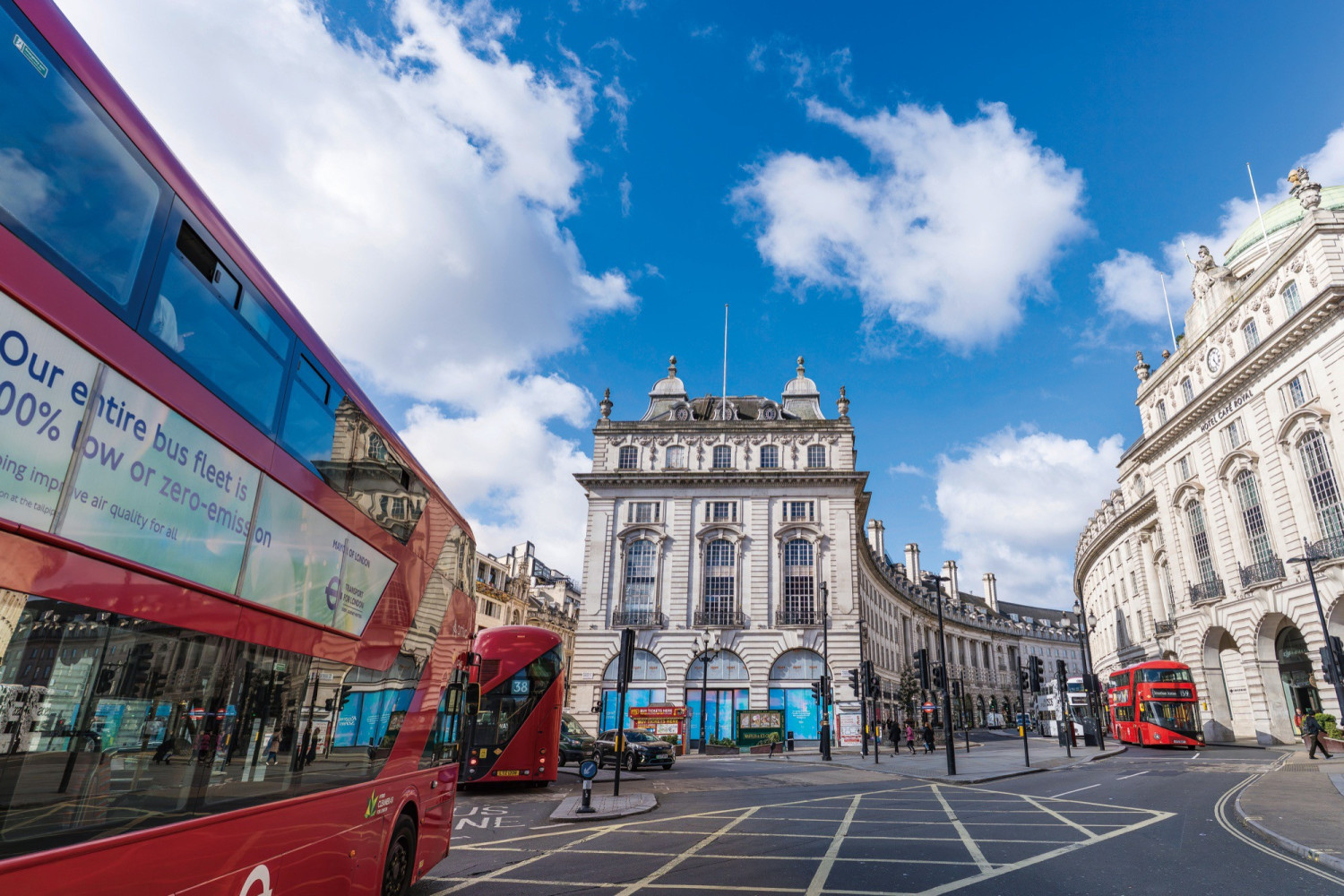
Regent Street
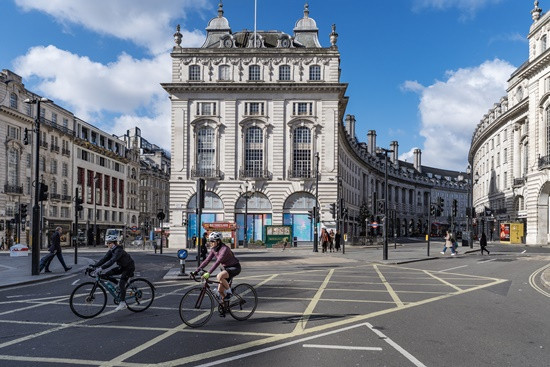
Designed in the early 19th century by architect John Nash, this landmark shopping street in London’s West End is known for its sweeping curve and unified architectural style. The street is home to a mix of global flagship stores and historic retailers. It remains one of the UK’s premier retail destinations. Regent Street also forms a key route linking Piccadilly Circus and Oxford Circus.
- ✓ Regent St
- Written by Kim Jeonghoo
- Photography by Kim Joowon
- Korean Air operates direct flights between Incheon and London 7 times a week.