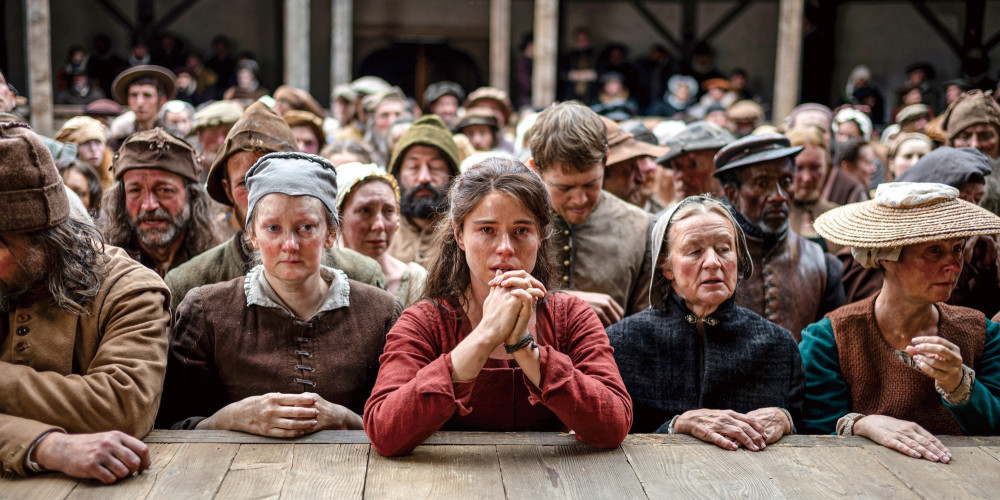
Hamnet, The Shakespeare Family’s Story
As one of the defining figures in Korean film journalism, Kim Haery offers her picks for in-flight viewing.
Love has the power to transport us beyond the self into
domains we would never dream of entering. When two
people fall in love, they’re greater together than they could ever have been apart. By all rights, the breaking of that love should yield two whole pieces again. Yet, losing one’s love is tantamount to losing part of oneself — leaving us as less than we were when we were alone. When lovers are tragically robbed of a child born of their love, the logic of subtraction is even crueler: one taken from three leaves less than two. The film Hamnet, directed by Chloé Zhao, uses the story of Anne Hathaway and her playwright husband William Shakespeare to examine the role that art can play when a relationship is endangered by the loss of a child.
Where the Written Record Intersects with Imagination
Hamnet is an adaptation of the eponymous novel by Maggie O’Farrell published in 2020; O’Farrell also helped write the screenplay. In effect, viewers have three sources to work with: the historical record, a historical novel and a popular movie translating that story into the language of cinema. The historical facts as presented in surviving sources are as follows. William Shakespeare and Anne Hathaway (called Agnes in both the novel and film) had three children while living in Stratford-upon-Avon. Their son Hamnet — who had a twin sister — died in 1596. Shakespeare was often away from his family because of his work with a theater troupe in London, so he was very likely not present for his son’s death. Roughly four years later, he wrote the tragedy Hamlet, the name being interchangeable with Hamnet at the time. In other words, the acclaimed masterpiece by one of the world’s greatest authors shares its name with the author’s son who died at a young age — a fact that has intrigued other historians and writers ever since. Some scholars assumed Shakespeare had been forced into marriage due to an unwanted pregnancy and had generally resided in London to escape a loveless relationship with an illiterate woman. As a woman writing in the 21st century, O’Farrell found herself doubting these claims. It occurred to her that there was no reason not to regard Anne as a human being with agency and talents of her own. What if they’d married out of genuine love for each other, O’Farrell wondered. What if they’d faced the conflicts and struggles of any other married couple? The novel resulting from these musings was Hamnet, which redirected attention from Shakespeare’s genius to the internality and femininity of his wife
Agnes as well as the details of their everyday life. (In the novel, Shakespeare is hardly ever called by name, instead being generally referred to as “husband” and “father.”) In both O’Farrell’s novel and the movie it inspired, Shakespeare is described not as a towering genius but as a social animal defined by his relationships with others.

The Tale of Those Left Behind
The film Hamnet begins with a shot from above of Agnes, played by Jessie Buckley, lying on the roots of a massive tree. This nymph-like figure — adept at herbal medicine and conversant with hawks — is love at first sight for young Will, who has suppressed his creative urges and dealt with rejection by his glove-making father. The two young lovers, both on bad terms with their families, decide to form their own. Soon Agnes and Will are the proud parents of three children. Agnes urges Will to go to London in pursuit of his dreams, but when she’s forced to face her son’s death alone, she shuts herself off. The two parents respond to their immense grief in different ways: Agnes wails and writhes in her mourning, while Will immerses himself in his work. Agnes is outraged to hear her husband has written a comedy and travels to the London theater where Hamlet is set to premiere. In the play, Will has taken on the role of the ghost — Hamlet’s dead father — because playing the dead helps him manage his grief. Watching the play from the front row, Agnes quietly extends her hand as Hamlet faces the moment of death, finally able to let go of her own lost son. Art gives the grieving couple a farewell that reality had never offered. It also produces a miraculous moment when everybody in the theater, both in the story and in real life, can relate to the couple’s private sorrow.

The Moment the Family is Reunited
A faithful film adaptation does more than merely treat
the novel as the source of the plot — it should also find ways to represent its viewpoints and even its style. That’s what we see in Hamnet, which presents Agnes’s beloved forests and natural vistas as a sacred escape and depicts the interior of her home with a mood of apprehension. The camera work by cinematographer Łukasz Żal tends to follow its own rhythm, floating through the scene like a phantom and evoking the perspective of the dead. But the main reason Hamnet ought to be seen in the theater is its sound design and music. The soundtrack features women’s voices and period-accurate Renaissance instruments that combine with dissonant electronic sounds, pointing at once to the feminine intuition running through the film and the transcendental world beyond the screen.
If anybody is unclear about the meaning of a cinematic climax, a viewing of the conclusion of Hamnet will be highly instructive. It’s hard not to conclude that all previous scenes were meticulously arranged to culminate in the sequence that serves as the emotional anchor of the film. It might be compared to the captured slaves shouting “I am Spartacus!” to conceal their leader at the end of Spartacus or the students standing on their desks, one after another, to intone “O captain, my captain!” at the end of Dead Poets Society. Hamnet is a quintessential example of a film functioning as what the late critic Roger Ebert called a “machine that generates empathy.” But for that same reason, opinions on the film may vary. Some viewers may resent the film for manipulating their emotions with its overemphasis on the sorrows of life and for reducing a play as polyphonic as Hamlet to the single note of mourning. Yet, other viewers may feel that the story of Agnes and Will weeping along with the audience at the cathartic moment of their reunion following a long separation demonstrates art’s ability to universalize the sorrow of isolated individuals. For such viewers, Hamnet is cinema at its finest.
- Available content may vary depending on your flight.
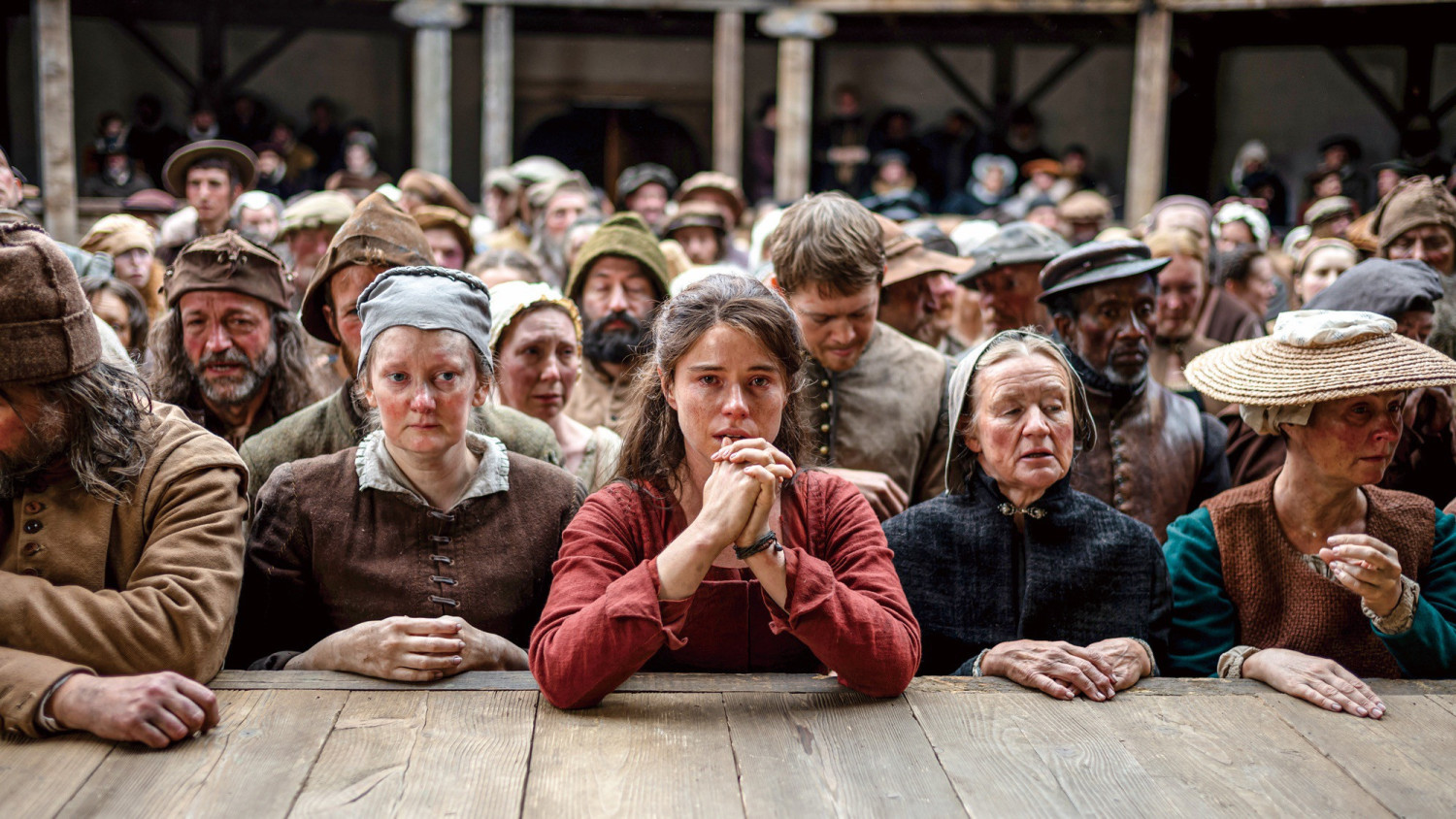
Companion Films for Hamnet
The Lost Daughter (2022)
The mythification of motherhood has an oppressive influence on women. On a solo vacation on the coast of Greece, Leda, a scholar of comparative literature, meets a young woman who reminds her of the time she left her own children. This film serves a delightful duet between Jessie Buckley — who won the Oscar for Best Actress for her role in Hamnet — with veteran actress Olivia Colman. More recently, Buckley delivers a vigorous performance as the bride of Frankenstein in The Bride!(2026), which was directed by Maggie Gyllenhaal.
Shakespeare in Love (1998)
This semi-historical film imagines how the Bard came to write his unforgettable tragedy Romeo and Juliet. As young Will faces a bout of writer’s block, he finds inspiration — and romance — in Viola, an aristocrat and would-be actor disguised as a man. Viewers of Hamnet may be displeased by the dalliances of Shakespeare, who was, after all, a married man at the time. But the film stands on its own as a fascinating depiction of the performing arts genderswapping in Renaissance theater.
Ordinary People (1980)
This film was the directing debut of Robert Redford. Riddled with guilt after his older brother’s death in a boating accident, Conrad attempts suicide. A series of psychiatric sessions tease out the disturbing power dynamics in his family. Mary Tyler Moore puts on a stunning performance as Conrad’s mother, who goes to unnatural lengths to maintain the appearance of a normal family.
Rabbit Hole (2010)
After Becca loses her young son in a car accident, she meets the teenage boy who had been driving the car. Through their conversations, she comes to view her loss from a different perspective. Becca’s mother offers deeply moving remarks about sadness: “At some point it
becomes bearable. It turns into something you can crawl out from under and carry around — like a brick in your pocket. And you forget it every once in a while, but then you reach in for whatever reason and there it is.”
MOVIE PREVIEW
All in the Family




Rental Family
Philip (Brendan Fraser), a no-name actor living in Tokyo, lands a gig with a company called Rental Family, which provides stand-ins for friends, romantic partners, and even family members. He poses as a groom at the wedding of a closeted lesbian, play-acts a reporter for an elderly actor with dementia and stands in as a substitute father for a child about to join an elite private school. But what begins as mere acting gradually pushes Philip to become more involved in these people’s lives. This film about the roles each of us play in life follows Fraser’s Best Actor-winning performance in The Whale (2022), which dealt with family trauma.
The Blind
Is God visible to the human eye? Phil (Aron von Andrian), overcoming poverty to become a no-nonsense hunter, has big dreams but spirals into alcohol after meeting Big Al (Connor Tillman). Although his life and family relationships fall apart, his loved ones keep him in their thoughts, even as he stands on the brink. Based on a true story, this film’s portrayal of an unconditional love that’s only revealed at our lowest point is a strong spiritual tonic.

Dumbo
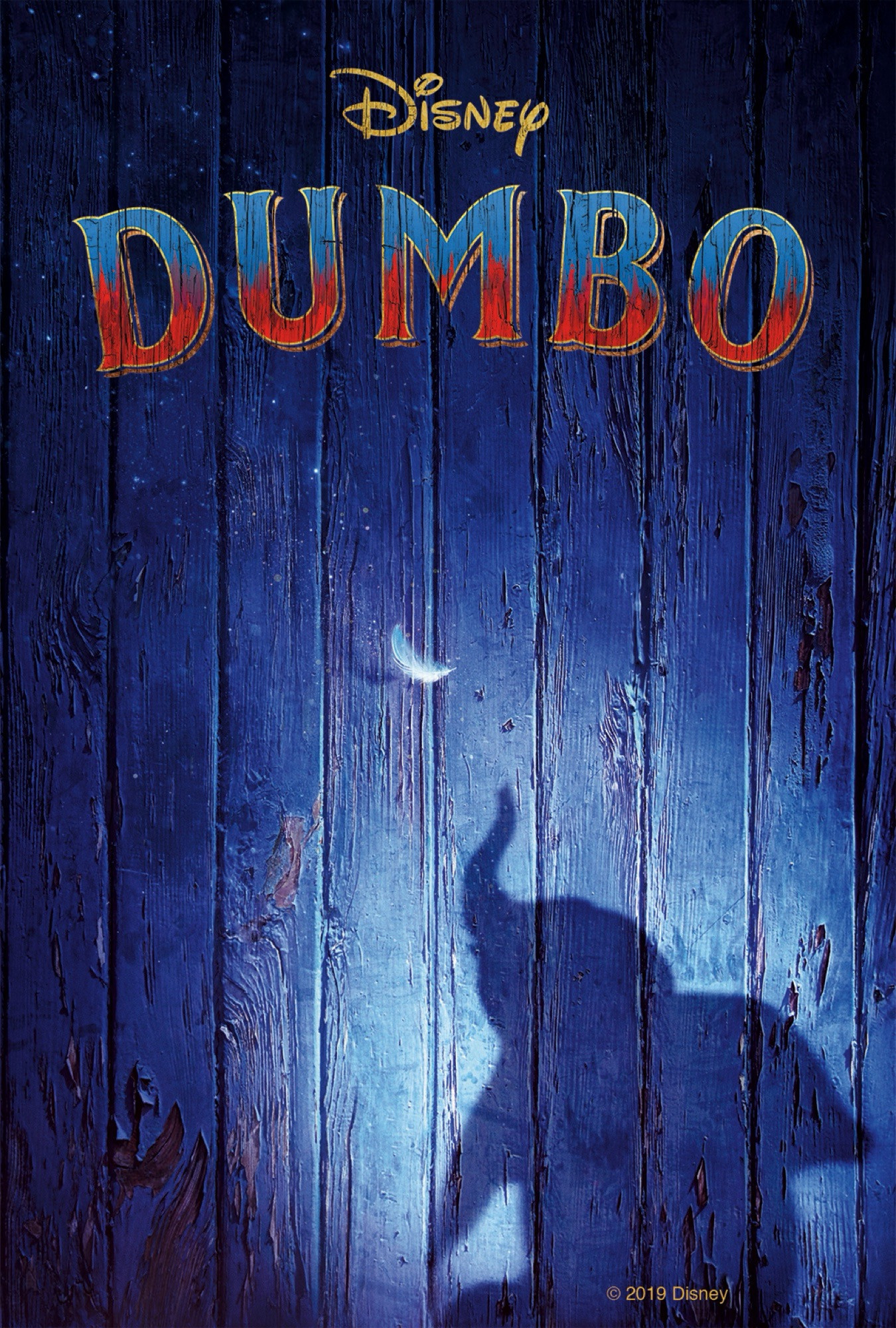
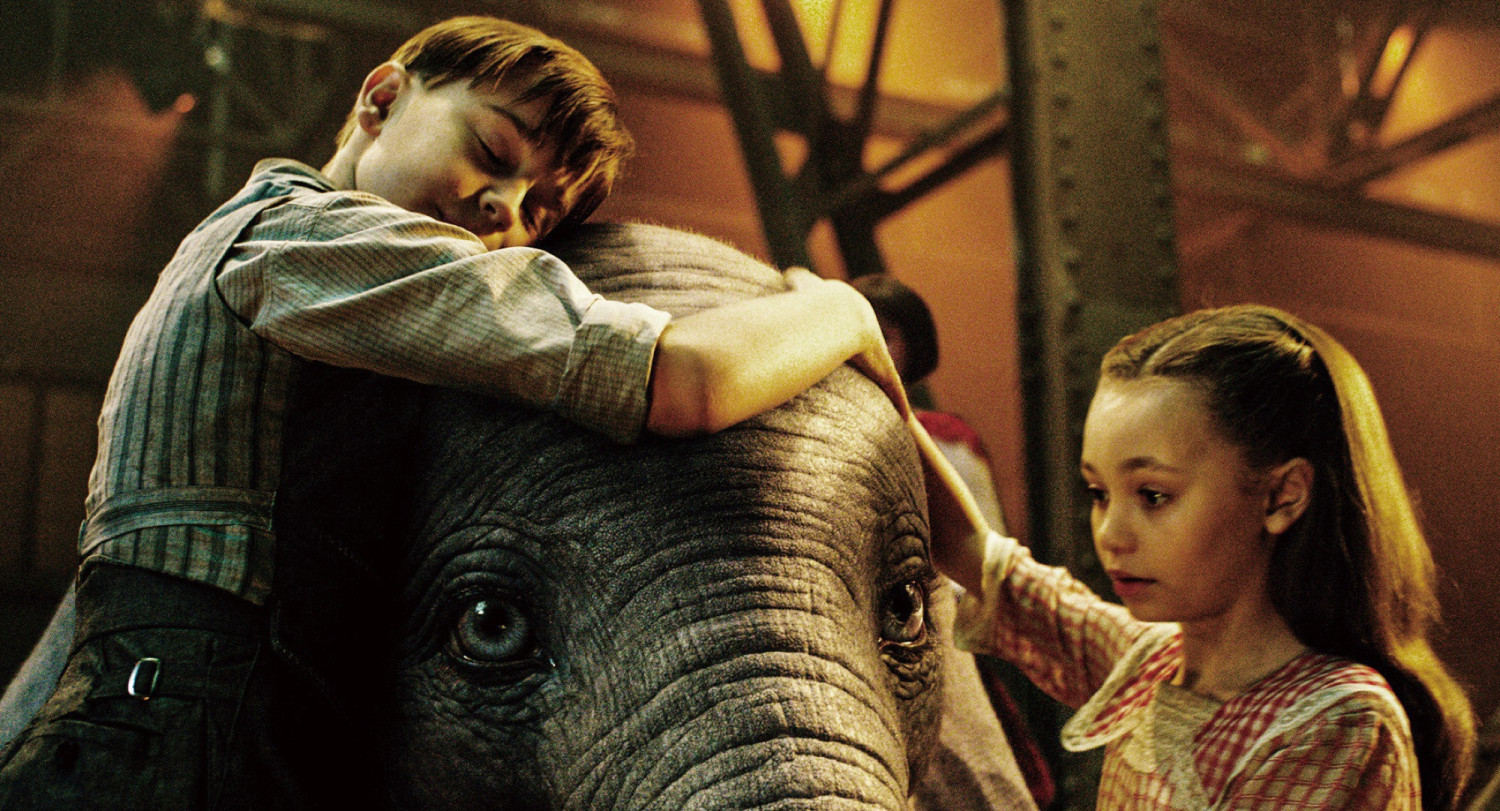
Born into a down-on-itsluck circus, baby elephant Dumbo is on the verge of being kicked out because of his oversized ears. But Holt (Colin Farrell), the former circus star who cares for him, soon learns that Dumbo’s ears can lift him into the air. Caretaker and elephant are soon caught up in the schemes of businessman V. A. Vandevere (Michael Keaton), who has caught wind of Dumbo’s amazing ability. In this live-action adaptation of the classic Disney animated film, director Tim Burton’s dazzling circus sets and richly drawn characters captivate audiences.
My Annoying Brother
After a tragic accident leaves him blind, star judo athlete Duyoung (Doh Kyungsoo) loses his will to live. But his bad fortune is a golden opportunity for his half-brother Dusik (Jo Jungsuk), a habitual con artist who is let out of prison to serve as Duyoung’s caregiver. Far from actually providing much care, Dusik pockets his brother’s money and causes problems at every turn. But as the two spend time together, they come to understand each other’s shortcomings. Rather than stooping to manipulative clichés, My Annoying Brother ultimately affirms the restorative power of family.

Miss Granny
Oh Malsoon (Na Moonhee), a woman in her 70s, learns her family means to send her to a nursing home. Feeling despondent, she wanders into Photo Studio of Youth, a shop promising to restore youth. Stepping outside, she finds herself in her 20-year-old body. As Oh Doori (Shim Eunkyung), she pursues her dream of becoming a singer. Miss Granny has struck a universal chord with viewers, inspiring remakes in countries around the world.
#사랑은_계속된다


Love Me
On Earth long after humanity’s extinction, a drifting buoy named Me (Kristen Stewart) and a satellite named Iam (Steven Yeun) cross paths online and slowly become absorbed in the remnants of human life. Through abandoned social media and digital traces, they begin to learn what love once meant, constructing a virtual world of their own. Spanning billions of years, this strange romance reflects on what humans have called love — and wonders if it might be one of the purest things that we’re capable of.
War Horse
The tragedies of war and the miracles that transcend it are seen through equine eyes. Albert (Jeremy Irvine), the son of plain-spoken English farmers, is heartbroken when his beloved horse Joey is sent off to fight in World War I. Albert later joins the army to find his horse on the perilous battlefield. This epic tale of the bonds of man and beast — bonds unbroken by the world’s cruelty — marries the visual grandeur of director Steven Spielberg with a lyrical soundtrack composed by John Williams.

50 First Dates
What if romance had to be rebooted every morning? That’s what happens to Henry (Adam Sandler), who indulges in flings with tourists to Hawaii until he becomes smitten with a local named Lucy (Drew Barrymore). Despite the chemistry of their first meeting, Lucy gives him the cold houlder the next day. Learning that Lucy’s short-term memory is wiped each morning, Henry resolves to win her heart every day. Sandler’s comedic touch can tug heartstrings, and you may find yourself longing to make your own confession of love.
#새로운_질서_속에서


Concrete Utopia
When Seoul is flattened by a monster earthquake, Hwang Gung is the only apartment complex to remain standing. The survivors hole up in this final bastion of sanity, barricading themselves against marauders and setting up new rules under their anointed leader Yeongtak (Lee Byunghun). But gradually, the survivors succumb to their crazed survival instincts. This post-apocalyptic film — set in the eminently Korean setting of a high-rise apartment — offers an incisive look at human selfishness and class divides in the wake of a disaster.
Concrete Market
This film expands upon the “Concrete Universe” narrative space launched with the film Concrete Utopia (2023). The apartment that sheltered survivors of the great earthquake has become a sprawling marketplace for trading the rare materials that pass faor currency in this ruined world. Market boss Taejin (Hong Kyung) faces off against figures determined to topple the system. The film depicts a desperate struggle to move beyond mere survival and rebuild the essence of humanity atop the rubble of civilization.
Nobody
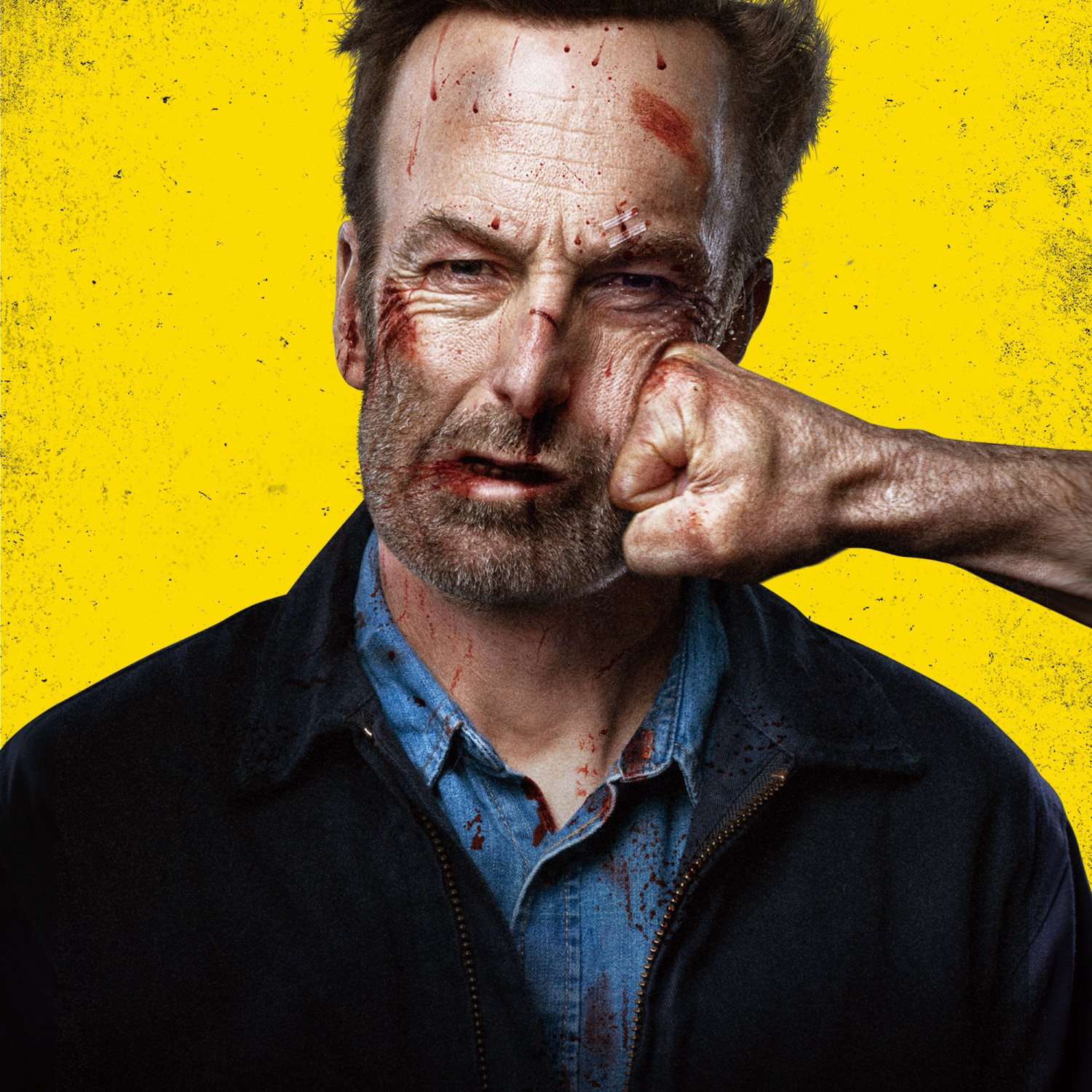
Feared assassin Hutch (Bob Odenkirk) tries to pass as an ordinary family man until his humdrum life is interrupted by a break-in. Soon he’s dusting off old skills in action sequences that pulse with destructive power. Don’t expect the clichés of a revenge story: viewers are given a bracing experience of a man embracing the identity he’s long ignored and living life to the fullest.
#나를_찾는_방법

Mercy
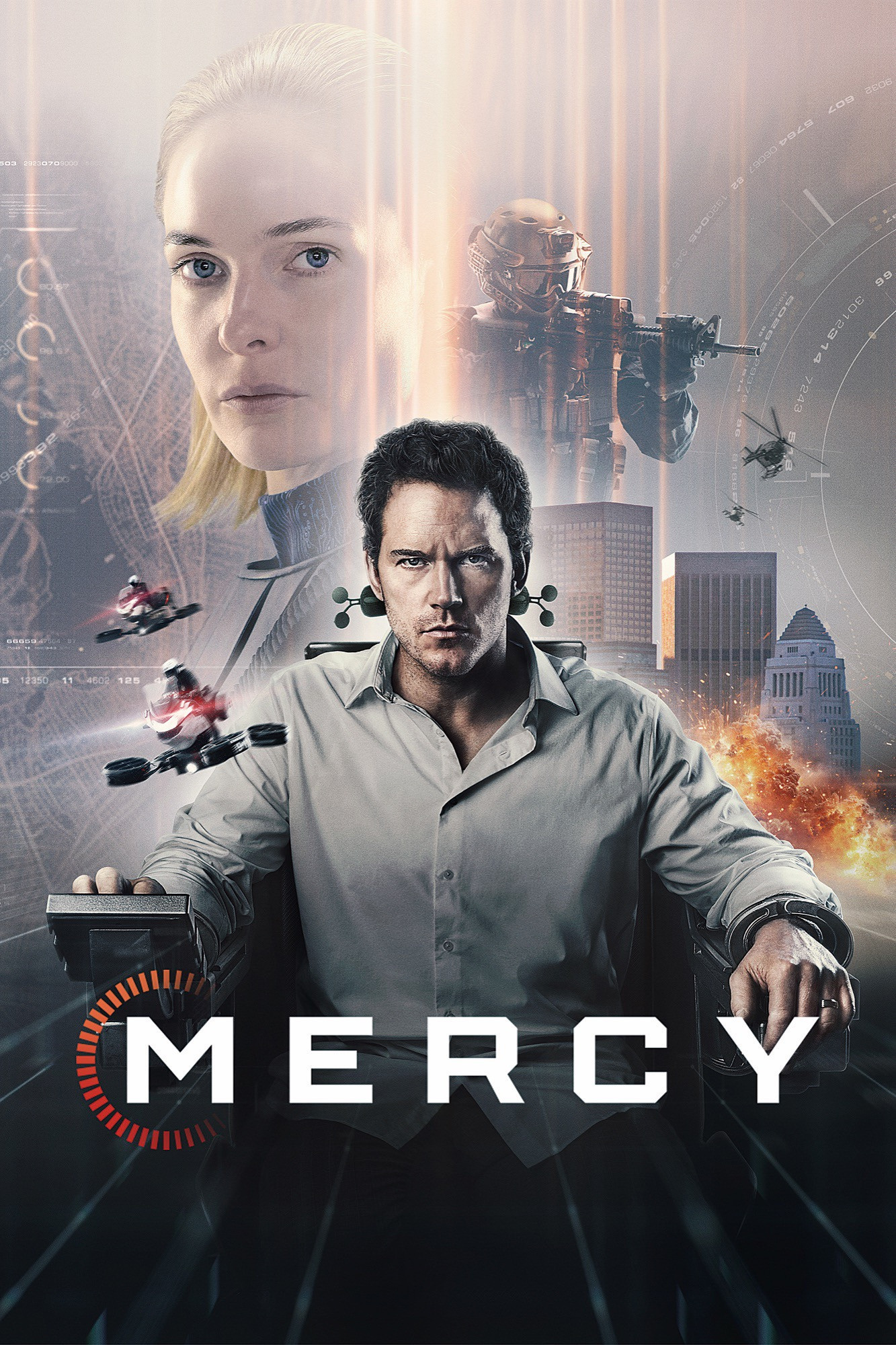
What if your fate was decided by an artificial intelligence? In the near future, the justice system is entrusted to Mercy Capital Court, where AI serves as judge, jury and executioner. When Detective Chris Raven (Chris Pratt) opens his eyes, he’s strapped to a courtroom chair, charged with the murder of his wife. He has 90 minutes to prove his innocence using the data available to him. This film is recommended for anyone who enjoyed the found footage format of Searching (2018) and the world building of Minority Report (2002).
Roofman
This film tells the true story of an escaped convict taking refuge in a toy store. Army veteran Jeffrey (Channing Tatum), whose signature robbing technique is breaking into fast food restaurants via their roofs, escapes from prison and chooses a toy store as his hideout. While pretending to be a newcomer in town, he makes connections in the local community. But how long can he keep up his facade?


The Informant
A demoted detective and an ambitious informant hatch a high-stakes scheme. The two leads’ constant double-crossing keep the story fresh, breaking new ground in Korea’s ever-popular “buddy movie” genre. This is the first leading role attempted by Heo Sungtae, who played a memorable villain in Season 1 of Squid Game (2021).
Tolkien
This biopic of J. R. R. Tolkien, author of The Lord of the Rings, follows his life after losing his parents in his youth. Tolkien (Nicholas Hoult) falls in love with Edith (Lily Collins) at boarding school, but his idyllic life is shattered by World War I. The pain of losing comrades in the trenches and his longing for Edith plant the seeds for the epic fantasy world he will go on to create.
- Available content may vary depending on your flight.