A City of Welcome, Chiang Mai
For centuries, Chiang Mai has drawn people and cultures together. Once the capital of the Lanna Kingdom, the city’s history spans more than 700 years, and its tradition of hospitality lives on in its temples, artisan workshops, village traditions and festivals. Even today, the warmth that has long defined Chiang Mai is easy to find in the rhythms of daily life.
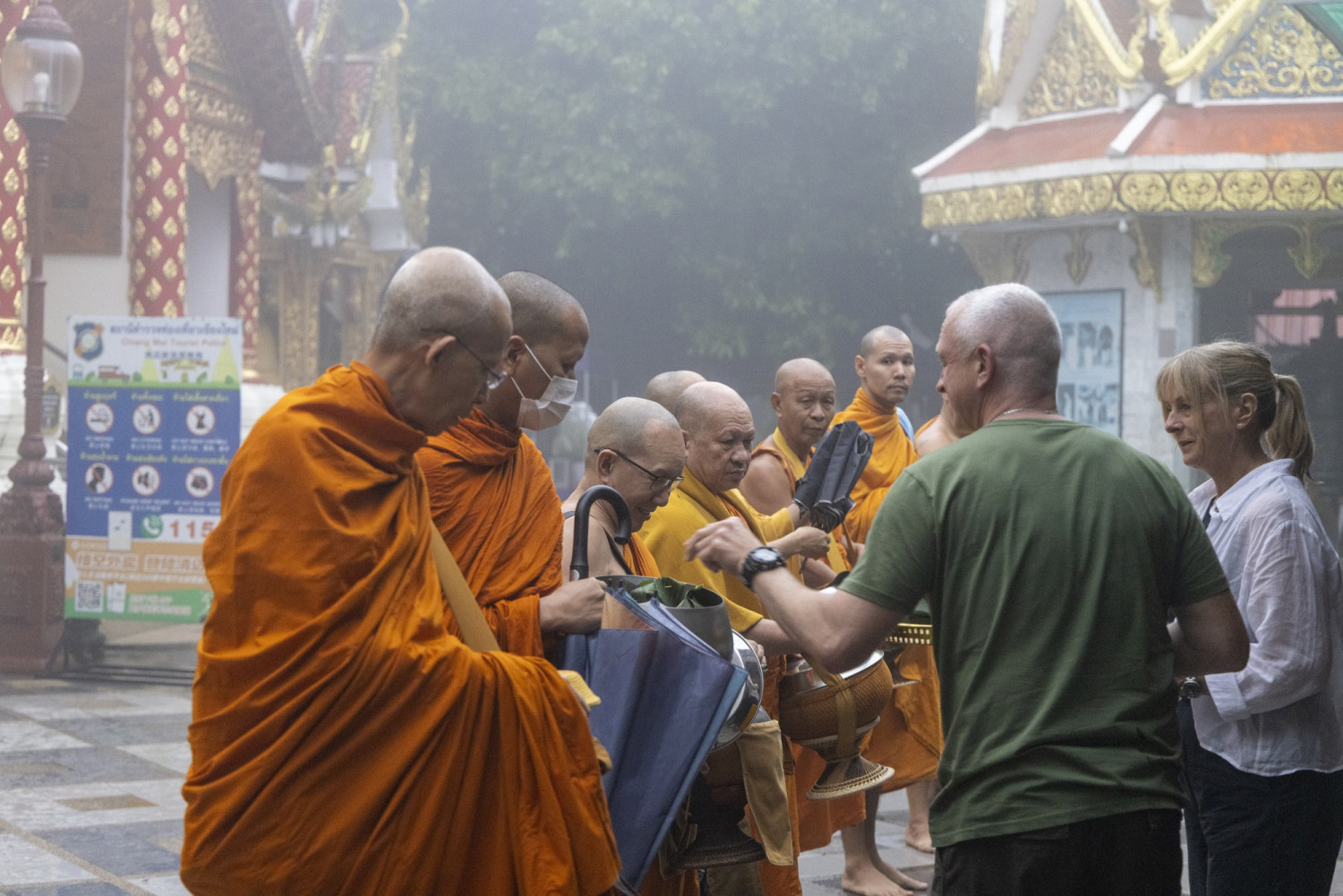
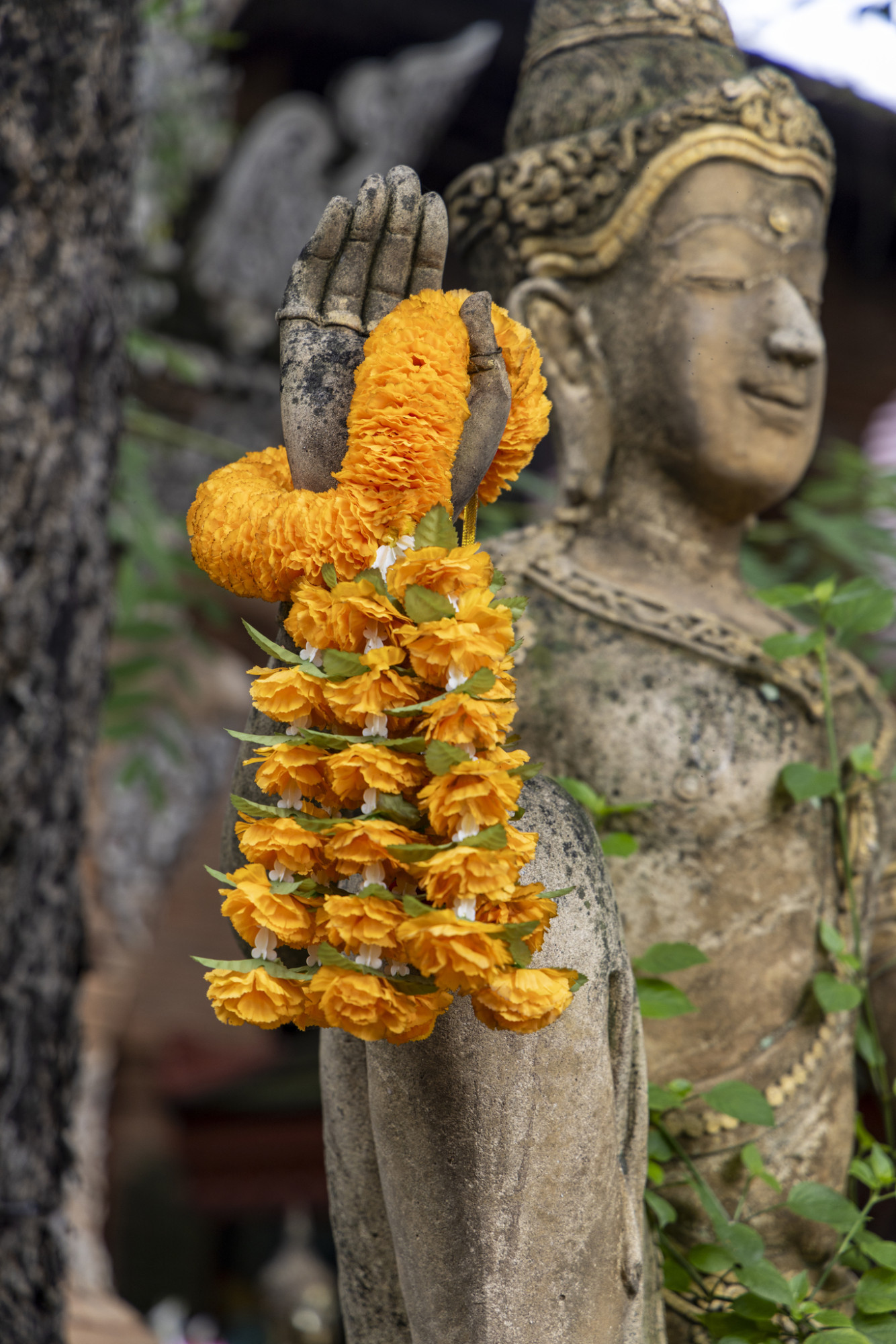
Flowers are laid out, food set out, spaces decorated and the finest clothes brought out to wear. In Chiang Mai, hospitality is something you see before it is put into words. Taking the time to decorate a space for someone, offering something made by hand and lighting lamps together have long been part of everyday life here. From the delicate ornamentation of temples and the work of artisans to village routines and festival lights, Chiang Mai’s beauty exists for more than mere admiration. These scenes are created to convey affection, share happiness and find joy together.

The Most Beautiful Things at the Door
Chiang Mai, founded by King Mangrai in 1296, was the capital of the Lanna Kingdom. True to its name, which means “new city,” it was built to serve as a new capital. Set in the fertile basin of the Ping River, it became northern Thailand’s political and cultural heart for centuries after. Lanna, meaning “a million rice fields,” nurtured its own language and script, architecture and art, distinct from those of Bangkok-centered Siam (Thailand’s former name).
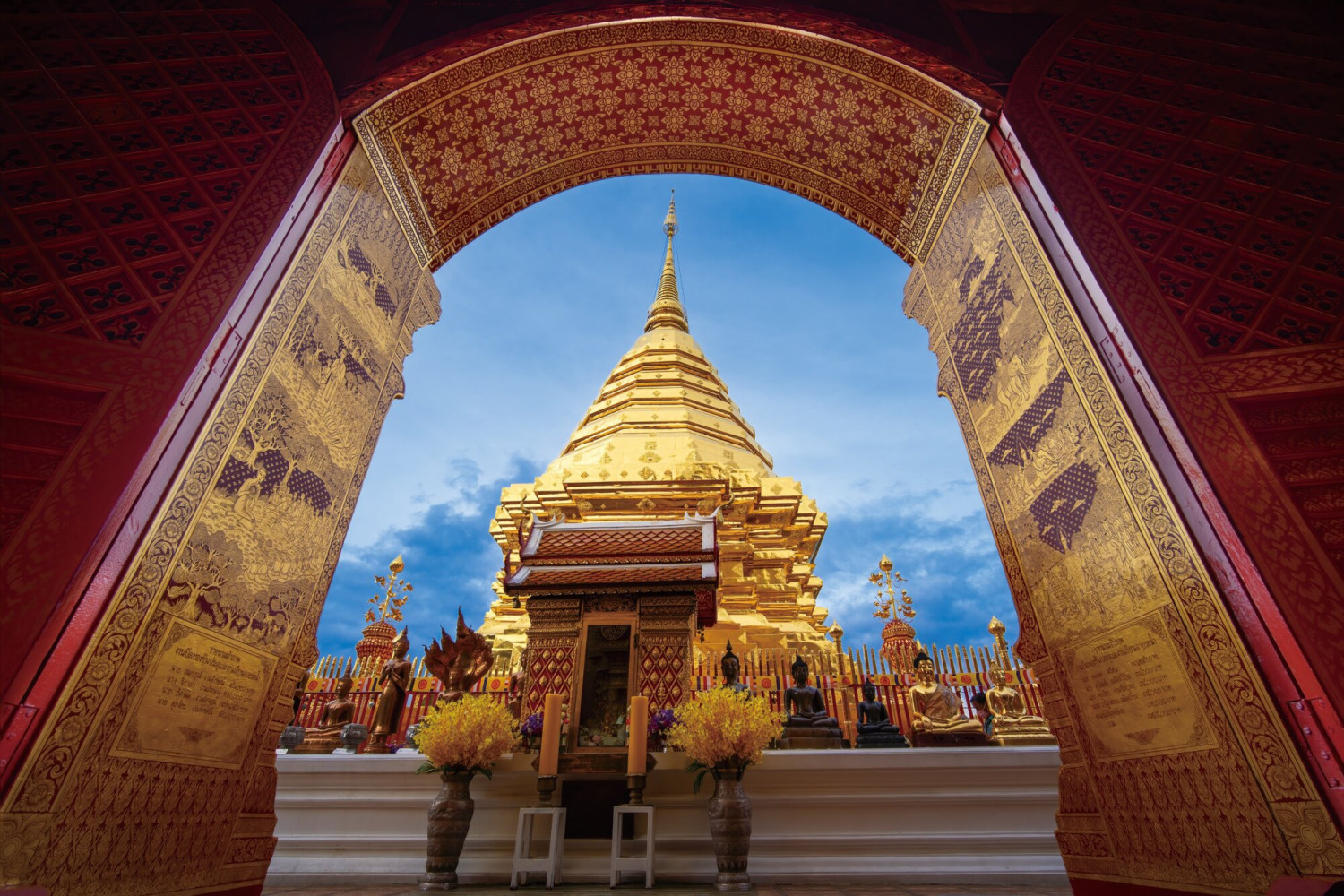
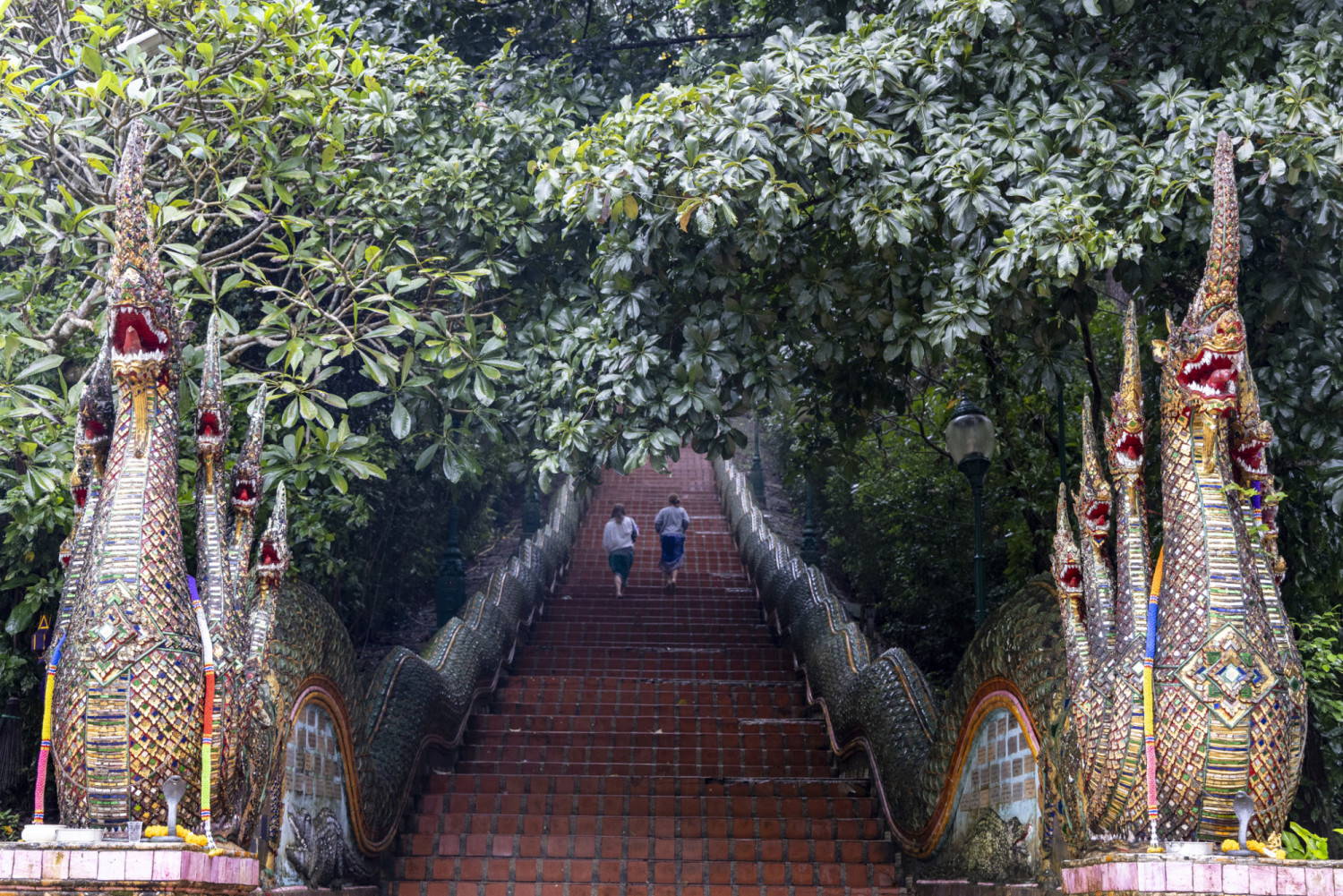
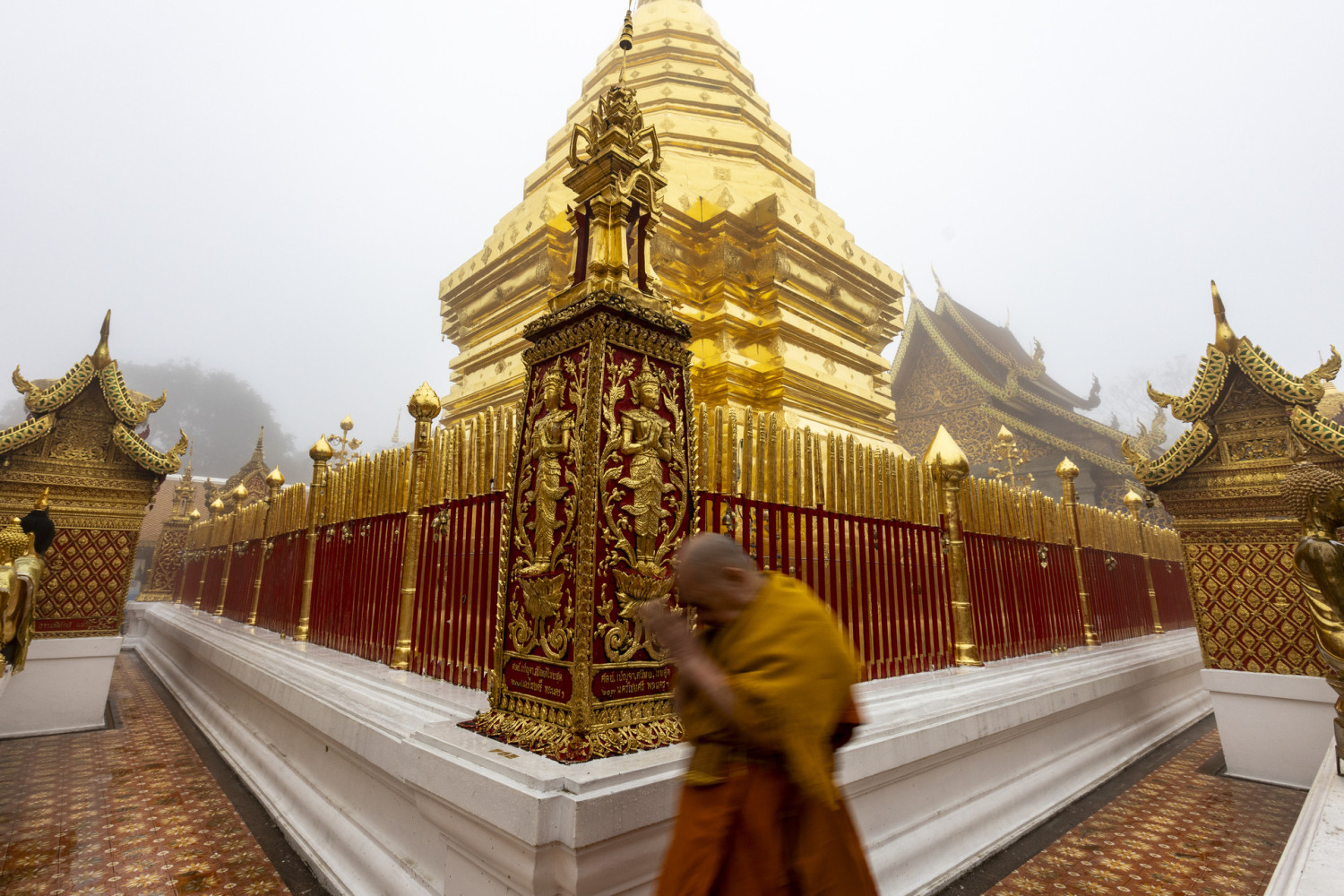
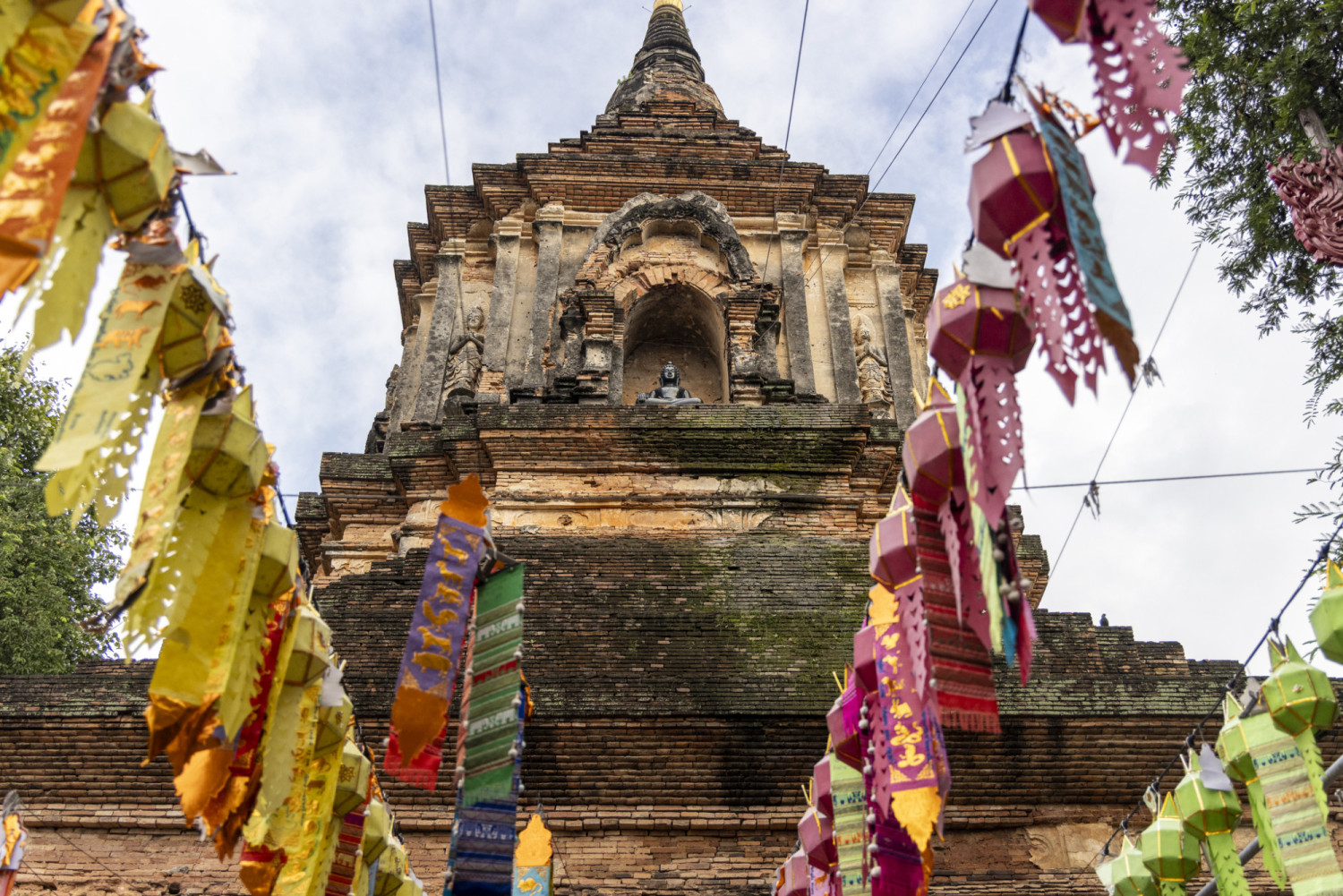
Traces of history shaped by welcoming different cultures and peoples remain throughout Chiang Mai today. That spirit first comes into view at the Wat Phra That Doi Suthep temple, west of the city at an elevation of just over 1,000m. At the top of the stairs, visitors are greeted by a golden chedi (a Buddhist stupa), radiant in the sunlight, and the gilded chatra (ornamental tiered parasols) standing guard around it. Walking through Lanna temples, you begin to notice that the richest, most intricate ornament is always located at the front, where people are welcomed.
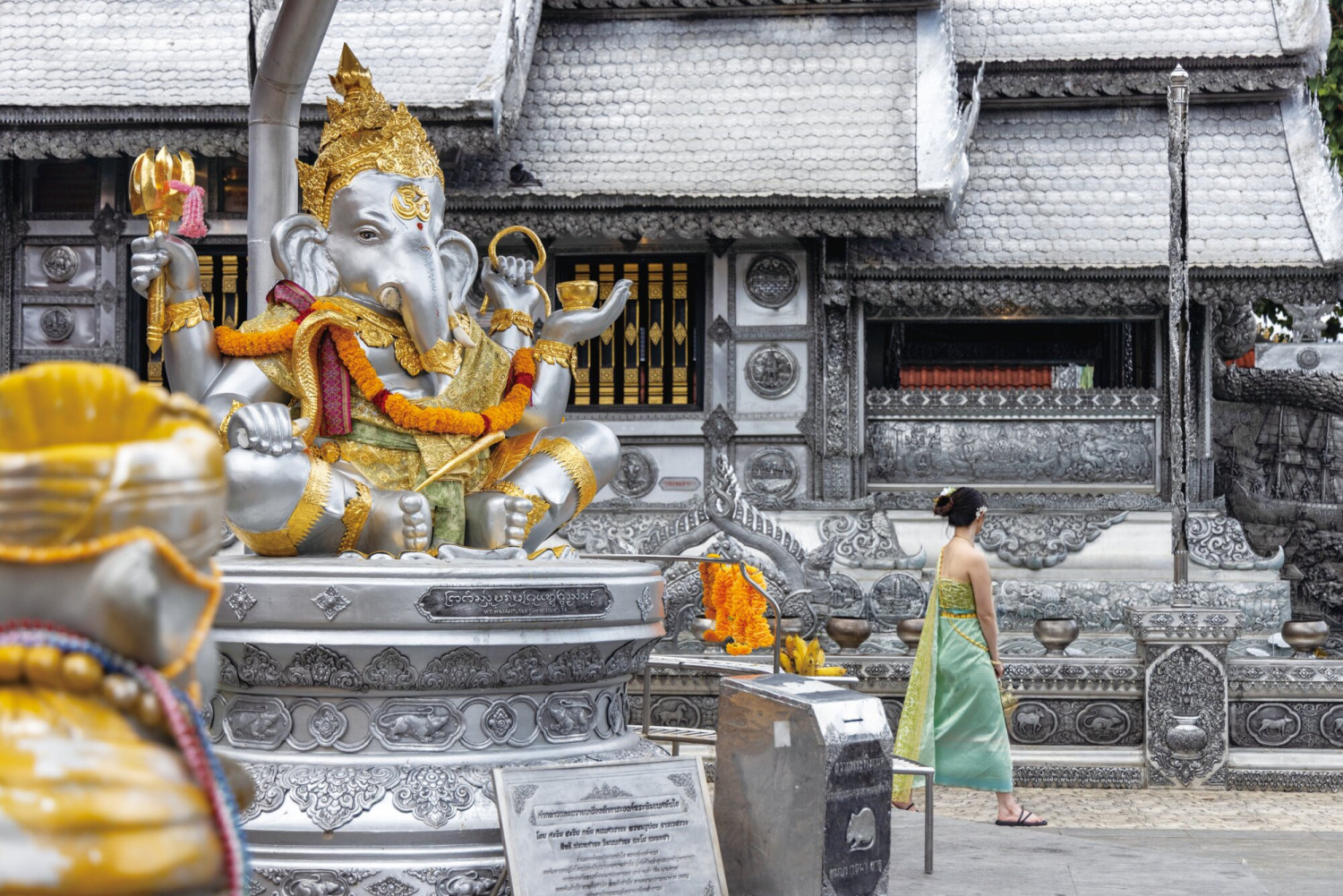
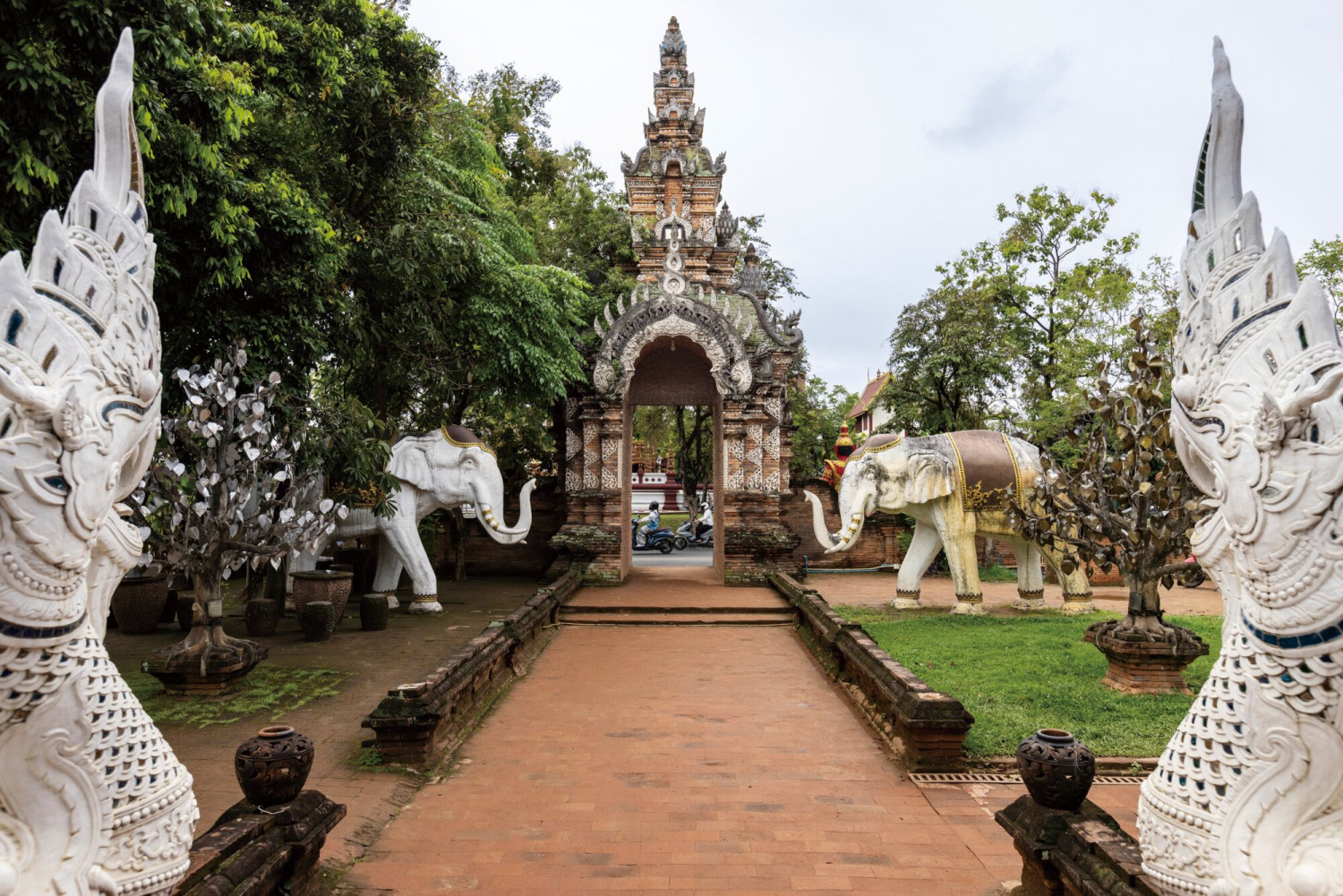
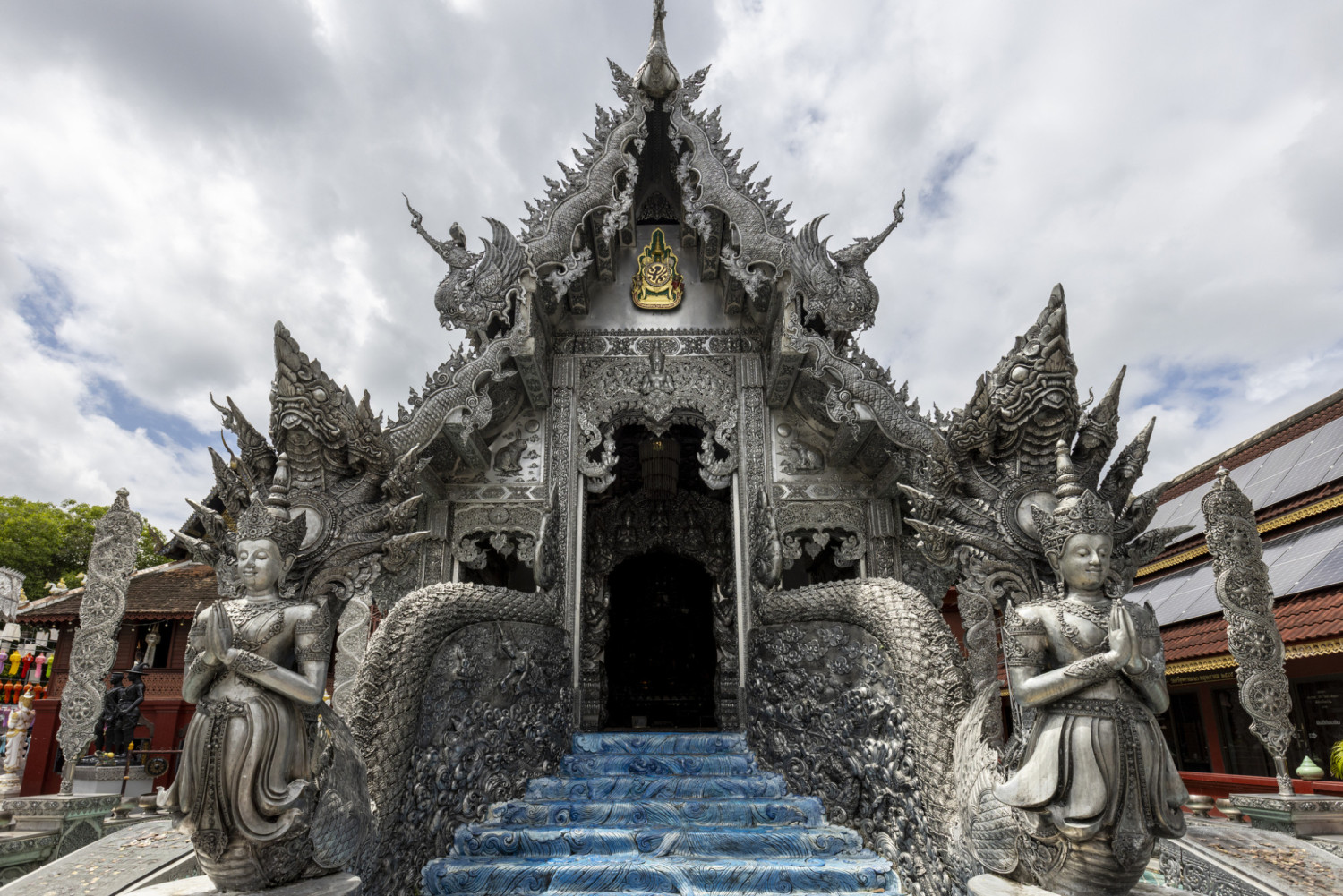
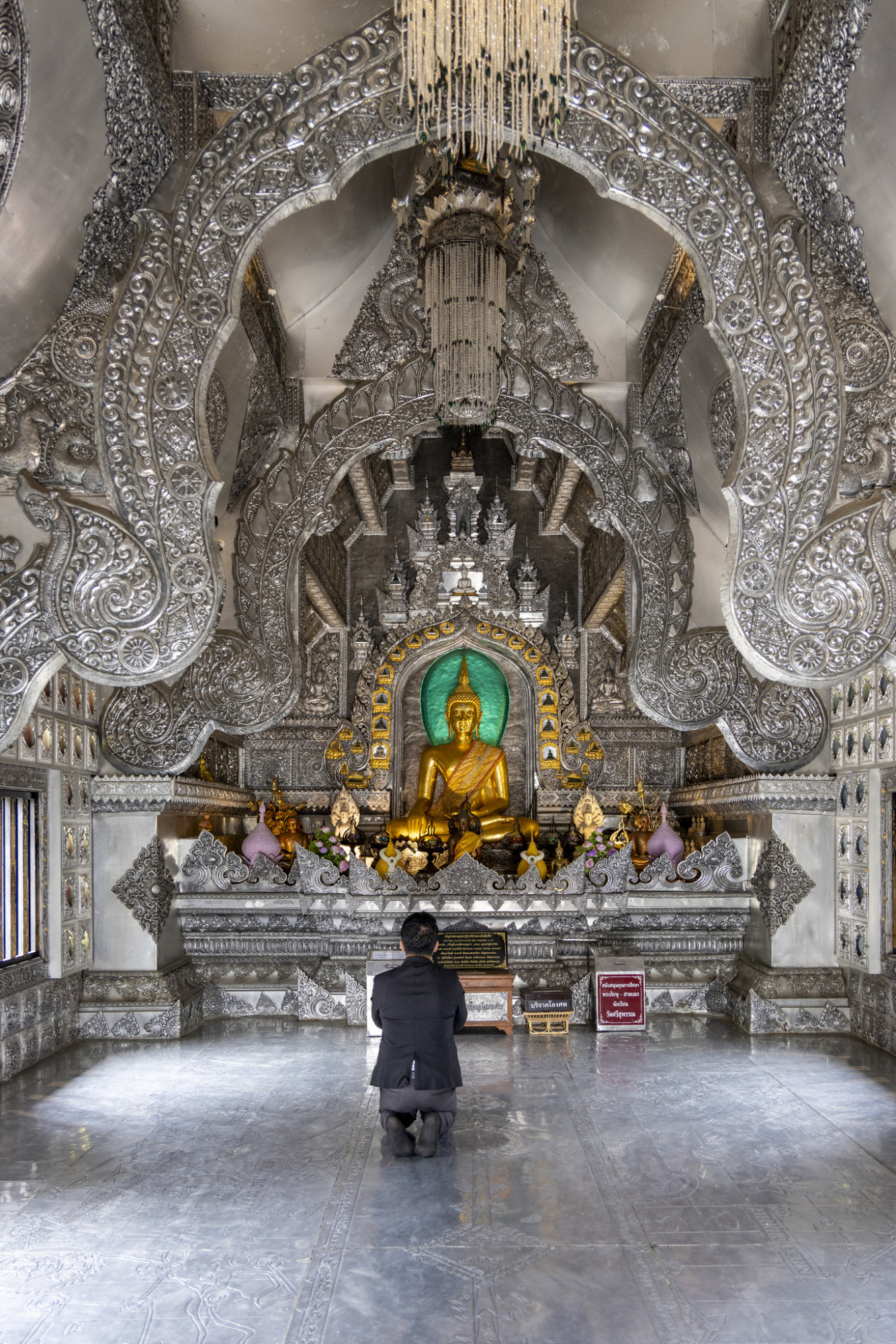
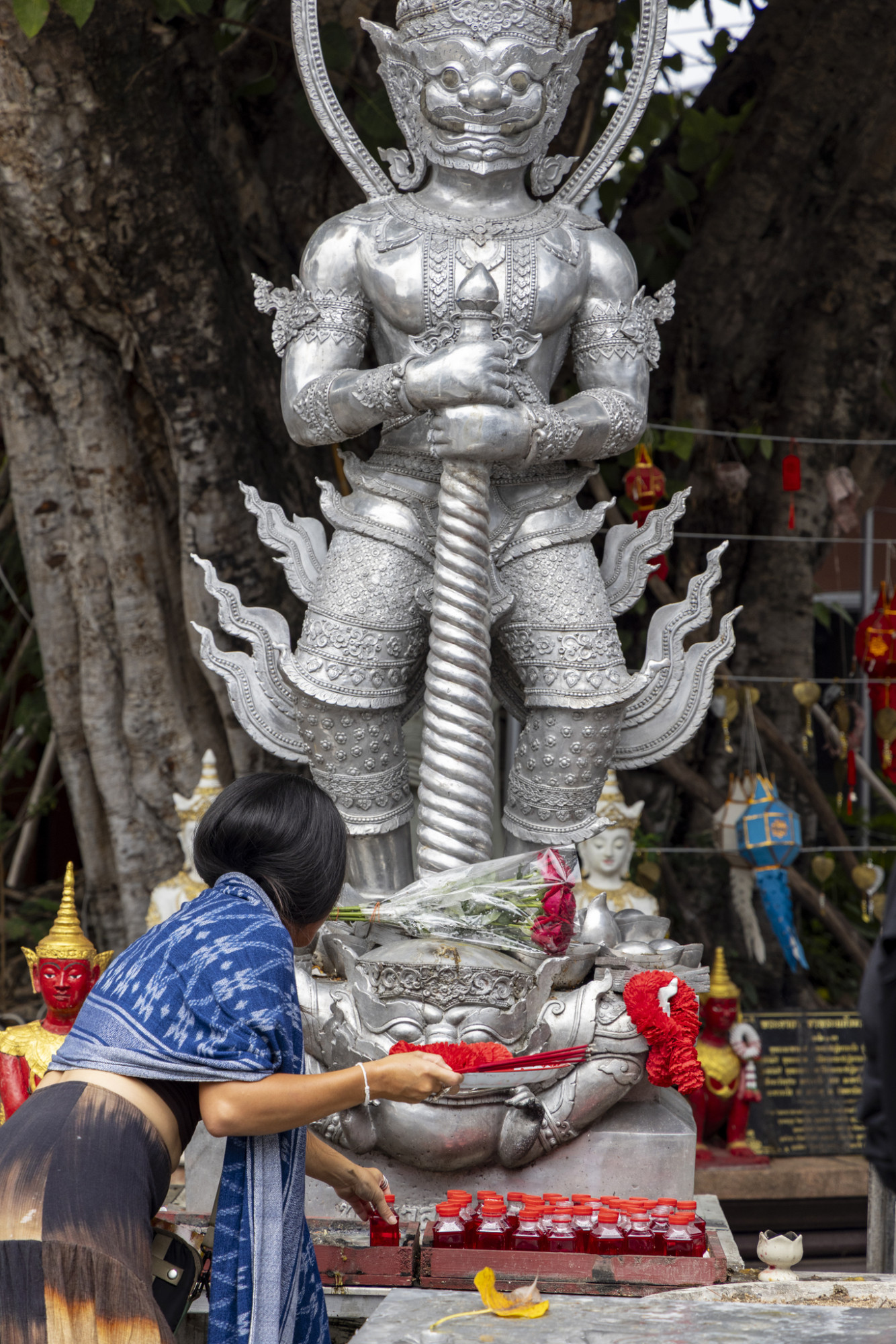
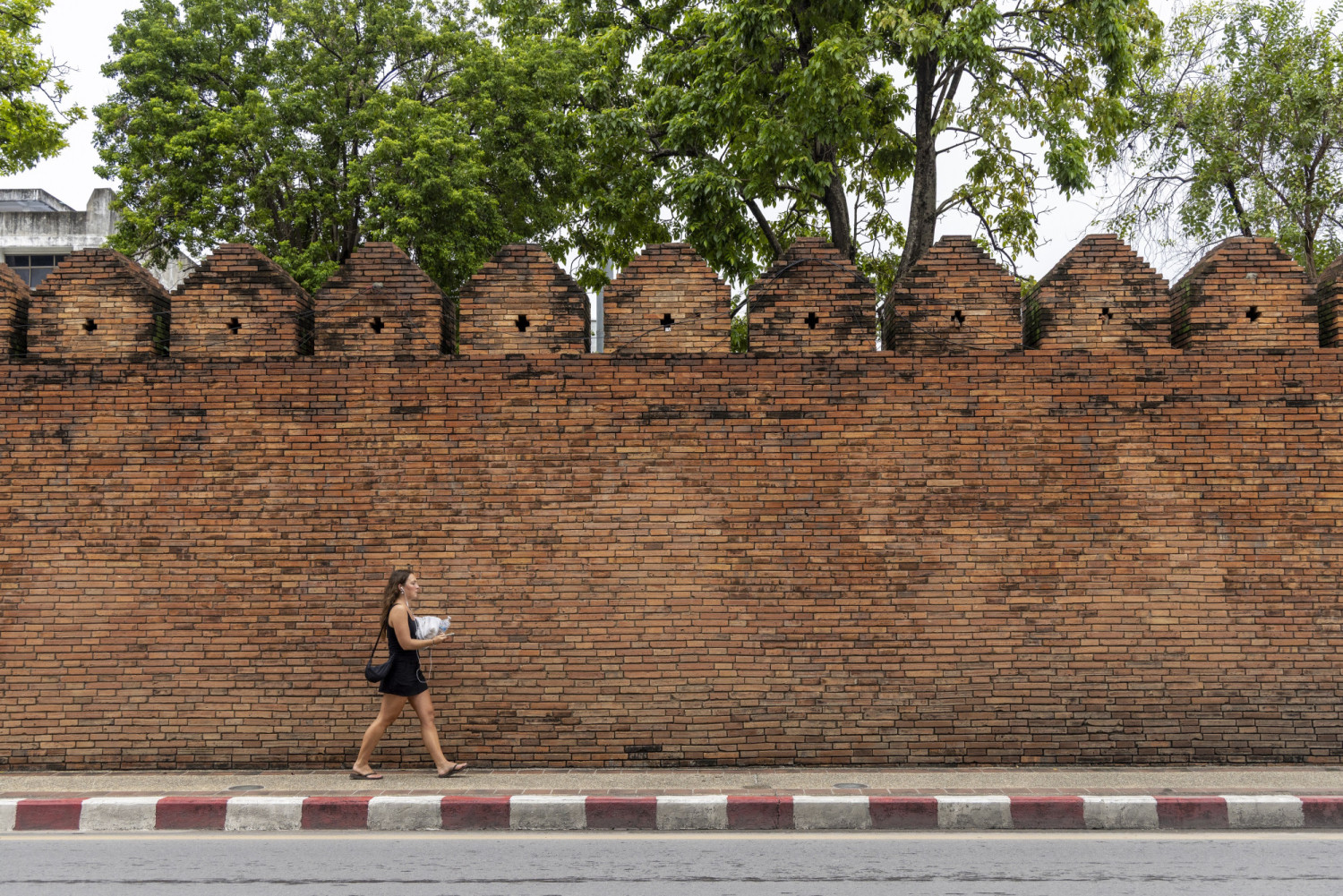
Just beyond the northern city wall, a little removed from the usual visitor routes, Wat Lok Moli temple offers a different kind of welcome. Its red brick chedi, built in 1527, enshrines the ashes of members of the royal family. The grounds, finished in brick and dark wood, greet visitors with quiet simplicity rather than splendor. Beyond the Old City’s southern gate, meanwhile, Wat Sri Suphan temple stands near the heart of Wua Lai Road, where silversmiths have lived and worked for generations. Founded around 1500 during the reign of King Mueang Kaeo of the Mangrai dynasty, the temple has long been a spiritual anchor for the village’s artisans.
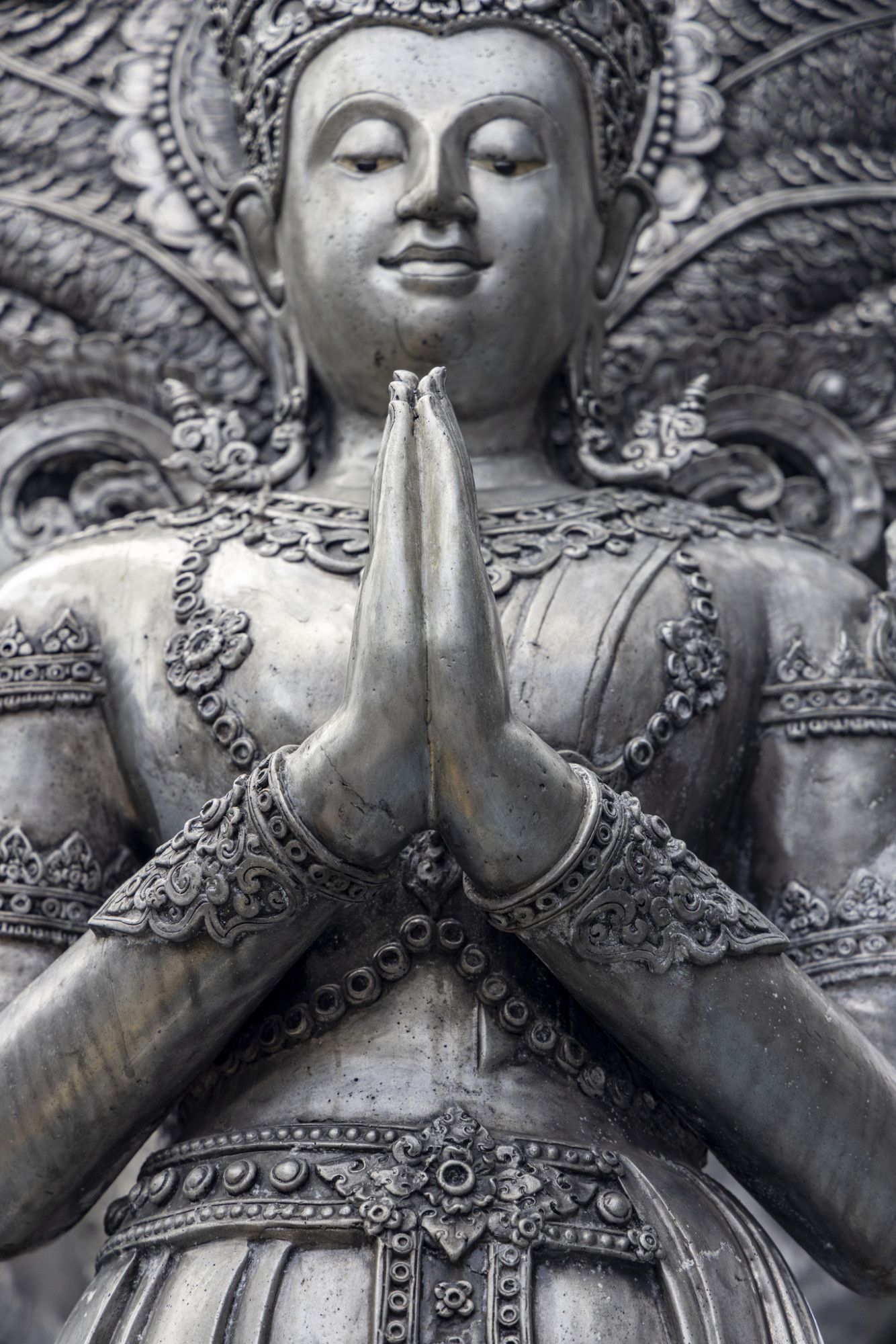
Beginning in 2008, they covered the ordination hall inside and out with sheets of silver, nickel and aluminum, earning it the name “Silver Temple.” Hammered reliefs cover the walls, and the whole building glows softly as the angle of the sunlight changes. It is as though the village artisans have offered up to the divine all the skill they have passed down through the generations.

Yesterday and Tomorrow, Joined by Hand
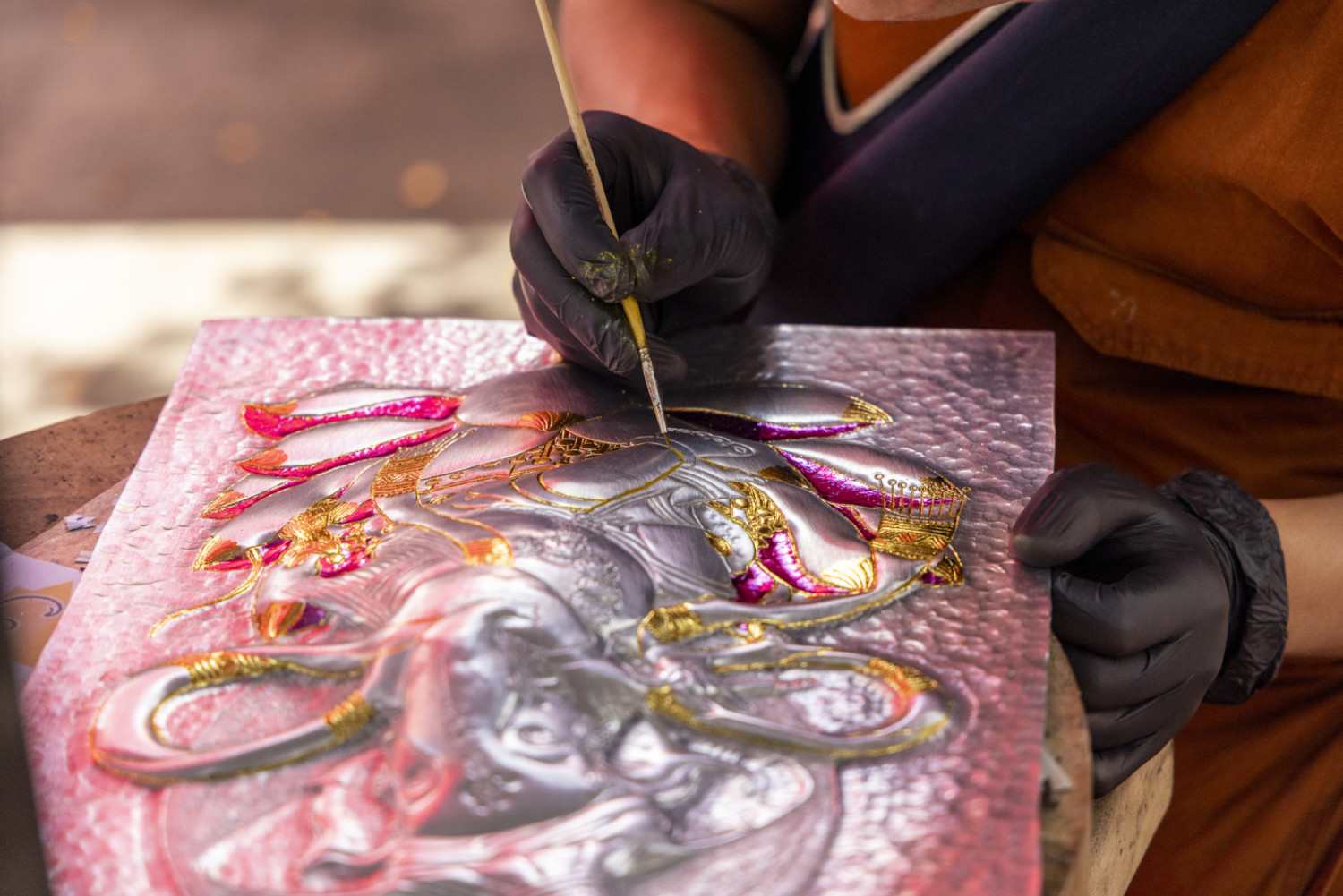
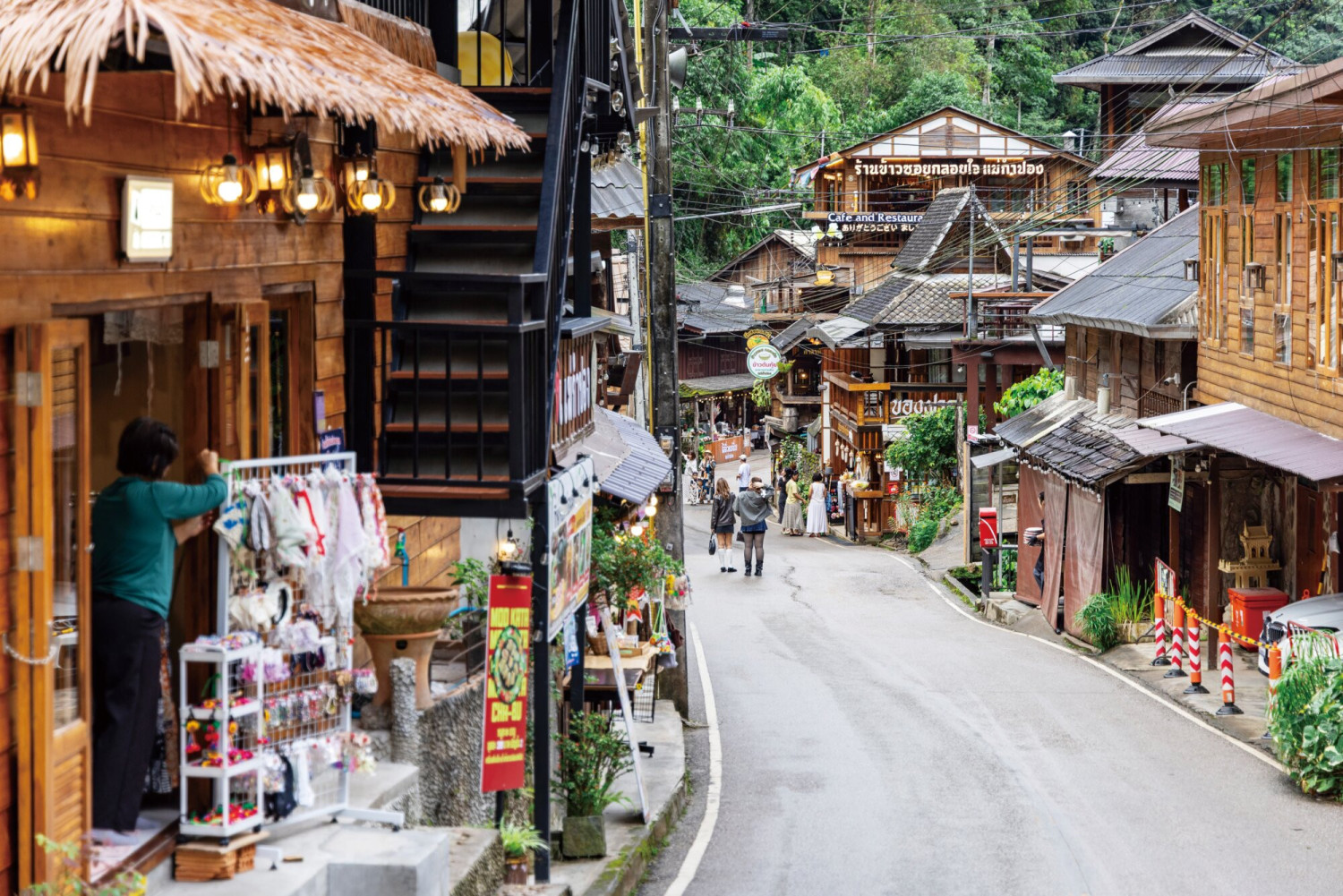
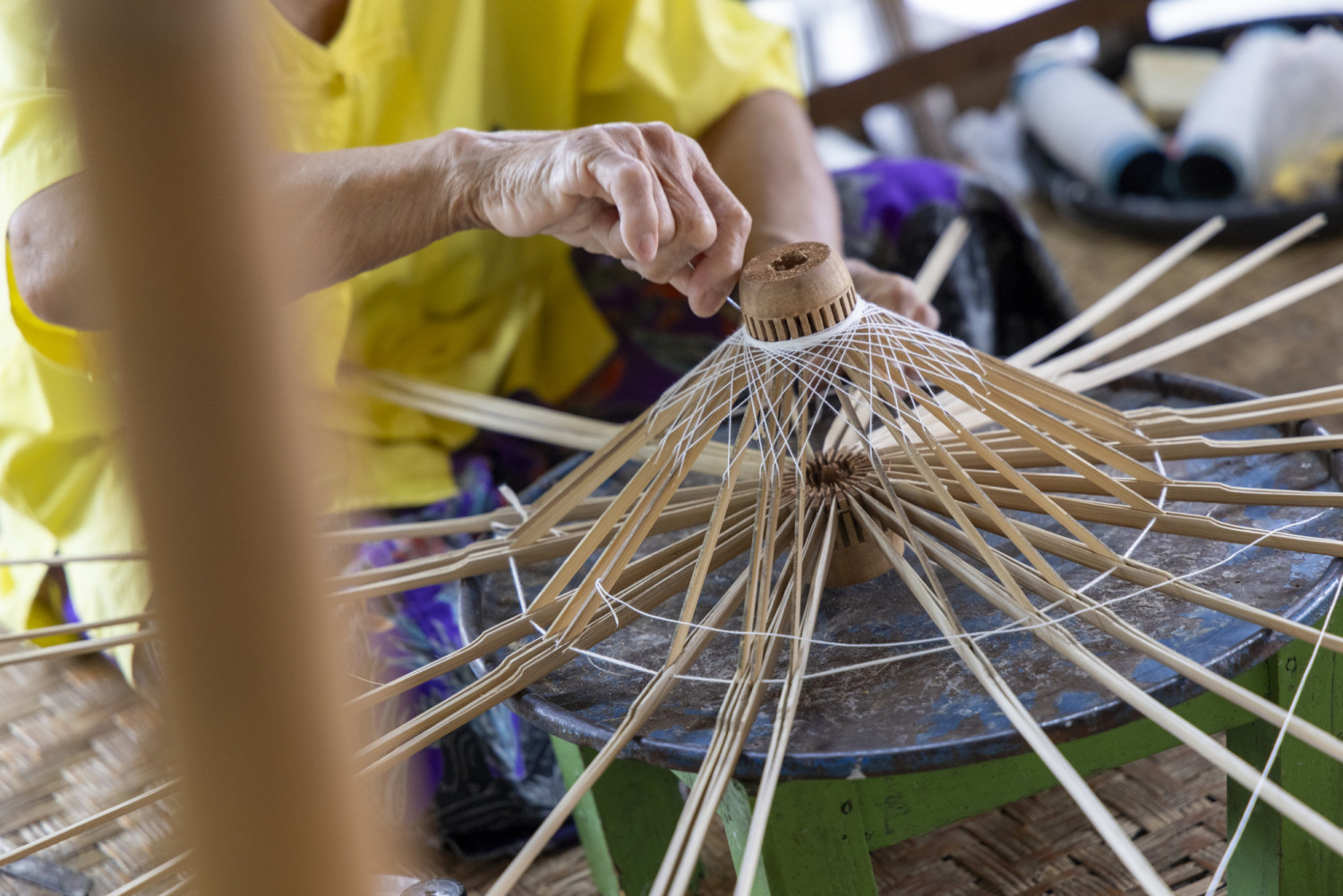
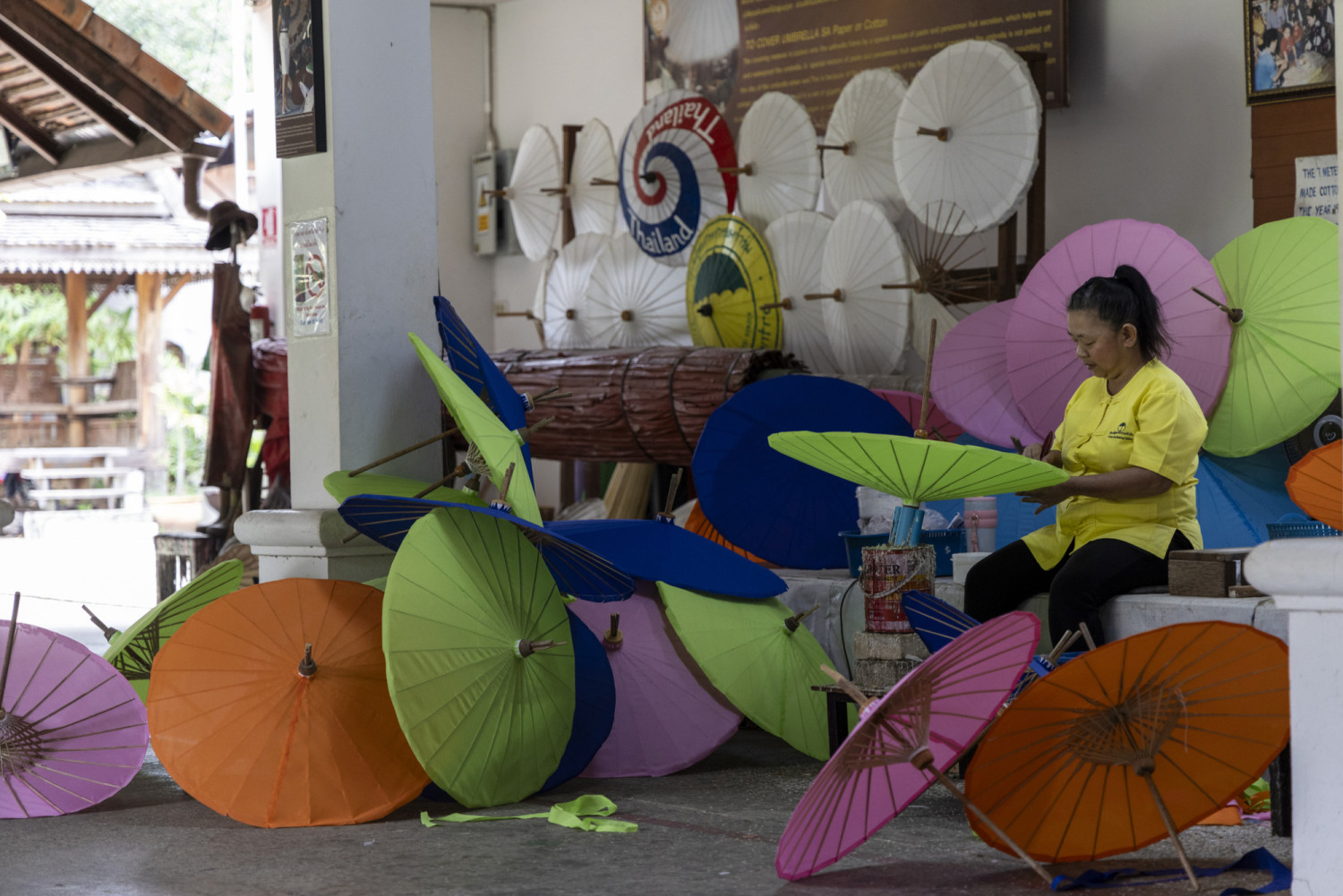
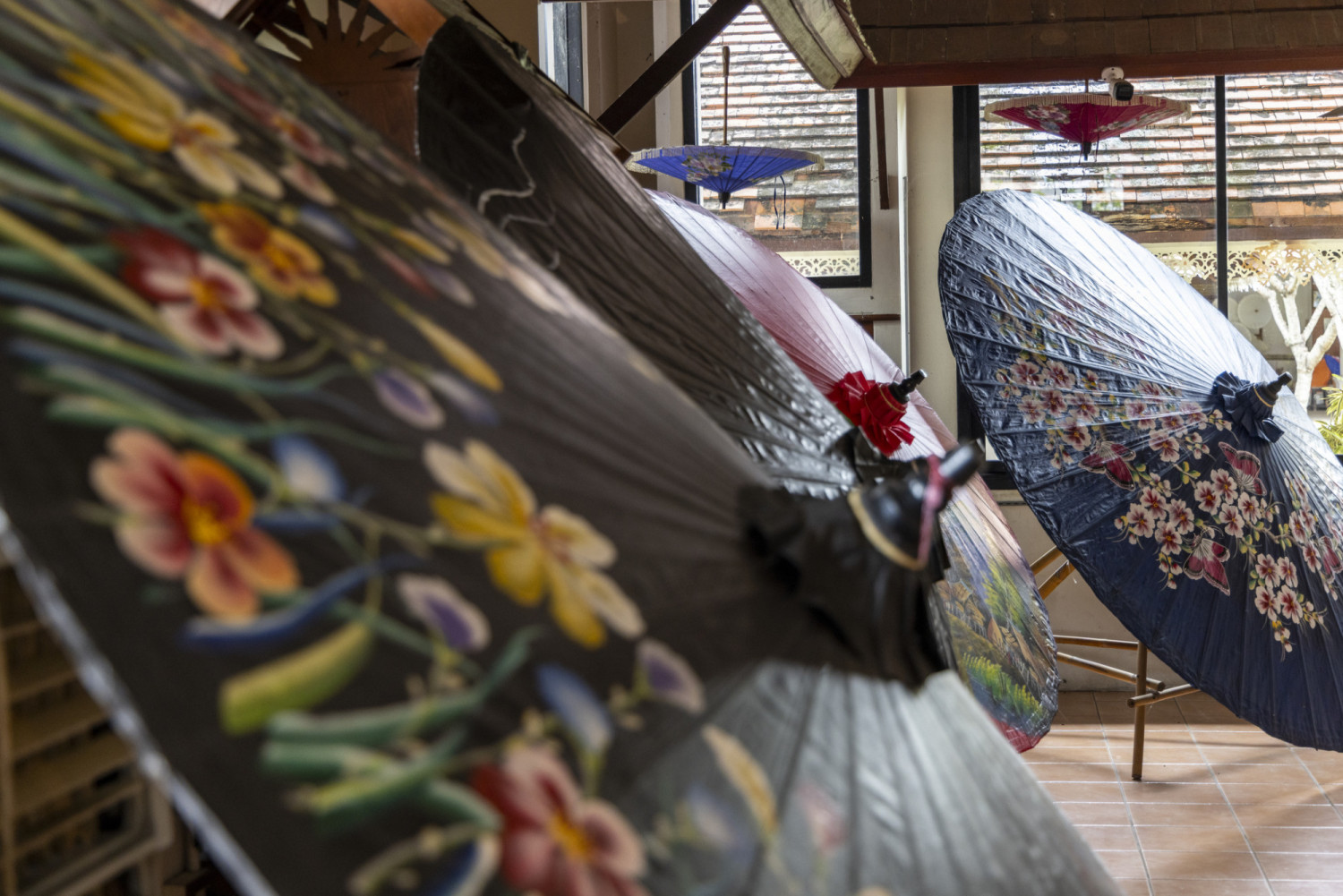
The skill with which Lanna’s people built their graceful temples lives on in Chiang Mai’s crafts today. Follow San Kamphaeng Road east from the Old City, and workshops for textiles, silver, wood and ceramics line the route. Near its beginning, just over 9km from the Old City, the umbrella village of Bo Sang welcomes visitors with colorful paper umbrellas opening like flowers from the village entrance onward. Each umbrella is the result of many hands working patiently together. Watching floral patterns bloom beneath a brush, you realize that, even before it is a tool for shelter from sun and rain, an umbrella is a gesture of hospitality opened above the head.
Handwoven and hand-dyed Lanna textiles, silver hammered into patterned designs, crafts carved from wood and pottery shaped from clay: the workshops of San Kamphaeng convey the same generous spirit, each through its own material. Part of the pleasure of this road is spotting vine motifs from temple gables along the borders of textiles, or carvings from temple hall doors finding a place on everyday furniture. There is an unexpected sight along this old craft route, too.
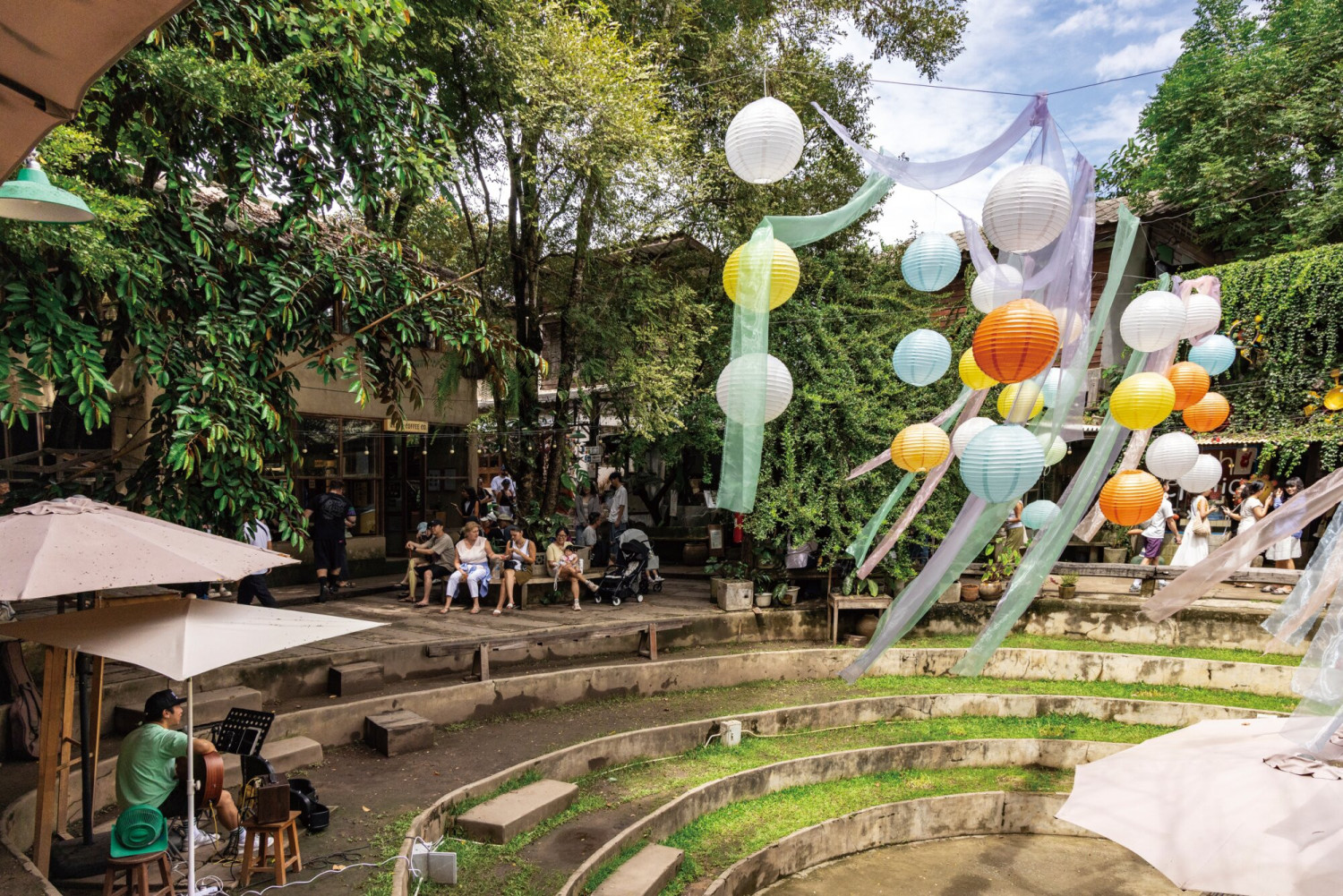
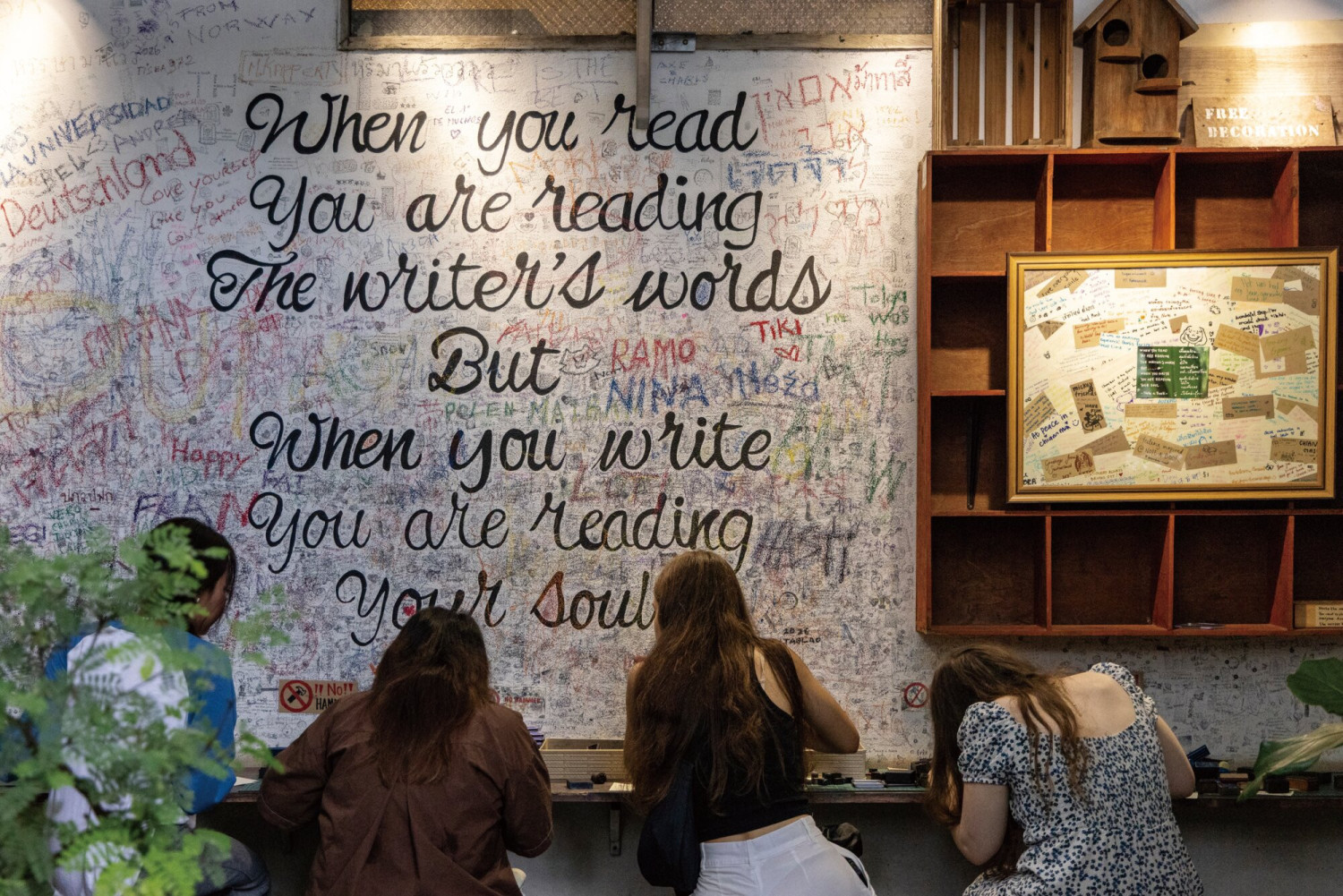
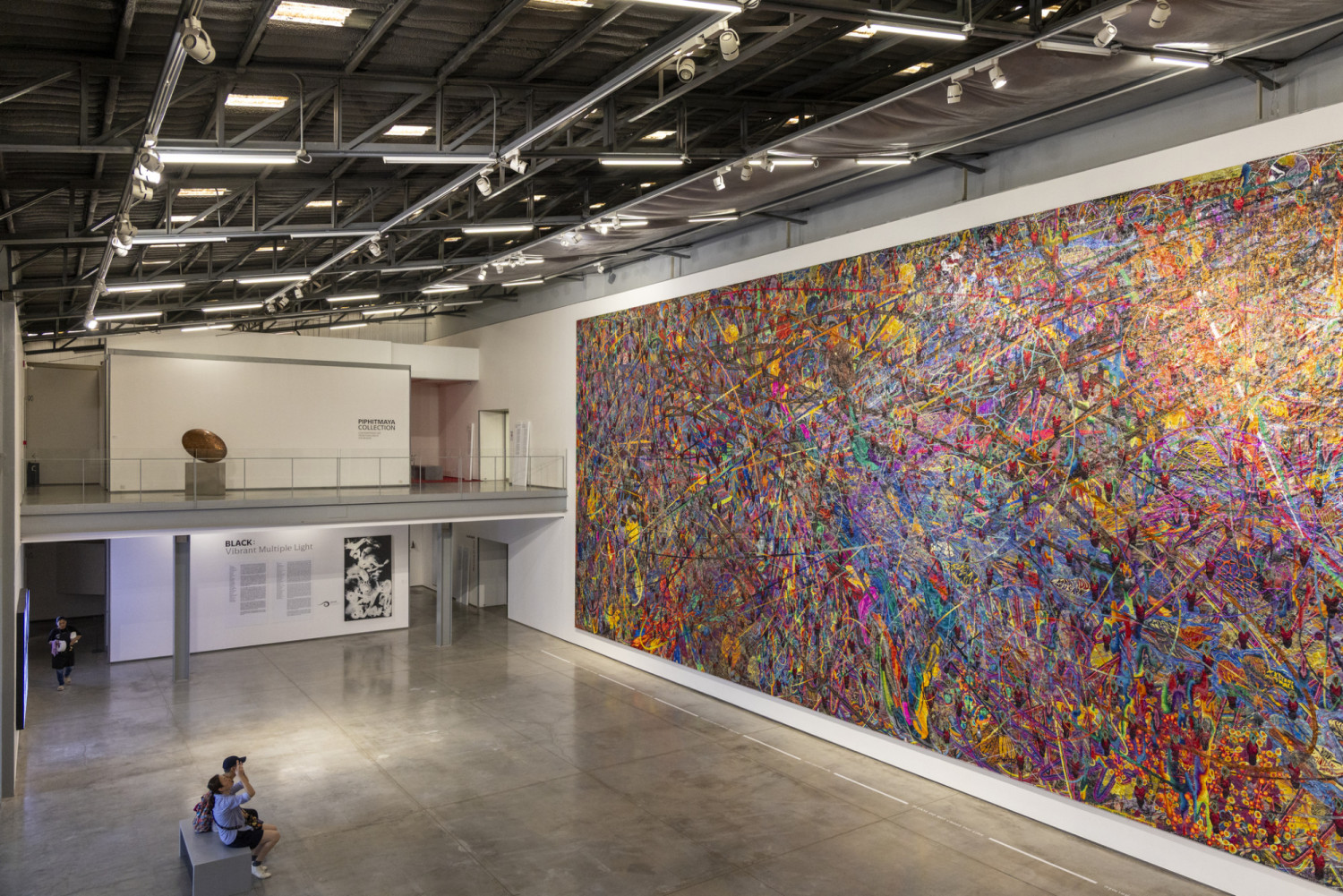
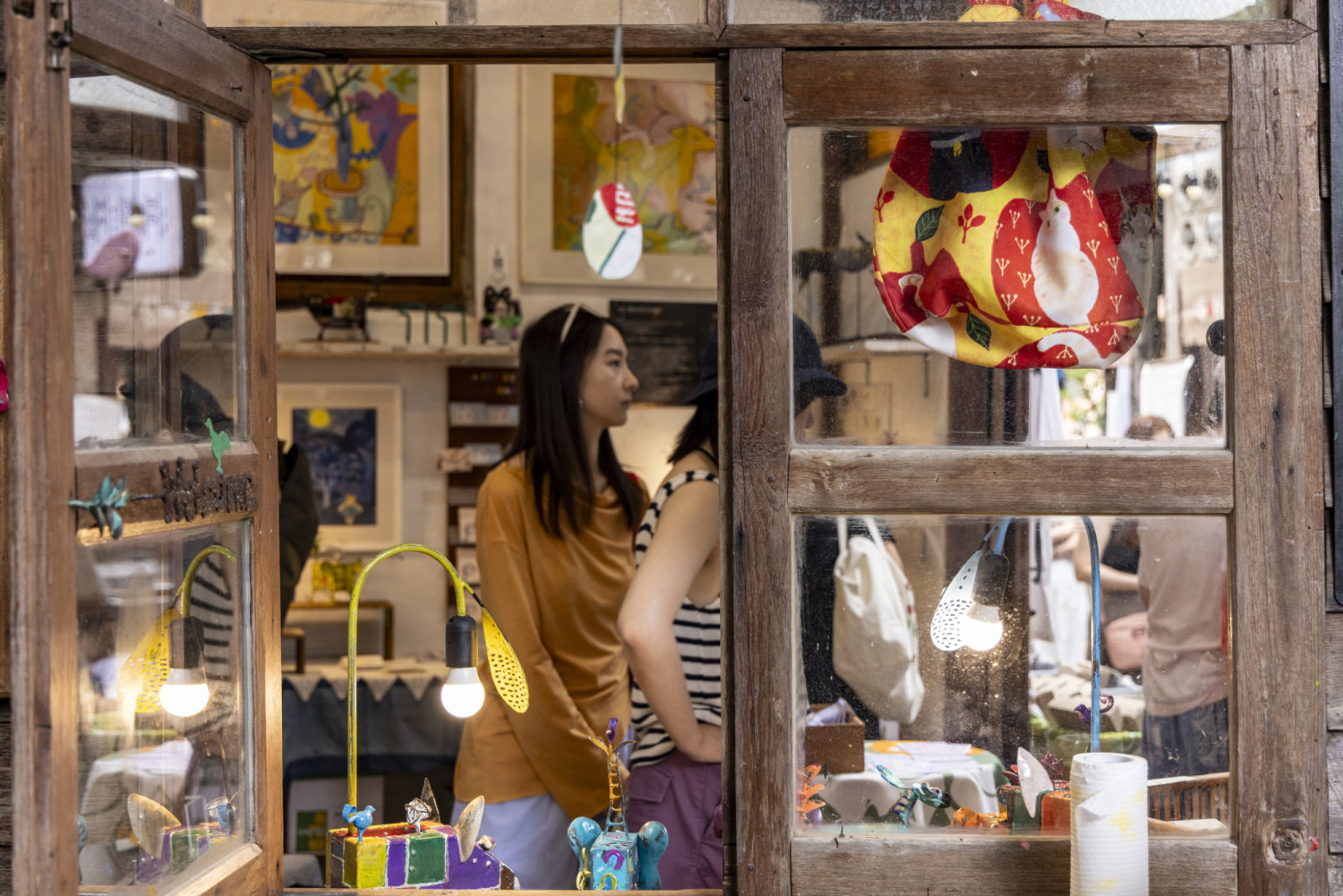
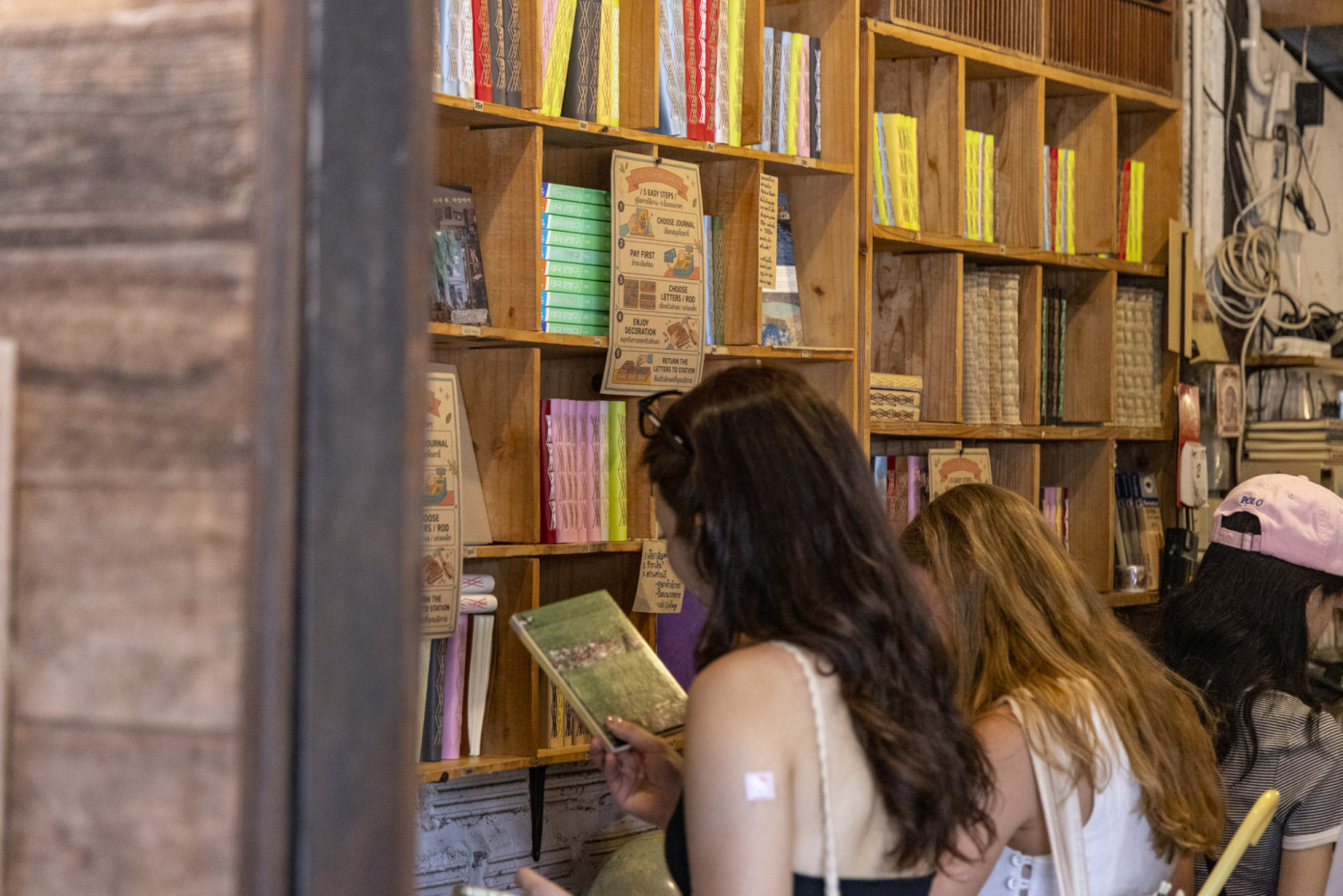
Opened in 2016, MAIIAM Contemporary Art Museum occupies a converted 3,000-square-meter warehouse, with a striking facade of mirrored tiles inspired by the decorative techniques of traditional temples. Reflecting the sky, trees and passersby, the building brings the ornamental language of the past into contemporary architecture, its expression changing from moment to moment. West of the city, at the foot of Doi Suthep mountain, is the artists’ village of Baan Kang Wat. Founded in 2014 by ceramicist Nattawut Ruckprasit, it is home to pottery and craft workshops, galleries, small bookstores and cafes. With sharing at its heart, this village carries Lanna’s hospitality forward in the idiom of its own generation, rather than simply re-creating tradition.
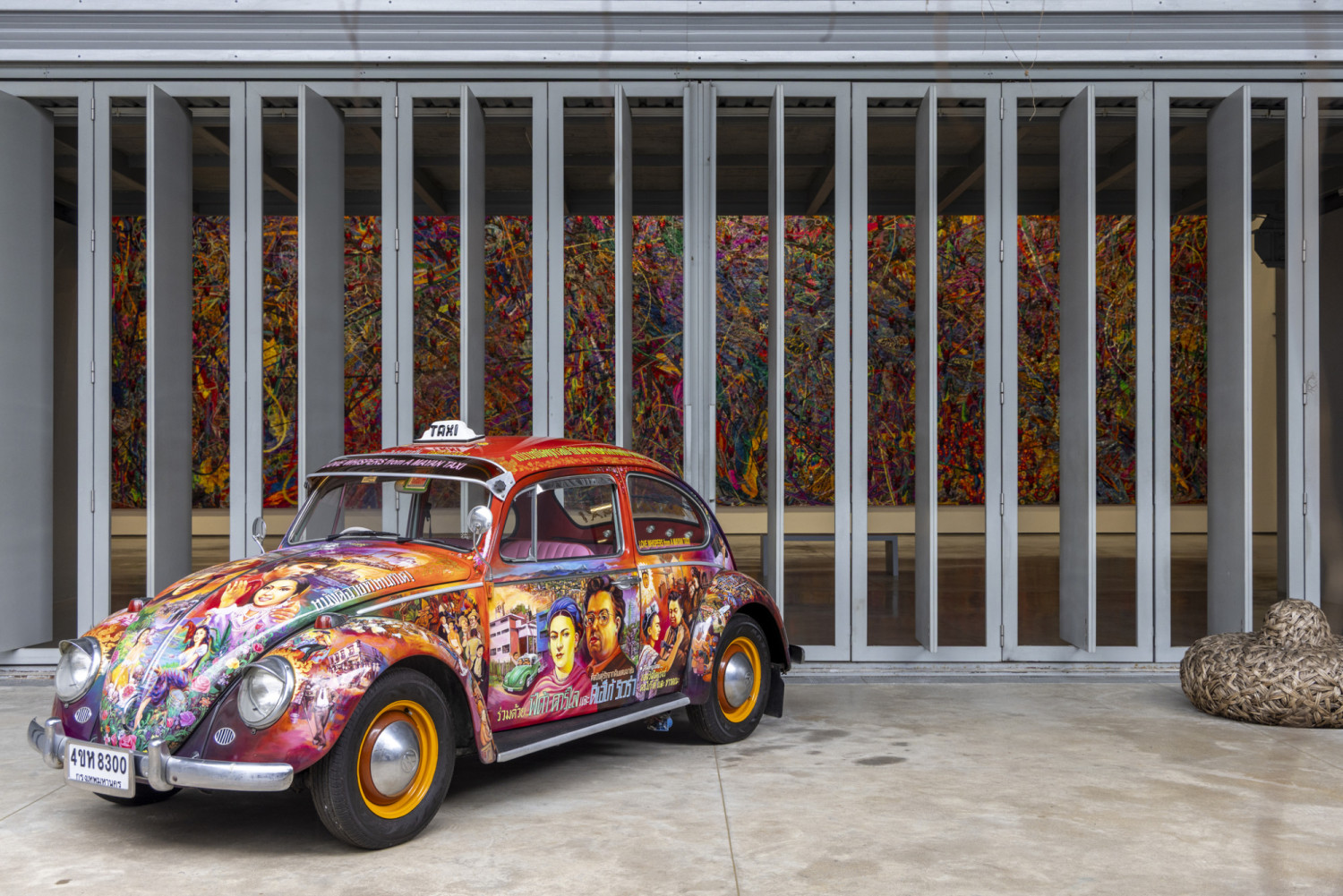
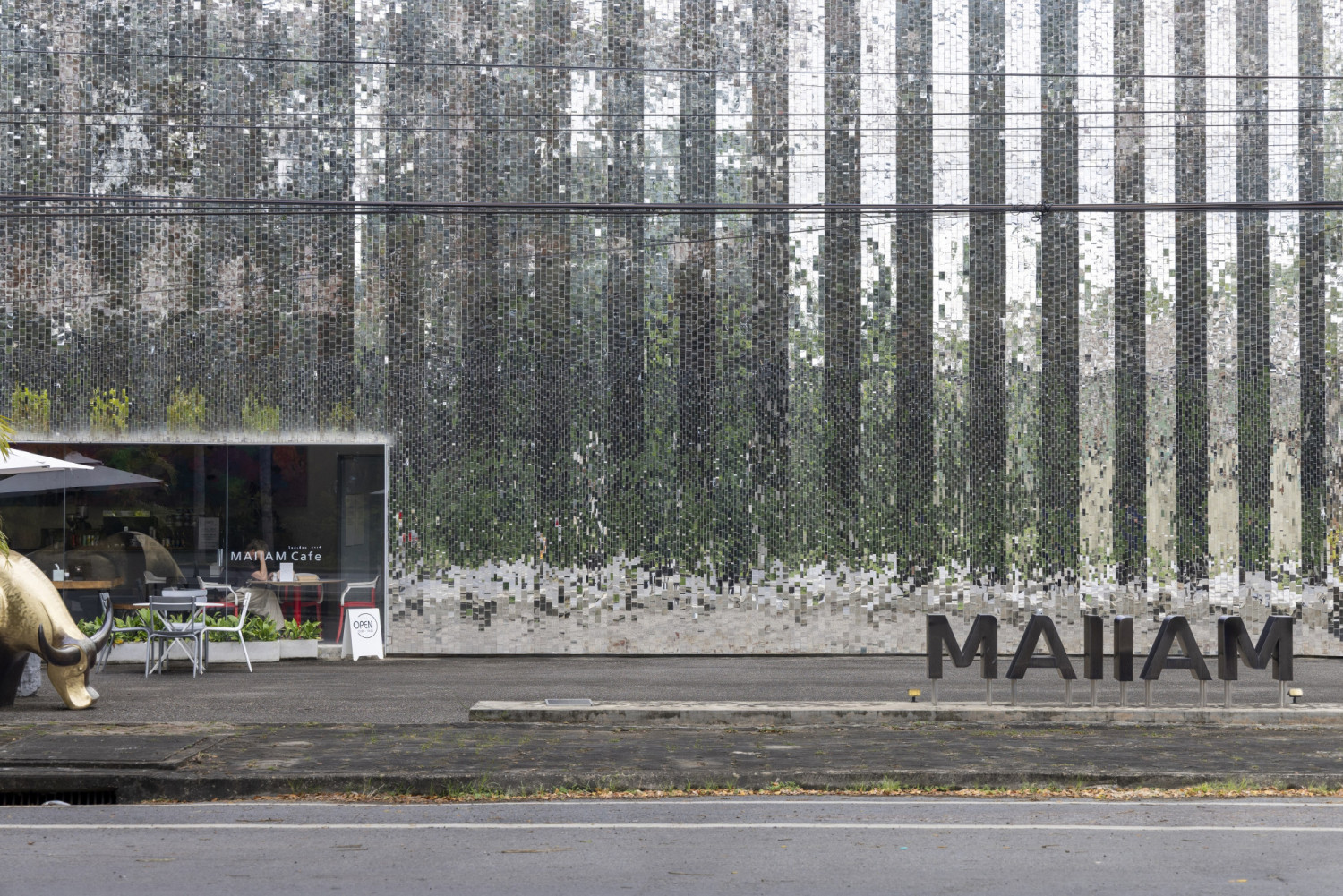
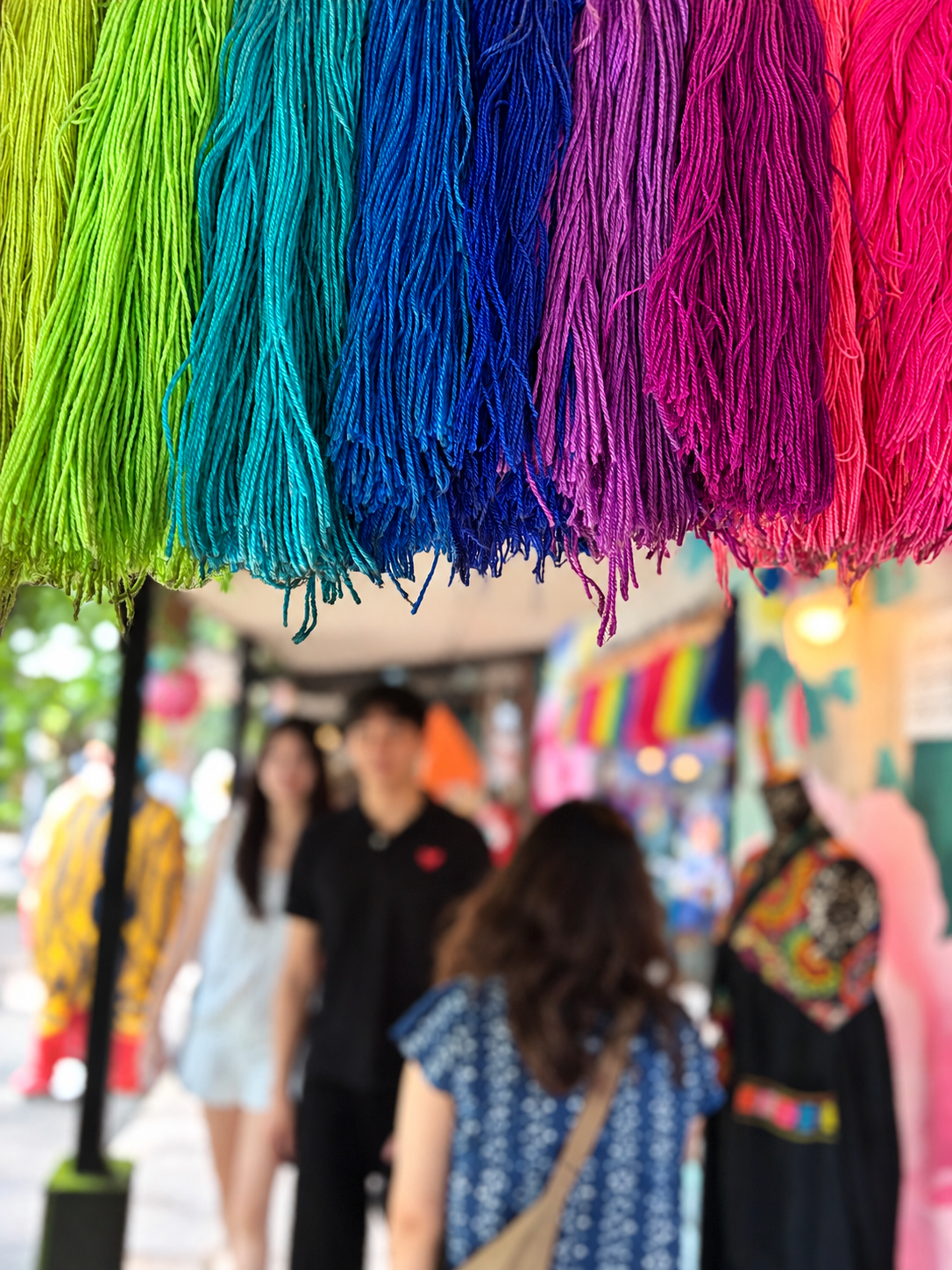
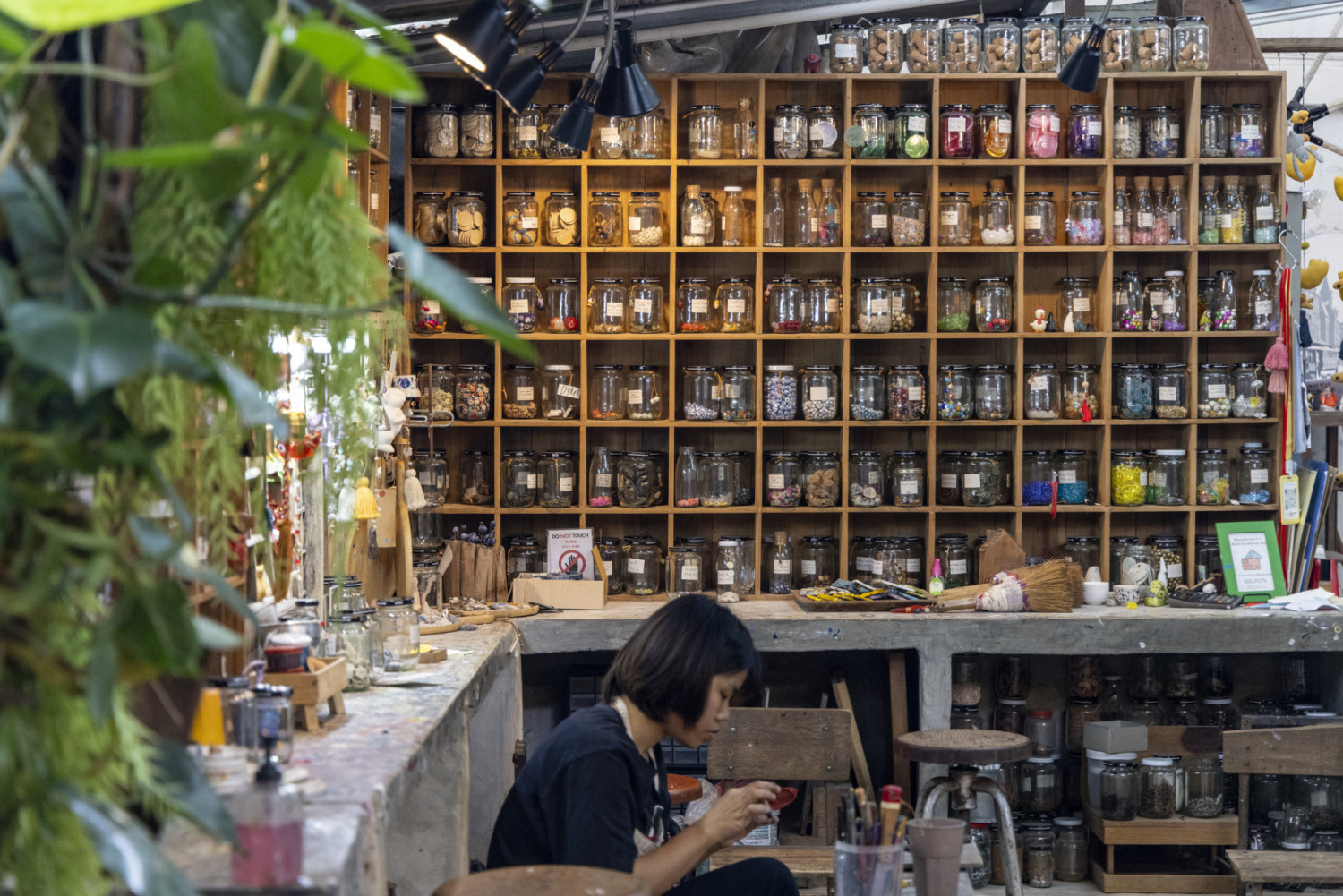




ⓒ Tourism Authority of Thailand (TAT)
A Welcome Written in Light
Chiang Mai’s brightest welcome of the year comes on the full moon of the 12th month of the Thai lunar calendar, usually falling in mid- to late November. This is when Loy Krathong is celebrated throughout Thailand. Small floats of banana leaves folded into lotus shapes are set on the water, bearing candles and incense. The ritual gives thanks for the water used throughout the year, lets past misfortunes drift away and asks for blessings in the year ahead.
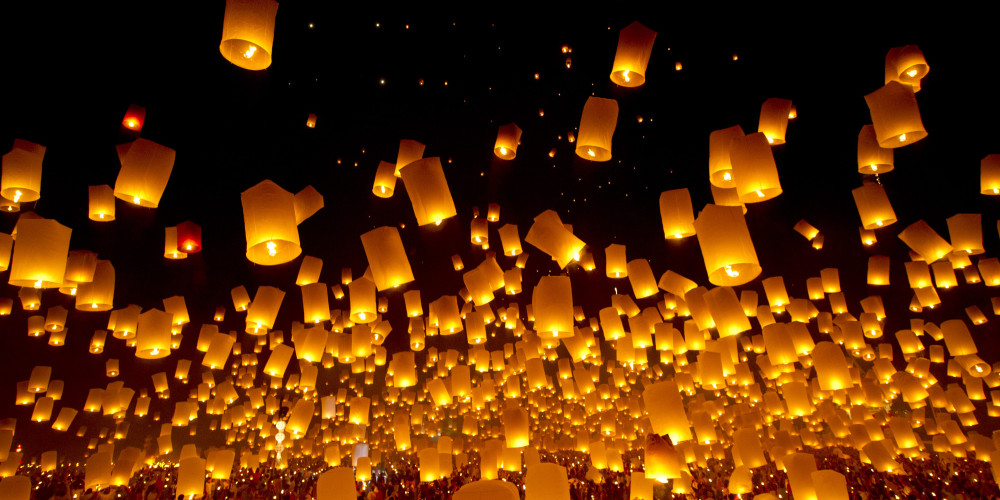
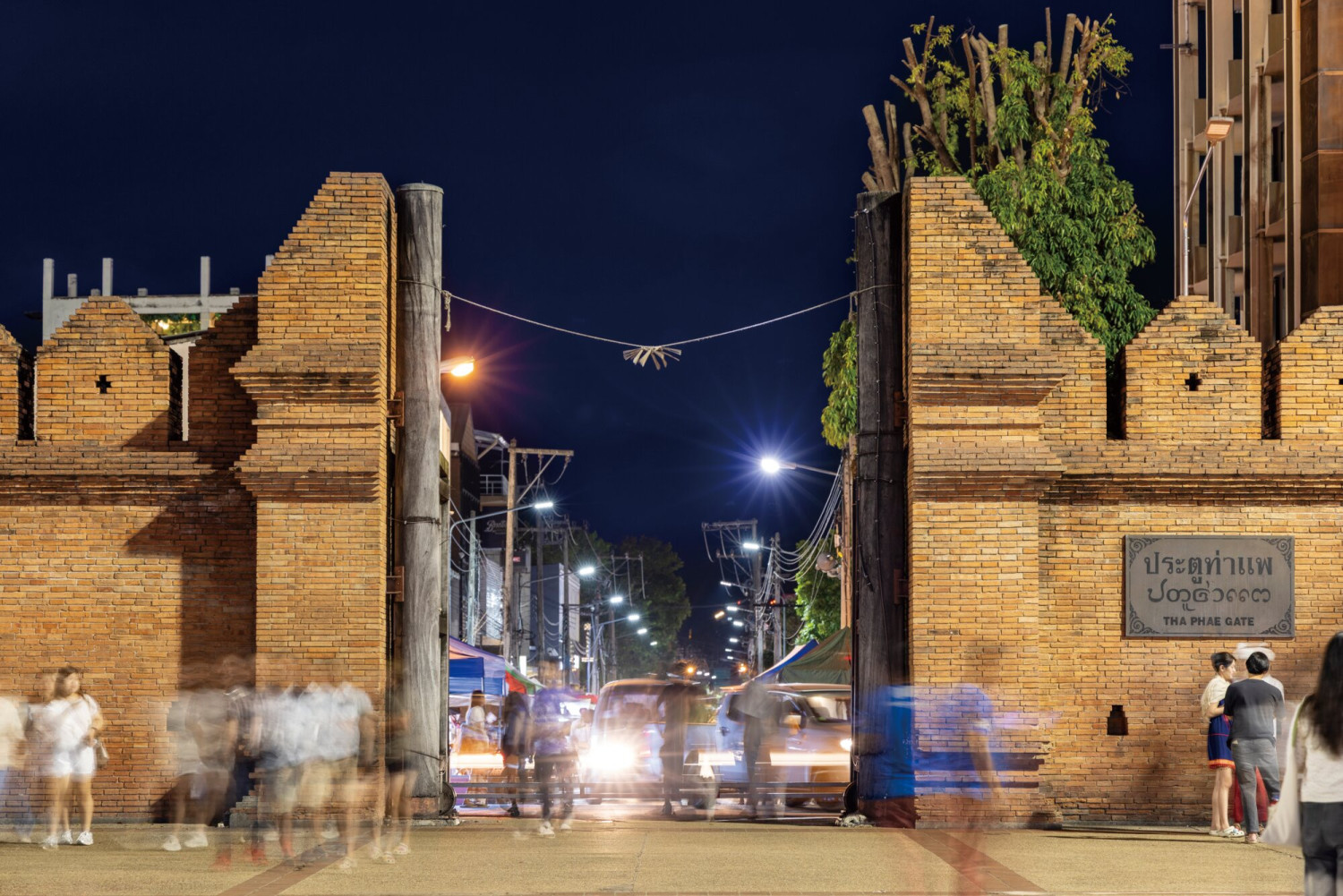
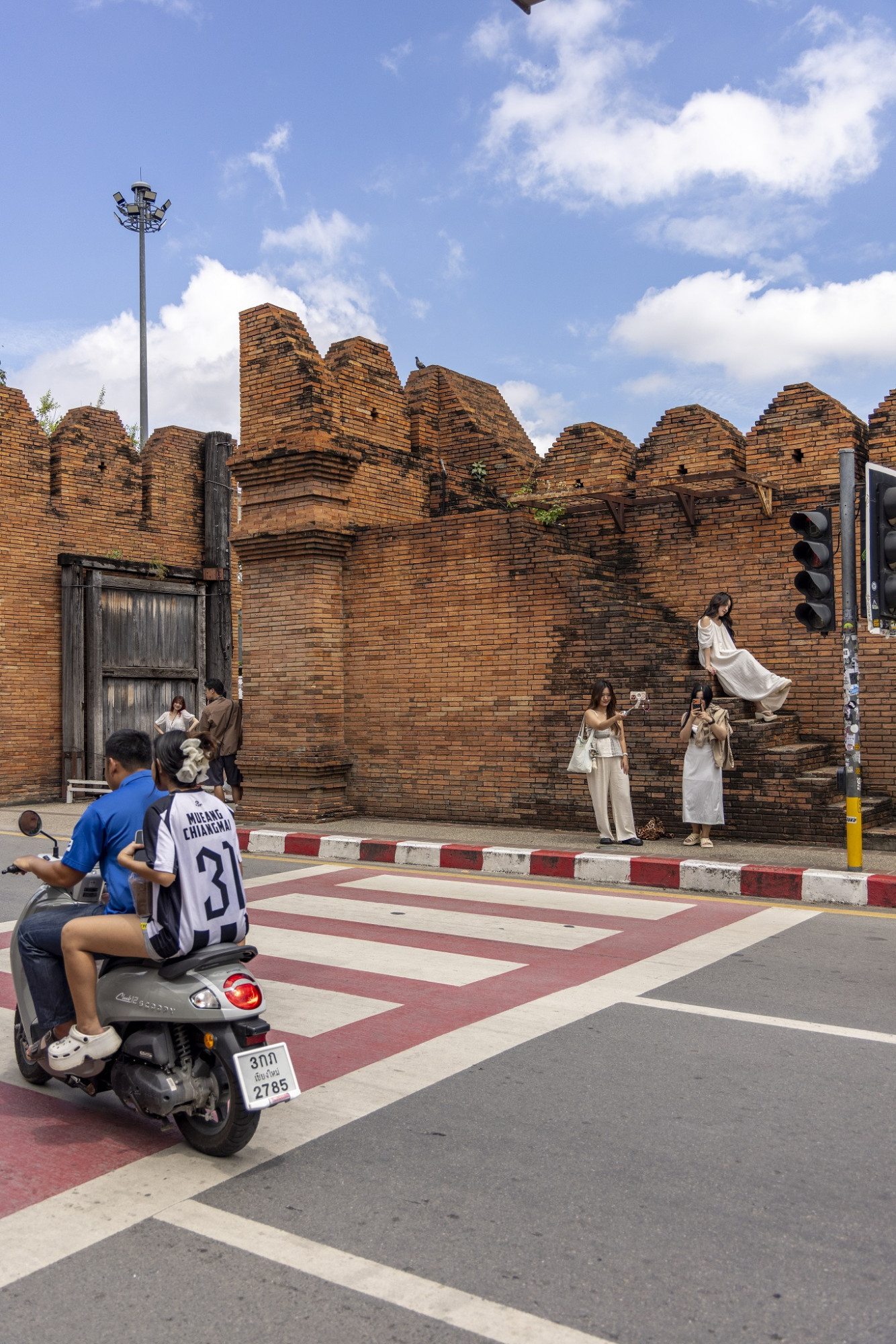
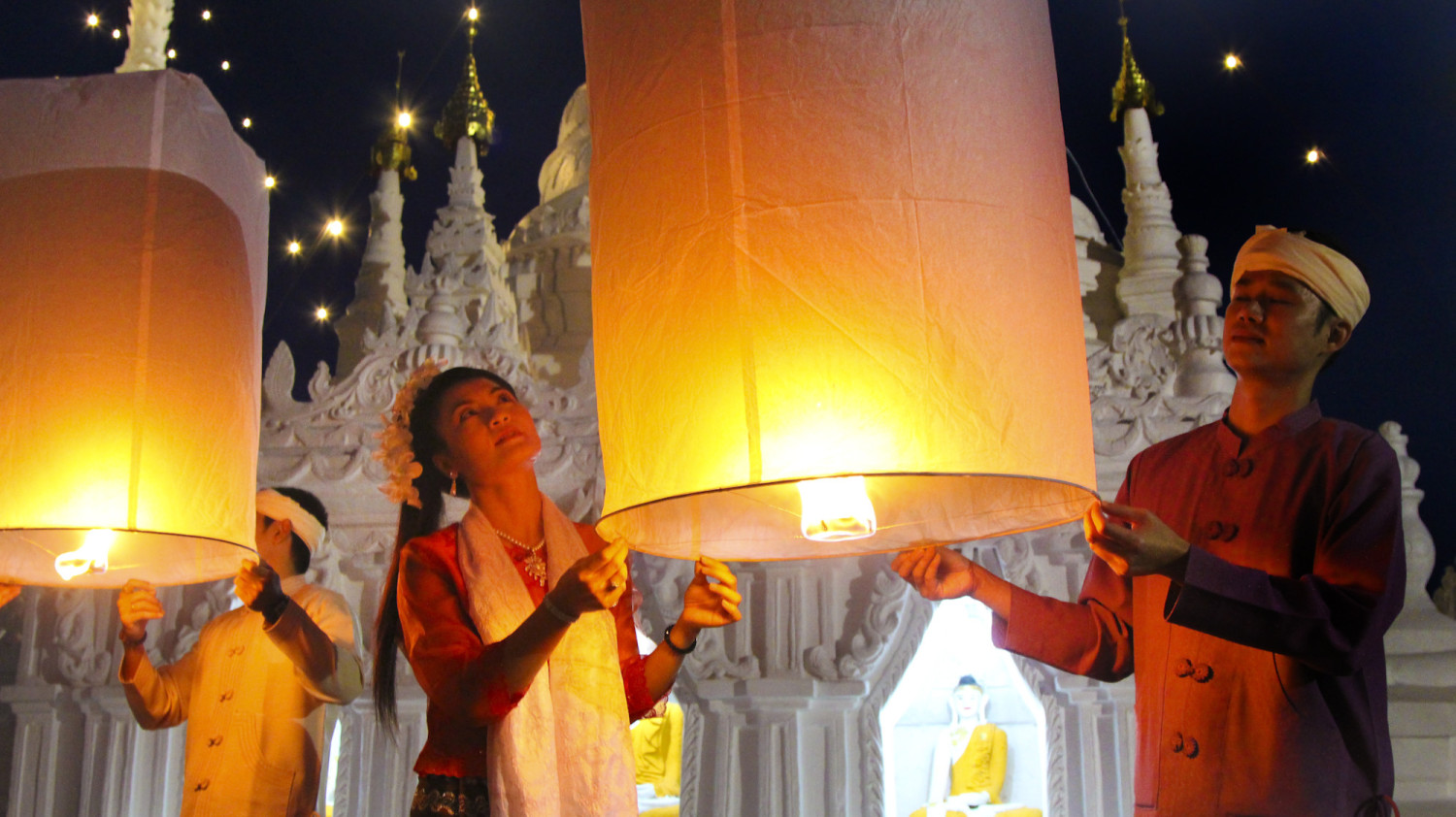
At the same time, Chiang Mai and the rest of northern Thailand celebrate Yi Peng, whose name means “the full moon of the second month” in the Lanna calendar. The festivities begin at Tha Phae Gate, on the eastern side of the Old City. The gate was the city’s eastern entrance in the Lanna era. Throughout the festival, the square before it fills with parades, performances and laughter. Lanna-style paper lanterns and flags hang along every street, while small clay lamps called phang prathip glow in rows outside homes and temples.
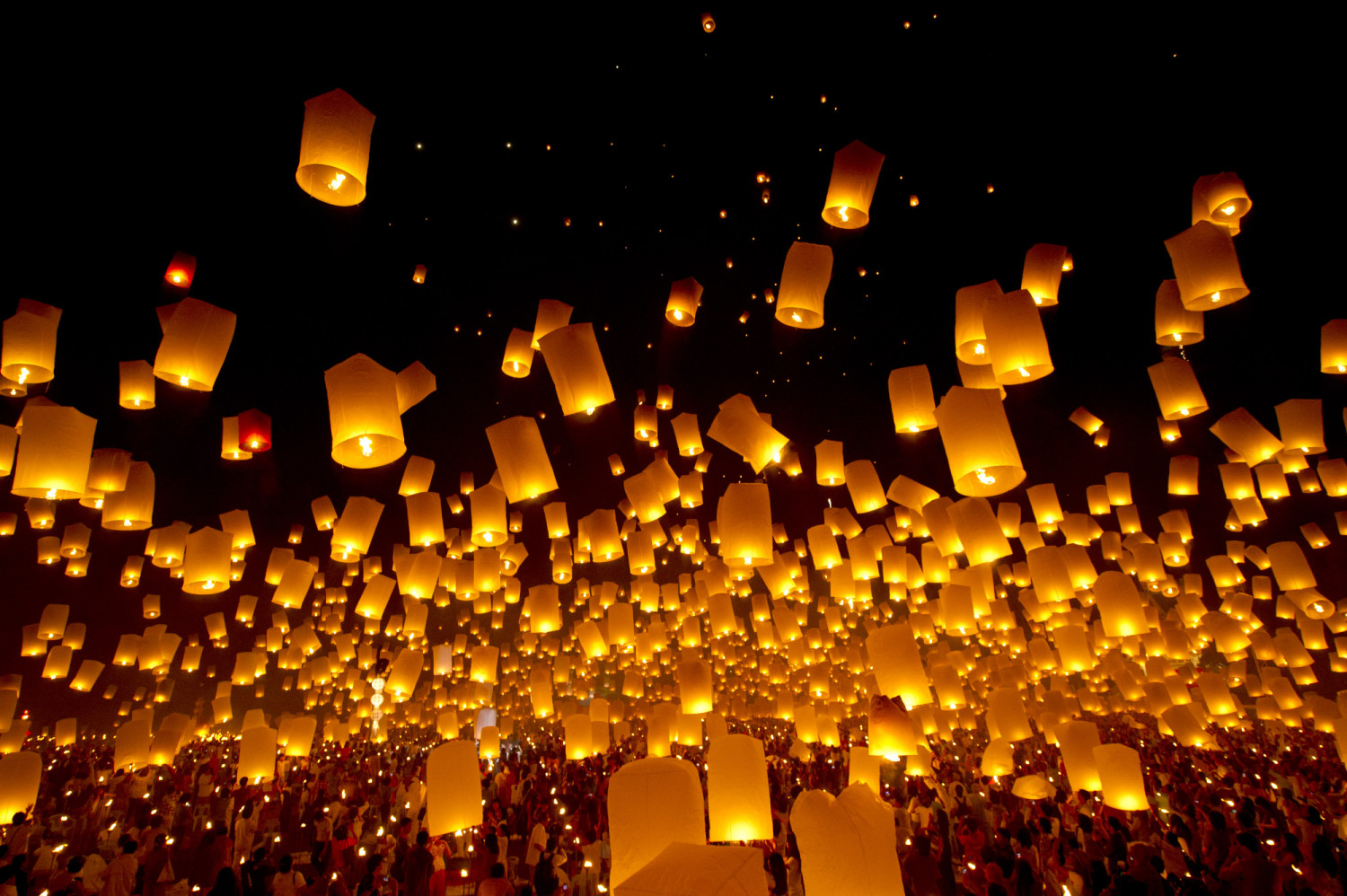
As the night deepens, sky lanterns called khom loi rise together. Today, large lantern releases take place at designated sites outside the city center for aviation safety, but the spectacle of thousands of lights rising at once remains one of Chiang Mai’s defining sights. That same night, light drifts across the water of the Ping River. In a single night, lights sent into the sky and lights set afloat on the water shine side by side. As people send light over sky and water, wishing one another well and praying for their hopes to come true, Chiang Mai welcomes its guests with all its warmth and radiance.
- Park Kyungeun earned a Ph.D. in linguistics from Thammasat University in Thailand and has focused on comparative Korean and Thai linguistics and Thai society and culture. Park currently chairs the Department of Thai Studies and heads the Department of India-ASEAN Languages, Literature and Translation in the Graduate School at Hankuk University of Foreign Studies.
24 Hours in Chiang Mai
From quiet Old City lanes to the cafés of Nimman and a canal glowing at dusk, spend a day among the creative spaces shaping today’s Chiang Mai.
Kalm Village
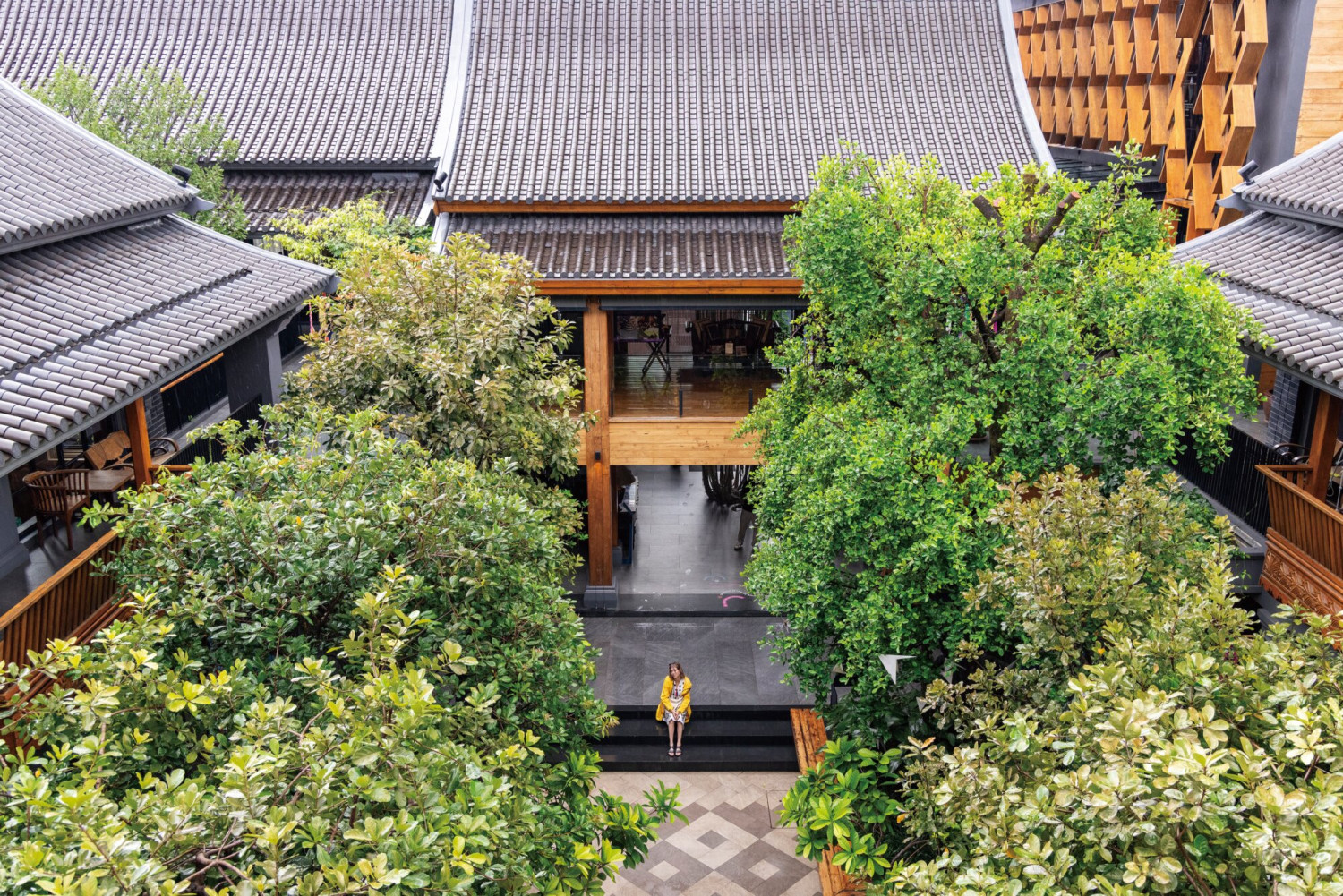
Tucked down a quiet lane in the Old City, this art, craft and culture center was opened in 2021 by a local family of architects. Its black-brick buildings, laid in patterns inspired by northern Thai basketry, house galleries, a textile archive, a library and a café. Climb to the rooftop Glass Pavilion for views over terracotta roofs to the great stupa of Wat Chedi Luang temple.
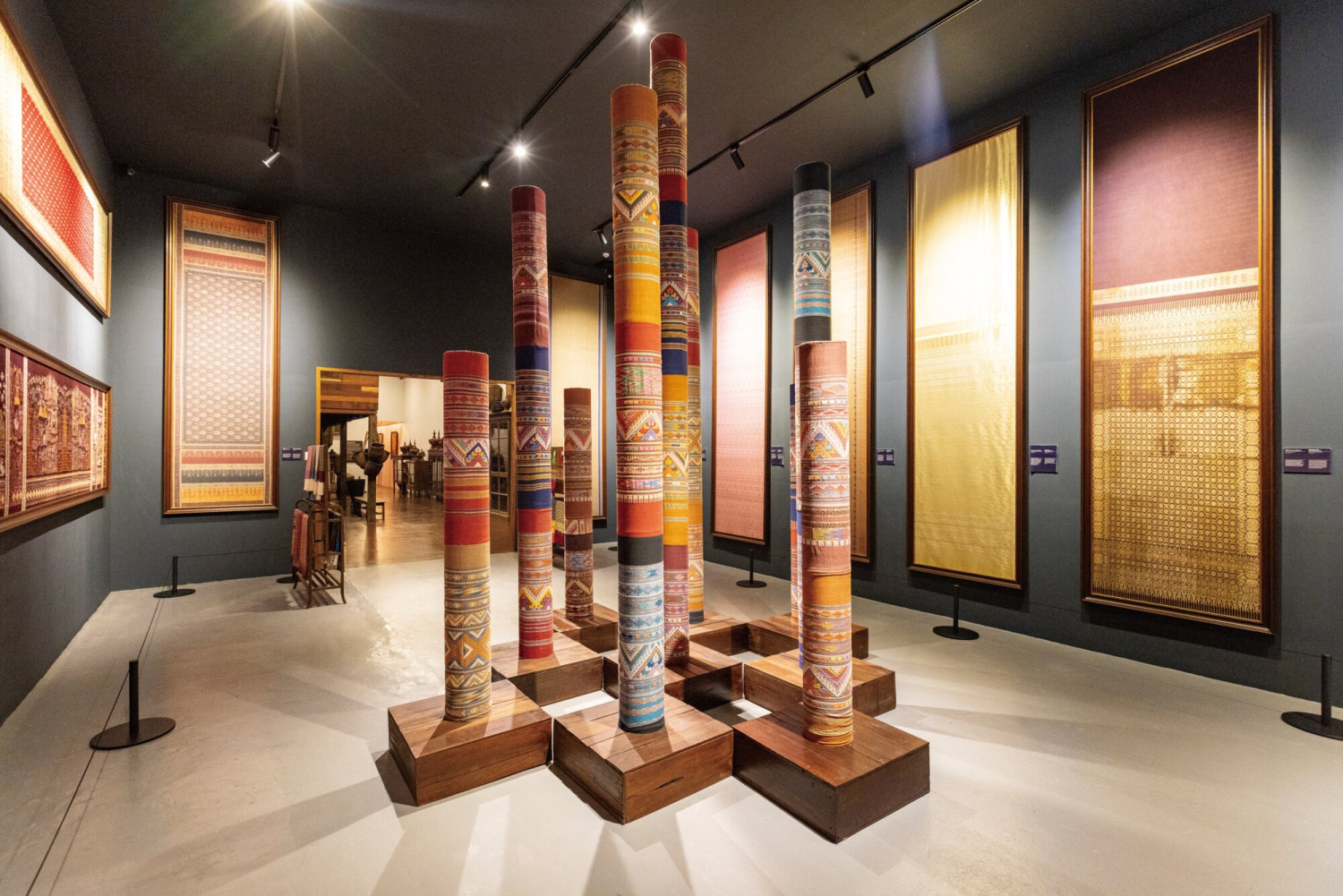
Fah Lanna Art Museum
Housed in a former tobacco factory, this private museum opened in 2025 as a tribute to Lanna, the historic kingdom of northern Thailand. Across 10 themed rooms, textiles, lacquerware, sculptures and vintage photographs share the stage with projection mapping and mirrored installations, while the building’s industrial bones remain part of the experience.
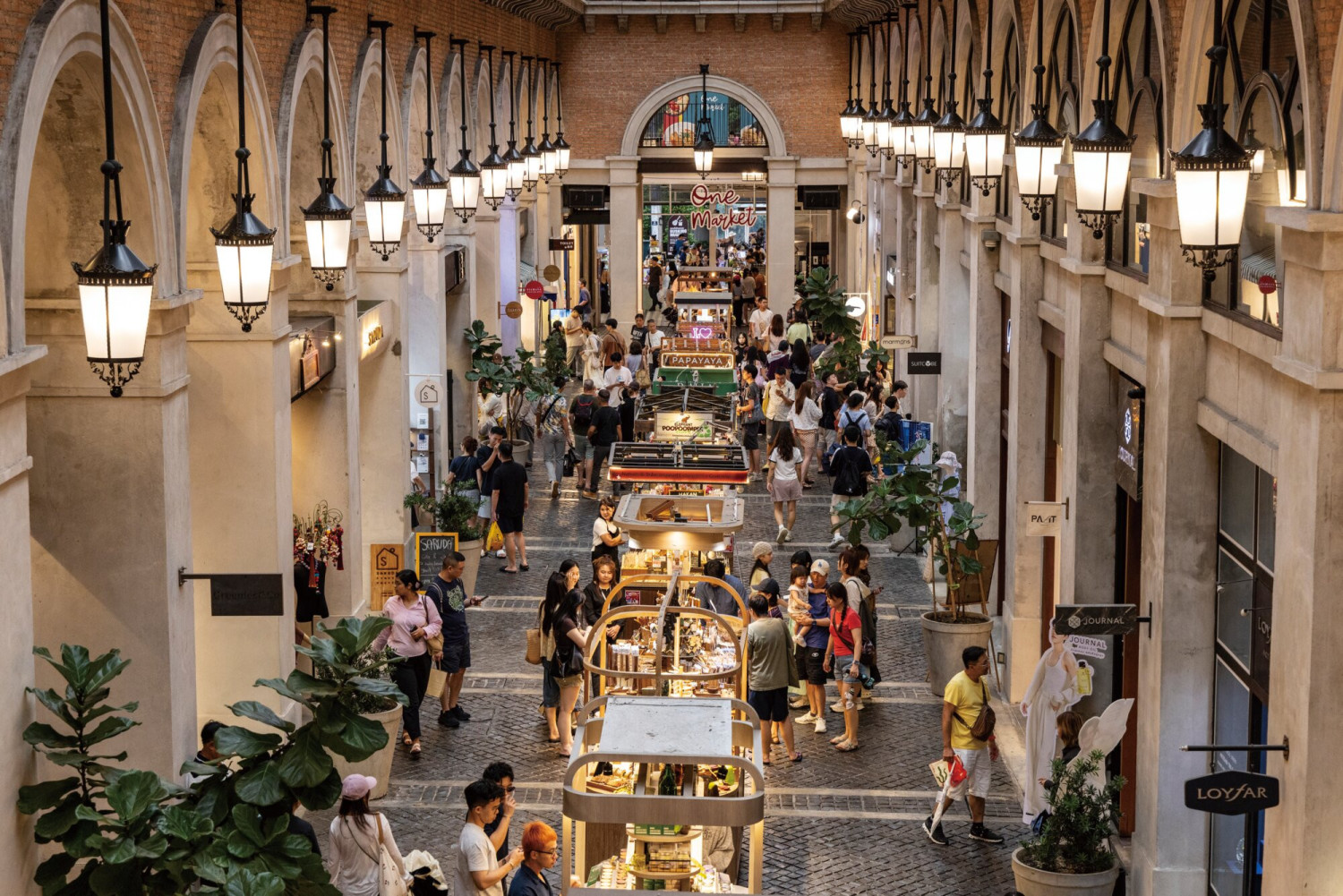
One Nimman
Anchoring the entrance to Nimmanhaemin, Chiang Mai’s trendiest neighborhood, this open-air lifestyle complex borrows from both European market towns and Lanna architecture. Red-brick arcades, cobbled lanes and a clock-tower plaza are lined with local design and craft shops, cafés and restaurants, and from Friday to Sunday a night market fills the square.
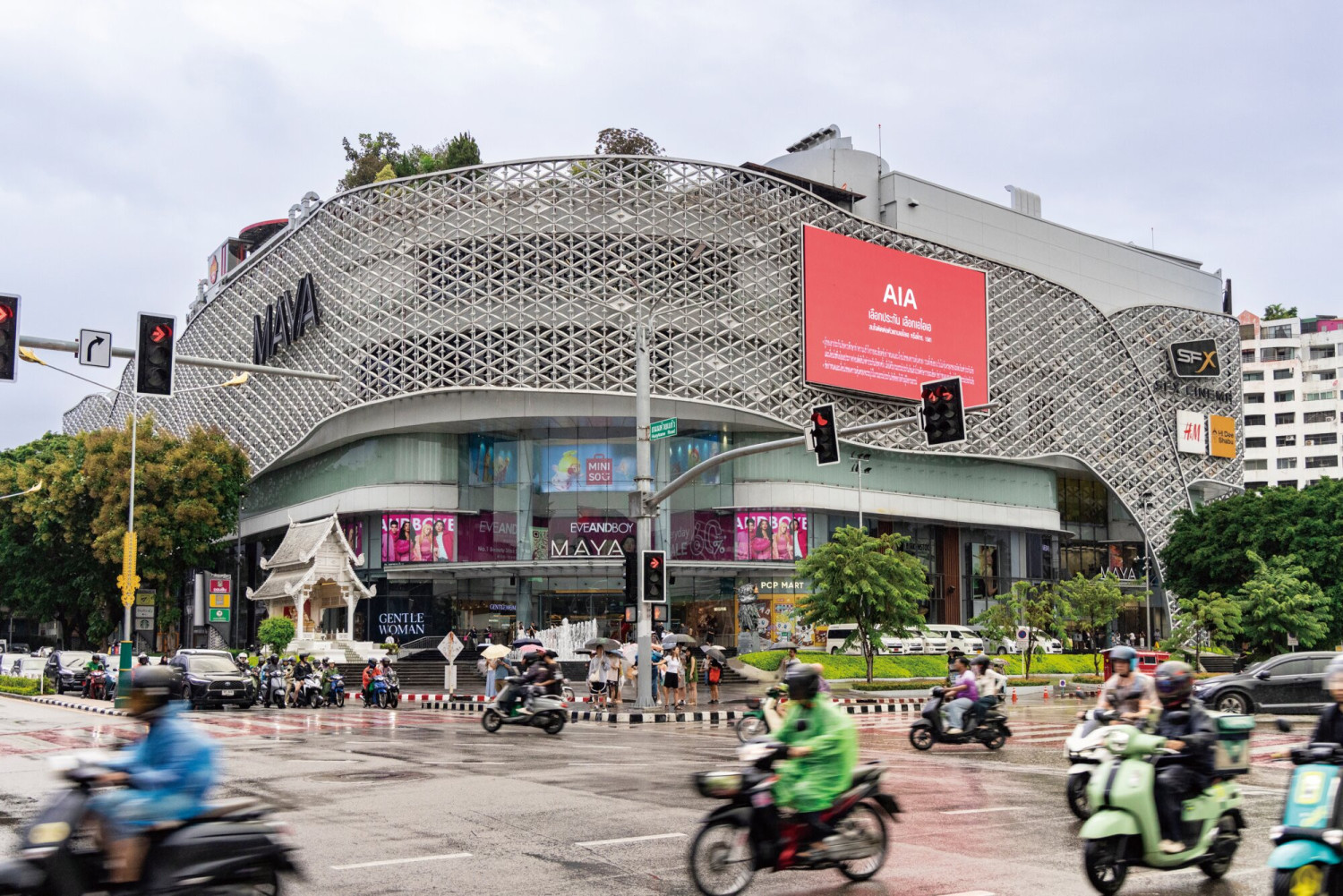
MAYA Lifestyle Shopping Cente
Facing One Nimman across the Rin Kham intersection, this sleek mall is the neighborhood’s go-to for shopping, dining and movies. Beyond its boutiques, food court and cinema, the real draw is the rooftop, where locals gather as the afternoon heat fades to take in sweeping views of the city and the surrounding mountains.

Khlong Mae Kha
Once the outer moat of the old walled city, the Mae Kha Canal lay neglected for decades until a roughly 750m stretch in the Chang Khlan area was restored in 2022. Lined with waterside walkways, small bridges, cafés and shops, it is made for a slow stroll, and is at its most atmospheric when the sun goes down and the lanterns come on.
- Written by Park Kyungeun
- Photography by Lim Harkhyoun
- Korean Air operates direct flights between Incheon and Chiang Mai 7 times a week.