An Ancient Future, Rome
We often imagine the future as a realm of cutting-edge technology and radical innovation. Yet surprisingly, the most fascinating experiments regarding tomorrow are taking place in the world’s oldest cities. Rome is living proof.
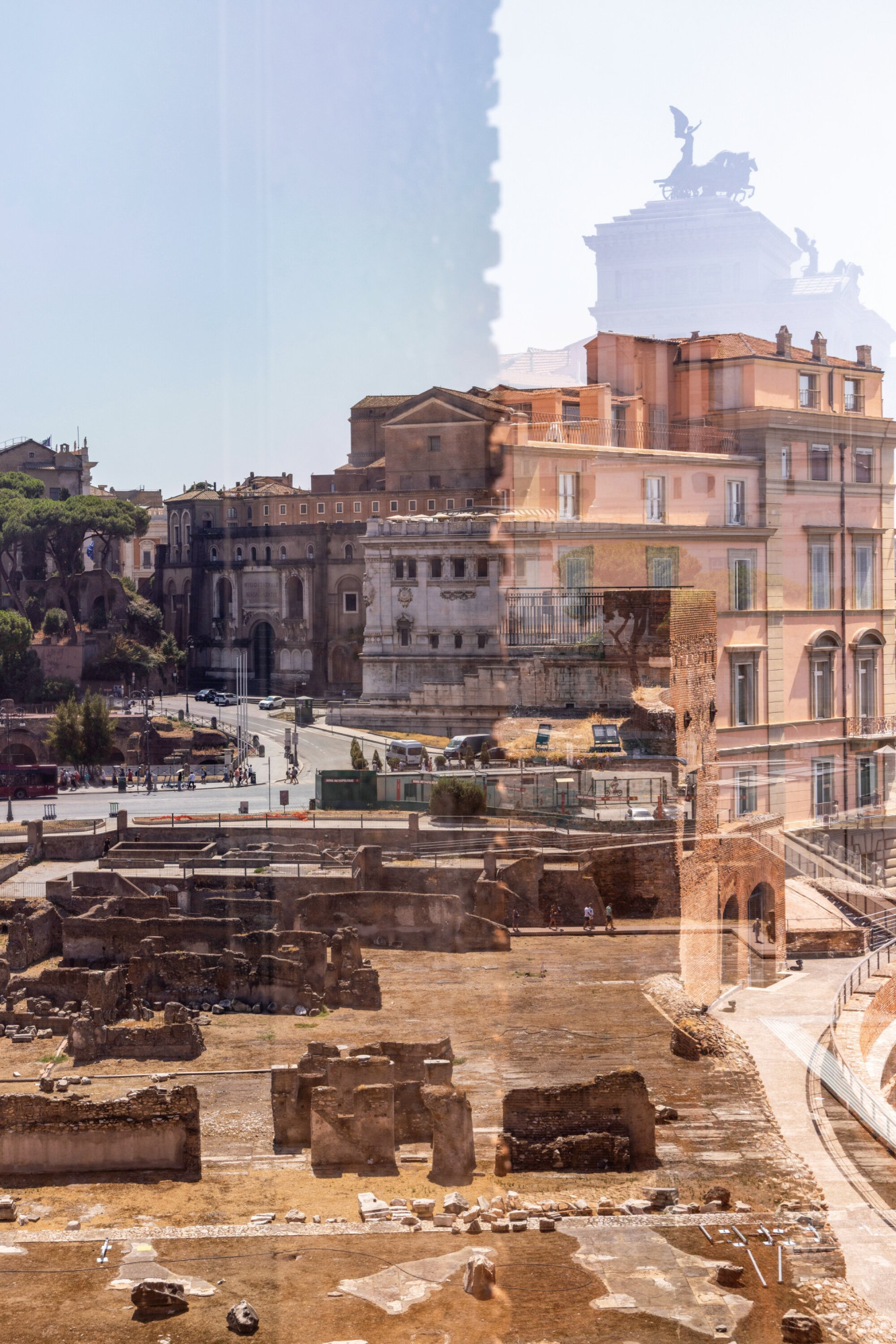
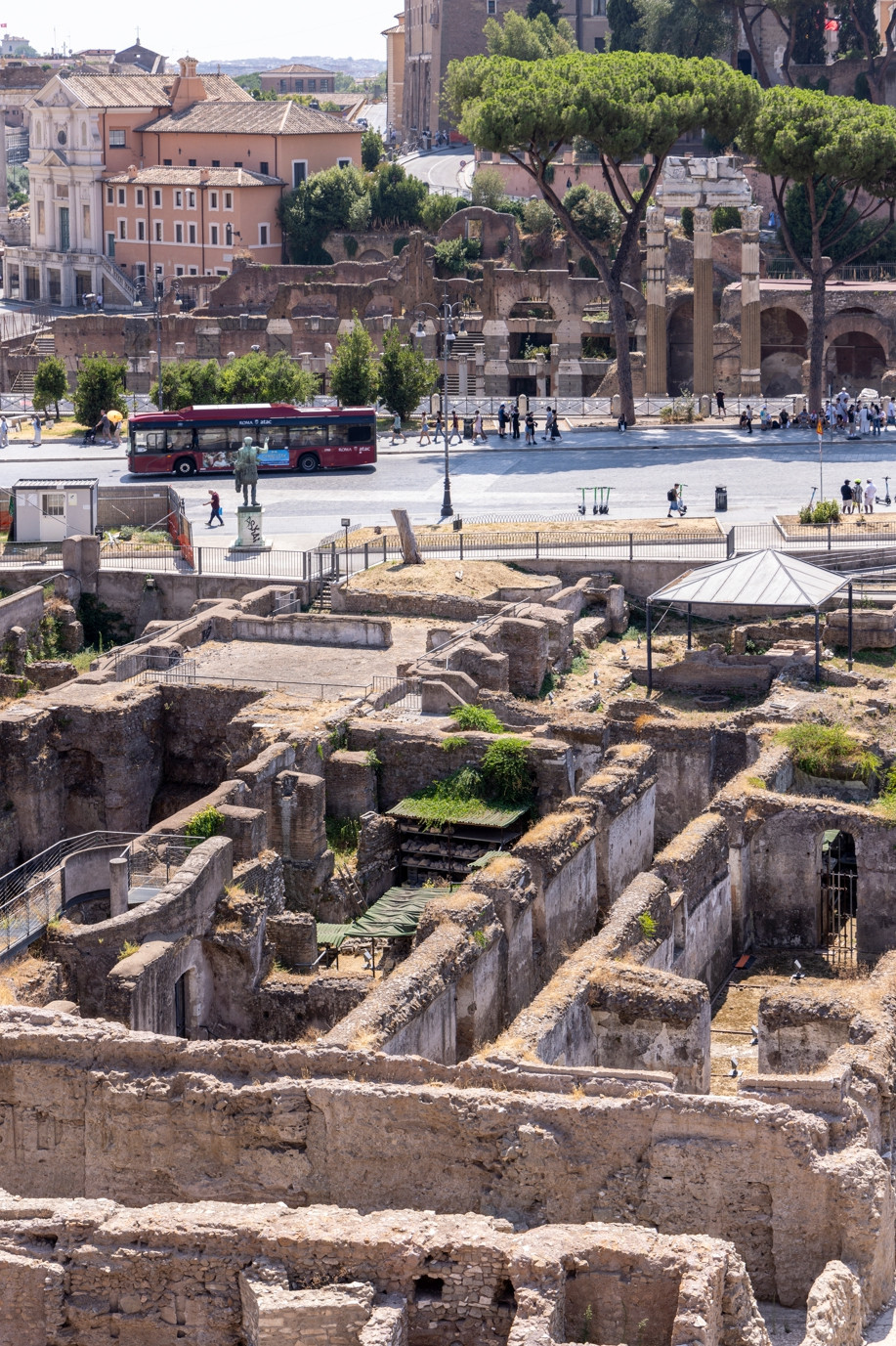
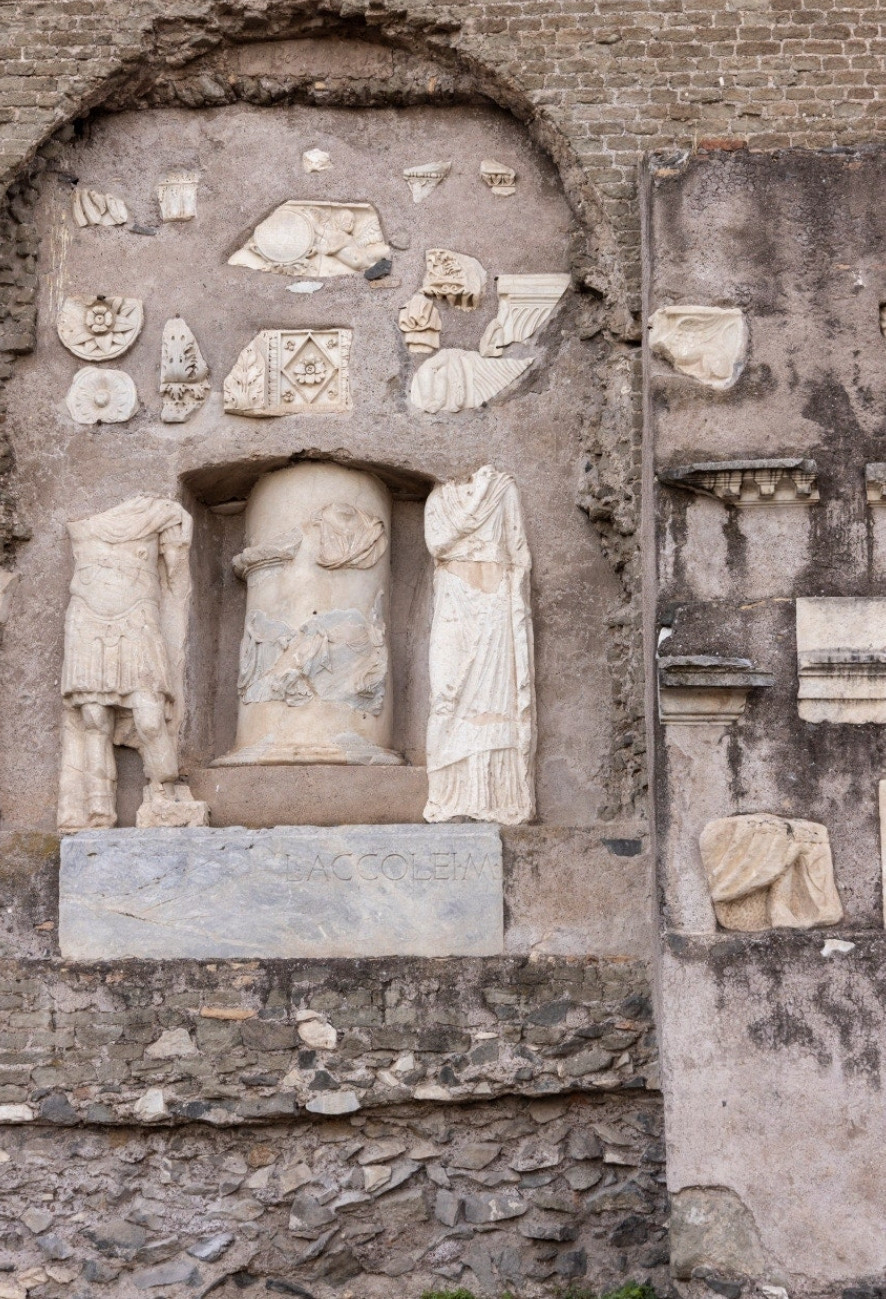
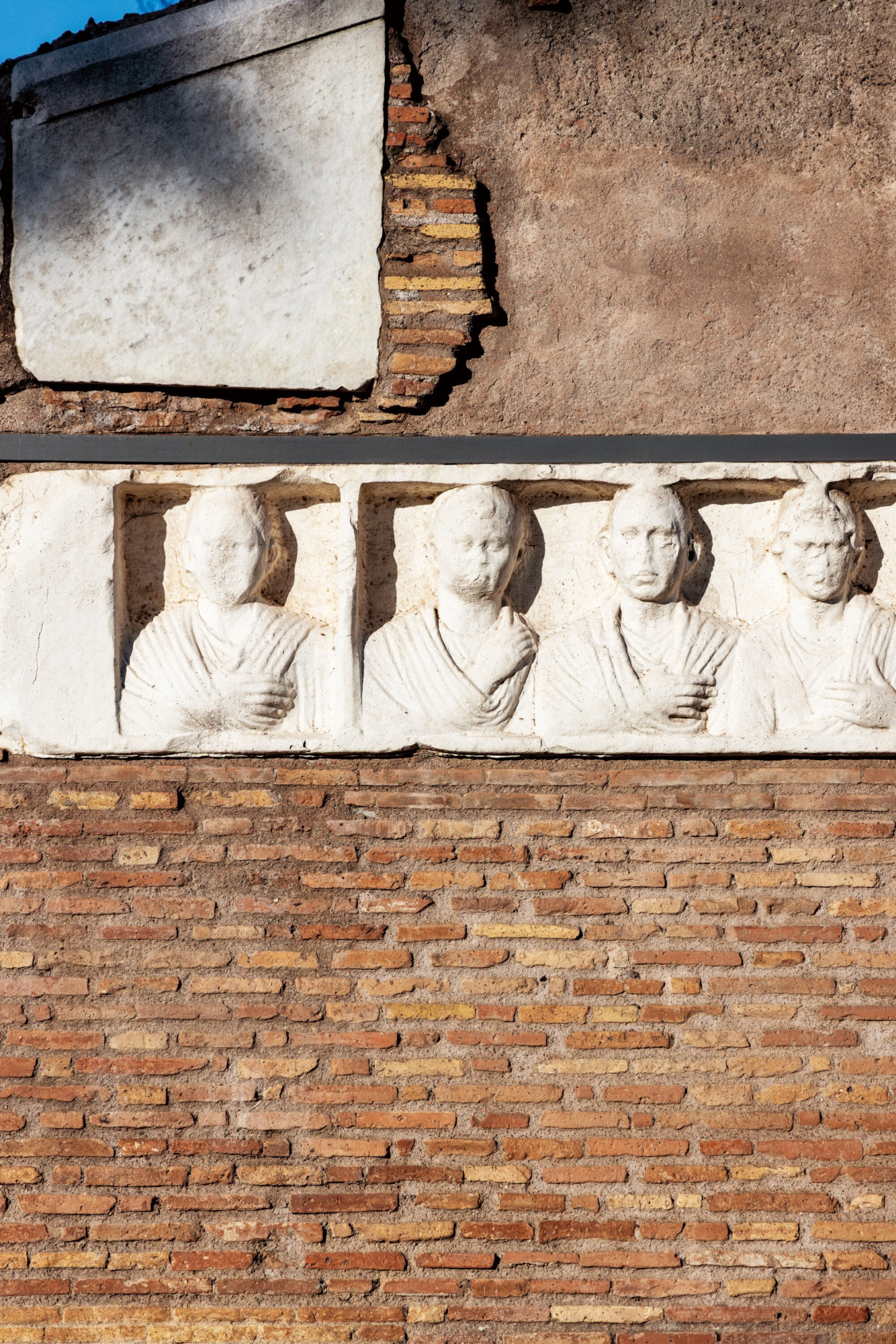
Its ancient roads have not vanished, its public squares remain vibrantly filled and its historic buildings have embraced a new cultural vibe. Rome is a city that builds its future not by erasing time but by layering human experience directly upon the past. Day after day, Rome demonstrates how an ancient city can also be the most visionary.
The Past in Use
There is a well-known proverb: “All roads lead to Rome.” While the saying is not taken as literally today, it is no exaggeration to call Rome’s roads the origin of modern thoroughfares. Connecting nations, cities and peoples, Rome’s ancient highways became the blueprint for countless paths that followed.
Rome was the first state to institutionalize roads as public infrastructure in the modern sense. Emperor Augustus established horse-carriage change stations along the highways, known as mutationes, to construct an imperial administrative network, measuring distances across the empire from the gilded bronze monument Milliarium Aureum (Golden Milestone) in downtown Rome. This is where the famous phrase about all roads leading to Rome likely originated.
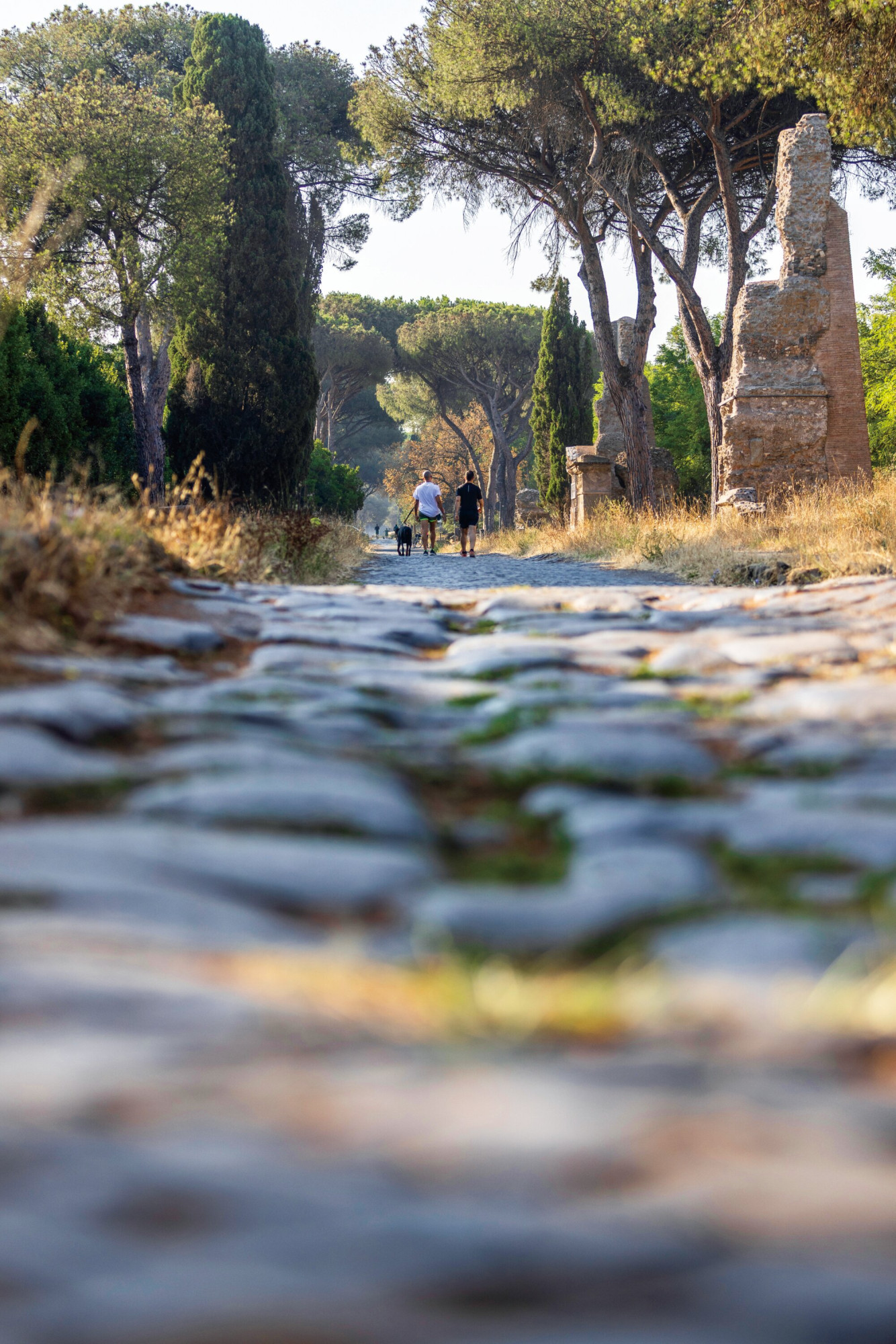
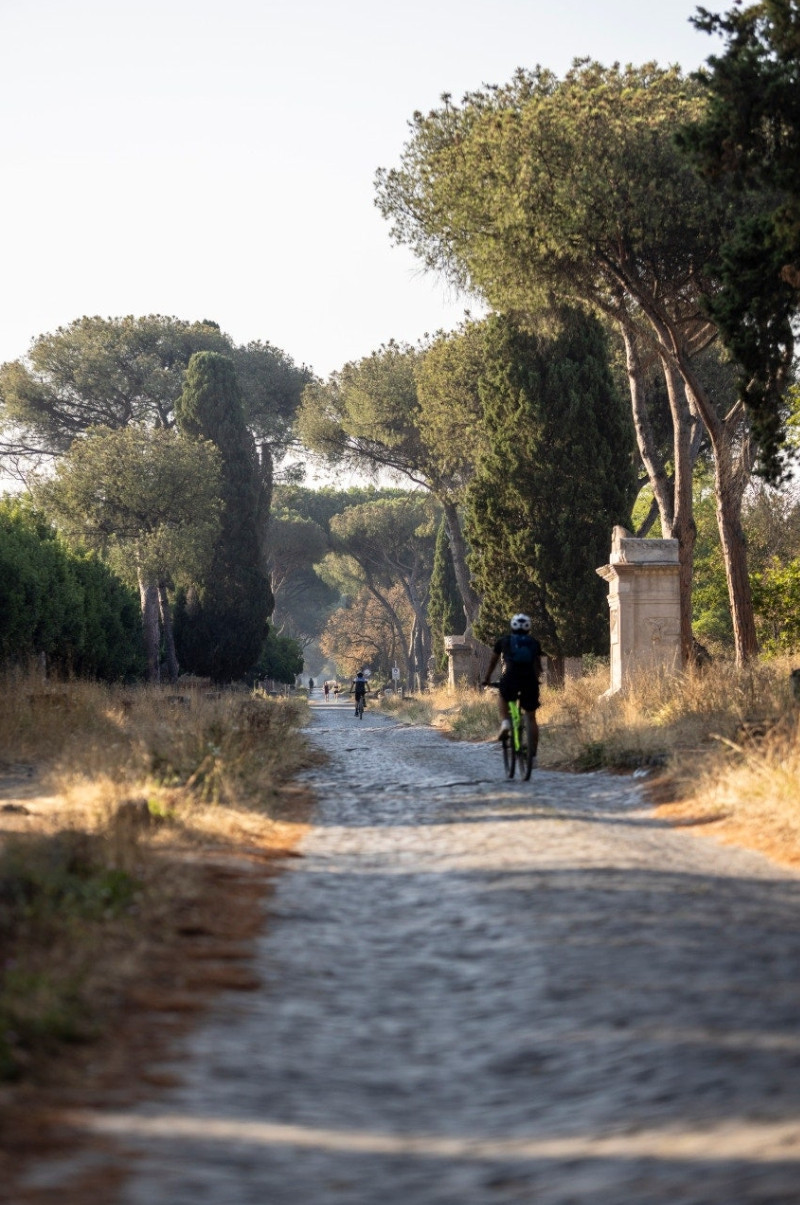
Yet the city’s true greatness lies not merely in having built these roads but in having kept them in continuous use for over two millennia. The Appian Way — laid down in 312 B.C. by the censor Appius Claudius Caecus — still remains a promenade for residents today. Even now, some 2,300 years later, cyclists pedal and lovers stroll beneath the shade of umbrella pines across basalt paving stones. Flanked by catacombs and ancient tombs, the road carries the layered memories of Spartacus’s rebellion and early Christian legends. The Appian Way holds the glory of an empire as well as the echoes of defeat and martyrdom. Rome does not erase its uncomfortable history; it folds it gently into the rhythm of daily life.
Places That Bring People Together
What makes Rome a living, breathing metropolis is more than its roads and architecture. Its public squares called piazzas — where people meet, converse and sustain their community — form another vital foundation supporting the passage of Roman time.
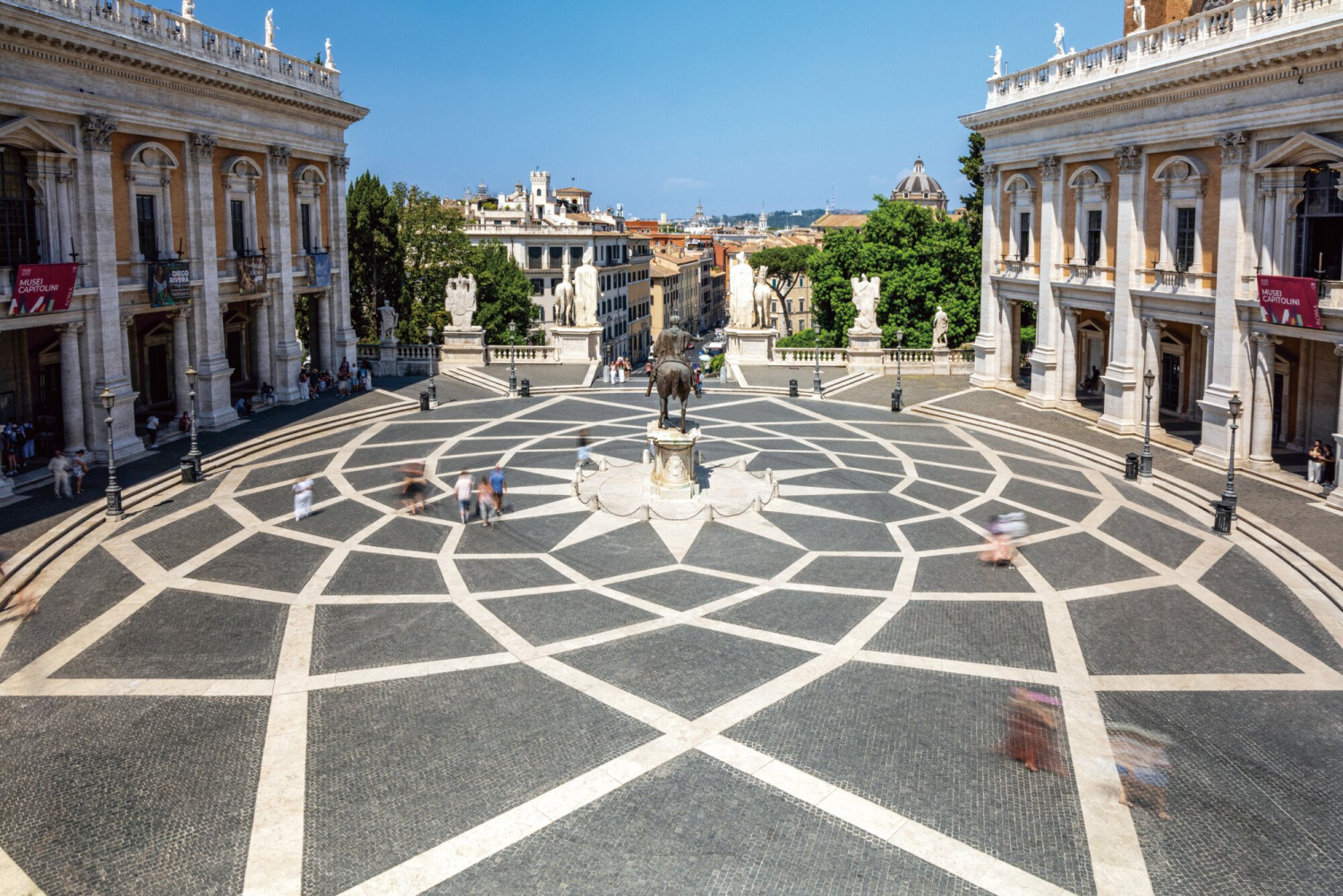
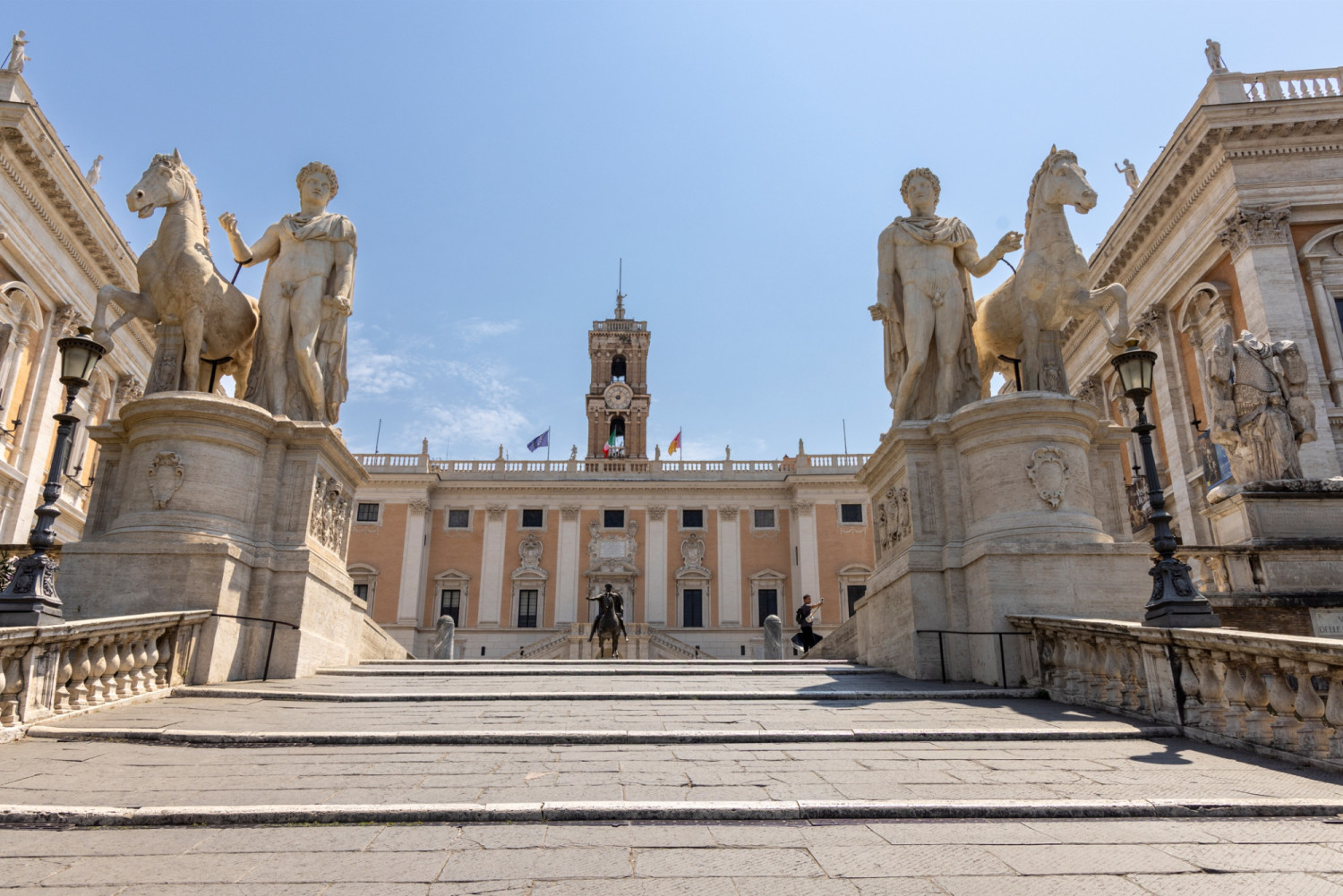
The Piazza del Campidoglio is where this story begins. Capitoline Hill was once the site of the Temple of Jupiter Optimus Maximus, a sacred ground layered with Rome’s founding myths and republican memories. The Romans called this hill caput mundi, meaning the “head of the world,” because it was the seat of power as well as where the city’s deepest memories were gathered. Rather than tearing down the aging hill, Michelangelo designed the Cordonata, a gently sloping staircase that allowed the city’s inhabitants and pilgrims to ascend together. Instead of building a new square, he reinterpreted the history of an ancient hill.
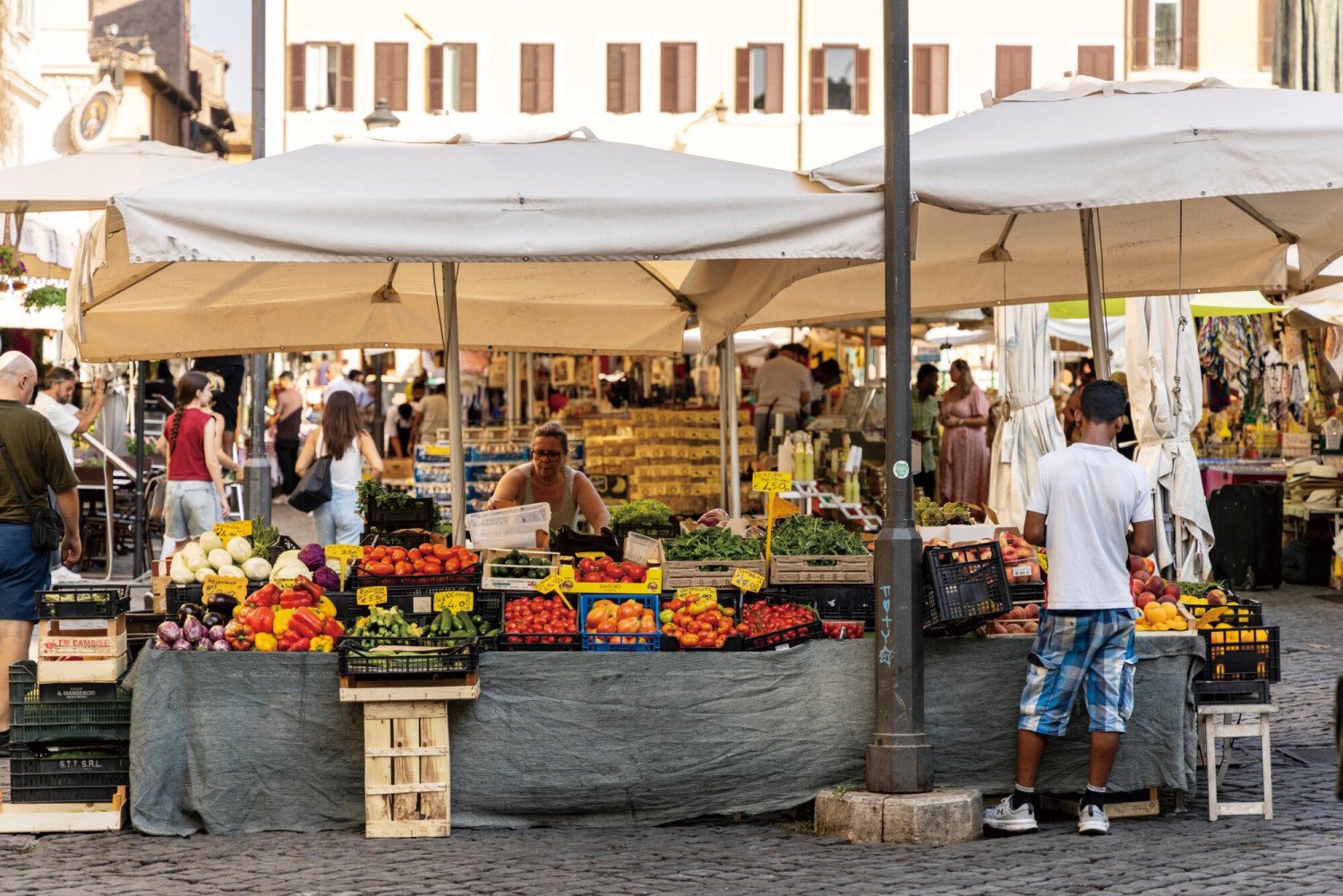
The Campo de’ Fiori holds memory in a completely different fashion. On this very square — where the philosopher Giordano Bruno was burned at the stake in 1600 — a bustling market still opens every morning; and in the evenings, people gather on the steps to talk late into the night. Rome does not erase the scars of the Roman Inquisition. By carrying on everyday life in the exact same spot, it morphs past trauma into a communal memory.
The Piazza Navona still preserves the oval outline of the stadium built by Emperor Domitian in A.D. 86. Centered around Gian Lorenzo Bernini’s Fountain of the Four Rivers, street painters, musicians, locals and travelers share a single, vibrant space. The ancient stadium itself has vanished, but the city’s timeless role as a place for human connection has endured uninterrupted for more than 2,000 years.
Old Spaces, New Possibilities
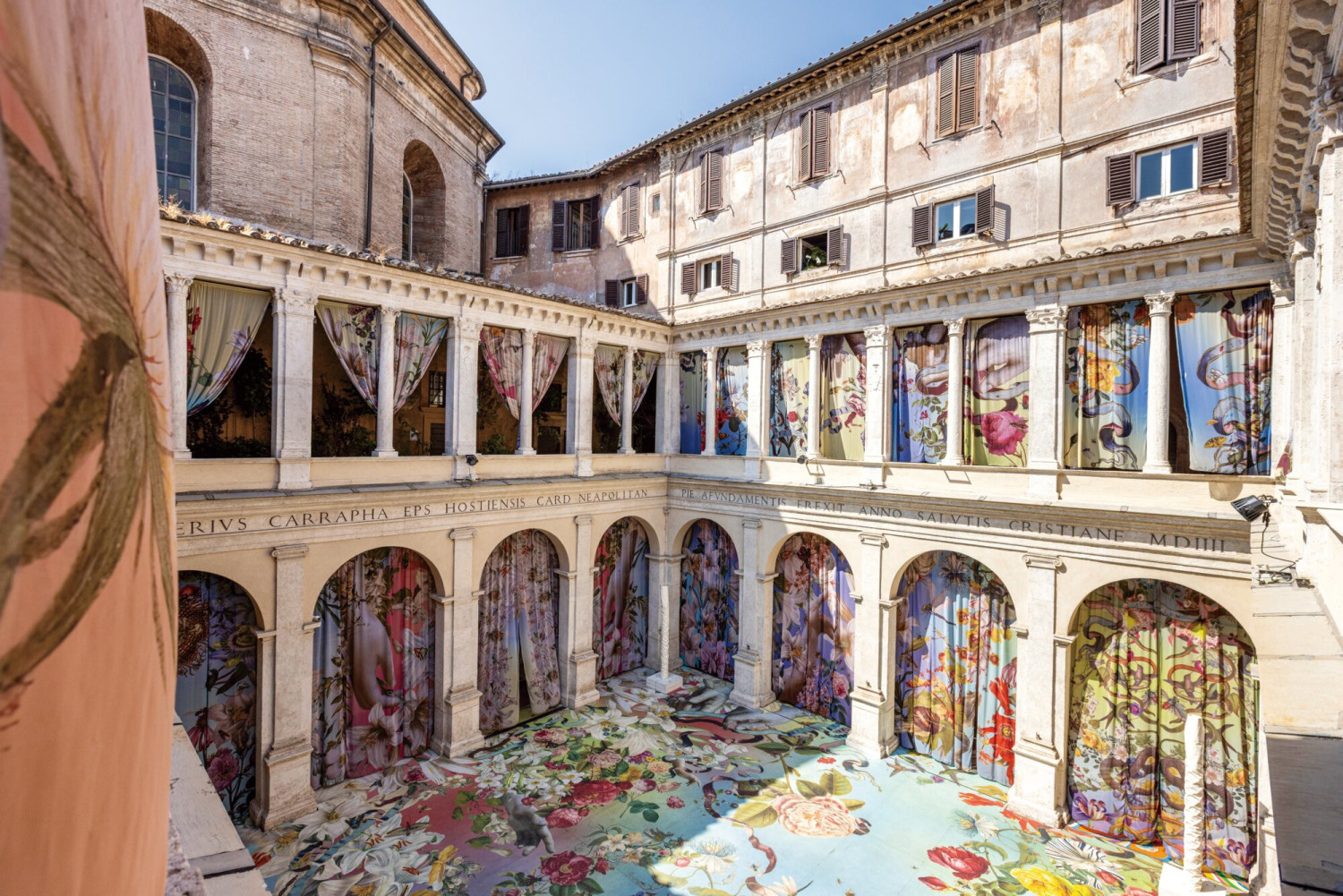
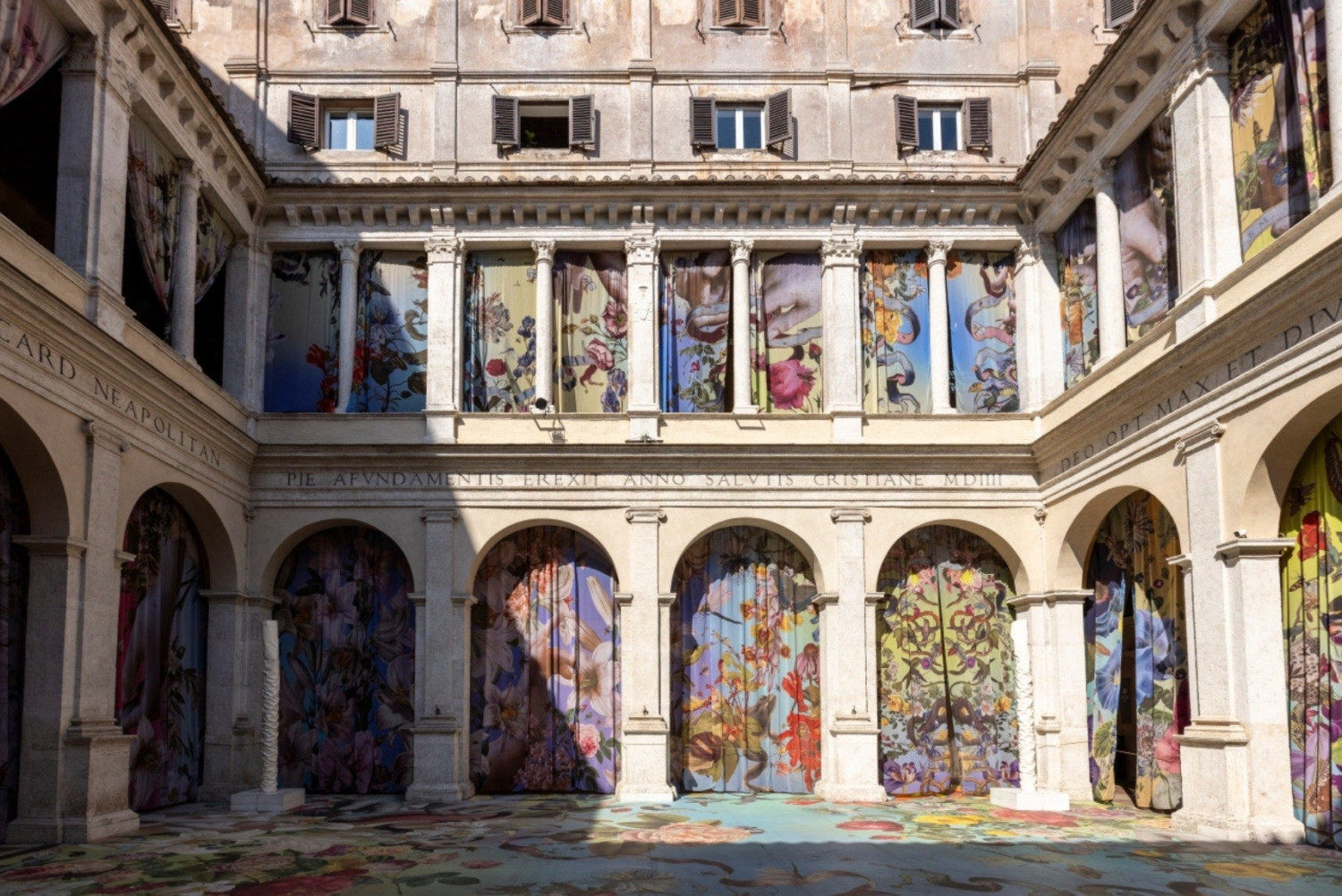
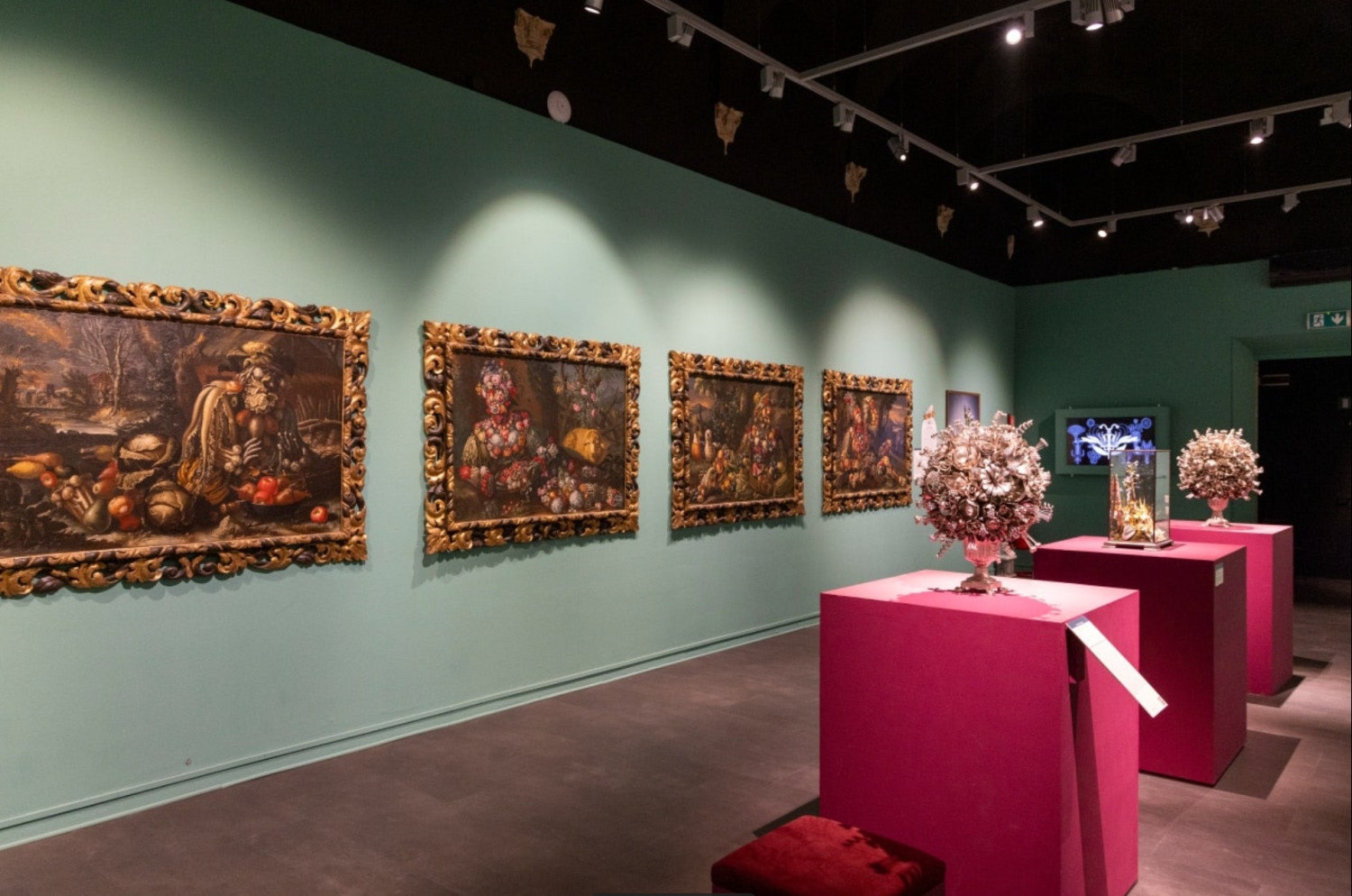
Rome’s preservation of the past infuses new purpose into ancient places, allowing culture to bridge the city’s history across the ages. In Rome, culture is the fundamental infrastructure that brings people together and keeps the city moving.
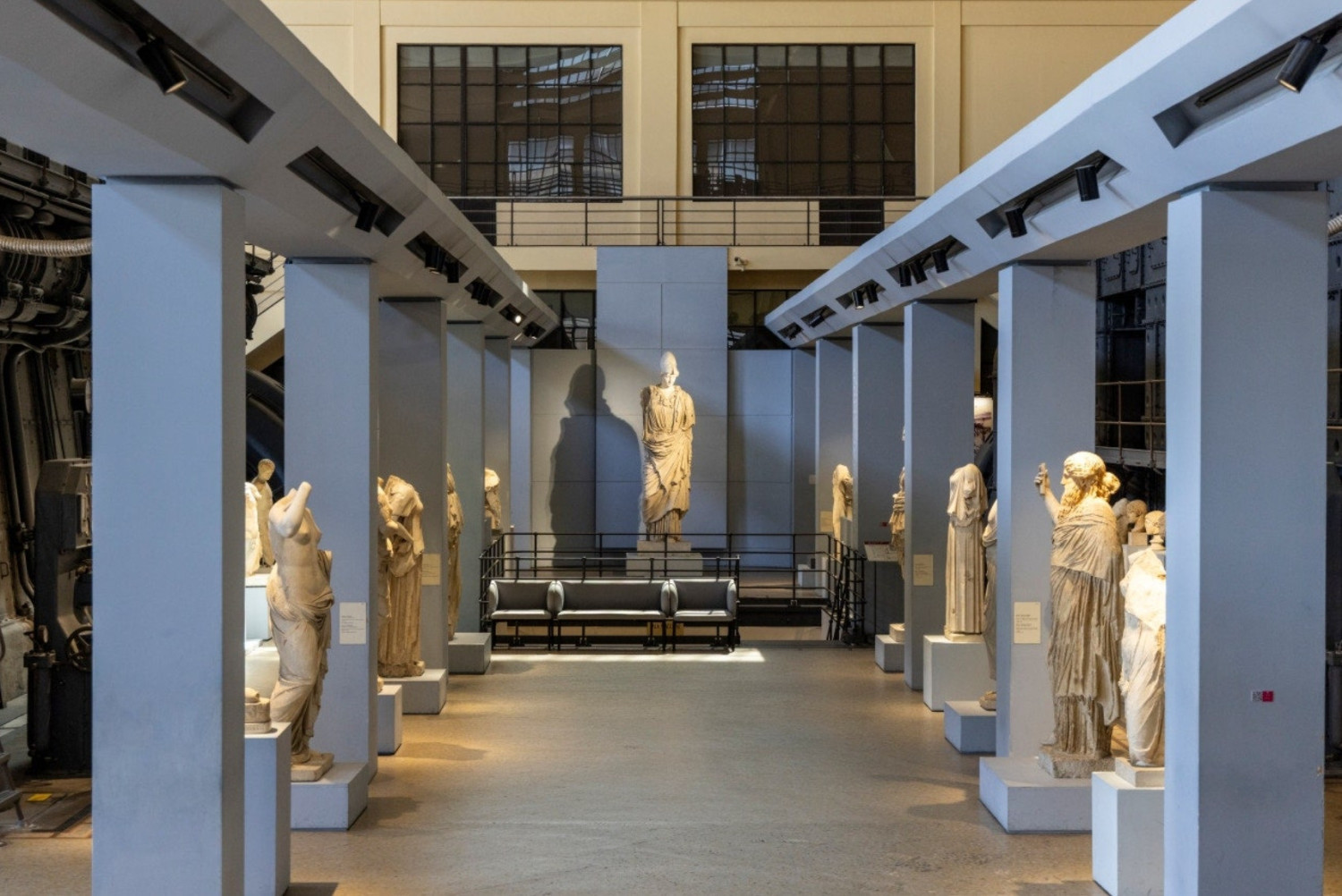
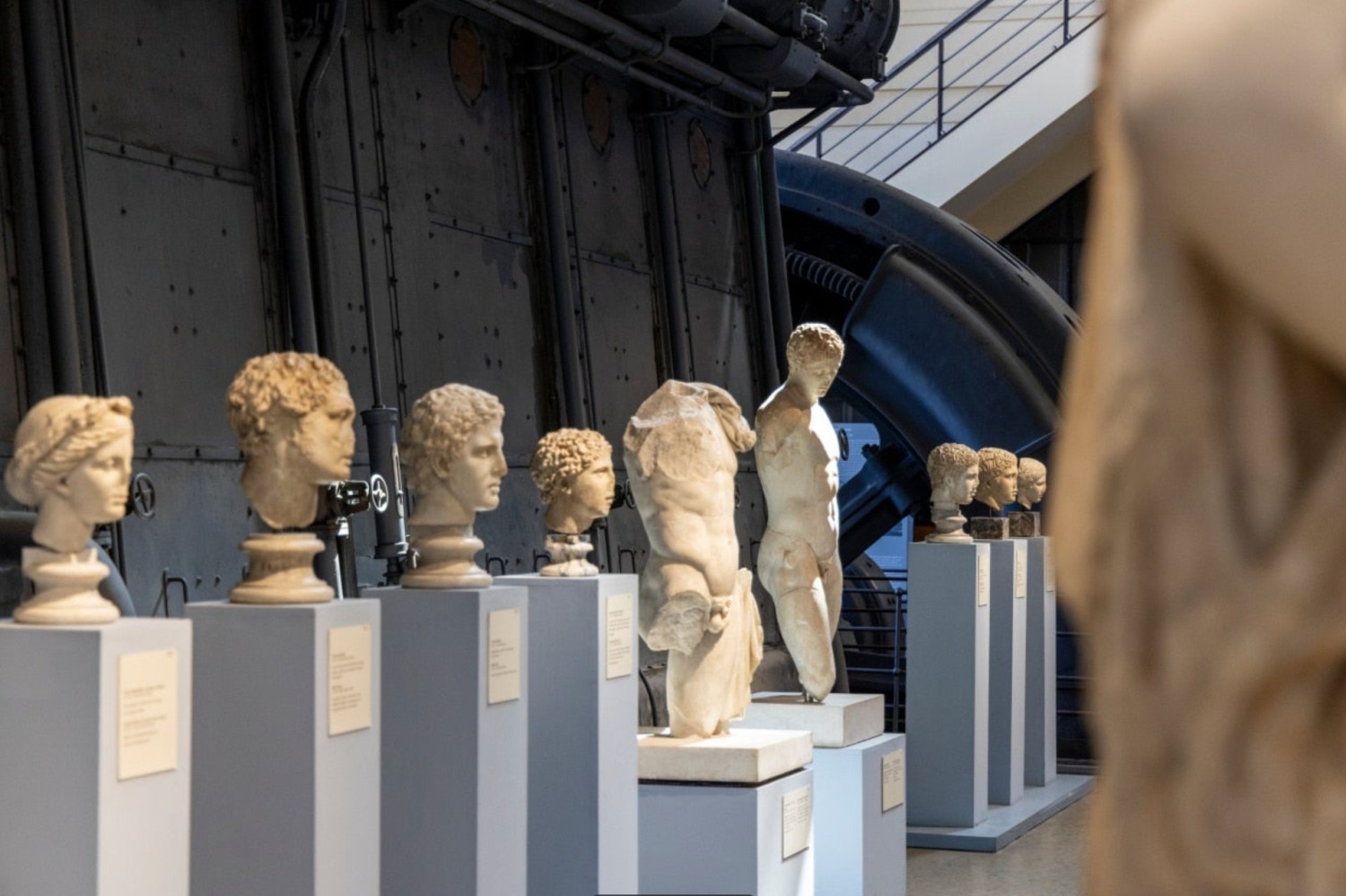
The Centrale Montemartini, a former thermoelectric power station in the Ostiense district, illustrates this most dramatically. Built in 1912 as Rome’s first power plant, the facility lay abandoned for decades after shutting down. In 1997, the Capitoline Museums used it as a temporary exhibition space, placing ancient Roman marble sculp¬tures among massive steel turbines and steam boilers. This striking juxtaposition proved so compelling that it became a permanent museum. Rather than demolishing the power plant to erect a new gallery, Rome simply invited the museum inside.
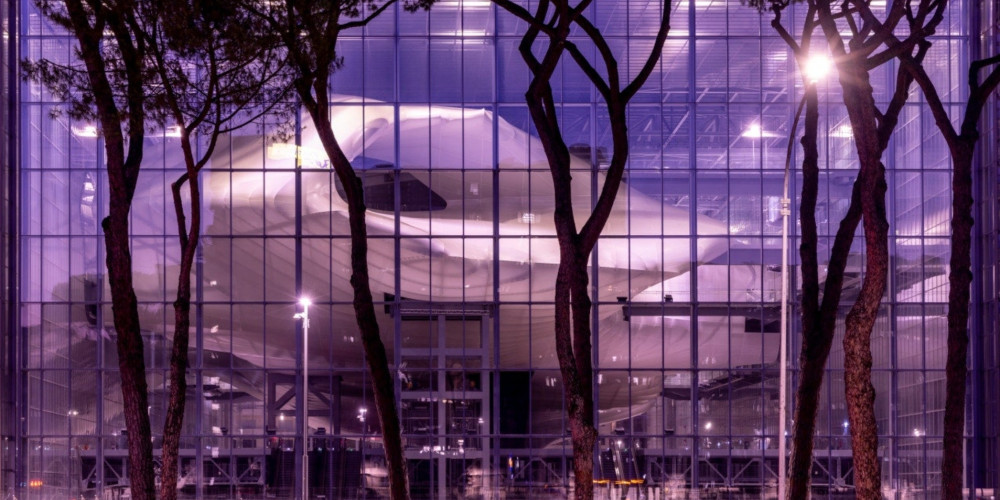
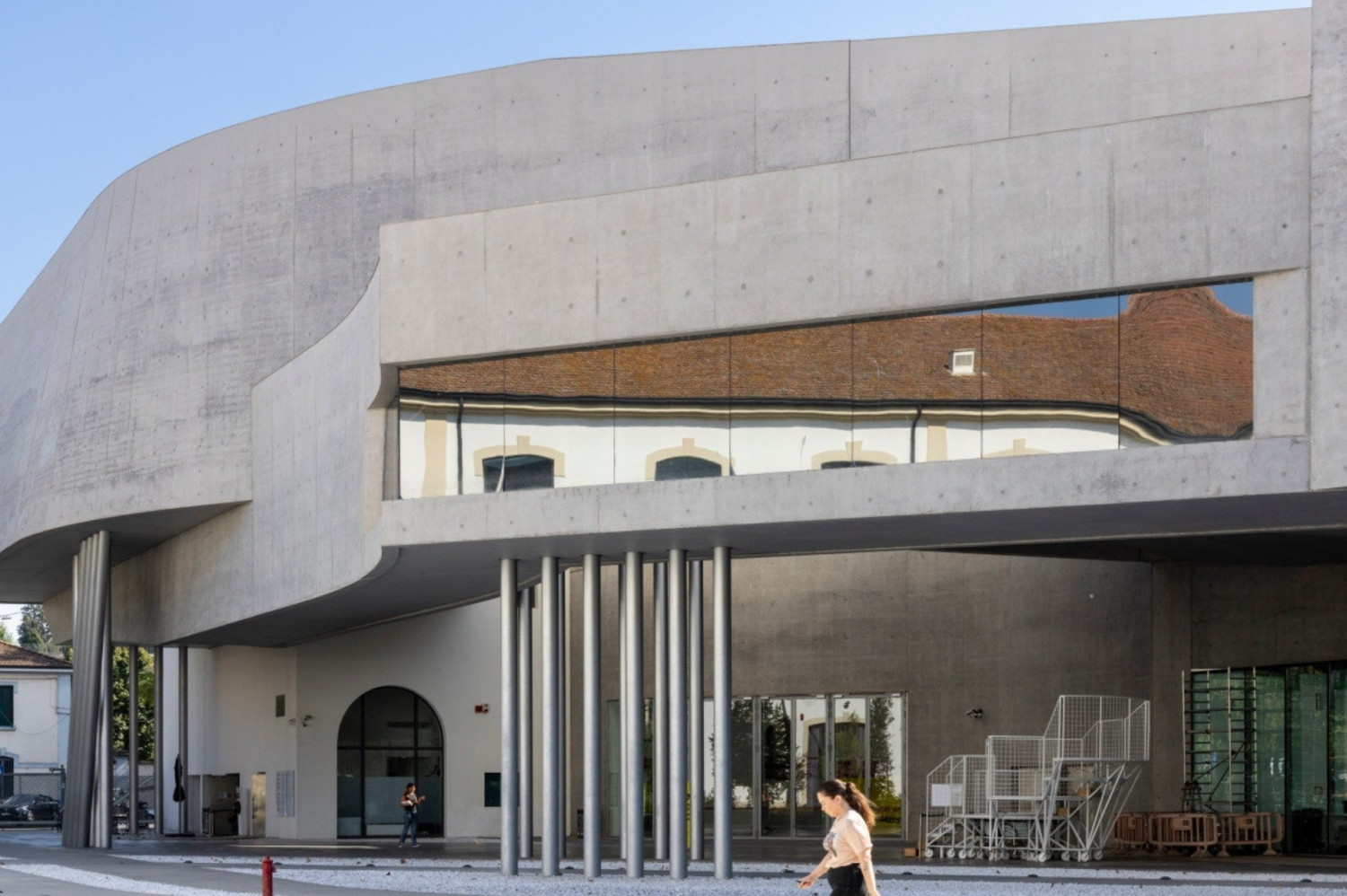
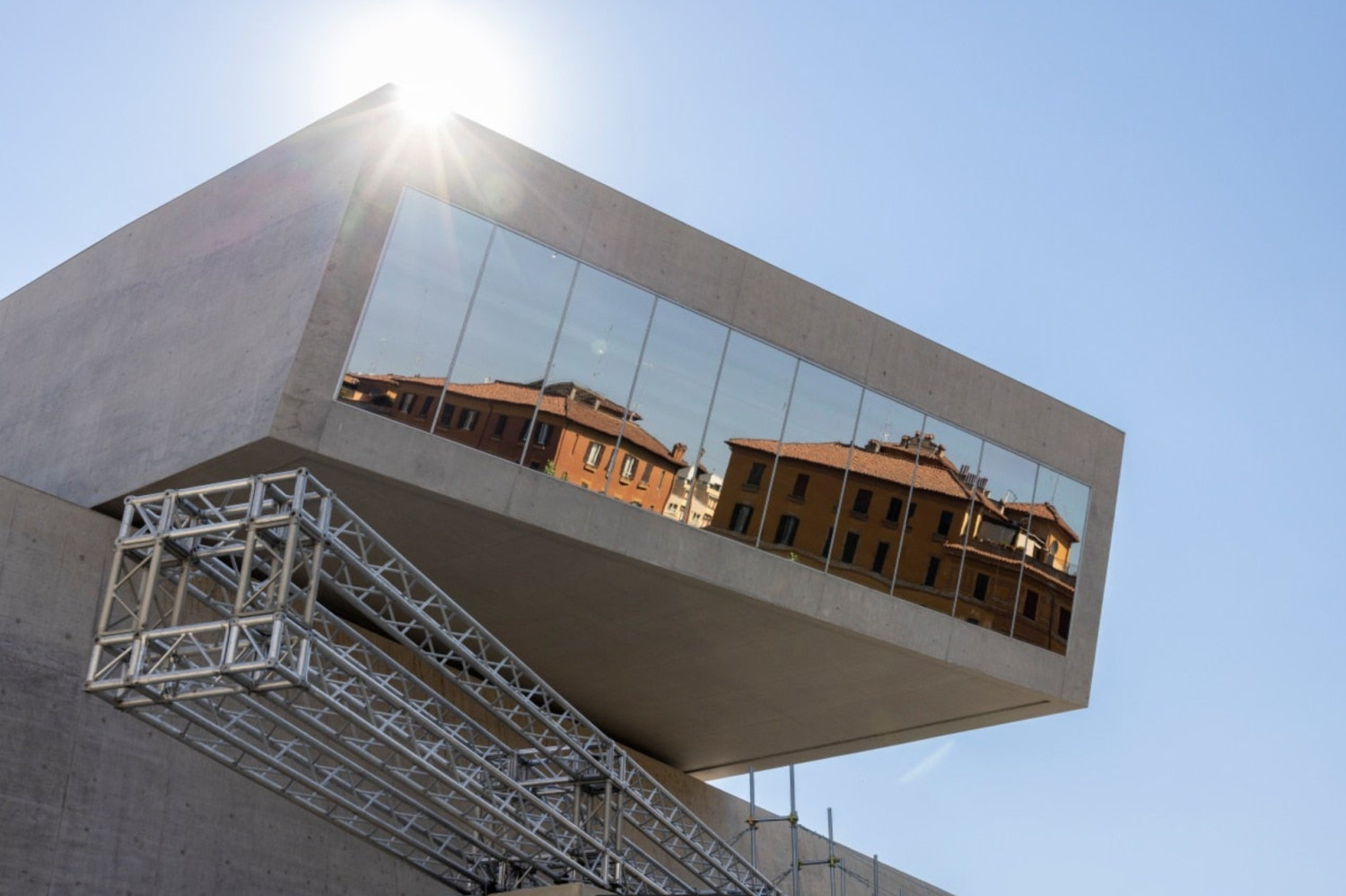
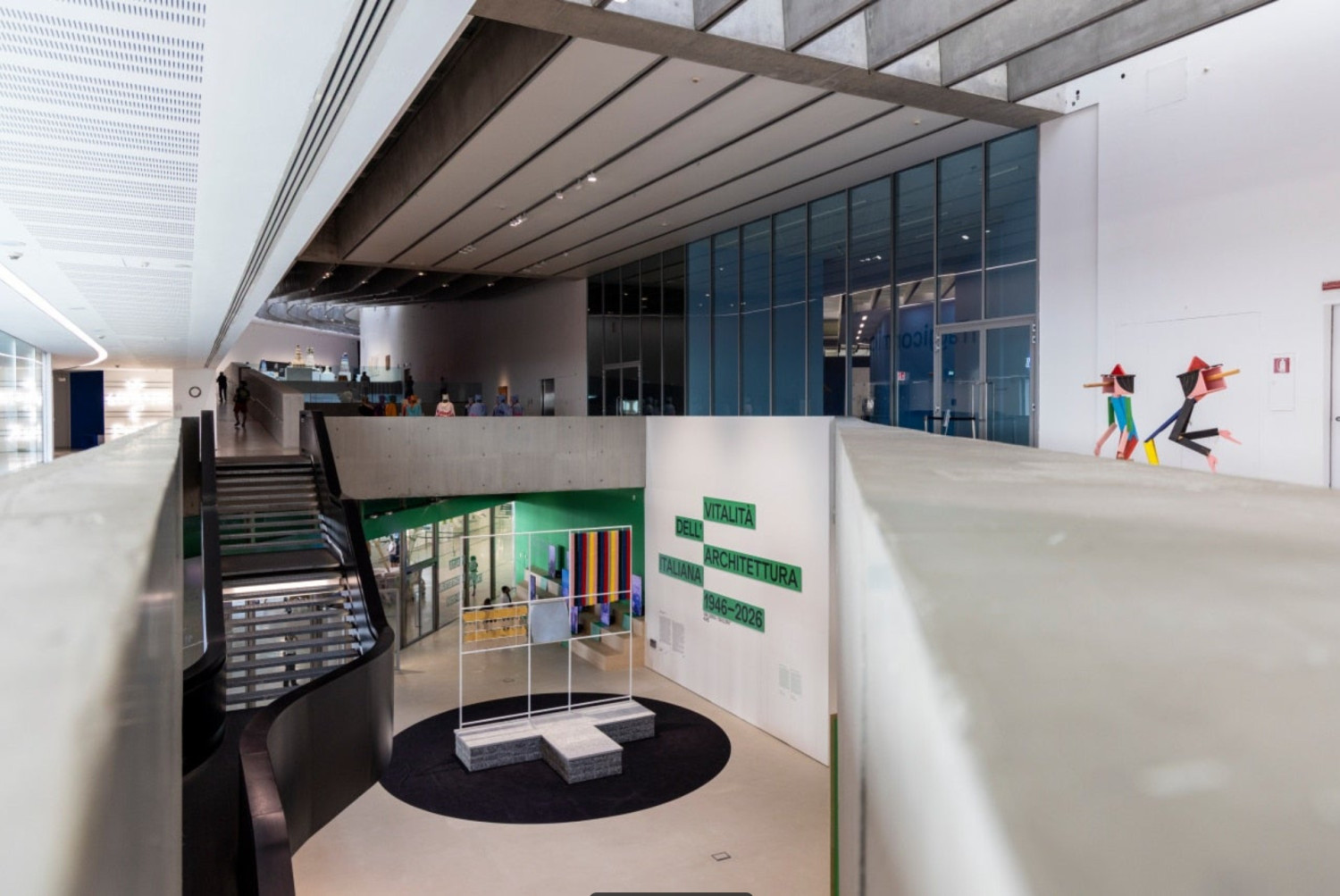
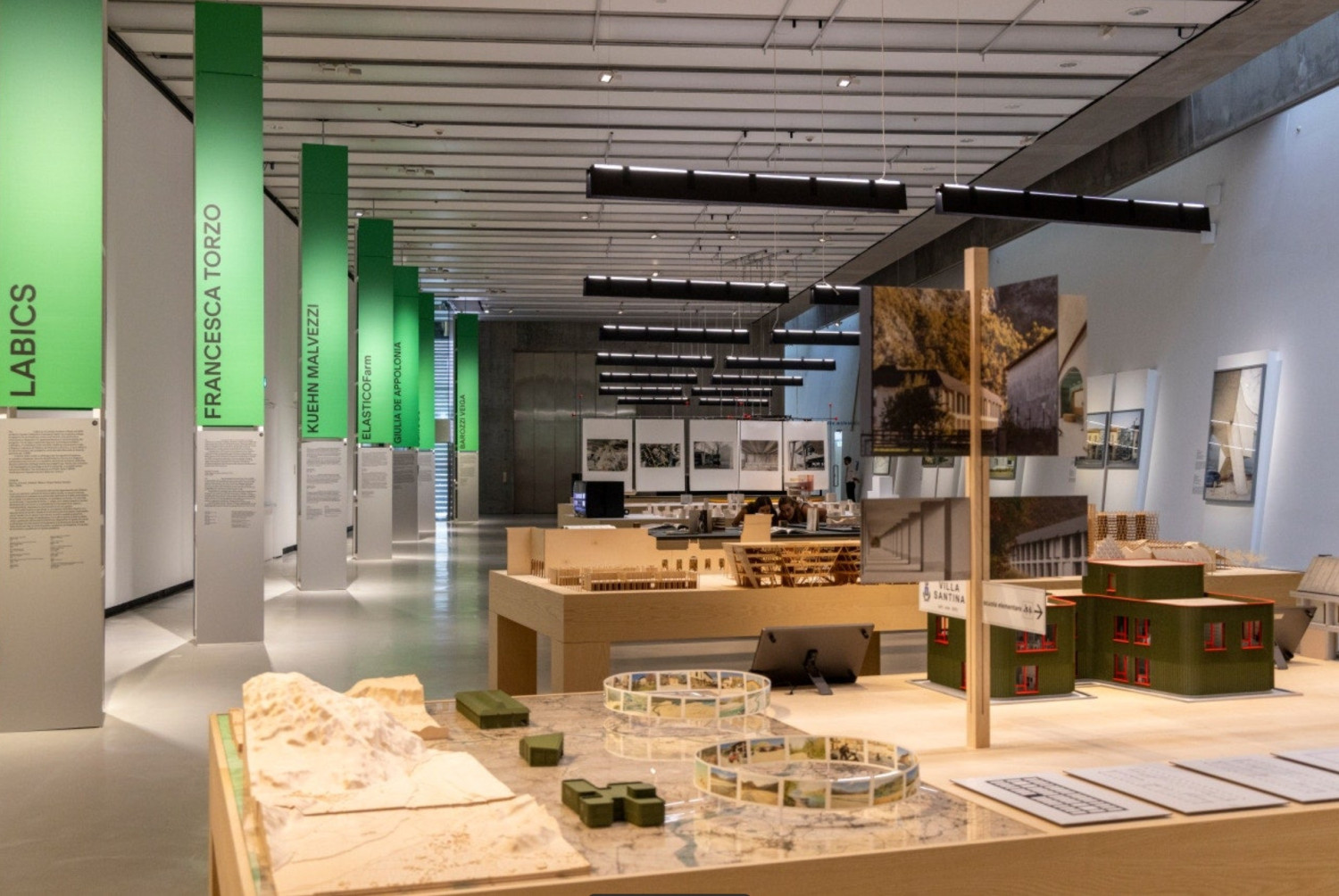
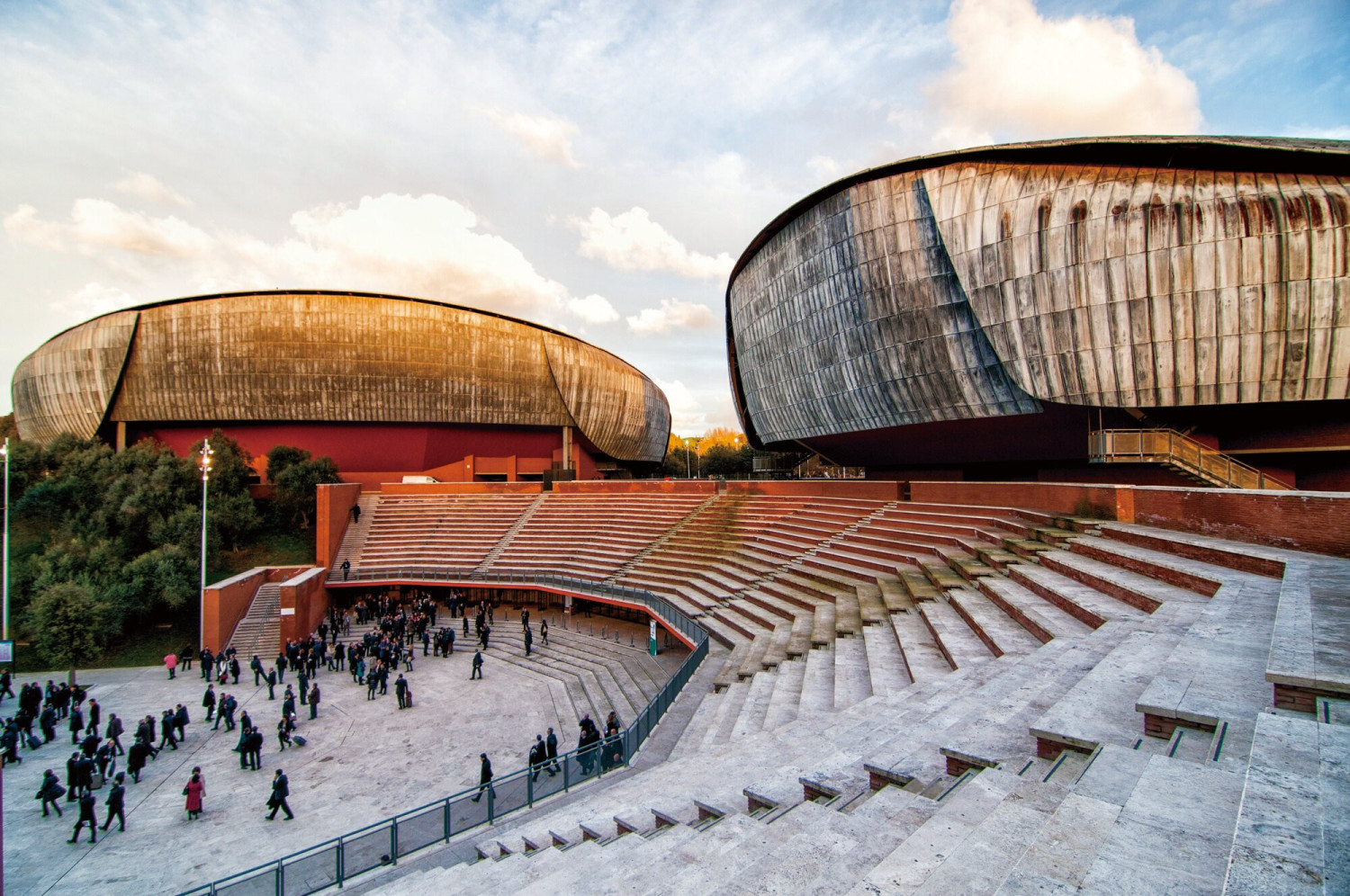
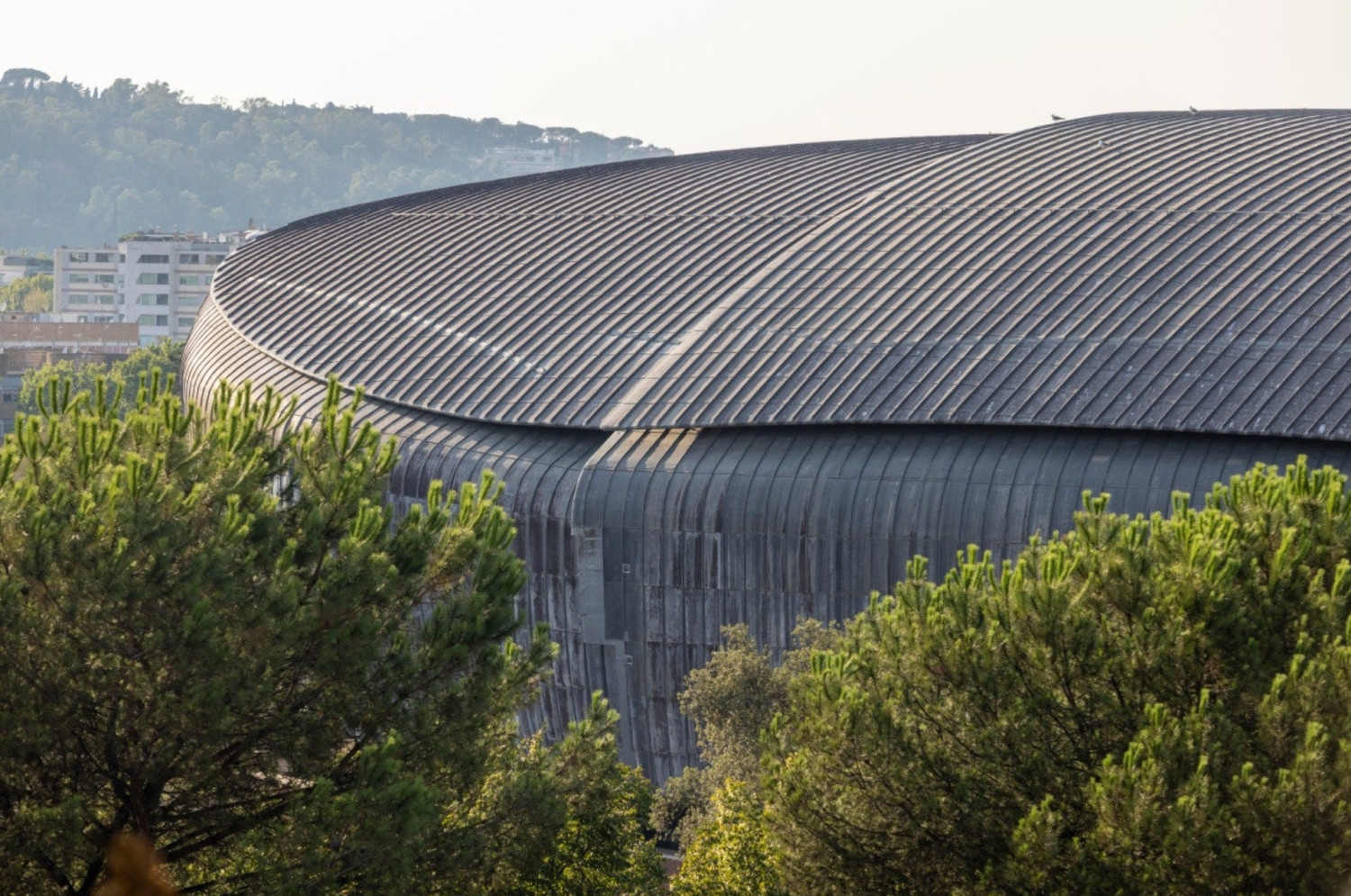
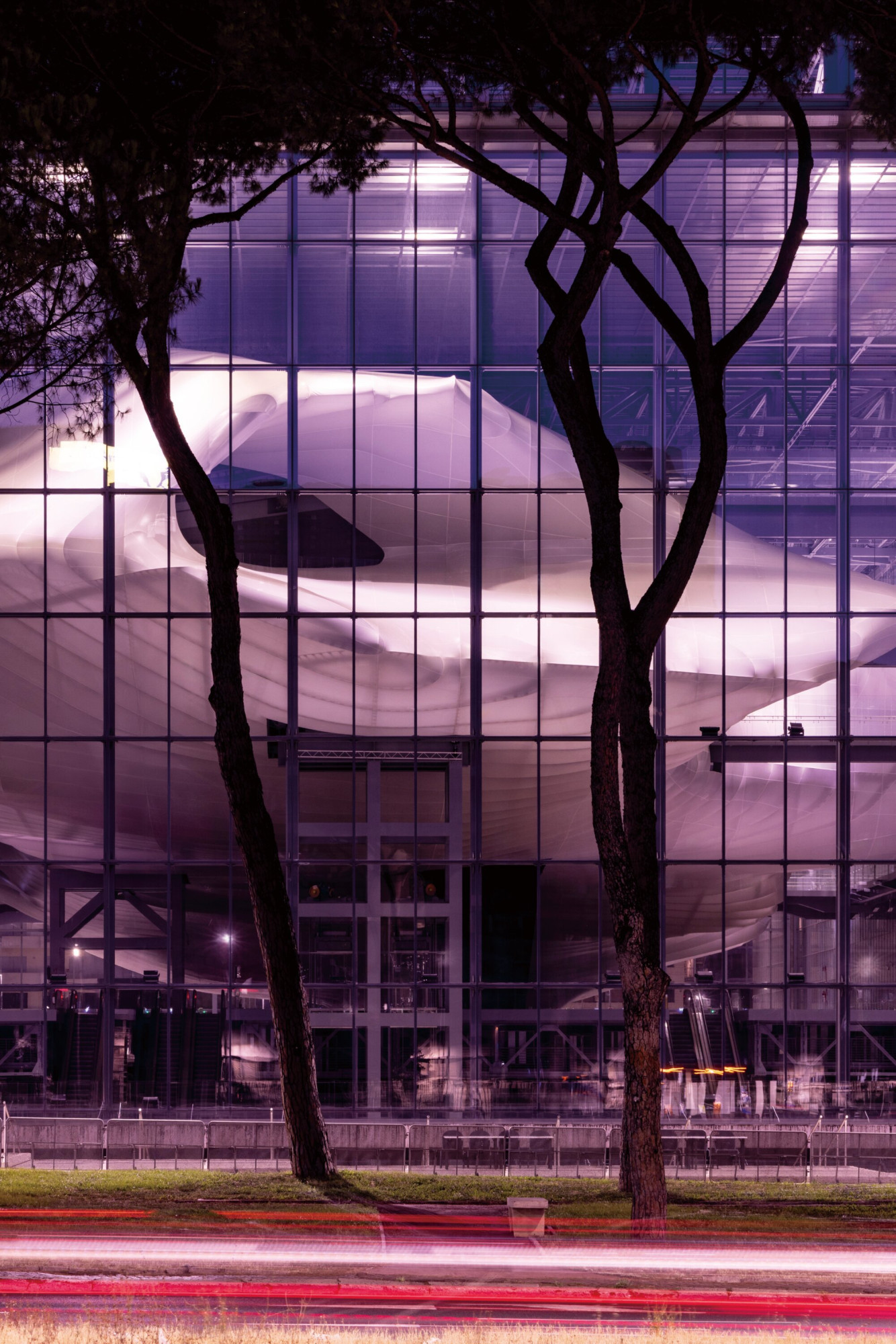
Architect Zaha Hadid’s MAXXI (National Museum of 21st Century Arts) was similarly built on the grounds of former military barracks, where aging perimeter walls and portions of the original barracks now peacefully coexist with fluid contemporary architecture. Renzo Piano’s Auditorium Parco della Musica tells a similar story. Featuring three beetle-like concert halls surrounding a semicircular open-air theater, this hyper-modern complex sits directly atop the excavated foundations of an ancient Roman villa from the 6th century B.C. Here, the newest art finds its true Roman character only when resting upon the oldest memories of the ancient city.
We often assume that to move toward the future, we must discard the old and forge entirely new paths. Yet Rome’s cobblestones and piazzas tell a profoundly different story. While technology can make a city efficient, what truly brings a city to life is people walking together, meeting and carrying memories forward.
A true future is not built by laying paths where no one has ever walked. It is found in infusing existing spaces with new life and sustaining the human community. Having remained a vibrant metropolis for nearly 2,800 years, Rome is living proof of this urban ethos.
- Kim Sangkeun is a professor emeritus of theology at Yonsei University and a humanist scholar specializing in the Renaissance and the history of East-West cultural exchanges. His research has focused on the cultural encounter between East and West, particularly through the Italian Jesuit missionary Matteo Ricci. He actively connects with the public through wide-ranging lectures and books spanning history, art and philosophy.
24 Hours in Rome
Explore the everyday rhythms of Rome, from its café and bookstores to the city’s markets and alleyways.
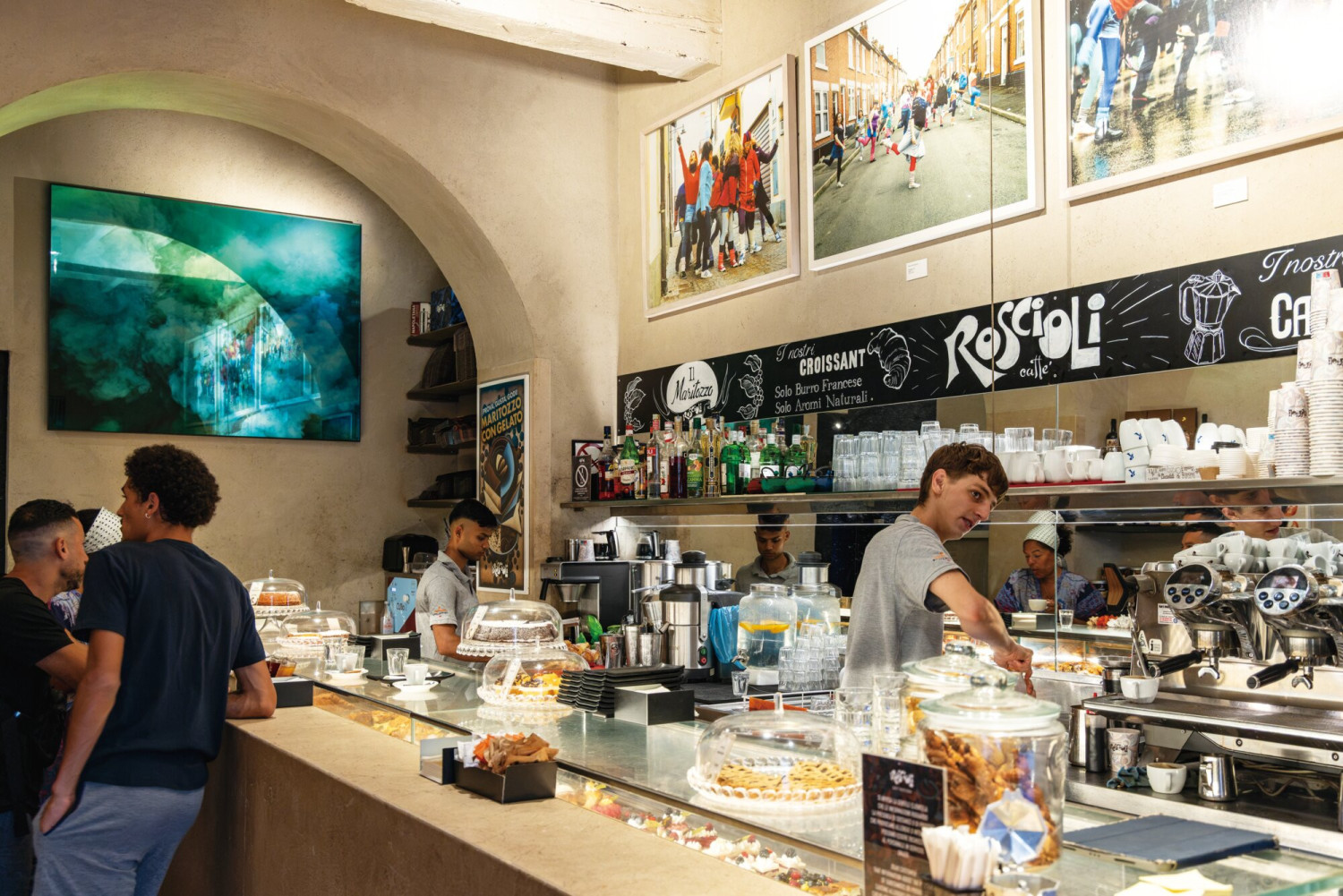
Roscioli Caffè
Roscioli is one of Rome’s quintessential delis and cafés. Enjoy house-roasted coffee, fresh pastries and an authentic Italian breakfast. Alongside commuting locals and fellow travelers, experience an intimate snapshot of the city’s daily routines.
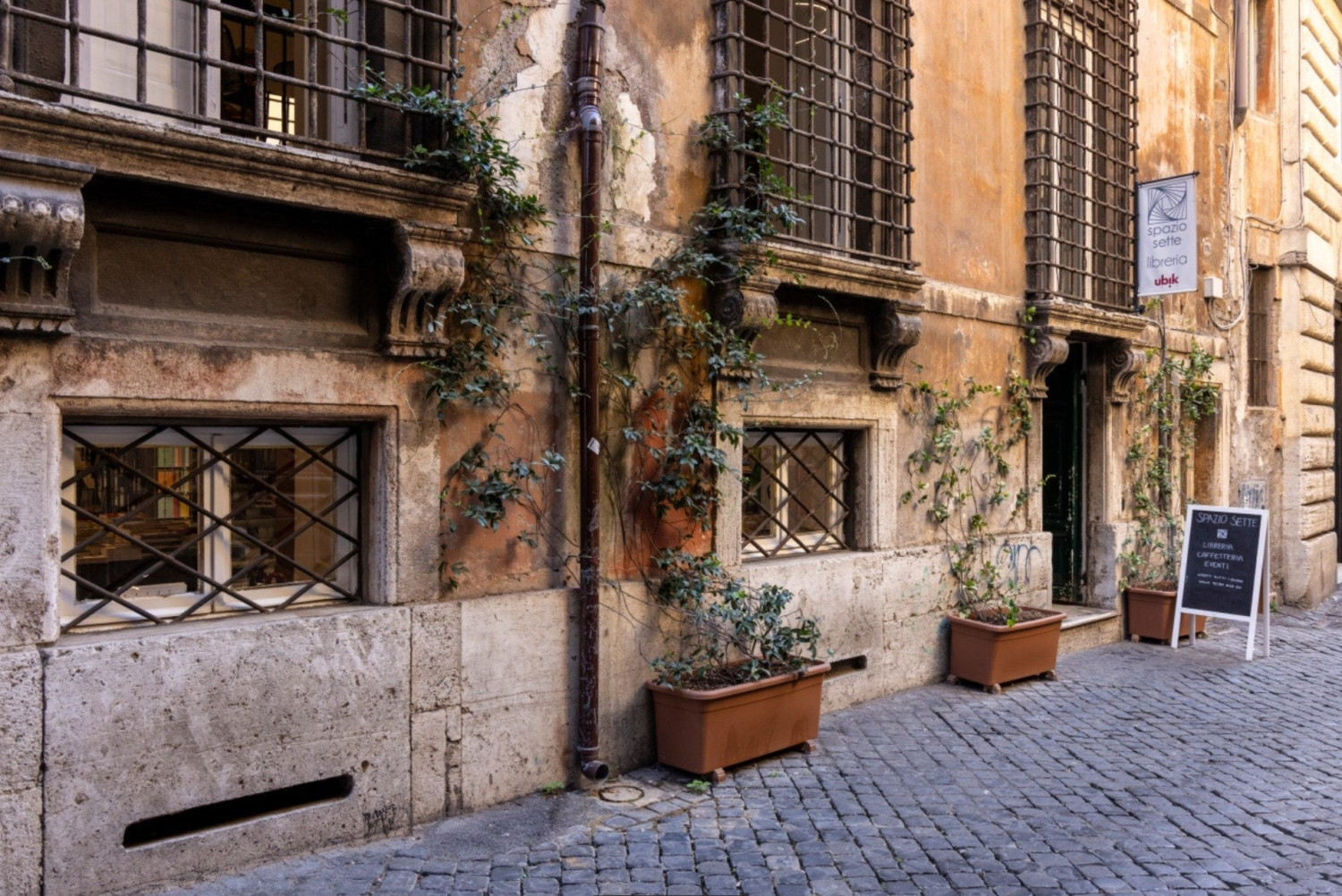
Spazio Sette Libreria
This independent bookstore is renowned for its thoughtful curation of architecture, art, design and the humanities. Housed within a historic palazzo featuring striking original frescoed ceilings, it operates as a vibrant, multifaceted cultural space, regularly hosting book talks, exhibitions and other cultural events.
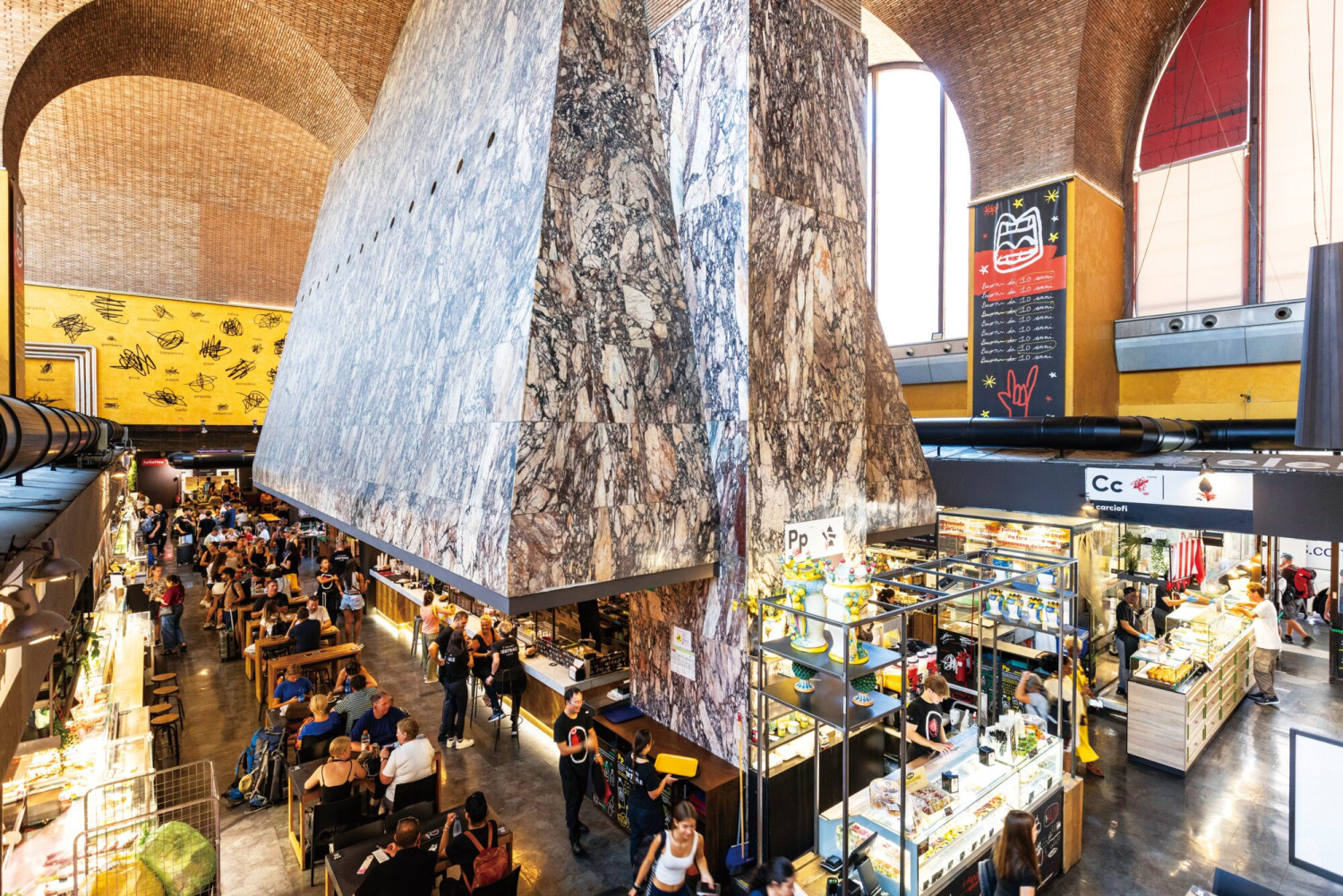
Mercato Centrale Rome
This vibrant food hall opened inside Rome’s Termini Station in 2016. Visitors can savor regional specialties from across Italy — from pizza and pasta to gelato, artisanal cheeses and wines — all in a space celebrated for reinterpreting traditional Italian culinary culture for a modern audience.
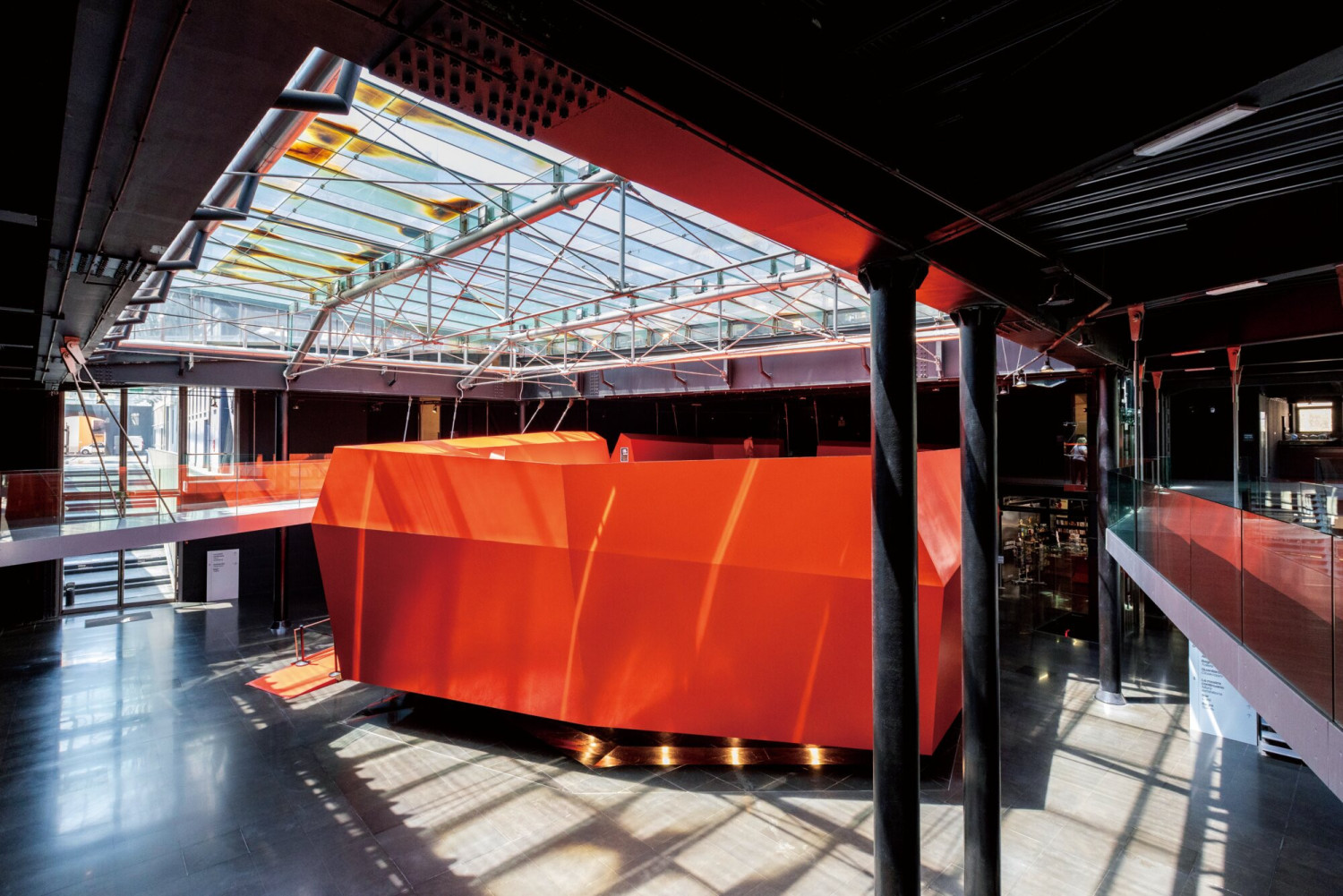
MACRO
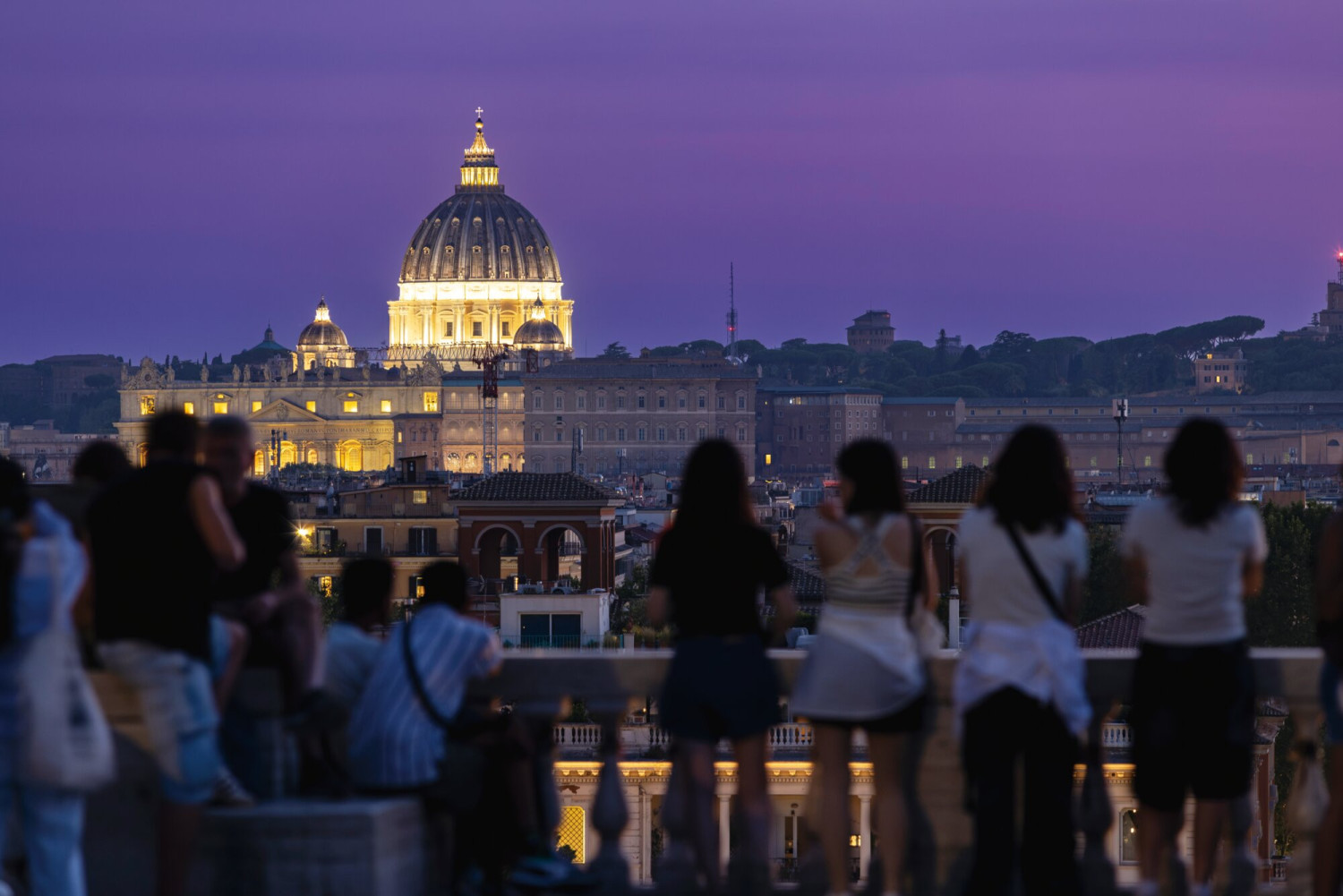
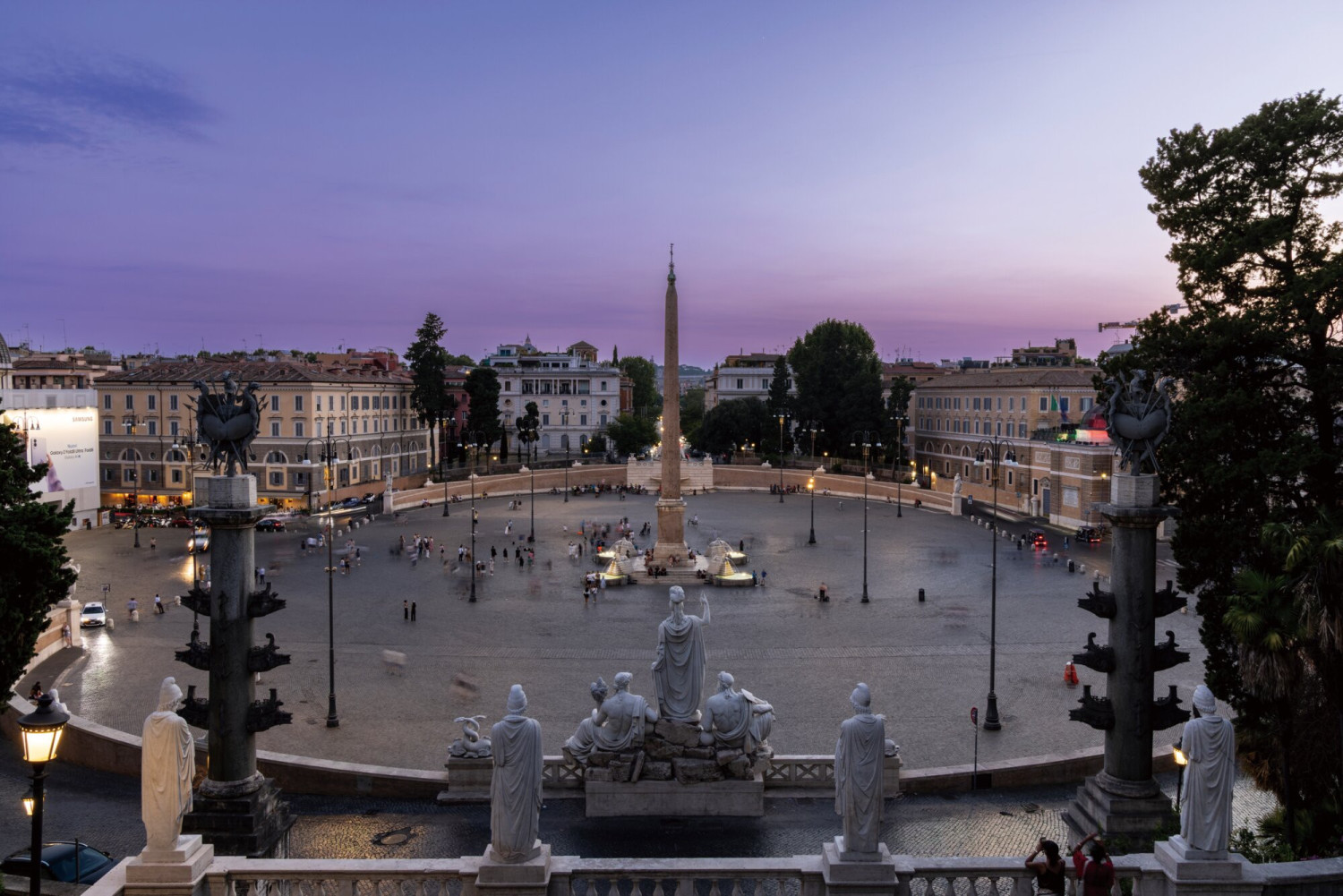
Perched at the edge of the Villa Borghese gardens, this historic lookout offers a sweeping view over the Piazza del Popolo and the city’s skyline. It is a favored gathering spot for locals and travelers seeking to watch the sunset accompanied by street music.
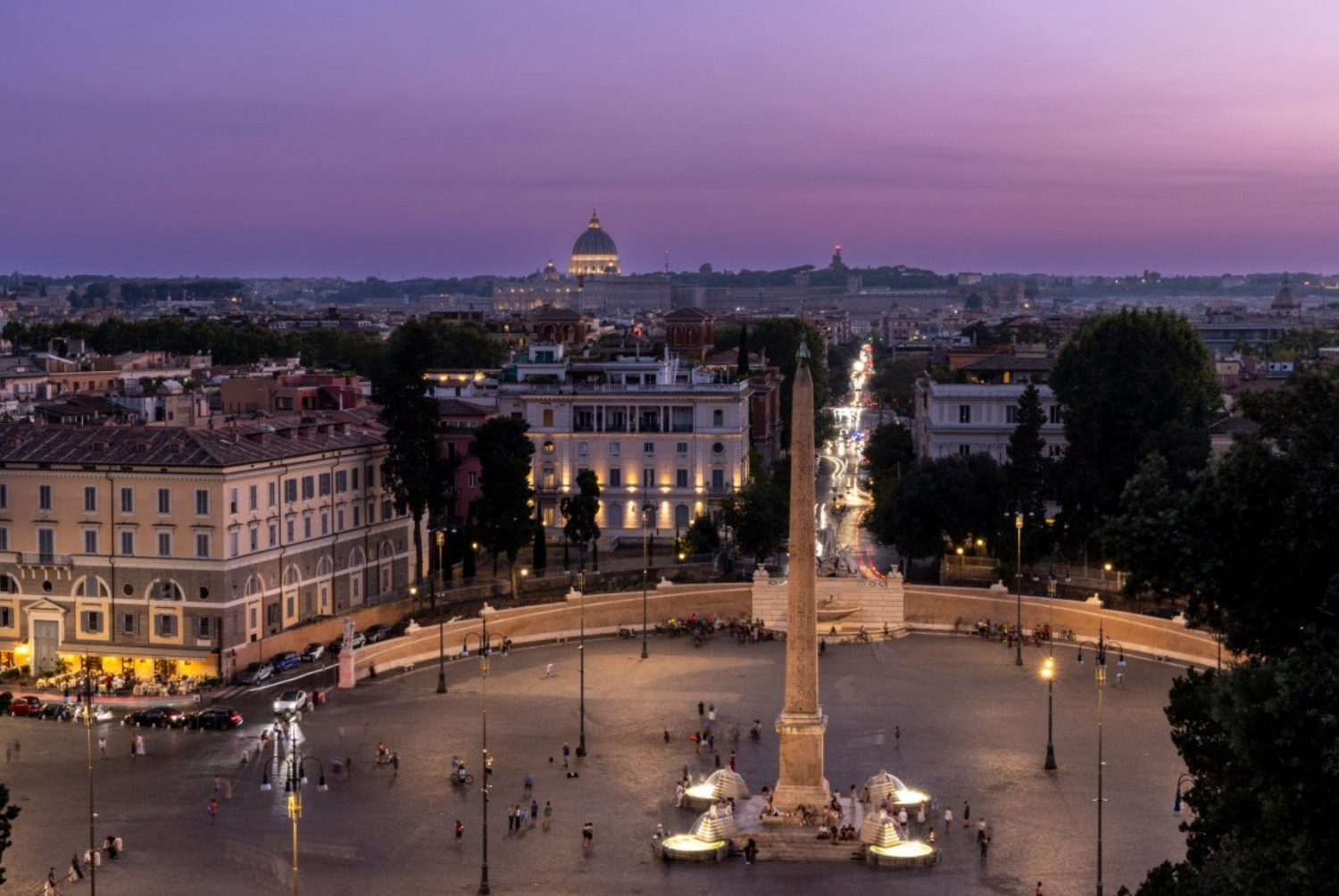
Terrazza del Pincio
Perched at the edge of the Villa Borghese gardens, this historic lookout offers a sweeping view over the Piazza del Popolo and the city’s skyline. It is a favored gathering spot for locals and travelers seeking to watch the sunset accompanied by street music.
- Written by Kim Sangkeun
- Photography by Lim Hakhyun
- Korean Air operates direct flights
between Incheon and Rome 3 times a week.