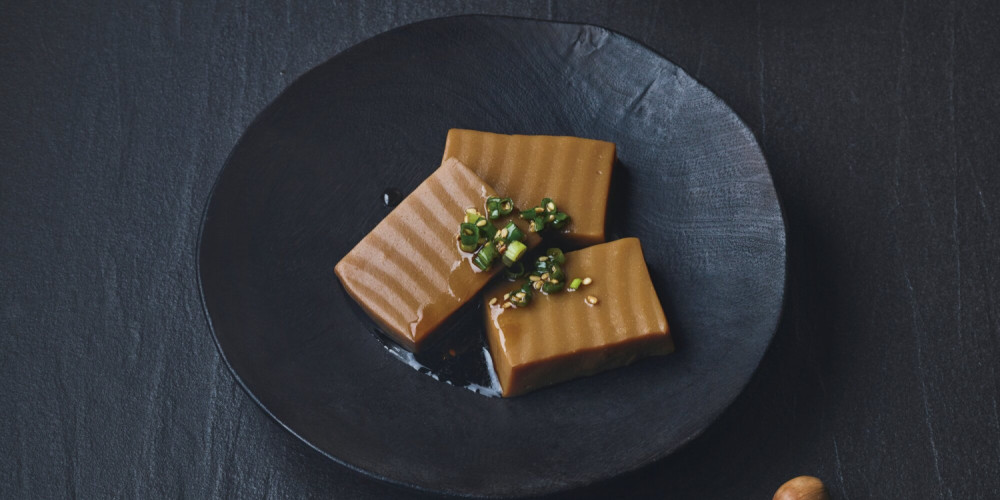
The Forest’s Oldest Feast, Acorns
An often overlooked feature of autumn mountain paths, the humble acorn once served as a life-saving staple in times of drought and famine. Koreans turned this wild nut into dotorimuk, or acorn starch jelly, a delicious creation that still holds a place in the nation’s food culture today.
An Ancient Source of Life

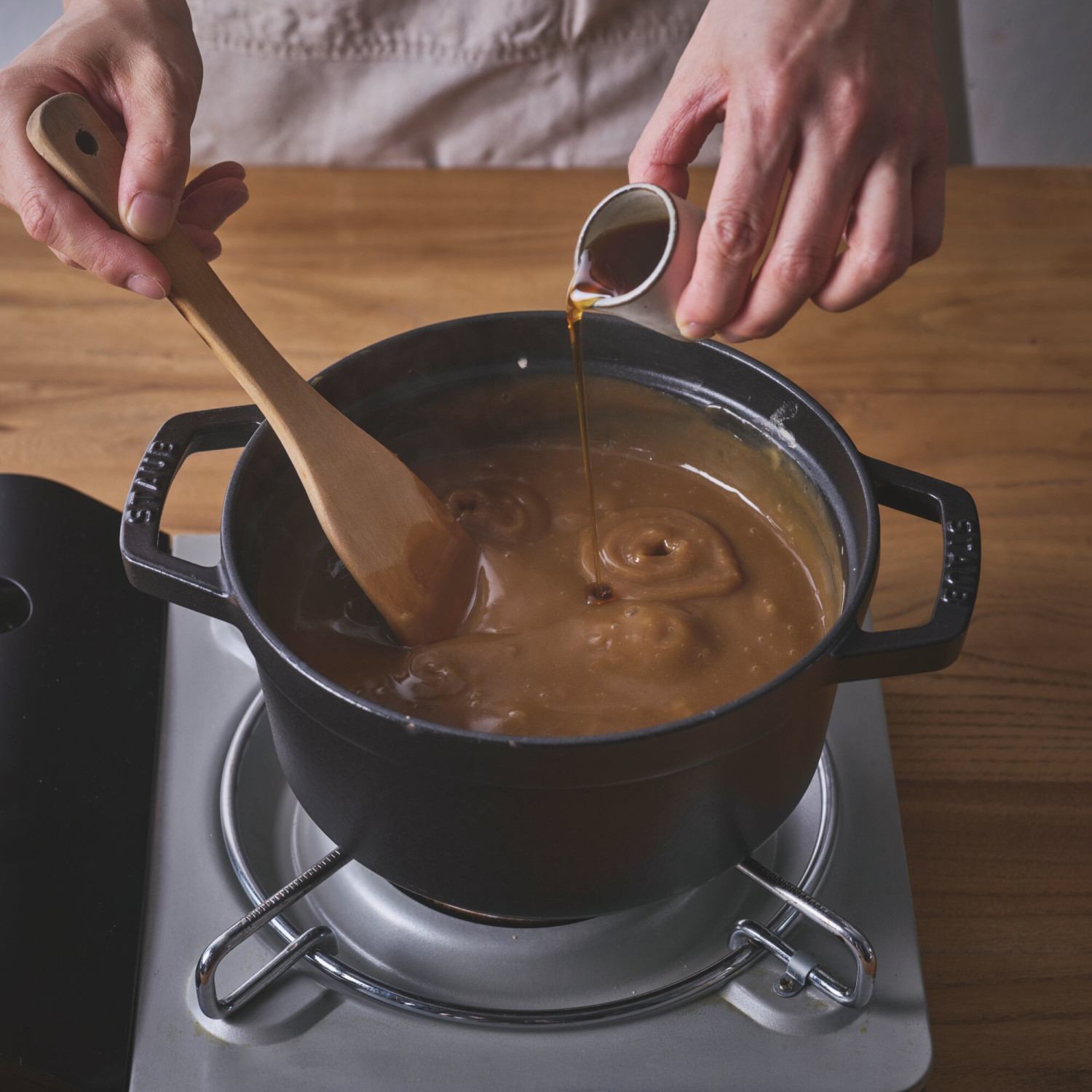

step 1. Add one part acorn starch and five parts water to a pot.
step 2. Stir the mixture over heat until it thickens, taking care to prevent scorching.
*Adding a small amount of sesame oil at this stage not only helps balance the bitterness but also adds a glossy finish and depth of flavor.
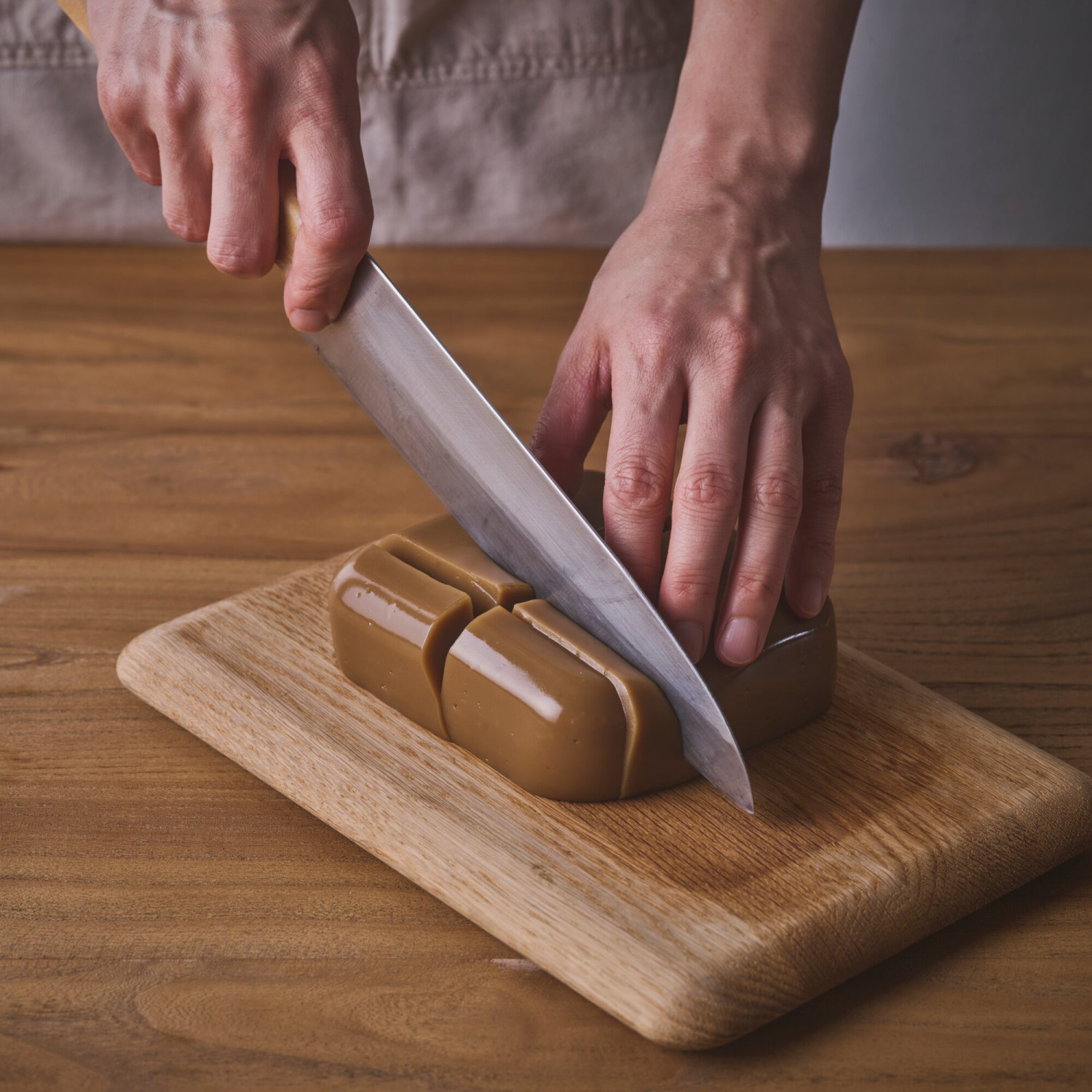
step 3. Pour the starch liquid into a mold and leave to cool and firm.
step 4. Once set, cut the dotorimuk into serving-sized pieces.
Walking along an autumn mountain trail, certain seasonal gifts often get nudged aside: spiky chestnut burs, golden ginkgo nuts and smooth-shelled acorns wearing tiny wool caps. While chestnuts and ginkgo nuts are deliberately cultivated, harvested and held in high esteem, acorns are often brushed aside, even as they litter the mountain floor. Yet the history traversed by the acorn is anything but humble.
The acorn is one of humankind’s oldest plant based foods. Before rice cultivation, tree nuts provided an important source of carbohydrates for Neolithic communities. Gathering them was more than simply foraging — it was one of humanity’s earliest survival strategies, helping communities sustain themselves from one season to the next.
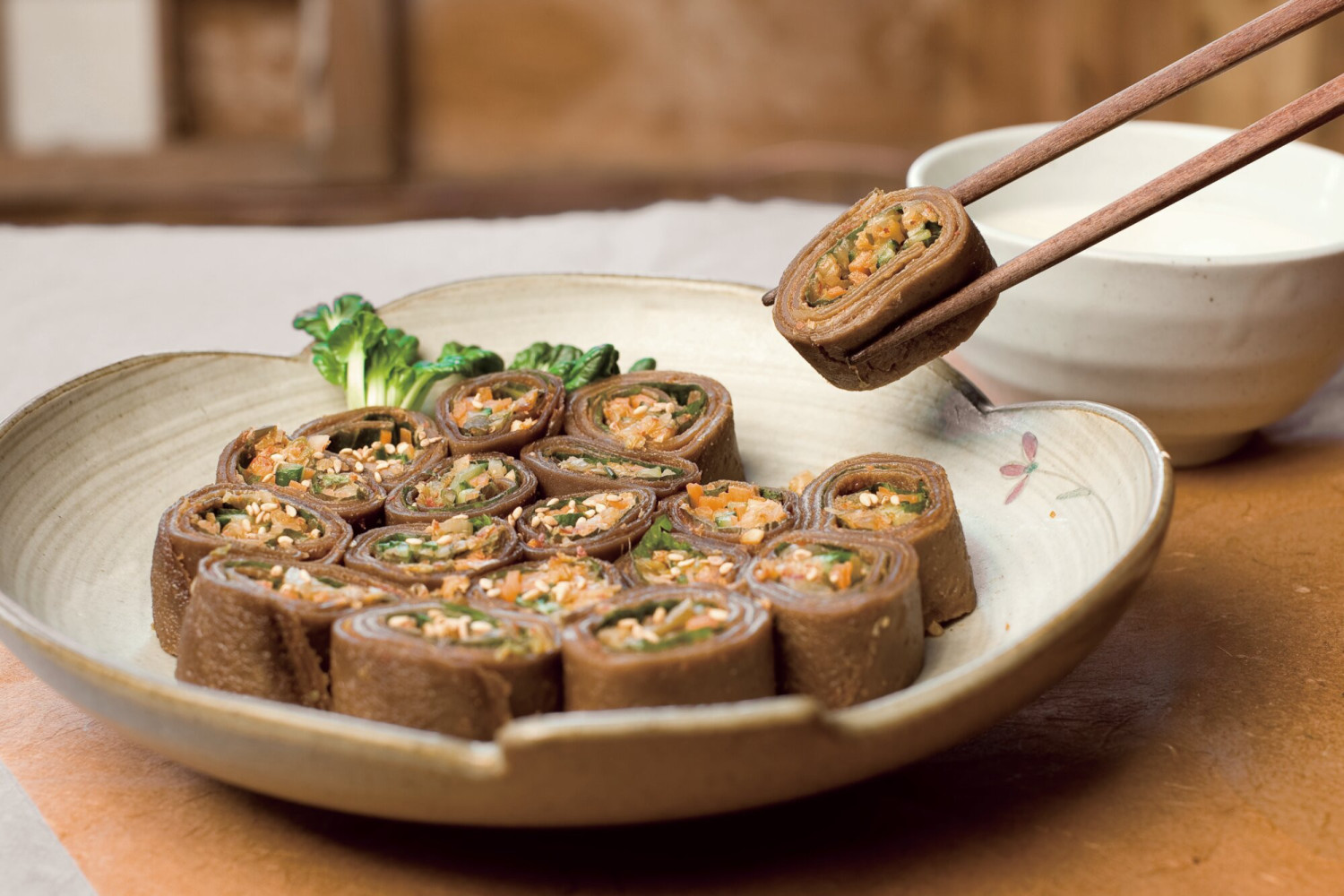
Yet an acorn cannot be eaten by simply peeling away its shell. To strip away its bitter, astringent tannins, acorns must be dried, ground and soaked repeatedly. Only when the starch is mixed with water, gently brought to a boil and set to cool into a firm block does it finally become dotorimuk.
Transforming a wild nut into something nourishing required remarkable wisdom. The knowledge required to refine raw, natural ingredients into an edible and storable form became a starting point for food processing technology. This served as a vital survival strategy allowing humanity to thrive in harsh environments. Inside a single block of dotorimuk lies this long-accumulated history of human ingenuity and resilience.
Acorns: Famine Relief in the Annals of History
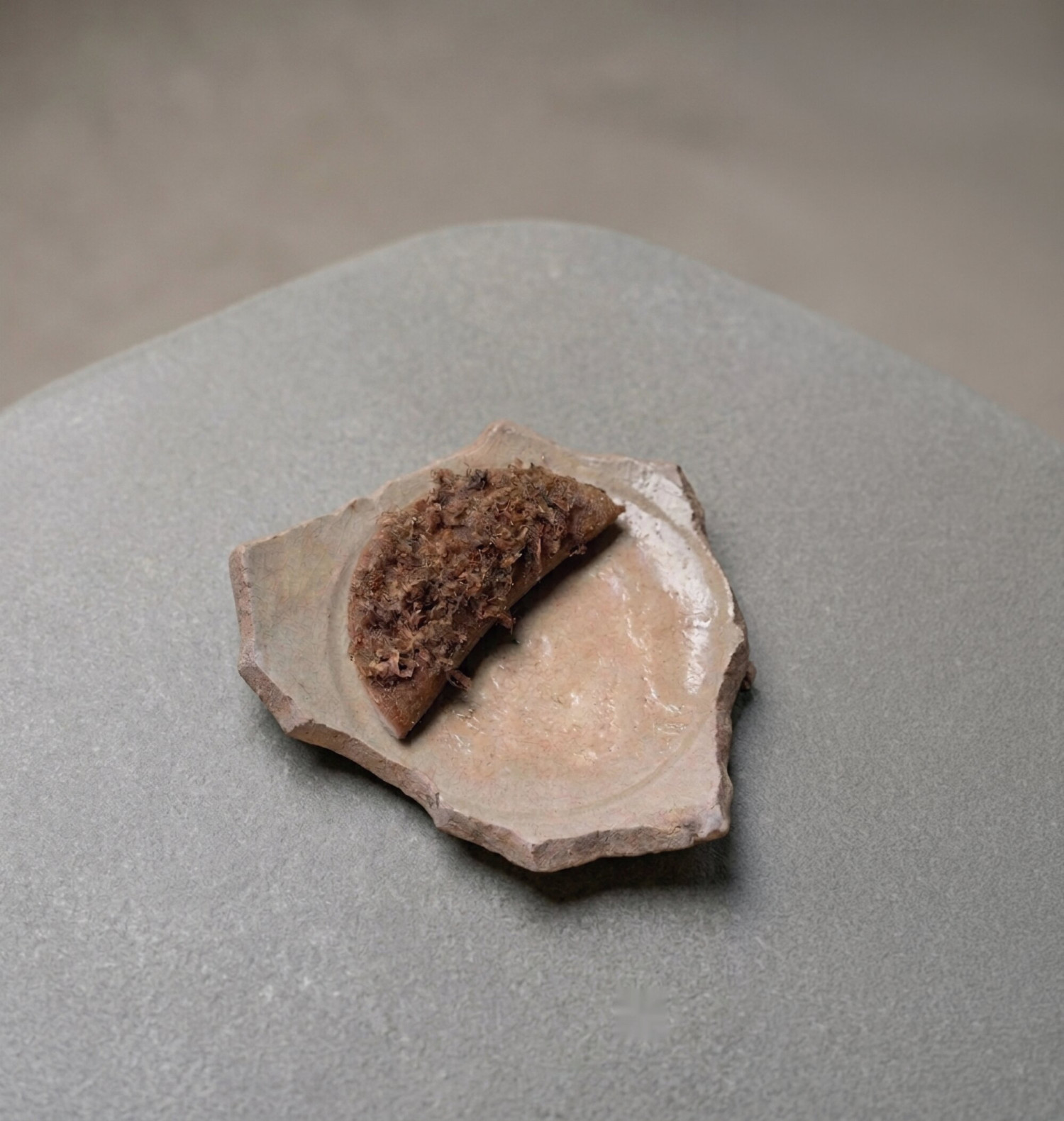
© Le DORER
© Mingles
One Korean idiom describes an outcast who doesn’t fit in with a group as “an acorn in dog food.” The saying reflects the idea that even a dog ignores acorns when food is plentiful. It is a reminder that in times of abundance, the acorn was an afterthought. Yet whenever famine and war brought bitter starvation, the acorn transformed into a life-saving treasure. Historical records and agricultural treatises reveal that acorns served as emergency nourishment in times of need throughout the history of the Korean Peninsula. According to the Joseon Wangjo Sillok (Annals of the Joseon Dynasty), King Jeongjo, the 22nd monarch of the dynasty, went so far as to offer financial rewards to citizens who planted acorn trees, managing acorn supplies at the state level.
Across various reigns, the Annals contain numerous entries where kings ordered provincial governors and local magistrates to collect acorns in the mountains, grind them into powder and distribute them to the starving people. In his work Seongho Saseol (Treatises on Practical Topics), the late-Joseon scholar Yi Ik (1681 – 1763) similarly urged rulers of the starving masses to look to the wealth of forest resources. When droughts and floods ruined grain harvests, the oak forest heavy with acorns became the people’s ultimate refuge. In Sunchang-gun County, Jeollabuk-do Province, a local legend about acorns is still passed down orally among residents: the tale of the “Millennial Acorn” of Gangcheonsan Mountain. The story begins, “Long, long ago, a giant acorn tree lived on Gangcheonsan Mountain for a thousand years…”
When crop failure struck one year, the massive oak bore an unusually abundant harvest of acorns, saving humans and animals alike. In gratitude, the villagers worshipped it as a sacred tree. The legend also warned that whenever someone acted out of greed, the acorns would mysteriously vanish.
While teaching a lesson on living in harmony with nature and guarding against avarice, the tale, above all, preserves the deep memory of the acorn as a life-sustaining food.
© Acorns from the Forest in jeju
A Culinary Landscape Shaped by Dotorimuk
© Acorns from the Forest in jeju
Traces of the humble acorn as food can be found in other corners of the globe. Indigenous peoples of North America ground acorns into flour for porridge, while in parts of the Middle East, acorn flour was mixed into bread dough to sustain communities during droughts. And in Spain, acorn-fed Iberico pigs became a prized luxury delicacy. Yet Korea remains virtually alone in extracting and refining acorn starch to make dotorimuk — developing it into an everyday side dish and a beloved regional specialty.
Though acorns were gathered freely on any mountain floor and rarely received formal reverence, there is one place in Korea where the acorn became a regional icon: Gujeuk-dong neighborhood in Daejeon. It was once a village in its own right and here, dotorimuk restaurants flourished in every other building. In the early 1980s, a local elderly woman began selling mukbap (acorn jelly in broth) as a means of making a living. In doing so, she transformed the entire neighborhood. Gathering acorns from the nearby hills to serve in warm bowls of broth, she built a nationwide reputation that equated the village, and later the area of Gujeuk with dotorimuk. While, regrettably, only a few of the original eateries remain today, others have relocated to new areas dotted throughout the city of Daejeon.
From Survival to Fine Dining: Rediscovering a Subtle Flavor
© Mingles
© BIUM
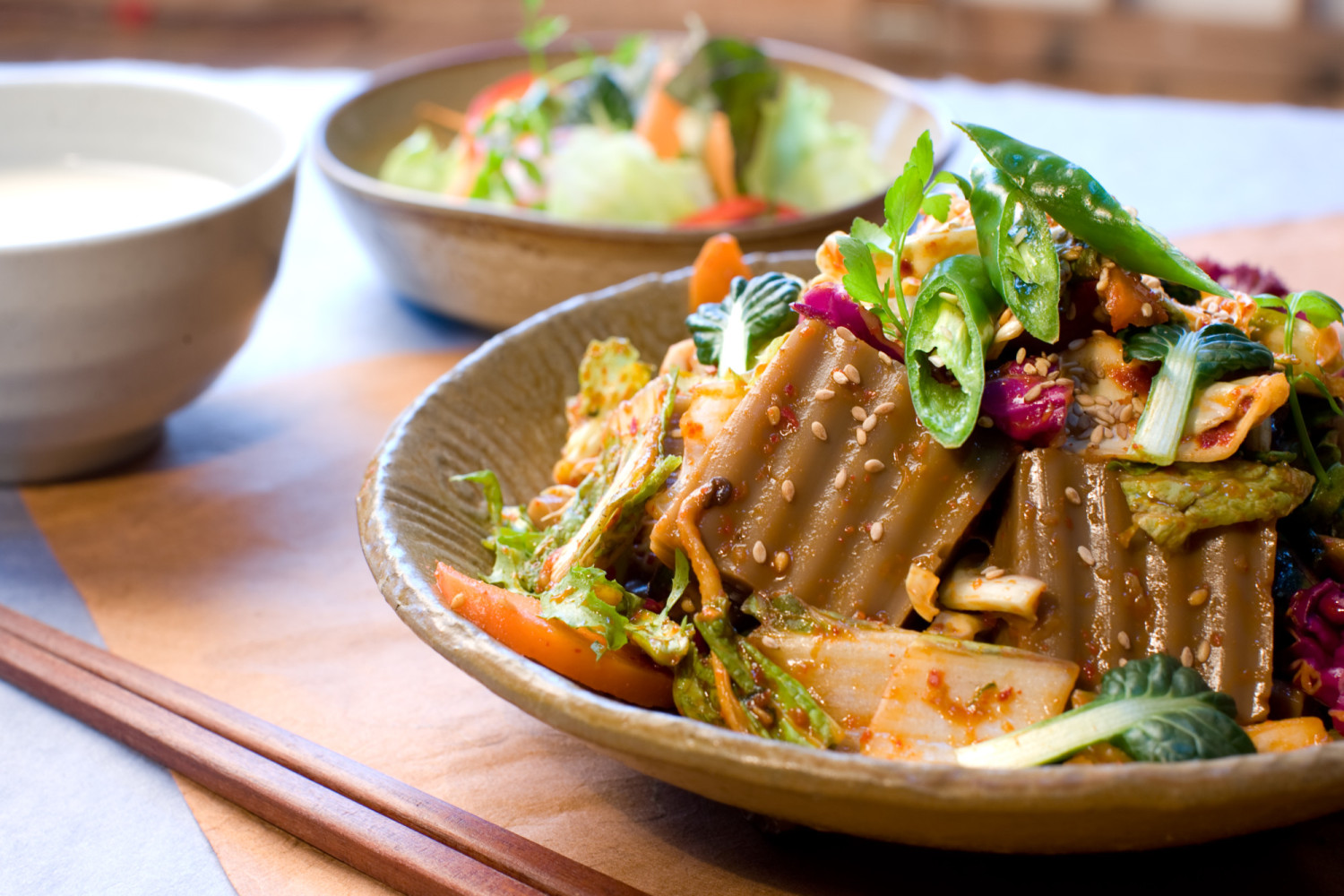
Dotorimuk does not assert a powerful flavor on its own. Its entire character resides in a subtle, unpretentious nuttiness, a pleasingly astringent aftertaste and a firm, springy texture that gently resists every bite. Yet this quiet neutrality creates a unique harmony with Korean seasonings. Take dotorimuk-muchim (seasoned acorn jelly salad), enjoyed at the end of a mountain hike: savory soy sauce, sharp scallions and garlic, fragrant toasted perilla oil and the fiery kick of red chili powder team up with wild perilla seeds and fresh lettuce to create a rich, vibrant flavor with the jelly.
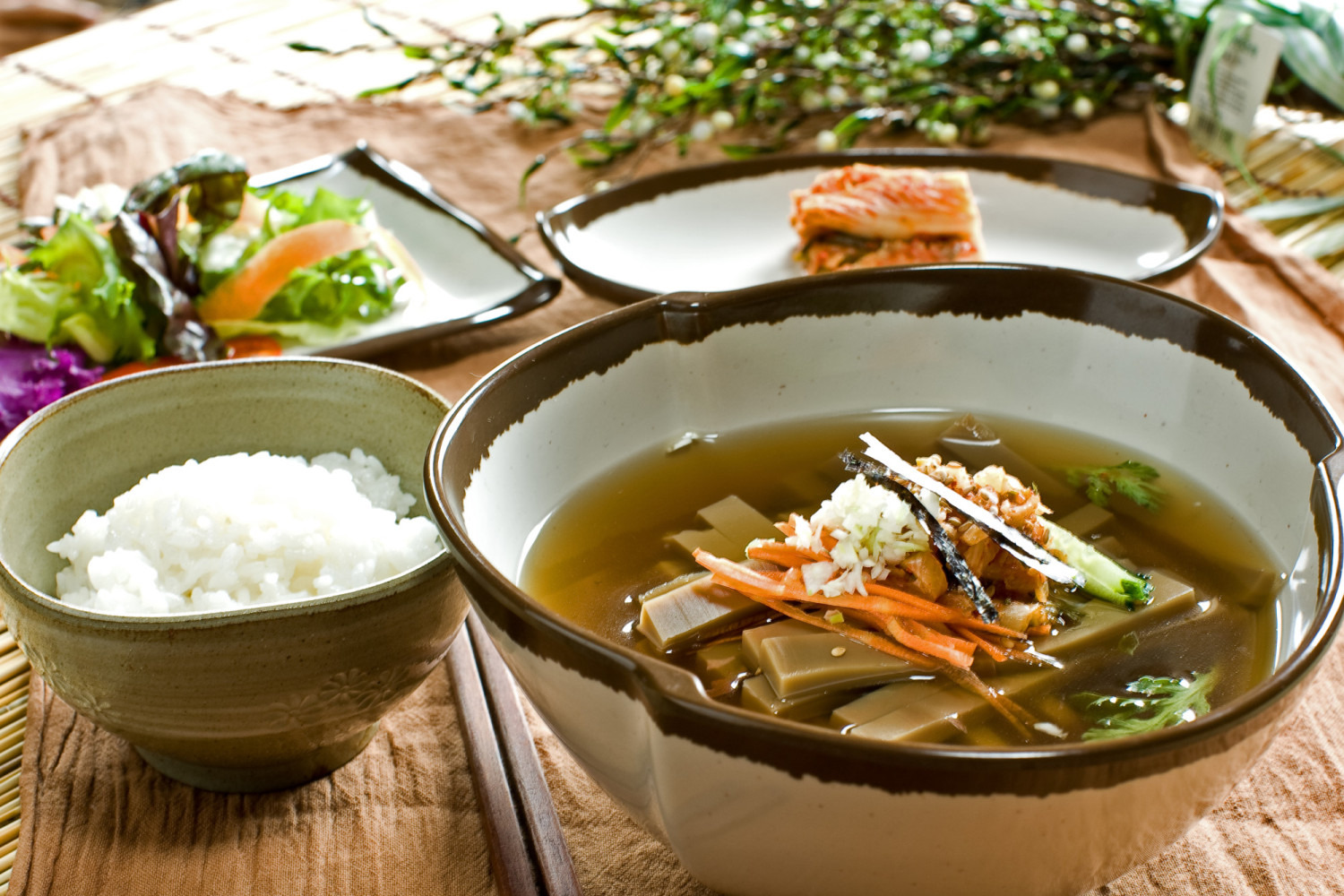
The dish pairs well with a bowl of makgeolli, a traditional rice wine whose gentle alcohol and light effervescence soothe the fatigue of the journey up the mountain trail. When cut into slender strips, the jelly becomes muksabal, served chilled in summer with tangy dongchimi (radish water kimchi) or cold vegetable broth for a refreshing flavor. In the depths of winter, served warm in a hot broth as mukbap, it thaws one from the cold while offering a deeply comforting meal.
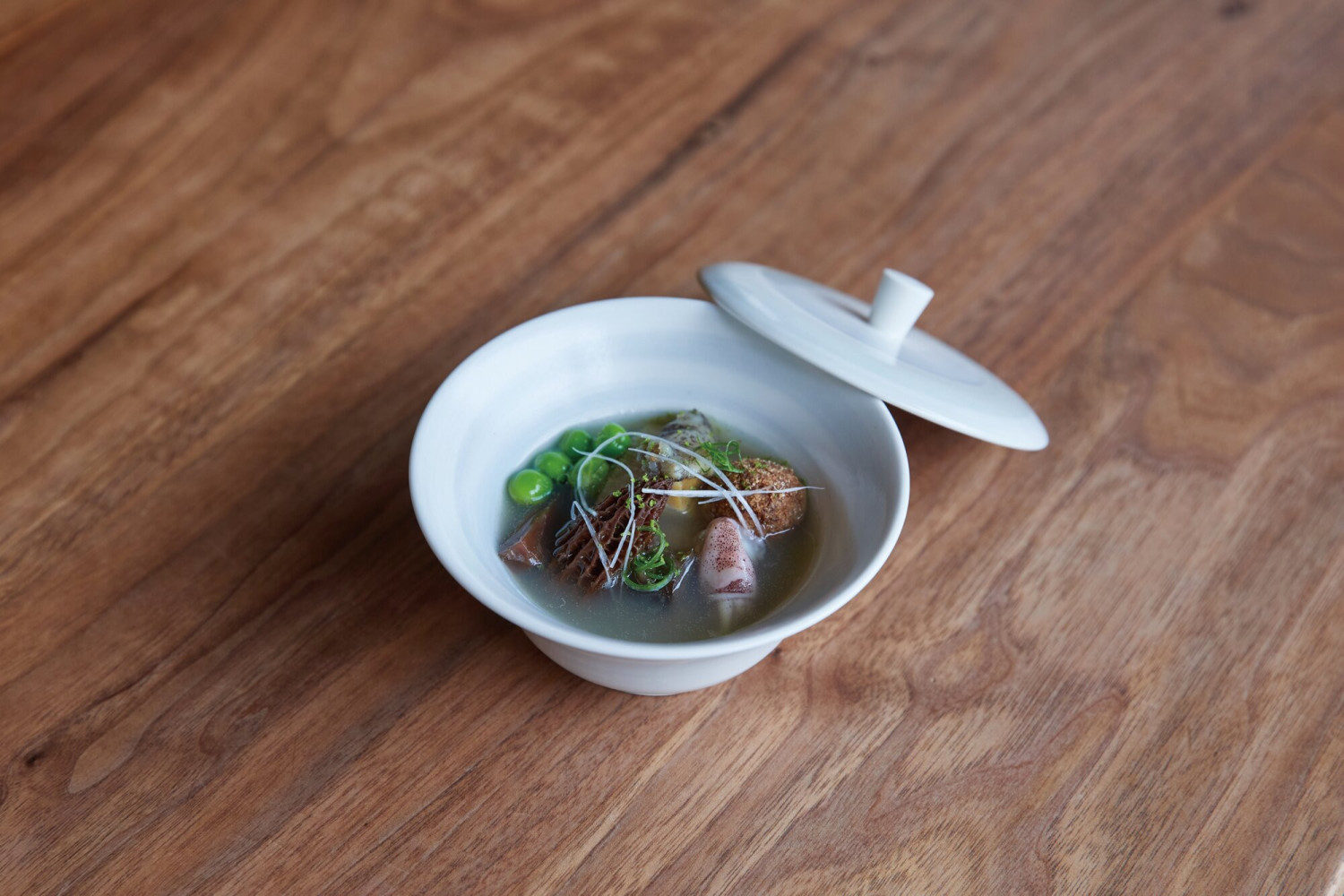
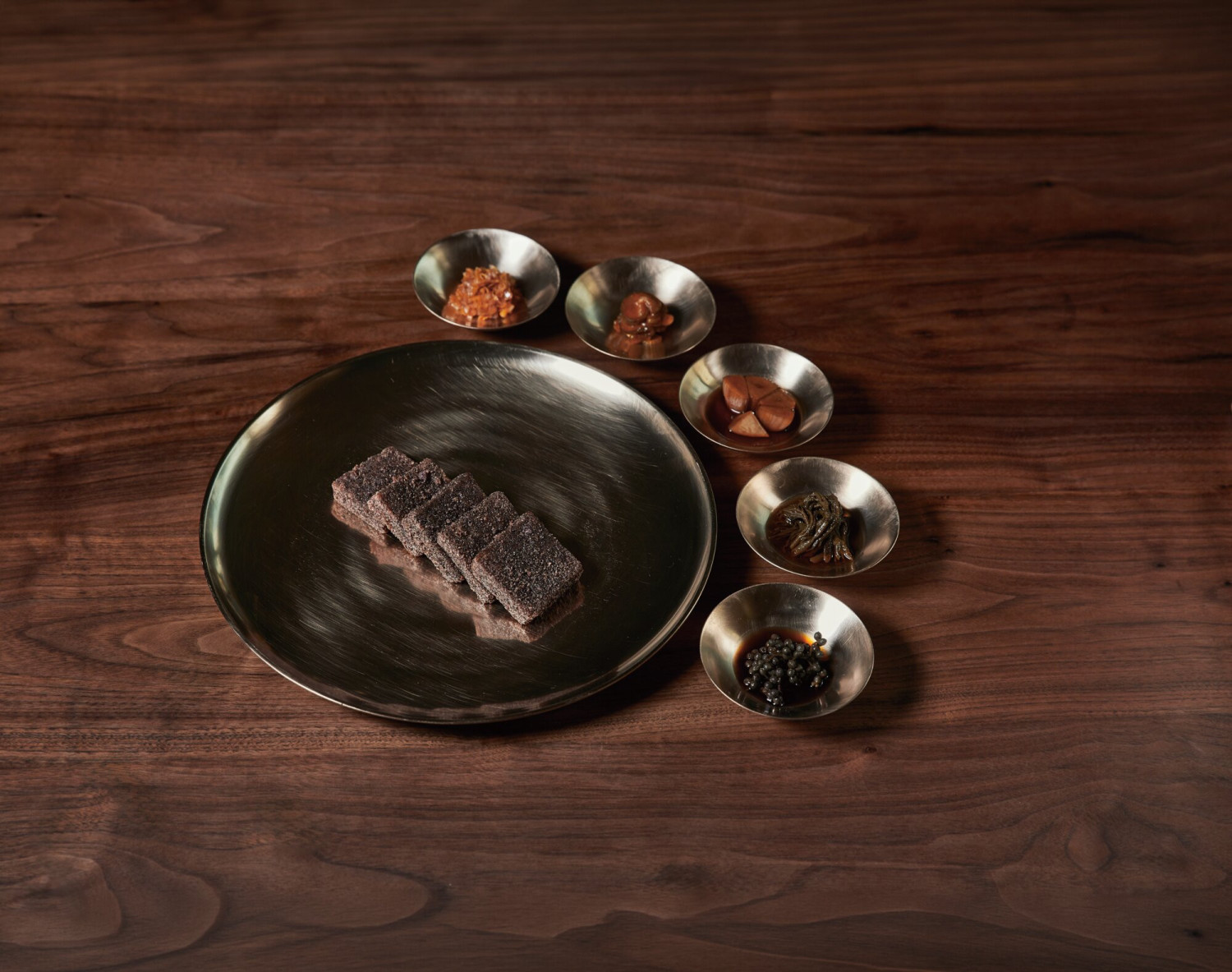
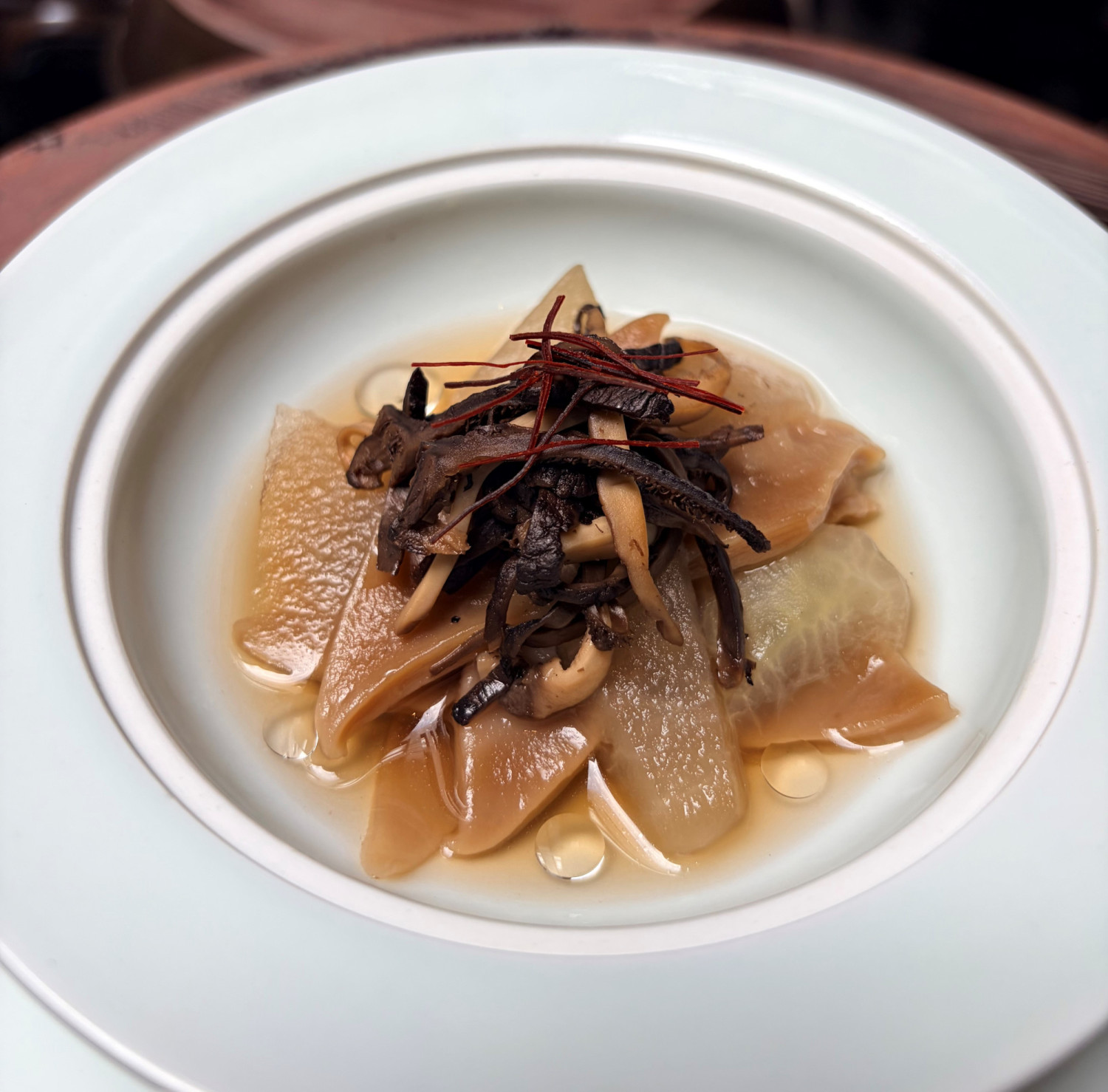
Recently, the acorn moved beyond its traditional role in mountain cuisine and regional fare, emerging to find a place in fine dining. The clean, subtle flavor and springy texture of dotorimuk pair beautifully with modern plating.
Chefs are presenting acorn jelly as an appetizer accompanied by seasonal vegetables, fresh herbs, seafood or aged meats, while experimenting with acorn starch in various forms, expanding the horizons of this timeless ingredient. In this way, a life-sustaining food that helped generations avoid bitter starvation has been reborn today as a refined delicacy. When we savor a single bite, we are tasting the ancient memory of the forest and the enduring natures of survival.
- Written by. Yoo Jeesang
- Yoo Jeesang began his career as a researcher at a food manufacturing company before becoming a food journalist for a daily newspaper. He is currently the editor of the online food culture magazine Cook&Chef and a food columnist. He also appears on television and contributes to various media outlets, writing about food culture, ingredients, and the history of Korean cuisine.