A City Built on Fire and Water, AUCKLAND
Auckland doesn’t announce itself the way some cities do. There’s no dramatic moment of arrival, no central point of convergence. Instead, the city reveals itself slowly, subtly — in a converted wharf, a laneway behind a heritage facade or atop a ridge of volcanic grass where the harbor suddenly opens before you. All of this unfolds against a uniquely striking volcanic landscape.
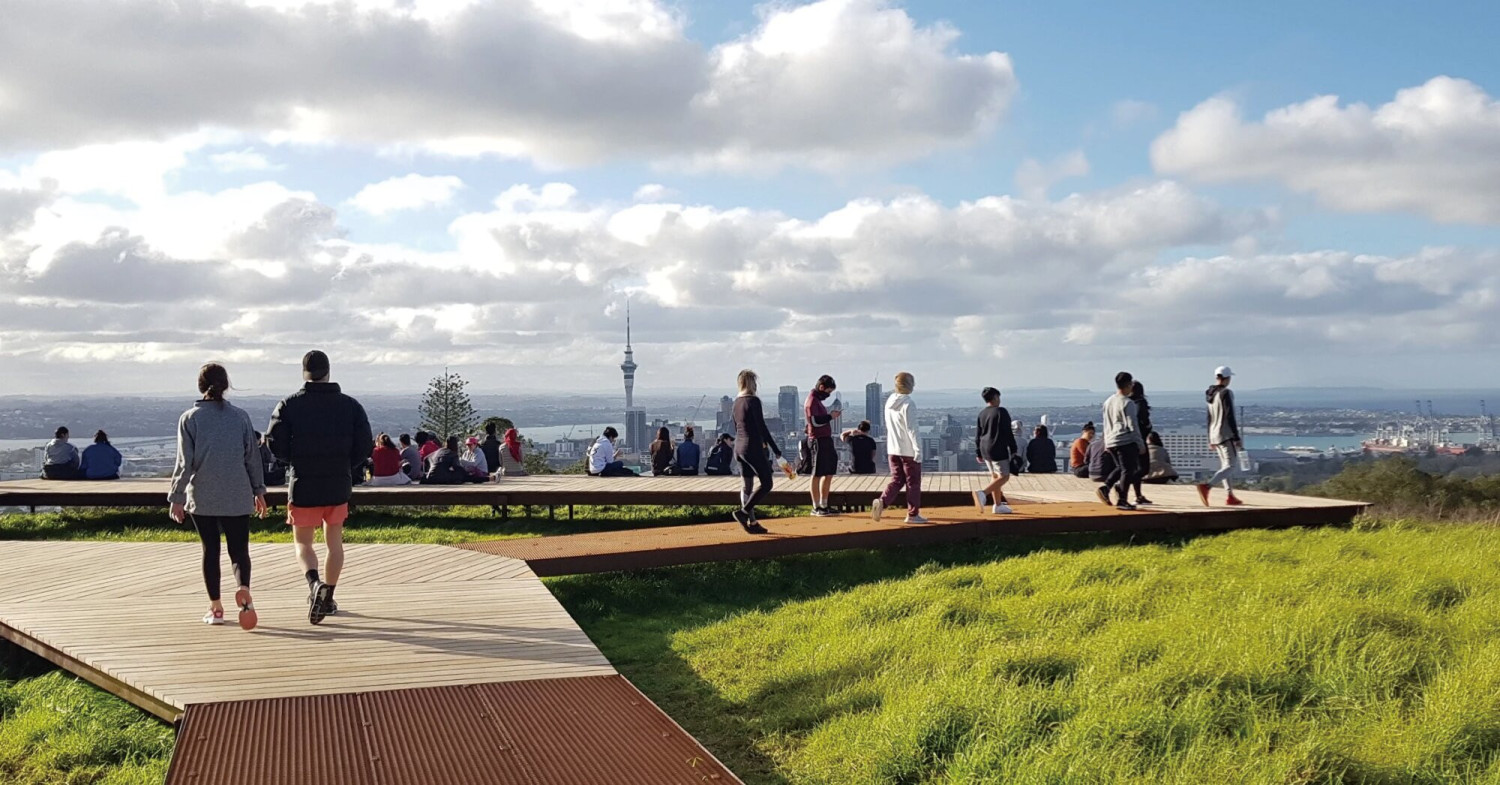
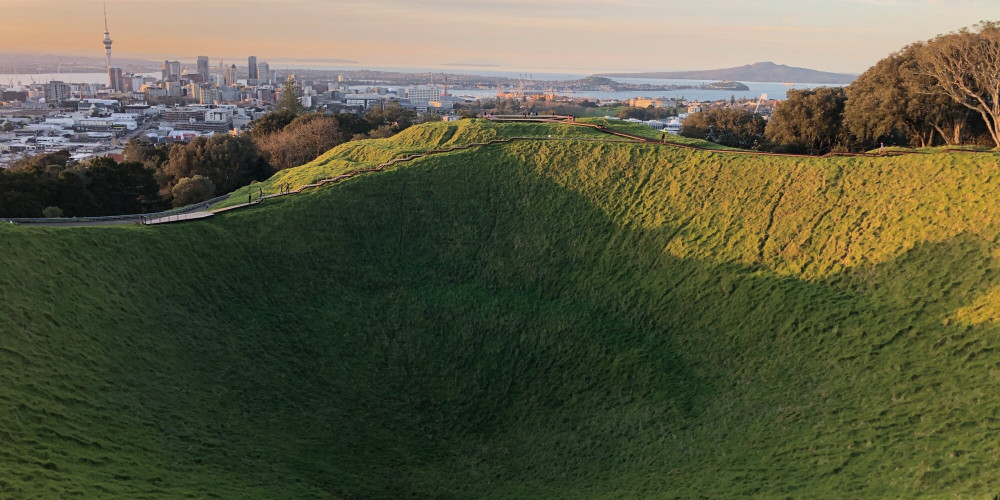
MAUNGAWHAU
The View That Explains Everything Else
Auckland is built on volcanoes scattered across the isthmus, most now grass covered cones sitting among the suburbs. Maungawhau, known in English as Mount Eden, is the tallest of the ones on the mainland yet easy to reach. It is a short walk up from the surrounding streets to a crater rim, with views across both harbors at once. Here, the city’s geography makes the most sense: the two harbors and two coastlines, the volcanic peaks repeating into the distance, the Central Business District (CBD) compressed into a tidy cluster of towers.
It’s a place for exercise, a leisurely stroll or a moment of reflection at the summit. When friends visit from abroad, it’s the first stop from the airport to give them a sense of place or the last place to visit before they leave to bring everything they’ve experienced into focus. The reclaimed silos and the complicated layers and scent of Sichuan on Dominion Road — all are bound together by the shape of the volcanic land.
WYNYARD QUARTER
A Waterfront, Renewed
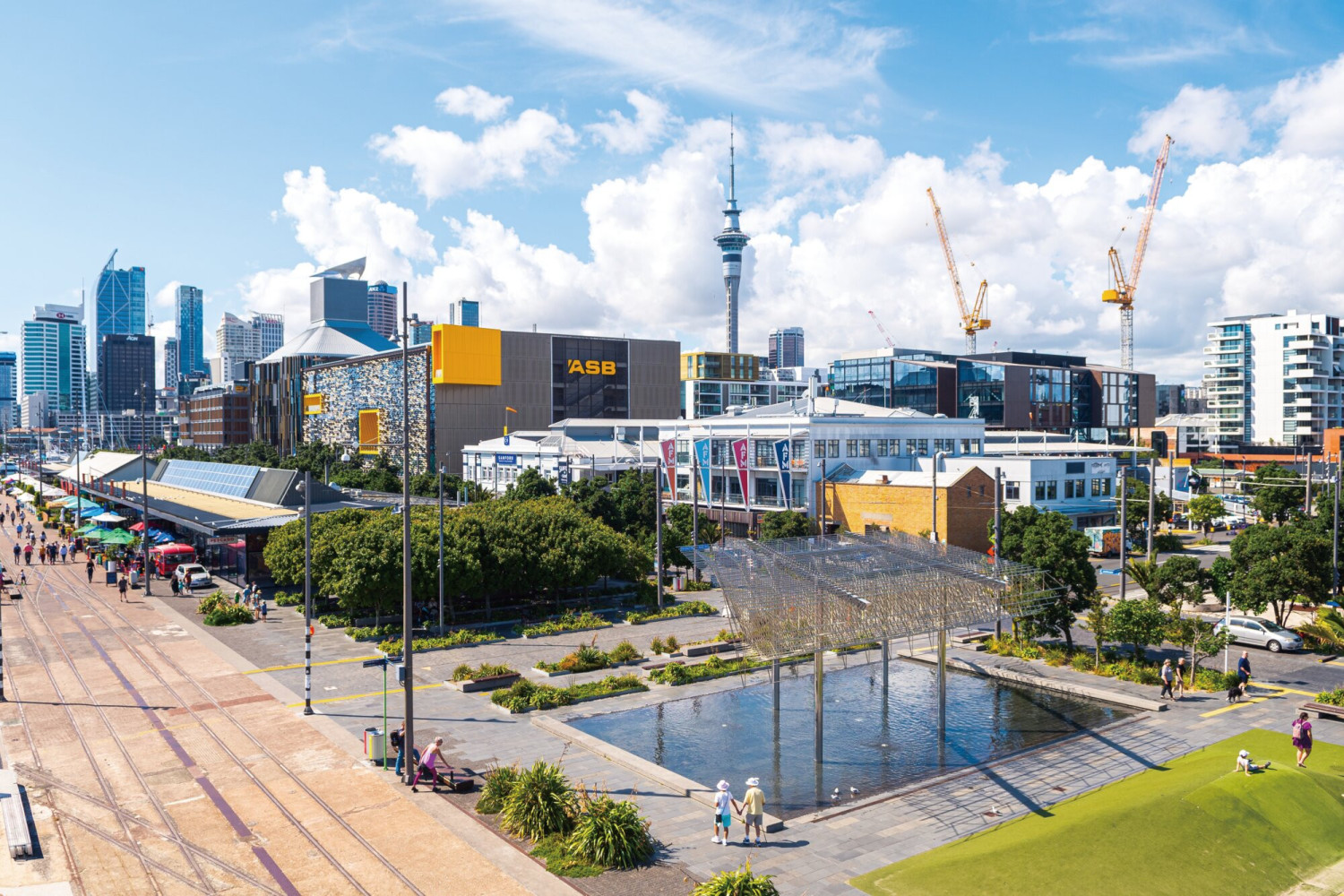
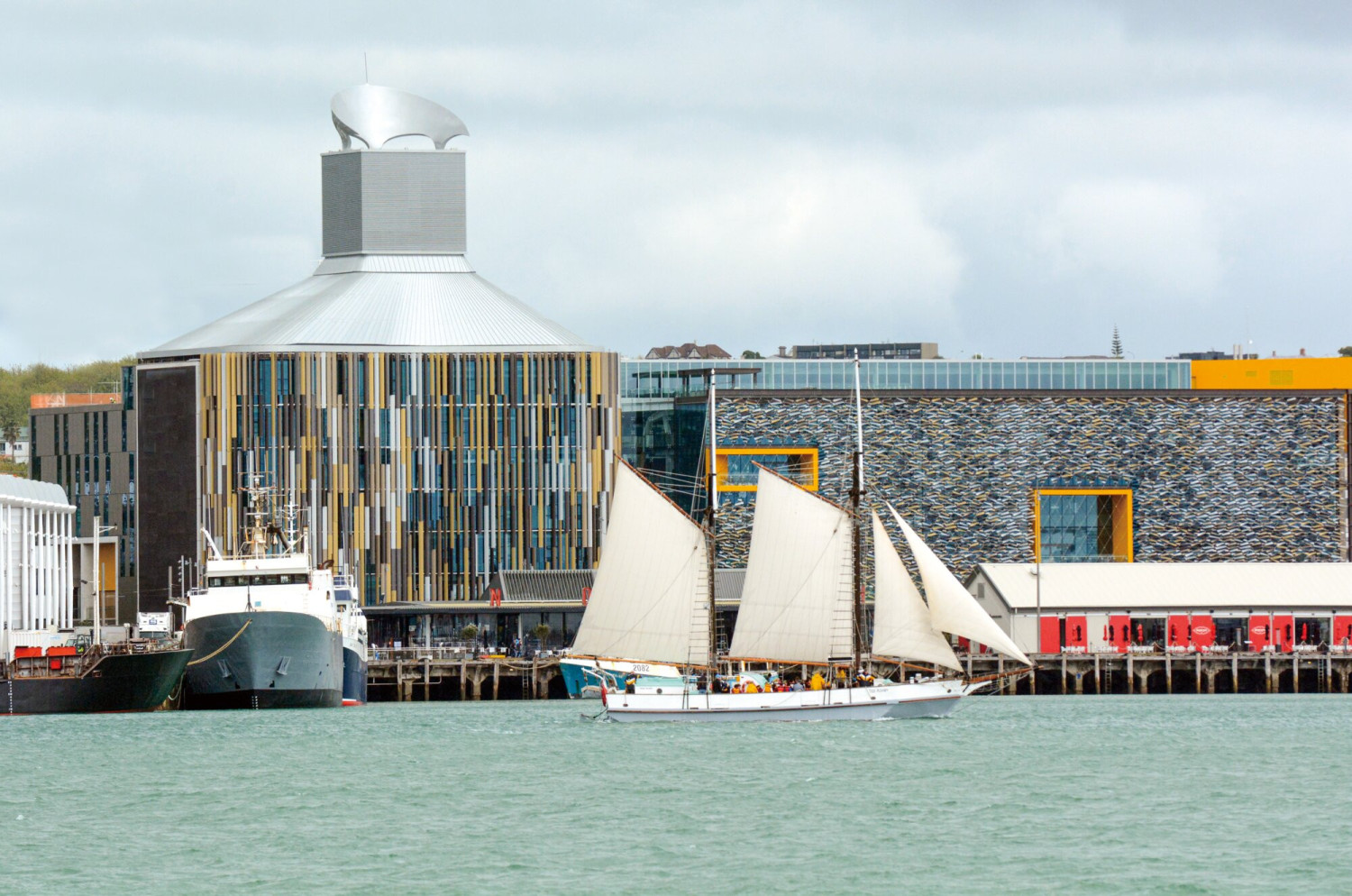
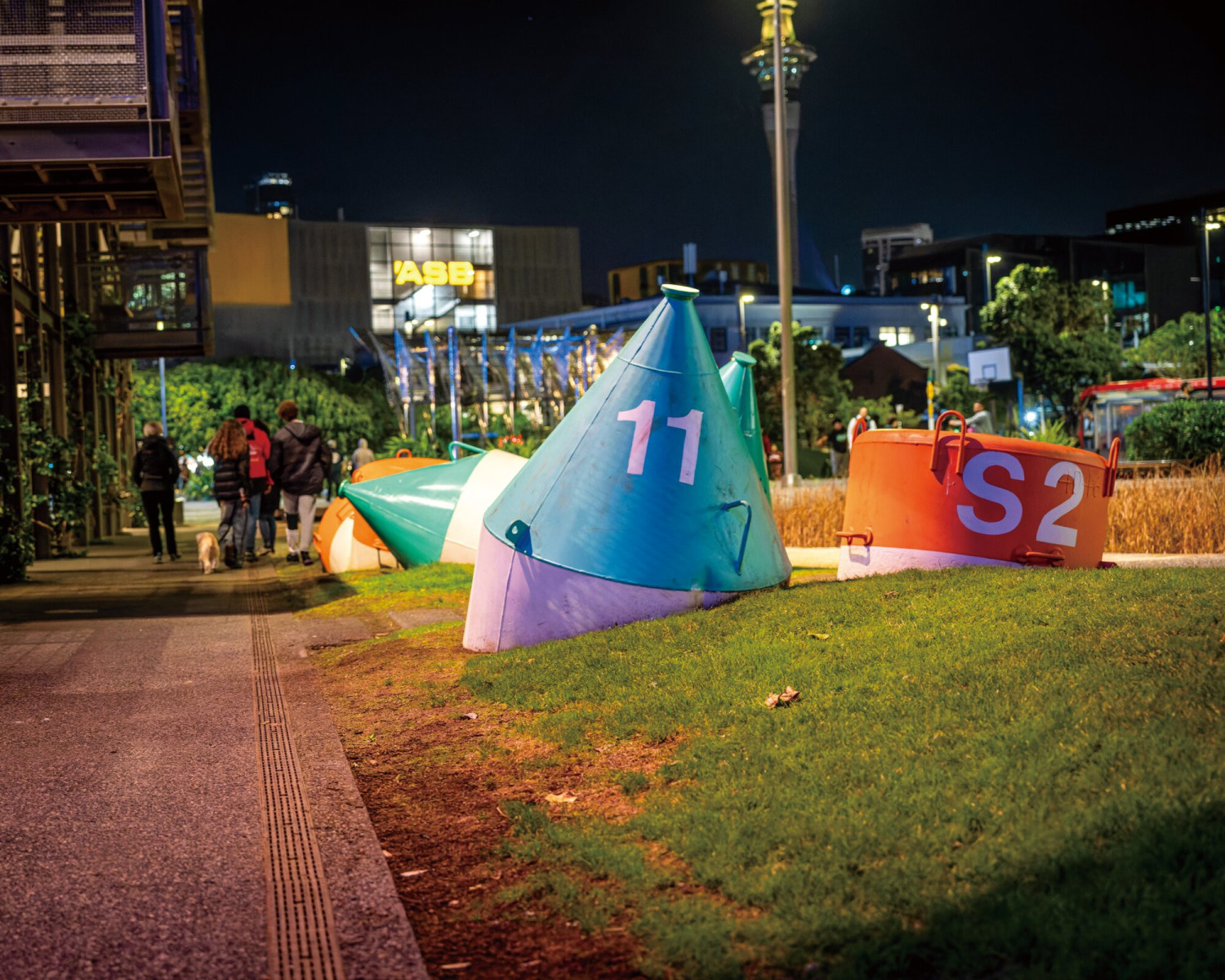
Twenty years ago, this area was a working tank farm — a fenced-off stretch of fuel silos and container yards that Aucklanders barely saw or visited. Today, it’s Wynyard Quarter, a standout example of what the city is doing to remake its industrial waterfront. The old silos remain, but they’ve been repurposed as event spaces and an outdoor cinema backdrop. And, the wharves around them are lined with cafés, breweries, restaurants and a fish market. In summer, Silo Park runs a season of outdoor films and live music with the container cranes of the working port still visible just across the water — a reminder that even with its recent rejuvenation, Auckland never stopped being a harbor city.


DOMINION ROAD
New Zealand’s Great Food Street
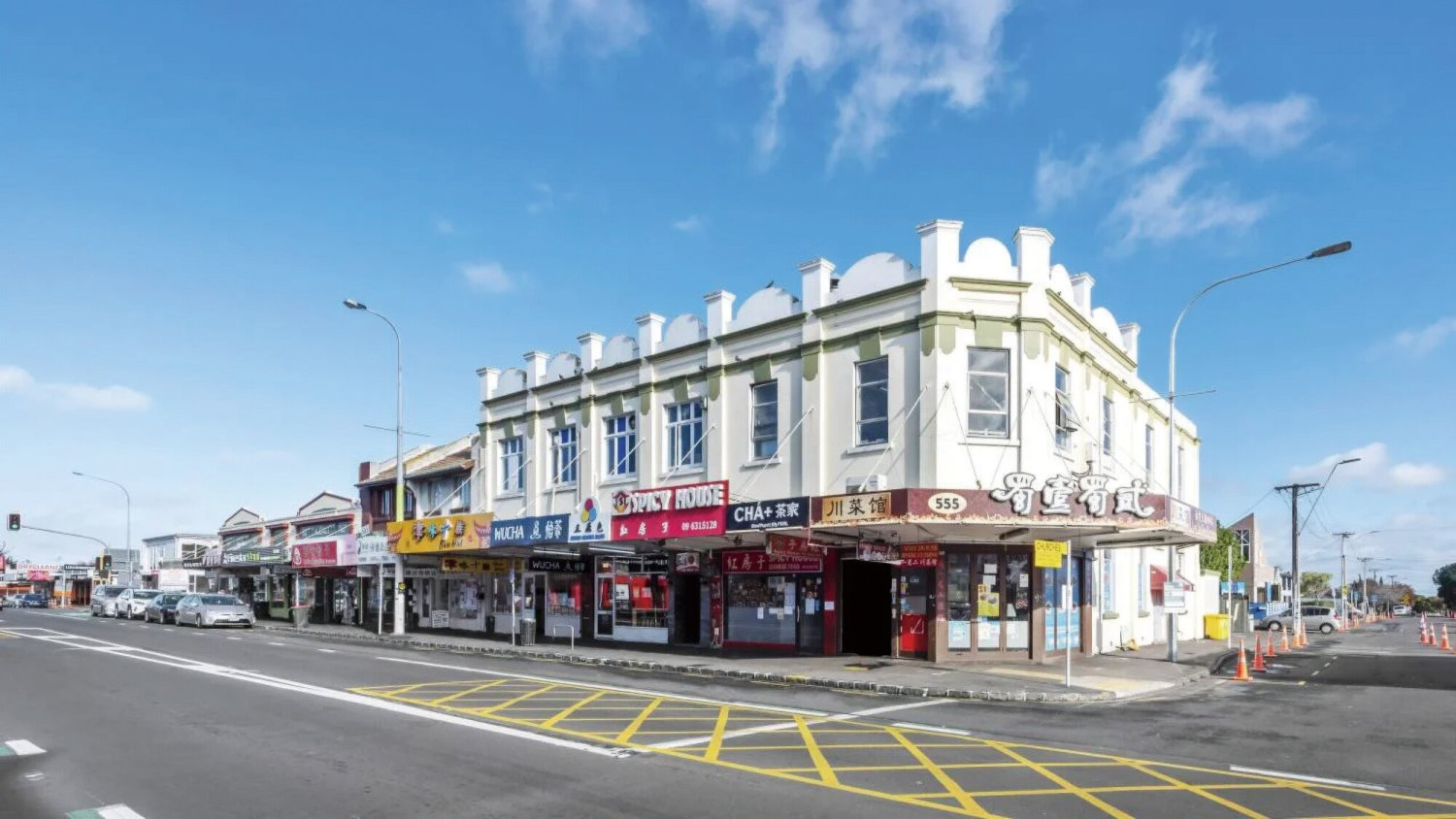
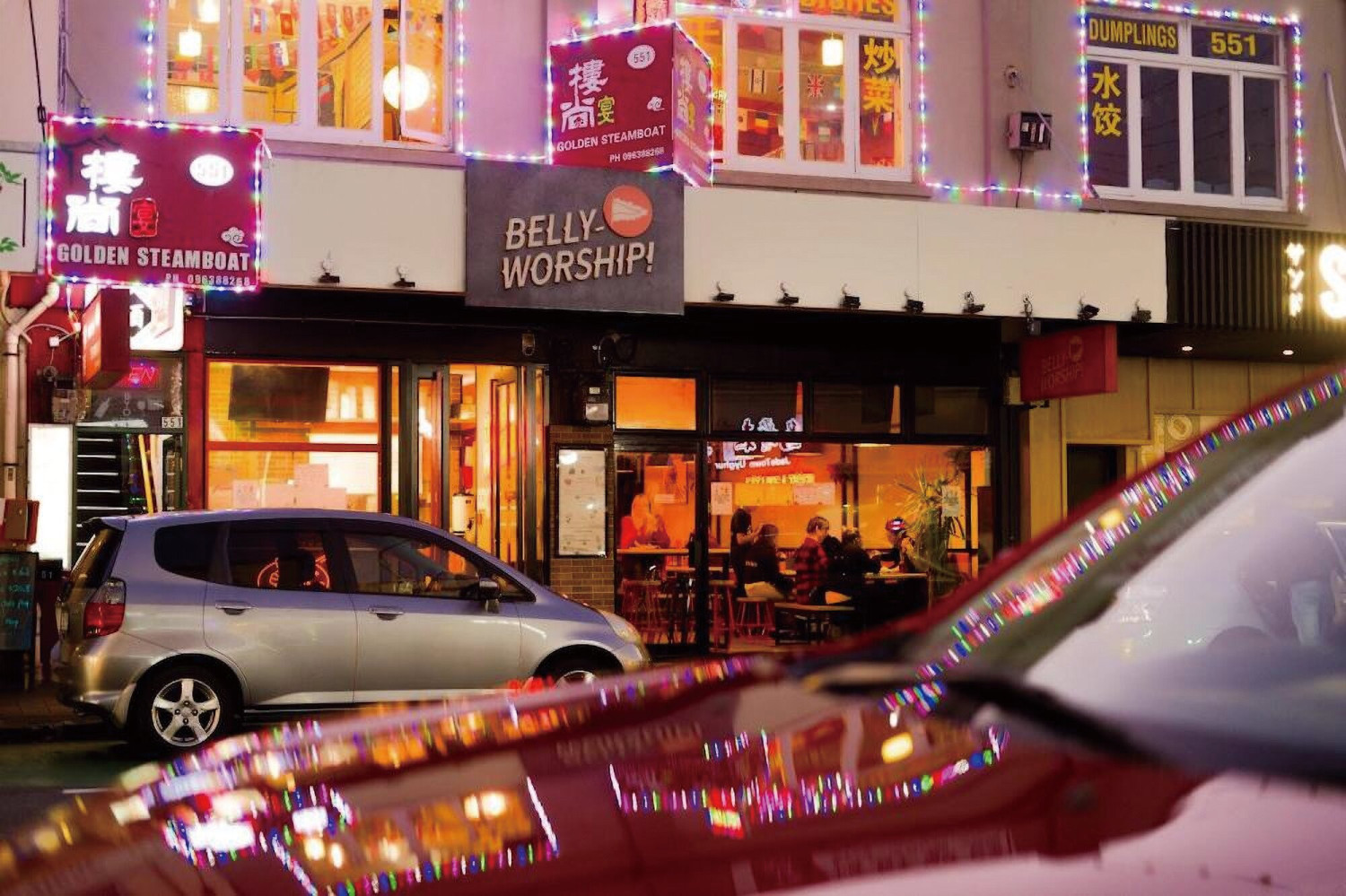
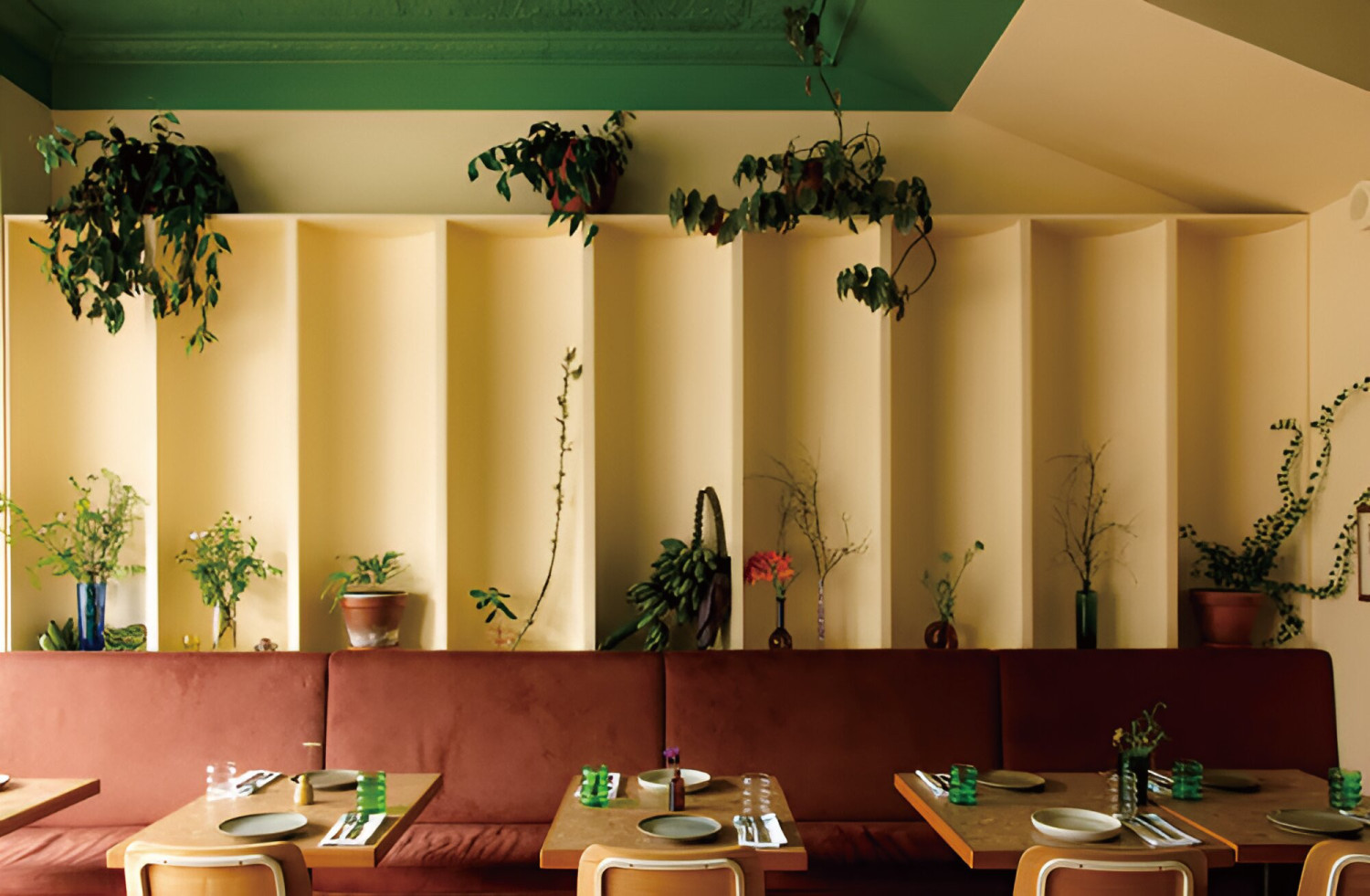
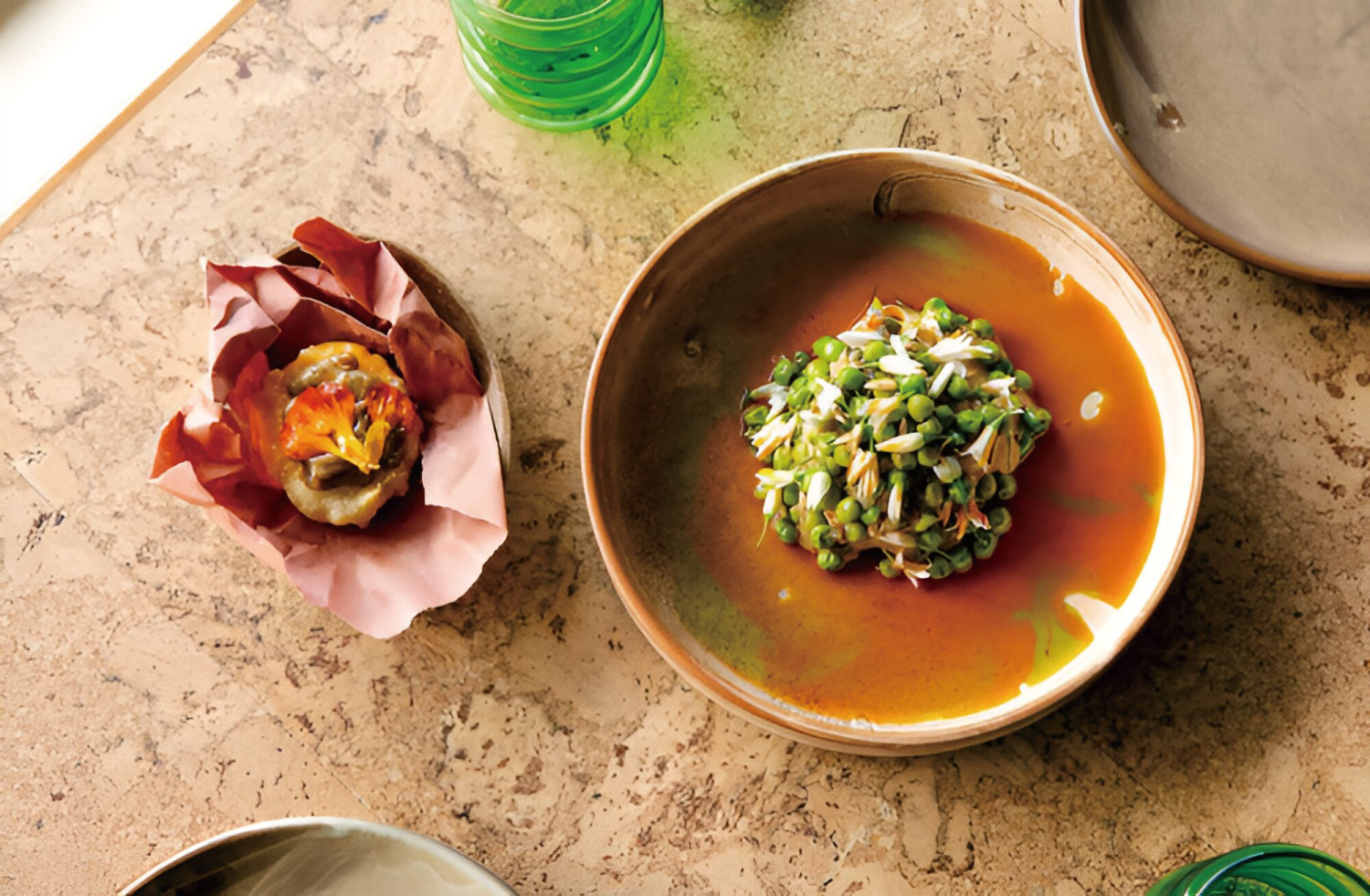
For Aucklanders deciding where to eat, Dominion Road will come up often. Running south from the city through Mount Eden and into Balmoral, it showcases 20 years of immigration: Sichuan, Cantonese, Malaysian, Korean, Vietnamese, Japanese and Indian kitchens sit side-by-side.But the street resists being filed under one cuisine. La Voie Française has some of the city’s best French baking; Cazador built its name on wild game, fine wine and an exceptional chocolate mousse; and Forest is an inventive vegetarian restaurant. The street food eateries, coffee carts and sheer density of options within a thirty-minute walk are yet more arguments for why Auckland’s periphery matters as much as its center.
WAIHEKE ISLAND
Crossing the Harbor
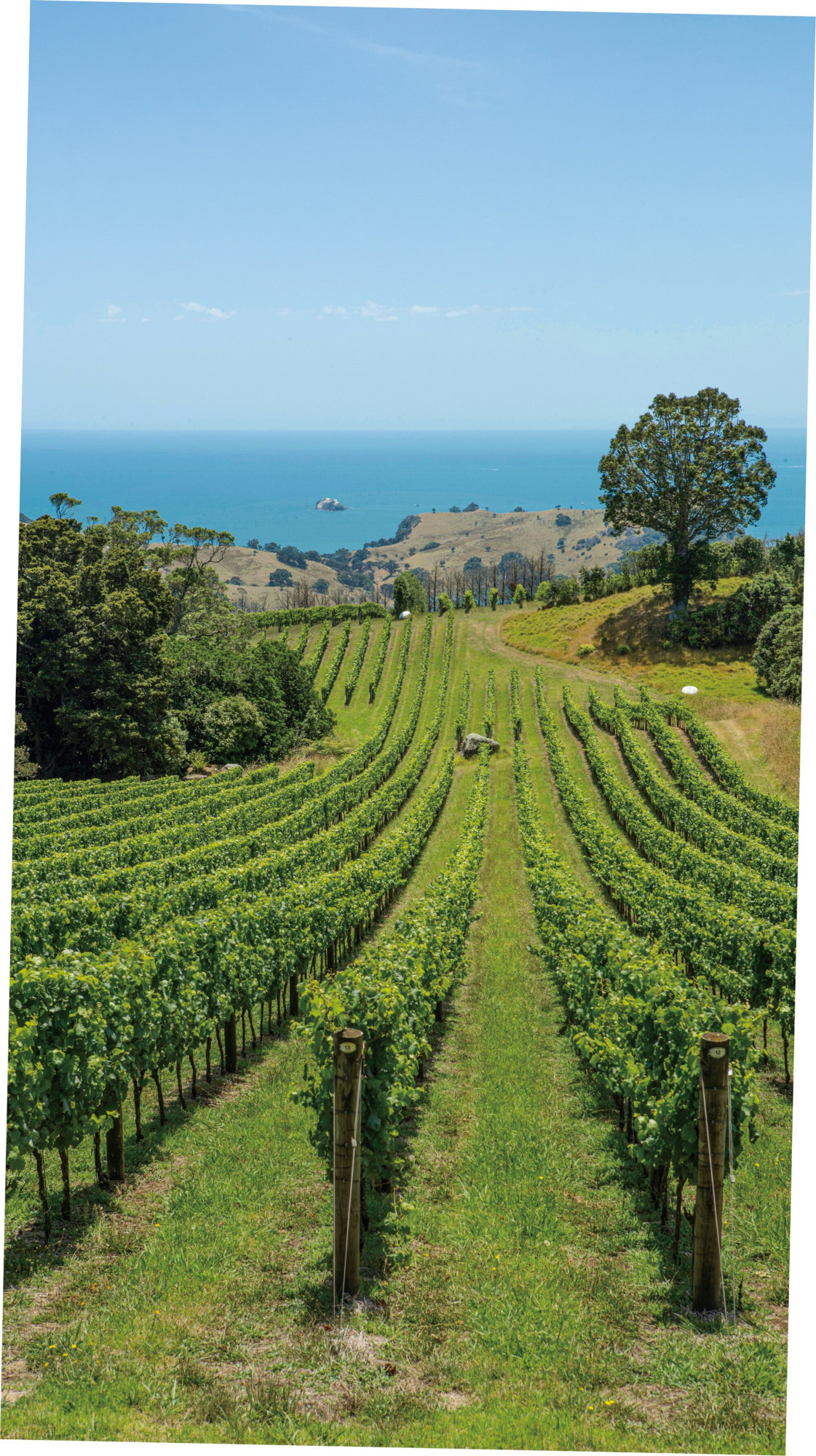
Forty minutes by ferry from the downtown terminal, Waiheke Island is close enough to be a genuine day trip and far enough to feel like leaving the city behind entirely. Vineyards occupy much of the island’s rolling hills, while its bays offer some of the calmest swimming near Auckland. Pick one winery for a long lunch, one beach for the afternoon and then argue about which ferry you have to catch back to the city. The ferry ride itself — out past the container terminal and the harbor bridge — is as good a way as any to understand how the city nestles into its wider gulf.
BRITOMART
Old Buildings, New Spaces
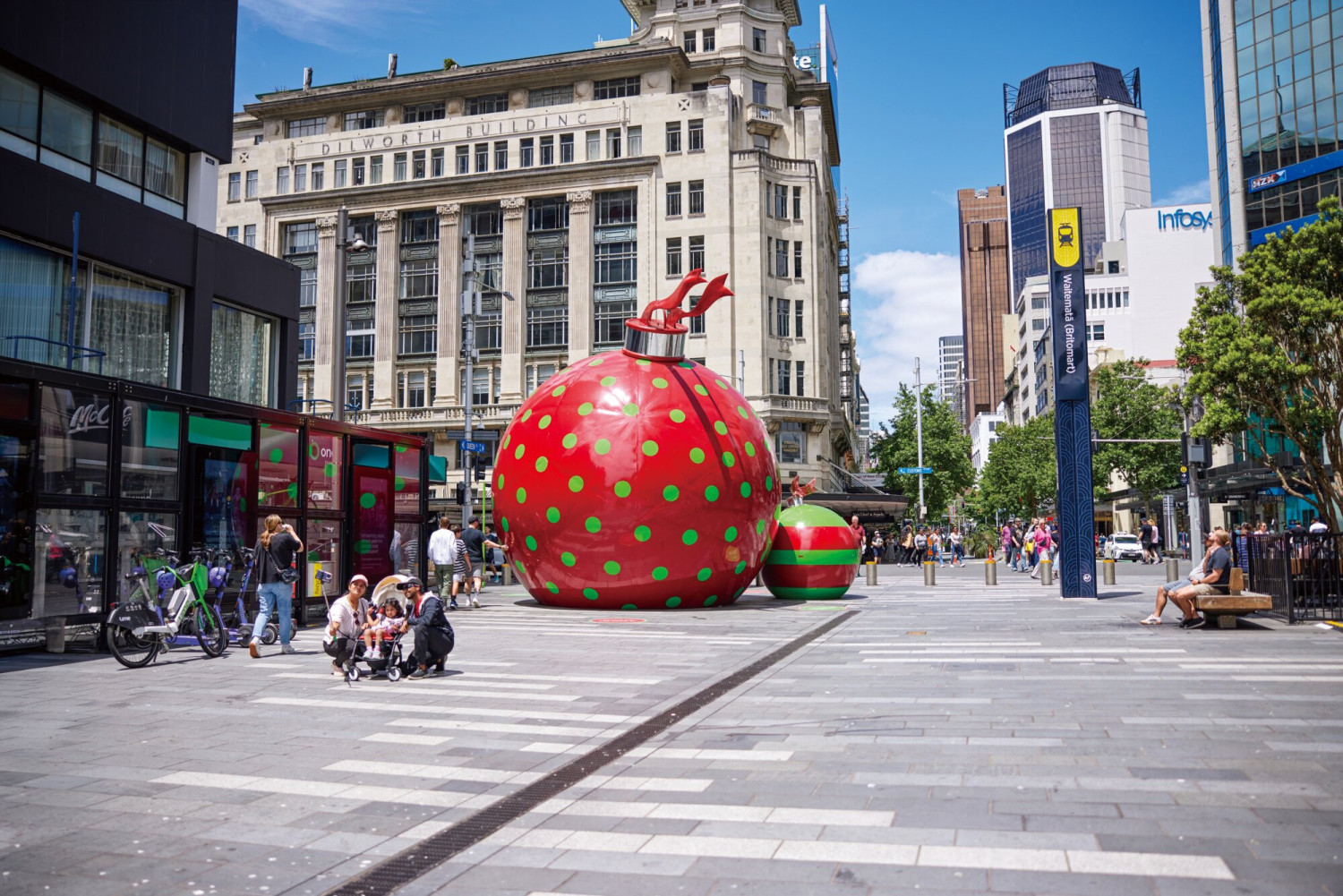
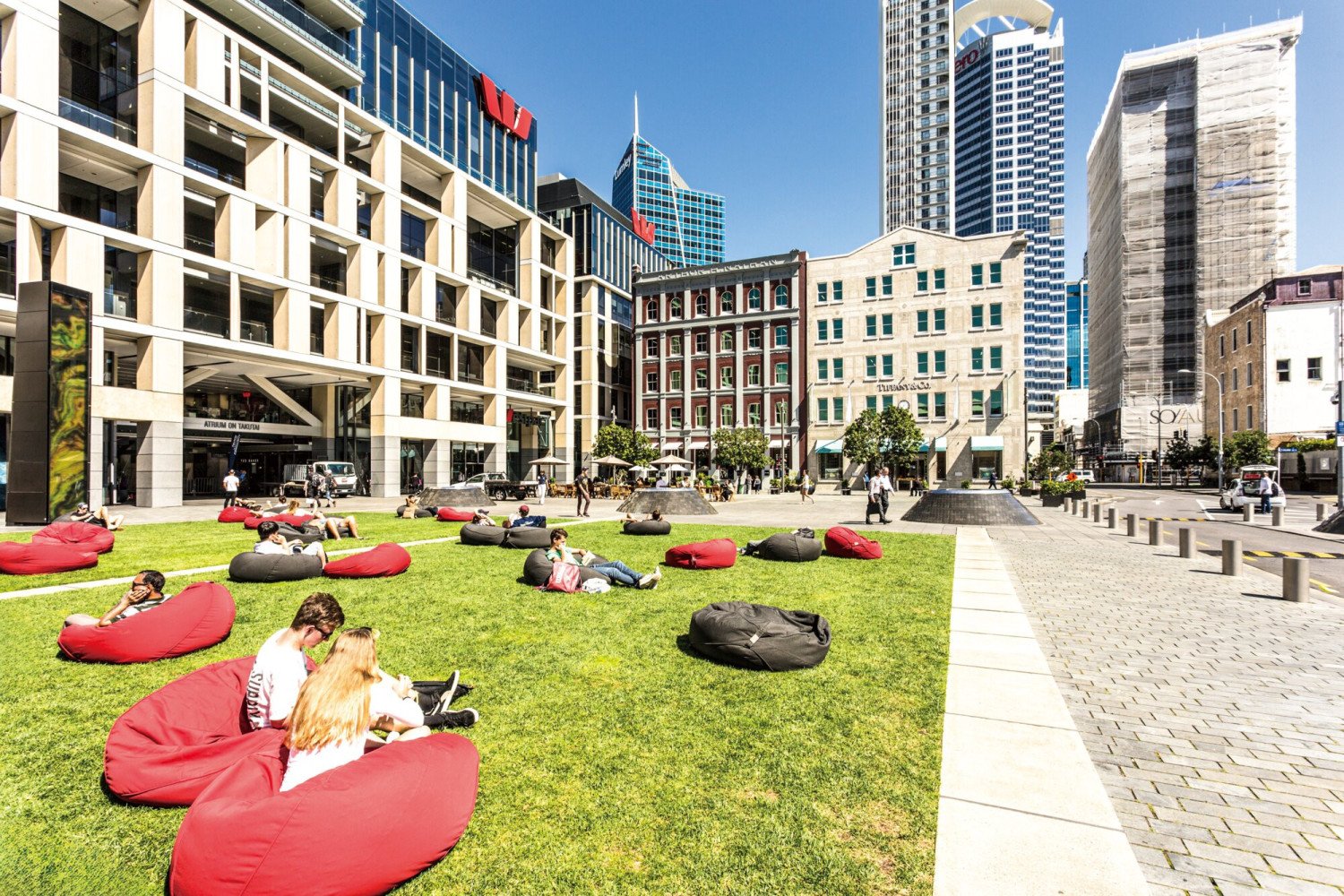
Britomart is proof that Auckland’s most interesting spaces are often the oldest ones with the newest ideas within them. A precinct of restored shipping warehouses at the bottom of the CBD, it was a semi-derelict rail yard as recently as the early 2000s; now its heritage brick buildings house local and global fashion boutiques, wine bars and some of the city’s best small restaurants, arranged around laneways. The train station — Auckland’s newest piece of transit infrastructure and the hub of the underground rail — sits underneath, keeping the surface communal and walkable.
- Written by. Henry Oliver
- Henry Oliveris an Auckland-based writer and editor. The former editor of Metro magazine, he now edits The Spinoff’s daily newsletter The Bulletin, writing on the places and ideas that shape his city.
- Korean Air operates direct flights between Incheon and Auckland 5 times a week.