Surviving Together: Solidarity in K-Reality
One of the greatest pleasures of watching a television show is immersing oneself in another person’s life. By stepping into someone else’s reality and seeing the world through their eyes, we experience emotions and circumstances that are otherwise out of reach. This immersion is heightened by fantasy scenarios about spiritual possession and body swapping. Tales about souls inhabiting different bodies and characters being dropped into a new life to navigate an unfamiliar world have the power to transport us out of our routine. Phantom Lawyer and Moon River are two Korean dramas that guide viewers through this exercise of empathy.
The Last Humanity, Seeds of Symbiosis in the Desert of Disaster
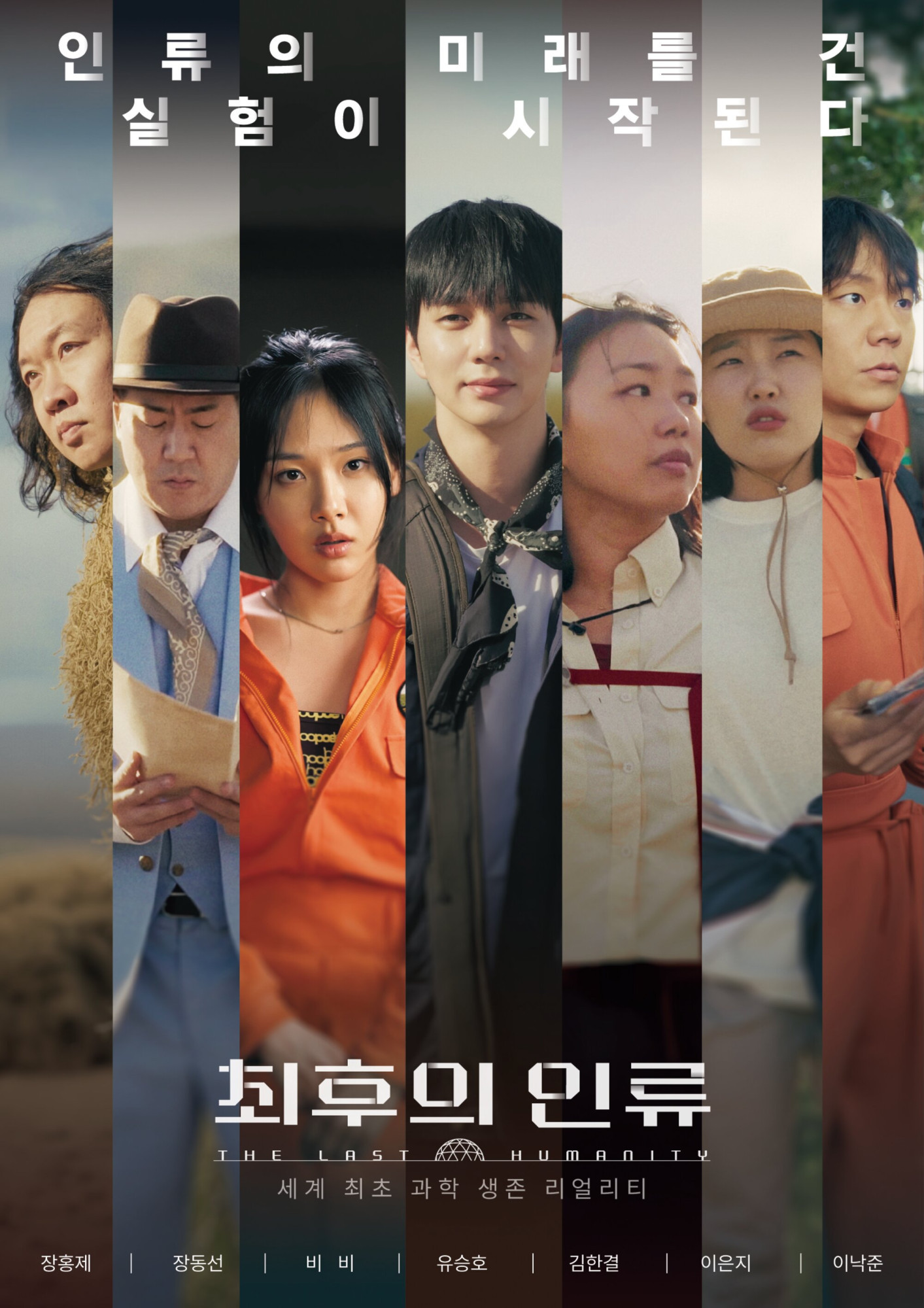
The world’s first science-based survival show unfolds in Biosphere 2, a manmade ecosystem in the Arizona desert. Seven contestants, each representing a different area of expertise, test the possibility of human survival in total isolation.
© EBS
The year is 2038, Earth stands on the brink of collapse as the climate reaches its breaking point. One by one, figures emerge out of a vast desert. There are seven altogether, each with a different area of expertise: actor Yoo Seungho, comedian Lee Eunji, singer and actress Bibi, neuroscientist Chang Dongseon, chemist Jang Hongje, NASA Jet Propulsion Laboratory scientist Kim Hankyul and physician Lee Nakjoon, author of the web novel that inspired the Netflix series The Trauma Code: Heroes on Call. The group’s mission is to survive inside Biosphere 2, a massive closed ecosystem in the middle of the desert. That’s the scenario envisioned by the EBS program The Last Humanity.
Completed in 1991 by some of the leading scientists of their day, Biosphere 2 was built to serve as a substitute Earth by recreating a range of biomes — a tropical rainforest, a savanna and even a marine environment. It was the stage of a two-year experiment in self-sufficiency undertaken by a team of eight specialists. That experiment ultimately failed, however, when the crew squabbled and oxygen ran low. As this show’s seven participants enter the dome more than 30 years later, can they learn from that failure and succeed where their predecessors did not?
What makes this show so compelling is that, unlike many such shows, it’s guided not by competition and betrayal but by cooperation and solidarity. The participants are presented with a series of missions that require them to work together while drawing upon their respective areas of expertise. For example, they must locate a mysterious “lung” in a collapsing base to prevent an explosion, develop a sustainable diet based on ingredients produced inside the dome and save the last coral reef in a devastated marine ecosystem. And rather than hoarding the “seed money” awarded for survival, the participants share it as they seek a way to survive together.
The Last Humanity may be a survival program, but true to EBS’s educational mission, it offers a different kind of entertainment by showing how scientific knowledge can be used to solve crises. More importantly, its unique challenges demonstrate that surviving in the wild is not a matter of everybody fending for themselves but of coming together through mutual care and cooperation. The show prioritizes survival not of the individual but of the group, and that may be why the participants all seem to be enjoying the journey.
Undercover Chef, Persevering in Unfamiliar Places
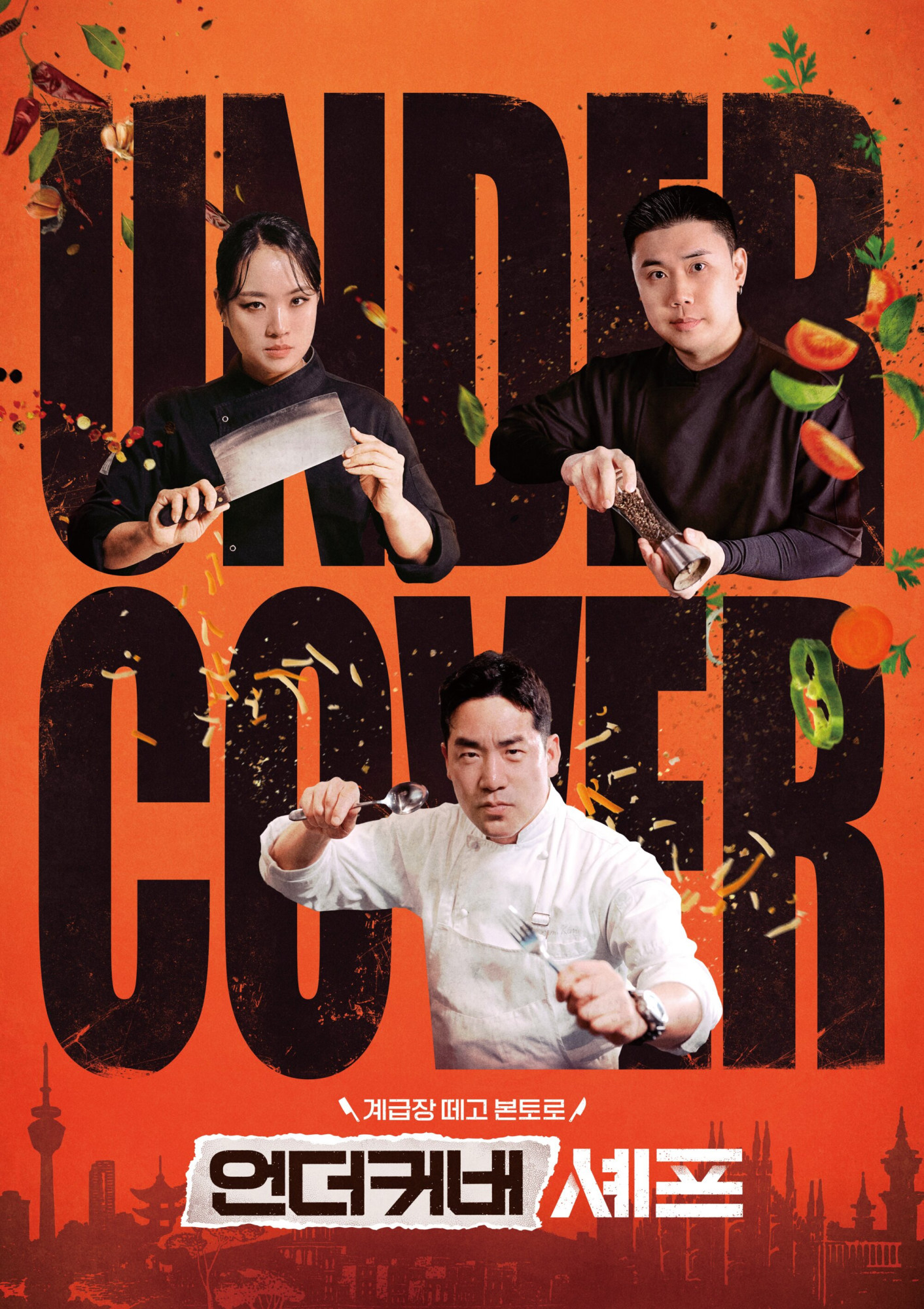
Star chefs in Korea conceal their identities to take on menial kitchen jobs inrestaurants overseas. In this reality show, the big question is how quickly thecontestants can prove their talent to climb the culinary ladder.
© tvN
The kitchen is the brave new world to survive in Undercover Chef, where the barriers posed by language and culture are part of the challenge. The stars here are Sam Kim, Jung Jisun and Kwon Seongjun, all celebrity chefs in Korea. But stripped of their status and sterling reputations, they’re tasked with surviving in kitchens overseas as bottom-rung cooks, with nothing but their culinary chops to rely on. Fittingly enough, each chef is assigned to the original home of the cuisine they’ve championed in their careers. Sam Kim, an Italian pasta chef, is sent to a restaurant in Parma, Italy. Jung Jisun, the queen of Chinese cuisine, ends up at a large restaurant in Chengdu, famed for its Sichuan dishes. Kwon Seongjun, winner of another cooking show and known for his renditions of Neapolitan cuisine — is dropped into a restaurant in Naples. The three chefs have five days to complete their missions: beginning at the bottom of the kitchen hierarchy and ultimately presenting one of their signature dishes on the menu.
No matter how accomplished or experienced one may be, adapting to a foreign country’s culinary practices is no easy task. Sam Kim consistently jots down essential phrases in his notebook as he carves out a place for himself in the kitchen through his characteristic diligence. Jung Jisun, known for her charismatic presence, struggles to master the restaurant’s enormous wok and adjust her cooking to local tastes before finally winning over her fellow chefs with her signature dish, sweetand-sour eggplant. Finally, Kwon Seongjun slowly pleases kitchen staff with his trademark confidence. But what makes their adaptation possible is the kindness and generosity of the people they meet along the way. Throughout the series, local chefs are seen respecting cultural differences and eagerly helping these newcomers adapt to unfamiliar surroundings. In the end, viewers are reminded that these undercover chefs could not have survived their journey into the culinary unknown without a warm welcome from locals.
Like these shows, travel itself is an act of willingly stepping out of one’s comfort zone and into an unfamiliar setting. The moment the plane lifts off, we find ourselves separated from our language, our environment and even, in some ways, ourselves. What, then, makes foreign travel a joy rather than a struggle? The answer comes from an attitude of hospitable openness toward other cultures. As The Last Humanity and Undercover Chef suggest, learning to cooperate and connect with strangers is something to be enjoyed, not endured. So, when you step off the plane, make a point of nodding respectfully to the locals and attempting to say something in their native language, even if that means butchering the pronunciation. In doing so, you may just discover the true joy of travel.
TV PREVIEW
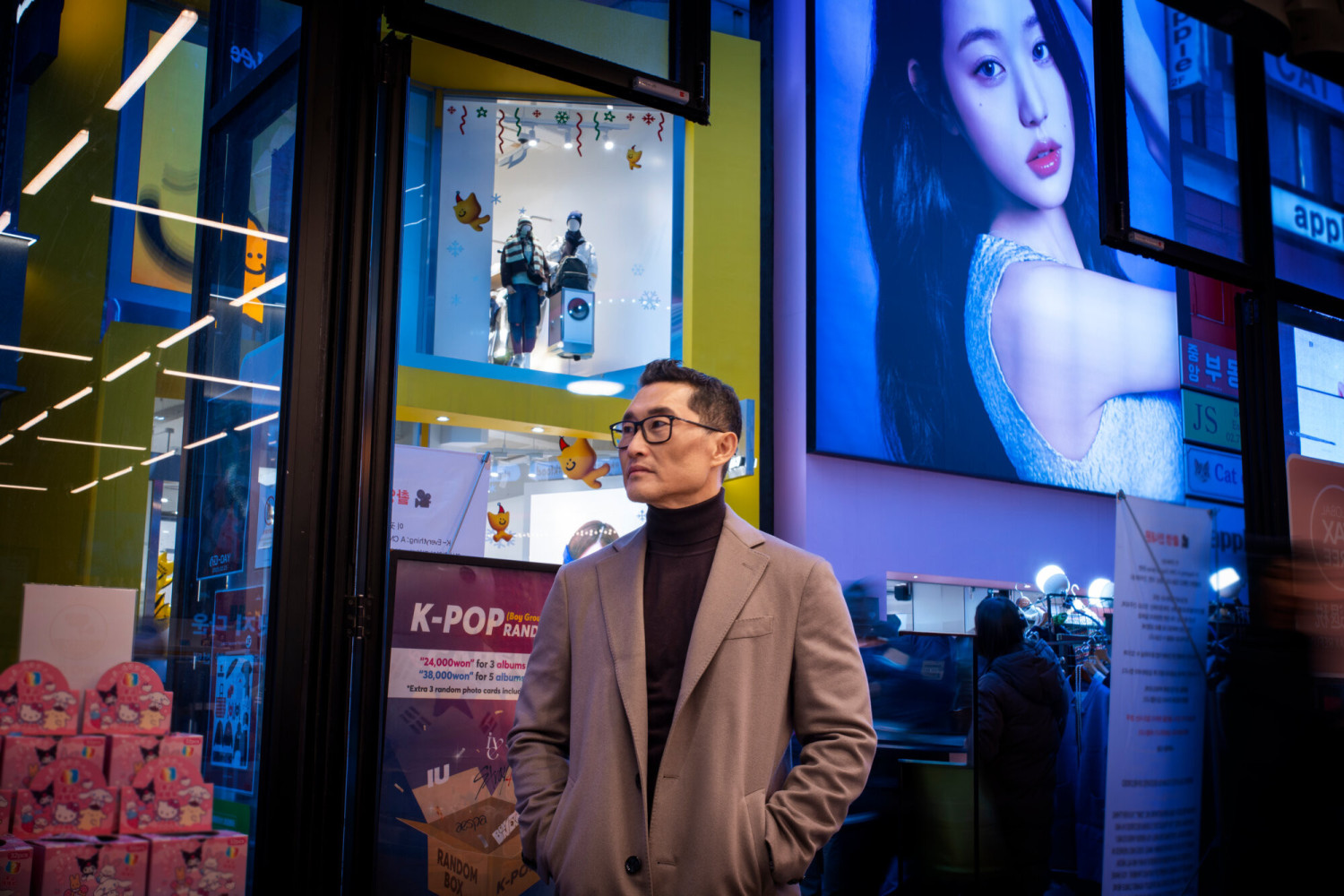
K-Everything (S1: 2026)
This CNN Original Series explores South Korea’s rise as a global cultural powerhouse through four themes: music, film, food and beauty. The documentary is hosted and executive produced by Daniel Dae Kim, the voice of the herbalist healer in KPop Demon Hunters. Figures such as PSY, Taeyang, Lee Byunghun and Kim Eunsook share their insights into the growth and influence of K-culture.
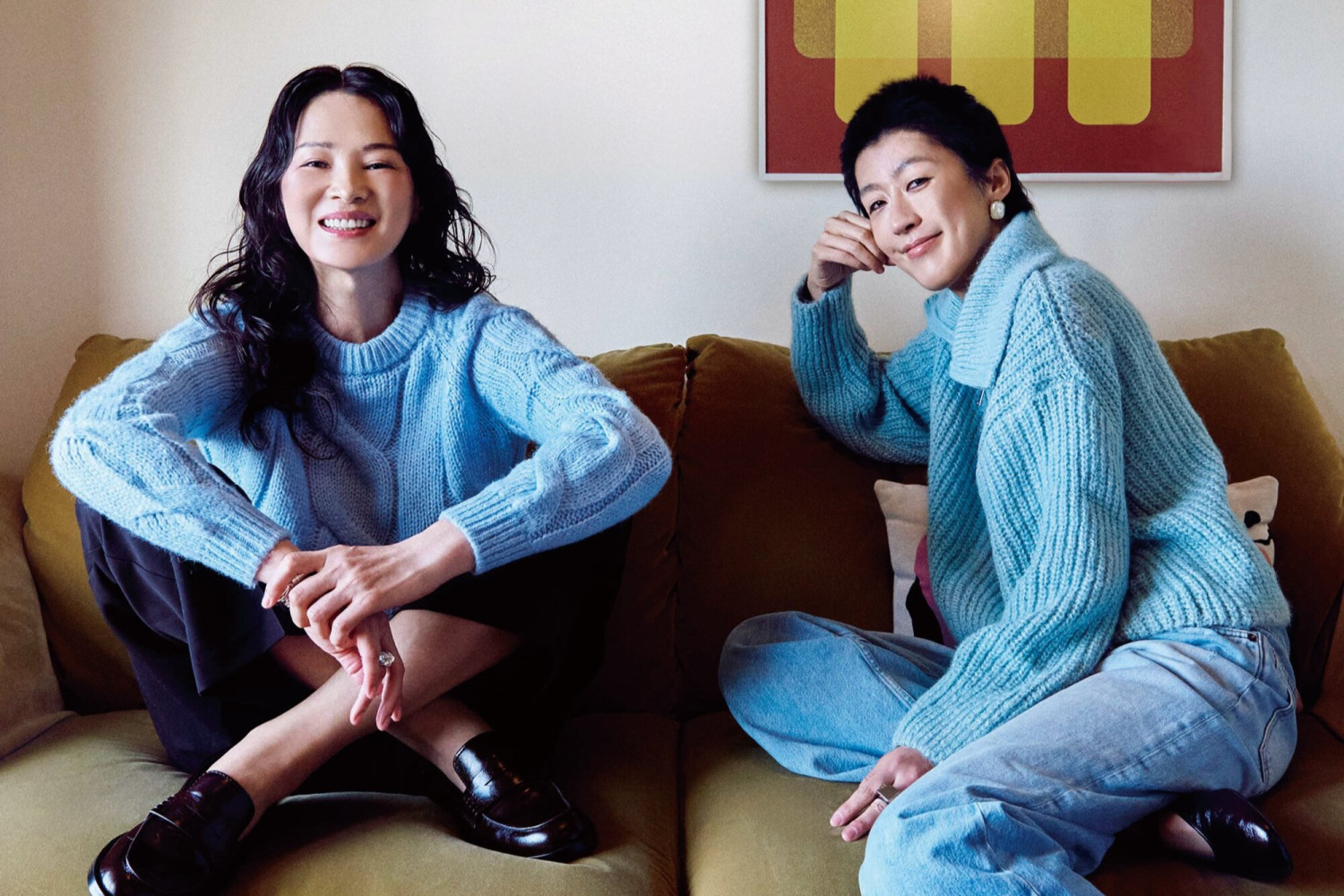
Sora and Jinkyung
Korea’s first-generation supermodels Lee Sora and Hong Jinkyung reunite after 15 years. This reality show shows the two celebrities, trying their luck again on the Paris runway. Two parallel narratives are presented — rekindling their friendship and returning to their original careers — as they submit catwalk videos, wait for responses from modeling agencies and attend auditions.
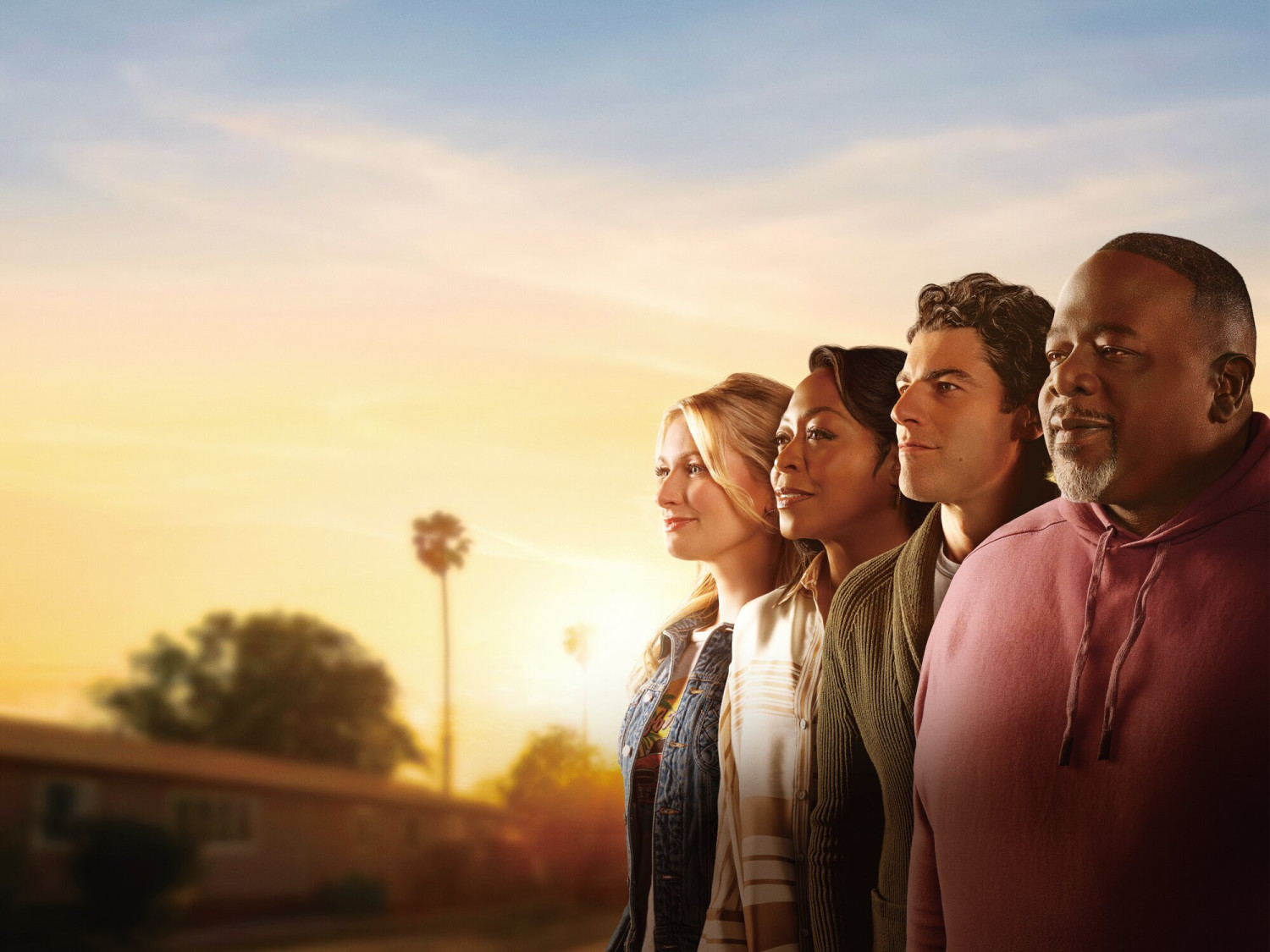
The Neighborhood (S8: 2025)
The eighth and final season of this popular CBS sitcom draws the curtain on the friendship between the families of Dave Johnson (Max Greenfield) and his neighbor Calvin Butler (Cedric the Entertainer).
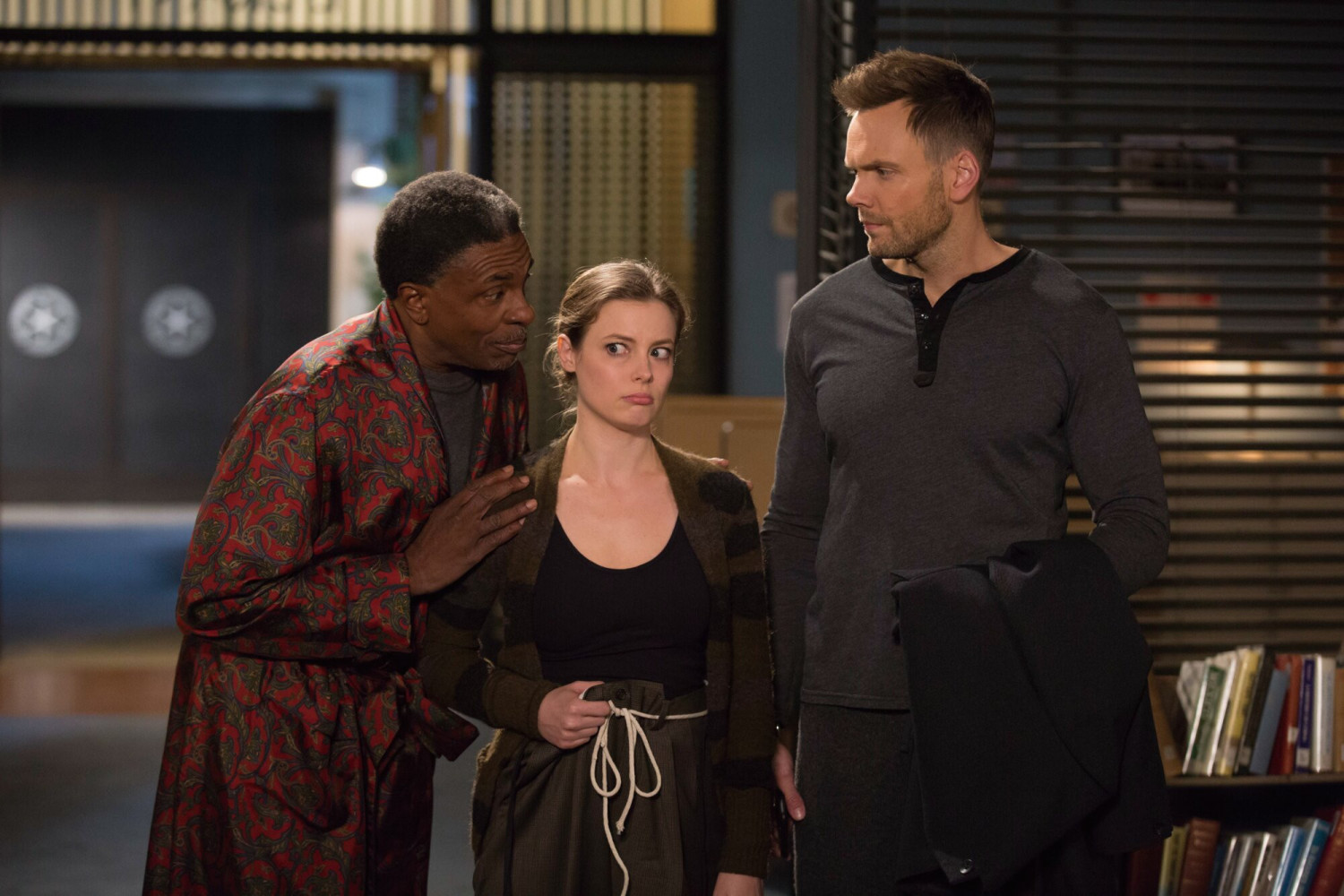
Community (S6: 2015)
In the last season of this sitcom, Jeff (Joel McHale) and the remaining study group members form a committee to save their school from closure. As new life paths emerge, they go their separate ways, and Jeff must face his fear of being left behind.
- Available content may vary depending on your flight.