Painted in Three Shades of White NIIGATA
Niigata Prefecture, on Japan’s west coast, is shaped by three legacies: rice, sake, snow. These treasures are a source of local pride and the region’s natural blessings. It’s a place where majestic nature and a sophisticated food culture thrive, a world that feels further than its 90-minute Shinkansen train ride from Tokyo. To experience this pure bounty, follow the trail of these three shades of white.
KIYOTSU GORGE
The First Shade: Scenery Sculpted by Snow
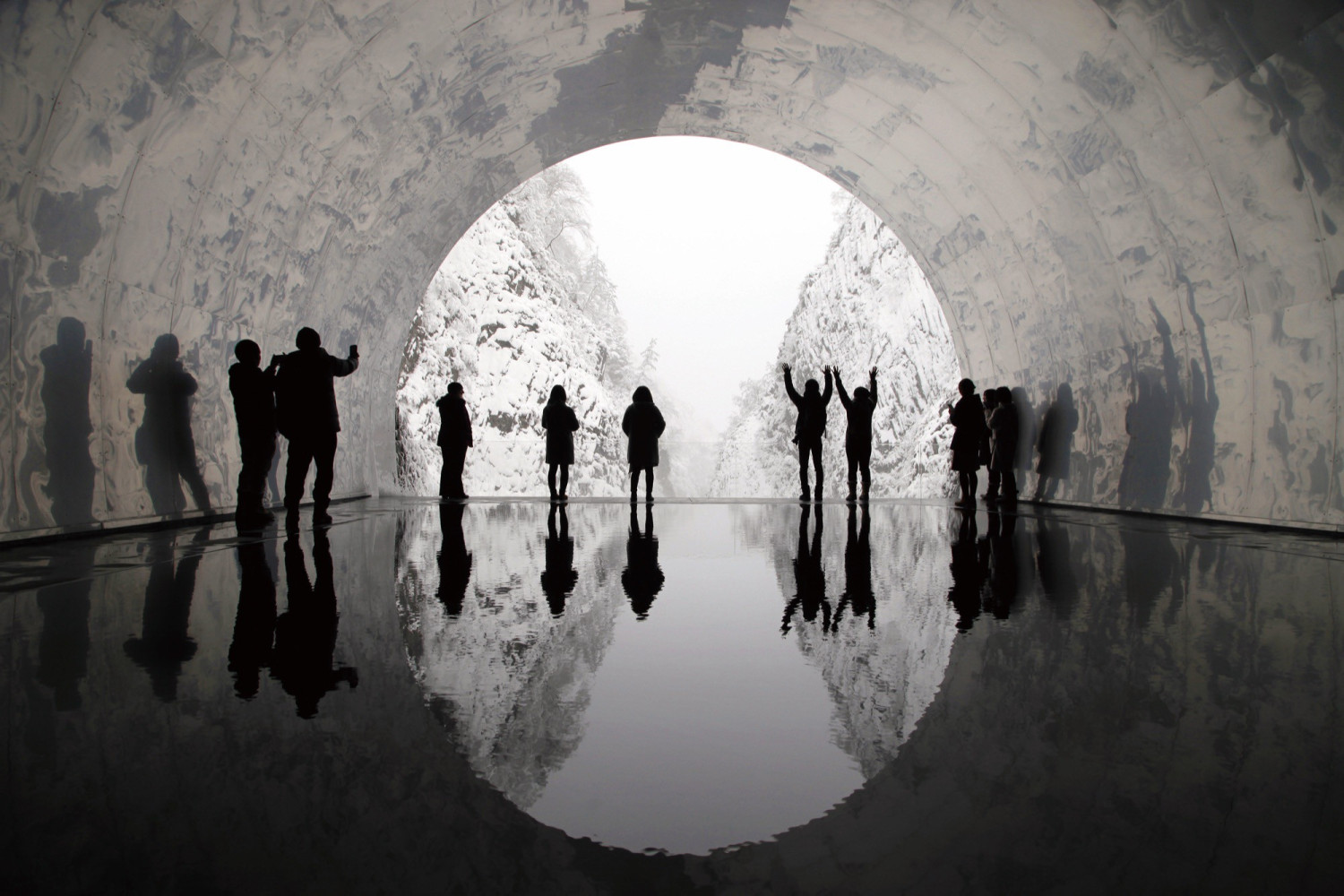
Niigata’s winters are defined by snowscapes that cloak the world in a pristine, blinding white. In Tokamachi, Kiyotsu Gorge reveals this captivating white light at its peak.
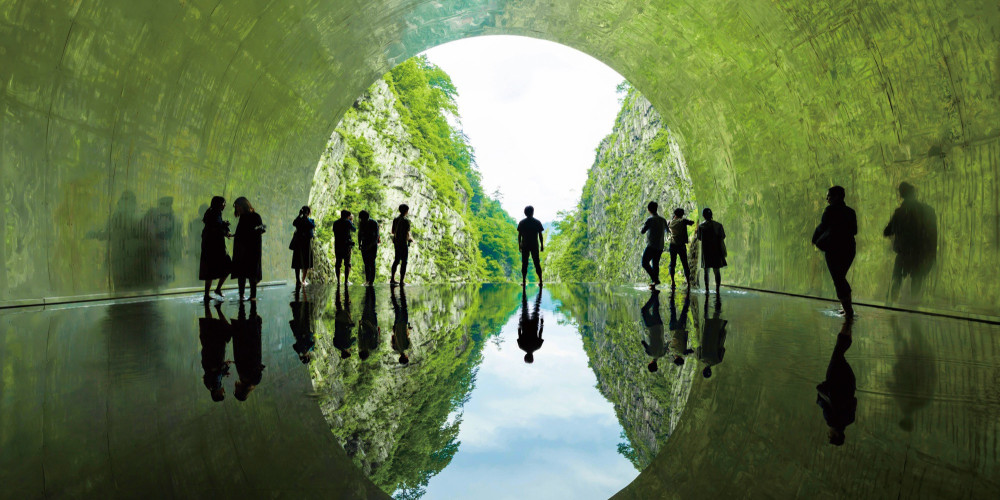
Transformed for the 2018 Echigo-Tsumari Art Triennale, a regional art festival, the Tunnel of Light installation mesmerizes onlookers with mirrored vistas. While it transforms throughout the seasons, the sight of the snow-covered gorge is a singular scene that can only be found in Niigata.
Pier Bandai
The Second Shade: A Gathering of Rice
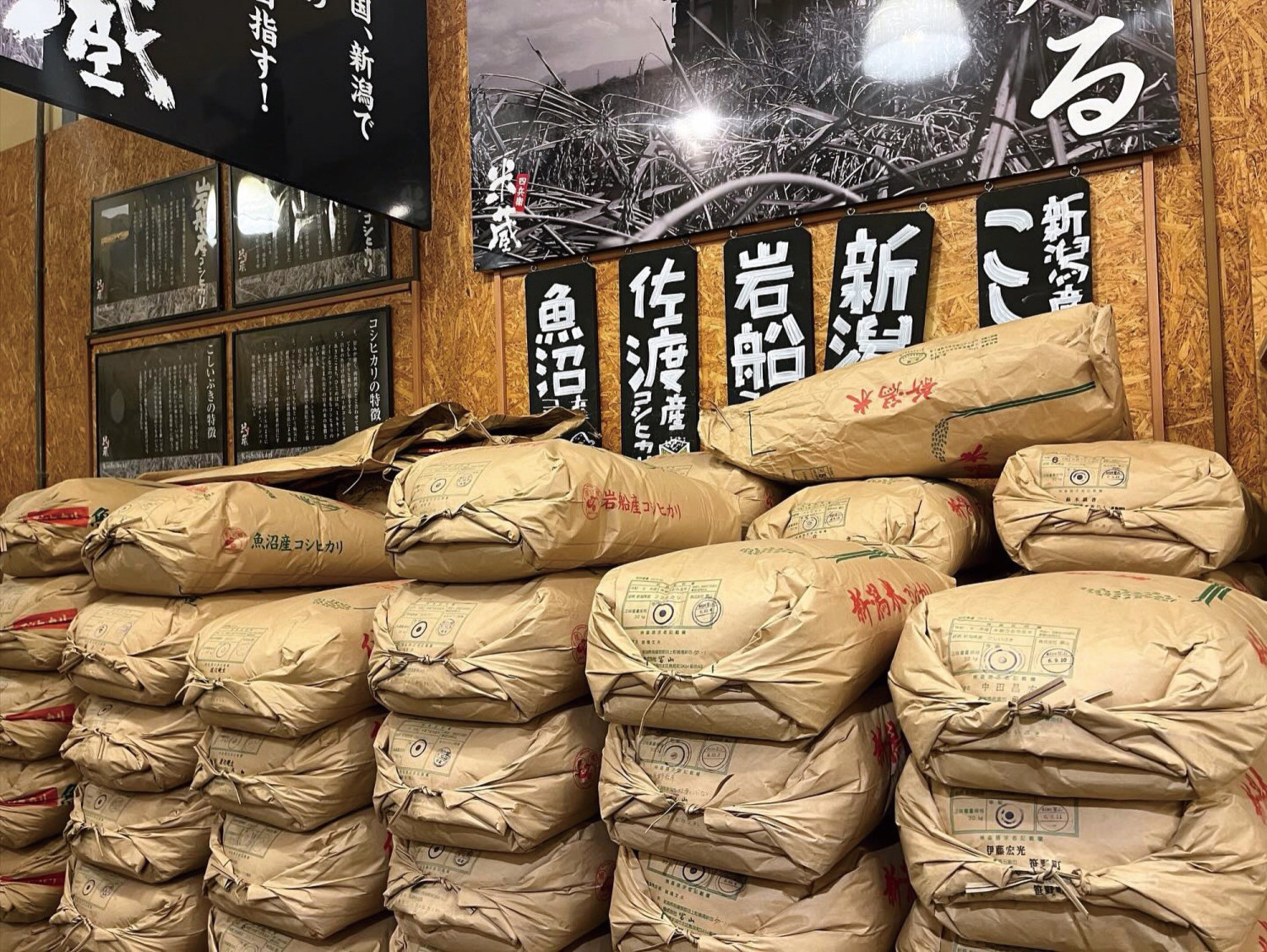
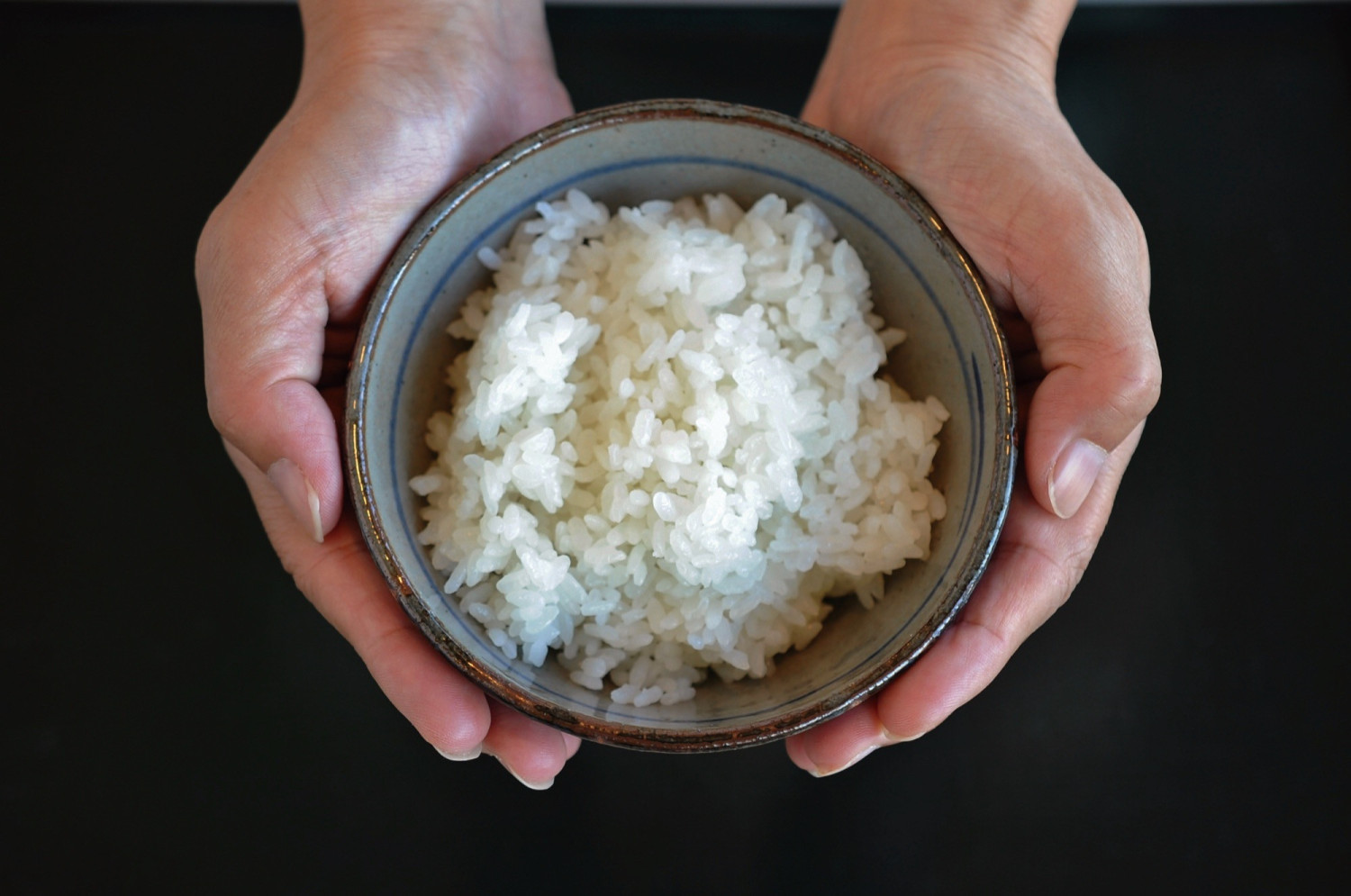
Niigata is Japan’s premier rice-producing region; its Uonuma Koshihikari is legendary. Since 1989, it’s been the only variety to consistently earn “Special A,” the top possible grade from the Japan Grain Inspection Association, maintaining that status for over 35 years (2018 and 2023 were “Grade A”). Nurtured by fertile soil and snowmelt, this rice is prized for its sweetness and chewy texture.
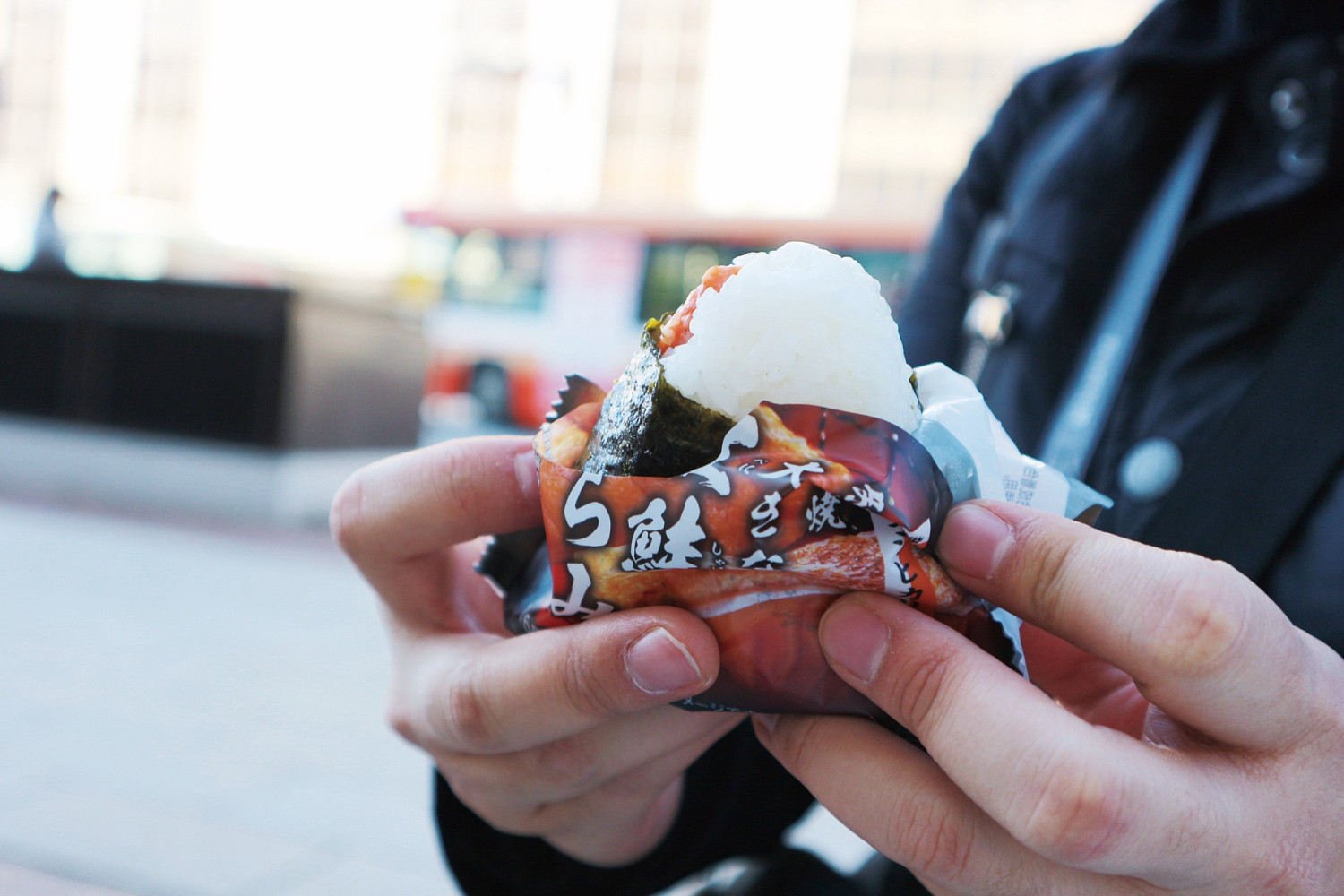
To experience this rich rice culture, head to Pier Bandai, a lively food market near Niigata Port. At the market’s direct-from-the-farm store, Otomisan, taste fresh onigiri (rice balls). For just ¥600 yen, you can also try your luck at a popular gacha game that dispenses different varieties of local rice. Don’t miss the chance to eat at the market’s bustling conveyor-belt sushi restaurant, Sado Benkei, famous for its sushi made with Niigata rice and fresh seafood.
Imayo Tsukasa Sake Brewery
The Third Shade: The Brew of Fine Rice
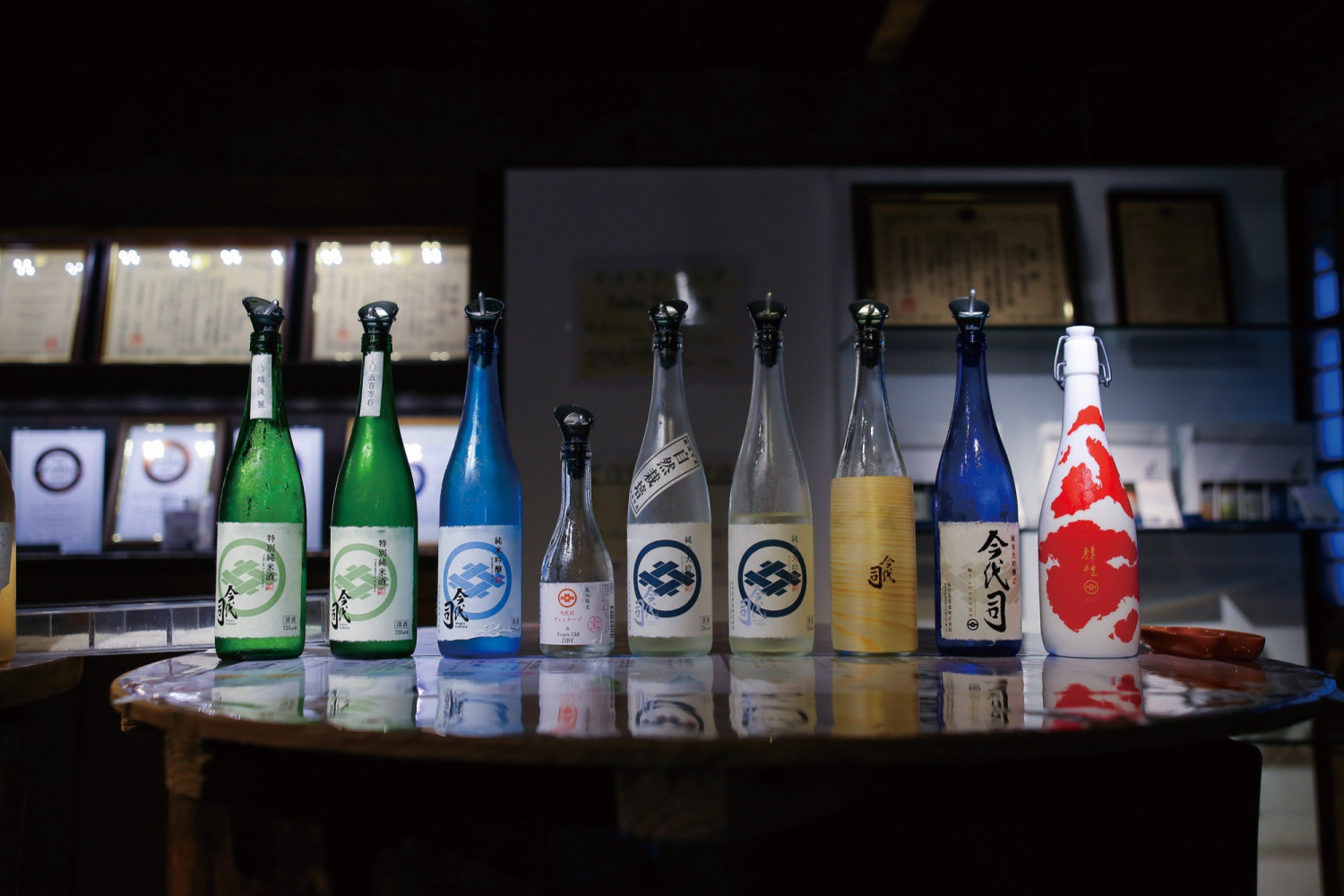
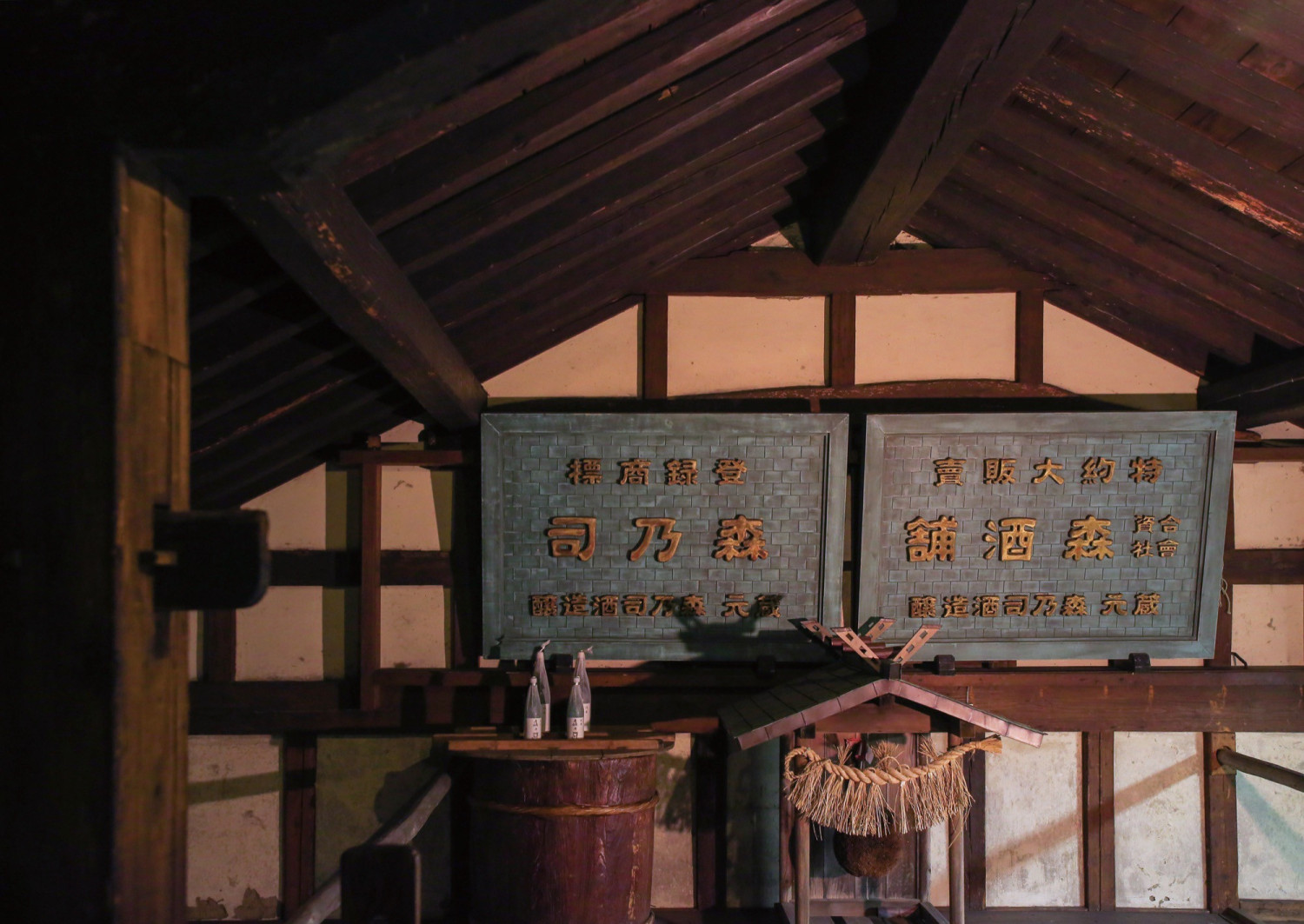
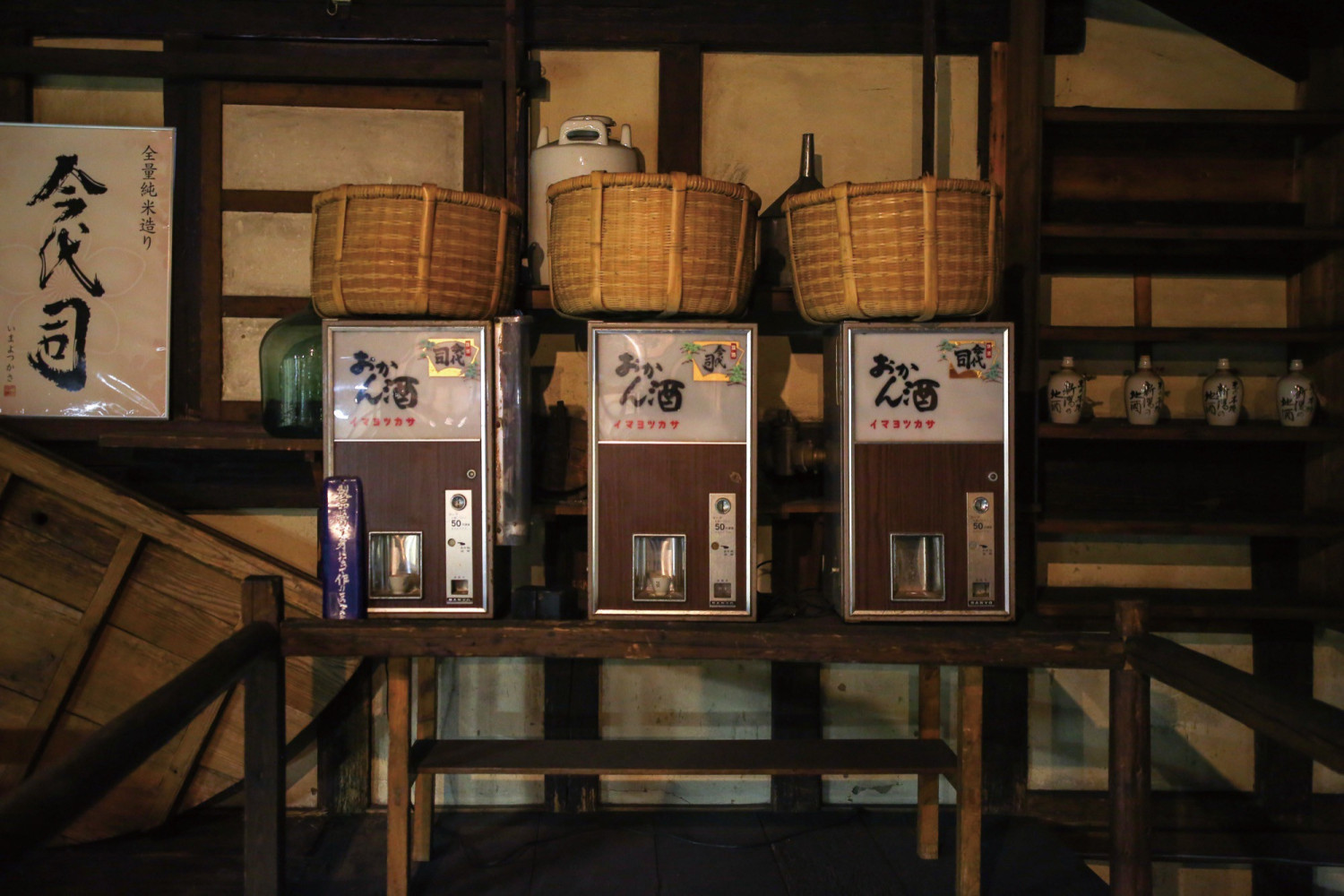
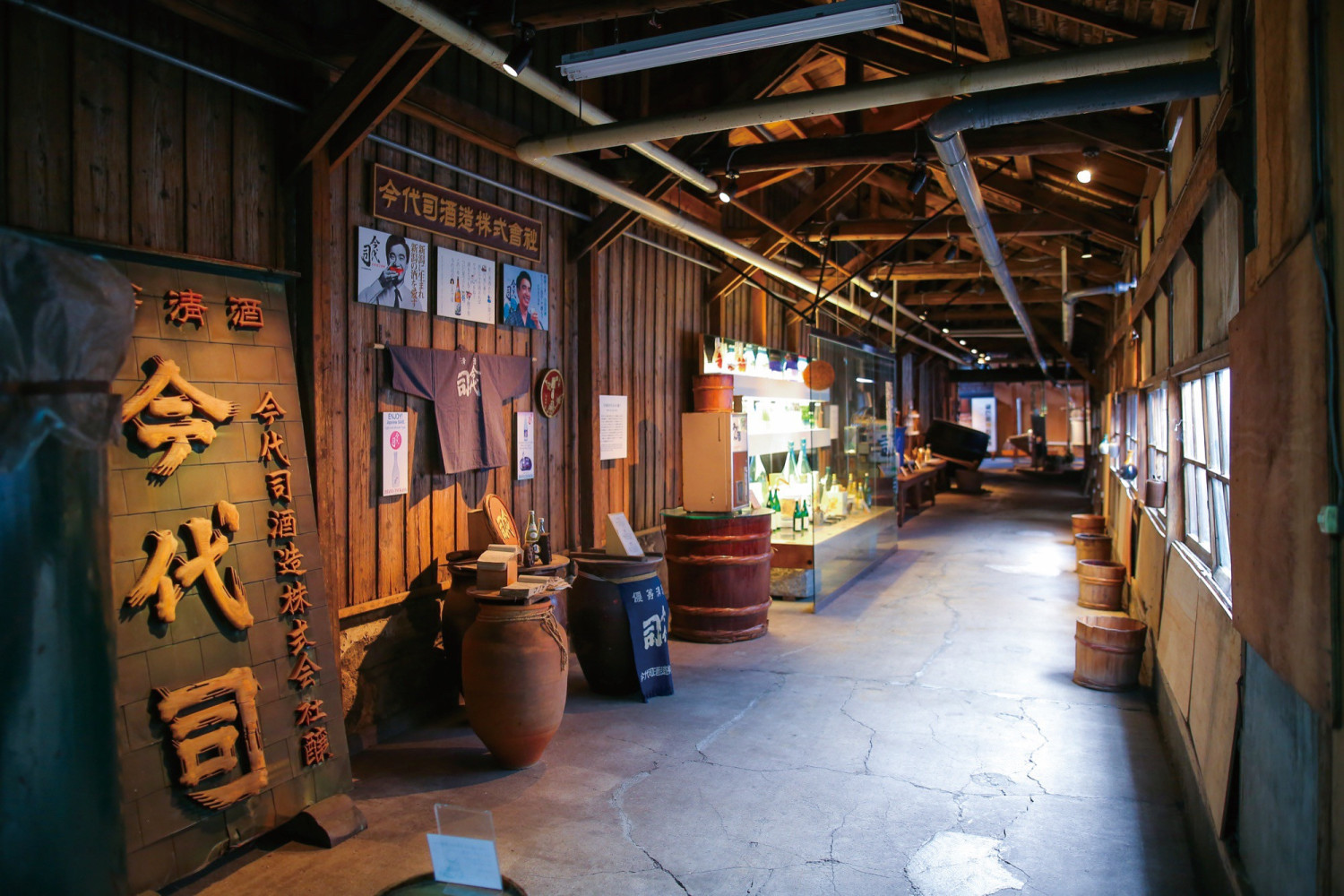
Good rice yields fine rice-based liquor. With 91 sake breweries (as of March 2026), Niigata Prefecture has the highest concentration in Japan. Among these is Imayo Tsukasa Sake Brewery, an urban sanctuary close to Niigata Station, with a heritage spanning over 250 years since founding in 1767. Beyond brewing, it hosts tours revealing sake production’s artistry while narrating the history of the region.
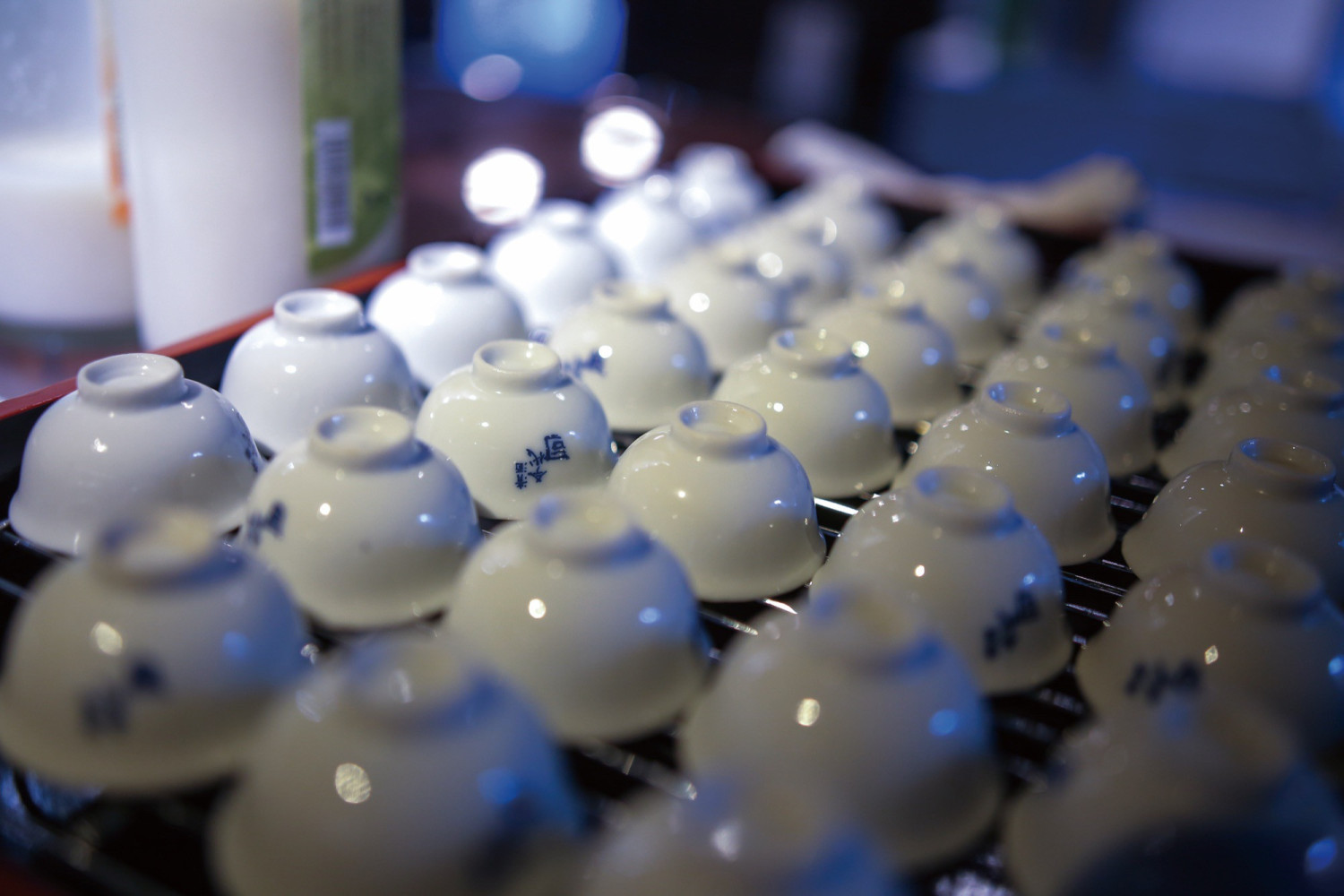
Touring the facility and viewing the historical tools reveal the intricate sake brewing processes. Guests can also enjoy an expansive array of sake tastings directly enriched by a master brewer’s commentary.
While Niigata teems with tasting venues, Ponshukan Complex offers unparalleled accessibility matched with incredible value. For ¥500, you can sample and compare a wide spectrum of Japanese sake from across Niigata. Located right inside the station, it’s the perfect place to make a quick stop.
Hoshitoge Terraced Rice Fields
The Magnificent Expanse of Shimmering Waters
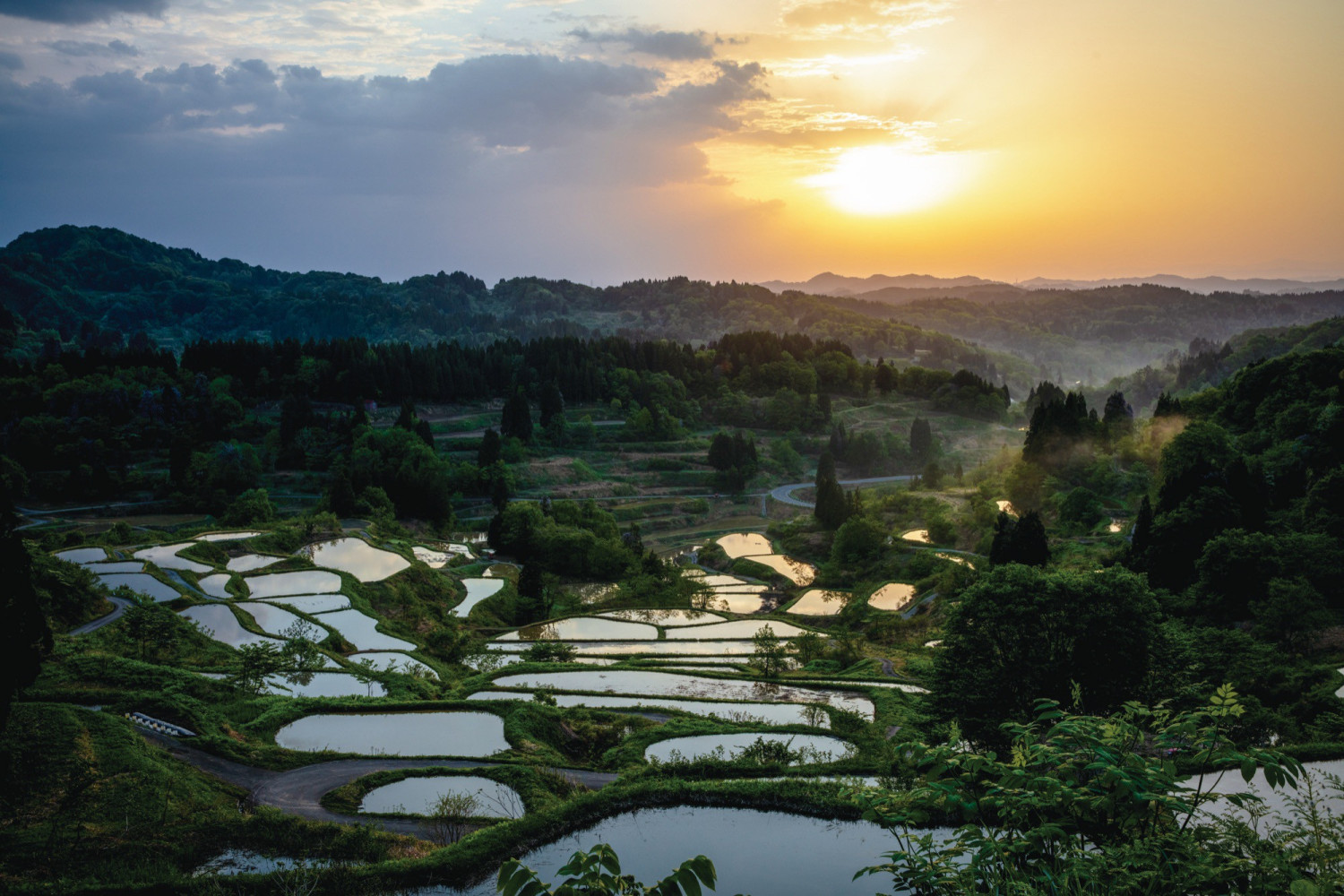
Niigata’s profound relationship with white shades does not stop at its snowy panoramas. In the Matsunoyama area of Tokamachi City lies the Hoshitoge Terraced Rice Fields, officially one of the “100 Most Beautiful Villages in Japan.” In periods when the paddies pool with water, a resplendent “water mirror” phenomenon unfolds, reflecting the sky back upon the earth. In the early morning, when a sea of clouds settles below the mountains, the terraces and mist come together to create an otherworldly landscape. Photographers flock here yearly to capture this moment, proving Niigata’s rice farming is as much about food culture as it is, itself, a work of art.
- Written by. Okamoto Yui
- Okamoto Yuiis a Japanese feature editor. She documents the stories woven into the nature, food and daily lives of local communities, and has been working on books related to these themes.
- Korean Air operates direct flights between Incheon and Niigata 7 times a week.